15 Winter Blonde Hair Ideas: Stunning Shades and Styles to Brighten Up Your Look This Season
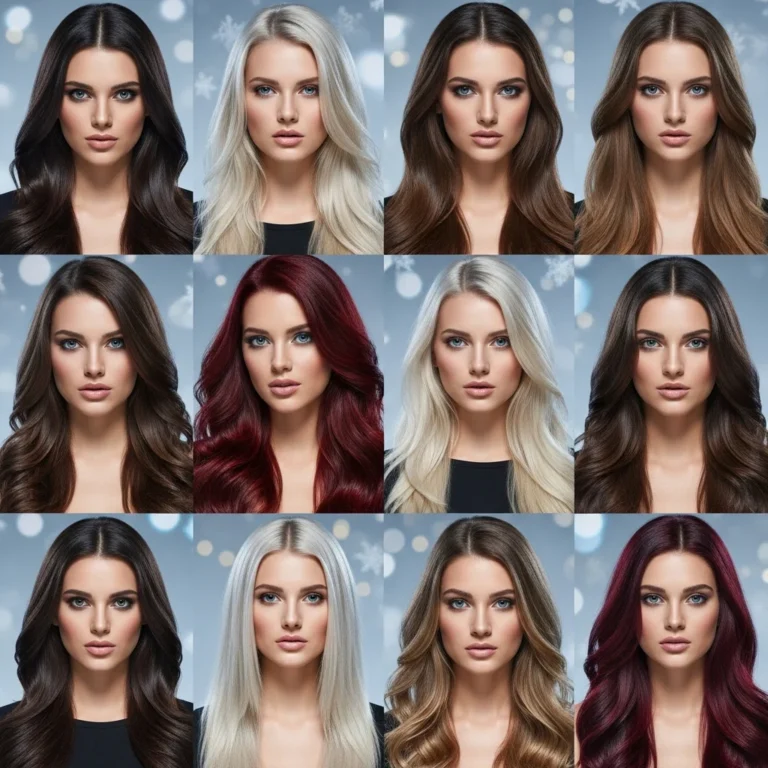
Winter Blonde Hair does not mean you need to abandon your blonde ambitions. While conventional wisdom once suggested going darker when temperatures drop, modern hair color techniques have revolutionized how we approach blonde hair during the colder months. Winter Blonde Hair has emerged as a sophisticated category all its own, offering everything from icy platinum perfection to warm honey tones that bring light to gray days.
The beauty of Winter Blonde Hair blonde lies in its versatility and depth. These shades work with the season rather than against it, incorporating cooler undertones, dimensional techniques, and low-maintenance approaches that let you embrace blonde hair without constant salon visits. Whether you prefer the dramatic contrast of rooty icy blonde or the subtle elegance of ash tones, winter provides the perfect backdrop for blonde hair that makes a statement.
This comprehensive guide explores fifteen stunning Winter Blonde Hair ideas that will transform your look and keep you glowing throughout the season. From techniques that minimize maintenance to shades perfectly suited for winter skin tones, you will discover the ideal blonde inspiration for your next color transformation.
Understanding Winter Blonde Hair Color
Winter Blonde Hair represents a specific approach to blonde coloring that acknowledges the season’s unique characteristics. The concept challenges the outdated notion that blonde hair must be abandoned when summer ends. Instead, it embraces techniques and tones that complement winter’s aesthetic while maintaining blonde vibrancy.
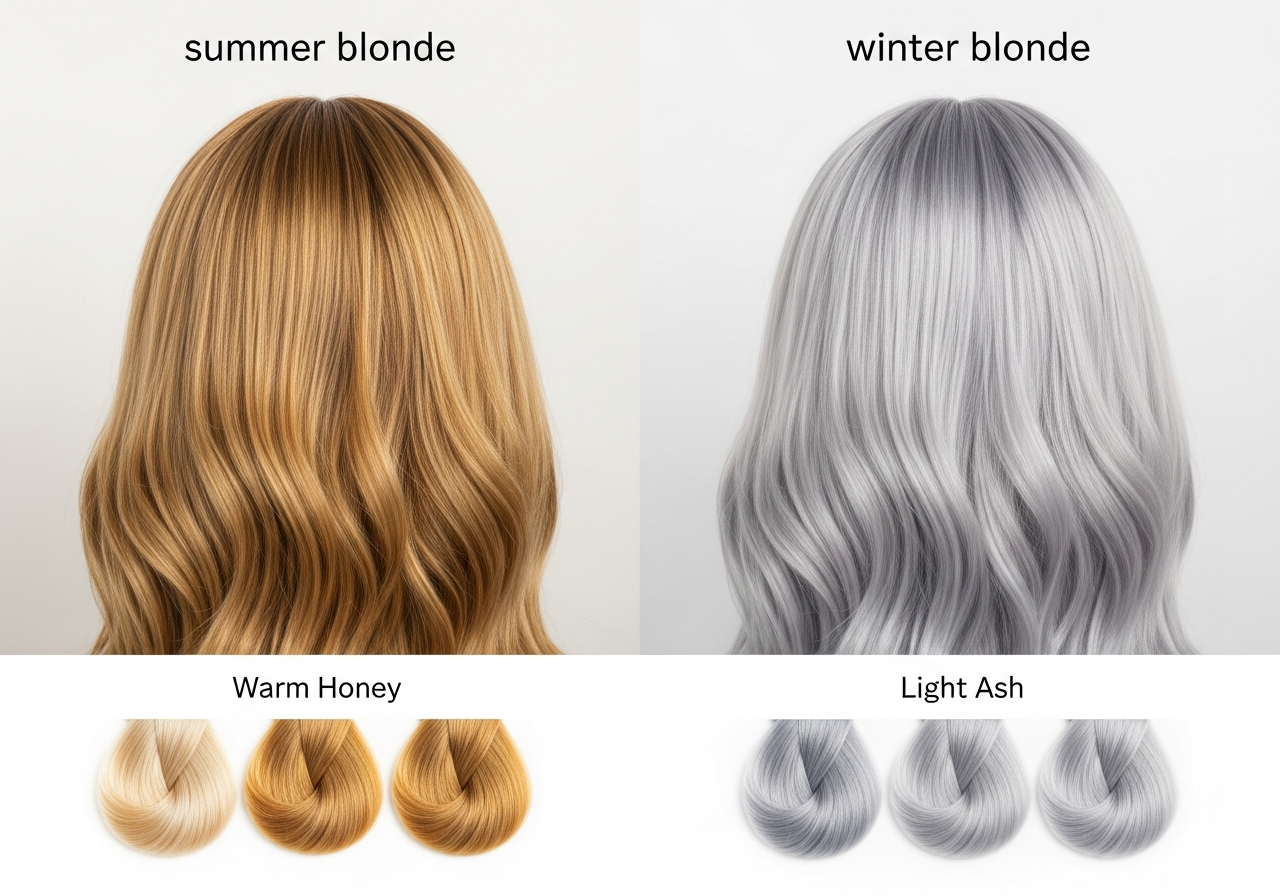
The defining characteristic of Winter Blonde Hair is its emphasis on cool undertones. While summer blondes often feature golden, honey, and warm caramel notes, winter blonde gravitates toward ash, platinum, pearl, and silvery hues. These cooler tones harmonize beautifully with winter’s natural light and provide striking contrast against Winter Blonde Hair fashion palettes.
Winter blonde also prioritizes dimension and depth. Rather than uniform, single-process color, these looks typically incorporate multiple tones that create movement and visual interest. Techniques like balayage, shadow roots, and lowlights add complexity that prevents blonde hair from appearing flat or one-dimensional during months when natural sunlight is limited.
Perhaps most importantly, Winter Blonde Hair emphasizes sustainability and low maintenance. Many Winter Blonde Hair styles feature darker roots that blend seamlessly into lighter ends, allowing for extended time between salon appointments. This lived-in approach acknowledges practical realities while delivering sophisticated results.

Cool-Toned Winter Blonde Hair Shades
Platinum Blonde Perfection
Platinum blonde stands as the ultimate cool-toned option for winter. This ultra-light shade features minimal yellow undertones, creating an almost white appearance that reflects light beautifully. Platinum blonde makes a bold statement and suits those ready to commit to regular maintenance, as this shade requires consistent toning to prevent brassiness.
The key to successful platinum blonde lies in professional application and ongoing care. Achieving true platinum typically requires multiple lightening sessions, especially for those with darker starting points. The process must be gradual to protect hair integrity. Once achieved, purple shampoo becomes essential for neutralizing any warm tones that develop between salon visits.
Platinum blonde works exceptionally well for individuals with cool skin undertones. The icy quality of this shade complements pink or blue undertones in the skin, creating a harmonious overall appearance. Those with warm skin tones can still wear platinum successfully by ensuring the colorist incorporates subtle neutral undertones rather than pure cool tones.
Ash Blonde Elegance
Ash blonde offers a more subtle approach to cool-toned Winter Blonde hair. This shade incorporates gray and silver undertones that create a muted, sophisticated appearance. Ash blonde reads as refined and understated, making it perfect for professional environments or those who prefer elegance over drama.
The versatility of ash blonde makes it accessible to many hair colors and types. Lighter brunettes can transition to ash blonde with less intensive processing than platinum requires. The resulting shade provides noticeable lightening while maintaining enough depth to look natural and avoid harsh maintenance schedules.
Ash blonde requires careful color balancing. Too much ash can appear dull or muddy, while insufficient ash leaves unwanted warmth. Skilled colorists layer various ash tones to create dimension, often incorporating slightly lighter ash pieces around the face for brightness. This technique ensures the color remains dynamic rather than flat.
Icy Blonde with Silver Undertones
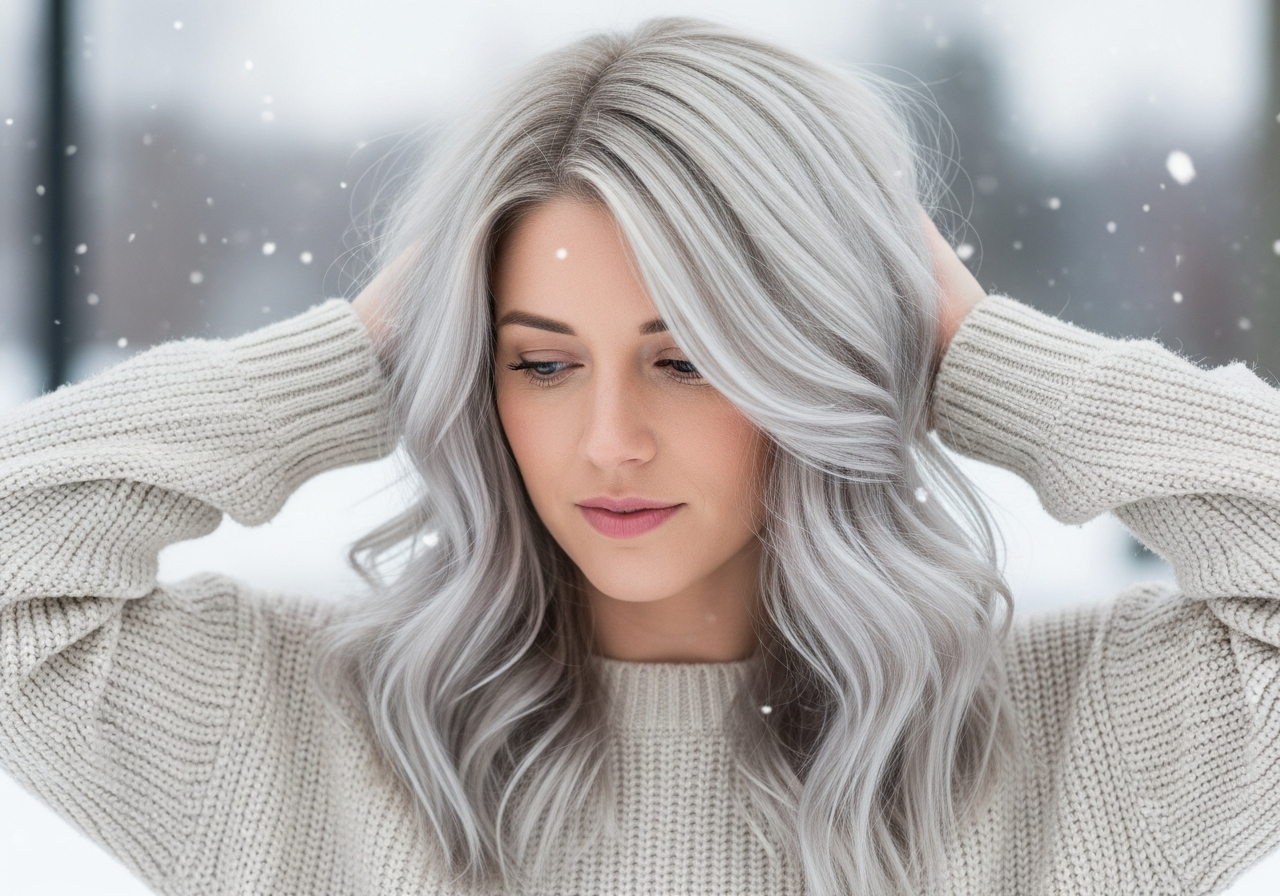
Icy blonde takes cool-toned color to crystalline levels. This shade blends white, silver, and pale blonde tones to create an ethereal, almost otherworldly appearance. The silvery quality gives hair a reflective, light-catching property that appears particularly striking during Winter Blonde Hair months.
Creating icy blonde requires extensive lightening followed by specialized toning. The hair must reach the palest yellow stage before silver and violet toners can transform it into true icy territory. This process demands professional expertise to achieve even results without compromising hair health.
Maintenance for icy blonde involves commitment but rewards effort with stunning results. Regular toning treatments keep the shade crisp and prevent any warmth from emerging. Many people with icy blonde incorporate color-depositing conditioners into their weekly routines to extend time between professional toning sessions.
Warm Winter Blonde Options
Honey Blonde Warmth
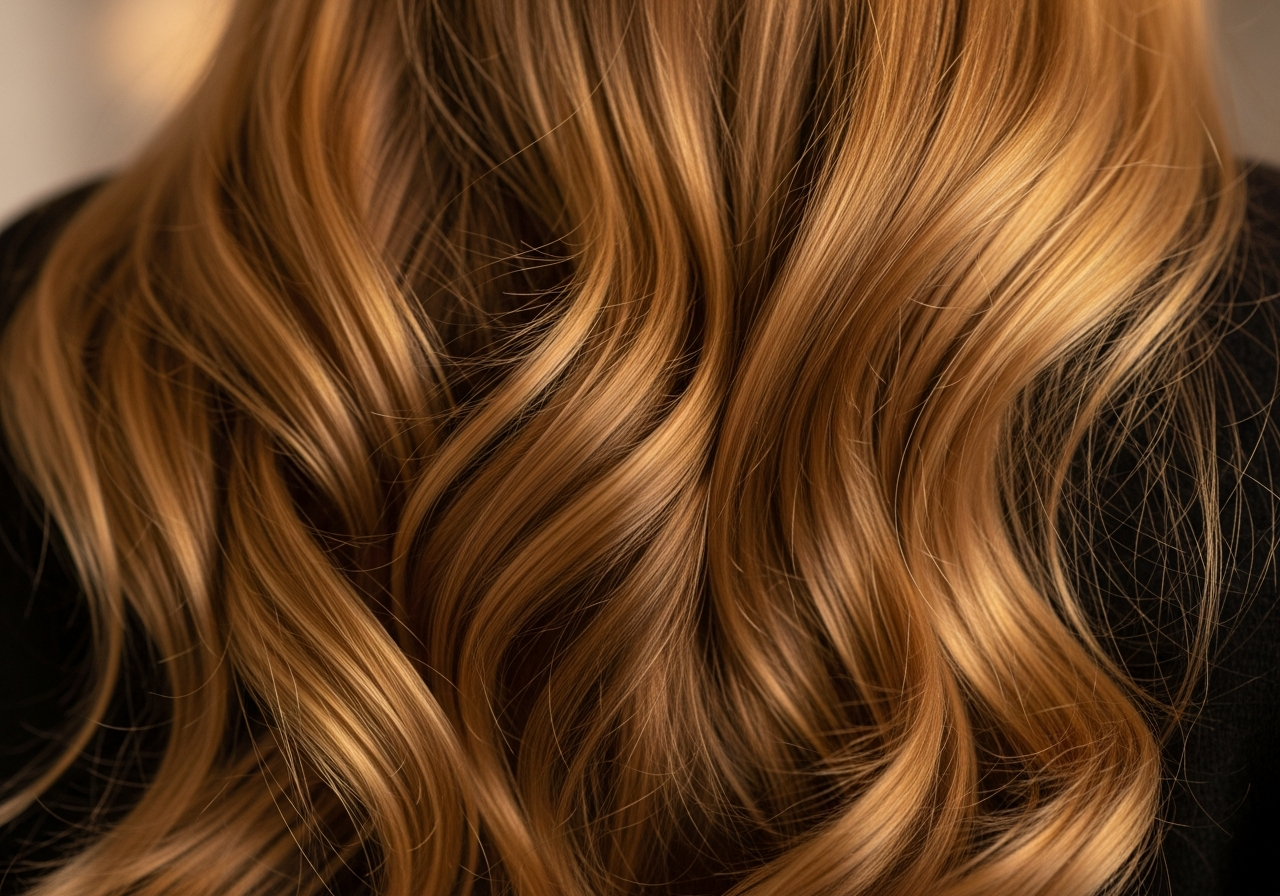
Honey blonde brings warmth to Winter Blonde Hair without sacrificing blonde appeal. This shade features golden undertones that add richness and depth while maintaining a bright, luminous quality. Honey blonde particularly suits those with warm or neutral skin undertones, as it enhances natural warmth rather than fighting against it.
The beauty of honey blonde lies in its forgiving nature. This shade tolerates slight variations in tone, making it more flexible for at-home maintenance than cooler blondes. The golden quality means that even if slight brassiness develops, it reads as intentional warmth rather than unwanted yellowing.
Honey blonde works beautifully with various application techniques. All-over honey color creates uniform warmth, while honey balayage adds dimension by concentrating color on mid-lengths and ends. Many colorists incorporate honey blonde as highlights through a slightly darker base, creating natural-looking depth and movement.
Champagne Blonde Sophistication
Champagne blonde occupies the sweet spot between warm and cool tones. This shade features beige and golden undertones with hints of pearl, creating a neutral blonde that flatters virtually all skin tones. The result resembles the effervescent quality of champagne, light and luminous with subtle complexity.
This versatile shade works particularly well for those transitioning between seasonal color preferences. Champagne blonde can lean slightly warmer or cooler depending on the specific formulation, allowing customization to individual preferences and skin tones. The neutral nature means it complements both warm Winter Blonde Hair clothing and cool-toned accessories.
Achieving champagne blonde requires careful balancing of warm and cool tones. Colorists typically lighten hair to a pale yellow base before applying toners that incorporate both golden and ash elements. The proportions of each determine whether the final result leans warmer or cooler while maintaining that signature champagne quality.
Buttery Blonde Richness
Buttery blonde delivers creamy, soft warmth that feels comforting during cold months. This shade features yellow and golden undertones that create a full-bodied blonde appearance. Buttery blonde appears particularly flattering on medium to fair skin tones with warm or neutral undertones.
The appeal of buttery blonde extends beyond its aesthetic qualities to practical considerations. This shade requires less intensive maintenance than cooler blondes because its warm base makes it more forgiving of slight color shifts. The richness of buttery blonde also helps hair appear healthier and more nourished, an important consideration during winter when environmental factors can compromise hair condition.
Buttery blonde pairs exceptionally well with dimensional coloring techniques. Rather than achieving one uniform shade, incorporating slightly lighter and darker buttery tones creates depth that prevents the color from appearing flat. This approach mimics natural hair variation and results in more lived-in, believable blonde.

Dimensional Winter Blonde Techniques
Shadow Root and Rooty Blonde
Shadow root technique has revolutionized blonde hair maintenance by intentionally leaving roots darker than the rest of the hair. This approach creates a graduated transition from natural root color to blonde ends, resulting in a low-maintenance style that grows out beautifully without harsh lines.
The shadow root technique particularly suits Winter Blonde Hair because it adds depth during months when hair might otherwise appear one-dimensional. The darker roots ground the overall look, preventing an overly light appearance that can sometimes wash out complexions in winter light. This contrast also adds visual interest that flat, all-over blonde lacks.
Creating effective shadow root requires skill in blending. The transition zone between dark roots and blonde lengths must appear seamless rather than obviously grown out. Colorists achieve this through various methods, including strategic highlighting near the root, using multiple toner shades, or hand-painting color to create gradual shifts.
Rooty blonde extends the shadow root concept by incorporating even more natural root depth. This style features darker roots that extend several inches before transitioning to blonde, creating maximum low-maintenance appeal. The result looks intentional and sophisticated rather than neglected, making it perfect for busy lifestyles.
Balayage Winter Blonde Hair
Balayage technique creates beautifully dimensional blonde through hand-painted highlights that mimic natural sun lightening. For winter blonde, balayage typically features cooler tones concentrated on mid-lengths and ends while leaving roots darker. This creates organic-looking dimension that appears effortless.
Winter balayage often incorporates multiple blonde shades rather than a single tone. A skilled colorist might weave together ash blonde, platinum pieces, and slightly warmer transitional tones to create complexity and movement. This multidimensional approach ensures the color remains interesting in various lighting conditions.
The placement of balayage highlights makes a significant difference in the final result. Face-framing pieces brighten the complexion and draw attention to facial features. Concentrating lighter pieces throughout the crown area creates the illusion of natural sun exposure. Strategic placement of darker lowlights adds depth that prevents the overall look from appearing flat.
Balayage maintenance requirements fall between full highlights and single-process color. The hand-painted nature means regrowth appears more natural, allowing longer intervals between salon visits. Most people with balayage can comfortably wait three to four months between color appointments, making it an economical choice for achieving complex blonde color.
Blonde Ombre and Color Melting
Ombre technique creates dramatic contrast by transitioning from dark roots to progressively lighter ends. Winter Blonde Hair ombre typically features cooler end tones, with icy blonde or platinum tips contrasting against darker roots. This high-impact look makes a statement while requiring minimal maintenance.
The key to successful ombre lies in the transition zone. Rather than an obvious line where dark meets light, skilled application creates a gradual fade that appears intentional. The midpoint often features transitional tones that bridge the gap between dark and light, ensuring a cohesive overall appearance.
Color melting takes ombre principles and creates even smoother transitions through multiple shades. Rather than simply going from dark to light, color melting incorporates intermediate tones that literally melt into each other. For Winter Blonde Hair, this might involve progressing from dark brown roots through caramel, then honey blonde, and finally to icy ends.
These techniques offer maximum creative freedom within the winter blonde category. The contrast between dark roots and light ends can be subtle or dramatic depending on personal preference. The low-maintenance nature makes them particularly practical for winter months when frequent salon visits become less convenient.

Face-Framing and Money Piece Highlights
Face-framing highlights concentrate lighter blonde pieces around the front of the hair, creating brightness that illuminates the complexion. This strategic placement draws attention to facial features while requiring minimal overall processing. For winter blonde, face-framing typically uses cooler tones that provide striking contrast against the rest of the hair.
The money piece technique takes face-framing to the next level by creating bold, chunky highlights on either side of the part. These prominent pieces make an immediate visual impact and frame the face dramatically. Money pieces can incorporate any blonde shade but winter versions often feature platinum or icy tones for maximum contrast.
Face-framing and money pieces offer an ideal entry point for those curious about blonde but hesitant to commit to all-over color. The concentrated placement means less hair requires processing, reducing both damage risk and maintenance requirements. These highlights can be refreshed every six to eight weeks while the rest of the hair remains untouched.
The versatility of face-framing techniques allows for customization based on face shape and personal style. Wider pieces create bold statements suitable for those who love attention-getting hair. Thinner, more subtle face-framing provides brightening effects without dramatic contrast. The technique can be combined with any base color, from dark brown to existing blonde.

Blonde with Lowlights for Winter Depth
Lowlights involve adding darker pieces throughout blonde hair to create depth and dimension. For winter blonde, lowlights typically feature cool-toned browns, ash tones, or even deeper blonde shades that contrast with lighter base color. This technique adds visual interest and prevents blonde from appearing flat or brassy.
The strategic placement of lowlights throughout blonde hair creates a multidimensional effect that appears natural and sophisticated. Rather than uniform color, the interplay between lighter blonde and darker lowlights mimics natural hair variation. This complexity ensures the color remains interesting in different lighting conditions, an important consideration during winter months with limited natural light.
Lowlights serve practical purposes beyond aesthetics. They help transition previously damaged or overly light hair back toward healthier-looking color without fully abandoning blonde. Lowlights also reduce overall maintenance by creating a more forgiving base that tolerates regrowth better than all-over blonde. The darker pieces mean roots blend more naturally as they grow out.
Winter lowlight colors typically emphasize cool undertones to maintain cohesion with cooler blonde shades. Ash brown, mushroom brown, and cool-toned caramel all work beautifully as lowlight options. These shades add depth without introducing warmth that might clash with platinum or ash blonde highlights.

Lived-In Winter Blonde
Lived-in color technique creates intentionally natural-looking blonde that appears to have grown into its current state. This approach prioritizes seamless blending over high-contrast sectioning, resulting in color that requires minimal maintenance while looking polished and intentional. Lived-in winter blonde typically features darker roots that gradually transition to lighter ends through subtle highlighting.
The philosophy behind lived-in color acknowledges that perfectly maintained hair color is neither realistic nor particularly desirable for many people. By creating color that looks beautiful at various stages of growth, lived-in techniques free clients from constant salon appointments. The technique particularly suits winter when reduced natural light makes subtle regrowth even less noticeable.
Achieving lived-in winter blonde requires colorist skill in creating gradual transitions. Rather than placing highlights in uniform patterns, the colorist works freehand to create organic variation throughout the hair. Some sections might feature more dimension while others remain closer to natural color. This irregular placement prevents the obvious striping that betrays traditional highlighting.
Maintenance for lived-in blonde involves occasional toning to refresh brightness and perhaps adding a few strategic highlights during touch-up appointments. Many people with lived-in color can extend four to six months between major color services, making it highly economical. The natural appearance also means grown-out color looks intentional rather than neglected.

Maintaining Winter Blonde Hair
Maintaining blonde hair during winter requires special attention to color preservation and hair health. Cold outdoor temperatures combined with indoor heating create challenging conditions that can compromise both color vibrancy and hair condition. Implementing proper care routines ensures winter blonde remains stunning throughout the season.
Purple shampoo serves as the foundation of blonde maintenance by neutralizing yellow and brassy tones. This toning shampoo contains violet pigments that counteract unwanted warmth, keeping cool-toned blondes looking fresh between salon visits. Most blondes benefit from using purple shampoo once or twice weekly, though those with very light or platinum hair might use it more frequently.
Hydration becomes critical for winter blonde maintenance. Bleaching and lightening processes inherently dry hair, and winter environmental factors compound this issue. Deep conditioning treatments should become weekly rituals rather than occasional indulgences. Look for products specifically formulated for color-treated hair, as these protect color while providing moisture.
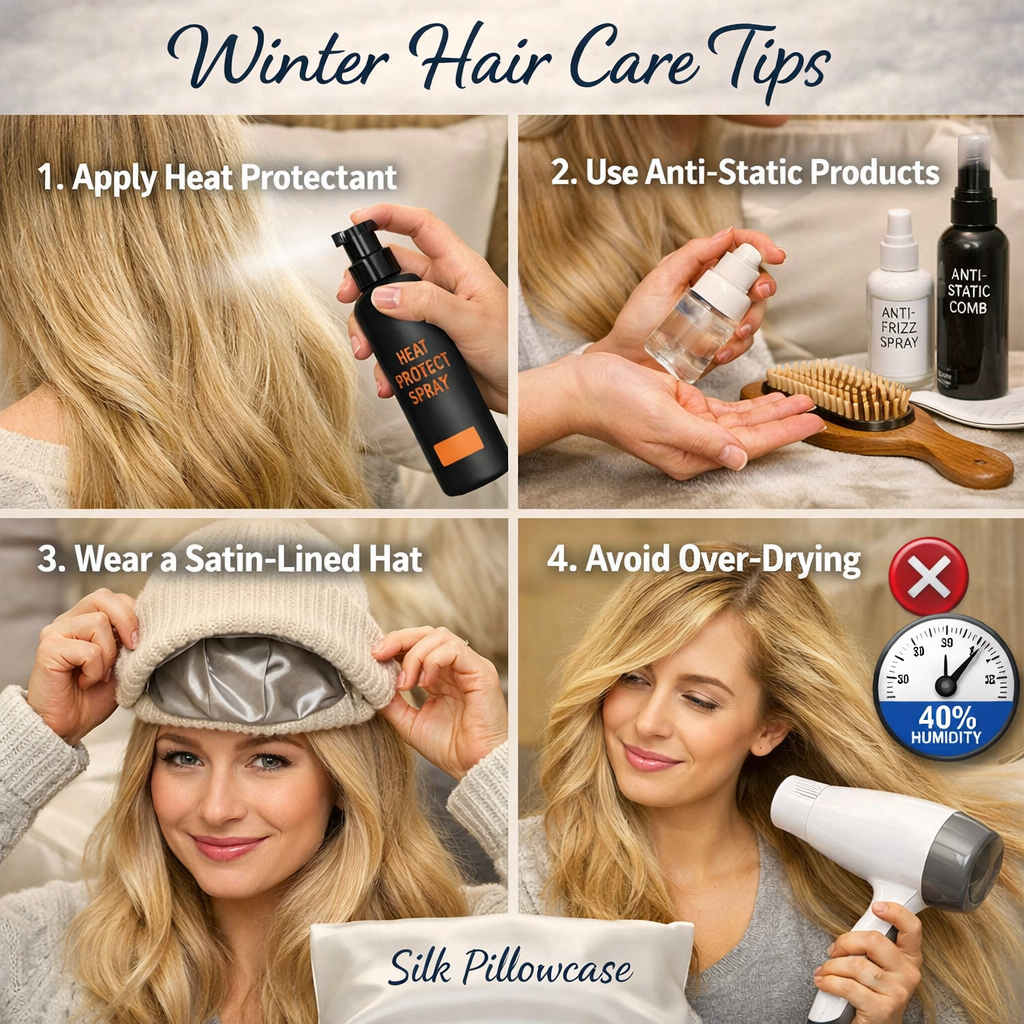
Heat protection takes on added importance during winter months. Many people increase heat styling frequency when battling humidity or trying to create sleek looks under winter hats. Always apply heat protectant products before using hot tools, and consider reducing heat settings to minimize damage. Air-drying when possible gives hair recovery time between heat styling sessions.
Professional toning treatments keep winter blonde looking salon-fresh between major color services. Many salons offer standalone toning appointments at lower cost than full color services. These treatments refresh blonde brightness, adjust undertones as needed, and revitalize color that has dulled over time. Scheduling toning every six to eight weeks maintains optimal color appearance.

Choosing Winter Blonde Based on Skin Tone
Selecting the most flattering winter blonde shade requires understanding your skin’s undertones. This fundamental consideration determines whether warm or cool blonde shades will enhance your natural coloring or create unflattering contrast. Taking time to identify undertones ensures your winter blonde investment delivers maximum impact.
Cool skin undertones feature hints of pink, red, or blue. People with cool undertones typically look better in silver jewelry than gold and find that jewel tones like emerald and sapphire are particularly flattering. For cool skin, platinum blonde, ash blonde, icy blonde, and pearl blonde provide the most harmonious results. These shades complement the cool quality of the skin rather than fighting against it.
Warm skin undertones show hints of yellow, peach, or golden tones. Those with warm undertones usually prefer gold jewelry and find that earth tones and warm colors are most flattering. Warm skin pairs beautifully with honey blonde, golden blonde, buttery blonde, and champagne blonde. These warmer shades enhance the natural warmth in the skin and create a cohesive, glowing appearance.
Neutral skin undertones show balanced elements of both warm and cool tones. People with neutral undertones have the greatest flexibility in choosing blonde shades because both warm and cool options can work well. This versatility allows experimentation with various winter blonde shades based on personal preference rather than strict undertone matching. Neutral undertones can successfully wear everything from platinum to honey blonde.
Beyond skin undertone, consider eye color when selecting winter blonde. Blue and green eyes often pop beautifully against cool platinum and ash tones, as the contrast creates striking visual interest. Brown eyes frequently look stunning with warmer blonde shades like honey and golden tones, though cool blondes can work equally well by creating dramatic contrast. The interplay between hair color and eye color should be considered alongside skin tone for optimal results.

Winter Blonde Hair Care Essentials
Proper winter blonde care requires specific products formulated to address the unique needs of lightened hair during cold months. Building a targeted hair care routine protects color investment and maintains hair health despite challenging seasonal conditions.
Color-safe shampoo and conditioner form the foundation of blonde care. These products contain gentle cleansing agents that remove buildup without stripping color. They typically include UV filters and color-preserving technology that extends the life of salon color. Sulfate-free formulations are particularly important for blonde hair, as harsh sulfates can accelerate color fading and increase dryness.
Weekly deep conditioning masks provide intensive moisture that regular conditioner cannot match. Look for masks specifically designed for blonde or color-treated hair, as these often contain toning agents alongside moisturizing ingredients. Applying deep conditioning treatments to damp hair and leaving them on for the full recommended time ensures maximum benefit. Some people enhance treatment effectiveness by covering hair with a shower cap and applying gentle heat.
Leave-in treatments offer ongoing protection between wash days. These products might include leave-in conditioners, hair oils, or serums that provide moisture, prevent breakage, and add shine. Apply leave-in products to damp hair after washing, focusing on mid-lengths and ends where blonde hair tends to be most fragile. These products create protective barriers that shield hair from environmental damage throughout the day.
Specialized blonde-enhancing products address the unique needs of lightened hair. Bond-building treatments help repair damage from bleaching and lightening processes. Glossing treatments add shine and seal the hair cuticle. Color-depositing masks maintain tone between salon visits. Building a rotation of these specialized treatments into your routine ensures blonde hair remains healthy and vibrant.
Winter Blonde Styling Tips
Styling winter blonde hair requires techniques that protect color while creating beautiful looks suitable for the season. Cold weather presents unique challenges including static, hat hair, and increased dryness that affect how blonde hair behaves and appears.
Minimizing heat styling protects both hair health and color vibrancy. When possible, embrace air-dried styles that work with your natural texture rather than fighting against it. For those whose hair air-dries beautifully, this approach saves time while reducing damage. When heat styling is necessary, always use thermal protection products and select the lowest effective temperature setting.
Static electricity becomes problematic during dry winter months, causing blonde hair to fly away and appear frizzy. Combat static by lightly misting hair with water or leave-in conditioner throughout the day. Dryer sheets can be carefully smoothed over hair in emergencies to reduce static. Using a humidifier in your home adds moisture to the air, reducing static electricity overall.
Protecting blonde hair under winter hats requires strategy. Silk or satin-lined hats reduce friction that causes breakage and frizz. Before donning a hat, ensure hair is completely dry, as wet hair covered by a hat can develop odd bends and creases. Consider hairstyles specifically suited to hat wearing, such as low ponytails or braids that remain intact under coverage.
Overnight protection extends the life of styled blonde hair and prevents damage. Sleeping on silk or satin pillowcases reduces friction that causes breakage and frizz. Securing long hair in a loose braid or low bun prevents tangling. Applying a small amount of hair oil to ends before bed provides overnight nourishment that improves morning manageability.
Transitioning to Winter Blonde
Successfully transitioning to winter blonde requires planning, realistic expectations, and often multiple salon appointments. Understanding the process helps set appropriate timelines and budgets while ensuring optimal results.
Initial consultation with a skilled colorist is essential before beginning any major blonde transformation. During this consultation, discuss your current hair condition, color history, and desired end result. The colorist will assess whether your goal is achievable and outline the process required. Be honest about your maintenance willingness and budget, as these factors should influence the recommended approach.
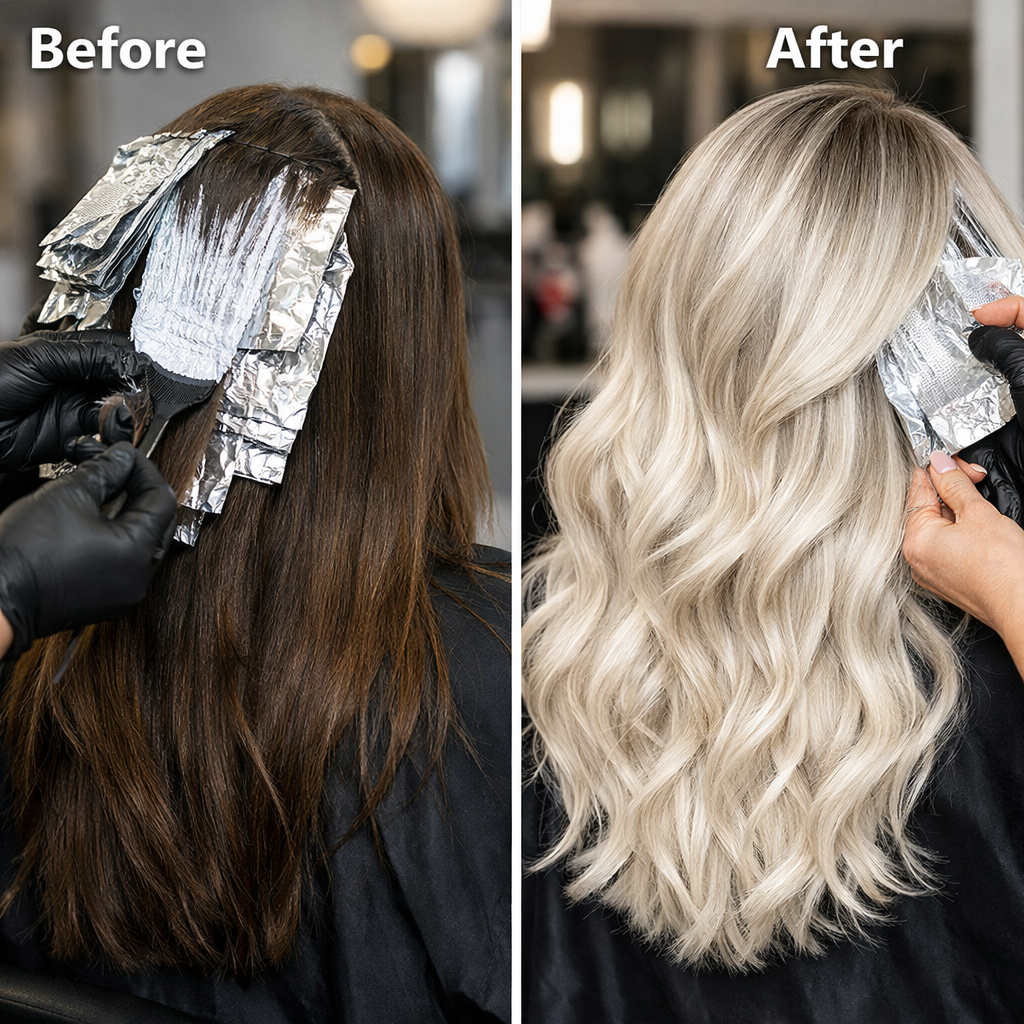
Gradual lightening protects hair integrity better than attempting dramatic transformation in a single session. Hair that starts dark brown or black may require three to five appointments spaced several weeks apart to reach pale blonde safely. Each session lifts hair gradually while allowing time for conditioning treatments between appointments. This patient approach prevents severe damage that could compromise hair health.
The financial investment in transitioning to winter blonde varies based on starting point and desired result. Initial lightening sessions typically cost more than maintenance appointments because they require more product and time. Budget for both the initial transformation and ongoing maintenance when planning your blonde journey. High-quality color services represent an investment that pays dividends in beautiful, healthy-looking results.
Preparing hair for blonde transformation begins weeks before your first appointment. Deep condition regularly to optimize hair health. Trim any damaged ends so the colorist works with the healthiest possible canvas. Avoid other chemical services like keratin treatments immediately before going blonde, as they can affect how hair responds to lightening.
Common Winter Blonde Mistakes to Avoid
Understanding common pitfalls helps you achieve and maintain beautiful winter blonde while avoiding damage and disappointing results. Learning from others’ mistakes saves both money and hair health.
Attempting major blonde transformation at home ranks among the most common mistakes. While box dye and at-home lightening kits are tempting for budget-conscious individuals, the risks far outweigh potential savings. Uneven color, excessive damage, and brassy results frequently require expensive professional correction. Complex blonde techniques like balayage and color melting require professional expertise that cannot be replicated at home.
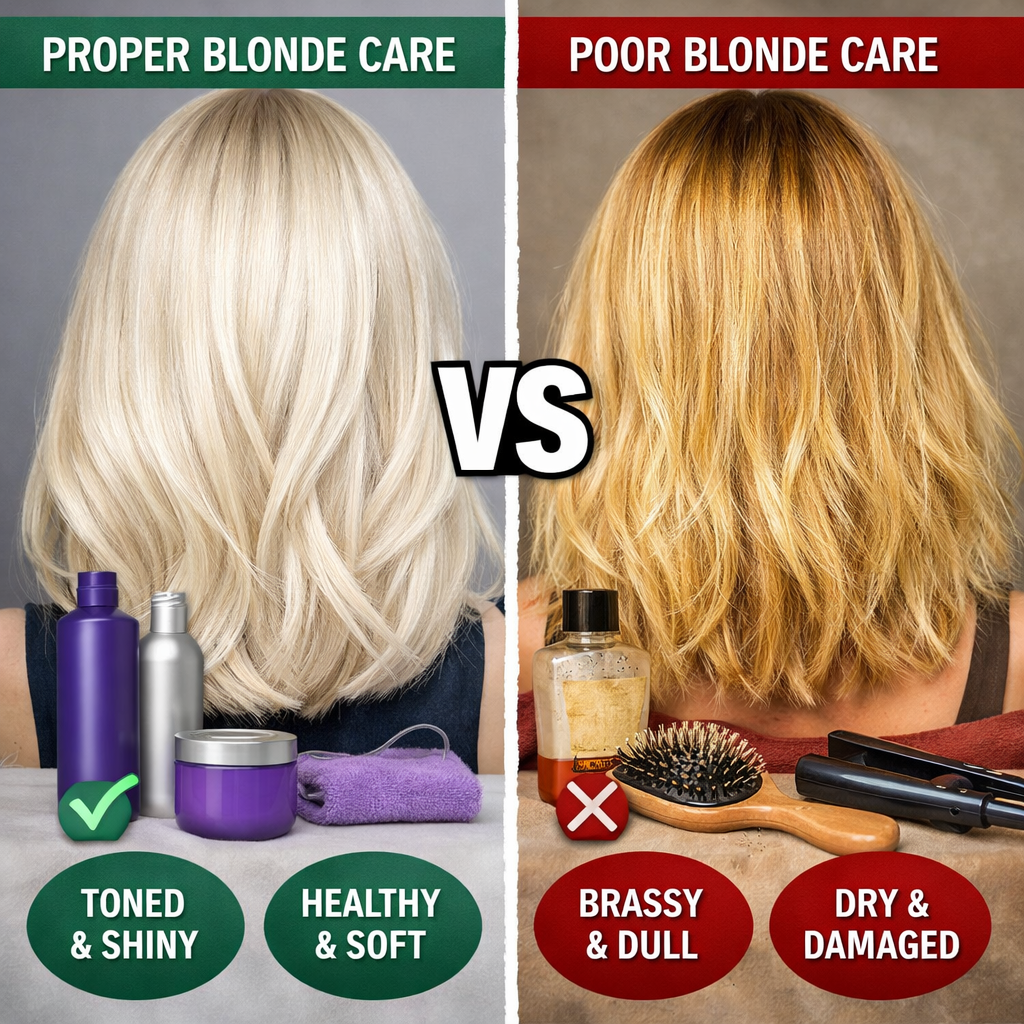
Neglecting toning allows blonde to turn brassy and yellow rather than maintaining desired cool or neutral tones. Many people invest in beautiful blonde color but fail to maintain it with proper toning products. Purple shampoo should be non-negotiable for anyone with blonde hair, particularly cool-toned winter blondes. Regular professional toning appointments prevent blonde from shifting too far from the intended shade.
Over-washing strips color and natural oils, leading to dryness and faster color fading. Many blondes wash hair daily out of habit rather than necessity. Extending time between washes to two or three days allows natural oils to condition hair while preserving color. Dry shampoo becomes essential for managing hair between wash days without water.
Skipping heat protection before styling tools leads to cumulative damage that becomes increasingly visible over time. Heat-damaged blonde hair appears fried, breaks easily, and loses its ability to hold color effectively. Every single time you use heat styling tools, apply thermal protection first. This simple step prevents much more serious damage that would eventually require cutting off affected hair.
Ignoring deep conditioning allows blonde hair to become brittle, prone to breakage, and difficult to style. Lightened hair requires intensive moisture that regular conditioner cannot provide. Weekly deep conditioning treatments should be non-negotiable parts of blonde maintenance routines. The time investment pays off in healthier, more manageable hair.

Professional vs. At-Home Winter Blonde Maintenance
Balancing professional salon services with at-home maintenance optimizes both results and budget. Understanding which aspects of winter blonde care require professional expertise and which you can handle independently helps create sustainable routines.
Initial color application and major transformations should always occur in professional settings. The expertise required to achieve even, beautiful blonde color while maintaining hair health cannot be replicated through at-home application. Colorists understand how different hair types respond to lightening products, can troubleshoot problems as they arise, and possess high-quality professional products unavailable to consumers.
Toning presents a gray area where both professional and at-home options exist. Professional toning treatments deliver superior results and last longer than at-home alternatives. However, purple shampoo and color-depositing conditioners provide acceptable at-home toning between professional appointments. Many people successfully maintain winter blonde through quarterly professional toning supplemented by weekly purple shampoo use.
Routine maintenance including washing, conditioning, and styling can absolutely be managed at home with proper products and techniques. Investing in high-quality, color-safe products makes at-home maintenance more effective. Following proper techniques like using lukewarm rather than hot water, applying conditioner primarily to ends, and protecting hair from heat damage ensures at-home care supports rather than undermines professional color.
Knowing when to seek professional help prevents minor issues from becoming major problems. If blonde begins looking significantly brassy despite purple shampoo use, professional toning is needed. If hair feels increasingly dry and brittle, a professional deep conditioning treatment or bond-building service might be necessary. If you notice uneven fading or color that no longer flatters your skin tone, consult your colorist about adjustments. Professional intervention at appropriate times protects your color investment and maintains hair health.

Winter Blonde Hair Inspiration and Ideas
Finding inspiration for your winter blonde transformation helps communicate your vision to colorists and ensures you select a shade and technique that aligns with your personal style. Gathering visual references creates clarity around your goals.
Celebrity Winter Blonde Hair looks provide abundant inspiration. Actresses, models, and influencers frequently showcase various blonde shades and techniques that translate well to real-world wear. When gathering celebrity inspiration, look beyond the specific shade to consider the technique used. Notice whether the look features all-over color, balayage, highlights, or other methods. Pay attention to how much root depth is visible and whether the overall appearance is high-maintenance or more lived-in.
Social media platforms offer endless winter blonde inspiration. Instagram and Pinterest feature countless blonde transformation photos showcasing various techniques and shades. When browsing inspiration, save images that resonate with your aesthetic preferences. Look for images of people with similar coloring to yours, as this provides more realistic expectation of how certain shades might look on you.
Seasonal fashion and beauty trends influence winter blonde preferences. Pay attention to which blonde shades appear frequently in winter fashion editorials, runway shows, and beauty campaigns. These trends reflect what professional colorists see clients requesting and what’s currently considered fashion-forward. While trends shouldn’t dictate your choice entirely, they provide context for current blonde aesthetics.
Creating a personalized inspiration collection helps clarify your vision. Gather five to ten images that represent your ideal Winter Blonde Hair. Include variety showing the color in different lighting conditions and styled various ways. Bring this collection to your consultation appointment so your colorist understands exactly what you hope to achieve. Visual references communicate more effectively than verbal descriptions alone.
Conclusion
Winter blonde offers remarkable versatility, encompassing everything from icy platinum to warm honey tones. The fifteen ideas presented here demonstrate that blonde hair thrives during winter months when approached with appropriate techniques and maintenance. Whether you prefer low-maintenance lived-in color or high-impact platinum perfection, winter blonde can be customized to suit your lifestyle, preferences, and natural coloring.
Success with Winter Blonde Hair requires partnership between skilled professional colorists and committed at-home maintenance. Investing in quality color services and proper care products protects your investment while ensuring your blonde remains vibrant and healthy throughout the season. Understanding your skin tone, selecting appropriate shades, and maintaining realistic expectations about the process and maintenance requirements sets you up for blonde success.
Winter provides the perfect opportunity to embrace blonde hair in new ways. Cooler tones complement the season’s aesthetic, dimensional techniques add depth that flatters in winter light, and low-maintenance approaches acknowledge the practical realities of cold-weather living. Whether transitioning from darker hair or refreshing existing blonde, Winter Blonde Hair techniques offer stunning options that brighten dark days and showcase your personal style. Embrace the season with confidence, knowing that blonde hair can be just as spectacular in winter as in summer.
Frequently Asked Questions
What is winter blonde hair color?
Winter Blonde Hair refers to blonde shades and techniques specifically suited to the colder months, typically featuring cooler undertones like ash, platinum, and icy tones, or incorporating low-maintenance techniques like shadow roots and balayage that work well during winter when salon visits may be less frequent.
How do I maintain blonde hair in winter?
Maintain Winter Blonde Hair by using purple shampoo weekly to prevent brassiness, deep conditioning regularly to combat dryness from cold weather and indoor heating, protecting hair from heat styling with thermal products, and scheduling professional toning treatments every six to eight weeks to keep color fresh and vibrant.
Can I go blonde in winter?
Yes, winter is an excellent time to go blonde. Indoor salon visits are comfortable year-round, and winter’s reduced sun exposure can actually benefit newly lightened hair. Cooler blonde shades particularly suit winter aesthetics, and lower maintenance techniques like rooty blonde or lived-in color work perfectly during colder months.
What blonde shade suits my skin tone?
Cool skin undertones with pink or blue hints look best in platinum, ash, and icy blonde shades. Warm skin undertones with yellow or golden hints suit honey, golden, and buttery blonde tones. Neutral undertones can wear both warm and cool blonde shades successfully, offering maximum versatility in choosing Winter Blonde Hair colors.
How often should I tone my blonde hair?
Professional toning should occur every six to eight weeks to maintain optimal blonde color and prevent brassiness. Between professional appointments, use purple shampoo once or twice weekly for cool-toned blondes or color-depositing conditioners as needed to refresh and maintain your specific shade at home.
More inforemation about : 15 Stylish Winter Hair Braids