20+ Vintage Valentine Decorations for Timeless Charm
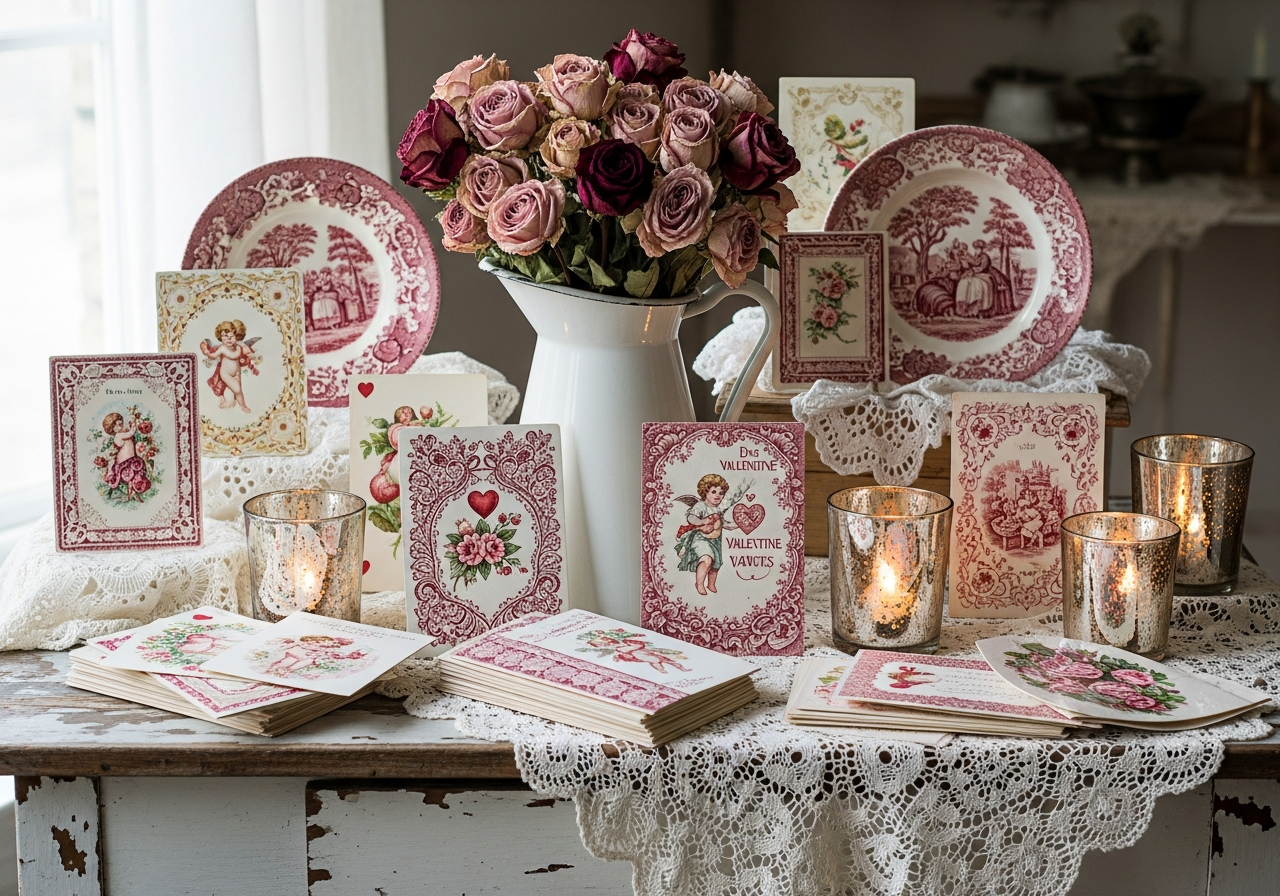
Valentine’s Day decorating has evolved considerably over the decades, but nothing quite captures the romance and nostalgia of vintage Valentine decorations. These timeless pieces transform ordinary spaces into enchanting displays that celebrate love with authentic character and old-world charm. Unlike modern commercial decorations that often feature bright plastics and generic designs, vintage Valentine decor offers a sophisticated aesthetic rooted in craftsmanship, delicate details, and heartfelt sentimentality.
The beauty of vintage Valentine decorations lies in their ability to transport you to another era. Whether you’re drawn to Victorian elegance, the whimsy of 1940s designs, or the kitsch appeal of mid-century graphics, incorporating vintage elements into your February decor creates an atmosphere that feels both celebratory and deeply personal. Each antique piece carries its own story, adding layers of meaning to your holiday display that mass-produced items simply cannot replicate.
This comprehensive guide explores over twenty vintage Valentine decoration ideas that will help you create a timeless, romantic ambiance in your home. From authentic antiques to vintage-inspired reproductions, these decorating concepts work beautifully whether you’re a seasoned collector or just beginning to appreciate the charm of bygone eras.
Understanding the Vintage Valentine Aesthetic
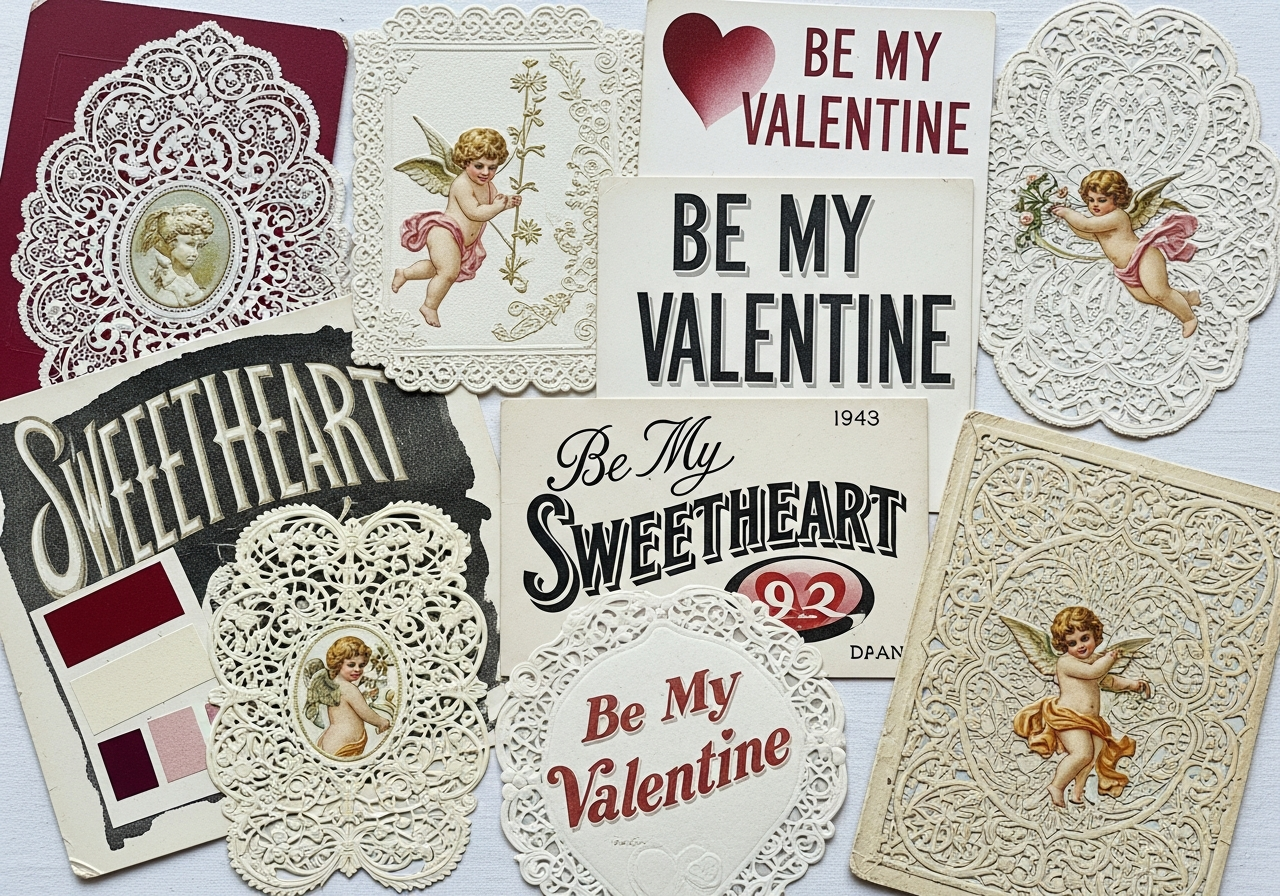
The vintage Valentine aesthetic encompasses several distinct periods, each with recognizable characteristics. Victorian-era decorations featured elaborate paper lace, embossed details, hand-painted cherubs, and gilded accents. These ornate pieces often included multiple layers creating three-dimensional effects that showcased exceptional craftsmanship. German and Austrian manufacturers perfected mechanical Valentine cards during the early 1900s, introducing moving parts and complex paper engineering that remains impressive today.
The 1940s through 1960s brought a different sensibility to Valentine decorations. This mid-century period embraced bold graphics, saturated colors, and playful imagery featuring everything from anthropomorphic animals to space-age characters. The charm of these decades lies in their unabashed cheerfulness and creative typography, making them highly collectible among vintage enthusiasts.
When creating a vintage Valentine display, color selection proves crucial. Traditional vintage palettes favor muted tones rather than the bright, saturated hues common in contemporary decorations. Think burgundy instead of cherry red, blush pink rather than hot magenta, and soft cream tones paired with antique white. These sophisticated color choices immediately elevate your decorating scheme, creating visual harmony that feels both elegant and authentic to historical periods.

Classic Vintage Valentine Cards
Authentic vintage Valentine cards serve as the cornerstone of period-appropriate decorating. These paper treasures date from various eras, with some antique examples reaching back to the 1840s when Esther Howland, known as the Mother of American Valentines, began mass-producing elaborate greeting cards in her Massachusetts kitchen. Her designs featured intricate paper lace, sentimental verses, and layered construction that set the standard for romantic correspondence.
Displaying vintage Valentine cards requires thoughtful presentation. Create a charming vignette by tucking individual cards into the shelves of an antique hutch surrounded by other vintage treasures. Alternatively, suspend cards from decorative ribbon using small clothespins for a casual, cottage-inspired look that works beautifully in kitchens or craft rooms. For a more formal presentation, frame particularly special cards in vintage wooden frames or shadow boxes that protect the fragile paper while allowing you to enjoy the artwork year-round.
When sourcing authentic vintage cards, explore antique malls, estate sales, and online marketplaces. Cards from the 1940s through 1960s remain relatively affordable and abundant, typically ranging from two to ten dollars depending on condition and rarity. Victorian-era cards and elaborate mechanical designs command higher prices but offer unparalleled visual impact. If authentic antiques exceed your budget, high-quality reproductions capture the vintage aesthetic at a fraction of the cost while still delivering that nostalgic charm.
Victorian Lace and Doilies
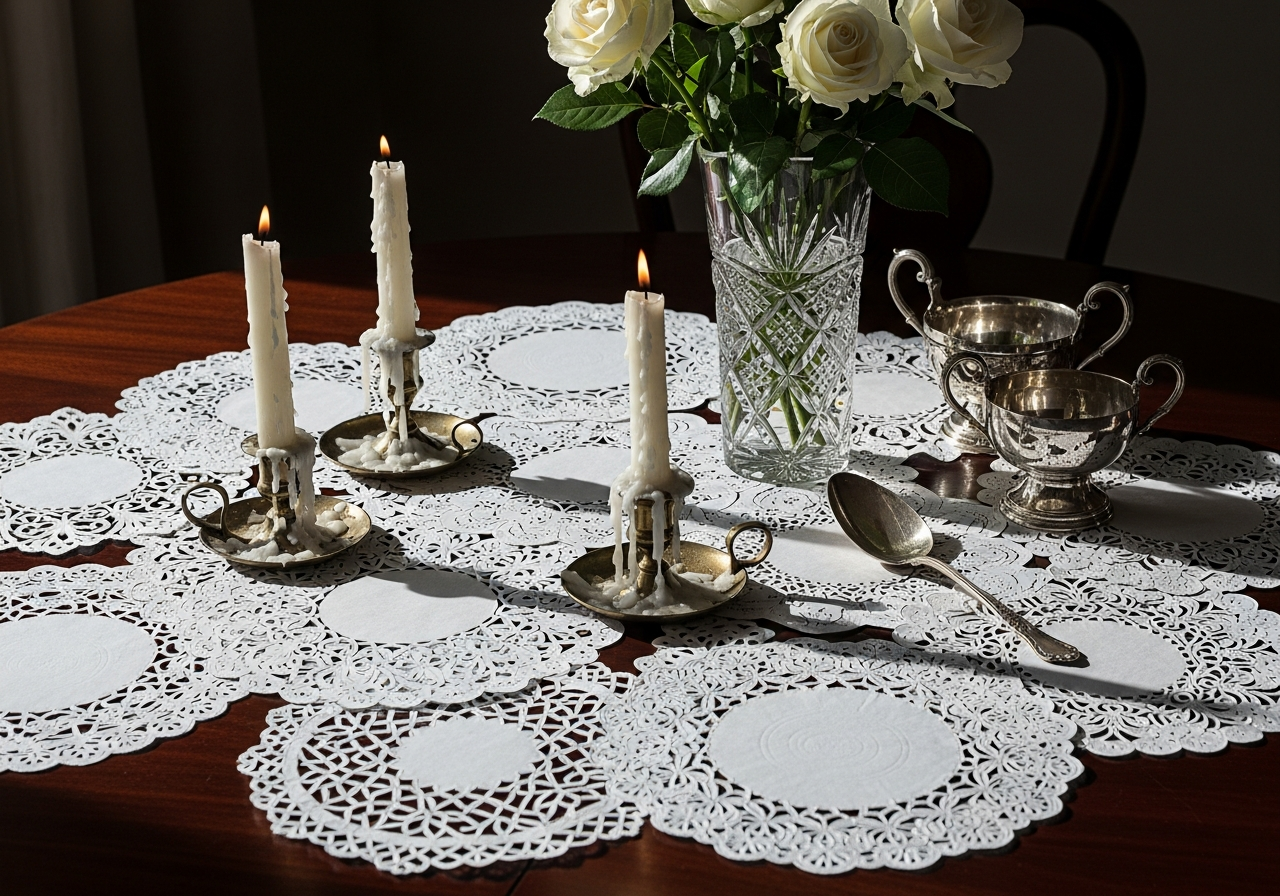
Paper lace doilies epitomize Victorian romantic sensibility and integrate seamlessly into vintage Valentine displays. These delicate decorative elements originated in 19th-century Europe, where they adorned everything from Valentine cards to calling cards. Their intricate cutwork patterns evoke femininity, refinement, and attention to detail characteristic of the era.
Incorporate paper doilies into your Valentine decorating by layering them beneath candles, small potted plants, or vintage figurines. This simple technique adds instant Victorian charm while protecting furniture surfaces. Create an elegant table runner by overlapping multiple doilies down the center of your dining table, alternating sizes for visual interest. The romantic effect pairs beautifully with antique transferware dishes, vintage silver, and fresh roses arranged in cut crystal vases.
For wall decor, frame individual doilies in coordinating vintage frames to create an unexpected gallery wall. Choose frames in varying sizes and finishes, arranging them asymmetrically for an collected-over-time appearance. This approach works particularly well in bedrooms, powder rooms, or intimate seating areas where you want to establish a romantic mood without overwhelming the space with bold Valentine motifs
 .
.
Heart-Shaped Vintage Cake Pans
Vintage heart-shaped cake pans offer practical decorating versatility that extends well beyond their original baking purpose. These tin treasures, particularly those manufactured between the 1930s and 1960s, feature wonderful patina and charming proportions that make them ideal display pieces. Their three-dimensional form adds architectural interest to flat surfaces while their recognizable shape clearly communicates Valentine sentiment.
Display cake pans by filling them with seasonal botanicals such as dried lavender, preserved roses, or bundles of cinnamon sticks tied with vintage ribbon. Stack multiple pans of varying sizes to create a sculptural centerpiece, tucking small vintage postcards or reproduction Valentine greetings between the layers. Position a single large cake pan on an easel for vertical display, filling it with a collection of vintage buttons, old jewelry pieces, or handwritten love letters for a deeply personal touch.
Exercise caution when purchasing vintage cake pans, as newer reproductions flood the market at inflated prices. Authentic vintage pans show wear consistent with age, including minor rust spots, uneven surfaces, and weight appropriate to older manufacturing methods. Examine seams and construction quality, as true vintage pieces demonstrate hand-soldered connections rather than modern spot welding. When shopping online or at antique venues, compare prices across multiple sources to ensure you’re paying appropriate values for genuine vintage items rather than recently manufactured lookalikes.
Antique Transferware and Ironstone
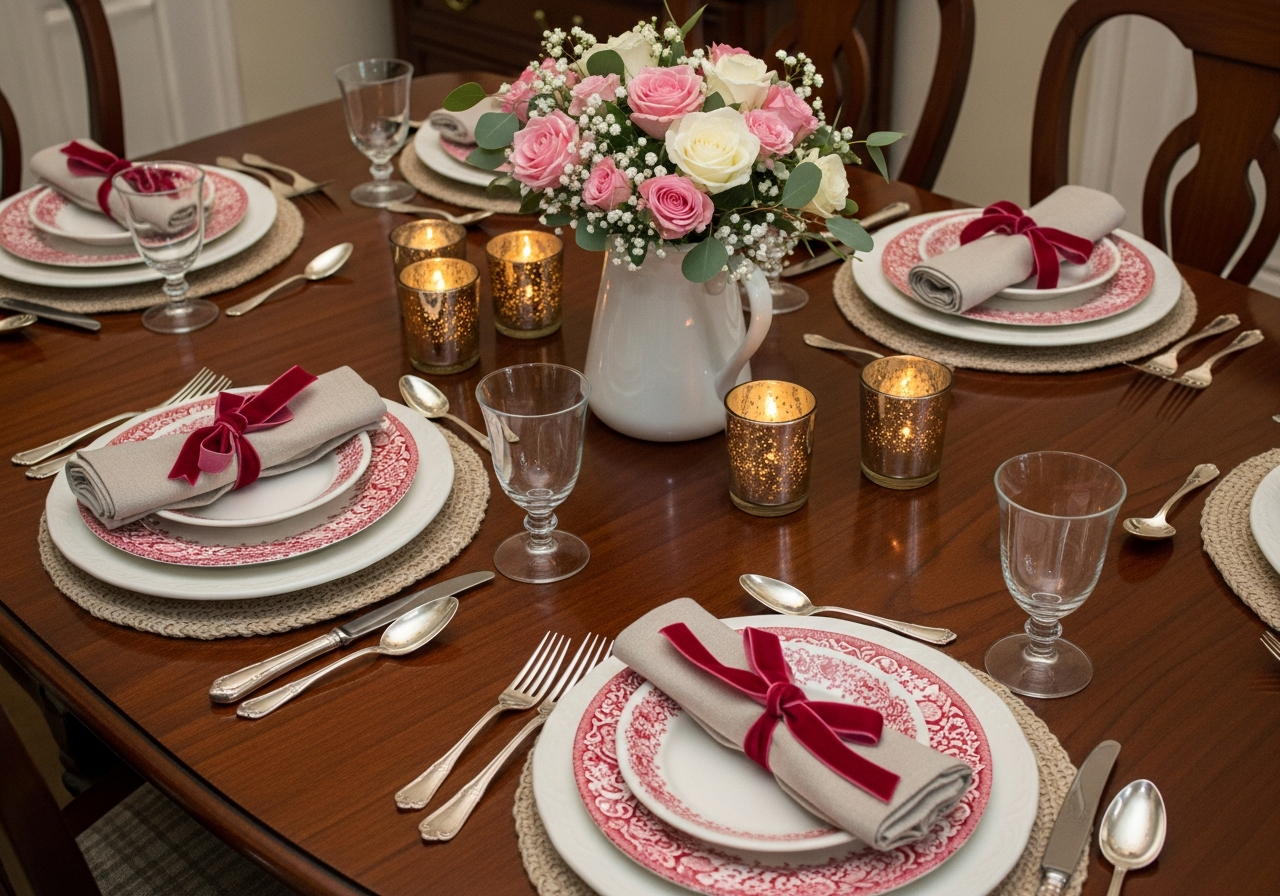
Red transferware and vintage ironstone dishes provide elegant foundation pieces for Valentine tablescapes and vignettes. Transferware manufacturing flourished during the 19th and early 20th centuries, with red patterns proving particularly popular for their bold visual impact. These dishes feature intricate patterns transferred onto ceramic surfaces through specialized printing techniques, creating detailed scenes or decorative motifs that remain sharp and clear despite decades of use.
White ironstone represents another collecting category perfectly suited to Valentine decorating. Its thick, durable construction and creamy white finish create stunning contrast when paired with red accents, vintage lace, and romantic florals. The neutral palette allows ironstone to transition easily between holiday displays, making it a practical investment for those who prefer versatile decorating pieces over single-purpose items.
Build your Valentine tablescape by layering dishes of varying sizes, mixing transferware chargers with ironstone dinner plates and delicate dessert dishes. Incorporate vintage silver flatware, linen napkins tied with velvet ribbon, and mercury glass votives for candlelight. Fill small ironstone pitchers with pink and white roses, allowing some stems to cascade naturally for an artfully undone appearance. The combination creates sophisticated elegance that honors historical dining traditions while feeling fresh and romantic for contemporary celebrations.
Vintage Valentine Postcards
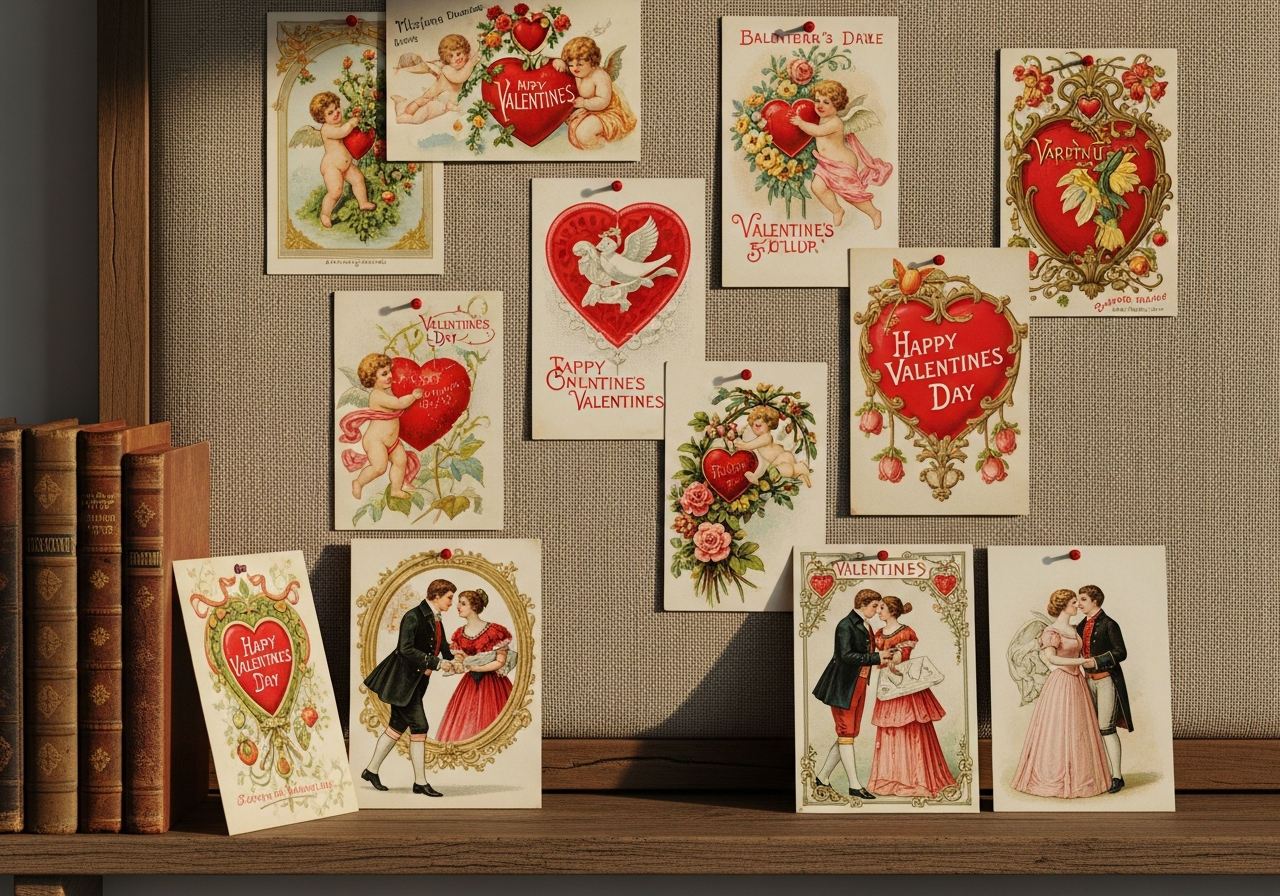
Antique Valentine postcards represent an accessible entry point for collectors interested in vintage ephemera. These miniature works of art flourished during the postcard golden age spanning roughly 1900 to 1920, when elaborate greeting cards traveled through the mail for mere pennies. Valentine postcards from this era showcase beautiful lithographic printing, embossed details, and sentimental imagery ranging from cupids and hearts to elaborate floral arrangements.
Create visual interest by displaying postcards in unexpected ways throughout your home. Lean a collection against books on library shelves, creating casual arrangements that invite closer inspection. Pin postcards to a fabric-covered bulletin board using decorative thumbtacks, arranging them in heart shapes or simple grid patterns. Tuck individual cards into the frames of existing wall mirrors or artwork for surprising pops of vintage Valentine charm that guests discover gradually.
For a more permanent display, mount postcards on coordinating cardstock and arrange them in a large frame with multiple openings, creating a curated collection piece. This approach protects fragile paper while allowing you to enjoy multiple designs simultaneously. Choose postcards with complementary color schemes and vary the imagery between romantic couples, floral studies, and whimsical motifs for balanced composition. Such displays become conversation pieces that showcase your collecting interests while anchoring your vintage Valentine decorating scheme.
Shabby Chic Painted Elements
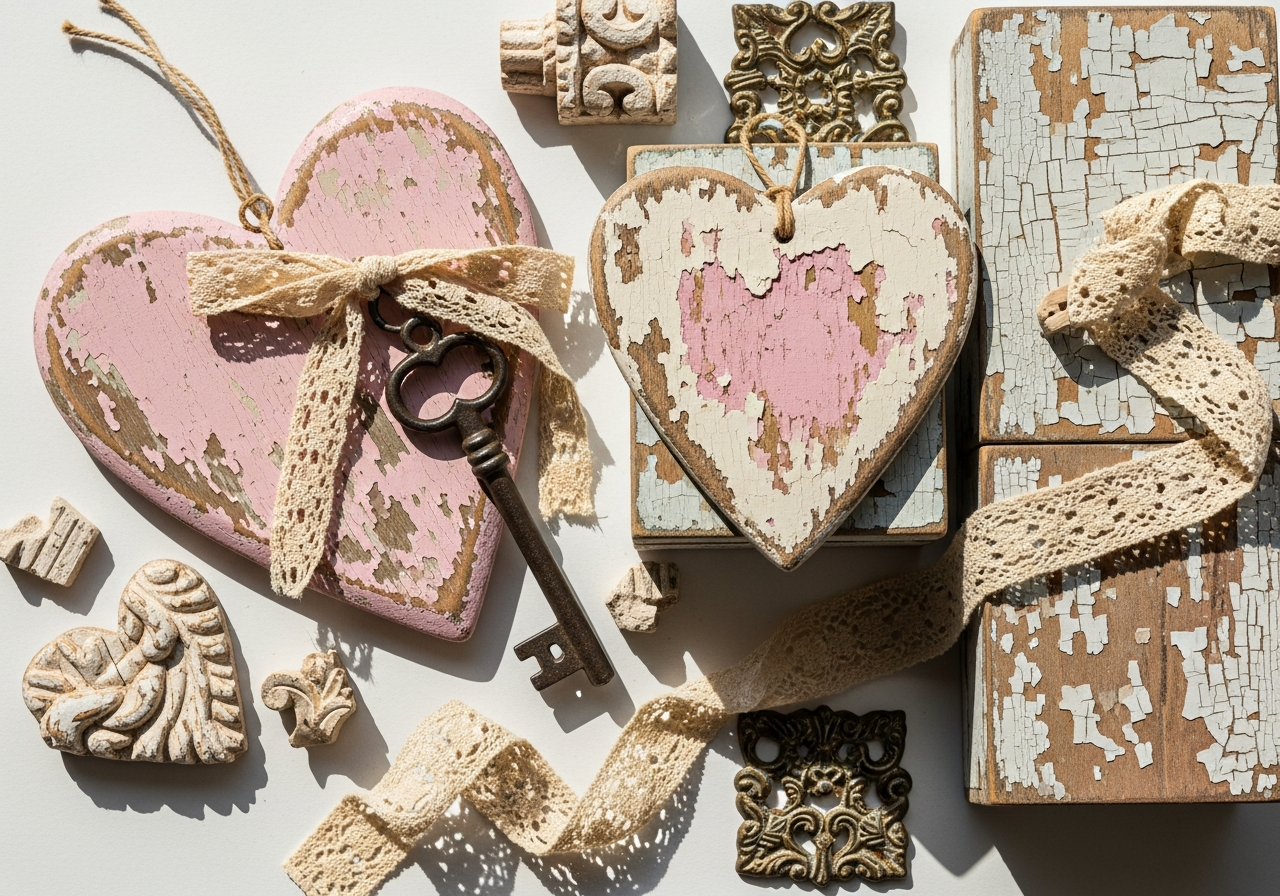
The shabby chic aesthetic pairs naturally with vintage Valentine decorating, emphasizing distressed finishes, soft colors, and romantic details. Transform ordinary objects into charming Valentine decor through strategic painting and distressing techniques. Small wooden boxes, vintage frames, old shutters, and architectural salvage pieces all provide excellent canvases for creating custom vintage-inspired decorations.
Begin with items already possessing interesting shapes or details, as these characteristics enhance the finished piece. Apply base coats in soft pink, cream, or pale aqua, allowing paint to dry completely between applications. Add topcoats in complementary shades, then gently sand edges and high points to reveal underlying colors and bare wood. This distressing mimics natural wear patterns, creating the appearance of age and use that defines shabby chic style.
Embellish painted pieces with additional vintage elements such as old keys, tarnished jewelry findings, or snippets of antique lace. Use these items to create dimensional assemblages that tell visual stories. For example, attach an old skeleton key to a painted wooden heart, tie with faded ribbon, and hang above a doorway as a welcoming gesture. Layer multiple techniques and materials for richness and depth that simple painting alone cannot achieve.
Vintage Milk Bottles and Glass Containers
Depression glass, vintage milk bottles, and antique glass jars offer elegant vessels for Valentine floral arrangements and decorative displays. These transparent containers gained popularity during the early to mid-20th century, with milk bottles particularly prevalent before plastic packaging dominated the dairy industry. Their simple forms and subtle variations in glass color create nostalgic appeal while remaining functional for contemporary use.
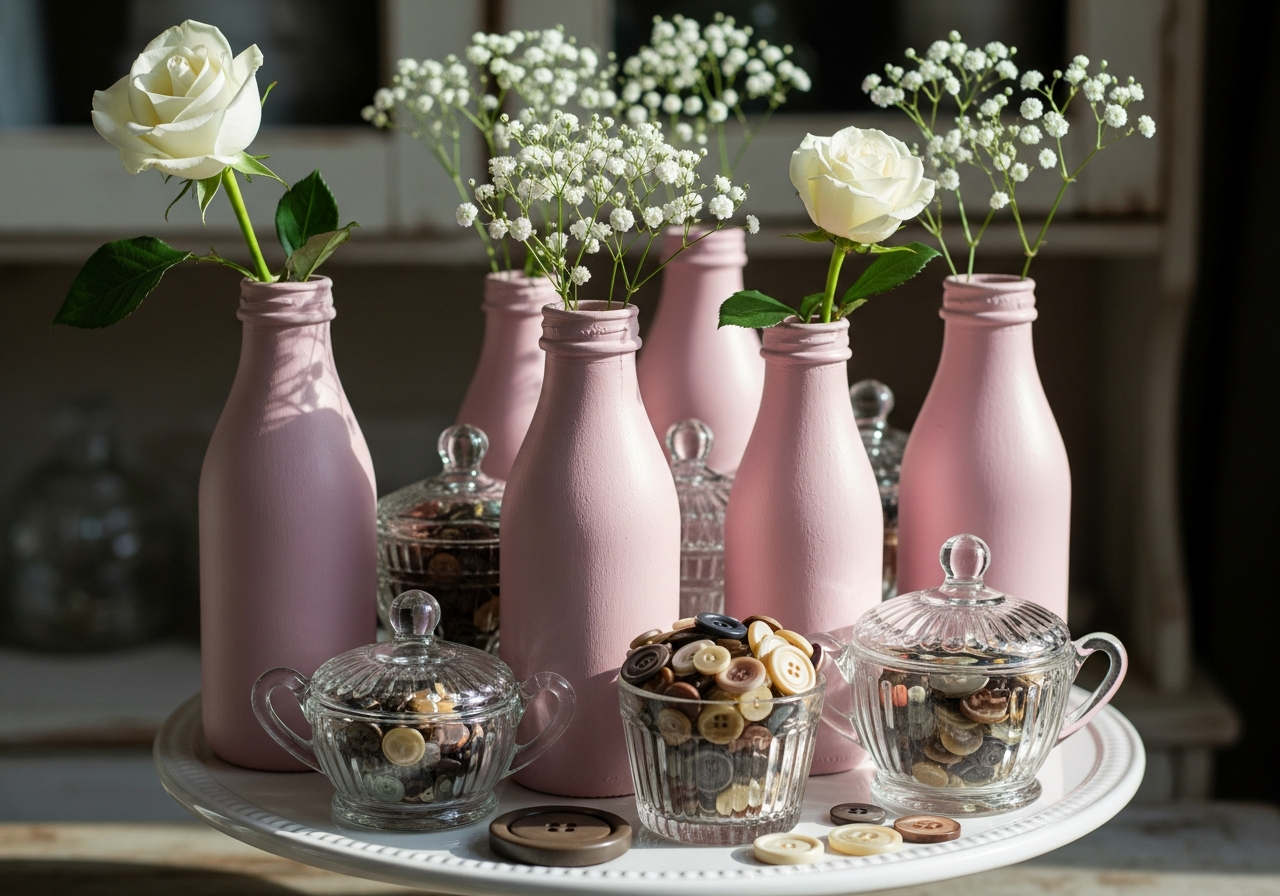
Paint milk bottles in soft Valentine hues using chalk paint or specialty glass paints formulated for permanent adhesion. Dusty rose, pale pink, and cream tones work beautifully, creating cohesive groupings when bottles of varying heights are displayed together. Fill painted bottles with single stems or small bouquets of white flowers, baby’s breath, or dried botanicals. The monochromatic approach emphasizes form and texture rather than competing for attention through bold color contrasts.
Cluster unpainted vintage glass containers on trays or cake stands for curated vignette displays. Fill some with buttons, others with old love letters rolled and tied with ribbon, and still others with Valentine candy hearts or small vintage ornaments. Vary heights and proportions while maintaining consistent vintage character across all elements. Position these arrangements on mantels, side tables, or kitchen counters where they create focal points without overwhelming available space.
Antique Books as Decorative Elements
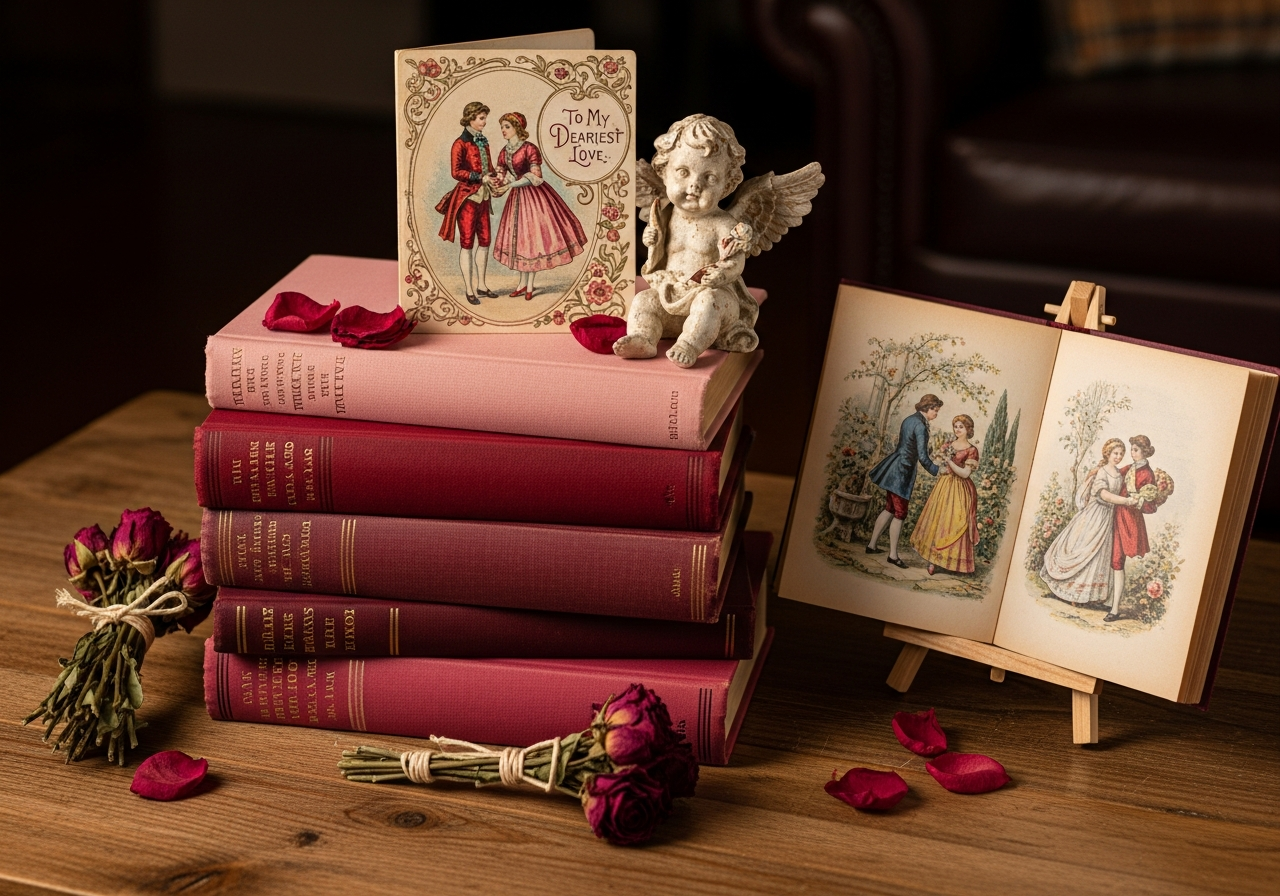
Old books in Valentine-appropriate colors provide instant vintage appeal while offering multiple decorating applications. Search for volumes bound in red, pink, cream, or burgundy leather or cloth, focusing on condition and appearance rather than content or value. Book spines serve as the primary visual element in most displays, so prioritize attractive lettering and minimal damage to covers.
Stack vintage books of varying sizes to create elevations for other decorative objects. Place small vintage Valentines, antique figurines, or bundles of old letters atop book stacks for layered arrangements. Remove dust jackets from hardcover books to reveal attractive cloth bindings underneath, mixing textures and tones for visual interest. Position book stacks on coffee tables, end tables, or bedroom nightstands where they contribute intellectual weight to romantic Valentine displays.
Open particularly attractive volumes to reveal vintage illustrations or typography, propping them on small easels or plate stands for display. This technique works especially well with antique poetry collections, Victorian etiquette guides, or illustrated fairy tale compilations. The exposed pages add movement and dimension to flat surfaces while inviting guests to examine your collection more closely. Rotate displayed volumes periodically to prevent damage from prolonged light exposure while keeping your arrangements fresh throughout the Valentine season.

Vintage Typewriters and Office Ephemera
Antique typewriters make unexpected yet charming foundations for vintage Valentine vignettes. These mechanical marvels from the early to mid-20th century possess sculptural quality and nostalgic appeal that immediately establishes period atmosphere. Their keys, strikers, and mechanical components create visual complexity that serves as interesting backdrop for smaller Valentine decorations.
Roll Valentine postcards or vintage greeting cards into the typewriter carriage as if preparing to type a love letter. This simple styling trick creates narrative that resonates with the romantic spirit of the holiday while showcasing your vintage card collection. Surround the typewriter with supporting elements such as old fountain pens, ink bottles with dried roses inserted into their openings, and stacks of vintage correspondence tied with faded ribbon.
Extend the vintage office theme by incorporating other period-appropriate ephemera. Display old ledger books opened to pages with beautiful handwriting, add vintage postage stamps under glass paperweights, or arrange antique desk accessories including letter openers, wax seal stamps, and brass paper clips. These elements build authentic vintage atmosphere while celebrating the tradition of written romantic correspondence that Valentine’s Day historically embodied.
Red and White Enamelware
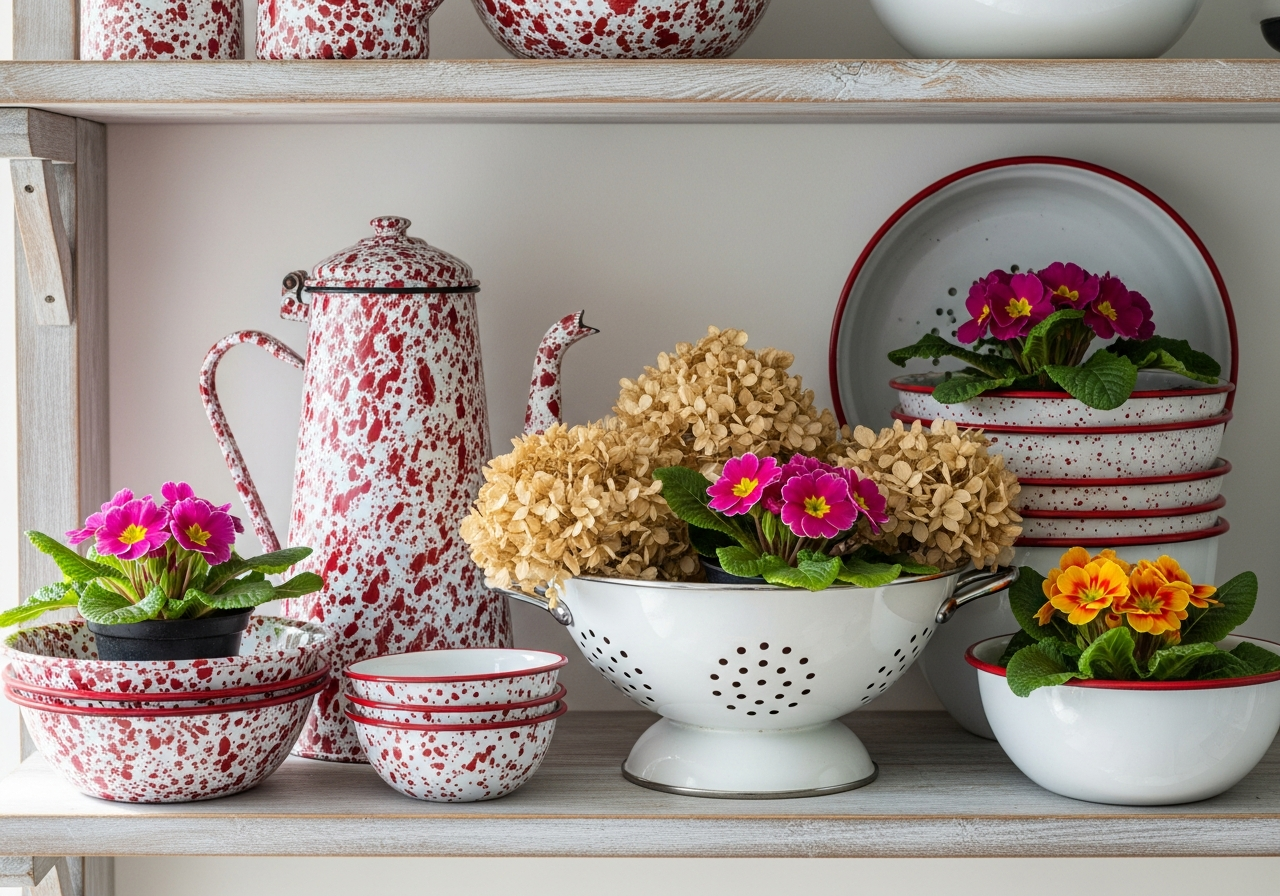
Vintage enamelware in classic red and white colorways provides farmhouse charm perfect for casual Valentine decorating. These practical items originated as everyday kitchenware during the late 19th and early 20th centuries, valued for durability and easy cleaning. Today, collectors prize enamelware for distinctive speckled patterns, simple forms, and nostalgic connection to earlier domestic life.
Repurpose enamelware pieces as planters for forced bulbs, potted primroses, or small topiaries. The contrast between industrial enamel surfaces and living plants creates appealing tension between utilitarian origins and decorative current use. Fill enamelware colanders with dried hydrangeas or eucalyptus, allowing stems to cascade through drainage holes for organic arrangement. Display enamelware coffee pots as vases, filling them with bundles of cotton stems, pussy willows, or long-lasting flowers that don’t require frequent water changes.
Group multiple enamelware pieces together for impactful display that emphasizes collection-building aspects of vintage decorating. Mix bowls, plates, cups, and serving pieces in various sizes while maintaining consistent red and white color scheme. This curated approach works beautifully on open shelving, in glass-front cabinets, or arranged along mantel ledges where the repetition of forms and colors creates satisfying visual rhythm.
Vintage Valentine Ornaments and Figurines
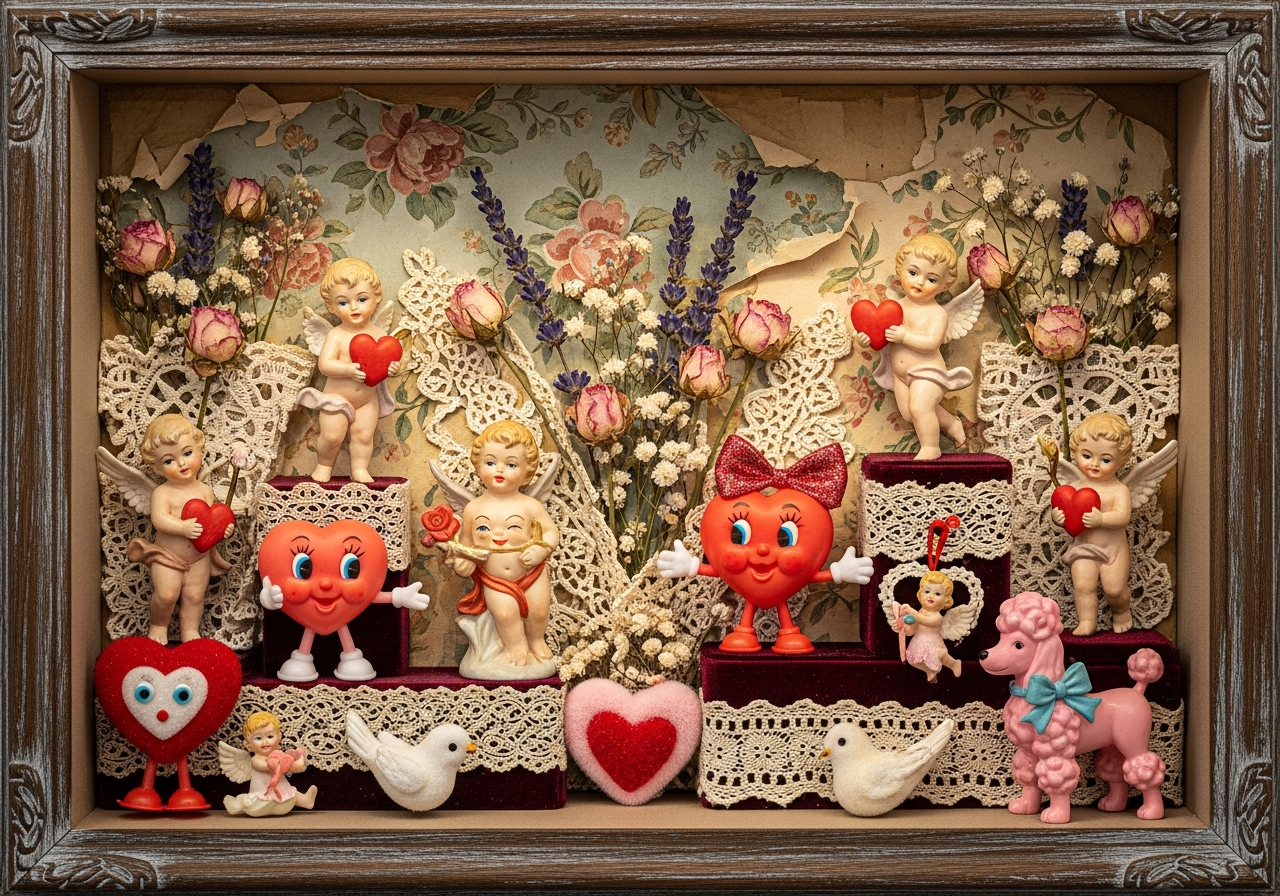
Small decorative figurines and ornaments from past decades add dimensional interest to Valentine displays. Victorian-era bisque figurines depicting cherubs, romantic couples, or children with Valentine cards demonstrate fine hand-painting and delicate modeling. Mid-century examples embrace kitsch appeal with googly-eyed characters, flocked surfaces, and exaggerated proportions that reflect postwar optimism and playfulness.
Arrange figurines throughout your home rather than concentrating them in single locations. Nestle a cherub among books on a shelf, position a vintage couple figurine on a bathroom vanity, or display a collection of small Valentine ornaments in a glass-front cabinet. This distributed approach creates discovered moments of delight rather than overwhelming any single space with Valentine theme.
Create shadow box displays featuring vintage ornaments against coordinating backgrounds. Line shadow box interiors with vintage wallpaper, fabric remnants, or printed paper doilies before arranging your figurines inside. Add dimensional elements such as dried flowers, old jewelry pieces, or snippets of vintage lace to build layered compositions. Mount completed shadow boxes on walls in groupings of three or five for gallery effect that celebrates your vintage Valentine collection.
Antique Printer’s Type and Numbers
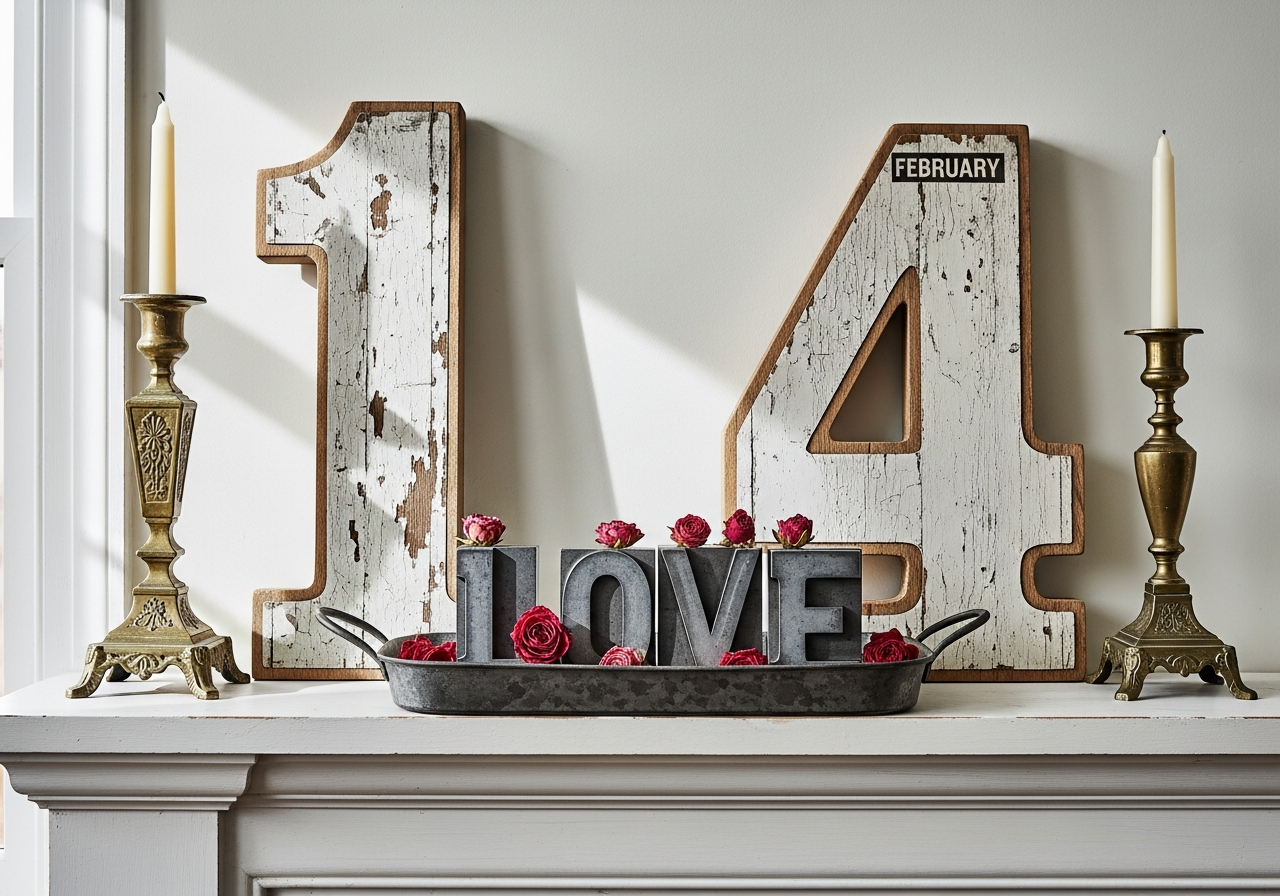
Vintage printer’s type, especially numbers and letters, offers creative possibilities for personalized Valentine displays. These small metal or wooden pieces once served utilitarian purposes in printing shops, creating letterpress publications through mechanical pressure. Their three-dimensional forms, varied typefaces, and weathered finishes now appeal to decorators seeking industrial vintage character.
Display the number fourteen prominently throughout your Valentine decor, referencing February 14th holiday date. Position large wooden numbers on mantels flanked by vintage candlesticks and small floral arrangements. Lean metal type against walls or incorporate it into tiered tray vignettes alongside other Valentine elements. The specificity of the date reference adds clever detail that observant guests will appreciate.
Spell romantic words or phrases using collected vintage letters arranged on trays, shelves, or wall-mounted ledges. Words like “love,” “amour,” or “adore” work beautifully, particularly when letter styles vary creating collected-over-time appearance. Fill the negative spaces between letters with small Valentine treasures such as vintage buttons, old keys, or dried rosebuds. These assemblages become focal points that combine typography interest with romantic sentiment.
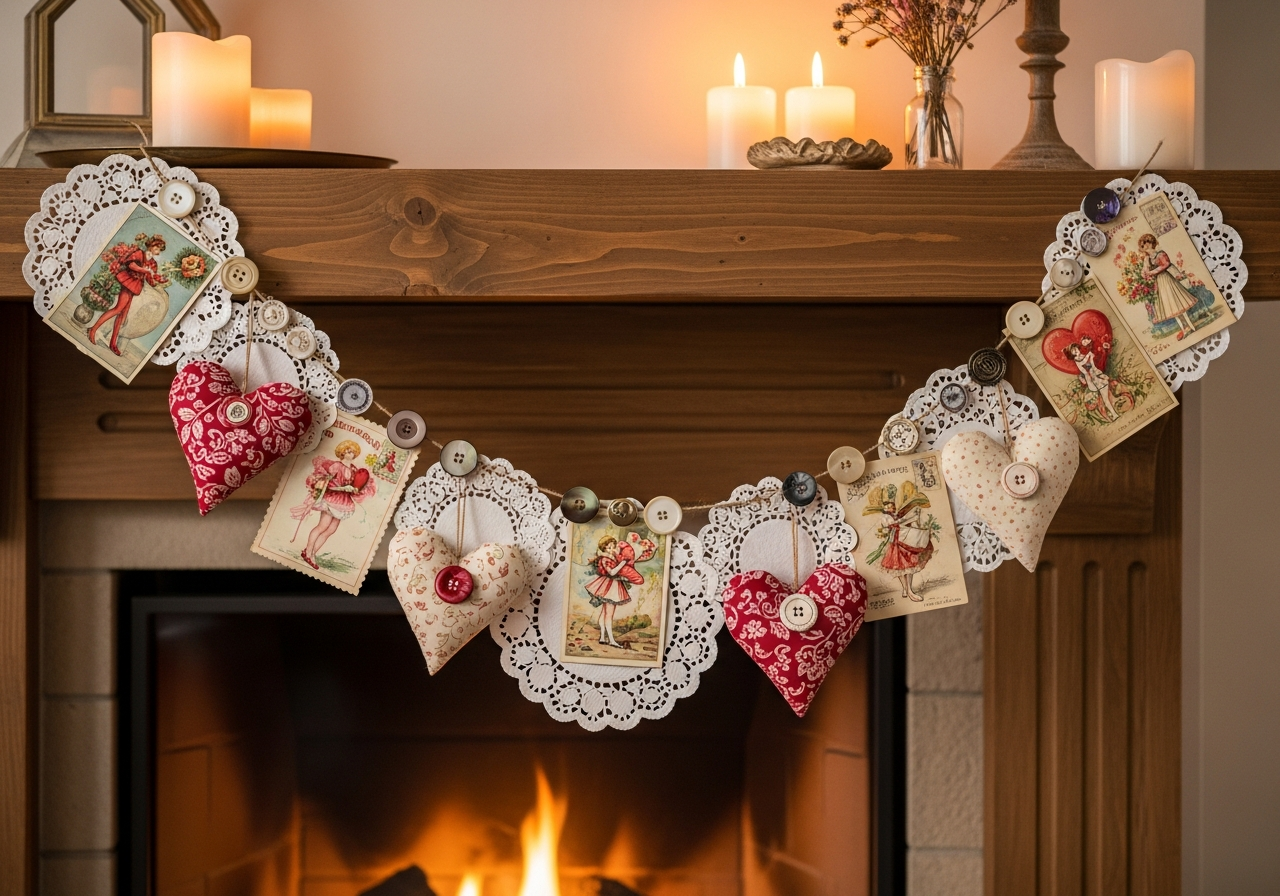
Vintage Valentine Garlands and Bunting
Paper garlands featuring vintage Valentine motifs bring festive atmosphere to doorways, mantels, and open shelving. While authentic antique garlands rarely survive due to their fragile construction, reproduction versions capture period aesthetics through careful attention to historical designs, printing techniques, and color palettes. Alternatively, create custom garlands using authentic vintage postcards or card reproductions.
Construct DIY Valentine garlands by hole-punching vintage postcard reproductions and threading them onto baker’s twine, velvet ribbon, or jute string. Alternate cards with paper doilies, small fabric hearts, or vintage buttons for varied texture and visual rhythm. Adjust spacing between elements based on display location, creating dense garlands for short spans or airier arrangements for longer distances.
Hang completed garlands across fireplace mantels, above doorways, or along stair railings where they create immediate visual impact. For outdoor displays, use weatherproof materials and secure attachments that withstand wind. Indoor garlands can incorporate more delicate elements including antique lace trim, vintage jewelry components, or pressed flowers sealed between sheets of clear contact paper. These personalized creations become treasured decorations that reflect your individual collecting interests and aesthetic preferences.
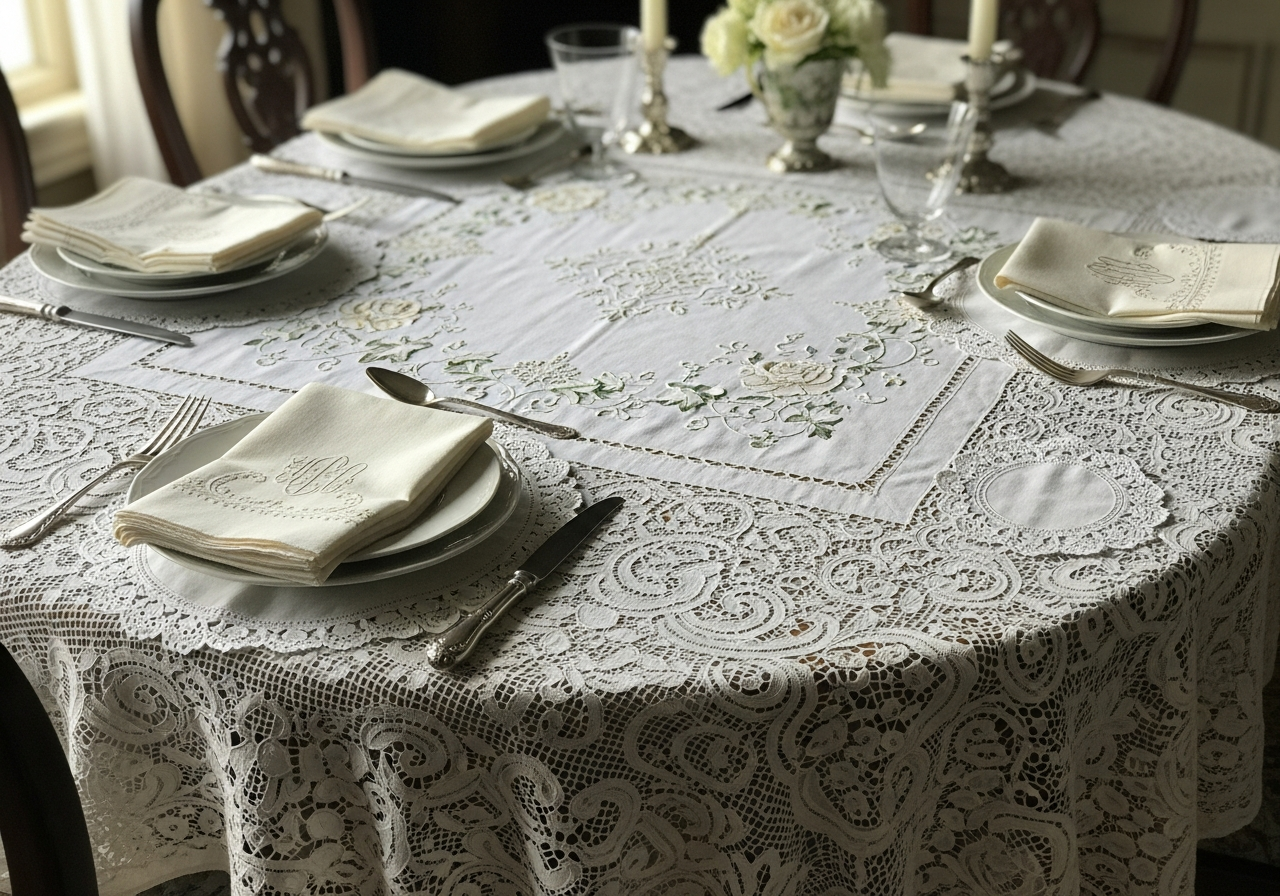
Romantic Vintage Textiles
Antique linens, lace curtains, and embroidered textiles establish romantic ambiance essential to successful vintage Valentine decorating. Victorian and Edwardian-era table linens showcase exceptional needlework including cutwork, drawn thread techniques, and elaborate embroidery that modern machine production cannot replicate. These textile treasures transform ordinary tables into special occasion settings worthy of romantic celebrations.
Layer vintage textiles for maximum impact, beginning with a base tablecloth then adding lace toppers, embroidered napkins, and delicate doilies under individual place settings. Mix pieces from different eras and origins, allowing slight color variations and pattern clashes to create collected appearance. The imperfect matching feels more authentic to historical practice when households used treasured linens without concern for perfect coordination.
Repurpose vintage textiles beyond traditional table use. Frame small embroidered pieces or lace sections as wall art, drape lace panels over existing curtains for added romance, or fashion vintage pillowcases into decorative cushion covers. These applications preserve fragile textiles while allowing you to enjoy their beauty throughout your home. When working with antique linens, avoid harsh cleaning methods that might damage delicate fibers, instead opting for gentle hand washing or professional conservation cleaning when necessary.

Mercury Glass and Vintage Mirrors
Mercury glass objects and antique mirrors introduce silvery shimmer that elevates vintage Valentine displays. Mercury glass manufacturing peaked during Victorian era, producing decorative items ranging from small ornaments to large vessels. The characteristic mottled silver backing creates ethereal quality that pairs beautifully with candlelight, making mercury glass ideal for romantic evening displays.
Fill mercury glass vessels with Valentine florals, emphasizing roses, ranunculus, and sweet peas in soft pink and white tones. The silvered glass reflects and multiplies floral beauty while contributing its own decorative interest. Group mercury glass candlesticks of varying heights on mantels or dining tables, surrounding them with vintage Valentine cards and small decorative objects. When candles are lit, the mercury glass captures and disperses light throughout the arrangement, creating magical ambiance.
Incorporate antique mirrors into Valentine vignettes by positioning them behind candles or floral arrangements to amplify visual impact through reflection. Small vintage hand mirrors displayed as decorative objects add Victorian dressing table romance to bedroom or bathroom surfaces. Hang larger antique mirrors on walls where they reflect light from windows, making rooms feel brighter and more spacious while contributing authentic period character to your vintage Valentine decorating scheme.
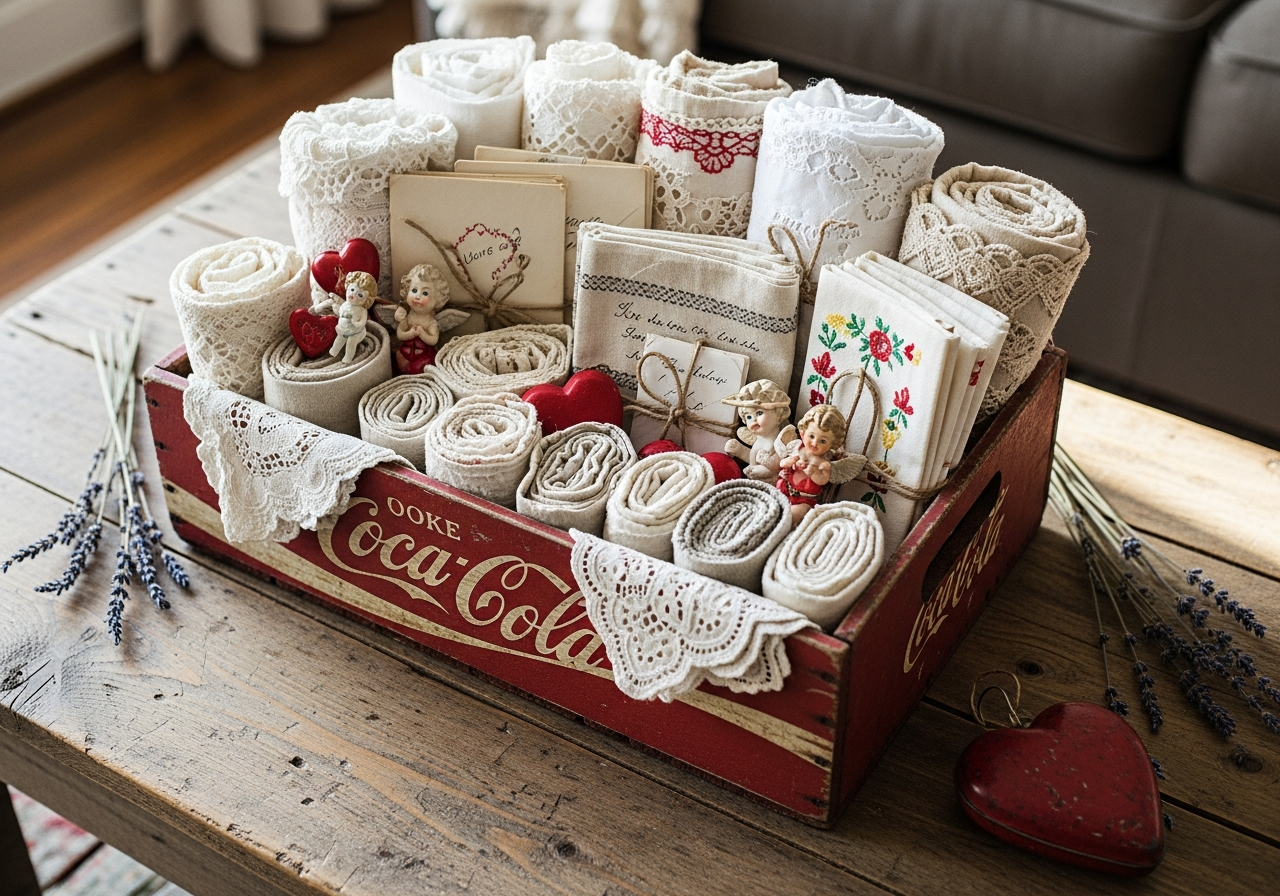
Vintage Soda and Advertising Crates
Old wooden soda crates and advertising boxes from mid-century America provide rustic charm that grounds more delicate Valentine elements. These utilitarian containers once transported products from manufacturers to retail locations, their sturdy construction ensuring safe delivery. Today, collectors value them for bold graphics, appealing typography, and nostalgia connection to specific brands and time periods.
Use vintage crates as platforms or containers for Valentine displays. Stack several crates to create instant shelving unit, arranging vintage Valentine cards, small figurines, and potted flowers across different levels. Fill single crates with rolled vintage textiles, bundled love letters, or collected vintage ornaments. The structured form of the crate provides organizational framework while its weathered appearance contributes authentic age that grounds prettier decorative elements.
Select crates in Valentine-appropriate colors when possible, prioritizing those with red, white, or pink graphics or lettering. Coca-Cola crates prove particularly popular for Valentine displays due to recognizable red branding. Position filled crates on coffee tables, hearths, or entry consoles where they create casual farmhouse Valentine vibe. The combination of industrial crate and romantic contents creates appealing contrast that defines much of modern vintage decorating aesthetic.

Vintage Wooden Frames and Architectural Elements
Antique wooden frames and small architectural salvage pieces add structure and sophistication to vintage Valentine arrangements. Ornate Victorian frames with gesso details, simple rustic frames showing original paint, and mid-century modern frames in warm wood tones all work beautifully depending on your preferred aesthetic direction. Beyond framing artwork or photographs, vintage frames serve multiple decorating functions.
Remove glass and backing from vintage frames to create dimensional display pieces. Attach chicken wire across the frame opening using small staples, then clip Valentine postcards to the wire using miniature clothespins. This creates changeable display that allows you to rotate different cards throughout the season. Alternatively, stretch vintage fabric or decorative paper across frame opening, securing it with staples on the reverse side, then attach three-dimensional elements such as vintage jewelry, paper flowers, or ceramic hearts using strong adhesive.
Small architectural elements including corbels, spindles, and decorative molding fragments provide sculptural interest in Valentine vignettes. Position a carved corbel as bookend for vintage book collection, use weathered spindles as candlesticks, or arrange decorative molding pieces as dimensional backdrop for smaller vintage objects. These architectural remnants contribute history and visual weight that balance lighter, more delicate Valentine decorations while maintaining consistent vintage character throughout your display.
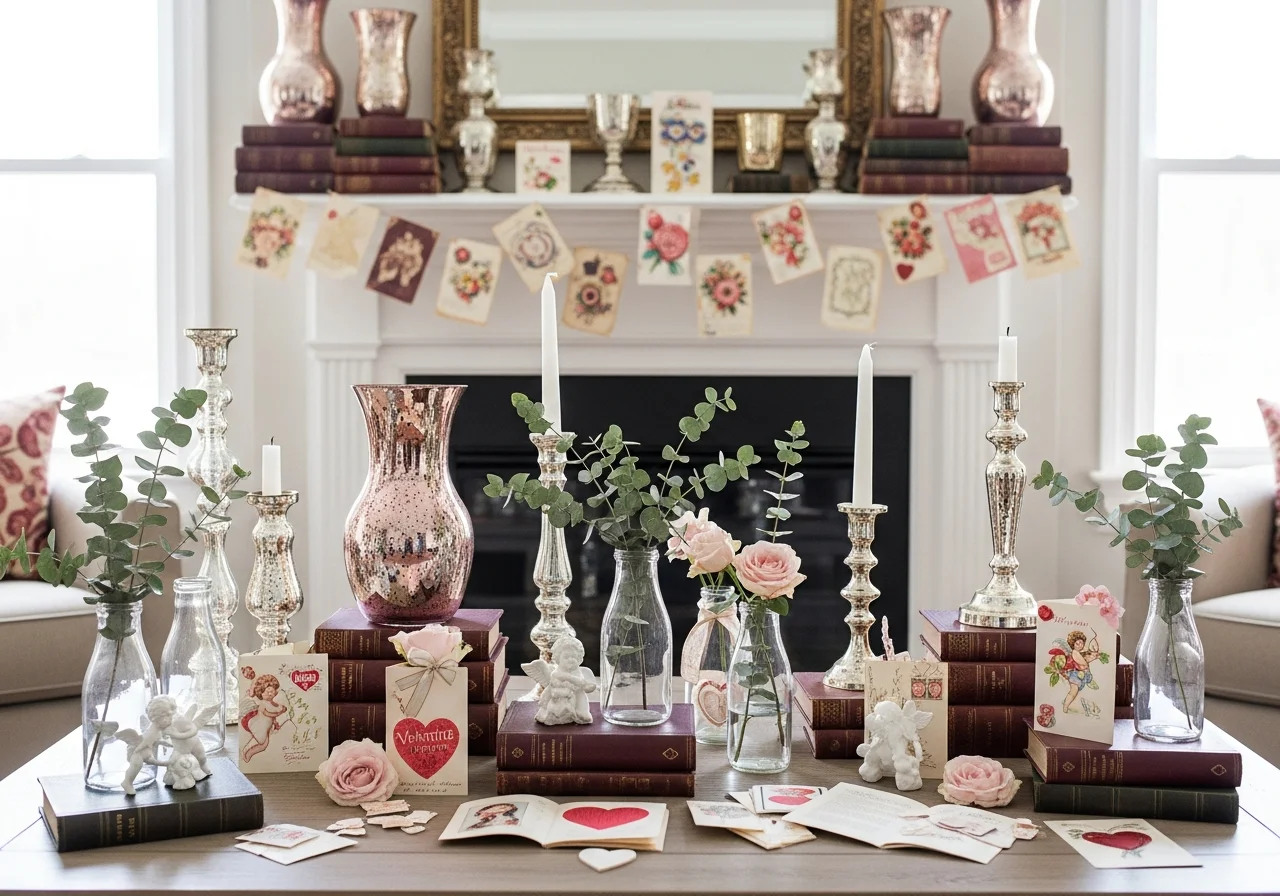
Creating Cohesive Vintage Valentine Displays
Successfully incorporating vintage Valentine decorations requires understanding how to combine individual elements into cohesive room displays. Begin by selecting a dominant color palette drawn from vintage sources, whether the muted tones of Victorian designs or bolder mid-century combinations. Consistency in color choices creates visual harmony even when mixing items from different eras or styles.
Edit your displays carefully, resisting temptation to incorporate every vintage Valentine item you own. Curated arrangements with breathing room between objects feel more sophisticated than crowded collections. Group similar items together in odd numbers, a traditional design principle that creates pleasing asymmetry. Three vintage milk bottles, five antique Valentine cards, or seven mercury glass votives arranged together register as intentional collections rather than random assemblages.
Consider sightlines and viewing angles when positioning vintage Valentine displays. Low arrangements on coffee tables invite close inspection, while mantel displays should maintain visual interest when viewed from seated positions across rooms. Vary heights within arrangements using books, pedestals, or tiered stands to create dimensional interest. Step back frequently while arranging to assess overall impact, adjusting placement until achieving balance between abundance and restraint that characterizes successful vintage decorating.
Conclusion
Vintage Valentine decorations offer timeless alternative to contemporary holiday decor, bringing romance, nostalgia, and authentic character to your seasonal displays. Whether you invest in genuine antiques or embrace vintage-inspired reproductions, these decorating ideas help you create atmospheres that honor historical aesthetics while reflecting your personal style. The beauty of vintage Valentine decor lies in its versatility and enduring appeal that transcends current trends.
Building a collection of vintage Valentine decorations becomes increasingly rewarding over time as you discover treasures that speak to your individual aesthetic. The thrill of finding perfect vintage postcard, unusual cake pan, or beautiful piece of transferware adds element of adventure to your decorating process. Each piece carries history and craftsmanship that mass-produced items cannot replicate, making your Valentine displays truly unique expressions of your appreciation for vintage beauty.
As you incorporate these vintage Valentine decoration ideas into your home, remember that authentic vintage style develops gradually through considered collecting and thoughtful arrangement. Start with few key pieces that genuinely appeal to you, then expand your collection as you develop clearer vision of your preferred aesthetic. The resulting displays will possess depth and personality that reflects your individual journey through the wonderful world of vintage Valentine decorating, creating warm, romantic atmosphere that celebrates both the holiday and the timeless charm of bygone eras.
Frequently Asked Questions
Where can I find authentic vintage Valentine decorations?
The best sources for authentic vintage Valentine decorations include local antique malls, estate sales, flea markets, and online platforms such as Etsy and eBay. Antique shops typically offer curated selections with verified authenticity, though prices may be higher. Estate sales often provide excellent values when downsizing families sell accumulated collections. For online shopping, carefully review seller ratings and item descriptions, requesting additional photographs when necessary to confirm condition and authenticity before purchasing.
How can I tell if a vintage Valentine item is authentic or reproduction?
Authentic vintage items show signs of age consistent with their purported era, including natural patina, minor damage appropriate to use and time, and construction methods reflecting historical manufacturing techniques. Examine materials carefully, as modern reproductions often use different papers, inks, or metal compositions than vintage originals. Research typical characteristics of items from specific periods, noting typography styles, color palettes, and design motifs common to different decades. When uncertain, consult with experienced collectors or antique dealers who can provide expert authentication.
Are vintage Valentine decorations expensive to collect?
Vintage Valentine decorations span wide price ranges depending on age, condition, rarity, and type. Common items from the 1940s through 1960s, including small postcards and paper decorations, often cost between two and ten dollars. More elaborate pieces such as Victorian mechanical cards, rare figurines, or pristine condition advertising materials command significantly higher prices. Many vintage Valentine decorating ideas utilize inexpensive items transformed through creative styling, making the aesthetic accessible regardless of budget. Begin with affordable pieces, gradually adding investment items as your collection and knowledge develop.
How should I care for fragile vintage Valentine items?
Store vintage Valentine decorations in cool, dry environments away from direct sunlight, which fades colors and weakens paper fibers. Wrap fragile items individually in acid-free tissue paper, placing them in archival storage boxes rather than plastic containers that can trap moisture. Handle paper items with clean, dry hands, supporting them fully to prevent tears or creases. Display vintage pieces away from heat sources, humidity, and high-traffic areas where accidental damage might occur. For valuable or particularly fragile items, consult professional conservators regarding appropriate cleaning and preservation methods.
Can I mix vintage Valentine decorations with modern elements?
Mixing vintage Valentine decorations with carefully selected modern elements creates collected, personal style that feels current rather than museum-like. Choose contemporary items in colors, materials, and forms that complement rather than compete with your vintage pieces. Modern white ceramics, simple glass vessels, and minimalist candlesticks provide neutral backdrop that allows vintage items to shine. Incorporate fresh flowers, which bridge historical and contemporary aesthetics naturally. The key lies in maintaining cohesive color palette and avoiding overtly modern materials like bright plastics that would clash with vintage character you’ve established through your collection.