25+ Creative Valentines Day Card Ideas
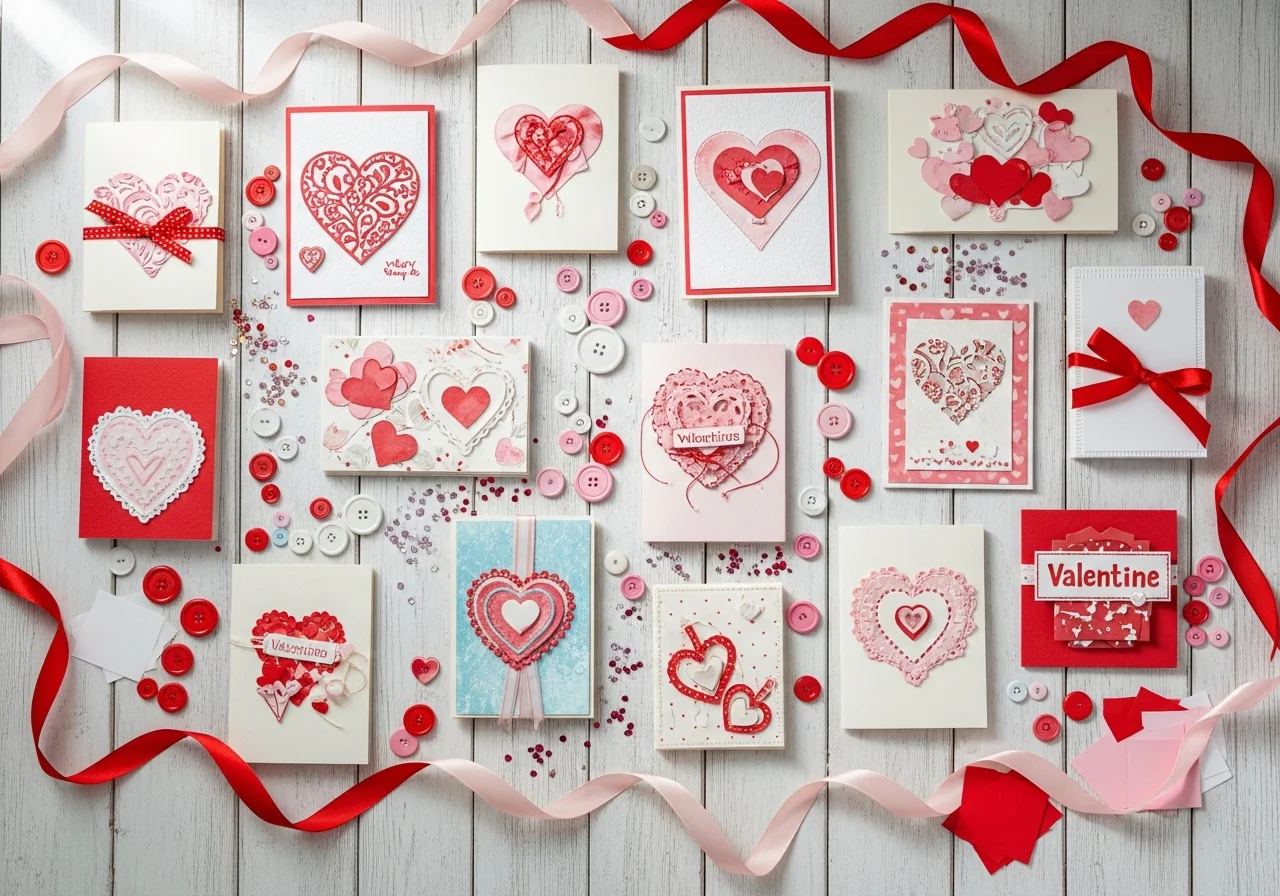
Finding the perfect way to express your feelings on Valentine’s Day doesn’t require a trip to the card aisle. Creating a handmade Valentines Day card adds a personal touch that no store-bought option can match. Whether you’re crafting for a romantic partner, close friend, family member, or classroom full of children, the right card design can transform a simple gesture into a cherished keepsake.
The beauty of making your own Valentine cards lies in the creative freedom and heartfelt sentiment behind each design. You control every element, from the colors and textures to the message inside. This guide presents more than 25 creative ideas that range from simple five-minute projects to more elaborate artistic creations, ensuring you’ll find the perfect match for your skill level and available time.
Why Handmade Valentine Cards Matter
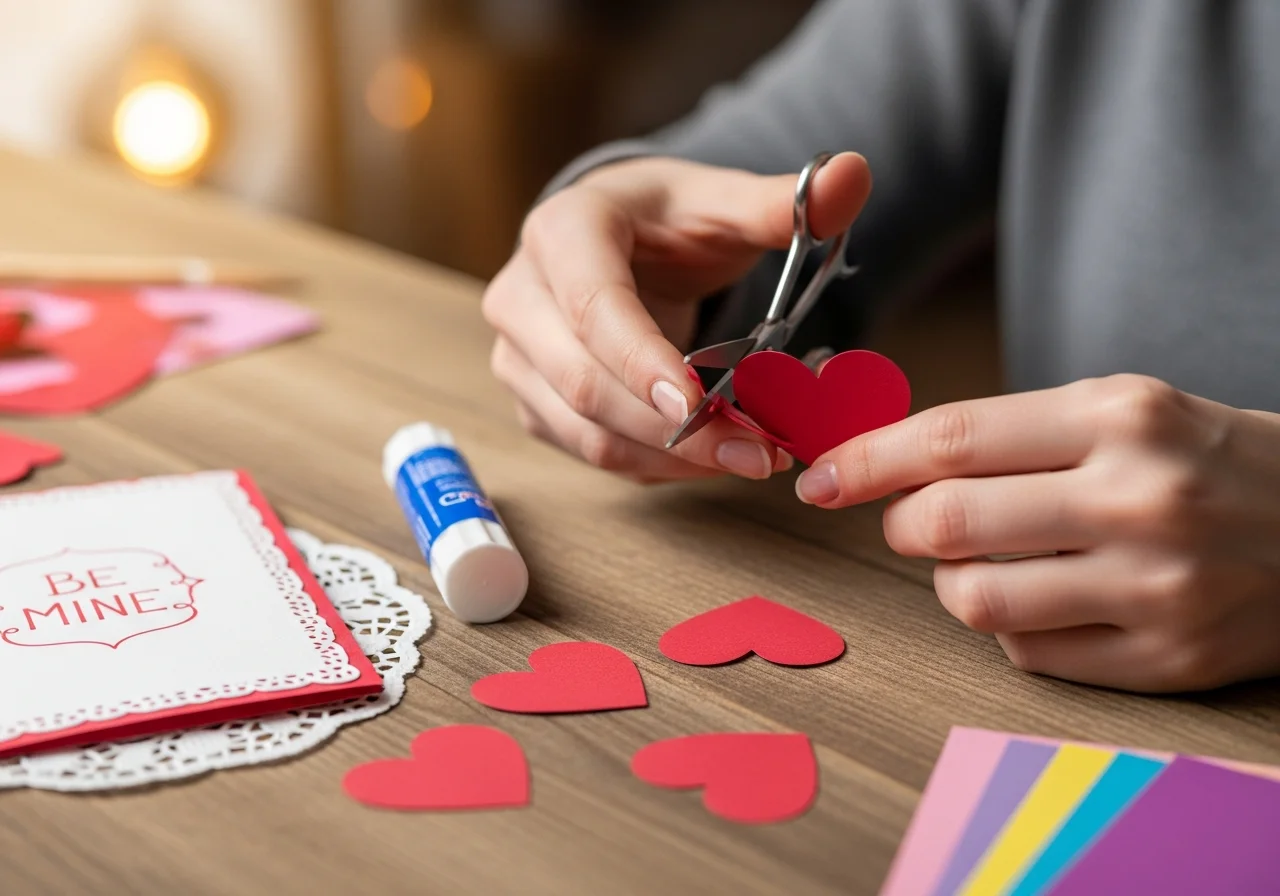
Handmade Valentine cards carry emotional weight that mass-produced alternatives simply cannot replicate. When you invest time in creating something from scratch, the recipient immediately recognizes the effort and thoughtfulness behind your gesture. This personal investment communicates care in ways that words alone often fail to capture.
Beyond the emotional significance, crafting your own cards offers practical advantages. You save money, especially when creating multiple cards for classroom exchanges or friend groups. The average store-bought Valentine card costs between five and fifteen dollars, while homemade versions require only basic supplies you likely already own.
Creating cards also provides an excellent opportunity for quality time with children. The crafting process teaches valuable skills including fine motor development, color theory, and creative problem-solving. Kids experience pride in giving something they made themselves, building confidence alongside artistic abilities.
Essential Materials for Card Making
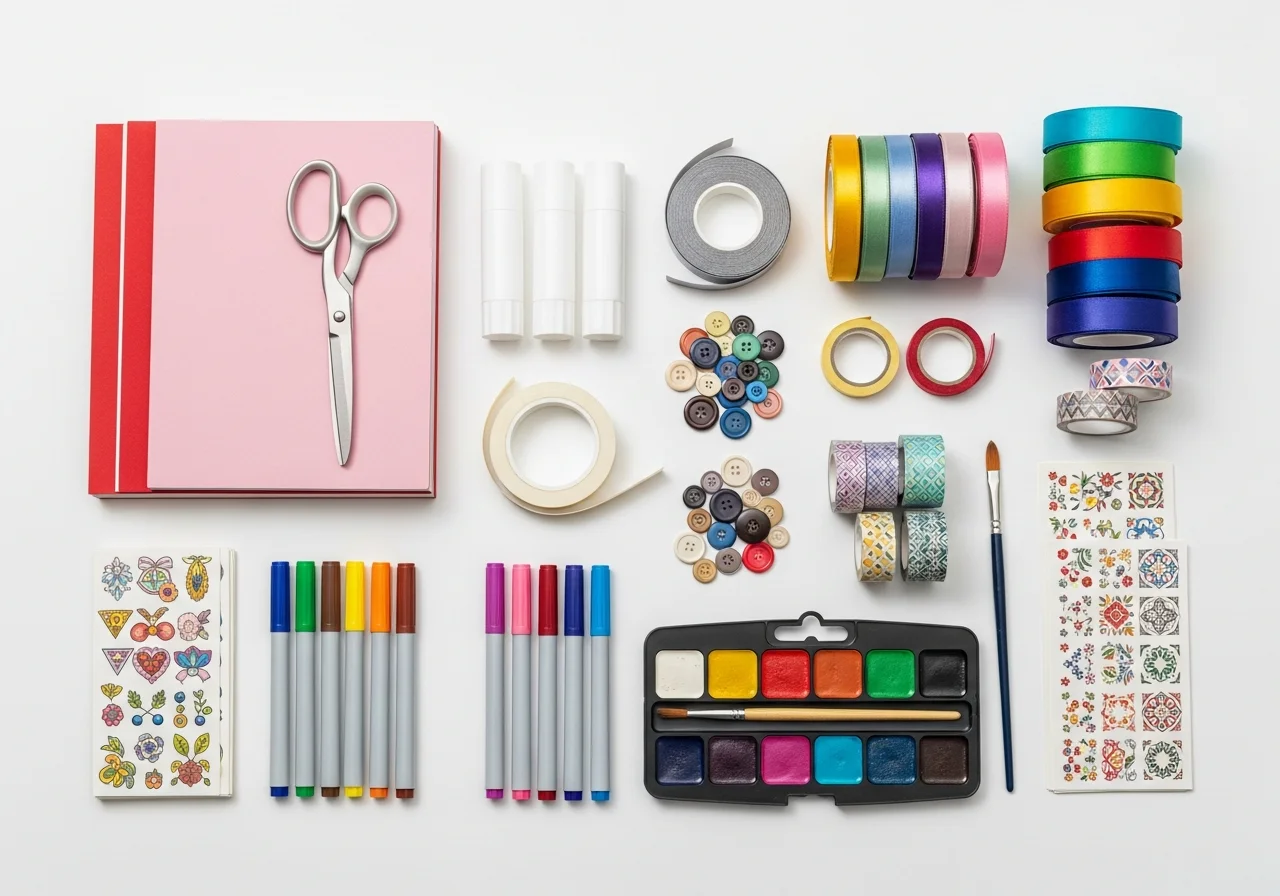
Before diving into specific designs, gather basic supplies that work across multiple projects. Quality cardstock forms the foundation of sturdy cards. Choose weights between 65 and 110 pounds for best results. White cardstock offers versatility, but colored options add immediate visual interest.
Adhesive options should include both liquid glue and double-sided tape. Glue sticks work well for paper elements, while foam tape creates dimensional effects. Keep scissors and a craft knife handy, along with a metal ruler for clean, straight cuts.
Decorative materials expand your creative possibilities. Stock up on items like buttons, ribbons, washi tape, stickers, glitter, and patterned paper. Watercolor paints, markers, and colored pencils allow for hand-drawn elements. Even household items like newspaper, fabric scraps, and food packaging can become artistic materials.
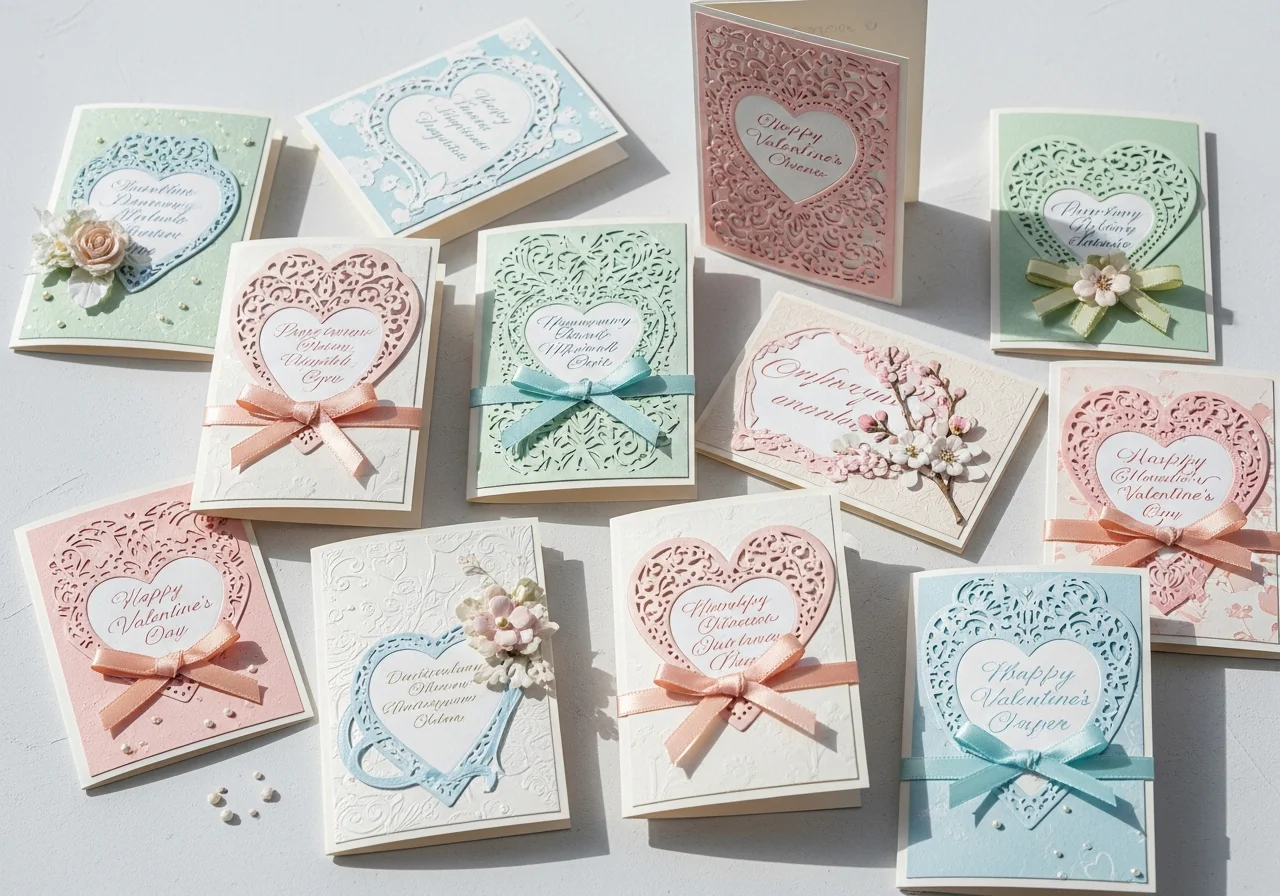
Romantic Cards for Your Special Someone
Watercolor Heart Design
Watercolor techniques create soft, romantic aesthetics perfect for Valentine cards. Begin with watercolor paper or heavy cardstock that won’t buckle when wet. Sketch a light heart outline in pencil, then fill it with graduated shades of red and pink. Let colors blend naturally on the paper for an organic, flowing effect.
After the paint dries completely, outline the heart with a fine-point marker or leave it soft for a dreamier look. Add a simple sentiment inside using calligraphy or neat printing. This design works beautifully because it looks sophisticated while requiring minimal artistic skill.
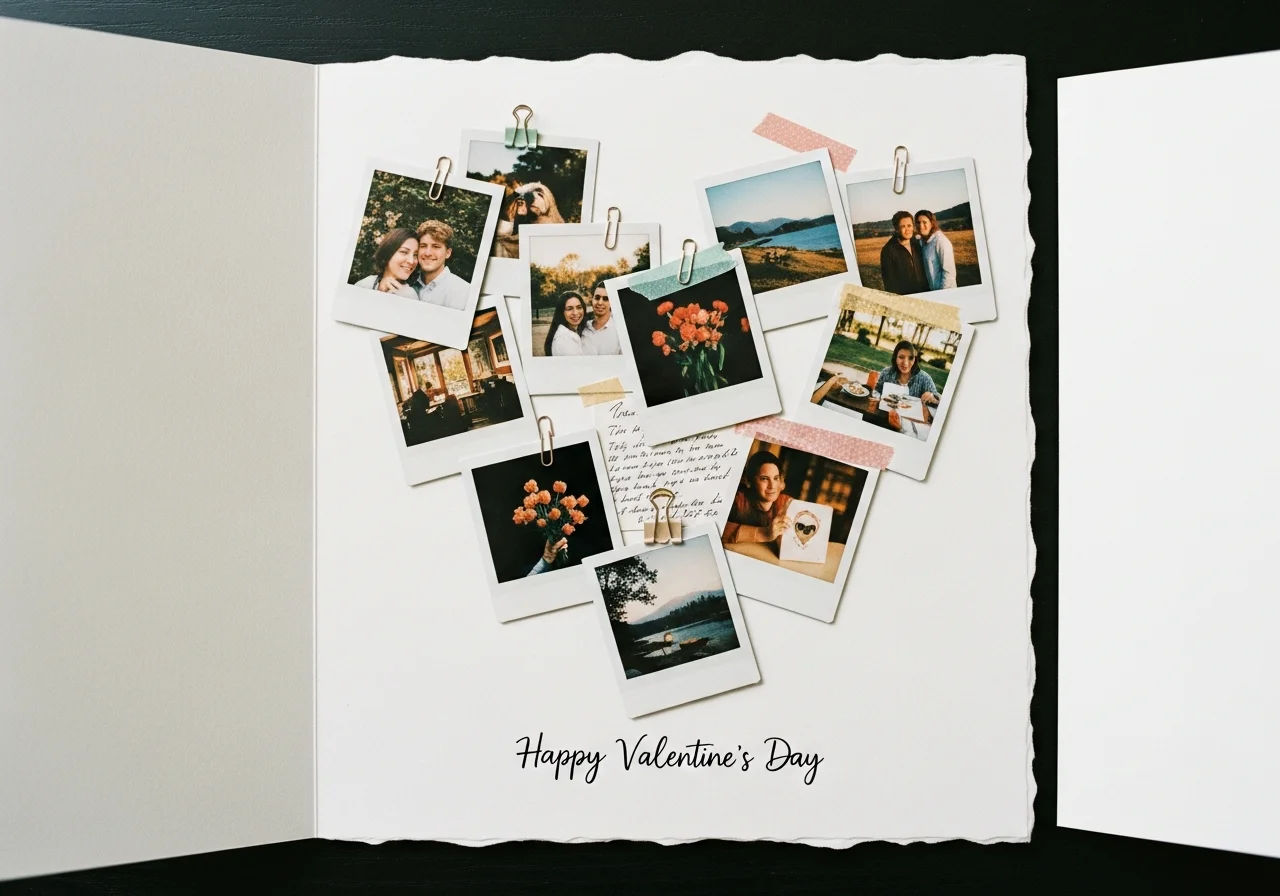
Photo Collage Card
Transform favorite memories into a heartfelt card by arranging photos in creative layouts. Cut photos into heart shapes or arrange small square prints to form a larger heart pattern. Mount these on folded cardstock, leaving space for a handwritten message.
For extra impact, use photos that tell a story chronologically or capture special moments throughout your relationship. Black and white photos create elegant, timeless designs, while color photos bring energy and warmth.
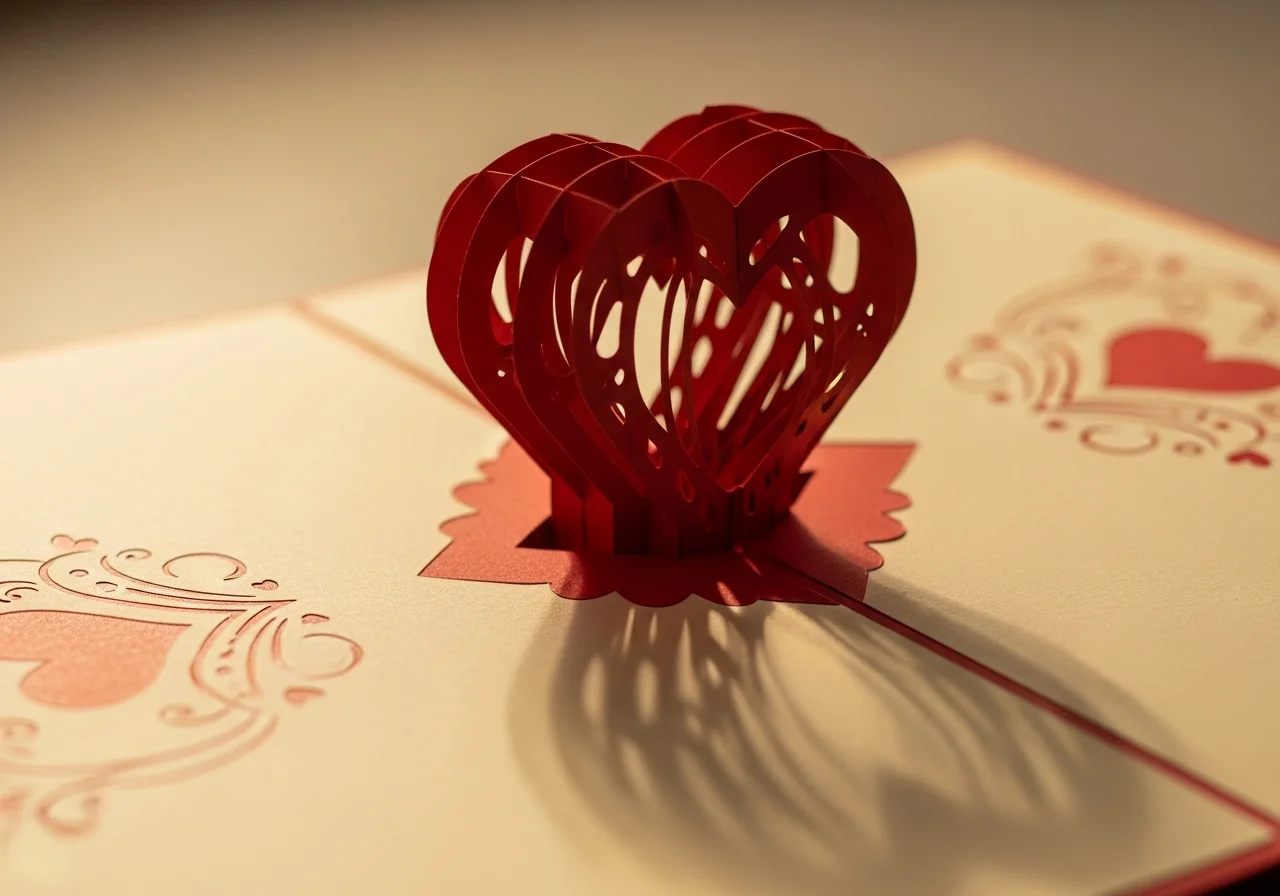
Pop-Up Heart Card
Three-dimensional cards create surprise and delight when opened. Create a basic pop-up by cutting two parallel slits in the fold of your card, pushing the cut section forward to form a step. Attach a heart shape to this step so it pops forward when the card opens.
Experiment with multiple pop-up elements at different heights for more complex designs. You can create entire scenes with pop-up flowers, hearts, or even small figures holding Valentine messages.
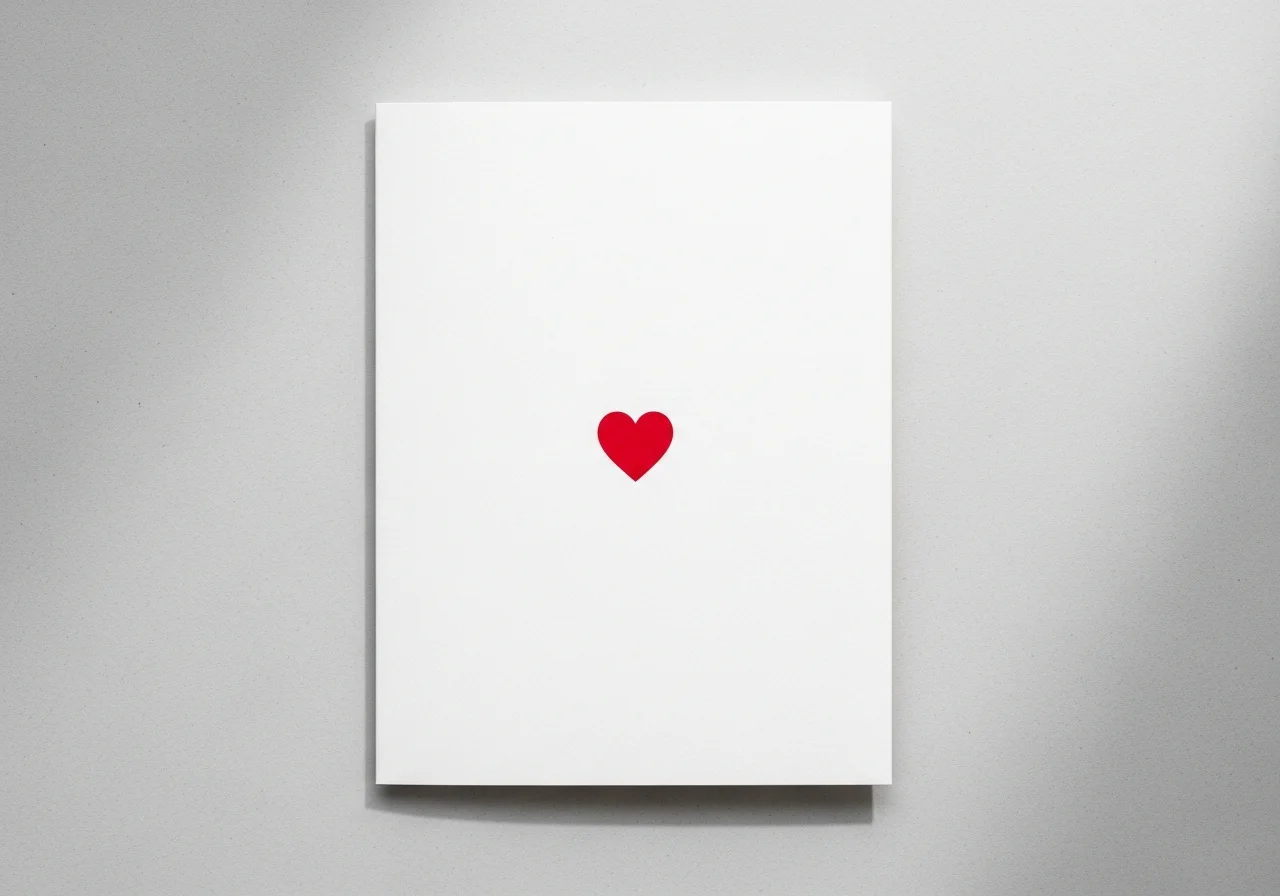
Minimalist Love Note
Sometimes simplicity makes the strongest statement. Use high-quality white or cream cardstock with a single bold element. This might be one perfectly placed red heart, a single word in beautiful lettering, or a small pressed flower.
The key to successful minimalist design lies in careful placement and quality materials. Every element must earn its place on the card. This style suits modern aesthetics and appeals to recipients who appreciate clean, uncluttered design.
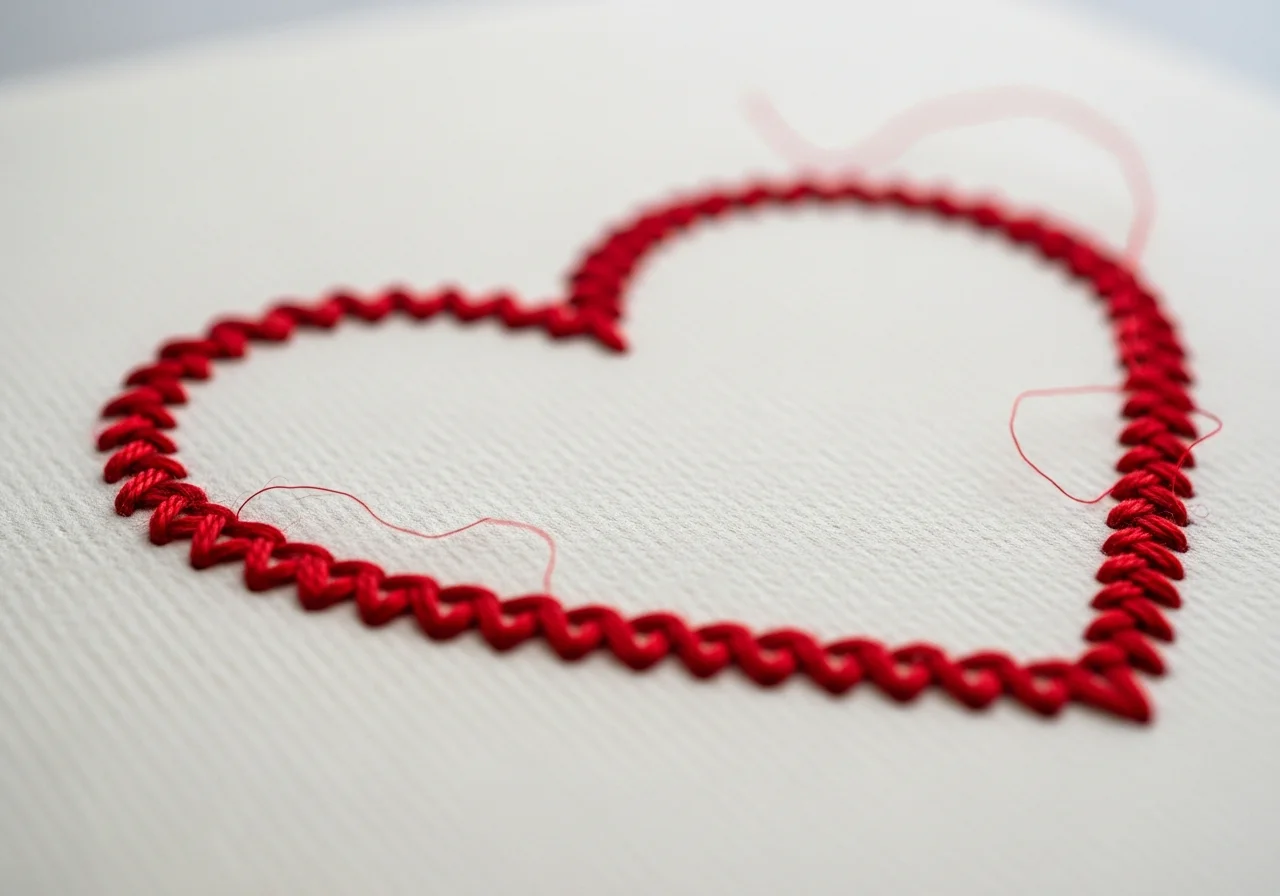
Sewn Heart Pattern
Add tactile interest by incorporating actual sewing into your card design. Print a heart template on cardstock, then use a needle and embroidery thread to stitch around the outline. You can create simple running stitches or more elaborate patterns like cross-stitches or French knots.
This technique requires patience but produces professional-looking results. The texture and dimension created by thread elevates an ordinary card into something truly special. Choose thread colors that complement your cardstock for cohesive design.
Fun Cards for Kids and Classrooms
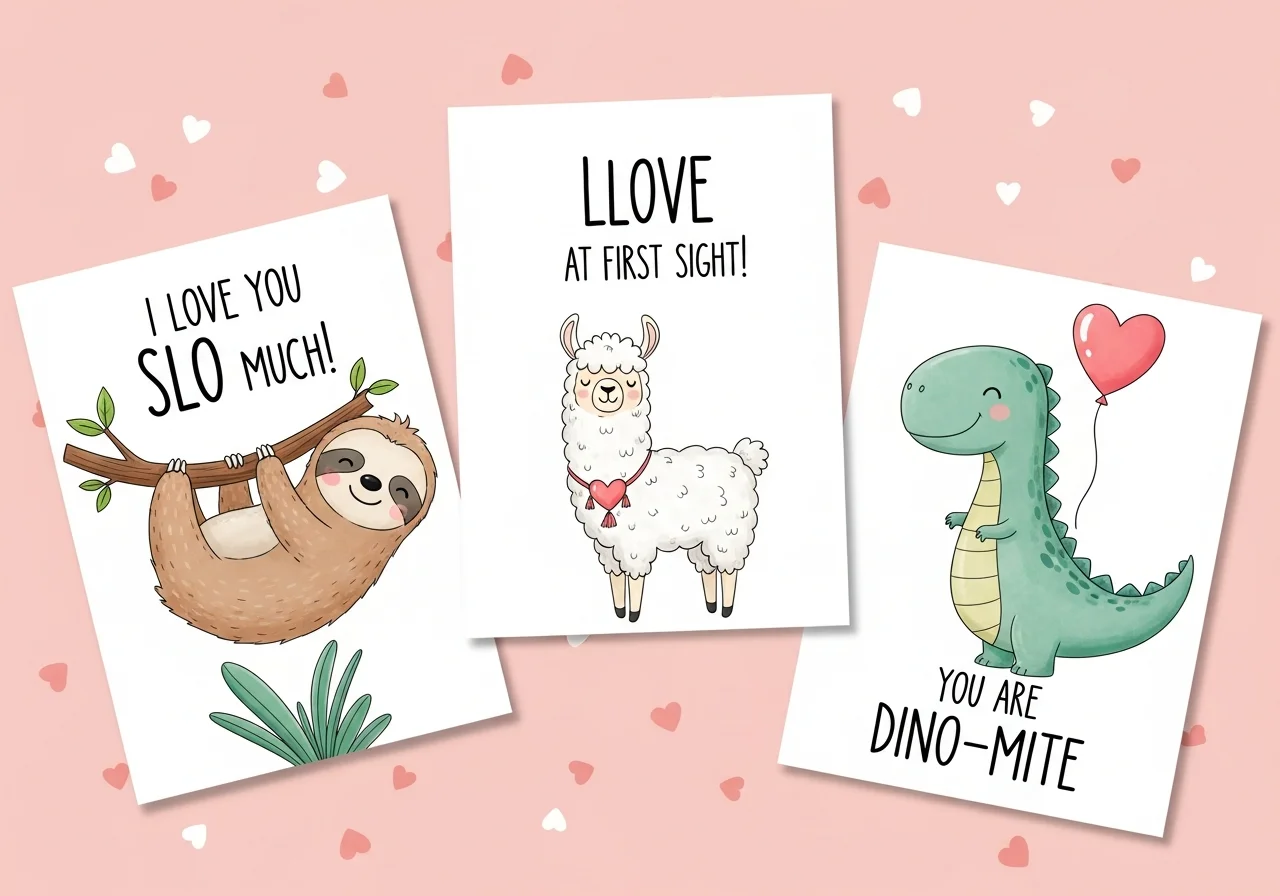
Animal Pun Cards
Children love silly puns paired with cute animal illustrations. Create cards featuring sloths with “I like you a sloth,” dinosaurs proclaiming “You’re dinomite,” or llamas saying “No probllama being my Valentine.” These designs work perfectly for classroom exchanges.
Download free printable templates online or draw simple animal shapes yourself. Kids can color and personalize each card, making the crafting process part of the fun. Attach small toys or erasers that match the animal theme for added excitement.
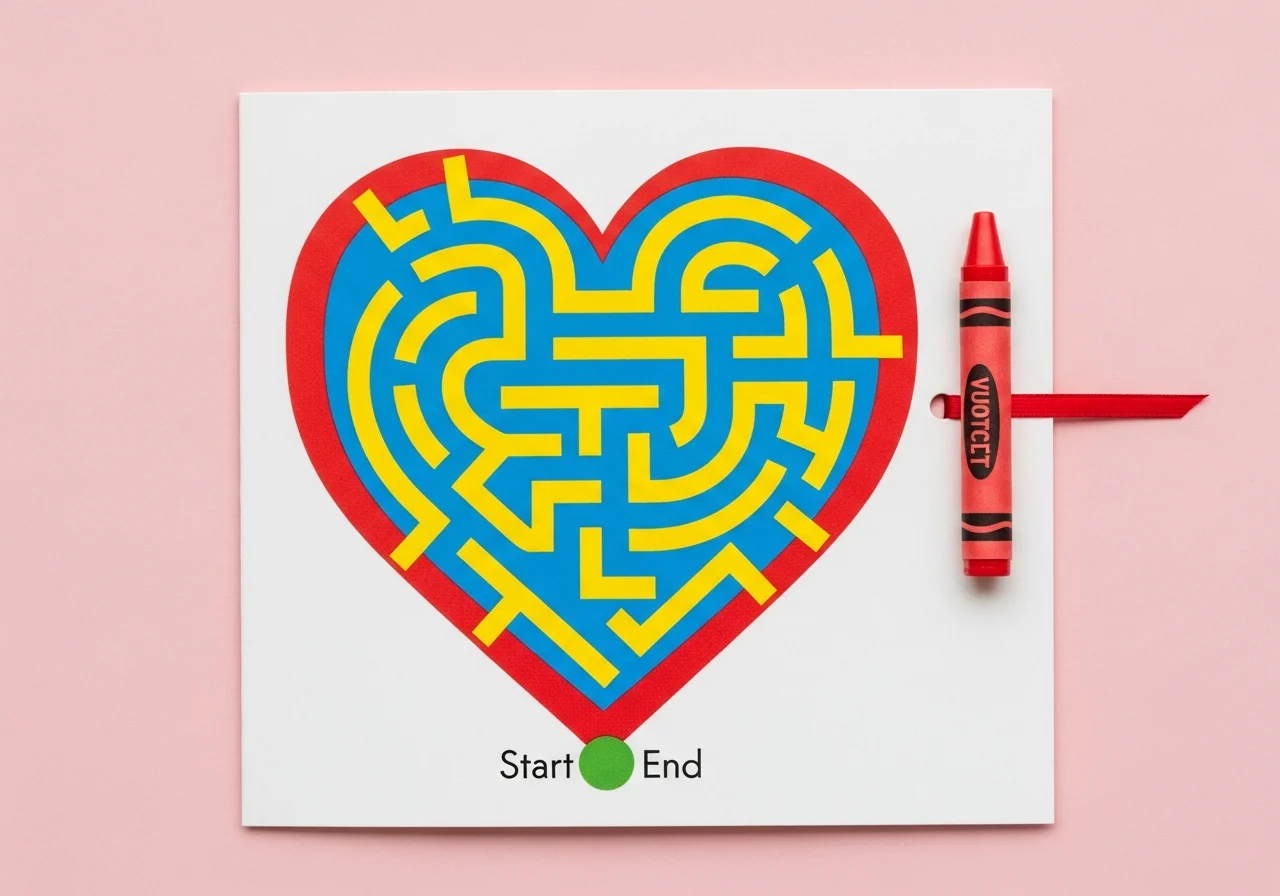
Maze and Activity Cards
Transform Valentine cards into interactive experiences with mazes, word searches, or connect-the-dots puzzles. These cards entertain while conveying Valentine wishes. Use a Cricut machine or hand-draw simple mazes, then attach a small crayon or pencil to each card.
Activity cards solve the candy-free Valentine challenge that many classrooms now require. They provide entertainment value that extends beyond the initial opening, making them memorable for young recipients.
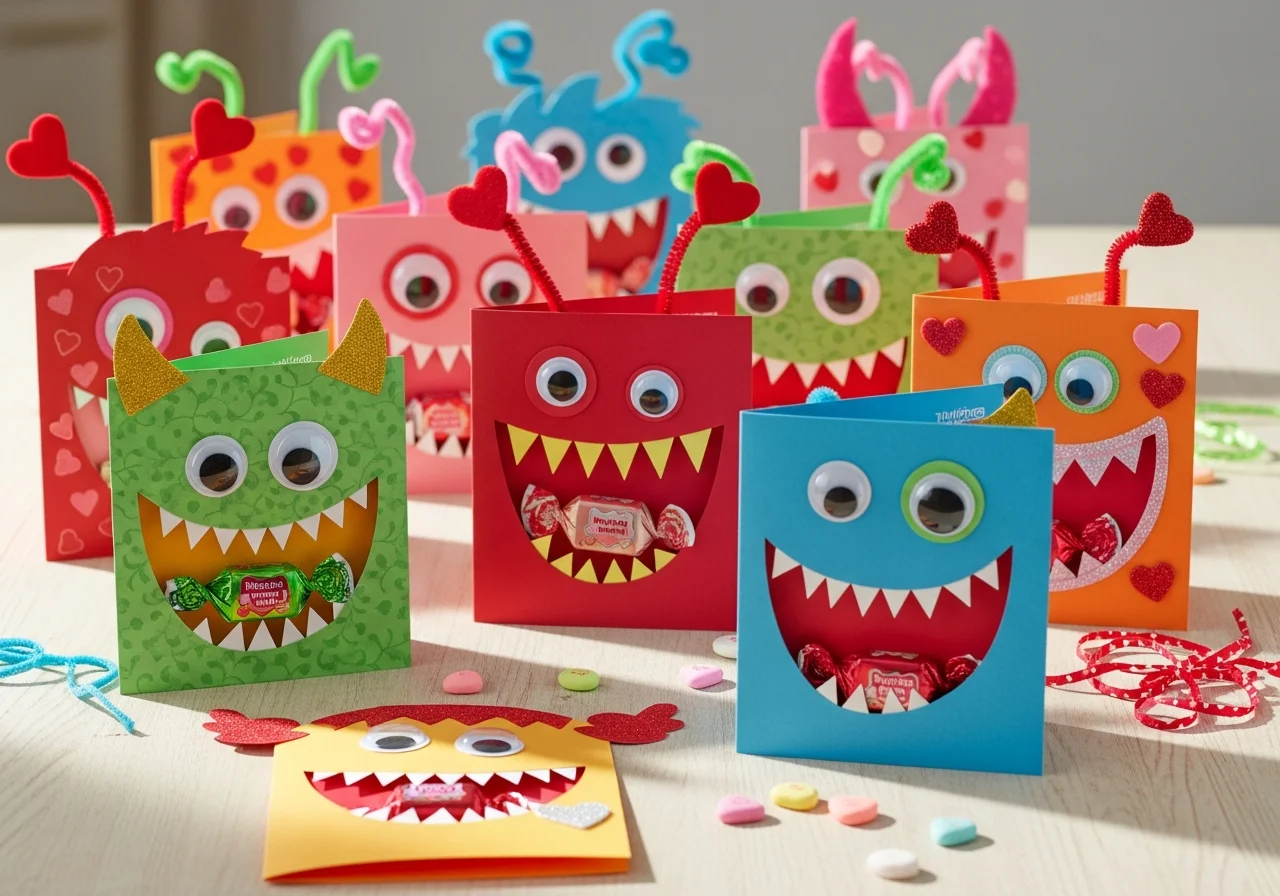
Monster Mouth Cards
Create friendly monster characters with large mouths that hold treats or small toys. Cut a wide mouth opening in folded cardstock, add googly eyes and colorful decorations, then insert candy or trinkets into the mouth. The playful design appeals to children while allowing for individual creativity in monster personalities.
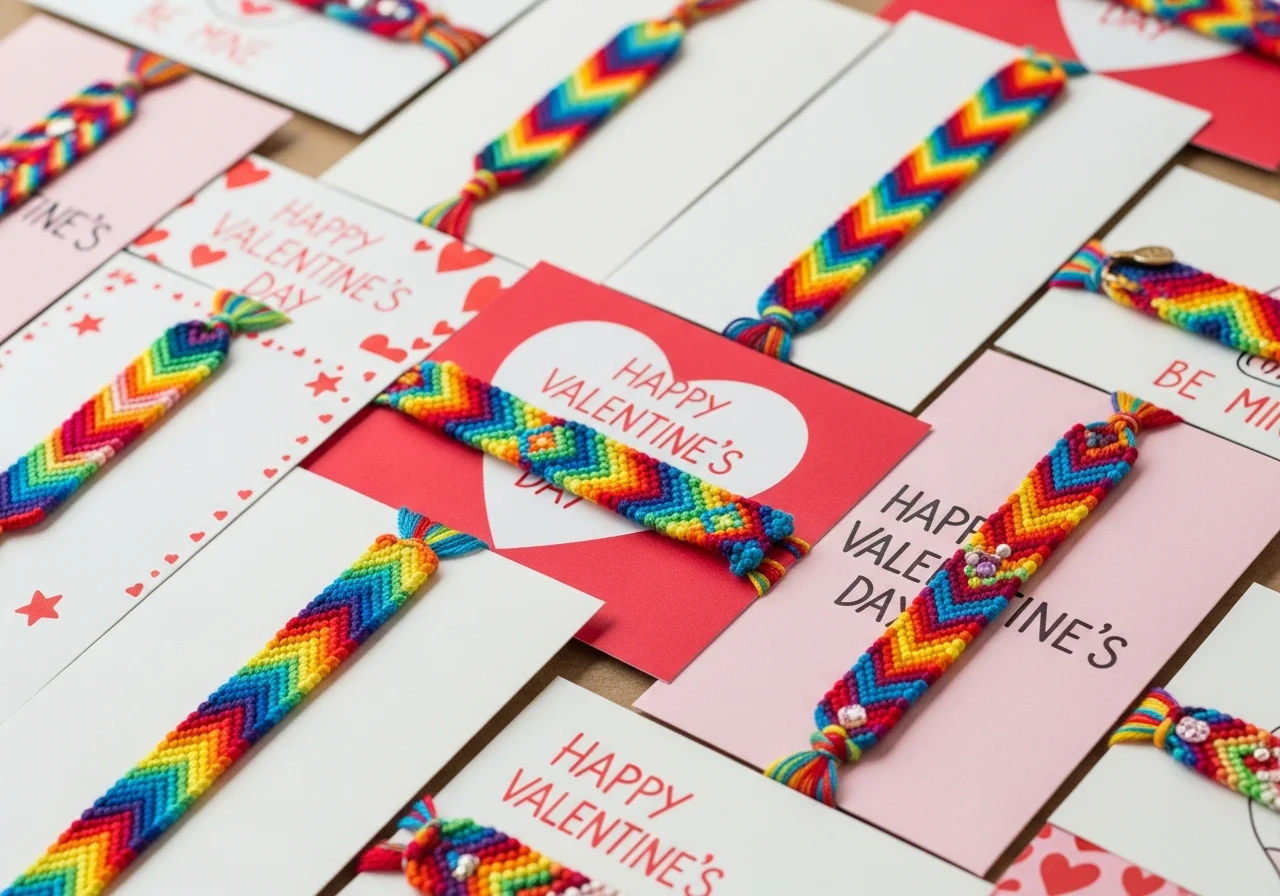
Friendship Bracelet Cards
Combine crafting trends with Valentine traditions by attaching homemade friendship bracelets to cards. This idea particularly resonates with elementary and middle school students who enjoy bracelet-making. Print simple card backgrounds with messages like “Friends Forever” or “You’re My Favorite,” then secure a coordinating bracelet to each card.
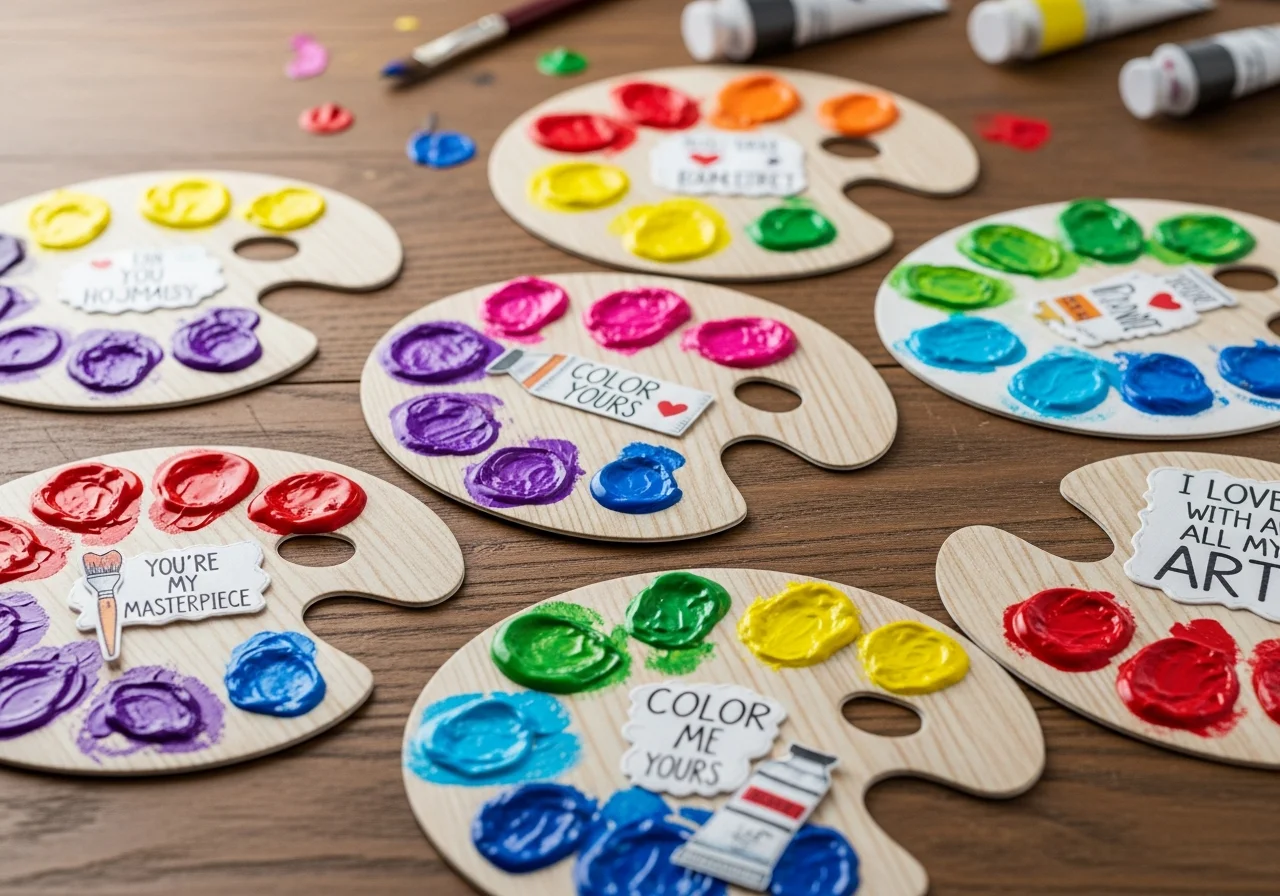
Paint-Themed Valentines
For art-loving children, create cards shaped like paint palettes or watercolor sets. Printable templates make these quick to produce in bulk. Write messages like “You color my world” or “You’re my favorite shade of awesome.” These cards celebrate creativity while avoiding traditional candy associations.
Creative Techniques and Special Effects
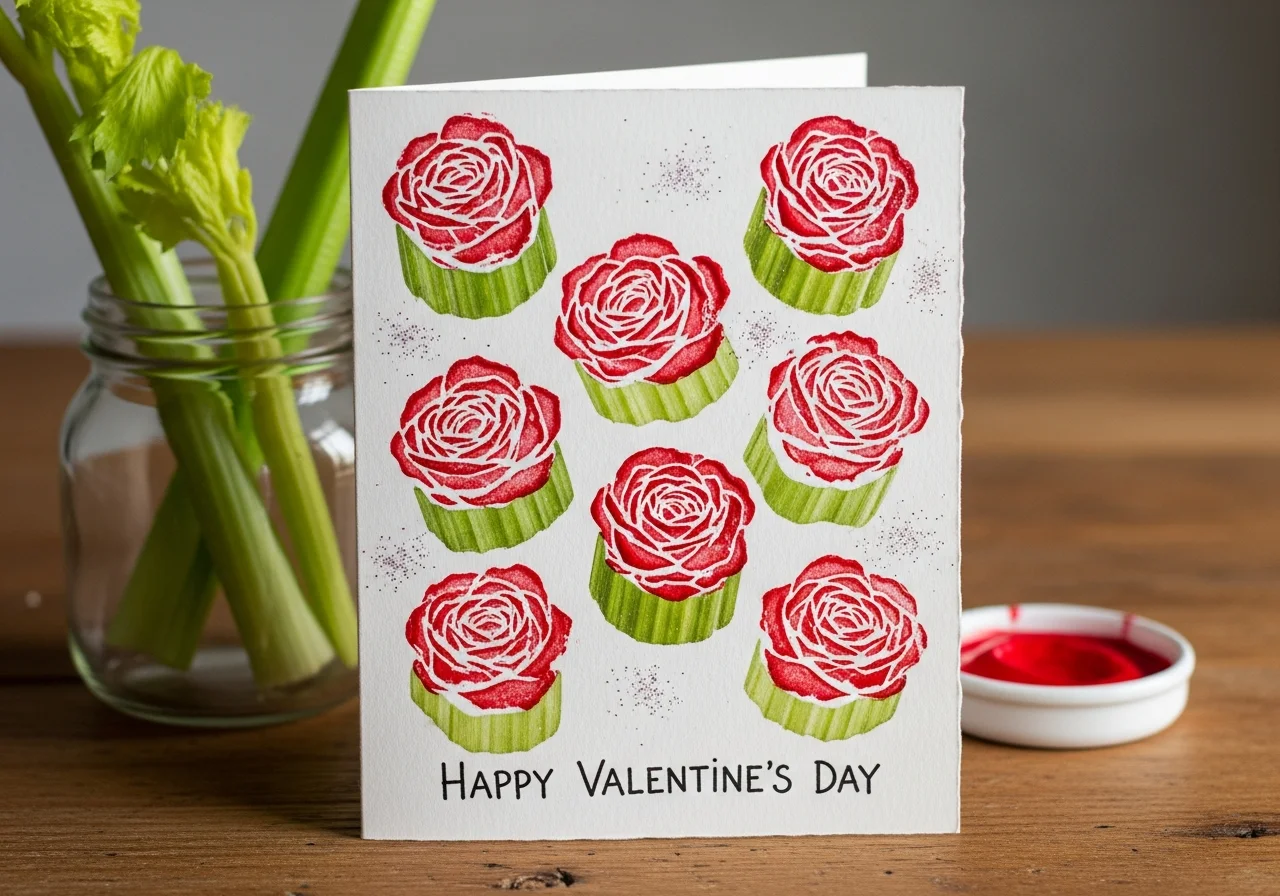
Celery Rose Prints
This clever technique uses celery as a stamp to create rose-like prints. Cut a celery heart in half horizontally, dip the cut end in red or pink paint, and press onto cardstock. The natural pattern resembles a blooming rose. This method works wonderfully for nature-inspired Valentine designs.
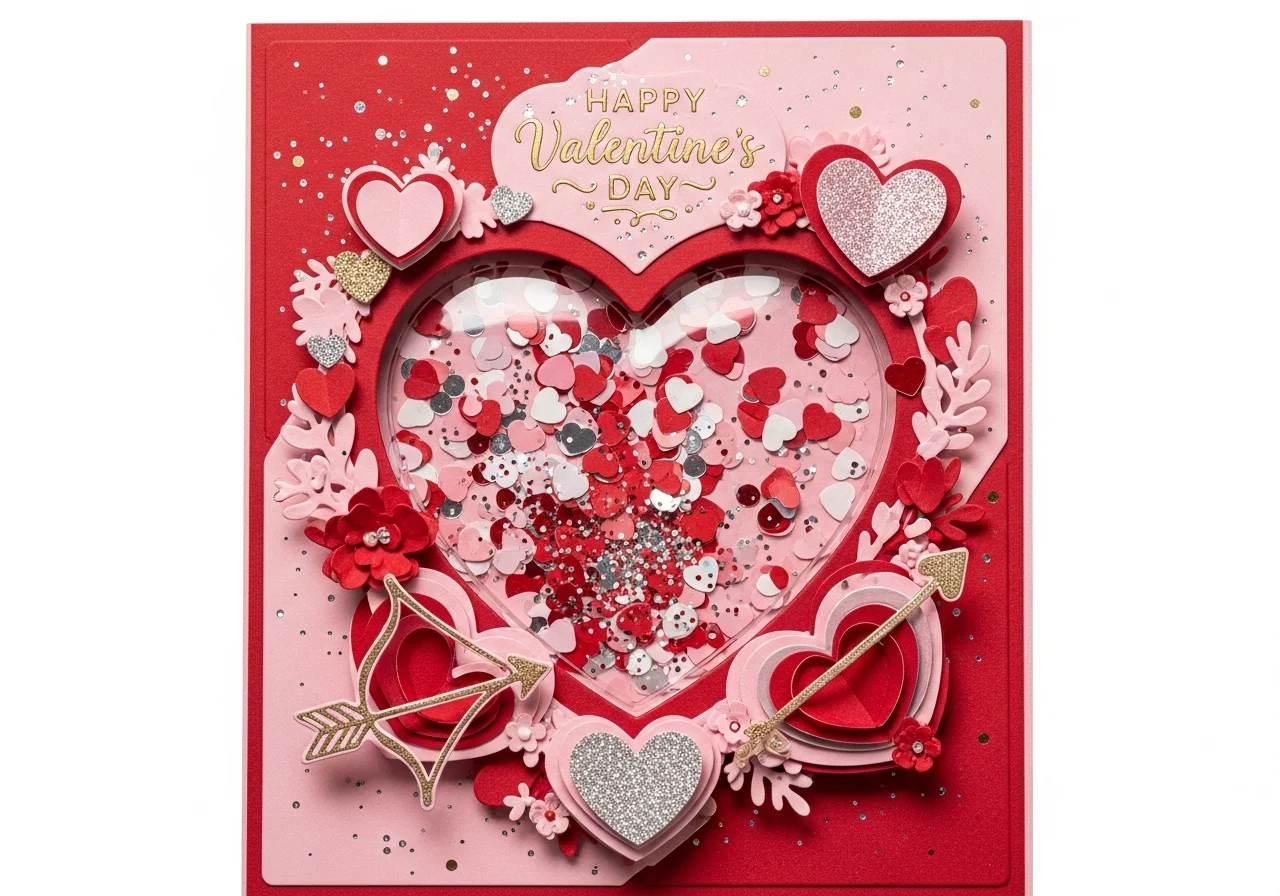
Confetti Shaker Cards
Create excitement with cards that contain movable elements. Cut a window in the front of your card, back it with clear plastic or acetate, and fill the space with heart-shaped confetti, sequins, or glitter. Seal the edges carefully to contain the materials. When recipients shake the card, the elements move and sparkle.
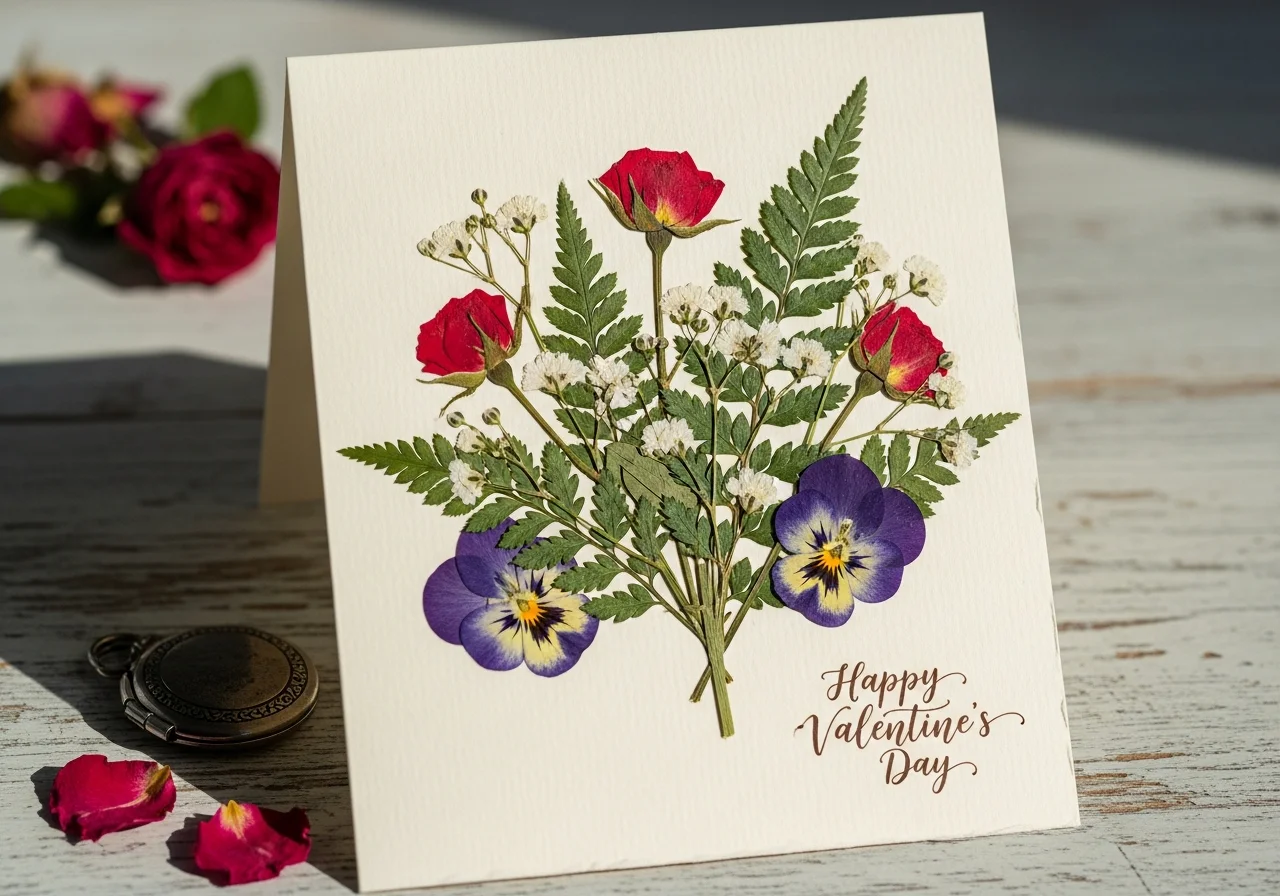
Pressed Flower Cards
Preserve real flowers between heavy books for several weeks, then carefully glue them to cardstock to create delicate, natural designs. This technique works best with thin flowers like pansies or small wildflowers. The resulting cards carry vintage charm and organic beauty that feels both personal and precious.
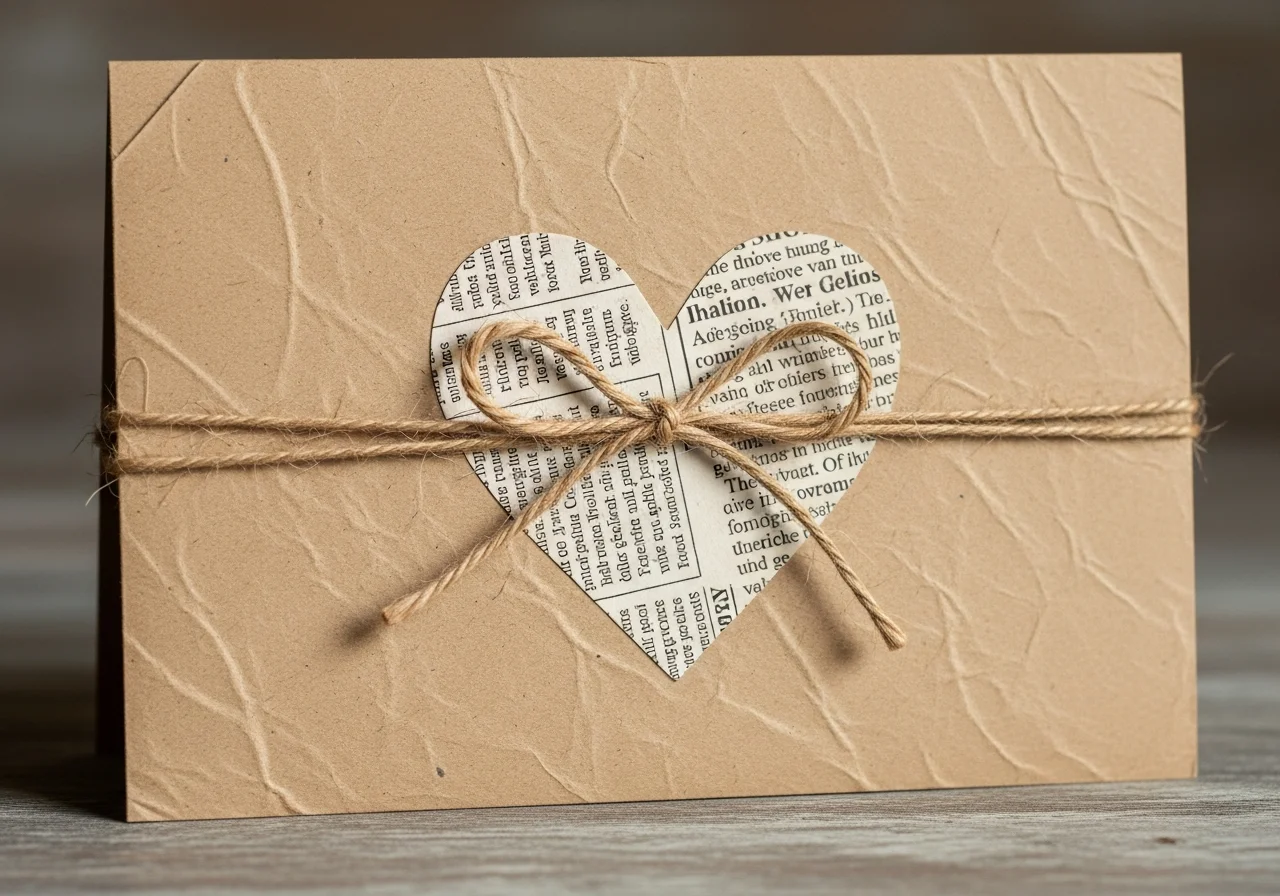
Newspaper and Twine Rustic Cards
For a rustic, vintage aesthetic, incorporate newspaper and natural twine. Cut heart shapes from newspaper, mount them on kraft cardstock, and wrap twine around the card or use it to create a hanging heart. This style suits those who prefer understated, earthy designs over traditional Valentine pink and red.
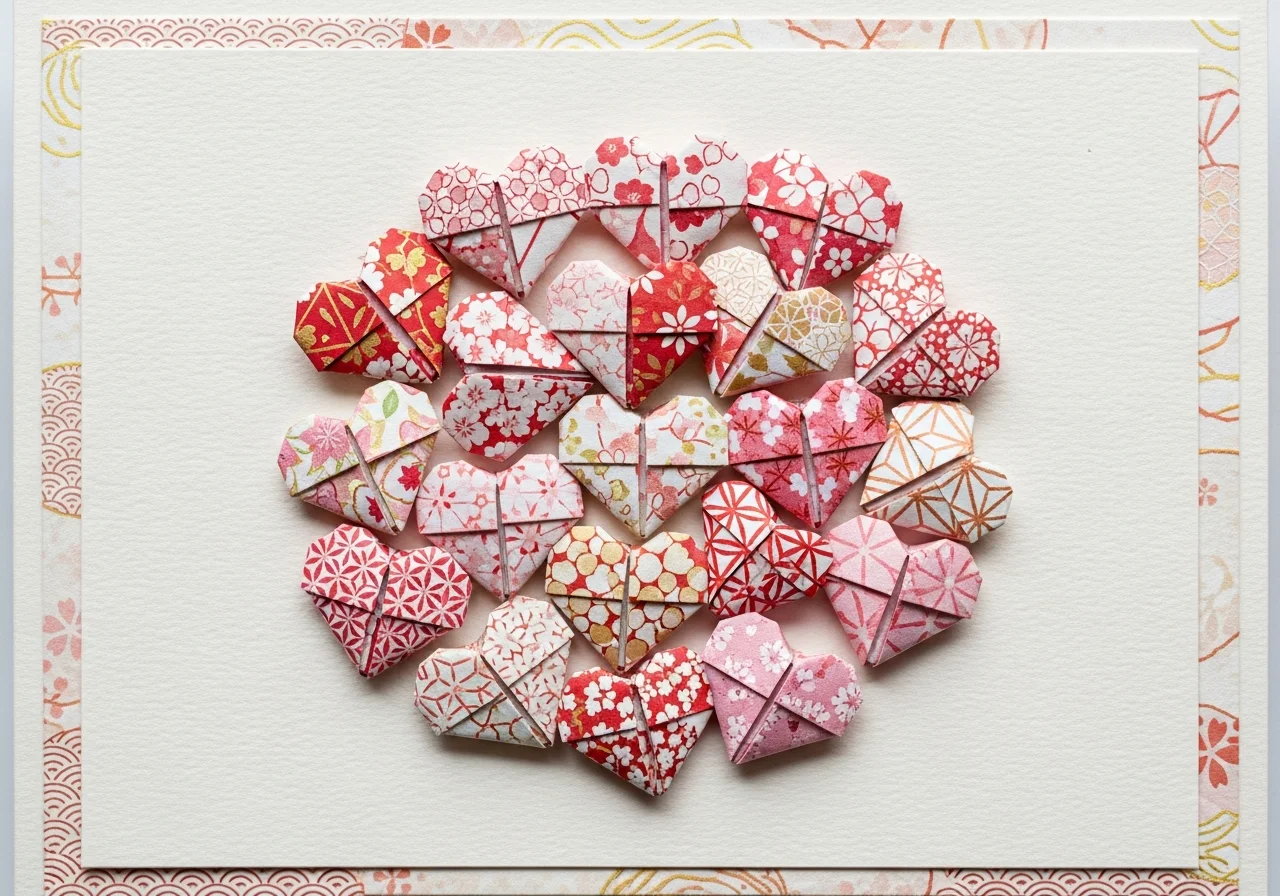
Origami Heart Cards
Fold small origami hearts from patterned paper and attach them to card fronts. You can create a single large heart as a focal point or arrange several small hearts in a pattern. Origami adds dimension and demonstrates the time invested in the card’s creation.
Message Ideas for Different Relationships
For Romantic Partners
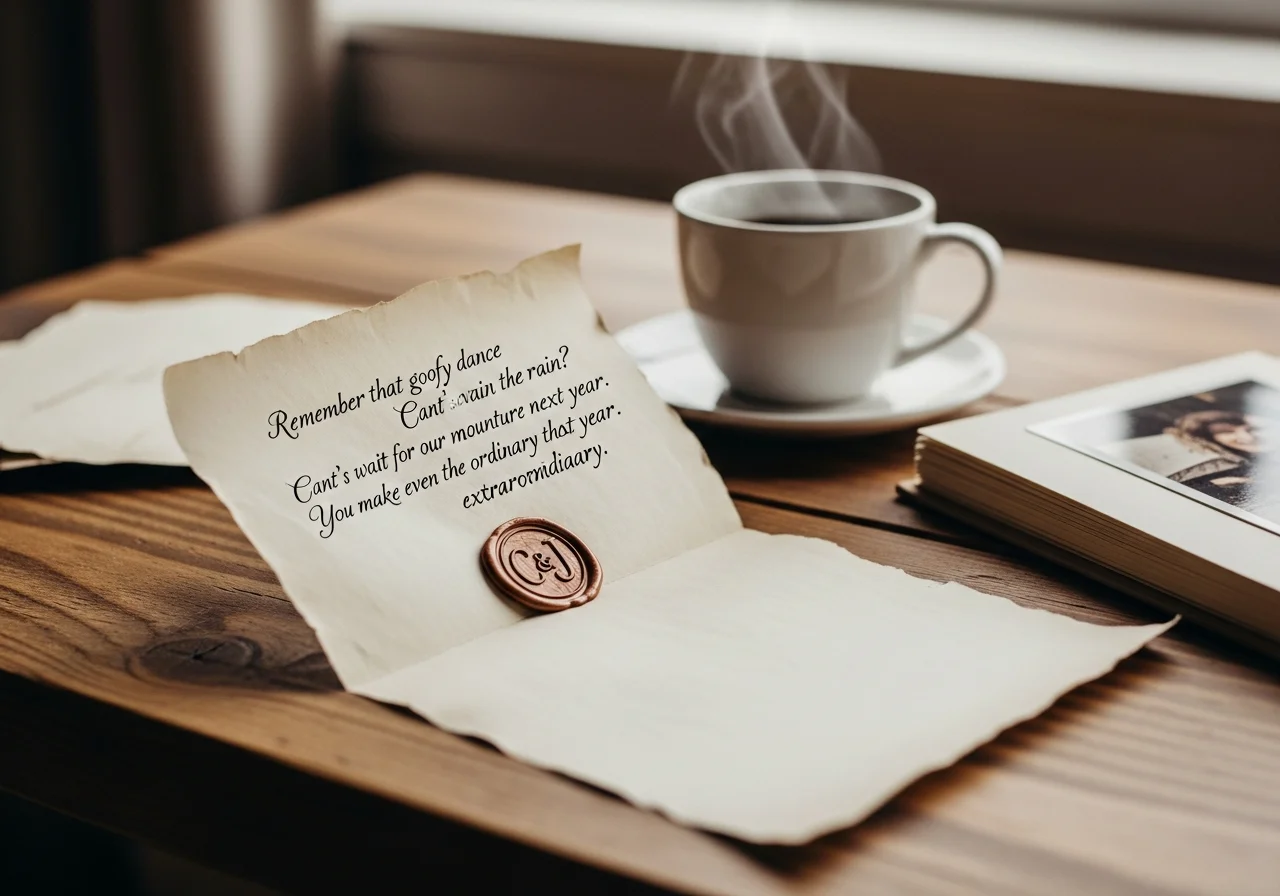
Express deep feelings with messages that speak to your unique relationship. Reference inside jokes, shared memories, or future dreams. Consider phrases that acknowledge your growth together or specific qualities you admire. Authenticity matters more than flowery language.
For Friends and Family
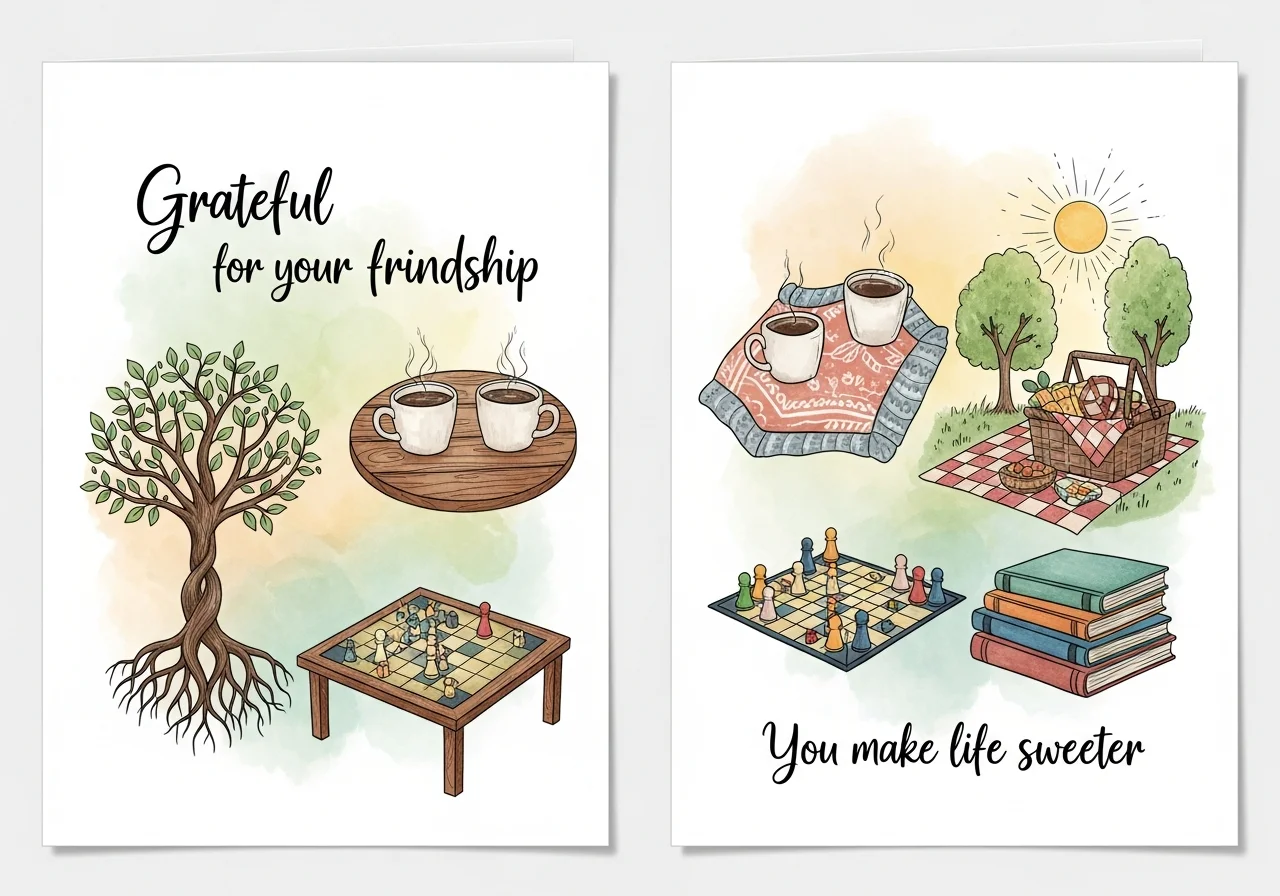
Friendship and family cards can be warm without being romantic. Focus on appreciation, shared experiences, and the joy they bring to your life. Phrases like “Grateful for your friendship” or “You make life sweeter” work perfectly for platonic relationships.
For New Relationships
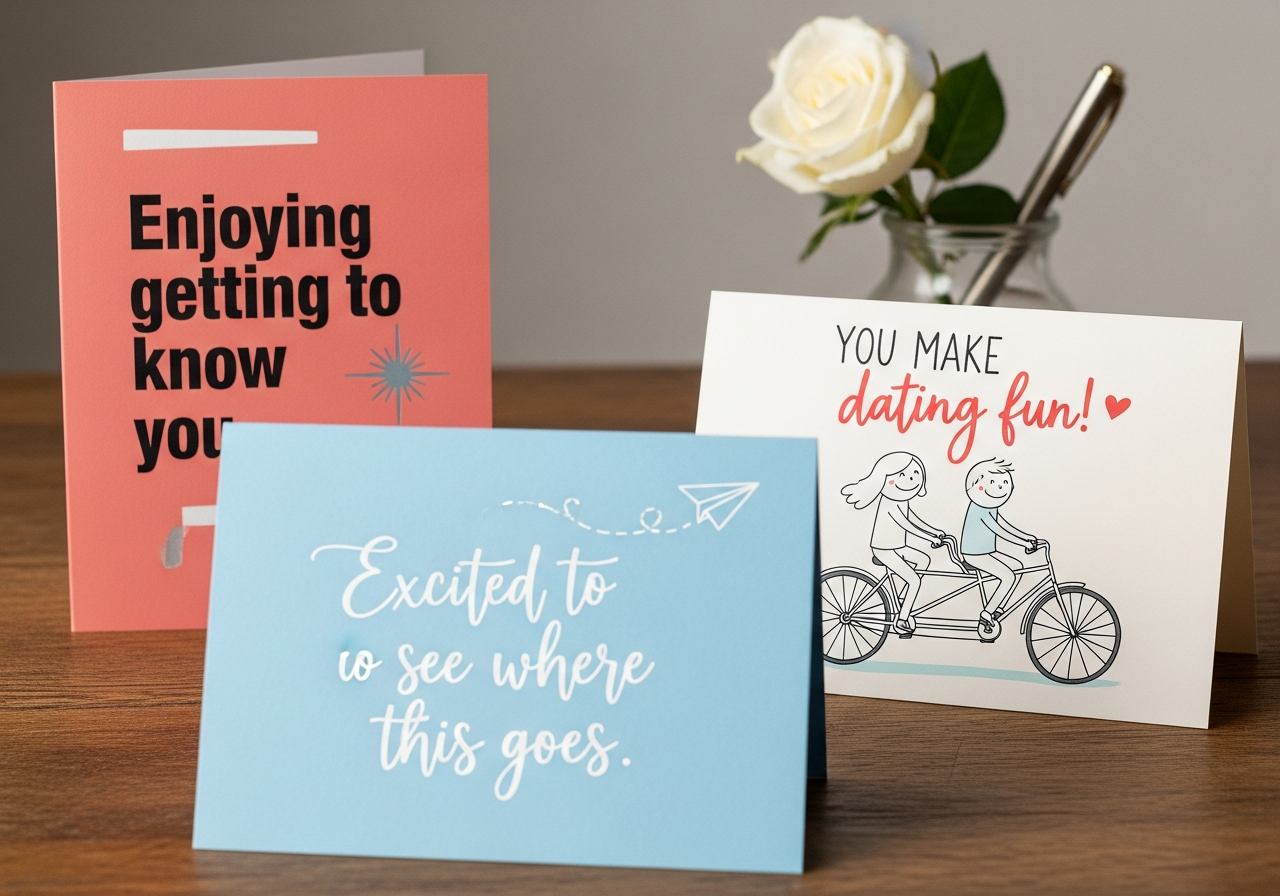
When crafting cards for newer romantic connections, strike a balance between enthusiasm and restraint. Express genuine feelings without overwhelming intensity. Messages like “Excited to see where this goes” or “You make dating fun” acknowledge the relationship’s stage while showing interest.
For Children
Keep messages simple, encouraging, and age-appropriate for kids. Focus on their positive qualities, your love for them, or simple Valentine wishes. Young children especially enjoy seeing their names incorporated into the card design or message.
Time-Saving Tips for Multiple Cards
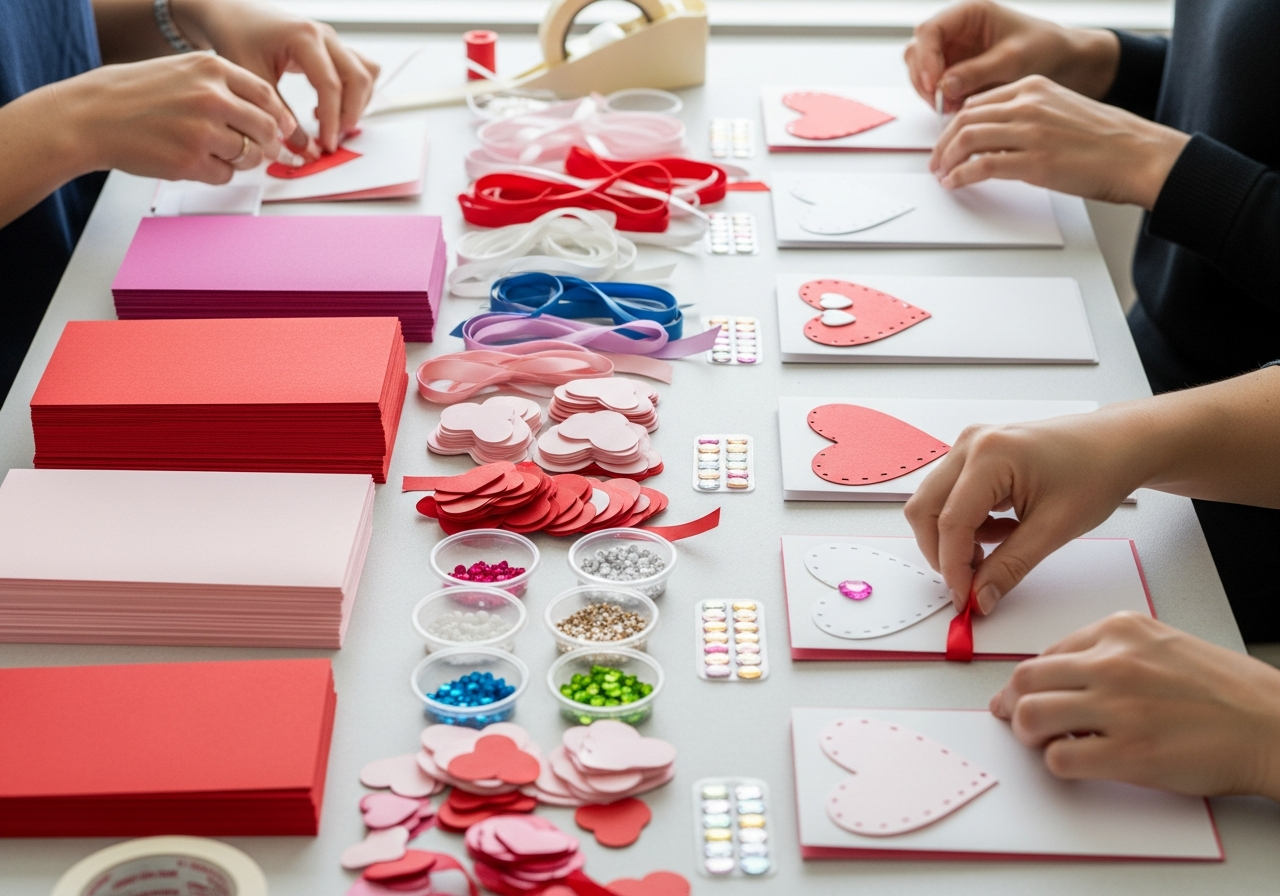
When creating numerous cards for classroom exchanges or friend groups, efficiency becomes essential. Select one design and produce it in an assembly-line fashion. Cut all elements first, then move to assembly, and finish with decorating. This approach saves significant time compared to completing one card before starting another.
Printable templates eliminate drawing time while maintaining handmade charm. Download designs, print on cardstock, and focus energy on personalizing each card with names, colors, or small decorative touches.
Consider hybrid approaches that combine printed elements with handmade details. Print the card base and sentiment, then add hand-drawn hearts, stickers, or ribbon. This creates a personalized look without requiring complete DIY effort for every element.
Advanced Design Techniques
Embossing and Texture
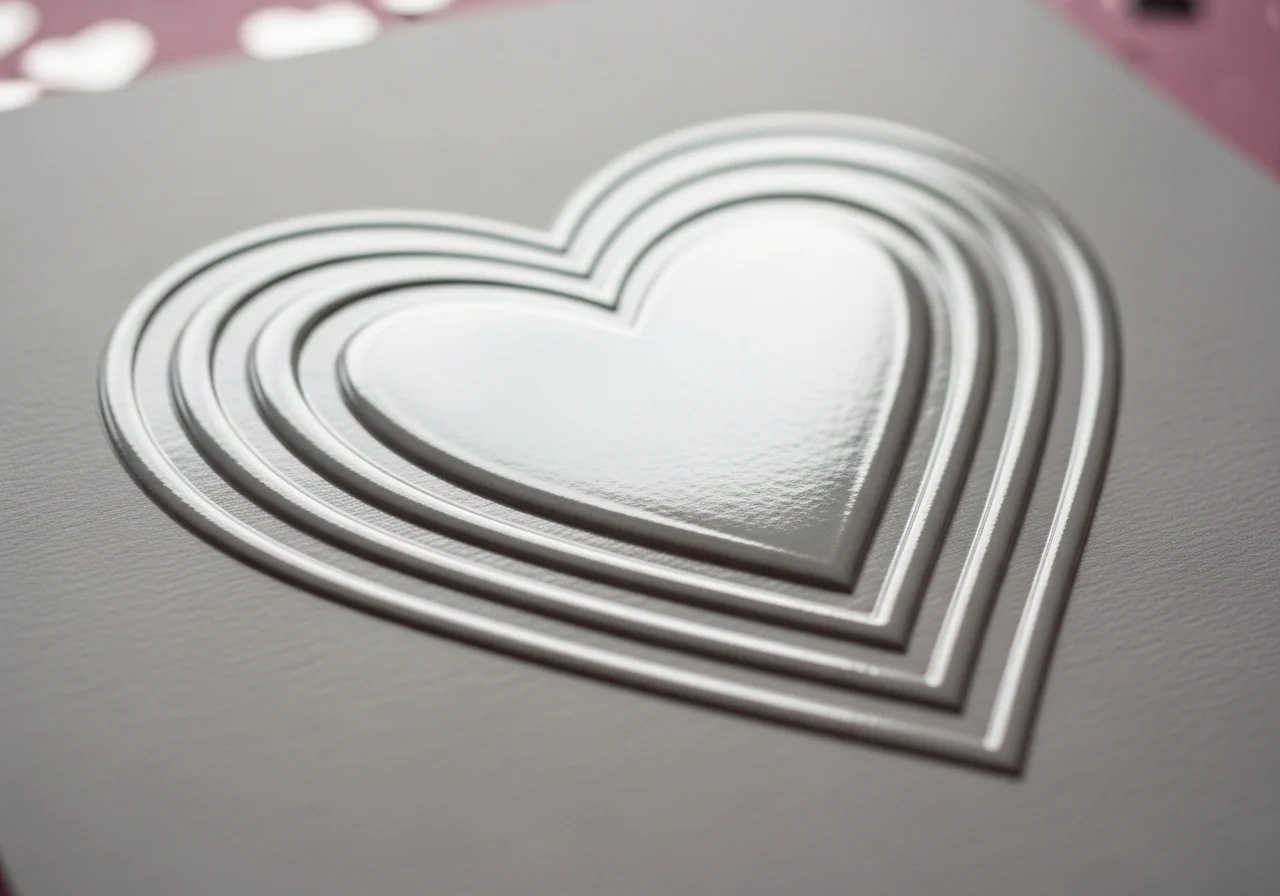
Heat embossing creates raised, glossy designs that add professional polish. Apply embossing ink in your desired pattern, sprinkle embossing powder over the wet ink, tap off excess, and heat with an embossing gun until the powder melts and raises.
Texture paste through stencils creates dimensional backgrounds. Spread the paste through a heart-patterned stencil, let it dry, then paint or leave white for subtle texture. This technique adds tactile interest that invites touching and closer examination.
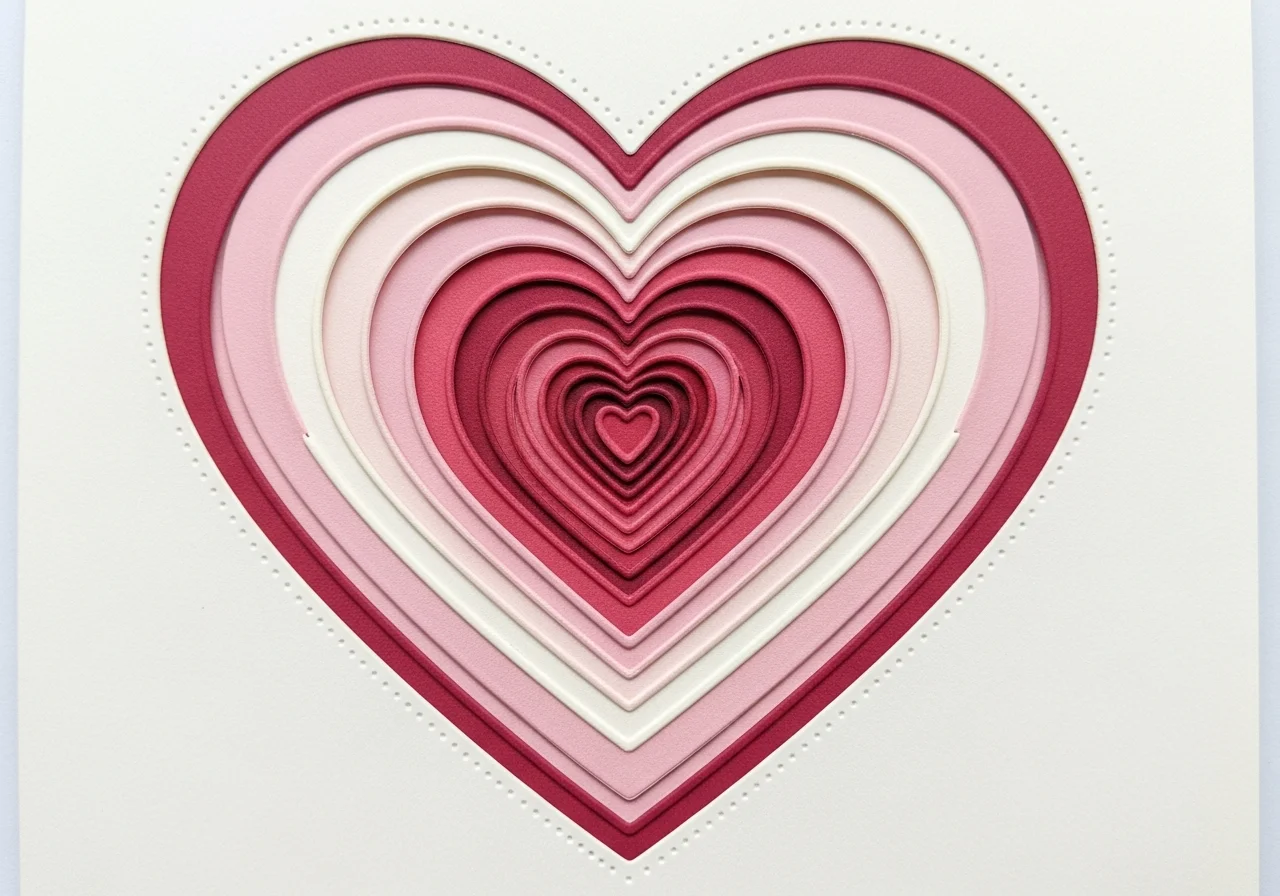
Layered Die Cuts
Paper die-cutting machines allow precise, repeated shapes perfect for cards. Layer different colored hearts or flowers in graduated sizes to create depth. Each layer can be slightly offset or centered, depending on your aesthetic preference.
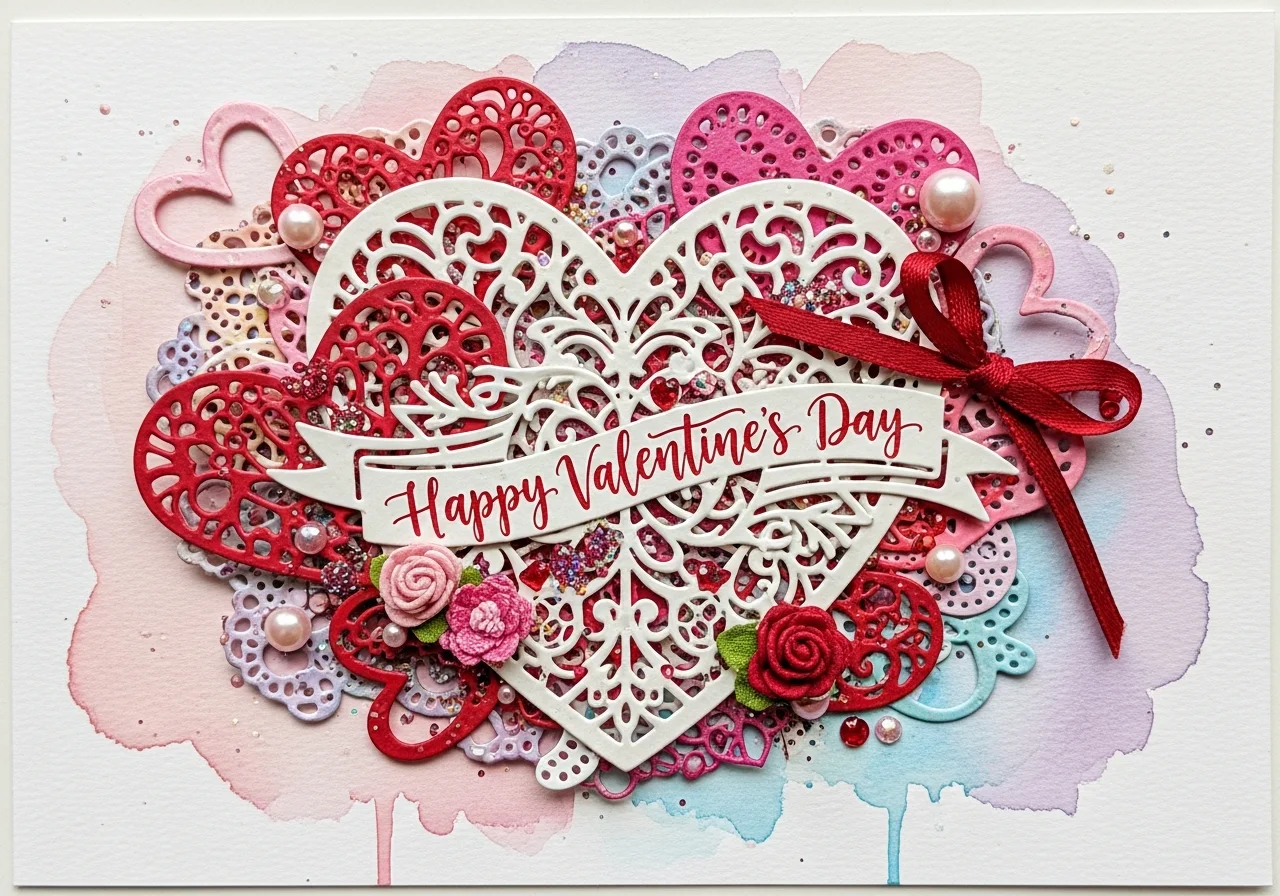
Mixed Media Combinations
Combine multiple techniques in single cards for truly unique results. Start with a watercolor background, add die-cut elements, incorporate hand-lettering, and finish with dimensional foam dots lifting certain elements off the card surface. Mixed media cards become miniature works of art.
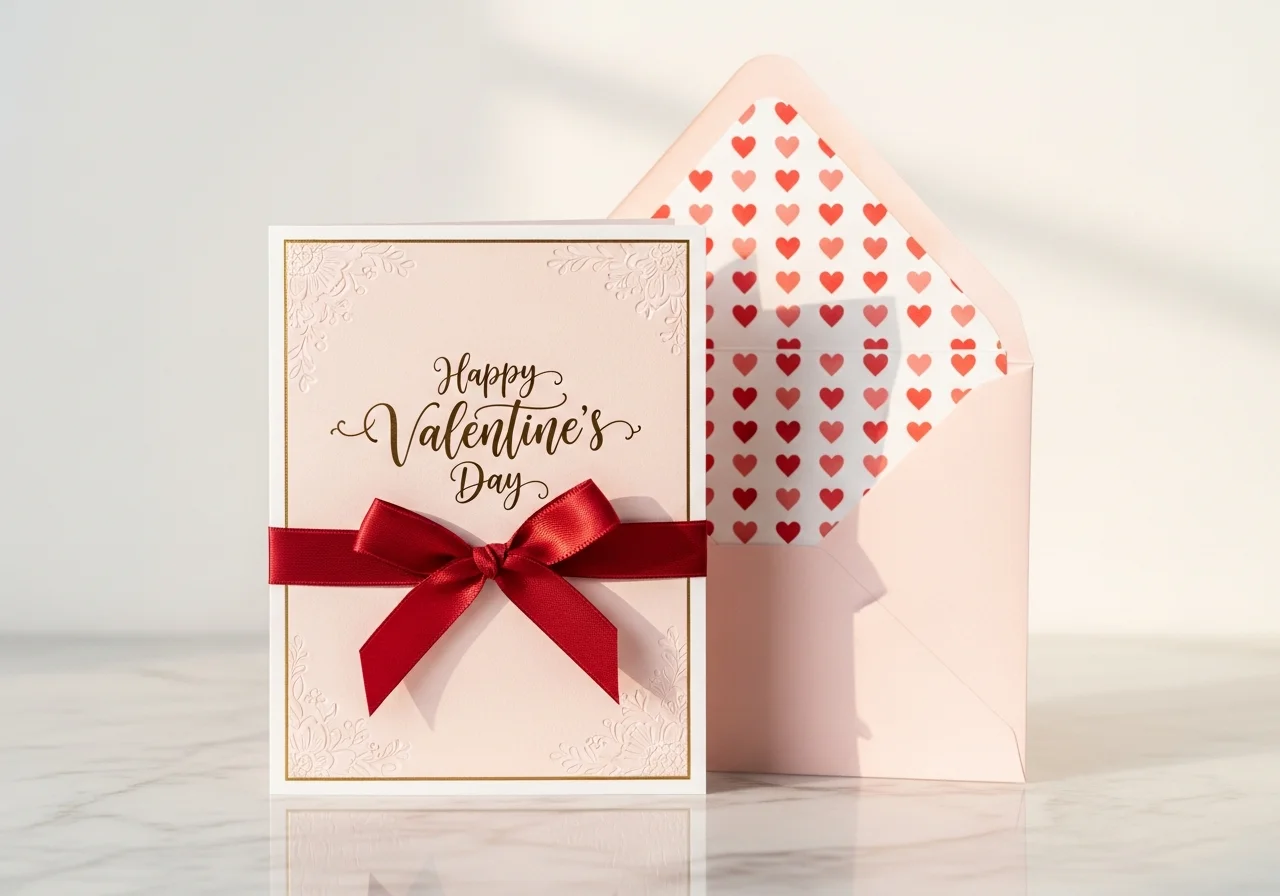
Envelope and Presentation Ideas
The presentation of your handmade card matters almost as much as the card itself. Create matching envelopes using coordinating paper or decorate plain envelopes with stamps, stickers, or hand-drawn designs. Line envelopes with patterned paper for a surprise when opened.
Consider alternative delivery methods beyond standard envelopes. Roll cards and tie them with ribbon, create sleeves from decorative paper, or place cards in small gift bags with tissue paper. The unwrapping experience adds anticipation and excitement.
For mailed cards, ensure proper postage by weighing finished cards before mailing. Dimensional elements or heavy embellishments may require extra postage. Hand-canceling requests at the post office protect delicate cards from machine processing.
Conclusion
Creating your own Valentines Day card transforms a simple greeting into a meaningful expression of care. Whether you choose elaborate techniques or simple designs, the time and thought you invest communicates volumes about your feelings. The ideas presented here offer starting points for your creativity, but the best cards come from personal touches that reflect your unique relationships.
Remember that perfection isn’t the goal. Handmade cards charm through their authenticity and personal nature, not flawless execution. Small imperfections often become endearing details that make cards more memorable than any store-bought alternative.
Start with designs matching your current skill level, then experiment with new techniques as confidence grows. Each card you create builds your abilities while bringing joy to recipients. This Valentine’s Day, let your creativity speak for your heart.
Frequently Asked Questions
What materials do I need to make a basic Valentines Day card?
You need cardstock or heavy paper as your base, scissors or a craft knife, adhesive like glue or tape, and decorative elements such as markers, colored paper, or stickers. Most handmade cards require only these simple supplies that many people already have at home.
How long does it take to make a homemade Valentine card?
Simple designs take as little as five to ten minutes per card, while more elaborate projects involving multiple techniques or detailed artwork may require thirty minutes to an hour. Assembly-line methods help create multiple cards more efficiently when making bulk quantities for classrooms.
Can I make Valentines Day cards without artistic skills?
Absolutely. Many beautiful card designs require no drawing ability. Use printable templates, geometric shapes, stamping techniques, or simple paper-cutting methods. Minimalist designs often create the strongest impact while requiring minimal artistic expertise.
What are good alternatives to candy for classroom Valentine cards?
Consider attaching small toys, erasers, pencils, crayons, stickers, bookmarks, friendship bracelets, or activity elements like mazes directly to cards. These options comply with candy-free classroom policies while still exciting young recipients.
How can I personalize a Valentine card to make it more meaningful?
Include specific references to shared memories, inside jokes, or qualities you genuinely appreciate about the recipient. Use their favorite colors, incorporate photos together, or write a heartfelt message in your own words rather than generic phrases. Personal touches transform simple cards into treasured keepsakes.