Teen Girl Bedroom Ideas and Aesthetic Designs for Cozy, Stylish, Creative Rooms in 15 Inspiring Ways
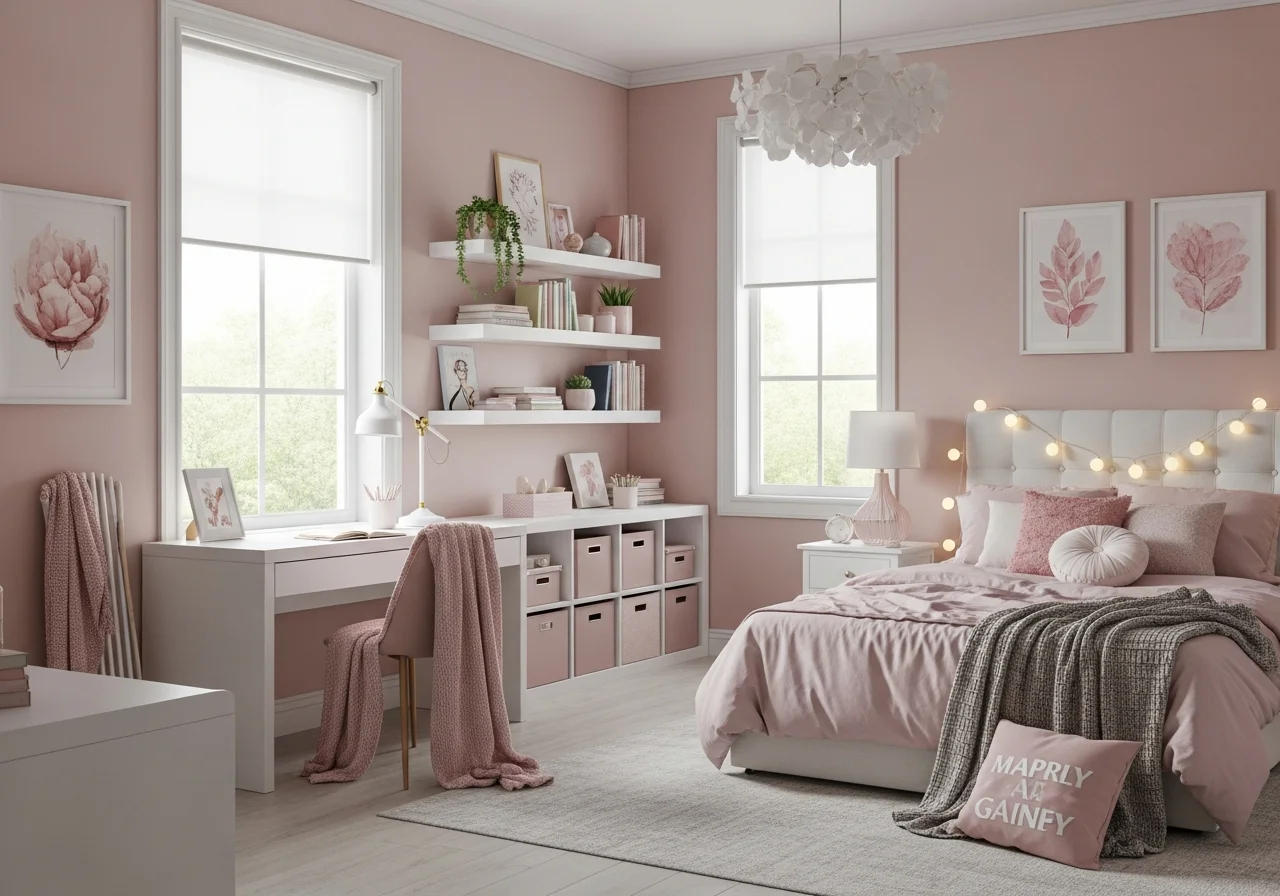
Creating a bedroom for a teenage girl requires more than just picking out pretty colors and furniture. This space serves as a sanctuary where she studies, relaxes, expresses her creativity, and develops her personal identity. The teenage years mark a crucial period of self-discovery, making the bedroom environment more important than ever. A well-designed teen girl bedroom balances functionality with aesthetics, creating a cozy and stylish retreat that reflects her unique personality while accommodating her evolving needs.
The challenge lies in designing a space that feels mature enough to grow with her but still captures the energy and creativity of youth. Unlike childhood bedrooms focused on play, teen spaces need designated zones for studying, sleeping, socializing with friends, and personal care. Parents and teens must collaborate during the design process, ensuring the final result satisfies practical requirements while honoring the teenager’s vision for her personal space.
This comprehensive guide explores fifteen inspiring approaches to designing teen girl bedrooms that combine comfort, style, and functionality. Whether working with a small space or starting from scratch, these ideas will help transform an ordinary room into an extraordinary personal haven.
Understanding Your Teen’s Style Preferences
Before purchasing furniture or choosing paint colors, take time to understand what resonates with your teenager. This collaborative approach ensures the final design reflects her personality rather than imposing adult preferences onto her space. Sit down together and browse design websites, create mood boards, and discuss her favorite colors, patterns, and overall aesthetic direction.
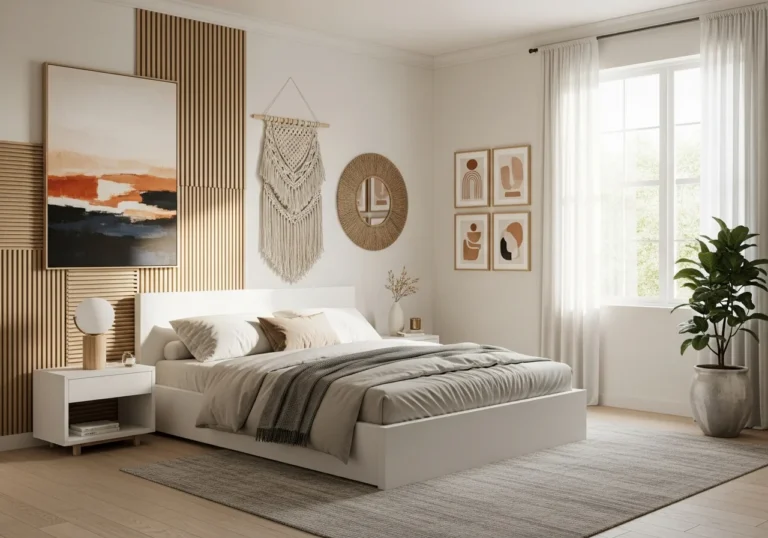
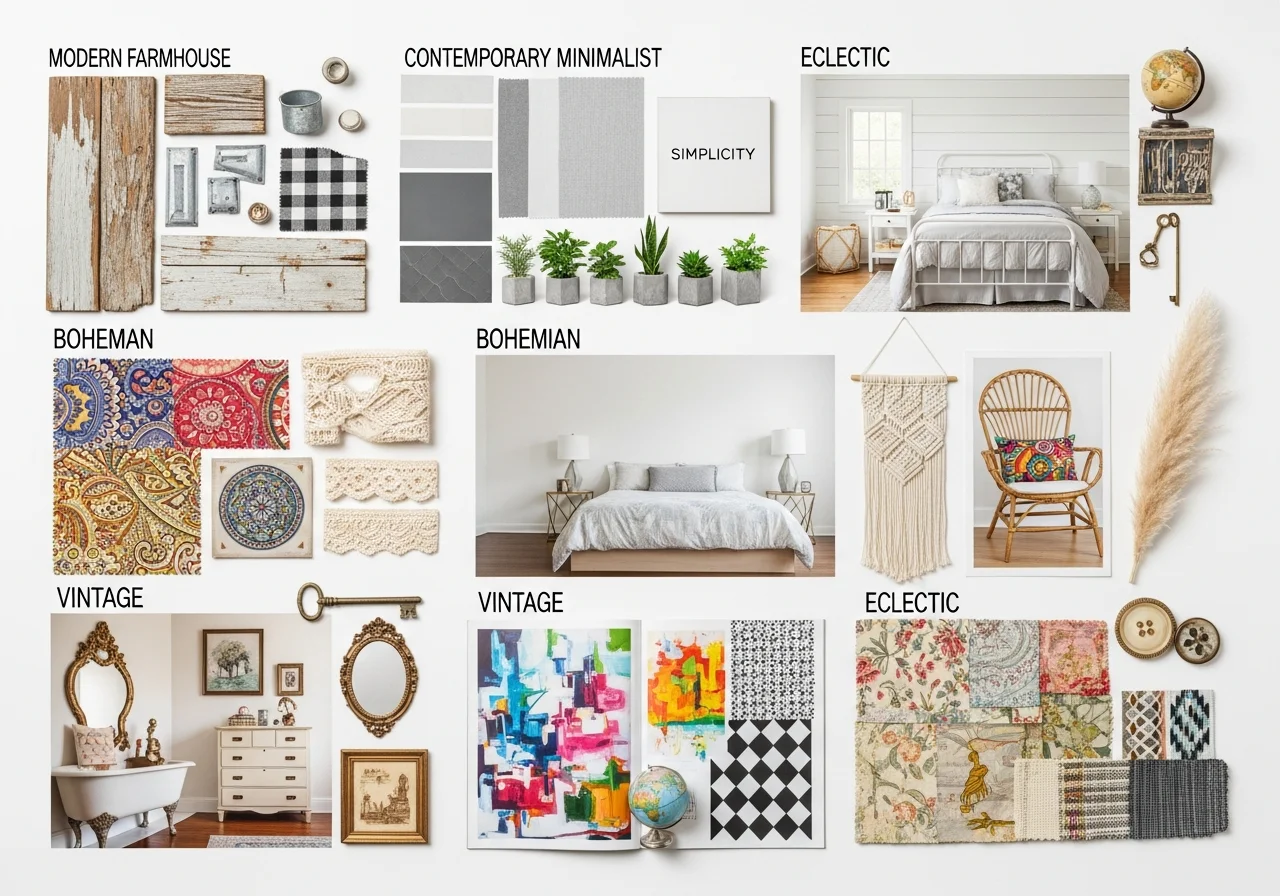
Popular styles among teen girls include modern farmhouse with its clean lines and rustic touches, contemporary designs featuring minimalist elements, bohemian spaces filled with textures and patterns, vintage looks incorporating antique pieces, and eclectic combinations that blend multiple influences. Each style offers unique opportunities for personalization and creative expression.
Consider her interests and hobbies when determining the direction. An artistic teenager might appreciate a studio-like space with ample natural light and display areas for her work. An athlete might prefer built-in storage for equipment and memorabilia from her sports achievements. A musician needs acoustic considerations and space for instruments. Aligning the room design with her passions creates a more meaningful and functional environment.
Creating Essential Functional Zones
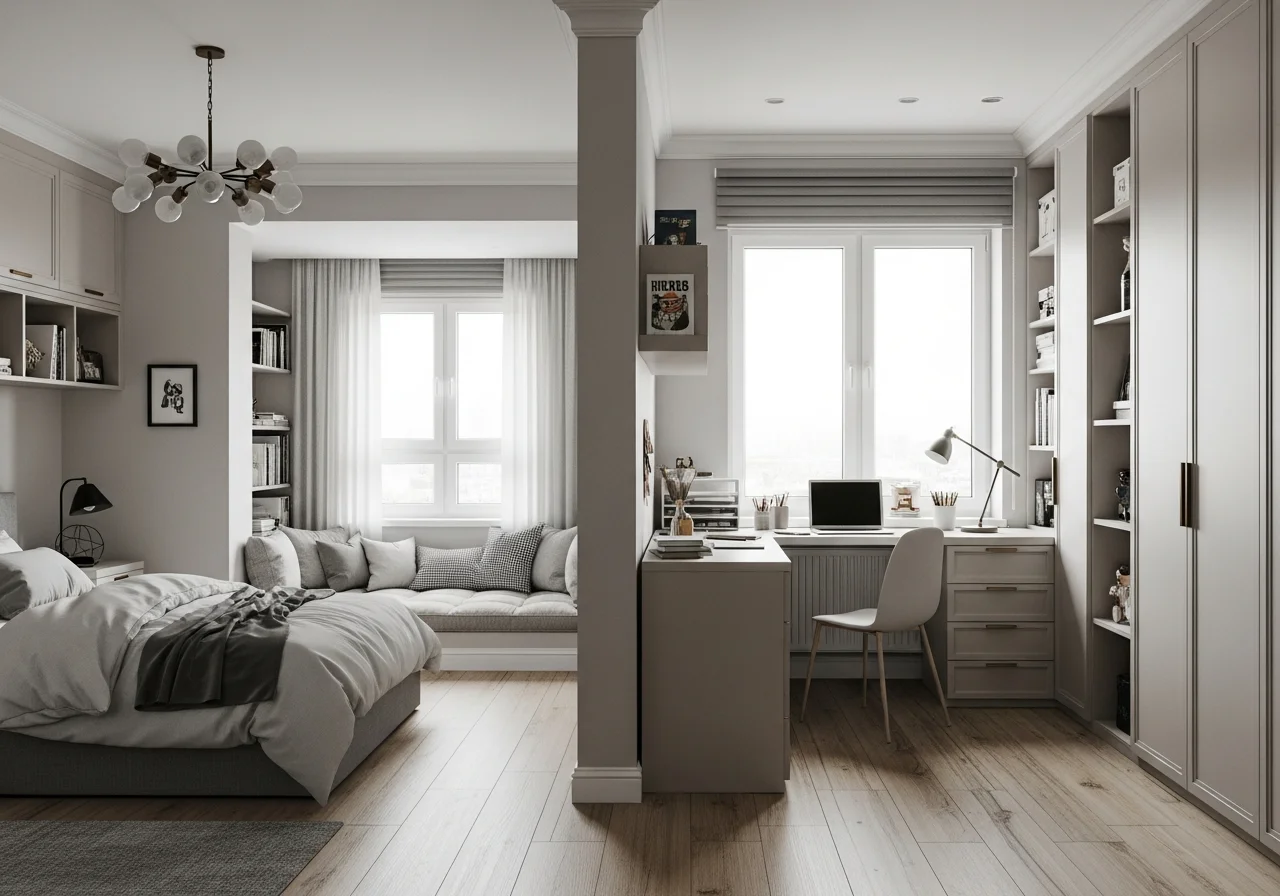
A well-planned teen bedroom incorporates multiple functional areas rather than serving as just a place to sleep. The most important zones include a comfortable sleeping area, a productive study space, a relaxation corner for reading or listening to music, and storage solutions for clothes, accessories, and personal items.
The sleeping zone centers around a comfortable bed appropriate for her size and sleep preferences. Consider upgrading from a twin to a full or queen size bed, providing more space for lounging and accommodating sleepovers with friends. The bed serves as the room’s focal point, so invest in quality bedding that complements the overall color scheme while offering comfort and durability.
Study areas deserve careful attention since academic work occupies significant time during teenage years. Position a desk near natural light sources when possible, and ensure adequate artificial lighting for evening homework sessions. The desk should offer sufficient surface area for a computer, textbooks, and writing space, with nearby shelving or drawers for school supplies. An ergonomic chair prevents discomfort during extended study periods.
Relaxation zones provide essential space for unwinding after busy days. This might include a cozy reading nook with floor cushions and a bookshelf, a hanging chair suspended from the ceiling, or a window seat with plush pillows. These dedicated relaxation areas encourage healthy downtime habits and offer alternatives to spending all free time on beds or at desks.
Selecting the Perfect Color Palette
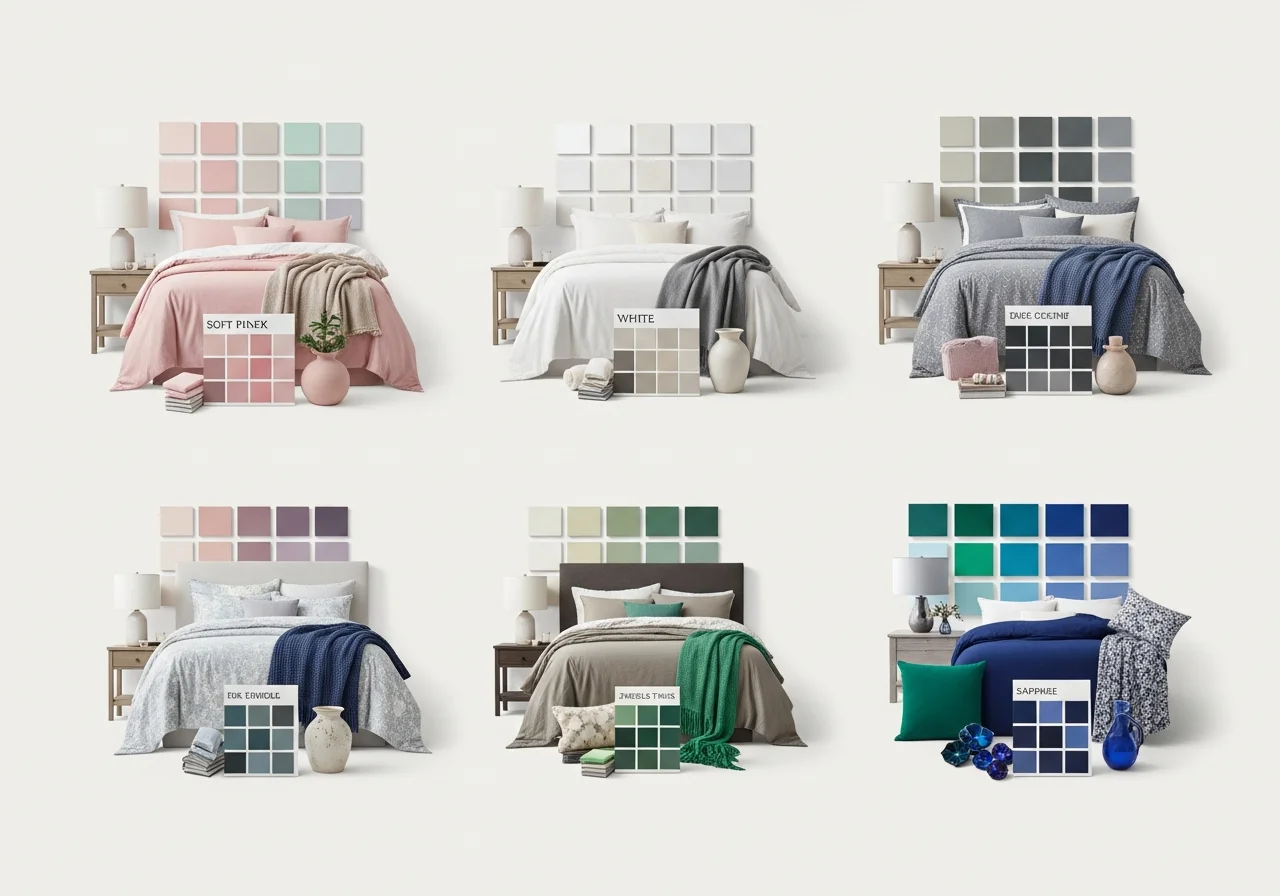
Color choices dramatically impact the room’s overall mood and aesthetic. While traditional teen girl bedrooms often featured predominantly pink or purple schemes, modern approaches embrace wider color diversity. Neutral bases with pops of bolder accent colors create sophisticated spaces that transition easily as tastes evolve.
Soft pastels including blush pink, mint green, lavender, and powder blue create calming, feminine environments without feeling juvenile. These colors work beautifully as wall paint or in larger furniture pieces, providing gentle backdrops for bolder accent colors in accessories and textiles.
Neutral palettes using white, cream, beige, and gray offer timeless versatility. These colors make small rooms feel larger and provide blank canvases for personalization through artwork, bedding, and decorative accessories. Neutrals also adapt easily when style preferences change, requiring only new accent pieces rather than complete room overhauls.
Bold color enthusiasts might incorporate jewel tones like emerald green, sapphire blue, or deep burgundy as accent walls or statement furniture pieces. Dark, moody colors create dramatic, sophisticated atmospheres perfect for teens seeking mature aesthetics. Balance darker colors with lighter elements to prevent spaces from feeling too heavy or claustrophobic.
Maximizing Storage and Organization
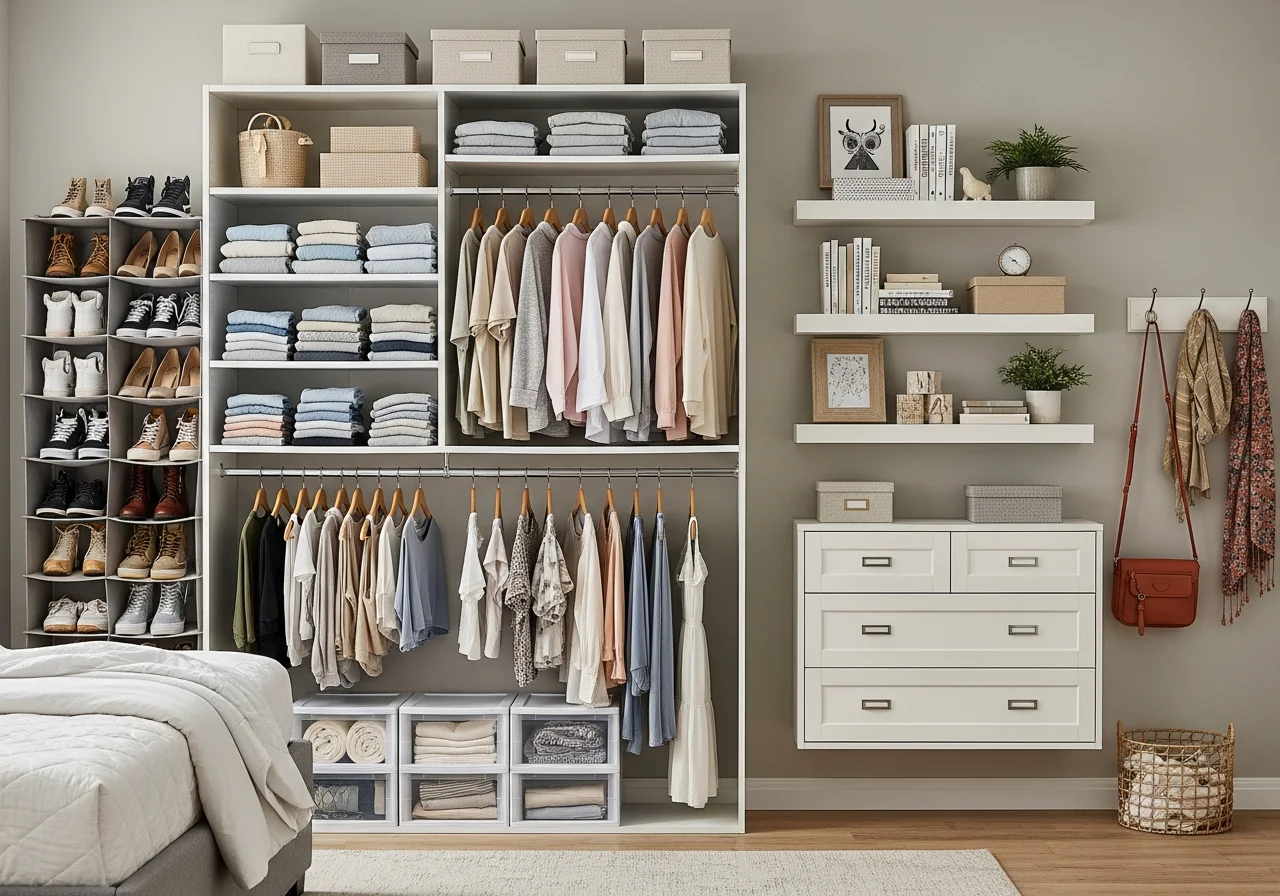
Teenage bedrooms accumulate substantial amounts of clothing, accessories, books, school supplies, and personal items. Implementing smart storage solutions prevents clutter while maintaining the room’s aesthetic appeal. Built-in storage options maximize space efficiency, particularly in smaller rooms where every square foot matters.
Closet organization systems transform chaotic storage into functional spaces. Install adjustable shelving, double hanging rods, and specialty organizers for shoes, accessories, and folded items. Teaching organizational skills during room redesigns establishes habits that serve teenagers well into adulthood.
Under-bed storage provides valuable space for seasonal clothing, extra bedding, or items used less frequently. Ottoman beds with built-in drawers combine seating or sleeping surfaces with hidden storage compartments. Rolling bins or flat storage containers slide easily under platform beds for accessible organization.
Vertical storage solutions capitalize on wall space rather than consuming valuable floor area. Floating shelves display books, plants, photographs, and decorative objects while keeping surfaces clear. Wall-mounted organizers near desks hold school supplies, and over-door hooks accommodate bags, jackets, and accessories.
Multi-functional furniture pieces serve double duty in teen bedrooms. Storage benches at the foot of beds provide seating while hiding blankets or shoes inside. Desks with built-in shelving eliminate the need for separate bookcases. Nightstands with drawers keep personal items organized and out of sight.
Lighting Design for Functionality and Ambiance
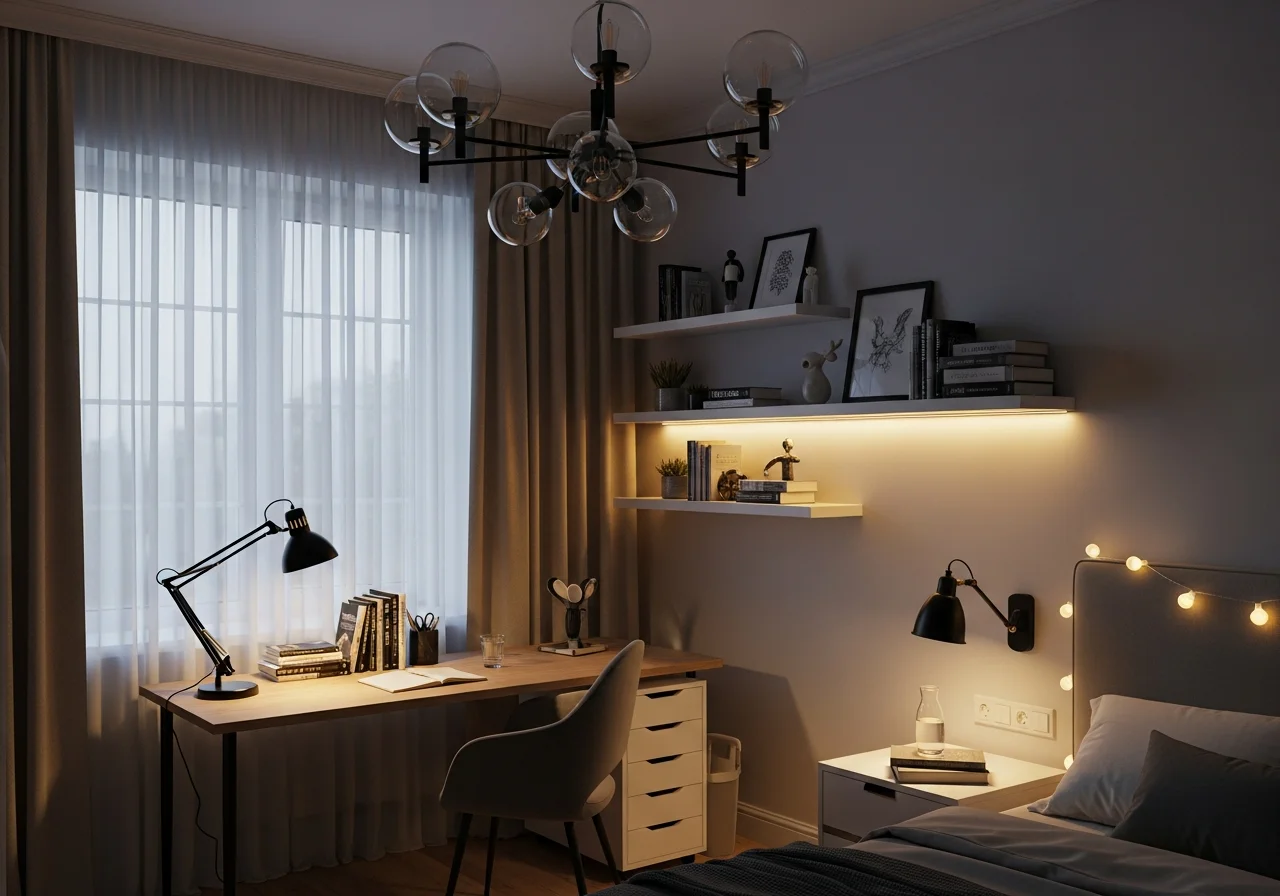
Proper lighting transforms bedroom functionality while contributing to the overall aesthetic. Layered lighting approaches combine ambient, task, and accent lighting to accommodate different activities and moods throughout the day.
Overhead lighting provides general illumination for the entire room. While basic ceiling fixtures work adequately, consider upgrading to statement chandeliers or modern pendant lights that enhance the design scheme. Dimmer switches allow adjustment between bright light for cleaning or getting ready and softer illumination for relaxing.
Task lighting focuses on specific areas requiring concentrated light. Desk lamps with adjustable arms direct light exactly where needed during homework sessions. Reading lights mounted beside beds or positioned on nightstands enable comfortable evening reading without disturbing sleeping roommates. Vanity lighting around mirrors provides even illumination for makeup application and grooming.
Accent lighting adds personality and creates atmospheric effects. String lights or fairy lights arranged along headboards, around windows, or draped across walls create magical, cozy ambiance perfect for relaxation. LED strip lights installed under shelves or along furniture edges provide subtle illumination while showcasing decorative displays. Neon signs featuring favorite quotes or phrases serve as both lighting and wall art.
Natural light remains the most important light source when available. Avoid blocking windows with heavy furniture, and choose window treatments that allow light control throughout the day. Sheer curtains filter harsh sunlight while maintaining privacy, and blackout curtains or blinds ensure quality sleep when needed.
Wall Treatments and Accent Features
Walls offer substantial opportunities for personalization and style expression in teen bedrooms. Rather than leaving them plain white, consider various treatment options that add visual interest while remaining adaptable as preferences change.
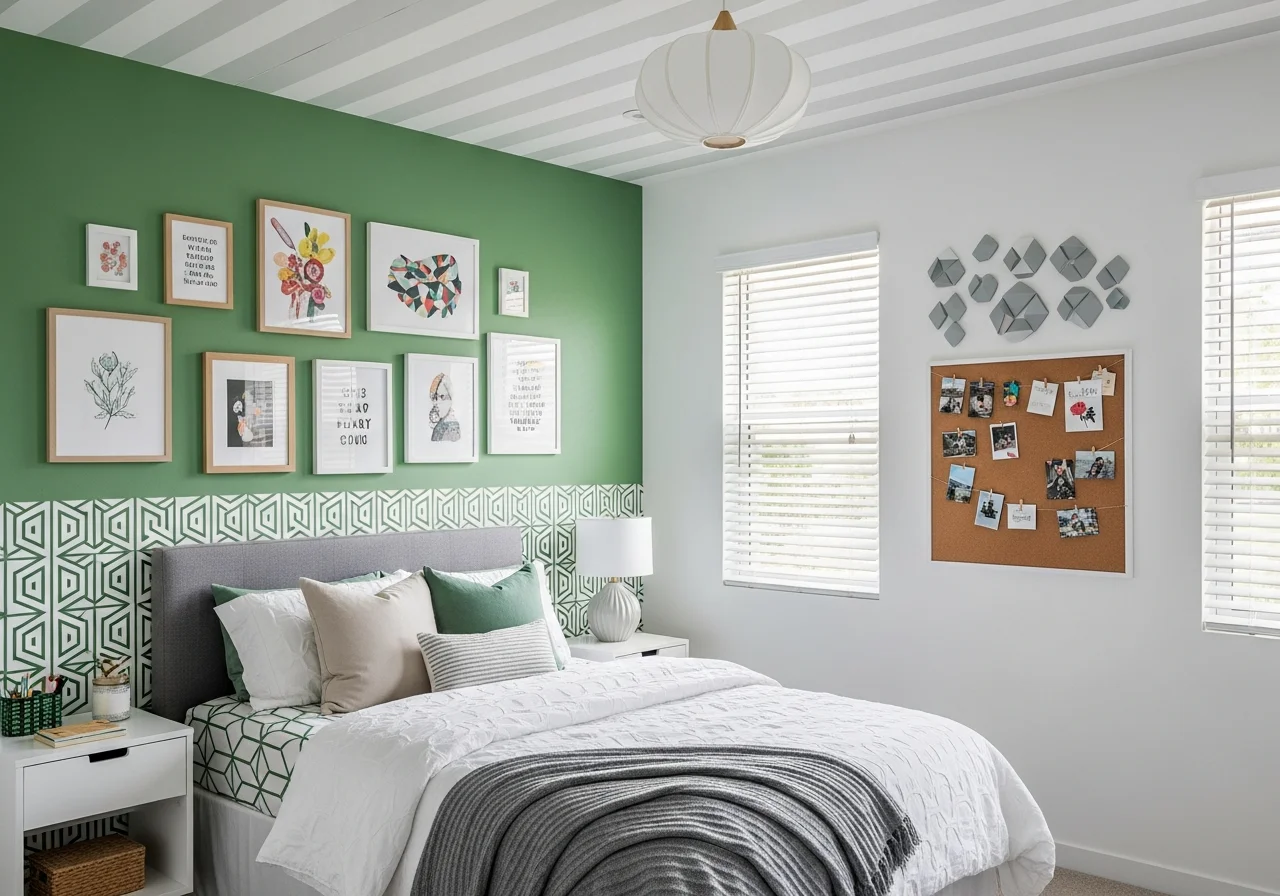
Accent walls create focal points without overwhelming the space. Paint one wall in a bold color contrasting with the other three neutral walls. This approach allows experimentation with trendy colors without committing to painting the entire room. Alternatively, use removable wallpaper featuring patterns, textures, or murals that can be changed without damage to underlying walls.
Gallery walls display personal collections of artwork, photographs, concert tickets, postcards, and other meaningful memorabilia. Arrange frames in organized grids for structured looks or organic groupings for eclectic vibes. Rotating displayed items keeps the wall fresh and relevant as interests evolve. Installing a large cork board or pin board provides flexible display space for constantly changing collections.
Painted ceilings have emerged as creative alternatives to traditional accent walls. Stripes, geometric patterns, or solid colors on ceilings draw eyes upward and make rooms feel taller. This unexpected design choice adds personality without overwhelming wall space needed for furniture placement.
Textured wall treatments including shiplap, wood paneling, or textured wallpaper add dimensional interest. These treatments work particularly well behind beds as headboard alternatives or on walls lacking architectural features. Natural materials like grasscloth wallpaper introduce organic textures that complement various design styles.
Choosing Statement Furniture Pieces
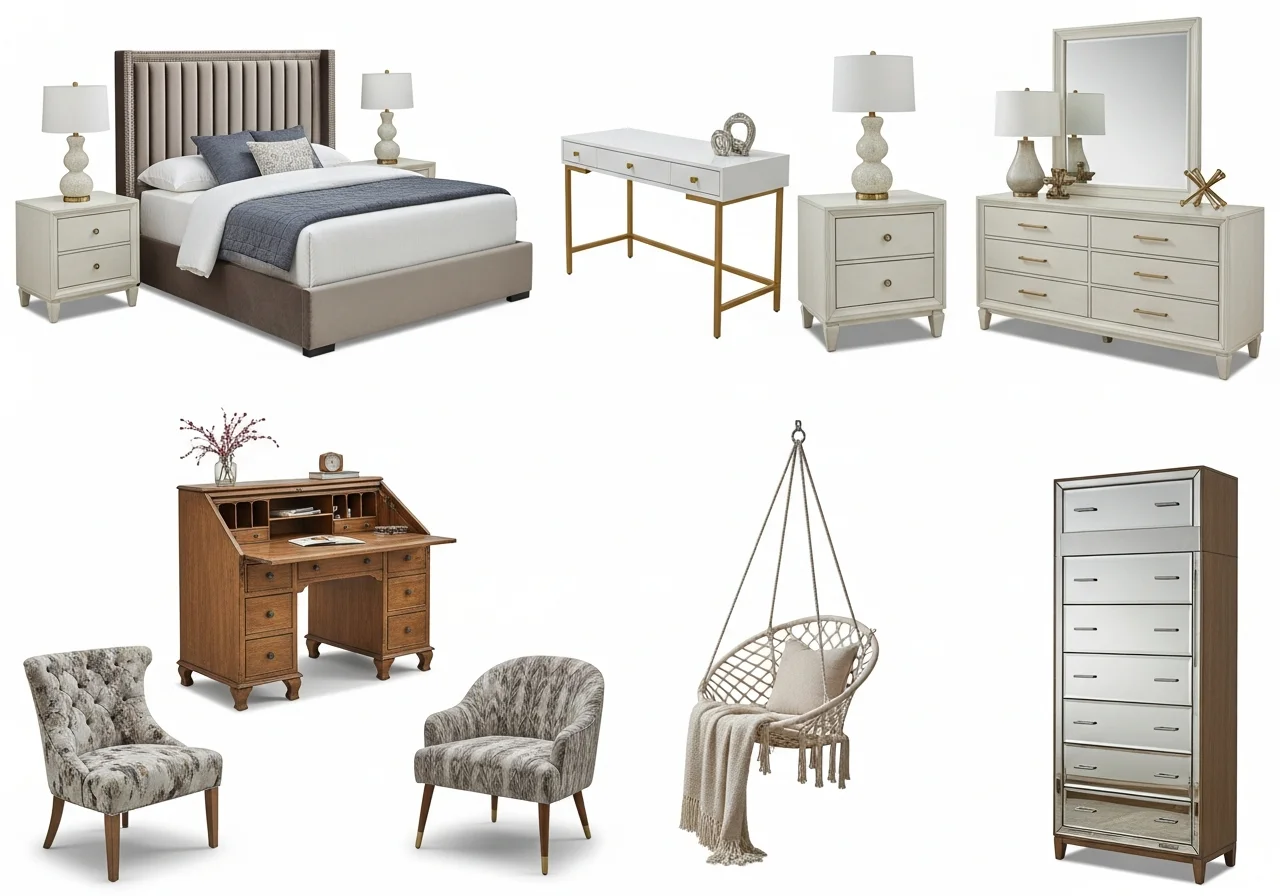
Furniture selection significantly impacts both functionality and aesthetic quality in teen bedrooms. Invest in versatile, quality pieces that transition into college dorm rooms or first apartments rather than purchasing trendy items with limited lifespans.
The bed serves as the room’s centerpiece and deserves careful consideration. Upholstered headboards add softness and luxury while providing comfortable back support for sitting up in bed. Metal frames offer durability and come in various finishes from brass to matte black. Platform beds with clean lines suit modern aesthetics, while canopy beds create romantic, dramatic focal points.
Nightstands provide essential bedside storage and surfaces for lamps, water bottles, and phones. Choose nightstands that complement the bed style while offering adequate storage through drawers or shelves. Matching nightstand pairs create symmetry, but mismatched pieces add eclectic charm when coordinated through color or material.
Desks must accommodate academic needs while fitting the room’s design scheme. L-shaped desks maximize corner spaces in smaller rooms. Wall-mounted floating desks save floor space while providing adequate work surfaces. Vintage writing desks bring character to traditional or eclectic designs. Ensure the desk height coordinates with the chosen chair for ergonomic comfort.
Seating beyond the desk chair enhances room functionality. Hanging chairs suspended from ceiling hooks create fun focal points and comfortable reading spots. Bean bags or floor poufs offer casual seating for friends without consuming significant floor space. Accent chairs upholstered in interesting fabrics add personality while providing practical seating options.
Dressers and wardrobes provide essential clothing storage. Tall dressers maximize vertical space in smaller rooms, while wide dressers with mirrors serve as vanity alternatives. When closet space is limited, freestanding wardrobes supplement storage capacity while contributing to the room’s design.
Incorporating Textures and Patterns
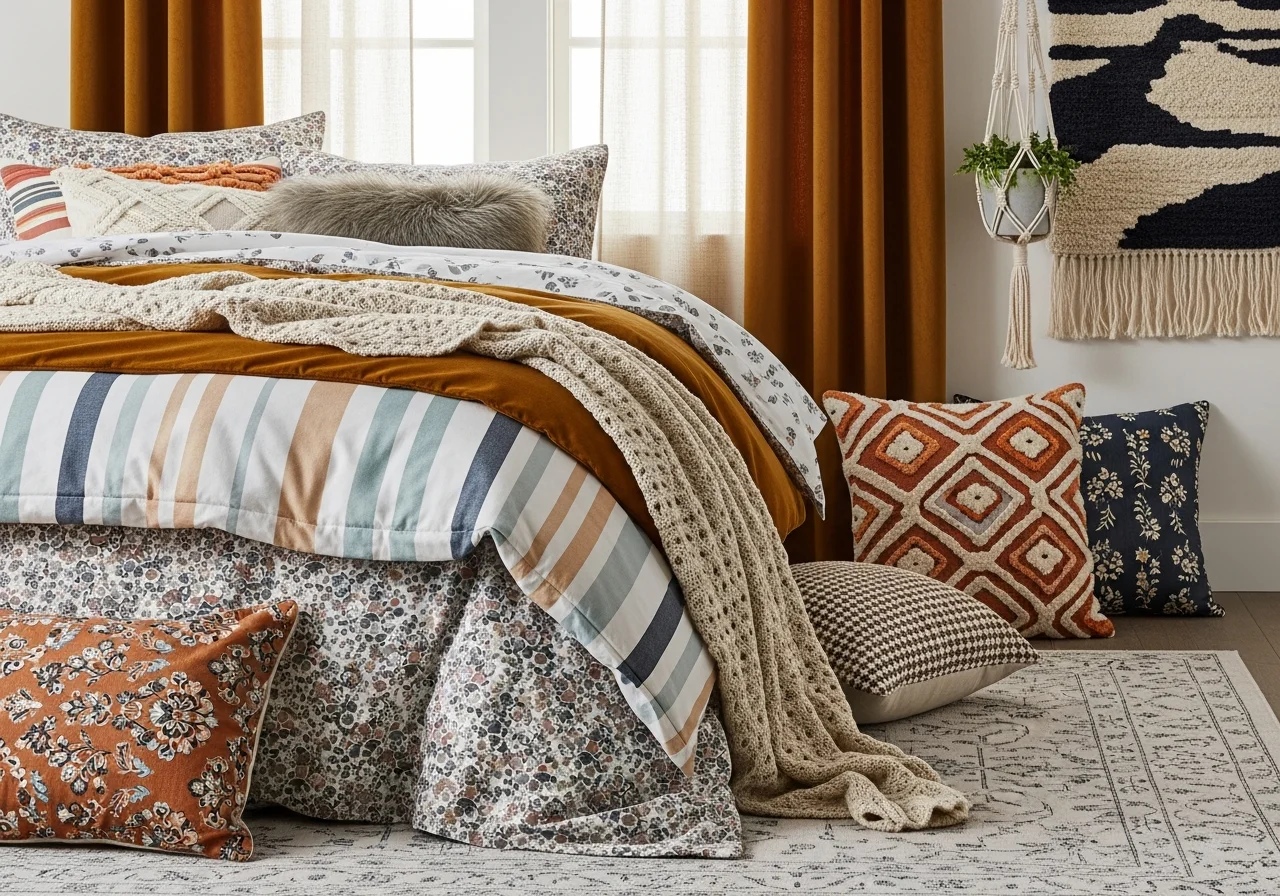
Layering different textures and patterns creates depth and visual interest in teen bedrooms. Rather than matching everything perfectly, combine various materials and prints for spaces that feel collected and personal.
Textiles offer the easiest way to introduce texture. Layer bedding by combining different materials like cotton sheets, velvet duvets, knit throws, and faux fur accent pillows. Rugs add warmth and comfort underfoot while defining spaces and absorbing sound. Consider plush area rugs beside beds or under seating areas for maximum impact.
Window treatments contribute significant textural interest. Heavy velvet curtains create luxurious, dramatic looks while providing excellent light blocking. Linen curtains offer casual elegance and filter light gently. Layering sheer curtains under heavier drapes allows versatile light control throughout the day.
Wall hangings including woven tapestries, macrame pieces, or textile art add three-dimensional texture to flat surfaces. These pieces work particularly well in bohemian or eclectic designs but can complement various styles when chosen carefully.
Pattern mixing requires confidence but creates dynamic, interesting spaces. Combine different patterns in similar color schemes for cohesion. Pair large-scale patterns with smaller prints, and balance busy patterns with solid colors. Stripes, florals, geometric prints, and abstract designs can coexist harmoniously when unified through coordinating colors.
Creating a Vanity or Grooming Station
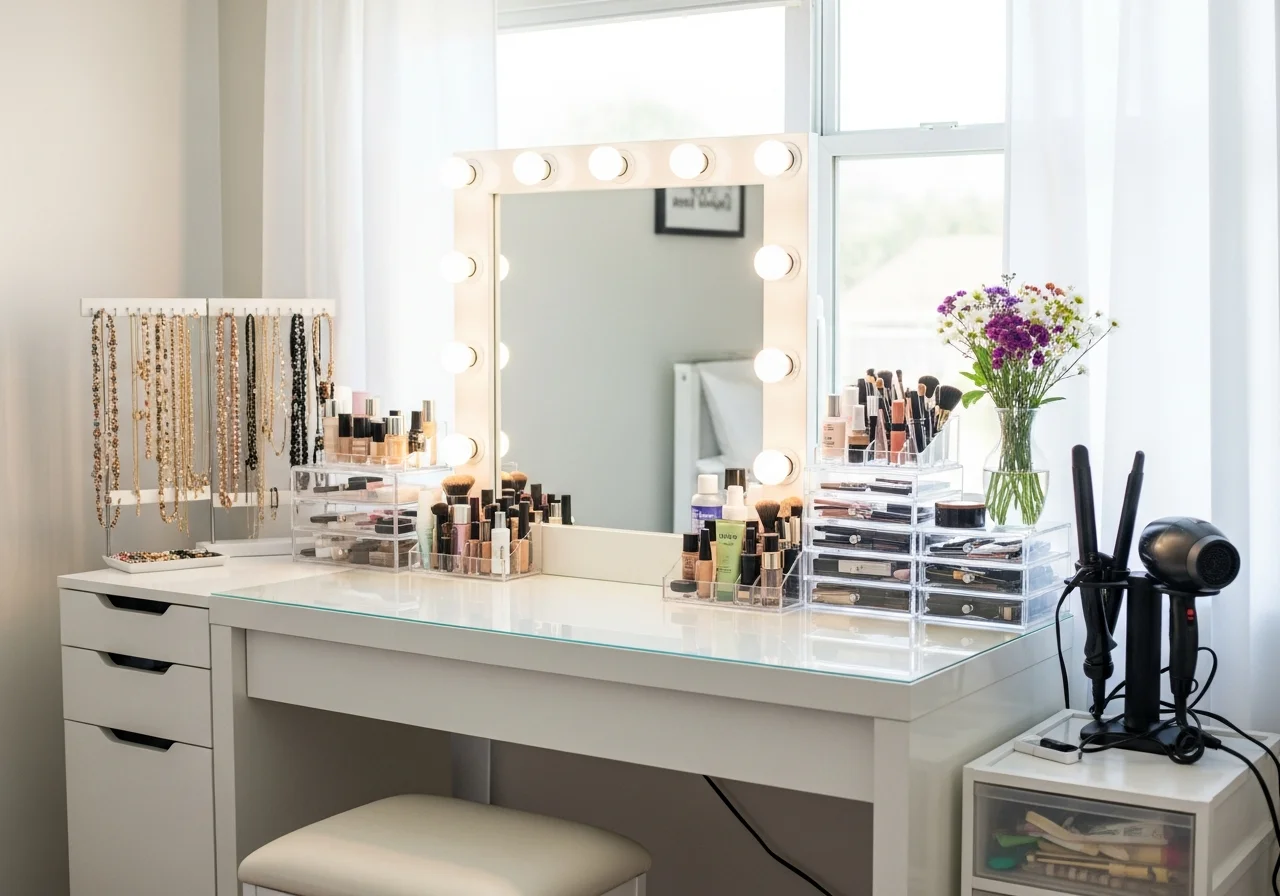
Personal grooming becomes increasingly important during teenage years. Dedicated vanity areas provide appropriate spaces for makeup application, hair styling, and daily routines without monopolizing bathroom time.
Traditional vanities feature mirrors, surface space for products, and storage drawers for cosmetics and accessories. Position vanities near natural light sources when possible, or install adequate artificial lighting to prevent shadows during makeup application. Hollywood-style bulb lighting around mirrors creates even illumination while adding glamorous style.
Desk-vanity combinations serve dual purposes in space-limited rooms. Choose desks with sufficient surface area for both academic work and grooming activities. Store beauty products in decorative boxes or organizers that can be quickly moved when study space is needed. Add a tabletop mirror that folds or tilts away when not in use.
Full-length mirrors remain essential in teen bedrooms. Wall-mounted mirrors save floor space, while freestanding mirrors on stands can be repositioned as needed. Some floor mirrors incorporate jewelry storage on their backs, combining reflection and organization in single pieces.
Displaying Personal Collections and Artwork
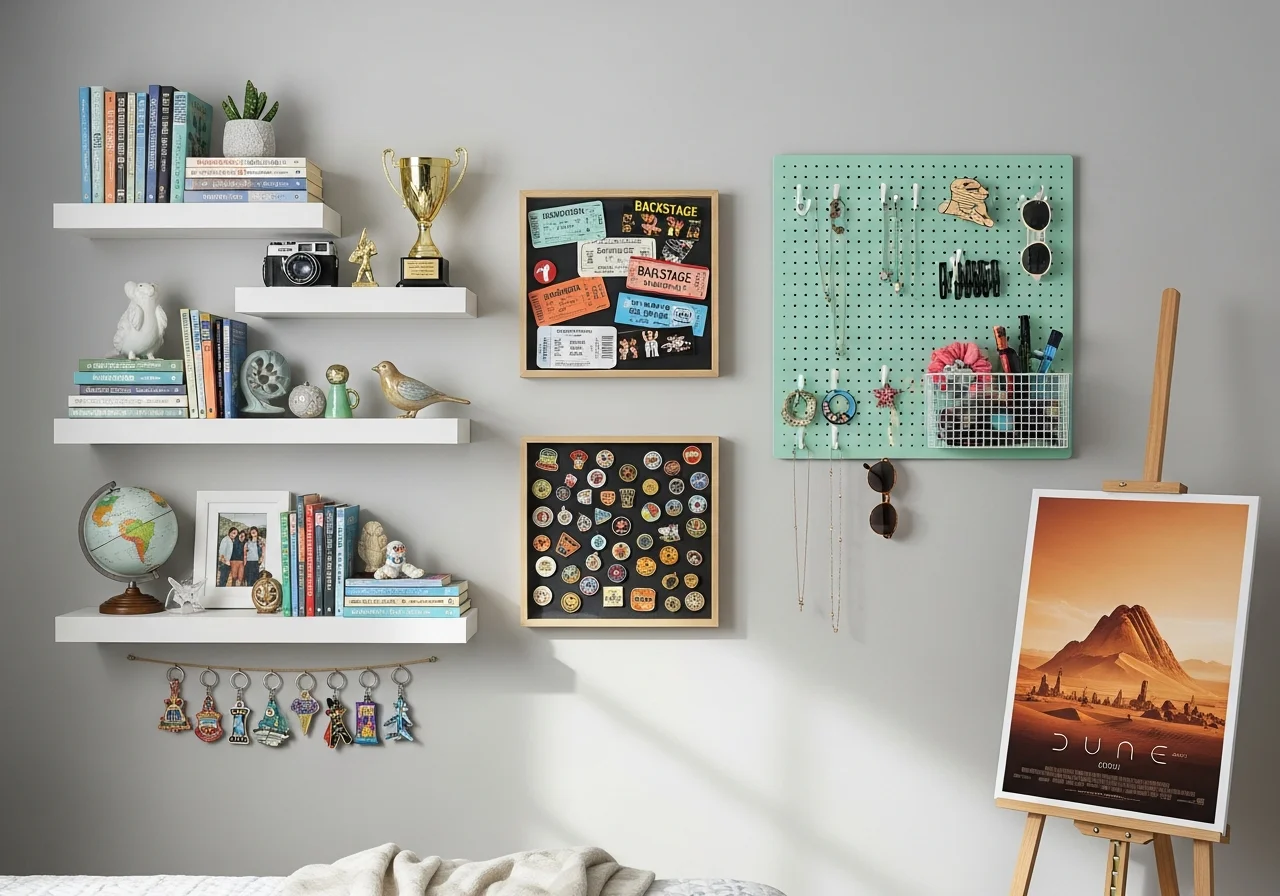
Teen bedrooms should celebrate personal interests, achievements, and creative expressions. Thoughtful display solutions showcase collections without creating clutter.
Floating shelves accommodate various collections from books to figurines to trophies. Install shelves at different heights for visual interest, and style them with combinations of functional items and decorative objects. Group similar items together for cohesive displays.
Shadow boxes protect three-dimensional keepsakes while allowing visibility. Display concert tickets, pressed flowers, small souvenirs, or other meaningful memorabilia in these enclosed frames. Arrange multiple shadow boxes in gallery wall configurations for greater impact.
Pegboards offer flexible, customizable display options. Paint pegboards to match room colors, and use various hooks and shelves to display changing collections. This solution works particularly well for organizing jewelry, accessories, or craft supplies while keeping them visible and accessible.
Art easels or music stands display current favorite artwork, posters, or vinyl records. These freestanding displays can be easily updated without wall damage, perfect for teens whose interests shift frequently.
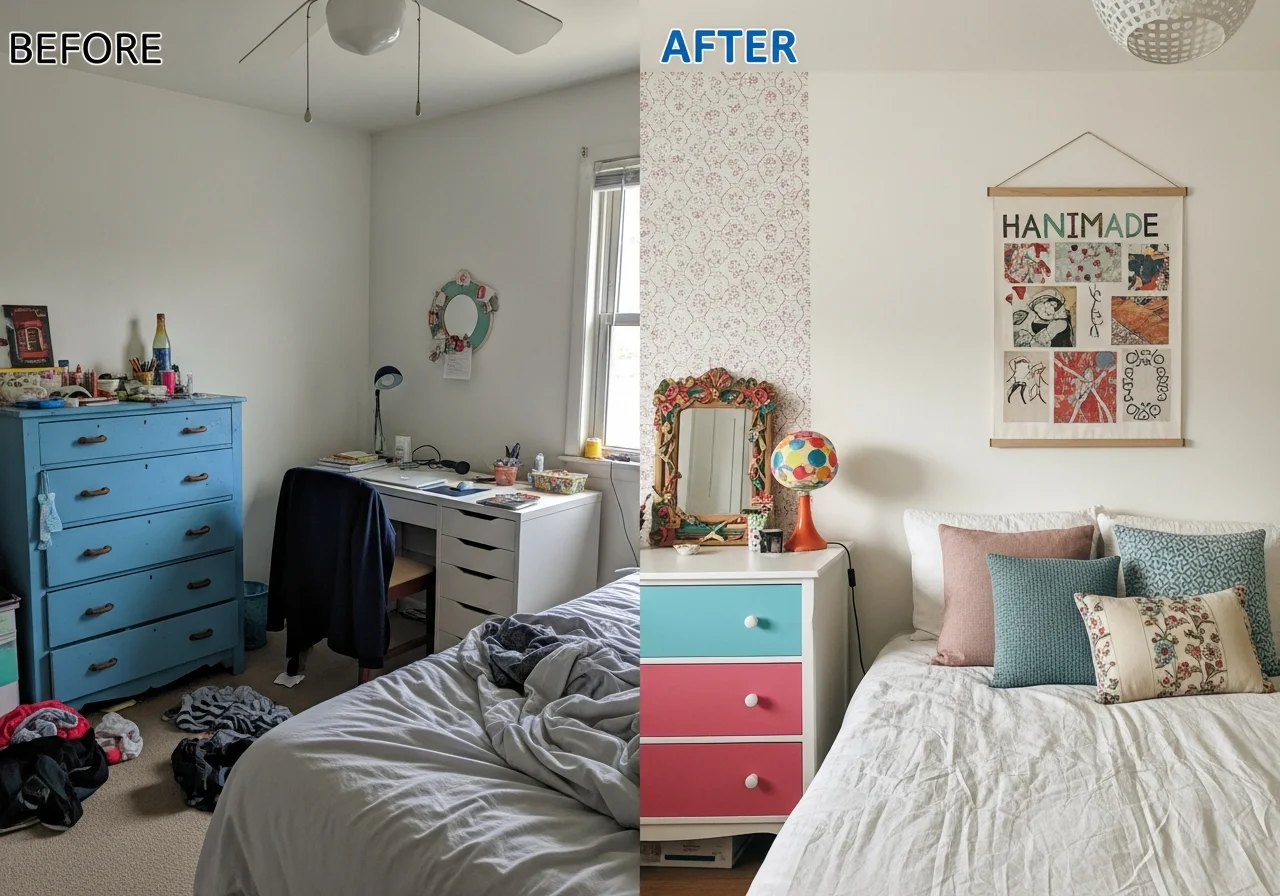
Budget-Friendly Design Solutions
Creating beautiful teen bedrooms does not require unlimited budgets. Strategic spending and creative solutions achieve impressive results at various price points.
Paint represents one of the most impactful and affordable room transformation methods. A single gallon of quality paint covers approximately 400 square feet, making it possible to completely refresh a room for under $50. Involve your teenager in selecting colors and potentially in the painting process itself.
Thrift stores and secondhand shops offer treasure troves of unique furniture and decor items. Vintage dressers, mirrors, and accent pieces bring character at fraction of retail costs. Refresh dated pieces with fresh paint, new hardware, or updated upholstery for customized looks without custom prices.
DIY projects provide personalized decor while controlling costs. Create custom artwork using canvas and acrylic paints. Sew pillow covers in coordinating fabrics. Construct floating shelves from lumber and brackets. Numerous online tutorials guide beginners through various skill levels.
Removable and temporary solutions allow experimentation without permanent commitment. Peel-and-stick wallpaper creates dramatic impact without painting. Wall decals add personality without nail holes. Temporary solutions prove particularly valuable in rental situations or when teens want frequent style updates.
Focus investment on quality essentials like mattresses, desks, and task lighting that impact health and academic performance. Balance these investments with budget-friendly decorative elements that can be changed as preferences evolve.
Seasonal and Trend-Responsive Design
Teen preferences change frequently as they discover new interests and are exposed to evolving trends. Design rooms that accommodate these shifts without requiring complete overhauls.
Establish neutral foundations through wall colors, flooring, and major furniture pieces. These elements should transcend temporary trends, providing lasting backdrops for changeable decorative elements. When substantial investments like beds or desks are needed, choose classic styles in neutral finishes that adapt to various aesthetics.
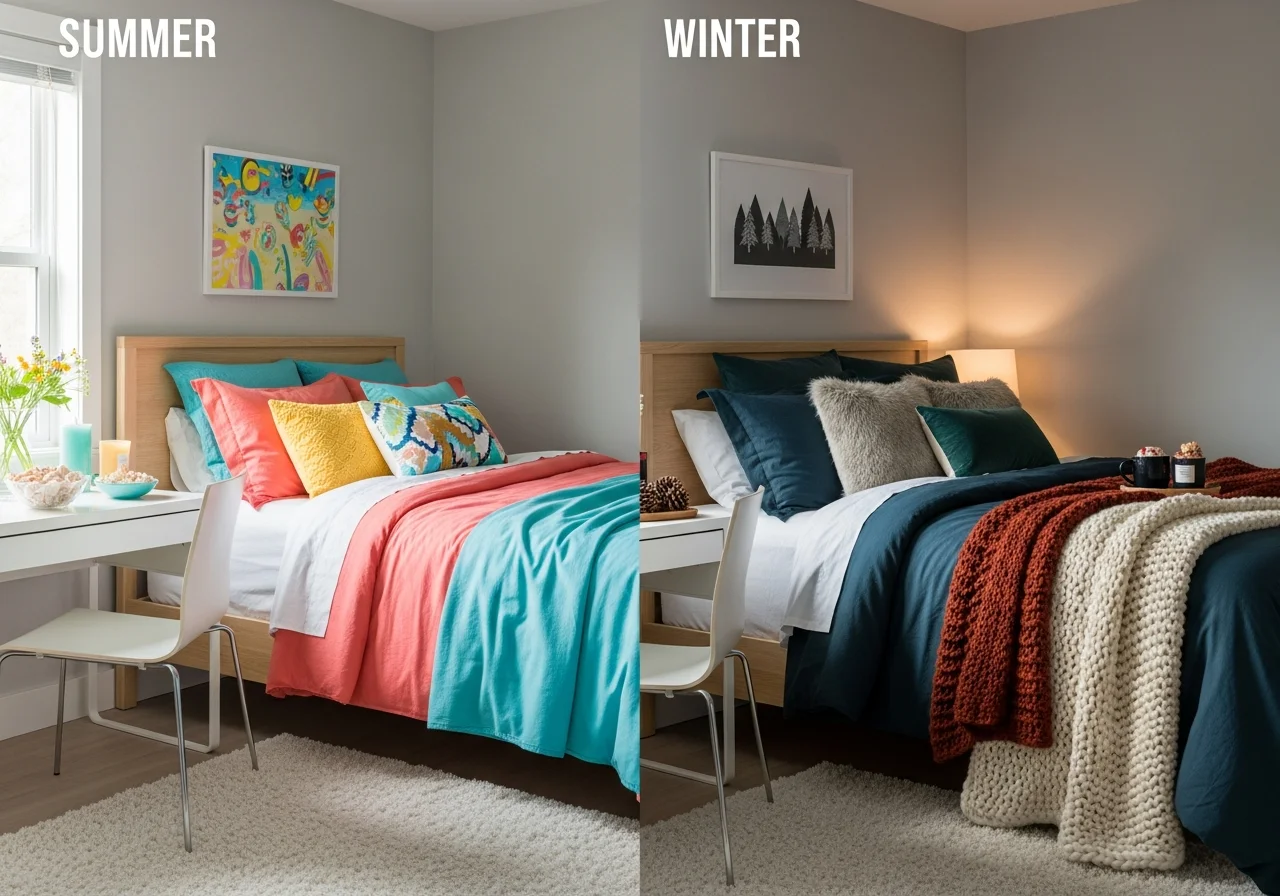
Incorporate trends through easily changed elements like bedding, throw pillows, wall art, and small decorative objects. Swapping out these accessories refreshes room aesthetics without significant expense or effort. Encourage your teenager to develop a small budget for periodic updates, teaching financial planning while maintaining space relevance.
Seasonal rotations keep spaces feeling fresh throughout the year. Lightweight cotton bedding and bright colors suit summer months, while heavier materials and deeper tones create cozy autumn and winter atmospheres. Store off-season items in under-bed storage or closet bins.
Technology Integration and Smart Solutions
Modern teenagers rely heavily on technology for academics, social connections, and entertainment. Thoughtfully integrate technology while maintaining aesthetic appeal.
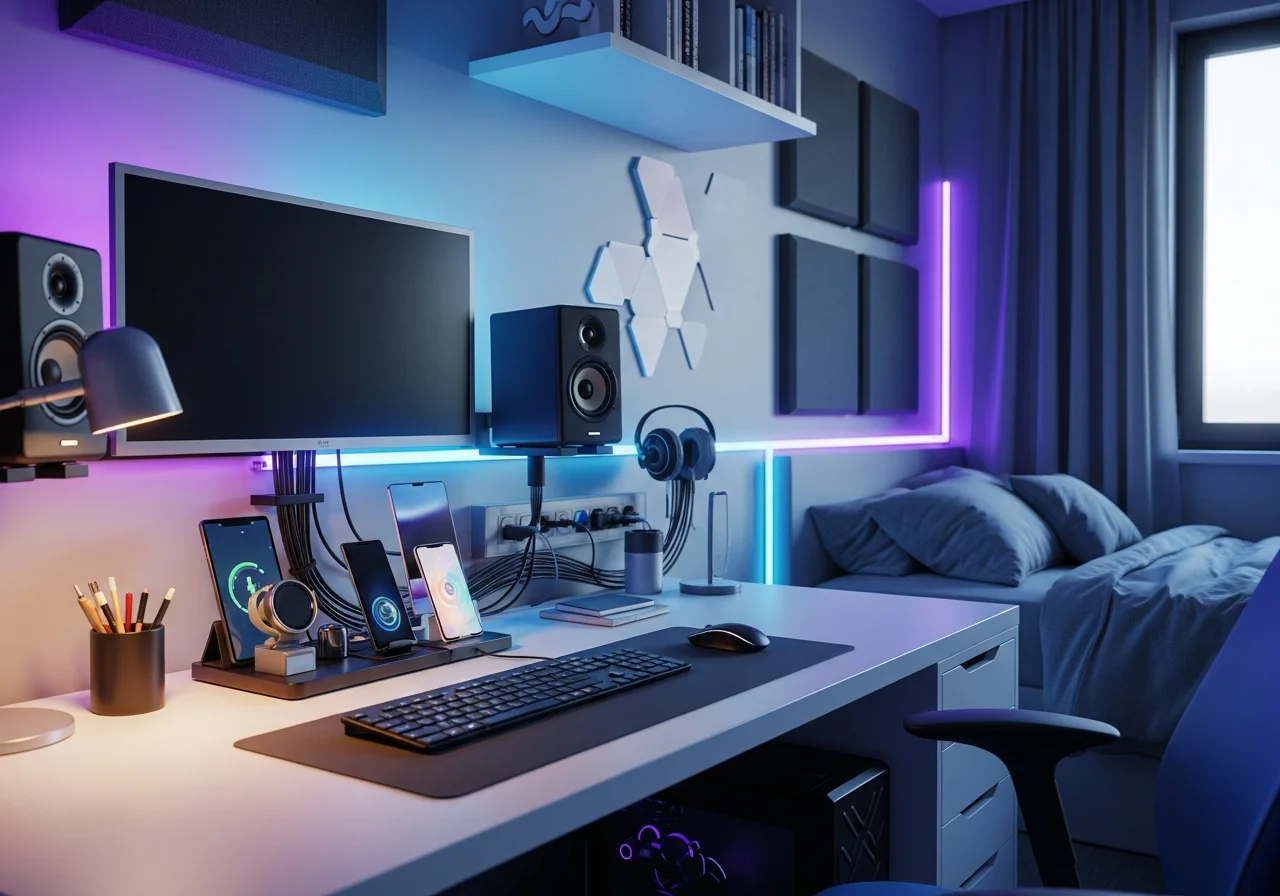
Charging stations prevent tangled cords and dead batteries. Install power strips inside nightstand drawers or mount them behind desks for accessible outlets without visible cord clutter. Some furniture pieces now include built-in USB ports and wireless charging surfaces.
Cable management systems keep technology-related cords organized and hidden. Use cord clips along desk backs or legs to guide wires neatly. Bundle multiple cords together with cable sleeves for cleaner appearances. Wireless options for keyboards, mice, and speakers reduce visible cord requirements.
Smart lighting systems controlled through apps or voice commands offer convenient customization. Program different lighting scenes for studying, relaxing, or getting ready. Some systems sync with music or adjust automatically based on time of day.
Sound considerations matter in tech-integrated rooms. Position speakers away from shared walls to minimize disturbance. Consider acoustic panels disguised as artwork to manage sound quality without sacrificing aesthetics.
Small Space Solutions
Many teens live in compact bedrooms requiring clever design approaches to maximize functionality without sacrificing style.
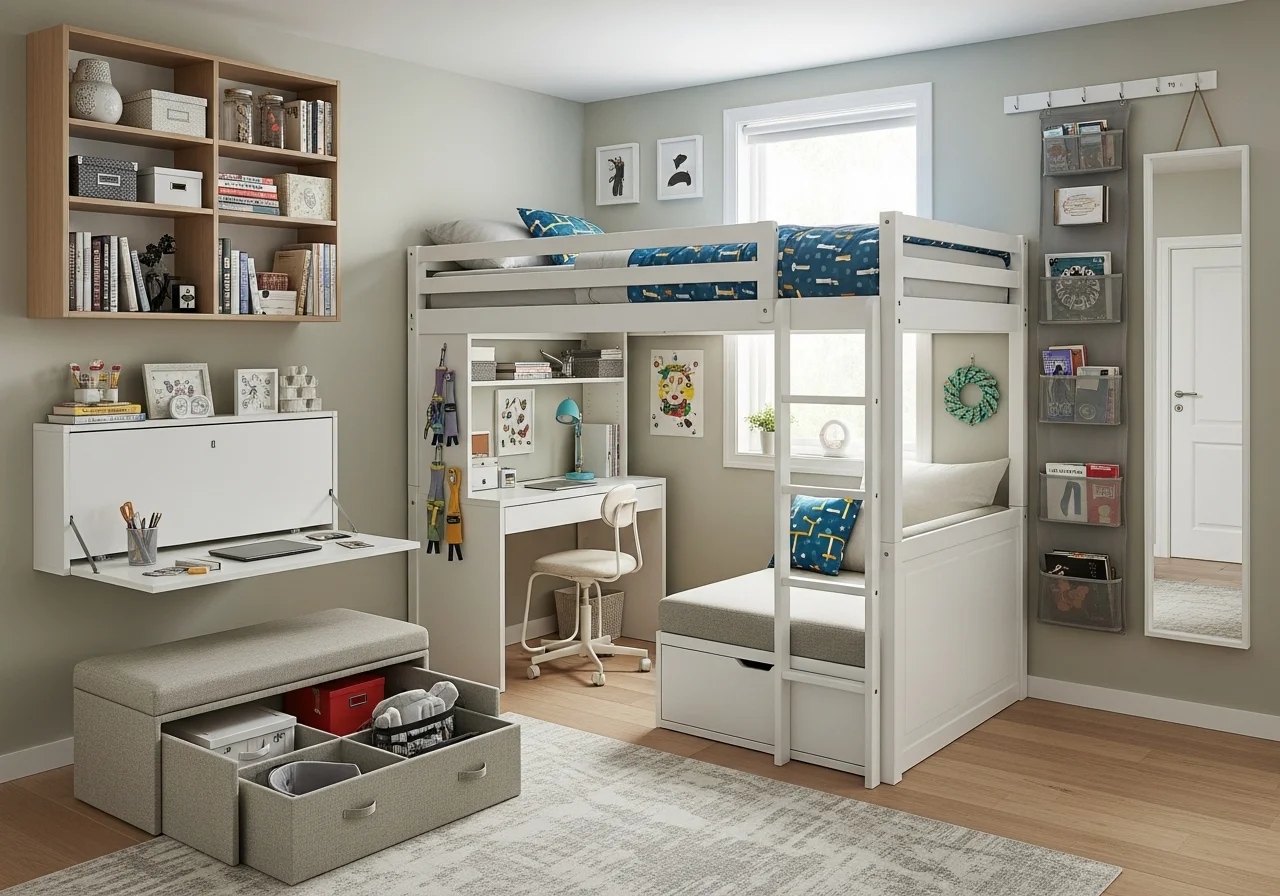
Vertical thinking utilizes wall and ceiling space rather than consuming limited floor area. Install floor-to-ceiling shelving for books and display items. Use wall-mounted desks that fold up when not needed. Hang bicycles, guitars, or other large items on wall hooks rather than storing them on floors.
Lofted or bunk beds free substantial floor space beneath for desks, seating areas, or additional storage. While often associated with children’s rooms, sophisticated loft bed designs work perfectly in teen spaces when styled appropriately.
Furniture with hidden storage maximizes every piece. Ottoman beds hide belongings beneath mattresses. Storage benches double as seating. Hollow coffee tables or side tables provide concealed compartments.
Light colors make small spaces feel larger and more open. White or pale walls reflect light and create airy atmospheres. Mirrors strategically placed opposite windows amplify natural light while creating illusions of expanded space.
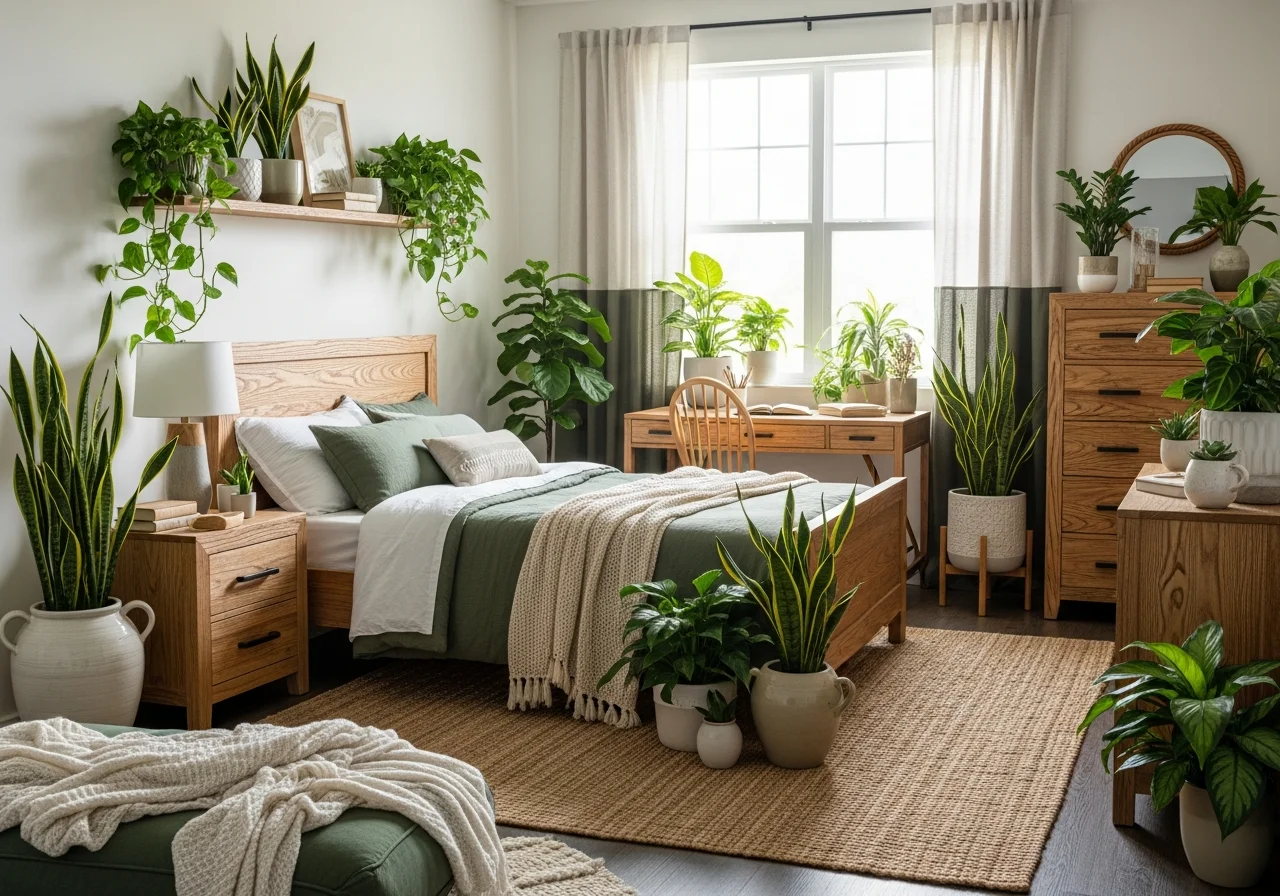
Incorporating Natural Elements and Plants
Bringing nature indoors creates calming, healthy environments while teaching responsibility through plant care.
Houseplants improve air quality, reduce stress, and add living beauty to spaces. Low-maintenance varieties like pothos, snake plants, and succulents thrive in various light conditions and forgive occasional neglect, making them perfect for busy teenagers.
Natural materials including wood furniture, jute rugs, cotton textiles, and ceramic pottery connect rooms to the outdoors. These materials add warmth and texture while supporting various design aesthetics from modern to bohemian.
Nature-inspired color palettes featuring greens, blues, browns, and creams create soothing environments conducive to rest and focus. These colors provide neutral bases that pair well with bolder accent colors when desired.
Windows and natural light take priority in nature-connected designs. Keep window treatments minimal or absent when privacy allows. Position desks and reading areas near windows to maximize exposure to natural light and outdoor views.
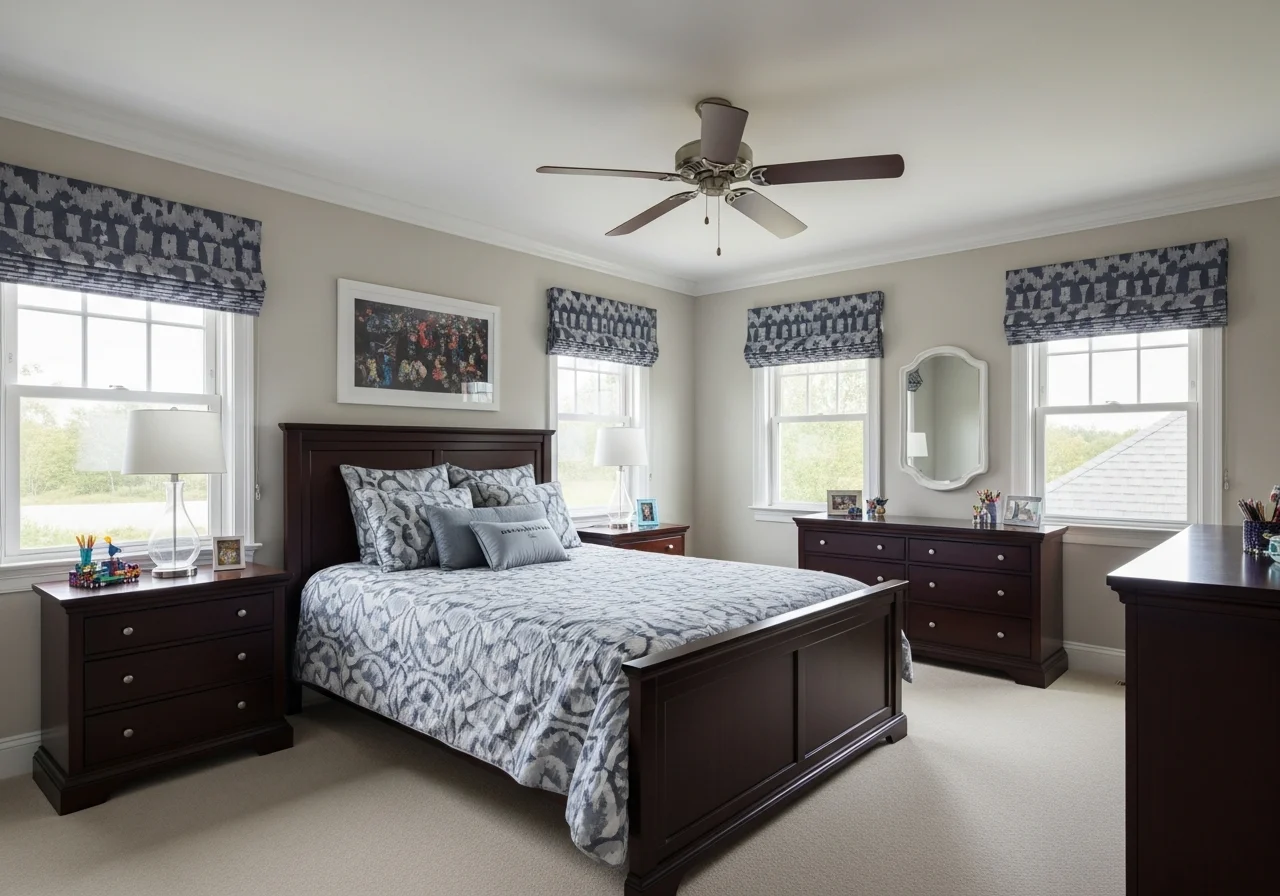
Final Design Considerations
Successful teen bedroom design balances multiple factors beyond pure aesthetics. Consider maintenance requirements when selecting materials and finishes. Teenagers may not maintain rigorous cleaning schedules, so choose durable, stain-resistant fabrics and surfaces that forgive occasional neglect.
Safety remains important despite occupants being older. Secure heavy furniture to walls to prevent tipping. Ensure adequate lighting for safe navigation at night. Check that window treatments do not create hazards, particularly for rooms in upper stories.
Involve your teenager throughout the entire design process rather than surprising her with completed renovations. Collaboration ensures the final result reflects her preferences while teaching valuable decision-making and project management skills. Set realistic budgets together and make choices that balance wants with available resources.
Remember that bedrooms evolve alongside their occupants. Design flexibility into spaces by choosing adaptable furniture arrangements and incorporating removable or changeable elements. This approach extends room longevity and reduces the need for frequent major renovations.
Conclusion
Designing teen girl bedrooms that successfully combine style, functionality, and personal expression requires thoughtful planning and collaboration between parents and teenagers. By focusing on essential functional zones, incorporating preferred aesthetics, and building in flexibility for changing tastes, these spaces can serve as supportive environments throughout the teenage years and beyond.
The most successful teen bedrooms reflect individual personalities rather than following prescriptive design rules. Whether embracing minimalist modernism, romantic vintage charm, or eclectic bohemian energy, the key lies in creating spaces where teenagers feel comfortable, inspired, and genuinely at home. These rooms become more than just places to sleep; they evolve into personal sanctuaries supporting growth, creativity, and the journey toward adulthood.
Invest time in understanding your teenager’s needs, preferences, and dreams for her space. Balance practical necessities with style aspirations, and prioritize quality over trends in foundational pieces. With careful planning and creative thinking, transform ordinary bedrooms into extraordinary personal havens that teenagers will love spending time in, creating memories that last well beyond their years at home.
Frequently Asked Questions
What is the best bed size for a teenage girl’s bedroom?
Full or queen size beds work best for teen girls, providing adequate space for comfort, lounging, and occasional sleepovers. These sizes allow room to grow without overwhelming smaller bedrooms. Twin beds may feel too restrictive, while anything larger than queen typically proves impractical for standard room dimensions.
How can I make a small teen bedroom look bigger?
Use light colors on walls and ceilings to reflect light and create openness. Install mirrors to amplify natural light and create depth illusions. Choose furniture with exposed legs rather than pieces sitting directly on floors. Maximize vertical storage with tall shelving units, and keep the floor as clear as possible to maintain visual flow throughout the space.
What are essential furniture pieces for teen girl bedrooms?
Essential pieces include a comfortable bed with quality mattress, functional desk with adequate lighting, ergonomic chair for studying, sufficient storage through dressers or wardrobes, nightstand for bedside items, and at least one additional seating option for relaxation. Beyond these basics, add pieces based on individual needs and available space.
How often should teen bedrooms be redesigned or updated?
Major renovations typically happen during the transition from childhood to teenage years, around ages 12 to 14. After that initial transformation, focus on smaller updates every year or two through new bedding, wall art, or accessories rather than complete redesigns. This approach accommodates evolving preferences without constant major changes.
What is a realistic budget for decorating a teen girl bedroom?
Budget requirements vary dramatically based on whether you are starting from scratch or updating existing spaces. Complete room renovations including furniture, paint, and decor typically cost between $2,000 and $5,000. Simple refreshes using existing furniture with new paint, bedding, and accessories can be accomplished for $300 to $800. Prioritize spending on quality essentials that impact health and function, and save on easily changeable decorative elements.