10 Big Ideas for Small Living Rooms
Living in a home with limited square footage doesn’t mean sacrificing style, comfort, or functionality. Small living rooms present unique design challenges, but they also offer wonderful opportunities to create intimate, purposeful spaces that reflect your personal taste. The key lies in understanding how to maximize every inch while maintaining an environment that feels open, inviting, and perfectly suited to your lifestyle.
Many homeowners initially feel constrained by compact living rooms, viewing the limited space as a disadvantage. However, designers and decorating professionals consistently demonstrate that smaller spaces often result in more thoughtful, curated environments. When you cannot rely on sheer square footage, you naturally become more intentional about every design decision, from furniture selection to color choices and storage solutions.
The transformation from cramped to comfortable requires strategic thinking about scale, multifunctionality, and visual tricks that expand perceived space. Whether you’re furnishing a city apartment, a cozy cottage, or simply working with an architecturally small room, these ten ideas will help you create a living room that feels spacious, stylish, and entirely your own.
Choose Furniture with Appropriate Scale
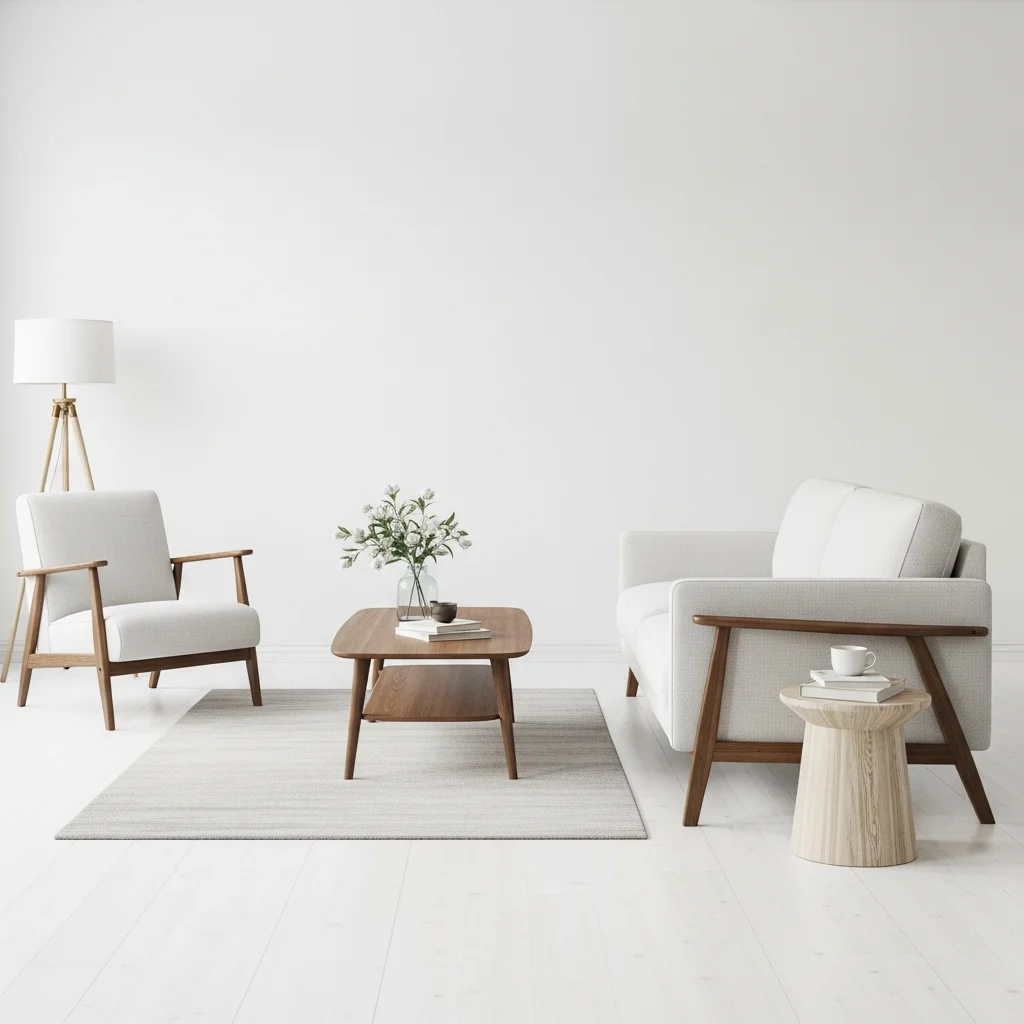
One of the most common mistakes in small living rooms design involves furniture that overwhelms the space. An oversized sectional might seem comfortable in the showroom, but it can quickly make a compact room feel impossibly tight and difficult to navigate. Conversely, furniture that’s too small creates a disjointed appearance and fails to provide adequate comfort or visual weight.
The solution lies in selecting pieces that match your room’s proportions. Before purchasing any furniture, measure your living room carefully and map out potential arrangements. Consider not just the dimensions of individual pieces, but also the clearances you’ll need for comfortable movement. Designers typically recommend at least 18 inches between a coffee table and sofa, and 30 to 36 inches for major walkways.
Look for streamlined furniture with exposed legs rather than pieces that sit directly on the floor. This creates visual breathing room beneath the furniture, allowing light to pass through and making the space feel less heavy. Low-back sofas and chairs also help maintain sightlines across the room, preventing the space from feeling chopped up or obstructed.
Consider the proportions of armrests, cushions, and overall depth. A sofa with slim arms provides nearly the same seating area as one with bulky arms but takes up significantly less visual and physical space. Similarly, furniture with a shallower depth can work beautifully in smaller rooms without sacrificing too much comfort.
Embrace Multifunctional Furniture
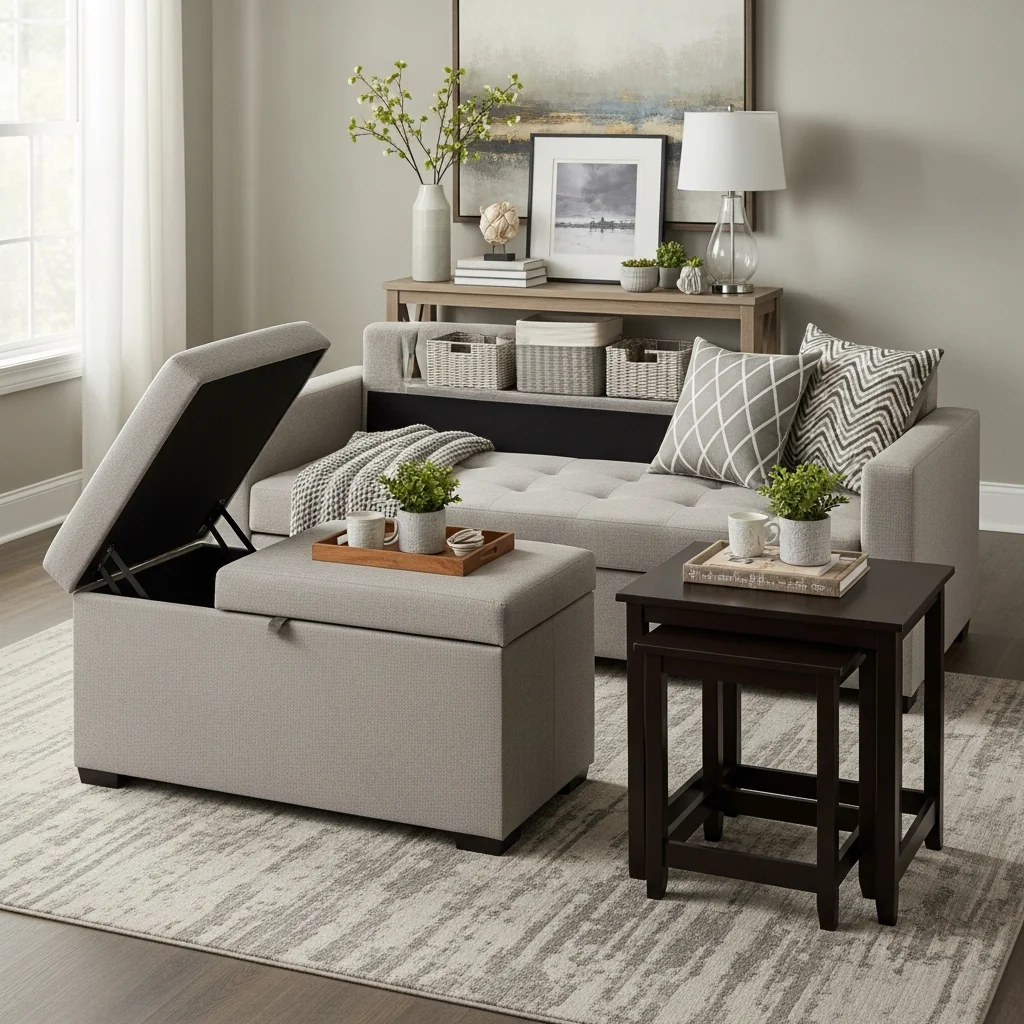
In small living rooms, every piece of furniture should earn its place by serving multiple purposes. Multifunctional furniture maximizes utility without consuming extra square footage, making it an essential strategy for compact spaces.
Storage ottomans represent one of the most versatile options available. These pieces function as coffee tables, provide hidden storage for blankets or games, offer additional seating when guests arrive, and can even serve as comfortable footrests. When selecting a storage ottoman, look for one with a sturdy top surface and adequate interior capacity.
Nesting tables offer remarkable flexibility. When not in use, they tuck neatly together, minimizing their footprint. When you need additional surface area for drinks, snacks, or decorative items, simply pull out the smaller tables and position them where needed. This adaptability proves invaluable when entertaining or when your space needs change throughout the day.
Console tables positioned behind sofas provide display space, storage, and can double as impromptu work surfaces or dining areas in studio apartments. Look for consoles with shelves or drawers to maximize their organizational potential.
Sleeper sofas have evolved considerably from their bulky predecessors. Modern designs offer sophisticated styling and comfortable seating while maintaining the ability to accommodate overnight guests. For homes that frequently host visitors, this dual functionality eliminates the need for a dedicated guest room.
Maximize Vertical Storage
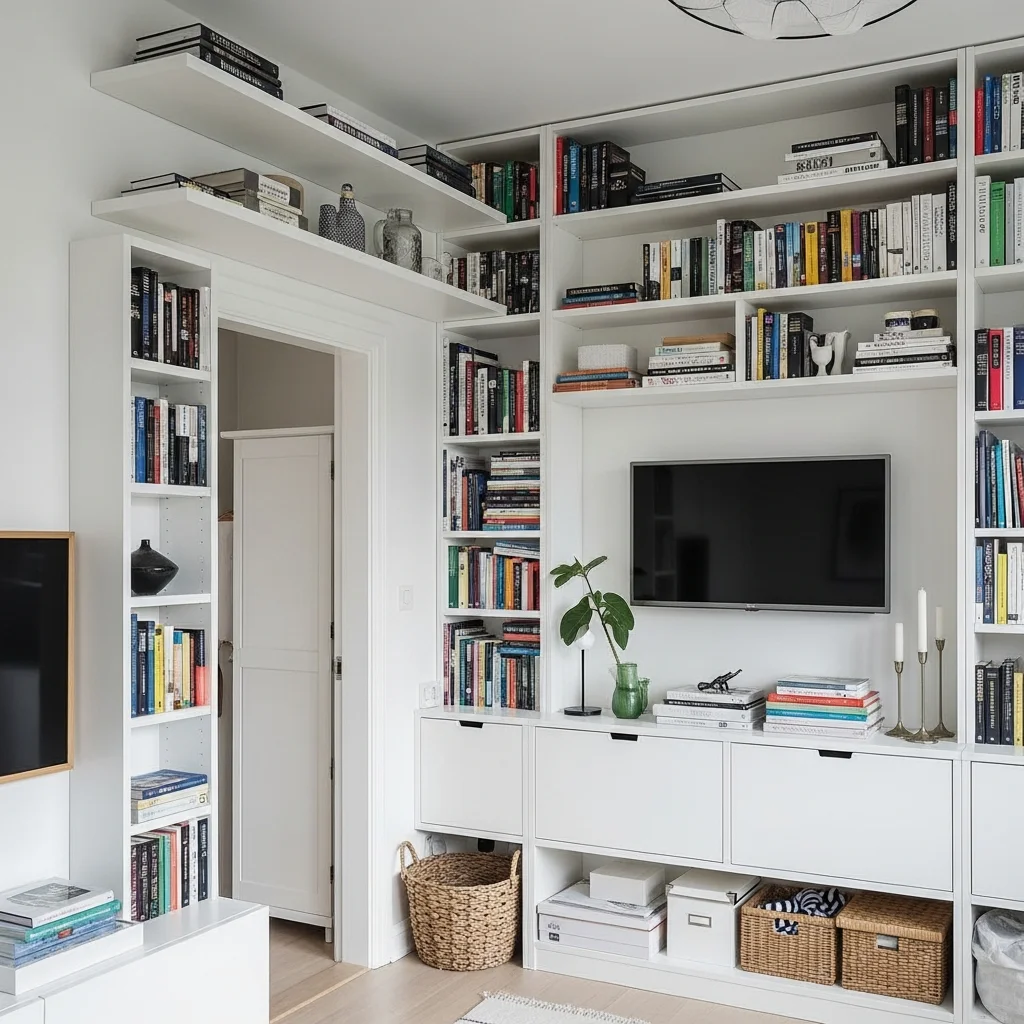
When floor space comes at a premium, thinking vertically becomes essential. Utilizing wall space for storage and display draws the eye upward, creates the illusion of height, and keeps the floor clear for easier movement and a more spacious feel.
Floor-to-ceiling bookcases or shelving units make dramatic statements while providing substantial storage capacity. These tall units take advantage of often-wasted vertical space and can house books, decorative objects, electronics, and everyday items. Custom built-ins offer the most seamless appearance, but modular systems and freestanding tall units also work beautifully.
When installing vertical storage, consider mixing open shelving with closed cabinets. Open shelves allow you to display curated collections and personal items, adding personality to your space. Closed cabinets conceal clutter and items you use less frequently, maintaining a tidy appearance. This combination balances visual interest with practical organization.
Floating shelves present another excellent vertical storage option. These minimalist solutions attach directly to walls without visible brackets, creating a light, airy appearance. Install floating shelves above doorways, windows, or sofas to utilize otherwise empty wall space. They’re perfect for books, plants, or decorative items that add personality without consuming floor space.
Wall-mounted cabinets can replace traditional media consoles or sideboards, freeing up valuable floor area while still providing necessary storage. Mounting your television on the wall rather than placing it on a stand similarly opens up floor space and creates cleaner sightlines.
Leverage the Power of Mirrors
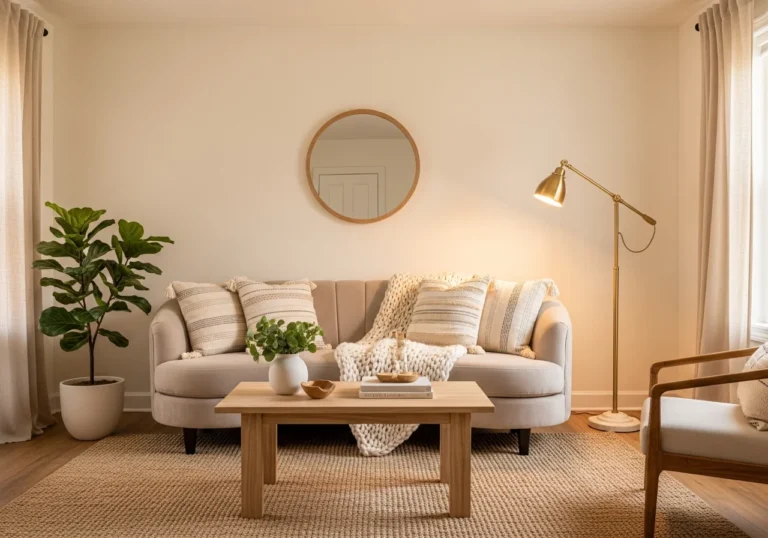
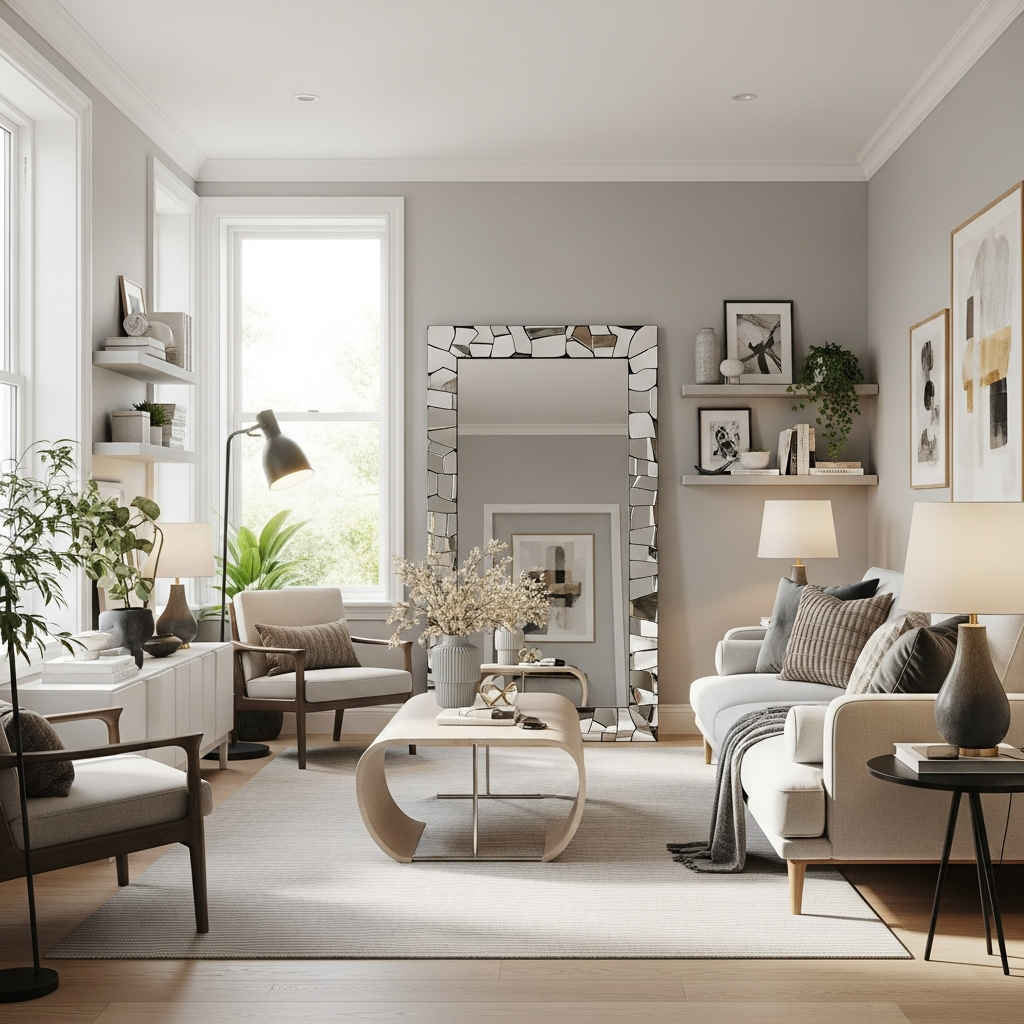
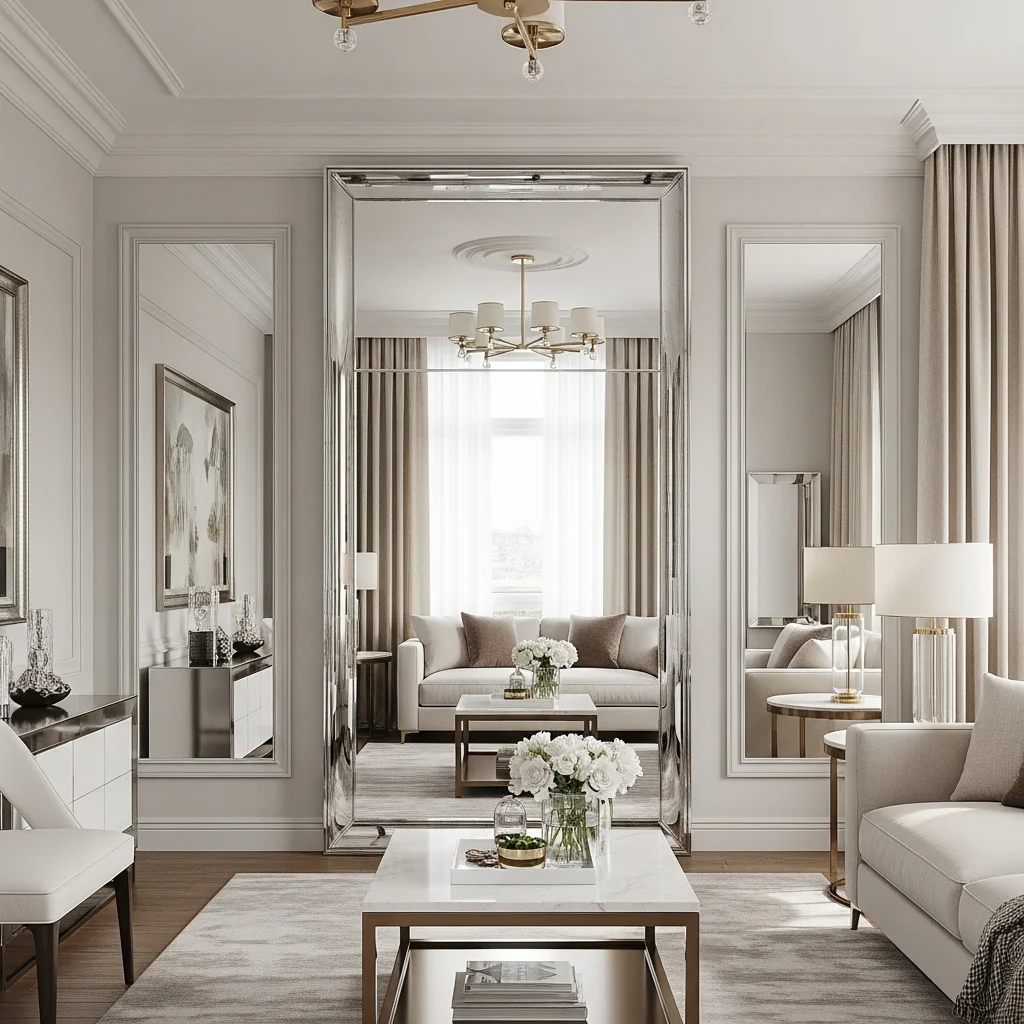
Mirrors serve as one of the most effective tools for making small living rooms feel more spacious. Their reflective surfaces bounce light around the room, create the illusion of depth, and can even give the impression of additional windows or openings.
Position mirrors strategically to maximize their impact. Placing a large mirror opposite a window reflects natural light deeper into the room, brightening dark corners and making the entire space feel more open and airy. This placement essentially doubles the visual effect of your natural light sources.
Consider the size and style of mirrors carefully. One substantial mirror often creates more impact than several small ones, particularly in compact spaces. A floor-to-ceiling mirror can dramatically alter perceived dimensions, while an oversized mirror hung above a sofa becomes both a functional element and an artistic focal point.
Mirrors with interesting frames contribute to your overall design scheme while serving their practical purpose. Whether you prefer ornate vintage frames, sleek modern designs, or natural wood finishes, select mirrors that complement your existing decor rather than clash with it.
Mirrored furniture pieces, such as coffee tables or side tables with mirrored surfaces, provide similar benefits on a smaller scale. These pieces reflect light and views, adding visual interest without the commitment of hanging a large mirror on the wall.
Create the Illusion with Light Colors
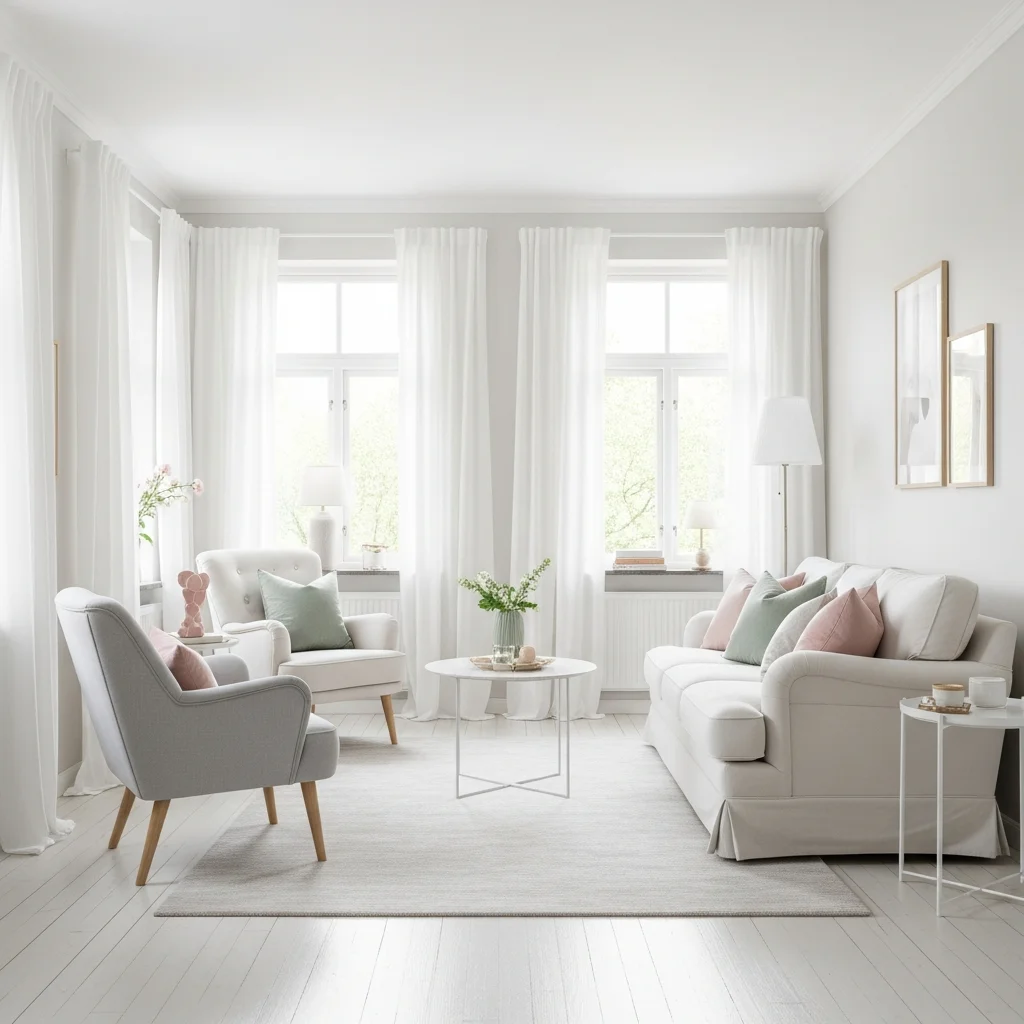
Color choices profoundly impact how spacious a room feels. Light, neutral color palettes reflect more light and create an airy, open atmosphere that makes small living rooms feel larger than their actual dimensions.
White and off-white walls remain popular choices for good reason. These shades maximize light reflection and provide a blank canvas for colorful accessories and artwork. However, neutral doesn’t mean boring or sterile. Consider warm whites with cream undertones, soft grays, or gentle beiges that add warmth while maintaining an open feel.
If all-white feels too clinical, explore other light hues. Pale blues evoke tranquility and openness, soft greens bring natural serenity, and light blush tones add warmth without overwhelming the space. The key lies in staying within lighter values regardless of which color family you choose.
Carry your color palette across multiple surfaces for a cohesive look. Matching or coordinating your walls, window treatments, and larger furniture pieces in similar light tones eliminates visual breaks that can make rooms feel smaller. This technique, sometimes called color drenching when taken to its fullest extent, creates a seamless envelope that expands perceived space.
That said, don’t shy away from accent colors entirely. Strategic pops of deeper, richer hues through throw pillows, artwork, or a single accent chair add personality and depth without closing in the space. The trick lies in using these bolder colors sparingly and intentionally.
Optimize Your Furniture Layout
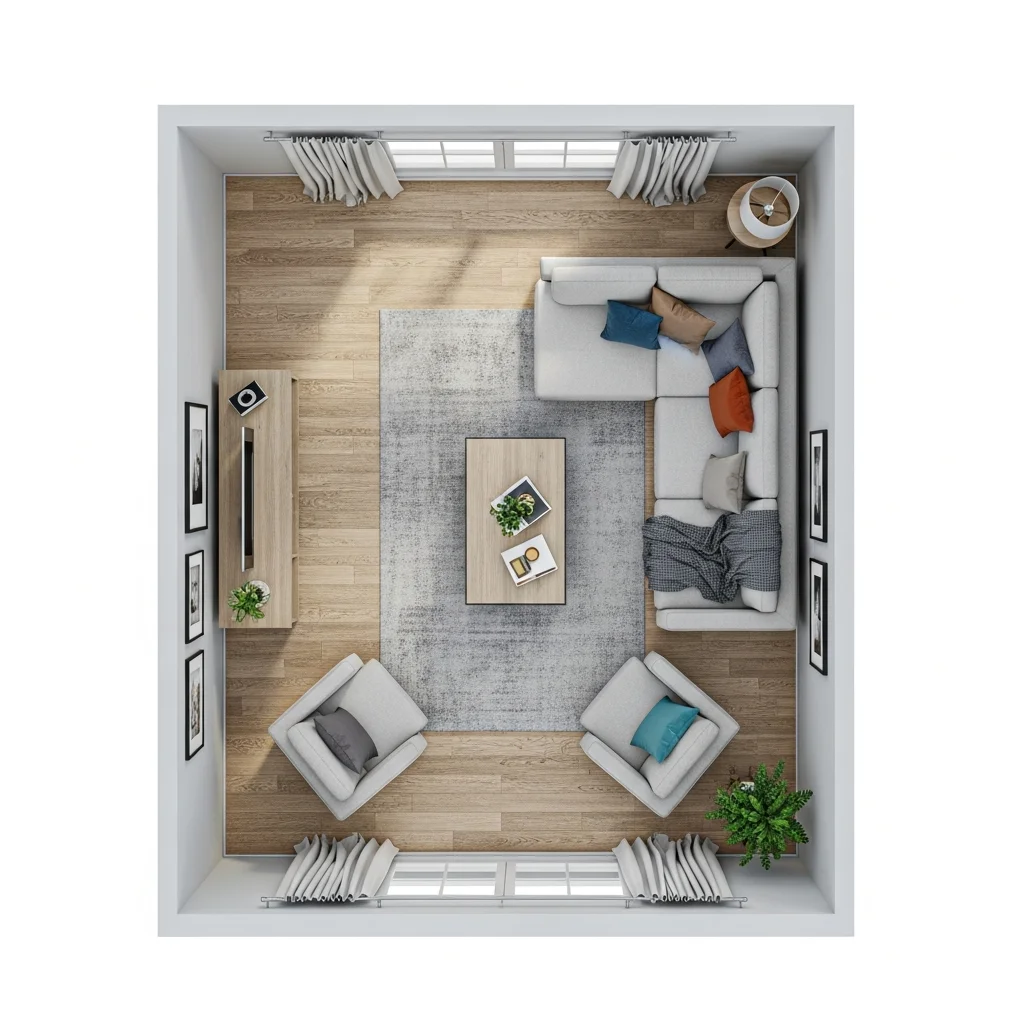
The way you arrange furniture significantly affects how spacious and functional your small living rooms feels. Thoughtful layout planning ensures comfortable traffic flow, creates natural conversation areas, and makes the most of your available space.
Resist the temptation to push all furniture against the walls. While this seems counterintuitive in a small space, floating furniture away from walls by even a few inches creates a sense of dimension and makes the room feel more intentional and designed. A narrow console table behind a floating sofa provides useful surface space and helps define the seating area.
Arrange seating to facilitate conversation and connection. Position chairs and sofas so people can comfortably see and speak with each other without straining. This typically means creating a U-shape or L-shape arrangement rather than lining furniture along walls. A cohesive seating grouping makes the space feel purposeful rather than scattered.
Consider traffic patterns carefully. Ensure clear pathways through the room with adequate width for comfortable passage. Walking areas should be at least 30 inches wide, and you should never have to squeeze between furniture pieces or navigate an obstacle course to reach seating.
Sectional sofas can work beautifully in small living rooms when chosen and positioned correctly. L-shaped sectionals tucked into corners maximize seating without requiring additional chairs. Modular sectionals offer flexibility, allowing you to reconfigure pieces as your needs change.
Incorporate Curved and Rounded Furniture
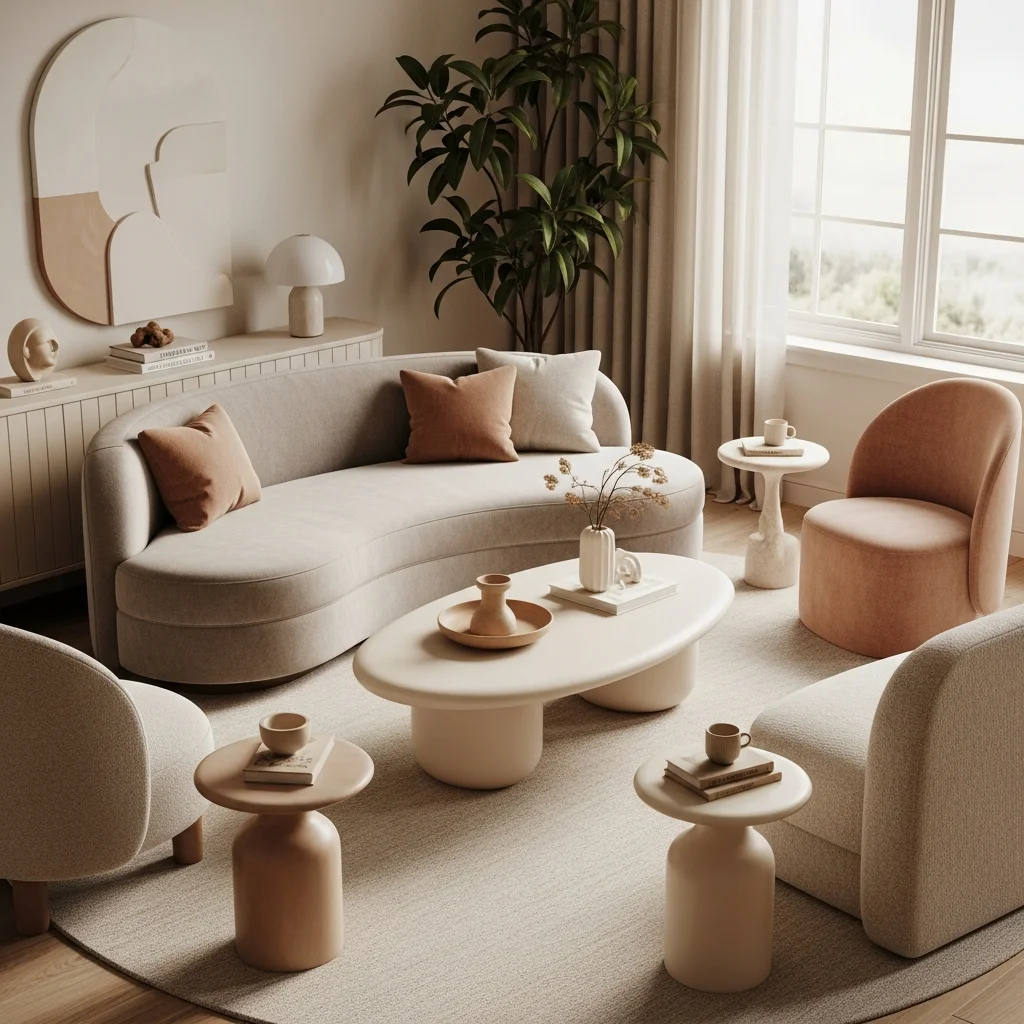
While sharp corners and angular furniture have their place, curved and rounded pieces often work better in small living rooms. Softer shapes improve traffic flow, create visual interest, and contribute to a more relaxed, welcoming atmosphere.
Curved sofas and rounded chairs eliminate the harsh corners that can catch you as you move through tight spaces. Beyond the practical safety benefit, these pieces also tend to feel more inviting and encourage intimate conversation. The gentle curves draw people together and create a natural gathering spot.
Round or oval coffee tables work particularly well in compact living rooms. They provide necessary surface area without the sharp corners that can bruise shins in tight quarters. The continuous curve allows easier movement around the piece from any angle, improving flow in rooms where space for circulation is limited.
Rounded side tables, poufs with circular forms, and curved shelving units continue this theme throughout the space. These organic shapes soften the typically rectangular architecture of most rooms, adding visual variety and maintaining a gentle, approachable aesthetic.
When selecting curved furniture, pay attention to scale just as carefully as you would with angular pieces. A massive curved sofa can overwhelm a small room just as easily as a large straight-backed model. Look for pieces with elegant proportions that maintain the benefits of curves without consuming excessive space.
Maximize Natural Light
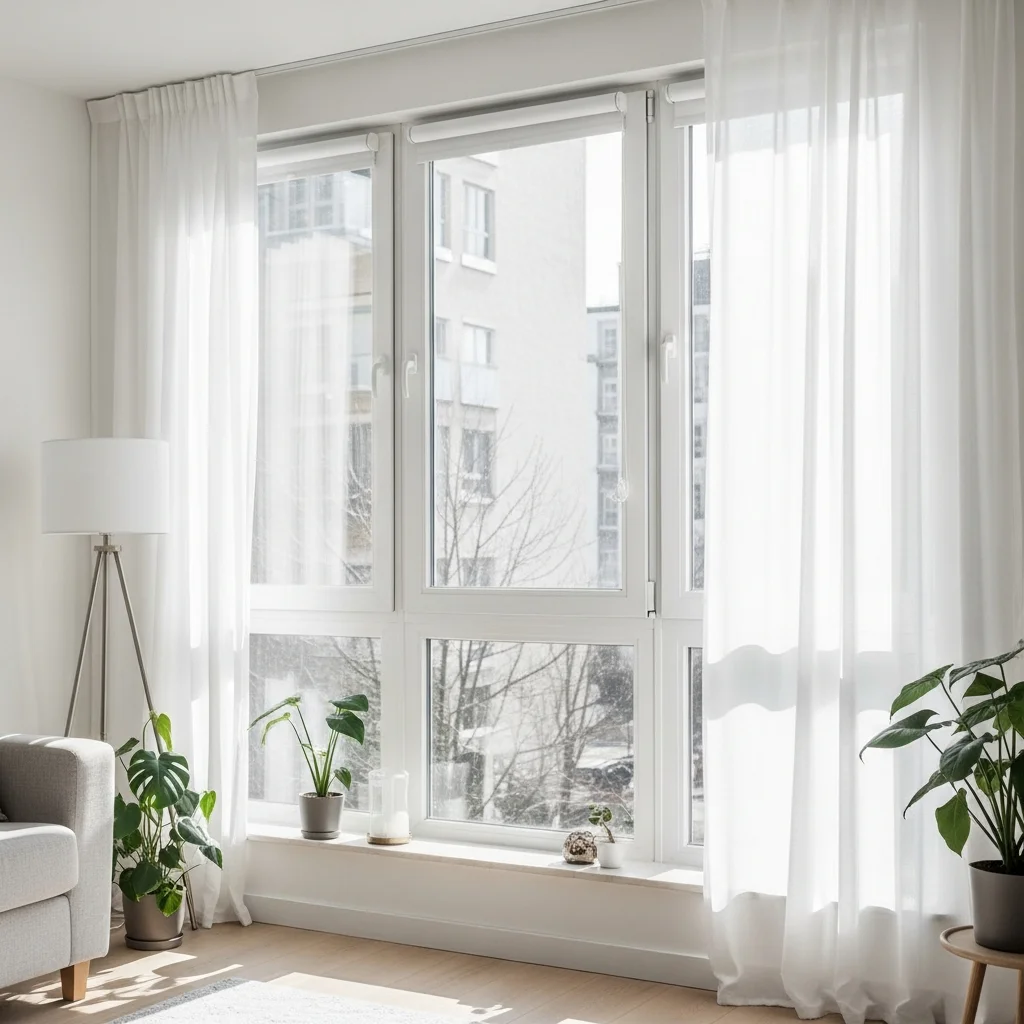
Natural light makes any space feel larger, more inviting, and more connected to the outdoors. In small living rooms, maximizing daylight becomes particularly important for creating an open, airy atmosphere.
Window treatments play a crucial role in light management. Heavy, dark curtains can make a small room feel cave-like and oppressive. Instead, opt for sheer panels, light-filtering shades, or simple shutters that control privacy while allowing maximum light penetration. When possible, leave windows completely bare for an unobstructed view and maximum brightness.
If privacy concerns require window coverings, install curtain rods several inches above the window frame and allow panels to hang to the floor. This vertical emphasis draws the eye upward and creates the illusion of taller windows and ceilings. Choose curtain fabrics in light colors that blend with your walls rather than creating stark contrasts that visually break up the space.
Keep window sills clear of clutter. While a small plant or decorative object can enhance a windowsill, overcrowding this area blocks light and creates visual noise. If you love displaying items near windows, consider installing narrow floating shelves to the side rather than directly obstructing the glass.
Clean windows regularly to ensure maximum light transmission. This simple maintenance task makes a surprising difference in how bright and spacious your living room feels. Consider both interior and exterior cleaning for optimal results.
Add Texture and Depth
While keeping colors light and spaces uncluttered remains important, completely minimalist rooms can feel cold and unwelcoming. Adding various textures creates visual interest and warmth without requiring colorful accents or physical clutter.
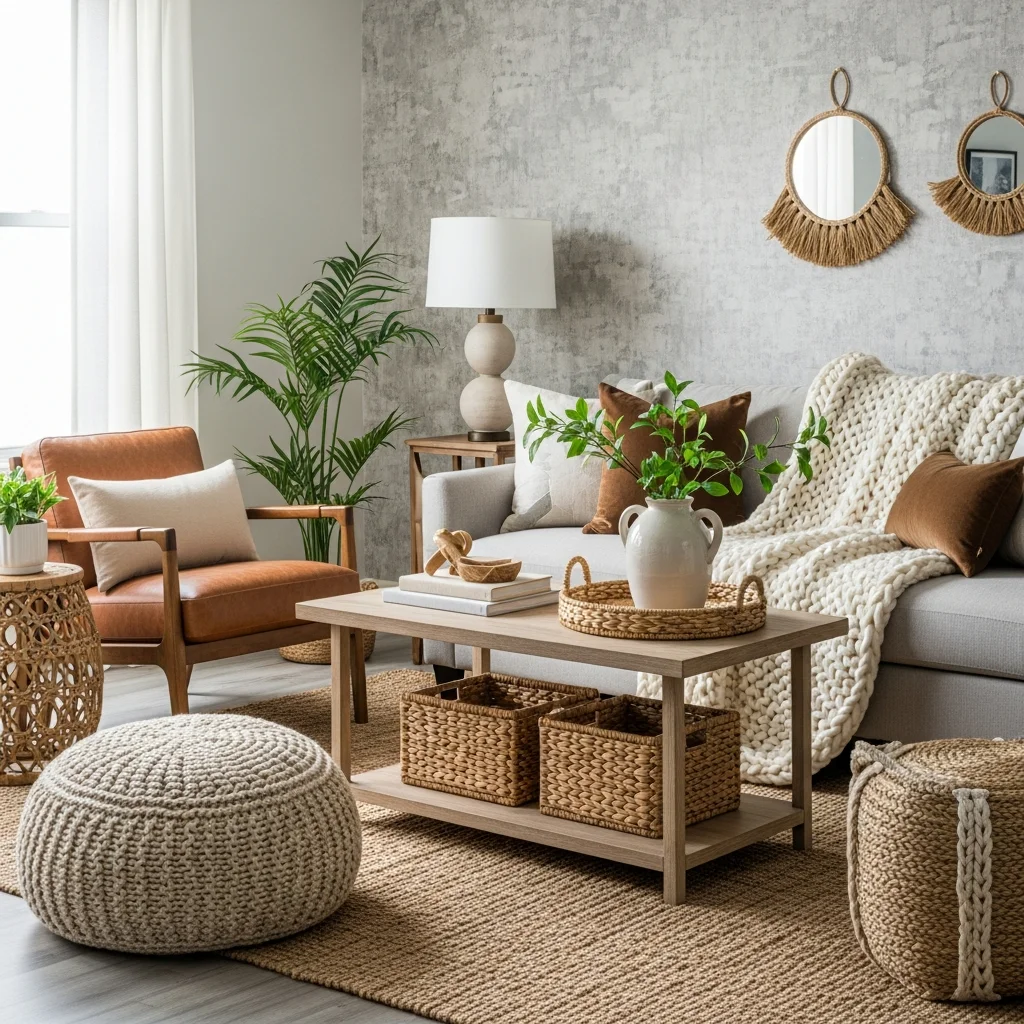
Layer different textiles throughout the space. Combine smooth leather or faux leather with nubby linen, soft velvet with crisp cotton, or chunky knit throws with sleek silk pillows. These textural variations create depth and sophistication while maintaining a cohesive color scheme.
Natural materials introduce organic texture and warmth. Wood furniture, whether in light oak or warm walnut finishes, adds character and grounds the space. Woven baskets provide both storage and textural interest. Natural fiber rugs in jute, sisal, or seagrass contribute earthy appeal while defining seating areas.
Incorporate plants as living textural elements. Greenery brings life, purifies air, and adds organic shapes that contrast beautifully with manufactured furniture forms. In small living rooms, consider vertical plant displays, hanging planters, or tall floor plants that draw the eye upward rather than consuming precious surface space.
Wall treatments offer another avenue for adding texture. Consider textured wallpaper on a single accent wall, shiplap paneling, or three-dimensional wall panels that create shadow and dimension. These architectural elements add interest without cluttering the room with objects.
Implement Smart Lighting Strategies
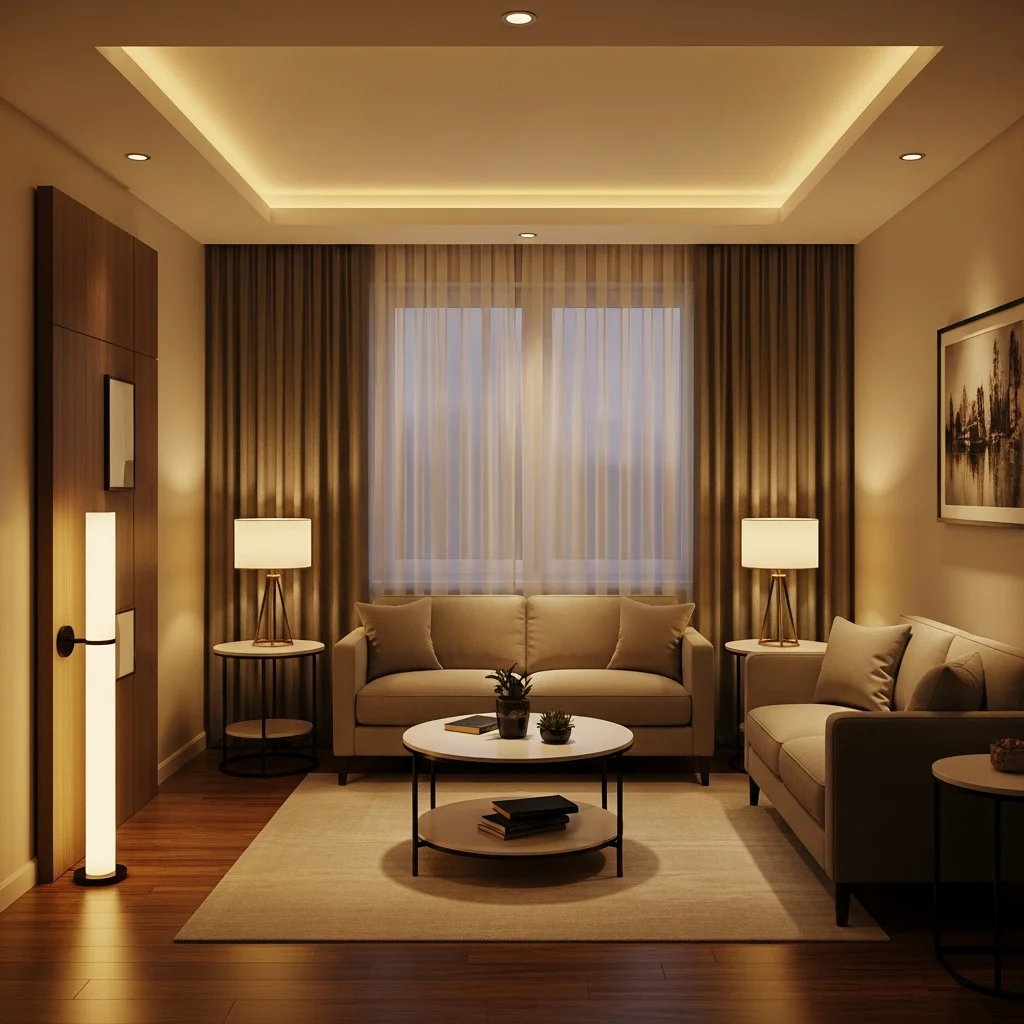
Lighting dramatically affects how spacious and inviting a room feels. Small living rooms benefit from layered lighting approaches that illuminate the space evenly while adding flexibility for different activities and moods.
Overhead lighting provides general illumination but can feel flat and harsh when used alone. Combine ceiling fixtures with table lamps, floor lamps, and wall sconces to create multiple light sources at different heights. This variety adds dimension and allows you to adjust lighting levels for different purposes.
Wall-mounted sconces save valuable table space while providing necessary task lighting. Install them beside seating areas for reading, or use them to highlight artwork and architectural features. Swing-arm models offer adjustable positioning, making them particularly versatile in compact spaces.
Floor lamps with slim profiles work well in small living rooms. Look for models with minimal bases that won’t trip people or consume excessive floor space. Arc floor lamps can stretch over seating to provide overhead-style light without requiring ceiling installation.
Consider the quality and color temperature of your light bulbs. Warm white bulbs create inviting, cozy atmospheres, while cooler daylight bulbs make spaces feel larger and more energetic. Dimmable fixtures offer maximum flexibility, allowing you to adjust ambiance for entertaining, relaxing, or working.
Conclusion
Designing a small living rooms requires creativity, strategic thinking, and a willingness to make intentional choices about every element in the space. However, the constraints of limited square footage often lead to more thoughtful, personalized results than working with expansive rooms where mistakes can hide in unused corners.
The ten ideas explored here work together to create living rooms that feel open, functional, and inviting despite their compact dimensions. Appropriate furniture scale ensures comfort without overwhelming the space. Multifunctional pieces maximize utility. Vertical storage utilizes often-wasted wall space. Mirrors and light colors expand perceived dimensions. Thoughtful layouts optimize traffic flow. Curved furniture improves circulation. Natural light brightens and opens the room. Textural variety adds warmth. Smart lighting creates ambiance and flexibility.
Remember that these strategies serve as guidelines rather than rigid rules. Your small living rooms should reflect your lifestyle, accommodate your activities, and express your personal style. Some ideas will resonate immediately, while others might require adaptation to suit your specific circumstances.
Start with the changes that address your most pressing challenges. Perhaps your room feels cluttered and could benefit from vertical storage solutions. Maybe poor furniture arrangement creates awkward traffic patterns. Or possibly insufficient lighting makes the space feel smaller than necessary. Tackle one or two improvements at a time, assessing results before moving forward with additional changes.
Small living rooms challenge us to be more thoughtful designers of our own spaces. They push us toward quality over quantity, purpose over accumulation, and intention over default choices. When designed well, these compact spaces become the heart of the home, welcoming family and friends into carefully curated environments that prove size matters far less than thoughtfulness and creativity.
Your small living rooms holds remarkable potential. With these ideas as your foundation, you can create a space that not only meets your practical needs but also brings daily joy and reflects the life you want to live. The journey from cramped to comfortable begins with a single intentional choice. What will yours be?