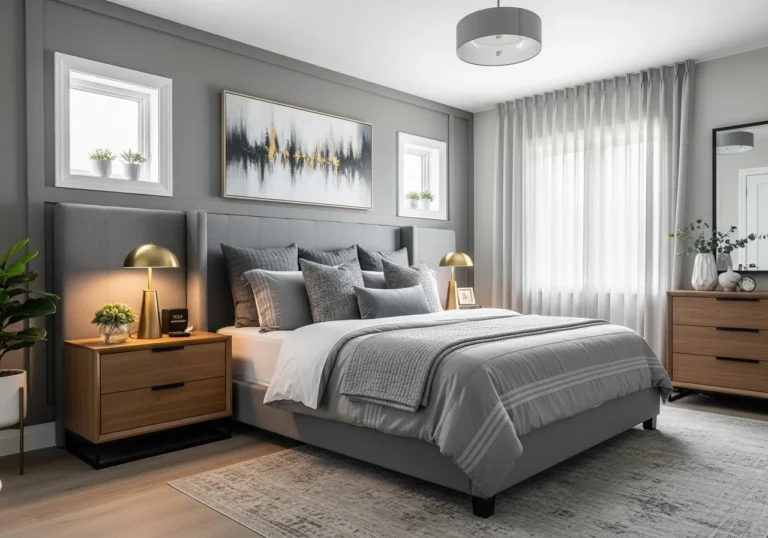
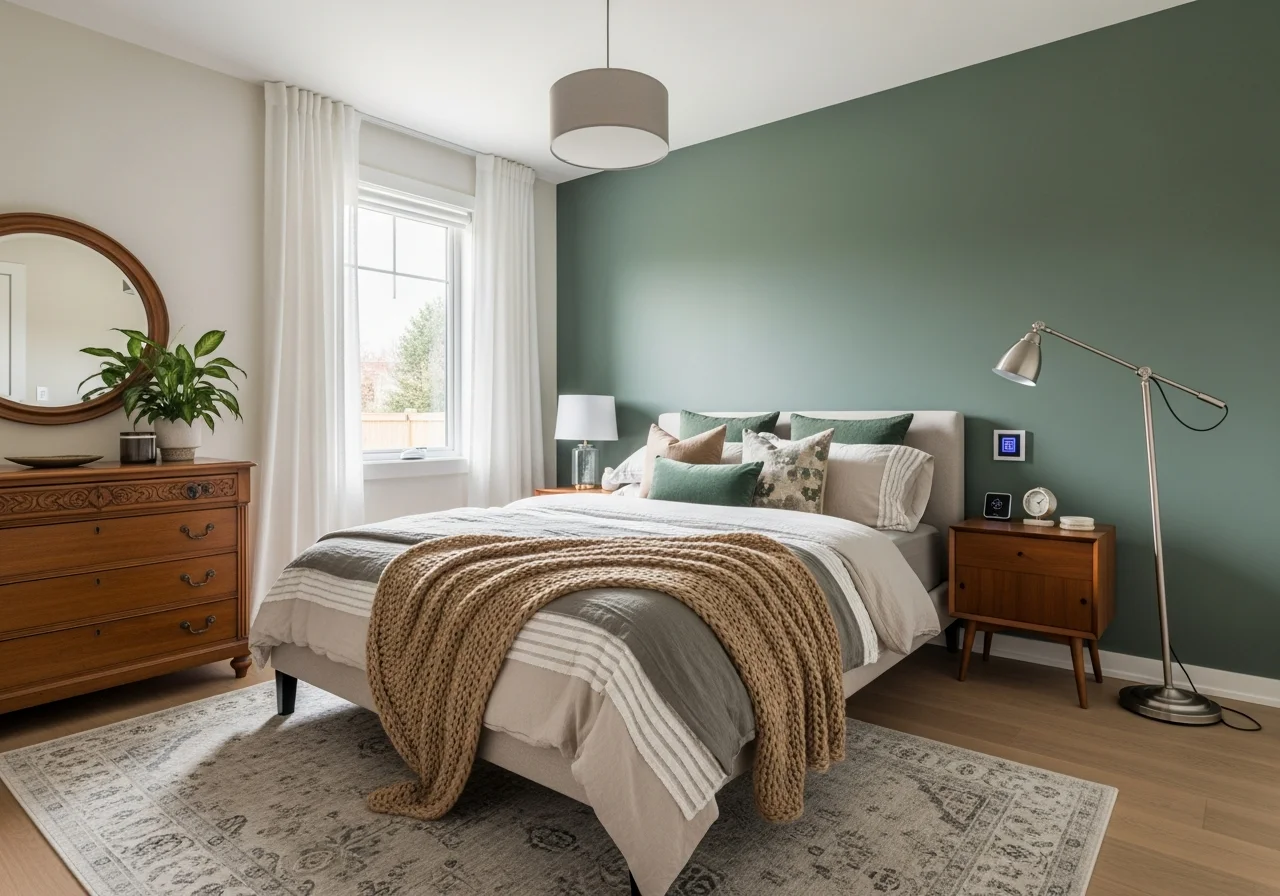
15 Master Bedroom Ideas 2026 for Modern Cosy Small Rooms, Green Palettes, Vintage Styles and More Trends
Your master bedroom should be more than just a place to rest your head at night. It represents your most personal sanctuary, a space where the outside world fades away and tranquility takes center stage. As we move through 2026, bedroom design has evolved to embrace a more thoughtful, intentional approach that prioritizes comfort, personal expression, and meaningful aesthetics over fleeting trends.
The beauty of creating a master bedroom in 2026 lies in the diversity of options available. Whether you have a spacious suite or are working with a compact room, this year offers fresh perspectives on how to craft a sleeping space that feels uniquely yours. The emerging design direction emphasizes warmth, natural materials, and a harmonious blend of old and new elements that create spaces with soul and character.
This comprehensive guide presents fifteen carefully curated master bedroom ideas that reflect the most compelling design movements of 2026. These concepts span everything from maximizing small spaces to incorporating vintage treasures, from embracing soothing green palettes to creating modern sanctuaries that feel both current and timeless. The goal is to provide you with actionable inspiration that helps you transform your bedroom into a retreat that serves your lifestyle while expressing your personal style. Let these ideas guide you toward creating the master bedroom you deserve.

Embrace Warm Neutral Palettes for Timeless Serenity
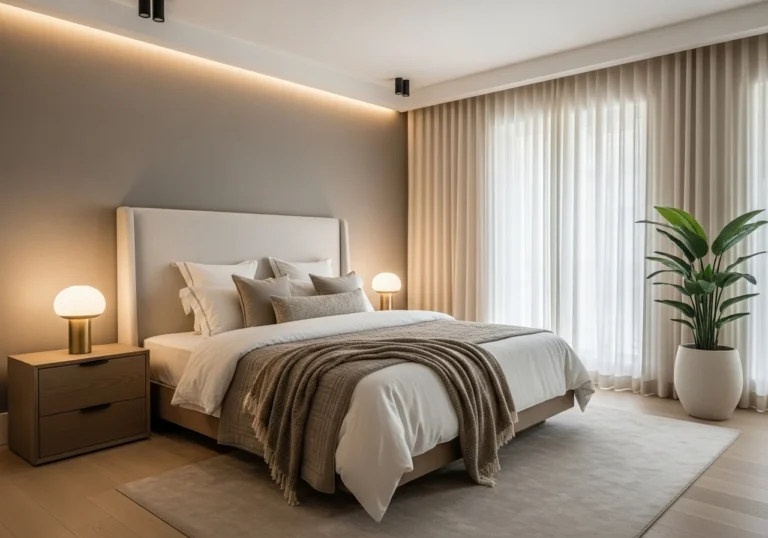
Neutral bedrooms continue their reign in 2026, but with a significant evolution. Gone are the stark whites and cool grays that dominated previous years. Today’s neutral master bedrooms lean into warmth with creamy taupes, clay-inspired beiges, soft caramels, and chalky off-whites that create inviting rather than austere environments.
These warm neutral foundations provide versatility without sacrificing personality. The key is layering different shades of the same color family to create depth and visual interest. A cream wall pairs beautifully with tan bedding, caramel-toned wood furniture, and beige window treatments. This monochromatic approach feels sophisticated and calming while allowing you to introduce subtle pops of color through accessories.
The magic of warm neutrals lies in their ability to adapt to changing seasons and moods. In warmer months, pair them with crisp white linens and natural textures for an airy feel. As cooler weather arrives, layer in deeper tones through throws, pillows, and artwork. This flexibility ensures your bedroom never feels stale while maintaining its peaceful foundation.
Natural light interacts beautifully with warm neutrals, creating gentle shadows and highlights throughout the day that add dimension to the space. These colors also work harmoniously with the warm wood tones and natural materials that define contemporary bedroom design, creating a cohesive aesthetic that feels grounded and intentional.
Transform Small Master Bedrooms with Smart Design Solutions
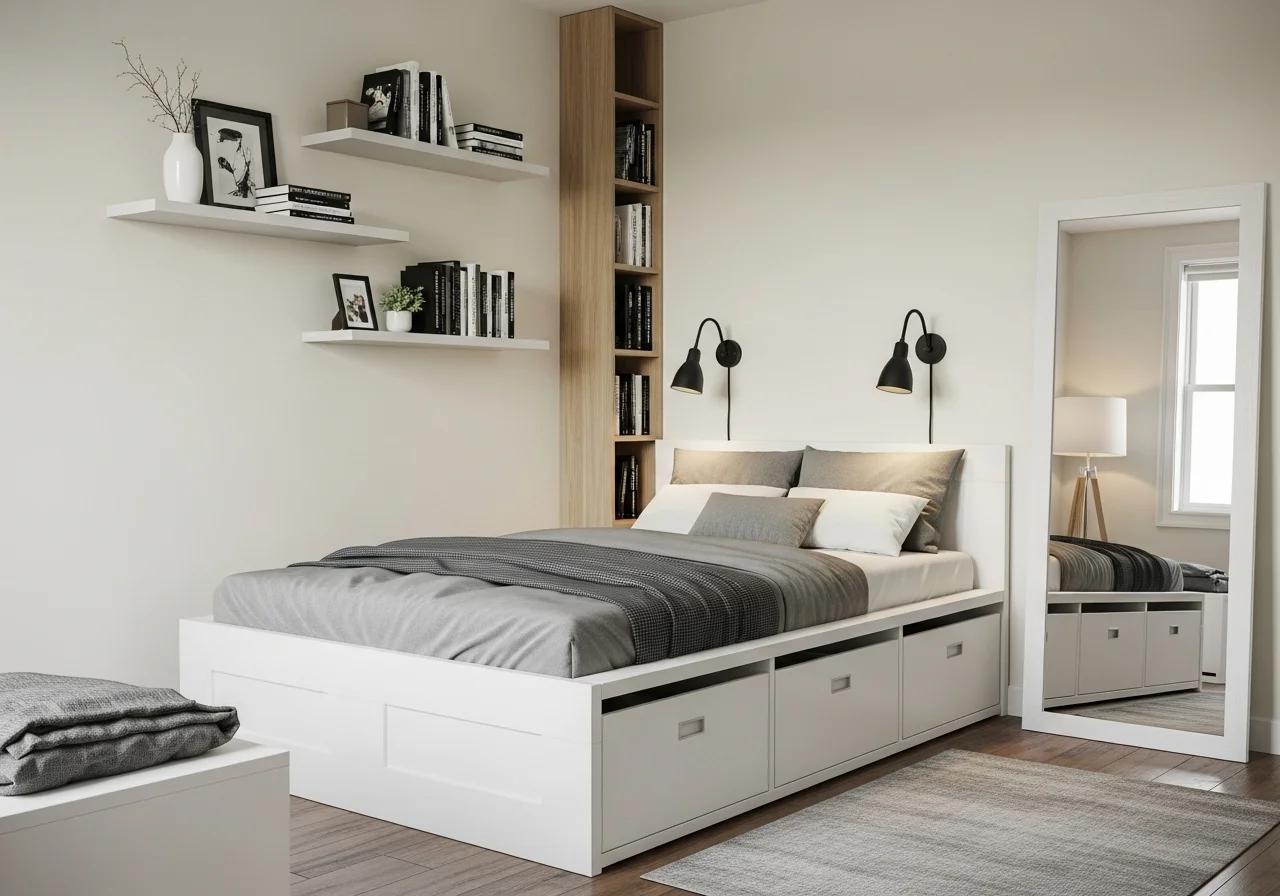
Small master bedrooms present unique challenges, but 2026 design thinking proves that limited square footage can actually enhance coziness when approached strategically. The key is maximizing every inch while maintaining an open, uncluttered feeling that promotes relaxation.
Platform beds with built-in storage drawers eliminate the need for additional furniture while providing essential organization. These multifunctional pieces store extra bedding, seasonal clothing, or personal items without eating into valuable floor space. Choose designs with clean lines that don’t visually overwhelm the room.
Vertical design thinking makes small bedrooms feel more spacious. Tall, narrow bookcases draw the eye upward and create the illusion of height. Floating shelves provide display space without the bulk of traditional furniture. Wall-mounted lighting frees up nightstand surface area while adding ambient illumination that makes rooms feel larger.
Light colors on walls remain crucial for small spaces, but the warm neutral trend ensures these lighter shades still feel welcoming. Mirrors strategically placed opposite windows reflect natural light and create depth perception that expands the room visually. A large leaning mirror serves double duty as both functional necessity and decorative element that opens up the space.
Built-in bed nooks represent an innovative solution for particularly tight quarters. These cozy alcoves maximize vertical space while creating an intimate, cocoon-like sleeping area that feels intentional rather than cramped. They often incorporate clever storage solutions like hidden drawers or side cabinets that maintain functionality without sacrificing style.
Incorporate Soothing Green Palettes for Natural Calm
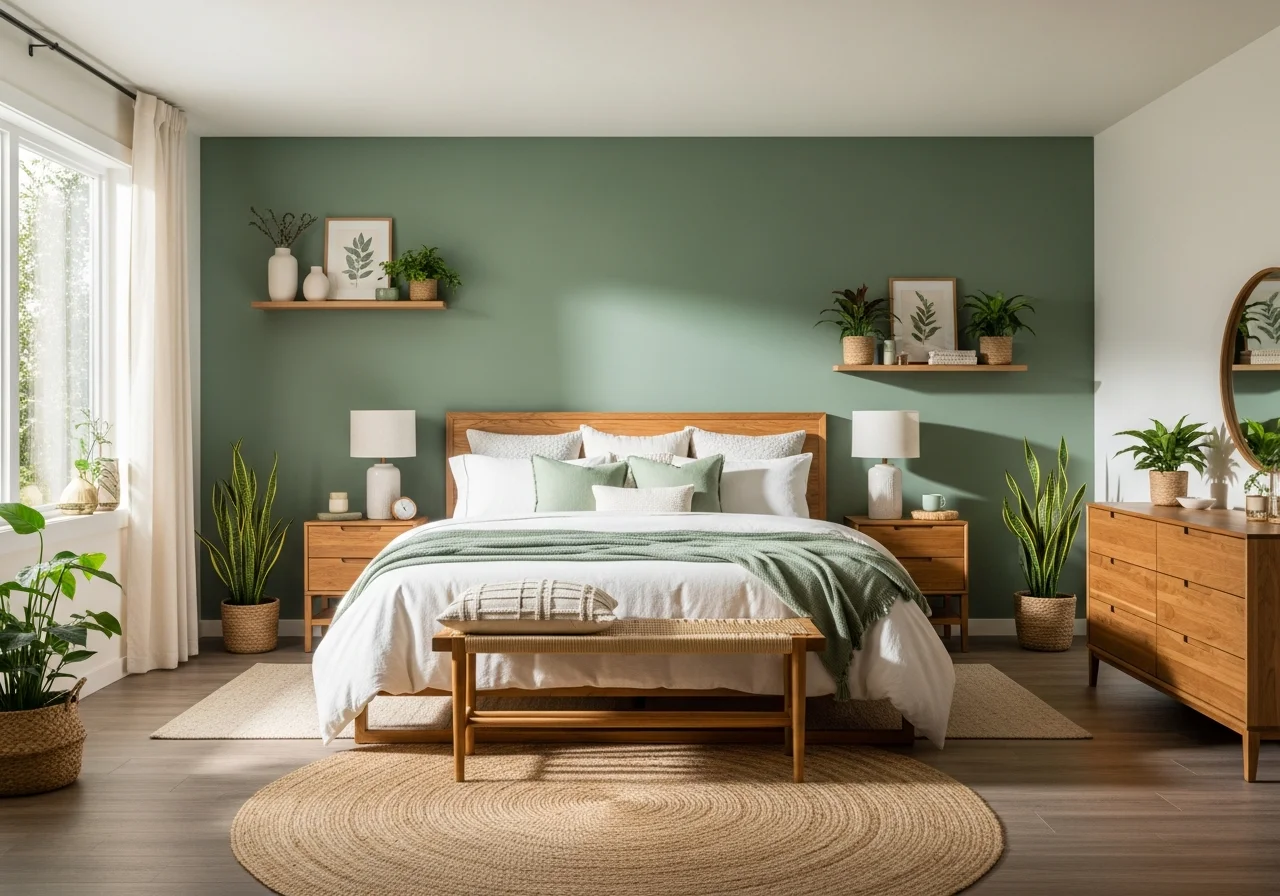
Green emerges as one of 2026’s most beloved bedroom colors, offering multiple shades that bring the calming influence of nature indoors. From soft sage to deeper forest tones, green creates tranquil environments that promote restful sleep and mental wellbeing.
Sage green stands out as particularly popular for master bedrooms. This muted, gray-green tone feels both modern and timeless, pairing beautifully with warm wood furniture and natural textiles. Use sage on walls for a complete immersion or introduce it through bedding, curtains, and accent pieces for a subtler approach. The color has been shown to reduce stress and create peaceful atmospheres ideal for bedroom environments.
Deeper green tones like emerald, hunter, or forest green work beautifully as accent walls behind beds. These richer shades add drama and sophistication without overwhelming the space when balanced with lighter neutrals on remaining walls. They create stunning backdrops for brass or gold hardware, warm wood headboards, and white bedding that pops against the darker background.
Olive green offers another compelling option that feels earthy and grounded. This yellow-tinged green pairs particularly well with terracotta, rust, and other warm earth tones, creating layered color schemes that feel collected and intentional. It works in both modern and vintage-inspired bedrooms, offering versatility across different design aesthetics.
When working with green palettes, balance is essential. Pair greens with plenty of natural materials like wood, rattan, and linen to reinforce the connection to nature. Add plants throughout the space to create living accents that complement the color scheme while improving air quality. The result is a bedroom that feels like a peaceful garden retreat.
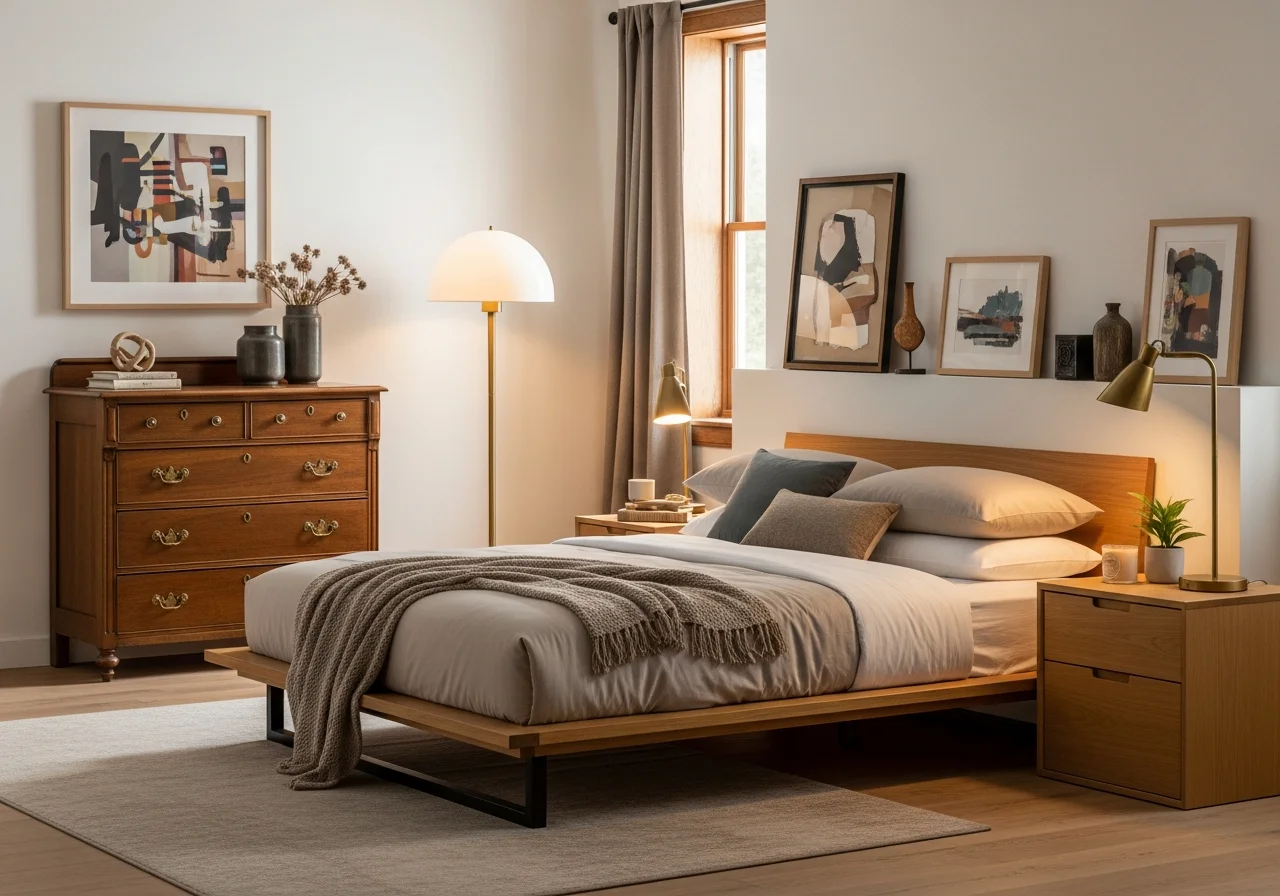
Blend Vintage Elements with Modern Sensibilities
The modern vintage bedroom represents one of 2026’s most compelling design directions. This approach thoughtfully combines antique or vintage furniture with contemporary pieces, creating spaces that feel collected over time rather than decorated in a single shopping trip. The result is a bedroom with character, warmth, and soul that mass-produced modern furniture alone cannot achieve.
Start by identifying a few key vintage pieces that will anchor your design. A restored vintage dresser, an antique wooden bed frame, or a cherished heirloom armoire brings instant character and serves as conversation starters. These pieces carry stories and history that add depth to your space. Look for items with beautiful wood grain, interesting hardware, or unique construction details that showcase craftsmanship.
Balance vintage elements with modern pieces to prevent the room from feeling like a museum. A vintage wooden bed frame pairs beautifully with contemporary nightstands featuring clean lines. An antique dresser looks fresh when topped with modern lamps and minimal decor. This juxtaposition creates visual interest while keeping the space feeling current and livable.
Vintage textiles offer another way to incorporate timeless charm. Antique quilts, vintage-inspired wallpaper, or heirloom rugs add pattern and texture that new items cannot replicate. These softer vintage touches integrate more easily than large furniture pieces, making them ideal starting points if you’re new to mixing old and new.
The color palette plays a crucial role in successfully blending vintage and modern elements. Neutral walls create a cohesive backdrop that allows both vintage and contemporary pieces to shine without competing. Wood tones become the unifying element, with the warm hues of antique and vintage woods complementing the walnut, oak, and acacia finishes popular in modern furniture.
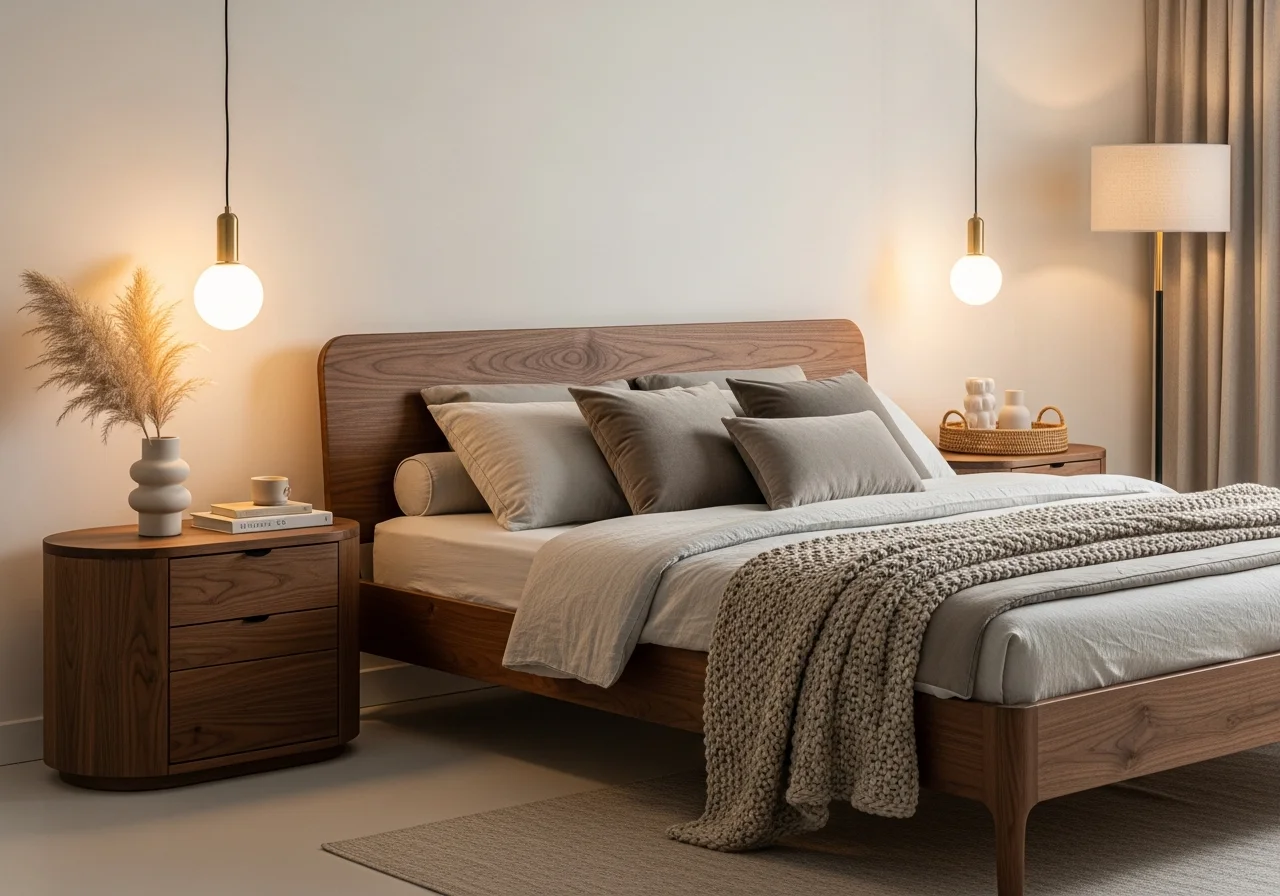
Create Cozy Modern Bedrooms with Texture and Warmth
Modern bedrooms in 2026 have softened considerably from the stark minimalism of previous years. Today’s modern master bedroom embraces warmth through carefully layered textures, natural materials, and atmospheric lighting that creates inviting spaces perfect for relaxation.
The foundation of a cozy modern bedroom starts with high-quality bedding in natural fibers. Linen sheets provide breathability and develop a beautiful lived-in softness over time. Layer a chunky knit throw across the foot of the bed for visual and physical warmth. Add a mix of pillow textures including velvet, boucle, and cotton in coordinating neutral tones. These varied textures create depth while maintaining the clean aesthetic of modern design.
Furniture with curved silhouettes replaces the harsh angles of traditional modern pieces. Rounded nightstands, arched mirrors, and upholstered headboards with gentle curves soften the space and feel inherently more comforting. These organic shapes balance well with the straight lines of bed frames and dressers, creating visual harmony.
Natural materials ground modern bedrooms and provide warmth that synthetic alternatives cannot match. Wooden furniture in rich walnut or lighter oak tones adds organic beauty. Rattan accents through lighting fixtures, mirrors, or decorative objects introduce texture without adding visual weight. Jute or sisal rugs underfoot provide natural texture that pairs perfectly with modern furnishings.
Lighting transforms modern bedrooms from sterile to cozy. Layer multiple light sources at different heights including table lamps, wall sconces, and floor lamps. Choose warm-toned bulbs that emit soft, amber light rather than cool, blue-toned illumination. Dimmers allow you to adjust lighting intensity throughout the day, creating everything from energizing morning brightness to soothing evening ambiance.

Design Spa-Inspired Sanctuaries for Ultimate Relaxation
The spa-inspired master bedroom trend reflects our collective desire for wellness-focused living spaces that promote restoration and self-care. These serene environments borrow from luxury resort design to create personal retreats that prioritize mental and physical wellbeing.
Color selection forms the foundation of spa-inspired bedrooms. Soft, muted palettes in shades of white, cream, pale blue, or gentle green create calm atmospheres. These colors have been shown to lower heart rate and promote relaxation, making them ideal choices for sleep spaces. Avoid vibrant or energizing colors that stimulate rather than soothe.
Natural materials reinforce the spa aesthetic while connecting the space to the organic world. Bamboo, teak, and other sustainable woods bring warmth and texture. Stone accents through decorative objects or even feature walls add grounding earth energy. Natural fiber textiles including linen, cotton, and silk feel luxurious against skin while allowing proper temperature regulation for comfortable sleep.
Clutter elimination is non-negotiable in spa-inspired bedrooms. Hidden storage solutions keep belongings organized and out of sight, maintaining the visual calm essential to the aesthetic. Custom cabinetry with concealed compartments, under-bed storage, or built-in wardrobes ensure everything has its place without disrupting the serene atmosphere.
Sensory elements elevate spa bedrooms beyond visual appeal. Introduce calming scents through essential oil diffusers, placing lavender or eucalyptus oils in the bedroom to promote relaxation. Soft, ambient music from hidden speakers creates gentle soundscapes. Invest in blackout curtains or shades that ensure complete darkness for optimal sleep quality. These multi-sensory touches transform your bedroom into a true wellness sanctuary.
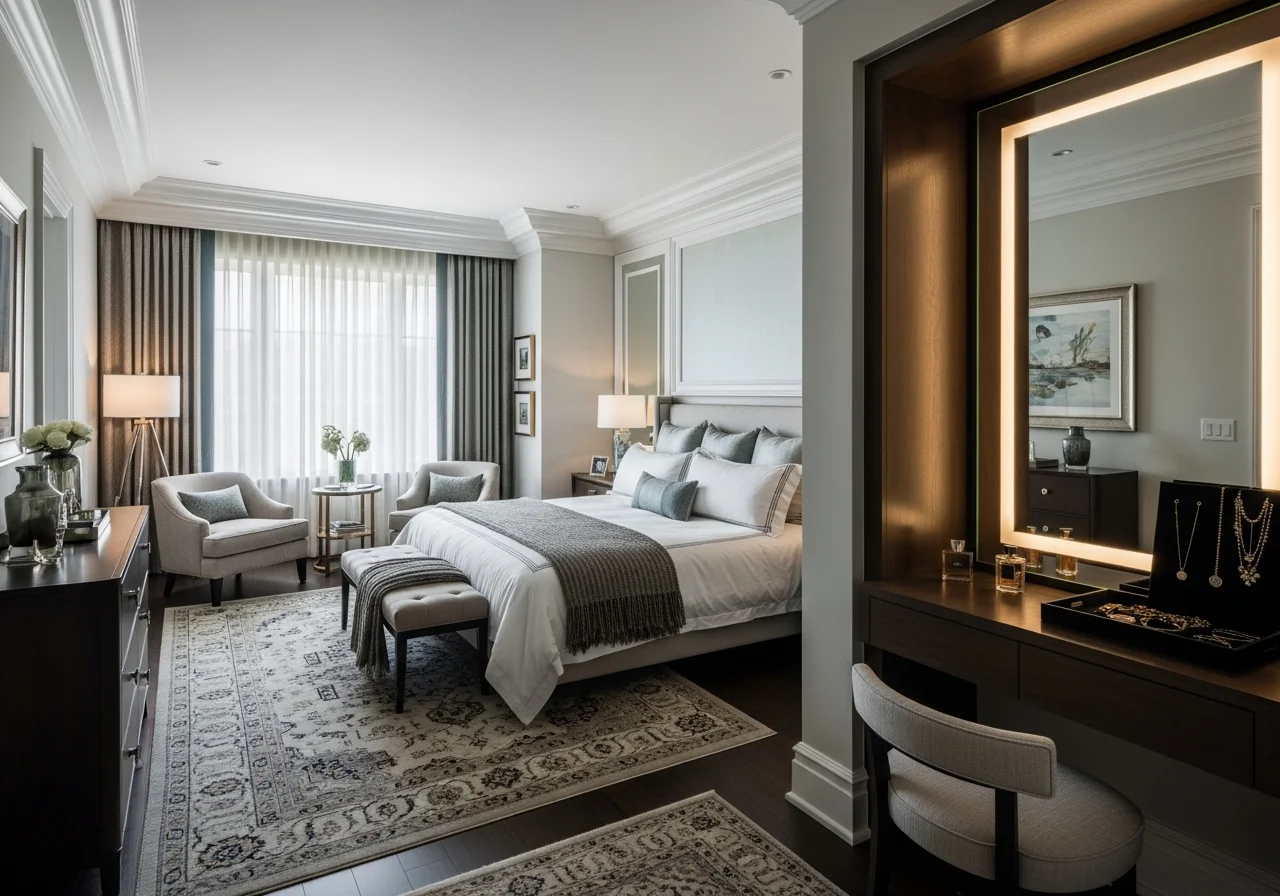
Maximize Luxury in Master Bedroom Suites
For those fortunate enough to have spacious master bedroom suites, 2026 design trends emphasize creating distinct zones within the larger space while maintaining cohesive design throughout. The goal is crafting a luxurious environment that serves multiple functions beyond sleep.
Separate seating areas turn master suites into true retreats. Position an upholstered armchair or chaise lounge near a window to create a reading nook. Add a small side table and floor lamp to make the space functional for morning coffee or evening reading. Choose seating with bold silhouettes and luxurious fabrics like boucle or velvet that add visual drama while providing exceptional comfort.
Dedicated dressing areas within larger suites provide practical luxury. A well-designed vanity with proper lighting and comfortable seating creates a personal grooming station. Full-length mirrors, adequate storage for accessories, and thoughtful lighting that mimics natural daylight make getting ready each day feel special rather than rushed.
Open concept layouts blend sleeping, relaxing, and dressing areas seamlessly without hard divisions. Use area rugs to define different zones within the larger space. Position furniture to create natural pathways that guide movement through the suite. This fluid approach makes large rooms feel intentional rather than empty while maintaining the airy, spacious quality that makes master suites feel luxurious.
High-end finishes throughout the space reinforce the luxury aesthetic. Crown molding adds architectural interest. Custom window treatments in premium fabrics like silk or linen puddle elegantly on the floor. Designer lighting fixtures serve as functional art pieces. These finishing touches demonstrate attention to detail that elevates the entire space.

Introduce Smart Technology for Modern Convenience
Technology integration in bedrooms has become increasingly sophisticated and seamless in 2026. Smart features enhance comfort and convenience without compromising the peaceful aesthetic essential to restful spaces.
Automated window treatments represent one of the most impactful smart bedroom additions. Motorized blinds or shades open gradually in the morning, allowing natural light to wake you gently rather than the harsh jarring of traditional alarms. Program them to close at bedtime, ensuring complete darkness for optimal sleep. Control everything from your smartphone or through voice commands for ultimate convenience.
Smart lighting systems allow precise control over bedroom ambiance throughout the day. Set morning routines that gradually brighten lights to ease you awake. Create evening scenes with warm, dimmed lighting that promotes relaxation. Adjust color temperature throughout the day to align with natural circadian rhythms that support better sleep patterns.
Climate control technology maintains ideal sleeping temperatures automatically. Smart thermostats learn your preferences and adjust heating or cooling without manual intervention. Some advanced systems even adjust temperature throughout the night based on sleep stages, ensuring optimal comfort from the moment you fall asleep until you wake.
The key to successful technology integration is invisibility. Hide charging stations inside nightstand drawers. Conceal smart speakers behind decorative objects. Choose devices in finishes that match your decor rather than standing out as obvious technology. The goal is enjoying modern convenience while maintaining the serene, uncluttered aesthetic that defines restful bedrooms.
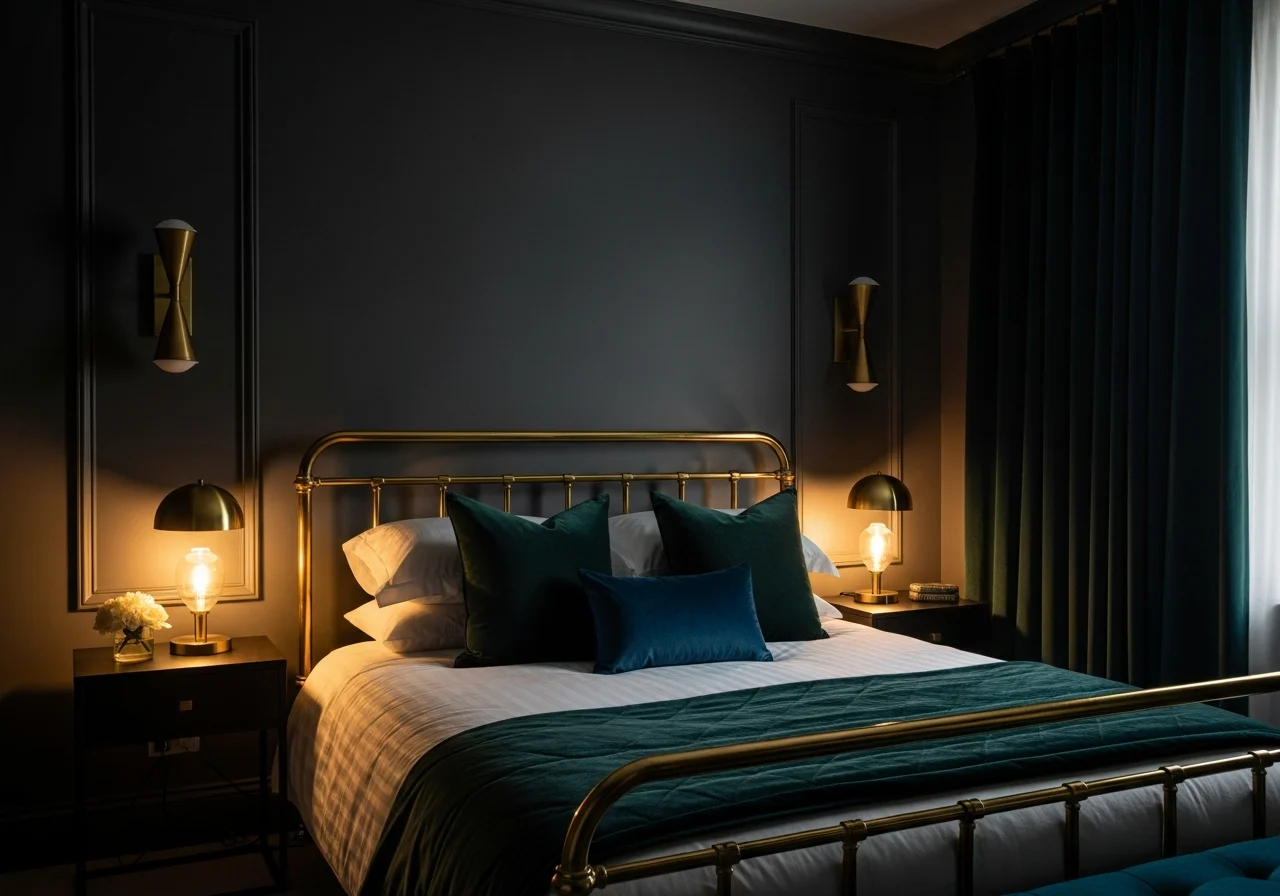
Layer Moody Dark Colors for Dramatic Impact
While light, airy bedrooms dominate many design conversations, moody dark bedrooms have emerged as a compelling alternative for those seeking drama and cocoon-like intimacy. Dark colors create enveloping spaces that feel safe, luxurious, and deeply restful.
Charcoal gray, midnight blue, deep forest green, and soft black create sophisticated foundations for dramatic bedrooms. These colors absorb light rather than reflecting it, creating intimate atmospheres perfect for sleep. The cocooning effect makes even large bedrooms feel more comfortable and enclosed in a positive way that promotes relaxation.
Balance dark walls with lighter bedding and textiles to prevent the space from feeling too heavy. Crisp white sheets pop dramatically against dark backgrounds. Cream or beige throws and pillows add warmth while maintaining contrast. This interplay between dark and light creates visual interest and prevents the room from feeling oppressive.
Lighting becomes even more critical in dark bedrooms. Multiple layered light sources prevent the space from feeling like a cave during waking hours. Table lamps with warm bulbs create pools of inviting light. Wall sconces add ambient illumination that washes dark walls with gentle glow. Consider uplighting that highlights architectural features like crown molding or ceiling details.
Metallic accents shine beautifully against dark backgrounds. Brass hardware, gold-toned mirrors, or copper light fixtures add warmth and glamour. These reflective surfaces catch and bounce light around the room, adding dimension and preventing dark colors from feeling flat. The combination of moody walls and metallic accessories creates sophisticated, jewel-box bedrooms that feel both modern and timeless.
Optimize Storage Without Sacrificing Style
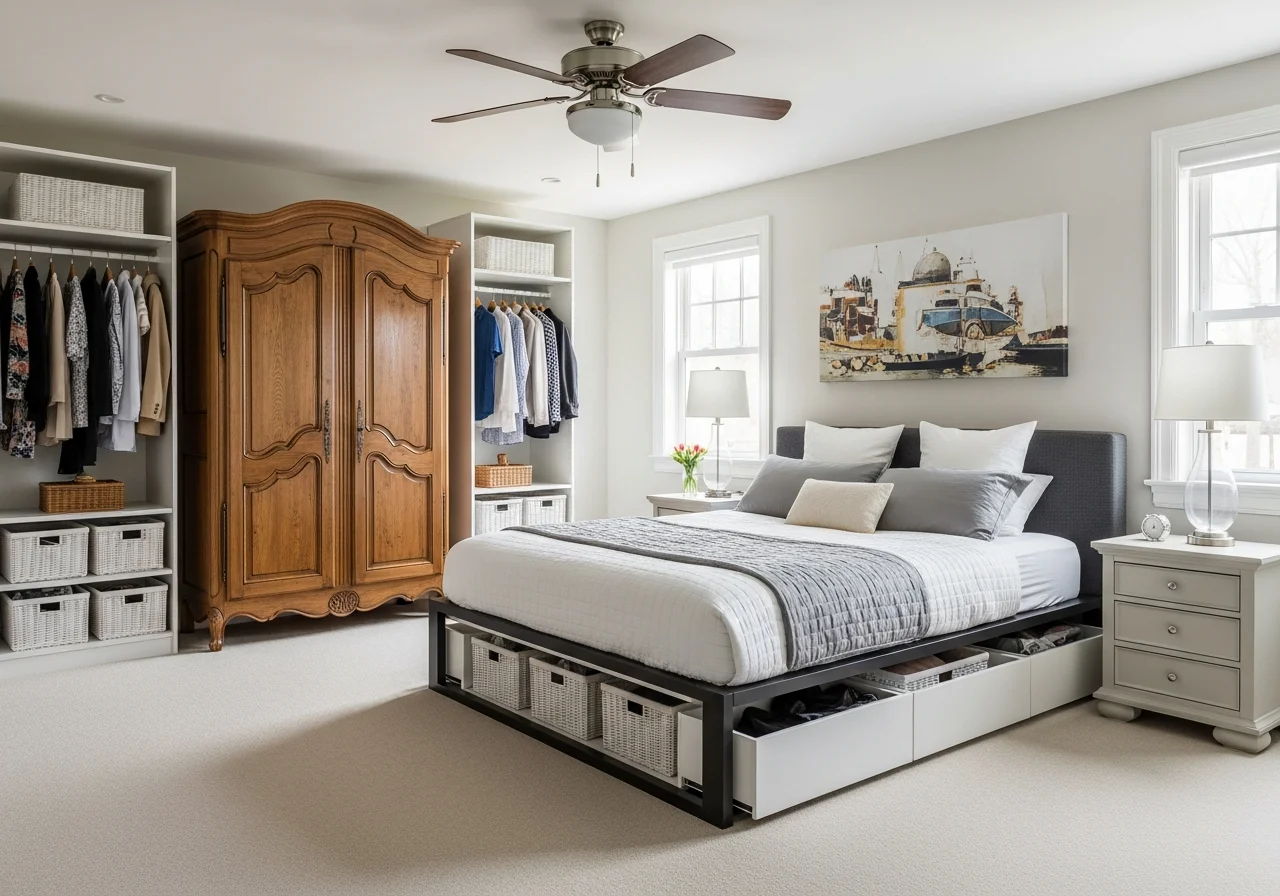
Storage remains one of the most significant challenges in master bedroom design, but 2026 solutions prove you can maintain organization without compromising aesthetics. The trend moves away from visible clutter toward integrated storage that blends seamlessly into the overall design.
Custom built-in wardrobes replace free-standing furniture in many modern bedrooms. These floor-to-ceiling solutions maximize vertical space while creating clean, streamlined looks. Choose door styles that complement your overall aesthetic, whether that means minimalist flat panels, traditional raised designs, or modern sliding doors. Interior organization systems with drawers, shelves, and hanging space ensure everything has a designated home.
Under-bed storage represents often-wasted space that smart design reclaims. Platform beds with integrated drawers store seasonal bedding, extra pillows, or off-season clothing. For beds without built-in storage, attractive boxes or baskets that slide underneath keep items organized and dust-free while remaining easily accessible.
Free-standing furniture makes a comeback in 2026, but with a focus on pieces that provide both beauty and function. Vintage armoires or modern sideboards offer substantial storage while serving as statement pieces that add character. Antique trunks at the foot of beds store blankets while providing seating or surface space. These multipurpose pieces reduce the need for dedicated storage furniture that can make bedrooms feel cluttered.
Hidden storage maintains the clean, uncluttered aesthetic essential to restful bedrooms. Nightstands with drawers rather than open shelves keep personal items out of sight. Ottoman benches with lift-top storage hold extra bedding. Wall-mounted floating shelves display decorative objects while concealing belongings behind closed cabinet sections. The goal is creating organized spaces where everything is accessible but nothing disrupts visual calm.
Incorporate Bold Statement Headboards
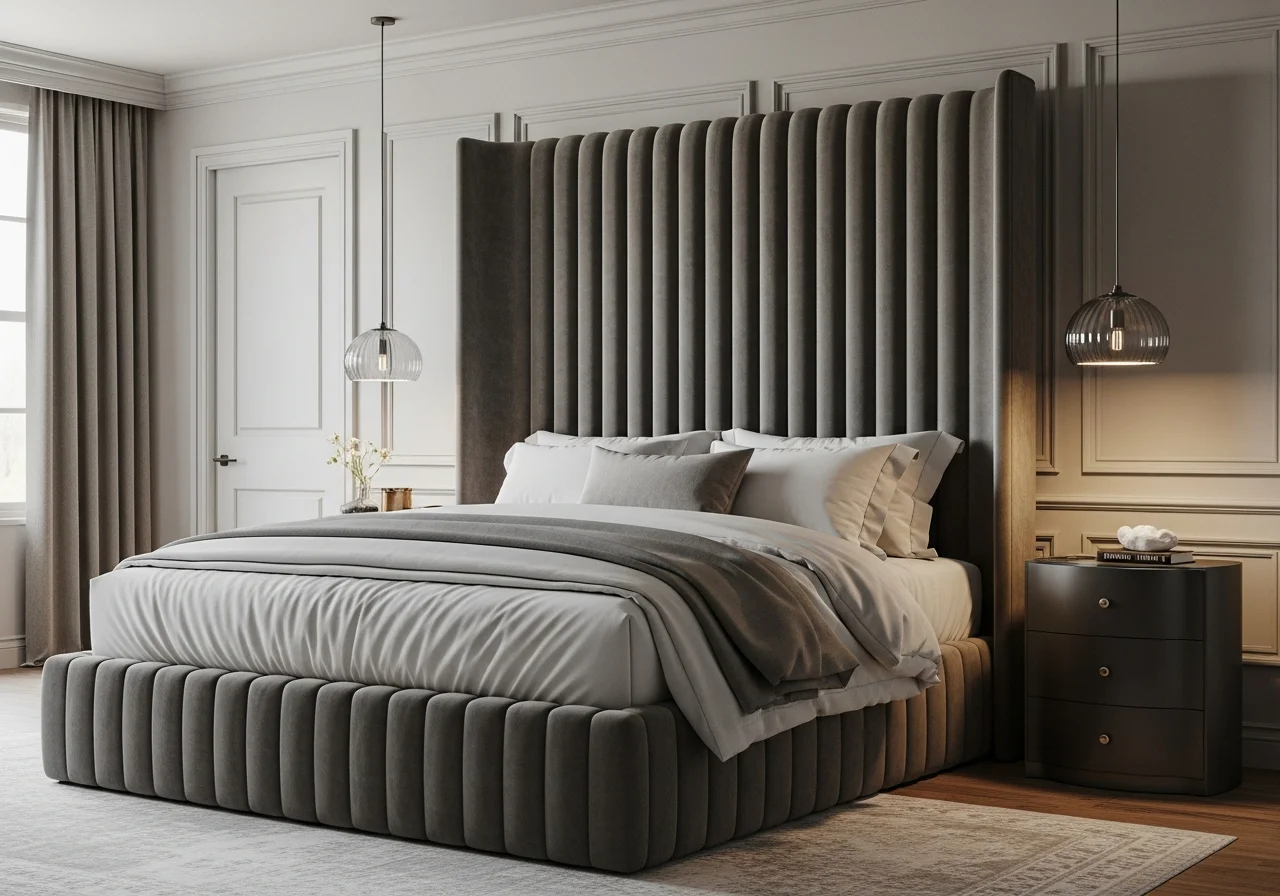
The headboard has evolved from simple functional piece to major design element that defines the entire bedroom aesthetic. 2026 trends showcase dramatic headboards that serve as focal points and express personal style.
Upholstered headboards in luxurious fabrics create soft, inviting backdrops. Channel-tufted designs add texture and architectural interest. Choose velvet for maximum luxury and depth of color. Linen or cotton provide more casual elegance. Consider oversized headboards that extend significantly above the mattress and even wider than the bed frame for dramatic impact that anchors the entire room.
Natural materials bring organic beauty to headboards. Rattan or woven cane headboards add texture and warmth while working in everything from coastal to bohemian to modern aesthetics. Reclaimed wood headboards showcase beautiful grain patterns and carry stories from their previous lives. Live-edge wood maintains the natural shape of the tree, creating truly unique focal points that connect bedrooms to nature.
Architectural headboards blur the line between furniture and built-in feature. Floor-to-ceiling headboard walls incorporate the bed into a larger architectural element that might include integrated nightstands, lighting, or storage. Paneled headboard walls use wood or upholstered panels to create textured backdrops that add dimension and sophistication.
Color choices for headboards allow personal expression while impacting the overall bedroom mood. Deep jewel tones like emerald, sapphire, or ruby create drama and luxury. Soft pastels maintain serenity while adding gentle color. Bold blacks or navys anchor spaces and provide striking contrast against lighter walls. Your headboard choice sets the tone for the entire room, so select something that resonates with your personal aesthetic and desired atmosphere.

Create Multi-Functional Workspaces Within Bedrooms
Remote work and flexible schedules have made bedroom workspace integration increasingly common. The challenge lies in incorporating productive work areas without disrupting the restful atmosphere essential to good sleep. 2026 design solutions address this through thoughtful zoning and adaptable furniture.
Compact fold-away desks provide full functionality when needed but disappear when work is done. Wall-mounted drop-leaf desks fold flat against the wall, becoming decorative elements rather than obvious workspaces. Murphy desk systems combine workspace with storage, revealing a complete office setup when opened and presenting a clean cabinet face when closed.
Visual separation between work and sleep zones helps maintain healthy boundaries. Position desks to face away from the bed, keeping work out of your sight line during rest periods. Use tall plants, folding screens, or bookshelf dividers to create subtle barriers that define distinct areas within the larger room. Area rugs can also delineate different zones without permanent changes.
Custom cabinetry offers the most integrated solution for bedroom workspaces. Design wardrobes or built-ins with pocket doors that conceal complete office setups. When work is finished, simply close the doors to hide computers, papers, and work-related items, instantly transforming the space back into a peaceful bedroom. This out-of-sight, out-of-mind approach prevents work stress from bleeding into rest time.
Lighting designed specifically for work areas ensures productivity without disrupting bedroom ambiance. Task lighting at the desk provides focused illumination for work hours. Keep this lighting separate from bedroom ambient lighting so you can maintain dim, relaxing light in sleeping areas while still having adequate brightness for productivity when needed.
Add Personality Through Patterned Accent Walls
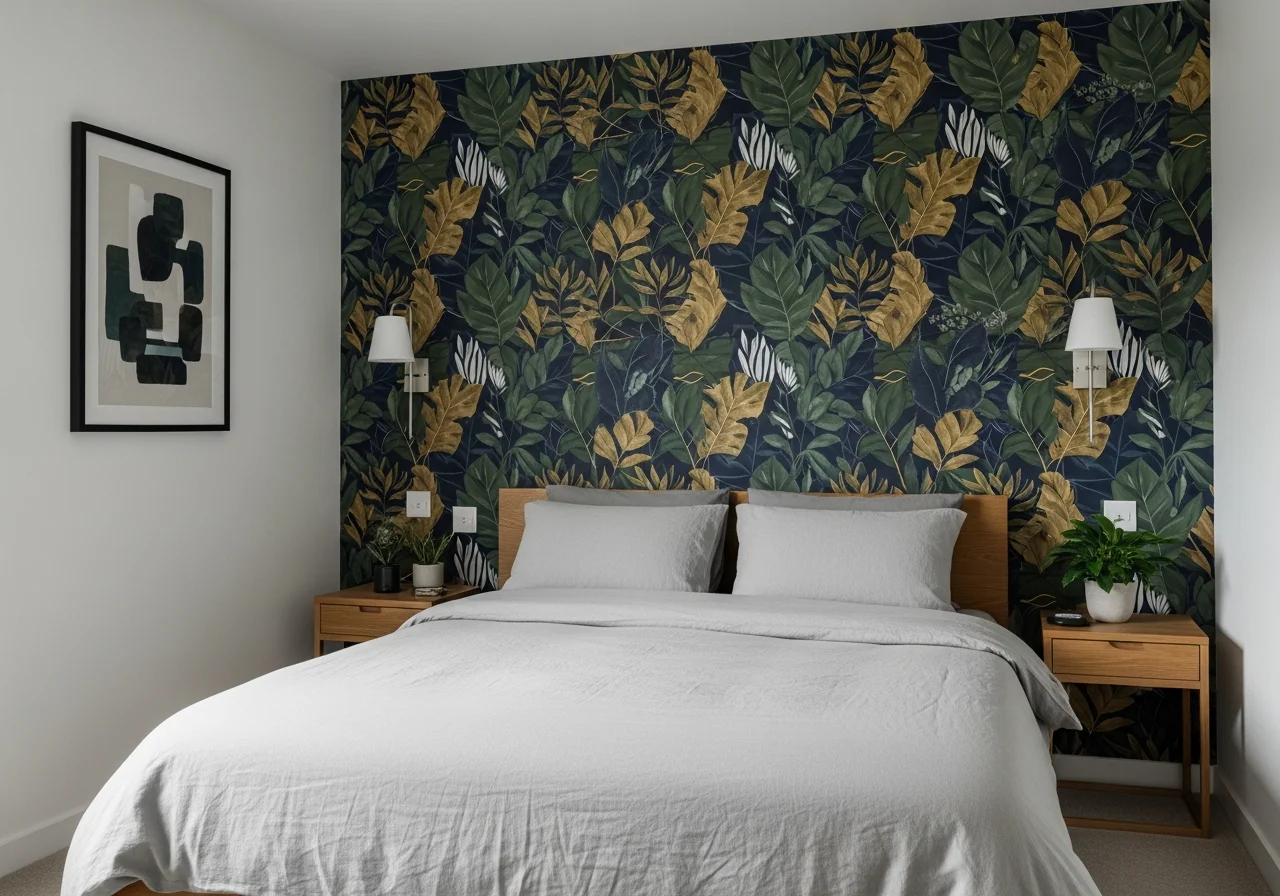
Accent walls allow bold personal expression without overwhelming bedroom spaces. 2026 trends move beyond solid paint colors to embrace patterns that add visual interest, depth, and character.
Wallpaper has experienced a renaissance with designs ranging from subtle textures to bold graphics. Botanical prints bring nature indoors with oversized leaves or delicate florals. Geometric patterns add modern edge through abstract shapes and lines. Textured grasscloth or linen wallpapers create subtle dimension that adds depth without busy patterns. Apply wallpaper to the wall behind your bed to create a natural focal point.
The wallpaper box trend takes this concept further by extending pattern to the ceiling, wrapping the entire room in cohesive design. This immersive approach works particularly well with tonal patterns or subtle designs that create interest without overwhelming. The effect is theatrical and transformative, turning bedrooms into intentionally designed cocoons.
Painted accent walls offer simpler alternatives while still providing visual impact. Choose colors deeper or more saturated than other walls to create focal points. Consider techniques like color blocking with geometric shapes, ombre effects that gradually shift tones, or textured paint applications that add dimension. These approaches personalize spaces while requiring less commitment than wallpaper.
Balance patterned walls with simpler elements throughout the rest of the room. Solid-colored bedding allows busy wallpaper to shine without visual competition. Minimal decor prevents the space from feeling cluttered when one wall already provides significant visual interest. The key is letting your accent wall be the star while supporting elements play quieter roles.

Embrace Earthy Cocooning with Warm Brown Tones
Brown has triumphantly returned to bedroom design after years of gray dominance. From chocolate to caramel to terracotta, warm brown tones create grounding, comforting spaces that feel both sophisticated and inviting. This earthy cocooning trend reflects our collective desire for spaces that feel safe, warm, and connected to nature.
Paint colors in warm browns transform bedroom atmospheres. Deep chocolate walls create cozy, enveloping spaces perfect for rest. Lighter caramel or tan tones provide warmth without the darkness of deeper shades. Terracotta brings clay-inspired earthiness that feels both ancient and contemporary. These colors work beautifully in bedrooms of any size, creating intimate spaces that promote relaxation.
Wood furniture in medium to dark tones reinforces brown color schemes while adding organic beauty. Walnut, mahogany, or dark oak pieces bring richness and depth. These darker woods feel more substantial and luxurious than the lighter pine or maple that dominated recent years. Mix wood tones confidently, combining different species and finishes for collected, lived-in aesthetics rather than overly matched sets.
Layer brown tones throughout the space for visual richness. Combine chocolate walls with tan bedding, caramel-colored curtains, and terracotta accent pillows. Add in natural materials like jute rugs, rattan furniture, and wooden accessories. The interplay of different brown shades creates depth and prevents the space from feeling flat or one-dimensional.
Balance warm browns with crisp whites or creams to prevent the space from feeling too heavy. White bedding pops against brown walls. Cream curtains soften darker color schemes. These lighter accents provide visual rest and prevent brown from overwhelming the senses while maintaining the overall warm, earthy aesthetic.
Design Bedrooms That Prioritize Wellness and Sleep Quality
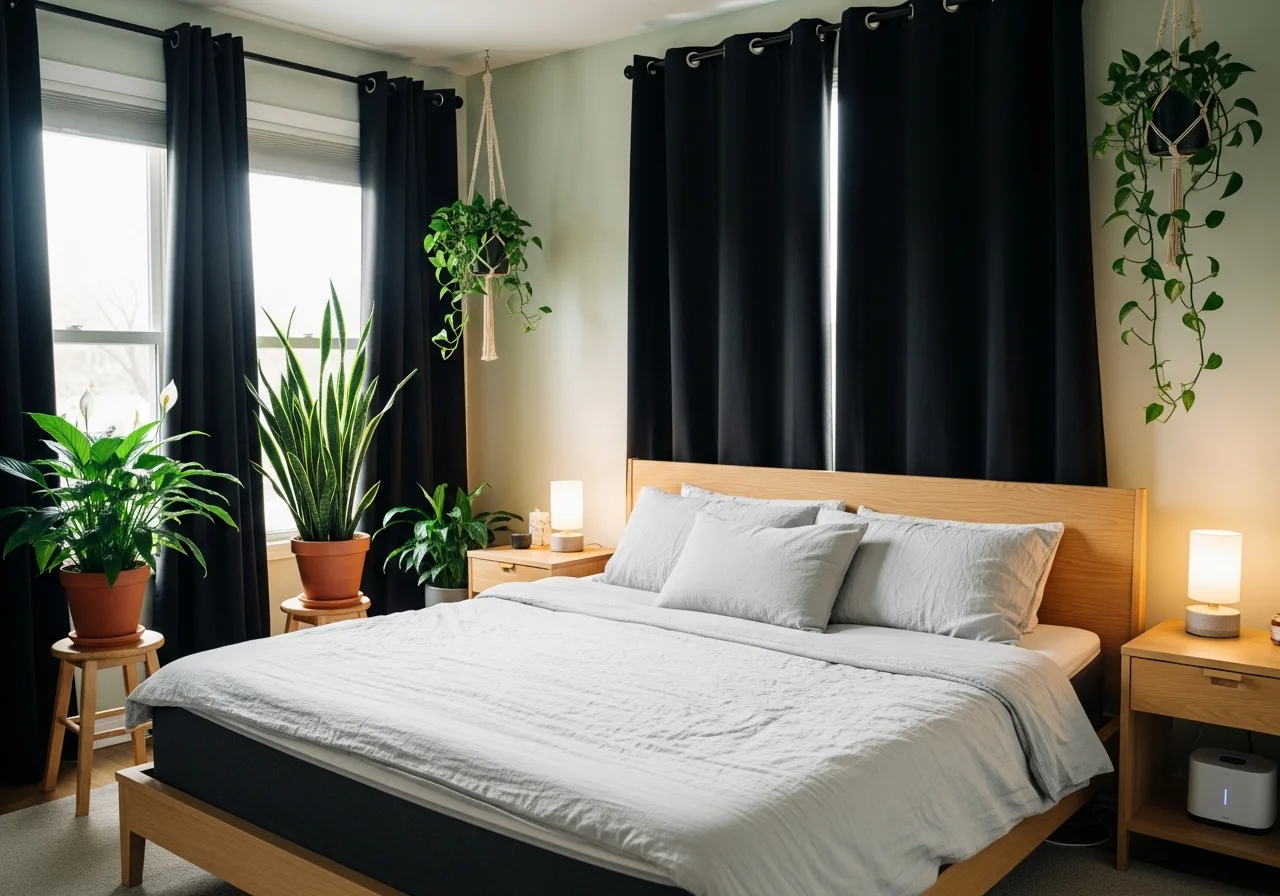
The wellness bedroom trend goes beyond aesthetics to address how design choices impact physical health and sleep quality. This holistic approach considers everything from mattress selection to air quality to create spaces that actively support wellbeing.
Invest in the best mattress and pillows within your budget. Quality sleep surfaces directly impact rest quality and overall health. Consider your sleep style, any physical issues like back pain, and personal comfort preferences. High-thread-count sheets in natural fibers like cotton or linen feel luxurious while promoting temperature regulation essential to comfortable sleep.
Air quality significantly affects sleep and overall health. Incorporate multiple plants throughout your bedroom to naturally filter air and increase oxygen levels. Snake plants, pothos, and peace lilies thrive in bedroom conditions while improving air quality. Ensure proper ventilation and consider air purifiers if you live in areas with pollution concerns.
Minimize electronic devices in the bedroom, or at least keep them away from sleeping areas. The blue light from screens interferes with natural sleep rhythms. Create charging stations outside the bedroom or in drawers where devices are out of sight. Use traditional alarm clocks rather than phones to reduce temptation for late-night scrolling that disrupts sleep.
Sound management creates peaceful environments conducive to rest. Heavy curtains muffle outside noise. White noise machines mask disruptive sounds. Carpeting or large area rugs absorb sound within the room. For urban dwellers or those in noisy environments, these sound-dampening strategies make significant differences in sleep quality and overall bedroom comfort.
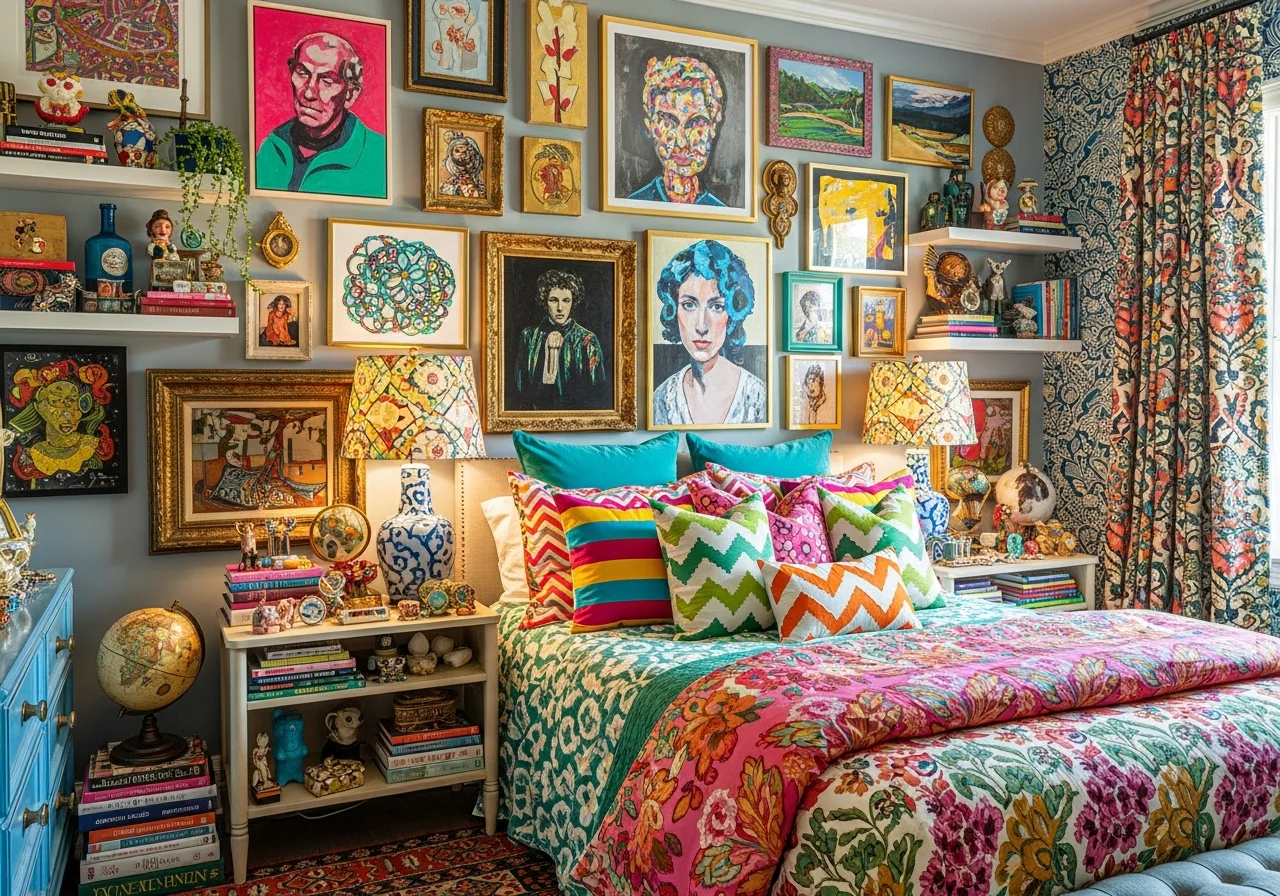
Embrace Personal Expression Through Maximum Design
While minimalism continues appealing to some, personal maximalism has emerged as a liberating alternative that encourages bold self-expression. This trend rejects one-size-fits-all design rules in favor of spaces filled with meaningful objects, vibrant colors, and collected treasures that tell your unique story.
Gallery walls showcase artwork, photographs, and objects that reflect your interests and experiences. Mix frame styles, sizes, and even the types of items displayed. Travel souvenirs, family photos, artwork from local artists, and meaningful quotes can all coexist when unified by cohesive framing or thoughtful arrangement. These personal collections make bedrooms feel deeply individual rather than generically decorated.
Pattern mixing adds energy and personality. Combine floral bedding with striped pillows and geometric throws. The key is maintaining some connection between patterns, whether through shared colors, similar scales, or complementary styles. Start conservatively with two patterns and add more as you develop confidence in your mixing abilities.
Color brings joy and energy to maximalist bedrooms. Rather than restricting yourself to neutral palettes, embrace the colors that make you happy. Paint walls in saturated hues. Layer textiles in complementary or even contrasting colors. Add colorful artwork, rugs, and accessories. The resulting spaces feel vibrant and alive, reflecting personality rather than conforming to trend-driven color stories.
Collections and treasured objects deserve display space in personal bedrooms. Books stacked on nightstands or shelves indicate interests and intellectual pursuits. Vintage finds from flea markets add character and stories. Plants in decorative pots bring life and color. These meaningful objects transform generic bedrooms into spaces that feel authentically yours, creating environments where you truly feel at home.
Creating Your Perfect Master Bedroom for 2026 and Beyond
The master bedroom ideas presented here reflect the diverse design directions defining 2026. From serene neutrals to dramatic dark walls, from vintage charm to modern minimalism, from compact efficiency to luxurious suites, the options have never been more varied or accommodating to different lifestyles and preferences.
What unites these diverse approaches is a shared emphasis on intentionality. Today’s best bedrooms result from thoughtful decision-making about what matters most to you. Perhaps that means prioritizing storage solutions that keep clutter at bay. Maybe it involves investing in wellness-focused elements that improve sleep quality. It could mean embracing bold colors and patterns that bring you joy every time you enter the space. The common thread is creating rooms that serve your specific needs rather than following prescriptive design rules.
As you consider which ideas resonate most strongly, remember that your bedroom should evolve with you. Design is not static, and the most successful spaces adapt over time as your needs and preferences change. Start with foundational elements like quality bedding, proper lighting, and adequate storage. Build from there by adding layers of personality through color, texture, and meaningful objects. Give yourself permission to experiment and adjust until you create a space that truly feels like home.
The master bedroom trends of 2026 prove that comfortable, beautiful, and personal are not mutually exclusive qualities. Whether you implement one idea from this guide or combine several to create your unique vision, you are taking important steps toward crafting a bedroom that supports your wellbeing and reflects who you are. Your bedroom should be a place you never want to leave, a personal sanctuary that restores and refreshes you each day. Let these ideas inspire you to create that perfect retreat.
Frequently Asked Questions
What are the most popular master bedroom colors for 2026?
Warm neutrals dominate 2026 bedroom color trends, including creamy taupes, clay beiges, and soft caramels. Green in various shades from sage to forest has become increasingly popular for its calming properties. Warm browns including chocolate, terracotta, and caramel create cozy, grounding spaces. Moody dark colors like charcoal, midnight blue, and deep forest green appeal to those seeking dramatic, cocoon-like bedrooms. The shift is away from cool grays toward warmer tones that create inviting, comfortable atmospheres.
How can I make a small master bedroom look bigger?
Use light colors with warm undertones on walls to reflect light and create airiness. Position mirrors strategically to reflect natural light and create depth perception. Choose furniture proportional to room size, including platform beds with storage to eliminate bulky dressers. Embrace vertical design with tall bookcases and floating shelves that draw eyes upward. Keep floors as clear as possible by using wall-mounted lighting and minimal furniture. Layer lighting at different heights to eliminate dark corners that make spaces feel smaller.
What defines a modern vintage master bedroom?
Modern vintage bedrooms thoughtfully blend antique or vintage furniture with contemporary pieces, creating collected spaces with character and soul. Key elements include restored vintage dressers or bed frames paired with modern nightstands or lighting. Balance is essential, mixing eras intentionally rather than filling rooms exclusively with old pieces. Neutral wall colors create cohesive backdrops that allow both vintage and modern elements to shine. The aesthetic prioritizes pieces that feel personal and meaningful rather than mass-produced, creating bedrooms with warmth and lasting atmosphere.
How do I incorporate a workspace into my master bedroom without disrupting sleep?
Position desks to face away from beds, keeping work out of sight during rest periods. Use fold-away or wall-mounted desks that disappear when not in use. Create visual separation through room dividers, tall plants, or bookshelf units that define distinct zones. Consider custom cabinetry with pocket doors that completely hide workspaces when closed. Implement separate lighting for work areas so bedroom ambient lighting remains dim and relaxing. The key is maintaining clear boundaries between productive work zones and restful sleeping areas.
What are the essential elements of a spa-inspired master bedroom?
Soft, muted color palettes in whites, creams, pale blues, or gentle greens create calming foundations. Natural materials including wood, bamboo, stone, and organic textiles reinforce the spa aesthetic. Hidden storage solutions maintain clutter-free environments essential to visual calm. Layer sensory elements like calming scents through essential oils, soft ambient music, and complete darkness via blackout curtains. Invest in quality bedding and mattresses that prioritize comfort. The goal is creating multi-sensory environments that promote relaxation and restoration through thoughtful design choices.