28 Living Room Setting Ideas That Feel Balanced and Inviting
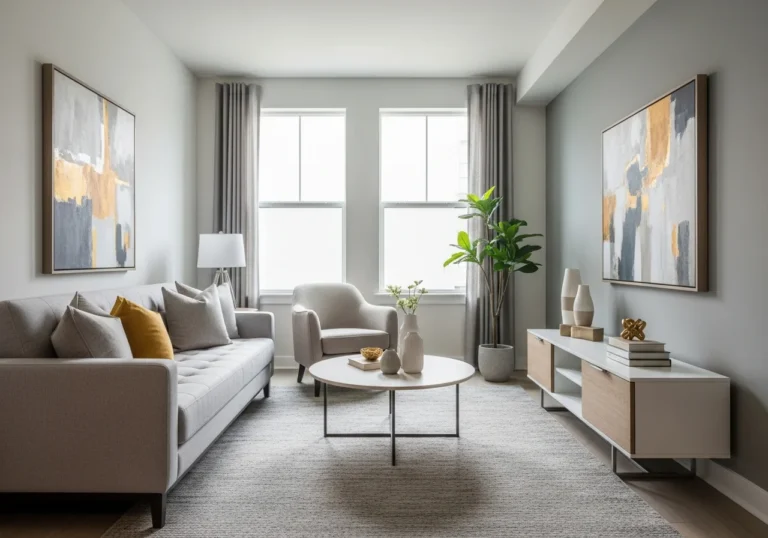
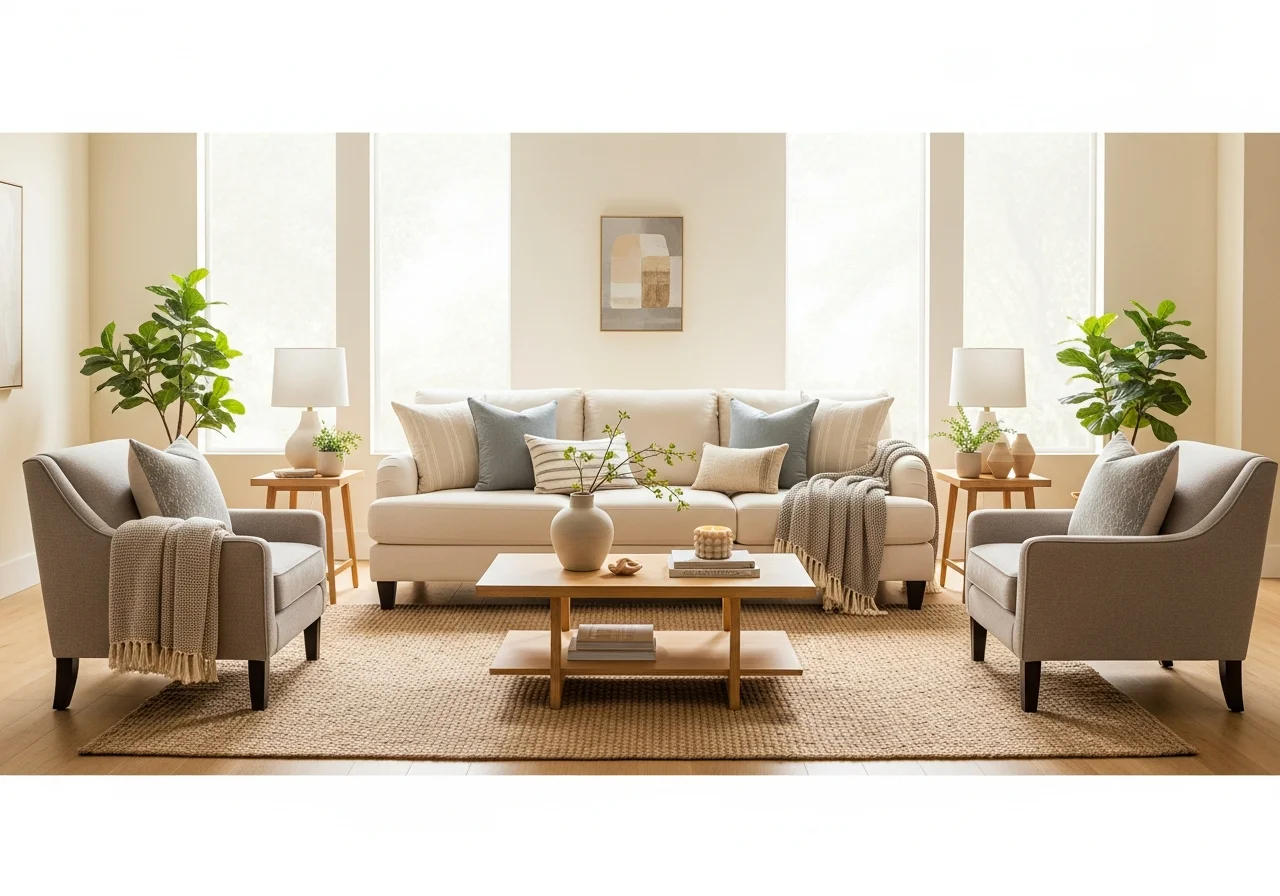
Creating a Living Room Setting Ideas that feels both balanced and inviting requires more than simply arranging furniture against the walls and calling it done. The most successful living spaces combine thoughtful furniture placement, cohesive color schemes, strategic lighting, and carefully selected accessories to create an environment where people naturally want to gather. Whether you’re working with a spacious great room or a compact apartment setting, these 28 Living Room Setting Ideas will help you design a space that looks professionally styled while remaining comfortable for everyday living.
Understanding Balance in Living Room Setting Ideas Design
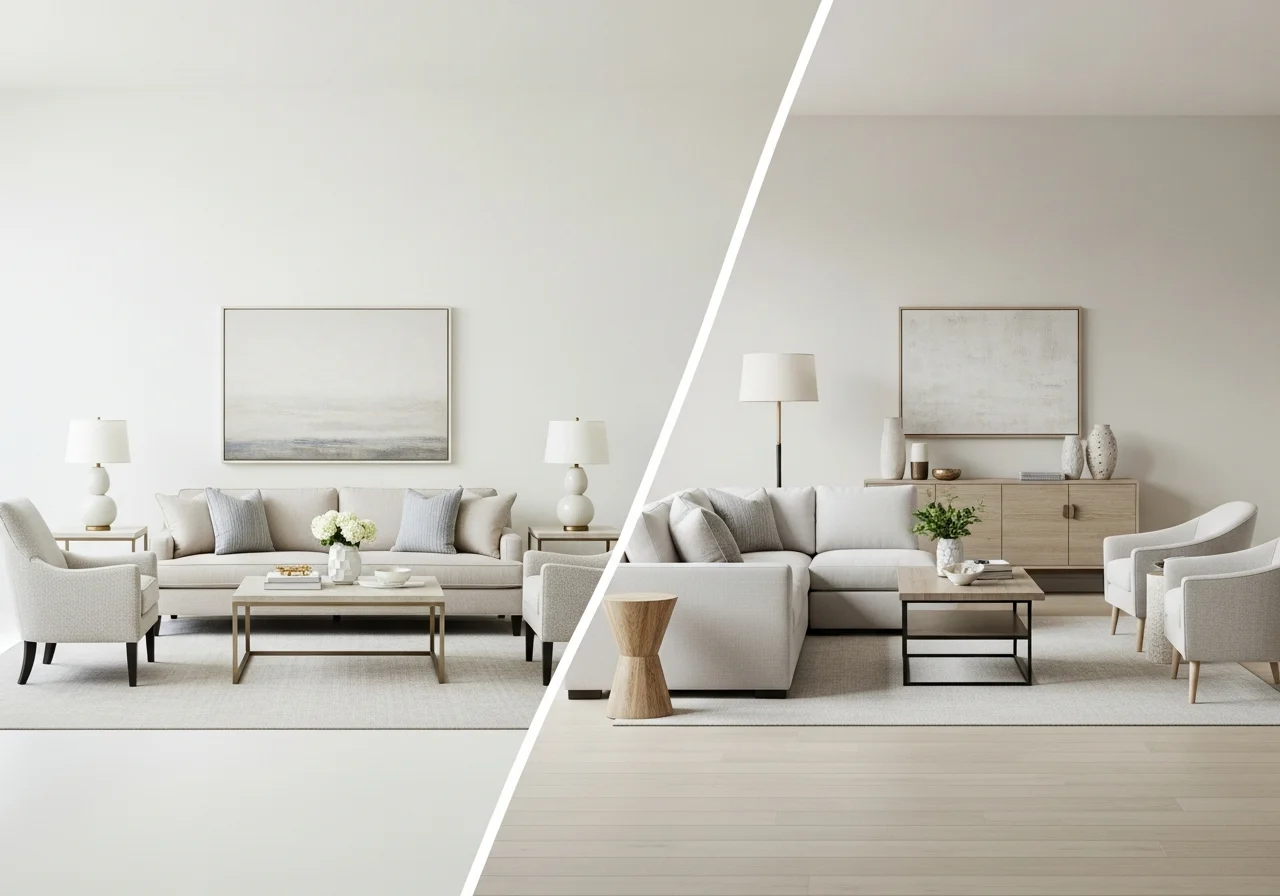
Balance forms the foundation of any well-designed Living Room Setting Ideas. This design principle ensures that visual weight is distributed evenly throughout the space, preventing any single area from feeling too heavy or sparse. Achieving balance doesn’t mean everything must be symmetrical, though symmetry certainly creates one type of balanced look. Instead, think about how different elements work together to create a harmonious whole.
Visual weight comes from the size, color, and texture of objects in your space. A large dark sofa carries more visual weight than a slim glass coffee table. When arranging your Living Room Setting Ideas, distribute these heavier pieces throughout the room rather than clustering them all on one side. This prevents the space from feeling lopsided and creates a more comfortable environment.
Proportion plays an equally important role in balanced design. Mixing furniture pieces of varying heights and sizes adds interest and dimension to your room. Avoid the common mistake of placing all tall pieces along one wall and all low pieces elsewhere. Instead, create rhythm by alternating heights as you move through the space. A tall bookshelf might balance nicely with a floor lamp on the opposite side of the room, while lower seating pieces anchor the center.
Furniture Arrangement Strategies That Work
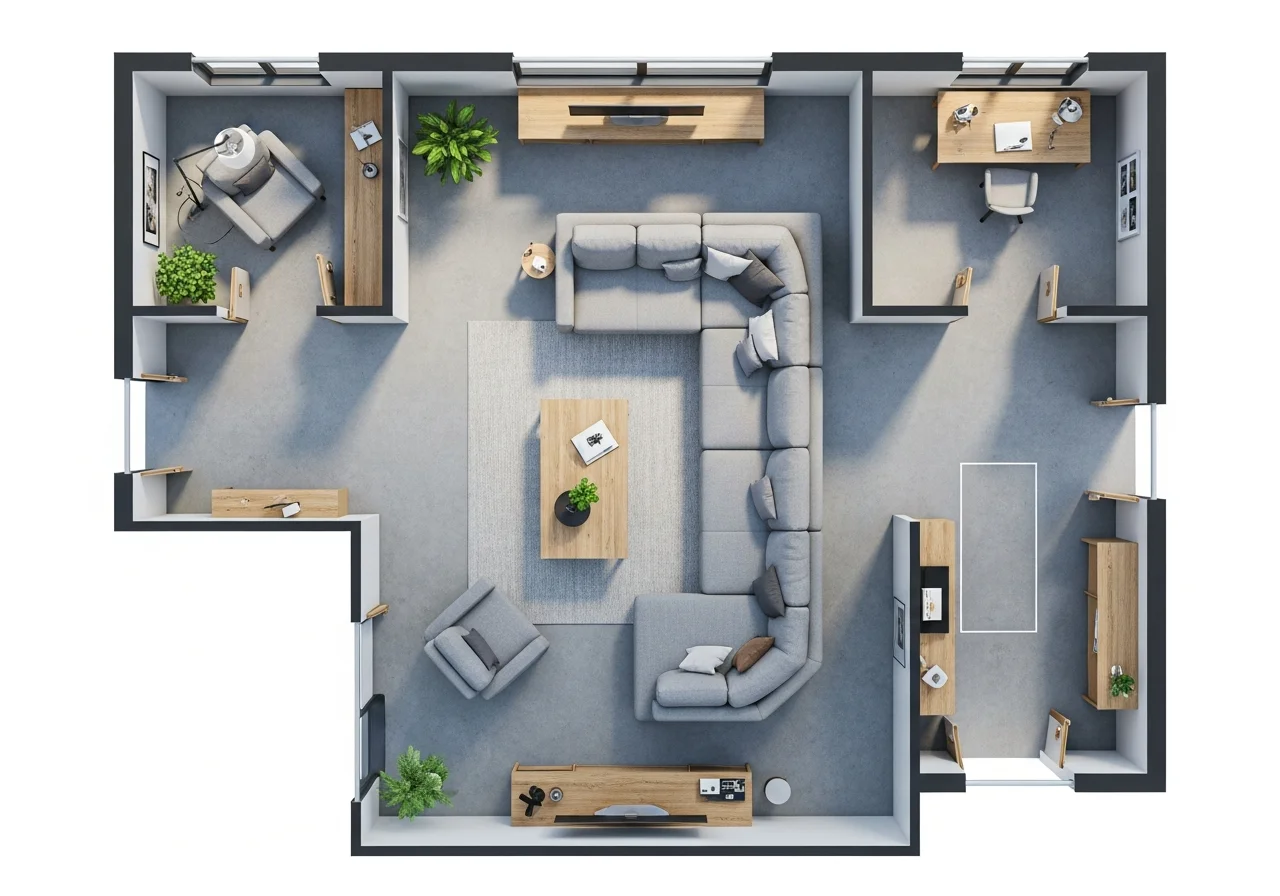
The way you arrange your furniture fundamentally shapes how your Living Room Setting Ideas functions and feels. One of the most transformative changes you can make is pulling furniture away from the walls. While pushing everything against the perimeter might seem like it creates more floor space, it actually makes the room feel cold and disconnected. Floating your main seating pieces several feet into the room creates an intimate conversation area and allows the space to breathe.
Start with your largest piece, typically a sofa, and position it as a focal point. Rather than automatically placing it against the longest wall, consider what you want the room’s primary function to be. If conversation is your priority, angle seating pieces toward each other. For television viewing, arrange furniture to face your media center while still maintaining comfortable sightlines between seats.
The classic U-shaped arrangement works beautifully in many Living Room Setting Ideas. Position a sofa as the base of the U, then add two chairs or a loveseat to form the sides. This configuration naturally encourages conversation while providing ample seating. Place a coffee table in the center to anchor the arrangement and provide a functional surface within easy reach of all seats.
For larger rooms, consider creating multiple zones. A primary seating area can handle the main traffic, while a secondary reading nook with a comfortable chair and side table occupies a corner. This approach makes large spaces feel more intimate while increasing functionality. Just ensure each zone has clear purpose and doesn’t interfere with natural traffic patterns through the room.
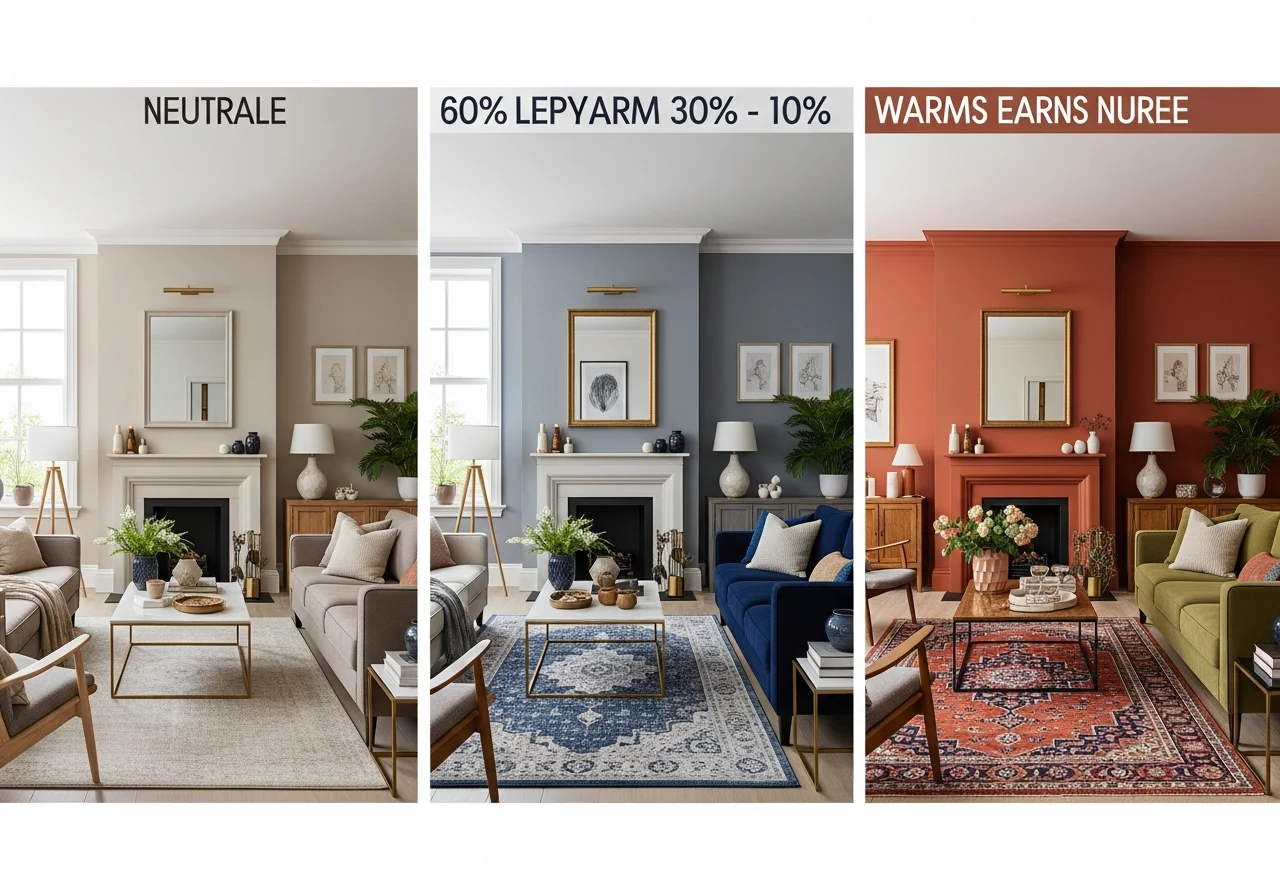
Creating Inviting Color Schemes
Color profoundly impacts how a Living Room Setting Ideas feels. The right palette can make a small room feel spacious, a cold room feel warm, or a chaotic space feel serene. When developing your color scheme, start by assessing the natural light your room receives throughout the day. Rooms with abundant southern exposure can handle cooler tones without feeling cold, while north-facing rooms benefit from warmer hues that counteract the naturally cooler light.
The 60-30-10 rule provides a foolproof framework for color distribution. Choose one dominant color to cover approximately 60 percent of the room, typically walls and larger furniture pieces. A secondary color should account for 30 percent, appearing in substantial elements like curtains, accent chairs, or area rugs. Reserve the final 10 percent for accent colors that add pops of interest through pillows, artwork, and decorative objects.
Neutral color schemes remain popular because they create a versatile backdrop that adapts easily to changing tastes and seasons. However, neutral doesn’t mean boring. Layer different shades of beige, taupe, ivory, and greige to create depth and interest. Introduce various textures through materials like linen, leather, wood, and metal to prevent an all-neutral space from feeling flat.
For those who crave more color, consider starting with one beloved piece as your inspiration. A patterned rug, artwork, or even a favorite throw pillow can provide the color direction for your entire scheme. Pull several hues from this inspiration piece and distribute them throughout the room in varying proportions. This approach ensures colors work together harmoniously because they already coexist successfully in your source piece.
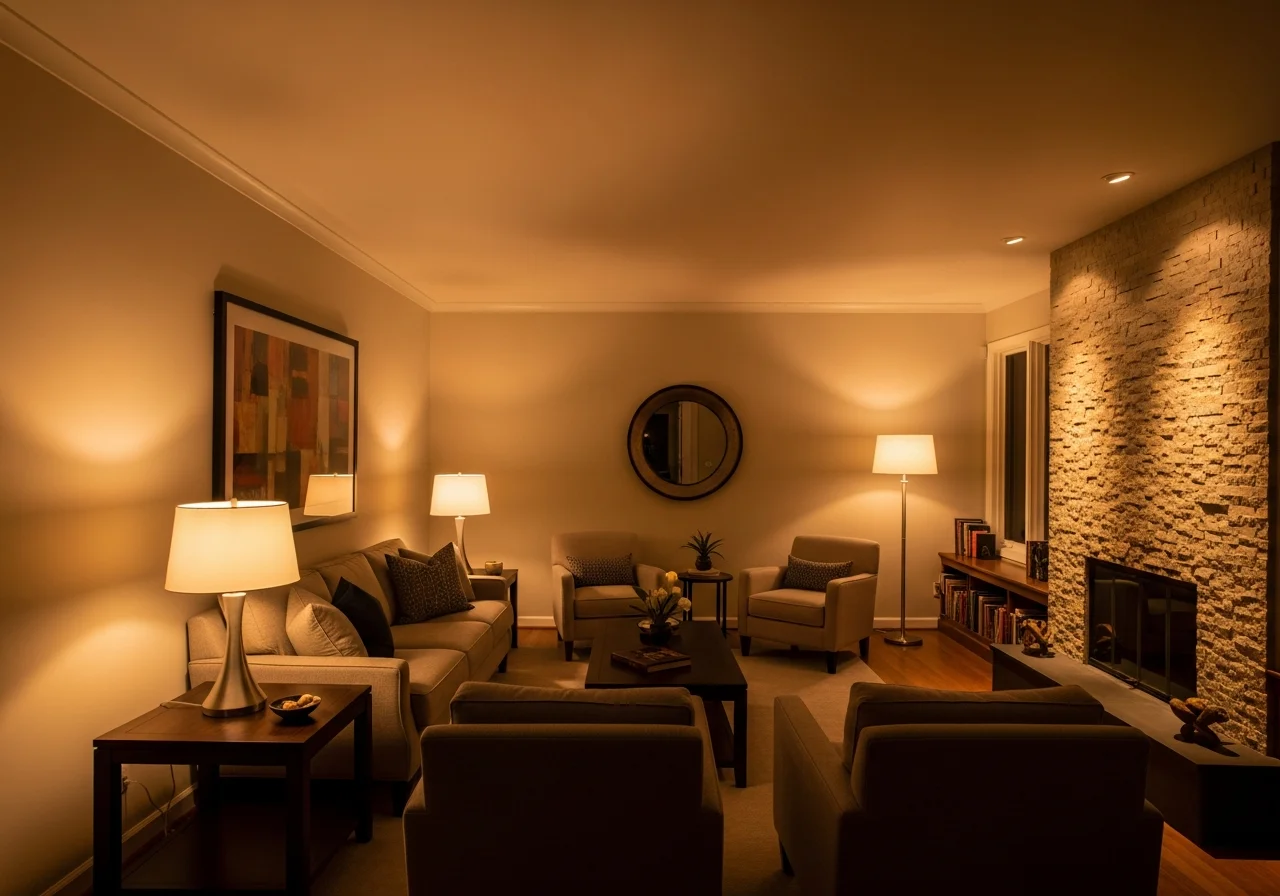
Lighting Layers That Transform Your Space
Proper lighting elevates a Living Room Setting Ideas from merely functional to truly inviting. The most successful schemes incorporate three types of lighting: ambient, task, and accent. Ambient lighting provides overall illumination for the room. This might come from a ceiling fixture, recessed lights, or even natural light during daytime hours. However, relying solely on overhead lighting creates harsh shadows and an institutional feel.
Task lighting serves specific activities like reading, working on a laptop, or crafting. Table lamps beside seating areas, floor lamps in corners, and swing-arm wall sconces all provide focused light where you need it. Position these fixtures thoughtfully based on how you actually use your space. A reading chair needs bright, shadow-free light, while a conversation area benefits from softer, more diffused illumination.
Accent lighting adds drama and highlights architectural features or artwork. Picture lights, strip lighting inside display cabinets, or uplights that wash walls with light all fall into this category. These elements create visual interest and allow you to showcase your favorite pieces. They also add depth by illuminating different planes of the room rather than leaving everything at the same light level.
Dimmer switches represent one of the most valuable investments you can make in your Living Room Setting Ideas lighting. They allow you to adjust light levels throughout the day and for different activities. Bright light works well for cleaning or active tasks, while dimmed lighting creates ambiance for relaxing evenings or entertaining guests. Install dimmers on as many circuits as possible for maximum flexibility.
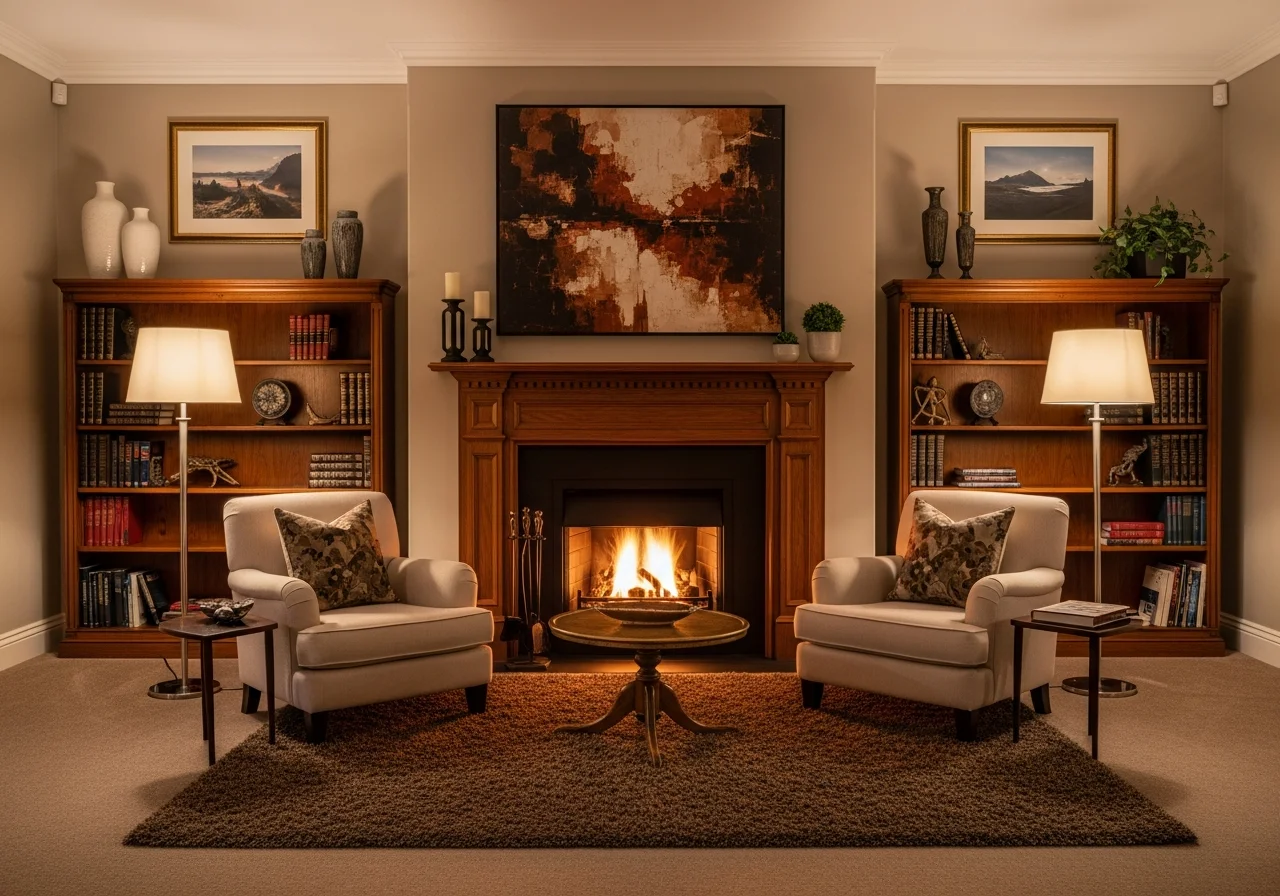
Focal Points That Anchor Your Design
Every successful Living Room Setting Ideas needs a clear focal point that draws the eye and anchors the design. In many homes, this focal point already exists in the form of a fireplace, large window with a view, or built-in shelving. If your room lacks an obvious architectural focal point, you can create one through furniture arrangement, artwork, or an accent wall.
When working with an existing focal point like a fireplace, arrange seating to take advantage of this feature. Position your main sofa to face the fireplace, allowing people seated there to enjoy the fire. Add chairs perpendicular to the fireplace to create a conversation area that includes this feature. Avoid blocking the focal point with oversized furniture or creating arrangements that turn their back on this important element.
In rooms without architectural features, a large piece of artwork can serve as a powerful focal point. Hang it at eye level on the most prominent wall, then arrange furniture to complement rather than compete with it. The wall behind a sofa offers an ideal location for statement artwork. Just ensure the piece is proportionally correct for the space, generally spanning two-thirds to three-quarters the width of the furniture below it.
Television screens present a modern dilemma in focal point planning. While many activities center around the TV, it doesn’t always make the most attractive focal point. Consider solutions like framing the screen with built-in cabinetry, mounting it on a wall painted in a contrasting color, or hiding it behind cabinet doors that close when not in use. These approaches acknowledge the TV’s importance while preventing it from dominating the entire room.

Texture and Materials for Added Depth
Incorporating various textures and materials prevents your Living Room Setting Ideas from feeling one-dimensional. Even within a monochromatic color scheme, mixing textures creates visual interest and makes the space more engaging. Think about how different surfaces interact with light and how they feel to the touch. Both factors contribute to the overall sensory experience of your room.
Hard and soft elements should coexist in balanced proportion. Hard surfaces like wood floors, glass tables, and metal fixtures provide structure and easy maintenance. Soft elements like upholstered furniture, plush rugs, and fabric window treatments add warmth and acoustic comfort. Too much of either extreme makes a room feel either cold and uninviting or overly heavy and cluttered.
Natural materials bring organic warmth to living spaces. Wood furniture, whether light oak or dark walnut, adds richness and character. Stone surfaces in coffee tables or fireplace surrounds introduce earthy solidity. Woven elements like rattan chairs, jute rugs, or wicker baskets contribute casual texture. These natural materials work particularly well in contemporary spaces that might otherwise feel too sleek or sterile.
Layering textiles adds instant coziness. Start with a substantial area rug that defines your seating area and provides softness underfoot. Add throw pillows in various fabrics like velvet, linen, and cotton to your seating pieces. Drape a chunky knit or soft cashmere throw over a chair arm. Hang curtains in a fabric that complements your overall scheme. Each textile layer contributes to a rich, inviting atmosphere.
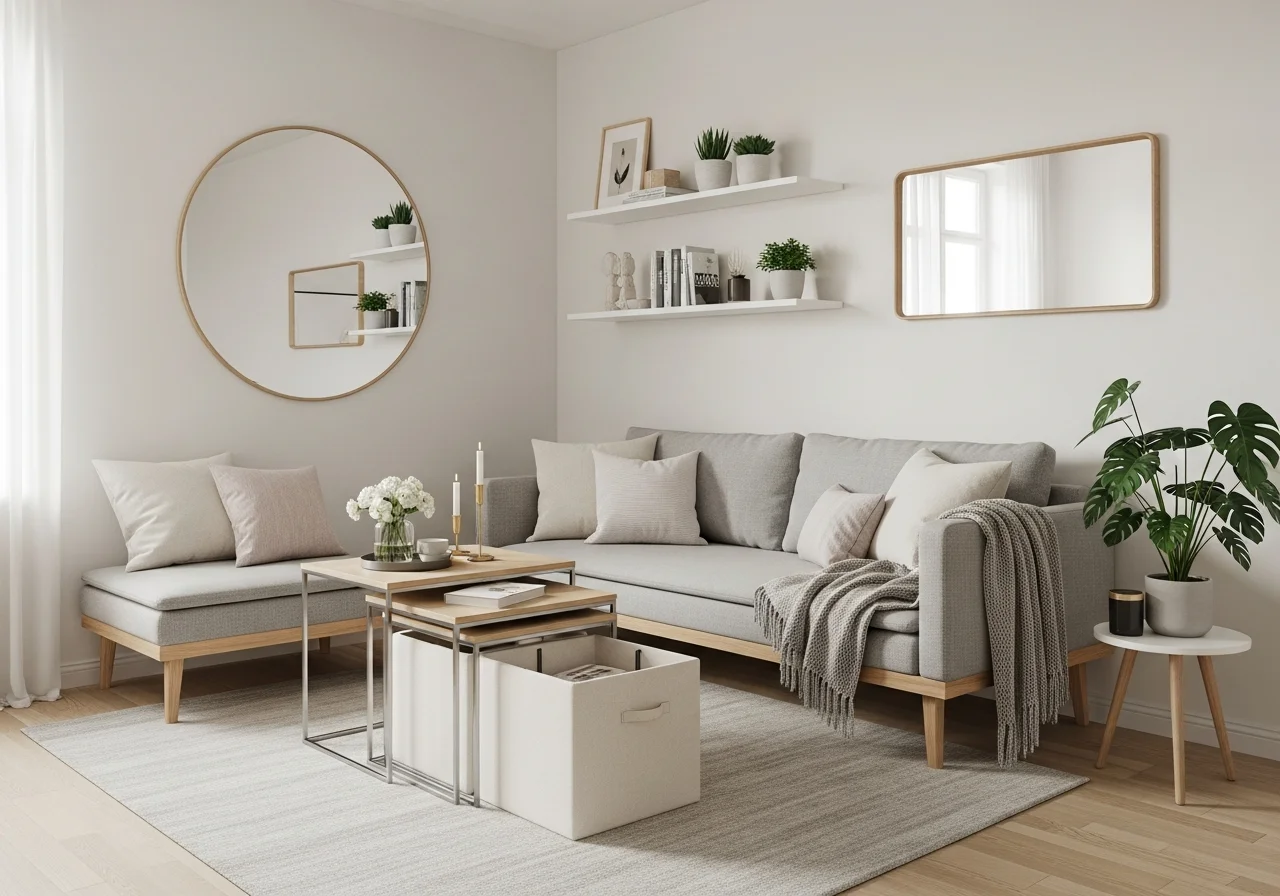
Small Living Room Solutions
Small Living Room Setting Ideas require strategic planning to feel spacious rather than cramped. The key lies in choosing appropriately scaled furniture and arranging it to maximize both function and flow. Contrary to popular belief, small spaces don’t always benefit from the smallest possible furniture. A few properly sized pieces often work better than numerous undersized items that make the room feel cluttered.
Select a sofa that fits your space without overwhelming it. Measure carefully and consider styles with exposed legs rather than skirted bases. Visible floor space underneath furniture creates an airier feel. Look for pieces with clean lines and slim profiles that provide necessary seating without bulk. A loveseat or apartment-sized sofa might better suit a compact room than a full-sized sectional.
Multipurpose furniture maximizes functionality in limited square footage. An ottoman with hidden storage provides both a footrest and a place to stash blankets or magazines. Nesting tables can spread out when needed but tuck together when space is tight. A console table behind the sofa serves as both a decorative surface and a subtle room divider in open floor plans.
Color choices significantly impact how spacious a small room feels. Light colors reflect more light and create an expansive feeling. Consider painting walls, ceiling, and trim in similar light tones to blur boundaries and make walls seem to recede. If you prefer darker colors, use them strategically on a single accent wall while keeping other surfaces light. Mirrors strategically placed opposite windows amplify natural light and create the illusion of additional space.
Styling With Accessories and Art
Accessories and artwork complete your Living Room Setting Ideas design and inject personality into the space. However, more isn’t always better. Thoughtfully chosen pieces displayed with breathing room create a curated look, while too many items create visual chaos. Edit your accessories regularly, removing anything that doesn’t truly enhance your space or bring you joy.
When displaying artwork, consider both scale and placement. Large pieces make bold statements and work well as focal points. Smaller pieces gain impact when grouped in collections. Gallery walls can showcase multiple pieces but require careful planning to feel cohesive. Lay out your arrangement on the floor first, measuring distances between frames to ensure balanced spacing.
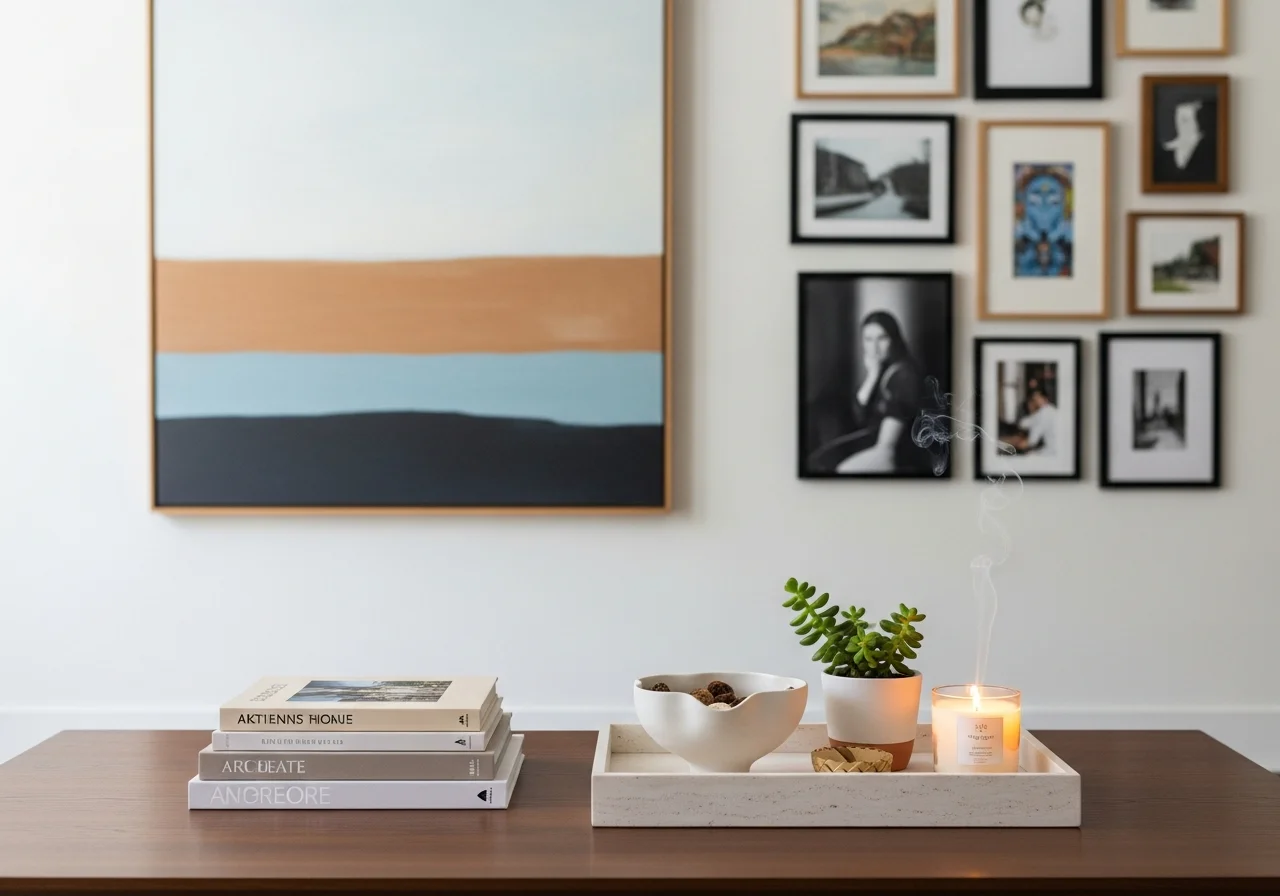
Coffee table styling offers an opportunity to showcase your personality while maintaining function. Start with a tray to corral smaller items and create visual organization. Add a few carefully chosen objects of varying heights, such as a stack of beautiful books, a small plant or floral arrangement, and one or two decorative objects. Leave enough clear surface for drinks and snacks. Rotate displayed items seasonally to keep the look fresh.
Shelving and bookcases blend storage with display. Rather than cramming every shelf full, leave some breathing room. Arrange books both vertically and horizontally for visual interest. Mix in decorative objects, plants, and framed photos among the books. Group similar items together and vary heights to create rhythm. This curated approach looks intentional and sophisticated rather than cluttered.

Rug Placement and Selection
Area rugs define spaces, add warmth, and contribute significantly to your room’s overall aesthetic. Choosing the right size rug makes a substantial difference in how finished and cohesive your Living Room Setting Ideas appears. The most common mistake is selecting a rug that’s too small, which makes furniture appear to float awkwardly in space rather than creating a unified seating area.
In most Living Room Setting Ideas, your rug should be large enough for at least the front legs of all major seating pieces to rest on it. This arrangement visually connects the furniture and defines the conversation area. For larger rooms, consider a rug that accommodates all furniture legs. This creates an even more cohesive look and helps the seating area feel substantial within the overall space.
Rug style should complement your overall design direction while adding appropriate texture. A plush, high-pile rug contributes softness and comfort in contemporary spaces. Flat-weave rugs like kilims or dhurries work well in casual or bohemian settings. Traditional oriental rugs add richness to classic interiors. Consider how the rug will wear in high-traffic areas and whether it can be easily cleaned based on your lifestyle needs.
Pattern in rugs serves multiple purposes. A patterned rug can hide stains and wear better than solid options, making it practical for busy households. Patterns also provide an opportunity to introduce multiple colors from your scheme in one piece. If your furniture and walls are relatively neutral, a patterned rug adds welcome visual interest. Conversely, in rooms with patterned upholstery or bold wall colors, a solid or subtly textured rug allows other elements to shine.

Window Treatments That Enhance
Window treatments affect both the aesthetic and function of your Living Room Setting Ideas. They control natural light, provide privacy, frame views, and contribute significantly to the overall design. The right window treatments can make ceilings appear higher, windows appear larger, and rooms feel more finished and polished.
For a room that feels taller and more spacious, hang curtains as close to the ceiling as possible and let them extend to the floor. This vertical line draws the eye upward and creates the illusion of height. Even if your windows don’t reach the ceiling, mounting curtain rods near the ceiling line creates this beneficial effect. Ensure curtains are long enough to at least kiss the floor or puddle slightly for a luxurious look.
Fabric choice impacts both appearance and function. Heavier fabrics like velvet or lined cotton provide excellent light blocking and insulation. Lighter fabrics like linen or sheer cotton filter light beautifully while maintaining privacy. Consider layering treatments for maximum versatility. Sheer panels can remain closed for daytime privacy while still admitting light, with heavier drapes pulled back until evening when they close for warmth and light control.
Hardware shouldn’t be an afterthought. Curtain rods, finials, and tiebacks contribute to your overall style. Sleek metal rods suit modern spaces, while decorative wooden or wrought iron options complement traditional rooms. Ensure rods extend well beyond the window frame on both sides so curtains can be fully opened without blocking the glass. This maximizes natural light when curtains are drawn back.
Traffic Flow and Pathways
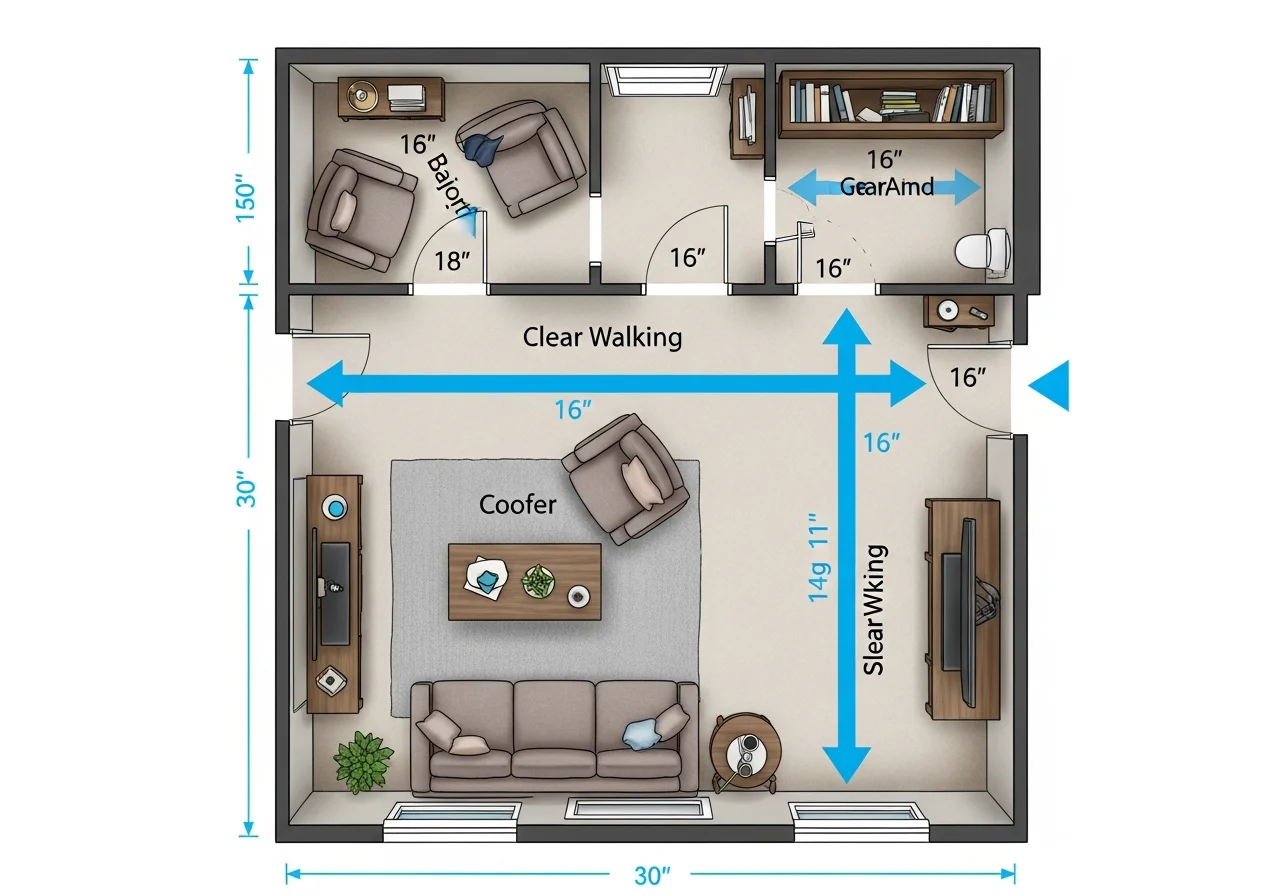
Maintaining clear traffic flow ensures your Living Room Setting Ideas functions smoothly while looking beautiful. The most stunning furniture arrangement fails if people constantly bump into furniture or struggle to navigate the space. Plan main pathways through your room before finalizing furniture placement, ensuring adequate clearance for comfortable movement.
Major pathways through a room should maintain at least 30 inches of clearance, while secondary paths between furniture pieces can manage with 18 to 24 inches. These measurements allow people to pass comfortably without feeling squeezed or having to turn sideways. Map out how people enter and exit the room, where they naturally walk to reach seating areas, and how they access windows or built-in features.
Coffee table placement requires careful consideration for both aesthetics and function. Position your coffee table about 14 to 18 inches from seating pieces. This distance allows people to comfortably reach the table while maintaining adequate leg room. Ensure enough space exists to walk around the coffee table without creating an obstacle course. In tight quarters, consider alternatives like nesting tables or an ottoman that can double as both seating and a surface.
Doorways and entrances need particular attention. Avoid positioning furniture where it blocks doors from opening fully or creates a cramped entry experience. The first view someone gets when entering your Living Room Setting Ideas should feel open and inviting rather than cluttered or obstructed. Consider how doors swing and ensure furniture placement doesn’t interfere with this movement.
Seasonal Refreshes Without Major Changes
Keeping your living room feeling fresh doesn’t require complete overhauls. Simple seasonal updates maintain interest while respecting your budget and core design. These smaller changes allow you to experiment with trends without committing to major renovations or expensive purchases.
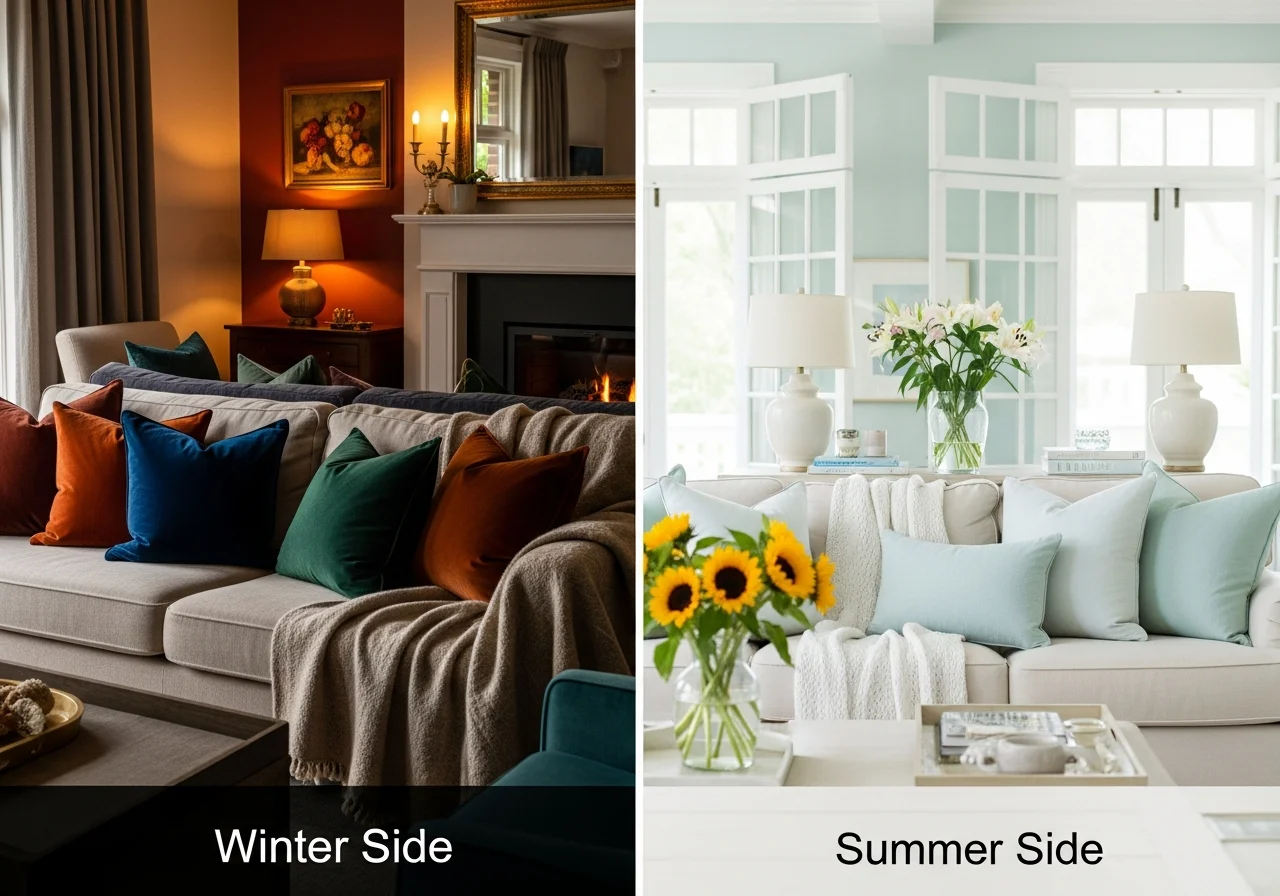
Textiles offer the easiest seasonal refresh. Swap heavy velvet or wool throw pillows for lighter cotton or linen versions when warm weather arrives. Replace thick winter throws with lighter blankets or remove them entirely for summer months. Change curtains from insulating, lined panels to breezy sheers that invite in summer light. These swaps significantly alter the room’s feel while remaining relatively simple and affordable.
Accessories adapt easily to seasons. Transition your coffee table styling from cozy winter elements like chunky candles and evergreen branches to fresh flowers and light-reflecting glass objects for summer. Rotate artwork seasonally if you have the collection to support it. Small sculptural objects, decorative boxes, and other accessories can shift with the seasons, bringing new colors and textures into your space.
Color accents provide another avenue for seasonal change. Keep your main furniture and walls neutral, then introduce seasonal colors through easily changeable elements. Warm oranges and reds feel appropriate for autumn. Cool blues and greens refresh spaces for summer. This approach allows you to respond to seasonal urges for change without major investment.
Achieving Your Balanced Living Room
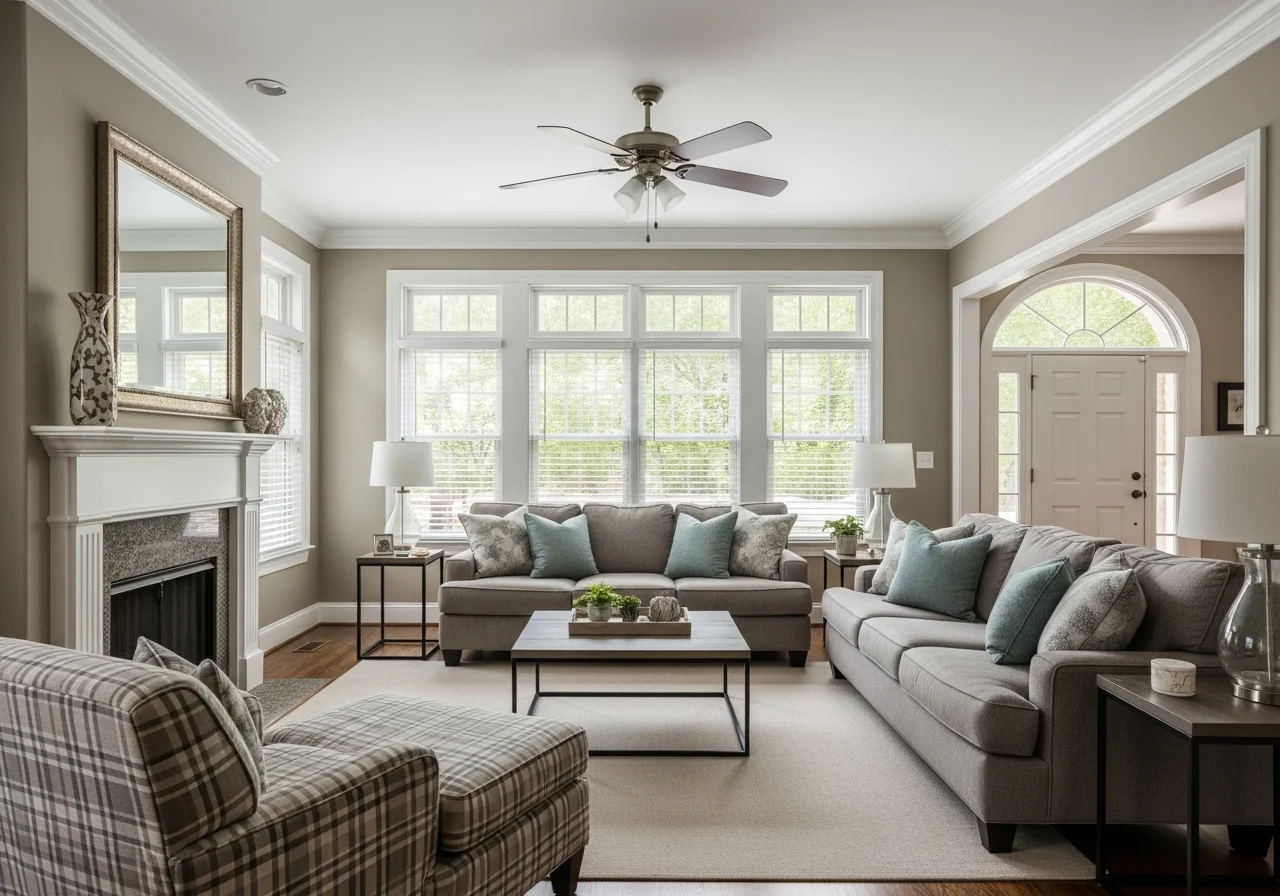
Creating a living room that feels both balanced and inviting combines multiple elements working in harmony. Start with a solid furniture arrangement that facilitates your room’s primary function while maintaining clear traffic flow. Layer in a cohesive color scheme that reflects your personality and responds to your room’s natural light. Add strategic lighting at multiple levels to create ambiance for various activities and times of day.
Remember that balance doesn’t mean rigidity. Your living room should evolve as your needs change and as you discover what works best for your lifestyle. Don’t be afraid to experiment with furniture arrangements, try new color combinations through accessories, or adjust lighting as you discover how you actually use the space. The most successful living rooms feel personal and authentic rather than overly styled or precious.
The true measure of an inviting living room lies in how it makes people feel. Does the space encourage relaxation after a long day? Do guests naturally gravitate there during gatherings? Can you easily adapt the room for different activities? If your living room successfully balances beauty with comfort and style with function, you’ve created a space that will serve you well for years to come.
Take inspiration from these 28 ideas but adapt them to your specific situation. Your room’s size, shape, architectural features, natural light, and intended use all influence which strategies will work best. Trust your instincts, start with solid design principles, and adjust based on how the space actually functions for you. The goal isn’t perfection but rather creating a living room where life unfolds comfortably and beautifully.
Frequently Asked Questions
What is the best furniture arrangement for a small living room?
Float a properly scaled sofa several feet from the wall rather than pushing it against the perimeter. This creates intimate seating while making the room feel larger. Choose furniture with exposed legs to show more floor, add multipurpose pieces like storage ottomans, and use mirrors to amplify light and space. Keep pathways clear with at least 18 inches between furniture pieces.
How do I choose the right rug size for my living room?
Your rug should be large enough for at least the front legs of all major seating pieces to rest on it, which visually connects the furniture. For most living rooms, an 8×10 or 9×12 rug works well. In larger spaces, consider a rug that accommodates all furniture legs. Avoid rugs that are too small, as they make furniture appear to float awkwardly rather than creating a cohesive seating area.
What colors make a living room feel more inviting?
Warm neutrals like beige, taupe, and greige create naturally inviting atmospheres. Layer different shades of your chosen neutral and add texture through materials like linen, leather, and wood. Use the 60-30-10 color rule with 60 percent dominant color, 30 percent secondary, and 10 percent accent colors. Consider your natural light when selecting colors, as rooms with different exposures require different approaches.
How far should a coffee table be from the sofa?
Position your coffee table 14 to 18 inches from your sofa and other seating pieces. This distance allows people to comfortably reach the table surface while maintaining adequate leg room. Ensure enough clearance around all sides of the coffee table for easy walking access. The table should be approximately the same height as your sofa cushions or slightly lower for comfortable use.
Should living room furniture be against the wall?
No, pulling furniture away from walls typically creates a more inviting and balanced space. Float your main seating pieces several feet into the room to establish an intimate conversation area and allow the space to breathe. This arrangement prevents the gymnasium effect where furniture lines the perimeter with empty space in the middle. Even pulling furniture just a few inches away from walls improves the overall feel of the room.