23 Kitchen Essentials Every Modern Home Needs Now Today
Walking into a well-equipped kitchen feels different. The tools are within reach, ingredients flow smoothly from prep to plate, and cooking transforms from a chore into something genuinely enjoyable. Yet for many homeowners, building that functional space remains frustrating. Retail stores overflow with gadgets promising to revolutionize your cooking experience, while countless products gather dust after a single use.
The truth is simpler than marketing departments want you to believe. A properly outfitted kitchen requires fewer items than you think, but each piece must earn its place through daily usefulness. This guide cuts through the noise to identify the genuine essentials that transform a basic cooking space into a capable, modern kitchen where you’ll actually want to spend time.
The Foundation: Quality Knives and Cutting Surfaces
Chef’s Knife
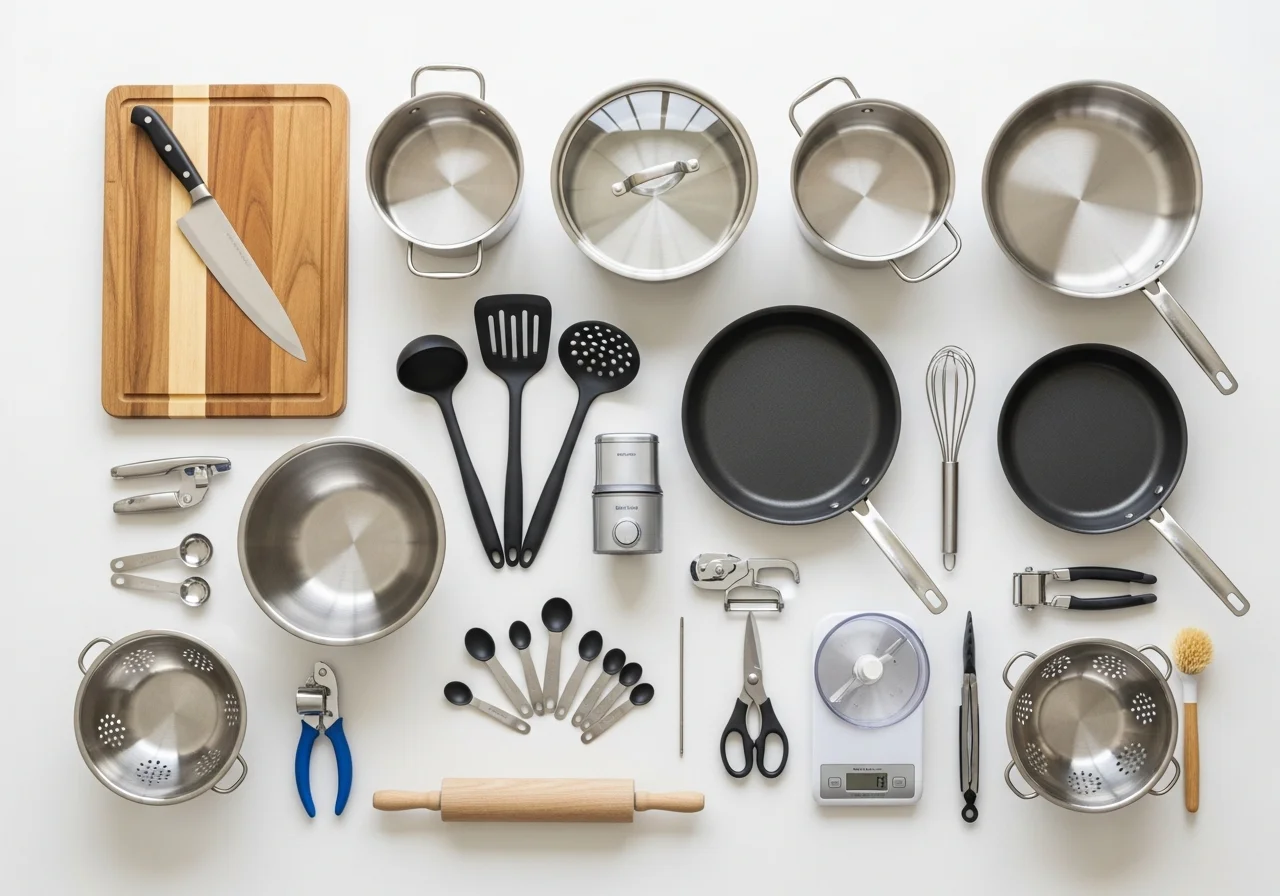
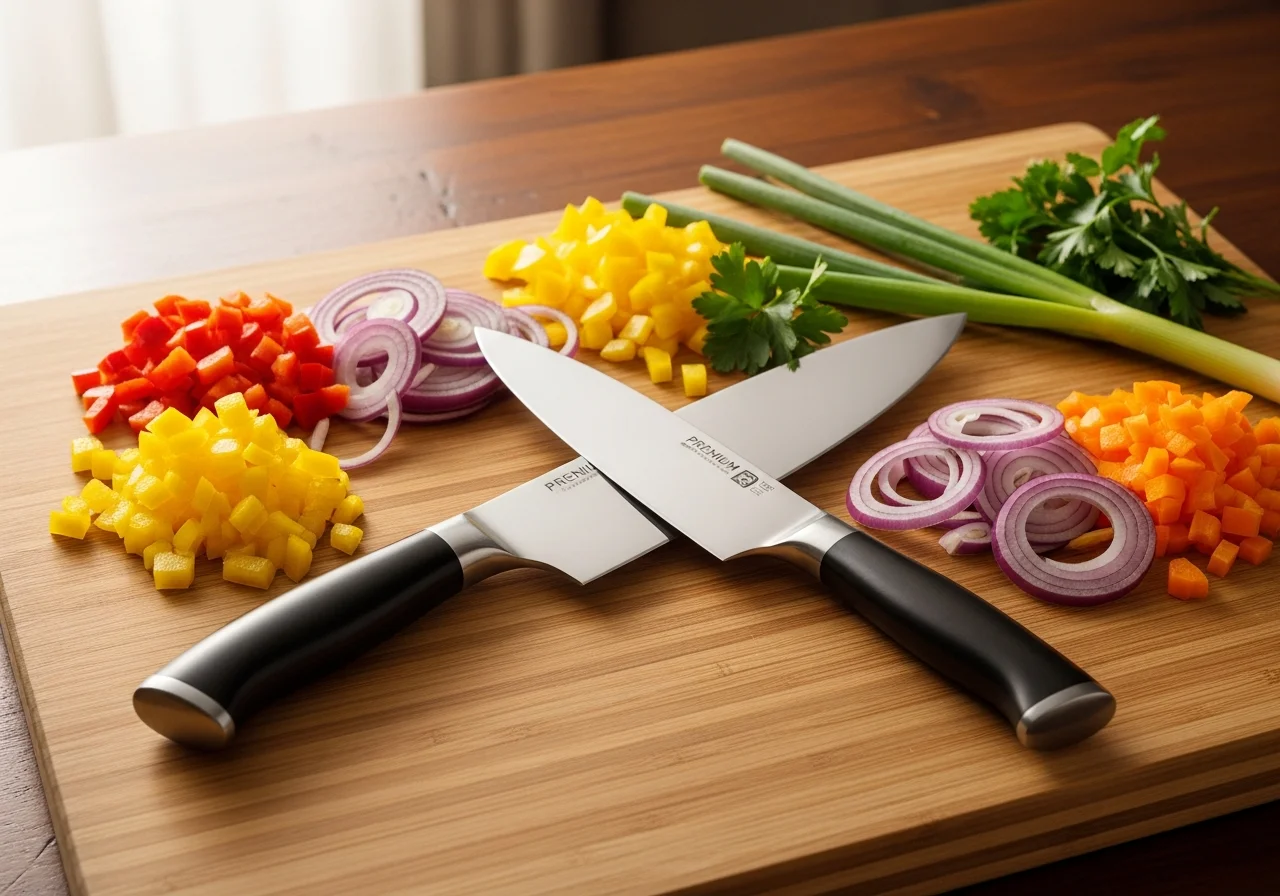
Every competent kitchen begins with one exceptional knife. A quality chef’s knife handles approximately 90 percent of cutting tasks, from slicing vegetables to breaking down proteins. Look for a blade between eight and ten inches with comfortable weight distribution. The handle should feel natural in your grip, and the blade should hold an edge through regular use.
Investing in a single excellent knife serves you better than purchasing an entire set of mediocre blades. Japanese and German manufacturers both produce outstanding options, though your personal comfort matters more than country of origin. High-carbon stainless steel offers the best balance of sharpness retention and maintenance ease for most home cooks.
Paring Knife
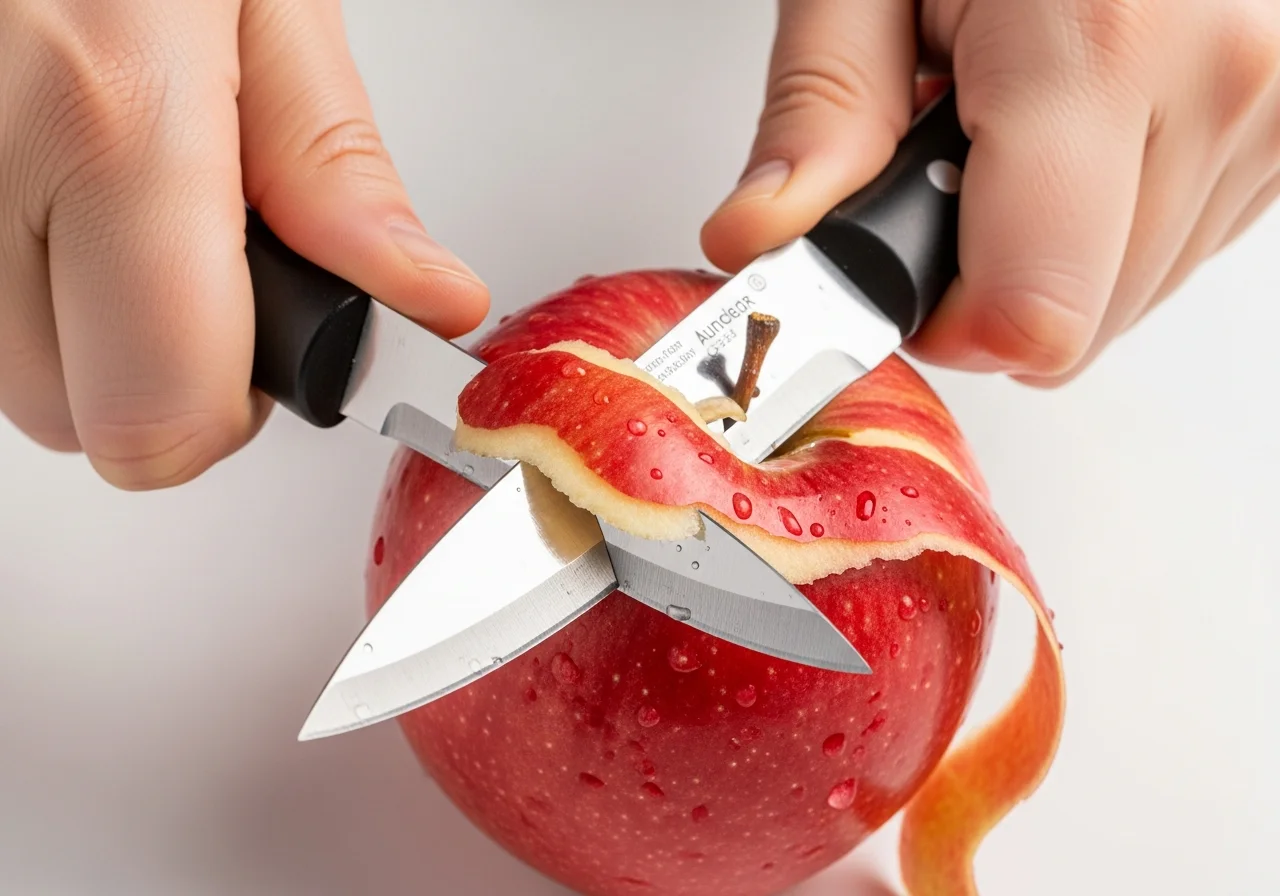
Smaller, more delicate tasks require a paring knife. This three to four-inch blade excels at peeling fruit, deveining shrimp, removing seeds, and other precision work where a chef’s knife becomes unwieldy. The smaller size provides better control for intricate cuts and detailed preparation.
Cutting Board
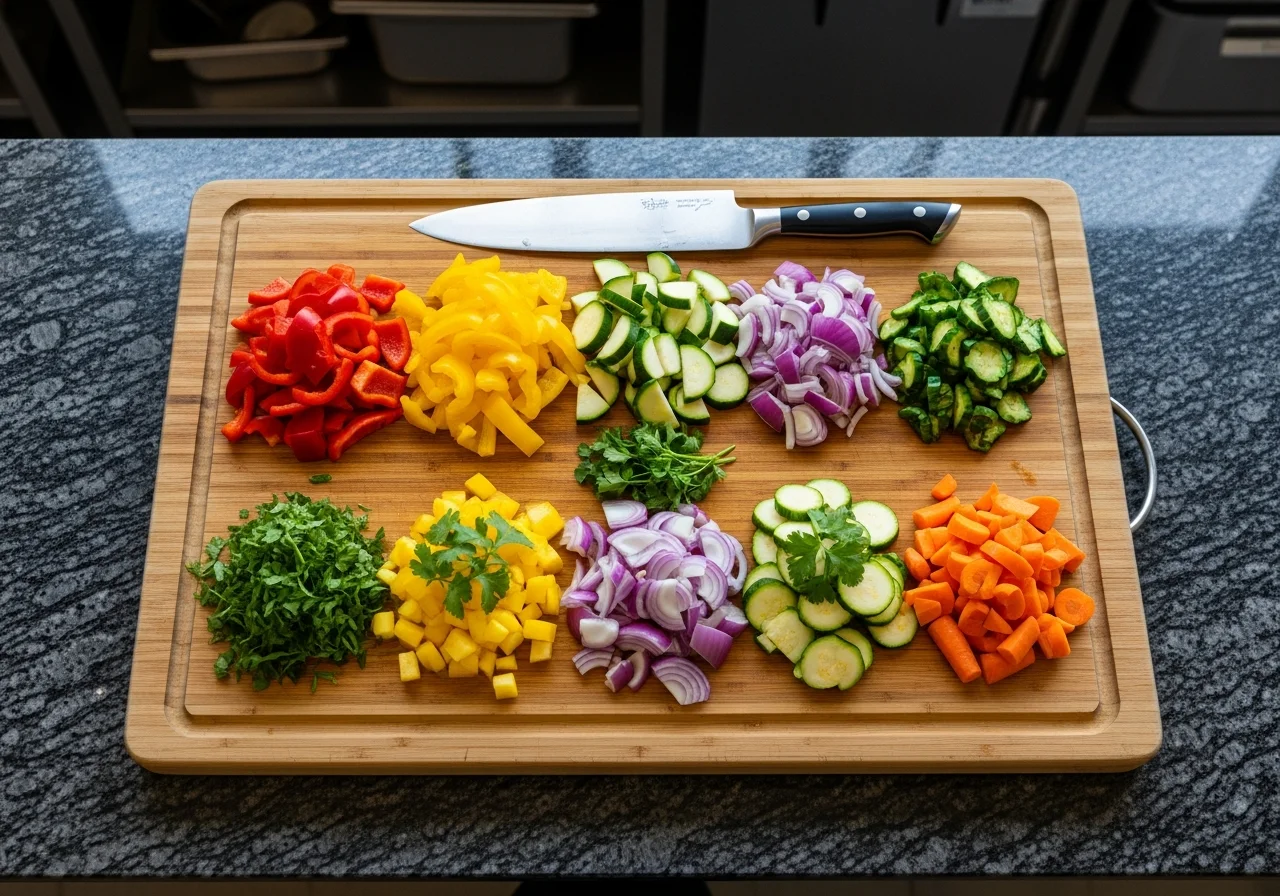
Your knife deserves a proper surface. Wood and bamboo boards prove gentler on blade edges than plastic or glass alternatives. Bamboo offers exceptional durability and hardness, though it can dull knives faster than softer woods like maple. Choose a board large enough to accommodate ingredients without crowding, typically twelve by eighteen inches minimum. Having two boards allows you to separate raw proteins from produce, reducing cross-contamination concerns.
Essential Cookware for Heat-Based Cooking
Non-Stick Skillet
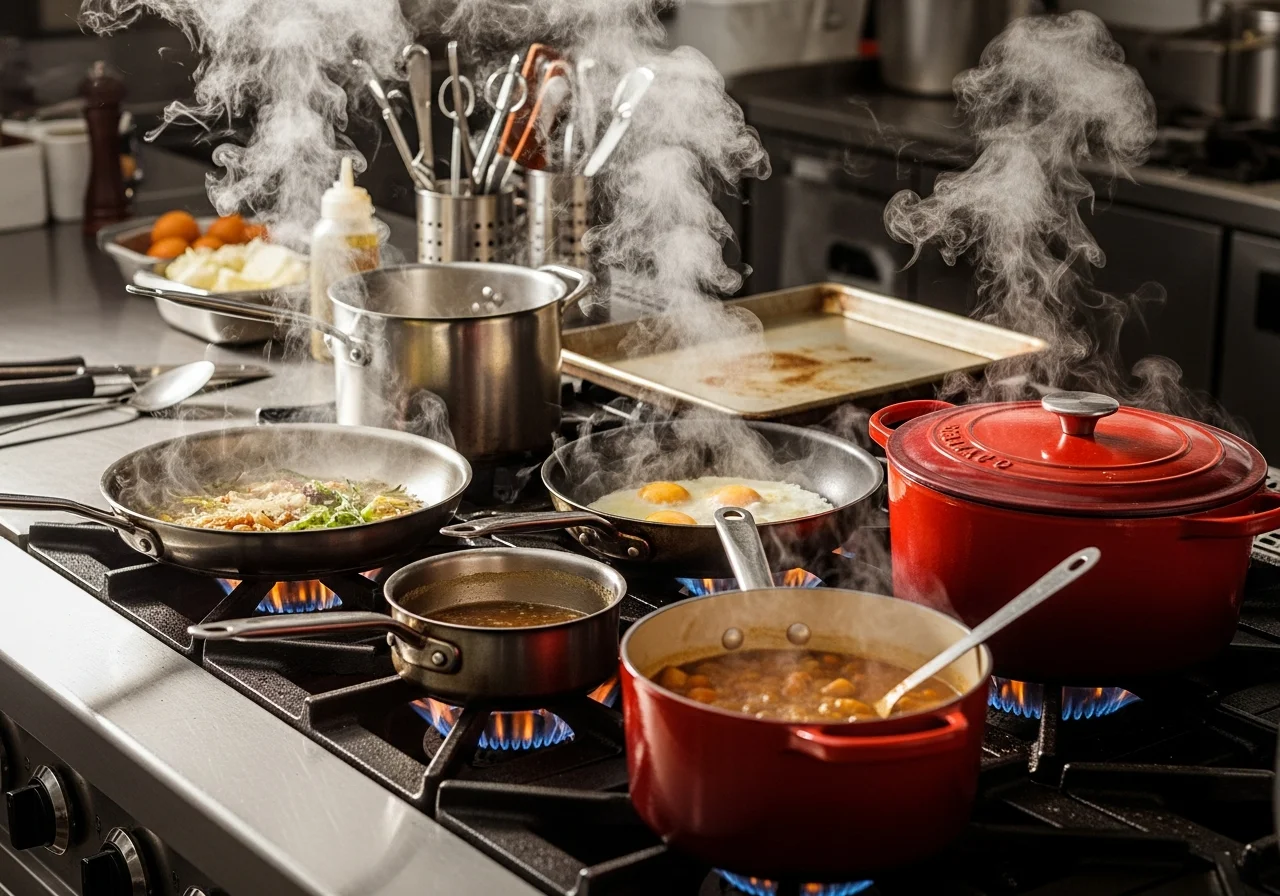
Breakfast duty demands a non-stick pan. Eggs, pancakes, and delicate fish fillets release cleanly without excessive oil or butter. A ten-inch skillet handles most single-serving to family-sized portions. Modern non-stick coatings have improved dramatically in durability, though these pans still require replacement every few years depending on usage frequency.
Use wooden or silicone utensils to preserve the coating, and avoid high heat which degrades the non-stick surface. Hand washing extends the lifespan considerably compared to dishwasher cycles.
Stainless Steel Skillet
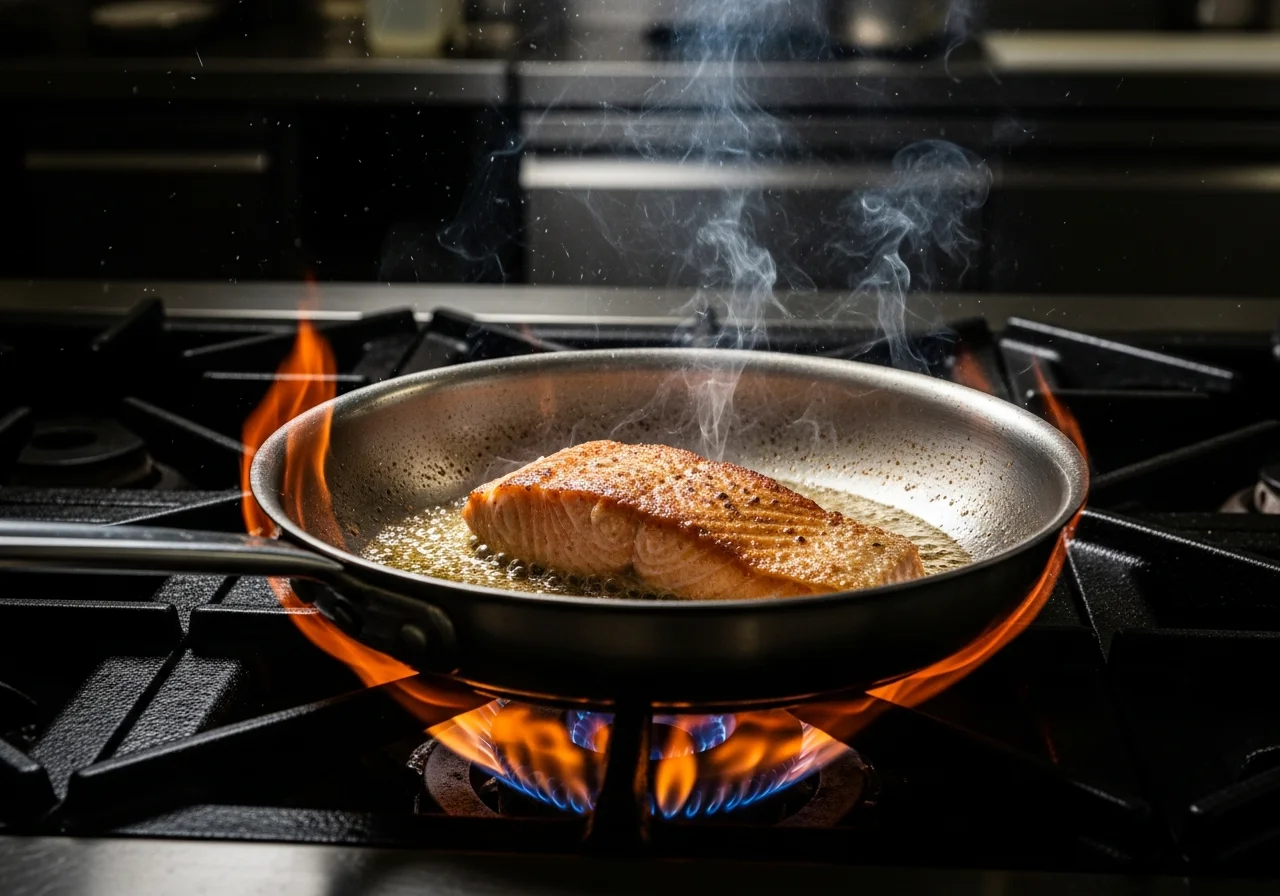
For achieving restaurant-quality sears on proteins and developing fond for pan sauces, stainless steel cannot be replaced. These pans tolerate high temperatures, transfer seamlessly from stovetop to oven, and develop beautiful browning on meats and vegetables. The twelve-inch size offers versatility for various cooking tasks.
Quality stainless steel cookware features a thick, responsive core typically made from aluminum or copper sandwiched between steel layers. This construction ensures even heat distribution without hot spots that burn food.
Saucepan
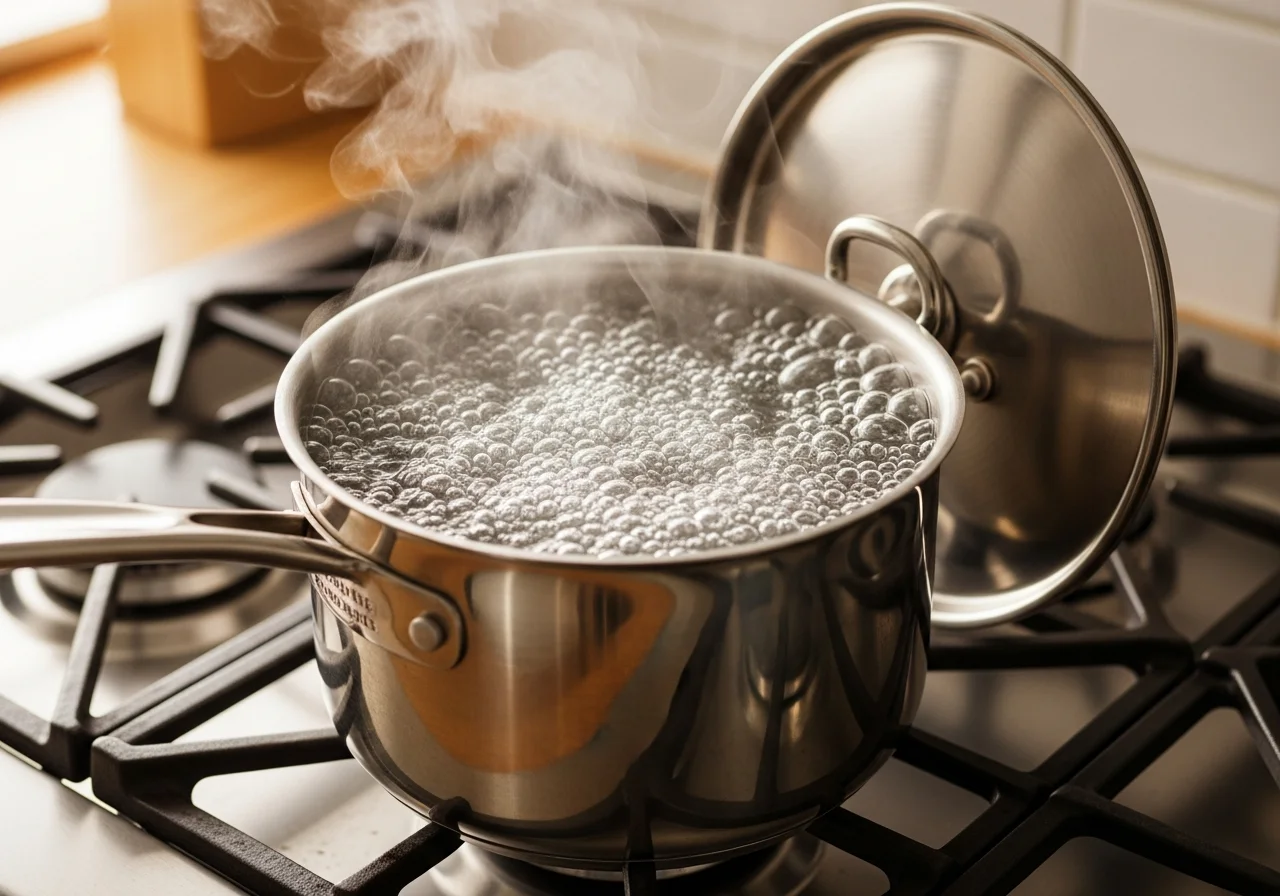
Liquid-based cooking requires a dedicated saucepan. Boiling pasta, simmering sauces, cooking grains, and preparing vegetables all benefit from a three to four-quart saucepan. The tall sides contain liquids effectively while the smaller base compared to a stockpot allows for better heat control and faster heating.
Look for pans with thick bottoms that prevent scorching and comfortable handles that remain cool during stovetop use.
Dutch Oven
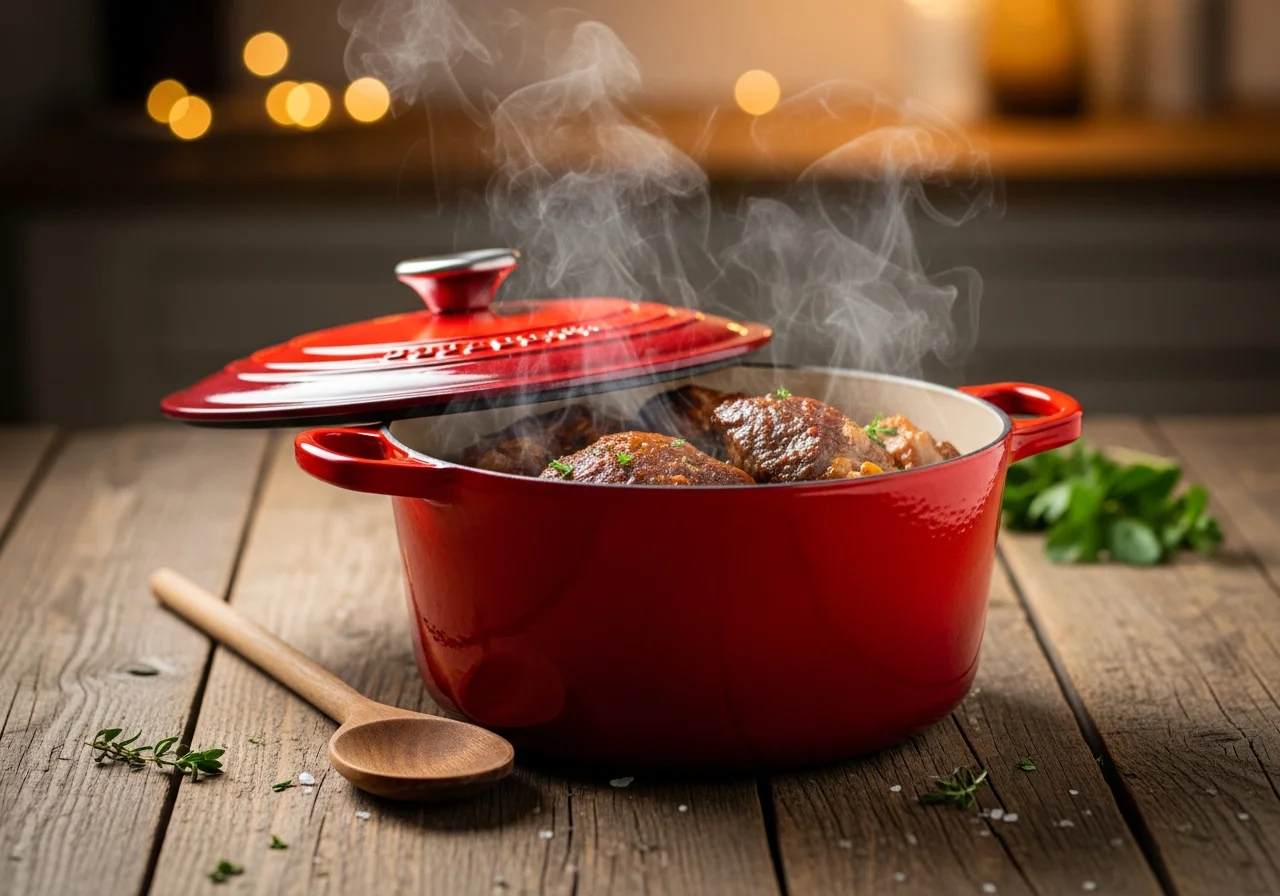
Low and slow cooking, from braised meats to hearty stews, requires a Dutch oven. These heavy, thick-walled pots distribute heat evenly and retain temperature beautifully. Cast iron with enamel coating eliminates the seasoning maintenance of traditional cast iron while providing excellent heat retention and oven-safe construction up to 500 degrees.
A five to seven-quart capacity suits most households. While the initial investment feels substantial, a quality Dutch oven often outlasts the cook who purchased it, frequently becoming a treasured heirloom piece.
Baking Sheet
Sheet pan dinners, roasted vegetables, and baked goods all require sturdy baking sheets. Heavy-gauge aluminum with a rim prevents warping under high heat. Having two allows you to cook multiple items simultaneously or provide cooling space when baking in batches. Choose light-colored pans for even browning, as dark surfaces can over-brown the bottoms of baked goods.
Critical Kitchen Utensils and Tools
Wooden Spoons
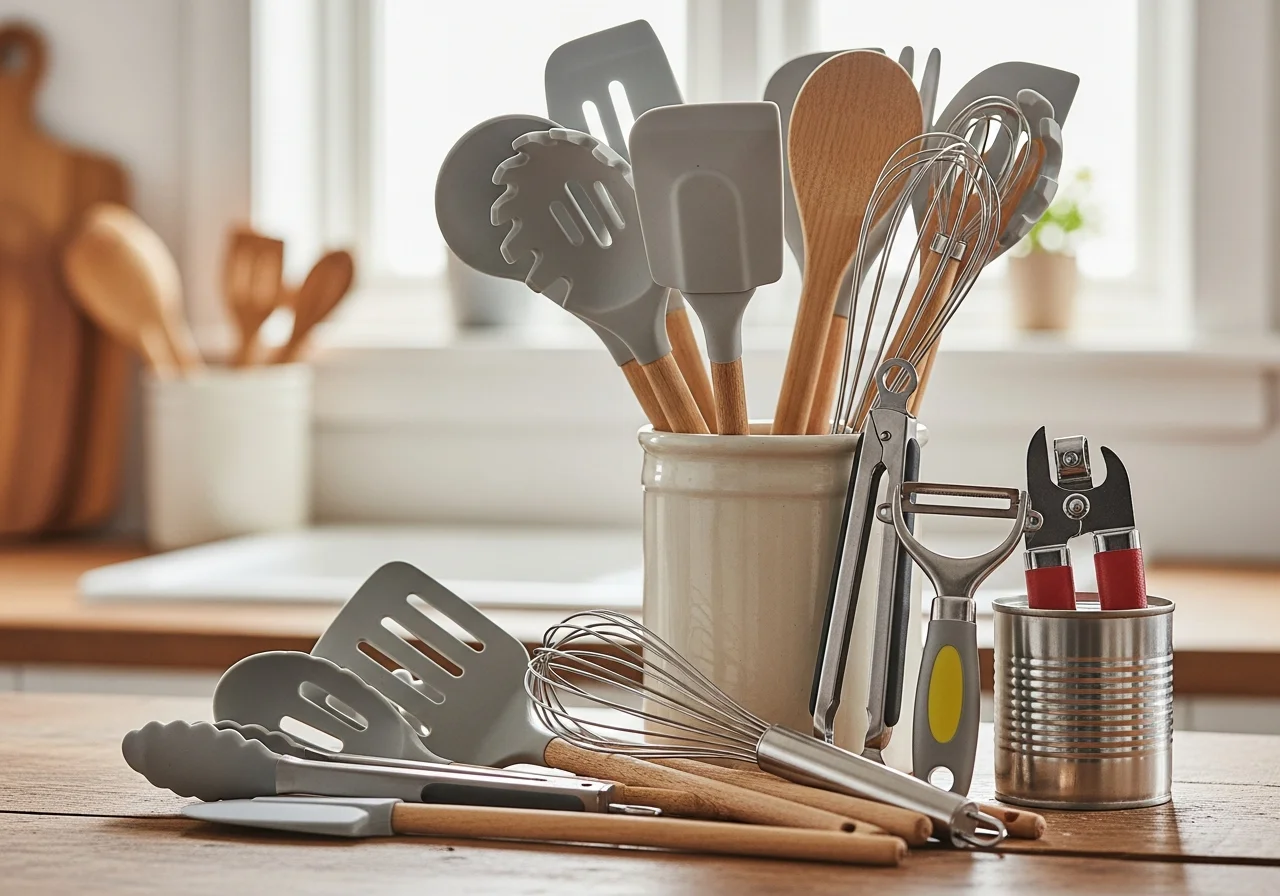
Stirring, mixing, and sauteing all benefit from wooden spoons. Unlike metal utensils, wood won’t scratch cookware surfaces or conduct heat up the handle. Having several in different sizes provides options for various pot and pan dimensions.
Silicone Spatula
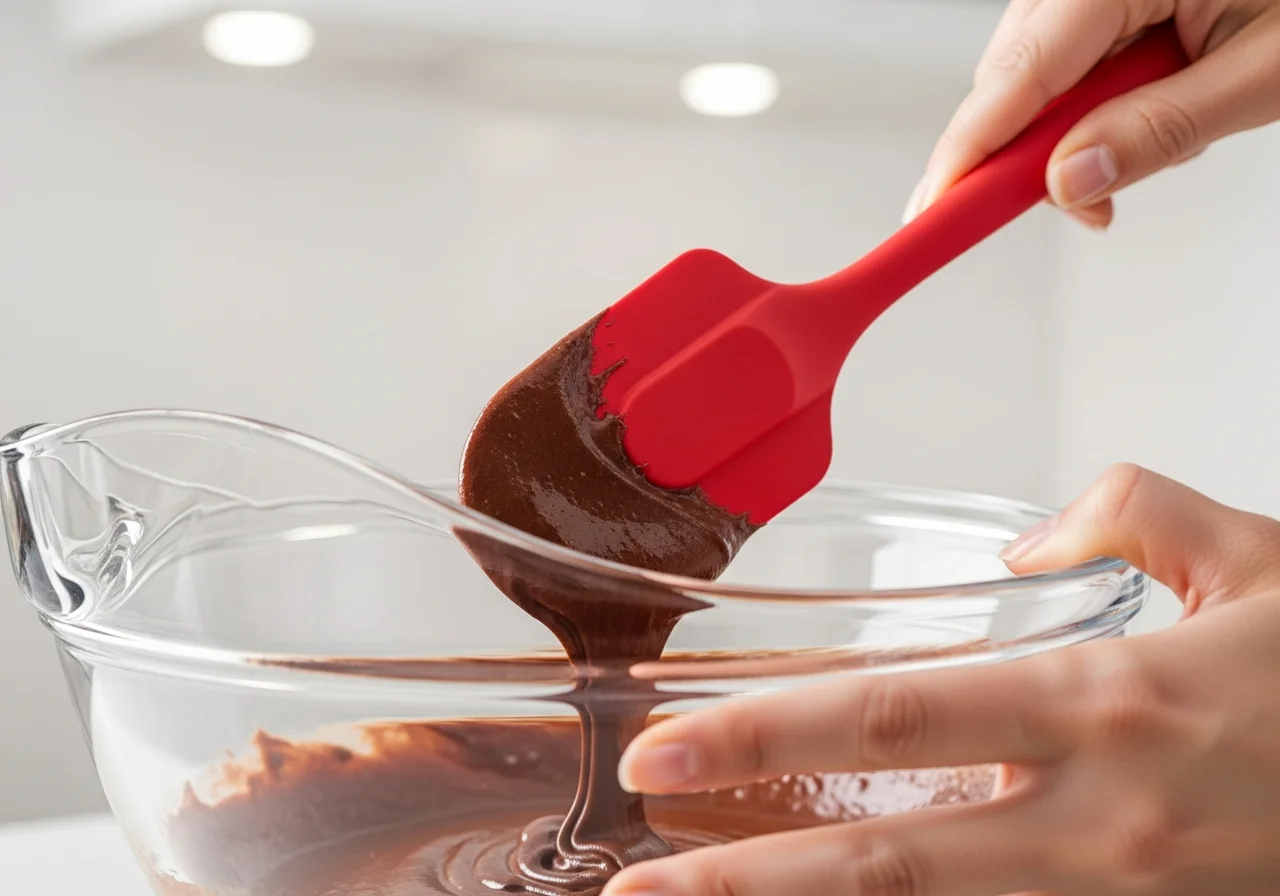
Flexible silicone spatulas scrape bowls clean, fold ingredients gently, and withstand high temperatures without melting. Heat-resistant silicone rated to at least 400 degrees ensures longevity. These tools prove invaluable for baking and sauce-making where getting every last bit matters.
Tongs
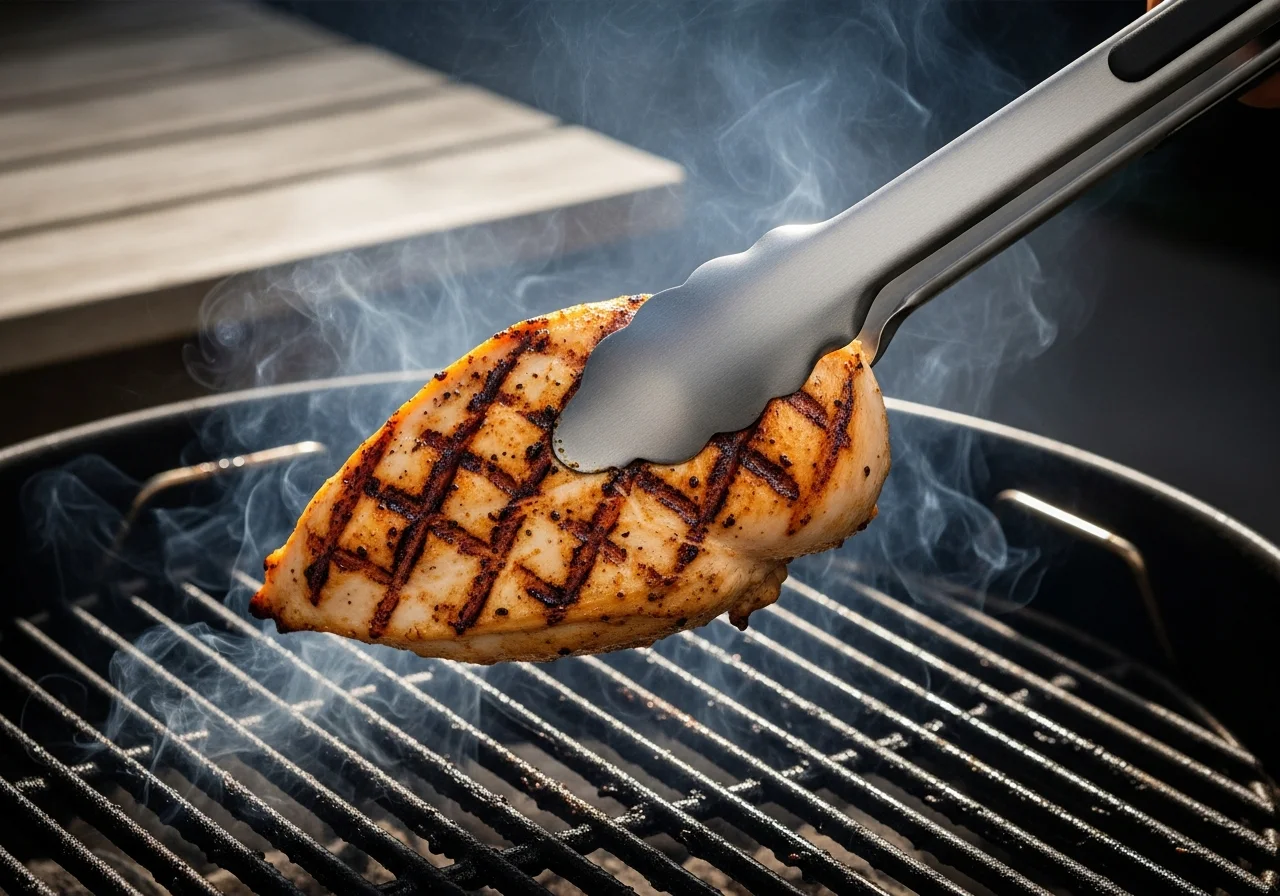
Consider tongs an extension of your hands with built-in heat protection. Turning proteins, tossing salads, moving pasta from pot to plate, and countless other tasks become simpler with twelve-inch locking tongs. Stainless steel construction ensures durability and dishwasher safety.
Whisk
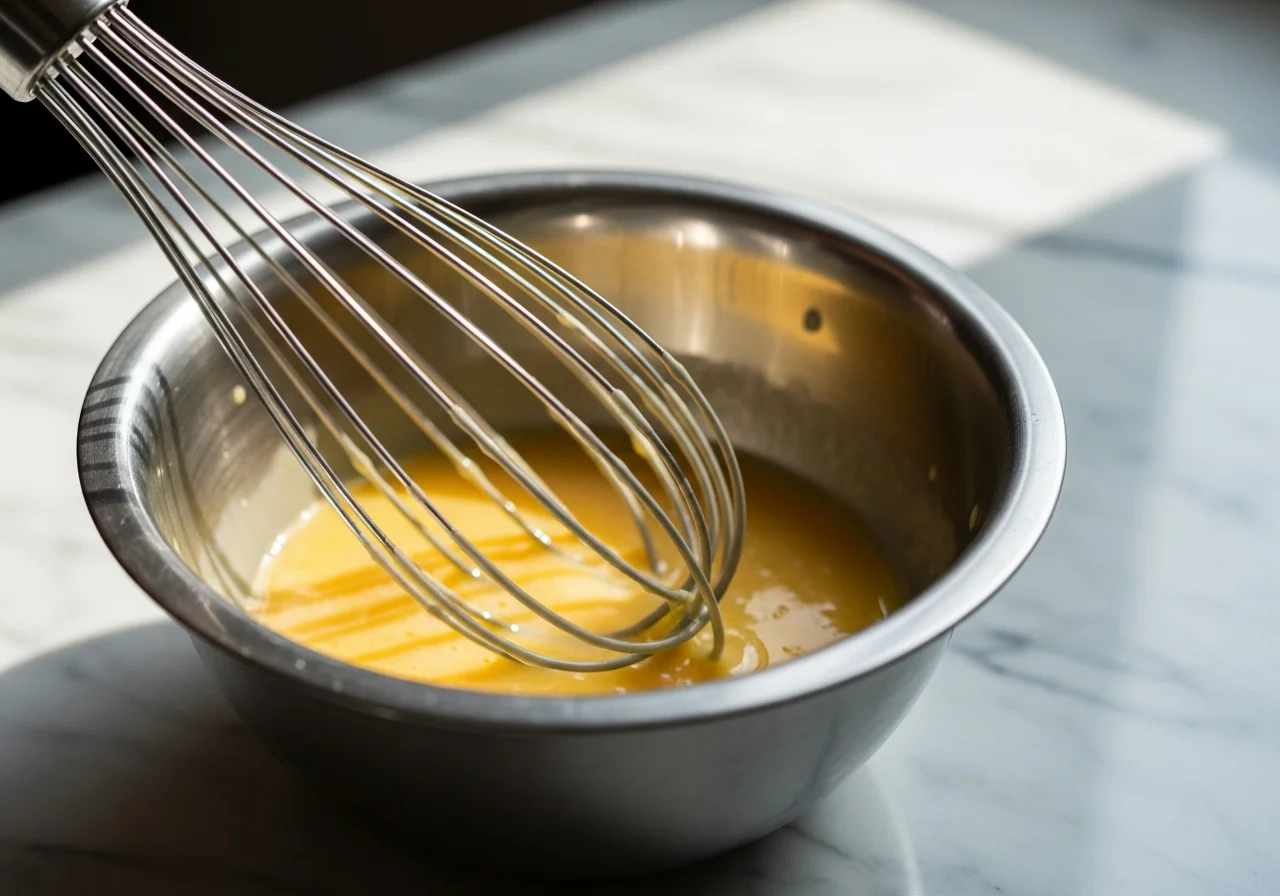
Emulsifying vinaigrettes, beating eggs, and incorporating air into batters requires a proper whisk. The balloon style works for most applications. Stainless steel wires and a comfortable handle make this simple tool remarkably versatile.
Metal Spatula
Flipping burgers, eggs, and pancakes demands a thin, flexible metal spatula. The slotted design allows grease to drain while the offset angle provides leverage when sliding under food. Look for stainless steel construction with a comfortable, heat-resistant handle.
Vegetable Peeler
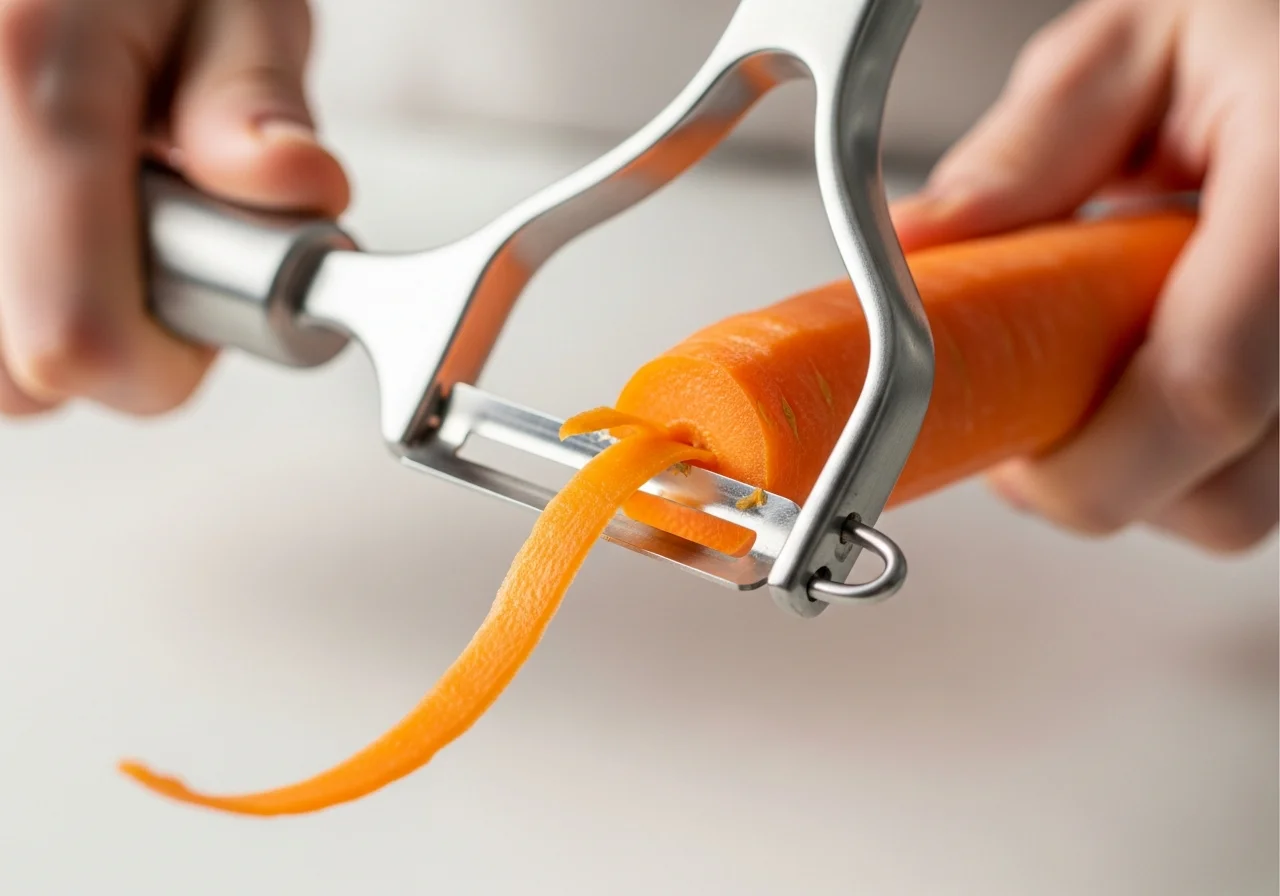
Removing skins from potatoes, carrots, apples, and other produce happens daily in active kitchens. A sharp, ergonomic peeler with a comfortable grip makes this repetitive task significantly easier. Y-shaped peelers often provide better control and require less pressure than traditional straight designs.
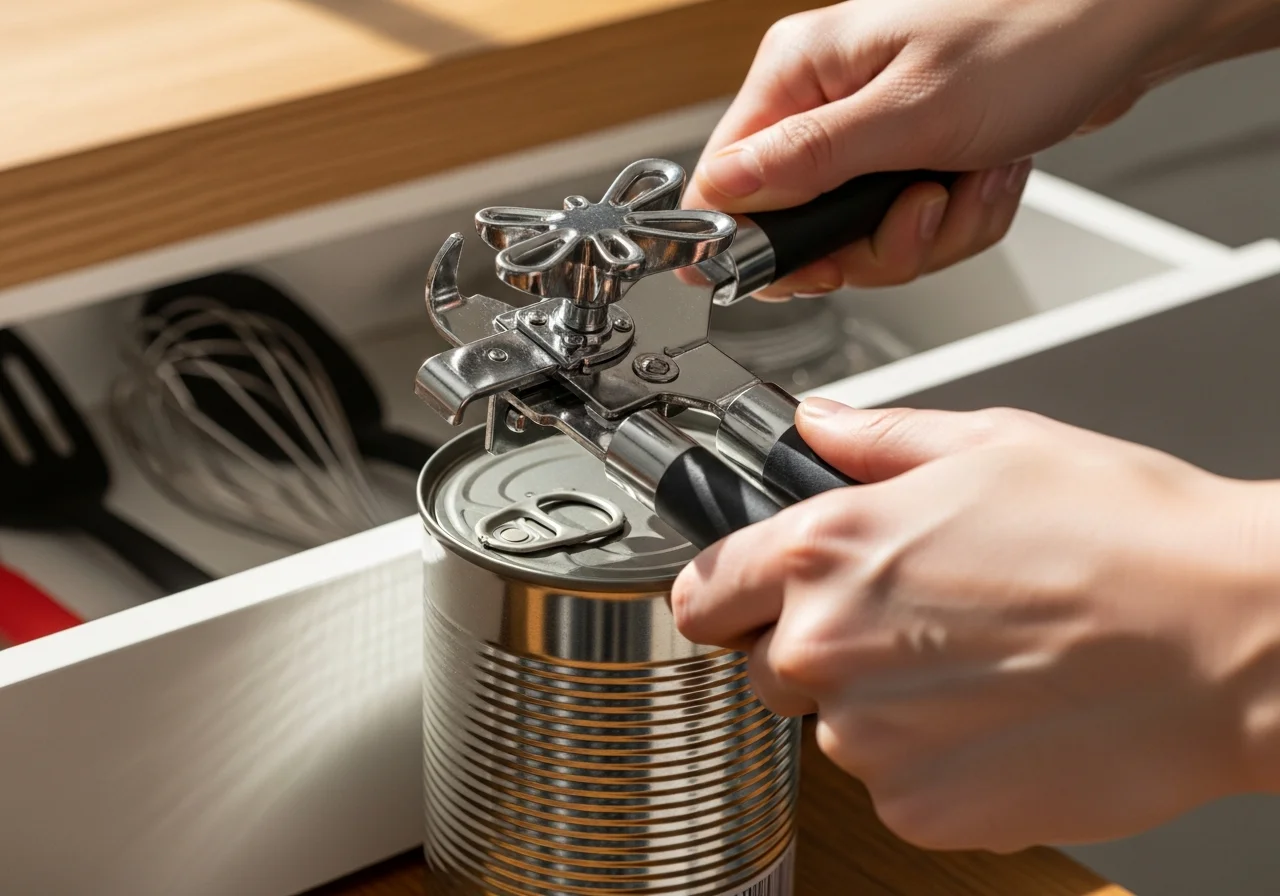
Can Opener
Despite the prevalence of pull-tab cans, a reliable manual can opener remains essential. Choose one with large, comfortable turning knobs and sharp cutting wheels that glide smoothly around the rim.
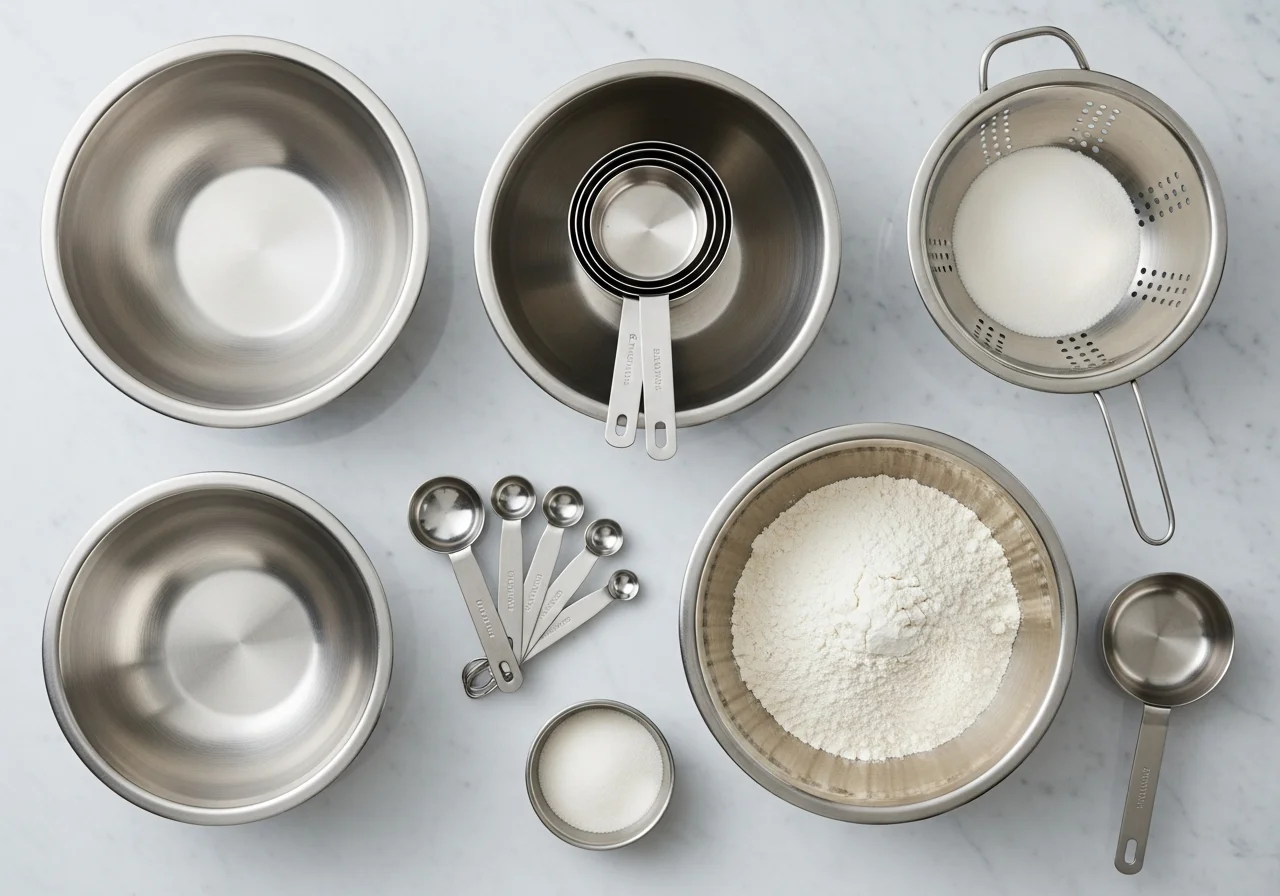
Measurement and Mixing Equipment
Measuring Cups and Spoons
Baking demands precision that eyeballing cannot provide. A set of dry measuring cups in standard sizes plus liquid measuring cups with clear markings prevent recipe disasters. Stainless steel or durable plastic both work well for dry ingredients, while glass or clear plastic proves best for liquids where you need to see the measurement line at eye level.
Measuring spoons in graduated sizes from one-quarter teaspoon to one tablespoon ensure accurate seasoning and ingredient ratios.
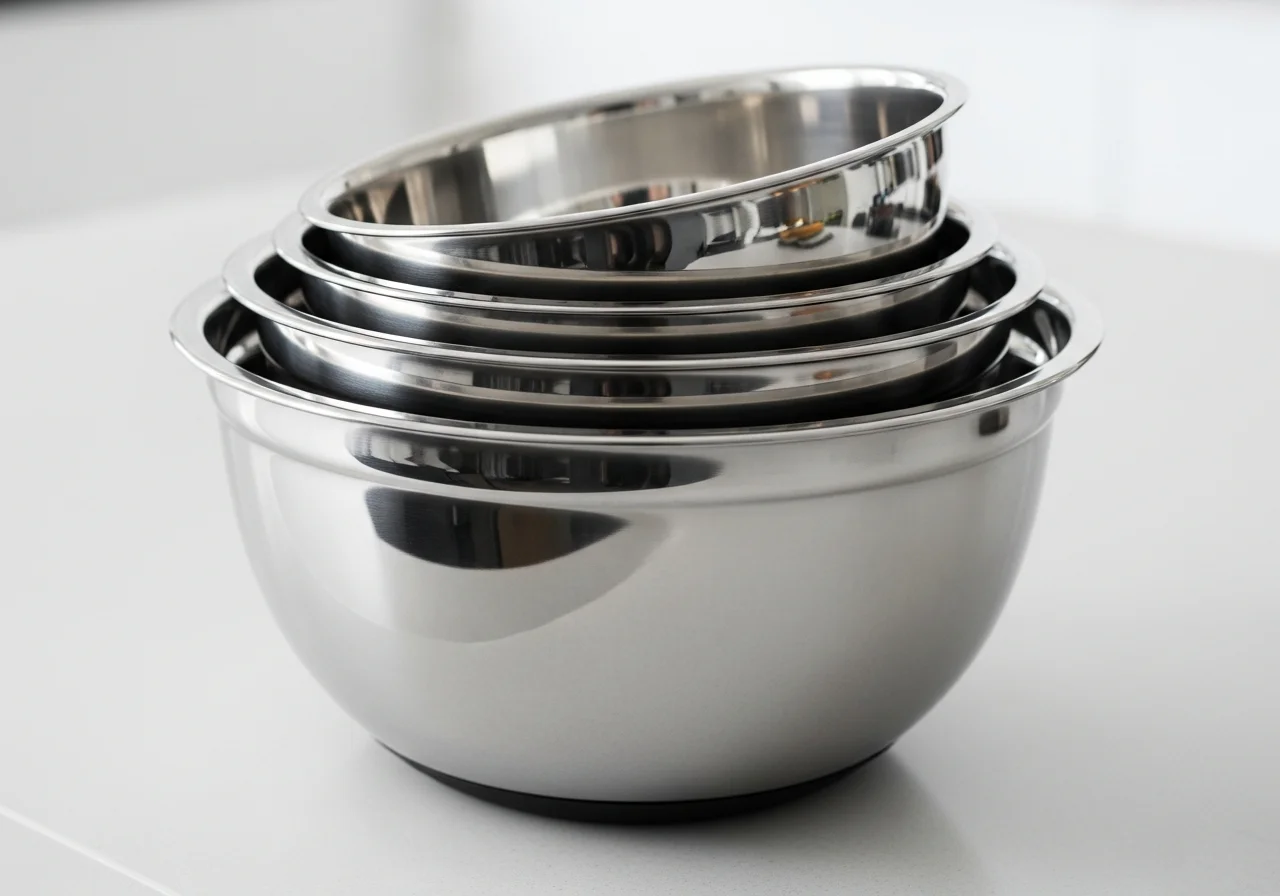
Mixing Bowls
Food preparation involves constant mixing, marinating, and temporary storage. A nested set of mixing bowls in varying sizes provides flexibility for different tasks. Stainless steel offers durability and won’t absorb odors or stains. Glass bowls work equally well and allow you to see contents from all angles. Having at least three sizes covers most cooking scenarios.
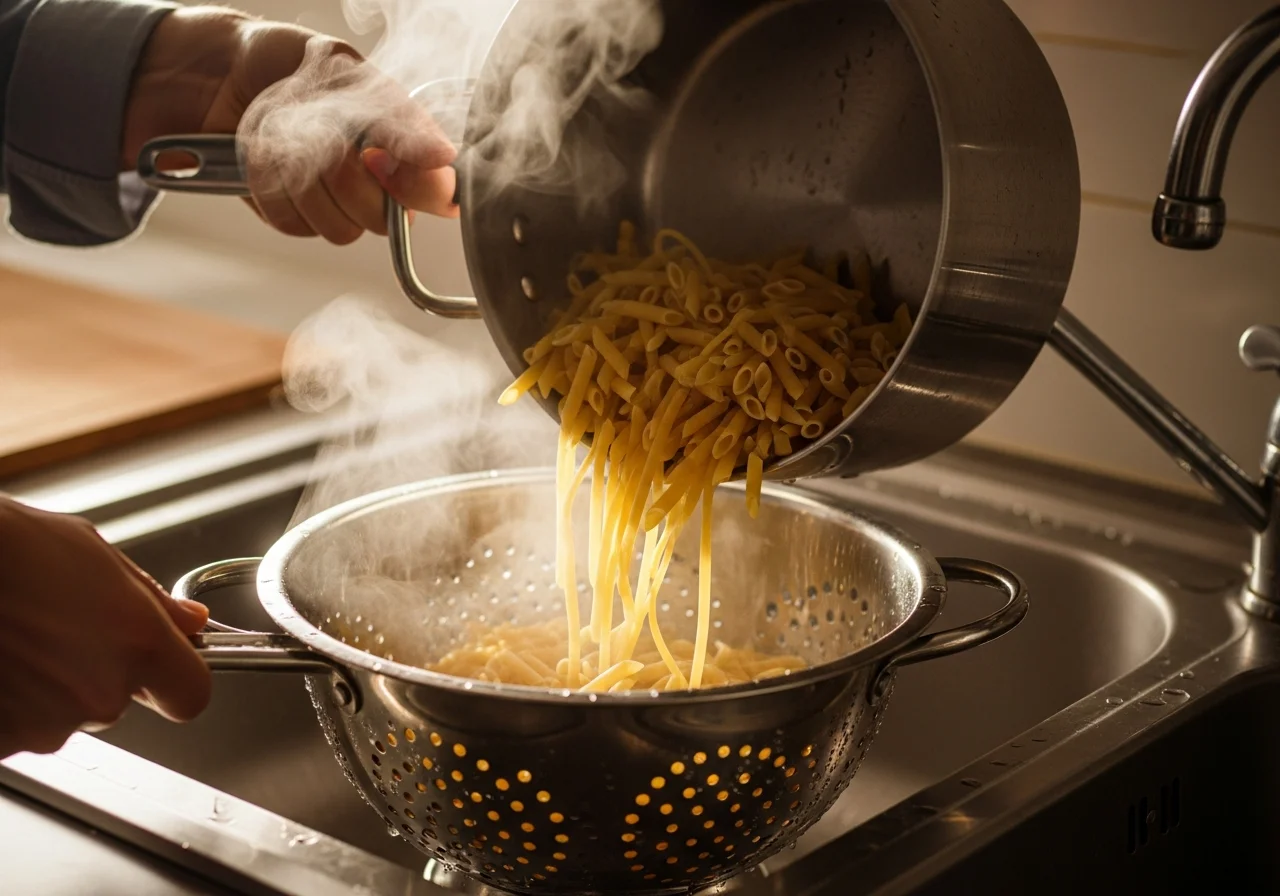
Colander
Draining pasta, washing vegetables, and rinsing grains requires a stable colander. Stainless steel construction with a sturdy base prevents tipping when loaded with hot food. Handles on both sides facilitate safe pouring from heavy pots.
Small Appliances That Earn Counter Space
Food Processor
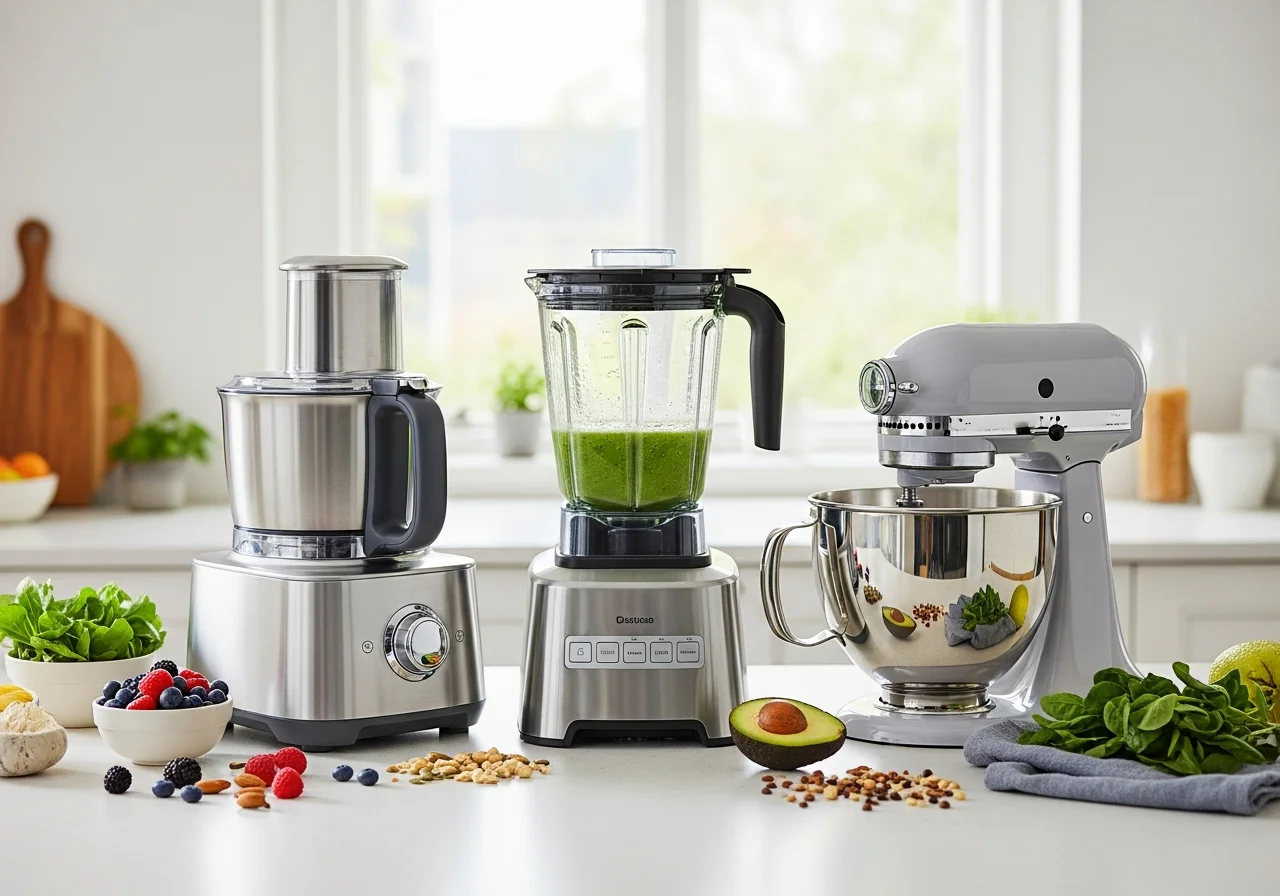
Chopping vegetables, making sauces, preparing dough, and numerous other tasks happen exponentially faster with a food processor. A seven to nine-cup capacity handles most home cooking needs without taking excessive storage space. Quality models include multiple blade options and speed settings for versatility.
Blender
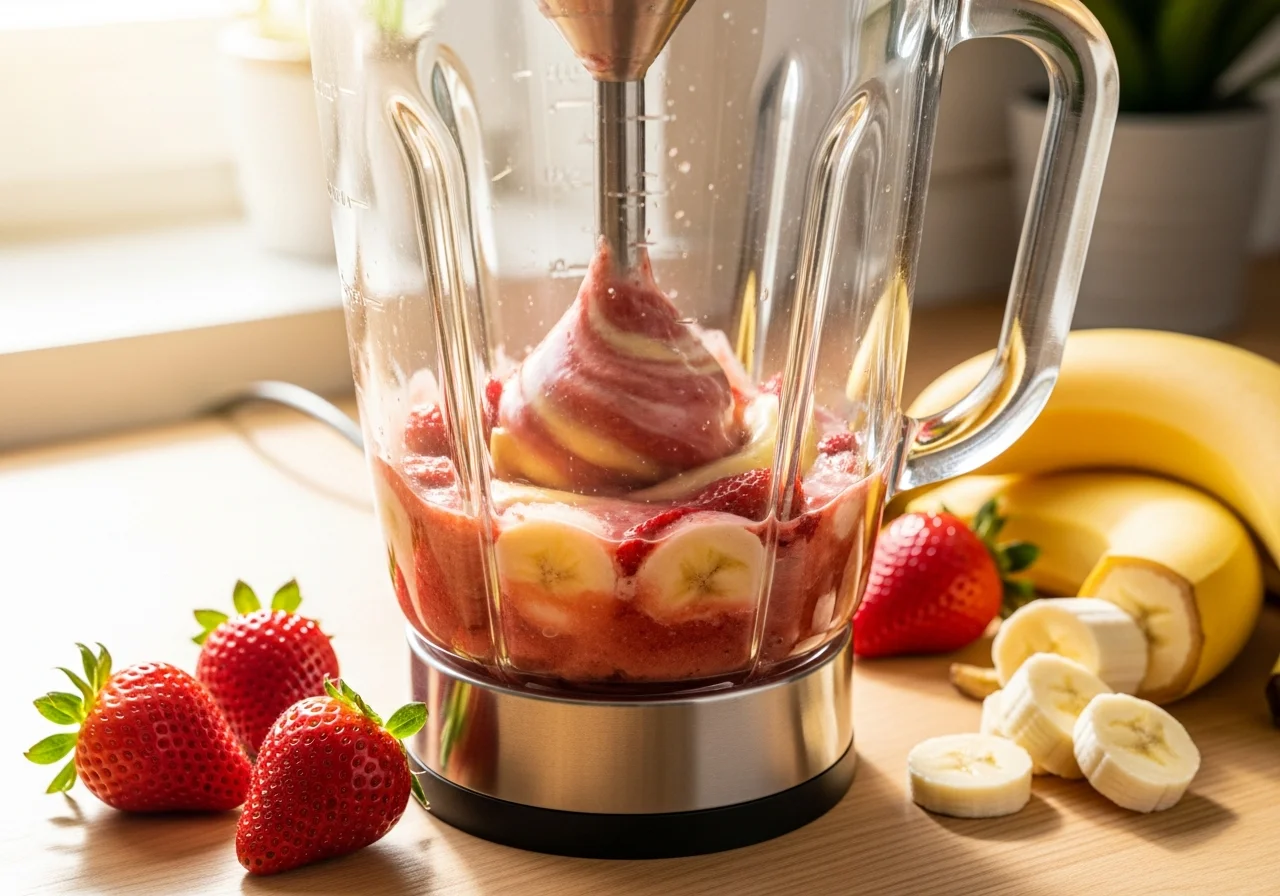
Smoothies, soups, sauces, and pureed foods require blender power. High-wattage motors and quality blades create smooth textures without chunks. Glass jars prove more durable than plastic, which can scratch and cloud over time. For homes making daily smoothies, a personal-sized blender with individual cups saves cleanup time.
Stand Mixer
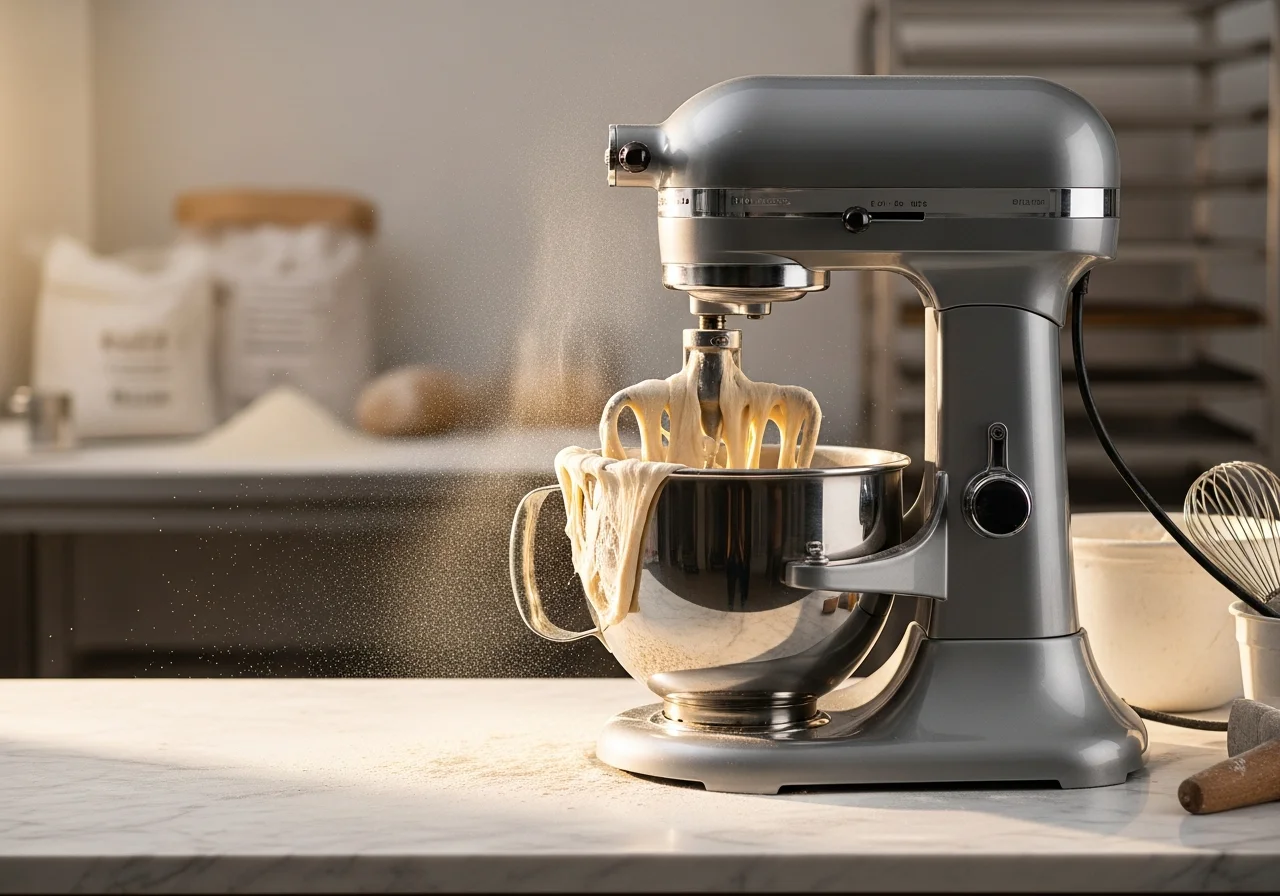
Serious bakers benefit tremendously from a stand mixer. Kneading dough, whipping cream, and mixing heavy batters become hands-free operations. The five-quart capacity handles most recipes, while the attachment ecosystem expands functionality to pasta making, meat grinding, and more. While expensive, quality stand mixers function reliably for decades.
Storage Solutions for Organization
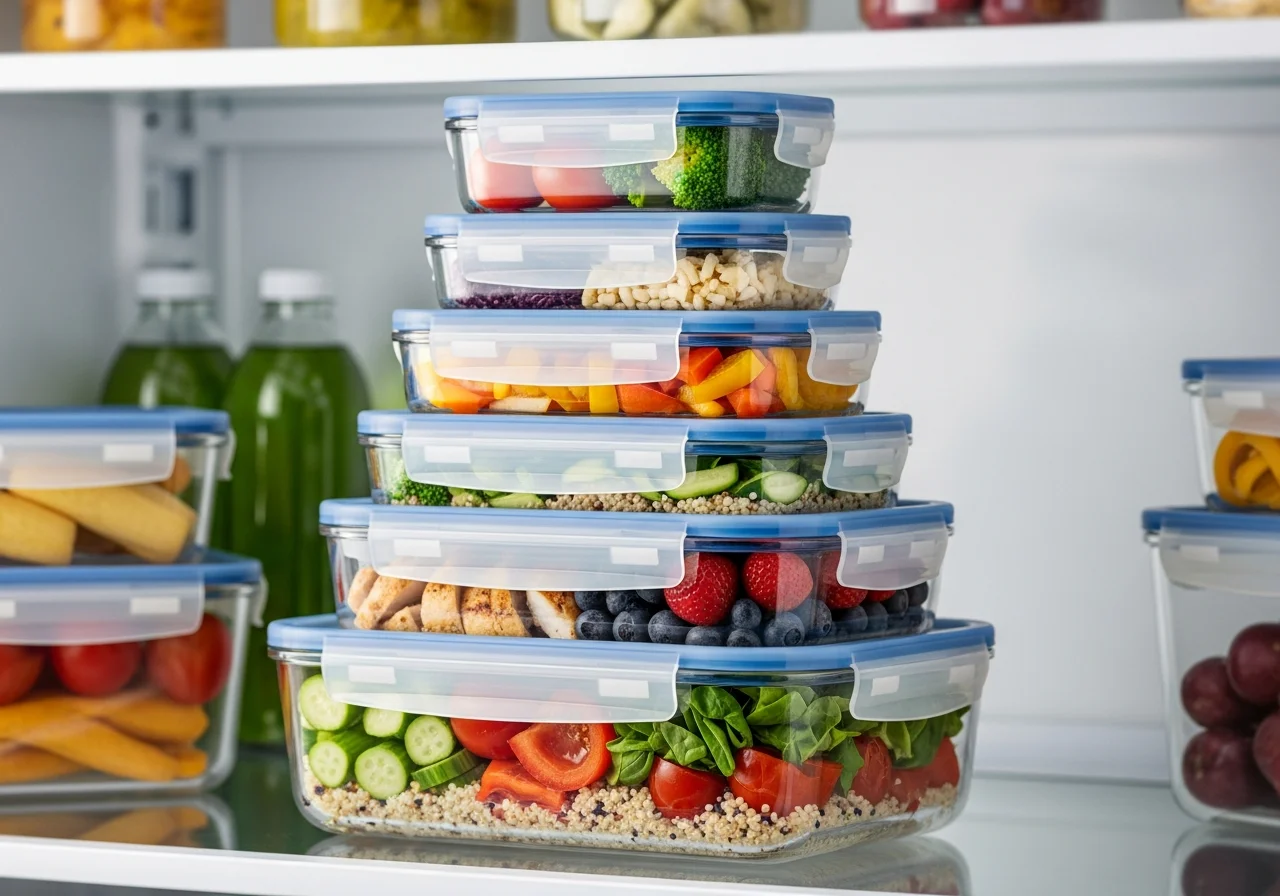
Food Storage Containers
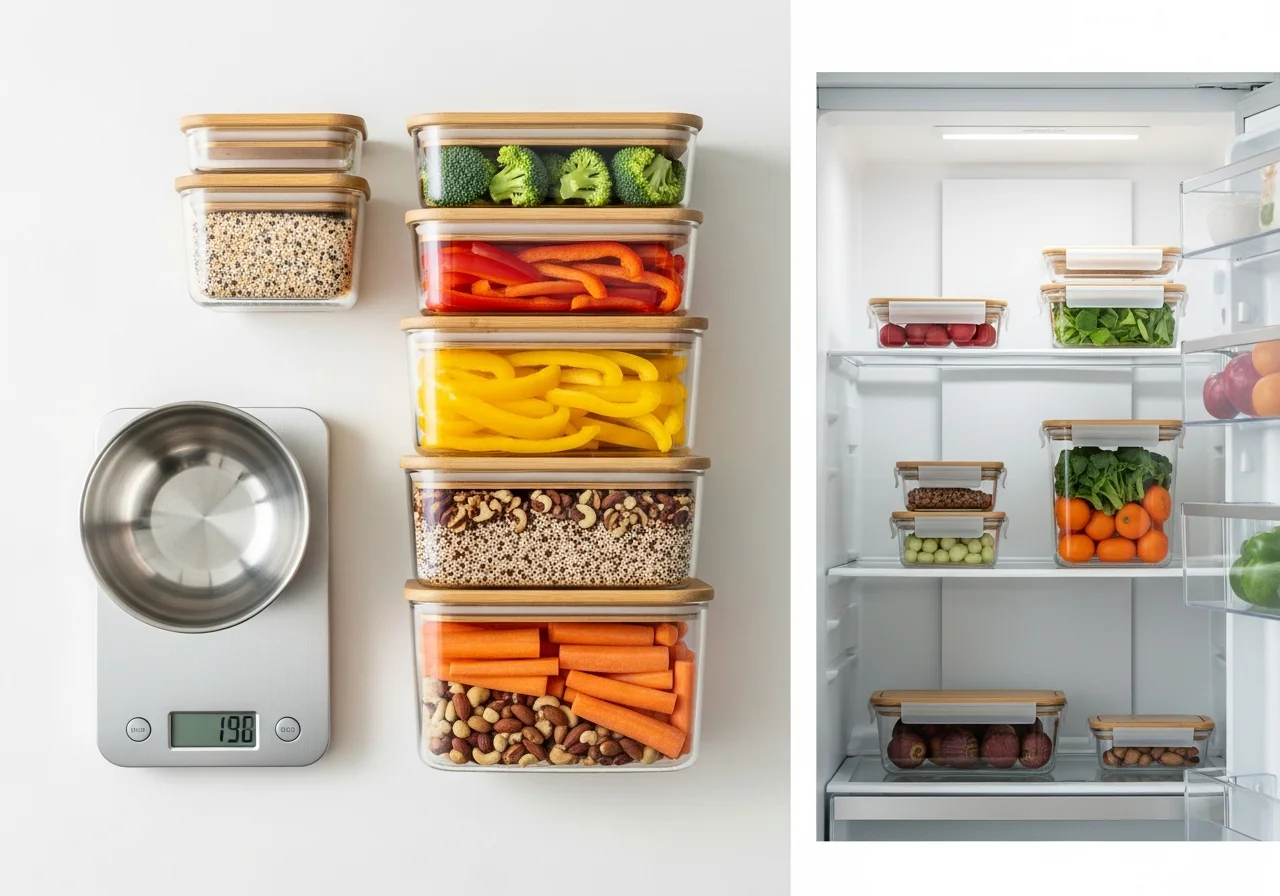
Leftovers, meal prep, and ingredient storage require reliable containers. Glass containers with airtight lids prove superior to plastic for longevity and food safety. They transition from refrigerator to microwave to dishwasher without degrading. Having various sizes from small single-serving to large family-portion containers accommodates different storage needs.
Choose square or rectangular shapes over round designs for more efficient refrigerator space utilization.
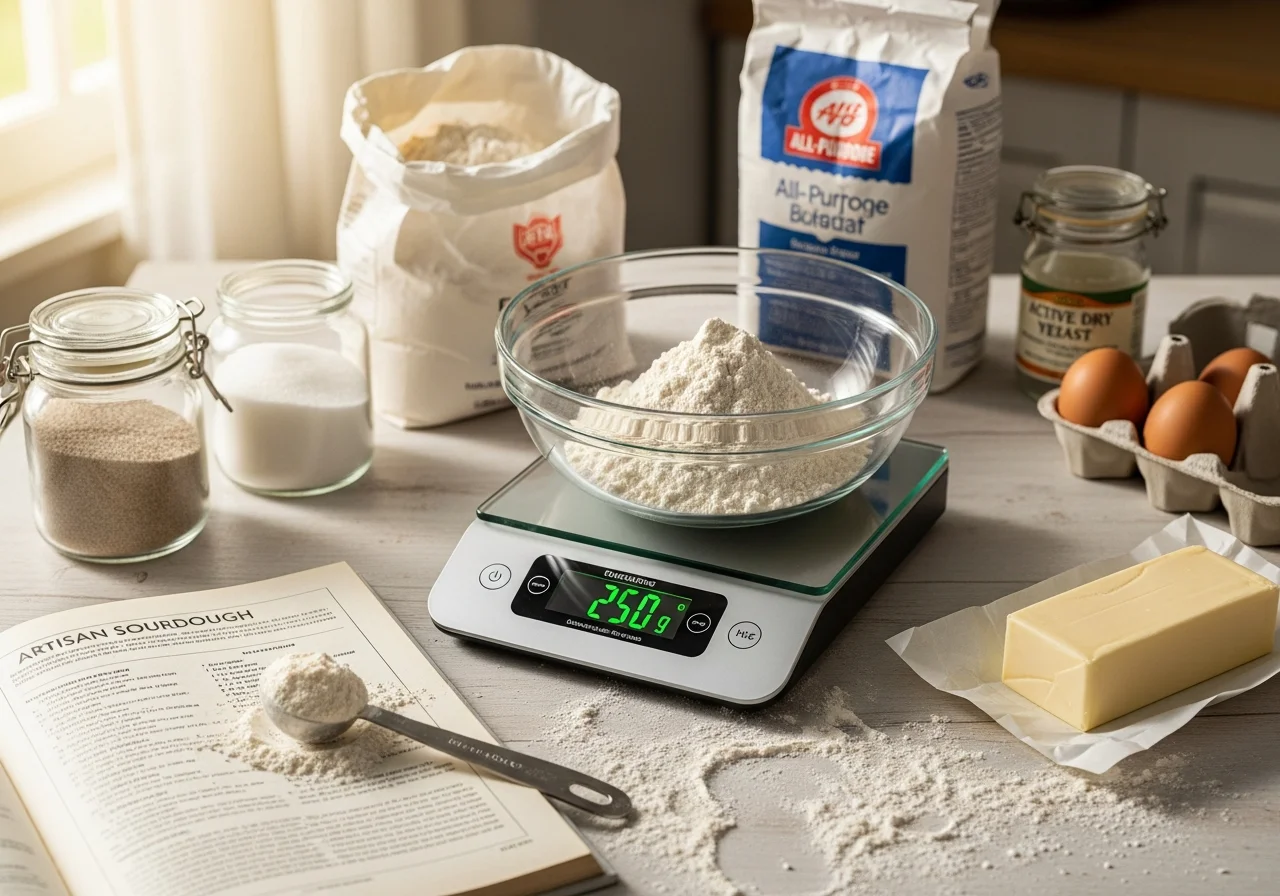
Kitchen Scale
Precise measurements elevate cooking and baking results. Digital scales measuring in both metric and imperial units provide accuracy impossible with volume measurements alone. Weighing ingredients proves especially important for baking, where precision significantly impacts outcomes.
Creating Your Essential Collection
Building a complete kitchen happens gradually for most households. Prioritize items based on your cooking style and frequency. Someone who bakes weekly needs different tools than someone who primarily prepares quick weeknight dinners.
Quality matters more than quantity. One excellent knife outperforms a drawer full of cheap blades. A single sturdy saucepan serves you better than three flimsy ones. When budget constraints exist, start with absolute basics and add specialized items as needs arise and finances allow.
Resist marketing pressure to purchase every innovative gadget. Most single-purpose tools languish unused while versatile basics get daily workouts. A good chef’s knife eliminates the need for separate tomato knives, bagel slicers, and herb choppers. A quality food processor handles tasks that specialized choppers, slicers, and shredders claim to uniquely solve.
Modern kitchens balance functionality with aesthetics. Tools displayed on counters or hanging from racks should work hard and look appealing. Items used daily deserve accessible storage, while occasional-use equipment can occupy less convenient spaces.
Maintenance extends the lifespan of kitchen essentials considerably. Handwashing knives preserves edges. Seasoning cast iron prevents rust. Proper storage protects non-stick coatings. Small investments of time in care multiply the value of your kitchen equipment.
The Well-Equipped Kitchen as Foundation
These twenty-three essentials create a foundation for confident cooking. They represent the tools professional chefs rely on and home cooks return to repeatedly. With these items, you can prepare virtually any recipe, from simple weeknight meals to elaborate holiday feasts.
The joy of a well-equipped kitchen extends beyond the food itself. Cooking with proper tools reduces frustration, saves time, and increases the likelihood you’ll choose home cooking over takeout. The cumulative effect of these choices impacts health, finances, and the satisfaction of creating meals with your own hands.
Your kitchen should reflect your life, not someone else’s ideal. These essentials provide a starting point, but your unique cooking style will determine which items see the most use. Pay attention to what you reach for repeatedly and what sits idle. Adjust accordingly.
Quality kitchen equipment represents an investment in daily life quality. Unlike many purchases that depreciate immediately, well-chosen kitchen tools provide value with every use. They enable healthier eating, creative expression, and the simple pleasure of a properly prepared meal.
The modern home kitchen serves multiple functions beyond basic food preparation. It hosts conversations, supports creative projects, and anchors family routines. Equipping it thoughtfully with essential tools ensures this central space functions beautifully for years to come.
Frequently Asked Questions
What is the most important kitchen essential to buy first?
A quality chef’s knife represents the single most important kitchen tool. This one item handles the vast majority of cutting tasks and makes food preparation significantly easier and safer when sharp and well-balanced. Invest in the best knife you can afford before purchasing other items.
How much should I expect to spend on basic kitchen essentials?
A complete set of kitchen essentials typically costs between 500 and 1500 dollars depending on quality level and whether you purchase items gradually or all at once. Prioritizing a few high-quality pieces initially and adding items over time spreads the expense while building a functional kitchen.
Do I really need both non-stick and stainless steel skillets?
Yes, these serve different purposes. Non-stick pans excel at eggs and delicate foods while stainless steel creates better browning and searing. Using the right pan for each task produces superior results and extends the lifespan of both types.
How often should I replace kitchen essentials?
Quality cookware and tools last decades with proper care. Knives need sharpening but rarely replacement. Non-stick pans typically require replacement every three to five years. Small appliances vary widely, but well-made ones often function for ten years or more.
Can I build a functional kitchen without expensive appliances?
Absolutely. Many excellent home cooks work with minimal appliances, relying instead on quality cookware and basic tools. A food processor and blender add convenience but aren’t strictly necessary for most cooking. Focus first on knives, pans, and essential utensils before considering appliances.