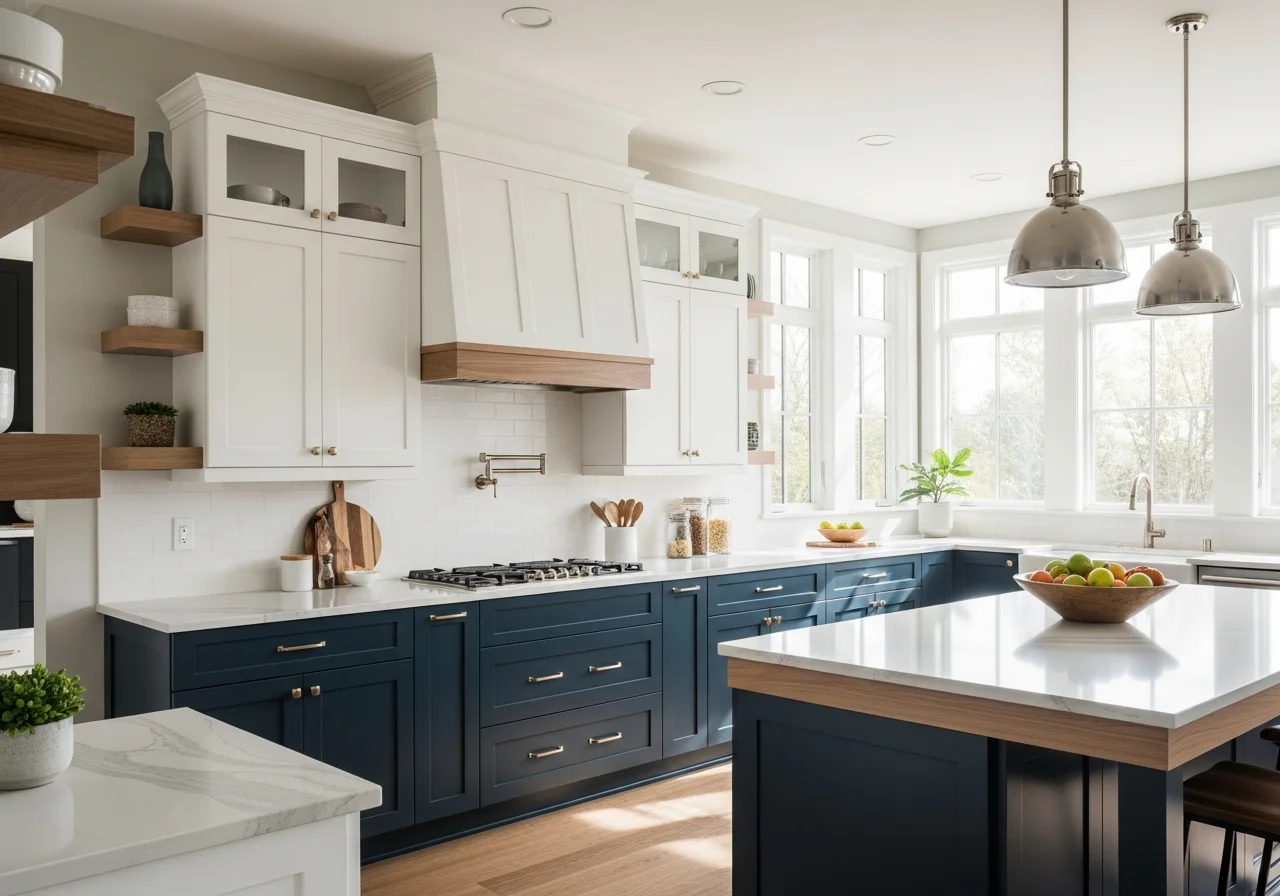
21 Kitchen Cabinet Refacing Ideas That Feel Brand New!
Your kitchen cabinets occupy nearly 40 percent of your visual space, making them the defining element of your cooking area. When those cabinets start showing their age, the entire room feels tired and outdated. But here’s the good news: you don’t need to gut your entire kitchen to achieve a stunning transformation. Kitchen cabinet refacing offers a practical solution that delivers dramatic results without the hefty price tag or lengthy renovation timeline.
Cabinet refacing breathes new life into your existing cabinetry by replacing doors, drawer fronts, and hardware while keeping your sturdy cabinet boxes intact. This approach not only saves you thousands of dollars but also preserves your current kitchen layout, meaning no plumbing relocations, no electrical rewiring, and no need to empty your entire kitchen for months. Whether your style leans toward sleek modern minimalism or warm traditional charm, refacing gives you the flexibility to completely reimagine your space. Let’s explore 21 fresh ideas that will make your kitchen feel absolutely brand new.
Understanding Kitchen Cabinet Refacing
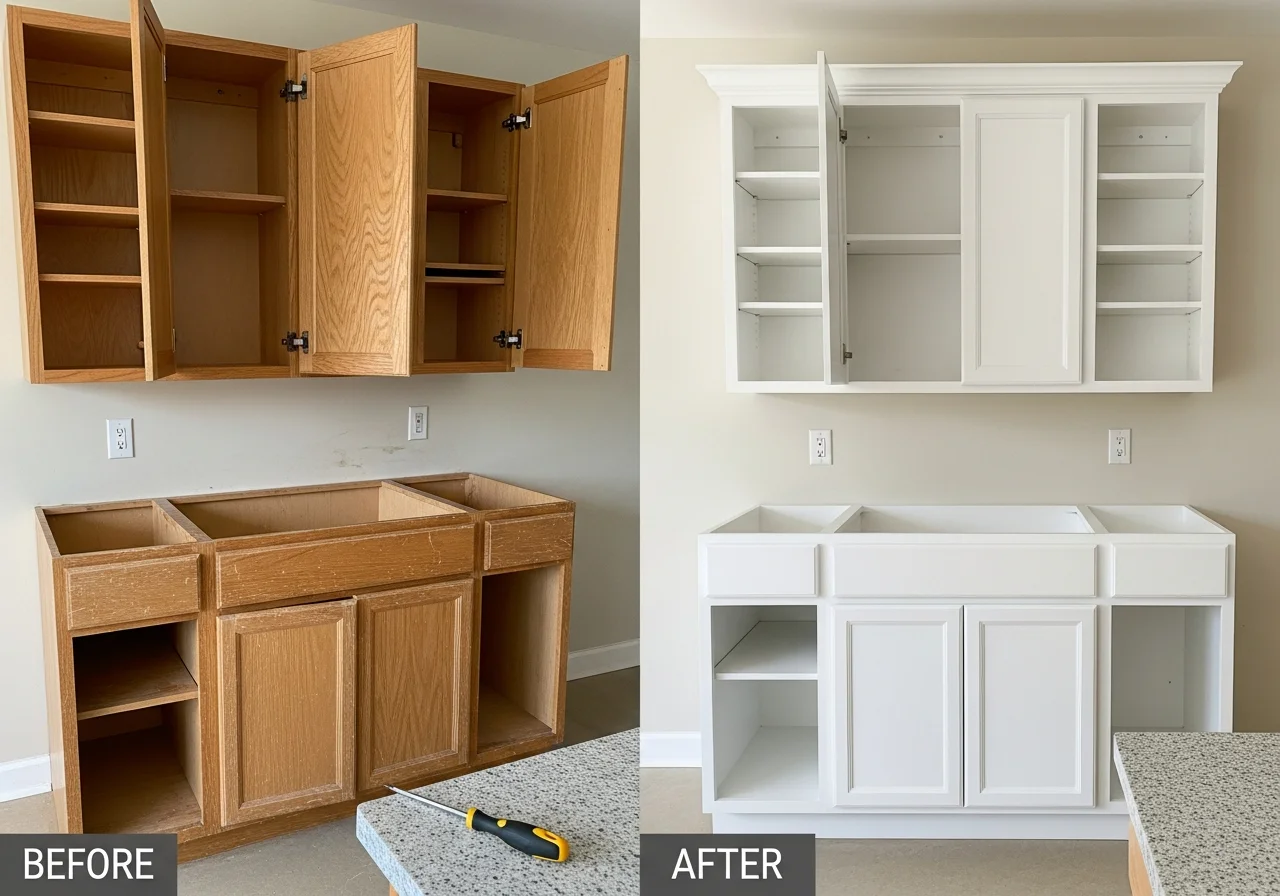
Cabinet refacing involves updating the visible surfaces of your existing cabinets without replacing the entire structure. The process includes removing old cabinet doors and drawer fronts, applying new veneer or laminate to the cabinet boxes, installing brand new doors and drawers, and upgrading all hardware including hinges, handles, and knobs.
This method differs significantly from cabinet refinishing, which simply involves stripping and repainting your existing doors. Refacing gives you completely new door styles and finishes, while refinishing works with what you already have. The distinction matters because refacing offers far more design flexibility and durability.
Most homeowners save between 30 to 50 percent compared to full cabinet replacement. A typical refacing project costs between $4,000 and $10,000, while new cabinets can easily run $15,000 to $30,000 or more. Beyond cost savings, refacing reduces waste by reusing perfectly functional cabinet boxes and typically takes just a few days to complete rather than weeks of construction chaos.
Classic White Elegance
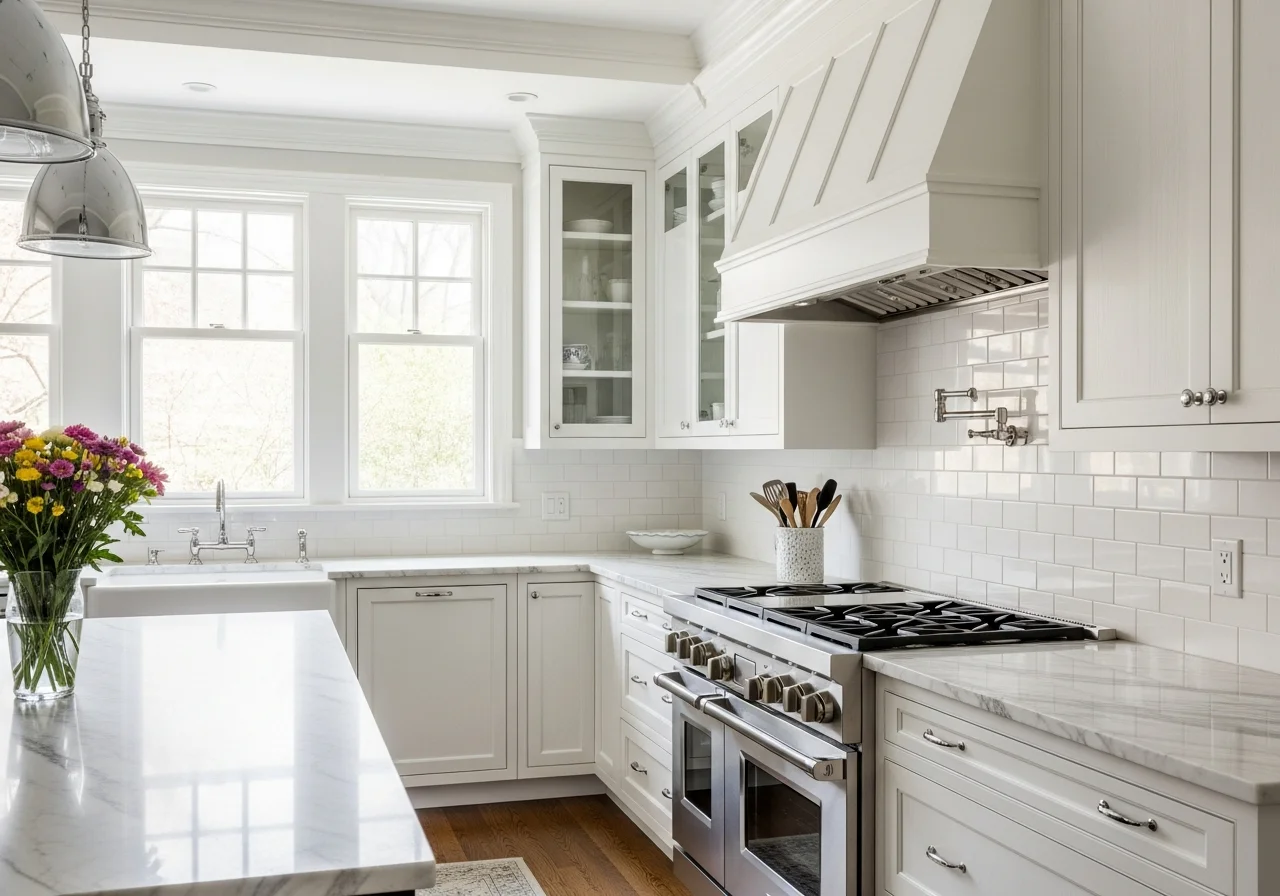
White cabinets remain timeless for good reason. They brighten your kitchen, create an illusion of more space, and provide a clean backdrop for virtually any design element. When refacing with white, consider the undertones carefully. Pure white offers crisp modernity, while warmer whites with cream or ivory undertones create a softer, more inviting atmosphere.
Pair white refaced cabinets with marble countertops and subway tile backsplashes for traditional elegance. Alternatively, combine them with butcher block counters and open shelving for a farmhouse aesthetic. The versatility of white means you can change your kitchen’s accessories and accent colors over the years without needing another renovation.
Two-Tone Cabinet Design
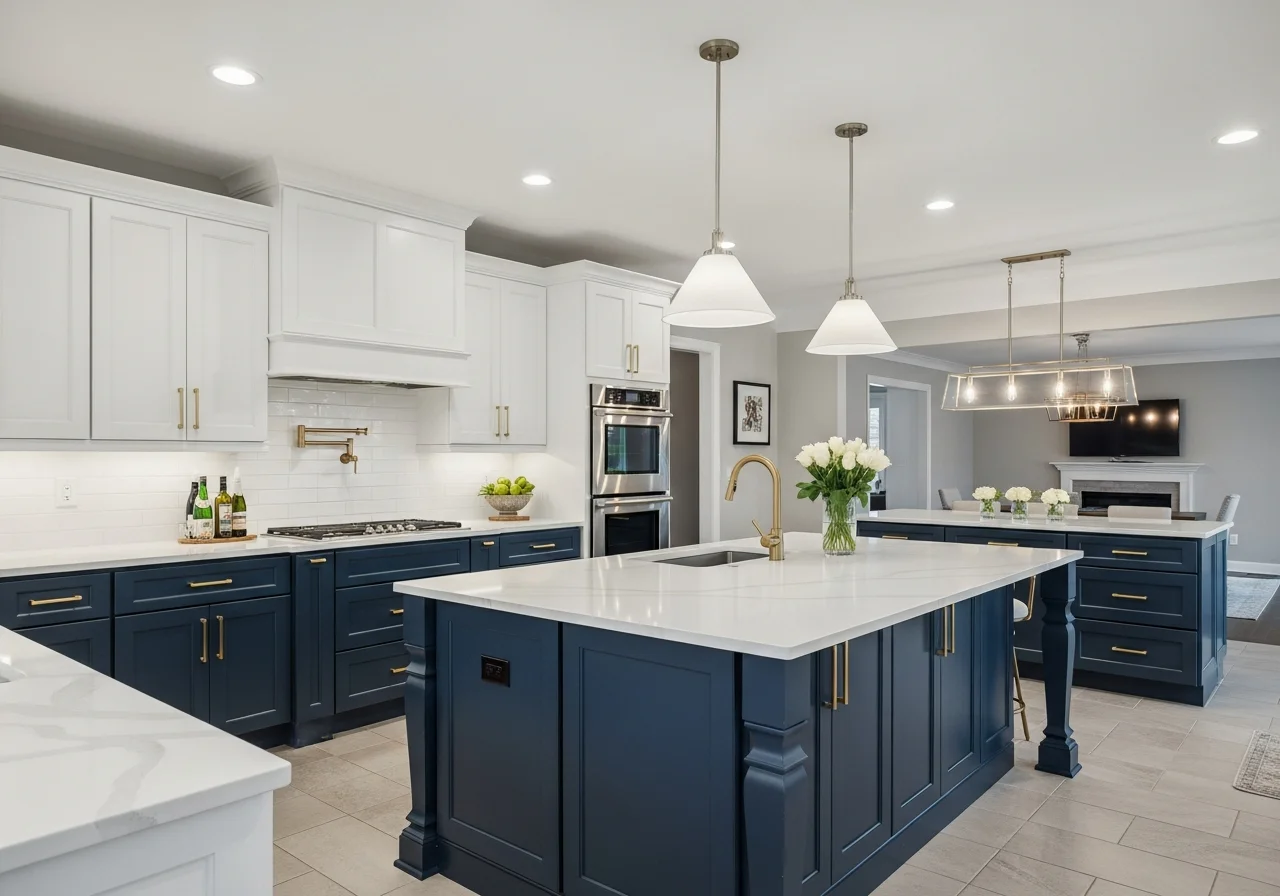
Two-tone cabinets rank among the hottest trends in kitchen design. This approach typically features darker lower cabinets paired with lighter upper cabinets, creating visual depth and architectural interest. Popular combinations include navy blue lower cabinets with white uppers, charcoal gray bases with light wood tones above, or sage green lowers contrasted with crisp white upper cabinets.
The two-tone strategy works particularly well in open concept spaces where your kitchen flows into living areas. The darker lower cabinets anchor the space and hide inevitable scuffs from foot traffic, while lighter uppers prevent the room from feeling heavy or closed in. You can also reverse this formula by painting upper cabinets a bold color while keeping lower cabinets neutral.
Shaker Style Sophistication
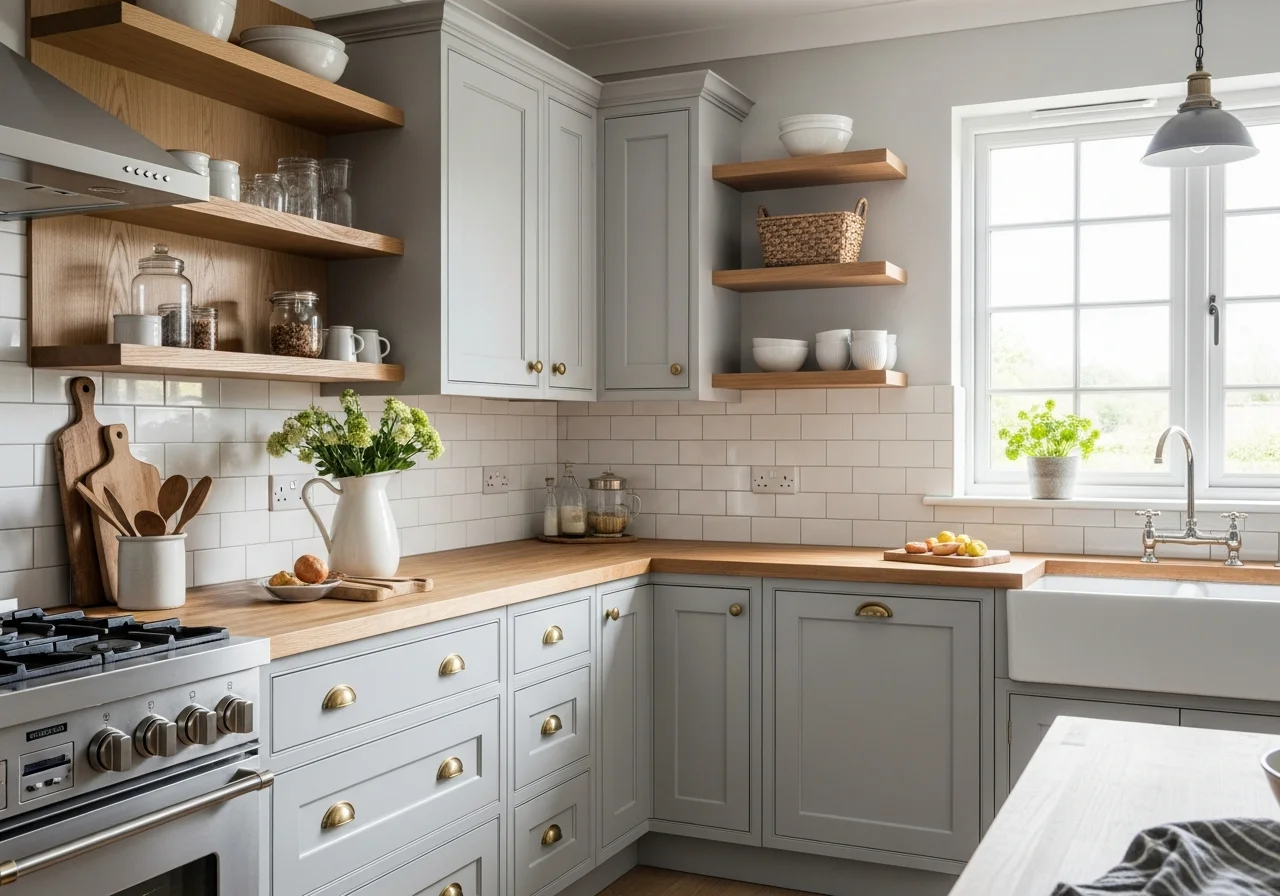
Shaker cabinets feature clean lines, a recessed center panel, and simple square edges that work beautifully in both traditional and contemporary kitchens. This five-piece door construction has endured for centuries because of its versatile, understated elegance. When refacing with Shaker doors, you inherit this timeless quality while giving your kitchen an instantly updated appearance.
Modern variations include slim Shaker designs with narrower rails and stiles for a more contemporary feel. These sleeker versions maintain the classic Shaker profile while feeling lighter and more current. Shaker cabinets also accept virtually any finish beautifully, from painted surfaces to natural wood stains, making them an excellent choice regardless of your preferred aesthetic.
Bold Navy Blue Transformation
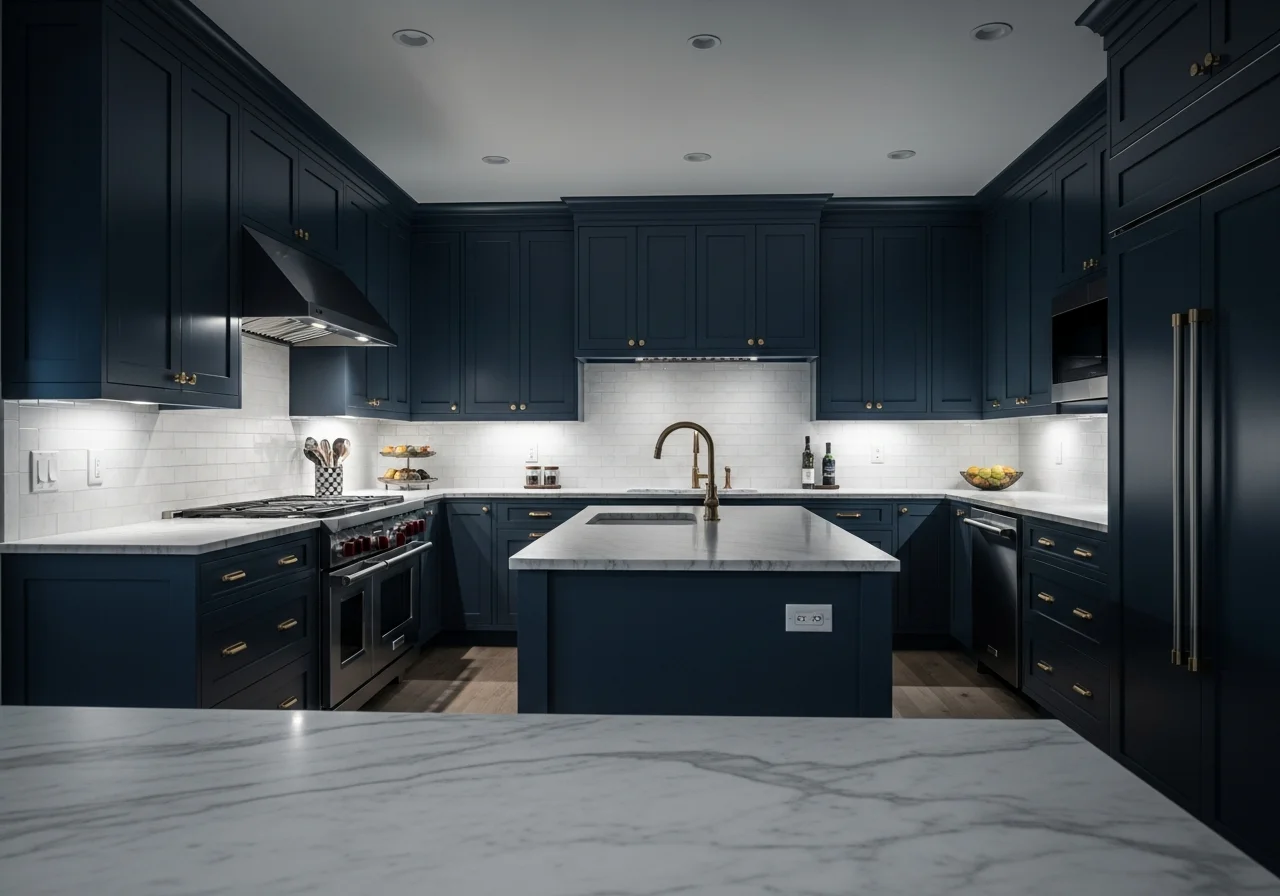
Navy blue cabinets make a sophisticated statement without overwhelming your space. This deep, rich hue adds personality and warmth while remaining surprisingly neutral. Navy pairs exceptionally well with brass or gold hardware, creating a luxurious, high-end look that feels both classic and current.
Consider using navy on your lower cabinets or island while keeping perimeter uppers white or cream. This approach delivers visual impact without making the space feel dark. Navy also complements white marble, butcher block, and light wood countertops beautifully. For maximum effect, balance navy cabinets with plenty of natural light and reflective surfaces like glass tile backsplashes or stainless steel appliances.
Warm Wood Tones
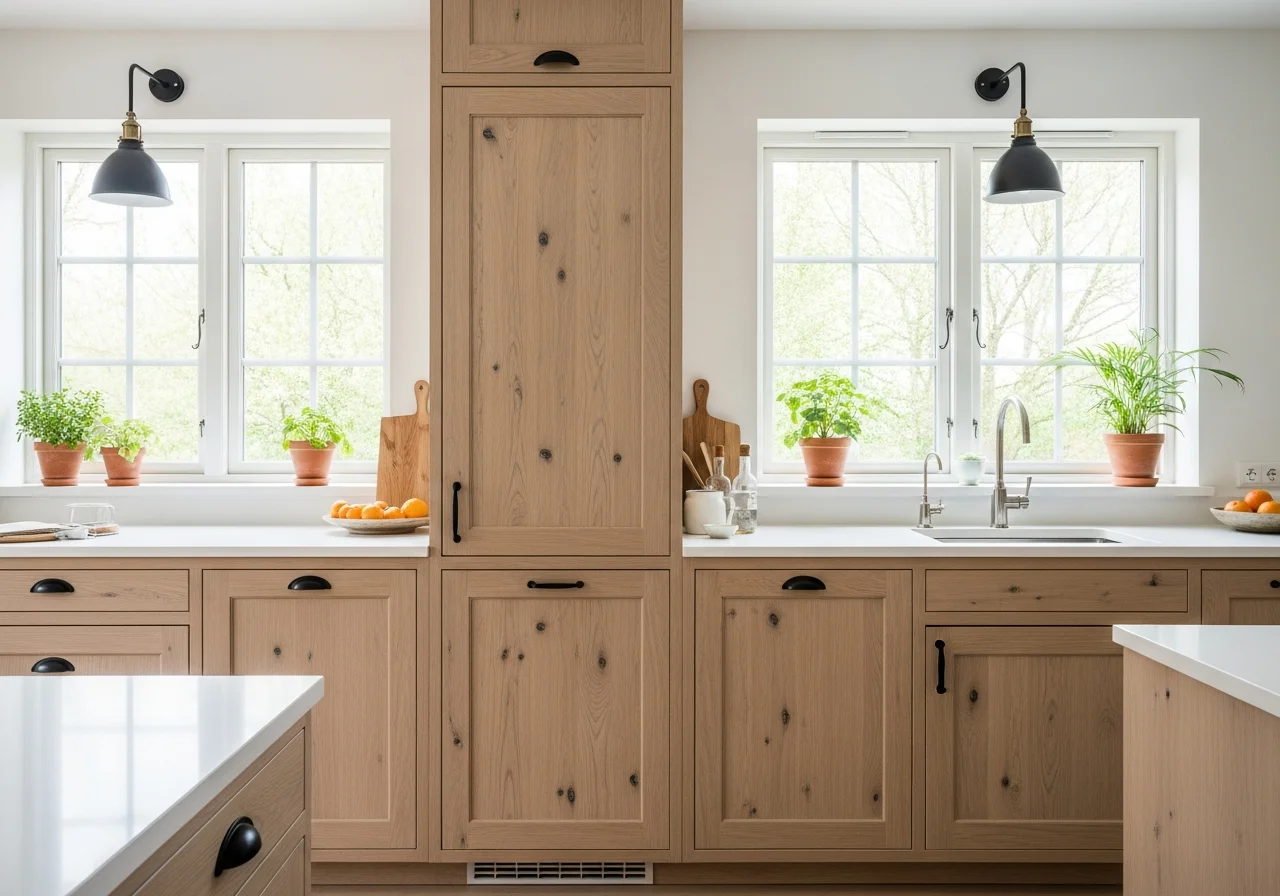
Natural wood finishes bring organic warmth into your kitchen. White oak has surged in popularity recently for its light, neutral tone and beautiful grain patterns. These cabinets brighten spaces while adding natural texture that painted surfaces cannot replicate. Walnut offers a richer, darker alternative with chocolate brown tones and striking grain variations.
When refacing with wood veneer, you get the authentic look and feel of real wood at a fraction of the cost of solid wood doors. Modern staining techniques can achieve everything from pale Scandinavian-inspired finishes to deep espresso tones. Wood cabinets also age gracefully, developing character over time rather than simply showing wear.
Sleek Flat Panel Modernism
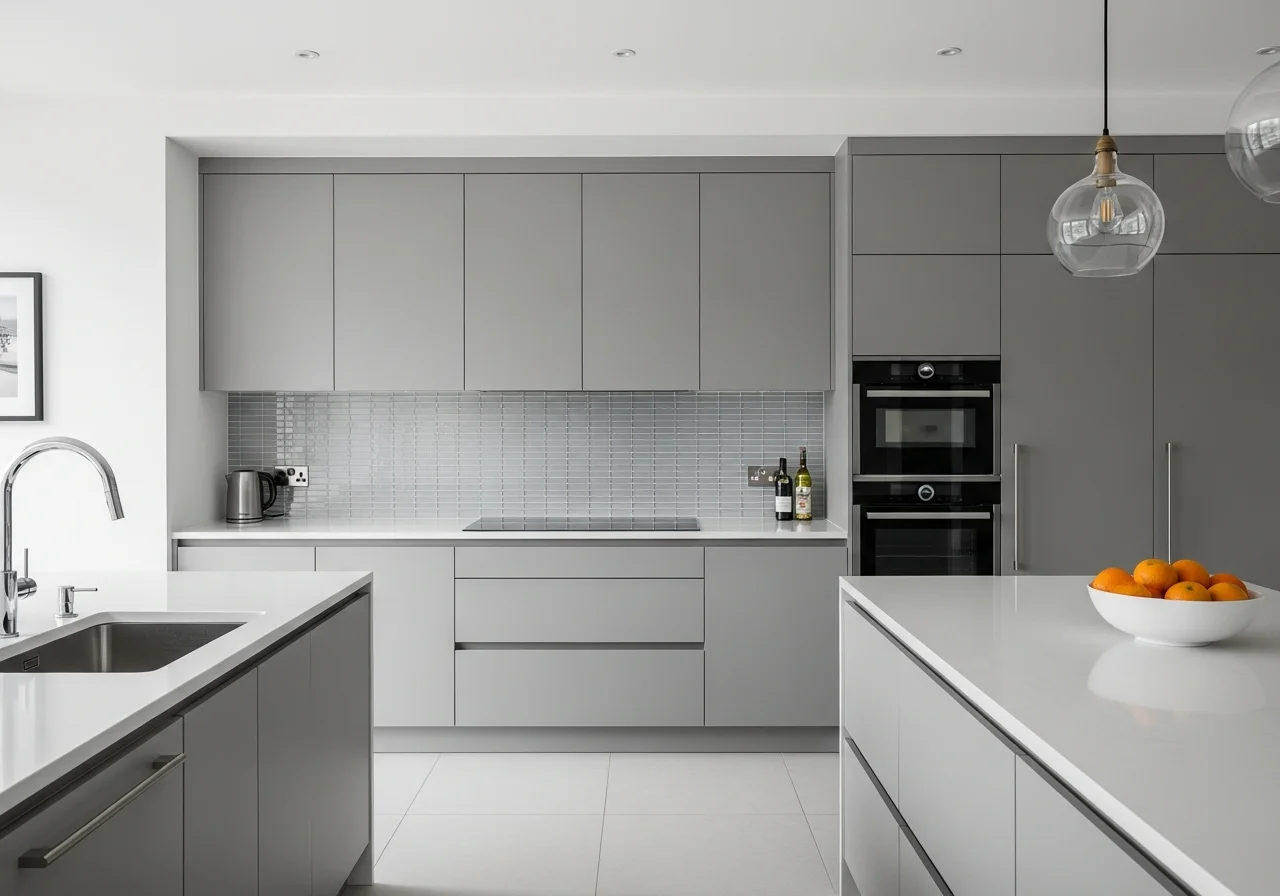
Flat panel or slab doors feature completely smooth surfaces with no raised panels, frames, or decorative elements. This minimalist style epitomizes contemporary kitchen design, creating clean lines and an uncluttered aesthetic. Flat panels work especially well in smaller kitchens where visual simplicity makes the space feel larger and more open.
These doors showcase your chosen finish beautifully, whether that’s a high-gloss lacquer, matte paint, or natural wood grain. Pair flat panel cabinets with integrated handles or push-to-open mechanisms for the ultimate streamlined look. The simplicity of this style also means your countertops, backsplash, and other design elements can take center stage without competing with busy cabinet details.
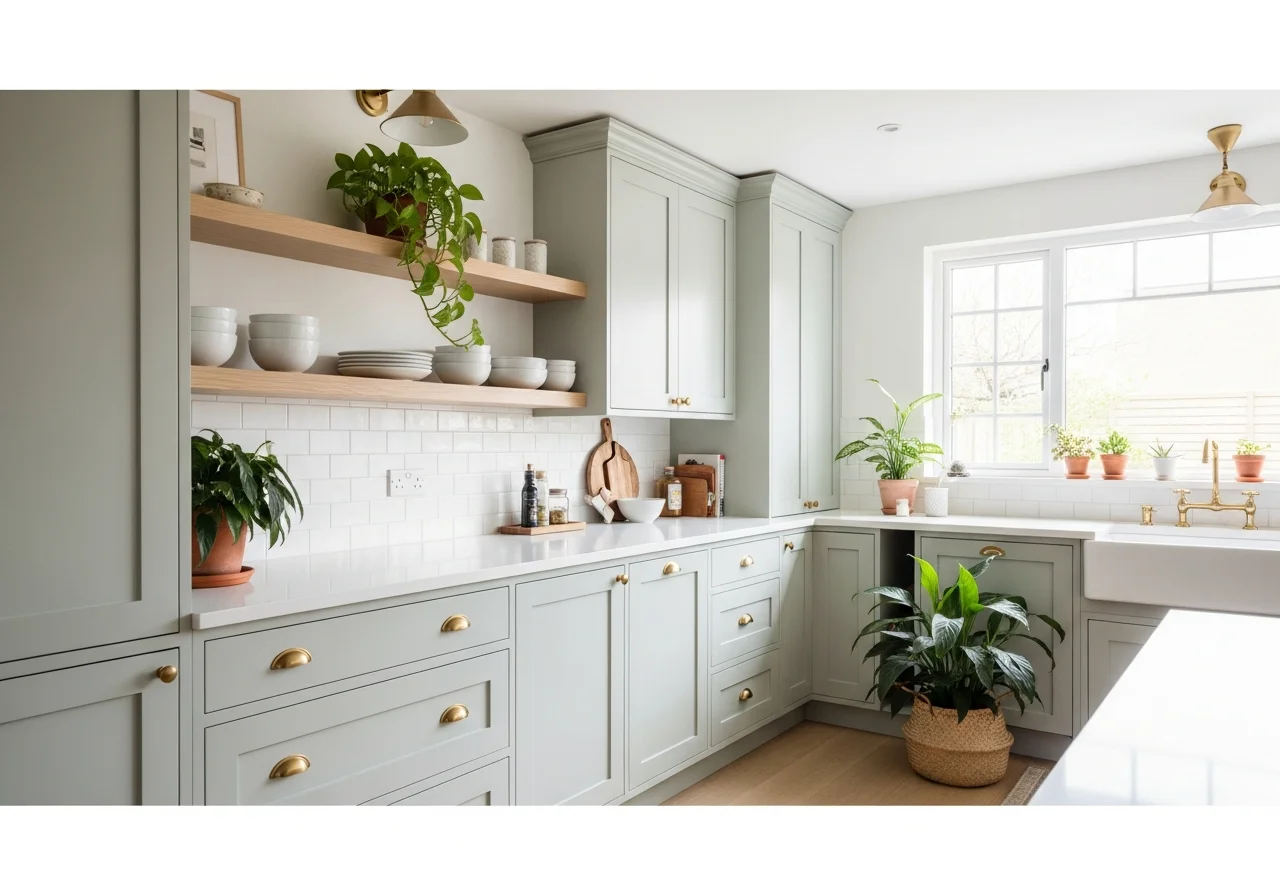
Sage Green Serenity
Sage green brings nature-inspired tranquility into your cooking space. This muted, earthy tone has become increasingly popular as homeowners move away from stark whites toward colors with more personality and warmth. Sage works beautifully in both traditional and modern kitchens, depending on your cabinet door style and accompanying finishes.
Combine sage green cabinets with warm brass hardware, white countertops, and natural wood accents for a fresh, organic feel. This color particularly shines in kitchens with abundant natural light, where it can shift between green and gray throughout the day. Sage also pairs well with other earth tones, allowing you to create a cohesive, nature-inspired palette.
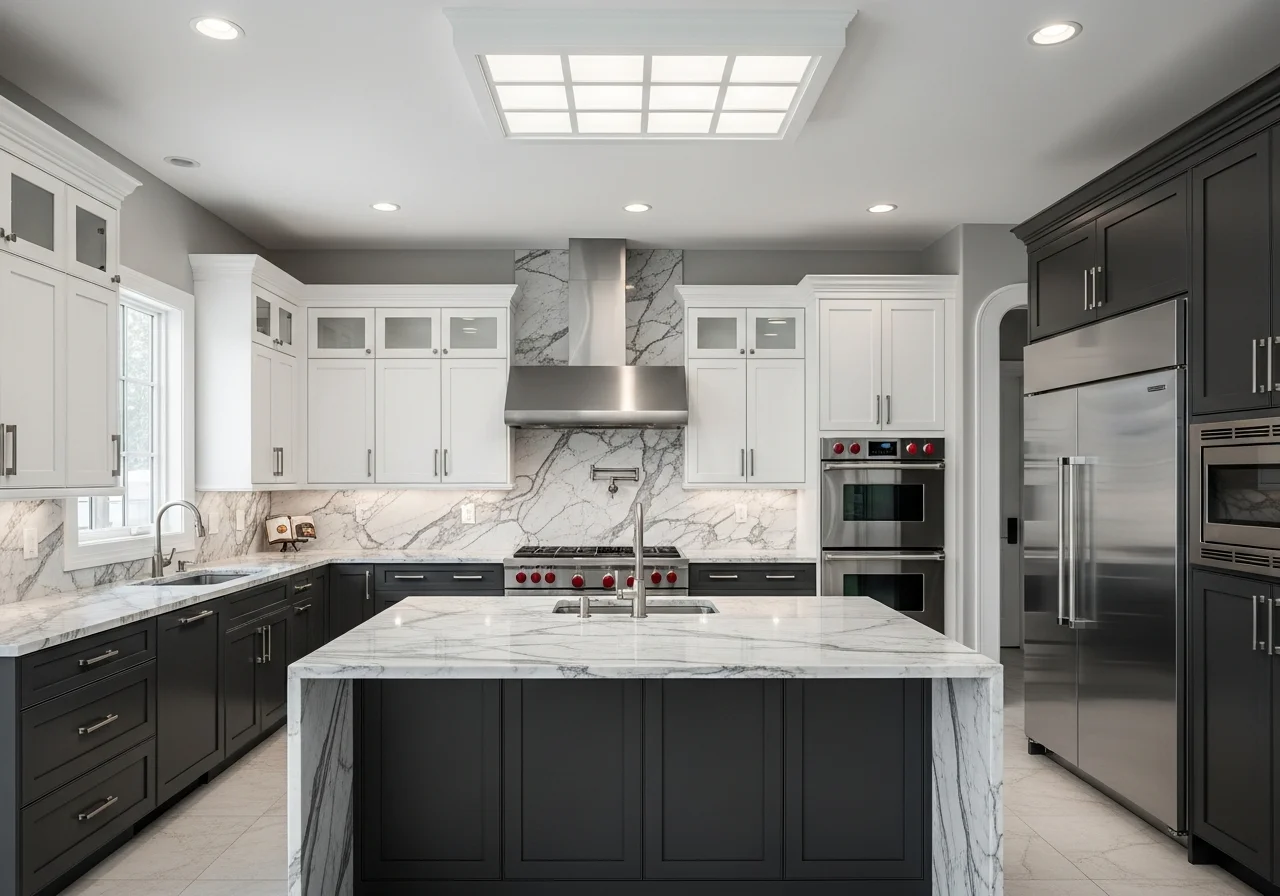
Charcoal Gray Sophistication
Charcoal gray cabinets deliver drama and depth while remaining more versatile than black. This color reads as neutral but adds significant visual weight and presence to your kitchen. Charcoal works particularly well in larger kitchens where darker colors won’t overwhelm the space, though it can also create stunning contrast in smaller areas when balanced with light counters and backsplashes.
Gray cabinets complement stainless steel appliances naturally and pair beautifully with both warm and cool accent colors. Consider charcoal for lower cabinets while keeping upper cabinets white to maintain brightness and prevent the space from feeling cave-like. Finish with sleek chrome or brushed nickel hardware for a contemporary industrial aesthetic.
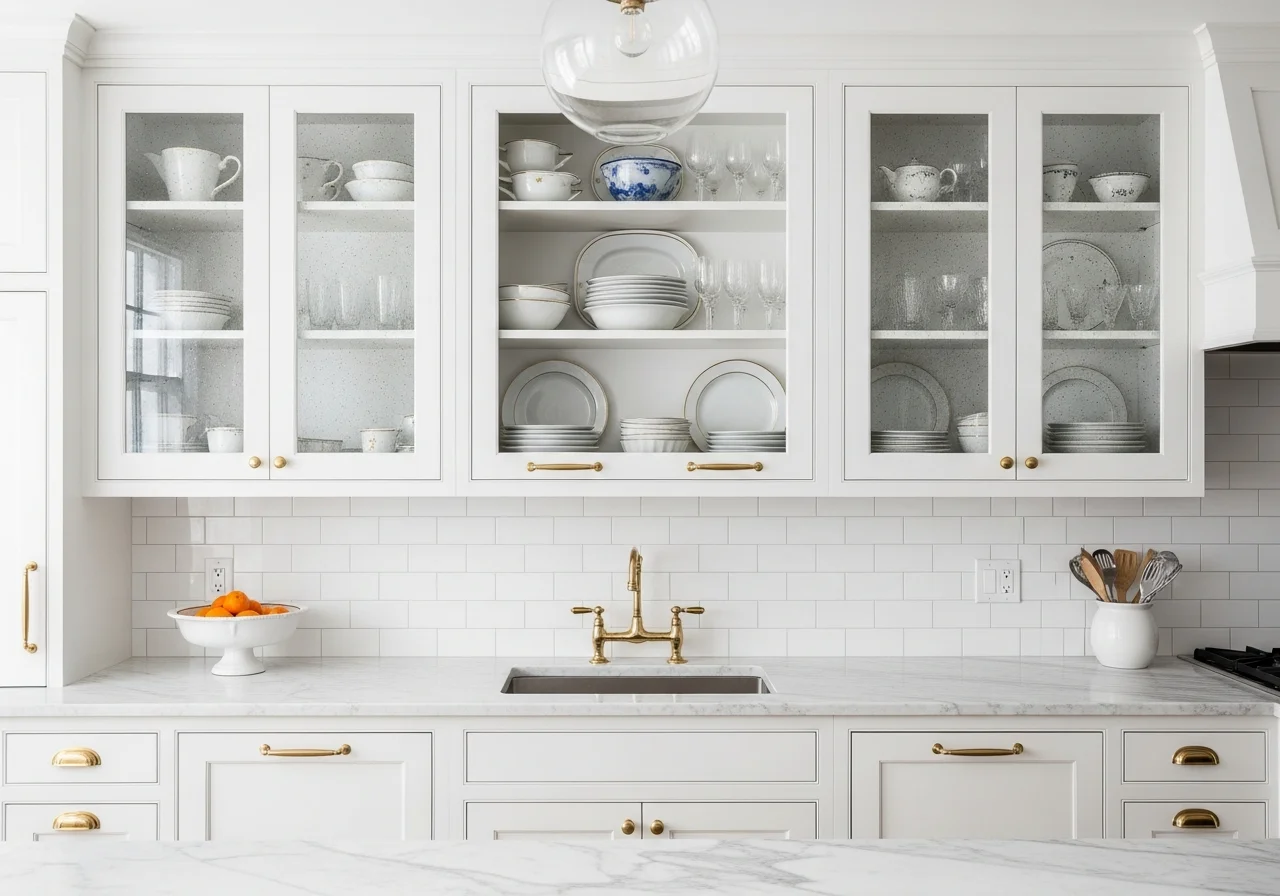
Glass Front Upper Cabinets
Replacing some solid upper cabinet doors with glass-front alternatives opens up your kitchen visually and provides opportunities to display beautiful dishes or glassware. This classic design element works in kitchens of all styles, from traditional to ultra-modern, depending on your glass and frame choices.
Seeded glass offers texture and visual interest while slightly obscuring contents. Clear glass showcases your items fully, encouraging you to keep displays neat and curated. For a more dramatic effect, consider frosted or antiqued glass. You can also combine glass-front cabinets with open shelving and solid doors to create varied visual rhythm across your kitchen walls.
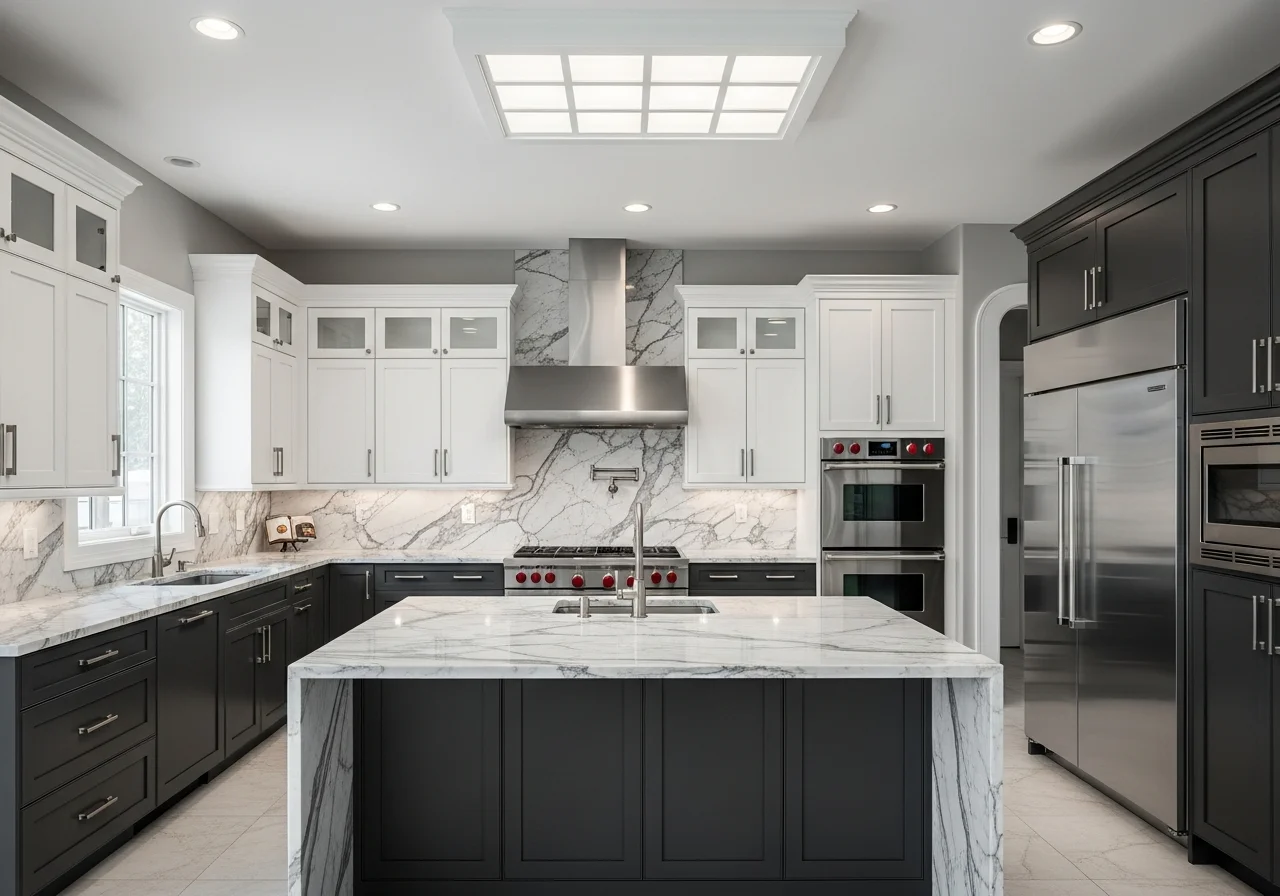
Matte Black Drama
Matte black cabinets create bold, sophisticated kitchens with undeniable presence. This finish has gained tremendous popularity in recent years as part of the broader industrial and modern farmhouse movements. Black cabinets make everything else in your kitchen pop, from white countertops to colorful accessories.
The matte finish proves more practical than high-gloss alternatives, hiding fingerprints and minor imperfections while maintaining that deep, rich color. Balance black cabinets with plenty of light through large windows, light-colored walls and ceilings, and adequate artificial lighting. Gold, brass, or copper hardware adds warmth against the black, preventing the space from feeling too stark or cold.
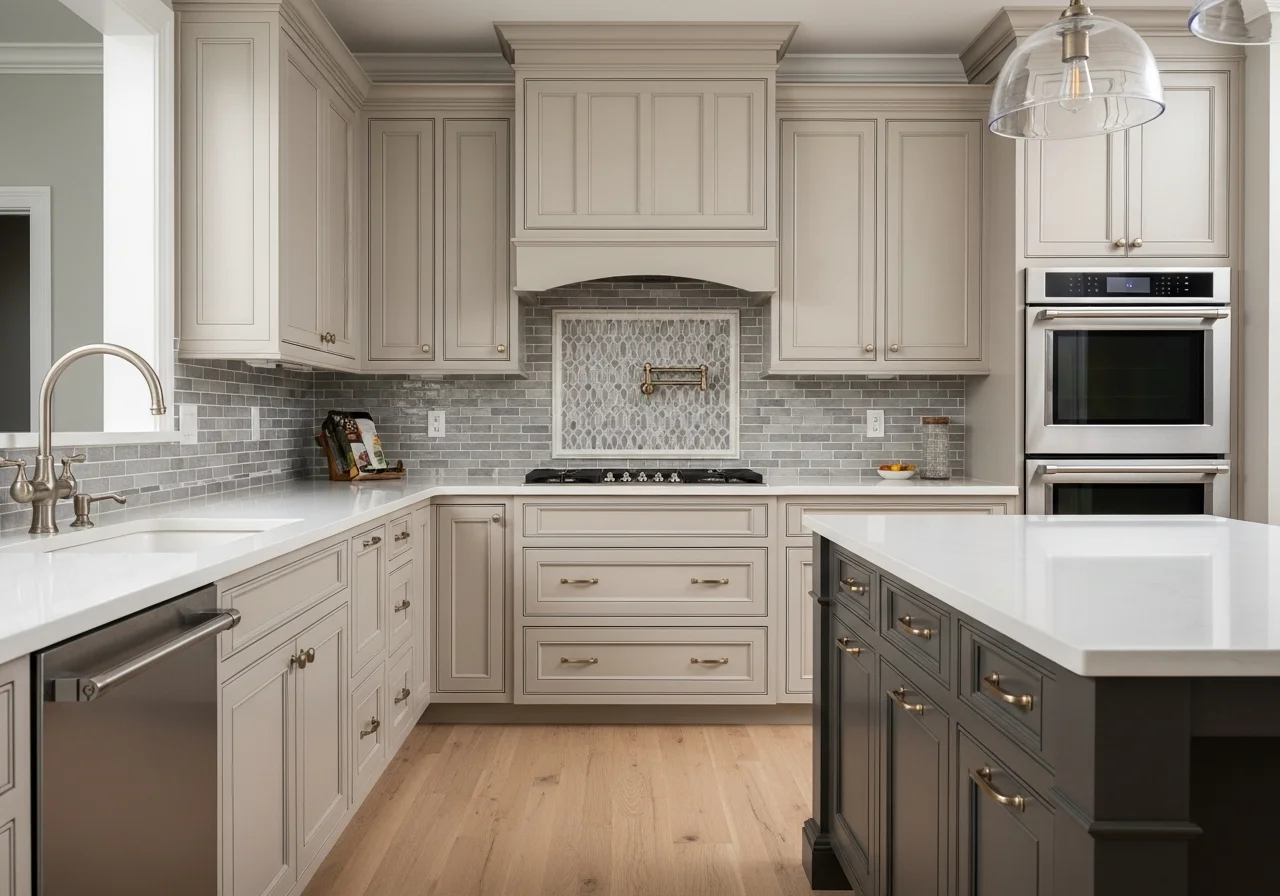
Greige Versatility
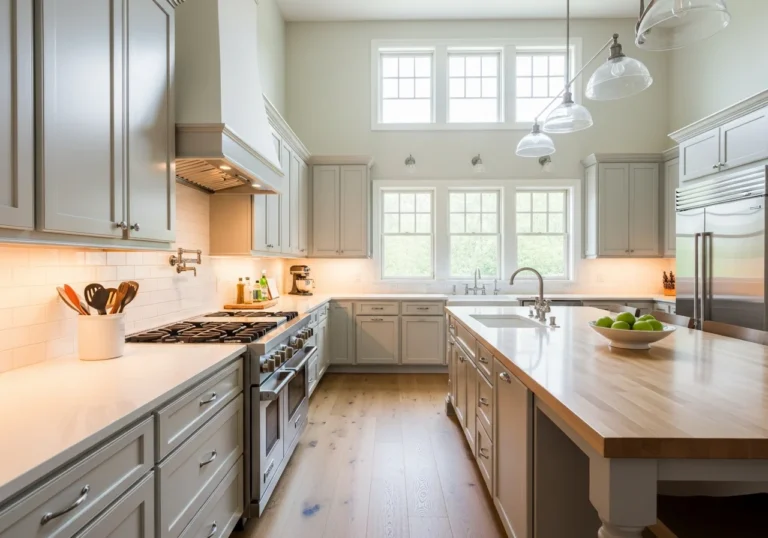
Greige, that perfect blend of gray and beige, offers unmatched versatility in kitchen design. This neutral acts as a sophisticated alternative to plain beige or gray, bringing warmth without feeling dated and coolness without feeling sterile. Greige cabinets work with virtually any countertop material, backsplash style, and hardware finish.
The beauty of greige lies in its adaptability. It can lean warmer or cooler depending on your lighting and surrounding colors, making it an incredibly forgiving choice. Greige also provides an excellent backdrop for changing trends, allowing you to update your kitchen’s look through accessories and accents without needing to reface again.
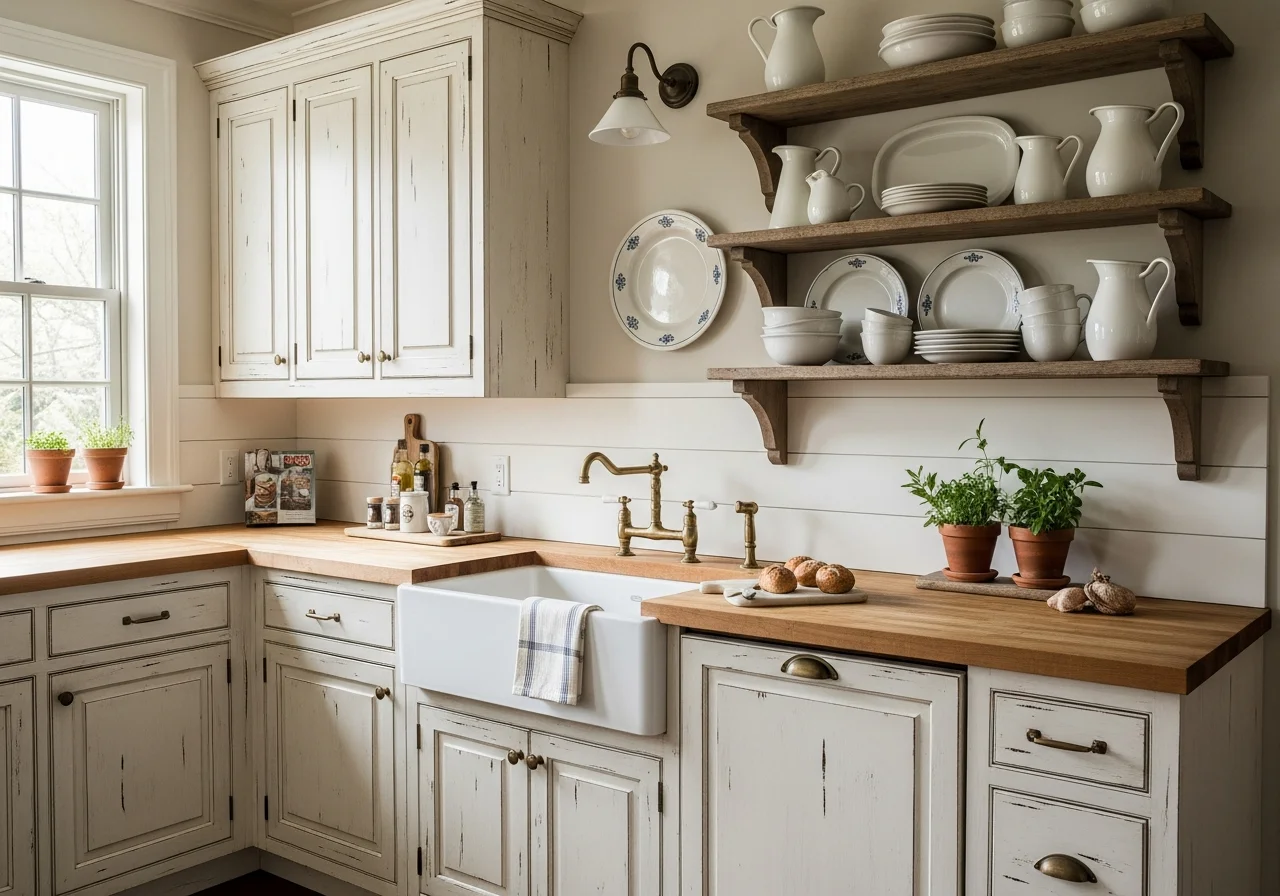
Distressed Farmhouse Finish
Distressed finishes bring rustic charm and lived-in character to your kitchen. This technique involves deliberately weathering and aging your cabinet surfaces to create an antique or reclaimed appearance. Popular colors for distressed finishes include weathered gray, antique white, and soft blues that evoke vintage farmhouse aesthetics.
The distressed look works particularly well when combined with traditional door styles like raised panel or beadboard. Pair these cabinets with vintage-inspired hardware, apron-front sinks, and natural wood or butcher block countertops. This style creates kitchens that feel warm, welcoming, and full of character from day one.
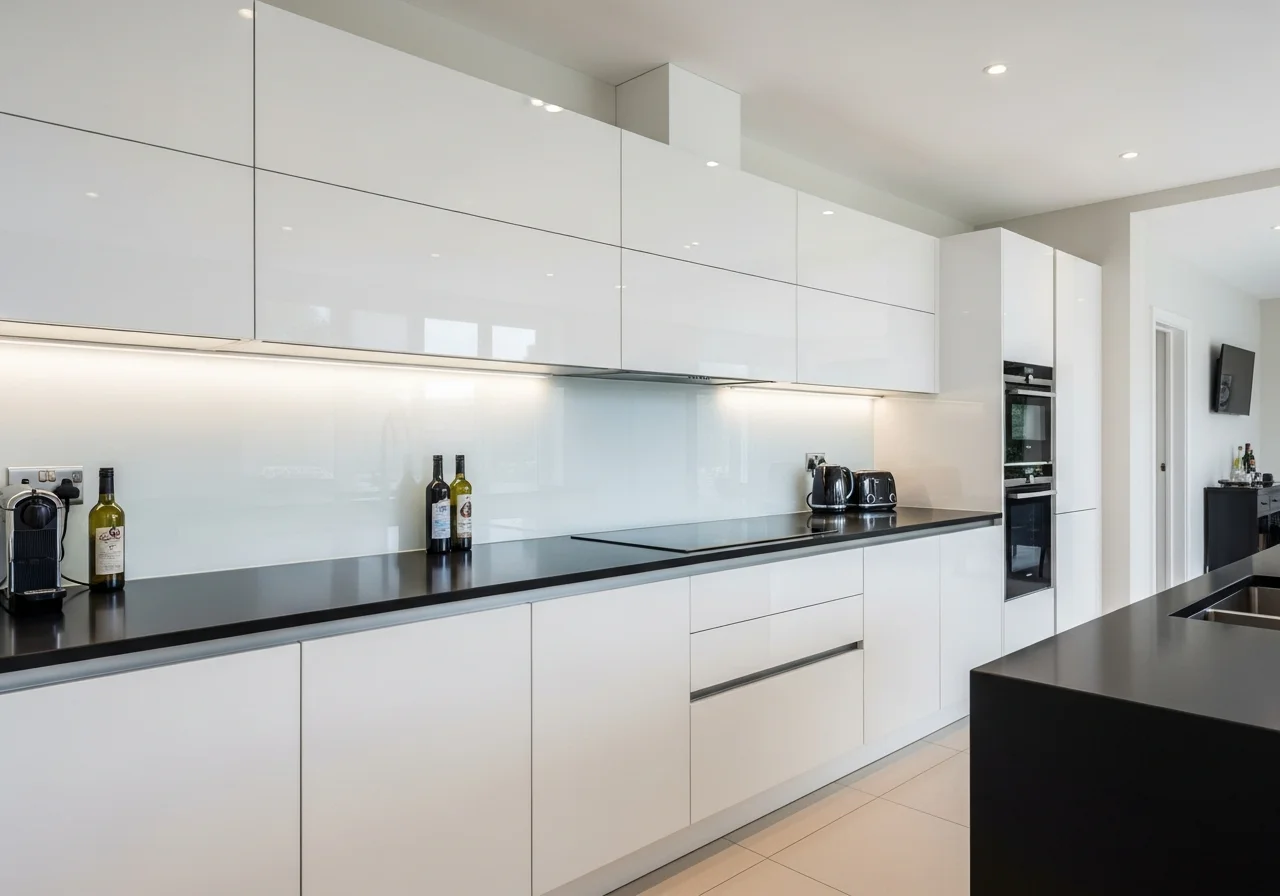
High-Gloss Contemporary Shine
High-gloss finishes reflect light beautifully, making kitchens feel brighter and more spacious. These ultra-smooth, reflective surfaces epitomize modern luxury and work especially well with flat panel door styles. White, black, and bold colors all look stunning in high-gloss finishes, though they do require more maintenance to keep fingerprints and smudges at bay.
High-gloss cabinets pair beautifully with other reflective surfaces like glass backsplashes and polished stone countertops. The mirror-like quality of these finishes makes them ideal for smaller kitchens or spaces with limited natural light. Just ensure you have excellent ventilation, as glossy surfaces tend to show cooking residue more readily than matte alternatives.

Rich Forest Green Depth
Forest green brings sophisticated, jewel-toned richness to kitchens without the formality of navy or black. This deep, saturated green works beautifully in both traditional and modern spaces, depending on your door style and accompanying finishes. The color feels grounded and organic while still making a bold design statement.
Pair forest green cabinets with warm brass or gold hardware for maximum impact. White or light gray countertops prevent the space from feeling too dark, while natural wood floors add warmth. Forest green also complements both warm and cool accent colors, giving you flexibility in your overall design scheme.
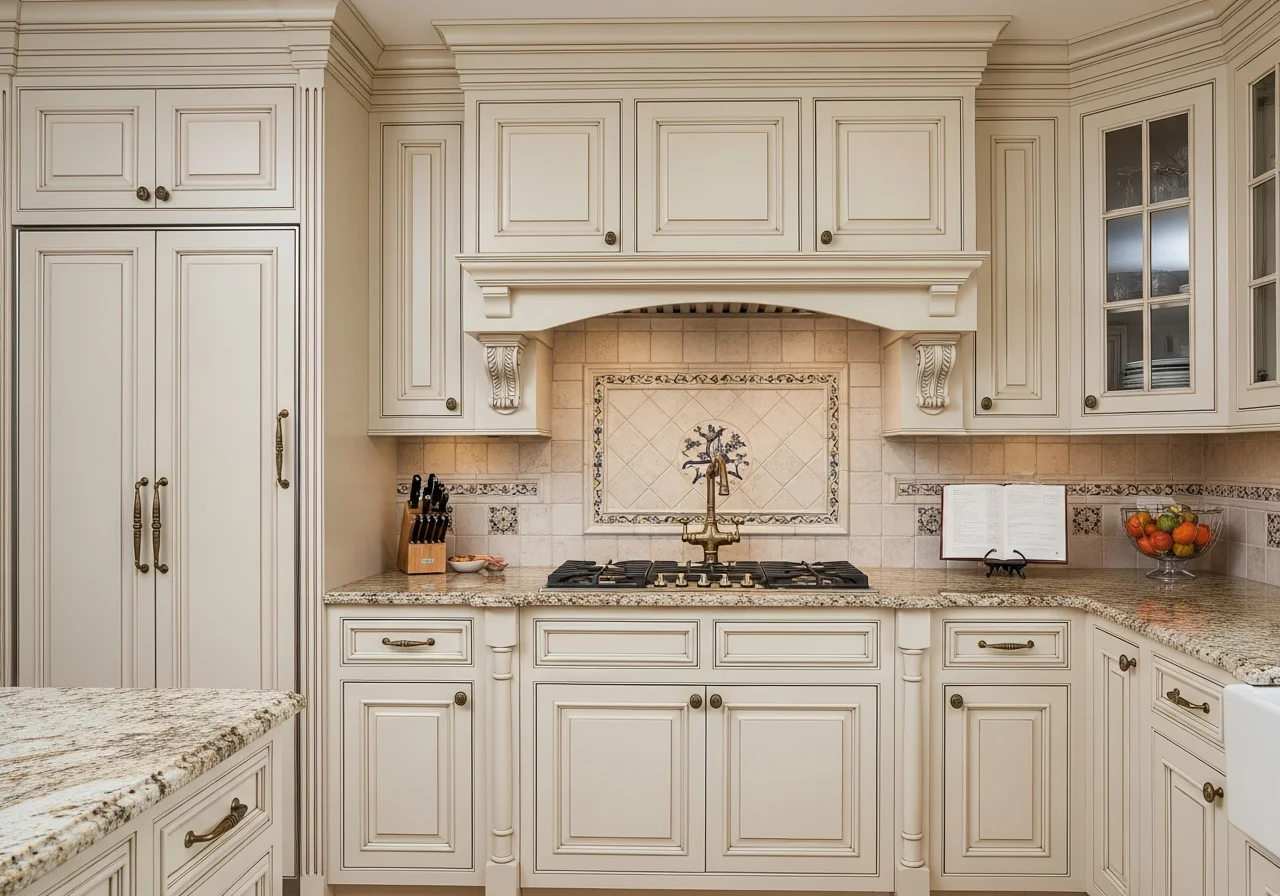
Raised Panel Traditional Beauty
Raised panel doors feature a center panel that sits higher than the surrounding frame, creating dimensional interest and traditional elegance. This classic door style works beautifully when you want to add architectural detail to your kitchen. Raised panels come in various profiles, from subtle and understated to ornately detailed.
When refacing with raised panel doors, consider the overall scale of your kitchen. More elaborate profiles suit larger spaces with higher ceilings, while simpler raised panels work well in modest kitchens. These doors accept both paint and stain beautifully, allowing you to achieve everything from formal traditional looks to relaxed cottage styles.
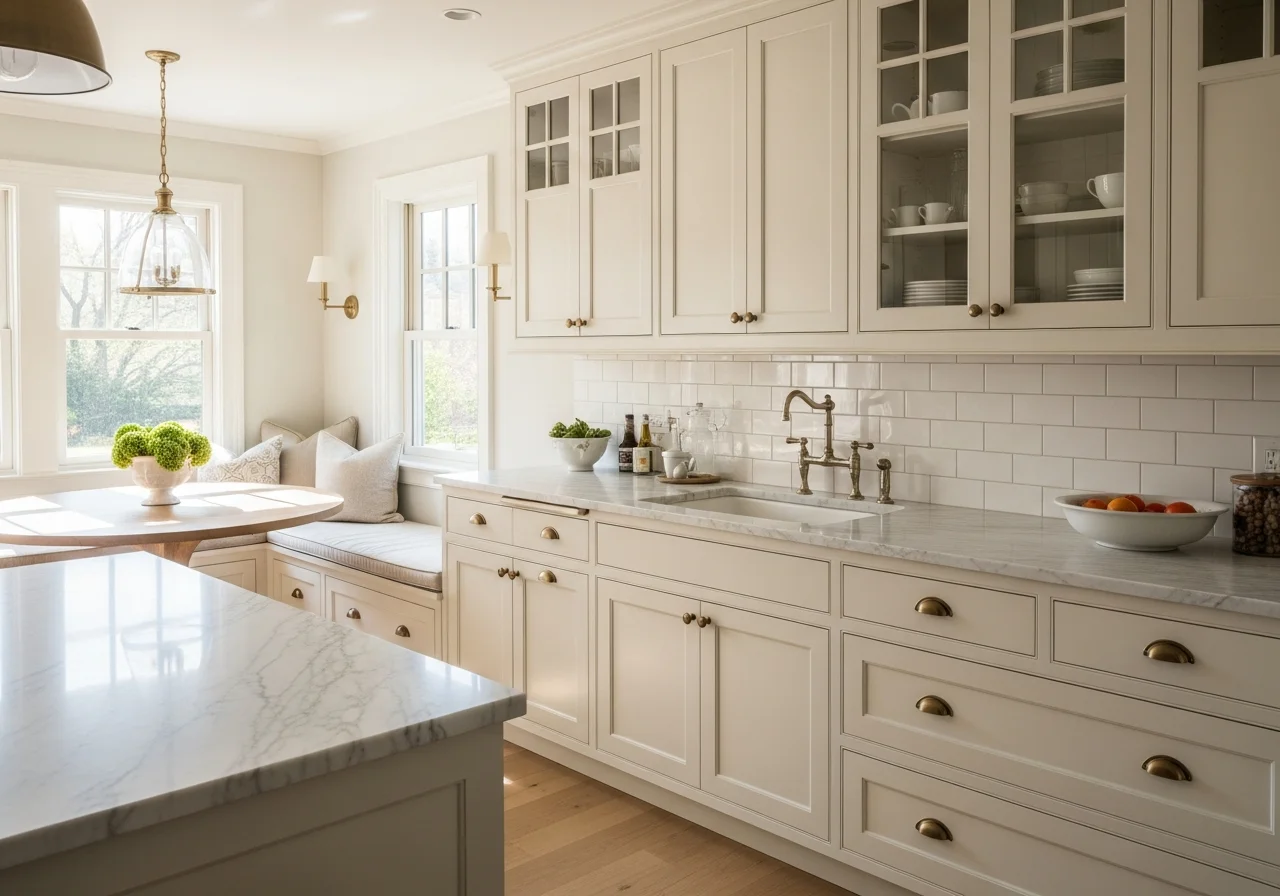
Soft Cream Warmth
Cream cabinets offer warmth that pure white cannot match while remaining light and bright enough to work in any kitchen. This color bridges traditional and contemporary styles effortlessly, creating spaces that feel inviting rather than stark. Cream works particularly well in kitchens with warm wood floors or gold-toned fixtures.
The softness of cream cabinets makes them forgiving, hiding minor imperfections better than bright white while still reflecting light effectively. Pair cream with marble or quartz countertops and subway tile or neutral backsplashes for timeless appeal. Add black or dark bronze hardware for contrast, or stick with brass for an all-warm palette.
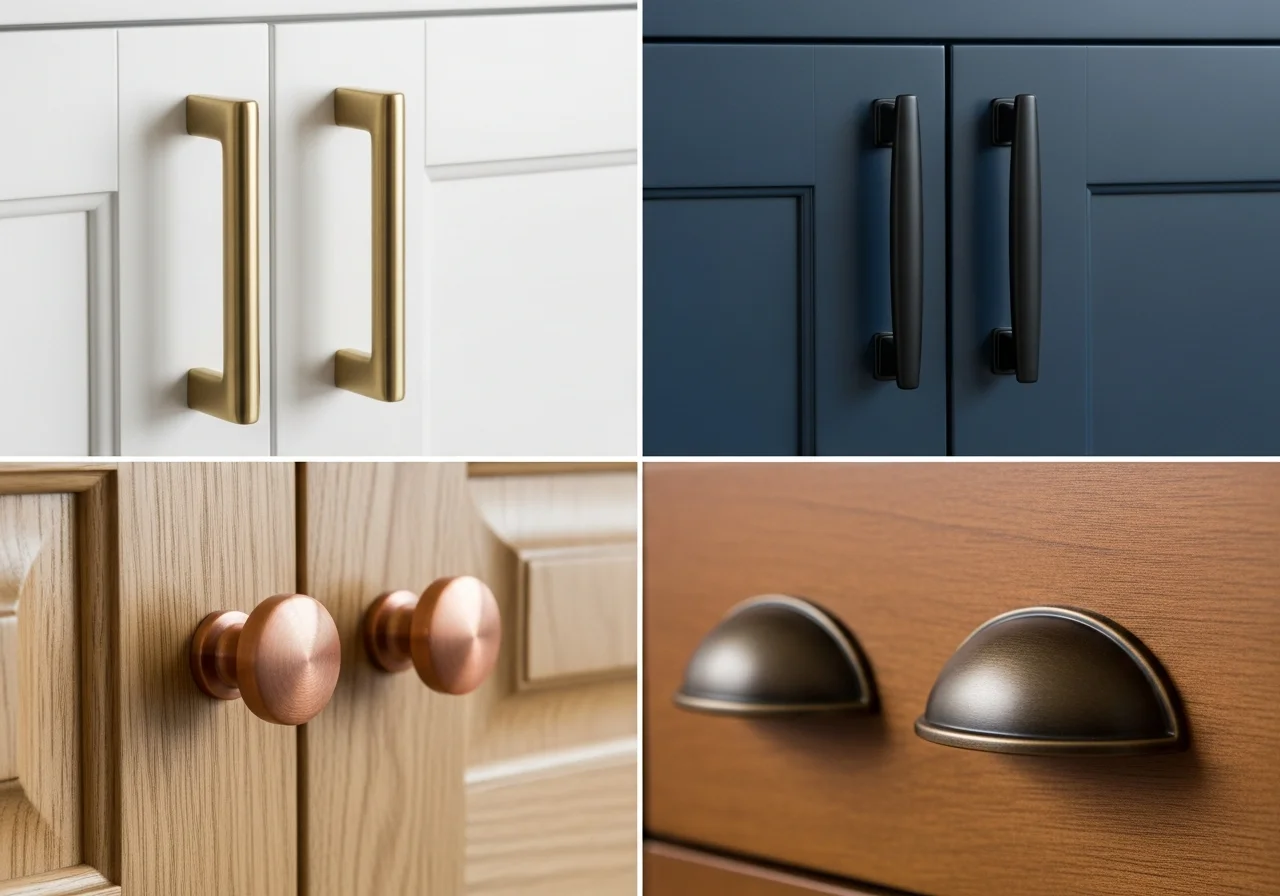
Metallic Accent Hardware
Sometimes the most dramatic transformation comes not from new doors but from upgraded hardware. Replacing outdated knobs and pulls with contemporary alternatives instantly modernizes your cabinets. Current trends favor brass, copper, and bronze finishes that add warmth, as well as matte black for sleek sophistication.
Consider mixing hardware finishes strategically, such as brass pulls on drawers with matching brass cup pulls on cabinet doors. Ensure new hardware fits existing holes when possible to avoid drilling into your newly refaced doors. Oversized pulls and handles make a statement while also improving functionality, especially on larger drawers and heavy cabinet doors.
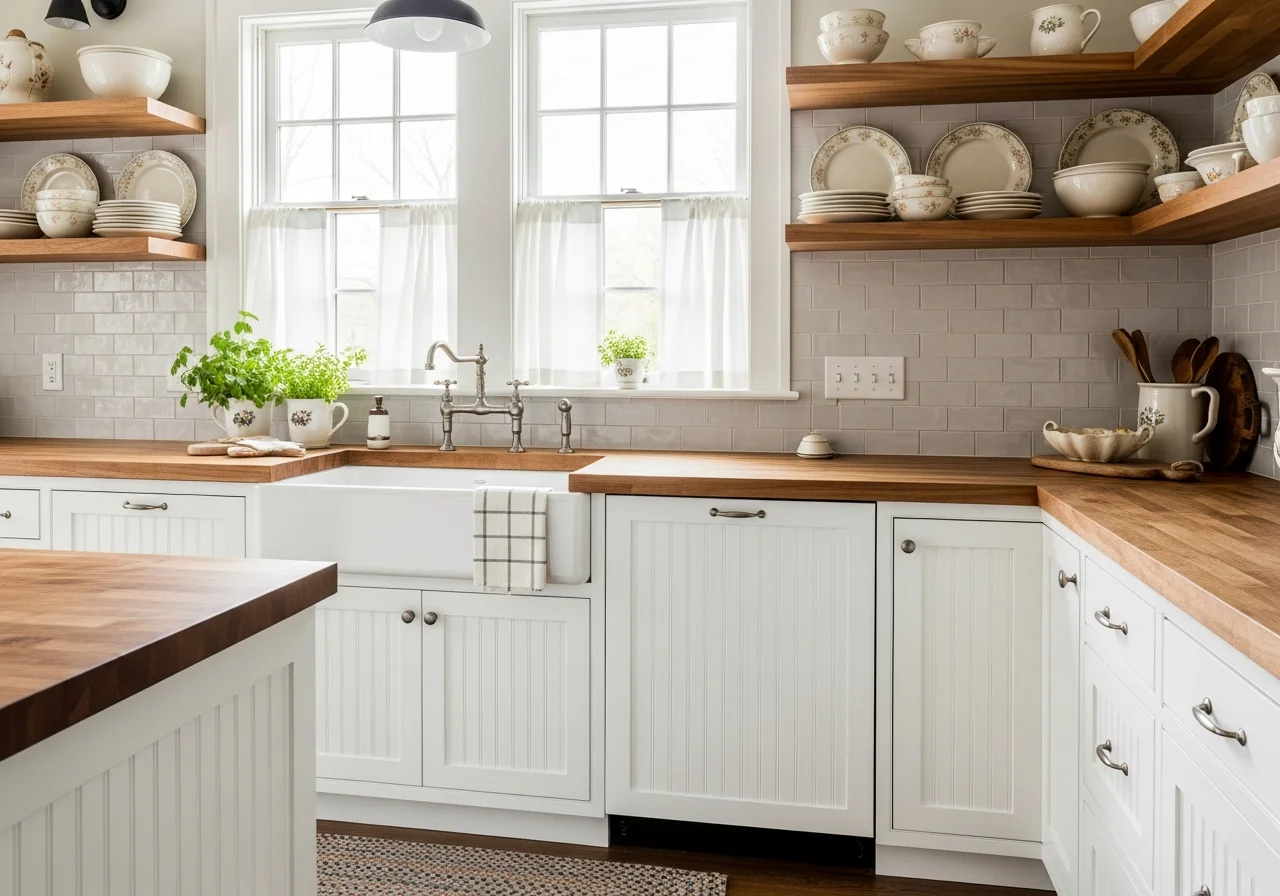
Beadboard Country Charm
Beadboard cabinet doors feature vertical grooves that create texture and visual interest while maintaining clean lines. This style evokes cottage and country aesthetics, bringing casual charm to kitchens. Beadboard works beautifully painted in white, cream, or soft pastels for traditional appeal.
The vertical lines of beadboard doors can make kitchens with lower ceilings feel taller, creating helpful visual elongation. These doors pair well with farmhouse sinks, open shelving, and vintage-inspired lighting fixtures. Consider beadboard for a kitchen that feels warm, relaxed, and welcoming rather than formal or austere.
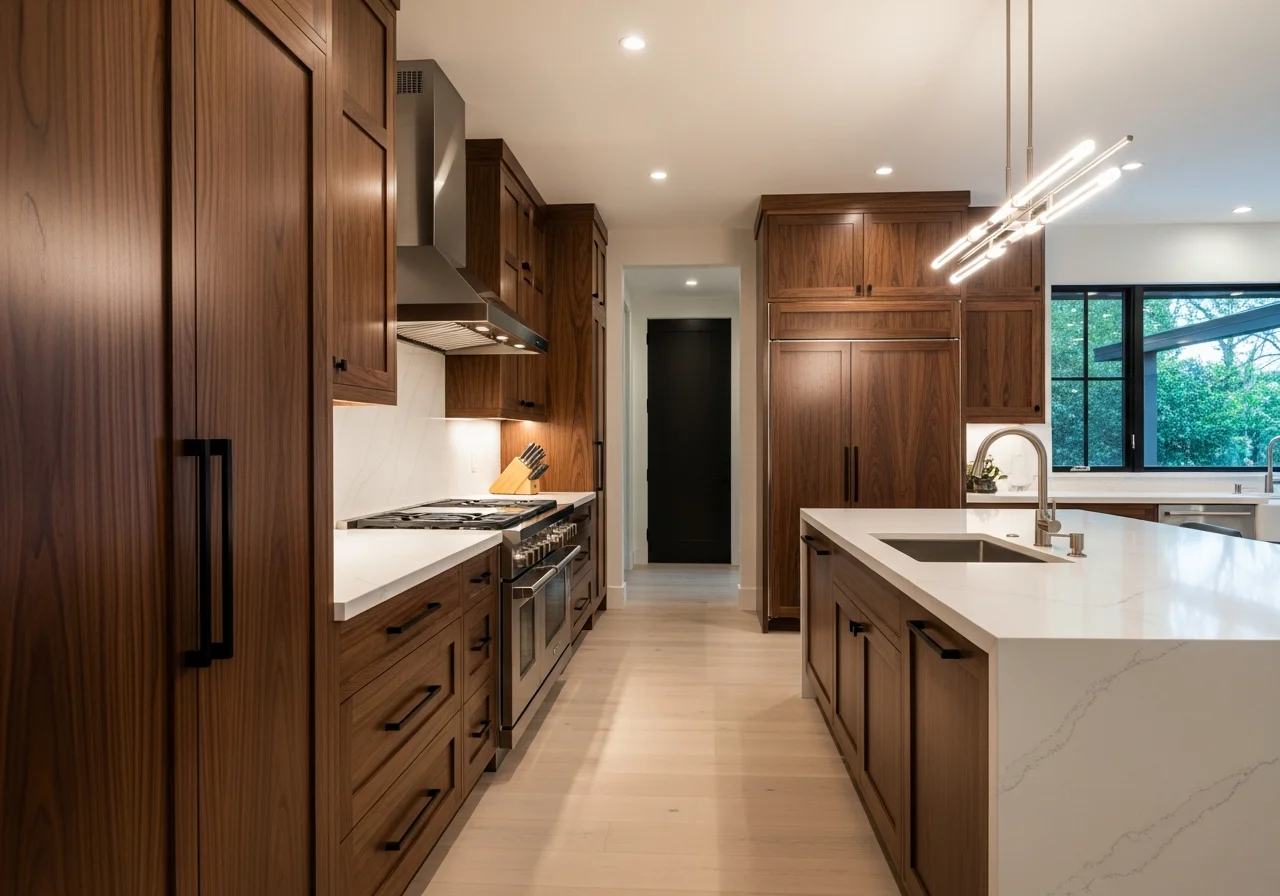
Walnut Rich Tones
Walnut brings deep, chocolate-brown richness to kitchens through its naturally dark wood tone and dramatic grain patterns. This premium wood choice creates kitchens with warmth and sophistication that lighter woods cannot match. Walnut works particularly well in modern and mid-century modern kitchens where its clean grain lines complement minimalist aesthetics.
When refacing with walnut veneer, you achieve the luxurious appearance of solid walnut at a more accessible price point. Pair walnut cabinets with white or light gray countertops to prevent darkness, and ensure abundant lighting. The natural variation in walnut grain means each cabinet has unique character, creating visual interest throughout your kitchen.

Turquoise Coastal Vibes
Turquoise cabinets bring beachy, coastal energy into your kitchen. This cheerful, energizing color works beautifully in sunny spaces where natural light can make it glow. Turquoise ranges from soft, muted aqua tones to vibrant tropical brights, allowing you to calibrate the intensity to your comfort level.
Balance turquoise cabinets with plenty of white or cream to prevent overwhelming the space. Natural materials like wood countertops, rattan light fixtures, or seagrass rugs enhance the coastal feel. This color particularly shines in vacation homes or any kitchen where you want to capture that relaxed, beach-house atmosphere.
Mixed Material Interest
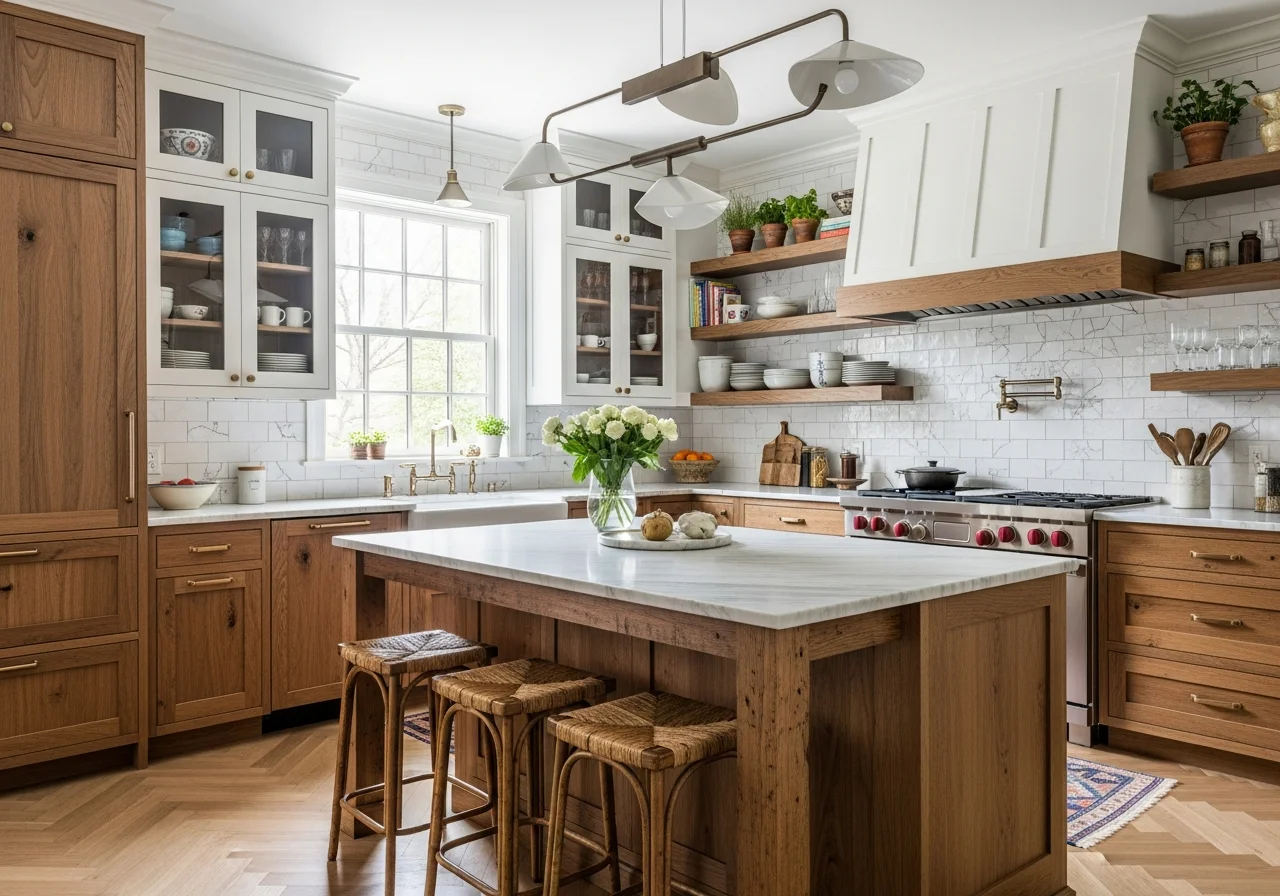
Combining different cabinet finishes creates sophisticated, layered kitchens with visual depth. Consider pairing wood-toned lower cabinets with painted uppers, or mixing glass-front cabinets with solid doors in complementary colors. You might even incorporate open shelving alongside traditional cabinet doors for varied texture.
The key to successful mixed materials lies in maintaining some unifying element, whether that’s consistent hardware, similar wood tones, or a cohesive color palette. This approach lets you highlight specific areas of your kitchen, draw attention to beautiful dishware displays, or simply add more personality than single-finish cabinets allow.
Making Your Cabinet Refacing Decision
Choosing the right refacing approach depends on your kitchen’s existing condition, your budget, your timeline, and your design preferences. Start by honestly assessing your current cabinets. Are the boxes structurally sound? Is your layout functional? If you answer yes to both questions, refacing makes excellent sense.
Consider your lifestyle and maintenance preferences when selecting finishes. High-gloss surfaces require more upkeep than matte alternatives. Bold colors make stronger statements but may date faster than neutral tones. Natural wood develops patina over time, which some homeowners love and others find problematic.
Work with experienced professionals for the actual refacing process unless you possess genuine carpentry skills. While DIY refacing is possible, achieving professional results requires precision measuring, proper veneer application techniques, and careful door installation. A poorly executed DIY project often costs more to fix than hiring professionals initially would have cost.
Think beyond just the cabinets themselves. Cabinet refacing provides the perfect opportunity to update your hardware, add under-cabinet lighting, upgrade your backsplash, or even replace countertops. These complementary improvements create cohesive transformations that feel truly complete rather than piecemeal.
Cabinet refacing represents one of the smartest investments you can make in your home. You get the dramatic visual impact of a kitchen renovation without the expense, disruption, and waste of full replacement. Whether you gravitate toward classic white simplicity, bold navy drama, warm wood tones, or something entirely unique, refacing gives you the freedom to create exactly the kitchen you’ve been envisioning. Your cabinets might be decades old, but with the right refacing approach, they’ll look and feel absolutely brand new.
Frequently Asked Questions
How long does cabinet refacing typically take?
Most cabinet refacing projects take between three to five days from start to finish. The exact timeline depends on your kitchen size and complexity, but you’ll typically have a fully functional kitchen throughout the process, unlike full renovations that can take weeks or months.
Can I reface cabinets that are damaged or poorly constructed?
Refacing only works when your existing cabinet boxes are structurally sound. If your cabinets are falling apart, have water damage, or were poorly constructed initially, replacement makes more sense. A professional can assess whether your cabinets are suitable candidates for refacing.
What’s the difference between refacing and refinishing?
Refacing involves replacing doors, drawer fronts, and hardware while covering cabinet boxes with new veneer or laminate. Refinishing means stripping and repainting or restaining your existing doors and drawer fronts. Refacing offers more dramatic transformation and better durability than refinishing.
How much can I really save with cabinet refacing?
Homeowners typically save 30 to 50 percent compared to full cabinet replacement. A refacing project might cost $4,000 to $10,000, while new cabinets often run $15,000 to $30,000 or more. You also save time and avoid the disruption of a complete kitchen demolition.
Will refaced cabinets last as long as new cabinets?
When done professionally with quality materials, refaced cabinets can last 15 to 20 years or more. The cabinet boxes, if they were solid originally, remain just as sturdy. New doors and veneer provide fresh surfaces that will serve you for many years with proper care and maintenance.