Iconic 2026 Makeup Trends Making A Comeback
The beauty landscape is experiencing a dramatic transformation as we navigate through 2026. After years of minimalist aesthetics and subtle enhancements, the makeup world has swung back toward bold, expressive looks that celebrate individuality and artistic freedom. This shift represents more than just a cyclical trend rotation. It signals a fundamental change in how we approach beauty, moving away from restrictive standards toward techniques that honor creativity and personal expression.
The iconic makeup trends making their comeback this year draw inspiration from multiple decades, particularly the 1980s, 1990s, and early 2000s. However, these are not simple carbon copies of past styles. Modern formulations, advanced application techniques, and contemporary sensibilities have refined these nostalgic looks into something fresh and wearable. The result is a beauty landscape that feels simultaneously familiar and revolutionary, offering something for everyone regardless of their comfort level with dramatic makeup.
The End of Clean Girl Minimalism
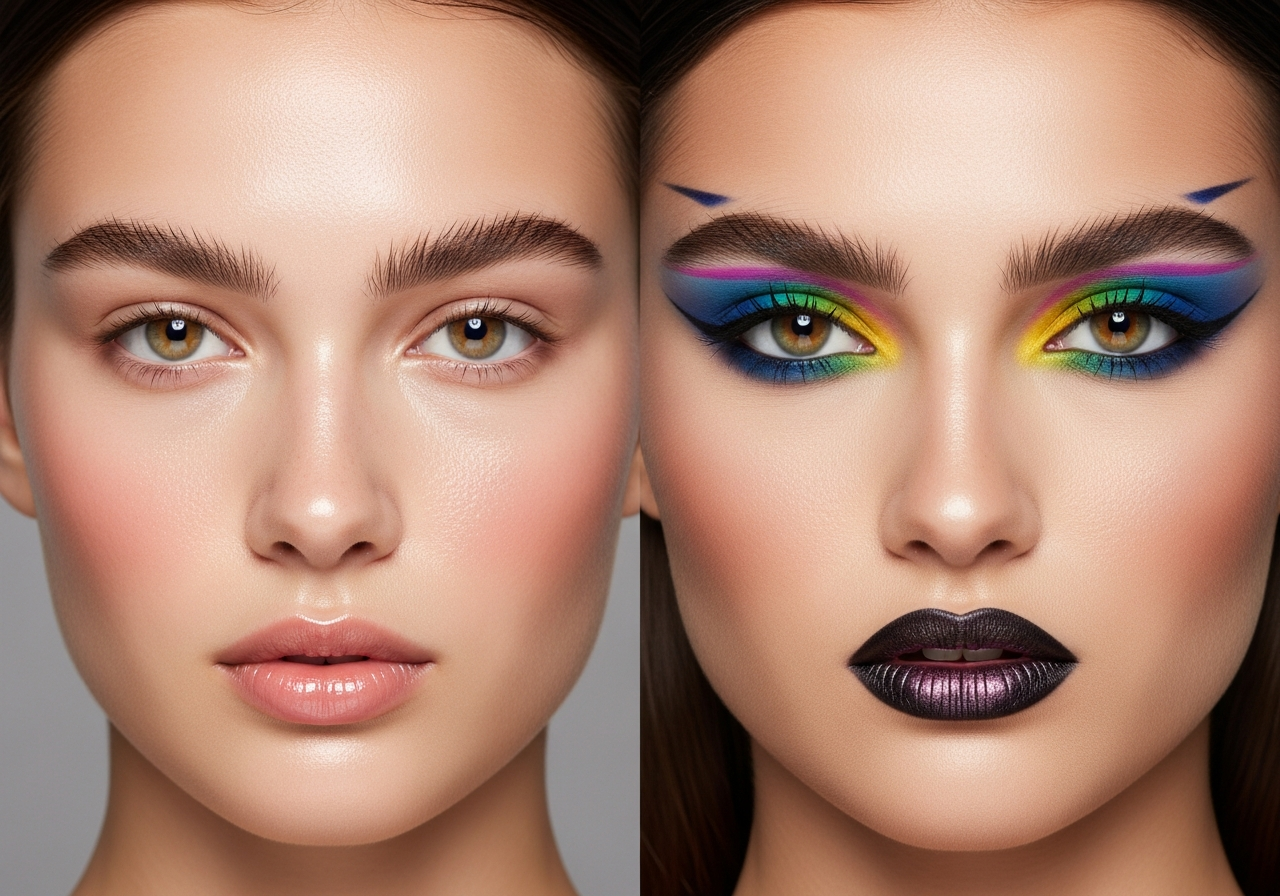
The departure from the clean girl aesthetic marks one of the most significant shifts in recent beauty history. For several years, this approach dominated social media and influenced countless makeup routines worldwide. The look emphasized barely there makeup, glass skin finishes, and an overall impression of effortless natural beauty. While undeniably appealing, this trend began to feel restrictive, pushing a narrow definition of what constituted attractive or acceptable makeup.
Professional makeup artists have observed a growing exhaustion with this aesthetic. The clean girl look, despite its promotion of naturalness, required significant effort and specific products to achieve. More importantly, it offered little room for creativity or deviation from its prescribed formula. The movement away from this aesthetic in 2026 represents not just a stylistic shift but a philosophical one, embracing the idea that makeup should enhance rather than erase individuality.
The transition has been gradual but decisive. Throughout 2025, subtle cracks appeared in the minimalist facade as celebrities and influencers began experimenting with bolder choices. By early 2026, runways from New York to Paris showcased dramatic eyes, vibrant lips, and experimental color placements that would have seemed out of place just a year earlier. This evolution reflects a broader cultural moment where uniformity is giving way to diversity in beauty standards.
Feathered and Blurred Makeup Techniques
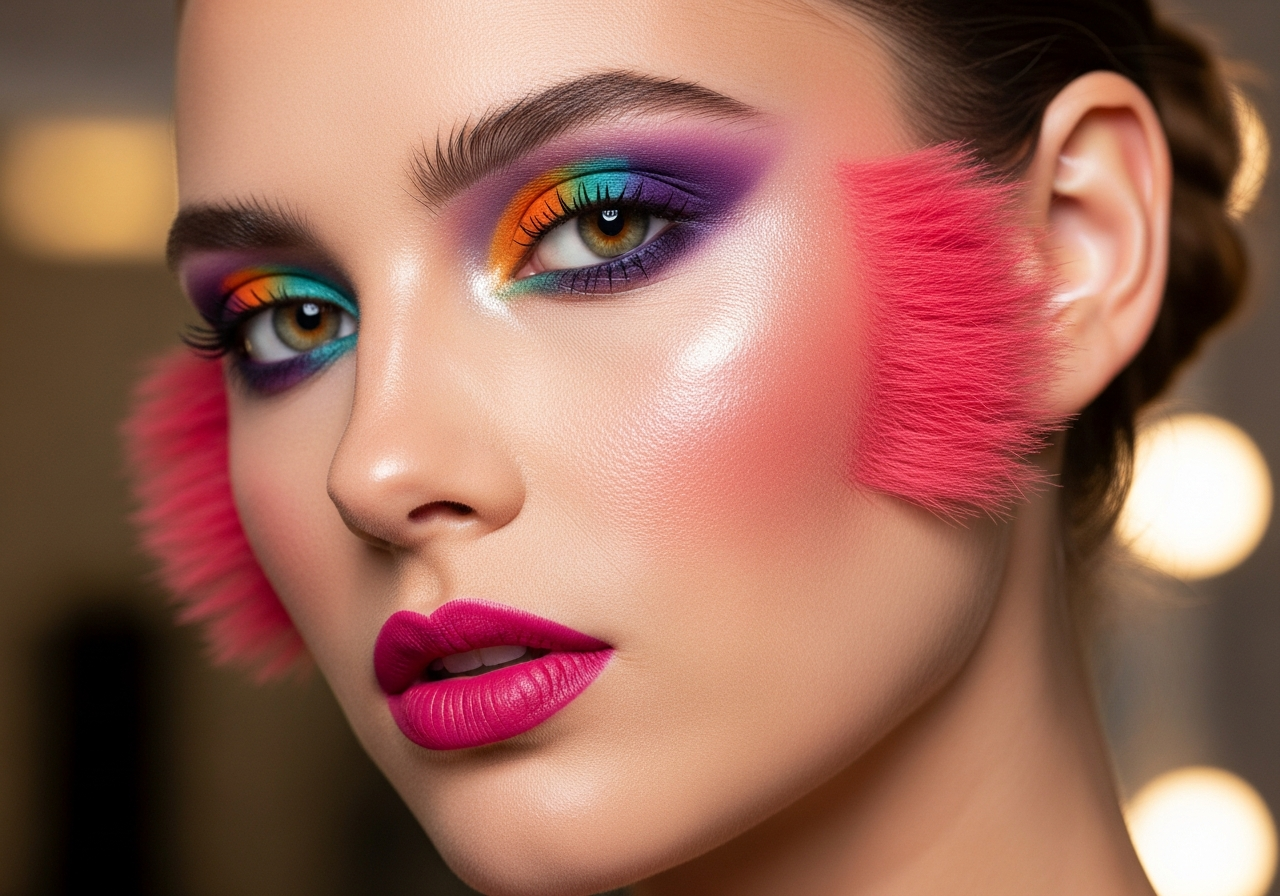
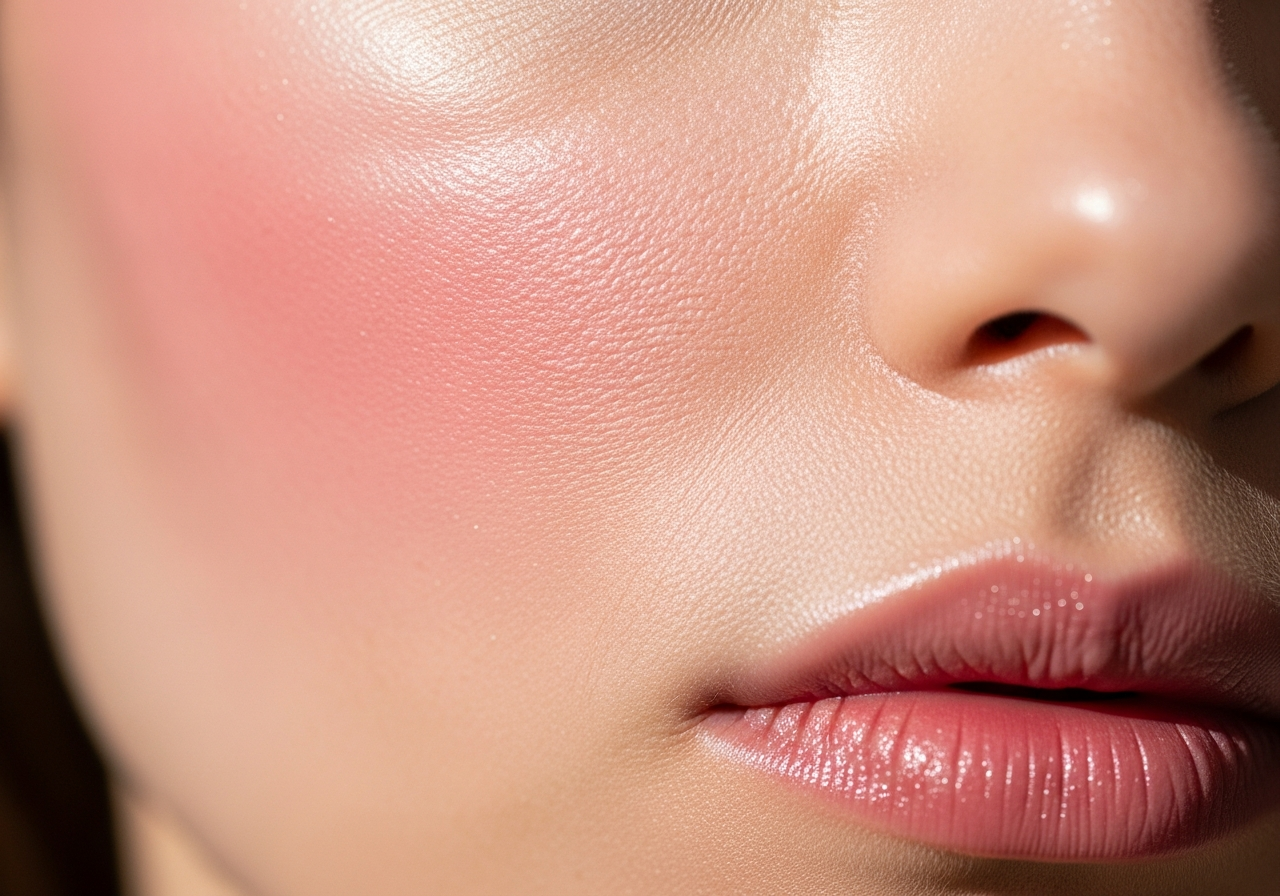
One of the most universally flattering trends emerging in 2026 centers on feathered, blurred makeup techniques. This approach represents a middle ground between the stark precision of heavily contoured looks and the barely there quality of minimalist makeup. The technique focuses on creating soft, diffused edges that blend seamlessly into the skin, resulting in a look that appears both intentional and effortless.
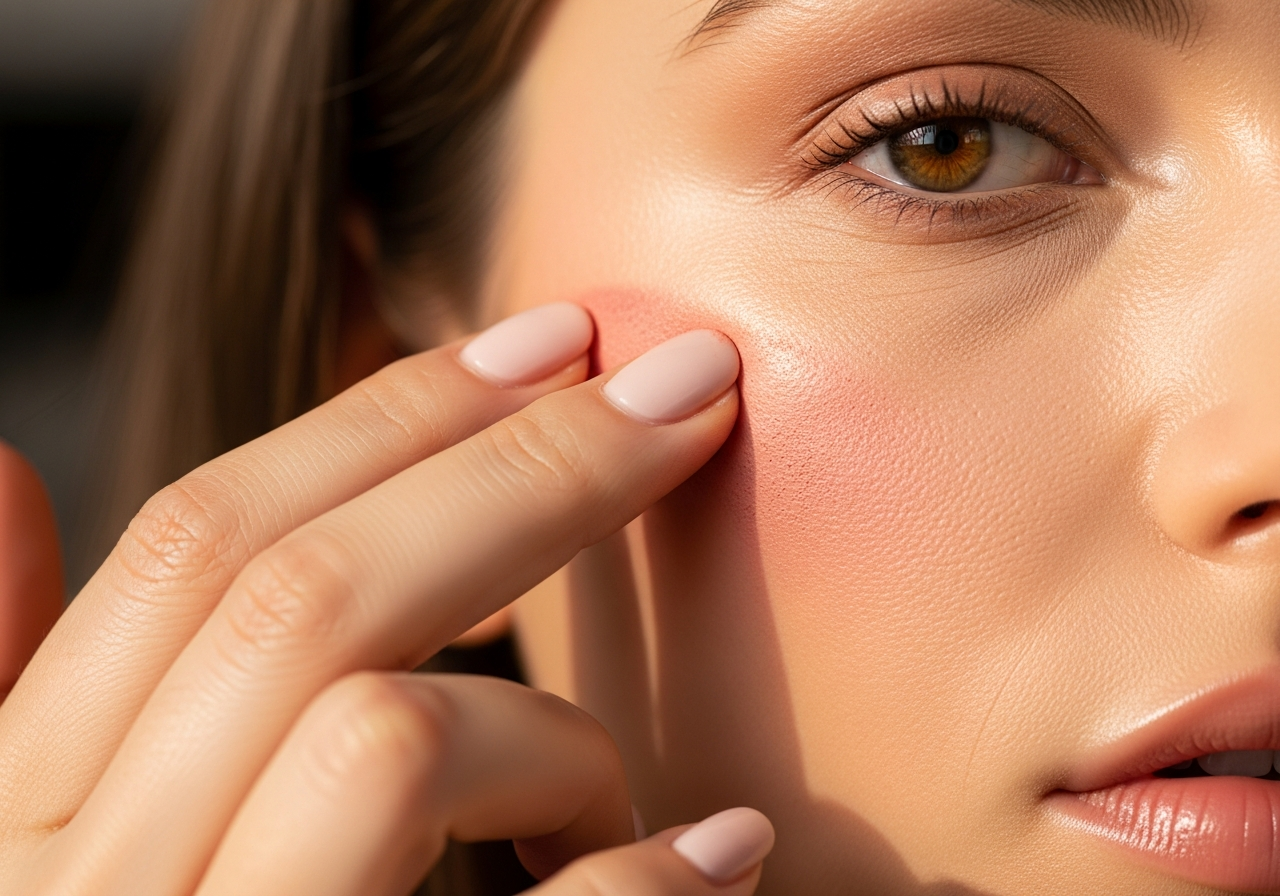
The feathered technique works particularly well with blush and lip products. Rather than applying color in defined areas with sharp boundaries, makeup artists recommend using fingers or soft brushes to blend pigments in a way that creates gradual transitions. The effect mimics the natural flush of skin after outdoor activity or the bitten quality of lips after a kiss. This technique has gained traction because it flatters all face shapes and skill levels while looking sophisticated rather than sloppy.
Celebrity makeup artists credit this trend to a desire for makeup that looks touched rather than applied. The imperfection inherent in feathered edges makes the look more relatable and achievable for everyday wear. Products supporting this trend include cream formulas that melt into skin and lip products that can double as cheek tints. The versatility of feathered makeup allows wearers to adjust intensity based on occasion, making it genuinely practical despite its editorial origins.
The blurred aesthetic extends beyond application technique to encompass finish as well. The sharp distinction between matte and dewy skin has dissolved into something more nuanced. The preferred finish in 2026 combines elements of both, creating skin that looks healthy and dimensional without excessive shine or flatness. This hybrid approach acknowledges that skin has natural variation and works with that texture rather than against it.
Bold Lips Reclaim Center Stage
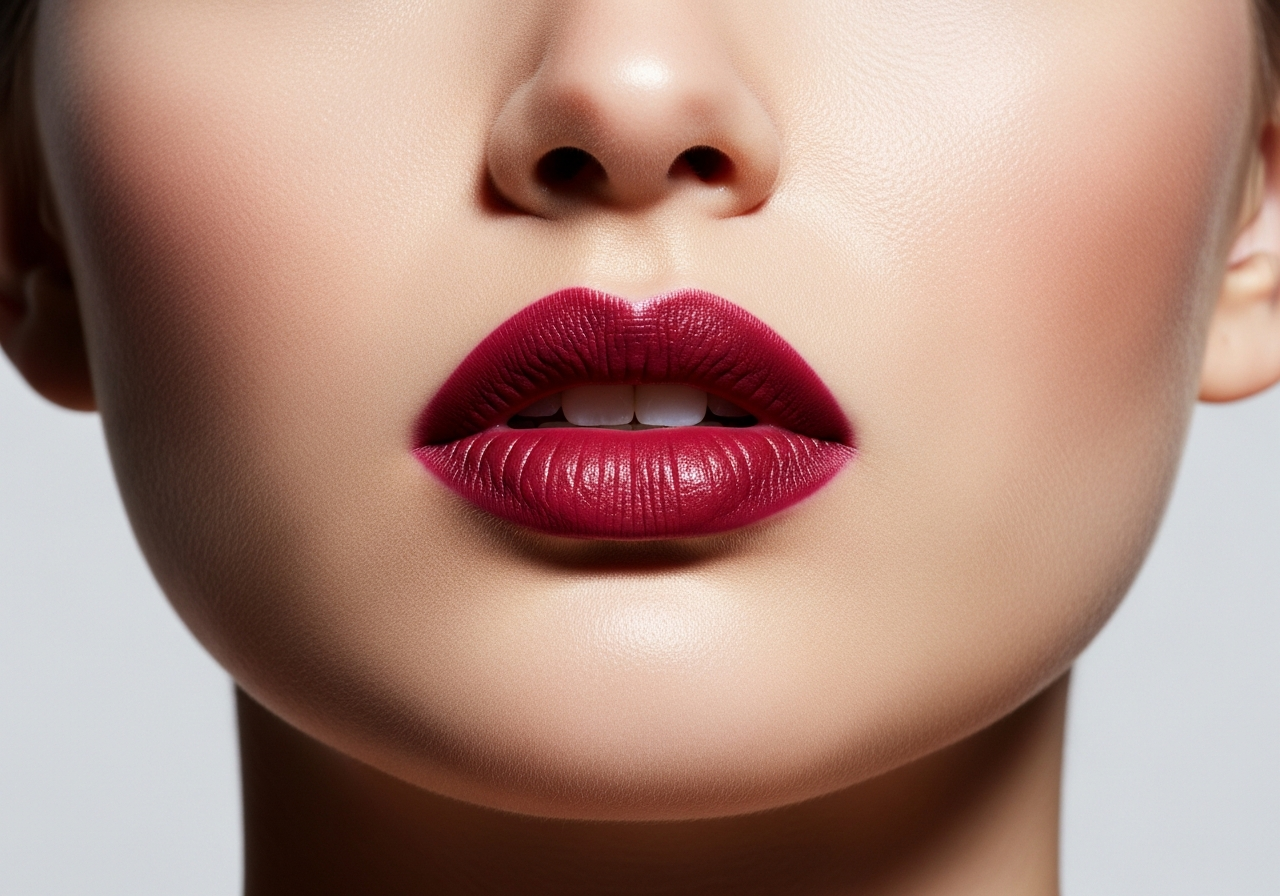
After years of nude and neutral lip dominance, bold lip colors have returned with undeniable force. The comeback encompasses the entire spectrum of intense hues, from classic reds and deep plums to electric neons and frosted metallics. What distinguishes 2026 lip trends from their historical precedents is the emphasis on wearability and comfort alongside visual impact.
The application techniques for bold lips have evolved significantly. Rather than the precisely lined and filled mouths popular in previous decades, current approaches favor slightly blurred edges and varied textures. Lip stains layered under balms create longlasting color with a bitten quality. Glossy formulas add dimension and movement to saturated shades. Metallic and frosted finishes, reminiscent of late 1990s and early 2000s aesthetics, have been reimagined with smoother textures that feel comfortable for extended wear.
Color choices reflect both nostalgia and innovation. Rich berry tones channel 1990s sophistication, while bright pinks and corals nod to 1980s exuberance. Unexpected shades like lavender, bronze, and even black make appearances in fashion-forward contexts. The key to making bold lips feel modern rather than costume-like lies in pairing them with relatively simple eye and skin makeup, allowing the mouth to serve as the focal point without overwhelming the face.
The psychological impact of wearing a bold lip should not be underestimated. Many wearers report feeling more confident and self-assured when sporting an attention-grabbing lip color. This emotional component contributes to the trend’s staying power, as people discover that bold makeup can genuinely affect how they move through the world. The return of statement lips coincides with a broader cultural moment emphasizing visibility and self-advocacy.
The Dramatic Eye Renaissance
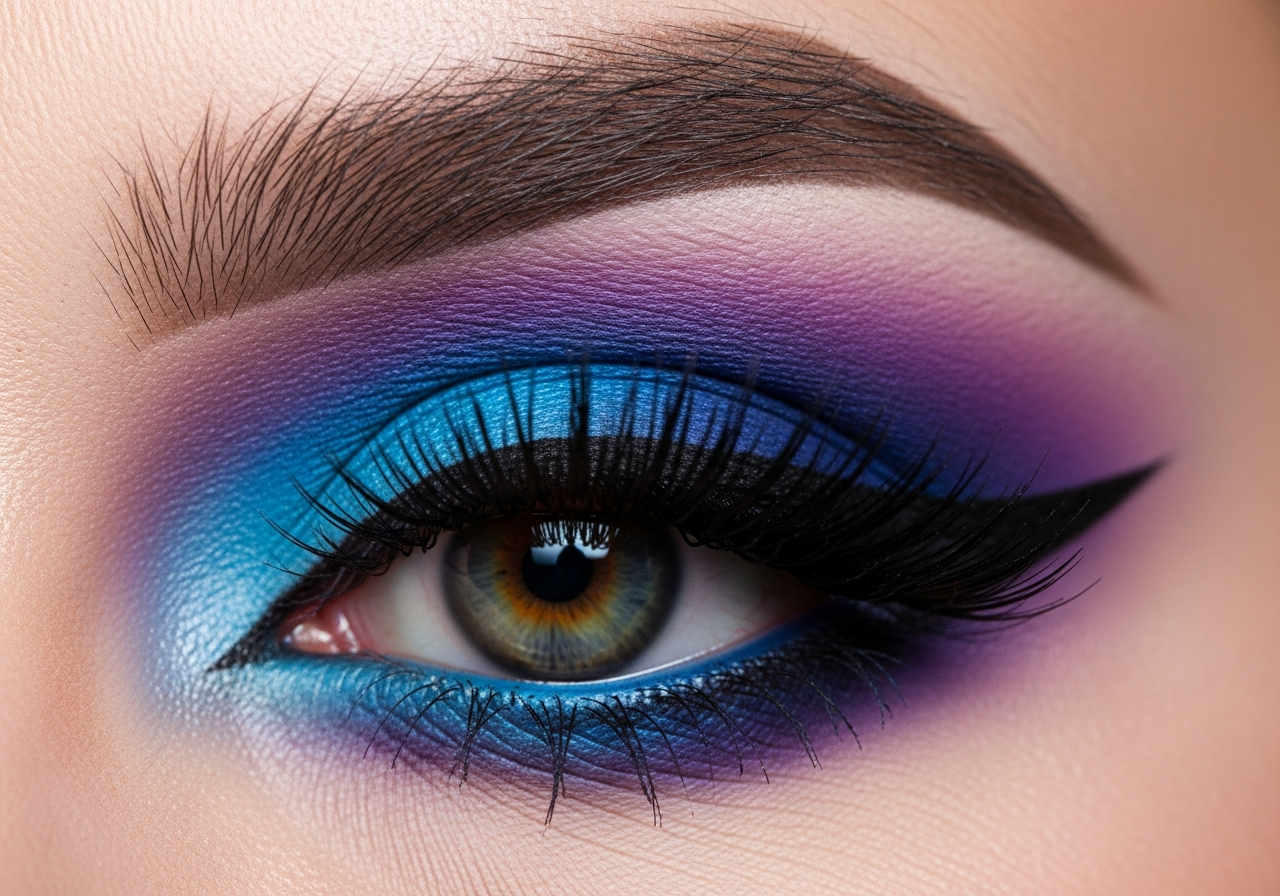
Eyes have reclaimed their position as the primary canvas for makeup creativity in 2026. This renaissance encompasses multiple sub-trends, from smoky grunge looks to vibrant watercolor washes and graphic liner experiments. The unifying factor is a willingness to treat eye makeup as genuine art rather than mere enhancement.
Colorful eyeshadow represents one of the most joyful aspects of this trend. Shades that spent years relegated to the back of makeup drawers have found new life in contemporary applications. Electric blues, vivid purples, sunshine yellows, and emerald greens appear on lids in ways that feel sophisticated rather than juvenile. The key lies in application technique, with many looks favoring softer blending and strategic placement over heavy, all-over color.
Smoky eyes have evolved from their classic form into something more editorial and experimental. Rather than traditional black gradient techniques, modern smoky eyes incorporate color, asymmetry, and intentional imperfection. Some iterations feature smudged liner rimming the entire eye without mascara for a soft, vulnerable quality. Others combine multiple shadow tones in unexpected ways or extend color beyond conventional boundaries.
Eyeliner has emerged as a particularly versatile trend element. Classic winged liner has been reinterpreted with thicker, more architectural shapes or softened into barely there wisps. Floating liner disconnected from the lash line creates an avant-garde effect that remains surprisingly wearable. Inner corner emphasis adds dimension without requiring elaborate eye looks. The diversity of liner approaches means this trend adapts easily to different aesthetics and skill levels.
Lashes contribute significantly to the dramatic eye trend. False lashes and extensions have moved beyond natural-looking enhancements toward statement-making lengths and unconventional placements. Colored lashes, bottom lash emphasis, and deliberate clustering create doll-like effects seen on runways and social media alike. Even those uncomfortable with falsies can participate through strategic mascara application that prioritizes length and separation over uniformity.
Frosted and Metallic Finishes
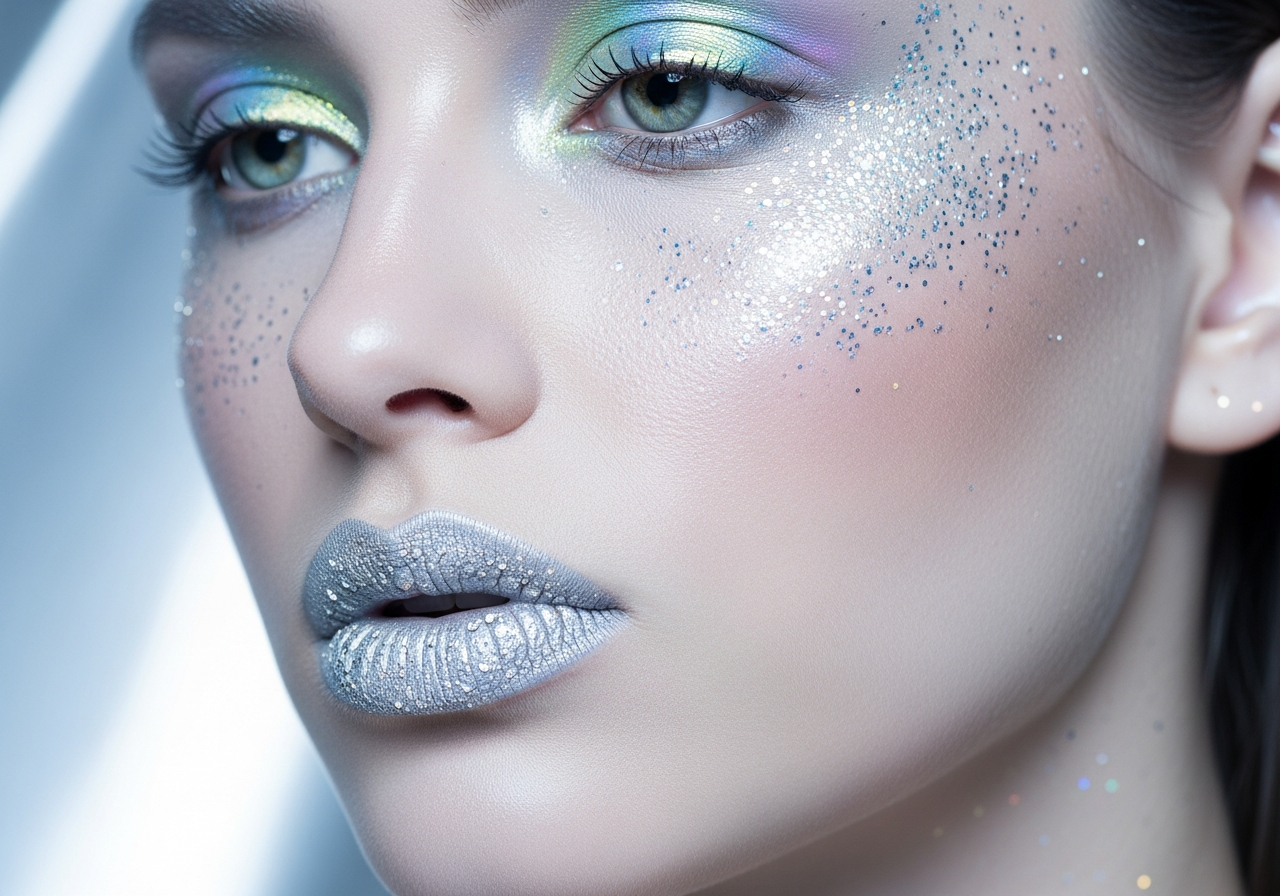
The return of frosted and metallic makeup represents one of the most nostalgia-driven trends of 2026. These shimmering, reflective finishes dominated beauty in the late 1990s and early 2000s before falling out of favor during the matte makeup era. Their comeback has been enthusiastically received by those who remember the original trend and those discovering it fresh.
Frosted lips exemplify this aesthetic. Products featuring pearl and opalescent finishes create an icy, futuristic effect distinctly different from standard shimmer or gloss. The look works particularly well with cool-toned shades like lavender, silver-pink, and champagne. Modern formulations have improved significantly from their predecessors, offering better texture and wear time without the emphasizing of lip lines that plagued earlier versions.
Metallic eyeshadows have similarly evolved. Rather than the chunky glitter of decades past, current iterations feature finely milled particles that create smooth, reflective surfaces. Gold, silver, and bronze remain popular, but unexpected shades like copper, gunmetal, and rose gold add variety. Application techniques emphasize light-catching dimension, often concentrating metallic shades in the center of lids or inner corners while blending matte transitional shades around edges.
The frosted aesthetic extends to complexion products as well. Highlighters with cool-toned, silvery casts create an almost holographic glow on cheekbones and other high points of the face. This differs markedly from the warm, golden glow that dominated earlier in the decade. The effect evokes both retro futurism and modern technology, particularly when paired with otherwise minimal makeup.
Critics initially questioned whether frosted finishes would translate beyond editorial contexts into everyday wear. However, the trend has proven remarkably adaptable. Subtle applications of metallic or frosted products add interest without reading as costume-like. The key lies in treating these finishes as accent elements rather than all-over looks, allowing wearers to participate in the trend at their comfort level.
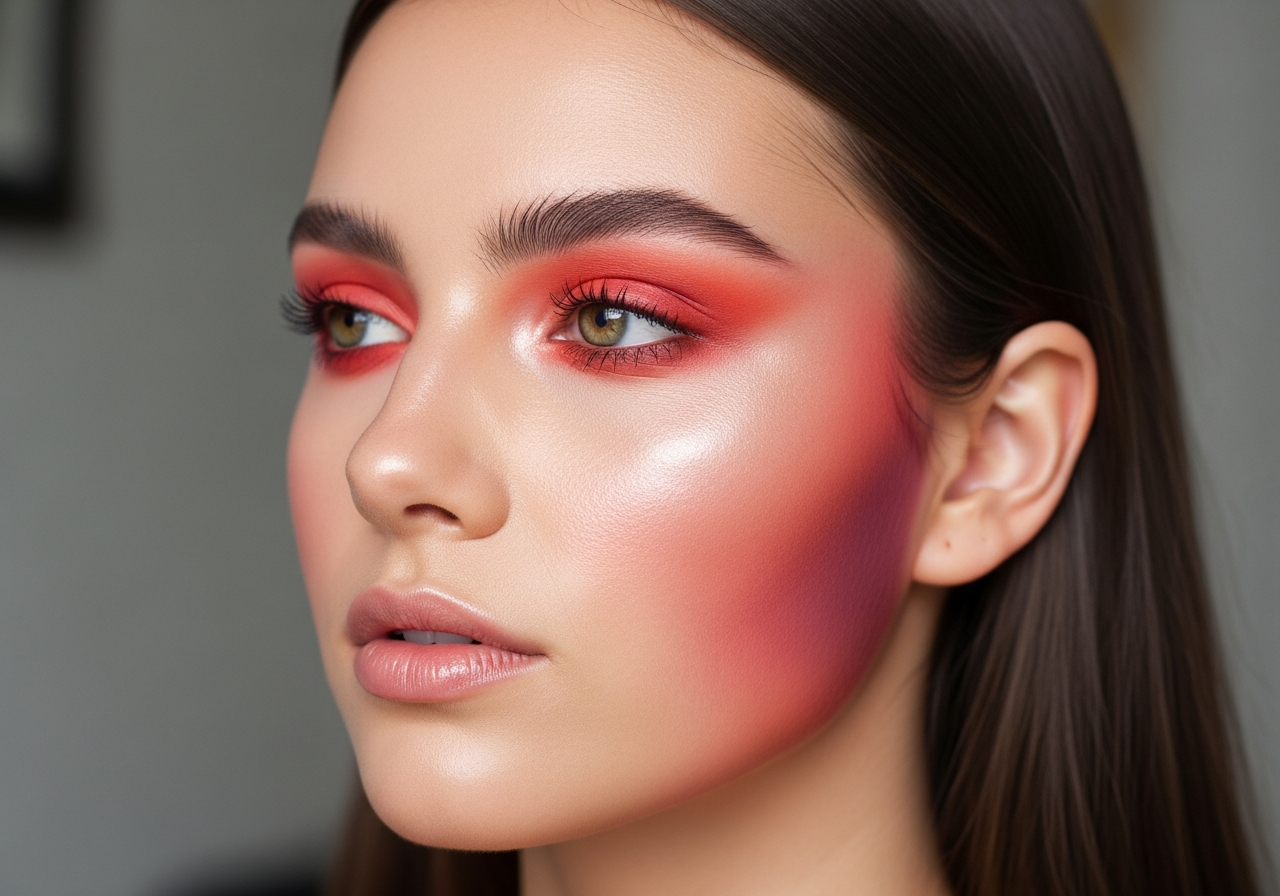
Blush Takes Center Stage
Blush has evolved from a supporting player to the anchor of many 2026 makeup looks. This cheek-first approach reflects a shift in priorities, with color and dimension taking precedence over other elements. The ways artists apply and conceptualize blush have expanded dramatically, incorporating techniques that would have seemed unconventional just a few years ago.
Draping, a technique from the 1980s, has resurged as a primary application method. This approach extends blush from the apples of cheeks up toward the temples in a lifted, sculpted placement. The effect creates dimension and brings color closer to the eyes, integrating different facial features into a cohesive look. Modern draping typically uses sheerer, more blendable formulas than the original trend, resulting in a less harsh appearance.
The placement and intensity of blush have become increasingly experimental. Some applications bring color high on the cheekbones and across the nose bridge for a sun-flushed effect. Others use blush in place of bronzer for contouring, particularly in toasted or terracotta shades. Multi-purpose use of blush on lips and sometimes lids creates monochromatic looks that feel cohesive and modern. The versatility of cream blush formulas has facilitated these expanded applications.
Color choices have broadened considerably. While pink and peach remain staples, the 2026 palette includes deeper berries, bright corals, and even unexpected shades like lavender or bronze. The willingness to experiment with unconventional blush colors reflects the broader trend toward playfulness and self-expression in makeup. Texture also matters, with everything from powdery mattes to dewy creams finding their place depending on desired finish.
The psychological impact of prominent blush deserves attention. A healthy flush has long been associated with vitality, youth, and emotional openness. The current emphasis on visible blush taps into these associations while allowing for creative expression. The trend also democratizes makeup expertise, as blush application proves more forgiving than precise contouring or complex eye looks.
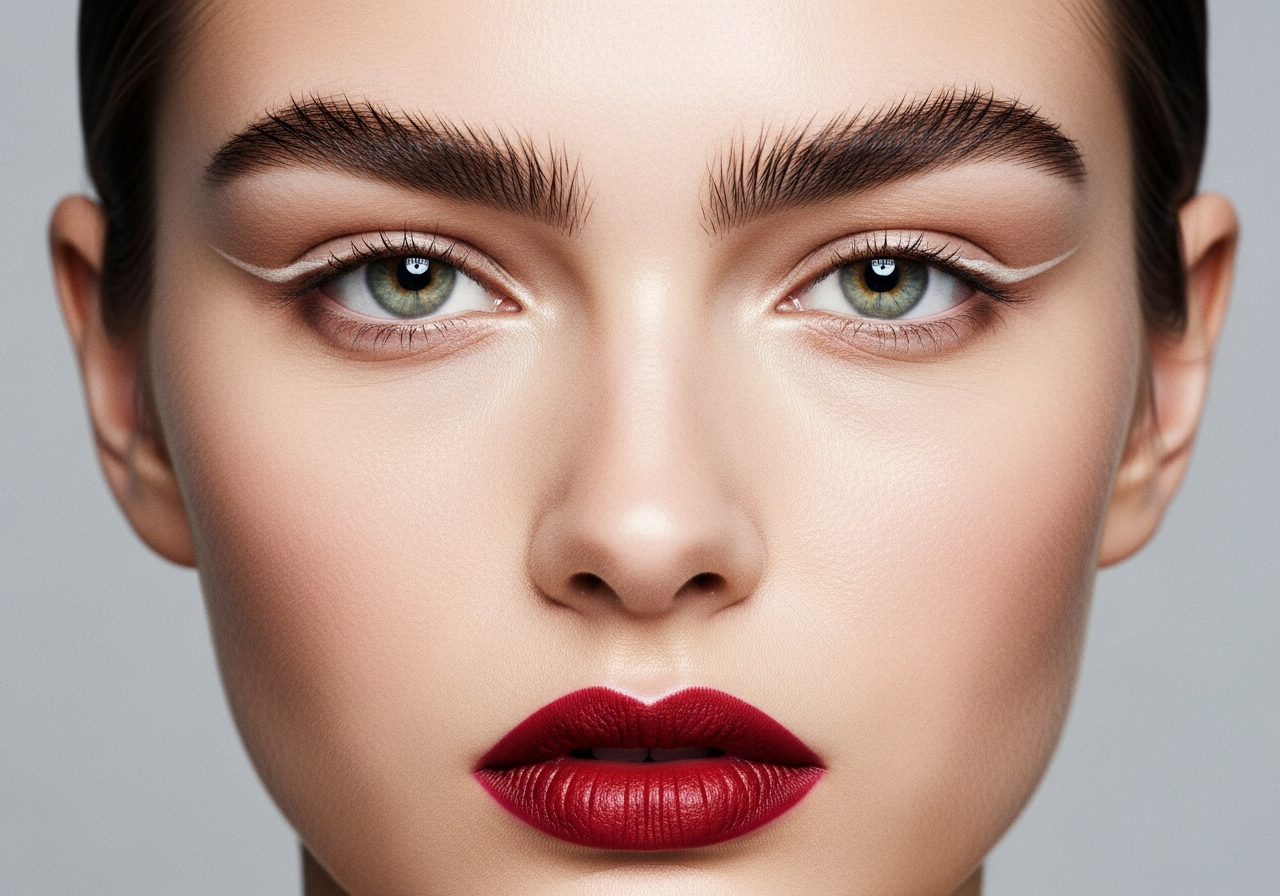
Thin Brows Make a Controversial Return
Few trends have generated as much debate as the return of thinner eyebrows. After more than a decade of full, brushed-up brows dominating beauty standards, the pendulum has begun swinging back toward sleeker shapes. This shift has proven divisive, with passionate advocates and detractors on both sides.
The thin brow trend draws inspiration from multiple eras. The 1920s offered pencil-thin, dramatically arched brows. The 1990s featured slightly thicker but still minimal brows often paired with brown lip liner and glossy lids. Current interpretations tend toward naturally thinned shapes rather than extreme precision, acknowledging contemporary preferences for some level of realism.
Proponents argue that thinner brows create a sleek, sophisticated aesthetic that pairs well with other 2026 trends like bold lips and dramatic eyes. They note that not everyone’s natural brow growth supports the full, feathery look that has dominated recent years. For some face shapes and features, a more minimal brow creates better balance and proportion. Celebrity adoption has lent credibility to the trend, with several high-profile figures sporting noticeably thinner brows.
Critics raise valid concerns about the practical implications of this trend. Unlike most makeup choices that can be easily reversed, thinning brows requires either temporary concealment methods or longer-term hair removal. Those who overthinned their brows during previous iterations of this trend remember years of regrowth struggles. There is also recognition that beauty standards affecting permanent grooming choices require more scrutiny than those impacting easily removable makeup.
The conversation around thin brows highlights tensions between trend participation and personal autonomy. While fashion and beauty industries will always promote new looks, individuals must weigh momentary appeal against longer-term consequences. The most balanced approach involves temporary methods like concealer or brow pomade to create the illusion of thinner brows without actual removal. This allows participation in the aesthetic without permanent commitment.
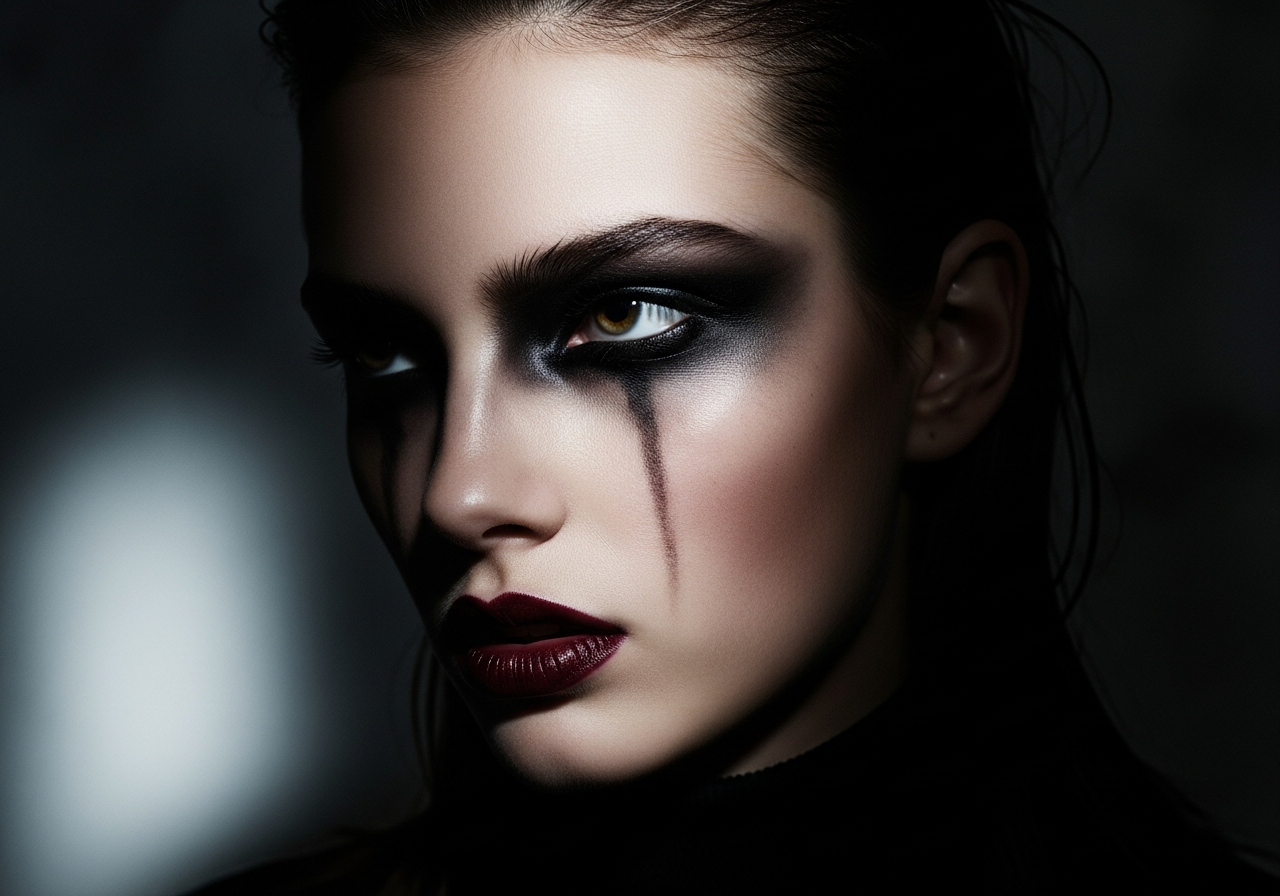
Grunge and Soft Goth Influences
The darker, edgier side of 2026 makeup trends manifests through grunge and soft goth influences. These aesthetics channel the moodiness and rebellion of 1990s alternative culture while incorporating contemporary refinement. The result feels both nostalgic and forward-thinking, offering a counterpoint to brighter, more optimistic trend directions.
Grunge makeup centers on deliberately imperfect, lived-in looks. Smudged black liner, slightly messy shadow, and muted lip colors create an impression of artistic nonchalance. The key distinction from actual messy makeup lies in intentionality. Grunge looks are carefully constructed to appear unconstructed, requiring skill to execute effectively. The aesthetic pairs well with minimal base makeup, allowing skin texture to show through rather than being blurred away.
Soft goth aesthetics take these principles in a slightly more polished direction. Deep plum and burgundy tones replace or complement black. Precision appears in unexpected places, such as sharply defined inner corners contrasting with blurred outer edges. The overall impression suggests sophistication tinged with darkness rather than aggressive rebellion. This makes the look more accessible for those drawn to gothic elements but hesitant about full commitment.
Color palettes for these trends emphasize depth and richness. Deep wines, chocolate browns, charcoal grays, and true blacks dominate, often with subtle shimmer or metallics adding dimension. These darker tones require thoughtful application to avoid looking heavy or harsh, particularly on lighter skin tones. Techniques like strategic placement, careful blending, and balancing intensity across features help achieve wearability.
The appeal of grunge and goth influences extends beyond aesthetics into attitude and self-presentation. These looks signal a willingness to embrace less conventional beauty standards and resist mainstream trends. For many wearers, adopting darker, edgier makeup represents a form of self-expression that feels more authentic than cheerful, accessible looks. The psychological component makes these trends particularly meaningful for their adherents.
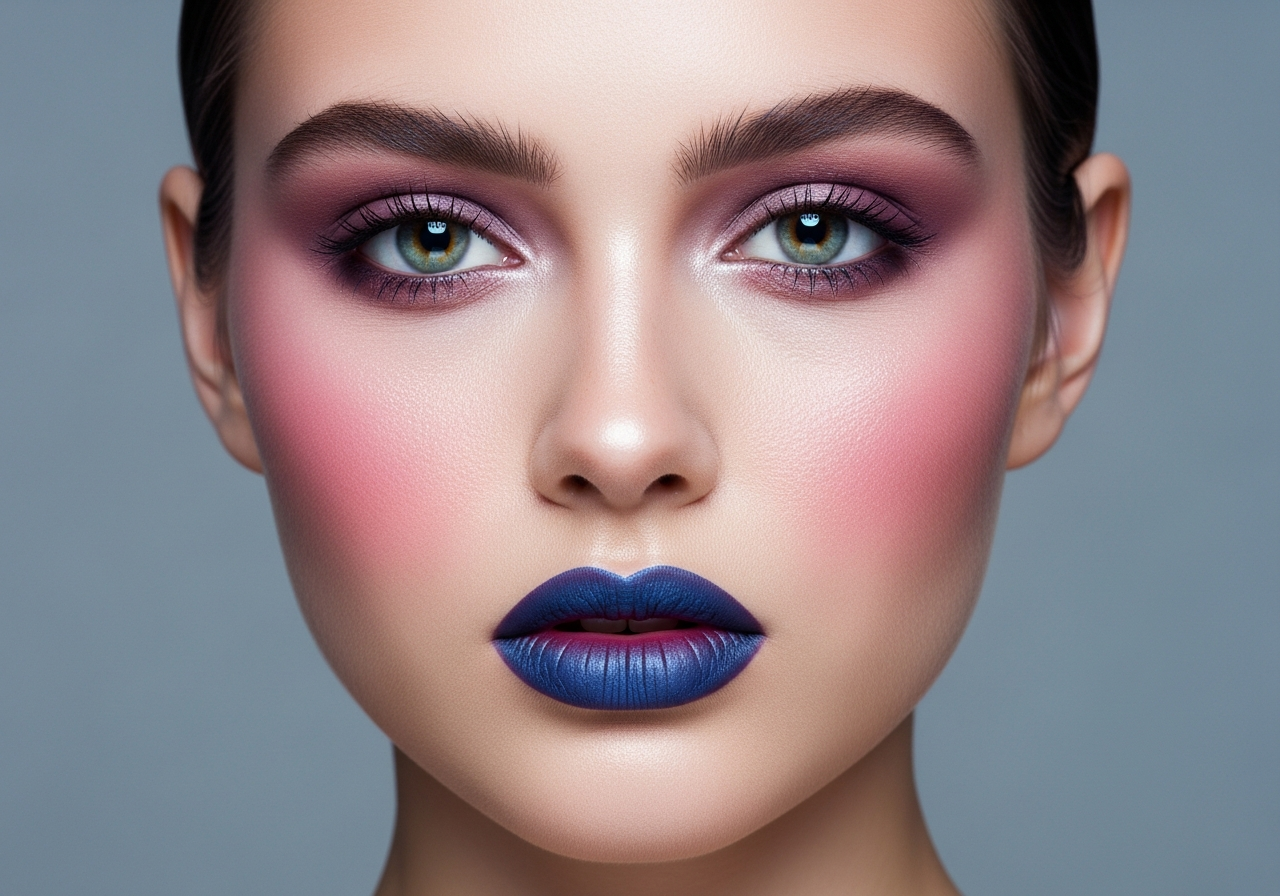
Cool Tones Dominate Color Choices
The color temperature of 2026 makeup has shifted decidedly toward cool tones. This represents a significant departure from the warm, golden hues that dominated much of the previous decade. Cool-toned makeup creates a more refined, modern aesthetic that complements the futuristic elements present in many current trends.
Understanding cool versus warm tones helps contextualize this shift. Cool tones contain more blue, purple, or silver undertones, while warm tones lean toward yellow, orange, or gold. In practical terms, this means choosing rosy pinks over peachy corals, true reds over orange-reds, taupe over warm browns, and silver over gold. The cumulative effect of cool-toned choices creates a cohesive, elevated appearance.
The influence of cool tones appears across product categories. Foundations and concealers with pink or neutral undertones have gained popularity over yellow-based options. Eyeshadows in grays, mauves, and cool browns replace their warmer counterparts. Blushes lean toward berry and cool pink rather than apricot or brick. Even lip colors show this preference, with emphasis on blue-based reds, mauves, and wines.
Several factors drive the cool tone preference. The aesthetic creates a fresh, clean impression that feels contemporary rather than dated. Cool tones generally complement a wider range of skin tones without looking overly warm or orange, a common complaint about heavily warm-toned makeup. The color palette also aligns with fashion trends emphasizing silver jewelry, cool gray palettes, and futuristic metallics.
Adapting to cool-toned makeup requires some adjustment for those accustomed to warm palettes. The learning curve involves recognizing undertones in products and understanding how they interact with individual skin tones. However, most people can wear cool-toned makeup successfully with appropriate shade selection. The sophistication and modernity of the aesthetic make the transition worthwhile for trend-conscious makeup enthusiasts.
The Y3K Futuristic Element
An unexpected but compelling aspect of 2026 makeup trends involves Y3K or futuristic aesthetics. This draws inspiration from late 1990s and early 2000s imaginings of what the future would look like, filtered through contemporary sensibilities and technologies. The result combines nostalgic retrofuturism with genuinely modern elements.
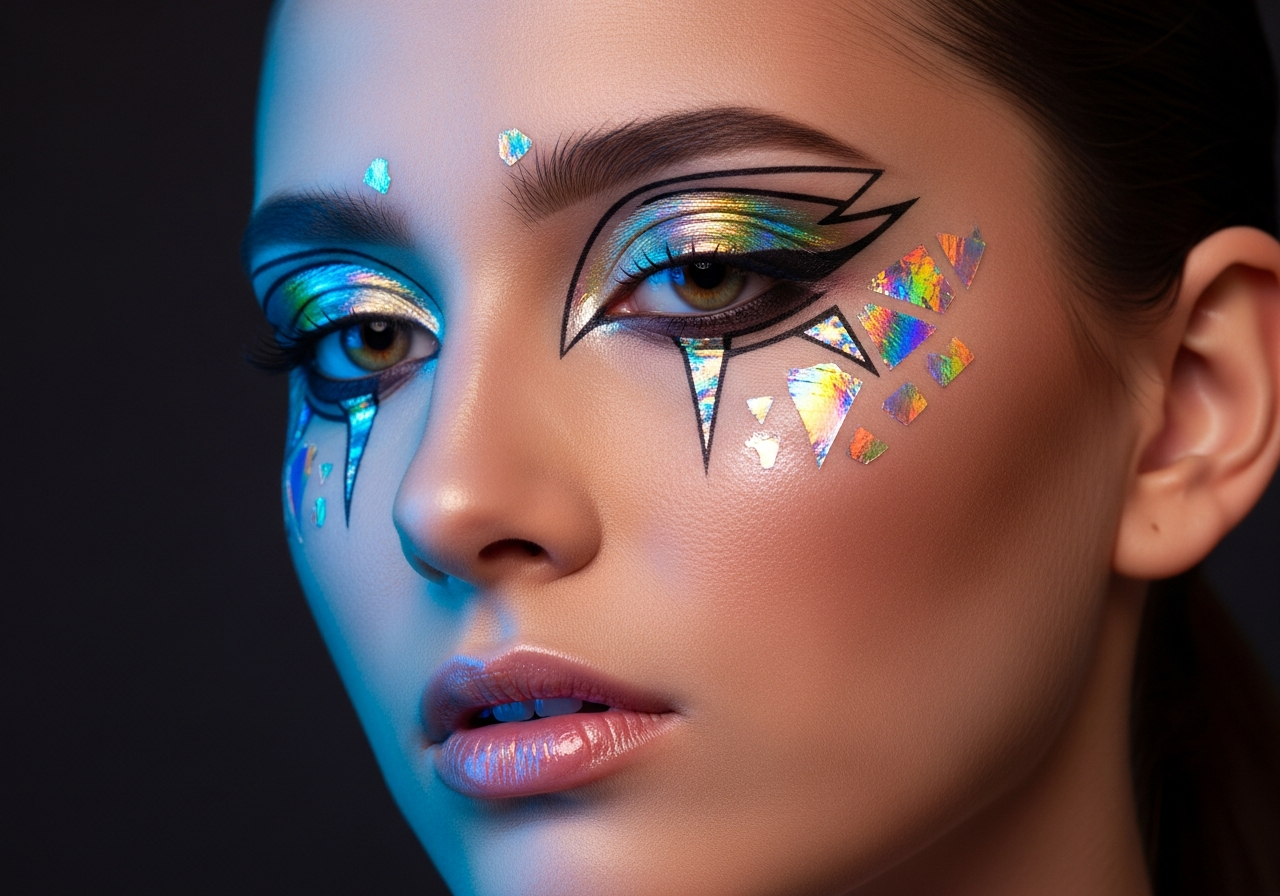
Visual characteristics of Y3K makeup include holographic finishes, chrome details, geometric shapes, and unconventional color combinations. The aesthetic embraces technology and artificiality rather than natural beauty, positioning makeup as an art form divorced from enhancement. This represents a dramatic departure from trends emphasizing natural skin and subtle enhancement.
Specific techniques and products embody this futuristic approach. Holographic highlighters create multidimensional shine that shifts with movement and light. Chrome eyeshadows and nail polishes achieve mirror-like finishes. Geometric liner creates architectural shapes on and around the eyes. Face gems, stickers, and other embellishments add three-dimensional elements. The overall effect channels both 2000s pop culture and contemporary sci-fi aesthetics.
The appeal of Y3K trends lies partly in their escapist quality. In an uncertain world, makeup that references imagined futures offers a form of playful optimism. The aesthetic also allows for maximum creativity and personal expression, with few rules governing what combinations or applications are acceptable. This freedom attracts those seeking to push boundaries and experiment beyond conventional beauty standards.
Wearability remains a consideration with Y3K makeup. Full editorial looks work well for photographic contexts, performances, or events where dramatic makeup is appropriate. For everyday wear, selective incorporation of futuristic elements creates interest without overwhelming. A holographic highlighter or chrome eyeliner can nod to the trend while maintaining overall wearability. This flexibility allows participation across comfort and occasion levels.

Skincare-Makeup Hybrids Evolution
The relationship between skincare and makeup continues evolving in 2026, though in directions distinct from previous years. Rather than emphasizing makeup products with skincare benefits, the current focus involves achieving specific finish qualities that blur the line between treated skin and applied makeup. This represents a maturation of earlier skinimalism trends.
The preferred base in 2026 emphasizes buildable coverage and natural texture rather than full coverage or completely bare skin. Products achieving this balance typically feature lightweight formulas that can be layered for additional coverage where needed without becoming heavy or mask-like. The goal involves evening tone and covering concerns while allowing skin texture and characteristics to remain visible.
Technique plays an equally important role as product selection. Strategic application focusing coverage where needed rather than all-over application creates more natural results. Allowing skincare to fully absorb before applying makeup ensures better blending and prevents pilling. Using appropriate tools, whether brushes, sponges, or fingers, impacts final appearance significantly. These technical considerations receive as much attention as product choices.
The finish evolution deserves particular attention. The stark choice between matte and dewy has dissolved into a spectrum of hybrid finishes. Descriptions like velvet, satin, soft-focus, and blurred attempt to capture these nuanced textures. The ideal combines some luminosity without obvious shine, coverage without flatness, and definition without heaviness. Achieving this requires thoughtful product combination and application.
This approach to base makeup reflects broader philosophical shifts in beauty culture. The movement away from filters and heavy editing in favor of more realistic representation has influenced makeup preferences. There is growing acceptance of skin texture, minimal blemishes, and other natural variations. The current base makeup approach supports rather than fights against this cultural moment, offering coverage and enhancement without complete transformation.
Application Techniques Over Products
A defining characteristic of 2026 makeup trends involves emphasizing technique and application method over specific products. This democratizes trend participation by acknowledging that execution matters more than expensive products. The focus on technique also encourages skill development and creativity rather than passive consumption.
Finger application has resurged as a primary technique, particularly for cream products. Using fingers to apply and blend blush, highlighter, and even eyeshadow creates the soft, blurred edges characteristic of many current trends. The warmth of fingers helps products melt into skin for seamless blending. This approach also proves more intuitive for beginners than brush techniques requiring more practice to master.
Layering and building intensity gradually represents another technical emphasis. Rather than applying products at full intensity initially, artists recommend starting with light application and adding more as needed. This prevents over-application while allowing for adjustments throughout the process. The technique works across product categories from base to cheeks to eyes and lips.
Strategic placement receives more attention than in previous trend cycles. Rather than following universal rules about where to place blush or contour, current approaches emphasize understanding individual face shapes and features. Experimentation and personalization take precedence over one-size-fits-all applications. This shift acknowledges diversity in facial structures and encourages people to find what works for their unique features.
The technical emphasis extends to removal and correction strategies as well. Rather than treating mistakes as failures requiring complete restarts, artists teach methods for adjusting and refining looks in progress. Blending out too-intense color, softening harsh lines, and removing small mistakes without disrupting surrounding makeup all constitute valuable skills. This approach makes the makeup process less intimidating and more enjoyable.
Conclusion
The iconic makeup trends making their comeback in 2026 represent far more than aesthetic cycles. They reflect fundamental shifts in how we conceptualize beauty, self-expression, and the role of makeup in daily life. The movement away from restrictive minimalism toward bold, creative approaches offers opportunities for genuine personal expression through cosmetics.
What makes these trends particularly exciting is their diversity and adaptability. Whether drawn to dramatic eyes, bold lips, soft grunge aesthetics, or futuristic elements, there exists space for various preferences within the broader trend landscape. The emphasis on technique over products means participation does not require extensive purchases or specific brands. Skills and creativity matter more than consumption.
The nostalgic elements present in many 2026 trends provide comfort and familiarity while modern refinements keep looks from feeling dated. This balance allows people who remember the original iterations of these trends to revisit them with improved products and techniques. Younger generations discover these aesthetics fresh, unencumbered by previous associations. The result is a beauty landscape that feels genuinely inclusive across ages and experience levels.
Looking forward, the trends established in 2026 seem likely to influence beauty for years to come. The shift toward self-expression and away from uniform standards represents a philosophical change unlikely to reverse quickly. As technology, culture, and values continue evolving, makeup trends will follow, but the current emphasis on creativity, diversity, and personal choice has established a foundation for a more open and inclusive beauty future.
The most empowering aspect of 2026 makeup trends lies in their implicit message. Makeup exists as a tool for self-expression, creativity, and play rather than a requirement for acceptability or attractiveness. Whether choosing to embrace bold trends, stick with familiar favorites, or skip makeup entirely, the choice belongs to the individual. This represents progress worth celebrating regardless of personal aesthetic preferences.
Frequently Asked Questions
What is the biggest makeup trend change in 2026?
The most significant shift involves moving away from clean girl minimalism toward bold, expressive makeup. This includes dramatic eyes with colorful eyeshadow, statement lips in vibrant or dark shades, and creative application techniques that prioritize artistry over natural enhancement. The change reflects a cultural desire for individuality and self-expression rather than conformity to narrow beauty standards.
Are thin eyebrows really coming back in 2026?
Thin eyebrows are trending among some fashion-forward circles and celebrities, drawing inspiration from 1990s aesthetics. However, this remains controversial and not universally adopted. Many people continue preferring fuller brows, and experts recommend using temporary methods like concealer to test the look before committing to permanent hair removal. The trend highlights the cyclical nature of beauty while reminding us to consider long-term implications of grooming choices.
How can I make bold makeup wearable for everyday?
Start by choosing one focal point rather than making everything intense. A bold lip paired with minimal eyes creates impact without overwhelming. Use the feathered technique to soften edges and blend products thoroughly. Choose comfortable formulas that do not require constant maintenance. Begin with less product than you think you need and build gradually. Most importantly, wear what makes you feel confident rather than forcing trends that feel uncomfortable.
What makes 2026 makeup different from 2000s trends?
While drawing inspiration from the 1990s and 2000s, current trends incorporate modern formulations, application techniques, and sensibilities. Products have better textures and wear time. Application focuses on blending and wearability rather than harsh lines. There is more emphasis on diversity and personal interpretation rather than strict adherence to specific looks. The nostalgic elements are filtered through contemporary understanding of technique and inclusive beauty standards.
Do I need expensive products to follow 2026 makeup trends?
No. The current emphasis on technique over products means you can achieve trendy looks with affordable options. Focus on learning application methods like feathering, blending, and strategic placement. Many drugstore brands offer excellent products in trending colors and finishes. The most important investments are quality tools and taking time to practice techniques. Expensive products can be nice but are not necessary for participating in current trends.