Gothic Makeup Ideas That Embrace Dark Drama
Gothic makeup represents far more than a beauty trend. It stands as a powerful form of self-expression that channels centuries of dark romanticism, post-punk rebellion, and theatrical artistry into wearable looks. Whether you’re drawn to the pale elegance of traditional goth or the blood-tinged mystique of vampire aesthetics, gothic makeup offers endless possibilities for those who dare to embrace the shadows.
The allure of gothic beauty lies in its dramatic contrasts and meticulous attention to detail. From ghostly pale complexions paired with coal-black eyes to deep burgundy lips that evoke Victorian romance, these looks command attention while allowing wearers to communicate their unique identity. This comprehensive guide explores the most captivating gothic makeup ideas, providing you with the knowledge and techniques to create stunning looks that range from subtly dark to dramatically theatrical.
Understanding the Gothic Makeup Aesthetic
Gothic makeup emerged from the post-punk music scene of the late 1970s and early 1980s, evolving alongside gothic rock and the broader alternative culture movement. At its core, this aesthetic celebrates darkness, mystery, and individuality through bold visual statements.
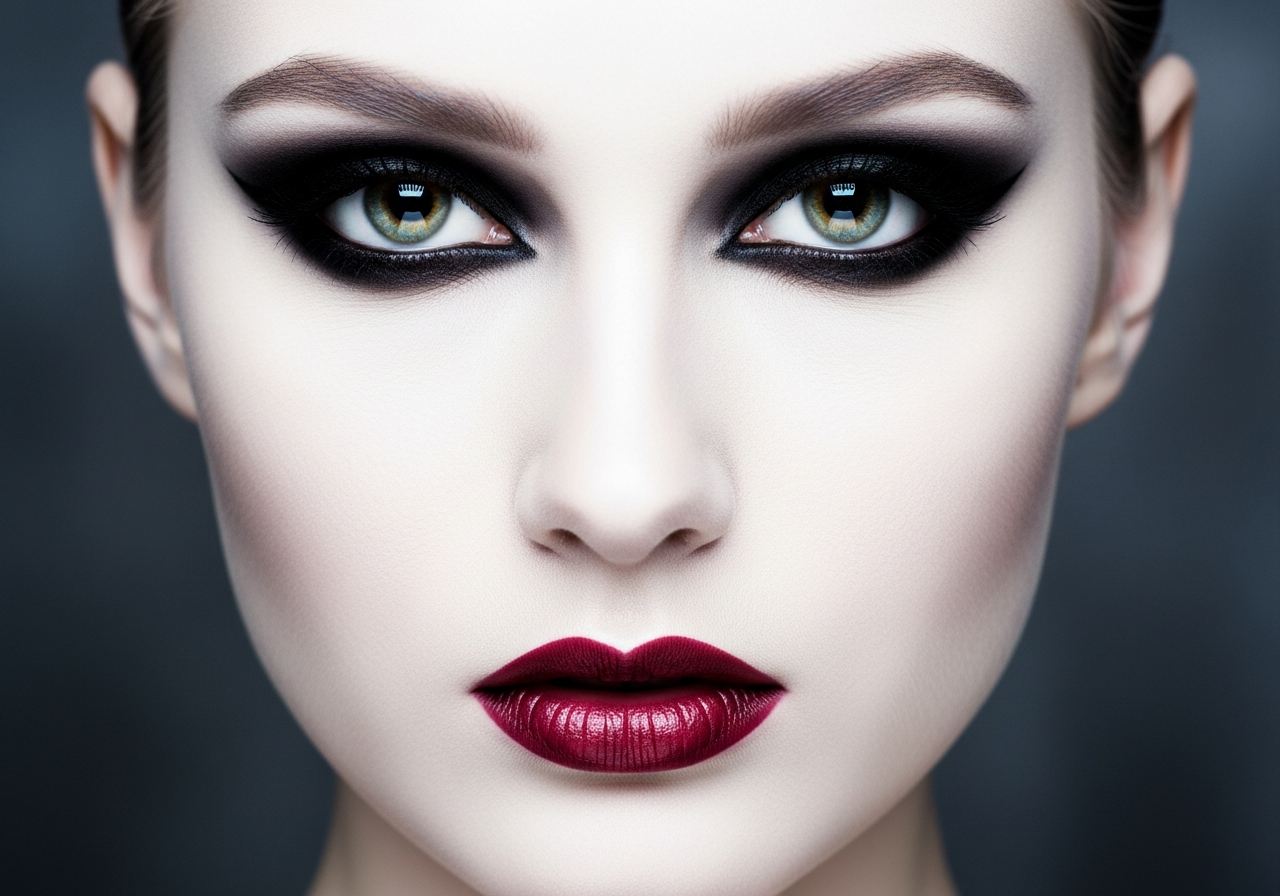
The fundamental principles of gothic makeup remain consistent across various substyles. A pale or neutral base creates the canvas for dramatic eye and lip work. Dark, smokey eyes form the focal point, often enhanced with elaborate eyeliner techniques. Lips typically feature deep shades ranging from black to burgundy, completing the look with vampiric sophistication.
What distinguishes gothic makeup from other alternative styles is its emphasis on refinement and artistry. While punk makeup might embrace chaotic energy and emo styles focus on emotional vulnerability, gothic beauty maintains an air of elegant darkness. Each element serves a purpose in creating an overall aesthetic that balances drama with deliberate composition.
The gothic aesthetic has diversified considerably over the decades. Today’s practitioners can choose from numerous substyles, each offering distinct visual characteristics while maintaining connection to the core gothic sensibility. This evolution has made gothic makeup more accessible and adaptable to different personalities, occasions, and comfort levels.
Traditional Goth Makeup: The Classic Foundation
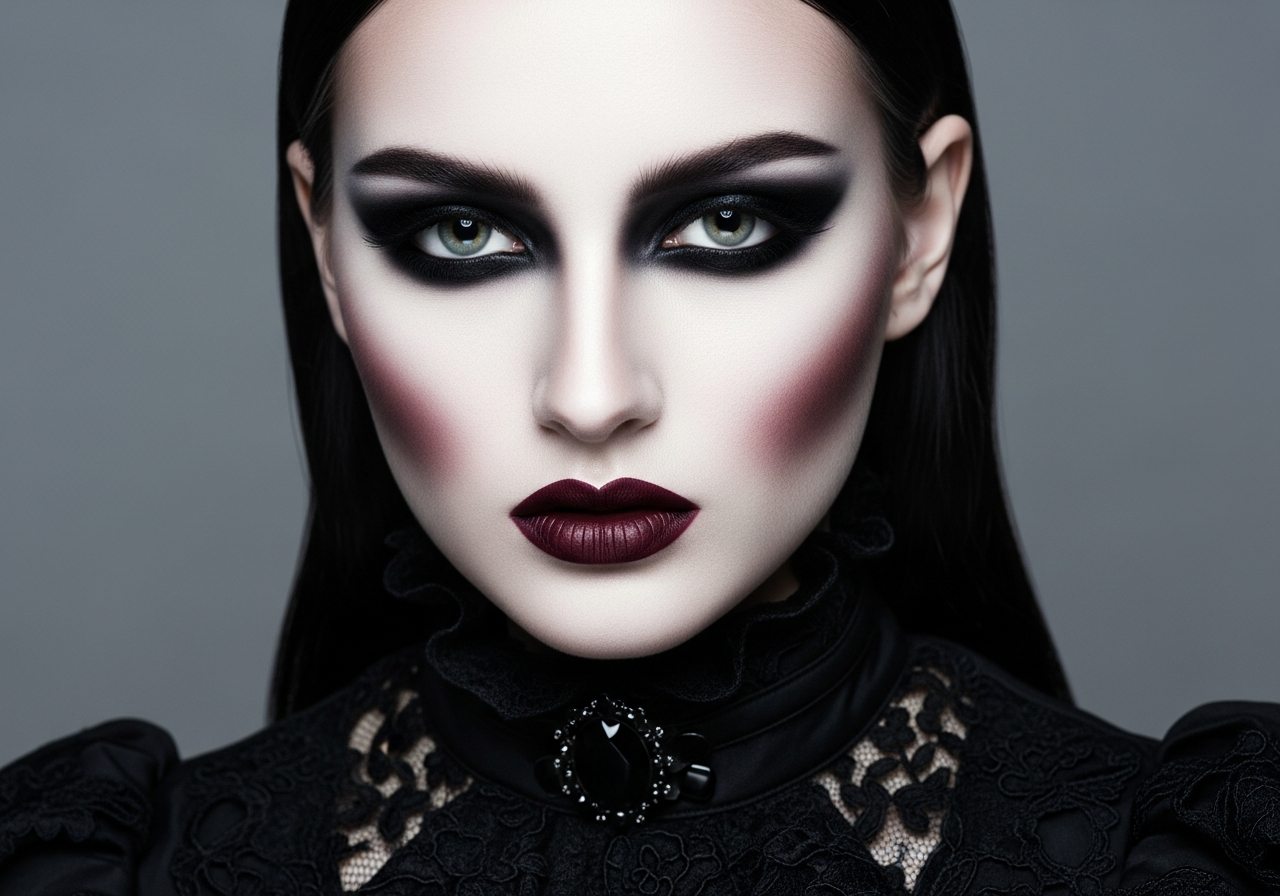
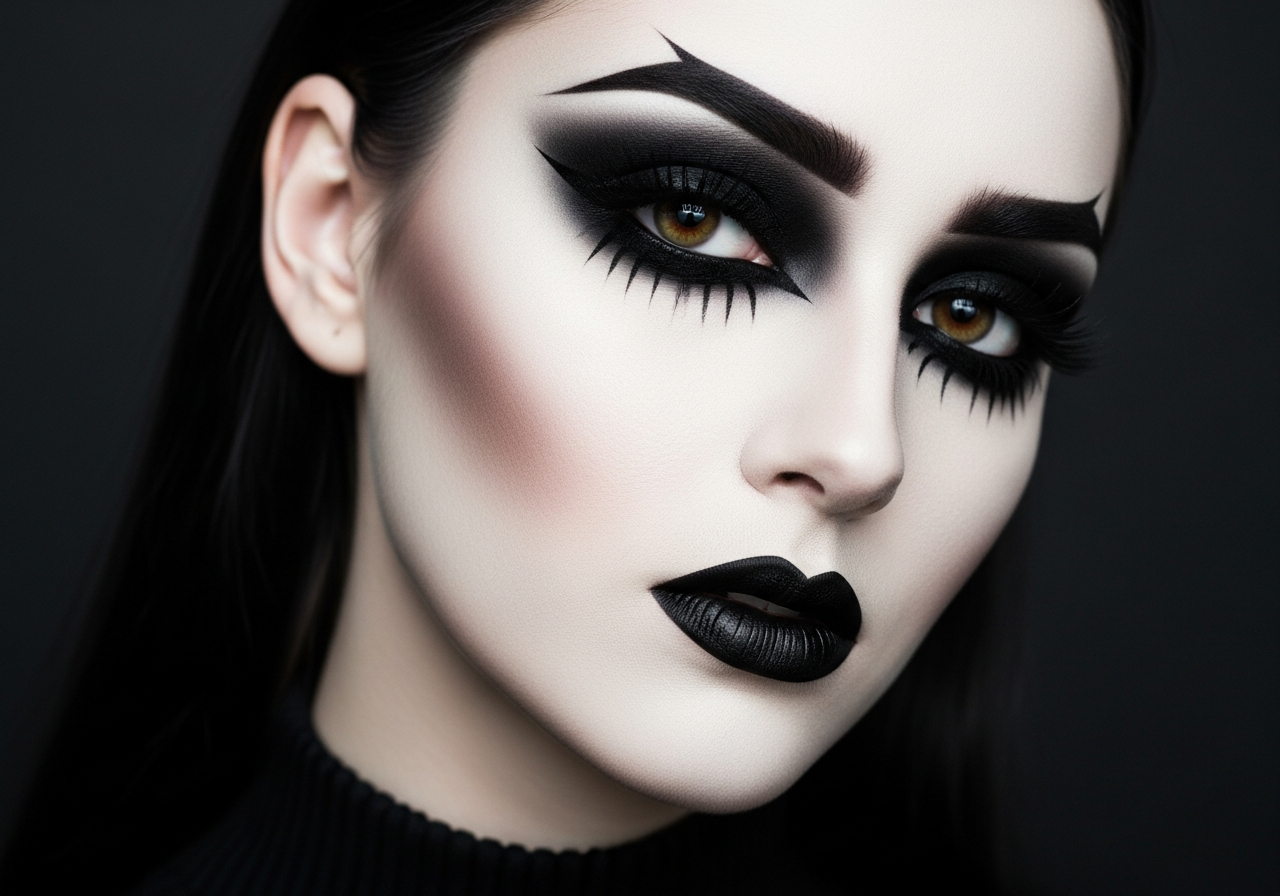
Traditional goth makeup, often called trad goth, represents the original and most iconic interpretation of gothic beauty. This style creates maximum contrast between exceptionally pale skin and intensely dark features, producing a striking, almost otherworldly appearance.
The foundation work in traditional goth makeup demands particular attention. Many practitioners opt for foundations one to two shades lighter than their natural skin tone, while some embrace theatrical white face paint for special occasions. The key lies in achieving a smooth, matte finish that appears porcelain-like rather than chalky. Full-coverage formulas work best, as they provide the opacity needed for that signature ghostly complexion.
Eye makeup in the traditional goth style centers on bold, graphic elements. Black eyeshadow gets applied generously across the lid and blended into the crease, creating depth and dimension. The lower lash line receives equal attention, often rimmed thickly with black liner or shadow. Winged eyeliner extends dramatically from the outer corners, with wings that can range from sharp and angular to sweeping and exaggerated depending on personal preference.
Brows in traditional goth makeup typically appear thin and sharply arched, contributing to the dramatic facial architecture. Those blessed with naturally full brows can use brow gel and strategic shaping to create the illusion of thinner arches without permanent alteration. The lips complete the look with either jet black lipstick for maximum impact or deep blood red for a slightly softer approach.
Contouring plays an essential role in traditional goth makeup, though it differs from mainstream techniques. Cool-toned products in grays and taupes sculpt the face, emphasizing cheekbones and creating hollows that enhance the ethereal quality. Some makeup enthusiasts even use black contour for theatrical effects, though this requires careful blending to avoid harsh lines.
Romantic Goth Makeup: Softening the Shadows
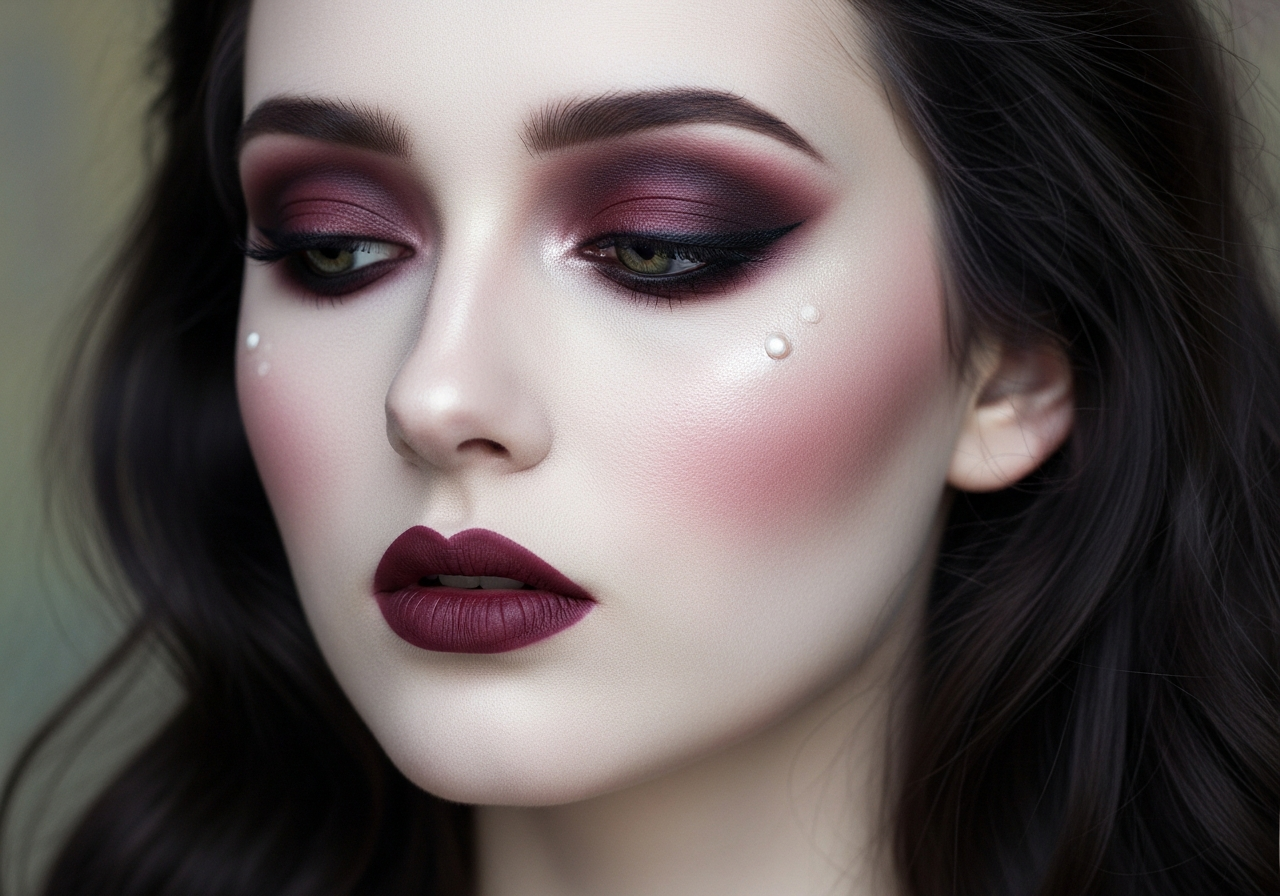
Romantic goth makeup offers a gentler interpretation of gothic beauty, drawing inspiration from Victorian era elegance and pre-Raphaelite art. This style maintains gothic sensibilities while incorporating softer elements that create a dreamy, melancholic aesthetic perfect for those who appreciate darkness with a touch of femininity.
The base in romantic goth makeup still leans toward pale, but practitioners often choose shades closer to their natural skin tone rather than going dramatically lighter. The finish remains matte, providing a canvas that appears naturally luminous rather than stark. This subtle approach allows the romantic elements to shine without overwhelming the overall composition.
Eye makeup in the romantic goth style embraces softer techniques than traditional goth. While black remains present, it shares space with deep burgundies, plums, and smokey grays. The application favors blended, smokey effects over harsh lines, creating a sultry depth that suggests mystery rather than aggression. Eyeliner still plays a role but tends toward thinner, more delicate wings or even subtle smudging along the lash line.
The defining characteristic of romantic goth makeup lies in its lip choices. Deep reds, wine tones, and mauve shades replace stark black, evoking the appearance of Victorian ladies or gothic heroines from classic literature. These colors suggest romance, passion, and a hint of danger without the severity of black lipstick. Matte and satin finishes both work beautifully, depending on the desired level of drama.
Blush makes a comeback in romantic goth makeup, applied in cool rose or mauve tones to add dimension and a touch of life to the pale complexion. This element distinguishes romantic goth from its traditional counterpart, where blush typically remains absent. The addition creates a consumptive, delicate quality reminiscent of 19th-century romantic heroines.
Highlighting in romantic goth makeup emphasizes ethereal beauty. Pearl or champagne highlighters catch light on cheekbones, brow bones, and cupid’s bow, creating an almost supernatural glow. This luminosity balances the darker elements, preventing the look from appearing flat or one-dimensional while maintaining gothic atmosphere.
Vampire Goth Makeup: Embracing the Undead
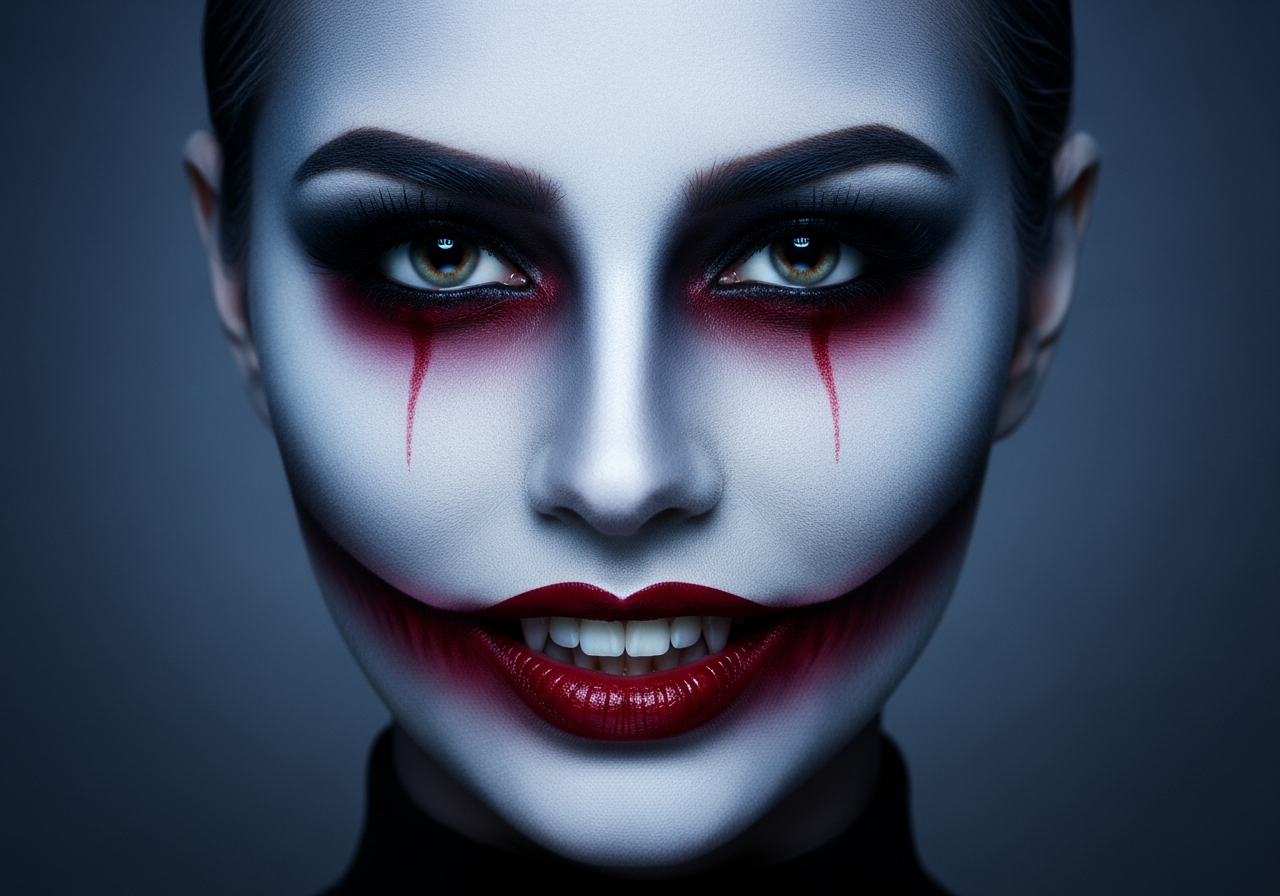
Vampire goth makeup channels the seductive danger of folklore’s most famous monsters. This style combines traditional gothic elements with blood-inspired accents, creating looks that range from hauntingly beautiful to genuinely unsettling depending on execution and occasion.
The complexion in vampire goth makeup pushes toward the extreme pale end of the spectrum. The goal involves achieving that undead appearance, skin that appears to have never seen sunlight. Many vampire goth enthusiasts incorporate cool undertones into their foundation choices, selecting shades with blue or gray bases that enhance the lifeless quality essential to the aesthetic.
Eyes in vampire goth makeup emphasize the bloodthirsty nature of the inspiration. Black forms the foundation, but deep reds, burgundies, and even touches of bright crimson accent the look. The lower lash line particularly benefits from red tones, creating the appearance of bloodshot or sleep-deprived eyes that suggest nocturnal habits. Techniques like smudging red shadow beneath the eye or creating subtle red gradients at the outer corners add dimension while reinforcing the vampire theme.
Red contact lenses serve as a popular enhancement for vampire goth looks, though they remain optional. These dramatic accessories transform the eyes into windows of preternatural danger, completing the undead illusion. Those choosing to incorporate contacts should prioritize safety, purchasing only from reputable sources and following proper care protocols.
Lip work in vampire goth makeup often features the deepest, most saturated reds available. Think fresh blood rather than dried, though black lips also appear frequently. Some makeup artists create ombre effects, fading from deep red at the outer edges to black in the center, or vice versa. For special occasions or photoshoots, adding fake blood creates dramatic dripping effects that push the vampire theme into theatrical territory.
Contouring in vampire goth makeup emphasizes hollow cheeks and sunken features, creating that gaunt appearance associated with the undead. Gray and purple tones work exceptionally well, as they suggest bruising and the absence of healthy circulation. Strategic placement under cheekbones, at temples, and around the eye sockets transforms facial structure into something otherworldly.
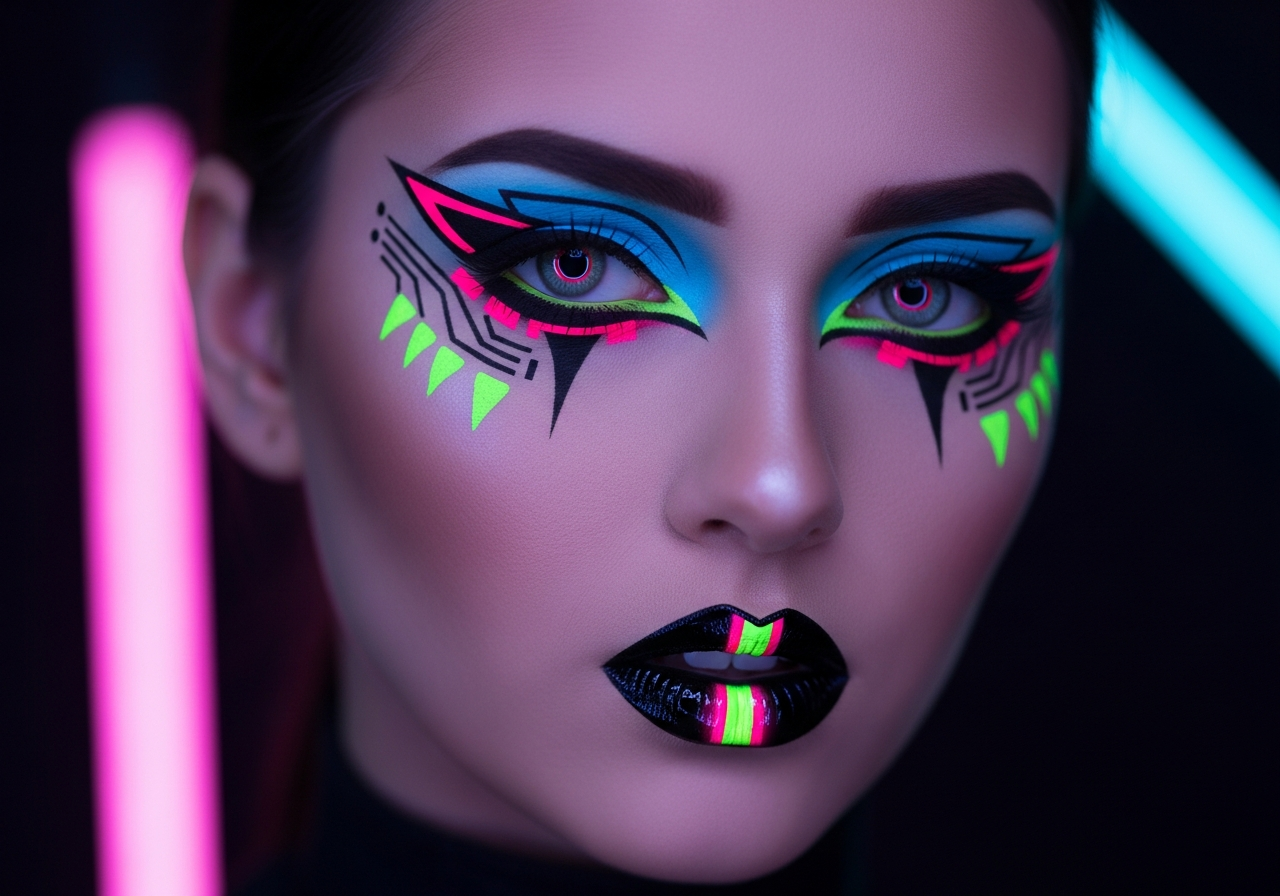
Cyber Goth Makeup: Neon Meets Darkness
Cyber goth makeup represents a futuristic fusion where traditional gothic darkness collides with rave culture’s vibrant energy. This style breaks from gothic convention by incorporating bright neon colors alongside black, creating looks that glow under UV light and command attention in any setting.
The base in cyber goth makeup typically maintains the pale foundation standard, providing necessary contrast for both black and neon elements. However, some practitioners experiment with more neutral or even slightly tanned bases, recognizing that the dramatic eye work will carry sufficient impact regardless of foundation shade.
Eye makeup in cyber goth style pushes creative boundaries. Black liner and shadow still appear but share space with electric blues, acid greens, hot pinks, and vivid purples. These colors often get applied in geometric patterns, creating futuristic designs that reference circuit boards, digital displays, or abstract technological forms. UV-reactive pigments enhance the effect, making eyes literally glow in club environments.
The application techniques for cyber goth eyes demand precision. Clean lines and sharp edges replace the blended, smokey approaches of other gothic styles. Tape serves as a useful tool for creating perfectly straight edges and angular shapes. Many cyber goth makeup enthusiasts incorporate stencils, creating consistent geometric patterns that would prove difficult to freehand.
Lips in cyber goth makeup range from traditional black to vibrant neon shades that match or complement the eye work. Glossy finishes appear more frequently in this style than in other gothic variations, as the shine enhances the futuristic, almost synthetic quality of the aesthetic. Some makeup artists create gradient effects, transitioning from black at the outer edges to bright neon in the center.
Face painting elements frequently appear in cyber goth makeup. Lines, dots, and abstract patterns adorn cheeks, temples, and foreheads, creating the impression of technological augmentation or digital interfaces. These details work best when executed with precision, using thin brushes or specialized face paint markers designed for detailed work.
Hair color plays an integral role in completing cyber goth looks. Bright, synthetic colors in blues, greens, pinks, and purples coordinate with makeup choices, creating cohesive visual statements. Many cyber goths opt for two-toned or multi-colored hair, embracing the more-is-more philosophy that defines this energetic substyle.
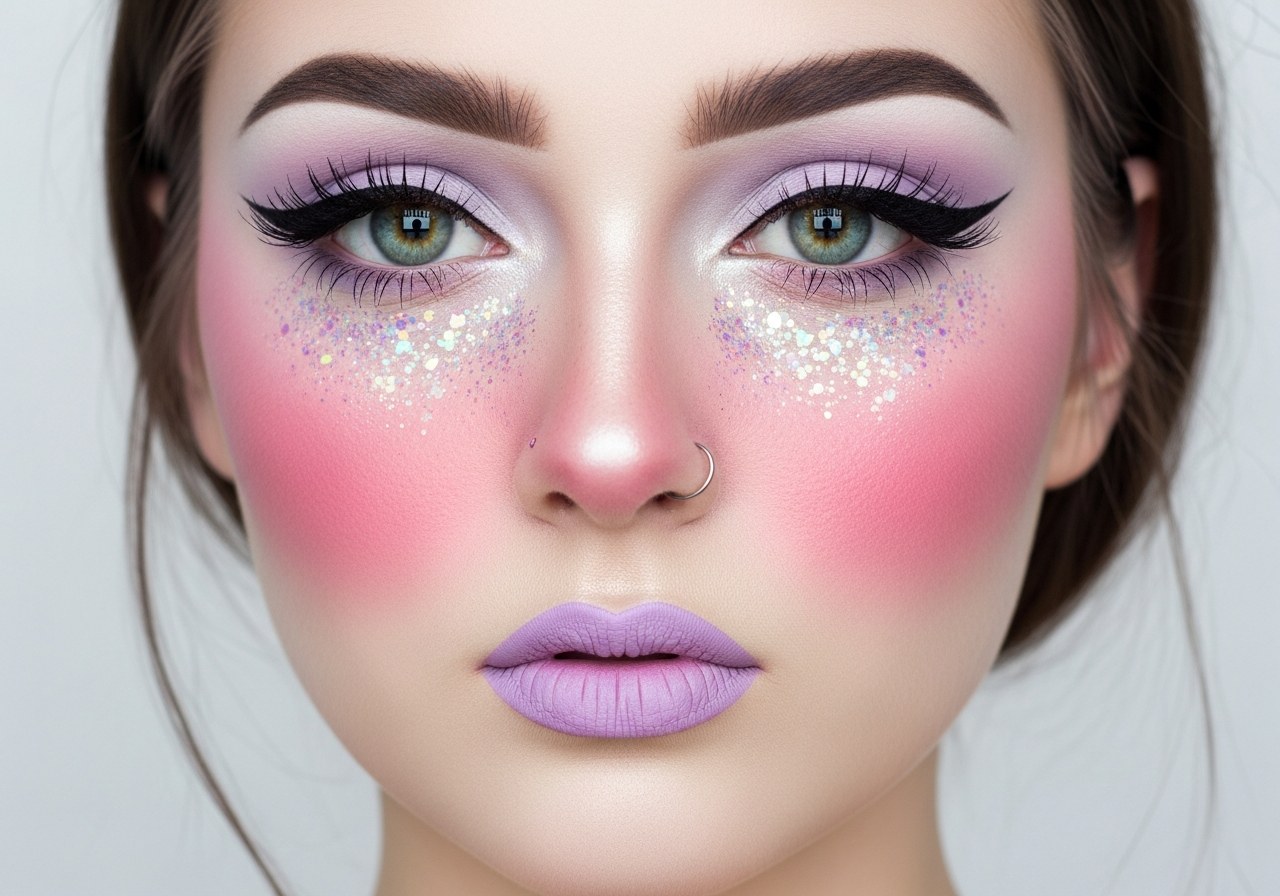
Pastel Goth Makeup: Dark Meets Delicate
Pastel goth makeup challenges gothic conventions by introducing soft, light colors into traditionally dark aesthetics. This playful style appeals to those who appreciate gothic sensibilities but desire a less severe, more whimsical approach to alternative beauty.
Foundation in pastel goth makeup remains pale but doesn’t necessarily push to the extremes of traditional goth. Natural-looking skin with a subtle glow works perfectly, providing a canvas that allows pastel colors to shine without competing for attention. The goal involves appearing youthful and fresh rather than ghostly or severe.
Eye makeup in pastel goth style showcases soft colors in pinks, lavenders, mint greens, and baby blues. These shades replace or accent black, creating unexpected combinations that feel both gothic and cute. Application techniques vary from soft, blended looks to more graphic interpretations with defined color blocking. Black liner still plays a role but often appears thinner and more delicate than in traditional gothic styles.
The juxtaposition of pastel colors with dark elements defines this aesthetic. A soft pink eyeshadow might pair with thick black liner and dramatic lashes. Lavender lips could appear alongside heavily darkened brows. These contrasts create visual interest while maintaining connection to gothic roots through the inclusion of darkness.
Glitter and shimmer appear frequently in pastel goth makeup, adding dimension and playfulness. Loose glitters in coordinating pastel shades catch light beautifully, creating magical effects that lean toward fairy tale aesthetics while retaining alternative edge. Strategic placement on inner corners, brow bones, or cheekbones enhances without overwhelming.
Blush takes center stage in pastel goth makeup, applied generously in soft pinks or lavenders. The placement often extends beyond traditional areas, sometimes sweeping across the nose bridge or temples in a style borrowed from Japanese kawaii culture. This exaggerated blush creates a doll-like quality that perfectly complements the pastel aesthetic.
Accessories in pastel goth style frequently incorporate cute elements like bows, stars, hearts, and cartoon motifs, but rendered in gothic color schemes or with dark twists. This mixing of innocent and edgy elements extends to makeup choices, where sparkly pastels coexist with heavy black elements in harmonious discord.
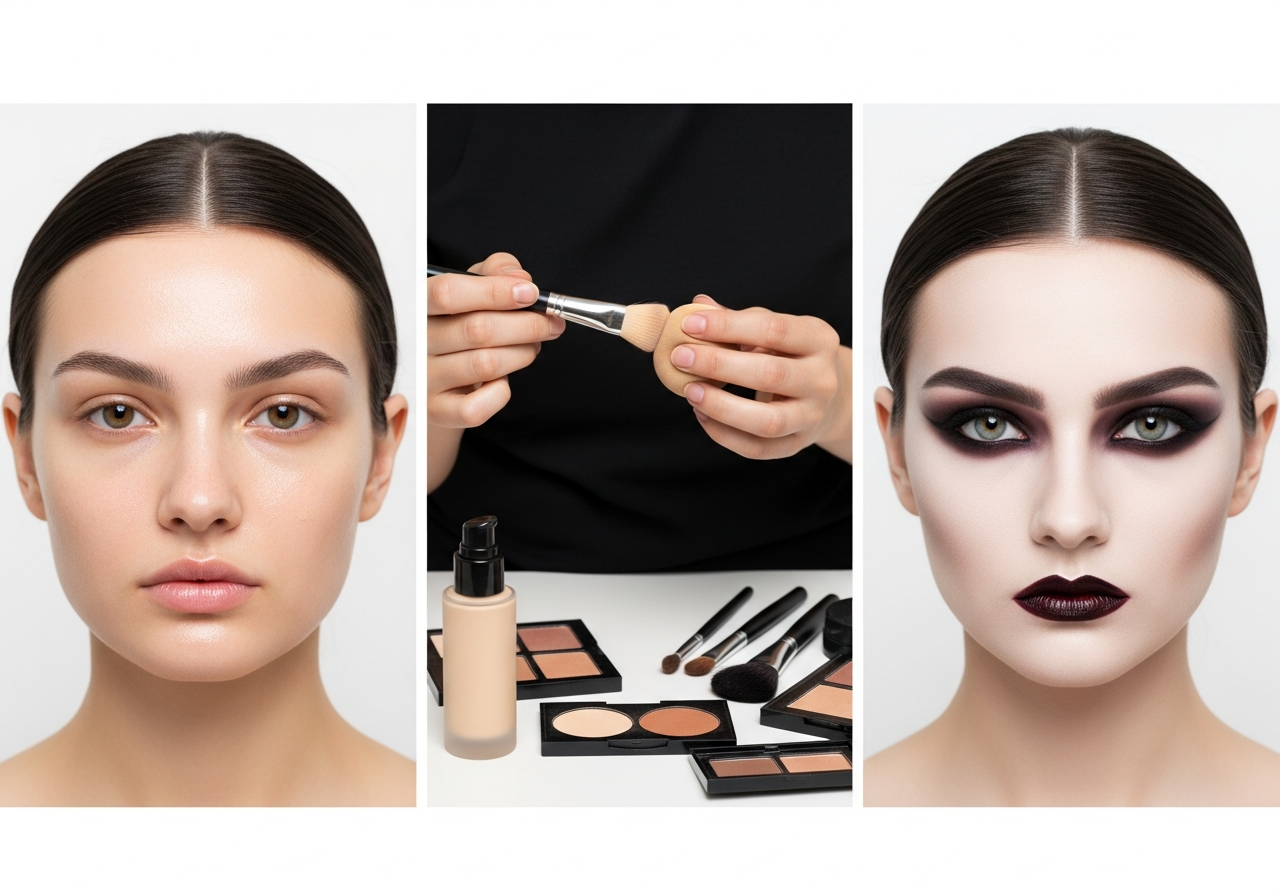
Creating Your Gothic Makeup: Step-by-Step Guide
Mastering gothic makeup requires understanding both technique and artistry. This comprehensive guide walks you through creating a versatile gothic look that you can adapt to various substyles based on color and detail choices.
Begin with proper skin preparation. Cleanse thoroughly and apply moisturizer, allowing it to absorb completely before starting makeup application. Gothic makeup tends toward heavier coverage, so well-prepared skin prevents caking and ensures smooth application. Primer becomes essential, particularly mattifying formulas that control shine and extend wear time.
Foundation application demands careful attention. Using a damp beauty sponge or dense brush, apply your chosen shade in thin layers, building coverage gradually. This technique prevents the heavy, mask-like appearance that can result from applying too much product at once. Blend carefully along the jawline and hairline, ensuring seamless transitions. Set with translucent powder, pressing it into the skin rather than sweeping to lock foundation in place.
Contouring follows foundation work. Using cool-toned bronzer or gray-toned contour powder, define the hollows of cheeks, sides of the nose, and temples. Blend thoroughly to avoid harsh lines, though gothic makeup does permit more visible contour than mainstream styles. For traditional or vampire goth looks, consider adding subtle gray or purple tones to enhance the ethereal quality.
Eye makeup forms the focal point of most gothic looks. Begin by applying a neutral base shade across the entire lid, then build darker colors in the crease and outer corner. Black or dark brown eyeshadow gets packed onto the lid, then blended upward and outward. Extend the dark color along the lower lash line, creating connection between upper and lower eye work.
Eyeliner application varies by substyle but generally involves creating dramatic wings. Draw a thin line along the upper lash line, then extend outward and upward from the outer corner. The wing length and angle remain personal preferences, though gothic styles typically favor more dramatic extensions. Tight-line the upper waterline and rim the lower lash line for maximum impact. Setting the liner with matching shadow prevents smudging and intensifies color.
Mascara application should be generous. Several coats on upper lashes create volume and length, while lower lashes receive attention to balance the look. Some gothic makeup enthusiasts apply mascara before eyeliner, allowing any smudges to be covered rather than ruining carefully drawn wings. False lashes enhance drama significantly, with longer, fuller styles suiting gothic aesthetics perfectly.
Brow work requires precision. Fill sparse areas using pencil or powder in colors matching your desired brow shade, typically dark brown or black. The arch should appear deliberate and slightly exaggerated. Use concealer or light eyeshadow along the brow bone to clean edges and emphasize the arch shape.
Lip application completes the look. For matte lips, apply lipstick directly from the bullet or use a lip brush for precision. Dark colors benefit from careful application, as mistakes show prominently against pale skin. Lip liner prevents feathering and provides structure, particularly important with blacks and deep reds. Blot and reapply for long-lasting color that survives eating and drinking.
Setting the entire face ensures longevity. Mist setting spray evenly across the face, holding the bottle at appropriate distance. Allow the product to dry naturally rather than fanning or touching. This final step locks everything in place, preventing transfer and extending wear time through long events or photoshoots.
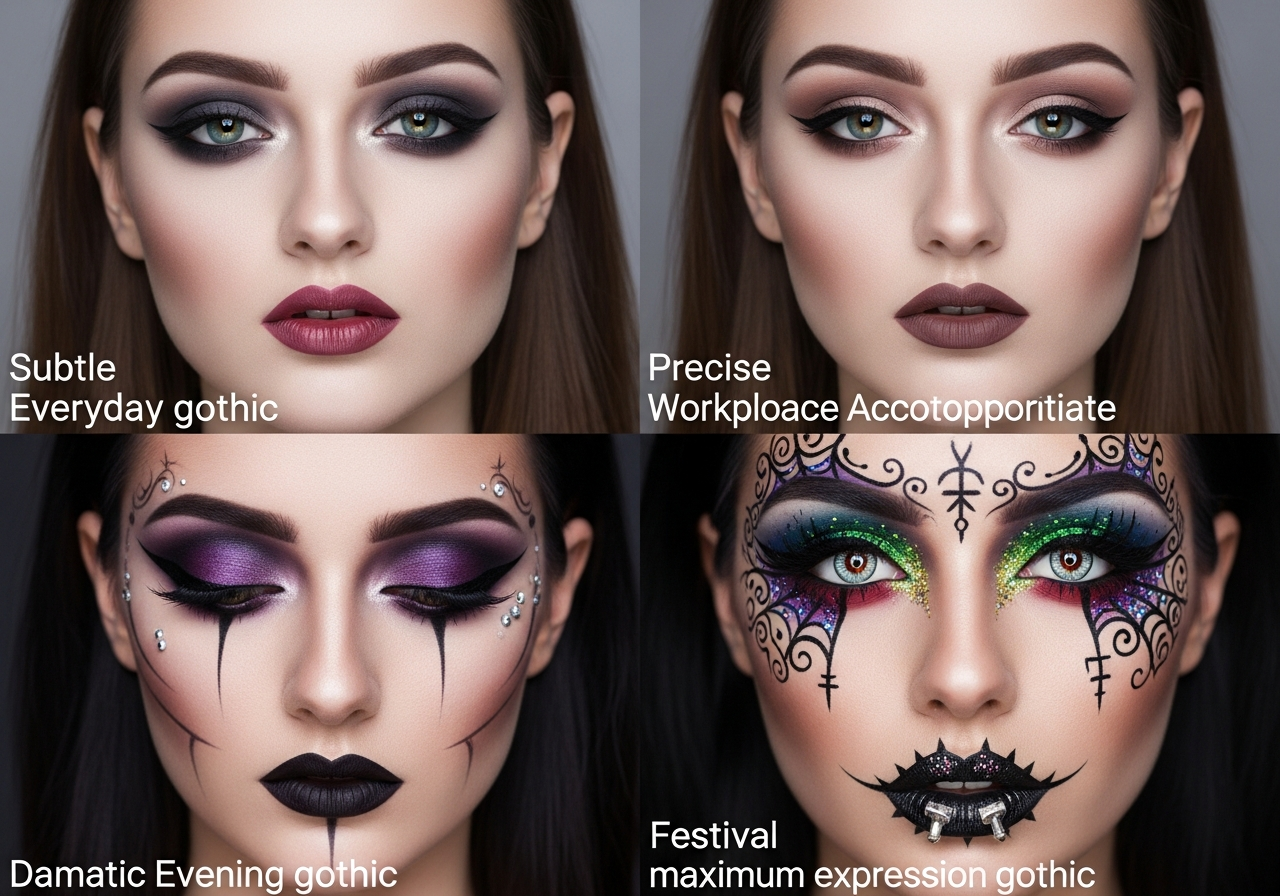
Adapting Gothic Makeup for Different Occasions
Gothic makeup proves remarkably versatile when approached with strategic modifications. Understanding how to adjust intensity and elements allows you to wear gothic-inspired looks in various settings without compromising your aesthetic preferences.
Everyday gothic makeup requires subtlety and restraint. Begin with foundation that matches your natural skin tone rather than going dramatically lighter. This immediately makes the look more approachable while maintaining gothic essence. Focus eye makeup on creating soft, smokey effects rather than harsh lines. Gray or brown shadows replace pure black, blending seamlessly for depth without severity.
Liner application for daily wear should emphasize definition over drama. A thin line along the upper lash line, perhaps with a subtle wing, maintains gothic sensibility without overwhelming professional or casual environments. Skip lining the lower waterline or use softer colors like brown or charcoal. Mascara remains essential but avoid false lashes for everyday contexts.
Lip choices for everyday gothic makeup lean toward wearable shades. Berry tones, deep roses, or brownish reds provide gothic feeling without the statement of black lipstick. Matte formulas still work beautifully, though slight sheen becomes acceptable in casual settings. These colors complement most skin tones while maintaining alternative edge.
Professional environments present unique challenges for gothic makeup enthusiasts. The key involves maintaining polished sophistication while incorporating gothic elements. Neutral, cool-toned bases work perfectly in office settings. Eye makeup should emphasize precise application and clean lines. Taupe, gray, and soft black shadows create subtle depth, while well-defined liner adds gothic character without appearing costume-like.
Brows in professional gothic makeup should appear groomed and intentional rather than dramatically thin or overly arched. Fill naturally but precisely, maintaining your natural shape with slight enhancements. This approach keeps the look put-together while nodding to gothic aesthetics through precise execution and darker color choices.
Evening and special events allow gothic makeup to flourish in full drama. These occasions permit experimentation with theatrical elements, bold color choices, and elaborate techniques that would overwhelm daytime contexts. Consider incorporating rhinestones, glitter, or face paint details that elevate the artistry.
Festival and concert settings embrace maximum expression. Layer multiple gothic substyles, combine unexpected color combinations, or push technical boundaries with complex designs. These environments celebrate individuality and creativity, providing perfect venues for showcasing your most ambitious gothic makeup visions.
Photography and performance contexts benefit from intensified gothic makeup. Colors and contrasts that appear dramatic in person translate beautifully to camera, preventing the washed-out appearance that often plagues subtle makeup in photos. Extra liner, deeper shadows, and more pronounced contouring ensure your features remain defined and striking in images.
Seasonal adaptations keep gothic makeup fresh throughout the year. Winter naturally suits gothic aesthetics, as pale complexions appear less stark against cold-weather clothing and environments. Incorporate deep jewel tones like emerald or sapphire alongside traditional blacks. Spring allows experimentation with softer romantic goth elements, bringing in mauves and subtle metallics.
Summer gothic makeup requires adjustments for heat and humidity. Setting sprays become essential, as do waterproof and long-wearing formulas. Consider lighter coverage foundations and focus drama on eyes or lips rather than attempting full-face perfection that may not survive outdoor summer activities. Autumn brings opportunities for incorporating warm-toned dark shades like burgundy, rust, and deep plum.
Holiday occasions inspire creative gothic interpretations. Halloween obviously embraces full gothic expression, permitting theatrical vampire looks, elaborate designs, and maximum drama. Winter holidays allow incorporation of deep jewel tones and metallic accents. Valentine’s Day suits romantic goth aesthetics with emphasis on deep reds and wine tones.
Product Selection and Application Tips
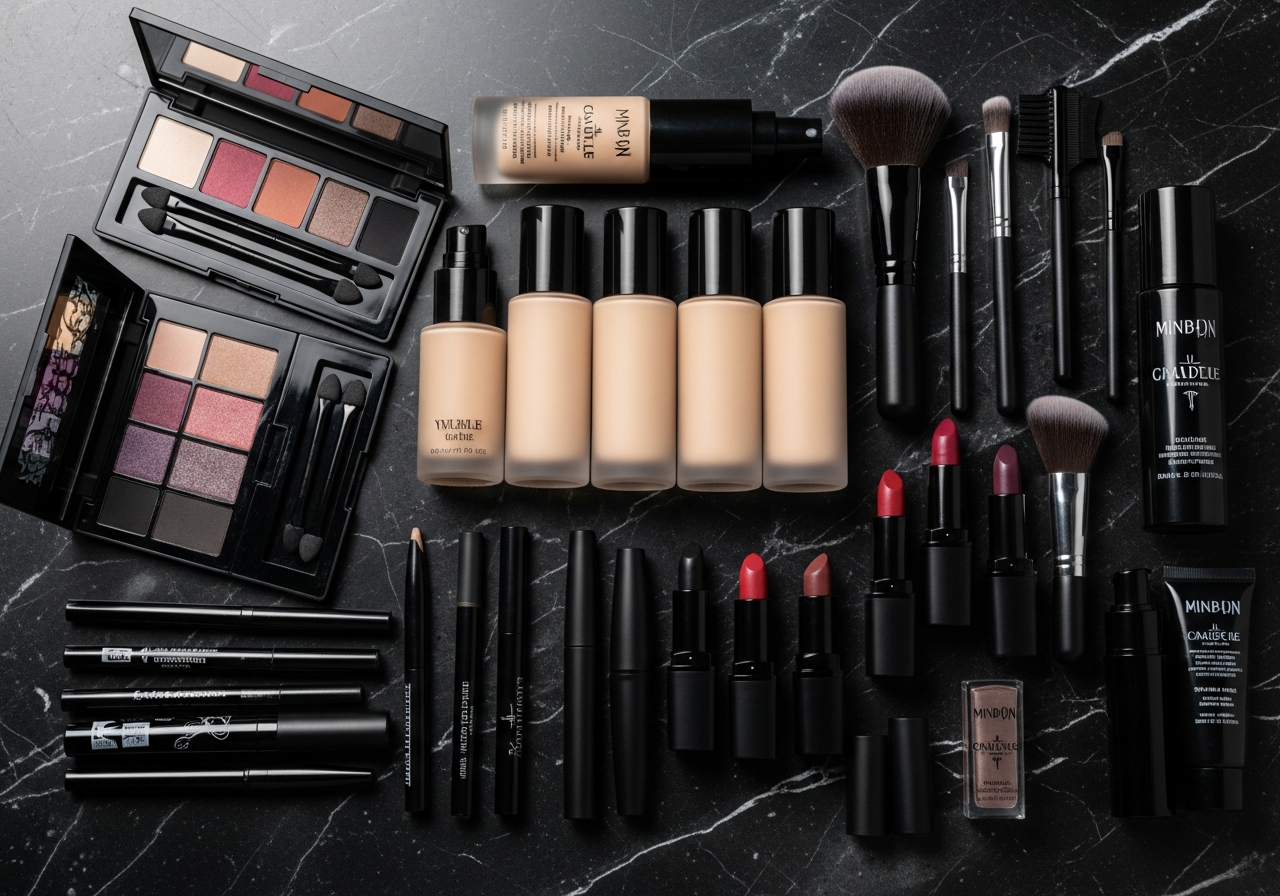
Choosing appropriate products significantly impacts gothic makeup success. Understanding formulation types, finish options, and application techniques ensures professional-quality results that last throughout your day or evening.
Foundation selection begins with understanding your undertones. Cool undertones suit gothic aesthetics naturally, as most gothic looks emphasize cool-toned paleness. Those with warm undertones can still achieve stunning gothic makeup by selecting neutral or cool-based foundations. Full-coverage formulas provide the opacity needed for dramatic gothic looks, while medium coverage works for everyday interpretations.
Finish preference affects the overall aesthetic substantially. Matte foundations create the traditional gothic appearance, providing that porcelain-like quality essential to many substyles. Some formulas offer natural matte finishes that avoid the flat, chalky appearance of heavily matte products. Satin finishes work for romantic or pastel goth styles where slight luminosity enhances rather than detracts.
Eyeshadow formula choices influence both application and longevity. Pressed powder shadows offer the most control and blendability, ideal for creating seamless gradients and complex eye looks. Cream shadows provide intensity and longevity but require quick blending before setting. Loose pigments deliver maximum color payoff, particularly useful for cyber goth looks requiring brilliant neon shades.
Primer use extends shadow wear significantly. Eye primer creates a base that prevents creasing and intensifies color payoff. Gothic looks often involve substantial eye work, so primer investment pays dividends in lasting power and vibrancy. Some primers offer tinted options, with white or beige tints brightening shadows while nude tints provide neutral bases.
Eyeliner formulas vary widely in application and effect. Pencil liners offer control and softness, perfect for smudging and creating smokey effects. Gel liners provide intensity and precision, ideal for sharp wings and graphic work. Liquid liners deliver the darkest, most dramatic lines but require steady hands and practice for clean application.
Setting products determine makeup longevity. Translucent powders lock foundation and concealer without altering color, while setting sprays provide additional security against transfer and fading. Some setting sprays offer matte finishes that complement gothic aesthetics, while others provide slight sheen. Layer both powder and spray for maximum staying power during long events.
Brush quality impacts application significantly. Dense, flat brushes pack color onto lids efficiently. Fluffy blending brushes create seamless transitions between shades. Precise liner brushes enable detailed work and sharp edges. Investing in quality brushes improves application ease and final results, though excellent gothic makeup can be achieved with affordable tools through proper technique.
Application technique matters as much as product quality. Building color gradually prevents over-application and allows for easier correction. Blend consistently to avoid harsh lines unless graphic edges serve the aesthetic. Use light hands with dark products, as adding more proves easier than removing excess.
Color theory knowledge enhances gothic makeup creativity. Understanding complementary colors allows for unexpected combinations that remain harmonious. Analogous colors create cohesive looks with subtle variations. Monochromatic approaches using various shades of a single color create sophisticated depth.
Conclusion
Gothic makeup represents a rich, diverse aesthetic tradition that continues evolving while maintaining its core principles of dramatic darkness and individual expression. Whether you’re drawn to the stark elegance of traditional goth, the blood-tinged allure of vampire styles, the futuristic energy of cyber goth, or the playful contrast of pastel goth, these makeup approaches offer endless opportunities for creativity and self-expression.
The beauty of gothic makeup lies not in rigid adherence to rules but in understanding foundational techniques that you can adapt to your unique vision. Start with basics like achieving a smooth, pale base and mastering dramatic eye techniques. From this foundation, experiment with different substyles, color combinations, and application methods until you discover the gothic aesthetic that resonates with your personality.
Remember that gothic makeup serves as both art form and personal statement. Don’t hesitate to blend elements from different substyles or create entirely new interpretations. The gothic community celebrates individuality and creativity, welcoming those who dare to embrace darkness in whatever form speaks to them. With practice and experimentation, you’ll develop your signature gothic look that feels authentic and empowering, allowing you to step confidently into any setting while honoring your alternative aesthetic.
Frequently Asked Questions
What products do I need to start with gothic makeup?
Essential products for gothic makeup include a pale or neutral foundation with matte finish, black eyeshadow, black eyeliner (both pencil and liquid), dark lipstick in black or deep red, translucent setting powder, and quality brushes for blending. These basics allow you to create traditional gothic looks before expanding into specialized substyles.
Can I wear gothic makeup to work or school?
Yes, gothic makeup adapts beautifully to professional and educational environments through careful modification. Use foundation matching your natural skin tone, subtle smokey eyes in grays and browns, thin eyeliner, and wearable lip colors like berry or mauve. The key involves maintaining gothic sensibility through precise application and cool-toned color choices while reducing overall intensity.
How do I prevent gothic makeup from looking cakey or heavy?
Start with well-moisturized skin and apply foundation in thin layers using a damp sponge. Set with translucent powder only where needed, avoiding over-powdering. Use primer before foundation and eyeshadow to improve adherence. Choose formulas appropriate for your skin type, with matte products for oily skin and more hydrating options for dry skin.
What’s the difference between goth makeup and emo makeup?
Gothic makeup emphasizes overall dark aesthetics with pale complexions, heavy eye work, and dark lips creating complete dramatic looks. Emo makeup typically focuses primarily on dramatic eye liner, particularly heavy on the upper lid, while maintaining more natural skin tones and often pairing dark eyes with lighter, more natural lip colors.
How can I make gothic makeup last all day?
Longevity requires proper preparation and setting. Prime both face and eyes before application. Use long-wearing, waterproof formulas for liner and mascara. Set foundation with powder and complete the look with setting spray. Touch up throughout the day as needed, carrying key products like lipstick and powder for quick refreshes.