
15 Creative and Easy Hair Ideas for School: Stylish Looks for Every Student in 2025 and Beyond
School mornings can be hectic. Between grabbing breakfast, finishing last-minute homework, and catching the bus, your hair routine often gets squeezed into just a few precious minutes. Yet looking put-together and confident matters to most students. The good news is that stylish hair does not require professional skills or hours in front of the mirror. With the right techniques and a bit of practice, anyone can master creative hairstyles that work for busy school days.
This comprehensive guide presents fifteen hair ideas that balance creativity with practicality. Whether you have long flowing locks, shoulder-length hair, or a shorter cut, these styles accommodate various hair types and skill levels. Each look can be achieved in under ten minutes, making them perfect for those rushed mornings while still helping you express your personal style throughout the school year
Classic Ponytail with a Twist
The ponytail remains a staple for good reason. This timeless style keeps hair securely away from your face during classes, sports, and activities. However, the basic ponytail can be elevated with simple modifications that add personality without extra time.
Start with a high ponytail secured with a durable elastic. Take a small section of hair from underneath the ponytail and wrap it around the elastic band, securing the end with a bobby pin hidden beneath the ponytail. This small detail creates a polished, intentional look rather than a rushed appearance.
For additional interest, consider the bubble ponytail. After creating your initial ponytail, add additional elastics down the length at even intervals. Gently tug at the hair between each elastic to create rounded bubble sections. This playful style works particularly well for students with longer hair and adds visual dimension throughout the day.
The Effortless Messy Bun
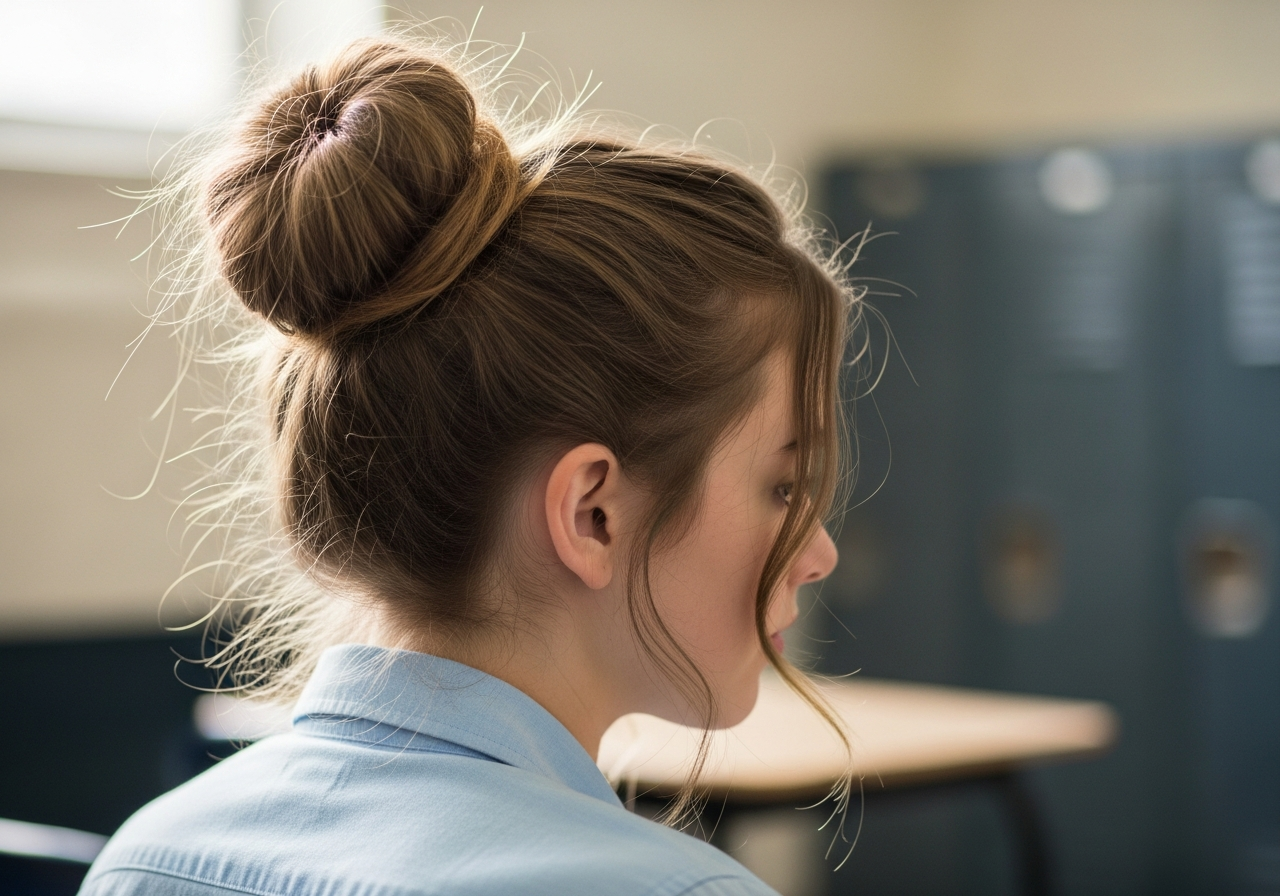
The messy bun has evolved from a lazy Sunday style to an accepted and admired school look. This hairstyle embraces texture and movement rather than fighting against them, making it ideal for second-day hair or naturally wavy textures.
Gather your hair into a high ponytail without worrying about perfection. Twist the ponytail loosely and wrap it around the base, securing with another elastic or several bobby pins. The key is allowing pieces to fall naturally rather than forcing everything into place. Pull out a few face-framing strands to soften the overall look and create a more relaxed vibe.
For students with thicker hair, the messy bun provides particular advantages. It manages volume effectively while looking intentionally stylish rather than unkempt. The beauty of this style lies in its forgiveness. Minor imperfections actually enhance the overall aesthetic rather than detracting from it.

French Braid Elegance
The French braid represents a slightly more advanced technique, but the time investment in learning pays dividends. This style keeps hair completely secured and looks sophisticated from every angle, making it appropriate for presentations, performances, or regular school days.
Begin at the crown of your head with three equal sections. Cross the right section over the middle, then the left section over the middle. With each subsequent crossing, incorporate additional hair from the sides into each section before crossing. Continue this pattern down the length of your hair, securing the end with an elastic.
The French braid works beautifully for athletic students as it withstands vigorous movement without coming loose. For those still mastering the technique, starting with a side French braid offers slightly easier visibility and still creates an elegant finished look.
Half-Up Top Knot
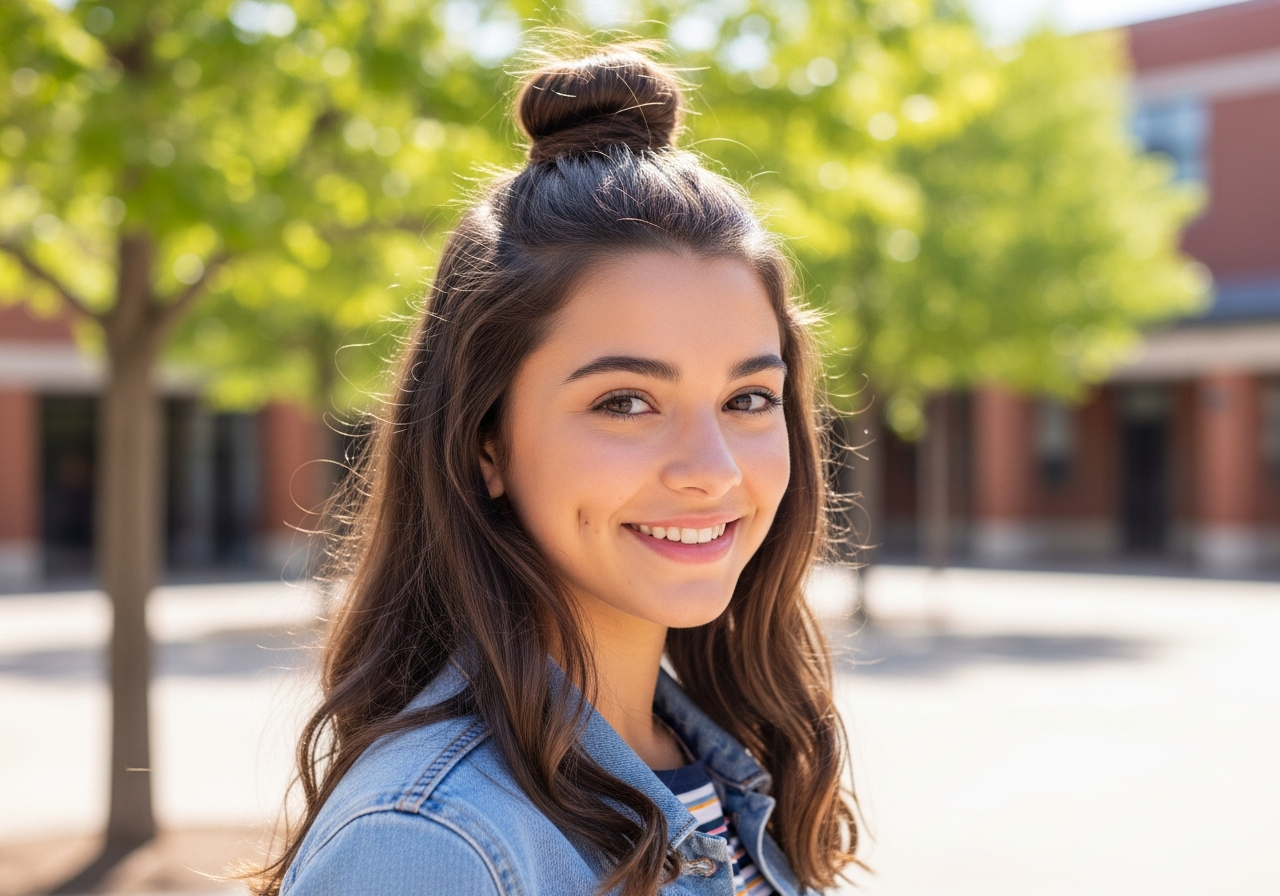
The half-up top knot combines the security of pulled-back hair with the flowing movement of hair down. This hybrid style suits virtually every hair length beyond chin level and can be dressed up or down depending on how you style it.
Section off the hair from your temples to the crown of your head. Gather this section into a high ponytail, then twist and wrap it into a small bun, securing with an elastic and bobby pins as needed. The remaining hair flows freely down your back or over your shoulders.
This style particularly flatters students with layered haircuts, as the loose bottom section showcases the dimension while the top knot keeps hair from interfering with classwork or activities. Adding a textured scrunchie to the top knot introduces color and personality without overwhelming the overall look.
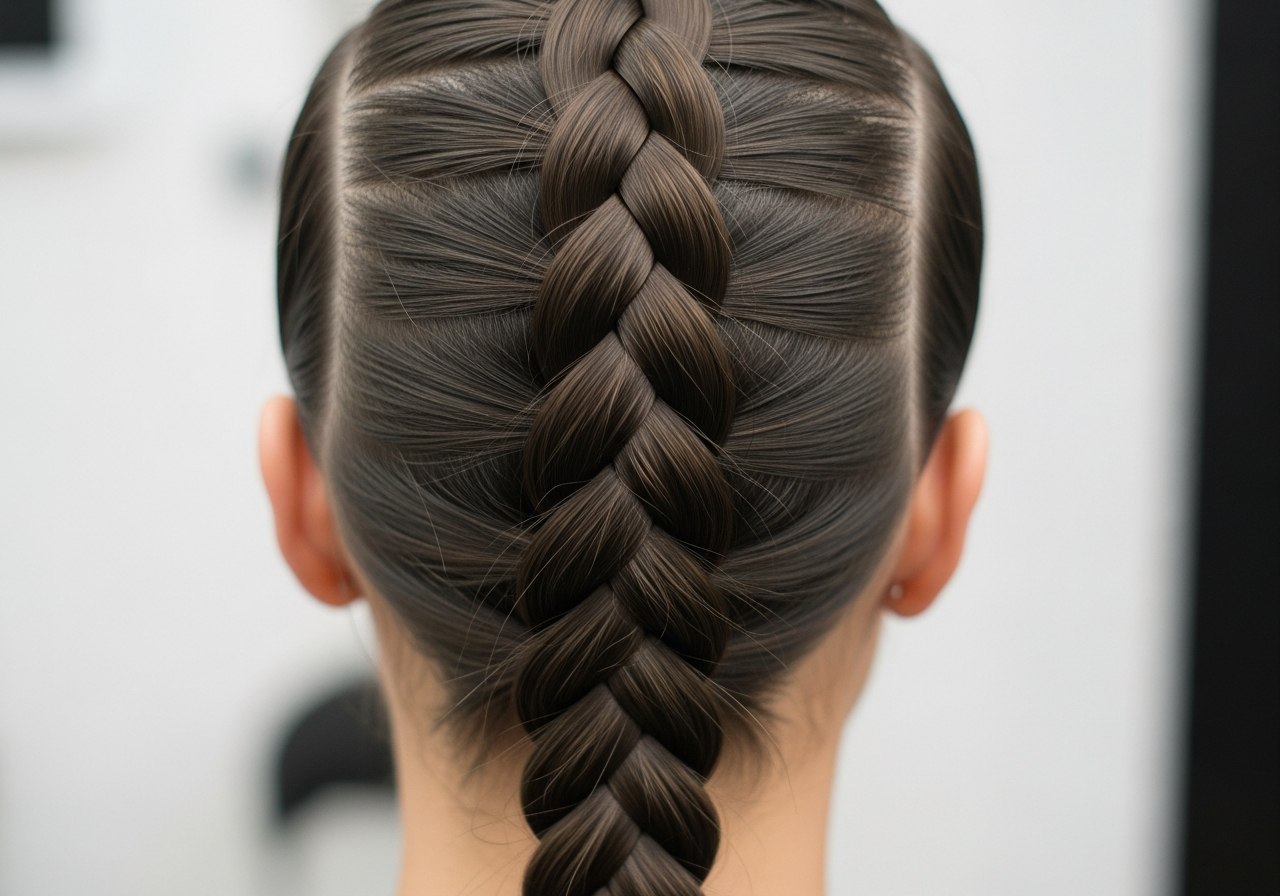
Dutch Braid Drama
The Dutch braid, sometimes called a reverse French braid, creates a raised, three-dimensional effect that stands out visually. While the technique mirrors the French braid, you cross sections under rather than over, causing the braid to sit on top of the hair rather than blending in.
Start with three sections at the front of your head. Cross the right section under the middle section, then the left section under the middle. With each crossing, add more hair from the sides to each section. The resulting braid appears to be sitting on top of your head, creating impressive visual texture.
Two Dutch braids, one on each side of a center part, create an athletic yet feminine look that has gained popularity across school campuses. This style keeps hair completely secure while making a bold style statement that stands out in yearbook photos and social media posts.
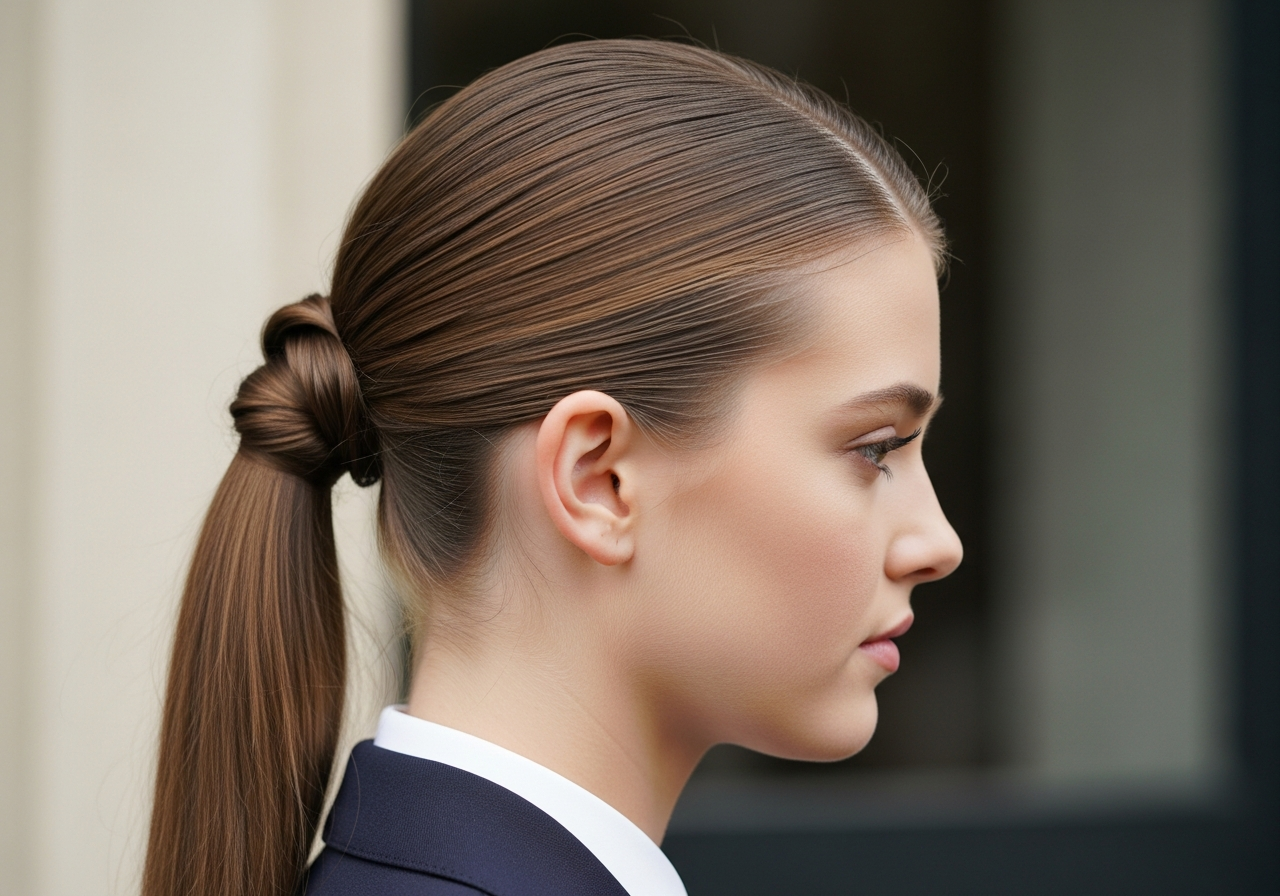
Low Twisted Ponytail
For students seeking a more mature, refined appearance, the low twisted ponytail delivers sophistication with minimal effort. This style works exceptionally well for students with straight to slightly wavy hair textures.
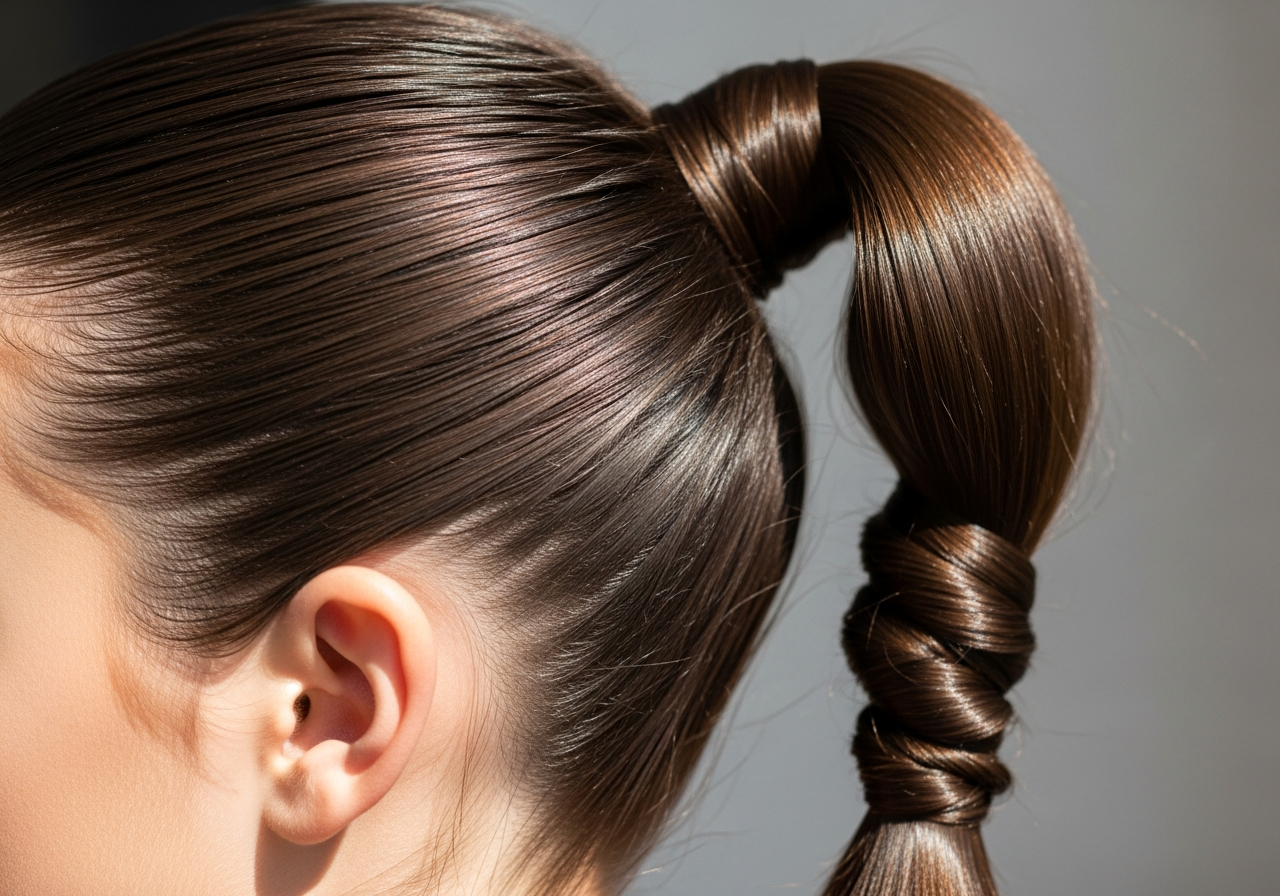
Create a low ponytail at the nape of your neck. Before securing with an elastic, divide the hair above the elastic into two sections, creating a small opening. Flip the ponytail up and through this opening, creating a twisted effect. Gently pull at the sides to add volume and texture. The result is an elegant, pulled-together look appropriate for any school setting.
This technique can be repeated down the length of the ponytail for added interest, creating multiple twisted sections that catch light and add movement throughout the day.
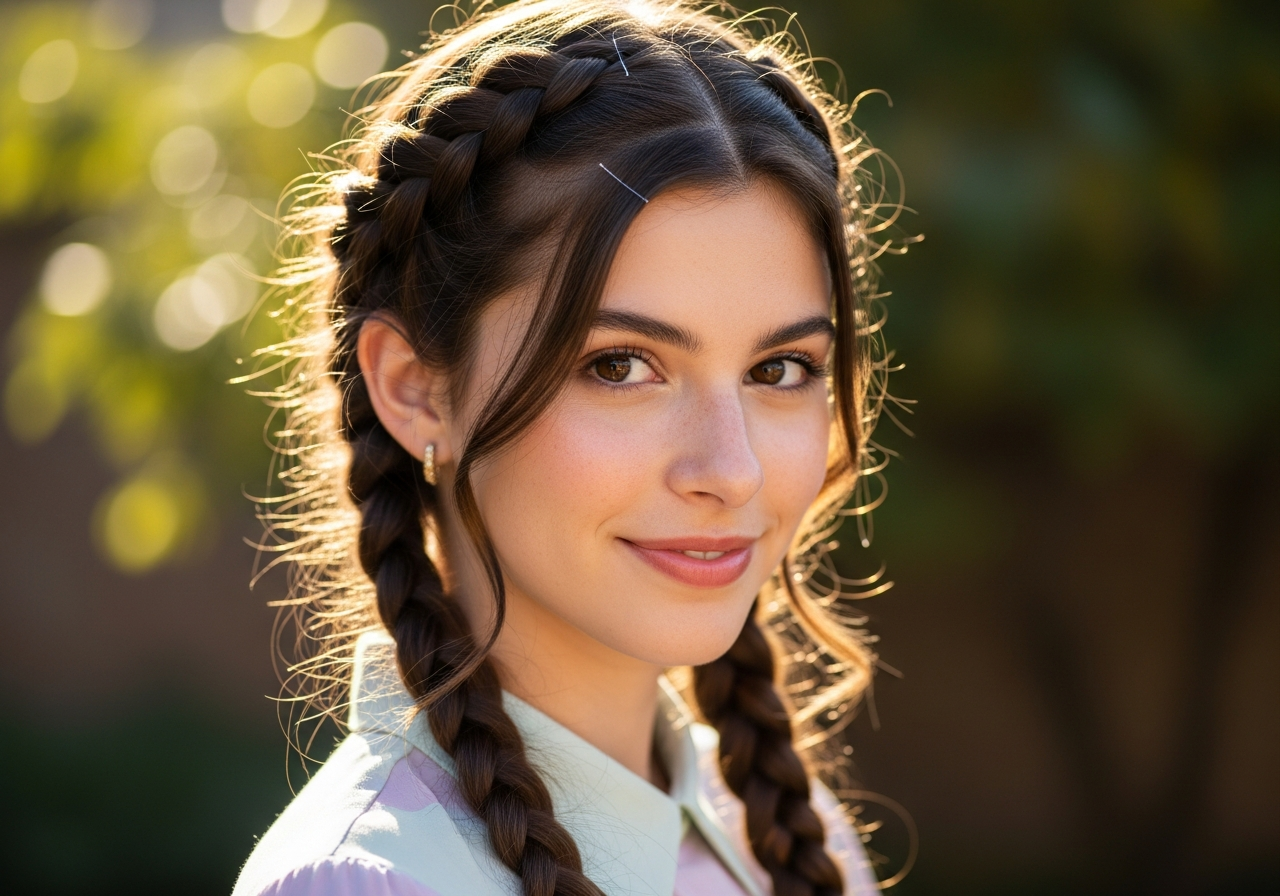
Braided Crown
The braided crown creates an almost regal appearance while keeping hair completely away from the face. This style particularly suits students with medium to long hair and works well for special school events or regular days when you want to feel extra confident.
Part your hair down the middle. Starting on one side, create a regular three-strand braid beginning near your ear and working toward the back. Repeat on the other side. Bring both braids up and across the top of your head like a crown, securing them with bobby pins and tucking the ends underneath for a seamless finish.
For a softer variation, gently pull at the braids to loosen them slightly before pinning them in place. This creates a more romantic, textured appearance while maintaining the structural integrity of the style.
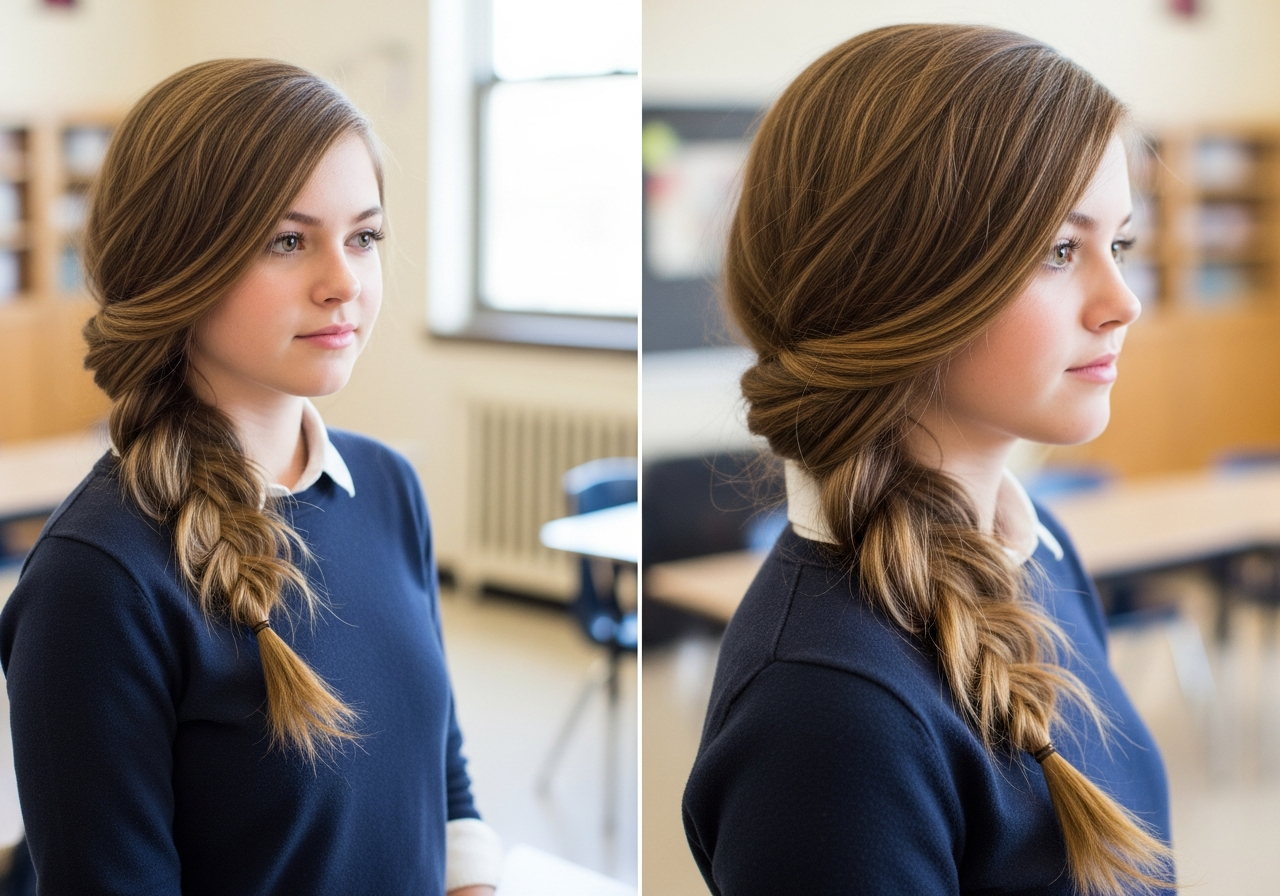
Simple Side Braid
The side braid offers versatility and works across all skill levels. Whether you choose a traditional three-strand braid, a fishtail, or a rope braid, pulling it to one side creates an asymmetrical interest that photographs beautifully and stays neat throughout long school days.
Sweep all your hair over one shoulder. Create your preferred braid type, securing the end with an elastic. For additional security, use a small amount of lightweight hairspray or texturizing spray to tame flyaways without making hair stiff or unnatural.
The side braid works particularly well for students with layered cuts, as shorter pieces can be incorporated into the braid or left to frame the face softly. This style transitions easily from classroom to after-school activities without requiring adjustment or touch-ups.
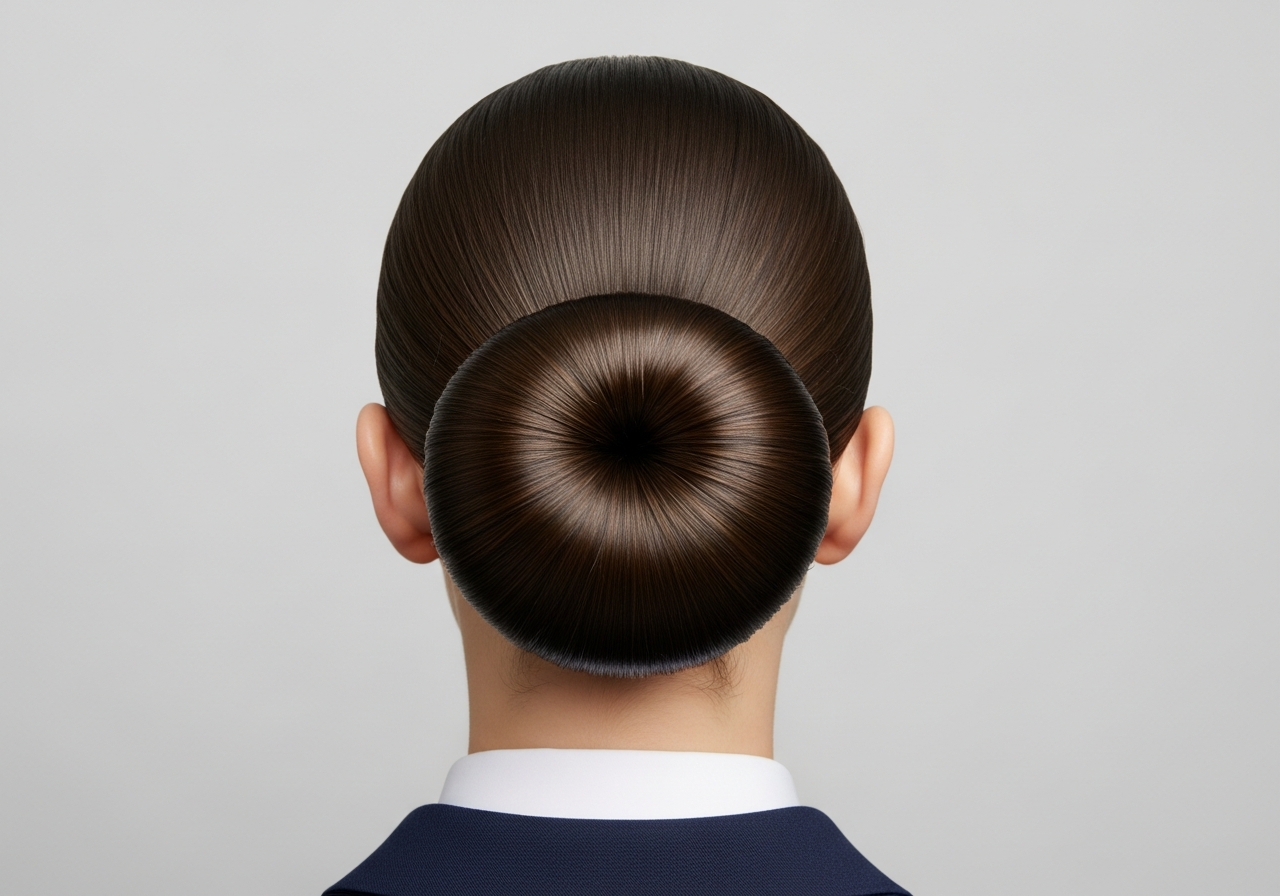
Sleek Low Bun
The sleek low bun projects professionalism and maturity, making it an excellent choice for presentations, interviews, or days when you want to feel particularly polished. This style works best on straight or straightened hair but can be adapted for other textures with the right products.
Brush hair thoroughly to remove all tangles and create a smooth surface. Gather hair into a low ponytail at the nape of the neck, securing tightly with an elastic. Twist the ponytail and wrap it around the base, creating a neat bun. Secure with bobby pins and finish with a light hairspray to control flyaways.
For students with naturally curly or textured hair, embracing the texture rather than fighting it creates a beautiful variation. Allow the natural curl pattern to show in the bun for a softer, more organic appearance that still looks intentional and put-together.
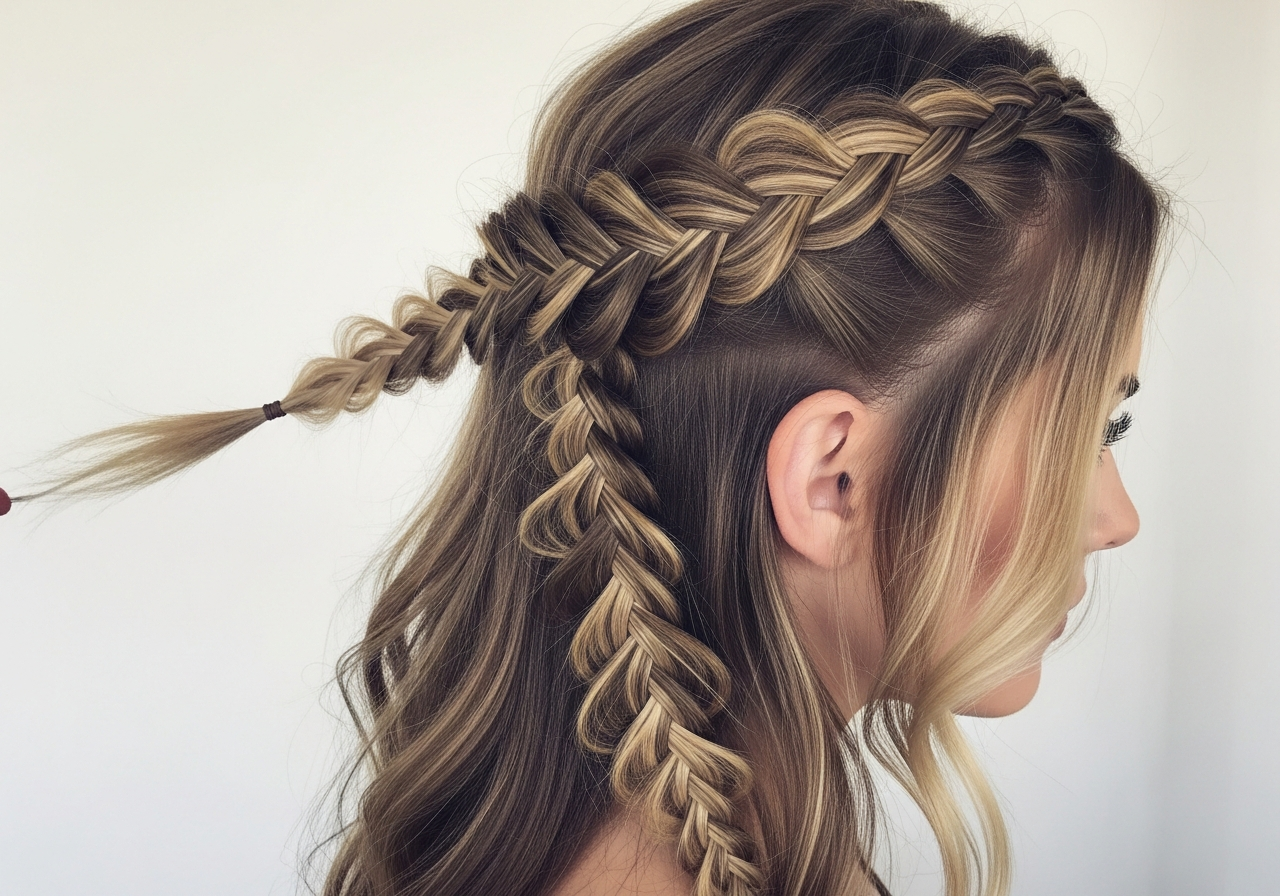
Waterfall Braid Accent
The waterfall braid creates an intricate appearance that belies its relatively simple technique. This style works as an accent along the side of the head, with the remaining hair flowing freely or styled in another way.
Begin with a small section of hair near your temple, divided into three parts. Start a regular braid, but after the first cross, drop the bottom section and pick up a new section from above to replace it. Continue this pattern, always dropping the bottom section and incorporating new hair from above. The dropped sections create a cascading waterfall effect.
This technique works beautifully as a headband alternative, creating visual interest across the crown while keeping the front sections away from the face. It particularly suits students with highlights or balayage, as the weaving showcases the color dimension.
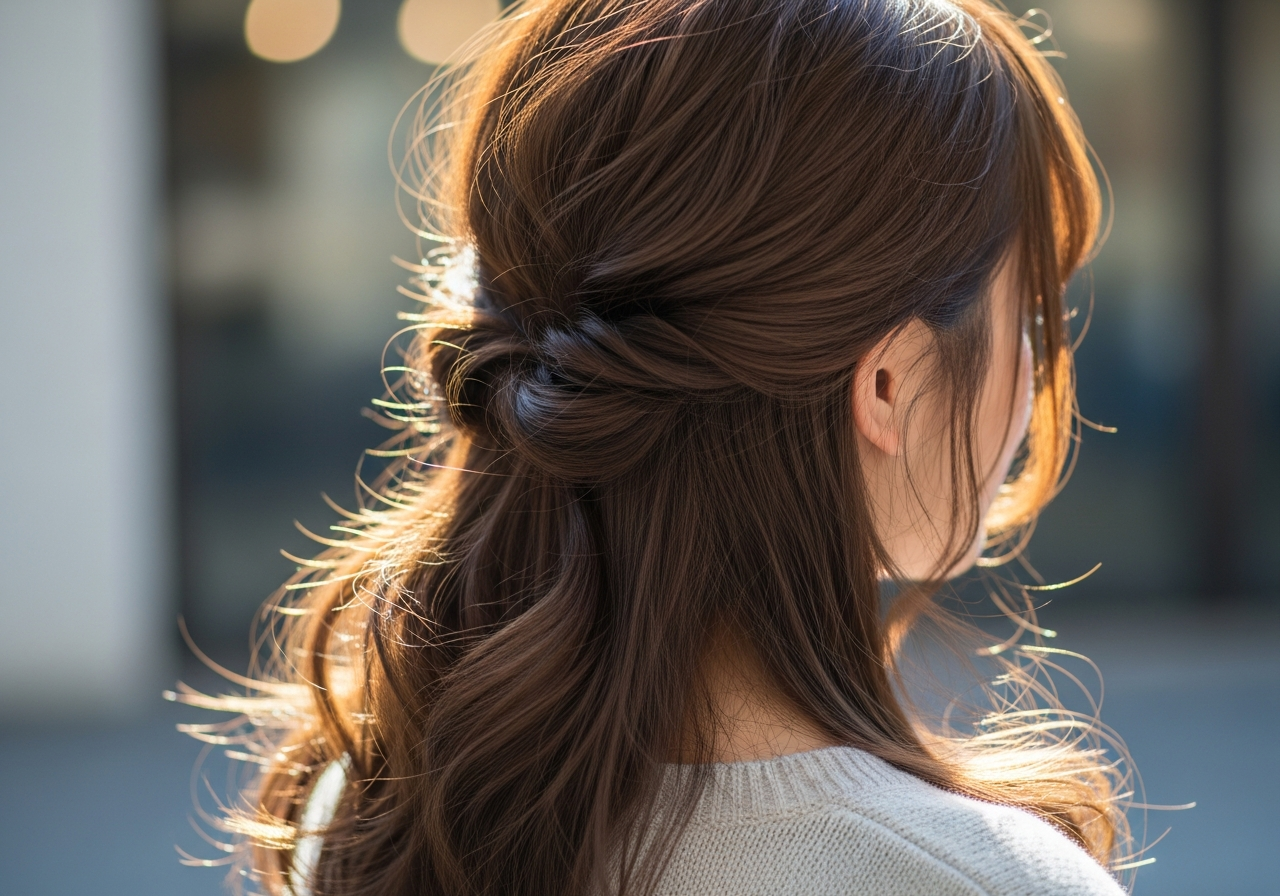
Twisted Half-Up Style
The twisted half-up style provides a romantic, feminine appearance while requiring minimal technical skill. This versatile option works for students with various hair lengths and textures, making it an inclusive choice for diverse student populations.
Take a section of hair from each side of your head, starting near your temples. Twist each section back toward the center of your head. Cross them over each other and secure with bobby pins or a small elastic at the back of the head. The remaining hair flows freely while the front sections are secured away from the face.
For added dimension, gently pull at the twists to loosen them slightly, creating more volume and texture. This style can be dressed up with decorative pins or left simple for everyday wear.
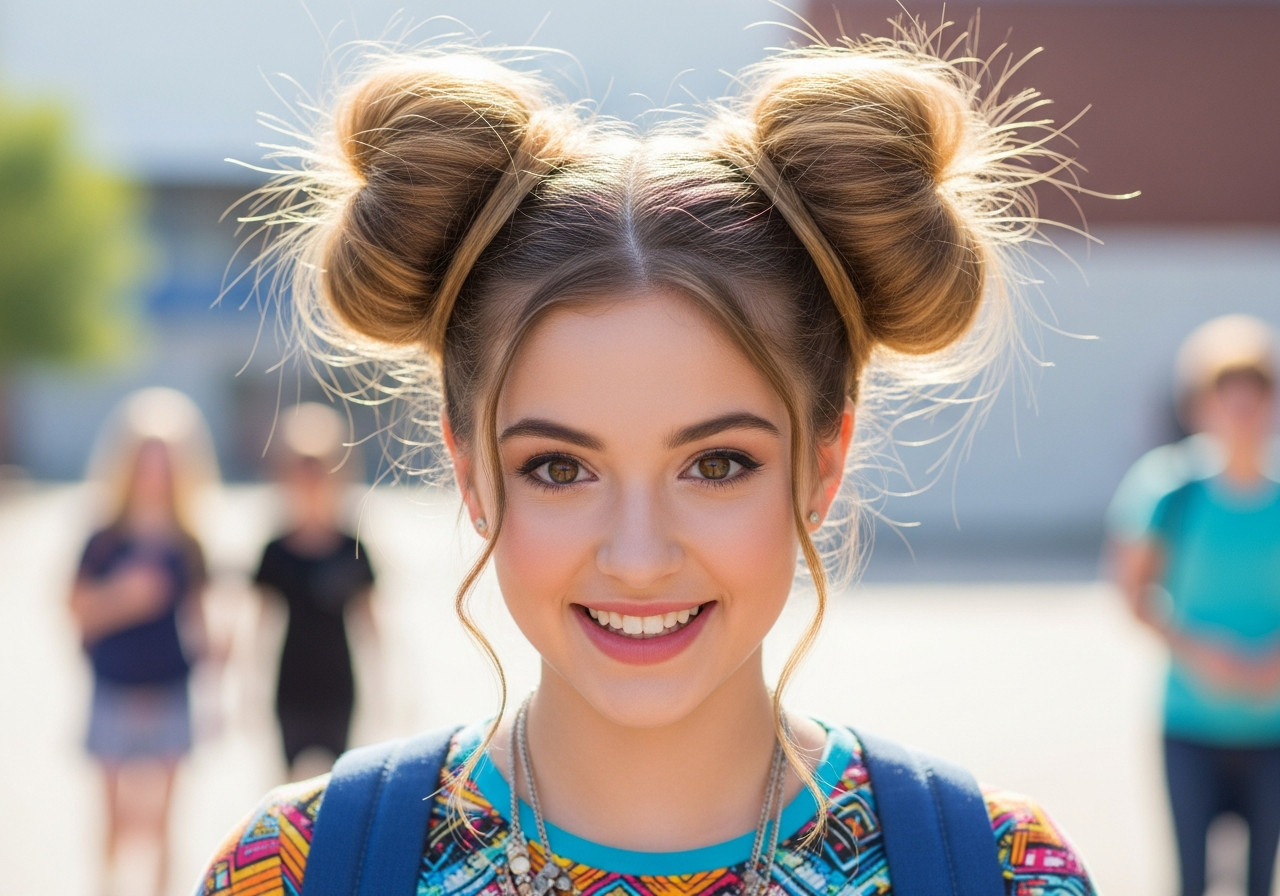
Space Buns
Space buns have transitioned from festival fashion to acceptable everyday school style, particularly among younger students seeking playful, expressive looks. This style works best with medium to long hair and offers both full and half-up variations.
Part your hair down the middle. Gather each side into a high ponytail, positioned above and slightly behind your ears. Twist each ponytail and wrap it around its base, creating two symmetrical buns. Secure with elastics and bobby pins. For a softer appearance, pull out face-framing pieces and allow some texture rather than achieving complete smoothness.
The half-up space buns use only the top section of hair, creating two smaller buns while leaving the bottom section flowing. This variation offers a compromise for students who want to embrace the trend while maintaining a more conservative overall appearance.

Fishtail Braid
The fishtail braid creates an intricate, detailed appearance despite using a fairly straightforward technique. Once mastered, this braid becomes a quick go-to option that always receives compliments and questions about how you achieved such a complex-looking style.
Divide your hair into two equal sections. Take a small piece from the outer edge of the left section and cross it over to join the right section. Then take a small piece from the outer edge of the right section and cross it to the left section. Continue alternating sides, always taking from the outer edge and crossing to the opposite section. Secure the end with an elastic.
The smaller the pieces you take, the more intricate and detailed the finished braid appears. However, smaller sections also require more time, so finding your personal balance between appearance and efficiency helps this style fit into your morning routine.
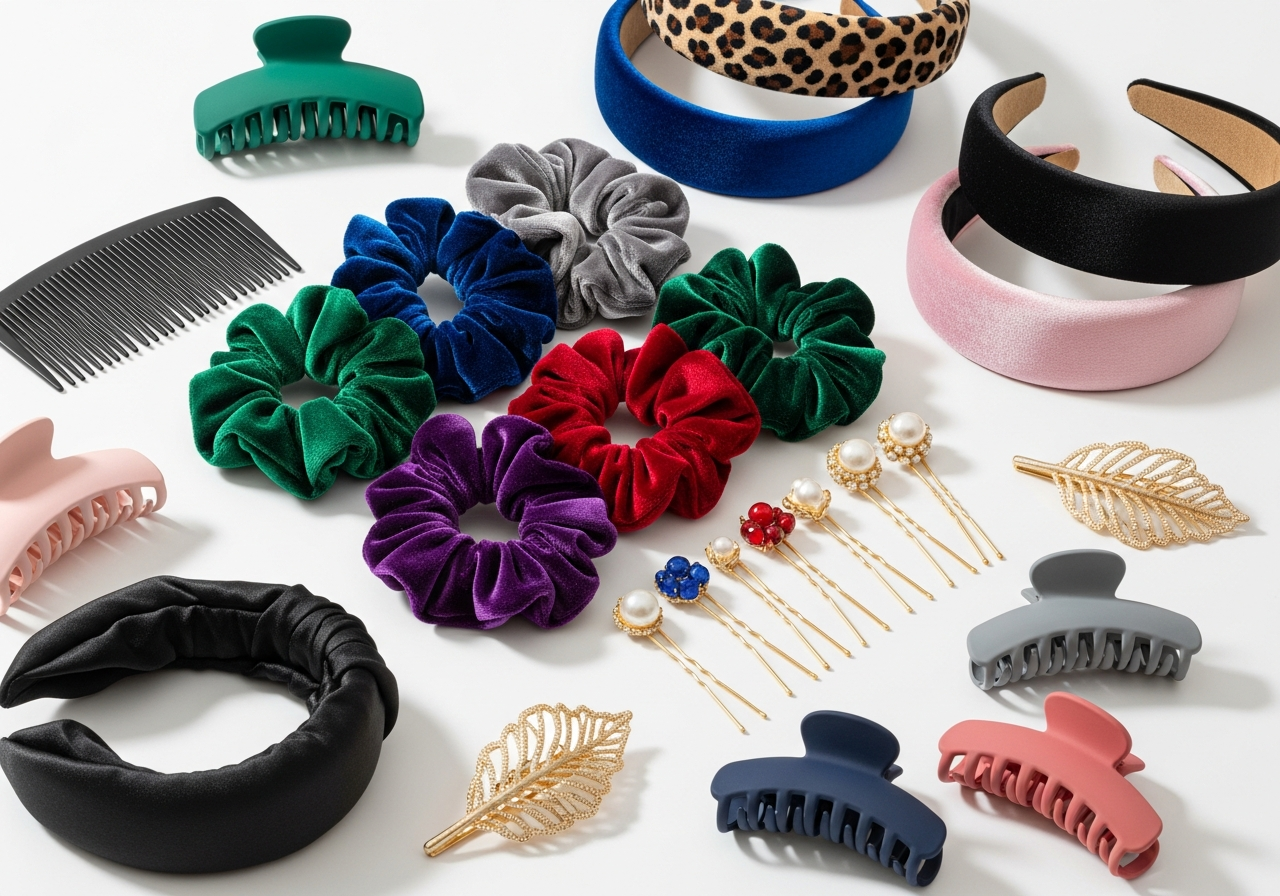
Accessorized Simple Styles
Sometimes the simplest hairstyles become creative through thoughtful accessorizing. A basic ponytail or loose hair transforms with the right headband, clips, or scrunchie. This approach works particularly well for students with shorter hair or those still developing their styling skills.
Velvet scrunchies add texture and color to any ponytail or bun. Decorative bobby pins can be arranged in patterns along the side of the head, securing hair while creating visual interest. Padded headbands push hair away from the face while adding a fashion-forward element to otherwise simple styles.
The key to successful accessorizing lies in choosing pieces that complement rather than overwhelm. One statement accessory typically creates more impact than multiple competing elements, allowing your personal style to shine through without appearing overdone.

Rope Braid Ponytail
The rope braid ponytail combines two classic elements into one cohesive style that looks more complicated than it actually is. This technique works particularly well for students with thicker hair, as the rope braid showcases volume beautifully.
Create a high or low ponytail according to your preference. Divide the ponytail into two equal sections. Twist each section in the same direction, either both clockwise or both counterclockwise. Then wrap the two twisted sections around each other in the opposite direction from how you twisted them. Secure the end with an elastic.
The opposing twist directions create tension that holds the rope braid together, preventing it from unraveling throughout the day. This style maintains its shape remarkably well, making it ideal for long school days that extend into evening activities.
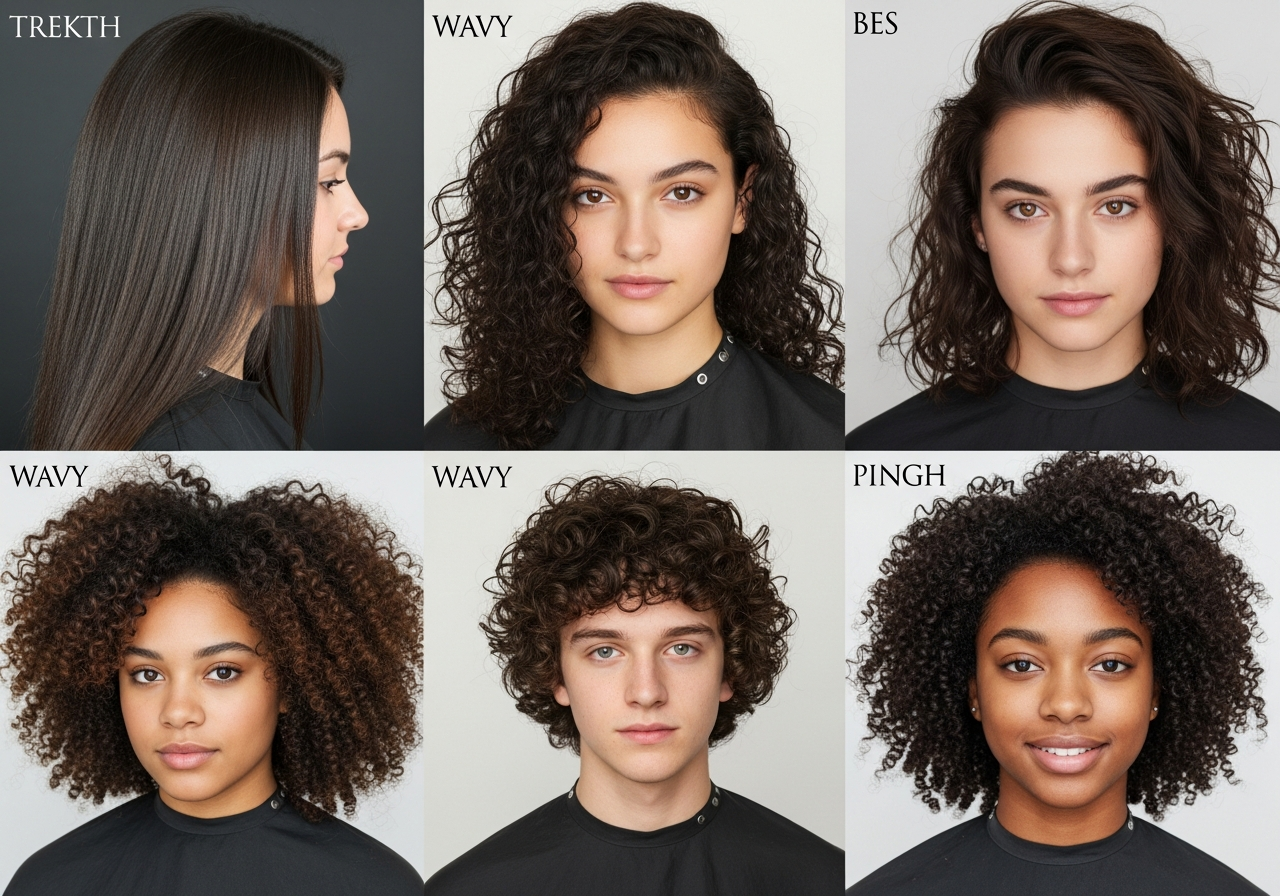
Making These Styles Work for Your Hair Type
Every student has unique hair characteristics that influence which styles work best. Students with fine, straight hair may find that texture sprays or dry shampoo help styles hold better throughout the day. Those with thick, coarse hair might need stronger elastics and more bobby pins to secure styles properly.
Curly and textured hair brings beautiful natural volume to many of these styles. Rather than fighting your natural texture, work with it. Many braided styles look stunning when they incorporate natural curl patterns, creating dimension and interest that straight hair cannot replicate.
Students with shorter hair can adapt many of these styles by focusing on half-up options, accessorizing simple looks, or using small braids as accent pieces rather than full hairstyles. Bob and lob lengths offer particular versatility for twisted styles and low buns.
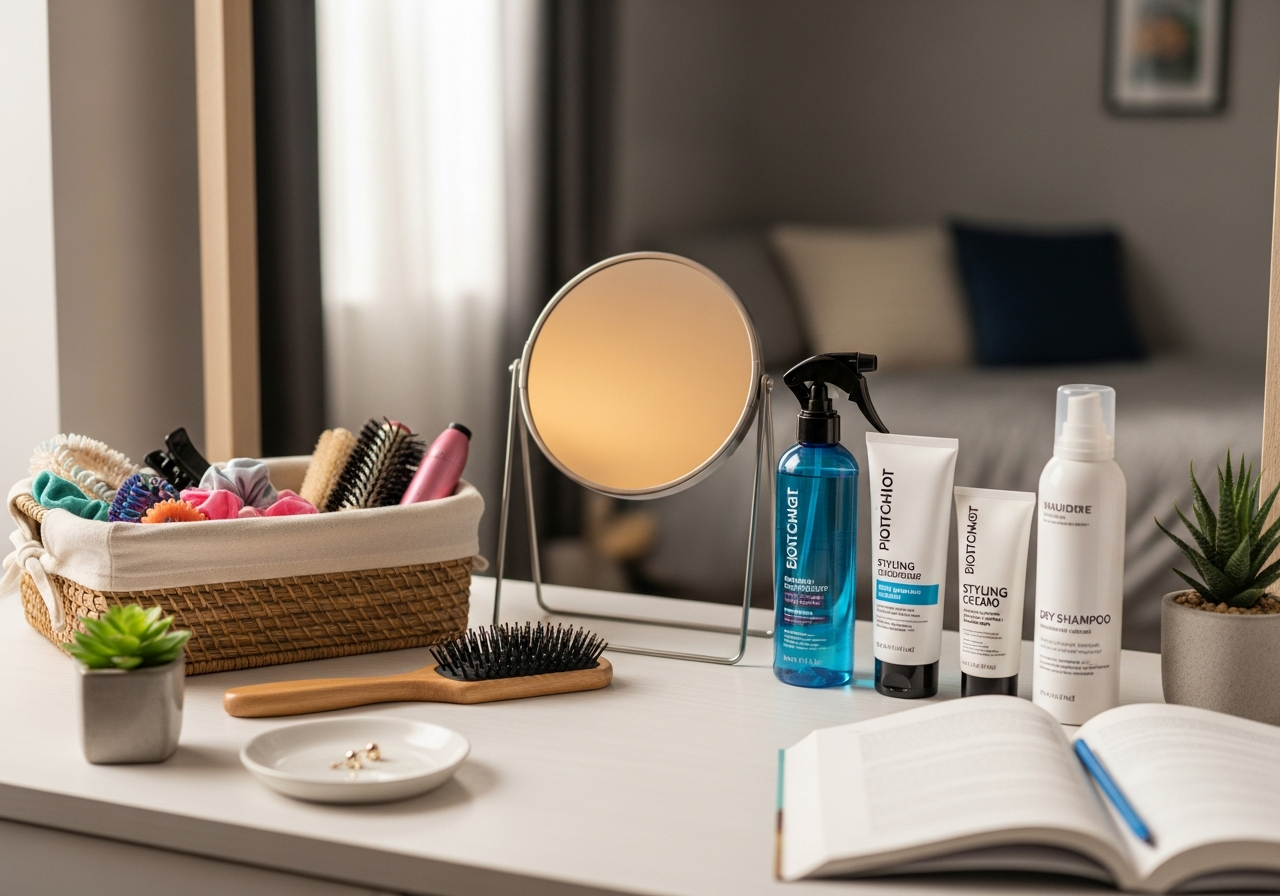
Time-Saving Tips for School Mornings
Efficiency matters during busy school mornings. Preparing the night before by showering and allowing hair to air dry creates a better starting point than rushing through wet hair. Sleeping with hair in a loose braid can create gentle waves that add texture to many styles.
Keep essential tools and accessories in one designated location. A small basket containing elastics, bobby pins, your brush, and any styling products prevents wasting precious minutes searching for misplaced items. Quality tools make a noticeable difference. A good hairbrush appropriate for your hair type works faster and creates better results than a subpar alternative.
Practice new styles during weekends or school breaks when time pressure does not exist. Muscle memory develops through repetition, transforming initially challenging techniques into quick, automatic processes. What takes fifteen minutes during your first attempt may require only five minutes after a few weeks of regular practice.
Conclusion
Creative school hairstyles need not require professional skills or excessive time. These fifteen options demonstrate that style and practicality can coexist beautifully in student life. From classic ponytails with modern twists to intricate braided creations, options exist for every skill level, hair type, and personal aesthetic.
The most important element is finding styles that make you feel confident and comfortable throughout your school day. Experiment with different options to discover which techniques work best for your hair characteristics and lifestyle needs. Remember that even the most skilled stylists started as beginners, learning through practice and patience.
As you master these techniques, you will likely develop your own variations and modifications, creating signature looks that express your individuality. Hair represents one of many ways students can explore personal style and creativity, making each school day an opportunity to try something new or perfect a favorite technique. Whether you prefer the security of a perfectly executed bun or the carefree movement of a loose braid, these styles empower you to look and feel your best while navigating the demands of student life.
Frequently Asked Questions
What is the easiest hairstyle for school when running late?
The messy bun remains the fastest option for rushed mornings. Simply gather hair into a ponytail, twist loosely, and secure with another elastic or pins. The intentionally casual aesthetic means imperfections actually enhance the look rather than detracting from it. This style works across most hair types and lengths beyond shoulder level.
How can I make my school hairstyle last all day without falling apart?
Start with hair that has some texture rather than freshly washed, as clean hair can be slippery. Use quality elastics designed for hair rather than rubber bands. Secure styles with adequate bobby pins, inserting them in crossing patterns for maximum hold. A light finishing spray helps control flyaways without making hair stiff or unnatural.
Which hairstyles work best for curly or textured hair?
Embrace your natural texture rather than fighting it. Pineapple updos, twisted styles, and loose braids showcase curls beautifully. The messy bun works particularly well as curls add natural volume and interest. Avoid styles requiring sleekness unless you genuinely enjoy the straightening process, as working with your texture saves significant time and maintains hair health.
Can I create interesting hairstyles with short hair?
Absolutely. Shorter lengths excel at accessorized looks using headbands, clips, and pins arranged in creative patterns. Half-up styles work well with bob lengths. Small braids along the sides or crown add interest even when insufficient length exists for full braids. Textured styling products help create volume and shape in shorter cuts.
How do I learn braiding techniques if I struggle with coordination?
Start with basic three-strand braids on a friend, sibling, or even a doll before attempting your own hair. Braiding behind your head requires different muscle memory than braiding what you can see. Watch tutorial videos slowed down to understand hand positioning. Practice one technique repeatedly rather than attempting multiple styles simultaneously, allowing muscle memory to develop before adding complexity.