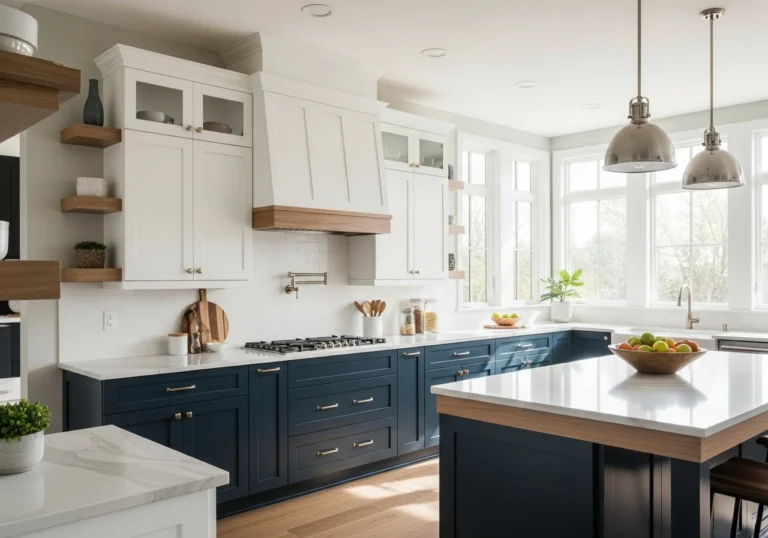

11 Cozy Living Room Aesthetic Ideas To Warm Up Your Home
Your living room serves as the heart of your home, where daily life unfolds and memories take shape. Creating a space that feels both beautiful and inviting requires thoughtful design choices that balance aesthetics with comfort. Whether you’re starting from scratch or refreshing an existing space, the right aesthetic can transform your living room into a warm sanctuary where everyone wants to gather.
The concept of coziness extends beyond physical comfort. It encompasses the visual warmth of your color choices, the tactile pleasure of layered textures, and the emotional connection you feel to your surroundings. A well-designed cozy living room should wrap you in comfort the moment you step through the door, offering a retreat from the demands of daily life while still maintaining style and sophistication.
Modern living room design has shifted away from sterile, showroom-perfect spaces toward rooms that feel lived-in and loved. Today’s most appealing living rooms blend personal character with intentional design, creating environments that look collected over time rather than purchased all at once. This approach to decorating prioritizes authenticity and warmth, resulting in spaces that truly feel like home.
Embrace Warm Neutral Color Palettes
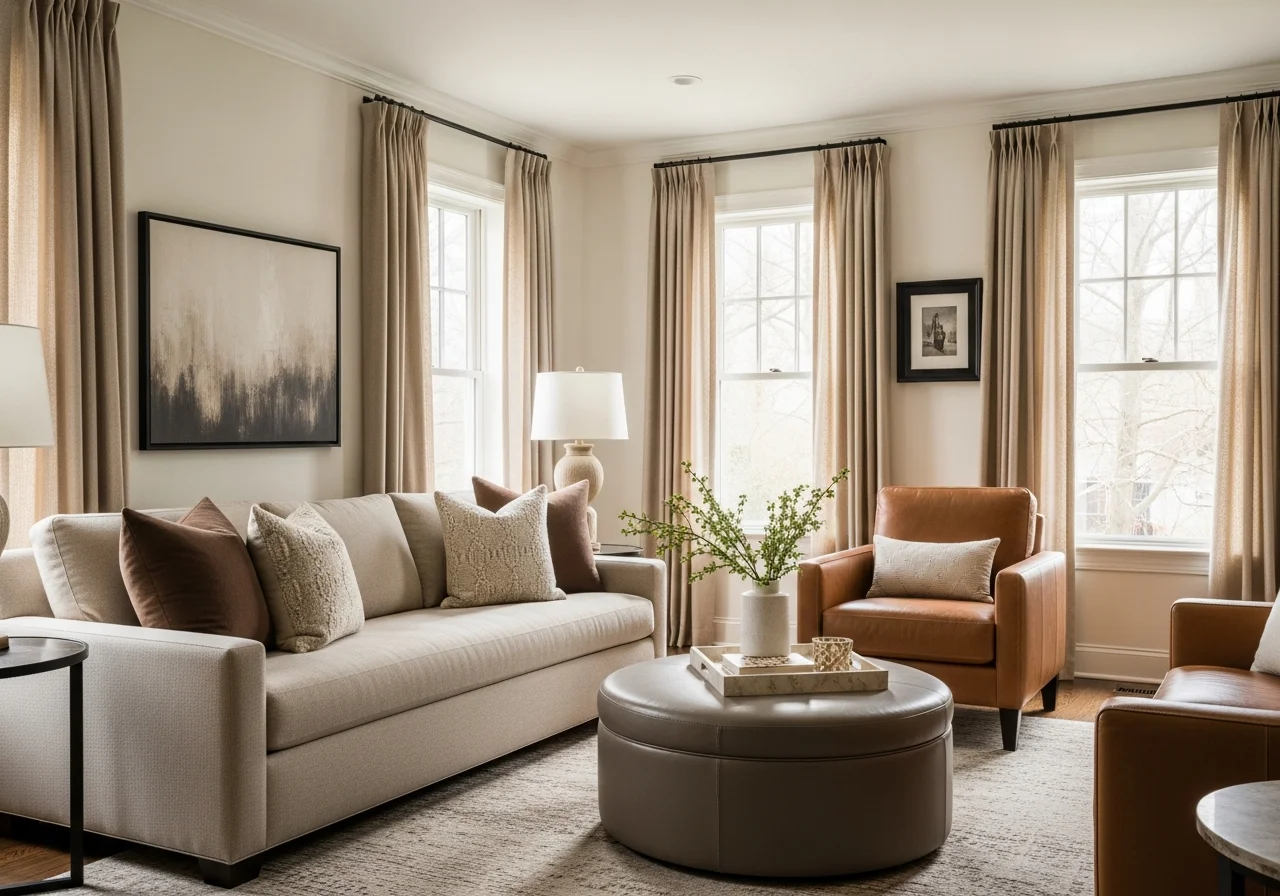
The foundation of any cozy living room begins with color selection. Warm neutrals have emerged as the cornerstone of comfortable interior design, offering versatility while creating an enveloping atmosphere. Think beyond stark whites and cool grays toward richer tones like cream, beige, caramel, and warm taupe. These colors provide a soothing backdrop that makes spaces feel instantly more welcoming.
Warm brown tones have particularly gained popularity for their grounding effect. Sandy beiges create an airy feel while maintaining warmth, whereas deeper chocolate hues add drama and sophistication. The beauty of these neutral foundations lies in their ability to work harmoniously with virtually any accent color you might introduce later.
When selecting your neutral palette, consider how natural light interacts with your space throughout the day. North-facing rooms benefit from warmer undertones to counteract cooler natural light, while south-facing spaces can handle slightly cooler neutrals without feeling cold. Testing paint samples on your walls and observing them at different times helps ensure your chosen colors create the warm atmosphere you desire.
Layering different shades within the same warm color family adds depth and prevents your space from feeling flat. Pair cream walls with beige upholstery and caramel accent pieces to create a cohesive yet dimensional look. This tonal approach feels sophisticated and timeless while maintaining the cozy ambiance that makes a living room truly inviting.
Layer Textures for Visual and Tactile Interest
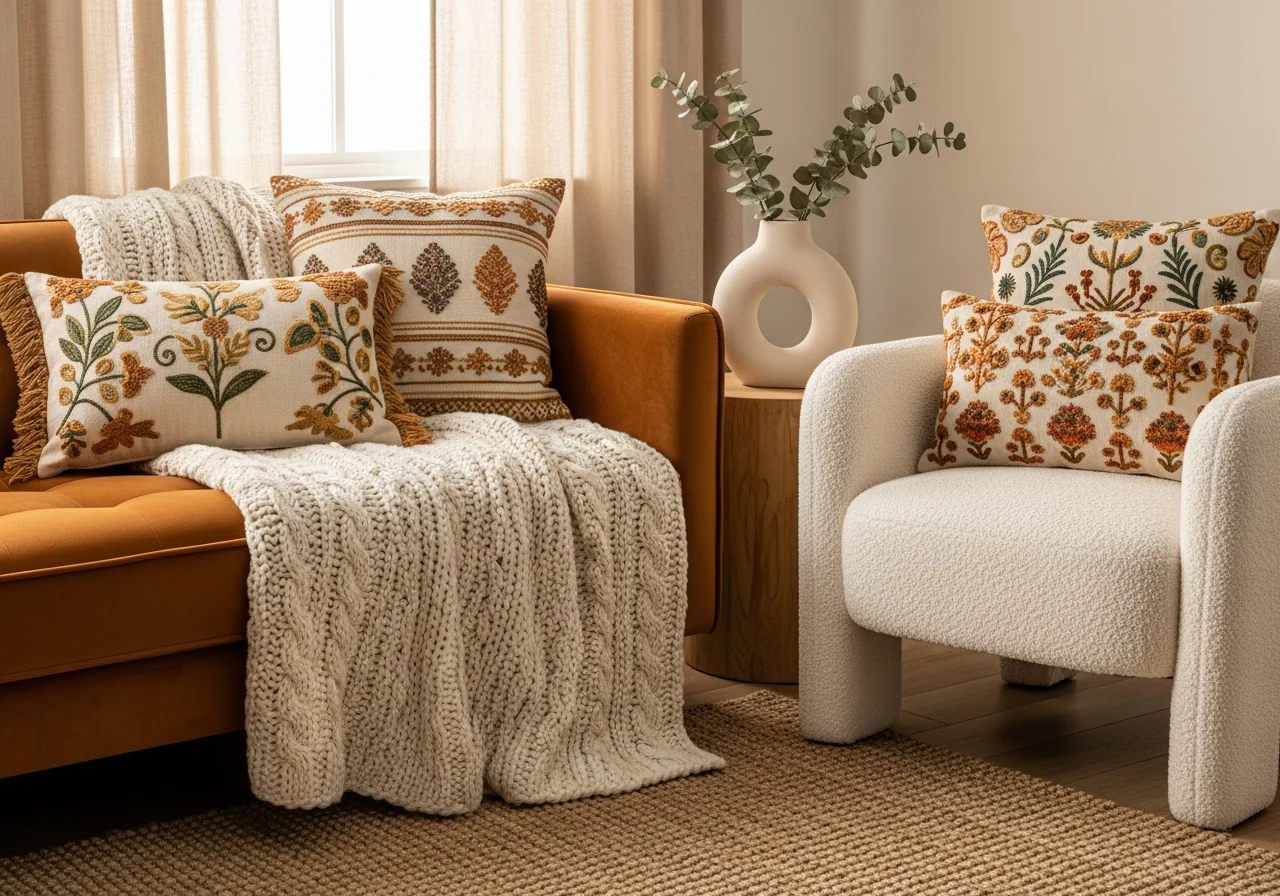
Texture plays a crucial role in creating a cozy aesthetic that engages multiple senses. A room filled with smooth surfaces feels cold and uninviting, regardless of color choices. Layering various textures throughout your space adds depth, warmth, and visual interest that draws people in and makes them want to stay.
Start with your largest surfaces and work toward smaller details. A plush area rug underfoot immediately signals comfort and defines your seating area. Natural fiber rugs like jute or sisal bring organic texture, while wool or shag rugs offer softness and warmth. Consider layering rugs for added dimension, placing a smaller patterned rug over a larger neutral base.
Upholstery choices significantly impact both the look and feel of your space. Velvet adds luxurious softness and catches light beautifully, creating visual interest throughout the day. Linen offers a relaxed, lived-in quality with natural texture variations. Chenille and bouclé fabrics provide touchable appeal while maintaining durability for everyday use. Mixing these materials across different furniture pieces creates a curated, collected look.
Window treatments, throw pillows, and blankets offer opportunities for additional texture layering. Chunky knit throws draped over sofas or chairs add cozy visual weight. Embroidered or quilted pillows introduce pattern and dimension. Heavy linen or velvet curtains frame windows while adding softness to vertical surfaces. These layers work together to create a space that feels enveloping and comfortable from every angle.

Incorporate Curved and Organic Furniture Shapes
The shift from angular, boxy furniture toward curved and organic forms represents a significant trend in creating cozier living spaces. Curved furniture softens the visual landscape of a room while promoting a more relaxed, intimate atmosphere. These flowing lines feel inherently more welcoming than sharp corners and rigid geometry.
Curved sofas have become particularly popular for their ability to create natural conversation areas. The gentle arc encourages face-to-face interaction while maximizing seating capacity. Unlike traditional straight sofas that can feel formal or standoffish, curved seating draws people together and facilitates connection. This shape works especially well in open floor plans where defining distinct zones matters.
Beyond sofas, consider rounded armchairs, circular ottomans, and tables with soft edges. These pieces flow naturally into one another, creating movement and visual rhythm throughout your space. Curved furniture also tends to feel less imposing in smaller rooms, as the lack of sharp corners creates a perception of more available space.
When incorporating curved furniture, balance is key. Mixing some curved pieces with more linear elements prevents your space from feeling too soft or undefined. A curved sofa paired with a rectangular coffee table creates pleasing contrast. Round side tables soften the angles of square chairs. This thoughtful combination of shapes creates a dynamic yet cohesive aesthetic.
Create Intimate Lighting Layers
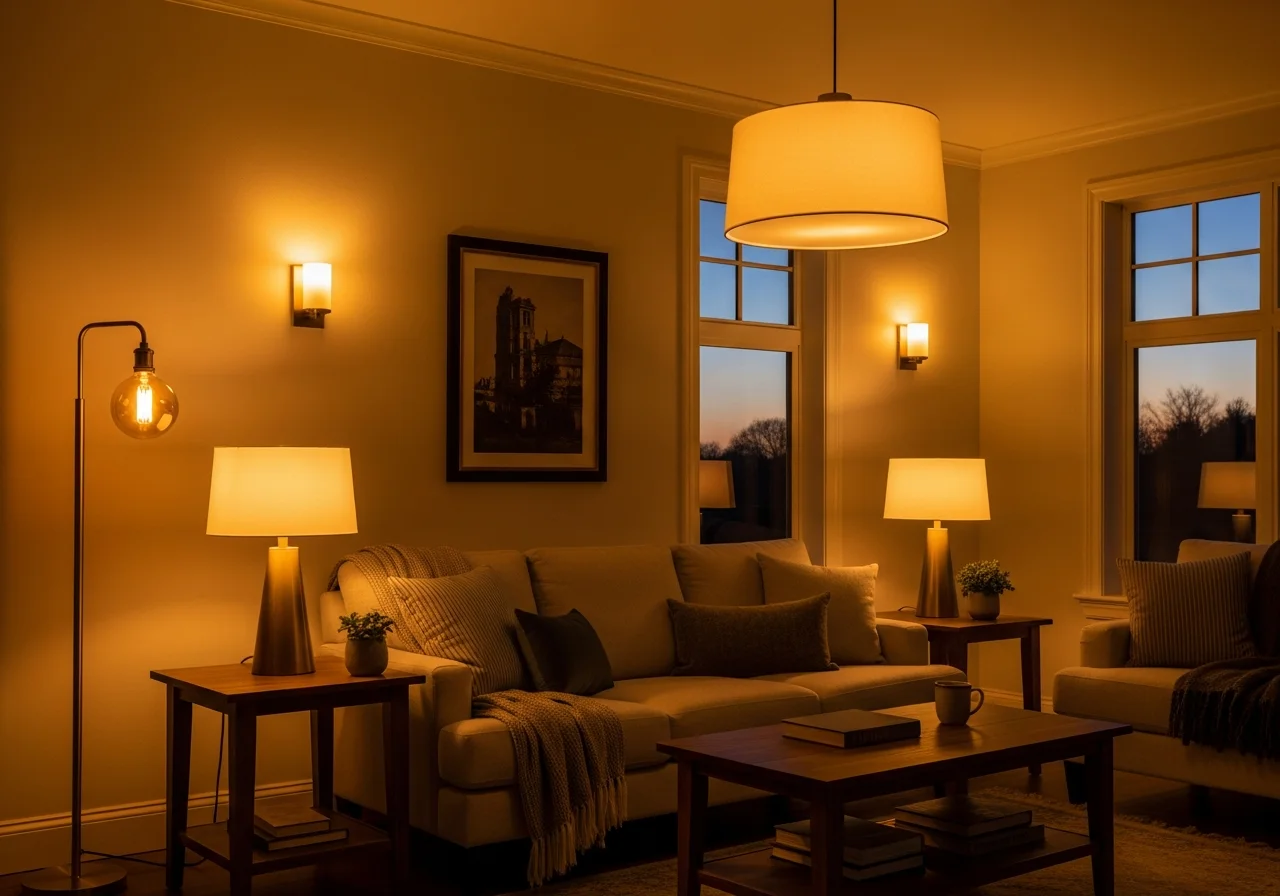
Lighting dramatically impacts how cozy and welcoming your living room feels. Harsh overhead lighting creates shadows and makes spaces feel institutional rather than intimate. The key to cozy illumination lies in layering multiple light sources at different heights and intensities throughout your room.
Start by assessing your functional lighting needs, then add ambient sources to create warmth. Table lamps on side tables provide task lighting for reading while contributing soft pools of light. Floor lamps fill vertical space and can illuminate dark corners. Wall sconces add architectural interest while freeing up surface space. Each light source should have its own dimmer switch when possible, allowing you to adjust the ambiance based on time of day and activity.
The quality of light matters as much as quantity. Warm-toned bulbs with color temperatures between 2700K and 3000K create the cozy glow that makes spaces feel inviting. Avoid cool white bulbs, which can make warm color palettes appear washed out and spaces feel clinical. Consider smart bulbs that allow you to adjust both brightness and color temperature throughout the day.
Statement lighting fixtures serve double duty as functional elements and decorative focal points. Sculptural floor lamps become conversation pieces. Oversized table lamps add drama to console tables. Unique pendant lights or chandeliers create visual interest without overwhelming your space. These pieces should reflect your overall aesthetic while providing the warm, layered illumination that defines truly cozy living rooms.
Add Natural Elements and Greenery
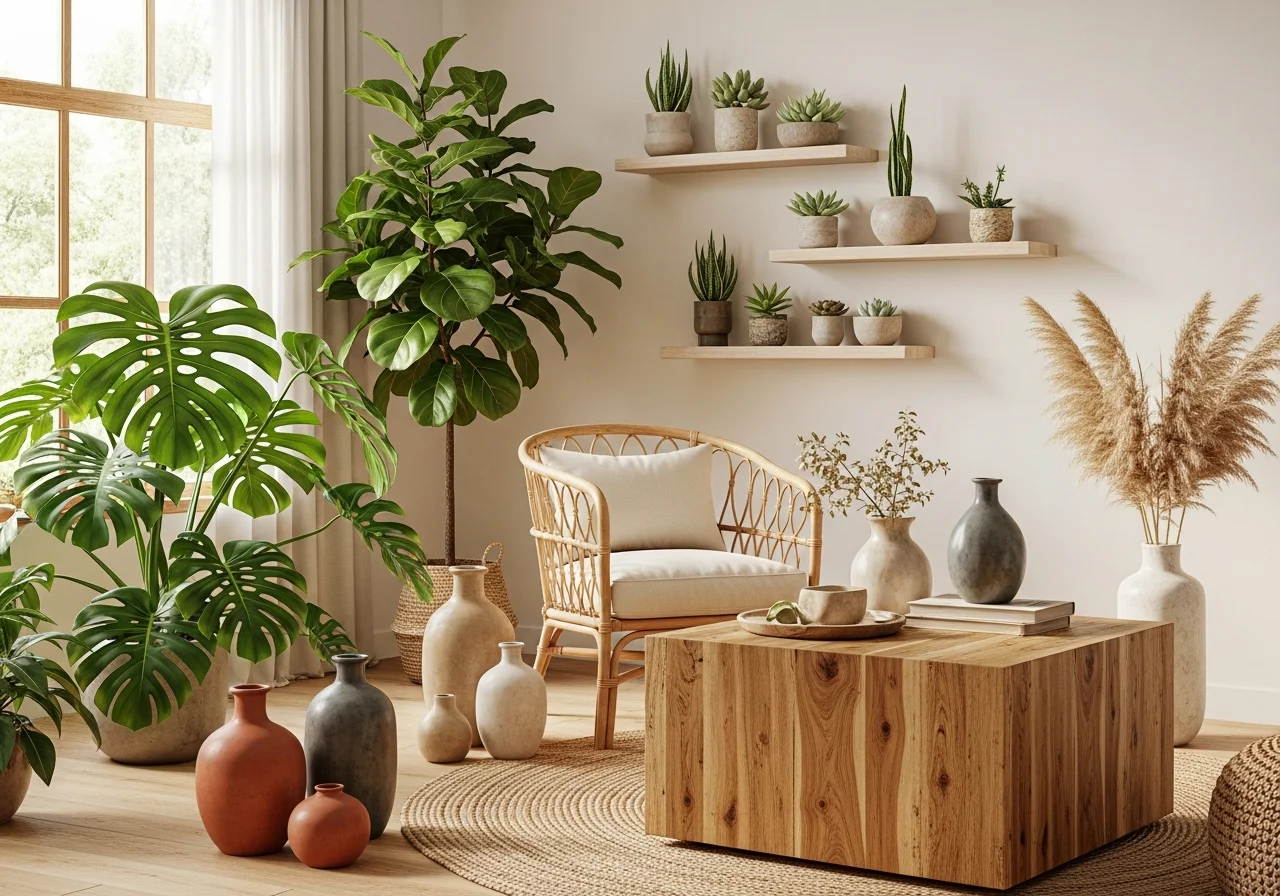
Bringing nature indoors creates an immediate sense of warmth and life in any living room. Natural elements ground your space while improving air quality and adding organic texture that synthetic materials cannot replicate. This biophilic approach to design taps into our innate connection to the natural world, creating environments where people instinctively feel more comfortable and at ease.
Houseplants serve as living decor that evolves with the seasons. Large floor plants like fiddle leaf figs or monstera create dramatic focal points and fill vertical space. Medium-sized plants on stands or tables add layers of green throughout the room. Smaller succulents and trailing plants on shelves contribute subtle natural touches. Choose plants appropriate for your light conditions and maintenance preferences to ensure they thrive rather than becoming sources of stress.
Natural materials in furniture and decor reinforce this connection to nature. Solid wood coffee tables, side tables, and shelving units bring warmth and authentic character that improves with age. Rattan or wicker accent chairs add texture while maintaining an airy feel. Stone or ceramic accessories provide earthy contrast to softer textile elements. These materials tell stories and develop patinas that synthetic alternatives cannot match.
Fresh or dried botanicals offer seasonal flexibility in your decor. Branches in tall vases create sculptural interest. Eucalyptus or pampas grass adds texture and movement. Fresh flowers bring color and fragrance that enliven your space. These natural elements require regular refreshing but provide dynamic visual interest that evolves throughout the year, keeping your living room feeling current and cared for.
Mix Vintage and Modern Elements
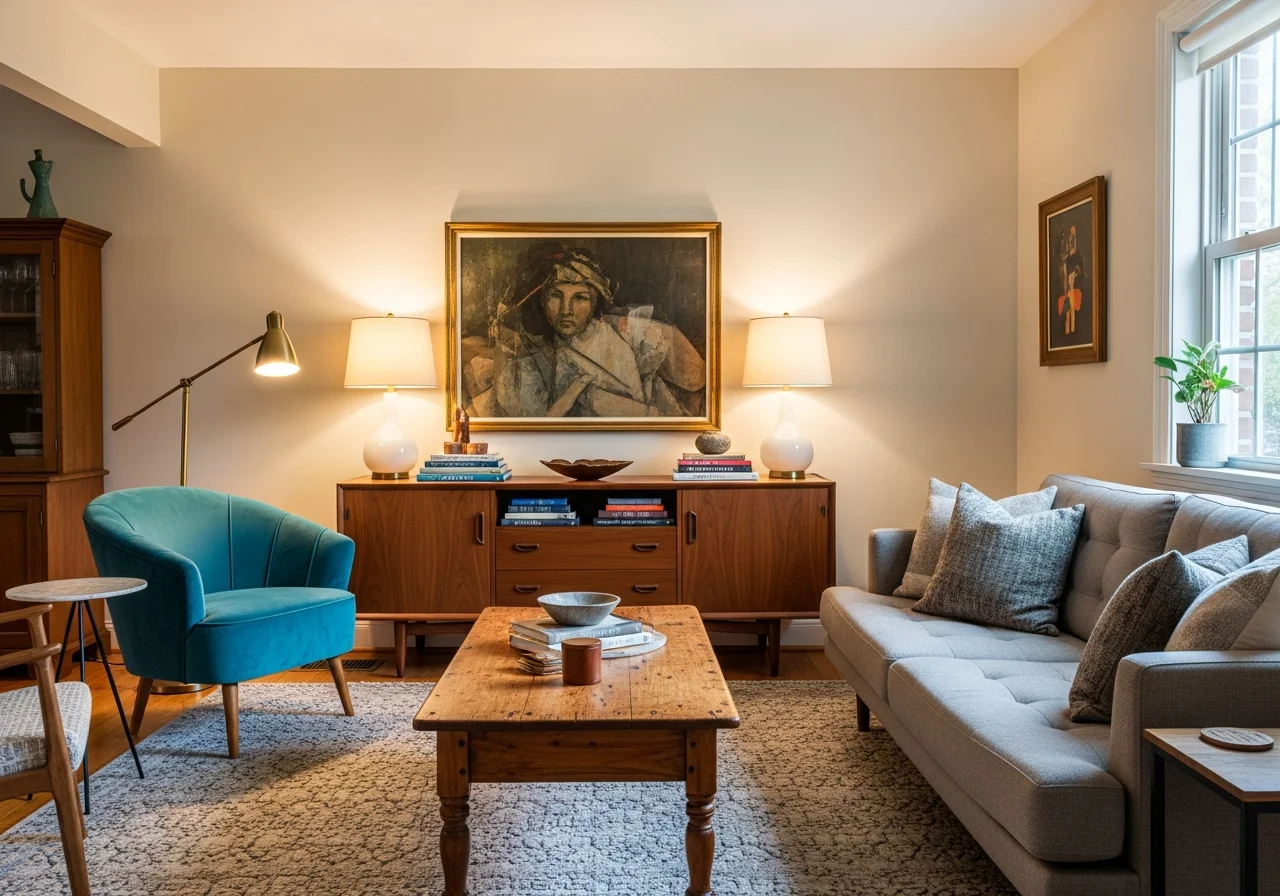
The most interesting and cozy living rooms blend pieces from different eras, creating spaces that feel collected over time rather than decorated all at once. This eclectic approach adds character and depth while allowing you to express your personal style. The key lies in finding balance between old and new, ensuring each piece contributes to a cohesive overall aesthetic.
Vintage furniture brings history and craftsmanship that new pieces often lack. A mid-century modern credenza offers both storage and style. An antique wooden coffee table becomes a conversation starter with its worn patina and unique details. Vintage armchairs reupholstered in contemporary fabrics bridge past and present. These pieces anchor your room with substance and character.
Shopping secondhand also supports sustainability while offering unique finds unavailable in retail stores. Thrift stores, estate sales, and online marketplaces provide opportunities to discover one-of-a-kind pieces at various price points. This approach to furnishing creates living rooms with personality and soul, spaces that reflect genuine interests and discoveries rather than catalog-perfect showrooms.
When mixing eras, let one style slightly dominate to maintain cohesion. A predominantly modern room benefits from strategic vintage accents that add warmth and character. Conversely, a space anchored by vintage furniture feels fresh when paired with contemporary lighting, textiles, or artwork. This balanced approach prevents your room from feeling like a museum or a sterile showroom, instead creating a timeless aesthetic that transcends fleeting trends.
Design Comfortable and Inviting Seating Areas
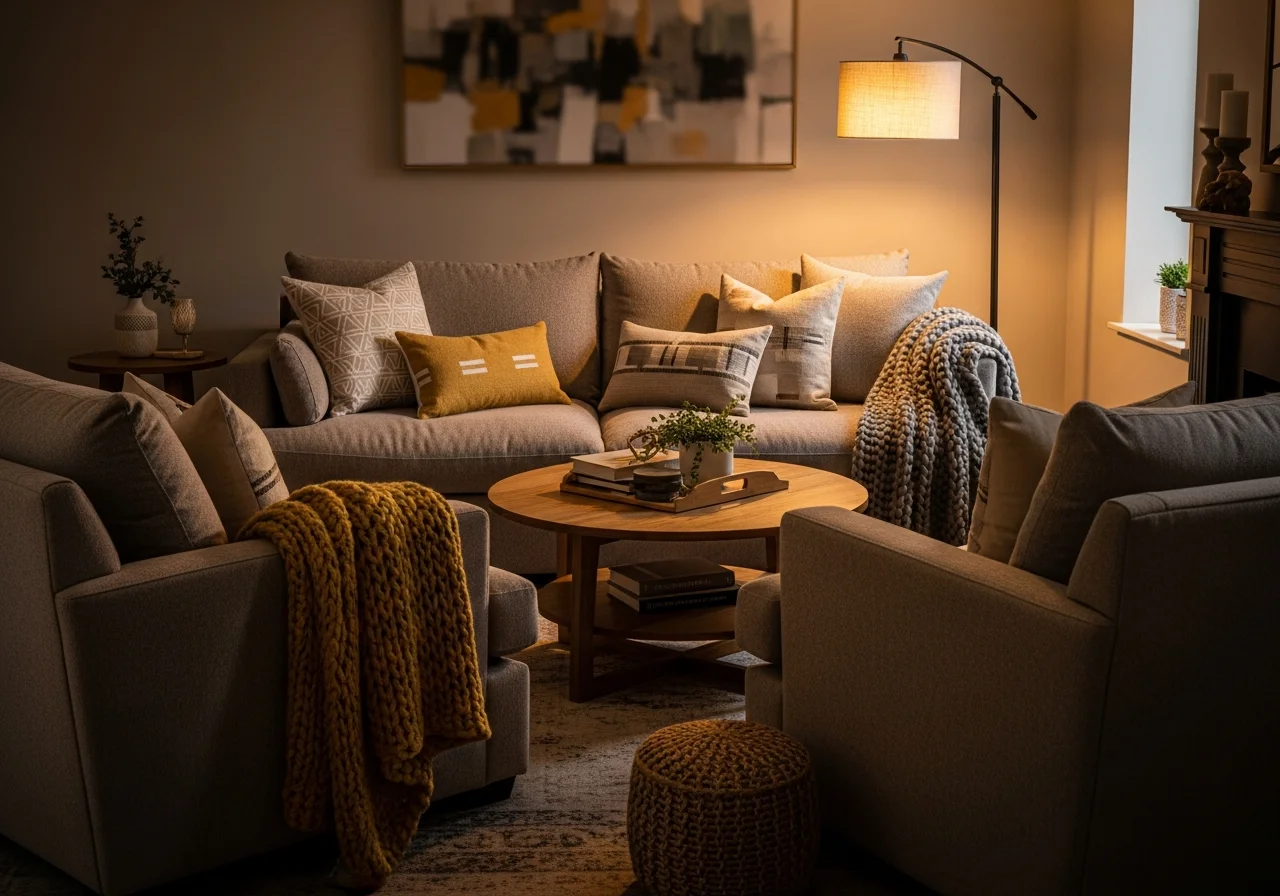
The primary function of any living room revolves around comfortable seating that encourages people to relax and linger. Investing in quality, comfortable furniture forms the foundation of a truly cozy space. Deep-seated sofas with plush cushions invite you to sink in and stay awhile. Oversized chairs provide personal retreats within the larger room. The right seating makes all the difference in how your space functions and feels.
Arrange your furniture to facilitate conversation and connection rather than focusing all attention on the television. Create intimate groupings where people can comfortably see and speak to one another without shouting across vast distances. Pulling furniture away from walls and floating pieces in the room often creates more successful conversational layouts than pushing everything to the perimeter.
Layering your seating with soft textiles amplifies comfort exponentially. Throw pillows in various sizes and textures provide lumbar support while adding visual interest. Keep several throws within reach for those who prefer extra coziness. These elements should be both functional and beautiful, contributing to your overall aesthetic while serving practical purposes.
Consider scale and proportion when selecting seating. Oversized furniture overwhelms small rooms, while tiny pieces get lost in large spaces. Your seating should feel substantial enough to anchor the room without dominating it. Multiple smaller seating options often work better than one massive sectional, providing flexibility for different occasions while maintaining an airy, approachable feel.

Incorporate Personal Touches and Meaningful Decor
A living room achieves true coziness when it reflects the people who inhabit it. Personal touches transform generic spaces into homes filled with meaning and memory. Display items that spark joy and tell your story rather than following prescriptive decorating rules. Authenticity always trumps perfection when creating spaces where you genuinely want to spend time.
Books create both visual interest and reveal your interests and passions. Style them on open shelves, stack them on coffee tables, or arrange them by color for artistic impact. Unlike purely decorative objects, books serve double duty as both decor and entertainment, making them ideal for living rooms where you actually live.
Family photographs, travel souvenirs, and collected art bring personality that generic decor cannot match. Create gallery walls that evolve over time, mixing framed photographs with artwork and meaningful objects. Display ceramics or textiles collected during travels. Showcase artwork by local artists or pieces created by family members. These personal elements make your space uniquely yours while providing natural conversation starters for guests.
Avoid the temptation to fill every surface with decor. Thoughtful curation makes each piece more impactful than cluttered displays where individual items get lost. Rotate seasonal pieces to keep your space feeling fresh without constant redecoration. This approach to personal decor creates layers of meaning while maintaining the visual breathing room essential to cozy, inviting environments.
Use Warm Metallic Accents Strategically
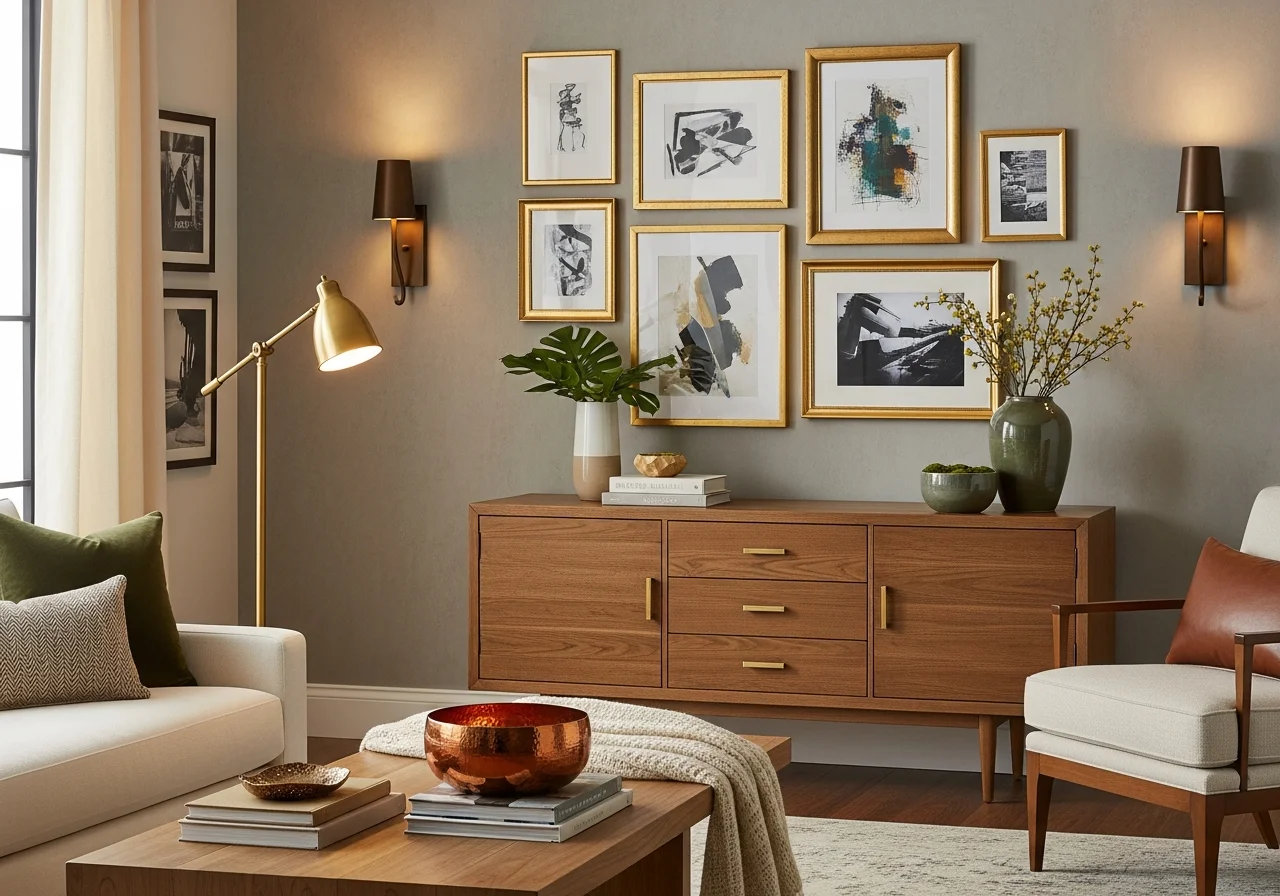
Metallic finishes add sophistication and light-reflecting properties that enhance coziness when used thoughtfully. Warm metals like brass, bronze, copper, and gold contribute to the enveloping atmosphere you want to create. These finishes catch and reflect light, adding subtle sparkle that makes spaces feel more dynamic and alive throughout the day.
Lighting fixtures offer natural opportunities for metallic accents. Brass floor lamps provide warm visual weight. Bronze sconces add architectural interest. Gold-finished pendant lights create focal points without overwhelming your space. These pieces function as both practical lighting and decorative elements, justifying their visual presence.
Hardware and accessories in warm metals tie your room together without demanding attention. Cabinet hardware, curtain rods, picture frames, and decorative objects in coordinating metal finishes create cohesion. Mixing metals within the warm spectrum adds dimension and prevents your space from feeling too matched or controlled. A brass lamp beside a copper bowl near bronze picture frames feels collected and intentional.
Balance metallic accents with natural materials to prevent your space from feeling cold or overly polished. Wood tones warm up metallic finishes. Textiles soften their reflective properties. Plants provide organic contrast. This combination of materials creates spaces that feel both elevated and comfortable, sophisticated yet approachable.
Create Distinct Zones for Multiple Functions
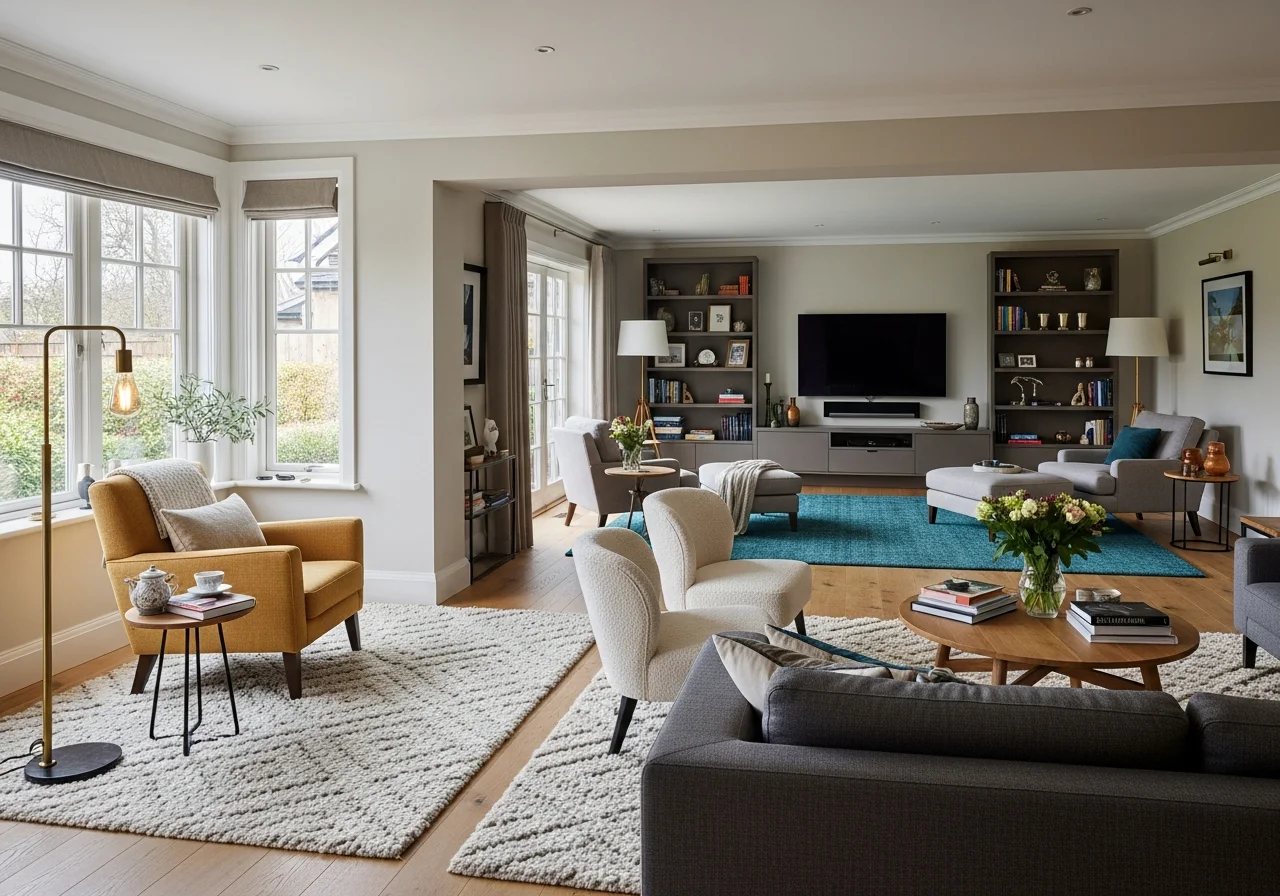
Modern living rooms often serve multiple purposes beyond simple relaxation and entertainment. Creating distinct zones within your space allows it to function flexibly while maintaining its cozy character. These designated areas help larger rooms feel more intimate while maximizing functionality in spaces of any size.
Define zones through furniture arrangement, area rugs, and lighting rather than physical barriers that close off your space. A reading nook might feature a comfortable chair, side table, and floor lamp positioned near a window. A conversation area groups seating around a coffee table with adequate lighting for socializing. A media zone orients furniture toward the television while maintaining comfortable viewing angles and distances.
In smaller living rooms, multi-functional furniture helps create zones without cluttering your space. An ottoman with storage provides seating, a coffee table, and hidden organization. A console table behind your sofa creates a desk area without requiring additional floor space. Nesting tables offer flexibility for different activities while tucking away when not needed.
These zones should flow naturally into one another rather than feeling segregated. Consistent color palettes and complementary styles ensure your living room maintains visual cohesion even as it serves varied purposes. This approach creates spaces that adapt to different needs throughout the day while always feeling unified and intentionally designed.

Invest in Quality Soft Furnishings
Textiles transform hard surfaces into cozy retreats while offering opportunities to introduce pattern, color, and seasonal changes without permanent commitment. Quality soft furnishings elevate both the comfort and aesthetics of your living room, making them worthy investments that pay dividends in daily enjoyment.
Window treatments frame your views while controlling light and privacy. Heavy linen curtains in warm neutrals soften hard windows and improve acoustics. Layering sheer panels beneath provides daytime privacy without blocking natural light. Floor-length treatments add height and drama while making spaces feel more finished and intentional.
Area rugs define spaces, absorb sound, and contribute significant visual impact. Natural fiber rugs bring texture and durability for high-traffic areas. Wool rugs offer softness and insulation. Vintage or vintage-inspired rugs add character and color. Size matters dramatically with rugs; larger rugs that accommodate all furniture legs create cohesion, while too-small rugs make spaces feel disjointed and unfinished.
Throw pillows and blankets provide the finishing touches that complete your cozy aesthetic. Mix sizes, shapes, and textures for visual interest. Include both decorative pillows and functional options that actually support comfortable lounging. Keep throws accessible for spontaneous use rather than styling them purely for appearance. These elements should invite interaction and use rather than intimidation.
Conclusion
Creating a cozy living room aesthetic requires balancing multiple elements that work together to produce an environment where you genuinely want to spend time. From foundational color choices and furniture selection to layered lighting and personal touches, each decision contributes to the overall warmth and welcome your space conveys.
The most successful cozy living rooms reflect the people who inhabit them while incorporating timeless design principles that transcend fleeting trends. Focus on comfort without sacrificing style, personality without clutter, and warmth without darkness. These balanced approaches create spaces that serve as true sanctuaries from the outside world.
Remember that creating your ideal living room is an ongoing process rather than a single transformation. Start with the elements that matter most to you, whether that means investing in a quality sofa, updating your lighting, or simply adding layers of texture through textiles. Small changes accumulate into significant improvements over time.
Your living room should evolve with you, adapting to changing needs and reflecting your growth. Allow yourself to experiment, make mistakes, and adjust as you discover what truly makes you feel comfortable and at home. The perfect cozy living room is not one that follows rules perfectly but one that welcomes you and your loved ones with warmth, beauty, and genuine comfort.
Frequently Asked Questions
What colors make a living room feel cozy?
Warm neutrals like cream, beige, caramel, and warm browns create the most universally cozy atmosphere. These colors provide a welcoming backdrop while allowing flexibility with accent colors. Deeper jewel tones like emerald, burgundy, and navy can also create coziness when balanced with lighter elements. The key is avoiding stark whites and cool grays that tend to feel austere rather than warm.
How can I make my living room look expensive on a budget?
Focus on strategic investments and thoughtful styling rather than expensive everything. Invest in one quality sofa and supplement with affordable accent chairs. Layer inexpensive textiles like throw pillows and blankets for high-impact changes. Shop secondhand for unique vintage pieces that add character. Use paint to refresh walls in warm, sophisticated colors. Proper lighting and decluttering instantly elevate any space regardless of furniture costs.
What is the best furniture layout for a small living room?
Float furniture away from walls to create the illusion of more space rather than pushing everything to the perimeter. Use multi-functional pieces like ottomans with storage or nesting tables. Choose a sofa scaled appropriately for your room rather than the largest option available. Create one clear focal point and arrange seating to emphasize it. Keep traffic paths open and avoid overcrowding the space with too many pieces.
How many throw pillows should I put on my sofa?
For a standard three-seat sofa, five to seven pillows creates a full, cozy look without overwhelming the seating. Vary sizes from larger back pillows to smaller accent pieces in front. For loveseats, three to five pillows works well. The goal is creating visual interest and comfort without making the sofa uninviting or difficult to use. Remove some pillows if you find yourself constantly clearing them away to sit down.
What lighting is best for creating a cozy atmosphere?
Layer multiple light sources at different heights rather than relying on overhead lighting alone. Use warm-toned bulbs between 2700K and 3000K color temperature. Include table lamps, floor lamps, and wall sconces that create pools of soft light throughout the room. Add dimmers to control intensity based on time of day and activity. Avoid harsh, bright lighting that creates sharp shadows and opt instead for diffused light sources that create a gentle glow.