20+ Cozy Aesthetic Bedroom Setup That Feels Like a Warm Hug
Your bedroom should be more than just a place where you sleep. It should be a sanctuary that wraps you in comfort the moment you step through the door, a personal retreat where the outside world fades away and tranquility takes over. Creating a cozy aesthetic bedroom setup transforms your space into that warm embrace you crave after a long day.
The beauty of a cozy aesthetic lies in its ability to combine visual appeal with genuine comfort. This design approach prioritizes soft textures, warm lighting, natural materials, and personal touches that speak to your soul. Whether you have a spacious master suite or a compact room, these ideas will help you craft a bedroom that truly feels like home. The goal is to create an environment where every element contributes to relaxation, from the bedding you sink into at night to the gentle glow of carefully selected lighting.
This comprehensive guide presents over 20 actionable ideas to transform your bedroom into a cozy haven. These suggestions range from simple updates that require minimal investment to more substantial changes that can completely reimagine your space. The key is understanding that coziness is not just about aesthetics but about how a room makes you feel. Let’s explore how to design a bedroom that invites you to linger, relax, and truly unwind.

Start With Layered Bedding That Invites You In
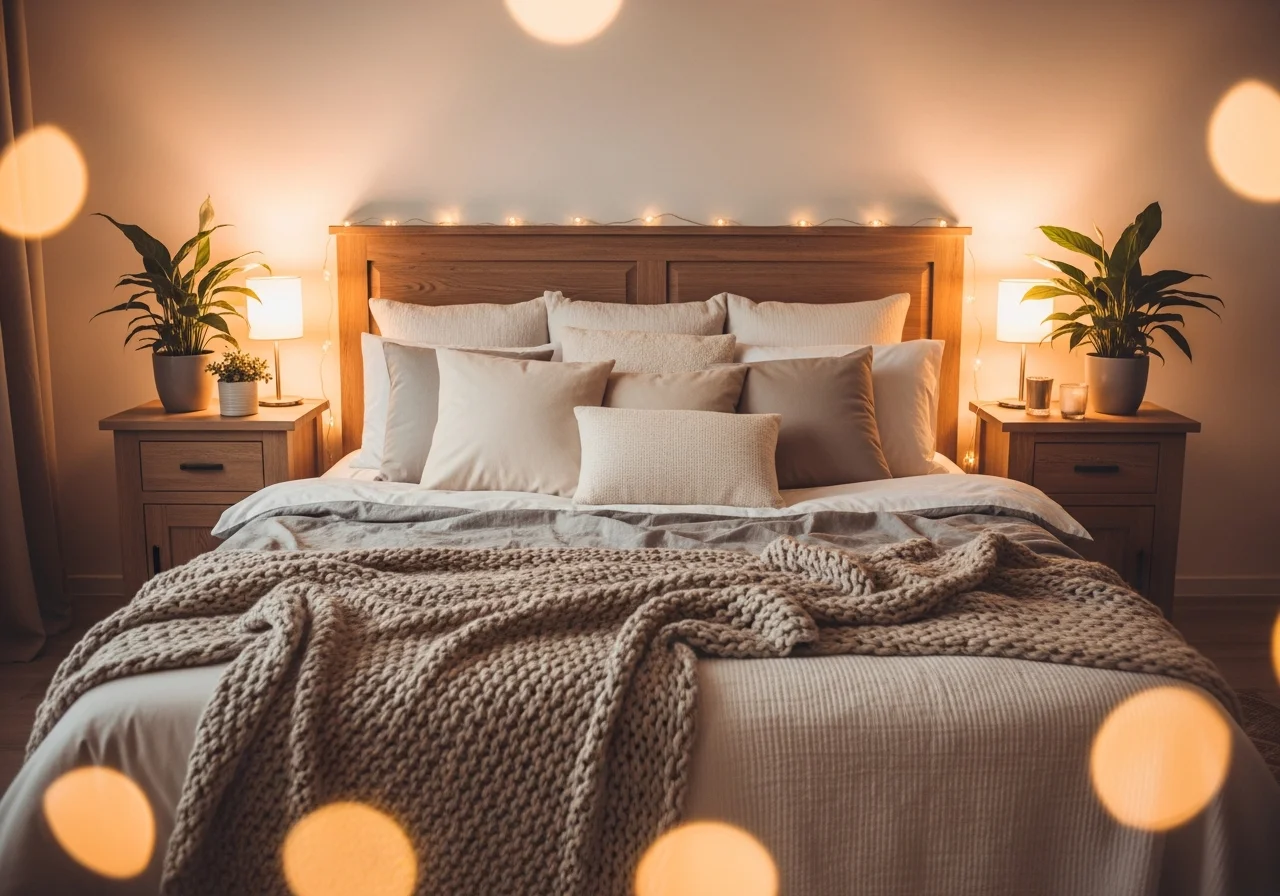
The foundation of any cozy bedroom begins with the bed itself. Think of your bed as the centerpiece that sets the tone for the entire room. Layering bedding creates both visual interest and physical comfort that makes your sleeping space irresistible.
Begin with high-quality sheets in soft materials like cotton or linen. These natural fabrics breathe well and improve with each wash, becoming softer over time. Add a duvet or comforter in a neutral tone that complements your overall color scheme. The real magic happens when you introduce additional layers.
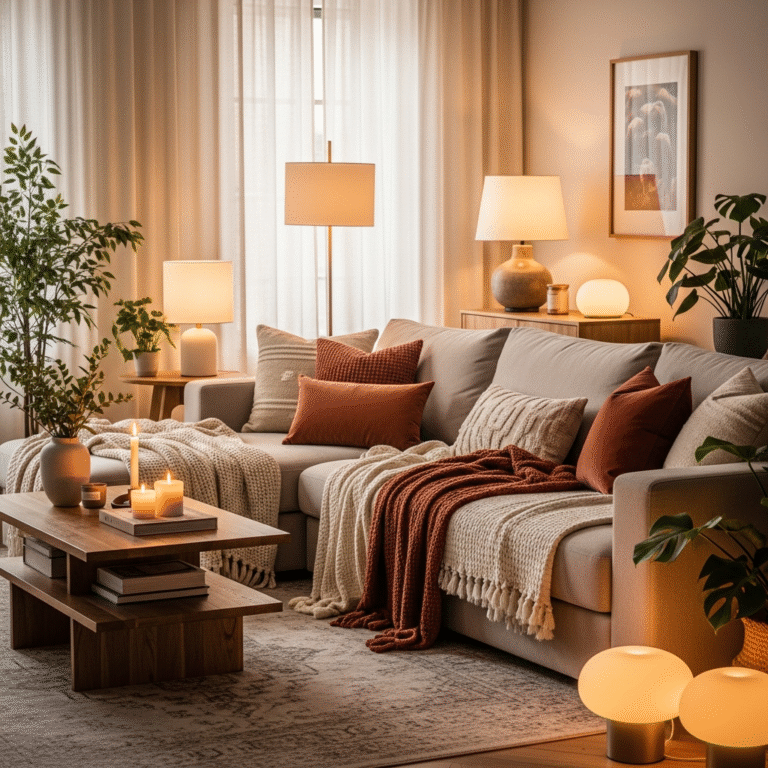
A chunky knit throw draped across the foot of the bed adds texture and warmth. These oversized blankets provide that handcrafted, homemade feeling that epitomizes coziness. Mix in decorative pillows of varying sizes and textures. Combine velvet cushions with linen pillows, or add embroidered designs alongside solid colors. The interplay of different fabrics creates depth and makes the bed look luxuriously inviting.
Don’t shy away from mixing patterns if they share a common color palette. A floral duvet can pair beautifully with striped or geometric pillows when they’re united by complementary tones. The goal is to create a bed so appealing that you can’t wait to dive into it at the end of the day.
Master the Art of Warm Lighting
Lighting dramatically affects the mood of your bedroom. Harsh overhead lights create a cold, institutional feeling that works against the cozy aesthetic you’re trying to achieve. Instead, embrace layered lighting that you can adjust according to your needs and the time of day.
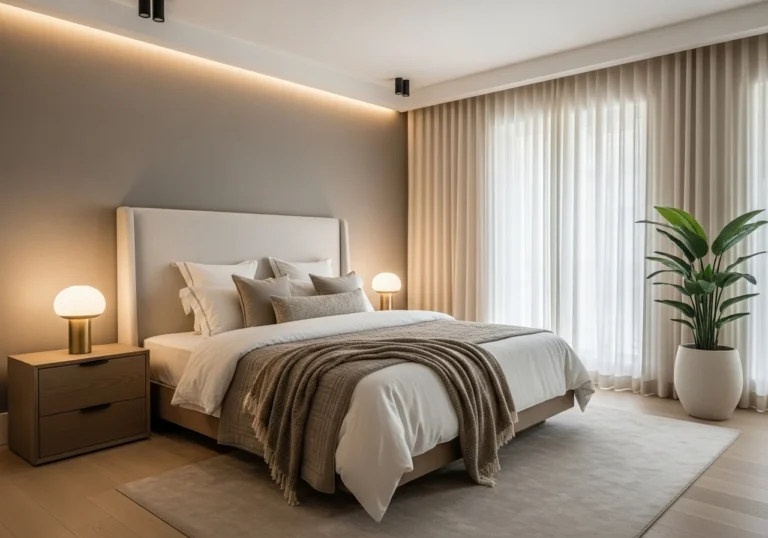
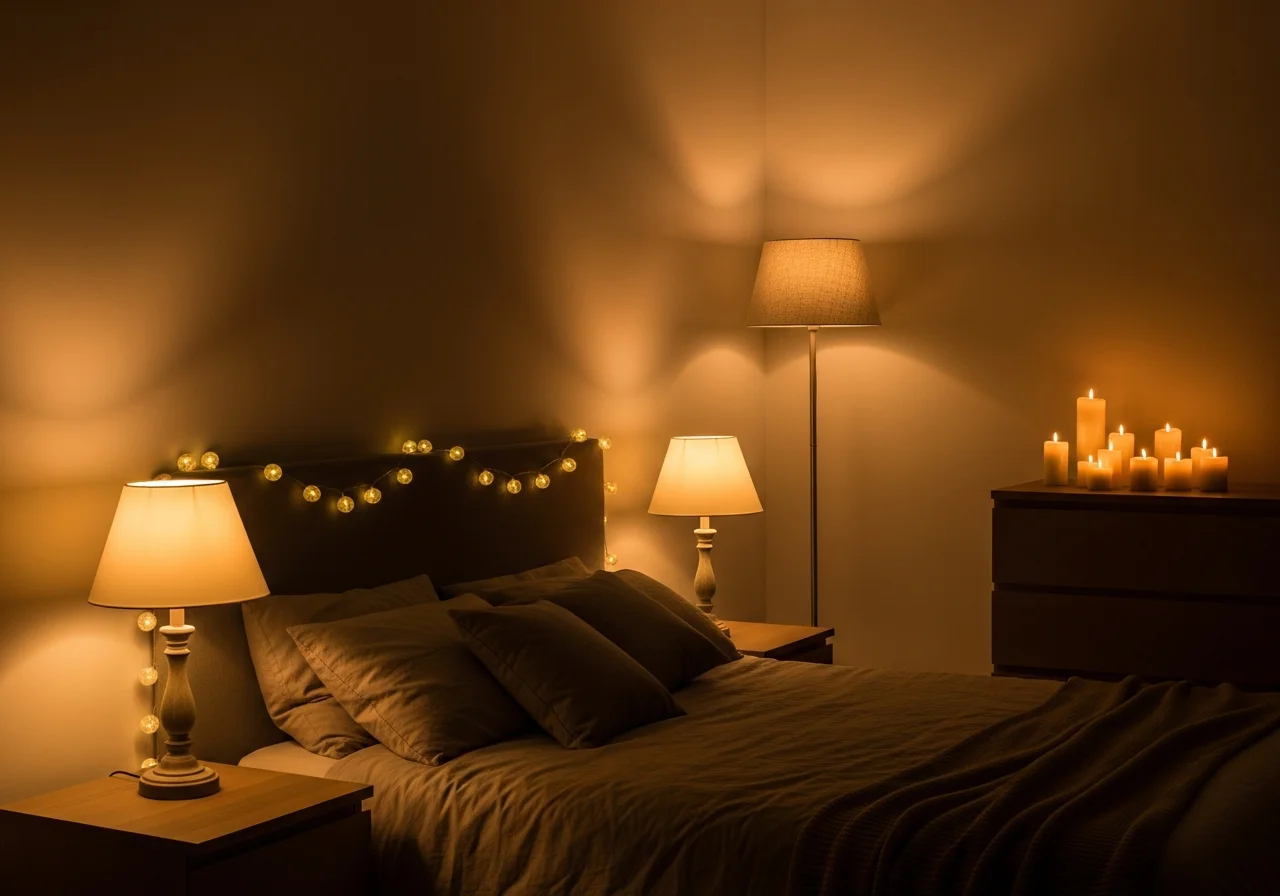
Table lamps on nightstands provide essential task lighting for reading while creating pools of warm light that soften the room. Choose lamps with fabric shades that diffuse light gently rather than directing it harshly. The warm glow from these fixtures makes the space feel intimate and welcoming.
Consider the color temperature of your bulbs carefully. Opt for warm bulbs in the range of 2700K to 3000K. These emit a soft, amber-toned light that mimics the gentle glow of sunset or candlelight, promoting relaxation and better sleep quality. Cool, blue-toned lights might be energizing for workspaces, but they have no place in a cozy bedroom.
String lights or fairy lights add a magical quality to your space. Drape them along a headboard, around a window frame, or across a feature wall. When dimmed or used as the sole light source in the evening, they create an enchanting ambiance that feels both nostalgic and romantic. Floor lamps tucked into corners provide ambient lighting that fills the room without overwhelming it. Choose designs with adjustable arms or dimmers so you can control the intensity based on your activity.
Candles, whether real or battery-operated, contribute significantly to the cozy factor. The flickering light creates movement and warmth that static fixtures cannot replicate. Place them on dressers, nightstands, or shelves to add layers of soft illumination throughout the room.
Embrace Natural Materials and Textures
Natural materials ground a space and connect it to the organic world outside. Incorporating wood, rattan, jute, and other natural elements creates warmth that synthetic materials simply cannot achieve.
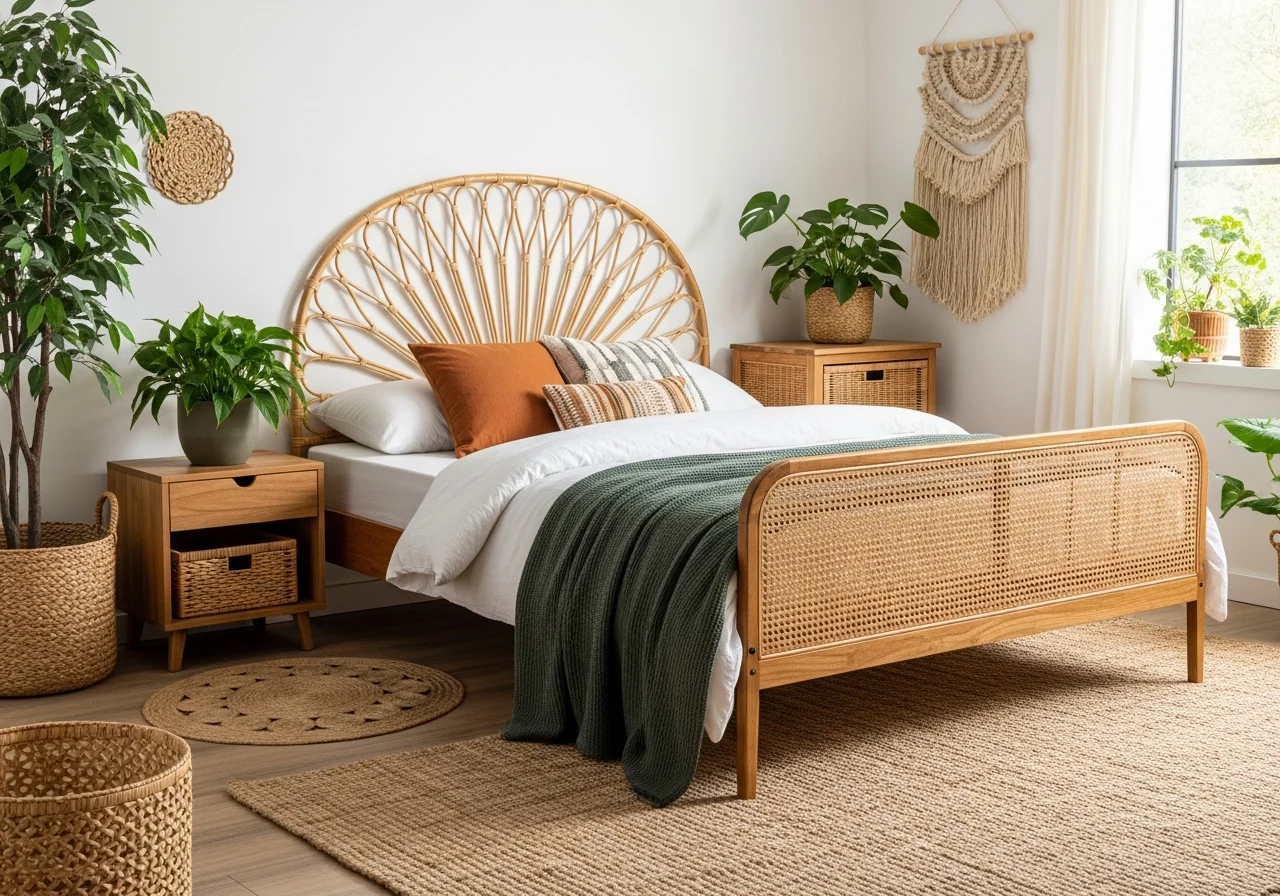
Wooden furniture brings instant character to your bedroom. Whether you choose rich walnut, honey-toned oak, or weathered reclaimed wood, the grain patterns and natural variations add visual interest. A wooden bed frame serves as an anchor for the room, while wooden nightstands or dressers complement the overall aesthetic.
Rattan and wicker pieces introduce texture without adding visual weight. A rattan headboard creates a stunning focal point that pairs beautifully with soft textiles. These materials work equally well in modern and traditional settings, offering versatility that adapts to various design preferences. Rattan mirrors, baskets, or lighting fixtures add cohesive touches throughout the space.
Jute or sisal rugs provide natural texture underfoot. These materials feel wonderful on bare feet and add an earthy element that balances softer fabrics. Layer a jute rug under your bed and let it extend on both sides, creating a soft landing spot when you get up in the morning.
Woven baskets serve dual purposes as both storage solutions and decorative elements. Use them to store extra blankets, books, or clothing while maintaining the organic aesthetic. The texture of woven materials adds depth to the room’s visual composition and reinforces the connection to natural elements.
Plants and greenery breathe life into your space literally and figuratively. Position potted plants on windowsills, dressers, or floating shelves. Choose varieties that thrive in bedroom conditions, such as snake plants, pothos, or peace lilies. The presence of living things creates a sense of vitality and improves air quality while contributing to the overall cozy atmosphere.
Choose a Calming Color Palette
Color profoundly influences mood and perception of space. For a cozy aesthetic bedroom, select colors that promote relaxation and create a sense of warmth.
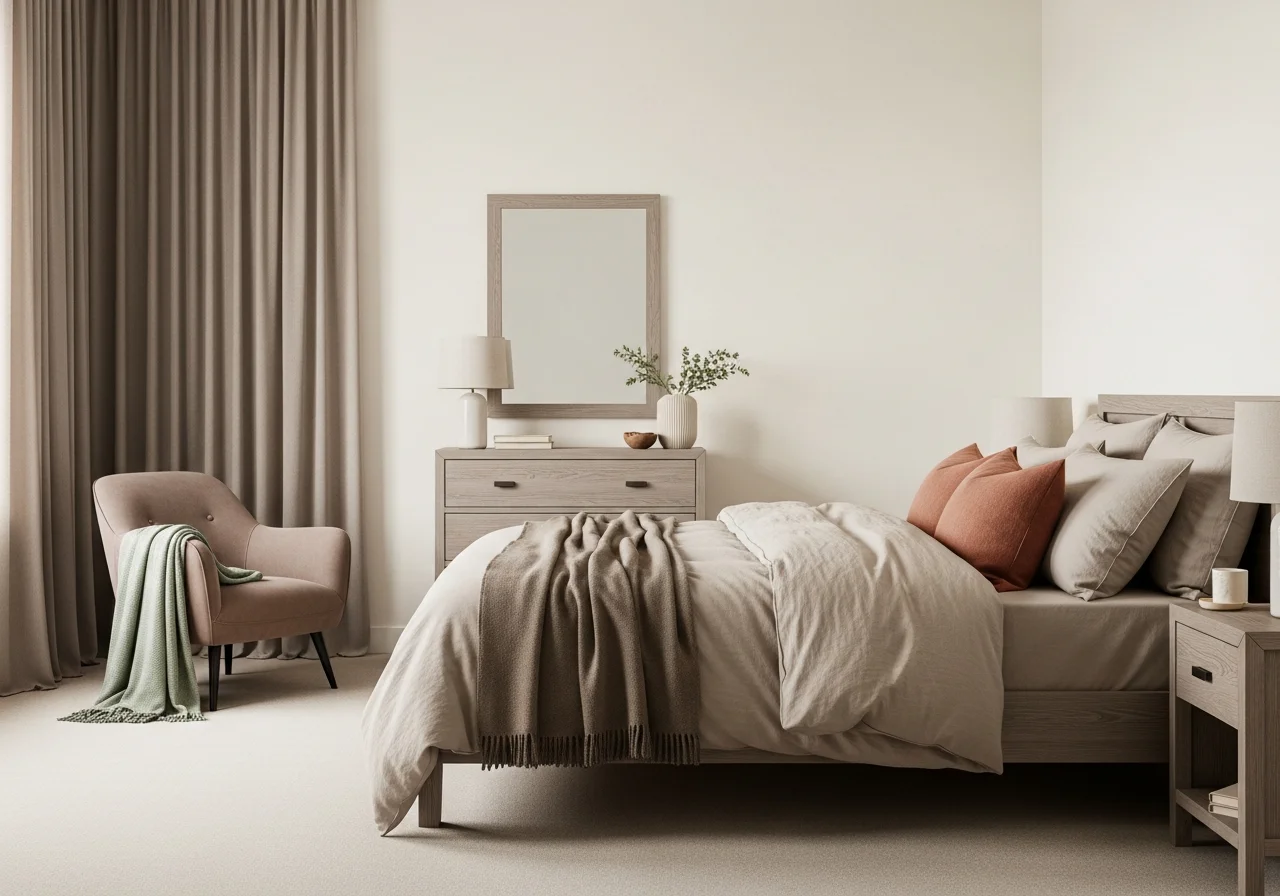
Neutral tones form an excellent foundation. Shades of cream, beige, taupe, and warm gray create a serene backdrop that allows other elements to shine. These colors reflect light gently, making even small rooms feel more spacious while maintaining warmth. The beauty of neutrals lies in their versatility. They pair effortlessly with virtually any accent color and never feel overwhelming or dated.
Earthy tones bring nature indoors. Terracotta, rust, ochre, and clay add richness and depth without overwhelming the senses. These colors work particularly well as accent walls or in textiles like throw pillows, blankets, and curtains. They create visual interest while supporting the overall cozy ambiance.
Soft blues and greens draw inspiration from water and foliage. Sage green, dusty blue, and seafoam create tranquil environments that promote restful sleep. These colors have been shown to reduce stress and lower heart rate, making them ideal choices for bedrooms. Use them on walls, in bedding, or as accent pieces throughout the room.
Avoid bright, energizing colors like vibrant orange, bright yellow, or intense red in large doses. These hues stimulate the mind and can interfere with relaxation. If you love bold colors, incorporate them sparingly through small accessories or artwork where they add personality without dominating the space.
Consider using different shades of the same color family to create a monochromatic scheme. This approach adds sophistication and depth while maintaining visual harmony. Varying the intensity and saturation of one hue creates interest without introducing chaos.
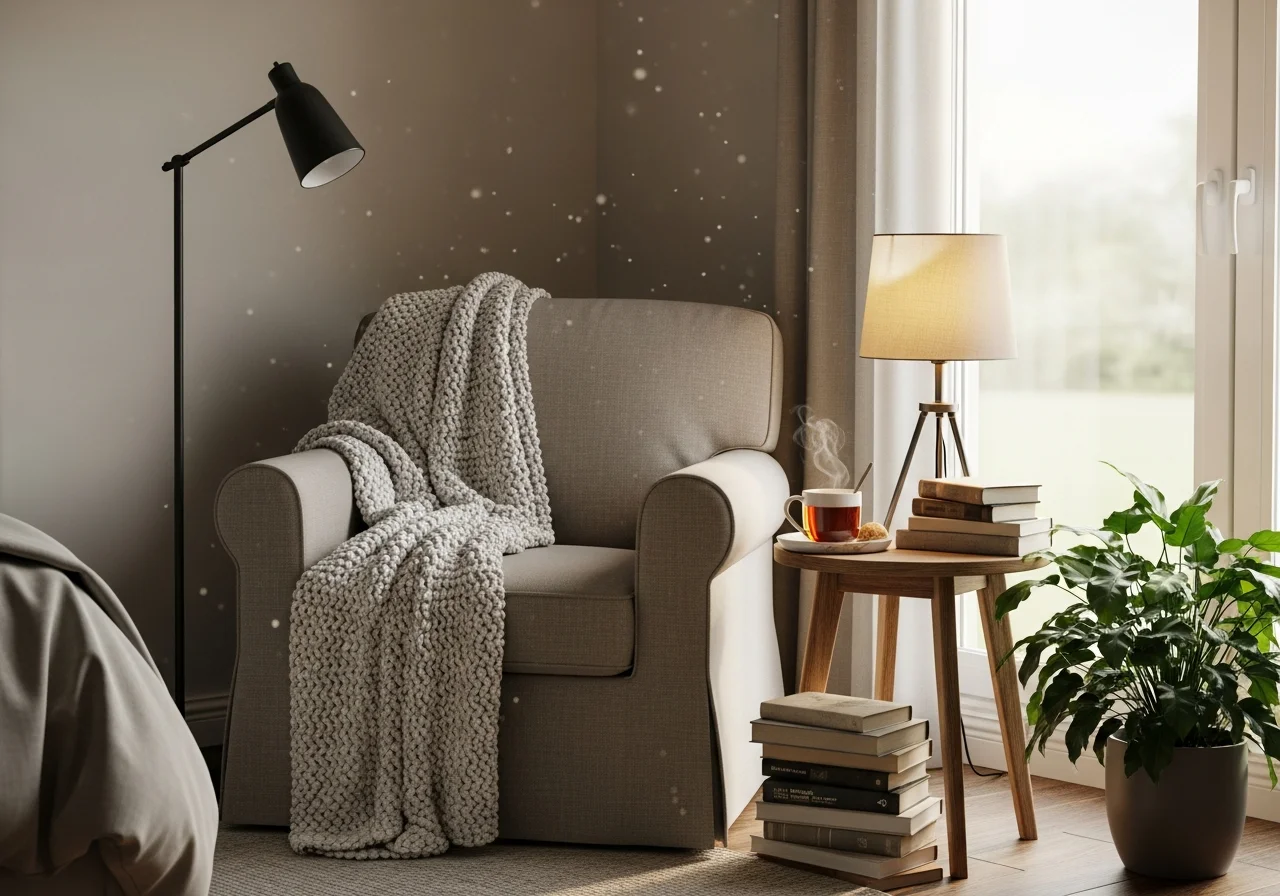
Create Cozy Corners and Reading Nooks
Dedicating a corner of your bedroom to relaxation beyond sleep enhances the overall coziness of the space. A reading nook or meditation corner provides a designated area for activities that nourish your soul.
Start with comfortable seating. An upholstered armchair, chaise lounge, or cushioned bench creates the foundation for your cozy corner. Choose furniture with soft padding that invites you to settle in for extended periods. The seat should be deep enough to curl up in and positioned to take advantage of natural light during the day.
Add a small side table to hold books, a cup of tea, or a reading lamp. This practical addition keeps essentials within reach without requiring you to leave your comfortable spot. A floor lamp positioned beside your chair provides focused light for reading while contributing to the layered lighting scheme.
Drape a soft throw blanket over the back of your chair or within easy reach. This simple addition makes the space more inviting and provides warmth when needed. Choose a throw in a complementary color or texture that ties into your overall design scheme.
If space allows, include a small bookshelf or basket to store your current reading selections. Having your favorite books visible and accessible encourages you to use this special corner regularly. Personal items like family photos, small plants, or meaningful objects make the space uniquely yours.
For those with limited space, even a window seat with plush cushions can serve as a cozy retreat. The key is creating a defined area that feels separate from the sleeping zone, giving you options for how to use and enjoy your bedroom.

Layer Rugs for Warmth and Texture
Rugs do more than just cover floors. They define spaces, add warmth, muffle sound, and contribute significantly to the textural composition of a room. Layering rugs creates visual interest and enhances the cozy factor substantially.
Start with a larger base rug that anchors your bed and extends beyond it on both sides. A natural fiber rug in jute, sisal, or seagrass provides an organic foundation. These materials feel pleasant underfoot and add earthy texture that grounds the space.
Layer a smaller, softer rug on top for added comfort and visual appeal. A plush sheepskin, faux fur, or high-pile rug placed beside the bed creates a luxurious spot to step onto each morning. The contrast between the two textures adds depth and makes the floor area more interesting.
Consider the colors and patterns of your rugs carefully. They should complement rather than compete with other elements in the room. Neutral base rugs work with virtually any topper, while patterned rugs can introduce color and design that tie together various elements in the space.
Rugs also serve practical purposes beyond aesthetics. They absorb sound, making the room feel quieter and more peaceful. They provide insulation, keeping floors warmer in colder months. These functional benefits enhance comfort while contributing to the overall cozy ambiance.

Incorporate Soft Window Treatments
Windows connect your bedroom to the outside world, but the right treatments help control light, provide privacy, and add softness to hard architectural elements.
Floor-length curtains in heavier fabrics like linen, cotton, or velvet frame windows beautifully. Choose curtains that pool slightly at the floor for a luxurious, enveloping effect. This extra length makes ceilings appear higher and adds a sense of abundance to the room.
The color and pattern of your curtains should harmonize with your overall palette. Neutral tones maintain the serene atmosphere while allowing other design elements to stand out. If you want to introduce pattern or color, curtains offer an opportunity to do so without overwhelming the space.
Layering curtains adds functionality and visual interest. Sheer curtains allow natural light to filter in during the day while maintaining privacy. Add heavier curtains or blackout linings that you can close at night for complete darkness and improved sleep quality. This layered approach gives you control over the amount of light entering your space throughout the day.
Hardware matters more than many people realize. Curtain rods in warm metals like brass, bronze, or copper add finishing touches that enhance the cozy aesthetic. Wooden rods provide natural warmth that complements other organic elements in the room.
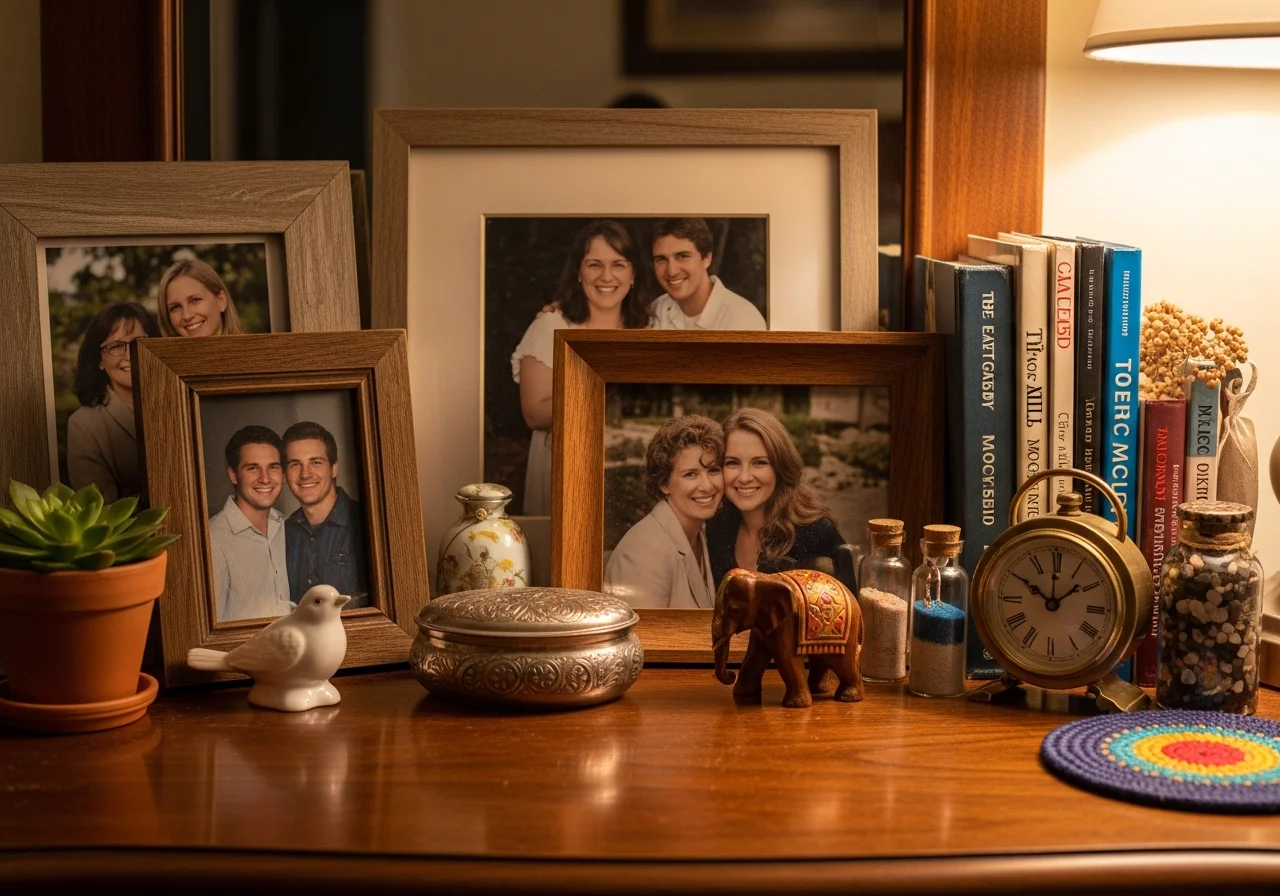
Add Personal Touches That Tell Your Story
A truly cozy bedroom reflects the person who inhabits it. Personal touches transform a well-designed space into a deeply meaningful sanctuary.
Display family photos in frames that match your aesthetic. Group them on a dresser, hang them in a gallery wall arrangement, or place them on floating shelves. These images remind you of cherished relationships and happy memories, contributing to feelings of comfort and belonging.
Artwork that resonates with you adds personality and creates focal points throughout the room. Choose pieces that evoke positive emotions or calm feelings. Abstract art, landscapes, or photography can all work depending on your preferences. The subject matter matters less than how the pieces make you feel.
Meaningful objects collected during travels or received as gifts deserve display space in your bedroom. A beautiful shell from a memorable beach vacation, a handmade pottery piece from a local artisan, or a vintage find from an antique shop all add character and story to your space. These items make the room uniquely yours in ways that perfectly coordinated design schemes from magazines never can.
Books scattered throughout the bedroom add intellectual comfort and visual interest. Stack a few on your nightstand, arrange them on shelves, or create small vignettes by combining books with decorative objects. The presence of books suggests leisure and learning, both of which contribute to the sanctuary feeling you’re cultivating.
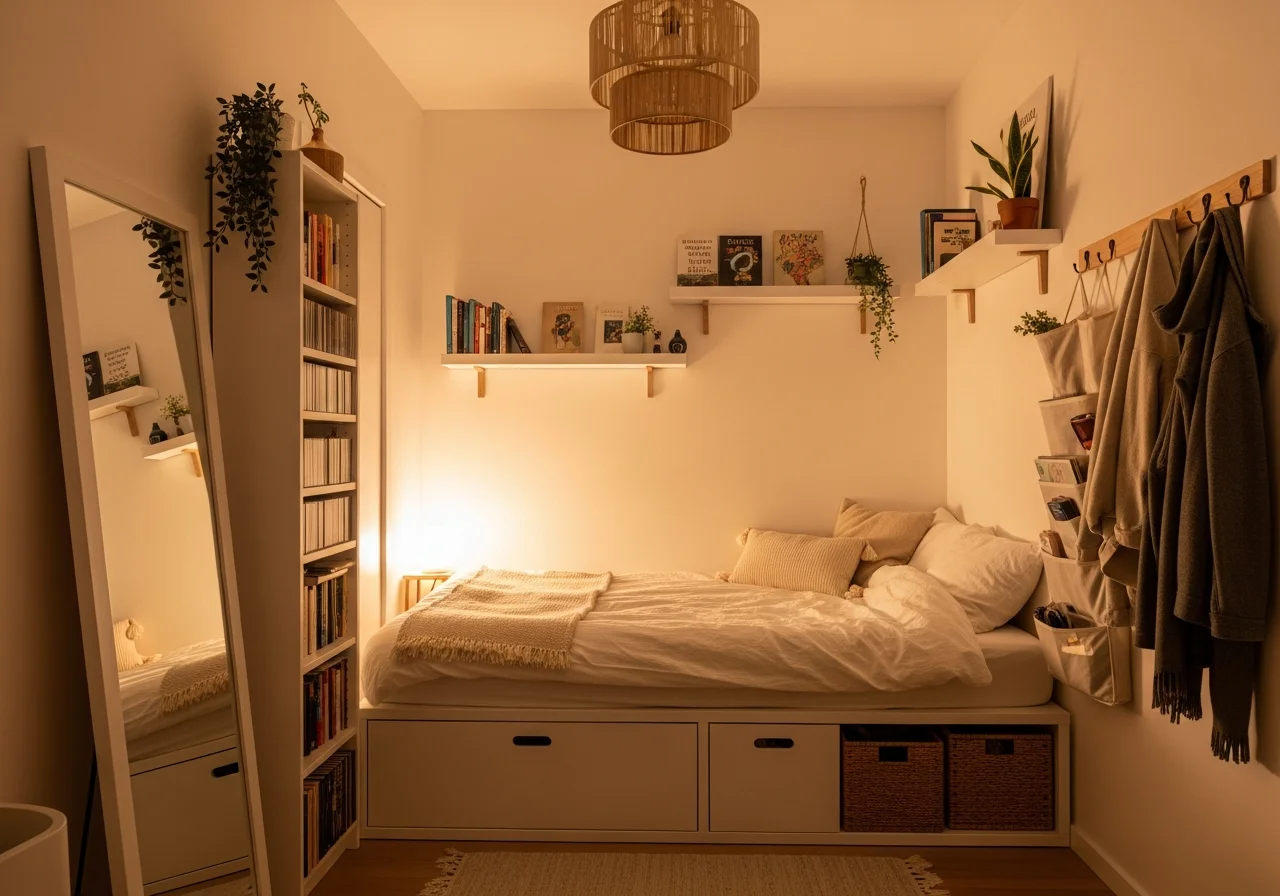
Optimize for Small Spaces
Limited square footage does not prevent you from creating a cozy aesthetic bedroom. In fact, smaller rooms often feel inherently cozier because everything is within reach and the space naturally feels more intimate.
Choose furniture proportional to your room size. A platform bed with built-in storage maximizes functionality without overwhelming the space. Nightstands with drawers keep essentials organized and surfaces clear, preventing visual clutter that can make small rooms feel cramped.
Light colors on walls make small bedrooms feel more spacious while maintaining warmth through careful color selection. Warm whites, light beiges, or pale greens reflect light and create an airy feeling. Save darker, moodier colors for accent walls or textiles where they add depth without closing in the space.
Vertical storage solutions maximize floor space while providing necessary organization. Floating shelves, wall-mounted lamps, and tall, narrow bookcases draw the eye upward and make ceilings feel higher. This vertical emphasis creates the illusion of more space while maintaining functionality.
Mirrors strategically placed reflect light and create the perception of additional space. Position a mirror opposite a window to bounce natural light around the room. A large leaning mirror adds both functionality and visual interest while serving the practical purpose of making the room feel larger.

Embrace Soft Textiles Throughout
Textiles soften hard surfaces and add layers of comfort that define the cozy aesthetic. Beyond bedding, incorporate fabric elements throughout your bedroom.
Upholstered furniture adds softness and comfort. An upholstered headboard creates a plush backdrop for your bed while serving as a design focal point. Fabric-covered ottomans provide seating and storage while contributing to the textile-rich environment.
Throw pillows scattered beyond the bed add comfort to chairs, window seats, or floor seating areas. Mix sizes, shapes, and textures to create visual interest. Square, rectangular, and round pillows in various fabrics create a collected, lived-in look that feels welcoming rather than overly coordinated.
Consider texture in unexpected places. A fabric lampshade diffuses light more softly than glass or metal. Upholstered storage boxes keep belongings organized while maintaining the aesthetic. Even small touches like fabric-covered picture frames or textile wall hangings contribute to the overall softness.
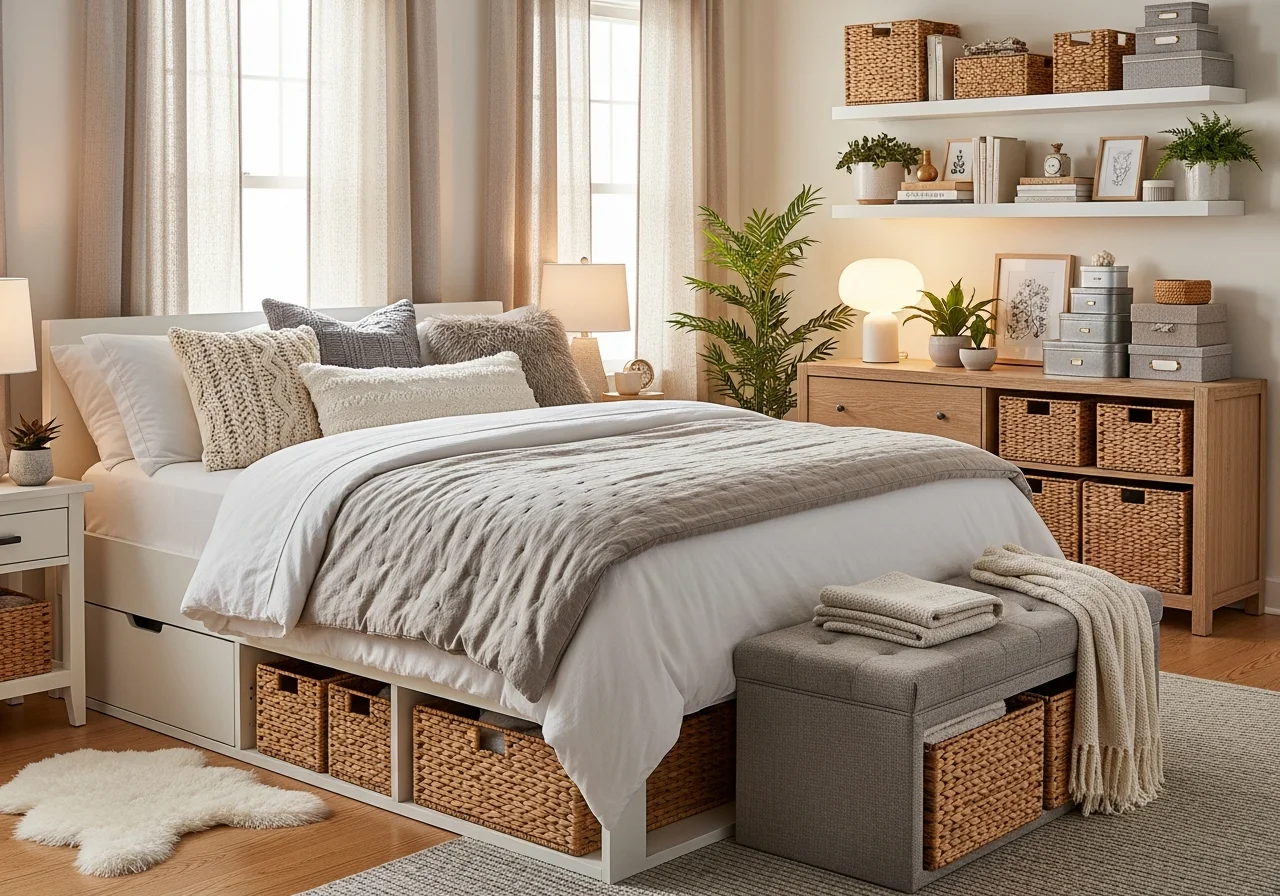
Control Clutter While Maintaining Warmth
A cozy bedroom should feel abundant but not chaotic. Strategic organization keeps the space feeling serene while maintaining the warm, lived-in quality you desire.
Hidden storage solutions maintain visual calm. Beds with built-in drawers store extra bedding, seasonal clothing, or other items that would otherwise require additional furniture. Storage ottomans at the foot of the bed hold blankets or books while providing seating or a place to lay out clothing.
Decorative baskets and boxes organize necessities while contributing to the aesthetic. Woven baskets in various sizes store everything from extra pillows to reading materials. Choose storage solutions that look beautiful even when visible, blurring the line between organization and decoration.
Regular editing keeps your bedroom from feeling overwhelmed. Rotate decorative items seasonally, keeping only what currently serves you. This practice maintains freshness while preventing the accumulation of clutter that detracts from the cozy atmosphere.

Consider Architectural Details
Architectural elements often get overlooked but contribute significantly to the overall feeling of a room.
Crown molding and baseboards painted in warm whites add classic elegance. These details draw the eye and create visual interest without requiring bold design choices. If your bedroom lacks architectural character, consider adding these elements for instant sophistication.
Exposed beams or wood paneling create instant coziness in rooms with high ceilings. The warmth of natural wood balances the scale of large spaces and adds textural interest to ceiling planes that might otherwise feel empty or cold.
Accent walls create focal points without overwhelming the space. Choose one wall to paint in a deeper shade or cover with textured wallpaper. Position your bed against this wall to create a natural focal point that anchors the room’s design.

Incorporate Aromatherapy
Scent profoundly affects mood and perception of comfort. Integrating pleasant aromas enhances the cozy atmosphere you’re creating.
Essential oil diffusers disperse calming fragrances throughout your room. Lavender promotes relaxation and better sleep. Chamomile soothes anxiety. Eucalyptus clears the mind and aids breathing. Choose scents that personally resonate with you and support the peaceful atmosphere you’re cultivating.
Scented candles provide both fragrance and the soft, warm light of candlelight. Natural soy or beeswax candles burn cleaner than paraffin alternatives. Place them safely on non-flammable surfaces and never leave them unattended, but enjoy the ambiance they create during evening wind-down routines.
Linen sprays refresh bedding between washes and add a subtle fragrance that makes climbing into bed even more appealing. A light mist of lavender or vanilla on pillows creates an immediate sensory cue that it is time to relax.
Seasonal Adjustments Maintain Interest
A cozy bedroom adapts with the changing seasons, allowing you to refresh the space without complete redesigns.
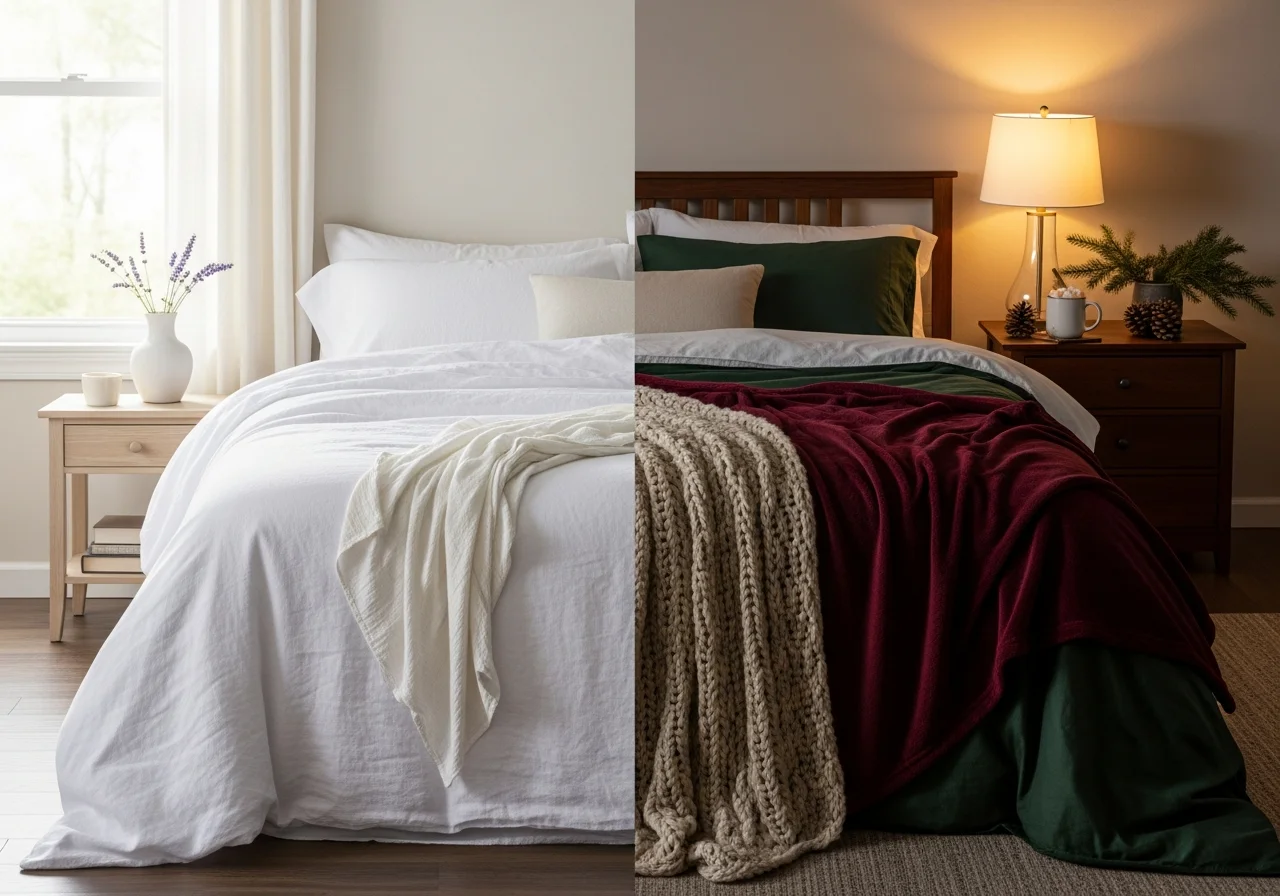
In warmer months, swap heavy velvet and wool for lighter linens and cottons. Replace deep jewel tones with softer pastels or crisp whites. Open curtains to embrace natural light and fresh air. These simple changes maintain comfort while adapting to temperature shifts.
As cooler weather arrives, layer in heavier blankets, flannel sheets, and plush pillows. Deeper colors like burgundy, forest green, or navy add warmth. Close curtains earlier in the evening to create a cocoon-like feeling that shields you from cold and darkness outside.
Seasonal decorations keep your space feeling current and interesting. Autumn might bring in small pumpkins or warm-toned floral arrangements. Winter could include pinecones, evergreen sprigs, or cozy plaid accents. Spring welcomes fresh flowers and lighter colors. These small touches keep your bedroom feeling fresh throughout the year.
Final Thoughts on Creating Your Cozy Sanctuary
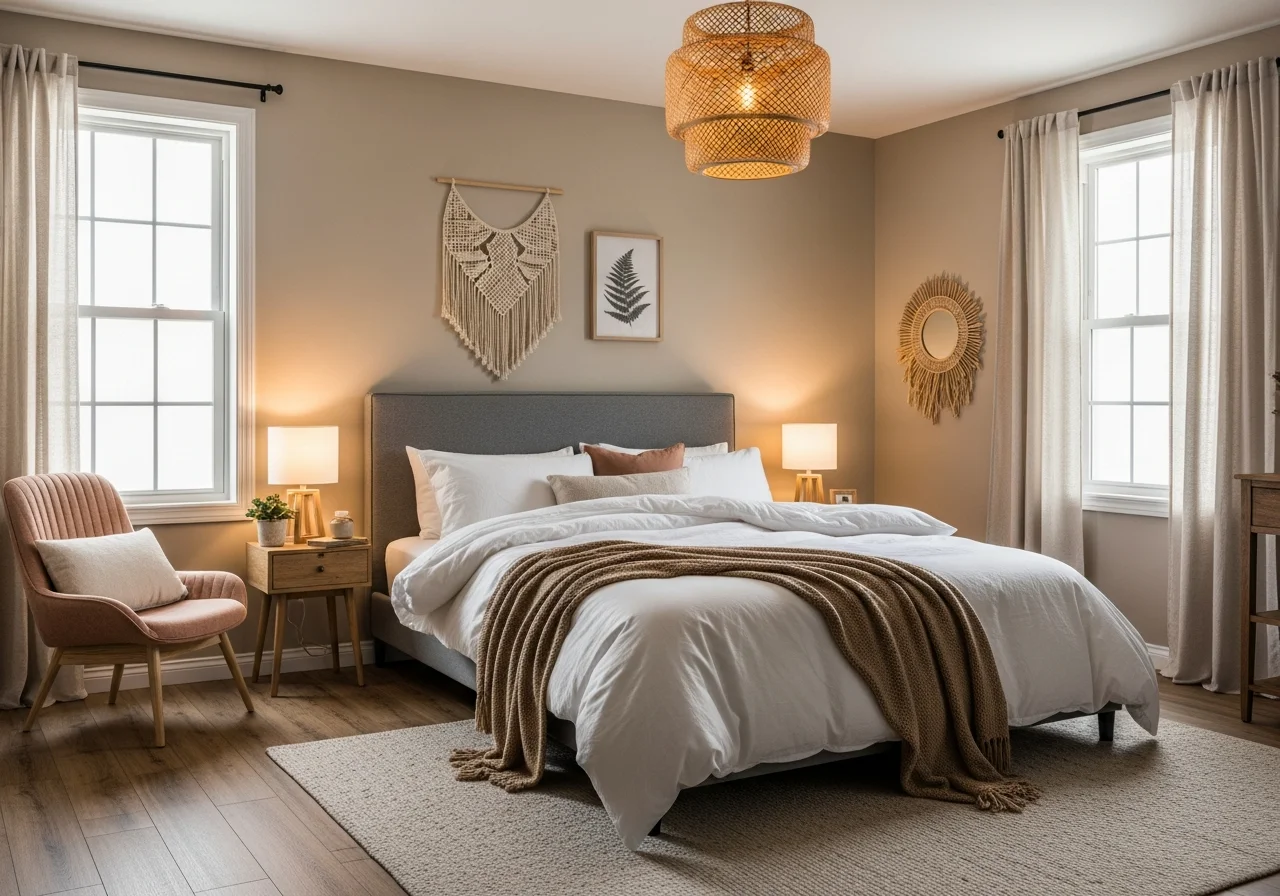
Designing a cozy aesthetic bedroom is less about following rigid rules and more about understanding what makes you feel comfortable, safe, and at peace. The suggestions offered here provide a framework, but your personal preferences should always guide your decisions.
Start with foundational elements like comfortable bedding, warm lighting, and a calming color palette. Build from there by adding layers of texture, personal touches, and natural materials that speak to your aesthetic sensibilities. Remember that creating a cozy space is an ongoing process, not a destination. Your bedroom will evolve as you discover what truly makes you feel at home.
The investment you make in creating a genuinely cozy bedroom pays dividends in improved sleep quality, reduced stress, and a greater sense of wellbeing. When your bedroom truly feels like a warm hug, you create a foundation for better rest and more peaceful mornings. This sanctuary becomes not just a place to sleep but a retreat that supports your overall quality of life.
Take your time implementing these ideas. Start with changes that feel most impactful to you, whether that means upgrading your bedding, improving your lighting, or simply adding a few meaningful personal touches. Each small improvement contributes to the larger goal of creating a space that wraps you in comfort and reflects who you are. Your bedroom should be a place you never want to leave, a personal haven that restores and refreshes you each day.
Frequently Asked Questions
What is the most important element in creating a cozy bedroom?
Lighting stands out as the single most impactful element for creating coziness. Warm-toned bulbs in the 2700K to 3000K range, combined with layered lighting sources like table lamps, string lights, and candles, transform the atmosphere dramatically. Overhead lighting feels harsh and institutional, while soft, ambient lighting creates intimacy and warmth that defines the cozy aesthetic.
How can I make a small bedroom feel cozy without making it feel cramped?
Focus on light colors with warm undertones for walls and major furniture pieces, which make the space feel larger while maintaining warmth. Use vertical storage to maximize floor space, incorporate mirrors to reflect light, and choose furniture proportional to the room size. Layer textures through bedding and textiles rather than filling the room with too many pieces of furniture. Small rooms often feel naturally cozier because everything is within reach.
What colors work best for a cozy aesthetic bedroom?
Neutral tones like cream, beige, taupe, and warm gray create a serene foundation. Earthy colors such as terracotta, rust, sage green, and dusty blue add warmth and personality. Avoid bright, stimulating colors like vivid orange, bright yellow, or intense red, which energize rather than relax. The key is choosing colors with warm undertones that promote relaxation and complement natural materials and soft textures.
How much should I budget for transforming my bedroom into a cozy space?
You can create significant impact with minimal investment by starting with affordable changes like switching to warm light bulbs, adding throw blankets and pillows from discount retailers, and rearranging existing furniture. High-impact, low-cost updates include painting an accent wall, hanging string lights, and incorporating plants. Invest more in foundational pieces like quality bedding and a supportive mattress, as these directly affect sleep quality and daily comfort.
Can I maintain a cozy aesthetic in a modern or minimalist bedroom?
Absolutely. Modern coziness emphasizes quality over quantity. Select fewer pieces in natural materials like wood and linen, focusing on exceptional craftsmanship and comfort. Maintain clean lines while incorporating soft textures through a chunky knit throw or plush rug. Warm lighting remains essential. The key is creating warmth through thoughtful material choices and lighting rather than through abundance of decorative items. Neutral color palettes work beautifully in both minimalist and cozy aesthetics