
Boys Bedroom Ideas 2026 with 15 Creative Designs for Kids, Teens, and Toddlers in Every Style
Creating the perfect bedroom for boys requires balancing functionality with personality while ensuring the space can adapt as they grow. Whether you’re designing for an energetic toddler, a curious elementary schooler, or a style-conscious teenager, the right approach can transform any bedroom into a space your child genuinely loves spending time in. This comprehensive guide explores 15 creative boys bedroom ideas that span multiple age groups and design preferences, offering practical solutions for every family’s needs and budget.
The modern approach to designing boys bedrooms has evolved significantly beyond traditional blue walls and sports memorabilia. Today’s most successful designs incorporate flexible elements, smart storage solutions, and personalized touches that reflect each child’s unique interests while maintaining a cohesive aesthetic that parents can appreciate. From minimalist sanctuaries to vibrant creative spaces, these ideas demonstrate that boys bedrooms can be both stylish and highly functional.
Understanding Age-Appropriate Design Elements
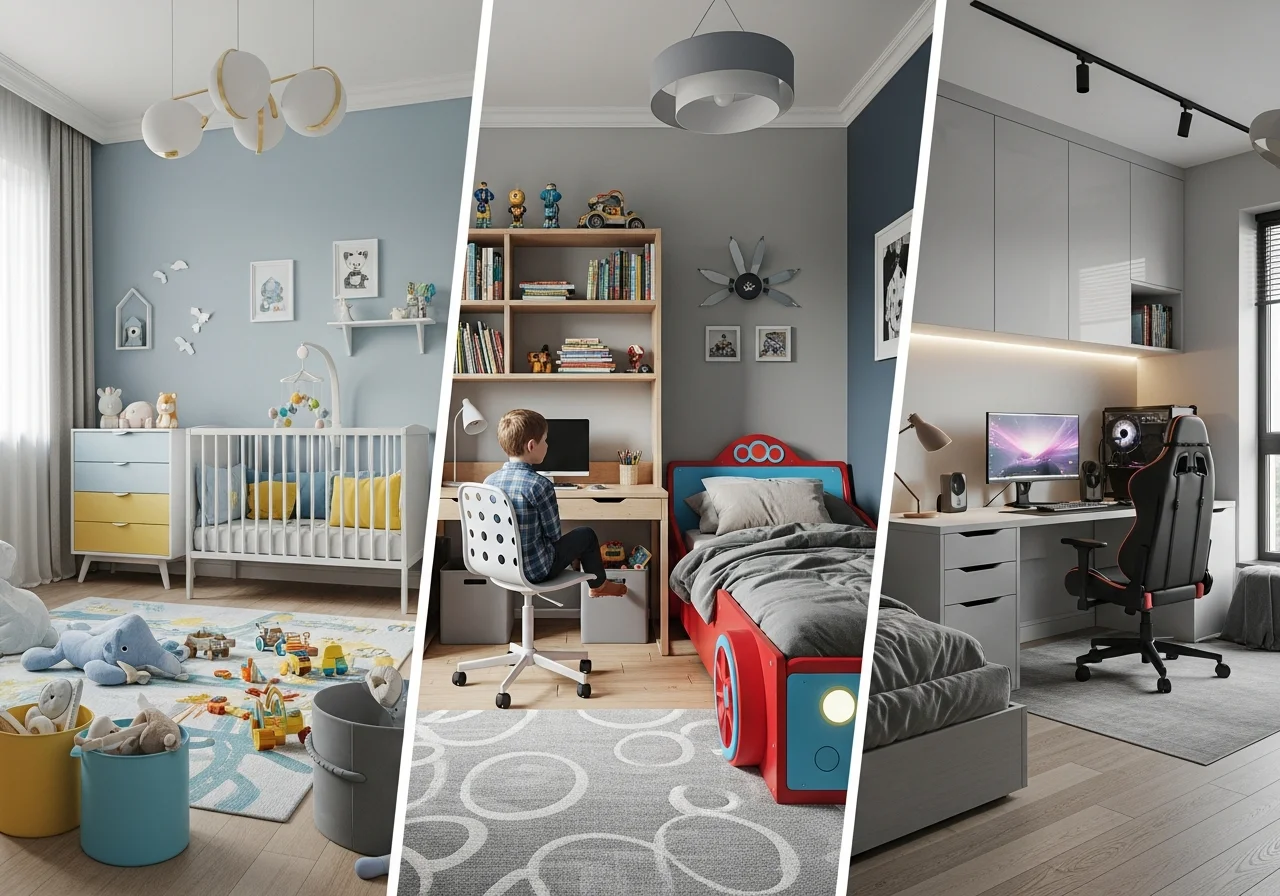
Designing a bedroom that works for your child means understanding their developmental stage and how their needs change over time. Toddlers require safe, accessible spaces that encourage independence and imagination. Their rooms benefit from low storage options, soft surfaces, and bright colors that stimulate creativity without overwhelming the senses. At this age, floor space becomes crucial for play activities, so furniture should be minimal yet purposeful.
Elementary-aged boys need spaces that support both play and learning. This transitional period calls for dedicated homework areas, organized storage for growing collections of toys and books, and design elements that reflect developing interests. The challenge lies in creating a room that feels mature enough for a growing child while remaining playful and inviting. Incorporating their hobbies through artwork, bedding patterns, or color schemes allows personalization without committing to elaborate themes that quickly become outdated.
Teenage boys require sophisticated spaces that function as private retreats. Their bedrooms must accommodate studying, socializing with friends, pursuing hobbies, and relaxation. The design should reflect their maturing taste while providing the practical elements they need daily. Technology integration becomes particularly important during these years, with charging stations, proper lighting for computer work, and sometimes dedicated gaming setups becoming essential components.

Color Palettes That Work Across Ages
The foundation of any successful boys bedroom design starts with selecting the right color palette. Contemporary approaches favor sophisticated neutrals as base colors, allowing for flexibility as your child’s preferences evolve. Charcoal gray, navy blue, moss green, and warm beige create timeless backdrops that work beautifully from toddlerhood through the teenage years. These colors provide enough character to avoid feeling sterile while remaining neutral enough to complement various accent colors and design styles.
Accent colors bring personality and energy to the space without overwhelming it. Burnt orange, mustard yellow, sage green, and deep red work exceptionally well as complementary shades. These can be introduced through textiles like bedding, curtains, and area rugs, as well as through artwork, storage bins, and decorative accessories. The beauty of this approach lies in its adaptability. When your son’s favorite color changes or his interests shift, updating accent pieces costs significantly less than repainting entire rooms or replacing major furniture pieces.
Creating visual interest through color blocking has become increasingly popular in boys bedroom design. This technique involves painting one wall in a bolder shade while keeping remaining walls neutral, or creating horizontal or vertical sections in complementary colors. Color blocking adds architectural interest to plain rooms and can help define different functional zones within the bedroom, such as separating the sleeping area from a study corner or play space.

Storage Solutions That Encourage Organization
Effective storage remains one of the most critical aspects of boys bedroom design regardless of age. The key lies in creating systems that children can use independently, encouraging them to maintain organization without constant parental intervention. For toddlers and young children, open shelving at their eye level with labeled bins makes cleanup easier and more intuitive. Color-coded storage systems help even non-readers identify where items belong, building organizational skills early.
Built-in solutions maximize space efficiency, particularly in smaller bedrooms. Custom closet systems with adjustable shelving, drawer units, and hanging organizers adapt as your child grows and their storage needs change. Under-bed storage drawers or bins utilize often-wasted space, perfect for seasonal clothing, extra bedding, or toys that aren’t used daily. Platform beds with integrated storage compartments serve double duty, eliminating the need for additional furniture pieces while providing substantial storage capacity.
Wall-mounted storage keeps floor space clear while adding visual interest to the room. Pegboards create versatile display and organization systems that can hold anything from backpacks and sports equipment to art supplies and collectibles. Floating shelves showcase favorite books, action figures, or model cars while keeping these items dust-free and organized. Installing hooks at appropriate heights encourages children to hang jackets, pajamas, and bags independently, building responsibility and keeping the room tidy.
Space-Themed Bedrooms for Future Explorers
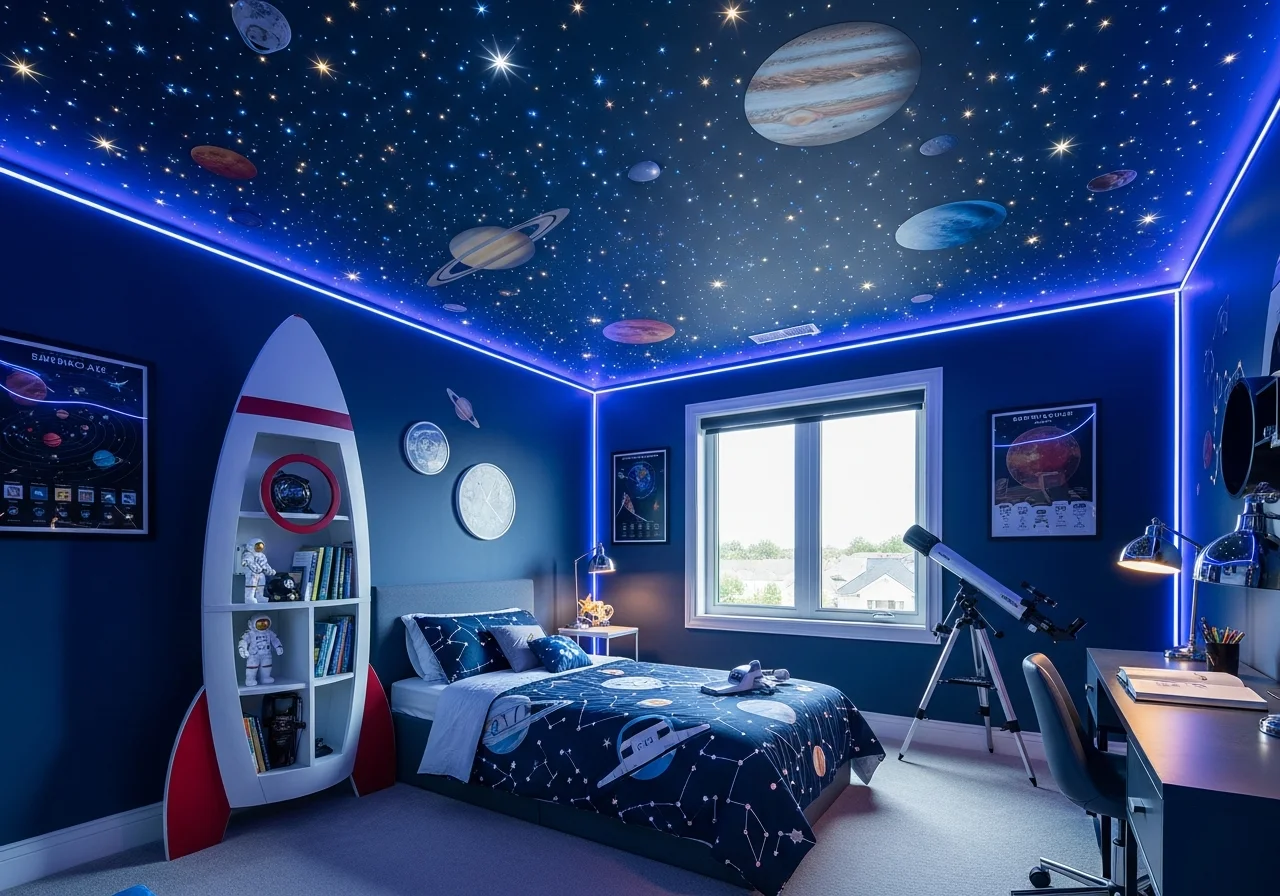
Space-themed bedrooms continue captivating boys across all age groups, offering endless possibilities for creative design. For younger children, deep navy or dark blue walls create the perfect canvas for glow-in-the-dark stars, constellation decals, and planet mobiles. A ceiling painted to resemble the night sky becomes a magical focal point that makes bedtime feel like an adventure. Rocket ship bookcases, astronaut-themed bedding, and telescope accessories complete the theme without overwhelming the space.
Older boys appreciate more sophisticated interpretations of space themes. Industrial-style furniture in metal finishes paired with sleek black and white photography of galaxies or space missions creates a mature aesthetic. LED strip lighting in cool tones can simulate the ethereal glow of distant nebulas, while geometric patterns in bedding and curtains reference the precision of space exploration. Educational elements like framed astronomical charts or a quality telescope near the window merge decoration with genuine learning opportunities.
The versatility of space themes makes them particularly valuable for families on a budget or those planning for long-term use. Simple changes to accent pieces can shift the feel from playful cartoon astronauts for toddlers to documentary-style imagery suitable for teenagers. This adaptability means parents can update the room’s maturity level without completely redesigning the space, making it a cost-effective choice that grows alongside your child.

Sports-Inspired Rooms for Active Boys
Sports-themed bedrooms allow athletic boys to celebrate their passions while maintaining a polished appearance. The key to successful sports room design lies in subtlety and specificity. Rather than covering every surface with generic sports imagery, focus on your child’s specific interests. If he loves basketball, incorporate elements like a mini hoop on the door, basketball-patterned bedding, and framed jerseys displayed as artwork. This focused approach creates a more sophisticated look than mixing multiple unrelated sports.
Color schemes for sports rooms should draw inspiration from favorite teams without becoming overwhelming. Using team colors as accents against neutral walls prevents the space from feeling like a stadium souvenir shop. Incorporate these colors through area rugs, throw pillows, desk accessories, and artwork rather than painting entire walls in team shades. This measured approach maintains visual balance while clearly expressing your child’s interests.
Functional elements enhance sports-themed rooms while serving practical purposes. Equipment storage becomes part of the decor with wall-mounted racks for bats, tennis rackets, or hockey sticks. Medal and trophy display shelves celebrate achievements while keeping these items organized and protected. A bulletin board styled as a scoreboard can track personal records, goals, or upcoming games, making the theme interactive and motivating rather than purely decorative.
Modern Minimalist Designs for Tweens and Teens
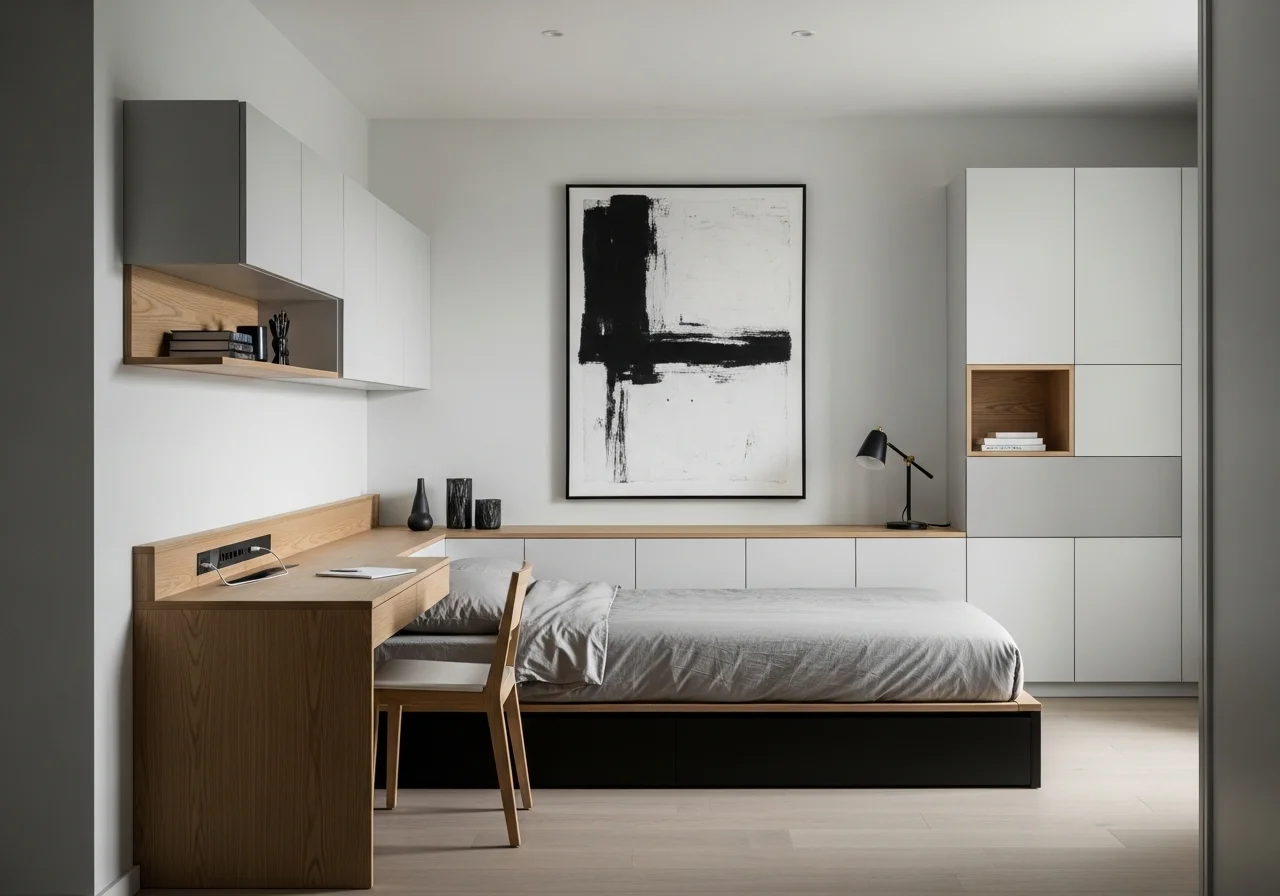
Minimalist design appeals particularly to tweens and teenagers seeking more sophisticated spaces. This approach emphasizes clean lines, uncluttered surfaces, and intentional design choices. A platform bed with simple geometric headboard, streamlined desk with built-in charging stations, and modular storage units create a mature aesthetic that respects the young adult’s evolving taste. Limiting furniture to essential pieces maximizes floor space while making the room feel larger and more adult.
Neutral color palettes form the foundation of minimalist boys bedrooms, with white, gray, and black creating a sophisticated canvas. Adding warmth through natural wood furniture pieces, woven textiles, or indoor plants prevents the space from feeling cold or institutional. Metallic accents in brushed nickel or matte black add contemporary edge through light fixtures, drawer pulls, and decorative objects. These subtle details elevate the design without cluttering the clean aesthetic.
Personalization in minimalist spaces comes through carefully curated collections rather than scattered decorations. A gallery wall featuring a few large-format photographs or art prints makes more impact than numerous small items scattered around the room. Display spaces for curated collections whether vinyl records, camera equipment, or sneakers transform personal interests into design elements. This approach teaches valuable lessons about quality over quantity while creating visually appealing spaces that feel intentionally designed.
Adventure and Explorer Themes for Young Boys
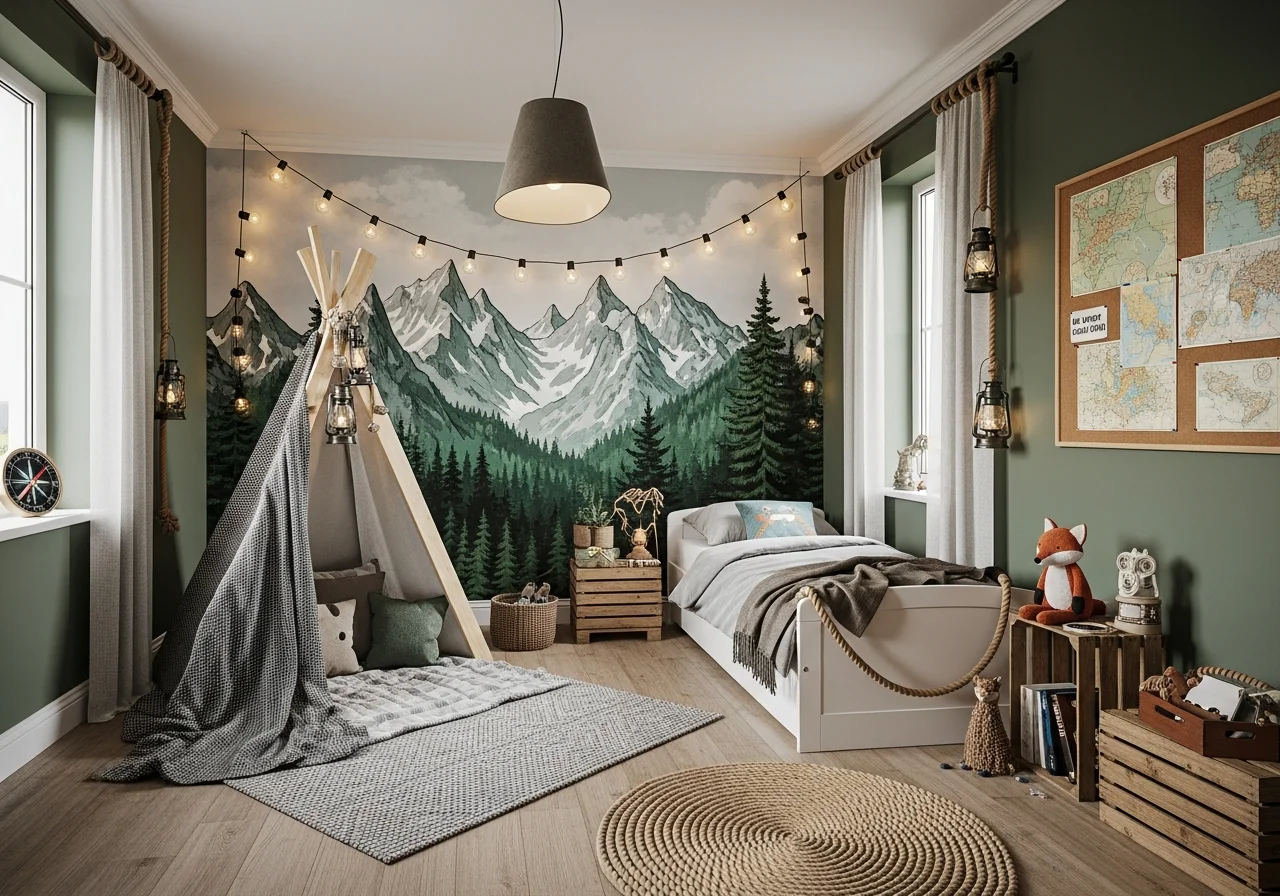
Adventure-themed bedrooms spark imagination and encourage creative play in younger boys. Mountain murals covering one accent wall create dramatic focal points that transform ordinary rooms into outdoor expeditions. Incorporating natural elements like wooden furniture, rope details, and camping-inspired decor reinforces the theme authentically. A teepee or canvas tent in one corner provides a private hideaway for reading or imaginative play, serving as both functional play space and decorative element.
Color schemes for adventure rooms draw from nature, featuring forest green, earth brown, sky blue, and stone gray. These organic colors create calming environments while supporting the outdoor theme. Maps covering bulletin boards, vintage compasses displayed on shelves, and binocular accessories add authenticity without requiring expensive custom elements. String lights shaped like lanterns or simple Edison bulbs provide ambient lighting that enhances the camping atmosphere while serving practical purposes.
Storage solutions in adventure rooms can reinforce the theme creatively. Wooden crates stacked and secured create rustic storage for toys and books. Rope baskets hold stuffed animals or building blocks while maintaining the outdoor aesthetic. A bookshelf designed to resemble a canoe or fashioned from reclaimed wood brings cohesive design to practical furniture pieces. These themed storage solutions make organization feel less like a chore and more like part of the adventure narrative.
Gaming Zones and Tech-Savvy Spaces
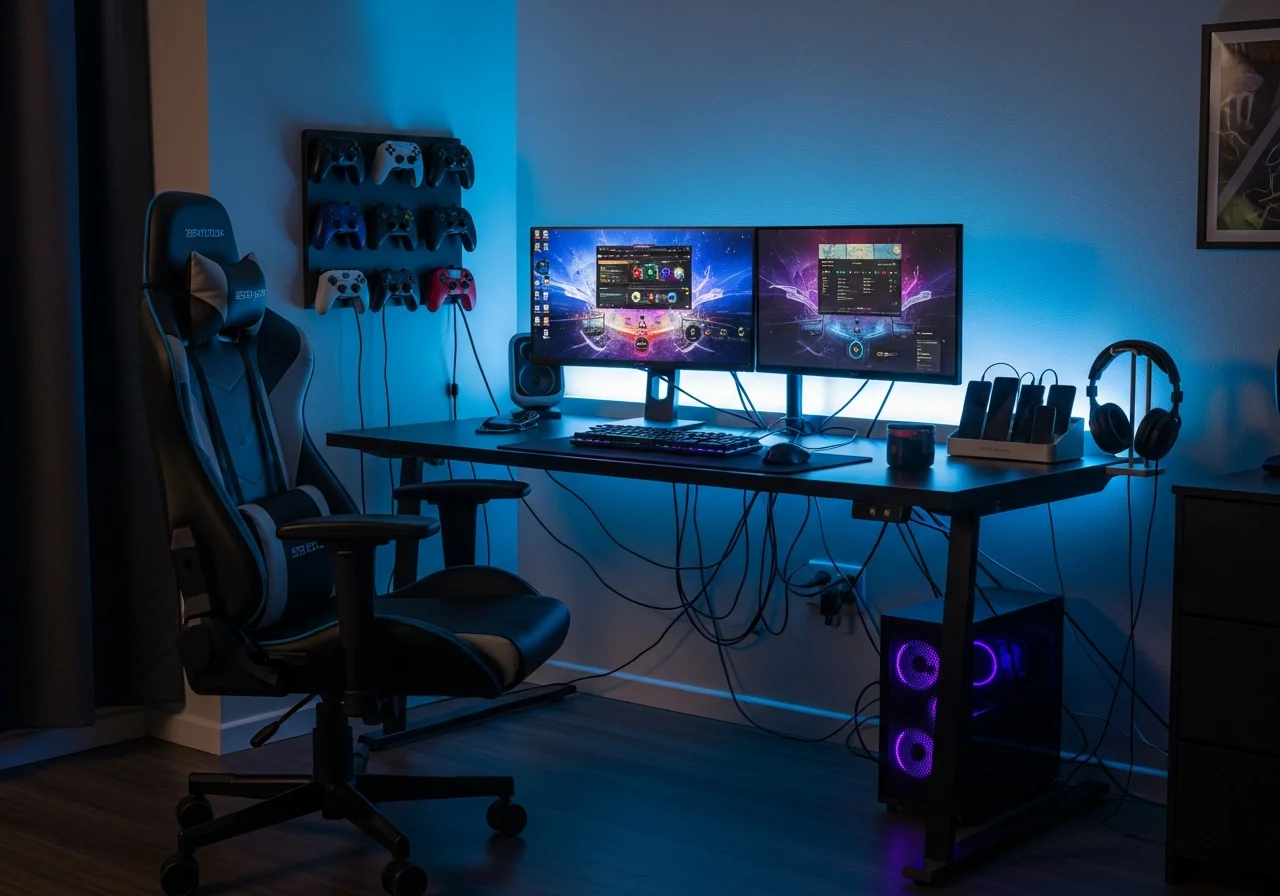
For boys passionate about gaming and technology, creating dedicated zones within their bedrooms becomes essential. A well-designed gaming setup includes an ergonomic chair supporting good posture during extended play sessions, a desk with cable management systems preventing tangled wires, and proper lighting reducing eye strain. Positioning the gaming area away from the bed helps maintain healthy sleep habits by creating visual separation between entertainment and rest zones.
LED lighting has become synonymous with gaming spaces, but thoughtful implementation prevents these rooms from looking like over-decorated arcade booths. Installing LED strips behind monitors, along desk edges, or underneath floating shelves provides ambient backlighting that reduces screen glare while creating atmospheric effects. Choosing color-changing options allows boys to adjust the mood based on activity or time of day, shifting from energetic colors during gaming sessions to calmer tones during homework or before bed.
Organization becomes particularly crucial in tech-heavy rooms where cables, controllers, headsets, and accessories can quickly create chaos. Wall-mounted controller holders, headphone stands, and cable organizing boxes keep equipment accessible yet tidy. A charging station consolidating phones, tablets, and gaming devices in one location prevents scattered chargers throughout the room. Investing in quality surge protectors and cable management solutions protects expensive equipment while maintaining the clean aesthetic essential to modern gaming spaces.
Nautical Designs for Coastal Vibes
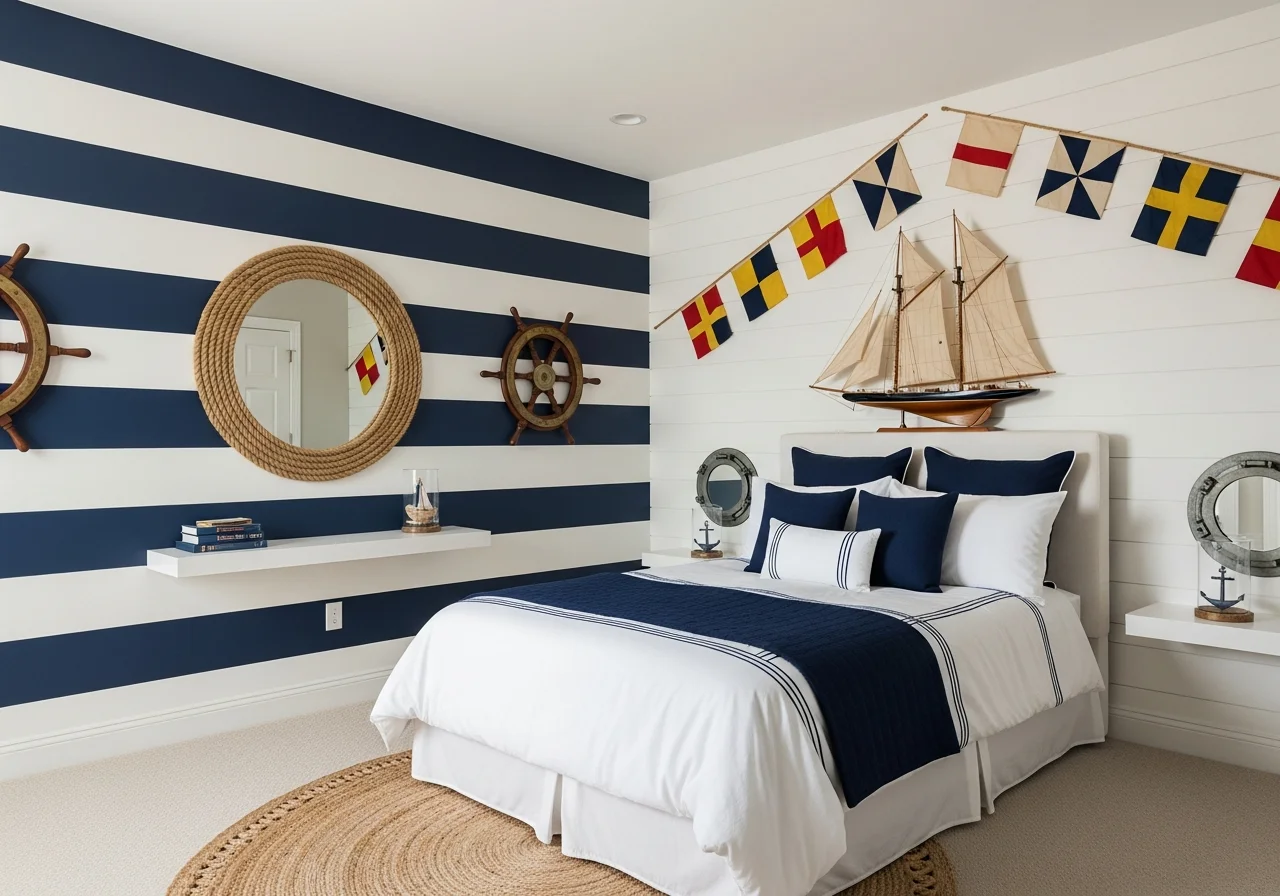
Nautical-themed bedrooms remain timeless choices that work beautifully across age groups. Classic navy and white stripes create the foundation, incorporated through bedding, area rugs, or accent walls. Crisp white walls with navy trim provide a fresh, clean backdrop allowing nautical accessories to shine without overwhelming the space. Adding natural rope details on shelving, rope-wrapped lamp bases, or rope-edged mirrors brings authentic maritime texture while remaining sophisticated enough for older children.
Authentic nautical elements elevate these themes beyond generic beach decor. Vintage maritime flags, authentic nautical charts as wall art, and ship wheel decor bring genuine character. A porthole-style mirror adds whimsy for younger boys while maintaining design integrity. Model ships displayed on floating shelves or vintage wooden boats repurposed as shelving units serve as both decoration and storage solutions. These authentic pieces create conversation starters while developing appreciation for maritime history and craftsmanship.
Modern interpretations of nautical themes incorporate coastal colors beyond traditional navy. Adding weathered grays, seafoam green, or sun-bleached coral creates sophisticated color palettes suitable for teenagers. Combining these colors with natural materials like jute rugs, driftwood frames, and linen curtains brings organic texture preventing the theme from feeling too literal or childish. This updated approach to nautical design creates spaces that feel fresh and contemporary rather than dated or overly thematic.
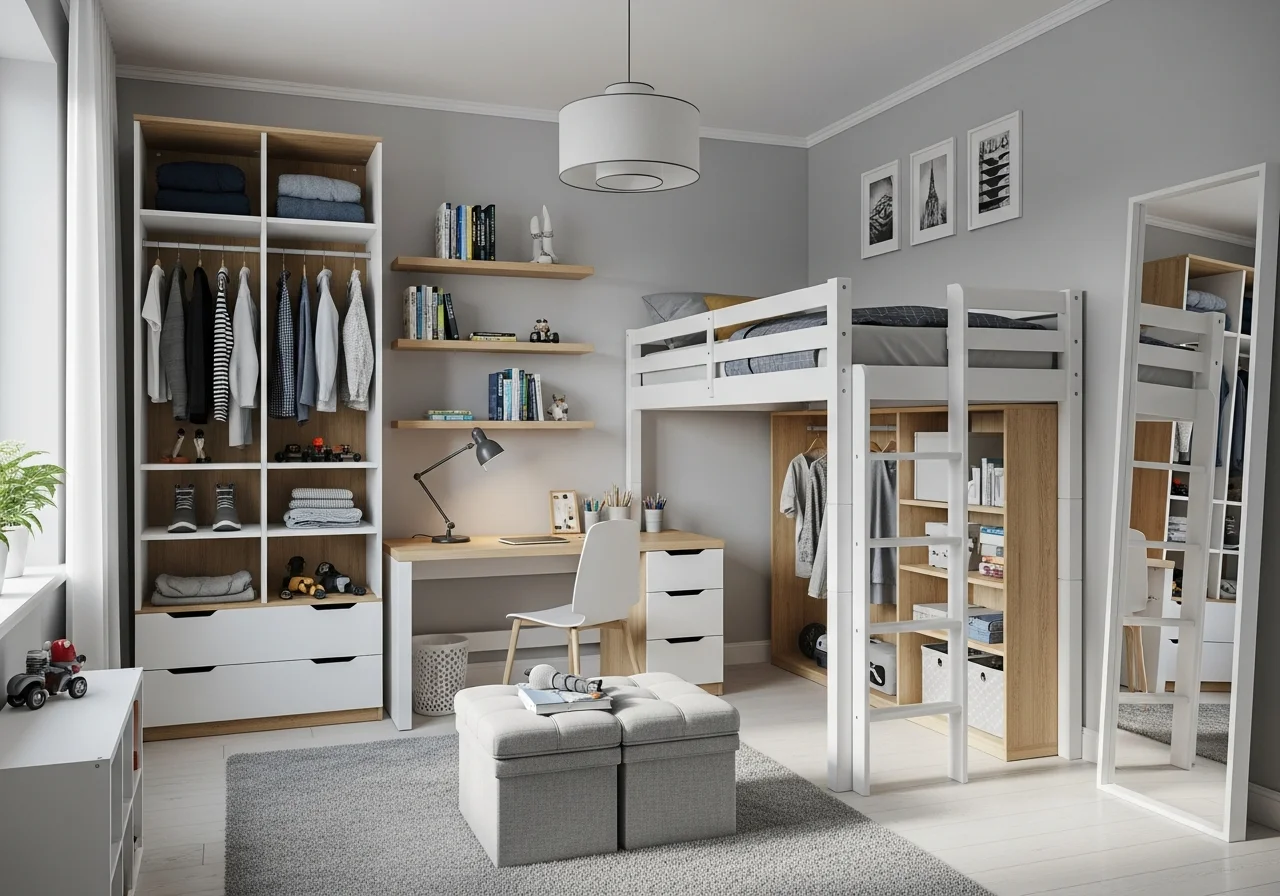
Small Space Solutions for Compact Bedrooms
Designing small boys bedrooms requires strategic planning to maximize every inch without creating cramped, cluttered spaces. Vertical storage solutions become essential, utilizing wall space from floor to ceiling with tall bookcases, floating shelves, and wall-mounted organizers. Loft beds create valuable floor space underneath for desks, seating areas, or storage, effectively doubling the usable room area. Murphy beds or daybeds provide sleeping solutions while freeing floor space during waking hours, particularly beneficial in shared rooms or studio apartments.
Light colors and strategic mirror placement make small bedrooms feel more spacious. Painting walls in soft whites, light grays, or pale blues reflects natural light, creating an airy atmosphere. Large mirrors positioned opposite windows amplify natural light while visually expanding the space. Choosing furniture with exposed legs rather than pieces sitting directly on floors creates sight lines across the room, making spaces appear larger than furniture that reaches the ground.
Multi-functional furniture proves invaluable in compact bedrooms. Ottomans with hidden storage provide both seating and toy organization. Desks with built-in shelving eliminate the need for separate bookcases. Beds with integrated drawers replace dressers, consolidating storage while reducing furniture footprint. Each piece should serve multiple purposes, eliminating single-use items that consume precious space without adding proportional value to the room’s functionality.
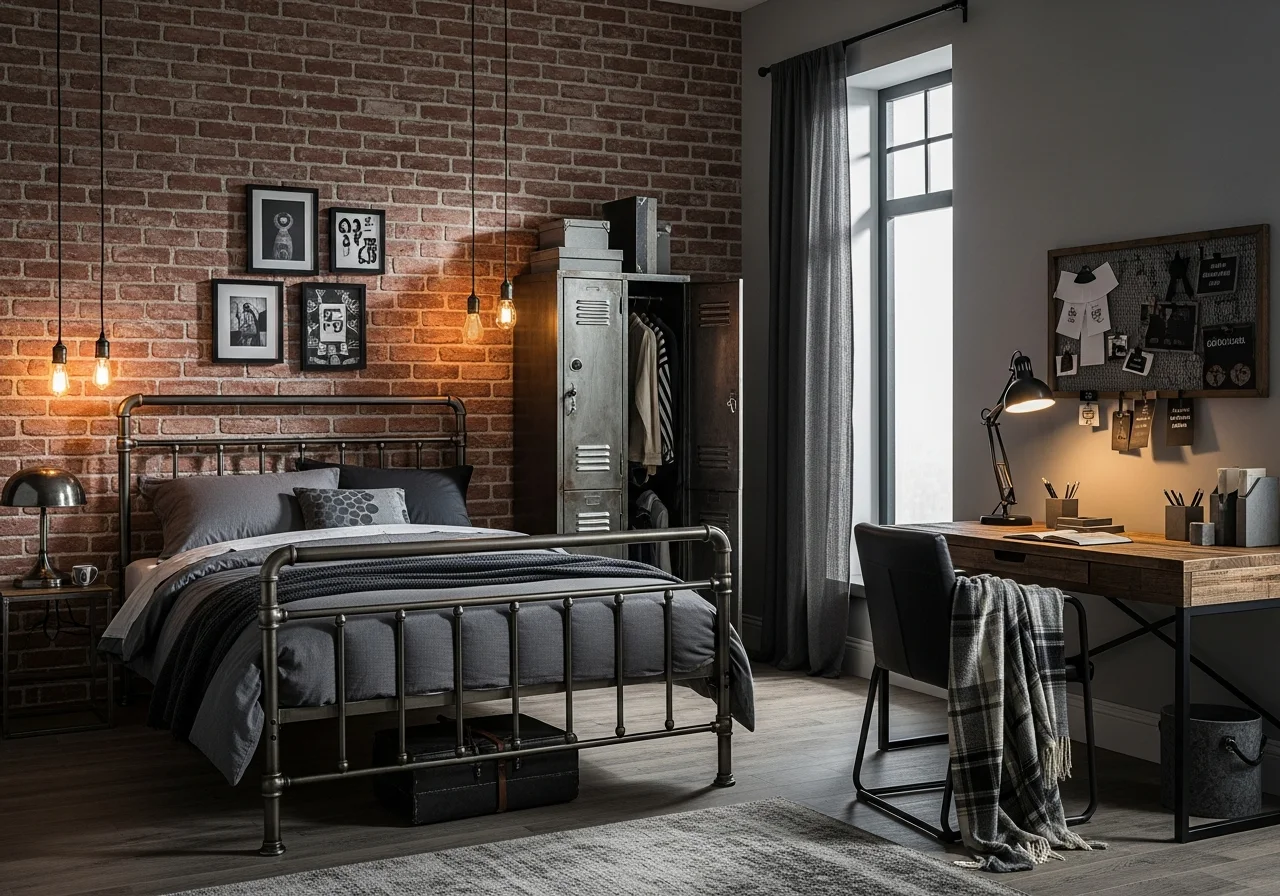
Industrial Style for Edgy Teenage Spaces
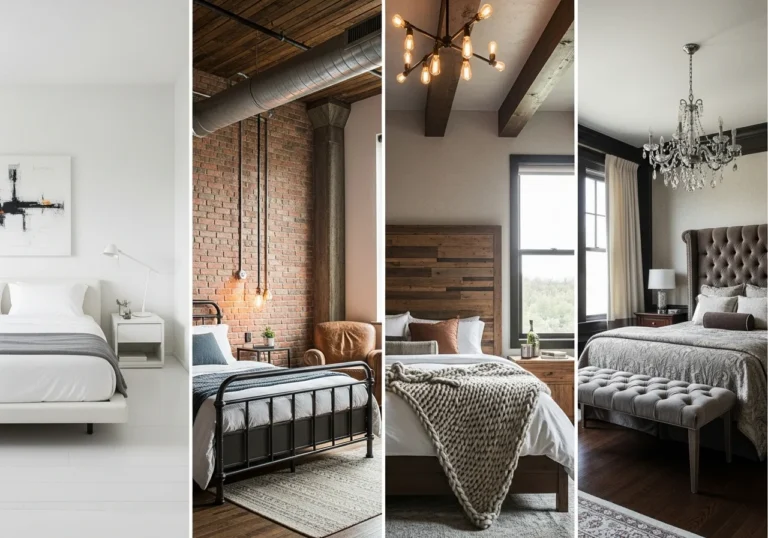
Industrial design offers teenage boys sophisticated, masculine spaces reflecting emerging adult tastes. Exposed brick walls or brick-patterned wallpaper create authentic urban backdrops. Metal furniture pieces including pipe-frame beds, industrial wire storage cubes, and metal task lamps bring raw, unfinished aesthetics that appeal to this age group. Concrete-look accessories, Edison bulb lighting fixtures, and vintage metal signage complete the industrial vocabulary without requiring permanent architectural changes.
Color palettes in industrial spaces feature charcoal gray, deep black, rusty orange, and weathered browns creating moody, dramatic atmospheres. These darker colors work particularly well for teenagers who prefer cocoon-like spaces for relaxation and privacy. Adding warmth through leather accents, plaid textiles, and reclaimed wood prevents these rooms from feeling cold or unwelcoming. The contrast between rough industrial elements and softer textile layers creates visual interest while maintaining comfort.
Authentic industrial pieces can often be sourced affordably from thrift stores, flea markets, or architectural salvage shops. Old factory carts become coffee tables or under-bed storage. Vintage lockers provide storage with authentic industrial character. Metal toolboxes organize desk supplies while contributing to the aesthetic. Searching for genuine vintage pieces rather than purchasing new industrial-style reproductions creates unique, character-filled spaces while often costing less than retail alternatives.
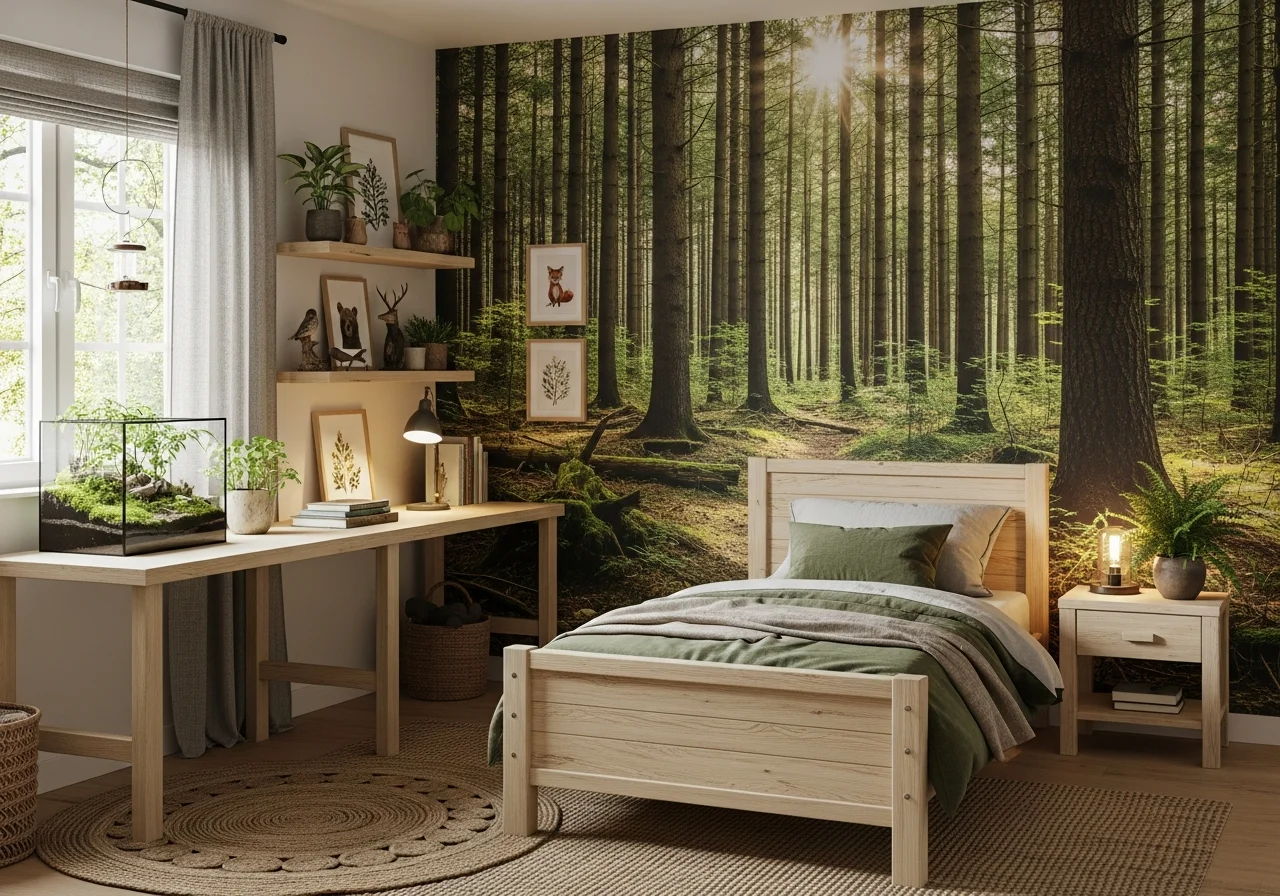
Nature-Inspired Rooms for Outdoor Enthusiasts
Boys who love nature and outdoor activities appreciate bedrooms reflecting these interests authentically. Forest-themed rooms incorporating tree decals, woodland creature artwork, and nature photography create serene retreats connecting children with the natural world. Color palettes featuring moss green, tree bark brown, sky blue, and stone gray bring outdoor tranquility indoors. Natural materials including wood furniture, jute rugs, and linen curtains reinforce the organic aesthetic while providing sensory richness.
Incorporating living elements transforms nature themes from decoration to genuine experience. Low-maintenance indoor plants teach responsibility while improving air quality. A terrarium housing small plants or even insects provides ongoing educational opportunities. Window bird feeders allow observation of local wildlife, connecting bedroom experiences with the actual outdoor world. These living elements make rooms feel dynamic and engaging rather than static, decorated spaces.
Outdoor-inspired rooms provide excellent opportunities for educational decor. Maps showing hiking trails or national parks inspire future adventures while teaching geography. Field guides displayed on shelves encourage learning about local flora and fauna. Rock collections, preserved leaves, or nature photography taken by your child personalize spaces while celebrating their outdoor experiences. This approach creates meaningful decoration reflecting actual interests rather than generic purchased themes, building deeper connections between children and their personal spaces.
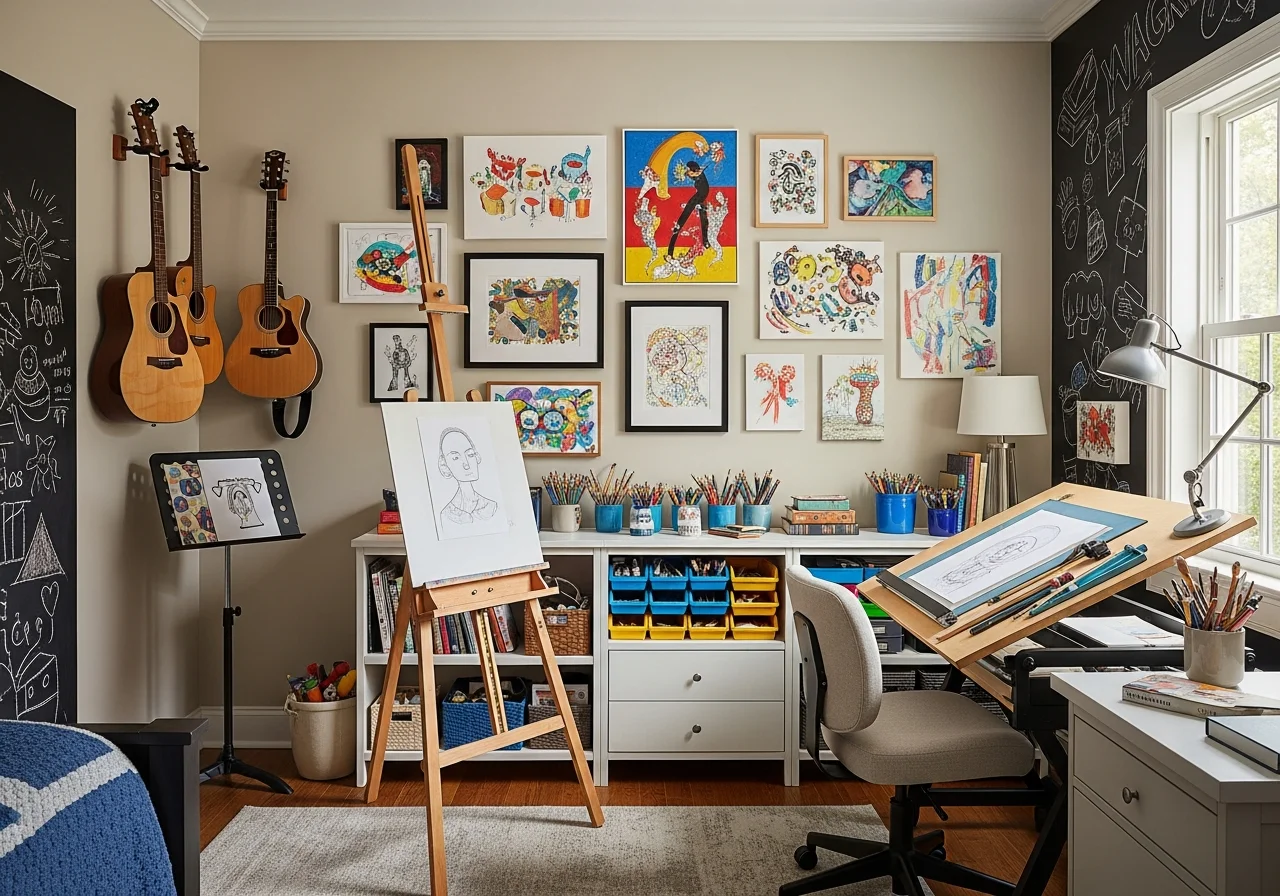
Creative Art and Music Focused Designs
Boys passionate about art or music need bedrooms supporting and celebrating their creative pursuits. Dedicated creation spaces with proper lighting, organized supply storage, and display areas for finished work make these rooms functional studios. For young artists, washable wall paint or chalkboard paint sections provide sanctioned spaces for creative expression. Older artists benefit from proper easels, drying racks for projects, and portfolio storage keeping artwork organized and protected.
Musicians require thoughtful acoustic considerations and instrument storage. Wall-mounted guitar hangers display instruments as art while keeping them accessible and safe. Dedicated music stands, sheet music storage, and quality headphones enable practice without disturbing household members. Sound-dampening elements like thick curtains, area rugs, and acoustic panels improve sound quality while reducing noise transmission. Creating rehearsal space arrangements that can be quickly modified allows the room to transition between practice and relaxation modes.
Display systems celebrating creative work build confidence and pride in artistic achievements. Gallery walls featuring rotating artwork selections allow fresh displays as skills develop. Shadow boxes preserving three-dimensional art projects maintain special pieces without cluttering surfaces. Music-themed artwork, vintage concert posters, or photographs of favorite musicians personalize spaces while reinforcing passions. These dedicated creative spaces communicate that artistic pursuits deserve serious space and attention, validating children’s interests while providing practical support for their development.
Budget-Friendly Updates and DIY Projects
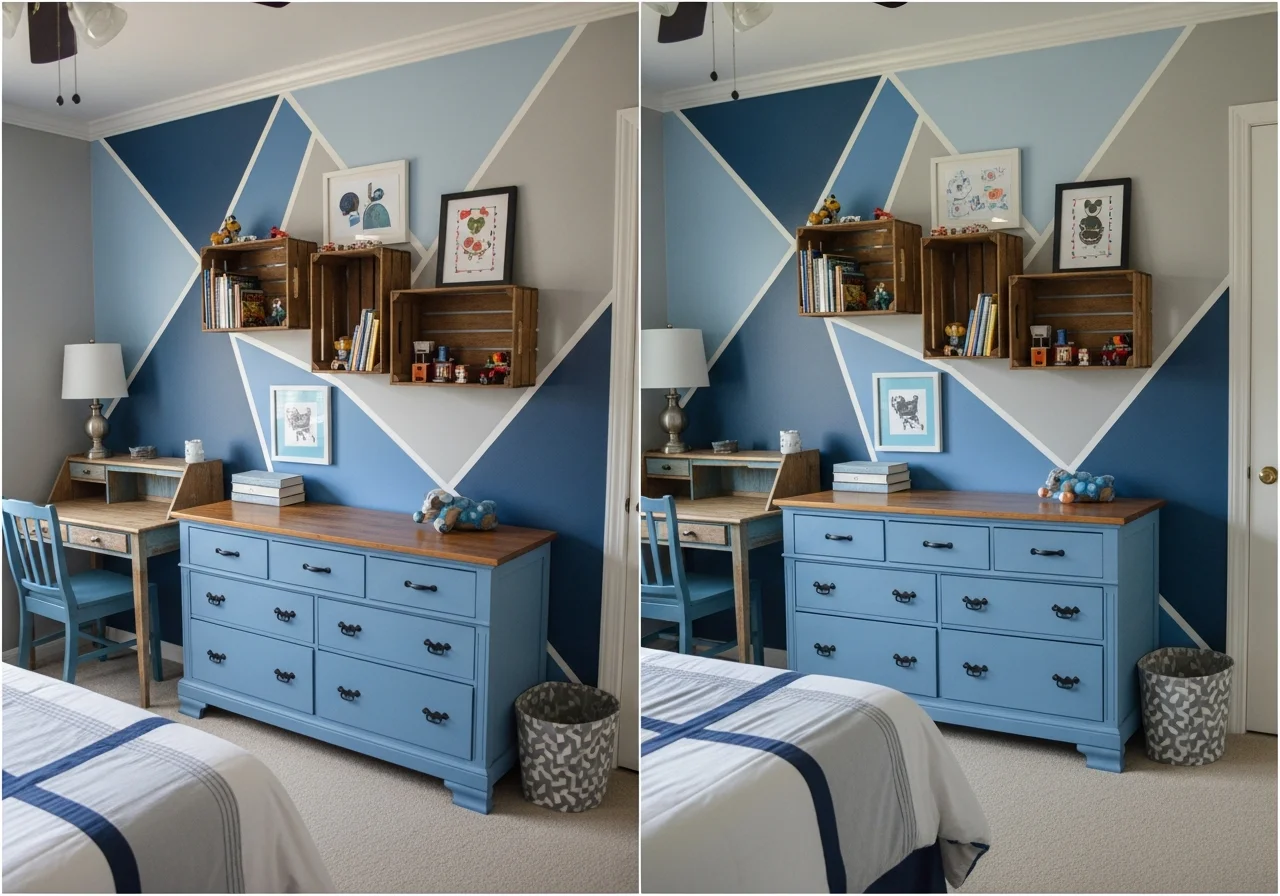
Creating impressive boys bedrooms doesn’t require substantial budgets when approached strategically. Accent walls provide dramatic impact for minimal cost. One gallon of paint transforms entire room atmospheres, and geometric painter’s tape designs create custom patterns rivaling expensive wallpapers. Stencils enable intricate designs without artistic expertise, and ombre techniques add sophisticated color transitions. These simple painting projects typically cost under fifty dollars while completely changing room dynamics.
Repurposing and upcycling existing furniture saves money while creating custom pieces. Old dressers transformed through fresh paint and updated hardware look completely new. Building simple shelving from affordable lumber provides custom storage fitting exact space requirements. Wooden crates mounted on walls create industrial-style shelving at fraction of retail costs. Painting existing furniture in cohesive color schemes unifies mismatched pieces into intentional collections.
DIY decor projects engage children while personalizing spaces meaningfully. Creating custom artwork together builds memories while generating zero-cost decoration. Building name signs from reclaimed wood, creating photo collages, or constructing cork board designs from wine corks saved over time produces unique, meaningful decoration. These projects teach valuable skills while creating emotional connections to spaces stronger than any store-bought decoration could achieve. The investment of time rather than money often produces more satisfying results appreciated far beyond their monetary value.
Shared Bedroom Solutions for Brothers
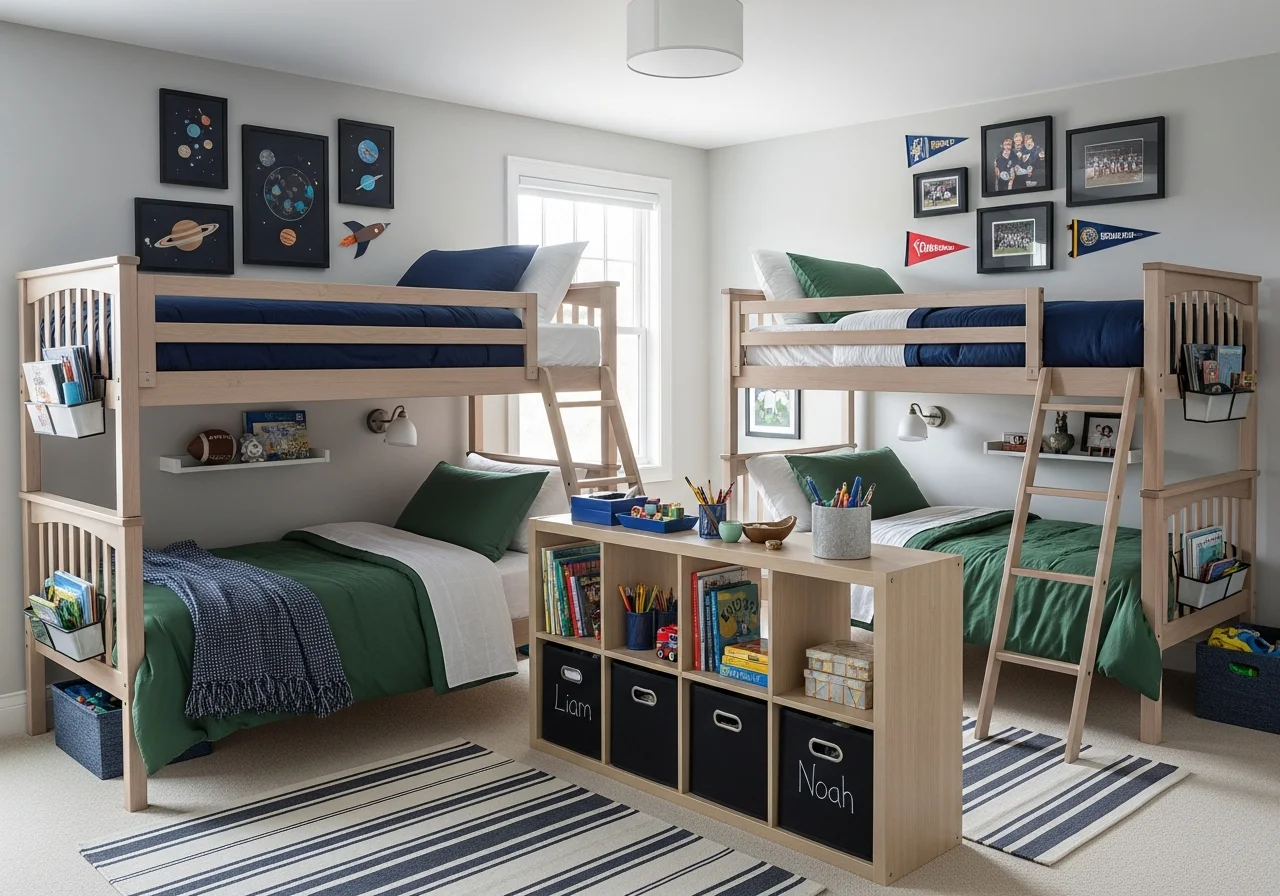
Designing shared bedrooms requires balancing individual identity with cohesive design. Assigning each brother a designated color within a unified palette provides personal expression without visual chaos. One might claim navy while the other chooses forest green, both working within the same neutral backdrop. Color-coded storage, bedding, and personal space markers help establish boundaries while maintaining overall design harmony.
Space division becomes essential in shared rooms, providing each child some privacy. Bunk beds maximize floor space for shared activities while giving each child their personal sleeping space. Room dividers including bookshelves, curtains, or partial walls create semi-private zones without requiring structural changes. Even simple solutions like assigning opposite walls for each child’s bed and personal storage help establish territorial boundaries reducing conflicts.
Storage organization prevents disputes while keeping shared spaces functional. Clearly labeled individual storage prevents arguments about ownership. Shared toy storage for common items alongside personal bins for special belongings balances communal living with individual property rights. Creating systems both children understand and can maintain independently reduces parental arbitration while teaching cooperation and respect for shared spaces.
Final Thoughts on Creating the Perfect Boys Bedroom
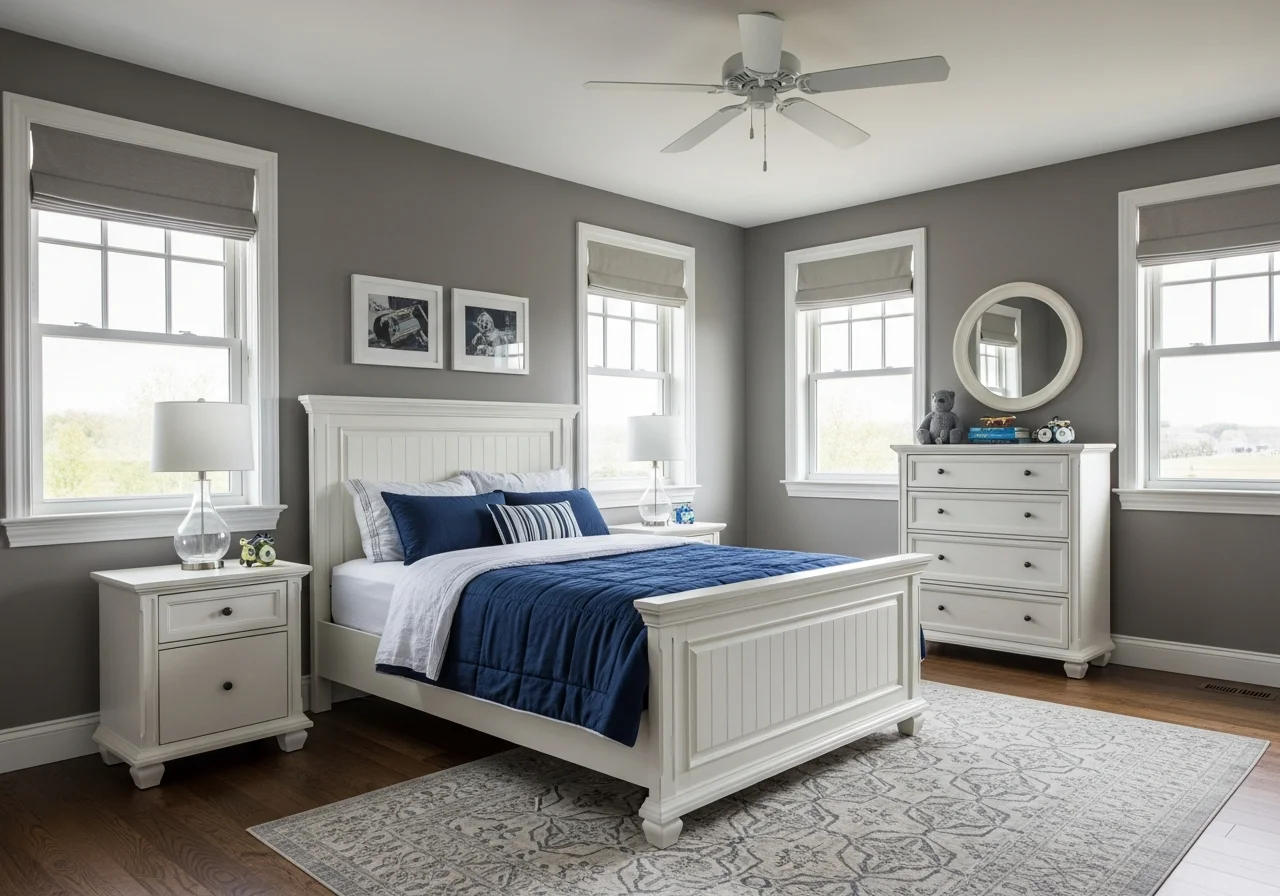
Successful boys bedroom design ultimately balances aesthetic appeal with practical functionality, creating spaces that genuinely serve children’s needs while maintaining visual coherence parents appreciate. The most effective designs grow alongside children, incorporating adaptable elements that remain relevant across developmental stages. Investing in quality neutral furniture pieces provides lasting value while less expensive, easily changed accessories accommodate shifting interests without major renovations.
Including boys in design decisions creates ownership and pride in their spaces. Allowing choice within parent-established parameters teaches decision-making while ensuring results you can both appreciate. This collaborative approach produces rooms children actually want to maintain, building organizational skills and responsibility naturally. The goal extends beyond creating beautiful spaces to fostering environments supporting growth, creativity, learning, and rest.
Whether working with generous budgets or tight constraints, thoughtful design creates remarkable boys bedrooms. The difference lies not in spending but in intentional choices reflecting genuine understanding of your child’s needs, interests, and developmental stage. These 15 creative approaches provide starting points for designing spaces uniquely suited to the boys living in them, creating bedrooms that truly feel like home.
Frequently Asked Questions
What are the best colors for a boys bedroom that will last through different ages?
Neutral base colors including charcoal gray, navy blue, sage green, and warm beige work exceptionally well across all age groups. These sophisticated shades provide character without feeling childish, and they pair beautifully with any accent colors your son prefers. Use easily changeable items like bedding, artwork, and storage bins to introduce bolder colors that can be updated as interests change. This approach allows the room to mature alongside your child without requiring complete repaints every few years.
How can I design a small boys bedroom without making it feel cramped?
Maximize vertical space with tall storage units, floating shelves, and wall-mounted organizers rather than consuming floor space. Consider loft beds that create usable space underneath for desks or play areas. Choose furniture with exposed legs rather than pieces sitting directly on the floor, as this creates visual flow making rooms appear larger. Light color palettes, strategic mirror placement, and multi-functional furniture pieces that serve dual purposes significantly improve functionality while maintaining an open, airy feeling even in compact spaces.
What storage solutions work best for keeping boys bedrooms organized?
The most effective storage systems allow children to maintain organization independently. Open shelving at appropriate heights with labeled bins works well for younger children, while teenagers benefit from closed storage systems that hide clutter. Built-in closet organizers with adjustable components adapt as needs change. Under-bed storage drawers maximize unused space, and wall-mounted pegboards provide flexible storage for everything from backpacks to collectibles. The key is creating designated homes for every category of items, making it obvious where things belong.
How much should I involve my son in designing his bedroom?
Collaboration creates spaces children take pride in and willingly maintain. For younger children, offer choices between two or three parent-approved options for major decisions like color schemes or themes. Allow them freedom in selecting smaller decorative elements that can be easily changed. Older children and teenagers can take more leadership in design decisions, with parents providing guidance on practical considerations and budget constraints. This approach teaches decision-making skills while ensuring results work for the entire family, creating rooms that genuinely reflect your son’s personality.
Are themed bedrooms a good investment or will my son outgrow them quickly?
Theme intensity determines longevity. Subtle themed elements incorporated through easily changed accessories like bedding, artwork, and decorative objects allow updates as interests shift without major renovations. Avoid permanent installations like custom murals of specific characters that quickly feel dated. Instead, choose themes with broader appeal such as space, nature, or sports in general rather than specific teams. This measured approach to themes provides personality and interest while maintaining flexibility as your son matures and his preferences evolve.