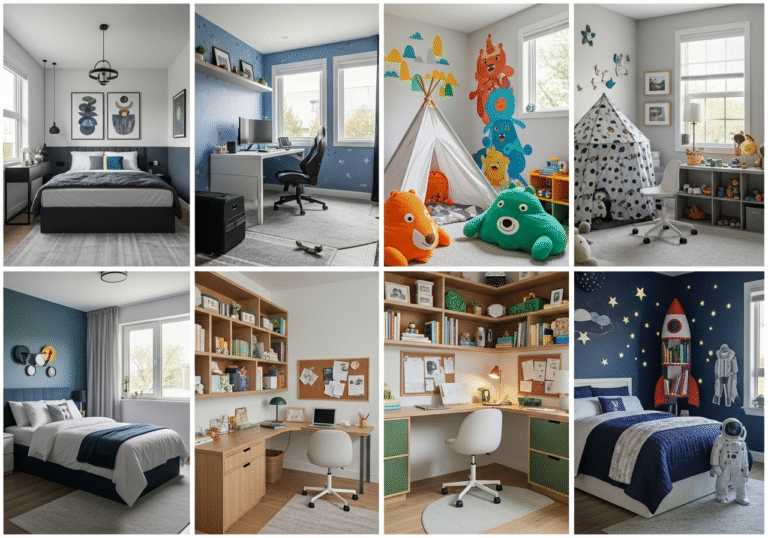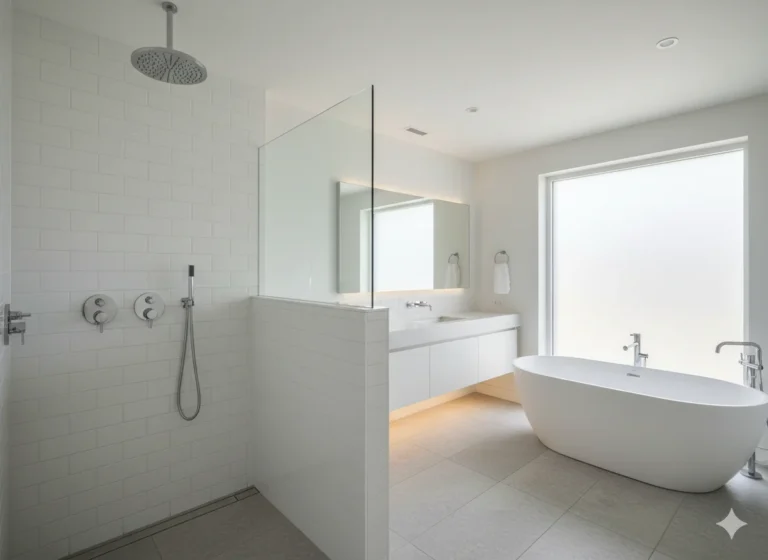

Bedroom Interior 2026 Trends with 15 Modern Design Ideas for Stylish Cozy and Luxury Decor
The Bedroom Interior remains the most personal space in any home, serving as a private sanctuary where comfort meets style. As we move through 2026, bedroom interior design has evolved beyond simple aesthetics to embrace deeper concepts of wellness, sustainability, and personalized expression. The trends emerging this year reflect a significant shift toward creating spaces that nurture both body and mind while maintaining sophisticated visual appeal.
Today’s bedroom interior focuses on balance. Homeowners increasingly seek rooms that feel restful yet stimulating, luxurious yet authentic, modern yet timeless. This evolution stems from our growing understanding that the Bedroom Interior serves multiple functions beyond sleep. It becomes a meditation space, a reading corner, a place for morning rituals, and an evening retreat from daily stresses.
The following design ideas showcase how 2026 Bedroom Interior trends blend practical functionality with elevated style. Whether you’re planning a complete renovation or seeking simple updates, these concepts offer pathways to transform your bedroom into a space that truly reflects your lifestyle and values.

Embracing Warm Neutral Foundations
The sterile white and cool gray palettes that dominated previous years have given way to warmer, more inviting neutral schemes. Think creamy taupes, clay-inspired beiges, soft caramels, and chalky off-whites that create naturally comforting atmospheres. These sophisticated neutrals provide versatile backdrops that work equally well in minimalist and maximalist settings.
The beauty of warm neutrals lies in their ability to shift with changing light throughout the day. Morning sunlight brings out golden undertones, while evening illumination creates cozy amber glows. Designers recommend layering different shades within the same warm family to add depth without overwhelming the senses. Consider pairing sandy walls with caramel-toned bedding and taupe accent furniture for a cohesive yet dimensional look.
These foundational colors also serve practical purposes. They make rooms feel larger and more open while maintaining warmth that cold whites cannot achieve. The psychological impact proves significant as well, with warm neutrals promoting relaxation and reducing visual stress that brighter or cooler colors might create.

Cocoon-Inspired Comfort Bedroom Interior Design
Creating cocoon-like bedroom environments has become central to 2026 Bedroom Interior design philosophy. This approach prioritizes enveloping comfort through plush bedding, blackout window treatments, and carefully calibrated lighting that mimics natural circadian rhythms. The goal involves crafting spaces that feel protective and nurturing, particularly important given increasing awareness of sleep quality’s impact on overall health.
Achieving this cocoon effect requires attention to multiple sensory elements. Start with bedding that features substantial weight and soft textures. Consider materials like brushed cotton, linen blends, or even weighted blankets that provide gentle pressure. Window treatments should offer complete light control, allowing for darkness when needed while also permitting natural light during waking hours.
The cocoon concept extends beyond textiles to encompass spatial arrangement. Positioning beds away from direct sightlines to doors, creating intimate reading nooks with surrounding shelving, and using room dividers to establish separate zones all contribute to feelings of security and comfort that define this trend.
Natural Material Integration
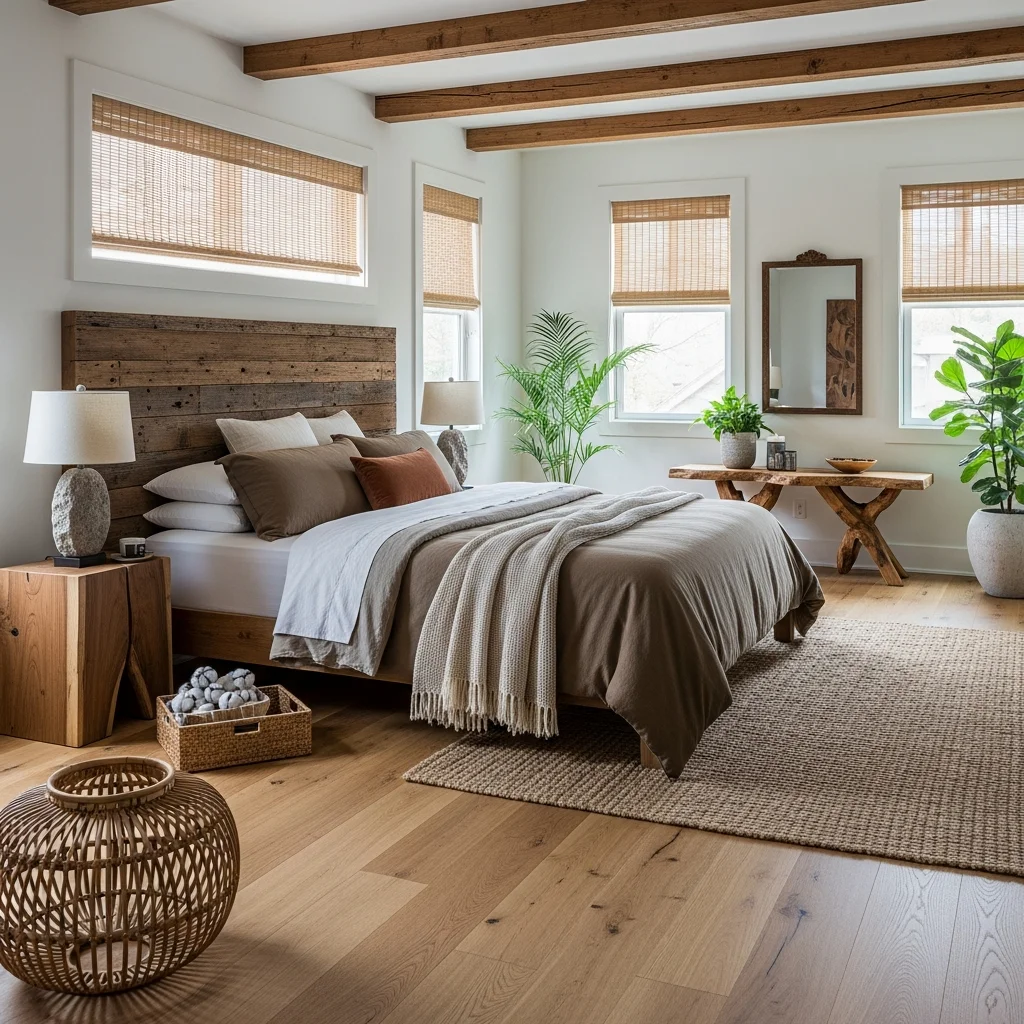
Wood, stone, organic textiles, and other natural materials have moved from accent elements to starring roles in bedroom interior design. Rich wood grains appear on floors, walls, and even ceilings, creating warm enveloping effects that synthetic materials cannot replicate. Natural white oak has become particularly popular for its ability to bring calm sophistication without excessive ornamentation.
These authentic materials develop character over time, with natural patinas adding stories and depth to bedroom spaces. Unlike manufactured alternatives that show wear as damage, genuine wood and stone gain beauty through use. This quality aligns perfectly with sustainability goals, as durable natural materials reduce replacement needs and environmental impact.
Incorporating natural materials doesn’t require complete renovations. Simple additions like reclaimed wood accent walls, natural fiber rugs, stone table lamps, or bamboo window treatments introduce organic elements that transform bedroom atmospheres. The key involves selecting pieces that showcase material authenticity rather than hiding it beneath heavy finishes or treatments.
Sculptural Furniture with Organic Forms
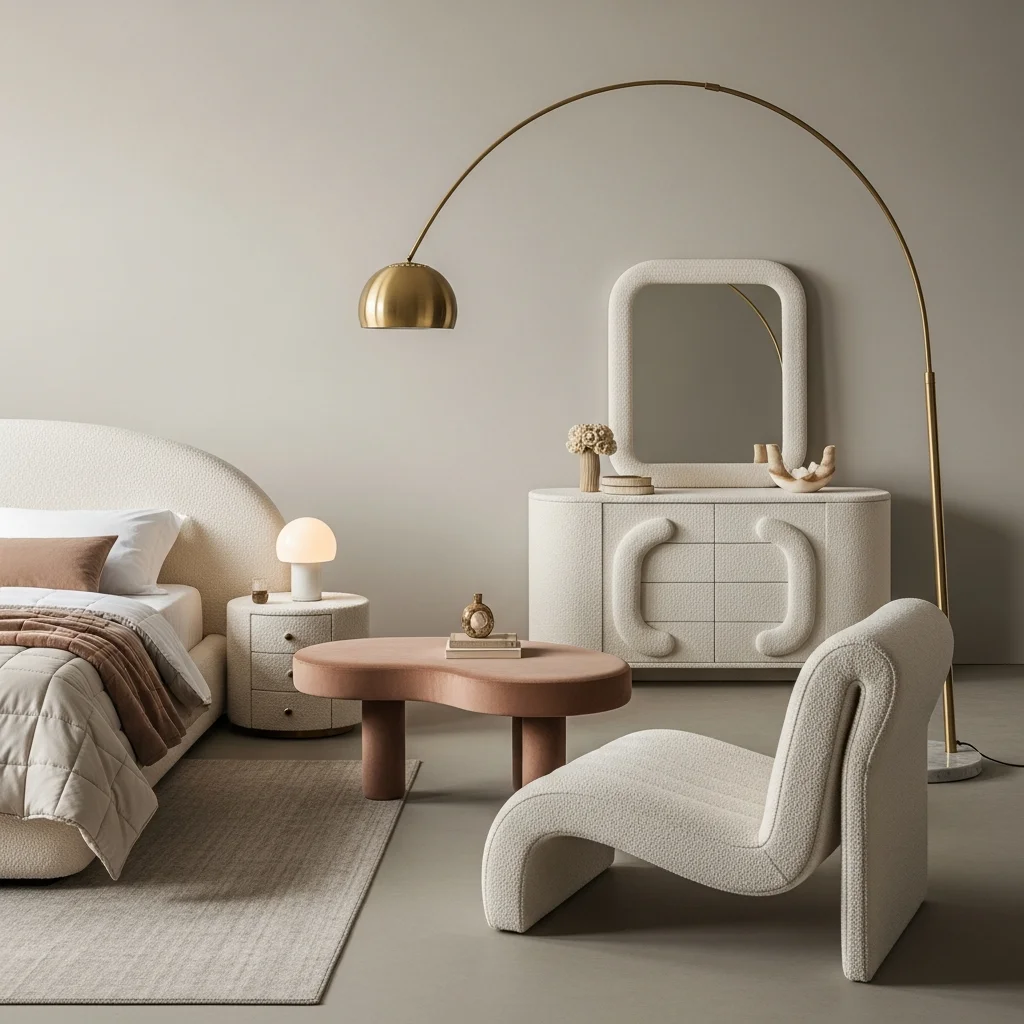
Sharp angles and rigid geometric forms have softened into curves and organic shapes throughout 2026 bedroom furniture. Rounded dressers, curved lounge chairs, kidney-shaped side tables, and arched headboards introduce visual fluidity that makes spaces feel more welcoming and less institutional. These pieces often feature boucle upholstery, quilted velvet, or smooth leather that emphasizes their sculptural qualities.
The curved furniture trend serves functional purposes beyond aesthetics. Rounded corners prove safer in bedrooms where movement occurs in dim lighting. Curved seating naturally embraces the body more comfortably than angular alternatives. The visual softness created by organic forms also promotes psychological relaxation, making bedrooms feel more like sanctuaries than showrooms.
When incorporating sculptural furniture, consider scale and placement carefully. A single statement piece like a channel-back curved sofa can anchor an entire room. Alternatively, multiple smaller curved elements like rounded nightstands paired with an arched floor lamp create cohesive visual rhythm without overwhelming the space.
Layered Atmospheric Lighting
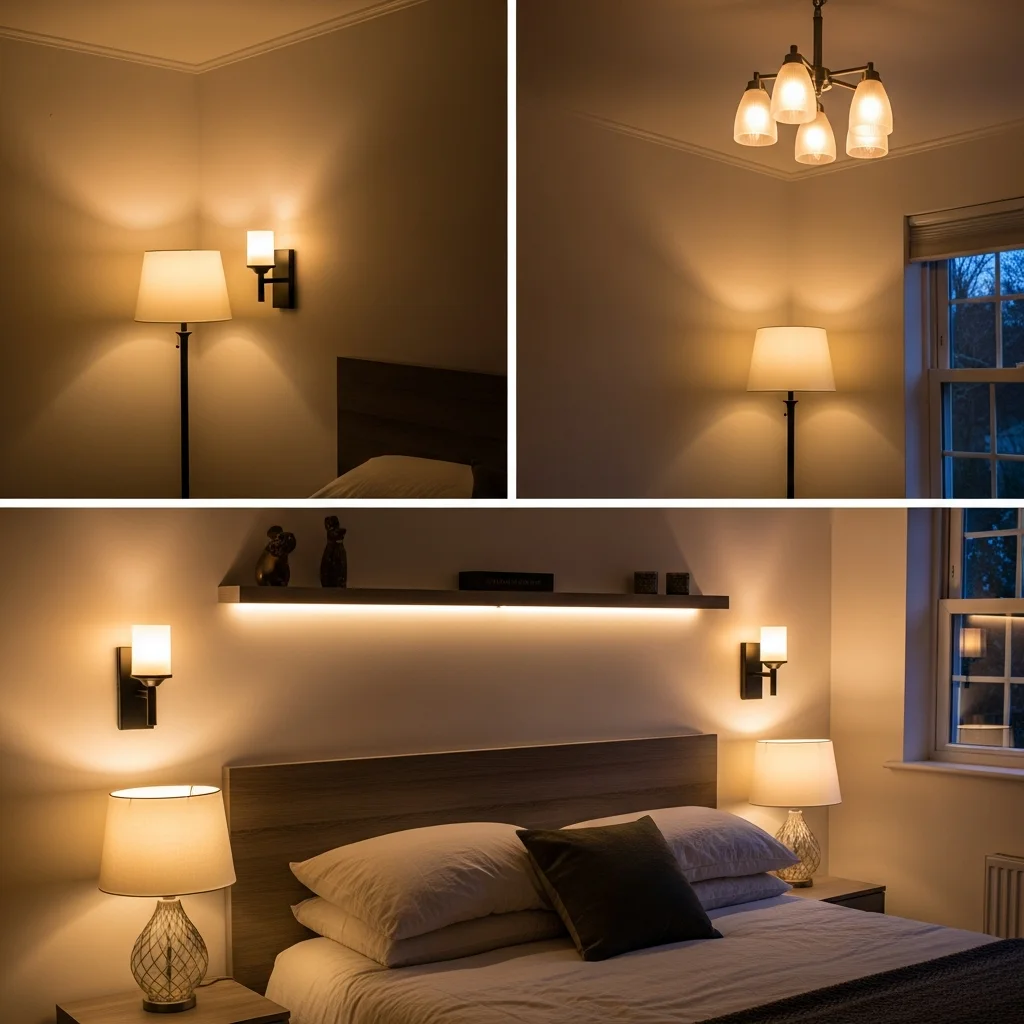
Harsh overhead lighting has been replaced by sophisticated layered approaches that combine ambient, task, and accent lighting at various heights and intensities. This trend recognizes that bedroom activities require different illumination levels throughout the day. Morning preparations need bright, clear light, while evening wind-down benefits from warm, dimmed atmospheres.
Creating effective layered lighting involves mixing source types. Wall sconces flanking the bed provide reading light without disturbing partners. Floor lamps with dimmer switches offer adjustable ambient lighting. Hidden LED strips behind headboards or under floating furniture add soft accent glows. The goal involves achieving complete control over lighting moods rather than accepting fixed illumination.
Smart lighting systems have become increasingly accessible, allowing programming of scenes that automatically adjust color temperature and brightness based on time of day. These systems support circadian rhythms by providing energizing cool-toned light in mornings and shifting to warmer relaxing tones as evening approaches.
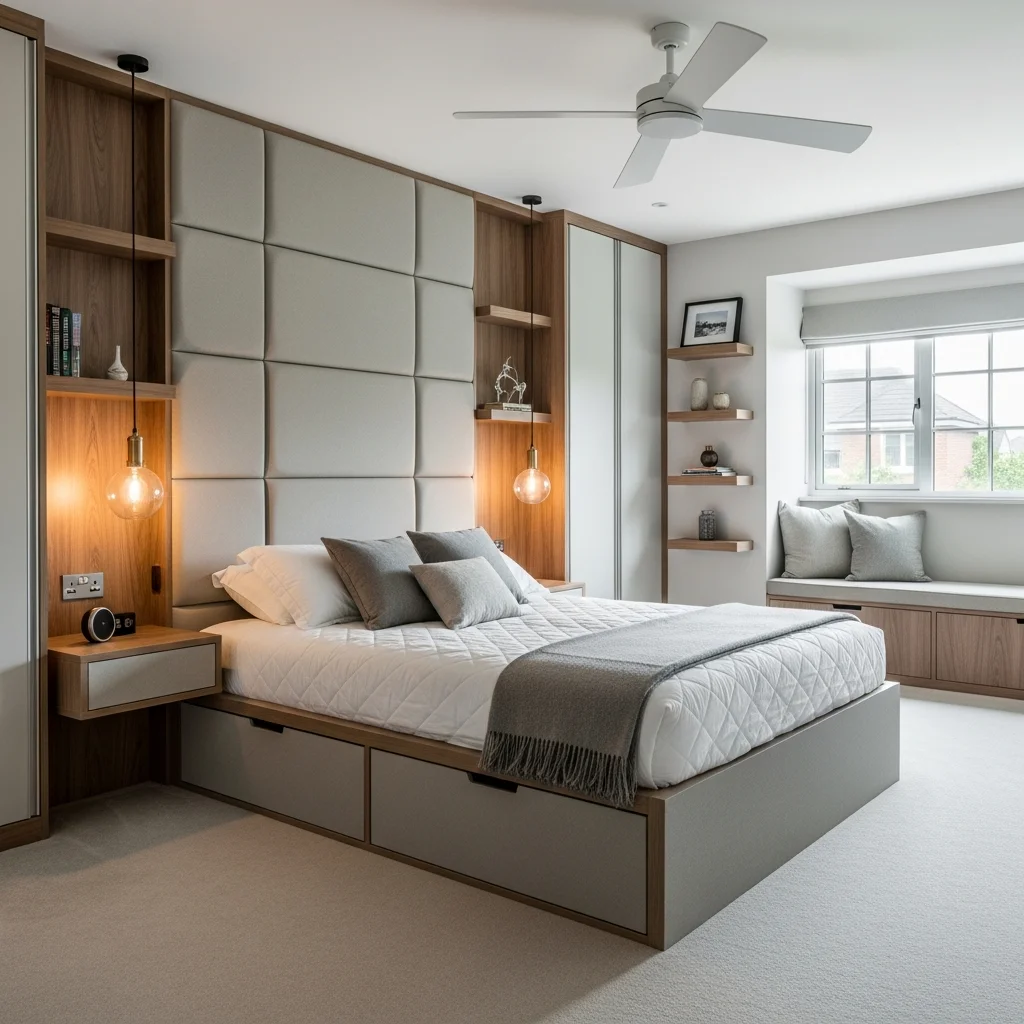
Custom Built Bedroom Solutions
Mass-produced furniture increasingly gives way to custom solutions designed for specific spaces and needs. Custom beds with integrated storage, built-in nightstands, or incorporated lighting address practical requirements while serving as architectural focal points. These bespoke elements transform bedrooms from collections of separate pieces into unified designed environments.
The appeal of custom solutions extends beyond aesthetics to space optimization. Built-in wardrobes with sliding doors maximize storage in compact rooms. Platform beds with under-mattress drawers eliminate needs for additional dressers. Window seat nooks with hidden storage create functional reading spots while addressing organization challenges.
Working with carpenters or Bedroom Interior designers to create custom elements does require larger initial investments than purchasing ready-made furniture. However, the long-term value proves significant. Custom pieces fit spaces perfectly, use available areas efficiently, and typically outlast manufactured alternatives both in durability and timeless design.
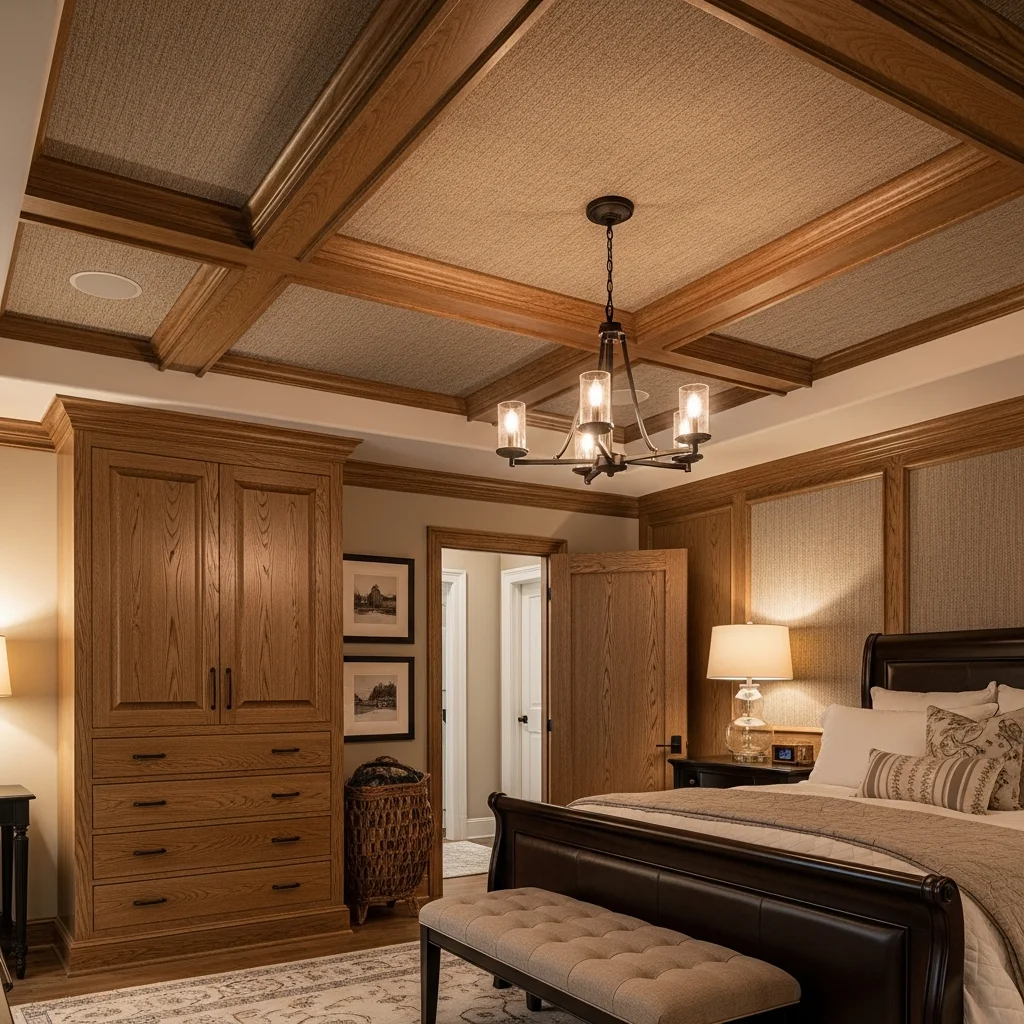
Textured Ceiling Treatments
The often-overlooked fifth wall receives significant attention in 2026 bedroom design. Textured ceiling treatments ranging from wood paneling to grasscloth wallpaper to decorative moldings add depth and character that plain flat ceilings cannot achieve. These treatments draw eyes upward, making rooms feel more complete and considered.
Implementing ceiling texture requires careful balance with other design elements. In minimalist bedrooms, a statement ceiling becomes the primary decorative focus while walls and furnishings remain simple. In more decorated spaces, subtle ceiling treatments like tone-on-tone paint techniques or minimal molding add sophistication without competing for attention.
Practical considerations include ceiling height and room proportions. Lower ceilings benefit from lighter treatments that create illusions of height. Higher ceilings can handle bolder approaches like dark stained wood panels or dramatic coffered designs that add appropriate visual weight.
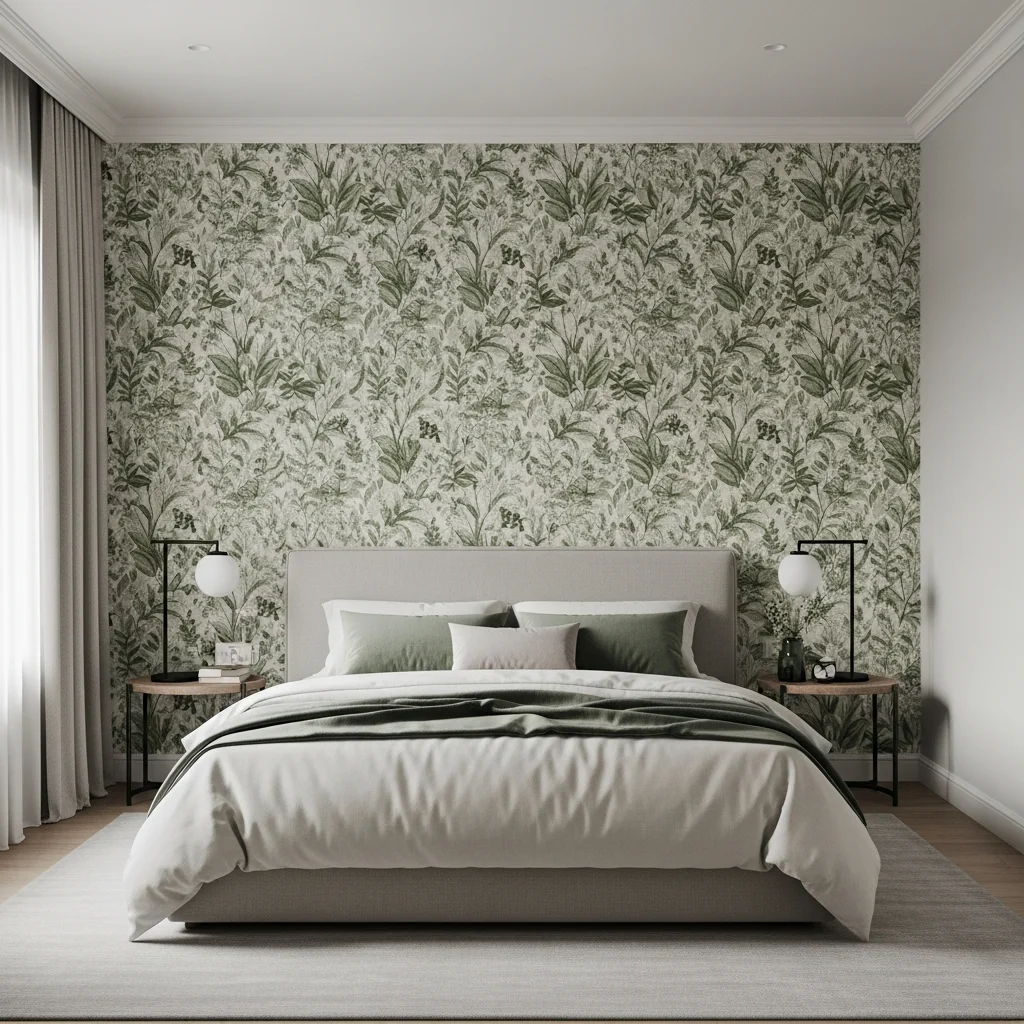
Bold Accent Wall Statements
While neutral foundations dominate 2026 bedrooms, accent walls provide opportunities for personality and visual interest. Patterned wallpapers featuring everything from botanical prints to geometric designs to artistic abstracts transform single walls into focal points. These treatments satisfy desires for color and pattern without overwhelming spaces that prioritize restfulness.
The key to successful accent walls involves thoughtful placement and scale. Positioning patterned walls behind beds creates natural focal points that don’t compete with daily functional areas. Choosing patterns that incorporate multiple colors from the room’s palette helps integrate the feature rather than making it feel disconnected.
Alternative accent wall approaches beyond wallpaper include large-scale artwork, textural wood installations, or even painted murals. The unifying principle involves creating single standout features that anchor rooms while allowing other elements to support rather than compete.
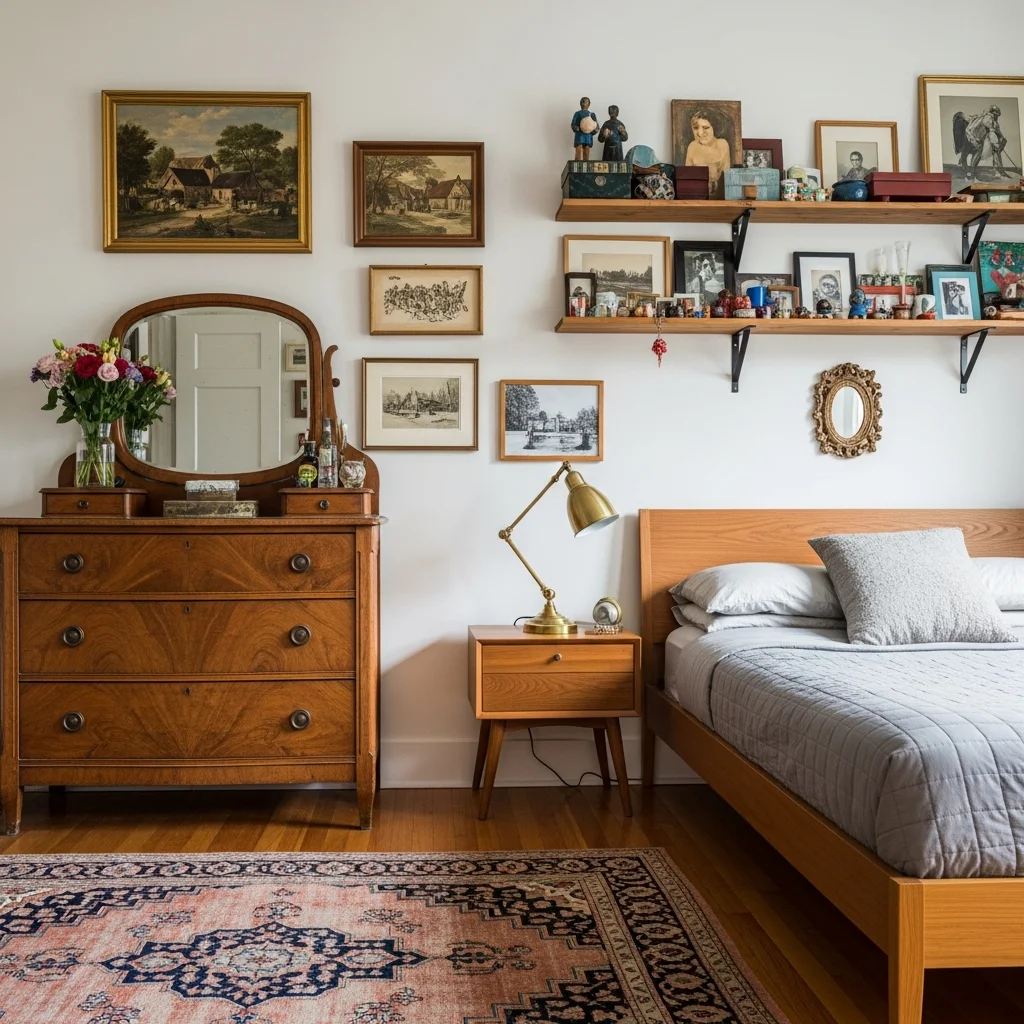
Vintage and Collected Aesthetics
Perfect matching bedroom sets have lost appeal to more personalized collections that tell stories through varied pieces. Mixing vintage finds with contemporary items, combining wood tones rather than matching them, and displaying meaningful objects creates bedrooms that feel authentically lived-in rather than staged. This trend reflects growing appreciation for craftsmanship and character that mass-produced items lack.
Incorporating vintage elements doesn’t require complete furniture overhauls. A single antique dresser paired with modern bedding creates pleasing contrast. Vintage rugs anchor contemporary furniture arrangements. Inherited artwork or found objects displayed on floating shelves add personal narrative to neutral foundations.
The collected look succeeds through intentional curation rather than random accumulation. Consider color palettes, scale relationships, and how pieces converse visually even when stylistically different. The goal involves achieving eclectic harmony where diversity feels purposeful rather than chaotic.
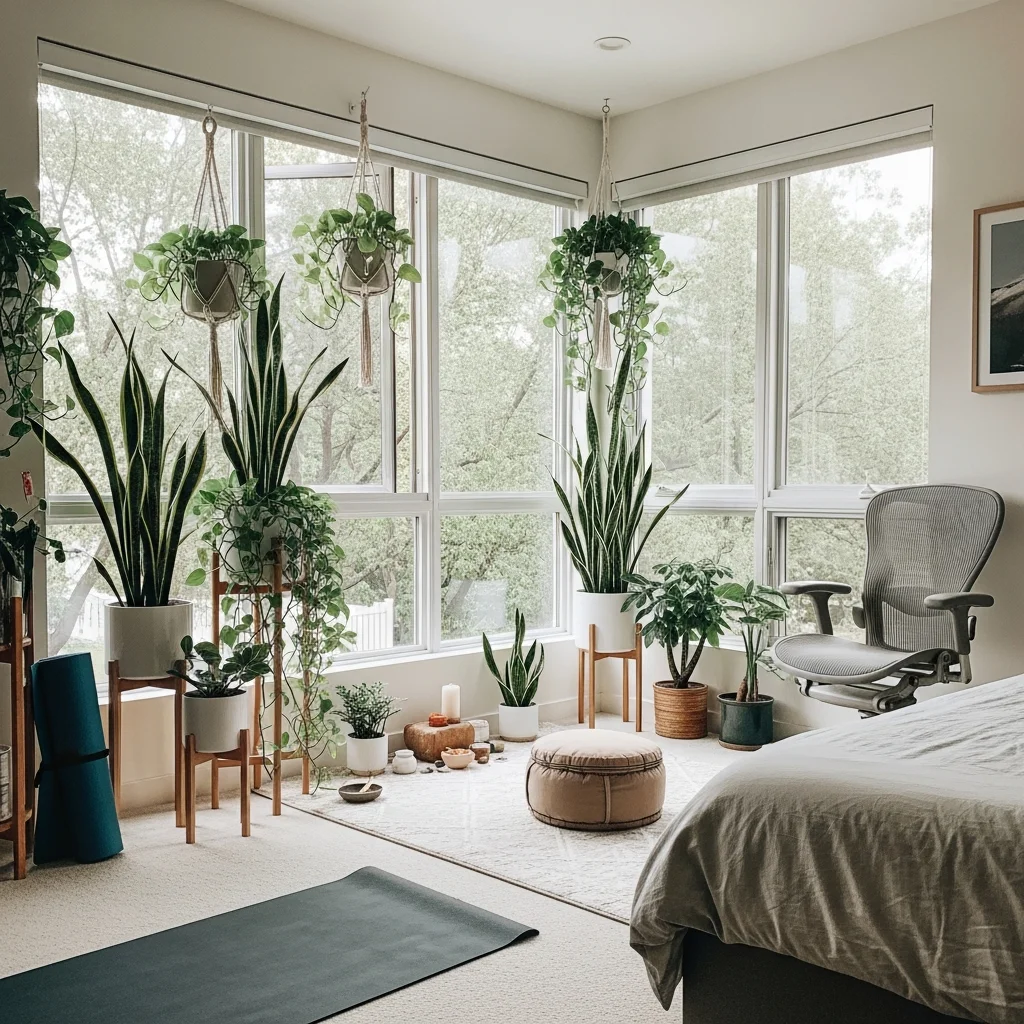
Wellness-Focused Design Elements
Bedrooms increasingly incorporate features that actively support health beyond providing comfortable sleep surfaces. These wellness elements range from practical additions like air-purifying plants and ergonomic furniture to more substantial features like meditation corners, small saunas, or direct outdoor access that connects Bedroom Interior spaces with nature.
Biophilic design principles play significant roles in wellness-focused bedrooms. Large windows that maximize natural light exposure, plant ledges that integrate greenery architecturally, natural materials that connect occupants with outdoor environments all contribute to improved mental and physical wellbeing. Research consistently shows these elements reduce stress and improve sleep quality.
Creating wellness-focused bedrooms doesn’t require expensive renovations. Simple changes like introducing aromatic diffusers with lavender or sandalwood, ensuring proper ventilation for air quality, positioning beds to optimize natural light exposure, and maintaining clutter-free spaces all support wellbeing goals within existing layouts.

Smart Technology Integration
Modern bedroom technology has evolved from clunky gadgets into seamlessly integrated systems that enhance comfort without dominating spaces. Smart thermostats maintain optimal sleeping temperatures. Automated blackout shades adjust based on sunrise and sunset times. Voice-activated controls allow adjustment of multiple environmental factors without leaving bed.
The key to successful technology integration involves invisibility. Wiring concealed in walls, speakers built into ceilings, charging stations hidden in nightstand drawers all provide modern conveniences without creating visual clutter that undermines bedroom tranquility. The best implementations feel intuitive rather than technical, supporting daily routines without demanding attention.
When incorporating smart technology, prioritize features that genuinely improve bedroom function rather than adopting technology for its own sake. Climate control, lighting automation, and sound systems that support sleep all justify their presence. Excessive screens or complicated systems that require frequent interaction may undermine the restful atmosphere bedrooms should provide.
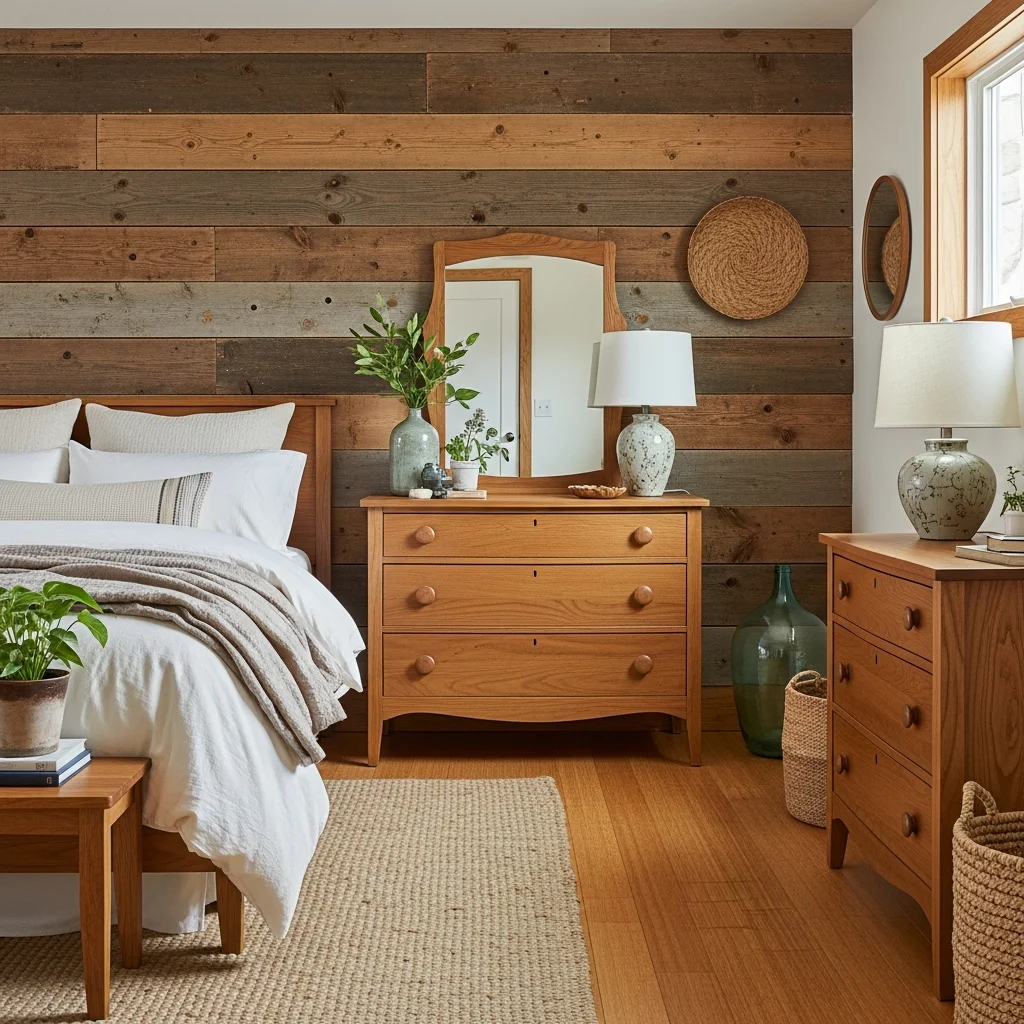
Sustainable and Eco-Conscious Choices
Environmental awareness now influences Bedroom Interior design decisions at every level. Sustainable materials like bamboo, reclaimed wood, and organic textiles replace synthetic alternatives. Energy-efficient lighting reduces consumption without sacrificing quality. Furniture built to last decades rather than years reflects commitment to reducing waste through durability.
The sustainability trend extends beyond individual product choices to encompass holistic approaches. Selecting local artisans reduces transportation impacts while supporting communities. Choosing natural materials that improve with age rather than showing wear encourages long-term ownership. Prioritizing quality over quantity aligns environmental values with practical Bedroom Interior needs.
Implementing sustainable design doesn’t require sacrificing luxury or style. High-quality natural materials often provide superior comfort and aesthetics compared to synthetic alternatives. Durable construction proves more economical long-term despite higher initial costs. The result involves bedrooms that feel both responsible and refined.
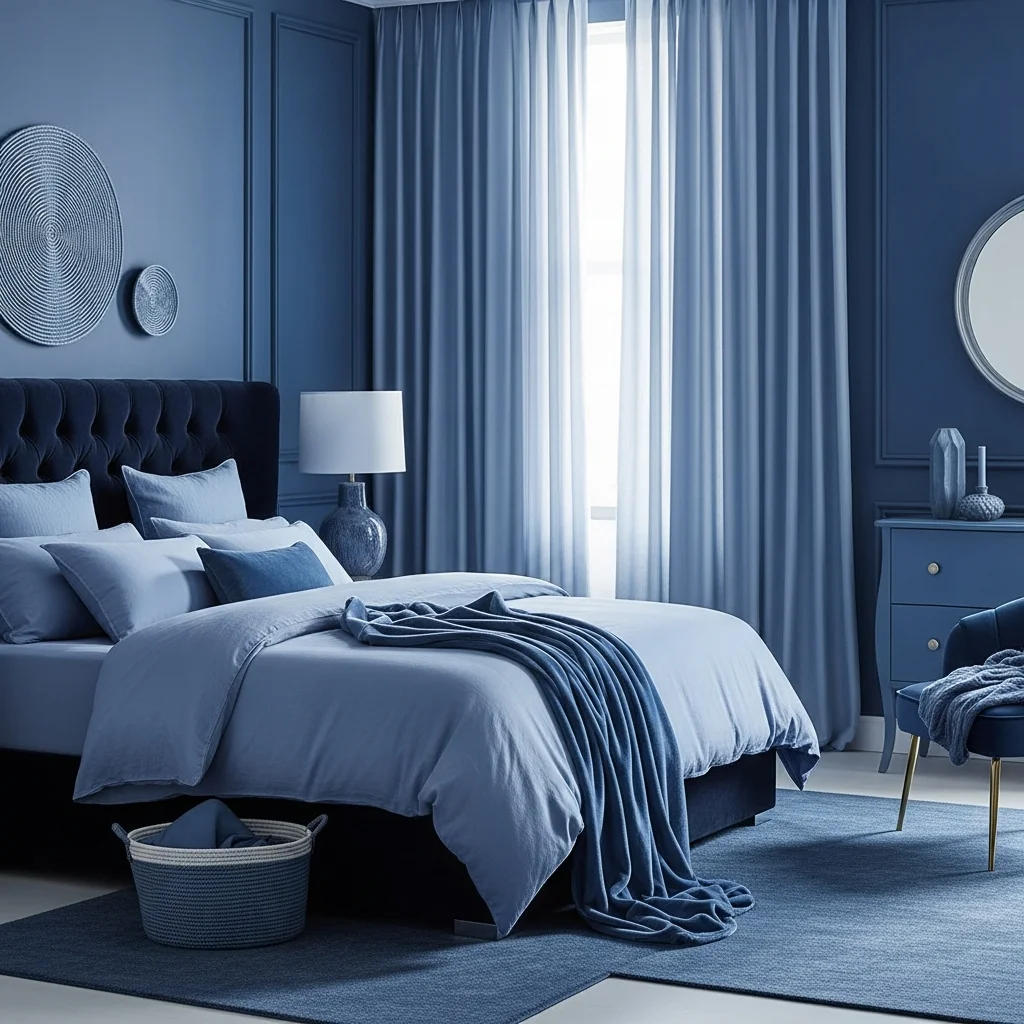
Monochromatic Color Schemes
Single color family palettes executed across multiple shades and textures create sophisticated bedrooms with visual interest despite chromatic restraint. A room done entirely in blues might range from navy velvet to powder silk to steel metallic finishes. The shade and material variations generate drama without the visual complexity that multiple colors introduce.
Monochromatic approaches work particularly well in smaller bedrooms where color variety might feel overwhelming. They also suit personalities that find chromatic diversity visually fatiguing. The key to success involves sufficient tonal variation to prevent flatness while maintaining cohesive color narratives.
When implementing monochromatic schemes, texture becomes crucial for maintaining visual interest. Smooth satins, nubby linens, soft velvets, and woven baskets all in the same color family create depth through tactile rather than chromatic variation. This approach allows minimalist layouts while avoiding sterile appearances.
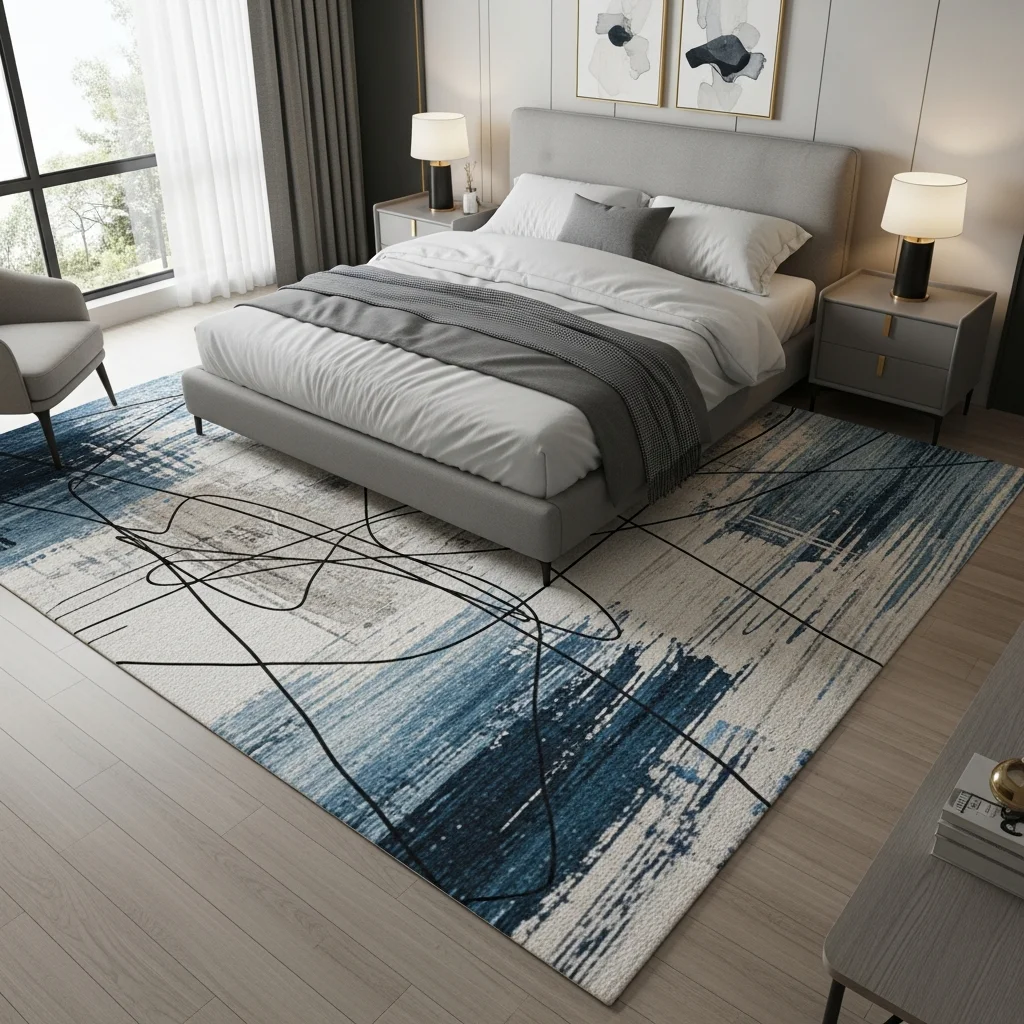
Illustrated Statement Rugs
Floor coverings have evolved from background elements to artistic focal points through illustrated statement rugs. These pieces feature brush-stroke art, line-drawn faces, abstract shapes, or other artistic expressions stretched across soft woven textures. They anchor rooms visually while introducing personality and creativity.
Statement rugs work particularly effectively in neutral bedrooms where they provide the primary color and pattern source. Positioning them under beds or defining seating areas creates visual boundaries that help organize open floor plans. Their artistic nature also satisfies decorative desires without requiring wall space that smaller bedrooms may lack.
Selecting statement rugs requires considering scale relative to room size. Oversized rugs that extend well beyond furniture edges make rooms feel more spacious and unified. Too-small rugs that barely peek from under beds appear tentative rather than intentional. The goal involves achieving balance where rugs feel substantial without overwhelming spaces.
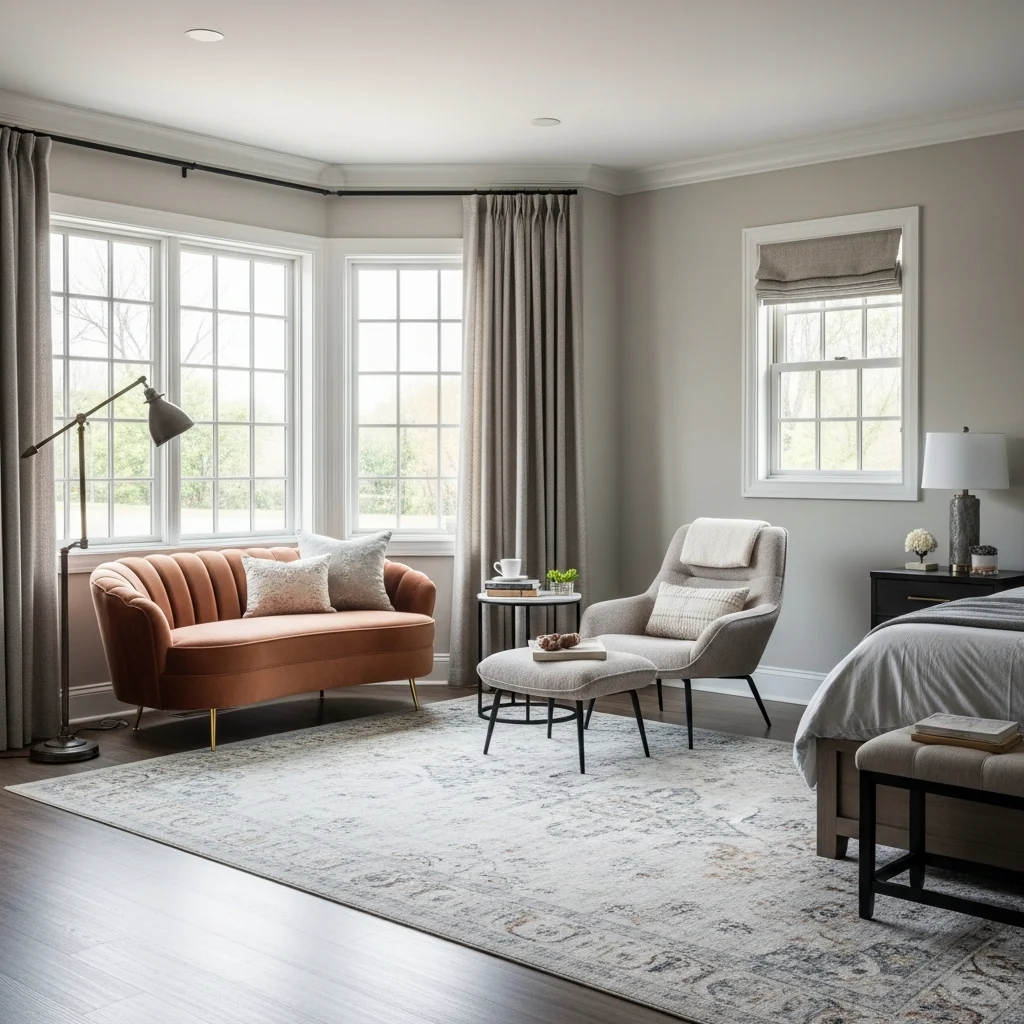
Dedicated Bedroom Seating Areas
Beyond basic beds and dressers, contemporary bedrooms incorporate comfortable seating that transforms them into true retreats. Plush lounge chairs, curved loveseats, or chaise lounges positioned near windows create reading corners, morning coffee spots, or spaces for quiet conversation. These elements acknowledge that bedrooms serve multiple functions beyond sleep.
Seating areas work best when clearly defined yet integrated with overall bedroom design. Area rugs that distinguish seating zones from sleeping areas help organize space visually. Side tables or small pedestals provide surfaces for books and beverages. Nearby floor lamps offer dedicated lighting that doesn’t disturb bed-based activities.
In smaller bedrooms, creative solutions maintain functionality without overwhelming limited space. Window benches with cushioning and storage create seating while maximizing architectural features. Compact occasional chairs tucked into corners provide perches without dominating floor plans. The principle involves thoughtful selection rather than omitting seating entirely.
Creating Your Personal Sanctuary
The bedroom interior trends emerging in 2026 share common themes of comfort, authenticity, and personalization. They recognize that bedrooms serve as private sanctuaries where individuals should feel completely themselves, surrounded by elements that support their wellbeing and reflect their values. Whether drawn to minimalist serenity, collected eclecticism, or luxurious drama, the key involves creating spaces that feel genuinely restorative.
Successful Bedroom Interior design requires balancing current trends with timeless principles and personal preferences. Not every trend will suit every person or space. The art involves selecting elements that resonate with your lifestyle, combining them thoughtfully, and allowing rooms to evolve as needs and tastes develop. The best bedrooms ultimately reflect the people who inhabit them rather than simply showcasing design prowess.
As you consider updates to your own bedroom interior, remember that transformation doesn’t require complete overhauls. Sometimes simple changes like introducing warmer neutrals, adding layered lighting, incorporating natural materials, or including a comfortable reading chair can dramatically improve how spaces feel and function. The goal involves creating environments where you genuinely want to spend time, that support quality rest, and that provide the sanctuary every person deserves at the end of each day.
Frequently Asked Questions
What are the most popular bedroom colors for 2026?
Warm neutrals lead color trends including creamy taupes, clay beiges, soft caramels, and chalky whites. These are often paired with accent colors like muted greens, soft blues, terracotta, and deep jewel tones like plum or forest green that add personality without overwhelming spaces.
How can I make my bedroom feel more luxurious without major renovations?
Focus on high-quality bedding with substantial thread counts, add layered lighting with dimmers, incorporate plush textiles like velvet throw pillows or soft area rugs, introduce natural materials through wood accents or stone accessories, and ensure proper organization to maintain clean, uncluttered appearances that read as sophisticated.
What is cocoon Bedroom Interior design?
Cocoon design creates enveloping, protective environments through plush bedding, blackout window treatments, warm-dim lighting, soft textures, and spatial arrangements that feel secure and nurturing. The approach prioritizes comfort and promotes quality sleep by making bedrooms feel like safe retreats from external stresses.
Are smart home features worth adding to bedrooms?
Smart features that genuinely improve bedroom function prove worthwhile, particularly automated lighting that supports circadian rhythms, climate control systems that maintain optimal sleeping temperatures, and blackout shades that adjust with natural light cycles. Avoid excessive screens or complicated systems that might undermine restfulness.
How do I choose between trendy and timeless bedroom design?
Build foundations with timeless elements like quality furniture, neutral color bases, and classic layouts, then incorporate current trends through easily changeable elements like bedding, artwork, accent pillows, and lighting fixtures. This approach allows style updates without requiring expensive overhauls when trends evolve.
More You can Know about :25 aesthetic room ideas