8 Alternative Groom Outfits That Break All the Rules (But Still Look Amazing)
The wedding industry has witnessed a remarkable shift in recent years, and nowhere is this more evident than in Groom Outfits. Gone are the days when every groom defaulted to the same predictable black tuxedo or navy suit. Today’s grooms are stepping confidently into their own style, embracing alternative outfits that reflect their personality, values, and the unique story they share with their partner.
This evolution represents more than just a fashion trend. It signals a broader cultural movement toward authenticity and self-expression on one of life’s most significant occasions. Modern grooms understand that their wedding day is an opportunity to showcase who they truly are, not simply conform to outdated expectations. The result is a vibrant landscape of alternative groom outfits that challenge convention while maintaining sophistication and elegance.
Whether you’re planning a beachside ceremony, a rustic barn celebration, or an intimate urban gathering, alternative Groom Outfits offers endless possibilities. From luxurious velvet blazers to relaxed linen ensembles, these eight alternative outfits prove that breaking the rules can lead to the most memorable and authentic wedding day look.
The Velvet Statement Piece
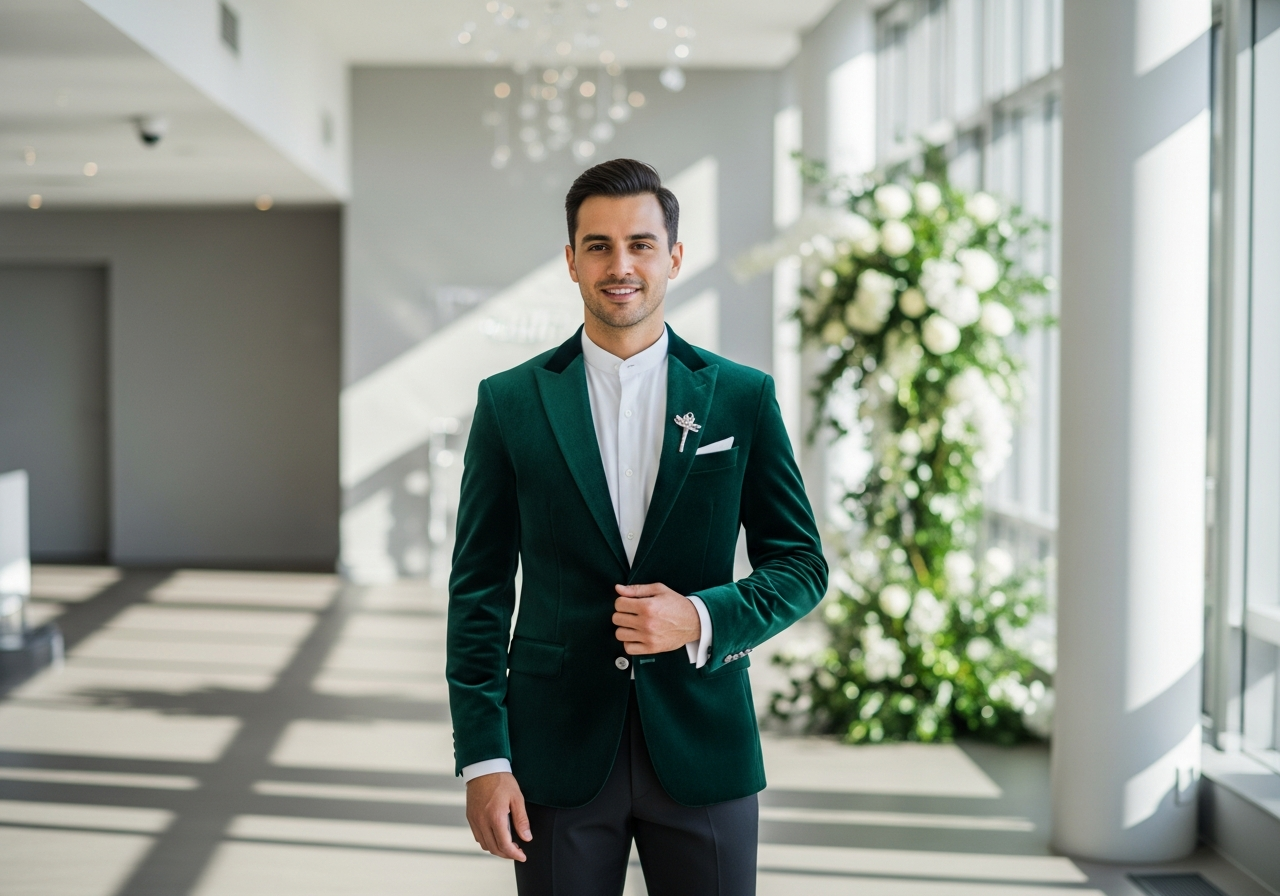
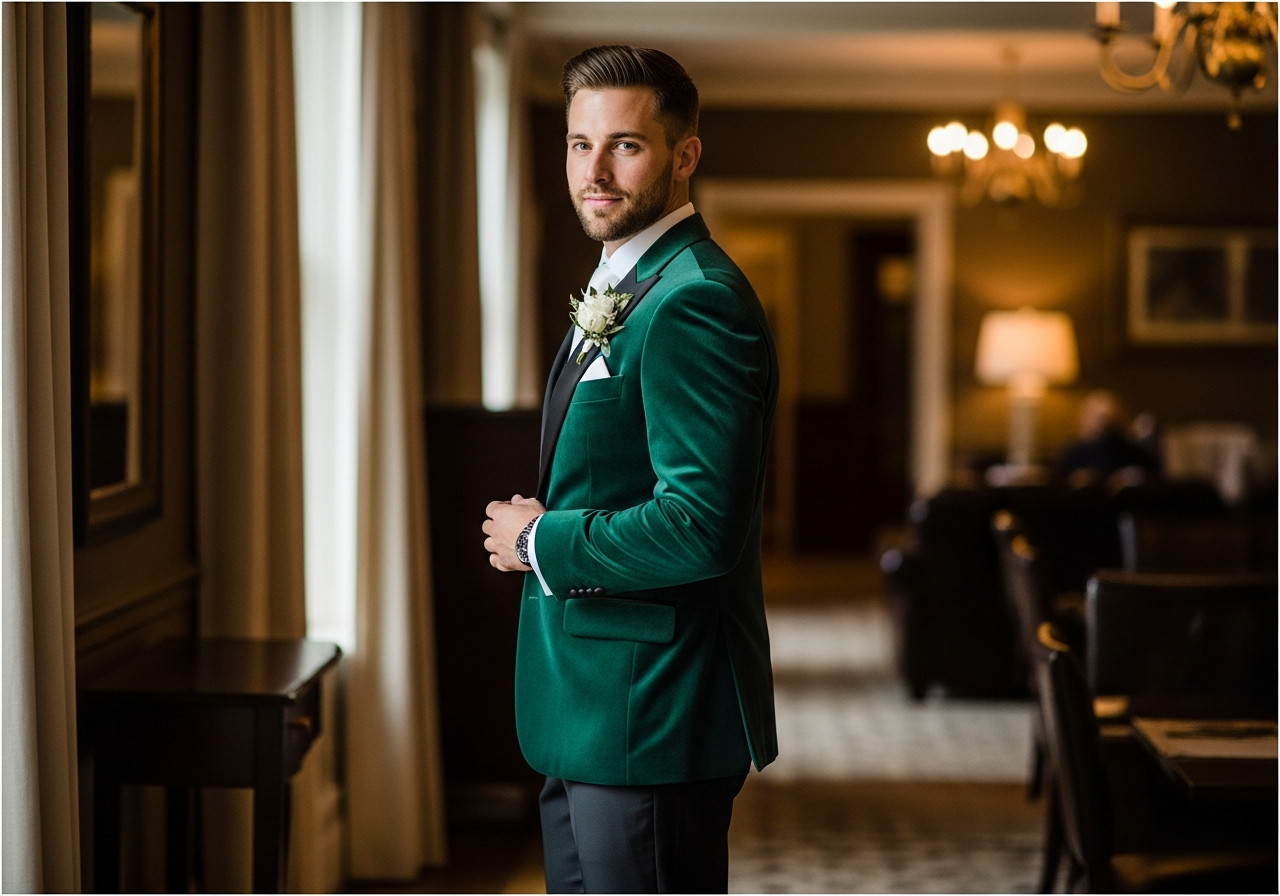
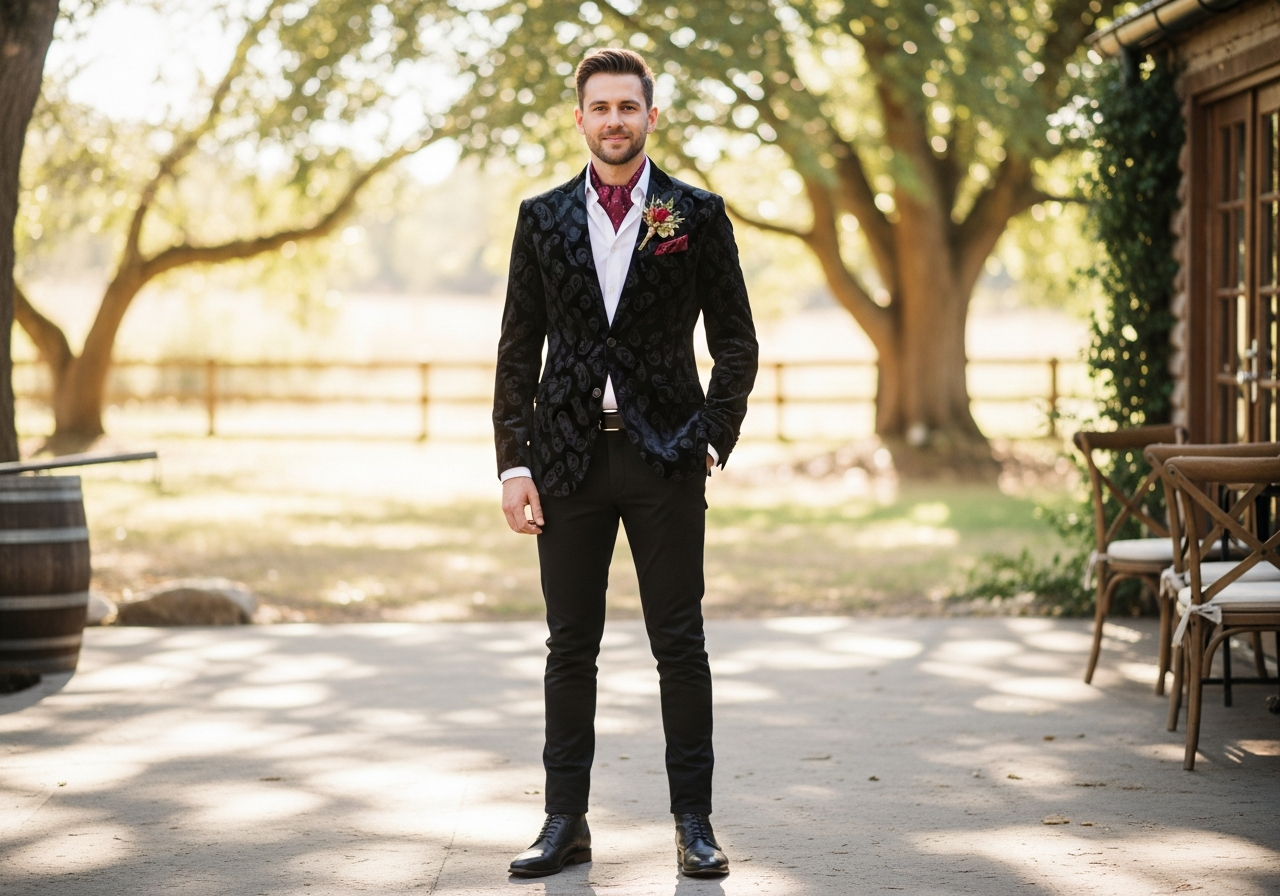
Velvet has emerged as the fabric of choice for grooms seeking luxury with an edge. This sumptuous material instantly elevates any outfit, bringing depth, texture, and visual interest that photographs beautifully in any lighting condition. A velvet dinner jacket in rich jewel tones like emerald green, deep burgundy, or midnight blue creates an unforgettable impression without sacrificing formality.
What makes velvet particularly appealing for alternative groom outfits is its versatility. It works seamlessly across seasons, though it truly shines during autumn and winter celebrations when its warmth and richness complement the cooler atmosphere. The fabric catches light in unique ways, creating subtle movement and dimension that adds cinematic quality to wedding photographs.
Styling a velvet jacket requires balance. Pair your statement piece with classic black tailored trousers and a crisp white dress shirt to let the jacket take center stage. Consider a coordinating silk bow tie or opt for no tie at all for a more contemporary aesthetic. Black patent leather loafers or oxfords complete the look with polish. This combination delivers sophistication while clearly signaling that you’re not afraid to stand out.
The beauty of velvet lies in its ability to feel both timeless and modern simultaneously. While the fabric has historical roots in formal menswear, contemporary cuts and styling bring it firmly into the present. Slim-fit silhouettes and modern tailoring techniques ensure your velvet jacket doesn’t read as costume but rather as confident, fashion-forward formalwear.
Turtleneck Sophistication
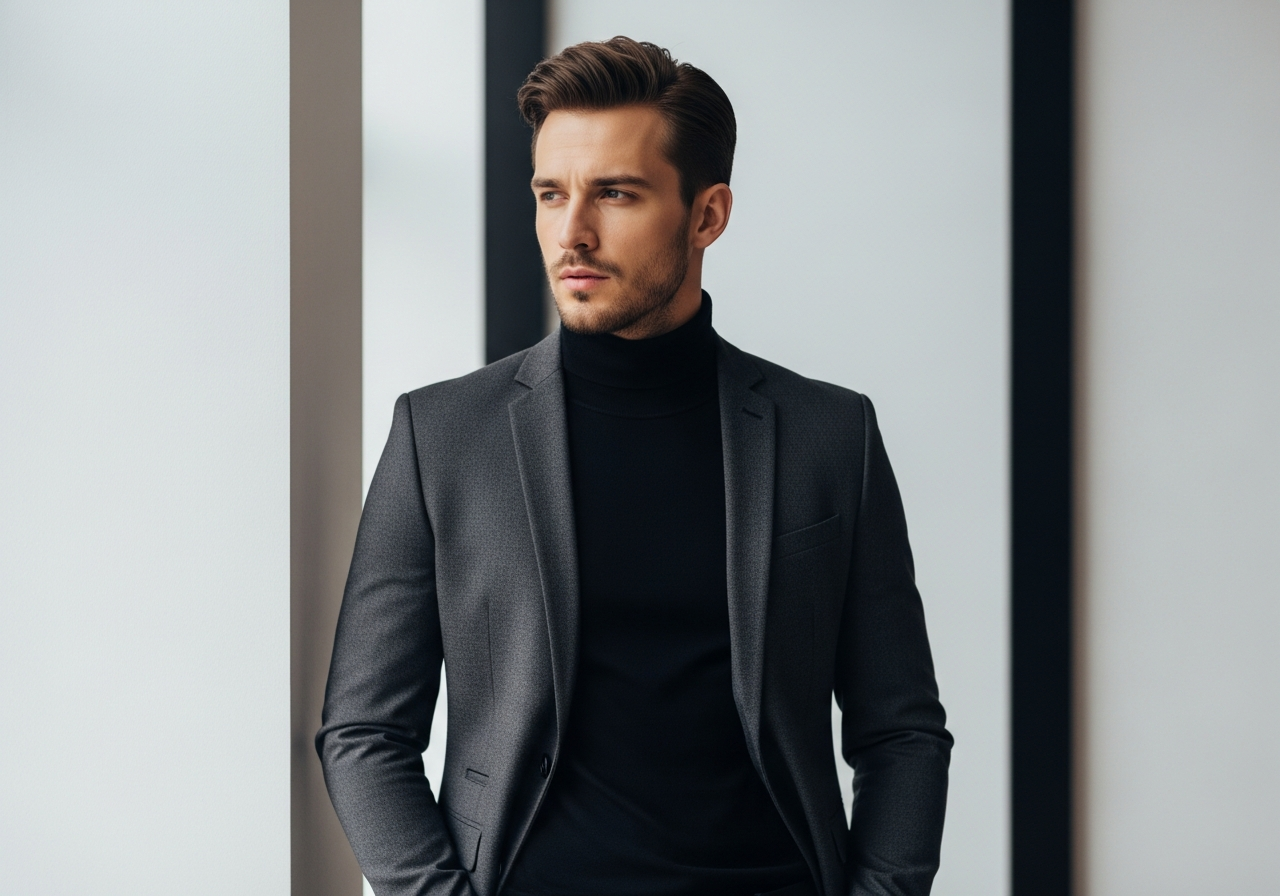
Few alternatives make as striking an impression as ditching the traditional dress shirt for a fitted turtleneck. This sleek, modern choice creates clean lines that draw attention to your silhouette while offering unexpected sophistication. A turtleneck under a perfectly tailored blazer delivers minimalist elegance that feels both timeless and utterly contemporary.
The turtleneck works particularly well for grooms with a modern aesthetic or those planning weddings in industrial spaces, urban lofts, or contemporary venues. The lack of collar creates an uninterrupted vertical line from chest to jawline, which can be particularly flattering and helps accessories like boutonnieres or lapel pins stand out more prominently.
Color choice is crucial when incorporating a turtleneck into your wedding attire. Black creates maximum contrast and drama when paired with a charcoal or black suit. Gray offers softer, more versatile styling that works across different wedding color palettes. Cream or ivory turtlenecks provide an elegant option for spring and summer celebrations, particularly when paired with lighter colored suits in tan, beige, or soft gray.
One significant advantage of the turtleneck is comfort. Unlike traditional dress shirts with stiff collars and restrictive neckties, a quality knit turtleneck allows full range of movement while maintaining a polished appearance throughout your entire wedding day. You’ll dance more freely, feel more comfortable during photographs, and never worry about adjusting your tie.
Bold Prints and Patterns
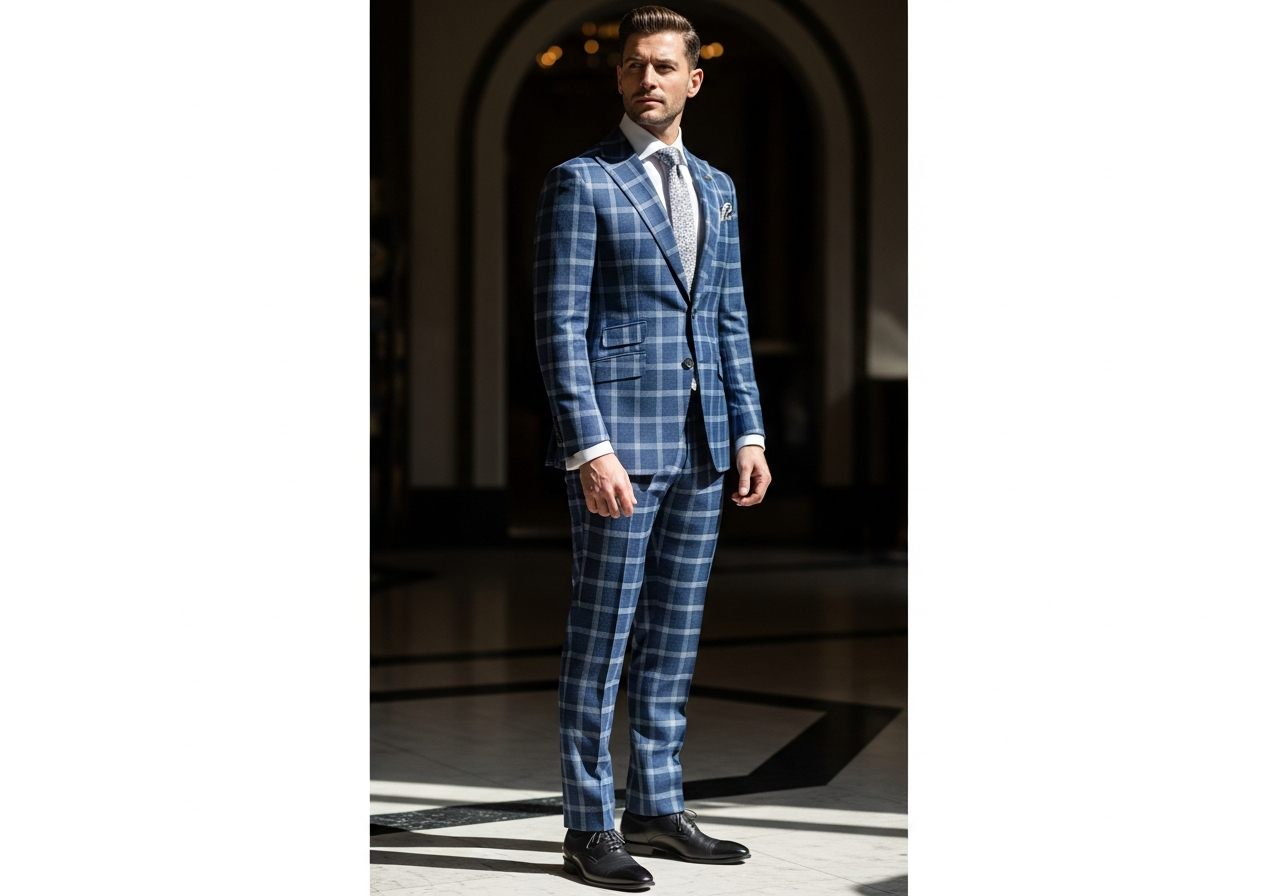
For grooms ready to make an unapologetic statement, printed and patterned suits offer an exciting alternative to solid colors. From subtle pinstripes and windowpane checks to bolder plaids and even abstract patterns, these designs transform traditional suiting into wearable art that reflects your personality.
The key to successfully wearing patterned suits lies in understanding scale and context. Smaller, more subtle patterns like fine pinstripes or delicate checks maintain formality while adding visual interest. These work well for traditional venues and more conservative guest lists. Larger, bolder patterns like wide windowpane plaids or herringbone weaves make stronger statements and suit contemporary venues and more adventurous celebrations.
When selecting a printed suit, fit becomes even more critical than usual. A poorly fitted patterned suit can overwhelm your frame or appear sloppy. Invest in proper tailoring to ensure the pattern sits correctly across your shoulders, chest, and through the torso. The pattern should enhance your silhouette, not distract from it.
Styling patterned suits requires restraint in other areas. Keep accessories minimal and complementary rather than competing. A solid colored shirt in white, cream, or a shade pulled from the pattern grounds the look. Simple leather shoes and a classic watch complete the ensemble without creating visual chaos. The pattern itself provides plenty of personality, so let it be the star.
Cultural Heritage Attire
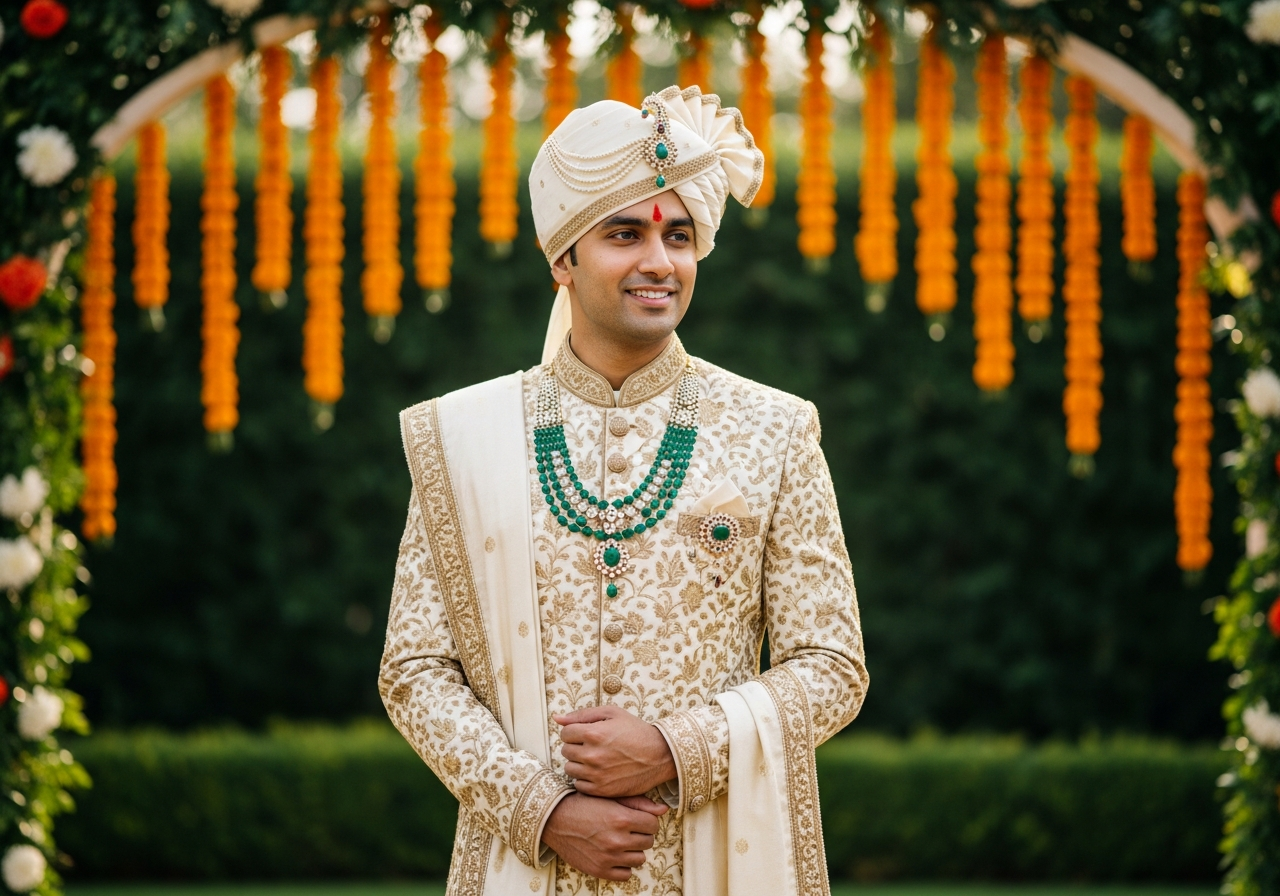
One of the most meaningful alternative groom outfits choices involves embracing cultural heritage through traditional attire adapted for modern weddings. From Indian sherwanis and bandhgalas to Scottish kilts, African dashikis, Filipino barongs, or Chinese changshans, cultural garments allow grooms to honor their roots while celebrating their future.
These outfits carry significance beyond aesthetics. They connect you to family history, cultural traditions, and the broader story of who you are and where you come from. This depth of meaning resonates in wedding photographs and creates lasting memories that extend beyond simple fashion choices.
Modern approaches to cultural attire often blend traditional elements with contemporary styling. A sherwani might feature updated embroidery patterns or be paired with modern accessories. A barong tagalog could be styled with tailored trousers instead of traditional options. These adaptations respect tradition while acknowledging the contemporary context of your celebration.
Cultural fusion offers another exciting possibility, particularly for couples from different backgrounds. Combining elements from multiple traditions creates unique looks that honor both partners’ heritage. This might mean wearing a traditional jacket from one culture with trousers inspired by another, or incorporating accessories that represent different cultural backgrounds. These fusion looks tell the story of two families coming together in a visually compelling way.
Casual Elegance with Vests and Waistcoats
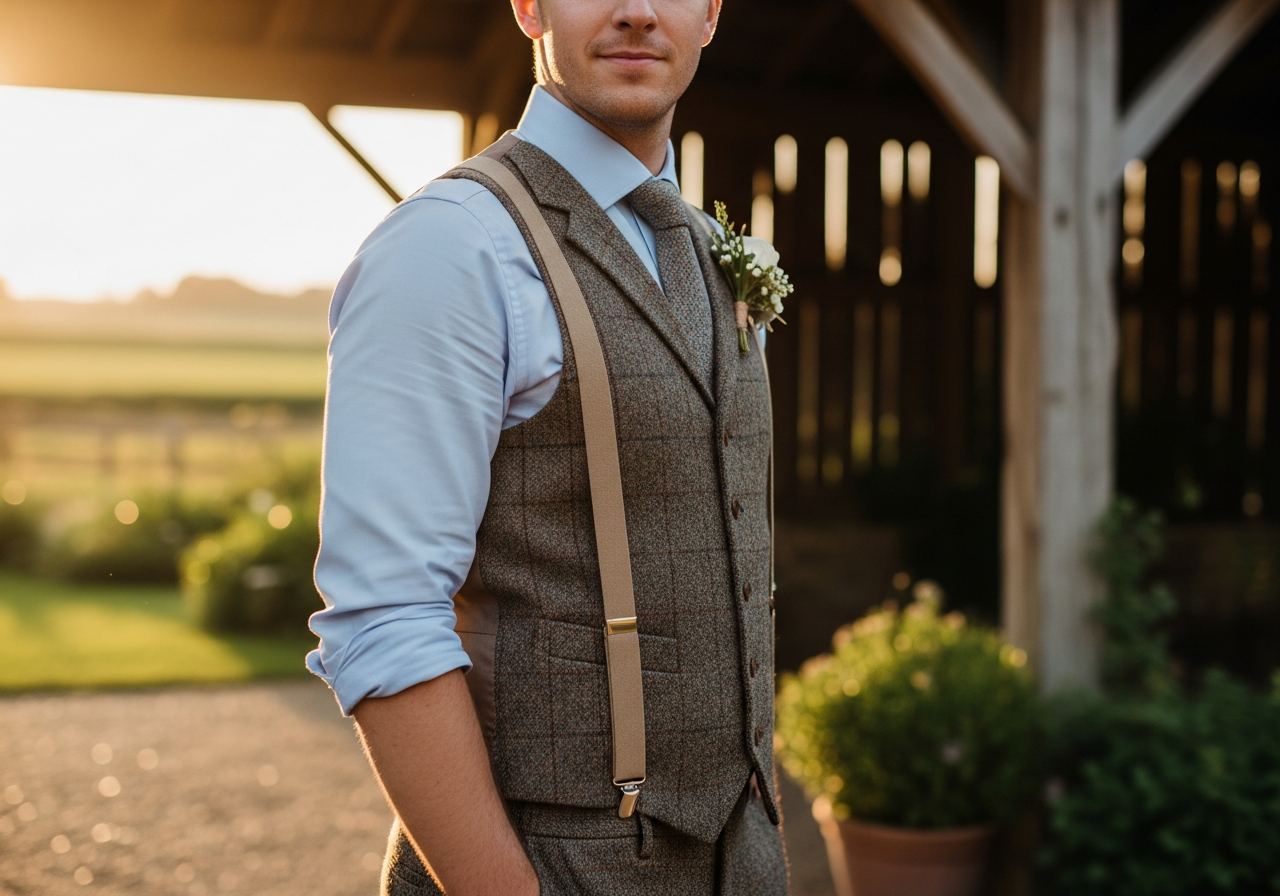
Removing the jacket entirely represents a bold alternative that has gained significant traction among modern grooms. A well-fitted vest or waistcoat paired with dress shirt and trousers creates a polished yet approachable look perfect for outdoor weddings, destination celebrations, or grooms who simply prefer a less formal aesthetic.
Tweed vests bring rustic charm that pairs beautifully with barn venues, outdoor ceremonies, and autumn celebrations. The texture and pattern of quality tweed adds visual interest while maintaining elegance. Tweed works particularly well when you want to achieve a vintage-inspired or countryside aesthetic without full period costume territory.
Alternatively, sleek satin or silk vests deliver refinement appropriate for more formal settings while still breaking from traditional full suits. These smooth-finish vests photograph beautifully and offer styling flexibility. Pair them with bow ties for classic formality or skip the neckwear entirely for modern sophistication.
The vest-centered look offers practical advantages beyond aesthetics. Without a jacket, you’ll stay cooler during summer weddings or in warm climates. You’ll have greater freedom of movement for dancing and celebrating. And if you do want a layering option, bringing a coordinating blazer that you can add or remove throughout the day gives you styling versatility.
Color choices for vests range widely depending on your overall vision. Traditional options like gray, charcoal, or navy maintain classic elegance. Earth tones like brown, tan, or olive create warmth and work beautifully for rustic or bohemian weddings. Bold colors like burgundy, forest green, or even mustard make stronger statements that infuse personality into your look.
Relaxed Linen for Destination Weddings
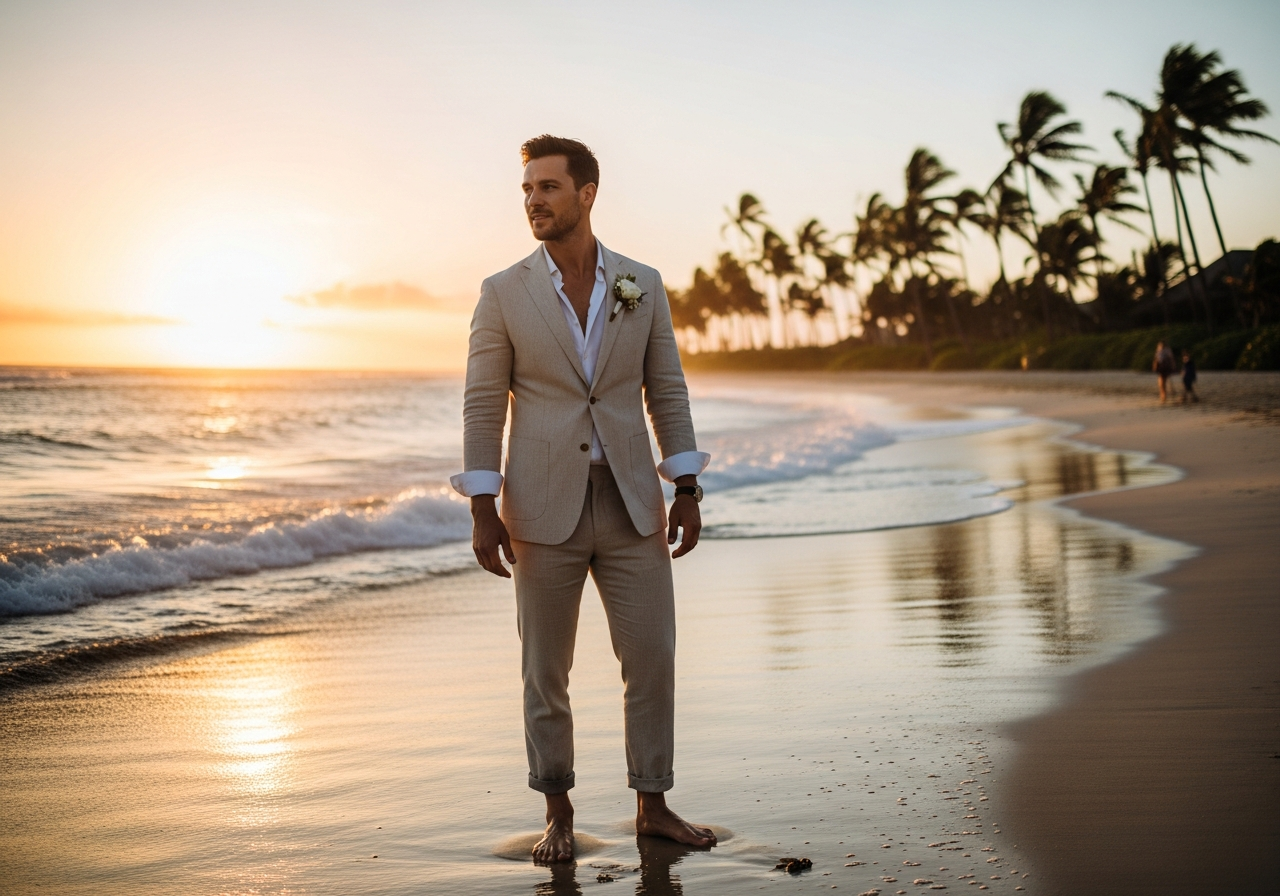
Linen suits have become synonymous with destination weddings and outdoor celebrations, and for good reason. This natural fiber offers unmatched breathability, elegant texture, and an effortlessly sophisticated appearance that perfectly suits relaxed, intimate ceremonies in warm locations.
The slightly rumpled quality of linen actually works in your favor, creating an intentionally relaxed aesthetic that feels appropriate for beach ceremonies, tropical destinations, or garden celebrations. Unlike formal fabrics that require perfect pressing, linen’s natural texture embraces a lived-in quality that photographs beautifully in natural light settings.
Color selection dramatically affects the overall impression of a linen suit. Classic neutrals like beige, tan, and light gray offer maximum versatility and work across different skin tones and wedding color palettes. Soft pastels like powder blue or blush pink create romantic, spring-appropriate looks. For bolder grooms, deeper colors like navy, charcoal, or even olive green in linen provide structure while maintaining the fabric’s relaxed character.
Styling linen suits leans toward simplicity and ease. White or cream dress shirts feel most natural, though subtle patterns can add interest without overwhelming. Consider skipping the tie altogether or opting for a knit tie for texture without formality. Leather sandals, loafers, or even clean white sneakers complete the look depending on how casual your celebration leans. The goal is cohesive ease that looks intentional rather than underdressed.
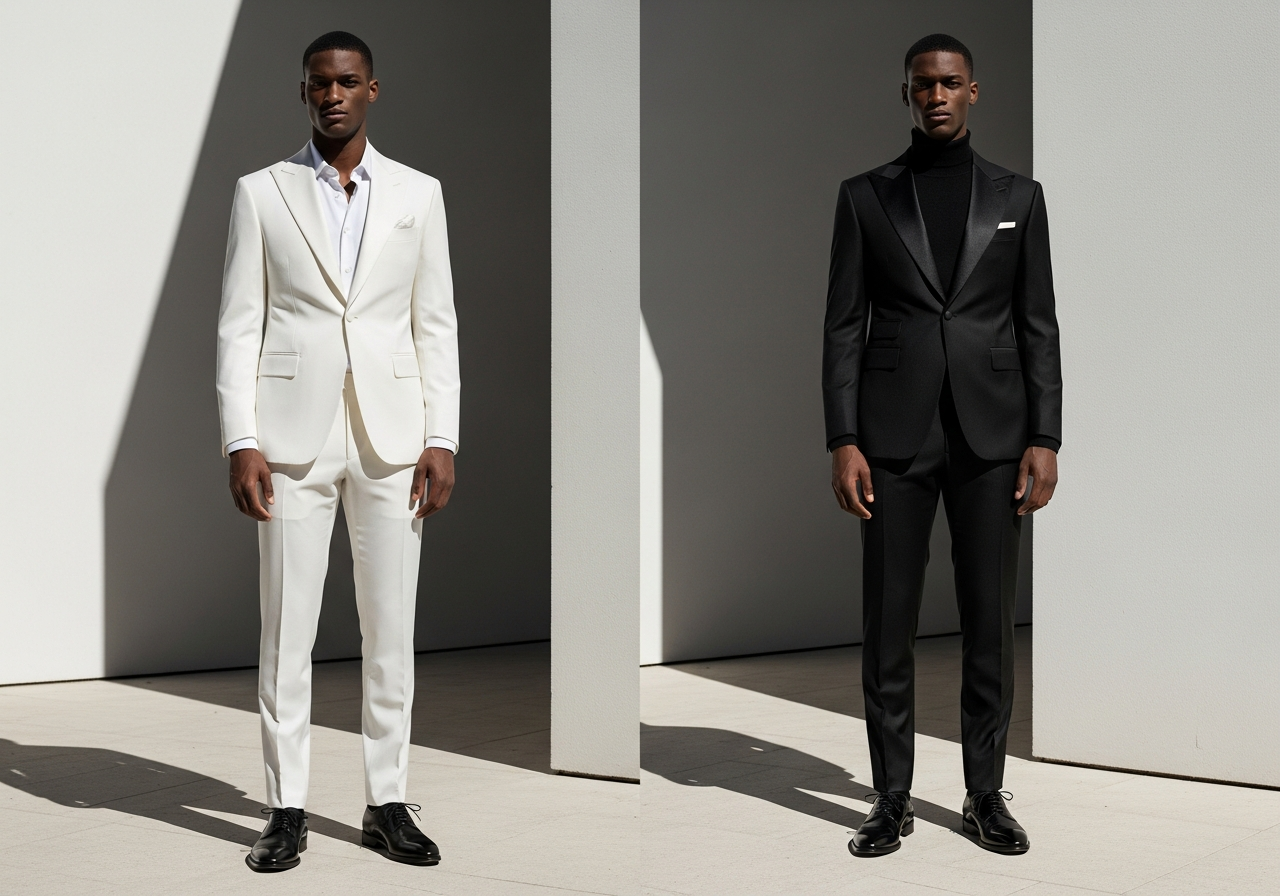
Monochromatic Modern Minimalism
For grooms who appreciate clean lines and contemporary design, monochromatic ensembles offer sophisticated alternative styling that photographs beautifully and makes a quiet yet confident statement. Wearing a single color from head to toe in varying shades and textures creates visual harmony while showcasing attention to detail.
All-white or cream ensembles work particularly well for beach weddings and summer celebrations. The light-reflecting quality creates an almost ethereal appearance in natural light, while the uniformity of color creates elongating lines. Texture variation becomes crucial in monochromatic dressing, so consider mixing smooth and textured fabrics within your outfit to create depth.
All-black monochromatic looks deliver sleek sophistication perfect for modern venues, evening celebrations, or urban settings. Rather than traditional tuxedo styling, modern all-black outfits might feature textured knits, unconventional cuts, or unexpected fabric combinations. The result feels editorial and fashion-forward while maintaining appropriate formality.
For truly adventurous grooms, monochromatic looks in unexpected colors like camel, sage green, or dusty blue create memorable impressions. These require confidence and commitment, but when executed well, they create stunning visual impact. The key is ensuring all pieces sit in the same tonal family while incorporating subtle variations in shade and texture to prevent flatness.
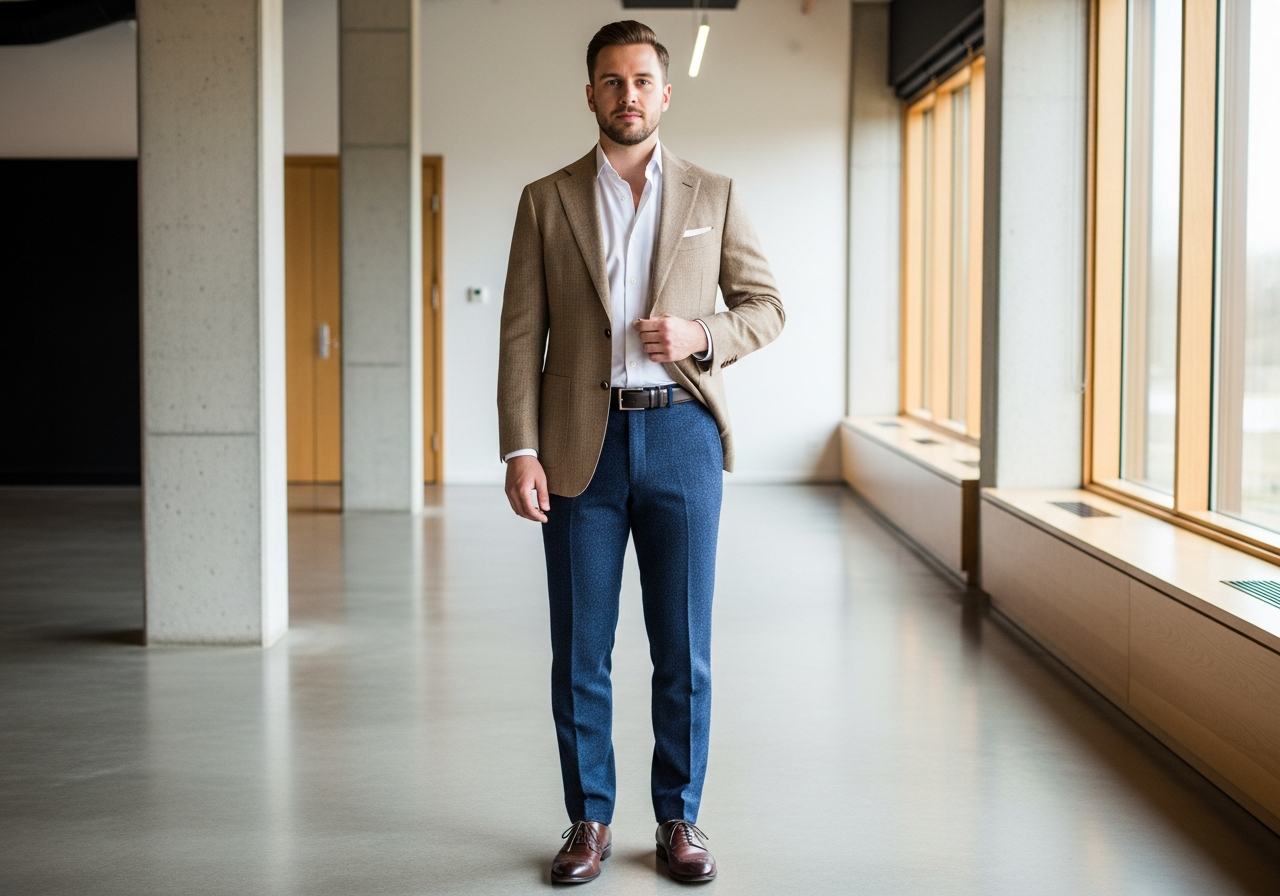
Deconstructed Suiting and Separates
Perhaps the most flexible alternative involves abandoning the matching suit entirely in favor of carefully curated separates. This approach allows you to mix textures, colors, and levels of formality to create a truly personalized look that reflects your individual style while remaining wedding-appropriate.
Successful separates dressing requires thoughtful coordination. While pieces don’t need to match exactly, they should share a cohesive color story or complementary aesthetic. For example, navy trousers might pair with a lighter gray or beige blazer, tied together through similar tones in your shirt and accessories. Earth tones naturally complement each other, allowing you to mix browns, tans, olives, and creams with pleasing results.
Texture mixing creates visual interest in separates ensembles. Consider pairing smooth wool trousers with a textured linen or cotton blazer. Velvet jackets can work with flannel or gabardine pants. These combinations create depth and dimension that photographs well while adding sophistication to the overall look.
The separates approach also offers practical advantages. Individual pieces remain wearable long after your wedding day, integrated into your regular wardrobe in ways that matching suits often cannot. You can experiment with different combinations for pre-wedding events like rehearsal dinners or post-wedding brunches. And if your body has different proportions between your upper and lower half, separates allow for better overall fit than off-the-rack matching suits.
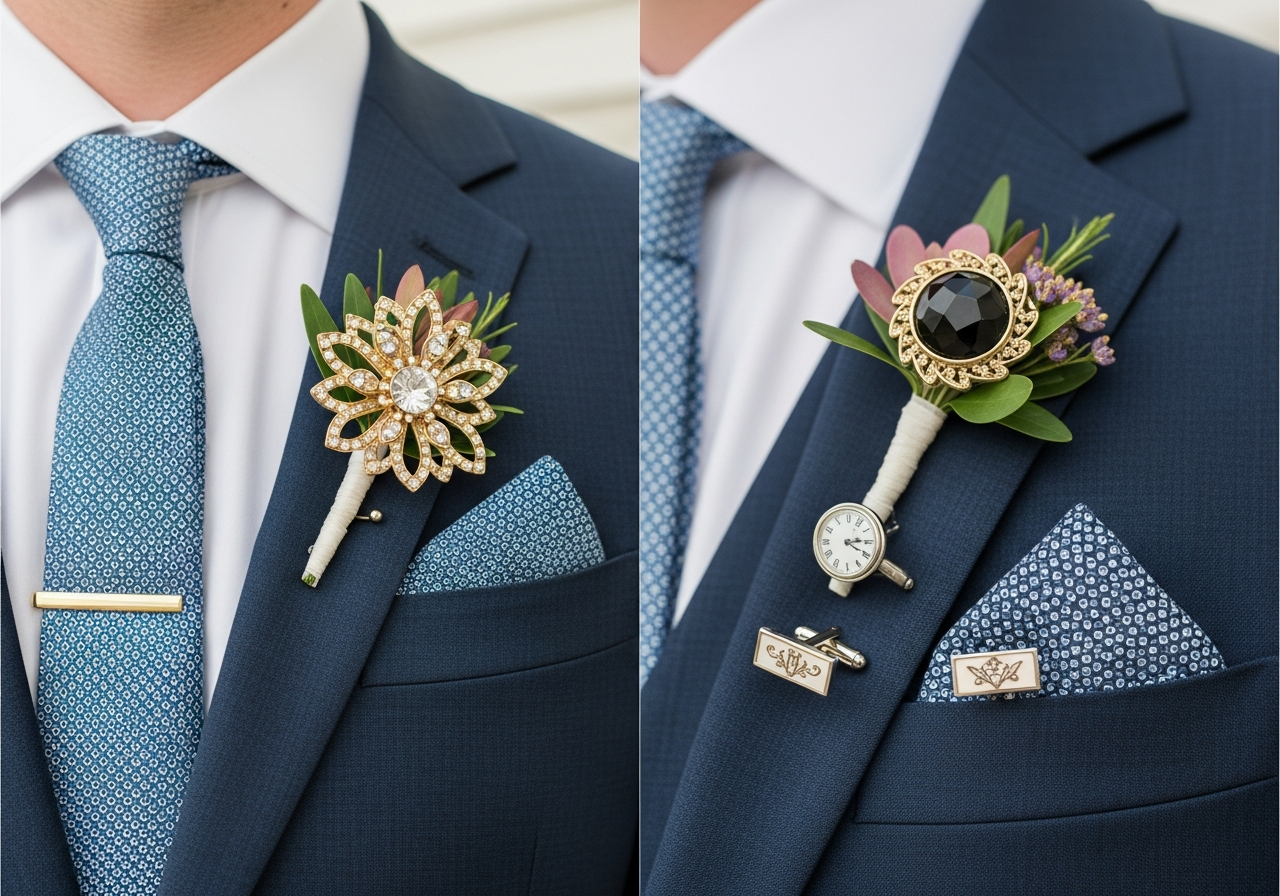
Accessorizing Your Alternative Look
Regardless which alternative outfit you choose, thoughtful accessories complete and personalize your wedding day look. Modern grooms are moving beyond traditional boutonnieres and cufflinks to incorporate unique elements that tell their story and showcase their personality.
Statement accessories have become increasingly popular, from bold brooches replacing traditional boutonnieres to vintage pocket watches adding nostalgic elegance. Heritage pieces passed down through generations, custom-engraved cufflinks featuring wedding dates or meaningful symbols, and uniquely crafted lapel pins all serve as conversation pieces while adding personal significance to your attire.
Footwear deserves particular attention as an area where grooms can express creativity. While classic oxfords and dress shoes remain appropriate for formal venues, alternative celebrations might embrace suede loafers, Chelsea boots in rich leather, or even immaculately clean designer sneakers for the most casual affairs. Two-tone shoes, colored leather, or unique textures all offer opportunities to distinguish your look.
Small details matter enormously. Colorful or patterned socks peek out at opportune moments, adding whimsy without overwhelming your overall aesthetic. Unique bow ties or leather ties in place of silk bring textural interest. Consider pocket squares in unexpected fabrics like linen, wool, or even cotton prints. Each element contributes to a cohesive whole that feels intentionally styled rather than defaulted.
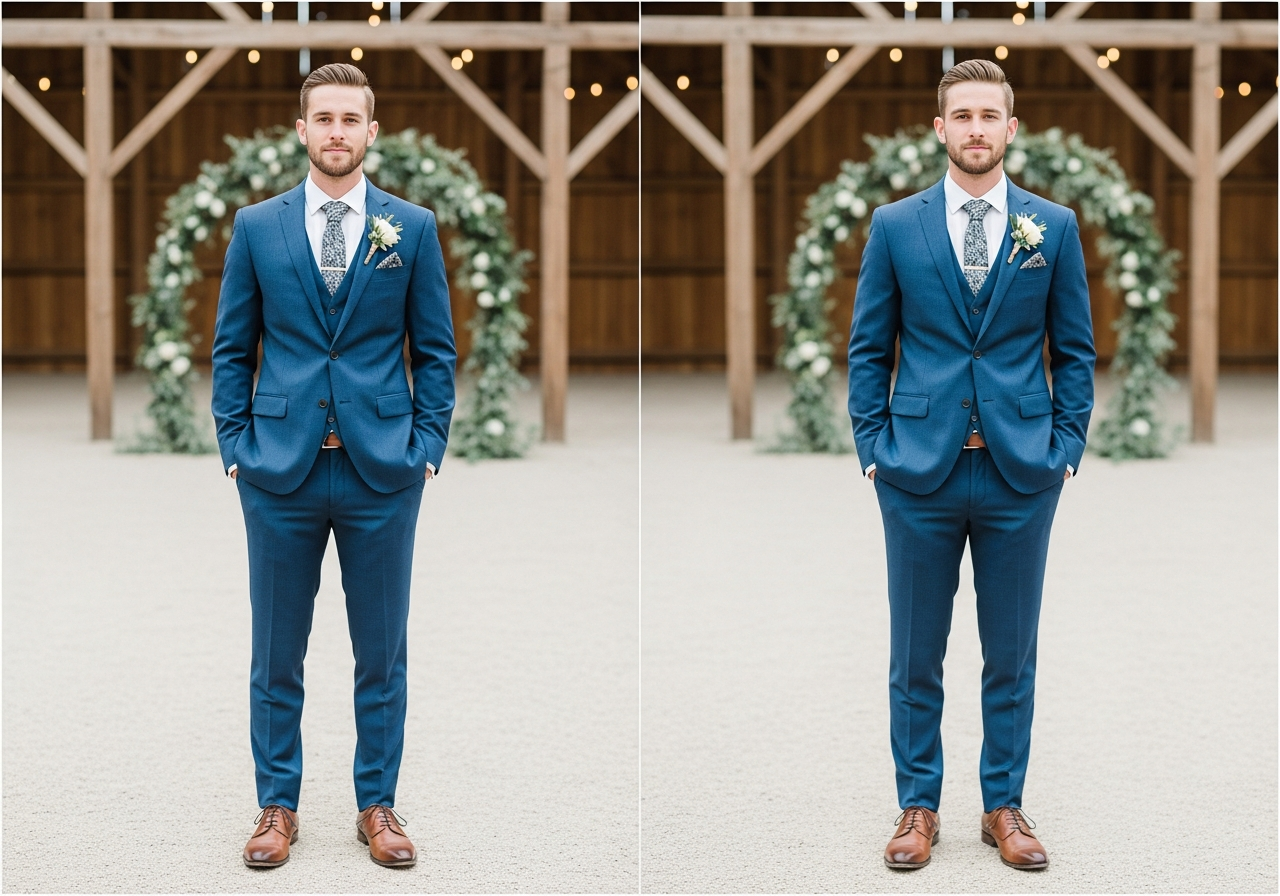
Making Your Choice
Selecting alternative Groom Outfits requires consideration of several factors beyond personal preference. Your venue significantly influences appropriate styling, as what works beautifully in a rustic barn might feel out of place in a formal ballroom. Similarly, your wedding season affects fabric choices and color palettes, with lighter materials and colors suiting warm weather while heavier fabrics and richer tones complement cooler seasons. More About 10 All White Party Outfits .
Your partner’s attire should inform your choices to create visual harmony in photographs. This doesn’t mean exact matching, but rather ensuring your looks complement each other in formality, color story, and overall aesthetic. Communication with your partner about the vision for your combined appearance prevents disconnection in photos and creates a cohesive presentation.
Budget considerations also play a role. While some alternative options like linen suits or vest-centered looks can be quite affordable, others like custom cultural attire or bespoke velvet blazers represent significant investments. Determine early what matters most to you and allocate your budget accordingly. Remember that fit matters more than cost, so factor tailoring expenses into your overall budget regardless of which route you choose.
Confidence is Key
The most important element of any alternative groom outfits is the confidence with which you wear it. No matter how fashion-forward or unconventional your choice, wearing it with assurance transforms clothing into personal expression. Your comfort in your outfit radiates through photographs, influences your energy throughout the day, and ultimately determines whether your look succeeds.
If you’re uncertain about bold choices, consider a hybrid approach. Start with a more traditional foundation and introduce alternative elements gradually. A conventional suit in an unexpected color. Classic tailoring with unique accessories. Traditional fabric in an unconventional cut. These compromises allow you to express personality while maintaining comfort with less dramatic departures from tradition.
Remember that wedding fashion, at its core, should reflect who you are as individuals and as a couple. Trends come and go, but authentic self-expression creates wedding photographs and memories you’ll cherish forever. Your alternative groom outfits tells a story about your values, your personality, and your willingness to define your own path. That narrative matters far more than adhering to outdated rules about what grooms should wear.
Conclusion
The landscape of Groom Outfits has transformed dramatically, opening exciting possibilities for men who want their wedding attire to reflect their authentic selves. These eight alternative groom outfits demonstrate that breaking traditional rules doesn’t mean sacrificing style, elegance, or appropriateness. Instead, it creates opportunities for self-expression that make your wedding day feel genuinely yours.
From luxurious velvet statements to relaxed linen sophistication, modern minimalism to cultural heritage celebration, alternative Groom Outfits offers options for every personality, venue, and vision. The common thread connecting these diverse approaches is intentionality. Each choice represents a conscious decision to prioritize personal authenticity over convention, to embrace individuality while maintaining occasion-appropriate elegance.
As you plan your wedding, remember that this day celebrates your unique love story. Your outfit should contribute to that narrative, not detract from it with discomfort or inauthenticity. Whether you choose bold patterns, cultural garments, deconstructed separates, or any other alternative approach, wear it with confidence and joy. After all, the best groom outfits is the one that makes you feel like the best version of yourself as you marry the person you love.
The rules have changed because grooms demanded better options. Now the only rule that matters is this: wear what makes you feel confident, comfortable, and authentically you. Everything else is just details.
Frequently Asked Questions
Can I wear something other than a traditional suit or tuxedo to my wedding?
Absolutely. Modern wedding etiquette embraces personal expression and authenticity over rigid tradition. As long as your outfit matches the formality level of your venue and celebration, alternative choices like cultural attire, casual suits, vests without jackets, or even well-styled separates are completely appropriate. The key is ensuring your look appears intentional and polished rather than underdressed.
How do I know if an alternative groom outfits will work with my venue?
Consider your venue’s formality level and aesthetic style. Formal ballrooms and traditional venues accommodate luxurious alternatives like velvet blazers or patterned suits better than ultra-casual options. Outdoor, rustic, or destination venues provide flexibility for relaxed choices like linen suits or vest-centered looks. When in doubt, visit your venue in person and visualize yourself there, or consult with your venue coordinator about typical attire levels.
Should my outfit match my partner’s dress or attire?
Your outfit should complement rather than exactly match your partner’s look. Focus on coordinating formality levels, color harmony, and overall aesthetic rather than literal matching. If your partner wears traditional formal attire, your look should reflect similar formality even if the style differs. Discuss your vision together early in planning to ensure your combined appearance creates the cohesive story you want to tell.
What if my family expects me to wear a traditional tuxedo?
Open communication proves essential when family expectations differ from your vision. Share your reasoning and show visual examples of your planned outfit so family members can see the thought and care behind your choice. Many concerns dissolve when families see how polished and appropriate alternative choices can look. Remember, while family input matters, this is your wedding day, and your comfort and authenticity should take priority.
How far in advance should I start planning my alternative groom outfits?
Begin at least six to nine months before your wedding, particularly if you’re pursuing custom or made-to-measure options. Cultural attire may require specialized tailors with longer timelines. Even ready-to-wear alternatives benefit from early planning, allowing time for proper fitting, alterations, and any necessary adjustments. Starting early also reduces stress and gives you time to fully develop your vision rather than rushing into decisions.