24 Painted Kitchen Cabinet Inspiration
Painting kitchen cabinets remains one of the most transformative and cost-effective ways to refresh your entire kitchen without the expense of a complete renovation. The right cabinet color can completely reshape the atmosphere of your space, turning a dated kitchen into a modern showpiece or a sterile room into a warm gathering place. With an overwhelming array of color options available, homeowners often struggle to choose the perfect shade that balances personal style with lasting appeal.
The painted kitchen cabinet landscape has evolved dramatically over recent years. While pristine white cabinets dominated kitchen design for decades, today’s trends embrace a much broader spectrum of possibilities. From serene sage greens to dramatic charcoal blacks, from warm terracotta tones to soft powder blues, the current color palette offers something for every aesthetic preference and kitchen style. Understanding these options and how they work within different design contexts empowers you to make confident decisions that you’ll love for years to come.
This comprehensive guide explores twenty-four inspiring painted kitchen cabinet ideas that showcase the versatility and impact of color in kitchen design. Whether you’re drawn to timeless classics or bold contemporary statements, these carefully curated examples will help you envision the possibilities for your own space and understand how different colors interact with various kitchen elements to create cohesive, beautiful results.
The Enduring Appeal of Classic White
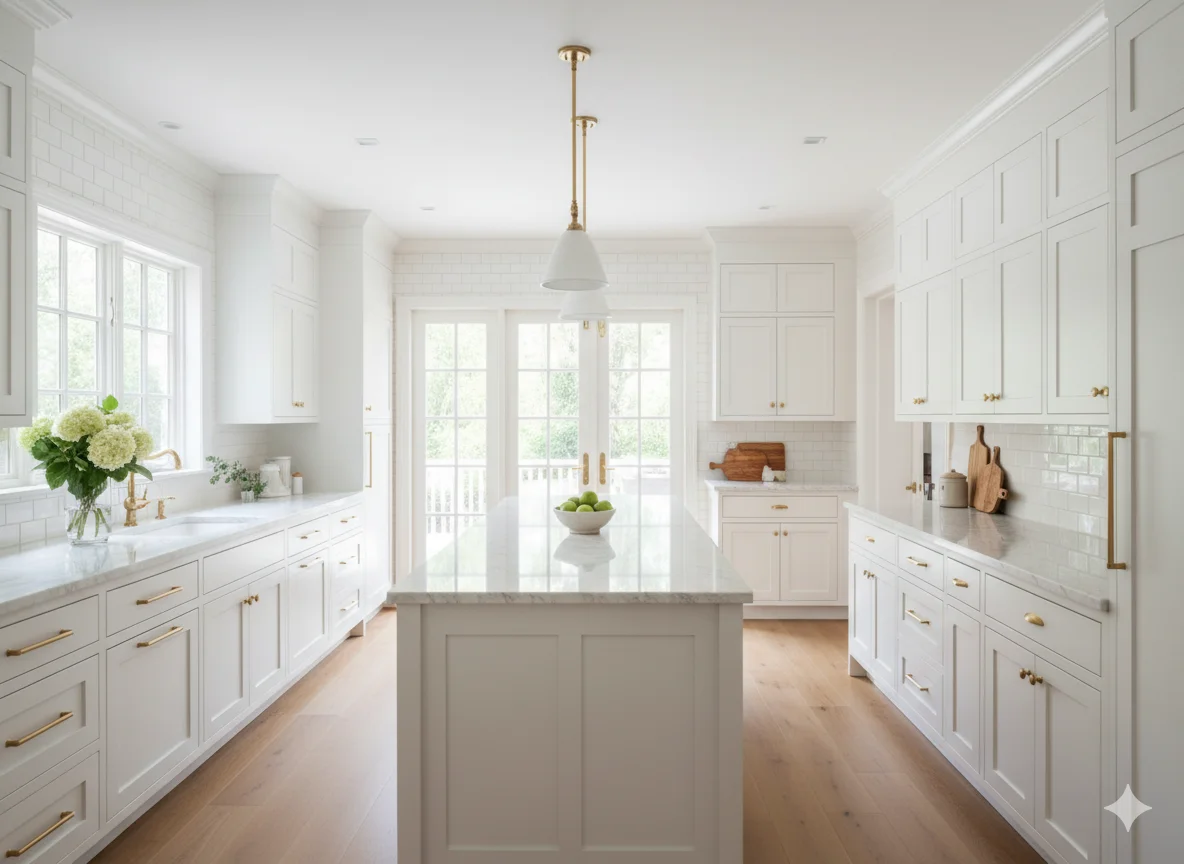
White kitchen cabinets continue to hold their position as a perennial favorite, and for compelling reasons. White creates an immediate sense of spaciousness, making even compact kitchens feel larger and more open. The reflective quality of white surfaces bounces natural and artificial light throughout the room, brightening corners that might otherwise feel dim or closed off. This timeless choice works seamlessly across design styles, from sleek contemporary spaces to cozy farmhouse kitchens to elegant traditional homes.
However, not all whites are created equal. The modern approach to white cabinets has evolved to include warmer, more nuanced tones rather than stark, clinical whites. Creamy whites with subtle beige undertones bring softness and warmth to kitchen spaces, creating a more inviting atmosphere than their cooler predecessors. These warmer whites pair beautifully with natural wood elements, brass hardware, and earth-tone accents, resulting in kitchens that feel both fresh and cozy rather than cold and sterile.
Cloud-like whites with gentle gray undertones offer another sophisticated option for those who want the brightness of white with added depth. These shades prevent the all-white kitchen from feeling one-dimensional while maintaining the clean, airy quality that makes white so appealing. When selecting white for your cabinets, consider how natural light enters your kitchen throughout the day, as this will significantly impact how the color appears and feels in your space.
Nature-Inspired Green Tones
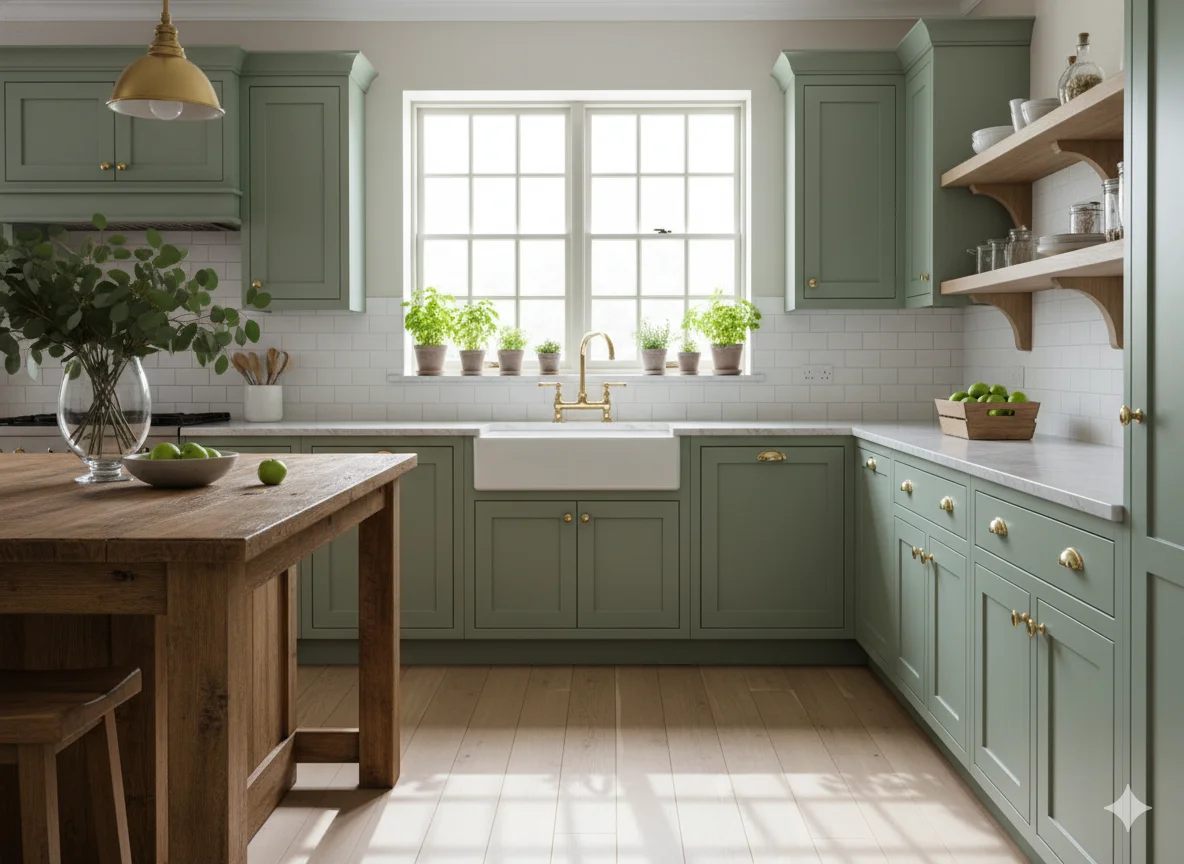
Green kitchen cabinets have emerged as one of the most popular choices in contemporary kitchen design, and this trend shows no signs of fading. The appeal of green lies in its inherent connection to nature, bringing an organic, calming quality to the kitchen that feels both refreshing and grounding. From pale sage to deep forest tones, the spectrum of available greens offers options for every design sensibility and lighting condition.
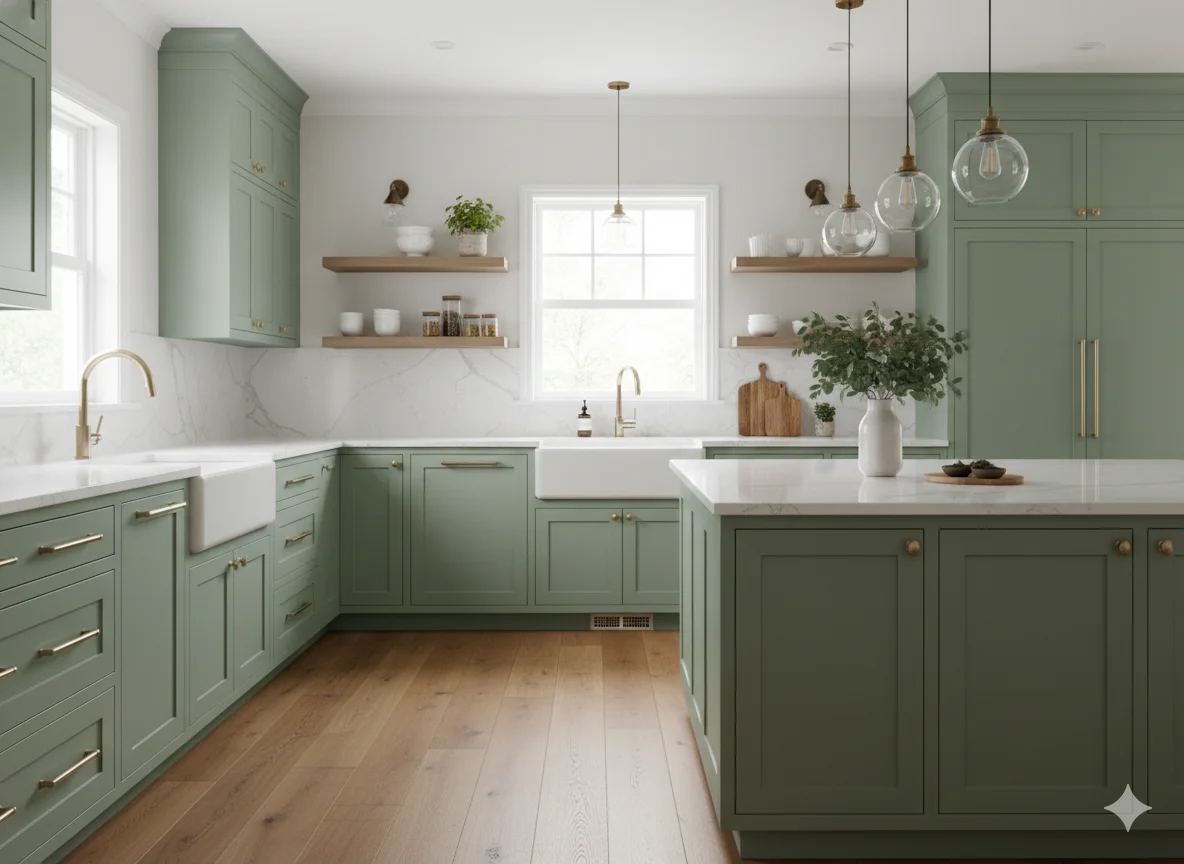
Sage green represents the softer end of the spectrum, offering a muted, sophisticated alternative to brighter greens. This versatile shade works particularly well in kitchens with abundant natural light, where it takes on a ethereal, almost spa-like quality. Sage pairs beautifully with warm wood tones, creating a harmonious blend of natural elements that feels both modern and timeless. When combined with marble countertops and brass fixtures, sage green cabinets create an elegant, refined aesthetic that appeals to traditional and contemporary tastes alike.
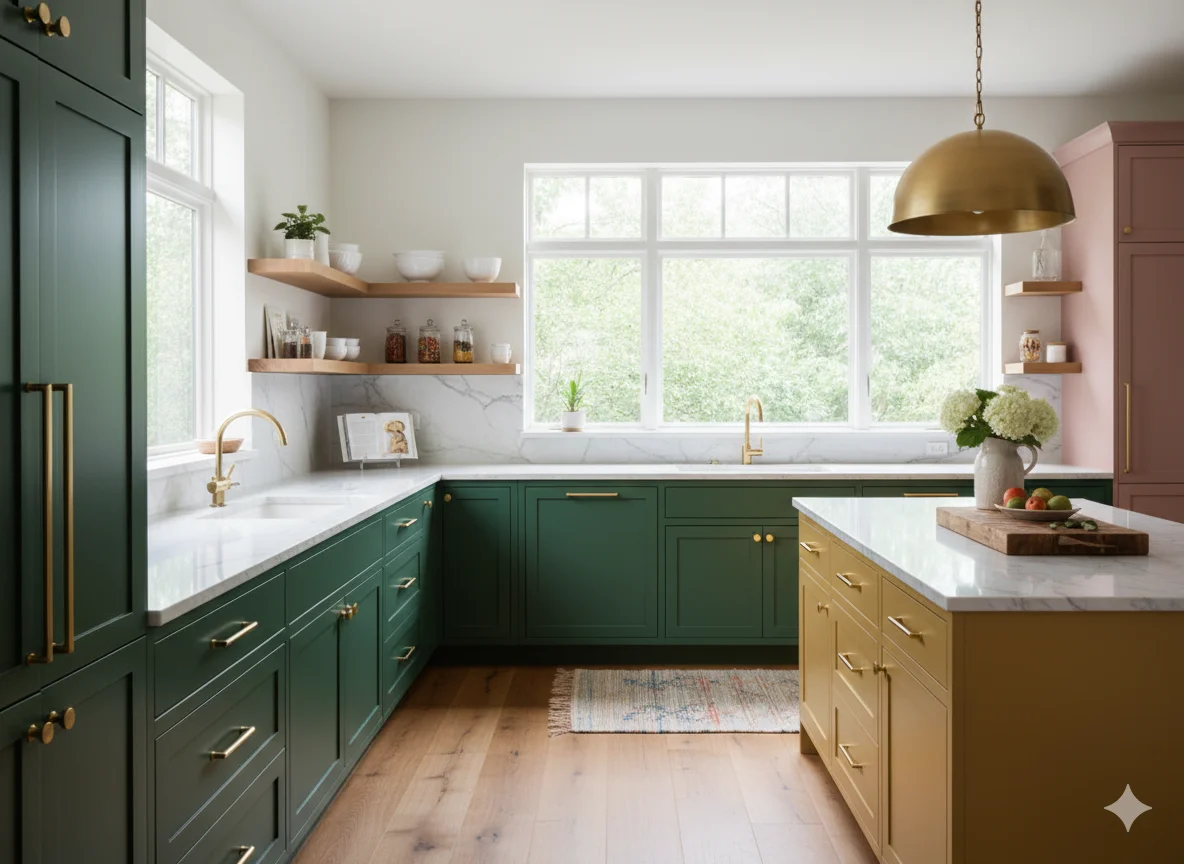
Olive and moss greens occupy the medium range of the spectrum, delivering more pronounced color while maintaining earthy sophistication. These deeper greens work exceptionally well in larger kitchens or when used on lower cabinets in a two-tone design. The richness of these shades adds depth and character to kitchen spaces, creating visual interest without overwhelming the room. Olive green pairs particularly well with natural stone countertops, unlacquered brass hardware, and warm wood accents, resulting in kitchens that feel collected and intentional rather than overly designed.
Forest green and hunter green represent the boldest expressions of green in kitchen design. These dramatic shades work best in kitchens with good lighting and sufficient visual breathing room. When executed thoughtfully, dark green cabinets create sophisticated, jewel-box spaces that feel luxurious and intimate. The key to success with these darker greens lies in balancing them with lighter elements such as white or cream walls, light-colored countertops, and strategic lighting to prevent the space from feeling too heavy or enclosed.
Tranquil Blue Variations
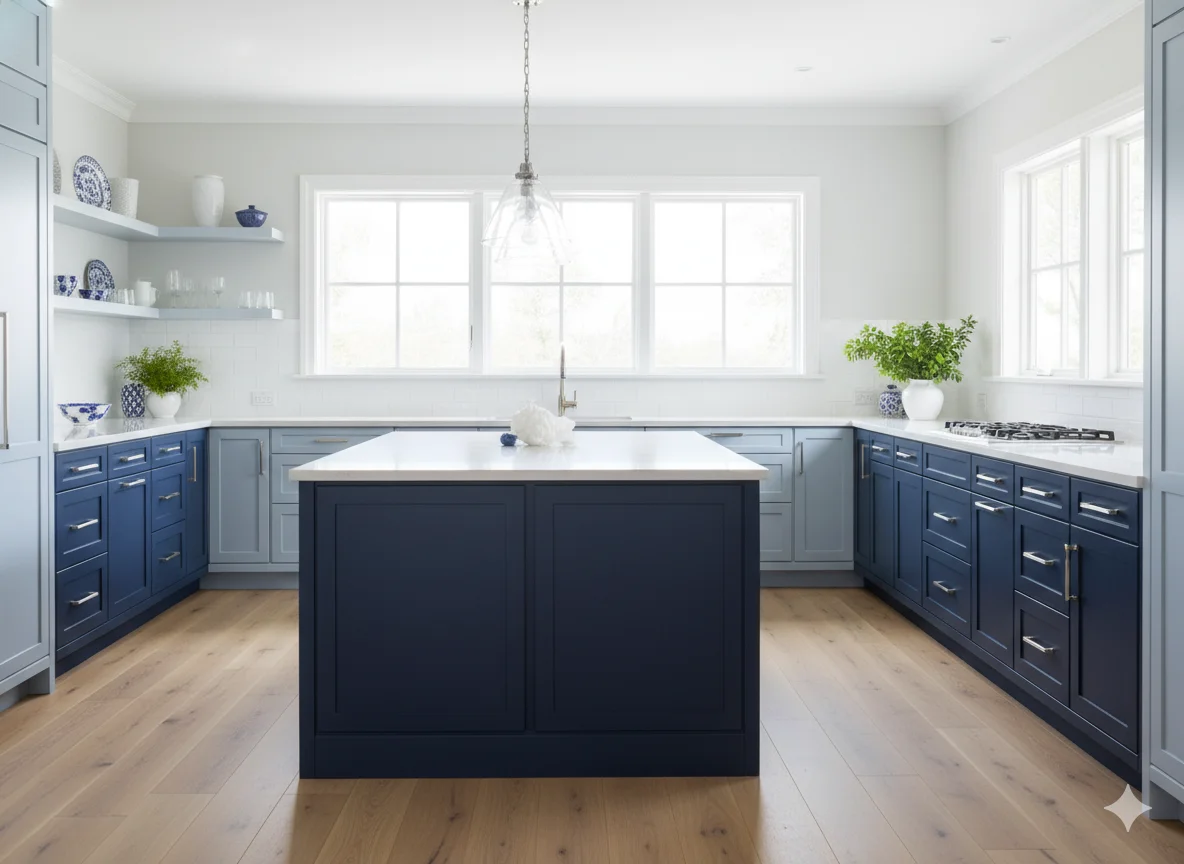
Blue kitchen cabinets have experienced a remarkable resurgence, offering homeowners a refreshing alternative to neutral palettes without venturing into overly bold territory. The psychological effects of blue create a sense of calm and serenity, making it an ideal choice for the kitchen, where we often seek moments of peace amid busy schedules. The range of available blue tones ensures that there’s a perfect shade for virtually every kitchen style and personal preference.
Powder blue and soft periwinkle tones bring a gentle, soothing quality to kitchen spaces. These lighter blues work particularly well in coastal-inspired designs or kitchens seeking a fresh, airy feel. The subtlety of these shades makes them surprisingly versatile, pairing beautifully with both warm and cool accent colors. Powder blue cabinets create an unexpected sophistication when combined with marble countertops and polished nickel hardware, resulting in a kitchen that feels both classic and contemporary.
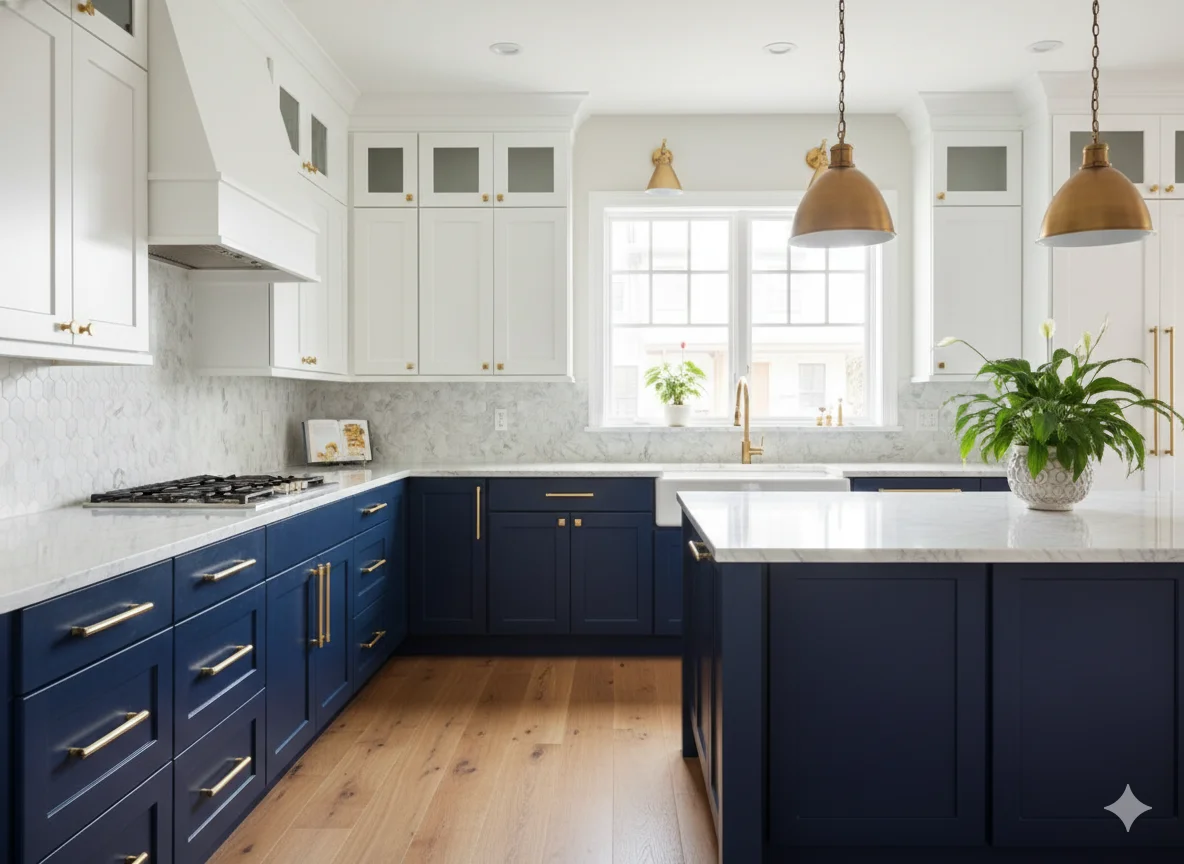
Navy blue has emerged as a favorite for those seeking drama without resorting to black. This rich, deep tone conveys confidence and sophistication while maintaining enough depth to hide everyday wear better than lighter colors. Navy works exceptionally well as an accent color on kitchen islands or lower cabinets in two-tone designs, where it provides grounding contrast to lighter upper cabinets or walls. The classic pairing of navy with white creates a timeless nautical-inspired look, while combining navy with warm wood tones and brass fixtures yields a more traditional, library-like elegance.
Gray-blue hybrids occupy an interesting middle ground, offering the calming properties of blue with the versatility of gray. These complex, sophisticated shades change throughout the day as natural light shifts, creating dynamic visual interest in the kitchen. Gray-blues work particularly well in modern and transitional kitchens, where they provide enough color to prevent monotony while maintaining a refined, understated quality. These shades pair beautifully with both warm and cool metals, making them an excellent choice for kitchens where hardware and fixtures need flexibility.
Warm Neutral Sophistication
The category of warm neutrals extends far beyond basic beige, encompassing a rich spectrum of sophisticated earth tones that bring depth and warmth to kitchen spaces. These colors create inviting, cozy atmospheres while maintaining enough neutrality to work with various accent colors and design elements. Warm neutrals have gained significant traction as homeowners move away from the cool grays that dominated previous years, seeking instead colors that feel more organic and welcoming.
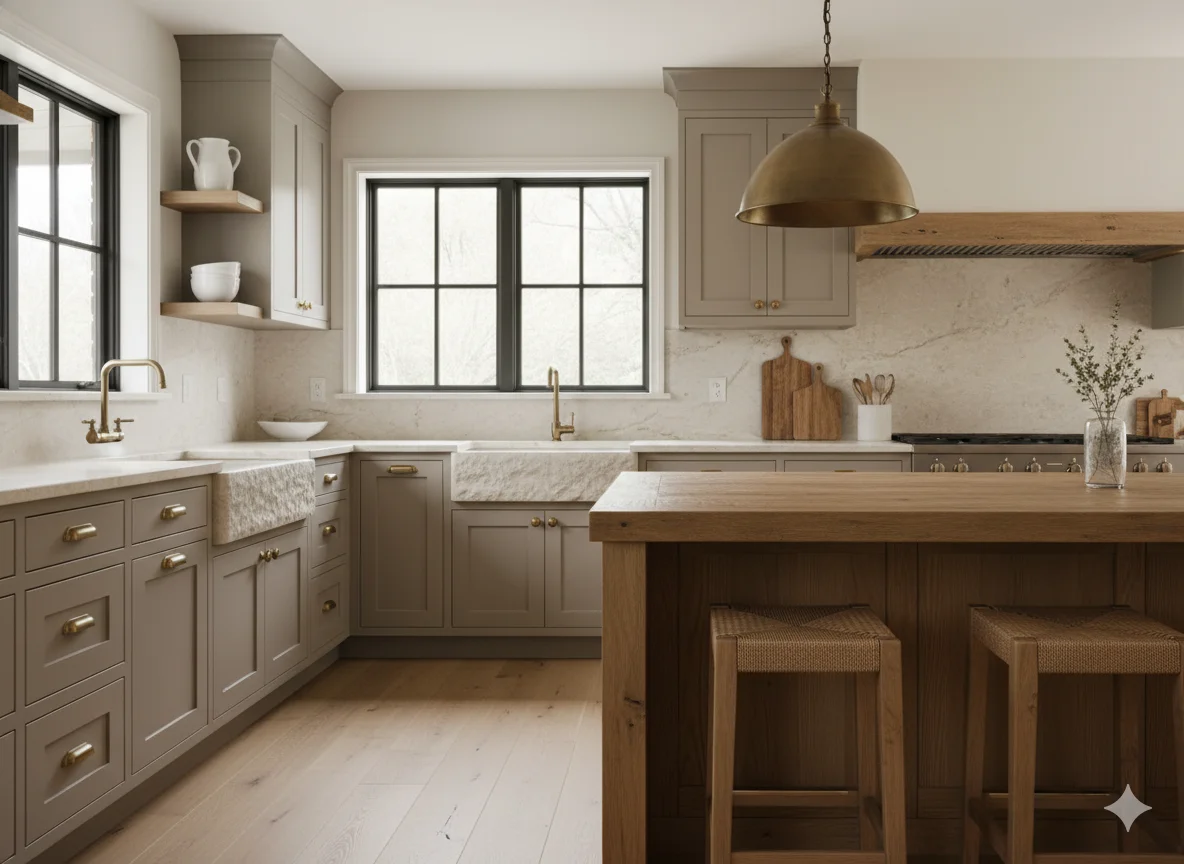
Greige, the perfect marriage of gray and beige, has become a standout choice for those seeking neutral cabinets with more character than traditional gray or beige alone. This hybrid color offers the modern sensibility of gray with the warmth of beige, resulting in a shade that feels both contemporary and timeless. Greige cabinets create an ideal backdrop for various design styles, from modern farmhouse to urban contemporary, and they pair beautifully with both warm and cool accent colors. The versatility of greige makes it an excellent choice for homeowners who want a neutral foundation that won’t limit future design changes.
Warm taupe and mushroom tones bring an earthy sophistication to kitchen design. These colors create a grounded, organic feeling that works particularly well in kitchens seeking a natural, zen-like atmosphere. Taupe cabinets pair beautifully with natural stone countertops, wood flooring, and organic textures, creating cohesive spaces that feel intentionally designed yet effortlessly elegant. The depth of these colors provides visual interest without the boldness of more saturated hues, making them ideal for those who want something more distinctive than white but less dramatic than darker colors.
Soft cream and buttercream tones offer warmth and brightness without the starkness of pure white. These colors create kitchens that feel sunny and inviting, even in spaces with limited natural light. Cream cabinets work beautifully in traditional and farmhouse-style kitchens, where they evoke a sense of history and comfort. When paired with antique brass hardware, butcher block countertops, and vintage-inspired fixtures, cream cabinets help create spaces that feel collected over time rather than installed all at once.
Bold and Dramatic Blacks
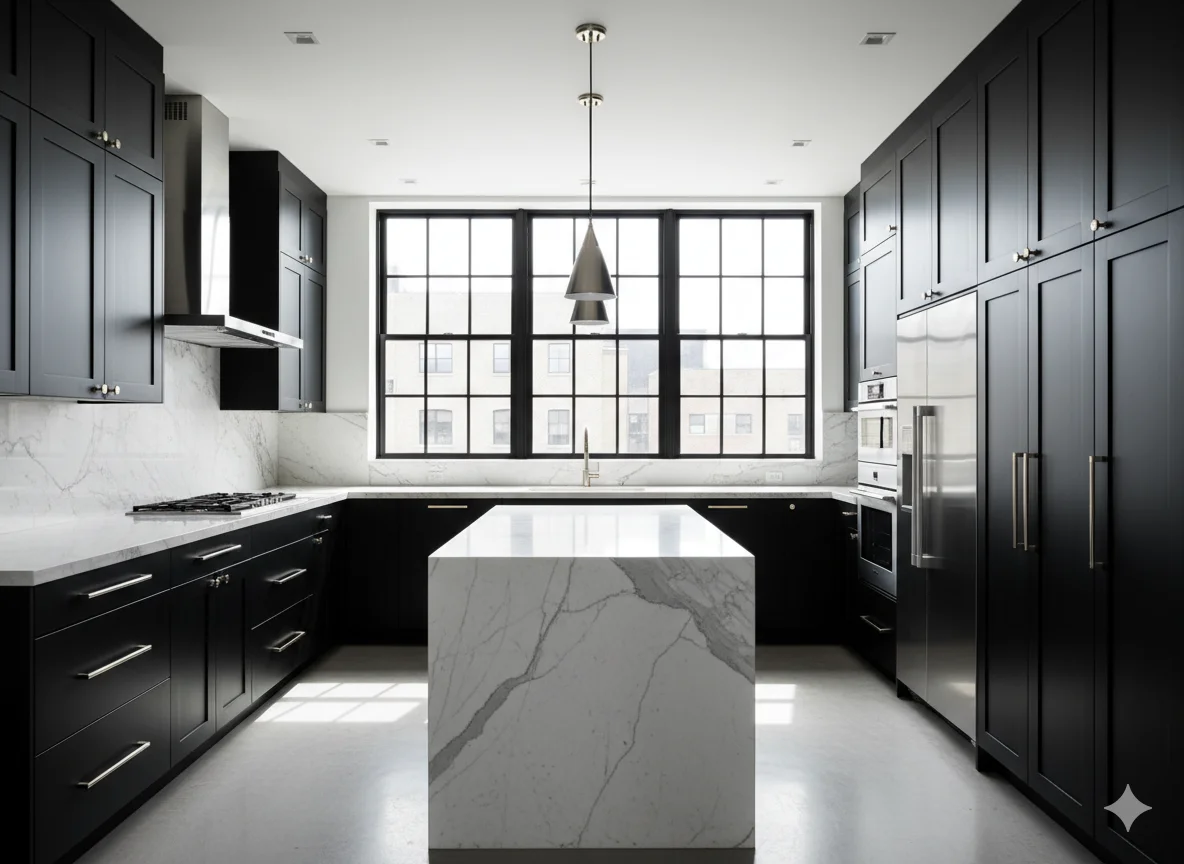
Black kitchen cabinets represent a bold design choice that creates immediate visual impact and sophisticated drama. While some homeowners hesitate to embrace such a dark color in their kitchen, when executed thoughtfully, black cabinets can create stunning, magazine-worthy spaces that feel both modern and timeless. The key to successful black kitchens lies in balancing the darkness with adequate lighting and lighter complementary elements to prevent the space from feeling oppressive or cave-like.
Pure black cabinets create the most dramatic effect, offering a sleek, modern aesthetic that works particularly well in contemporary and industrial-style kitchens. Black provides the perfect backdrop for statement lighting, allowing architectural light fixtures to truly shine as focal points. When paired with white or light-colored countertops and backsplashes, black cabinets create striking contrast that draws the eye and defines the space with clarity and intention. This classic black and white combination feels crisp and clean, with a graphic quality that never goes out of style.
Charcoal and near-black tones offer a slightly softer alternative to pure black while maintaining much of the drama and sophistication. These shades work particularly well in kitchens with warm undertones, where they provide depth without the starkness of true black. Charcoal cabinets pair beautifully with warm wood tones, creating a balanced interplay between dark and natural elements that feels both modern and organic. The slightly lighter nature of charcoal makes it more forgiving than pure black, showing fewer fingerprints and water spots while still delivering substantial visual impact.
Black cabinets on kitchen islands have become an increasingly popular way to incorporate this dramatic color without committing to it throughout the entire kitchen. This approach allows homeowners to enjoy the sophistication and grounding effect of black while maintaining brightness through lighter perimeter cabinets. Black islands create natural focal points that anchor kitchen designs, particularly in open-concept layouts where the kitchen flows into living spaces. This two-tone approach offers the best of both worlds, providing drama and visual interest while maintaining an overall sense of airiness and light.
The Versatility of Gray
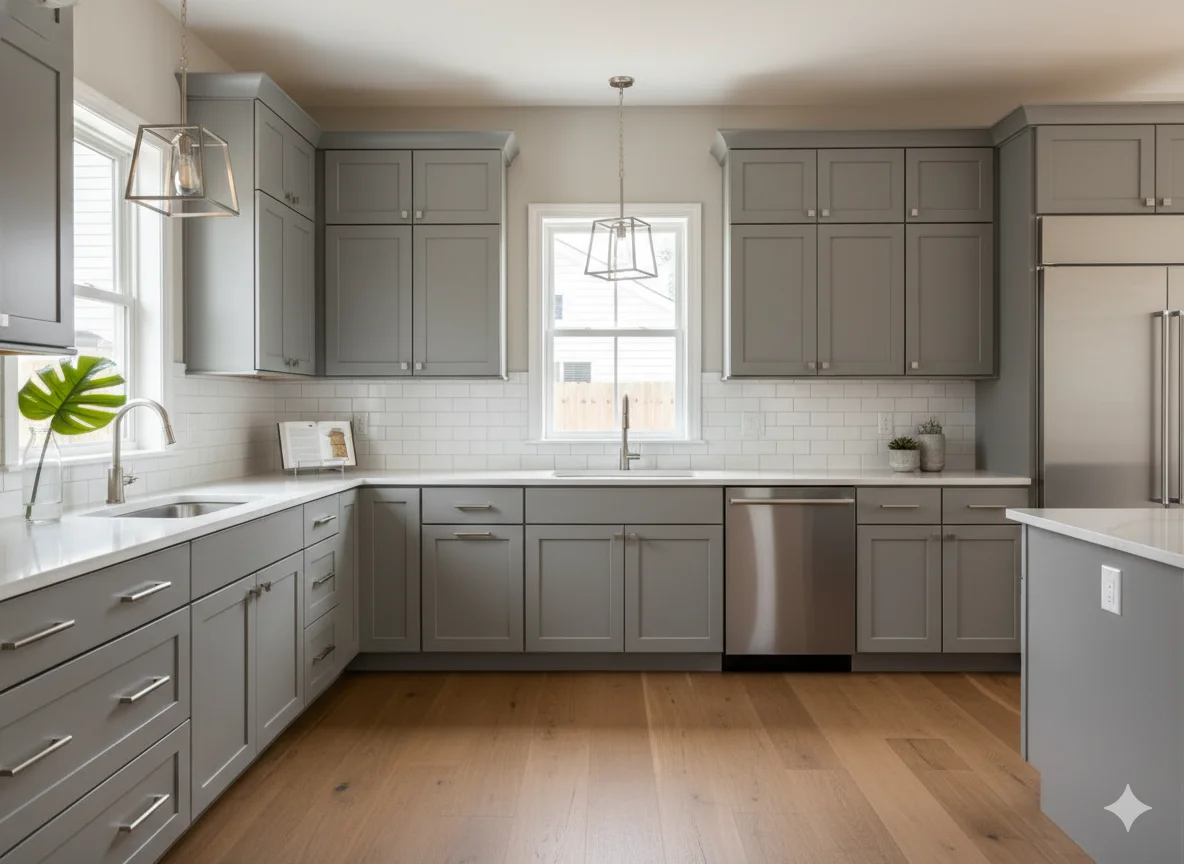
Gray kitchen cabinets have maintained their popularity for good reason, offering a perfect balance between the brightness of white and the drama of darker colors. Gray provides a neutral foundation that works with virtually any accent color or design style, making it an ideal choice for homeowners who value flexibility and timelessness. The spectrum of available grays ranges from pale, almost-white tones to deep charcoals, ensuring options for every aesthetic preference and lighting situation.
Light gray cabinets create a soft, sophisticated alternative to white, offering slightly more visual interest while maintaining much of white’s brightness and space-enhancing qualities. These lighter grays work particularly well in modern and transitional kitchens, where they provide a clean backdrop for statement hardware, interesting tile work, or colorful accessories. Light gray pairs beautifully with both warm and cool accent colors, making it one of the most versatile cabinet color choices available. When combined with marble countertops and chrome or nickel hardware, light gray cabinets create an elegant, polished look that feels fresh and contemporary.
Medium-tone grays occupy a sweet spot in the color spectrum, providing enough depth to create visual interest while remaining light enough to work in most kitchen sizes and lighting conditions. These shades work particularly well in kitchens seeking a modern, sophisticated aesthetic without veering into industrial territory. Medium grays pair beautifully with wood accents, creating an appealing contrast between the coolness of the gray and the warmth of natural wood. This combination works particularly well in contemporary and Scandinavian-inspired designs, where the interplay between sleek and natural elements creates balanced, livable spaces.
Dark gray cabinets approach the drama of black while offering slightly more softness and versatility. These deeper tones work well in larger kitchens with abundant natural light, where they create sophisticated, moody atmospheres without overwhelming the space. Dark gray provides an excellent alternative for those who love the idea of black cabinets but worry about the intensity or maintenance concerns associated with true black. When paired with lighter walls, countertops, and strategic lighting, dark gray cabinets create depth and interest while maintaining enough flexibility to work with various design elements.
Two-Tone Cabinet Combinations
Two-tone kitchen cabinets have become one of the most popular and effective ways to add visual interest and dimension to kitchen design. This approach involves painting upper and lower cabinets in different colors, creating contrast that breaks up the visual monotony of single-color cabinets while adding depth and sophistication to the space. The key to successful two-tone designs lies in choosing colors that complement rather than compete with each other, creating a cohesive look that feels intentional rather than haphazard.
The classic pairing of white upper cabinets with darker lower cabinets remains a favorite for good reason. This combination maintains brightness and openness at eye level while grounding the space with deeper tones below. Popular lower cabinet colors for this approach include navy blue, forest green, charcoal gray, and warm brown tones. This configuration works particularly well in kitchens where homeowners want to incorporate color without overwhelming the space, and it provides practical benefits by placing darker, more forgiving colors in areas most susceptible to scuffs and spills.
Natural wood upper cabinets paired with painted lower cabinets create an organic, textured look that feels collected and intentional. This approach brings warmth through the wood tones while allowing homeowners to incorporate their preferred paint color on the lower cabinets. Popular combinations include natural oak or walnut uppers with sage green, navy, or charcoal lowers. This mixed-material approach works particularly well in transitional and modern farmhouse kitchens, where the interplay between natural and painted finishes creates visual interest and depth.
Contrasting paint colors on upper and lower cabinets offer another approach to two-tone designs. Pairing complementary colors such as sage green and cream, navy and white, or gray and greige creates sophisticated, layered looks that feel professionally designed. The key to success with painted two-tone cabinets lies in ensuring that the colors share similar undertones, preventing the combination from feeling disjointed. Testing samples in your actual space helps ensure that the colors work harmoniously in your specific lighting conditions.
Unexpected Bold Colors
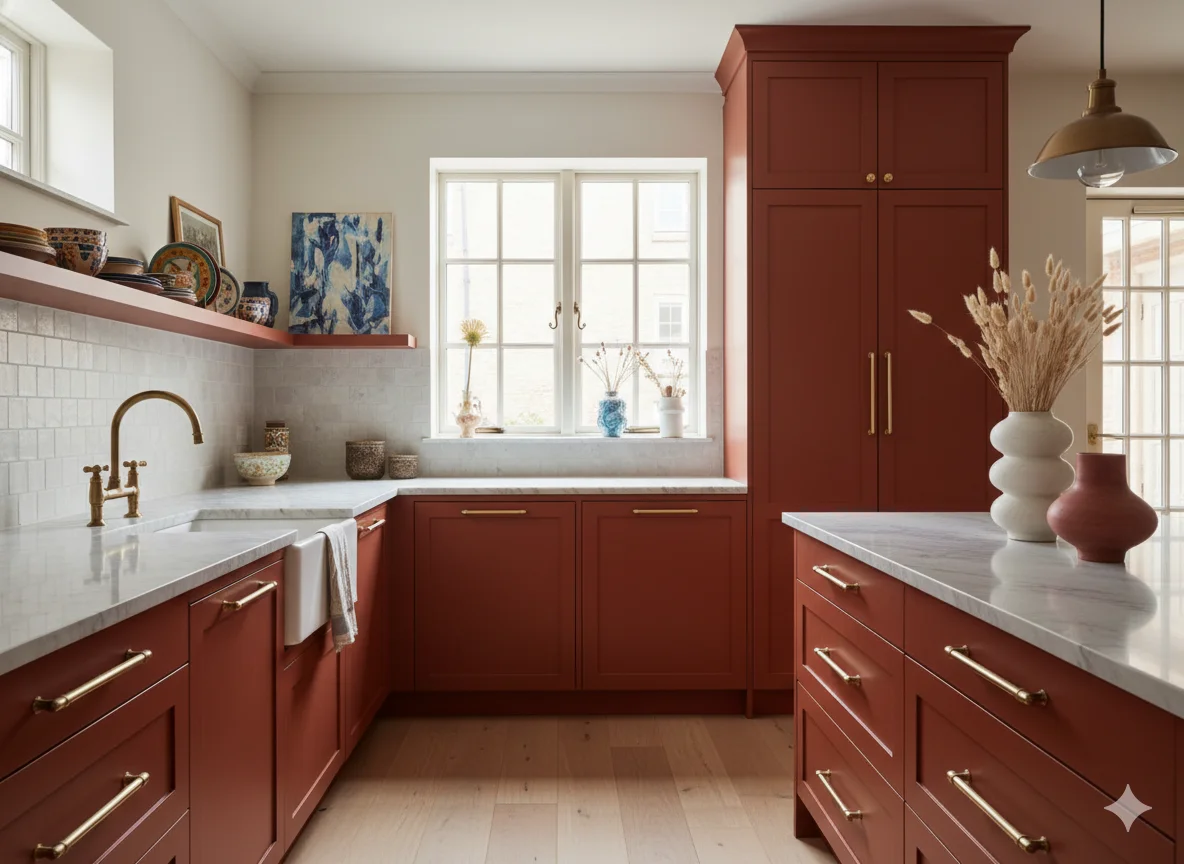
While neutrals and nature-inspired tones dominate kitchen cabinet trends, bold, unexpected colors are gaining traction among adventurous homeowners seeking to make distinctive design statements. These daring choices create kitchens with personality and character, transforming the space from merely functional to truly memorable. The key to successfully incorporating bold cabinet colors lies in balancing them with neutral elements and ensuring adequate lighting to prevent the space from feeling overwhelming.
Warm reds and terracotta tones bring energy and warmth to kitchen spaces, creating vibrant, welcoming atmospheres. These colors work particularly well in Mediterranean-inspired or eclectic kitchen designs, where they evoke the warmth of sun-baked clay and spice markets. Muted versions of red, such as burgundy or cranberry, offer sophistication and depth without the intensity of bright red. These tones pair beautifully with warm wood elements, brass hardware, and natural stone, creating rich, layered looks that feel both bold and refined.
Sunny yellow cabinets create cheerful, optimistic spaces that brighten even the cloudiest days. While bright yellow can feel overwhelming, softer buttery yellows or golden tones bring warmth and happiness without visual assault. Yellow works particularly well in kitchens with vintage or retro-inspired designs, where it nods to mid-century aesthetics while feeling fresh and contemporary. Pairing yellow cabinets with white countertops and simple hardware keeps the look balanced and prevents the space from feeling too busy or overwhelming.
Dusty pink and blush tones offer an unexpected, sophisticated alternative to traditional cabinet colors. These soft, muted versions of pink feel grown-up and elegant rather than overly feminine or childish. When paired with marble countertops, brass hardware, and thoughtful lighting, pink cabinets create unique, memorable kitchens that feel both bold and refined. This color works particularly well in smaller spaces or butler’s pantries, where it creates intimate, jewel-box moments within larger home designs.
Deep purple and eggplant tones represent the boldest end of the color spectrum, creating dramatic, jewel-toned kitchens that make powerful design statements. These rich colors work best in well-lit spaces with high ceilings, where they can create drama without feeling oppressive. Purple cabinets pair surprisingly well with brass fixtures, creating an opulent, almost regal aesthetic. This color choice works particularly well for homeowners seeking truly distinctive kitchens that reflect confident personal style.
Practical Considerations for Painted Cabinets
Selecting the perfect color for your kitchen cabinets involves more than aesthetic preference. Practical considerations play a crucial role in ensuring that your beautiful painted cabinets remain attractive and functional through years of daily use. Understanding these practical elements helps you make informed decisions that balance beauty with durability and livability.
Paint quality and type significantly impact the longevity and appearance of painted cabinets. High-quality paints specifically formulated for cabinets provide superior durability, adhesion, and resistance to wear, moisture, and cleaning chemicals. While these premium paints cost more initially, they deliver better long-term results, maintaining their appearance through years of use. The choice between satin and semi-gloss finishes also matters. Satin provides a softer, more elegant appearance but may show wear more readily, while semi-gloss offers easier cleaning and better durability at the expense of a slightly shinier appearance.
Proper surface preparation proves absolutely critical to achieving professional-looking, long-lasting results. Thorough cleaning removes grease and grime that prevent paint adhesion, while sanding creates the slightly rough surface that helps paint bond properly. Using appropriate primer seals the wood, prevents stains from bleeding through, and creates an ideal base for paint. Skipping or rushing these preparation steps often leads to poor adhesion, premature wear, and disappointing results that require premature repainting.
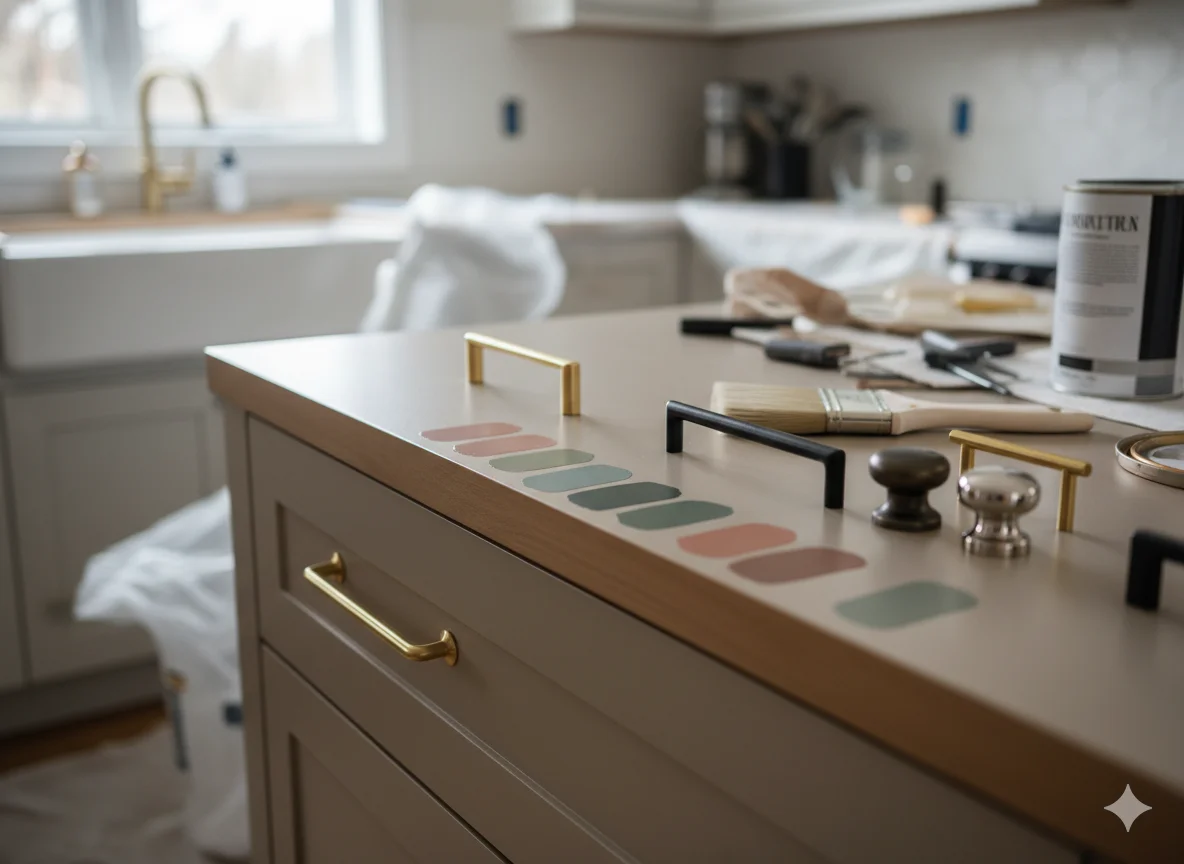
Lighting conditions in your kitchen dramatically affect how cabinet colors appear and change throughout the day. Colors that look perfect in morning sunlight may appear completely different under afternoon shadows or evening artificial light. Natural light reveals the truest version of any color, while incandescent bulbs add warmth that can yellow whites and shift the appearance of other colors. LED lighting, now standard in most homes, typically renders colors more accurately but varies in color temperature. Testing paint samples on actual cabinet doors and observing them at different times of day in your specific lighting conditions prevents costly mistakes and ensures satisfaction with your final choice.
Color psychology and mood impact should factor into your decision-making process. Different colors evoke different emotional responses and energy levels. Cool colors like blues and greens create calm, serene atmospheres, while warm colors like yellows and reds generate energy and warmth. Neutral colors provide flexibility and timelessness but may feel less distinctive or personality-driven. Consider how you want your kitchen to feel and how different colors might support or undermine that desired atmosphere.
Complementing Your Overall Kitchen Design
Painted cabinet colors never exist in isolation but interact constantly with other kitchen elements to create the overall aesthetic and feel of the space. Understanding how to coordinate cabinet colors with countertops, backsplashes, flooring, hardware, and walls ensures a cohesive design that feels intentional and professionally executed rather than haphazard or disjointed.
Countertop coordination plays a major role in the success of any cabinet color choice. White and light-colored countertops provide the greatest flexibility, working beautifully with virtually any cabinet color from white to black and everything in between. Dark countertops, including granite, soapstone, or dark quartz, pair well with lighter cabinets, creating contrast that defines different elements while preventing the kitchen from feeling too heavy. Natural wood countertops or butcher block bring warmth and texture that complements both neutral and colored cabinets, creating organic, lived-in aesthetics that feel welcoming and comfortable.
Backsplash selection offers opportunities to either complement or contrast with cabinet colors. Neutral backsplashes in white, cream, or soft gray work with any cabinet color, providing clean backdrops that allow cabinets to take center stage. Patterned or colorful backsplashes work best with simpler cabinet colors, preventing visual competition between elements. The scale of backsplash patterns matters as well. Large-scale patterns work better with solid cabinet colors, while small-scale patterns can create business when paired with two-tone or multi-colored cabinet schemes.
Hardware selection significantly impacts the overall look and feel of painted cabinets. Brushed brass and gold hardware bring warmth and vintage charm that work beautifully with greens, blues, whites, and warm neutrals. Chrome and polished nickel provide cool, contemporary contrast that pairs well with gray, white, and black cabinets. Oil-rubbed bronze and black hardware create dramatic contrast against lighter cabinets while providing subtle coordination with darker cabinet colors. The key lies in choosing hardware finishes that complement rather than clash with cabinet undertones, creating harmonious relationships between all metal elements in the space.
Wall colors and paint interact constantly with cabinet colors, and this relationship deserves careful consideration. Lighter wall colors create contrast with dark cabinets while blending more subtly with lighter cabinet shades. Darker wall colors can work beautifully with lighter cabinets but require adequate lighting and sufficient space to prevent the kitchen from feeling enclosed. Many successful kitchen designs use white or off-white walls regardless of cabinet color, allowing the cabinets to provide the color interest while walls recede into the background.
Maintaining Your Painted Kitchen Cabinets
Beautiful painted cabinets require appropriate care and maintenance to preserve their appearance and protect your investment. Understanding proper cleaning techniques, addressing wear patterns, and knowing when touch-ups become necessary helps ensure that your painted cabinets remain attractive and functional for many years. Different paint colors and finishes require slightly different maintenance approaches, but certain principles apply universally.
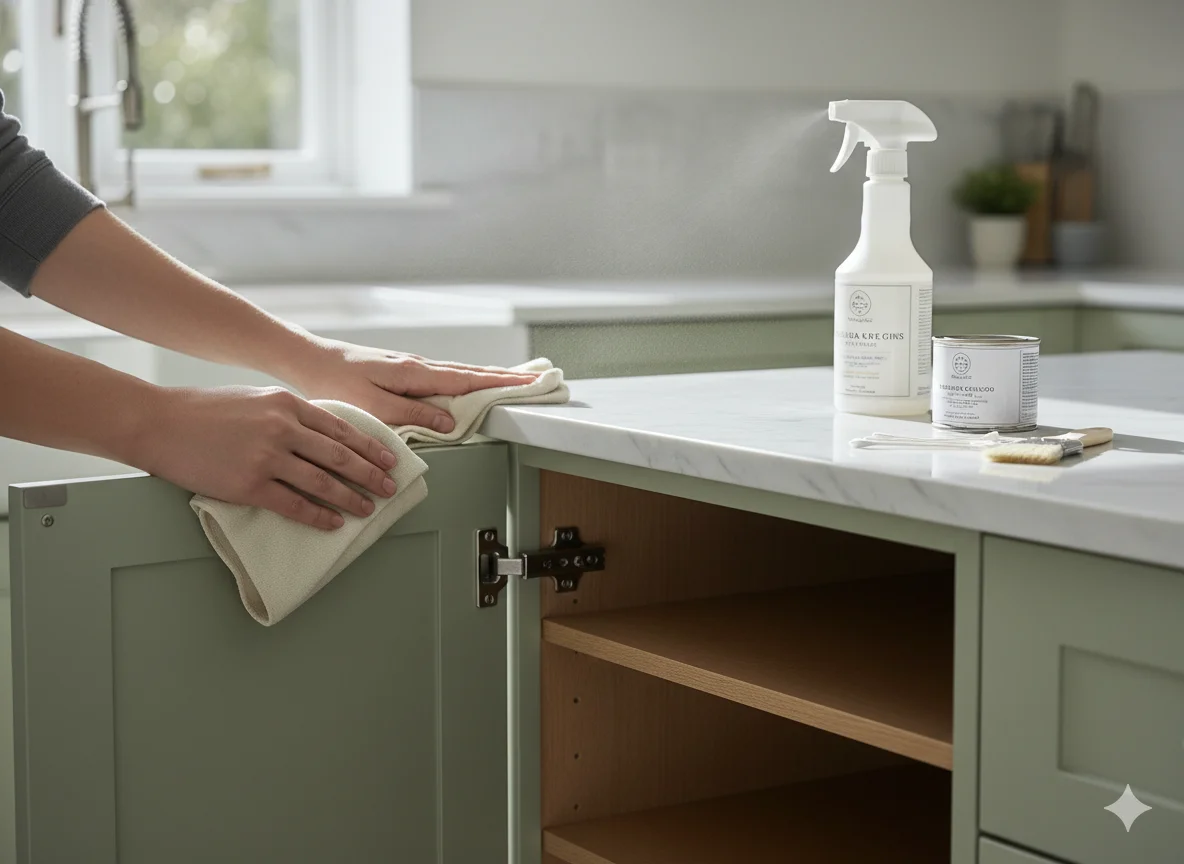
Regular gentle cleaning prevents the buildup of grease, grime, and cooking residue that can damage paint over time. Wiping cabinets weekly with a soft cloth dampened with warm water and mild dish soap removes surface dirt before it becomes embedded or causes staining. Avoiding harsh chemicals, abrasive cleaners, and rough scrubbing pads prevents damage to paint surfaces and preserves the finish. Immediate cleanup of spills and splatters prevents staining and makes regular maintenance easier and more effective.
Strategic placement of protective elements helps preserve paint in high-wear areas. Toe kick guards protect lower cabinet edges from scuffs and damage caused by feet and vacuum cleaners. Bumpers or soft-close hinges prevent damage from repeated door impacts. Protective mats or trays in cabinets storing cleaning supplies prevent spills that might damage interior paint. These small preventive measures extend the life of your paint job and reduce the need for repairs and touch-ups.
Touch-up painting addresses minor chips, scratches, and wear spots before they become major problems requiring complete repainting. Keeping leftover paint from your original project allows for easy touch-ups that match perfectly. For best results, lightly sand damaged areas, apply primer if bare wood is exposed, and carefully brush on thin coats of paint, feathering edges to blend with surrounding areas. Allowing adequate drying time between coats ensures durable, long-lasting repairs that blend seamlessly with the original finish.
Conclusion
Painted kitchen cabinets offer tremendous opportunities to transform your kitchen’s appearance, atmosphere, and overall design impact. The twenty-four inspiring ideas explored throughout this guide demonstrate the remarkable versatility and potential of cabinet paint, from timeless whites and sophisticated neutrals to bold, personality-rich colors that make powerful statements. Each color choice creates different moods, supports different design styles, and interacts uniquely with other kitchen elements to create cohesive, beautiful spaces.
The journey to selecting your perfect cabinet color involves balancing aesthetic preferences with practical considerations, understanding how different colors work within your specific space and lighting conditions, and considering how your chosen color will coordinate with existing and planned kitchen elements. Taking time to test samples, observe colors at different times of day, and carefully consider maintenance requirements ensures decisions you’ll remain happy with through years of daily use.
Whether you embrace classic white, venture into nature-inspired greens and blues, explore sophisticated neutrals, or make bold statements with unexpected colors, the key lies in choosing colors that resonate with your personal style while creating the atmosphere you desire in your kitchen. Your kitchen serves as the heart of your home, and painted cabinets offer a powerful tool for making that heart reflect your unique taste, personality, and vision for the space where life’s most meaningful moments unfold.
Frequently Asked Questions
What is the most popular kitchen cabinet paint color currently?
White remains the most popular choice, but nature-inspired greens, particularly sage and olive tones, have surged in popularity. These colors offer timeless appeal while providing more character than stark white. Navy blue also ranks highly for those seeking deeper, more dramatic tones.
How do I choose between warm and cool cabinet colors?
Consider your kitchen’s natural light, existing elements, and desired atmosphere. Spaces with abundant natural light handle both warm and cool tones well. If your kitchen has warm wood floors or fixtures, warm cabinet colors create harmony. Cool tones work beautifully in modern spaces with stainless steel and minimal wood elements.
Will painted cabinets hold up as well as stained wood?
With proper preparation, quality paint, and appropriate maintenance, painted cabinets perform excellently. Modern cabinet paints offer superior durability, adhesion, and resistance to wear. The key lies in proper surface preparation, using quality products, and applying adequate coats for lasting protection.
Should I paint all cabinets the same color or try two-tone?
Both approaches work beautifully depending on your goals. Single colors create cohesive, calming spaces, while two-tone designs add visual interest and dimension. Two-tone works particularly well in larger kitchens where it breaks up expanses of cabinetry and creates natural focal points.
How can I test cabinet colors before committing?
Purchase sample sizes of your top choices and paint them directly onto cabinet doors or large poster boards. Observe samples in your kitchen at different times throughout the day and evening under both natural and artificial light. This investment prevents costly mistakes and ensures satisfaction with your final choice.