21 Kitchen Trends to Avoid If You Want Timeless Style
The kitchen stands as the most expensive room to renovate in your home, with average remodeling costs ranging from $25,000 to $50,000 or more. When you invest that much money into a single space, you want design choices that will look beautiful not just today but for the next 10 to 20 years. Unfortunately, the allure of trendy elements can lead homeowners down a path of regret, creating kitchens that feel dated within just a few seasons.
Understanding which design trends to avoid is just as important as knowing what to embrace. The following 21 kitchen trends may look appealing in social media feeds or home improvement shows, but they carry hidden pitfalls that can compromise both the aesthetics and functionality of your space. By steering clear of these passing fads, you can create a kitchen that maintains its appeal and value for decades to come.
The Modern Farmhouse Overload
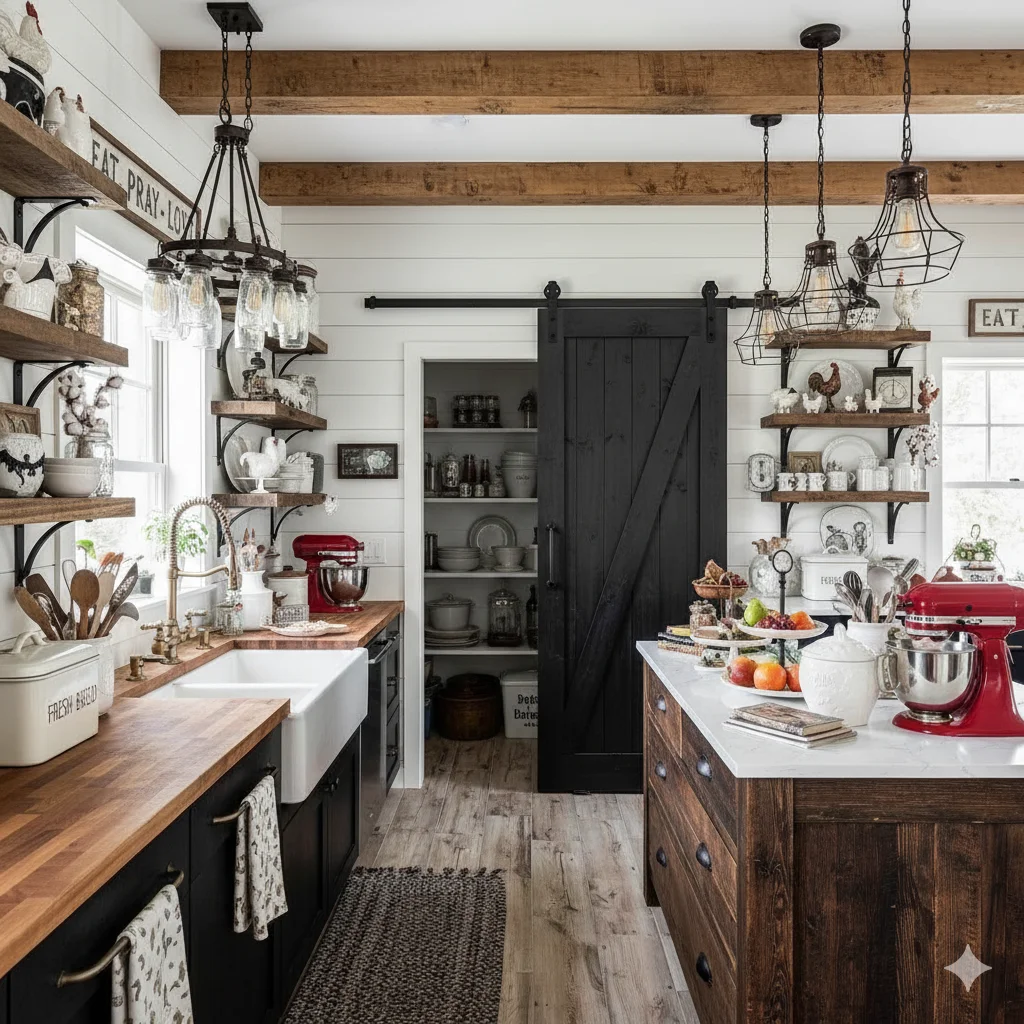
Modern farmhouse style took the design world by storm over the past decade, but this trend has reached saturation point. The combination of barn doors, farmhouse sinks, shiplap walls, and rustic wood beams feels overdone and increasingly dated. While the aesthetic was fresh when it first appeared, its explosive popularity means thousands of homes now feature virtually identical kitchens.
The problem with jumping completely into any single trend is that it stamps a clear date on your home. Anyone walking into a modern farmhouse kitchen today can immediately identify it as a product of the 2015-2023 era. If you love certain elements of this style, incorporate them sparingly rather than committing to a full thematic overhaul. A single reclaimed wood shelf or a quality apron-front sink can add character without overwhelming your kitchen with trend markers.
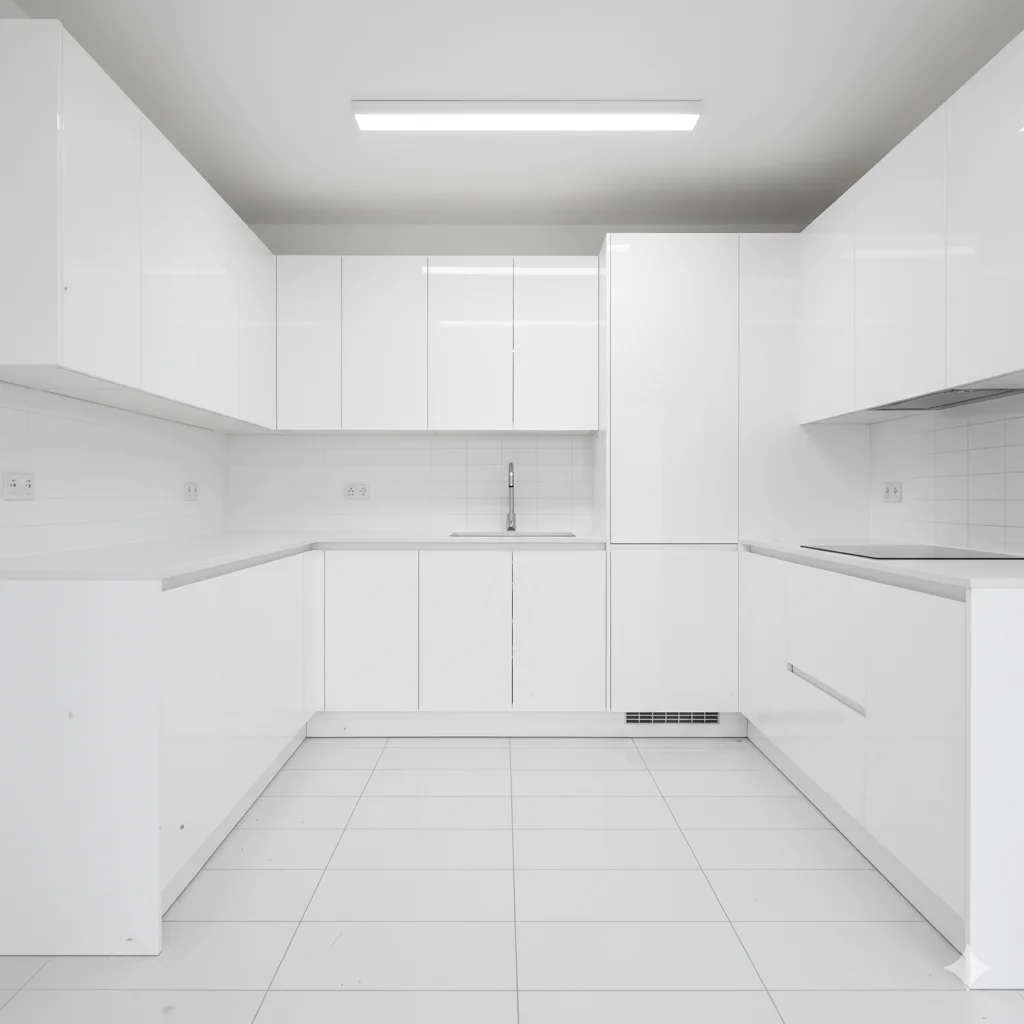
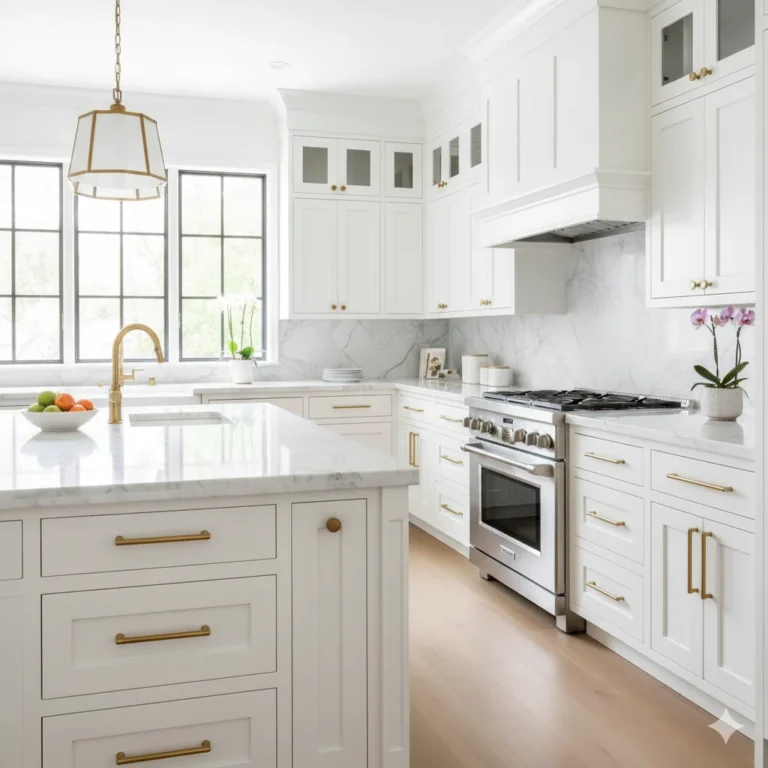
All-White Everything
The pristine, all-white kitchen dominated design magazines for years, promising a clean, bright, and supposedly timeless aesthetic. However, monochromatic white spaces can feel sterile, cold, and uninviting. When your cabinets, countertops, backsplash, walls, and even floors are all white, the space lacks depth and visual interest.
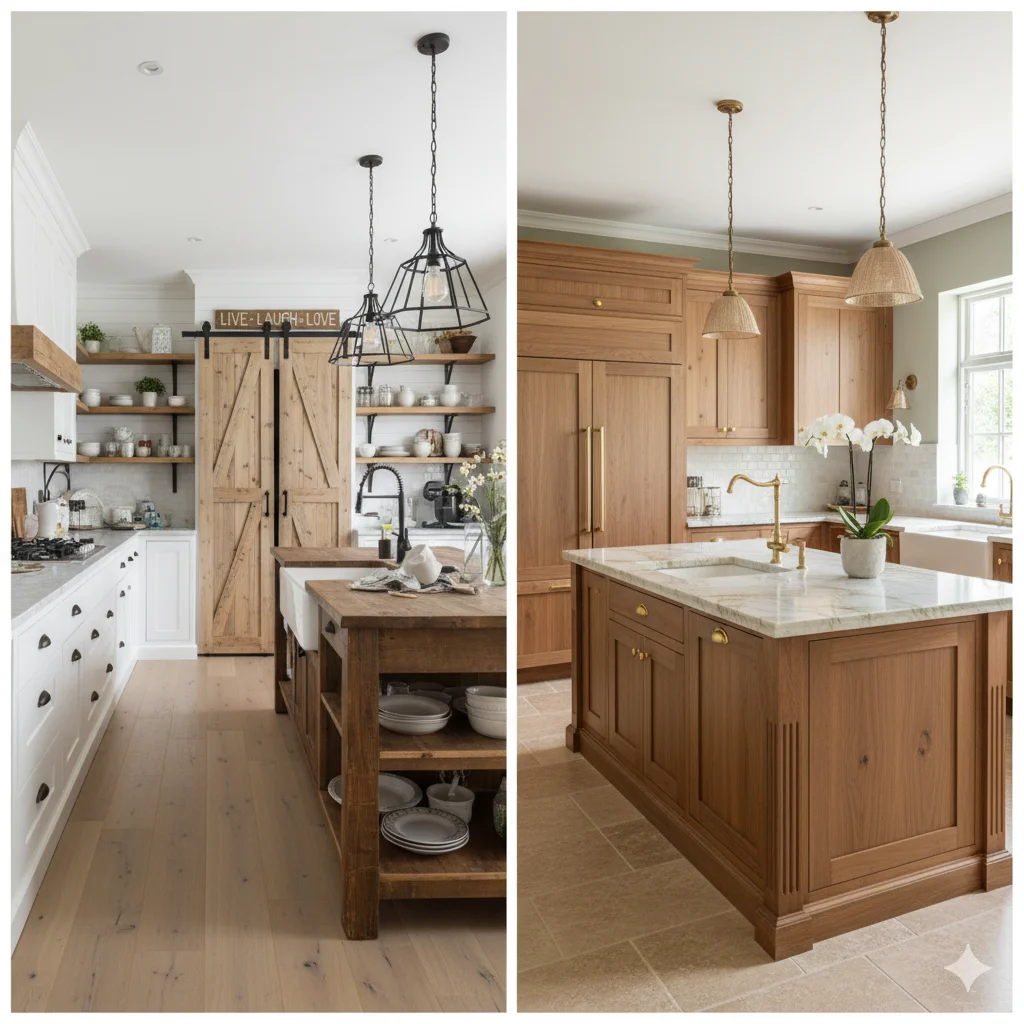
Beyond aesthetics, all-white kitchens present practical challenges. They show every fingerprint, splash, and stain, requiring constant maintenance to maintain that pristine appearance. The trend has also become so ubiquitous that it no longer feels special or distinctive. Instead of going completely white, consider incorporating warm wood tones, earthy neutrals like mushroom or taupe, or muted colors that add personality while maintaining brightness.
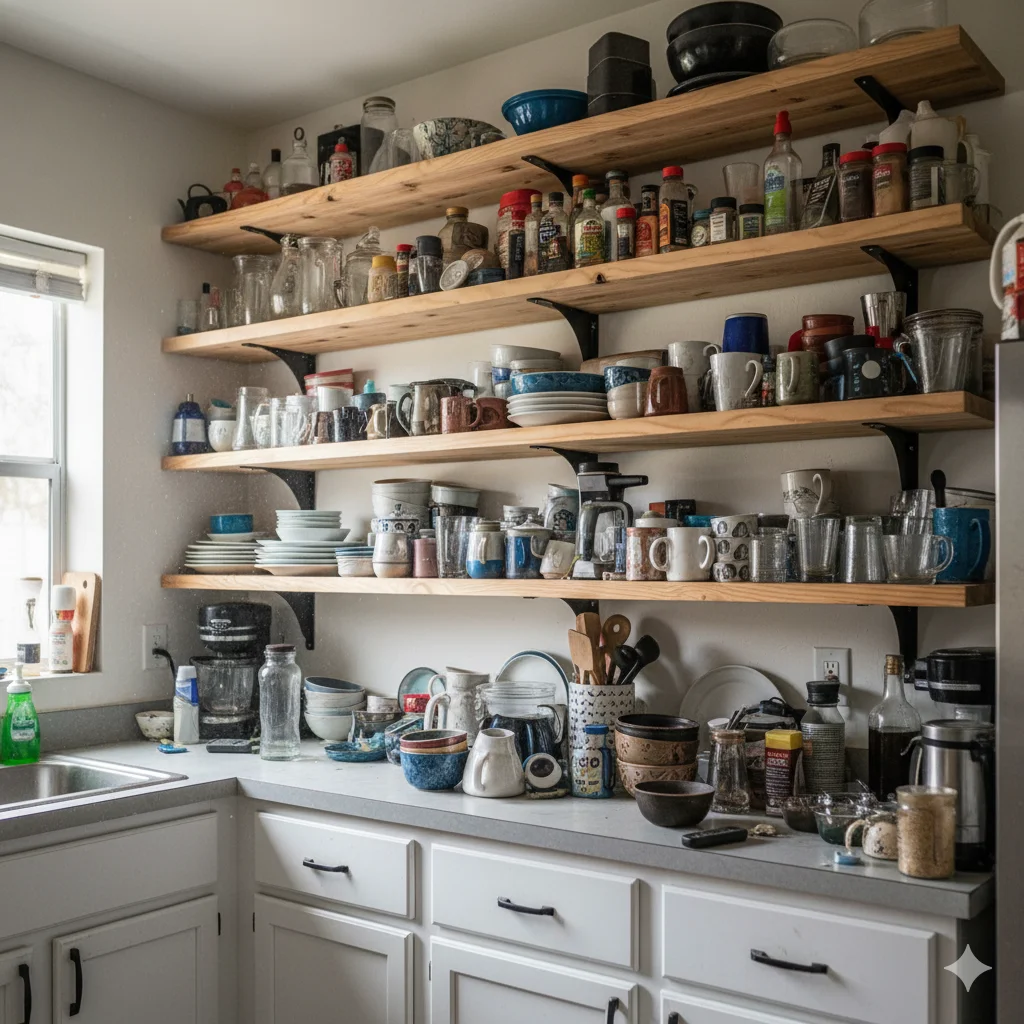
Open Shelving Everywhere
Open shelving looked revolutionary when it first appeared as an alternative to traditional upper cabinets. The concept promised a lighter, more accessible kitchen where beautiful dishware could be displayed like art. In reality, open shelving creates more problems than it solves for most homeowners.
Dust accumulates constantly on exposed dishes, requiring frequent cleaning. Clutter becomes visible rather than hidden, meaning you must maintain perfect organization at all times. The lack of enclosed storage reduces your overall cabinet space significantly, forcing you to find alternative locations for everyday items. While one or two open shelves can create an attractive display area, replacing all your upper cabinets with open shelving is an impractical choice that most people eventually regret.
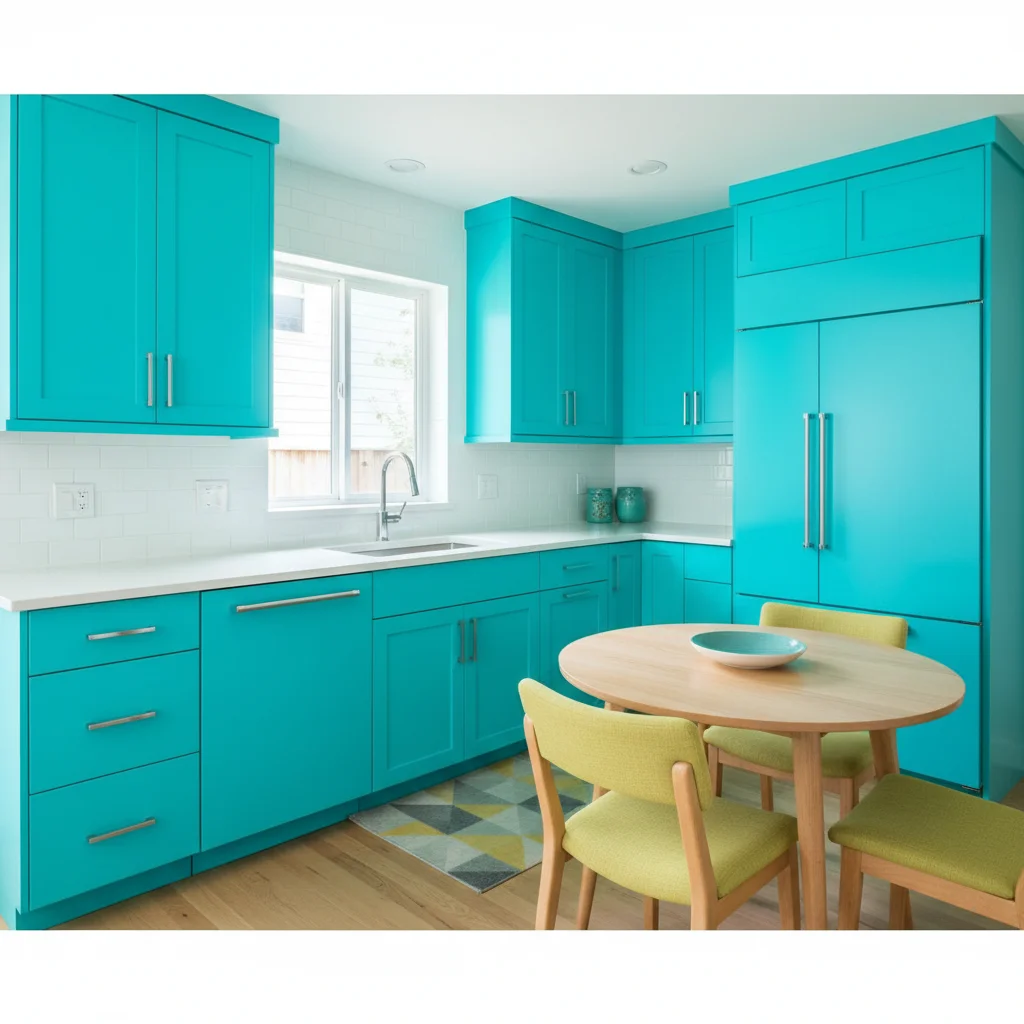
Overly Bold Cabinet Colors
Millennial pink cabinets, bright turquoise islands, and neon accent doors made waves on social media, but these bold color choices date quickly and limit your decorating options. Unlike a throw pillow or wall paint that can be changed easily, cabinets represent a major investment that you will live with for many years.
High-saturation colors tend to feel trendy rather than timeless. What seems exciting and fresh initially can become tiresome and overwhelming within a year or two. If you want color in your kitchen, opt for richer, more muted tones like sage green, dusty navy, or warm terracotta. These sophisticated hues provide personality without screaming for attention, and they pair more easily with other design elements.
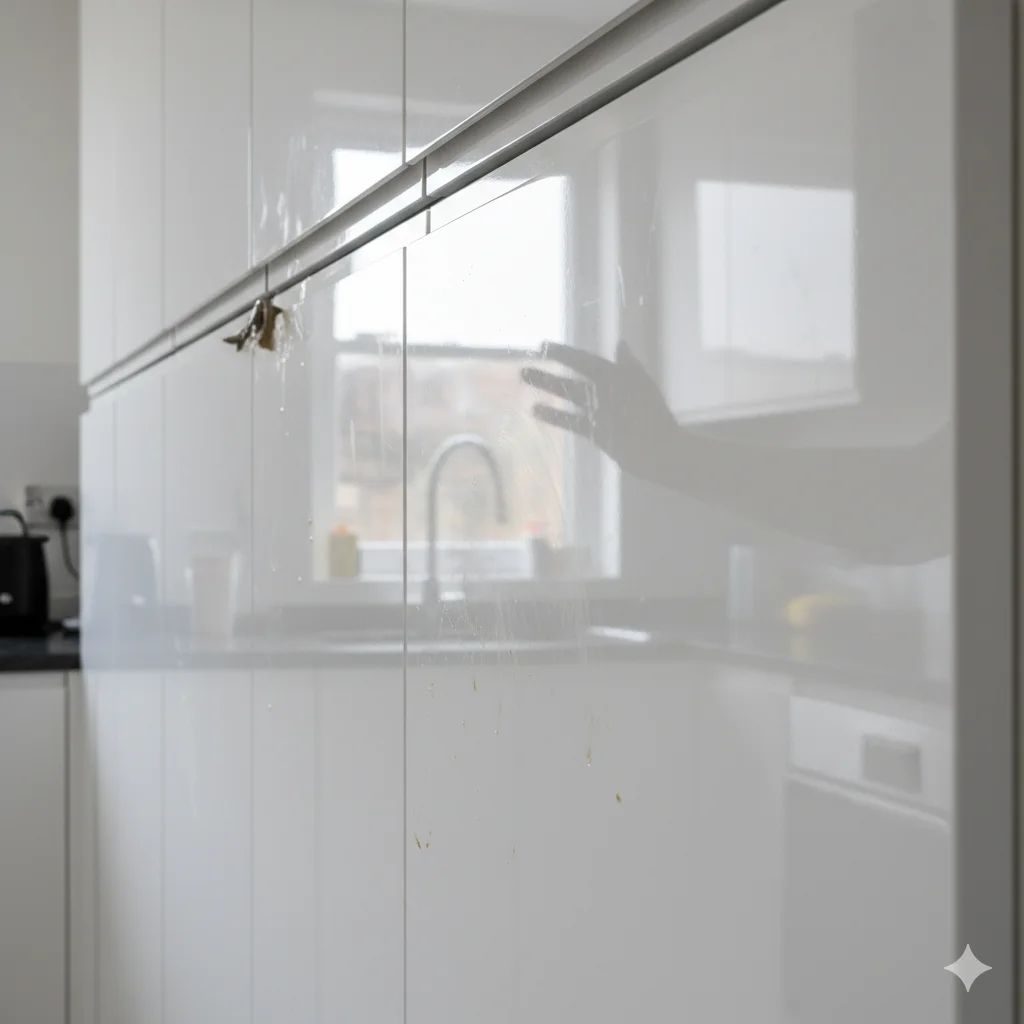
High-Gloss Cabinet Finishes
Shiny, reflective cabinet finishes had their moment as a sleek, modern choice, but they have fallen out of favor for good reasons. High-gloss surfaces show every fingerprint and smudge, requiring constant wiping to maintain their appearance. The ultra-reflective quality can feel cold and commercial rather than warm and inviting.
These finishes also amplify any imperfections in the cabinet doors themselves, making small dents or scratches highly visible. Modern kitchen design has shifted toward matte, brushed, or satin finishes that look sophisticated while being far more forgiving in daily use. Natural wood with a low-sheen protective coating offers both beauty and practicality.
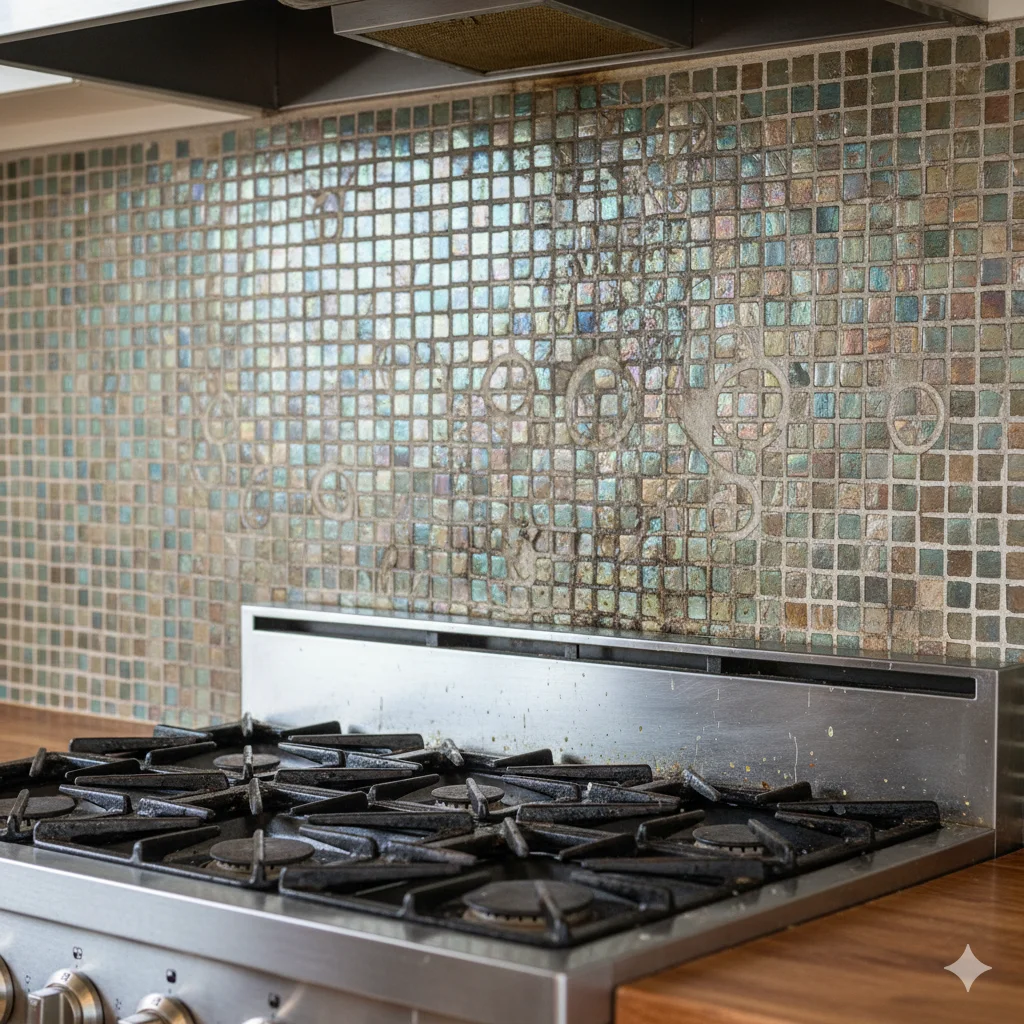
Glass Mosaic Tile Backsplashes
Ten years ago, glass mosaic tiles in varying sizes and colors were the height of backsplash fashion. These small tiles created artistic patterns and added visual texture, but they now appear distinctly dated. The narrow horizontal strips and busy color variations feel fussy and overdone.
The numerous grout lines required for mosaic installations also create maintenance challenges, as they trap grease and grime that require regular deep cleaning. Contemporary design favors larger-format tiles, slab backsplashes, or classic subway tile in updated colors or patterns. These alternatives provide a cleaner, more streamlined look that stands the test of time.
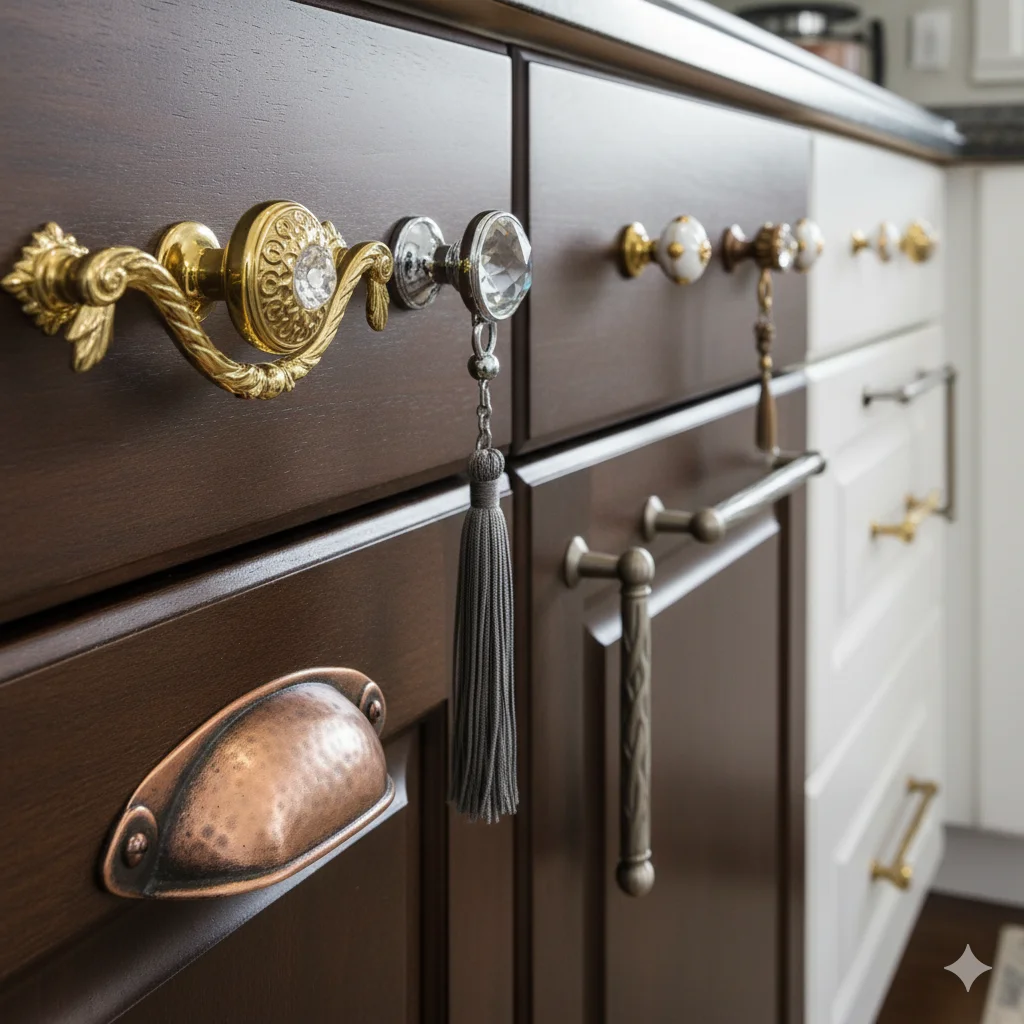
Ornate and Mismatched Hardware
Cabinet hardware trends have evolved considerably, making certain styles appear immediately outdated. Overly ornate pulls and knobs with intricate designs, as well as mixing too many metal finishes throughout one kitchen, can make the space feel cluttered and confused.
Coordinated hardware in simpler profiles creates a more cohesive, polished appearance. This does not mean everything must match perfectly, but there should be a clear intentionality to your choices. Stick with two complementary finishes at most, such as brass cabinet pulls with matte black faucets, rather than introducing five different metals throughout the space.
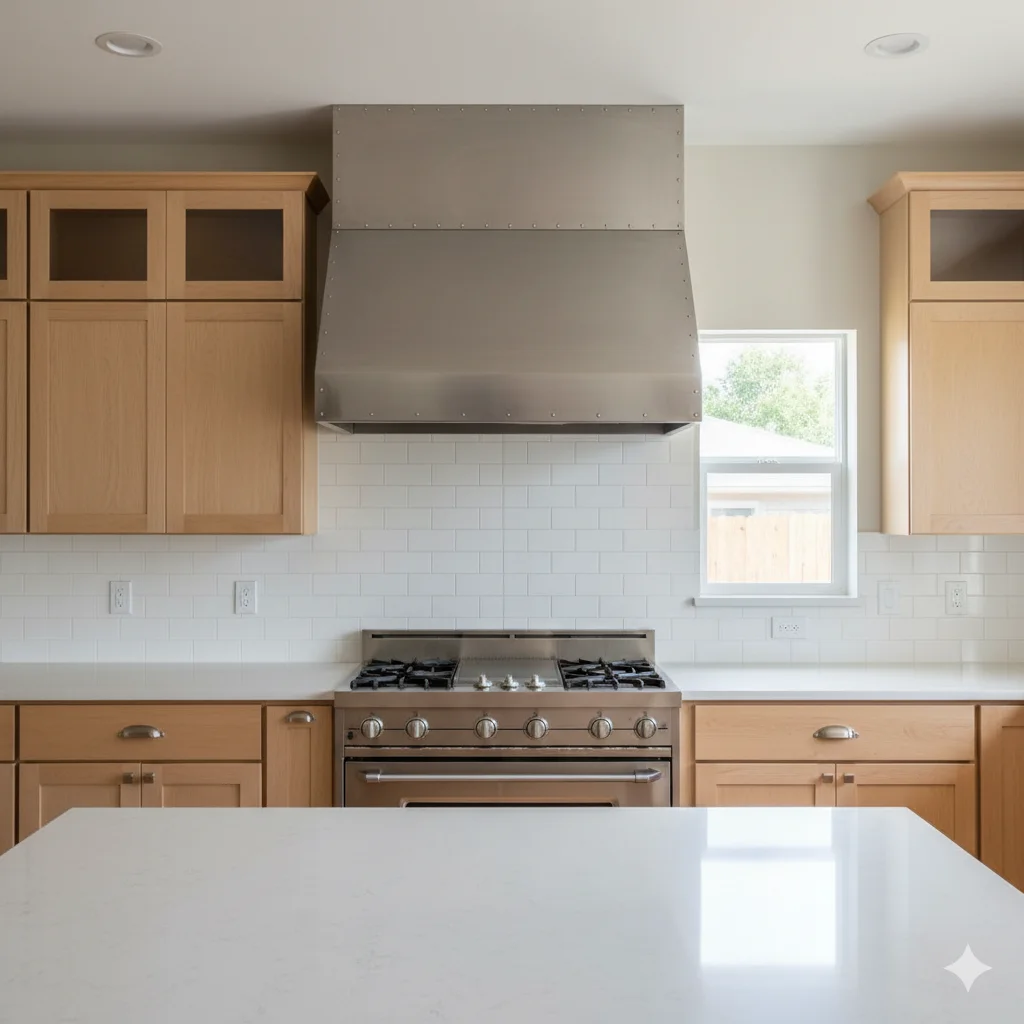
Visible Stainless Steel Hoods
Large, commercial-style stainless steel range hoods once signaled a serious cooking space, but they now feel heavy and industrial. These prominent features can dominate your kitchen visually while contributing little to the overall design harmony.
Modern kitchens increasingly favor integrated hood designs that blend seamlessly with surrounding cabinetry, or custom hoods covered in plaster, wood, or tile that coordinate with the rest of the space. These alternatives provide necessary ventilation while supporting your design vision rather than competing with it.
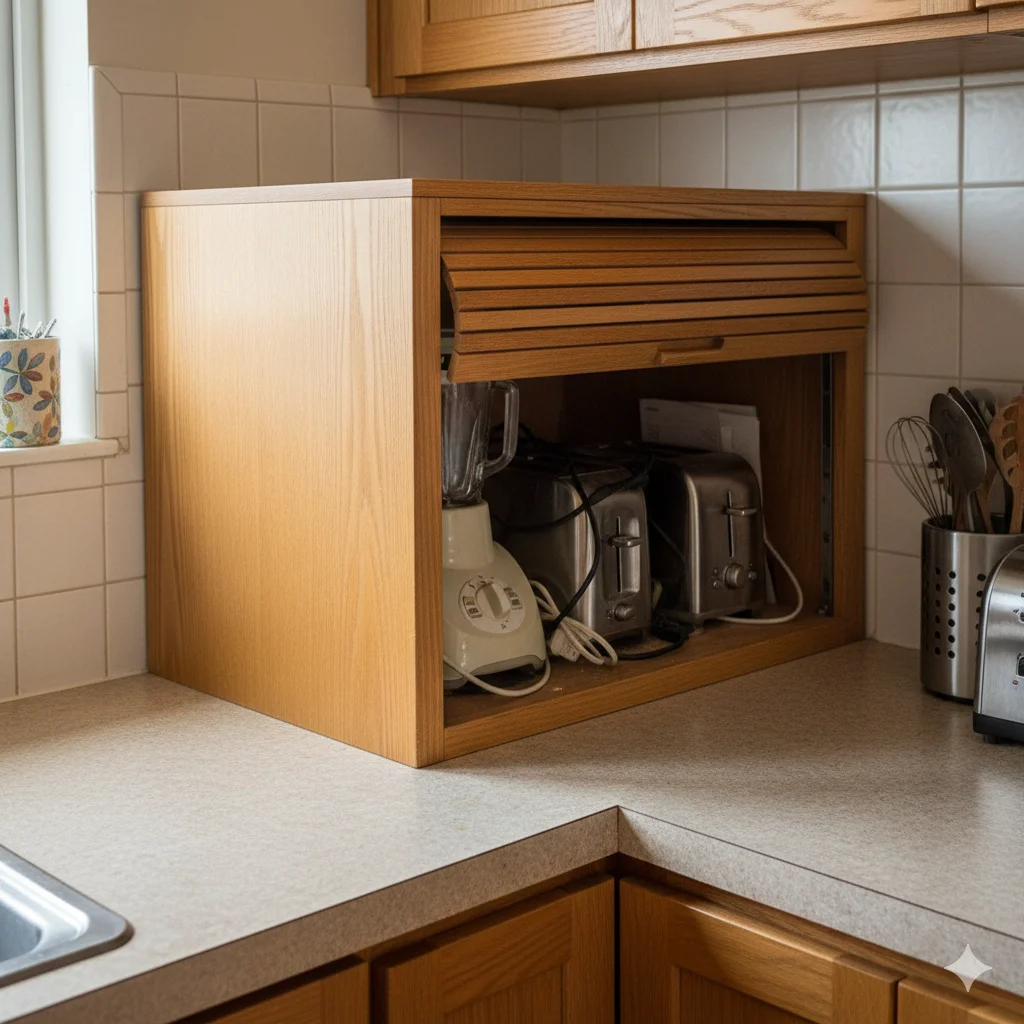
Appliance Garages
These dedicated countertop cabinets designed to hide small appliances seemed like a clever organizational solution, but they consume valuable cabinet space while adding unnecessary complexity to your kitchen layout. The specialized sizing and pull-down doors create dead space that could be better utilized with standard drawers or cabinets.
Contemporary kitchens achieve a cleaner look through different strategies. Deep drawers can store small appliances out of sight, or you can embrace the current trend of keeping counters mostly clear and storing appliances in a walk-in pantry. The appliance garage represents an outdated solution to a problem that has better answers.
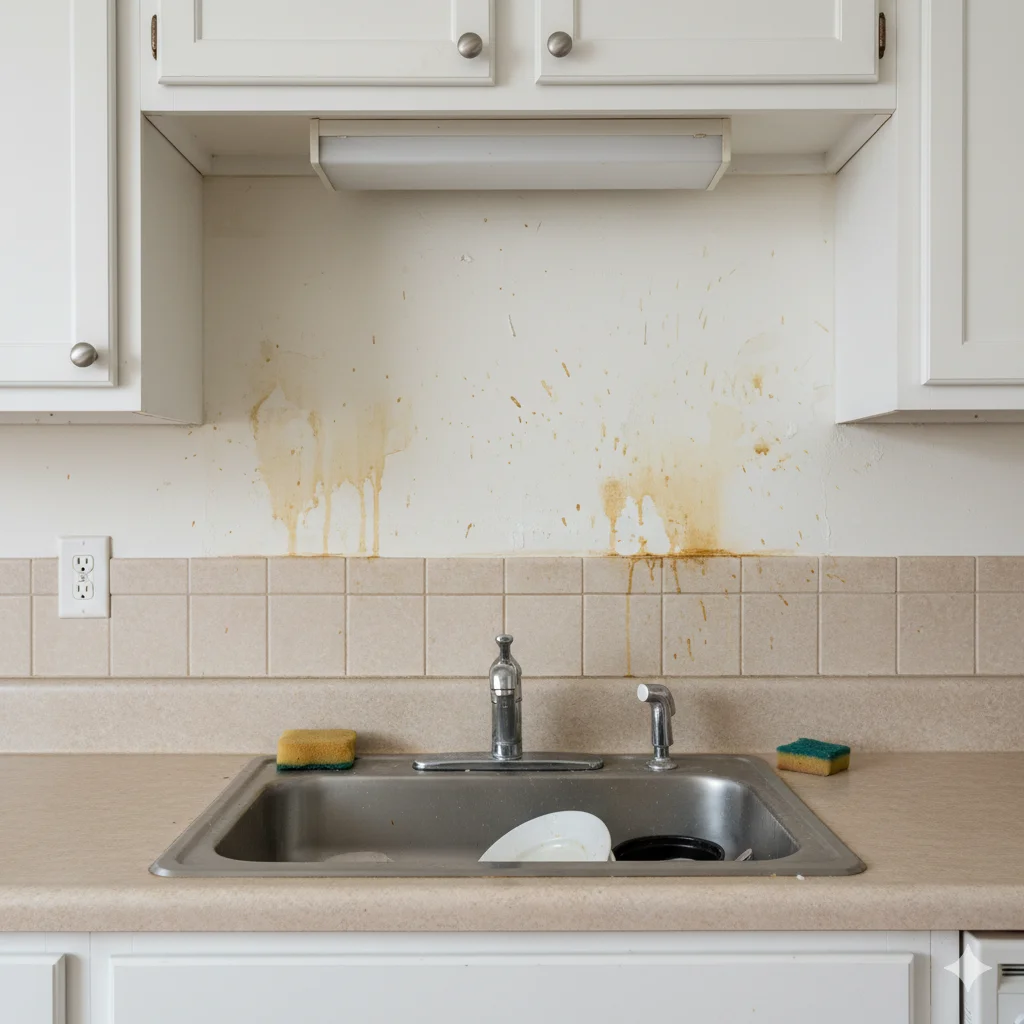
Minimal Backsplashes
Some kitchens feature only a narrow strip of backsplash directly behind the sink or stove, with painted walls making up the rest of the space behind counters. This approach saves money initially but creates long-term problems and appears cheap.
Painted walls behind cooking and washing areas quickly show damage from splashes, steam, and grease. They require frequent repainting and never look as clean as proper backsplash materials. Full-height backsplashes from counter to cabinet, whether tile or slab, protect your walls while creating a polished, complete appearance that significantly elevates the kitchen’s overall quality.
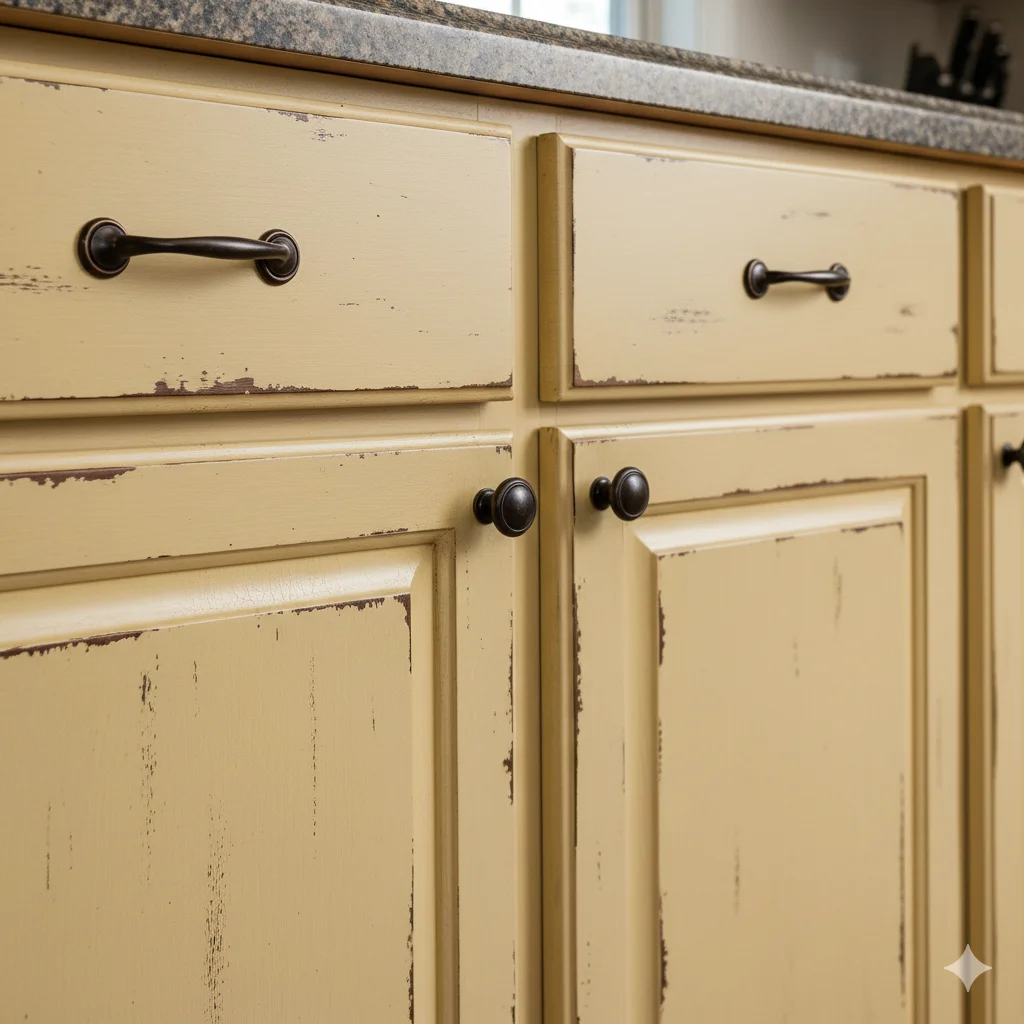
Distressed and Antiqued Finishes
The deliberately worn, distressed look on painted cabinets peaked in the early 2000s and now screams dated design. These artificially aged finishes were meant to add character and charm, but they instead make kitchens appear tired and old rather than charmingly vintage.
Clean-lined cabinets with smooth, matte finishes look current and sophisticated. If you want character and patina, incorporate genuinely vintage or antique elements like a reclaimed wood island or antique light fixtures rather than faking age on brand-new cabinets.
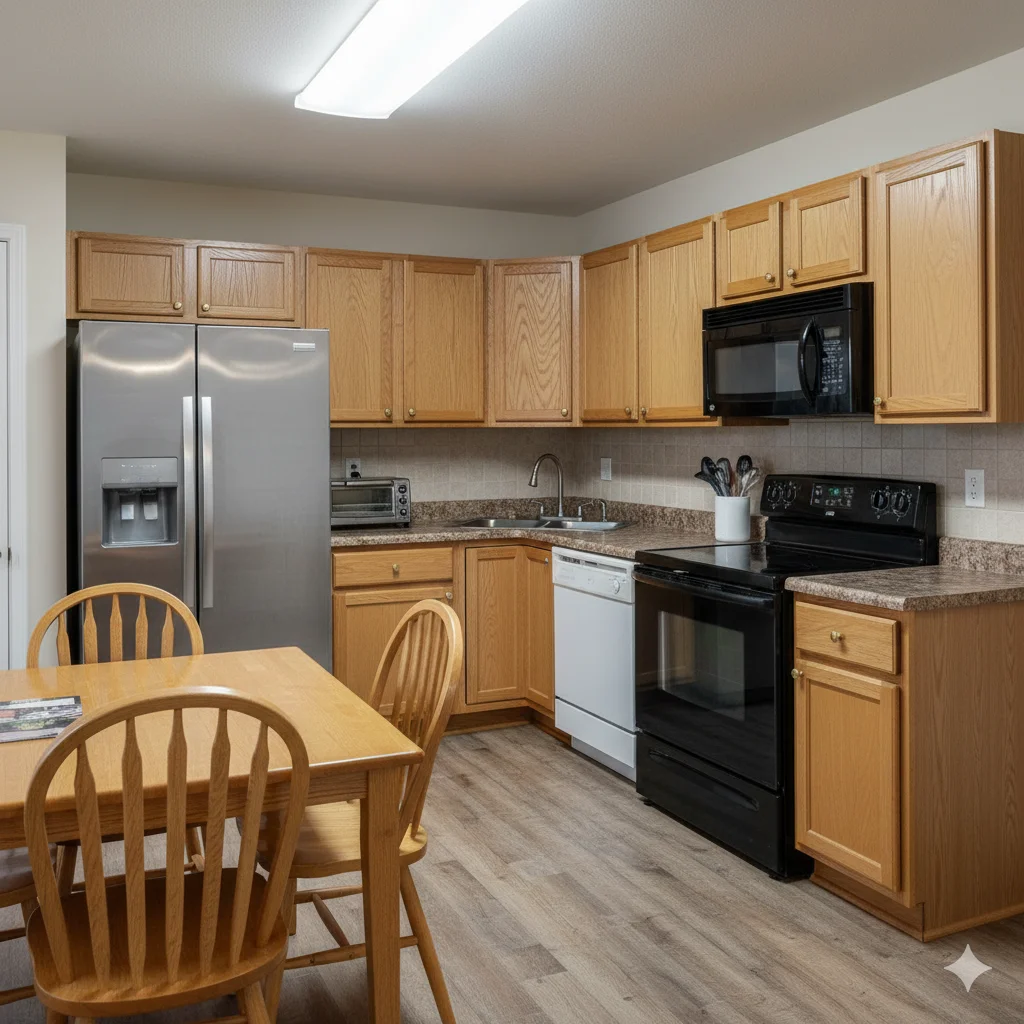
Standalone, Unintegrated Appliances
Kitchens full of mismatched appliances in different finishes disrupt visual continuity and make the space feel disjointed. While you do not need to purchase all your appliances at once or from the same manufacturer, the growing trend toward panel-ready appliances offers significant aesthetic advantages.
Panel-ready refrigerators, dishwashers, and even ranges can be covered with cabinet panels that match your cabinetry exactly, creating a seamless, custom look. This integrated approach feels luxurious and sophisticated, allowing your material choices and architectural details to shine rather than being interrupted by appliance fronts.
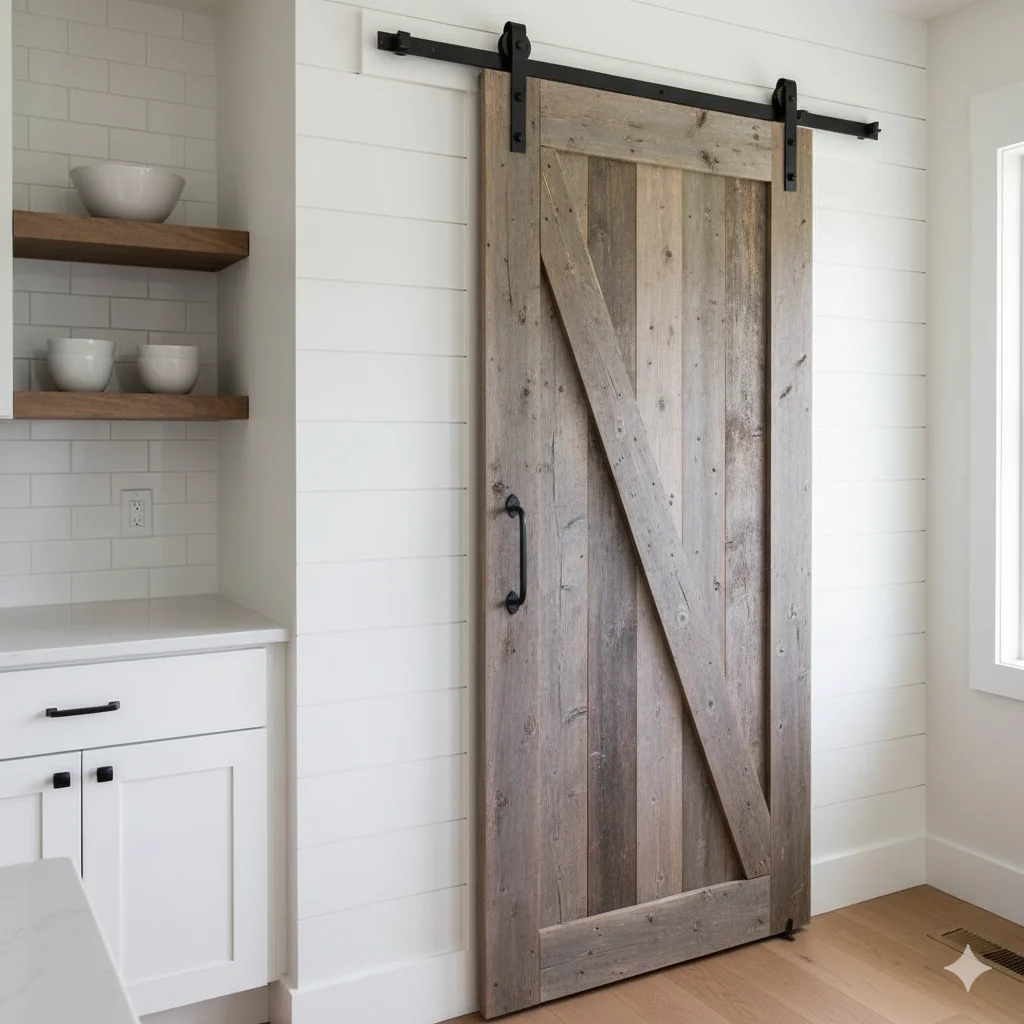
Barn Doors
Sliding barn doors enjoyed tremendous popularity as both functional closers and decorative elements, but they have become one of the most recognizable symbols of dated design. These doors rarely provide adequate sound insulation or privacy, and their rustic hardware often clashes with other kitchen elements.
Traditional hinged doors or modern pocket doors offer superior functionality without the trendy aesthetic that immediately identifies your renovation date. If you need a space-saving door solution, consider a well-designed pocket door that disappears into the wall rather than remaining visible.
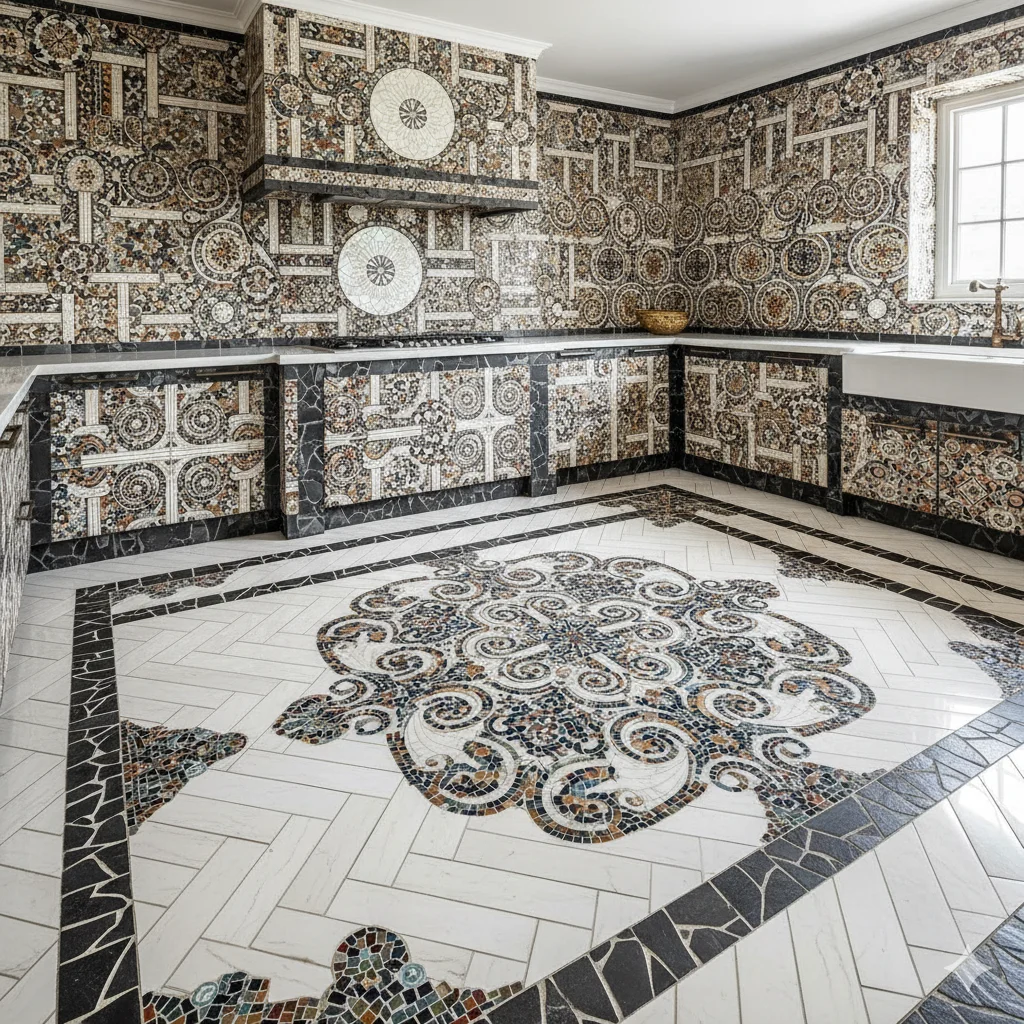
Overly Complicated Tile Patterns
Intricate tile layouts with multiple colors, sizes, and directions might seem impressive initially, but they often create visual chaos rather than sophisticated interest. Herringbone patterns in three different colors, elaborate mosaic designs, or mixed-material installations can overwhelm the eye and limit your ability to update other elements.
Simpler tile applications with interest created through texture, subtle color variation, or classic patterns like straight stack or simple subway layouts provide sophistication without excess. These approaches allow other design elements like cabinetry, lighting, and furnishings to contribute to the overall aesthetic without competing for attention.
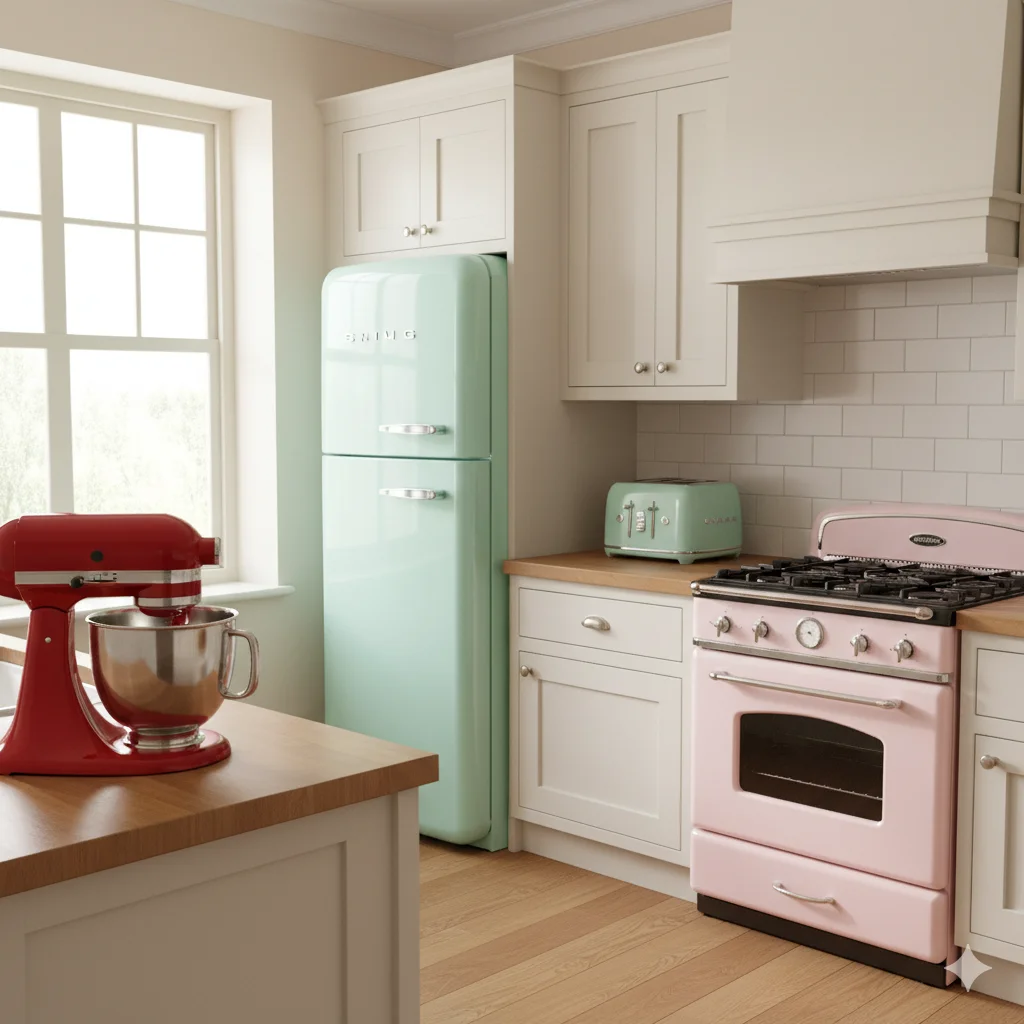
Colorful or Retro Appliances
Pastel refrigerators, bright red stand mixers as permanent countertop fixtures, and vintage-style stoves in bold colors might seem charming, but they are difficult and expensive to update when your tastes change. Appliances represent significant investments that you cannot easily paint or replace.
Appliances in classic finishes like stainless steel, matte black, or panel-ready options provide flexibility as your style evolves. You can introduce color through easily changeable elements like bar stools, window treatments, or accessories rather than locking yourself into a single aesthetic with expensive appliances.
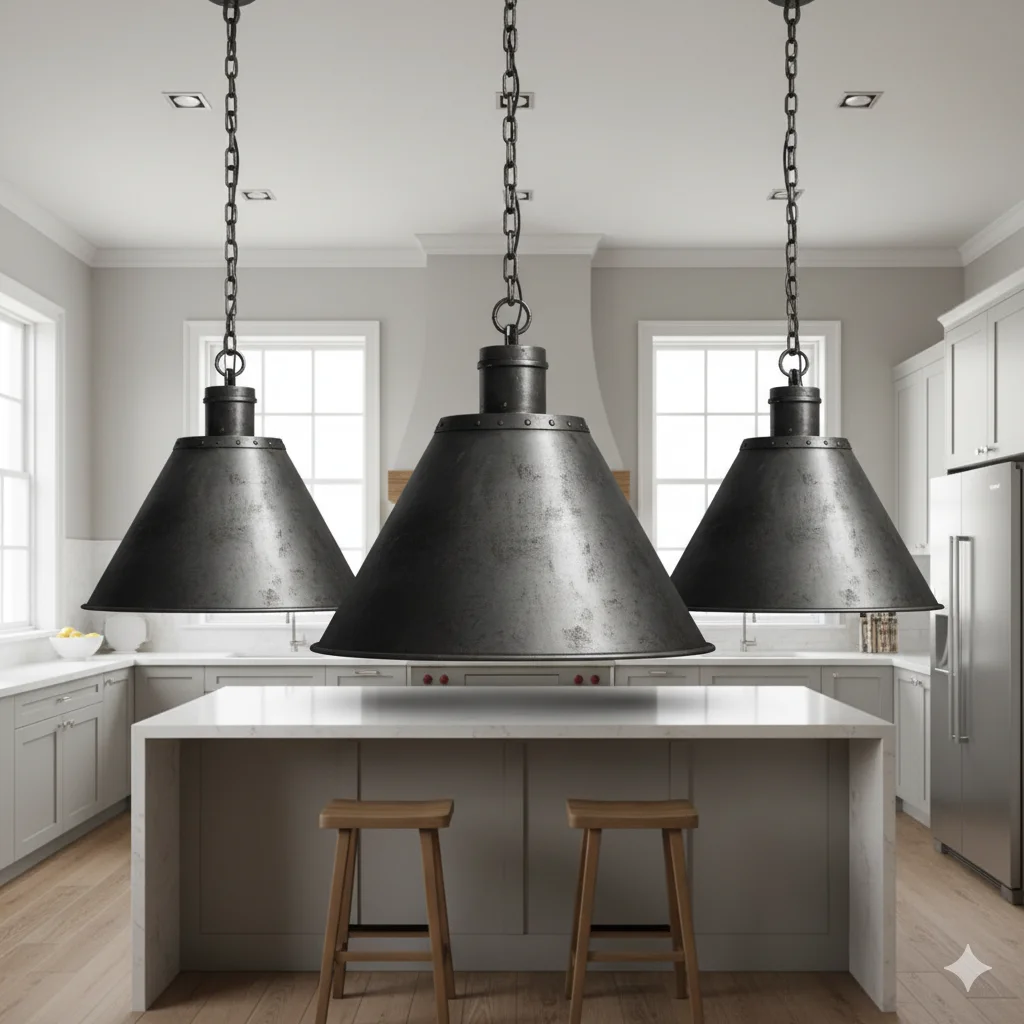
Oversized Cone Pendant Lights
Large, industrial-style pendant lights, particularly oversized metal cone shapes, dominated kitchen islands for several years. However, these fixtures often overwhelm the space, particularly in homes with standard ceiling heights. The harsh, commercial aesthetic can make kitchens feel more like restaurants than homes.
Pendant lighting remains important for task illumination and visual interest over islands, but scaled-down fixtures with softer profiles create better balance. Globe shapes, woven materials like rattan, or architectural fixtures with interesting but not dominating forms work better in residential kitchens. Multiple smaller pendants often provide better light distribution and more pleasing proportions than one or two oversized fixtures.
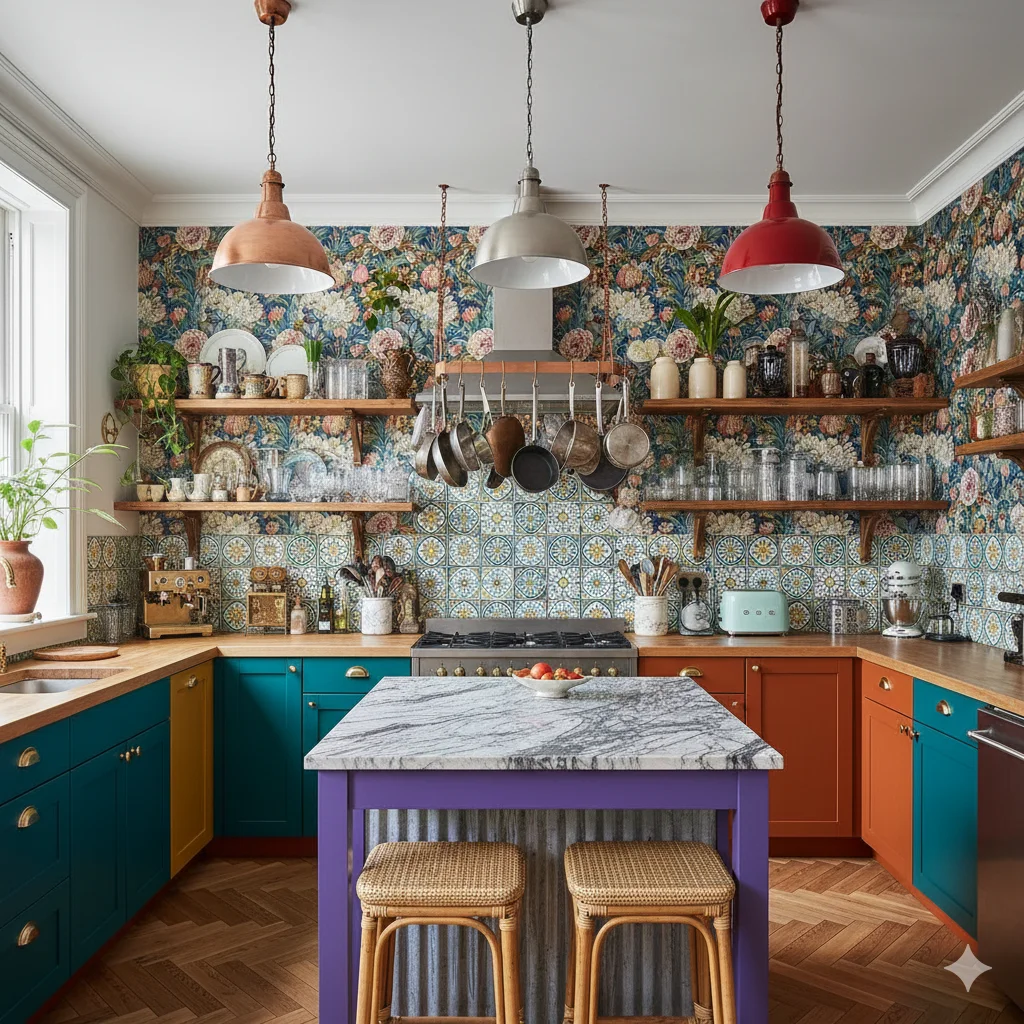
Excessive Fussiness
Some kitchens suffer from visual overload created by combining too many trends, materials, textures, and patterns in one space. Open shelving filled with collections, mixed metal finishes on every surface, patterned tile, wallpaper, and colorful cabinets all competing for attention creates exhausting rather than exciting spaces.
Successful kitchen design requires editing and restraint. Choose two or three key elements to highlight and keep everything else simple and supportive. This approach creates rooms that feel curated and sophisticated rather than chaotic and trendy.
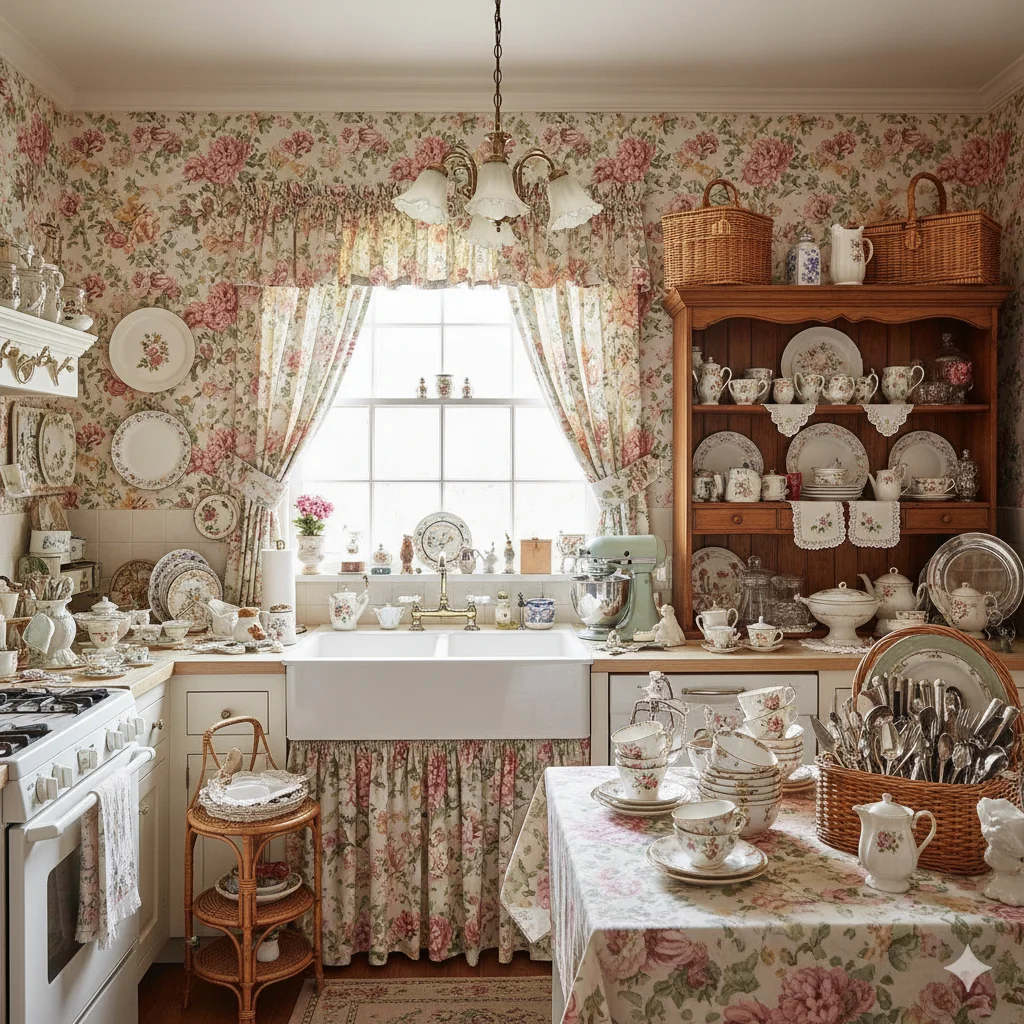
Grandmillennial Overload
The grandmillennial trend brought back ruffles, florals, wallpaper, and traditional details, which can be charming when applied judiciously. However, excessive layering of these elements creates kitchens that feel more costume than comfortable. Floral wallpaper combined with floral curtains, ruffled sink skirts, and wicker accessories can quickly tip from nostalgic to overwhelming.
If you love traditional elements, incorporate them selectively. A single patterned wallpaper as an accent, classic brass hardware, or a beautiful runner can add character without transforming your kitchen into a period piece that will feel dated as trends shift again.
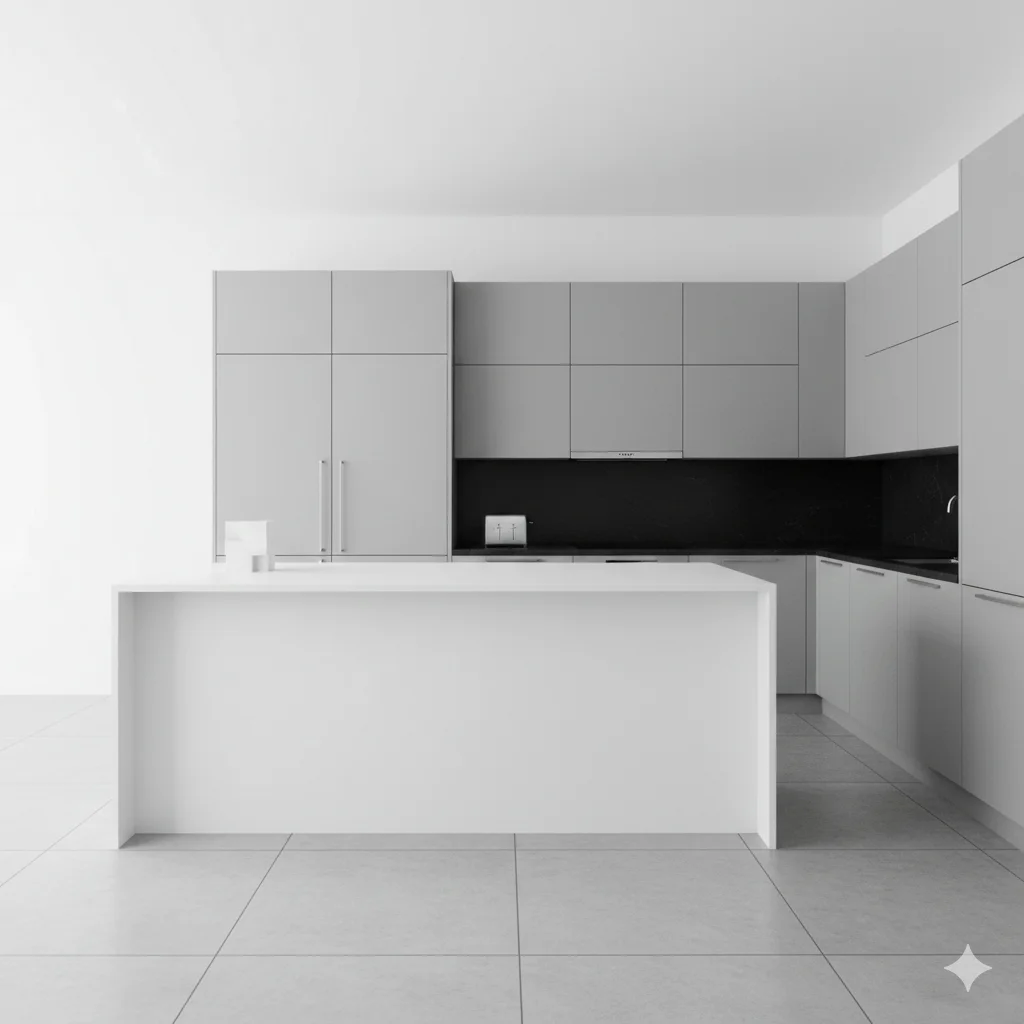
Lack of Curves
Years of sharp-edged minimalism created kitchens full of hard angles and rectangular forms that can feel cold and unwelcoming. Every surface, from countertops to cabinet doors to islands, following strict 90-degree angles produces spaces that lack warmth and flow.
Incorporating gentle curves through rounded island corners, arched doorways, curvy lighting fixtures, or organic-shaped hardware softens the space and creates a more inviting atmosphere. This does not mean abandoning clean lines entirely, but rather balancing architectural elements to create spaces that feel both modern and approachable.
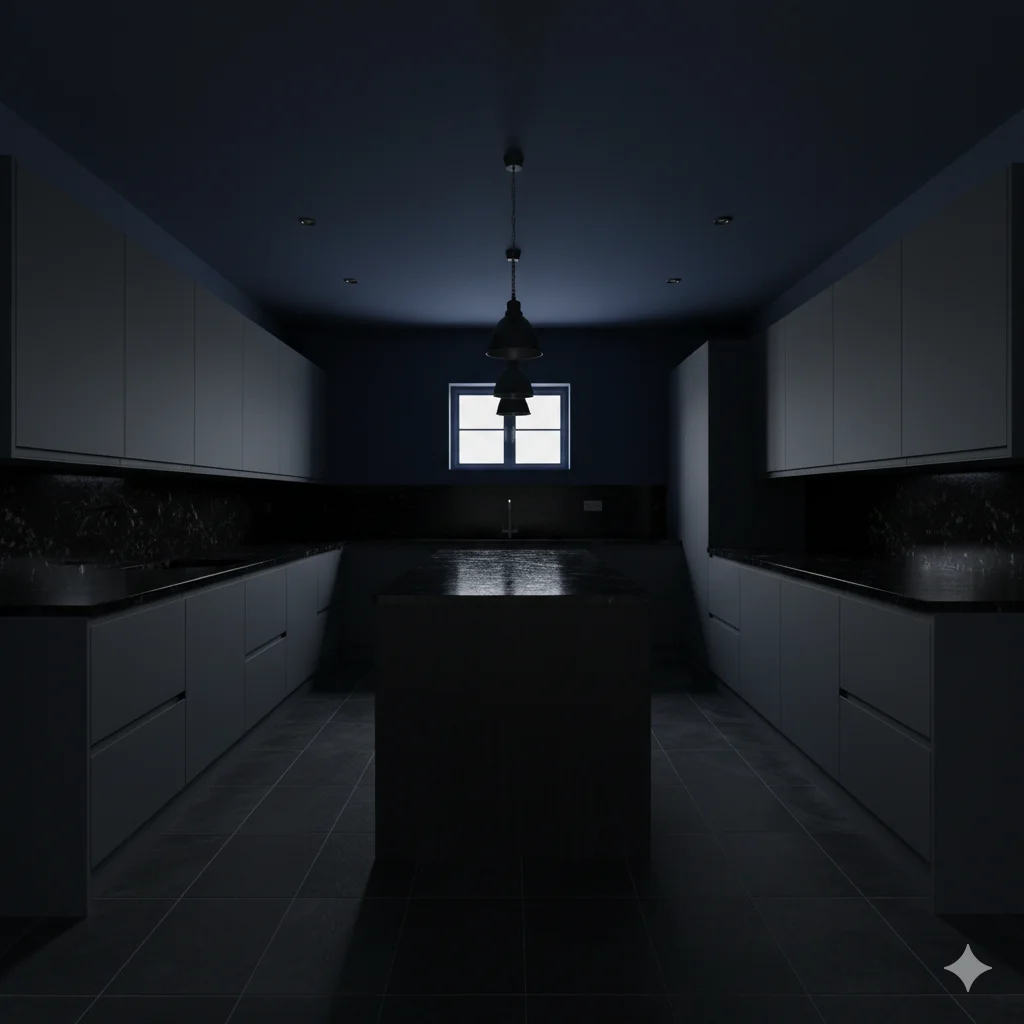
Dark Everything
While moving away from all-white kitchens is wise, swinging to the opposite extreme with dark cabinets, dark counters, dark floors, and dark walls creates its own problems. Unless you have exceptional natural light or a very large kitchen, too much darkness makes the space feel closed in and smaller.
Dark elements work best when balanced with lighter components. Dark lower cabinets with lighter uppers, or dark islands with lighter perimeter cabinets, create drama and sophistication while maintaining adequate brightness. Consider your kitchen’s size and light sources before committing to dark surfaces throughout.
Excessive Countertop Clutter
Leaving every small appliance, utensil holder, cutting board, and decorative item on your counters creates visual noise and makes your kitchen feel smaller and more chaotic. While some items earn their place on counters through daily use, too many kitchens suffer from excessive clutter masquerading as function or style.
Clear counters with only your most essential items creates a sense of calm and makes your kitchen easier to clean and use. Store most items in cabinets or a pantry, keeping only daily-use items like a coffee maker or knife block visible. This approach allows your beautiful countertops and backsplash to shine while making the space more functional.
Ignoring Your Home’s Architecture
Installing an ultra-modern kitchen in a Victorian home or a rustic farmhouse kitchen in a mid-century modern house creates jarring disconnection. While your kitchen does not need to perfectly match every historical detail, it should relate harmoniously to your home’s overall character and architectural period.
Consider your home’s existing style, proportions, and details when making kitchen choices. This does not mean you cannot incorporate contemporary elements, but they should feel like a natural evolution rather than an alien insertion. A kitchen that respects its architectural context will feel more timeless than one that fights against it.
Creating a Timeless Kitchen
Avoiding these 21 trends positions you to create a kitchen that will remain beautiful and functional for many years. Focus on quality materials, classic proportions, and thoughtful design rather than chasing whatever appears popular on social media this month.
Invest in solid wood cabinets with simple, clean lines. Choose natural stone or quality engineered countertops in neutral colors with subtle movement. Select flooring materials that have proven longevity, like hardwood or large-format tile. Install adequate lighting with fixtures that provide both function and quiet style rather than dramatic statements.
Remember that timeless does not mean boring or devoid of personality. You can create character through thoughtful material combinations, carefully chosen accent colors, meaningful artwork, and personal collections displayed intentionally. The difference lies in building a foundation of enduring elements that you can personalize through changeable accessories rather than baking trends into permanent fixtures.
Your kitchen should support how you actually live rather than adhering to someone else’s idea of what is fashionable this year. Prioritize workflow, storage, and comfort alongside aesthetics. A kitchen designed around your genuine needs and equipped with quality materials in classic styles will serve you well long after current trends have faded.
The best kitchen is one that makes you happy to enter every morning and that functions smoothly for your daily routines. By avoiding passing trends and focusing on timeless design principles, you create a space that remains a source of joy and pride throughout your years in your home.
Frequently Asked Questions
What makes a kitchen design truly timeless?
Timeless kitchens prioritize quality materials, classic proportions, and neutral color palettes that provide flexibility. Natural wood cabinetry, stone countertops, simple hardware, and functional layouts create foundations that remain beautiful across decades. Timeless design focuses on how a space functions and feels rather than following temporary aesthetic trends.
Can I include any current trends in my kitchen renovation?
Absolutely. The key is choosing trends carefully and incorporating them through easily changeable elements. Add trendy colors through paint, accessories, or light fixtures rather than cabinets or countertops. Select one or two current elements as accents while keeping major components classic, allowing you to update the look without expensive renovations.
How do I know if a design choice will look dated quickly?
If a design element appears suddenly everywhere on social media, magazines, and home improvement shows, it will likely date quickly. Trends that deviate significantly from classic proportions, use unusual materials, or require special ordering tend to have shorter lifespans. Ask yourself if the element would have looked appropriate 20 years ago and if it might still work 20 years from now.
What are the best cabinet colors for long-term appeal?
Natural wood tones, soft whites, warm grays, and muted earth tones like sage, mushroom, or soft navy offer lasting appeal. These colors work with changing decor and do not feel locked into a specific era. Avoid high-saturation colors and instead choose sophisticated, complex hues with depth that can anchor your design as trends evolve around them.
Should I prioritize resale value or personal taste in kitchen design?
Balance both considerations by creating a foundation that appeals broadly while adding personal touches through changeable elements. Invest in quality materials and classic layouts that future buyers will appreciate, then incorporate your personality through paint colors, hardware, lighting, and accessories. This approach protects your investment while allowing you to enjoy a space that reflects your style.