23 Kitchen Backsplash Trends That Look High-End Always
Your kitchen backsplash is no longer just a practical barrier against splashes and stains. It has evolved into the centerpiece of kitchen design, the element that can elevate your entire space from ordinary to extraordinary. Whether you are planning a full renovation or simply looking to refresh your culinary haven, understanding the latest backsplash trends can help you create a kitchen that feels both current and timeless.
The kitchen has become the heart of the modern home, where families gather, friends congregate, and memories are made over shared meals. Your backsplash choice speaks volumes about your personal style while serving the practical purpose of protecting your walls. The trends emerging today blend stunning aesthetics with functionality, offering endless possibilities for creating a space that truly reflects who you are.
From the resurgence of natural materials to bold geometric patterns and luxurious finishes, the backsplash trends shaping kitchens right now are diverse, inspiring, and remarkably adaptable to various design preferences. Let’s explore the 23 trends that can transform your kitchen into a sophisticated sanctuary that never goes out of style.
Natural Stone Makes a Powerful Statement
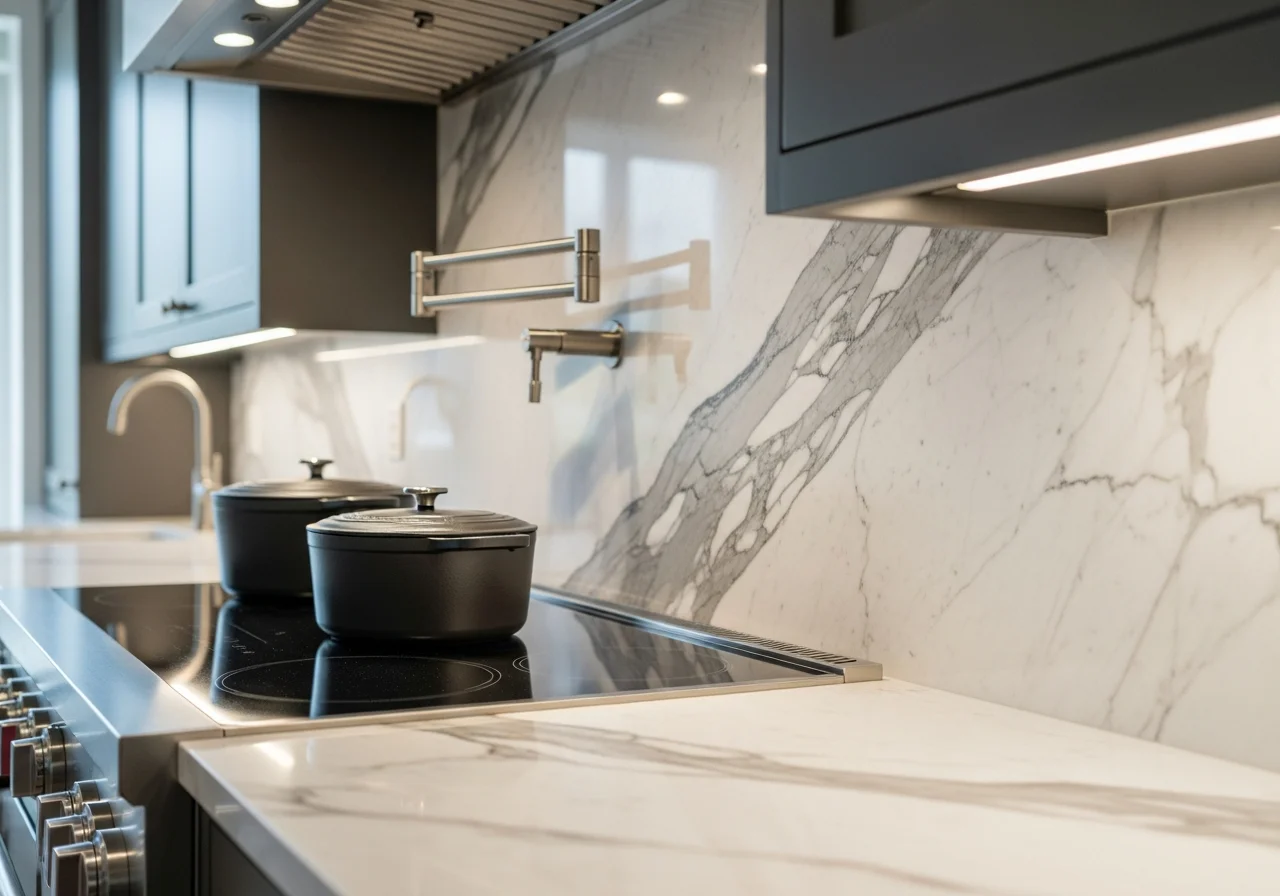
Natural stone backsplashes have reclaimed their position at the pinnacle of luxury kitchen design. Marble, with its distinctive veining and organic patterns, brings an unmatched elegance that synthetic materials simply cannot replicate. The beauty of natural stone lies in its uniqueness. No two pieces are identical, ensuring your kitchen has a truly one-of-a-kind character.
Honed marble finishes are particularly popular, offering a matte surface that feels more organic and less formal than polished stone. This subtle sophistication adds warmth and depth without overwhelming the space. Granite and quartzite options provide durability alongside visual interest, with natural variations that create movement and dimension across your walls.
The investment in natural stone pays dividends when considering long-term value. Stone backsplashes are timeless, looking as beautiful today as they will decades from now. When properly sealed and maintained, they withstand heat from professional-grade appliances better than many synthetic alternatives, making them both a practical and aesthetic choice for serious home cooks.
Ceiling-Height Backsplashes Create Drama
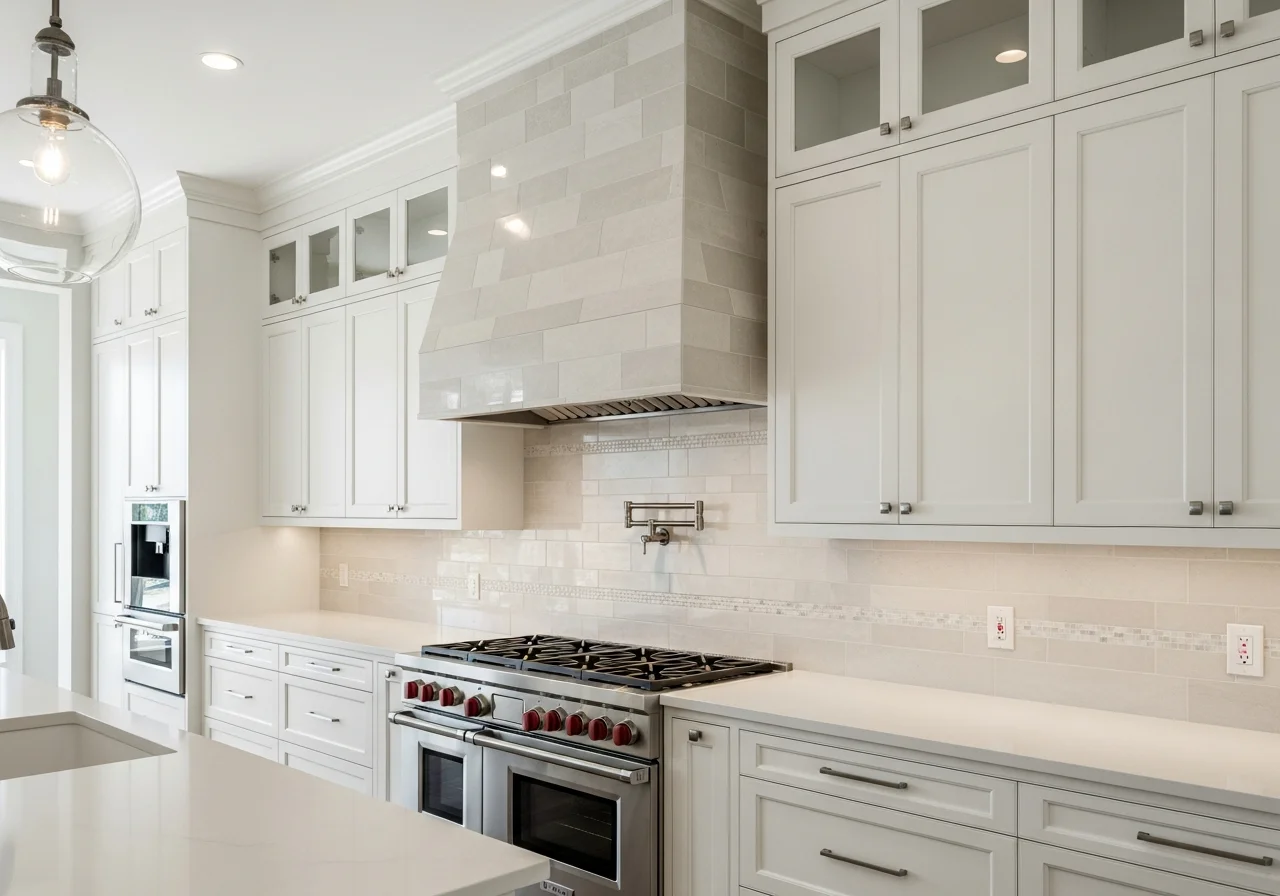
Gone are the days of modest four-inch backsplashes or designs that stop at the bottom of upper cabinets. The current trend embraces maximalism, taking tile or stone all the way to the ceiling. This dramatic approach transforms walls into architectural statements, drawing eyes upward and making kitchens feel taller and more spacious.
Full-height installations work particularly well around range hoods and in areas without upper cabinetry. The continuous surface creates a mural-like effect, turning functional walls into artistic focal points. This approach works beautifully with large-format tiles or seamless stone slabs, minimizing grout lines for a clean, modern aesthetic.
The visual impact cannot be overstated. Ceiling-height backsplashes add perceived value to your home, creating the impression of luxury and thoughtful design. While requiring precise measurement and skilled installation, the result is a kitchen that commands attention and admiration from anyone who enters.
Warm Earth Tones Replace Cool Grays
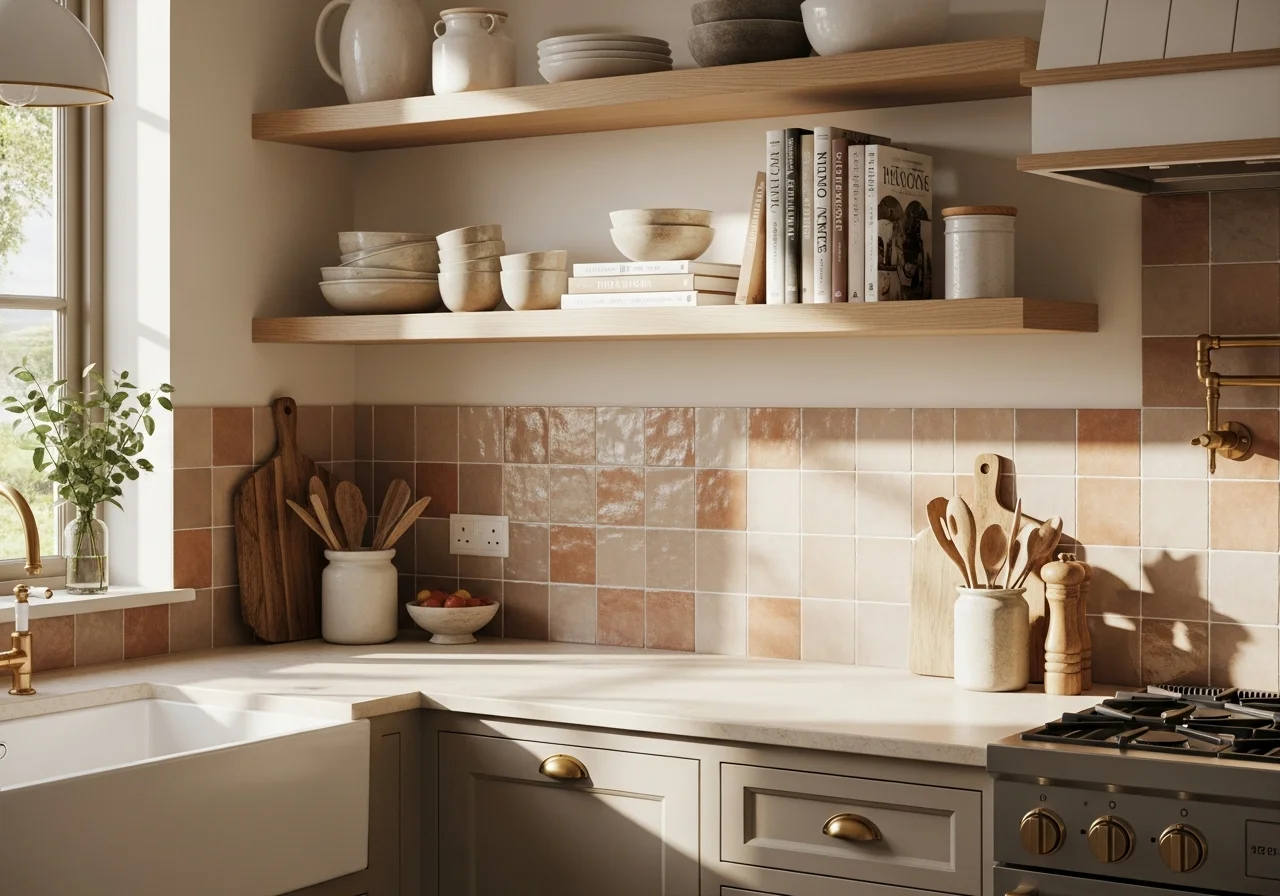
The era of cool grays and stark whites is giving way to warmer, more inviting color palettes. Homeowners are embracing creamy whites, soft beiges, warm taupes, and muted terracotta tones that create cozy, welcoming atmospheres. This shift reflects a broader design movement toward spaces that feel nurturing rather than clinical.
These warmer hues pair beautifully with natural wood elements, creating kitchens that feel grounded and connected to nature. The earth-tone palette works across various design styles, from contemporary to traditional, making it a versatile choice for any home. Chocolate browns and deep ochres add richness without feeling heavy, especially when balanced with lighter cabinetry or countertops.
The psychological impact of warm colors should not be underestimated. These tones promote feelings of comfort and contentment, making your kitchen a place where people naturally want to gather. When executed properly, warm-toned backsplashes create a timeless backdrop that will remain appealing for years to come.
Matte Finishes Exude Sophistication
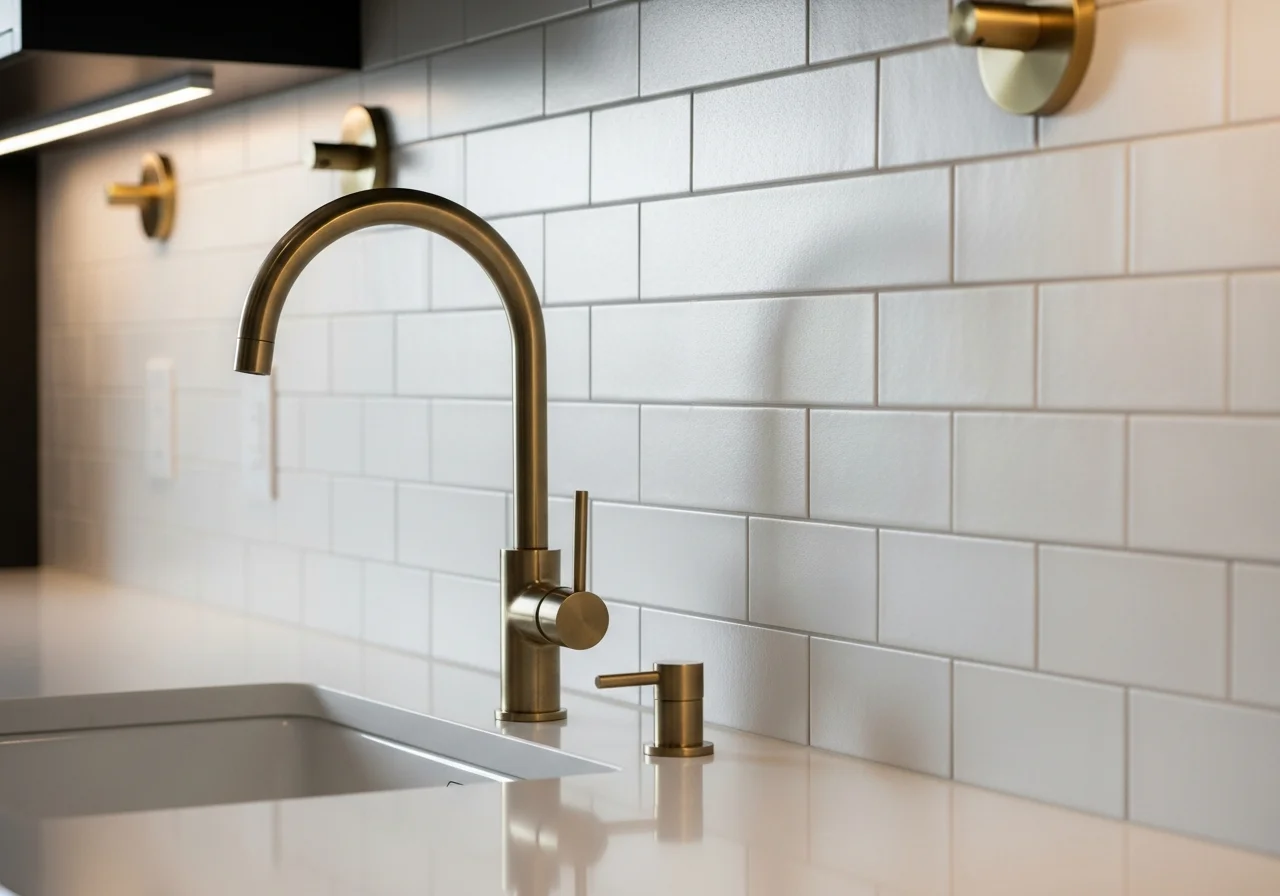
Matte-finished tiles are dominating kitchen design with their subtle elegance and velvety texture. Unlike glossy surfaces that can feel stark or industrial, matte finishes add warmth and depth while maintaining a contemporary edge. The non-reflective surface creates a smooth, sophisticated look that blends seamlessly with both traditional and modern kitchen styles.
The practical advantages are equally compelling. Matte surfaces hide water spots, fingerprints, and minor imperfections far better than their glossy counterparts. This makes them ideal for busy households where ease of maintenance matters. The understated luxury of matte tiles allows other design elements to shine without creating visual competition.
Matte finishes work particularly well with neutral color schemes, adding textural interest without introducing pattern or bold color. They create a canvas that lets beautiful cabinetry, statement lighting, or artistic accessories become the stars of your kitchen design.
Textured Surfaces Add Tactile Interest
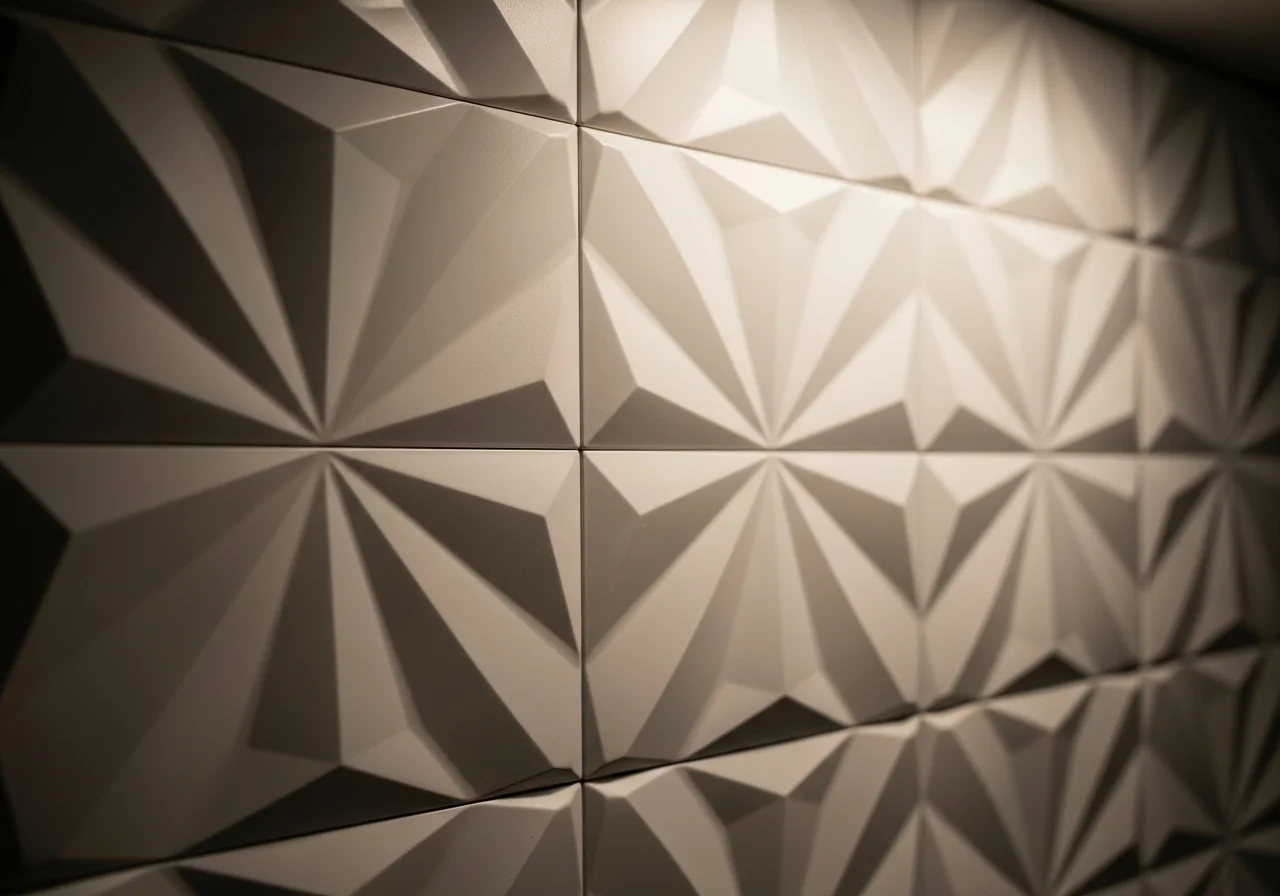
Three-dimensional tiles and textured surfaces are transforming flat walls into engaging focal points. From subtle ripples to dramatic relief patterns, textured backsplashes create visual depth that changes with lighting throughout the day. These surfaces introduce an element of tactile interest that elevates the sensory experience of your kitchen.
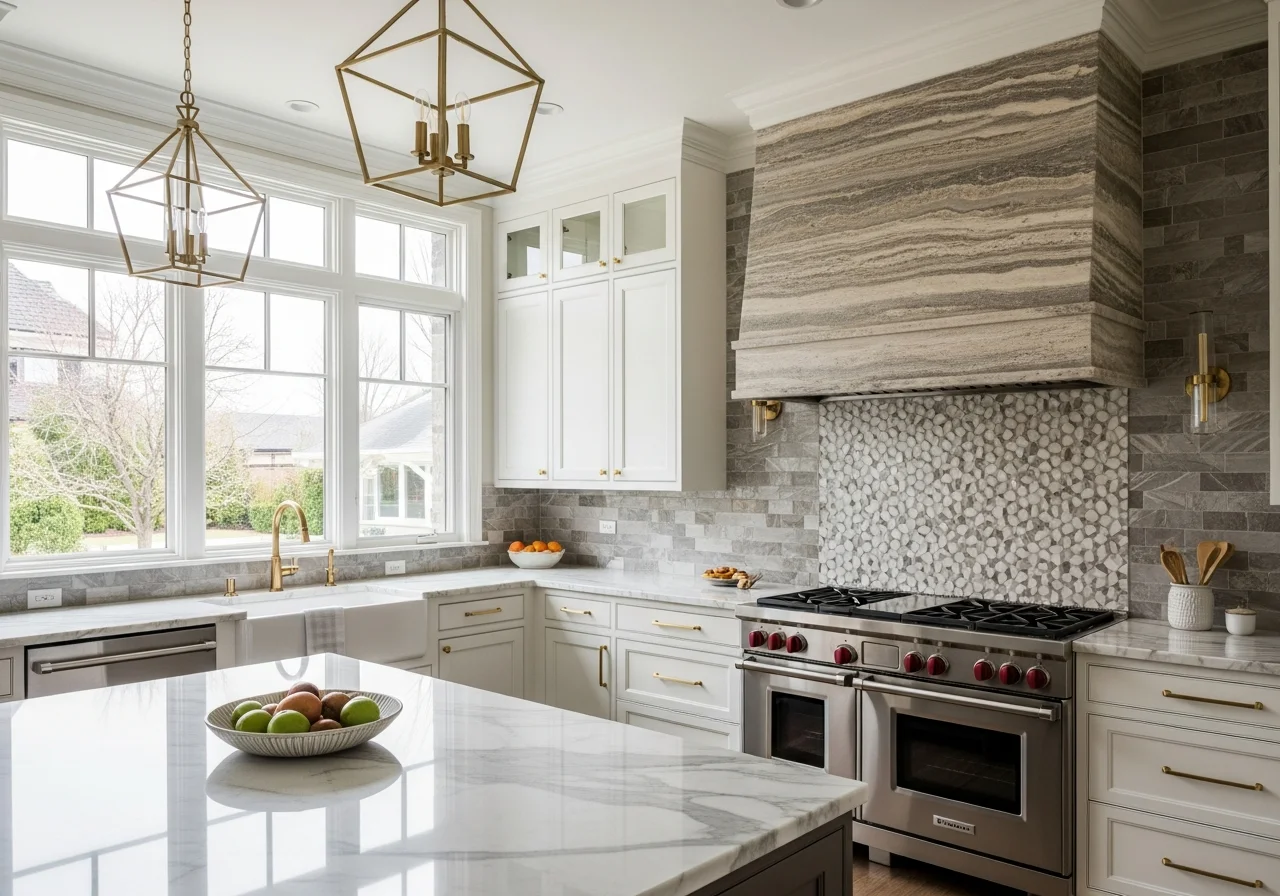
Split-face stone and refined stacked stone, once reserved primarily for fireplaces, are making sophisticated appearances in kitchen designs. These materials add organic texture while maintaining the elegance required for culinary spaces. The interplay of light and shadow across textured surfaces creates dynamic visual interest without relying on color or pattern.
Zellige tiles, with their handcrafted irregularities and natural glaze variations, epitomize the textured tile trend. Each piece tells a story of artisan craftsmanship, bringing authentic character to modern kitchens. The slightly uneven edges and subtle color variations create depth and warmth that machine-made tiles cannot achieve.
Geometric Patterns Bring Modern Energy
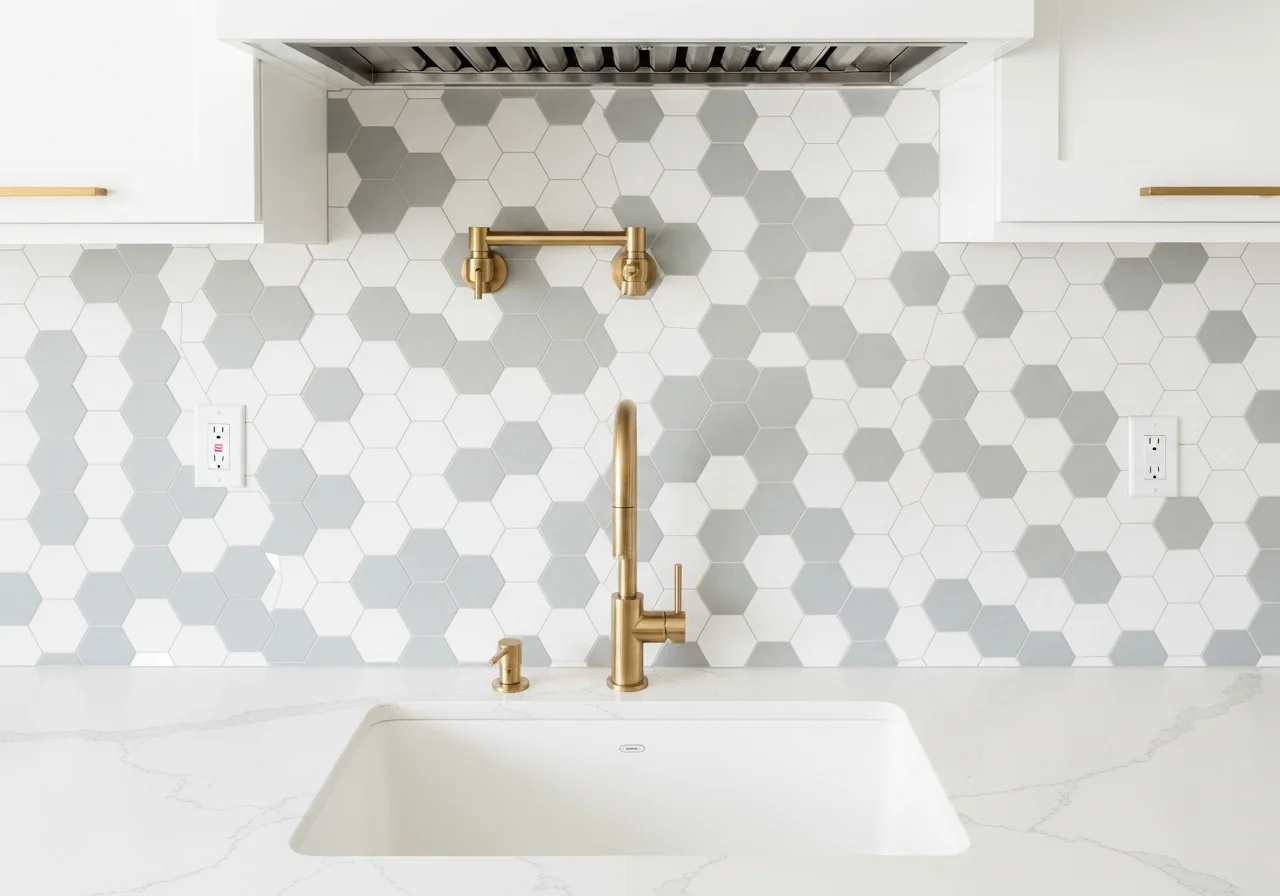
Geometric tiles inject contemporary flair into kitchens through clean lines and dynamic shapes. Hexagons, diamonds, elongated pickets, and chevron patterns create sleek, sophisticated looks that feel decidedly modern. These patterns add visual interest without overwhelming the space, striking a perfect balance between simplicity and impact.
The herringbone pattern continues its reign as a beloved classic, now appearing in various materials and scales. Whether executed in marble, ceramic, or glass, the herringbone layout adds movement and energy to backsplash areas. This timeless pattern works equally well in traditional and contemporary settings, proving its remarkable versatility.
Mixing geometric shapes creates custom, artistic backsplashes that reflect personal style. Combining hexagons with squares or pairing diamonds with rectangular tiles produces unique compositions that become conversation pieces. The key is maintaining cohesion through color or material consistency while playing with shape variation.
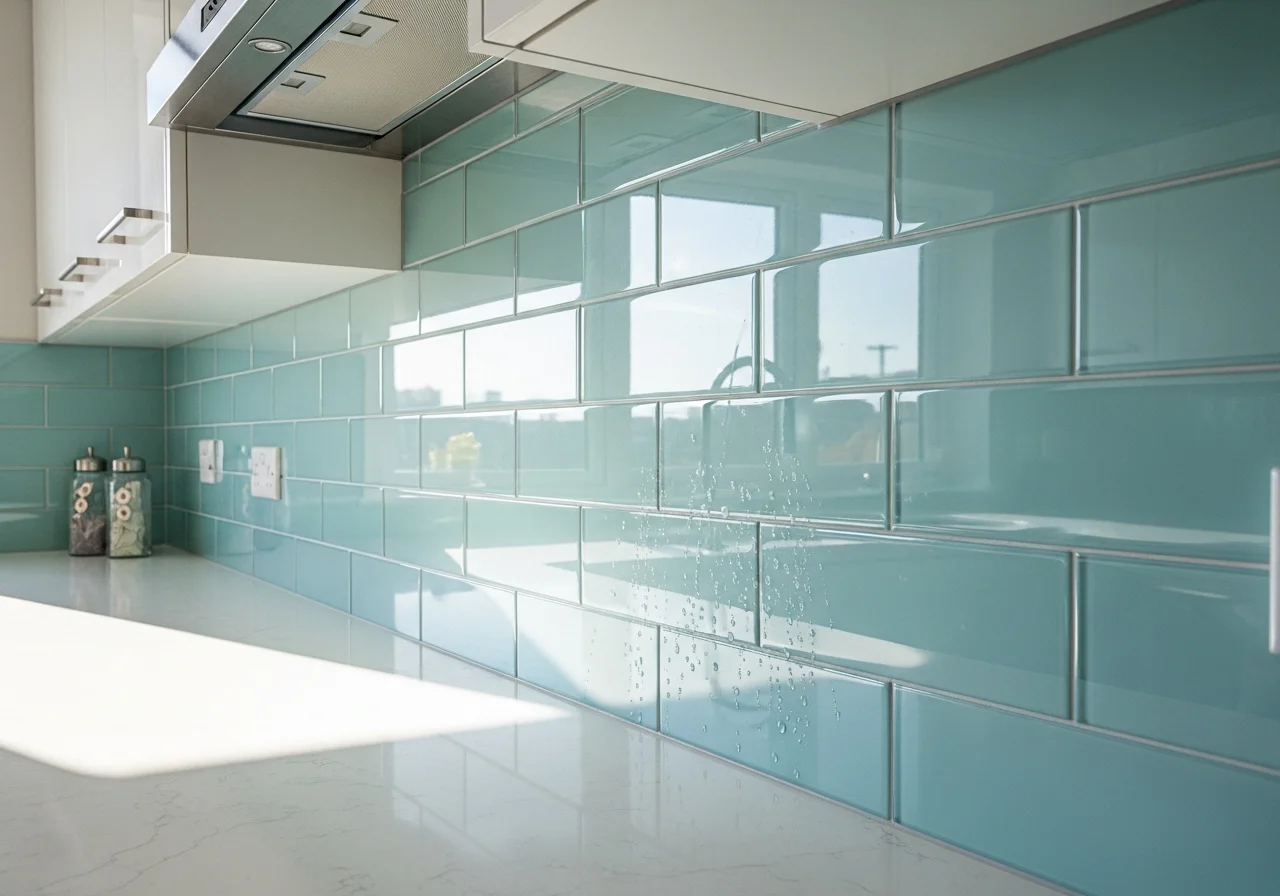
Glossy Tiles Reflect Light Beautifully
While matte finishes have their moment, glossy tiles remain relevant for their light-reflecting properties and sophisticated shine. In smaller kitchens or spaces with limited natural light, glossy surfaces bounce illumination around the room, making areas feel larger and brighter. The smooth, reflective surface adds a layer of elegance that works particularly well in contemporary designs.
Glass tiles exemplify the glossy trend, offering translucent beauty alongside practical benefits. Their non-porous surface resists stains and cleans effortlessly with simple glass cleaner. Glass backsplashes come in countless colors and finishes, from clear and frosted to iridescent and metallic, providing extraordinary design flexibility.
The key to using glossy tiles successfully lies in balance. When paired with matte cabinetry or natural wood elements, glossy backsplashes create appealing contrast without feeling overwhelming. Strategic use of glossy surfaces in specific zones, such as behind the cooktop, can create focal points while keeping the overall design grounded.
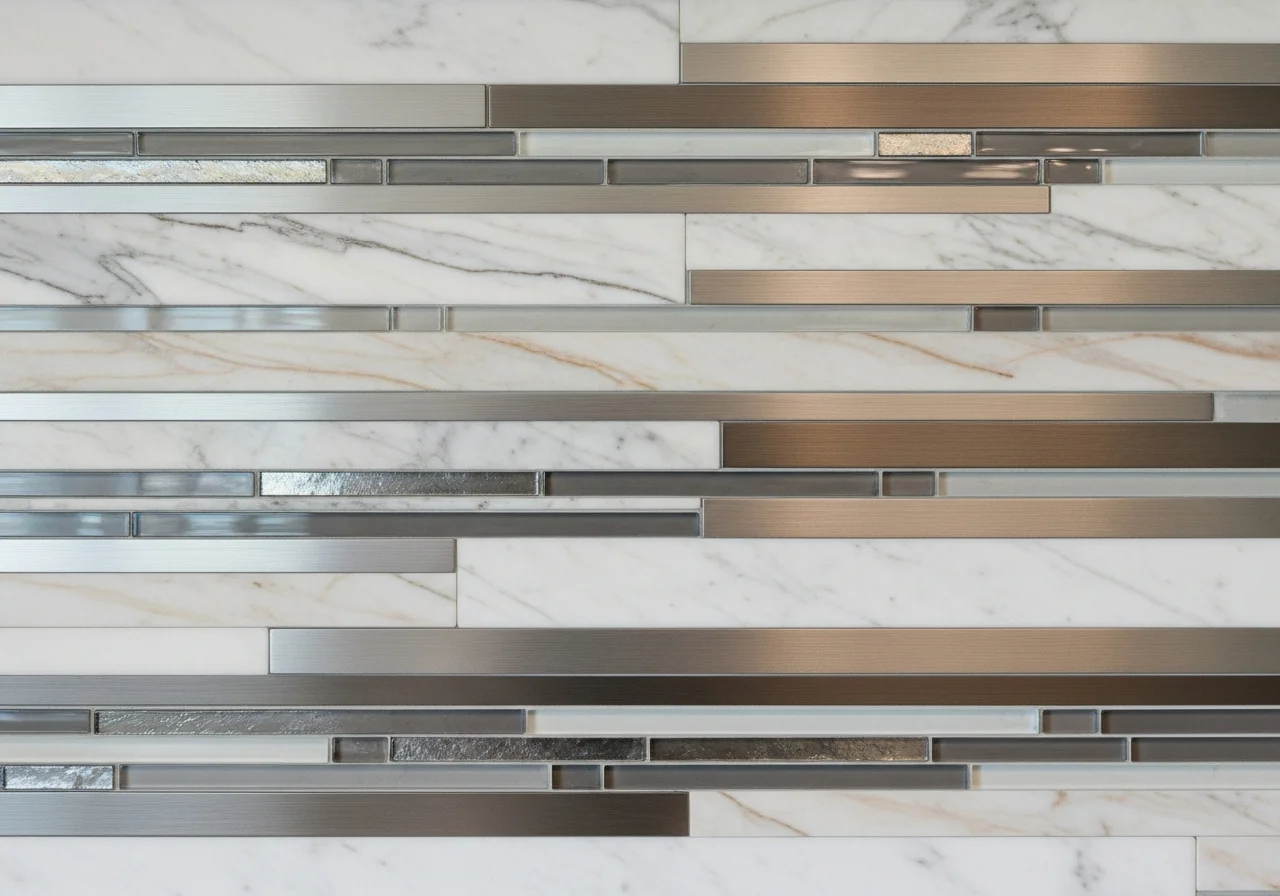
Mixed Materials Create Custom Looks
The days of single-material backsplashes are fading as homeowners embrace the creative freedom of mixing materials. Combining different textures, finishes, and substances creates depth, visual interest, and truly personalized designs. This trend allows you to express creativity while highlighting specific areas of your kitchen.
Pairing natural stone with glass creates an appealing interplay between organic warmth and modern sleekness. Metal accents in copper, brass, or stainless steel add glamorous touches when incorporated alongside ceramic or porcelain tiles. The contrast between materials draws attention while maintaining overall cohesion through careful color coordination.
The mixed material approach works particularly well when using different materials in distinct zones. A dramatic tile behind the range can contrast beautifully with simpler materials on surrounding walls, creating hierarchy and focal points. The key is ensuring materials complement rather than compete with each other.
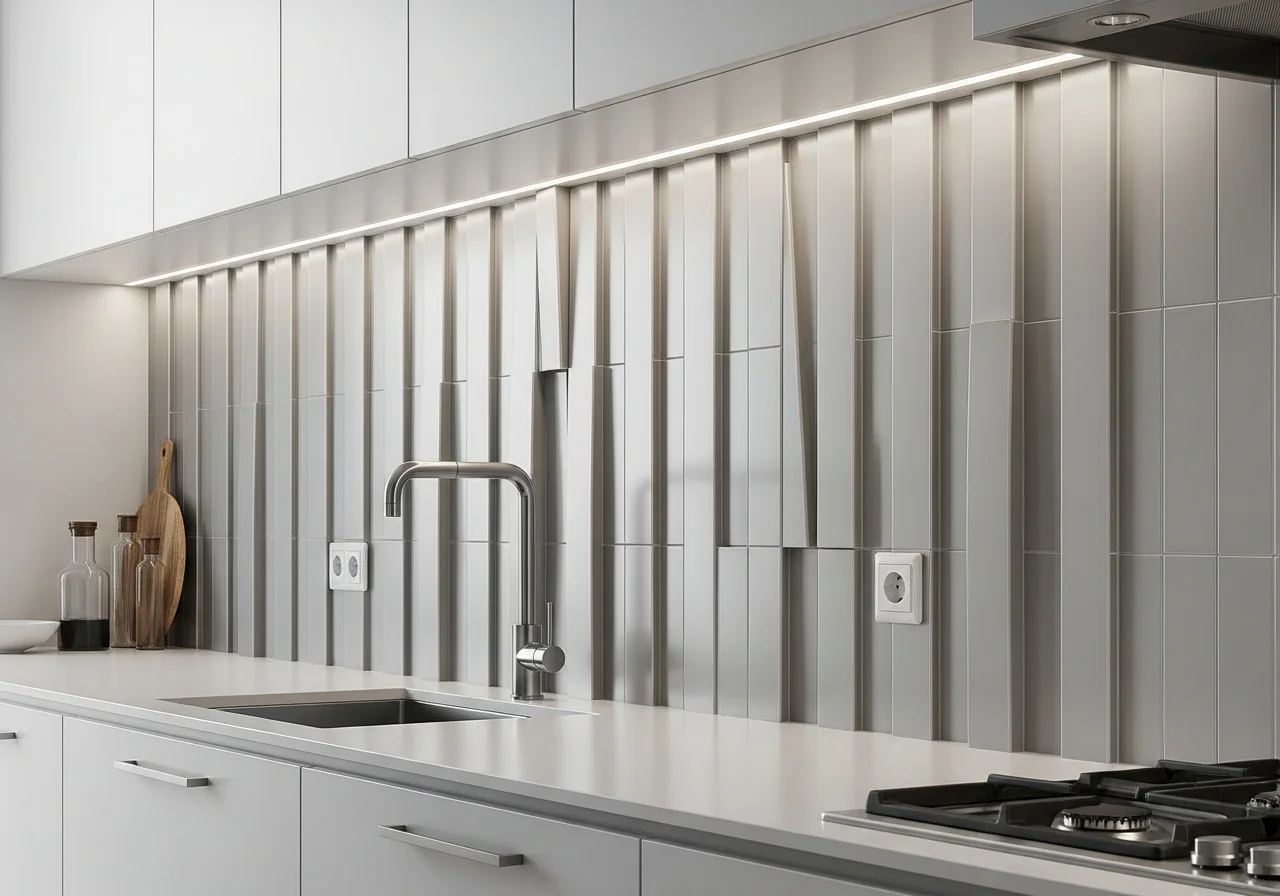
Vertical Stacking Adds Height
Vertically stacked tiles create the illusion of taller ceilings while adding contemporary sophistication to kitchen designs. This layout breaks from traditional horizontal patterns, offering fresh visual appeal. The vertical orientation draws eyes upward, making spaces feel more expansive and airy.
This trend works exceptionally well with elongated rectangular tiles or subway tiles turned on end. The result is clean, modern lines that suit minimalist and contemporary aesthetics. Vertical stacking particularly complements kitchens with strong horizontal elements, creating balanced visual tension.
The vertical approach also has practical advantages. Fewer horizontal grout lines mean less surface area for dirt and grime accumulation, simplifying maintenance. This layout choice demonstrates how functional considerations and aesthetic preferences can align perfectly in thoughtful design.
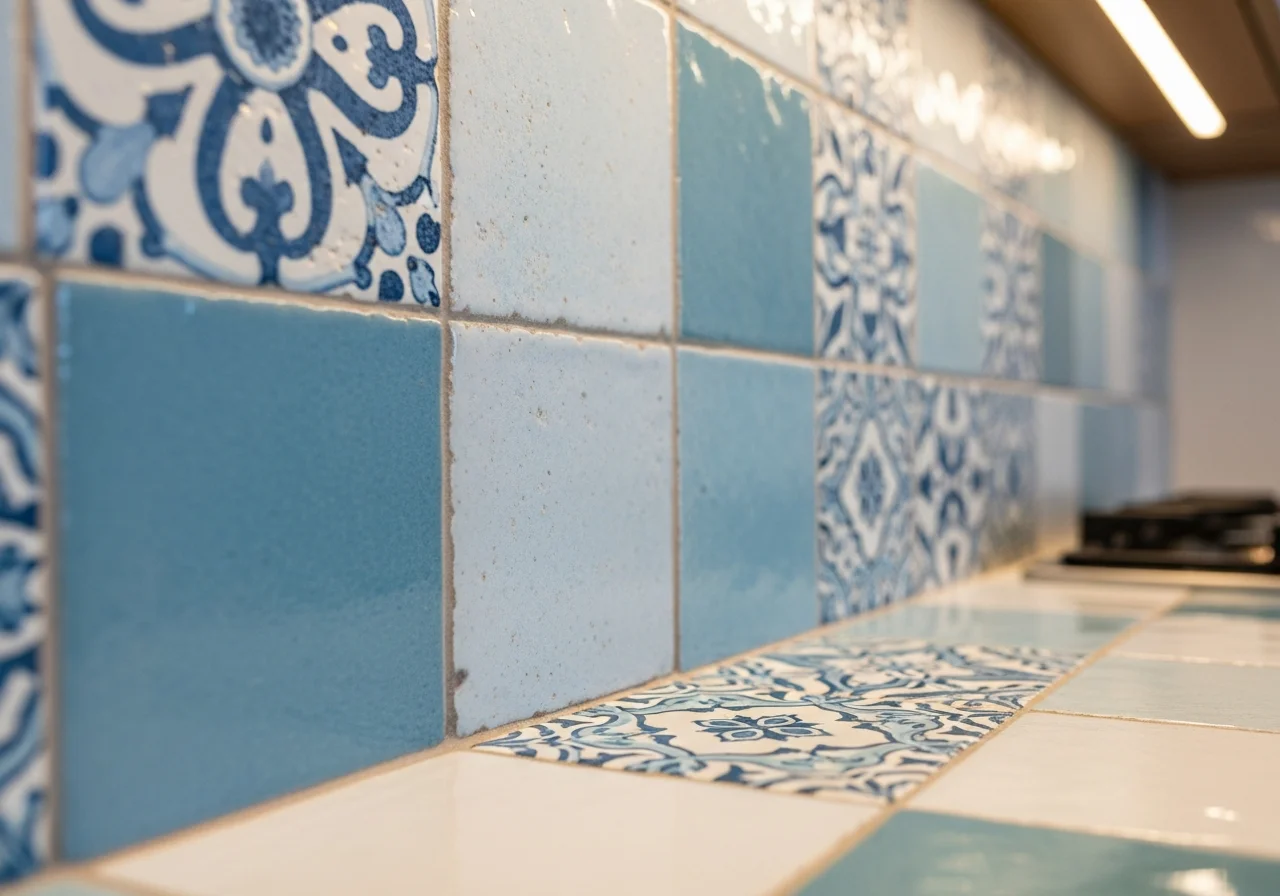
Handmade and Artisan Tiles Celebrate Craftsmanship
There is a growing appreciation for handmade tiles that celebrate human craftsmanship over machine precision. These artisan pieces feature slight irregularities, color variations, and unique characteristics that mass-produced tiles lack. Each handcrafted tile tells a story, bringing soul and authenticity to kitchen spaces.
Handmade ceramic tiles often feature organic color variations and slightly irregular edges that create warmth and character. Mexican Talavera tiles, Portuguese azulejos, and Moroccan zellige all exemplify the handmade tile tradition, bringing cultural richness alongside visual beauty. These tiles transform backsplashes into artistic statements.
Incorporating artisan tiles demonstrates a commitment to quality and individuality. While potentially more expensive than machine-made alternatives, handmade tiles offer incomparable character and the satisfaction of supporting traditional crafts. They create kitchens that feel collected rather than cookie-cutter.
Monochromatic Schemes Offer Sleek Cohesion
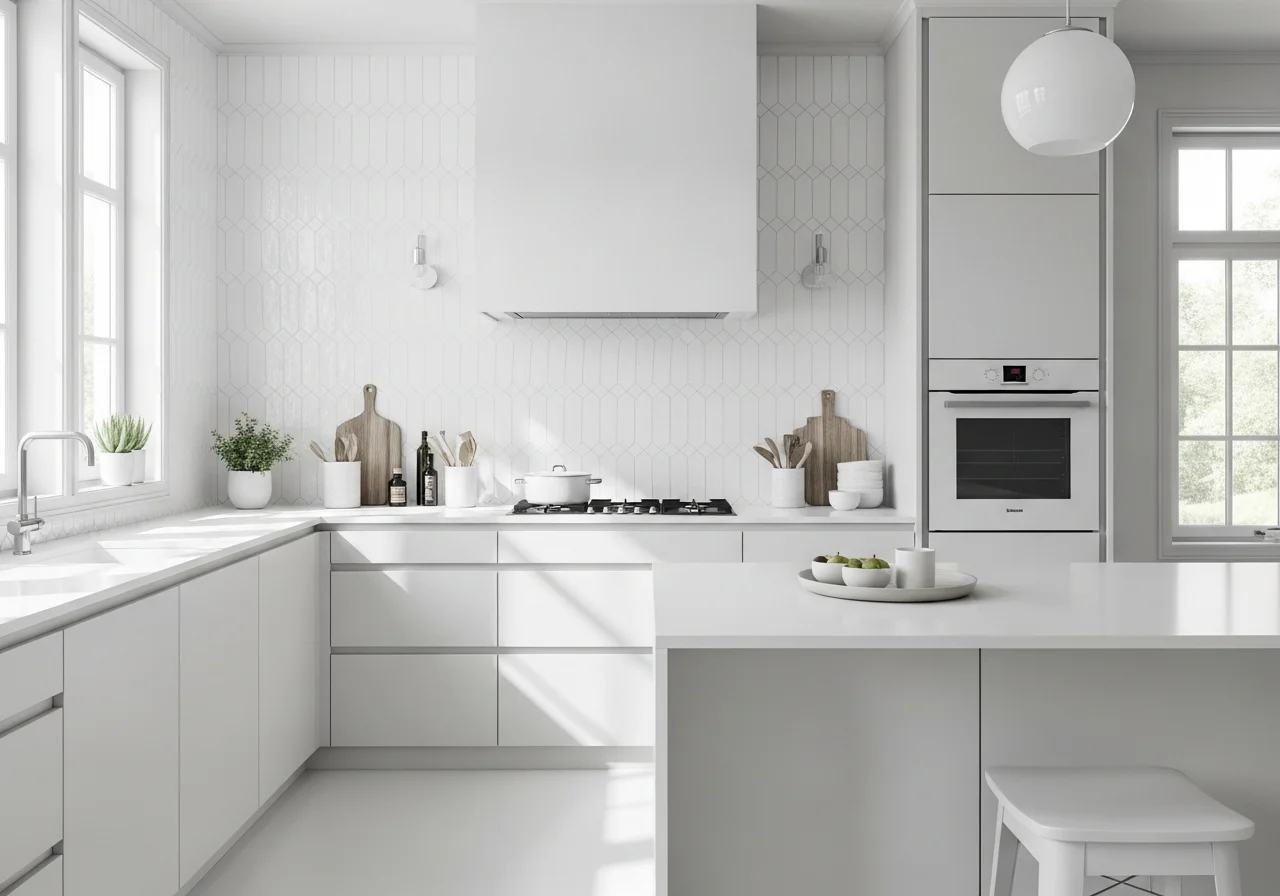
Monochromatic backsplashes that match cabinet colors create seamless, polished looks that feel effortlessly coordinated. This approach allows texture and shape to provide interest without introducing competing colors. The result is sophisticated simplicity that lets other design elements take center stage.
White kitchens continue their dominance, but the monochromatic trend encourages moving beyond standard subway tile. Experimenting with unique shapes like hexagons, coffin tiles, or elongated formats keeps all-white spaces feeling fresh and modern. Texture becomes crucial in monochromatic schemes, adding depth without disrupting color harmony.
This trend also works beautifully with darker palettes. Black or navy backsplashes matching dark cabinetry create dramatic, moody environments that feel intimate and sophisticated. The key is introducing varied textures or subtle pattern to prevent the space from feeling flat.
Slab Backsplashes Provide Seamless Luxury
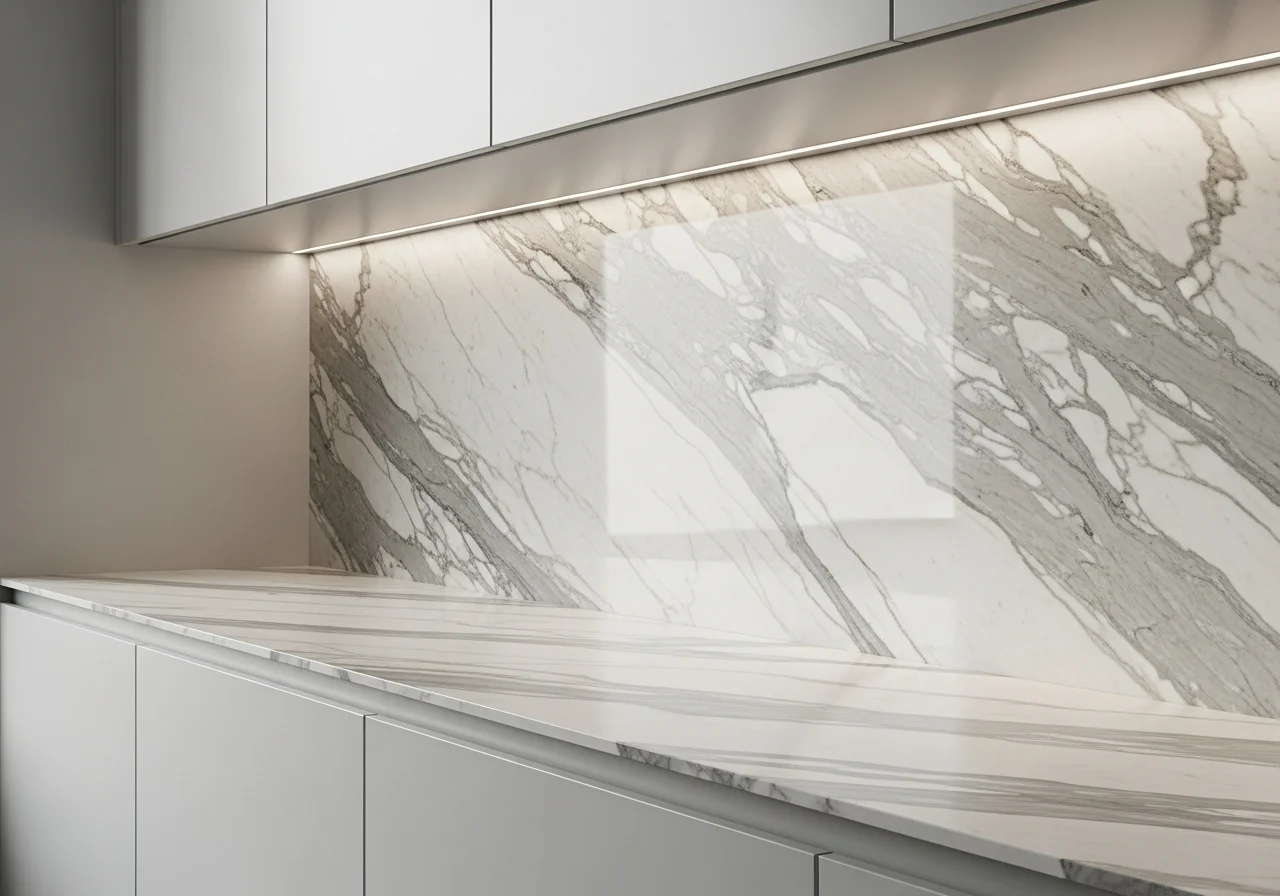
Full-slab backsplashes eliminate grout lines for ultra-clean, contemporary aesthetics. Large porcelain or stone slabs create continuous surfaces that flow seamlessly from countertops up walls, producing unified, minimalist looks. This approach particularly suits open-concept kitchens where visual simplicity creates calm.
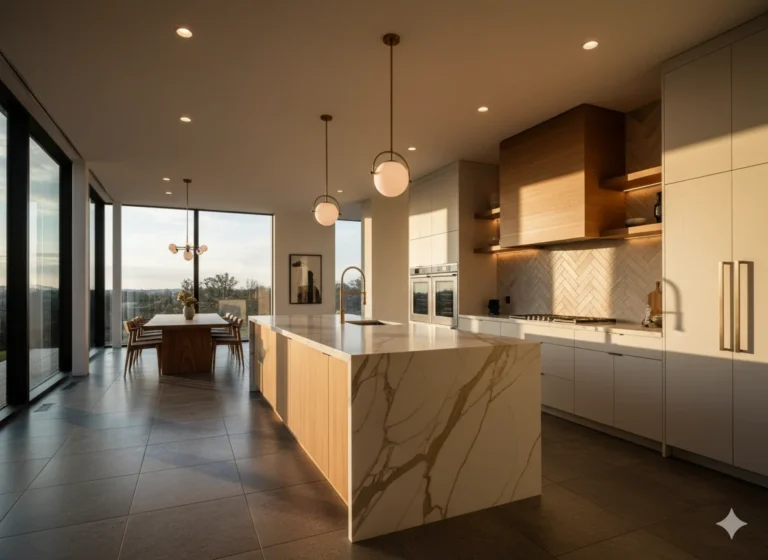
Matching your backsplash material to your countertops creates remarkable cohesion. When dramatically veined marble or striking quartz flows from horizontal to vertical surfaces, the effect is stunning. This technique works especially well around cooktops and in areas without upper cabinets, allowing the beautiful slab to become an uninterrupted focal point.
The practical benefits include easier cleaning and maintenance. Fewer grout lines mean fewer crevices for dirt accumulation. While installation requires professional expertise and precise measurement, the resulting seamless surface justifies the investment through both beauty and functionality.
Subway Tiles Get Modern Updates
Classic subway tiles remain popular, but contemporary interpretations keep this timeless choice feeling current. Larger formats, unique colors, and varied finishes breathe new life into the traditional rectangular shape. The versatility of subway tiles allows them to work across virtually any design style.
Colored subway tiles in vibrant jewel tones or sophisticated earth tones replace standard white for bolder statements. Navy, emerald green, terracotta, and matte black subway tiles create striking backdrops while maintaining the clean lines that make this format so appealing. The familiar shape provides comfort while the unexpected color adds personality.
Alternative laying patterns also refresh the subway tile aesthetic. While running bond remains classic, herringbone, vertical stack, or even diagonal installations create visual interest. Mixing subway tiles with decorative inserts or borders adds custom touches without abandoning the foundational simplicity.
Mosaic Tiles Offer Artistic Flexibility
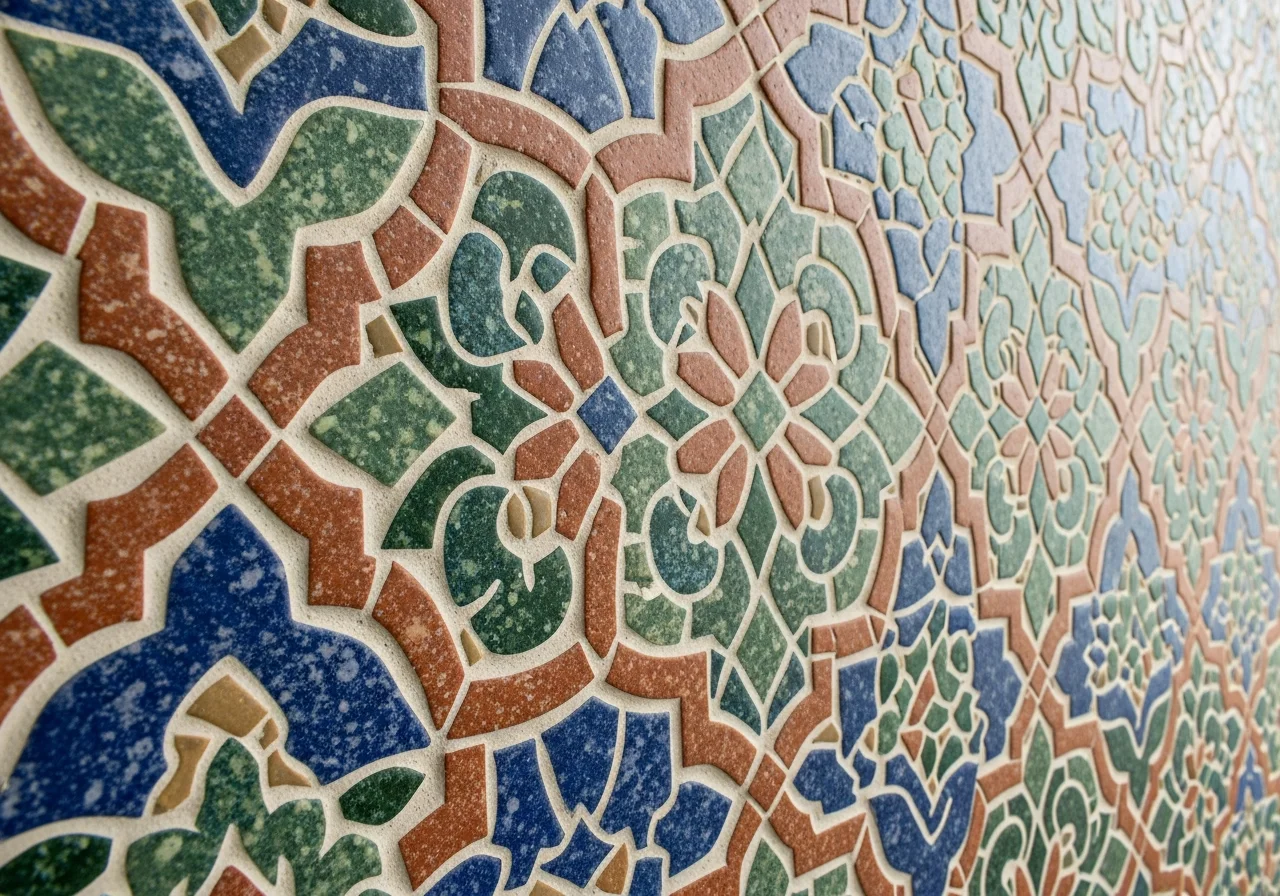
Mosaic tiles provide unparalleled opportunities for creativity and customization. These small tiles can be arranged in endless patterns, from intricate designs to simple geometric compositions. Mosaics allow homeowners to create truly personalized backsplashes that reflect individual style and artistic sensibility.
The versatility of mosaic tiles extends to material combinations. Blending glass, stone, and metal creates dimensional interest and plays with light in captivating ways. These mixed-material mosaics catch and reflect illumination differently throughout the day, ensuring your backsplash never looks quite the same twice.
Mosaic borders and accent bands offer ways to incorporate artistic elements without committing to full mosaic backsplashes. Strategic placement around windows, above cooktops, or as horizontal bands creates visual interest while allowing simpler tiles to dominate larger areas.
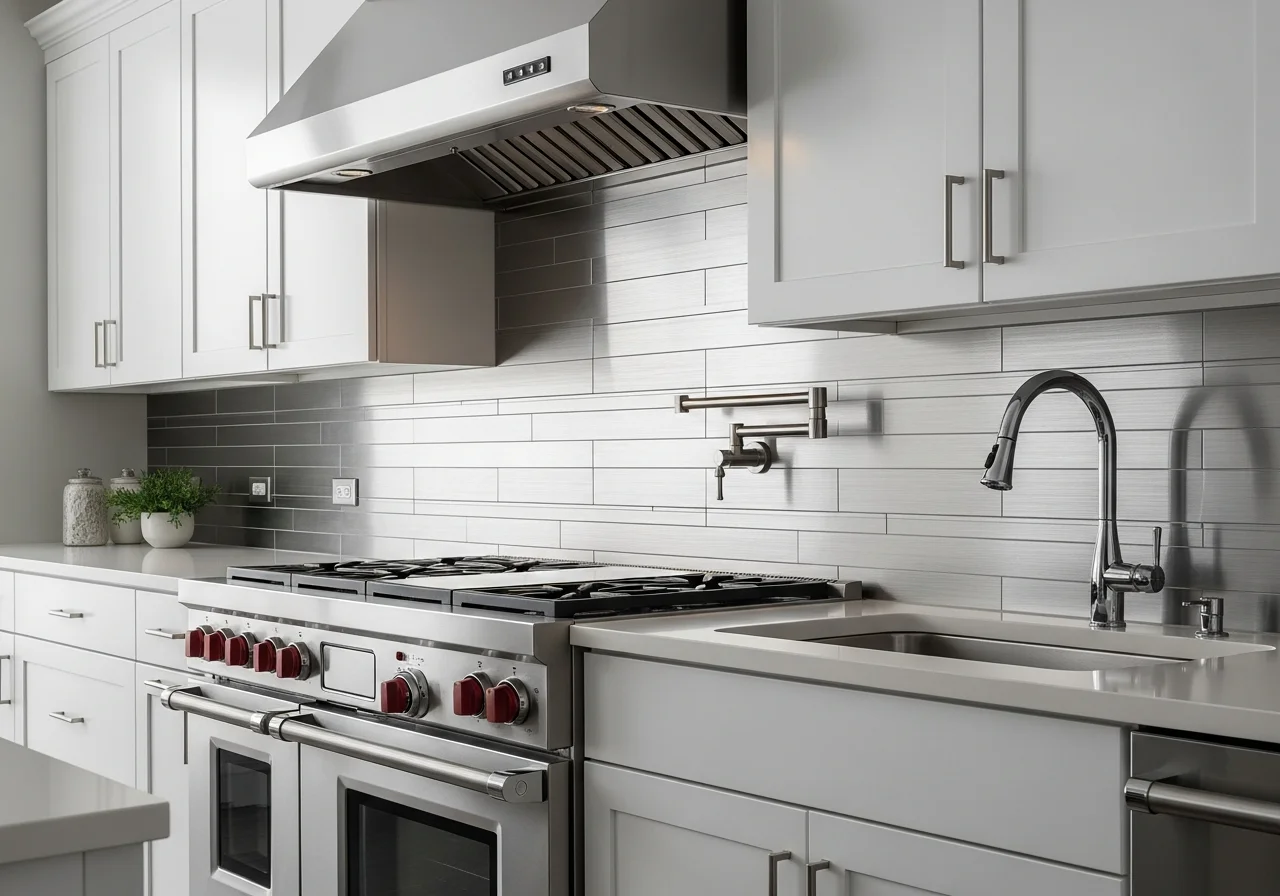
Metal Accents Add Industrial Elegance
Metal tiles and accents introduce industrial sophistication to kitchen backsplashes. Stainless steel, copper, brass, and brushed aluminum offer sleek, modern aesthetics while providing exceptional durability. These materials catch light beautifully, adding shimmer and dimension to kitchen walls.
Metal backsplashes work particularly well in contemporary and transitional kitchens, creating contrast against warmer wood tones or softer cabinet colors. The cool elegance of metal balances organic materials, producing harmonious designs that feel both grounded and sophisticated.
Combining metal with other materials creates compelling visual tension. Metal mosaic tiles mixed with glass or stone, or metal trim pieces framing ceramic installations, add luxurious touches without overwhelming spaces. These accents prove that a little metallic element goes a long way in elevating overall design.
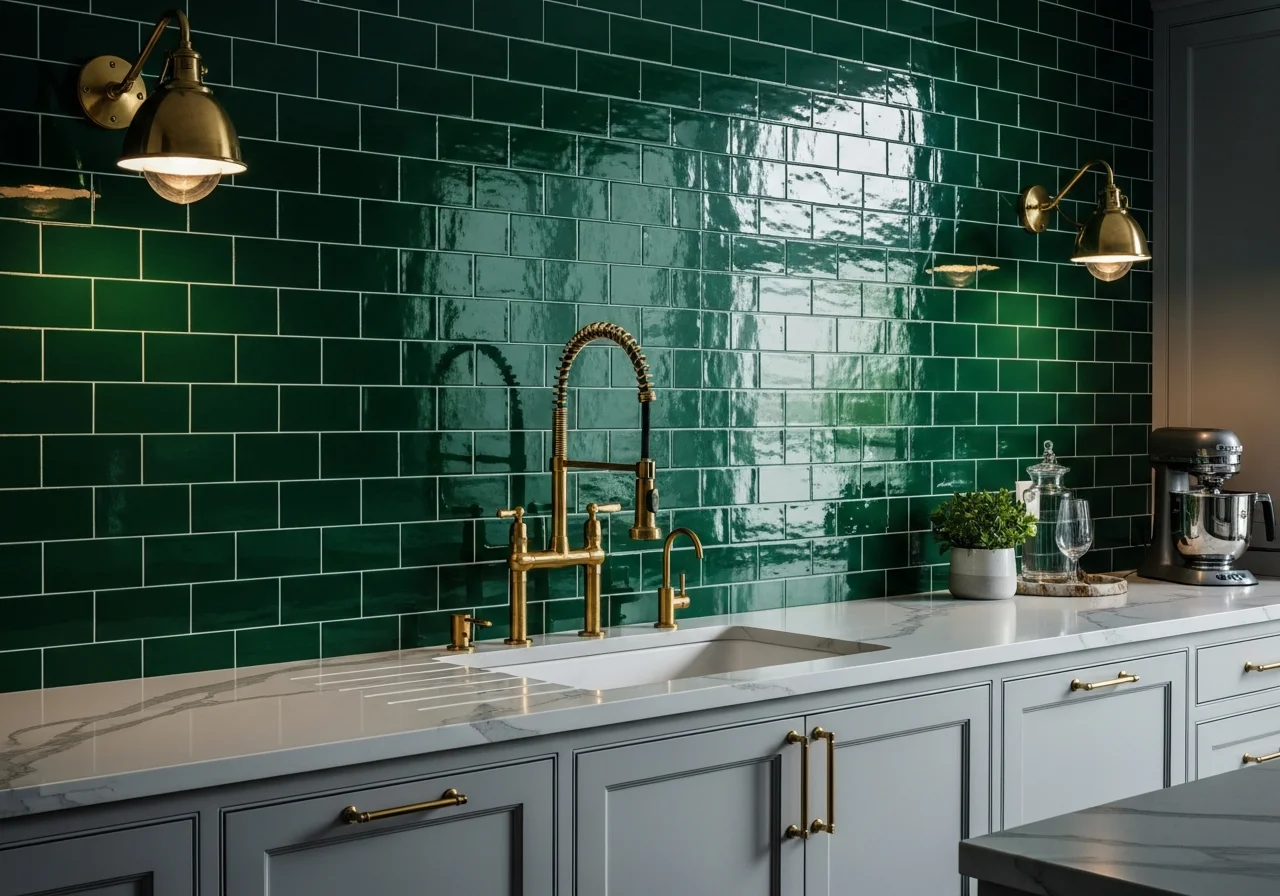
Jewel Tones Make Bold Statements
Rich jewel tones are replacing neutral palettes in kitchens where homeowners want to make dramatic statements. Sapphire blue, emerald green, ruby red, and amethyst purple add depth, personality, and unmistakable luxury. These saturated colors create focal points that energize entire spaces.
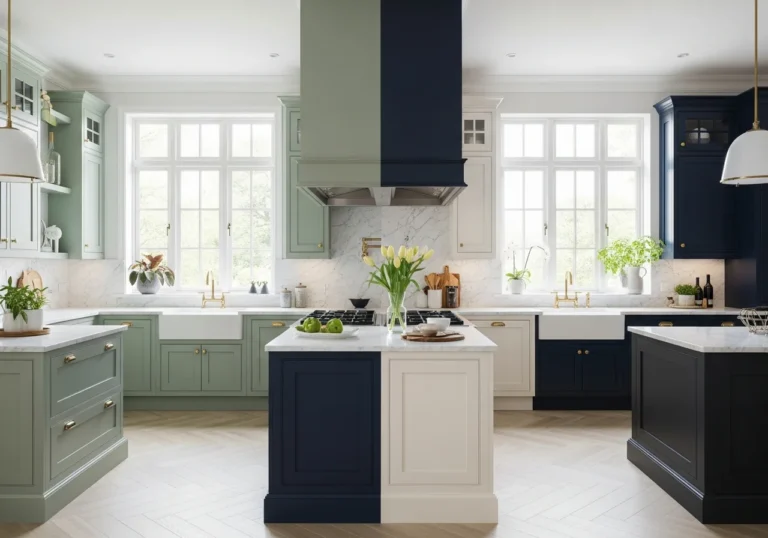
Navy backsplashes have particular appeal, offering dramatic impact while maintaining sophistication. This deep blue works across design styles, from traditional to contemporary, proving its versatility. When paired with brass or gold hardware, navy creates especially striking, high-end combinations.
Emerald green brings nature-inspired richness to kitchens, connecting interior spaces with the natural world. This color works beautifully with natural wood elements and warm metal accents. The key to using jewel tones successfully is commitment; these bold colors deserve to be featured prominently rather than timidly.
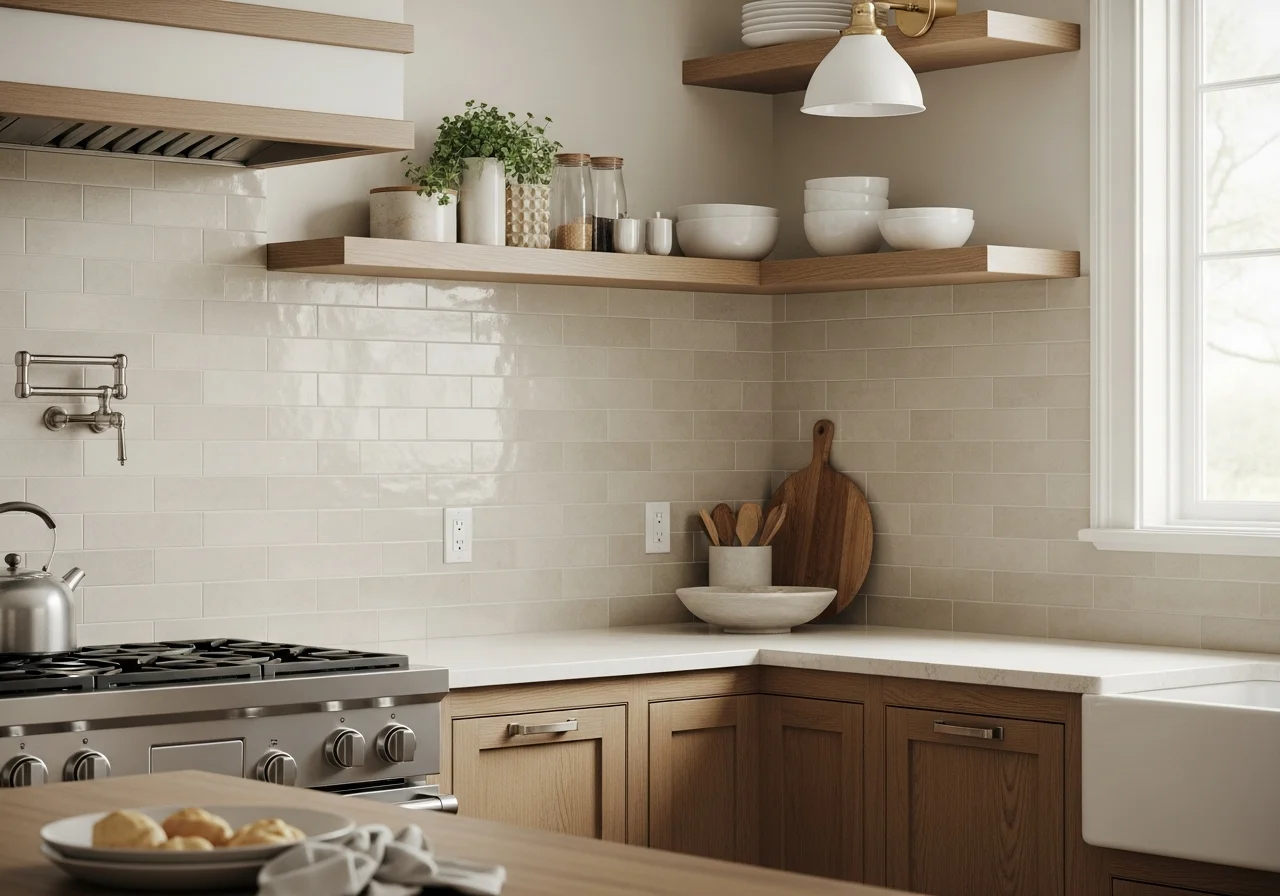
Neutral Palettes Remain Timeless
While bold colors capture attention, neutral backsplashes maintain enduring appeal through their versatility and timeless elegance. White, beige, gray, and taupe provide blank canvases that allow other design elements to shine. These colors work with any cabinet style, countertop material, or hardware finish.
The sophistication of neutral palettes lies in their restraint. Rather than competing for attention, neutral backsplashes create calm, balanced environments where cooking and gathering feel effortless. This approach particularly suits homes where residents anticipate changing decorative accessories or where resale value is a consideration.
Texture becomes crucial in neutral schemes to prevent them from feeling flat or boring. Varied tile sizes, dimensional patterns, natural stone veining, or subtle color variations within the neutral family add interest without introducing competing hues.
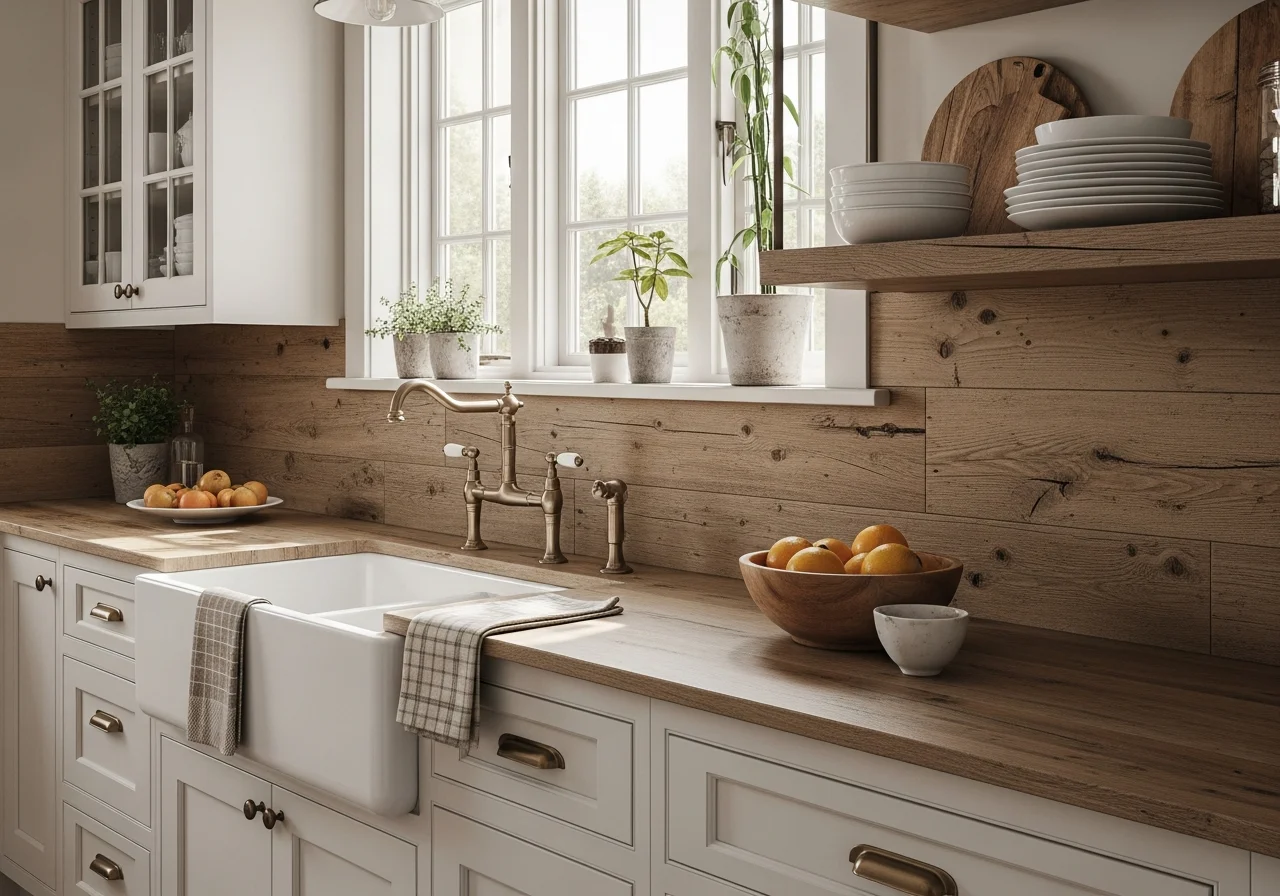
Wood-Look Tiles Bring Warmth
Wood-appearance tiles offer the warmth and character of natural wood with the practicality required in kitchen environments. These porcelain or ceramic tiles convincingly mimic wood grain while resisting moisture, heat, and staining. The result is farmhouse or rustic charm without maintenance headaches.
Wood-look backsplashes work particularly well in cottage, farmhouse, or transitional kitchens where warmth and comfort take priority. They pair beautifully with white or cream cabinetry, creating inviting spaces that feel lived-in and welcoming. The natural aesthetic connects kitchens with outdoor environments.
This trend also includes incorporating actual reclaimed wood in backsplash applications where heat exposure is minimal. While requiring proper sealing and thoughtful placement, authentic wood brings unmatched texture and character. The key is ensuring adequate protection in areas near water sources or cooktops.
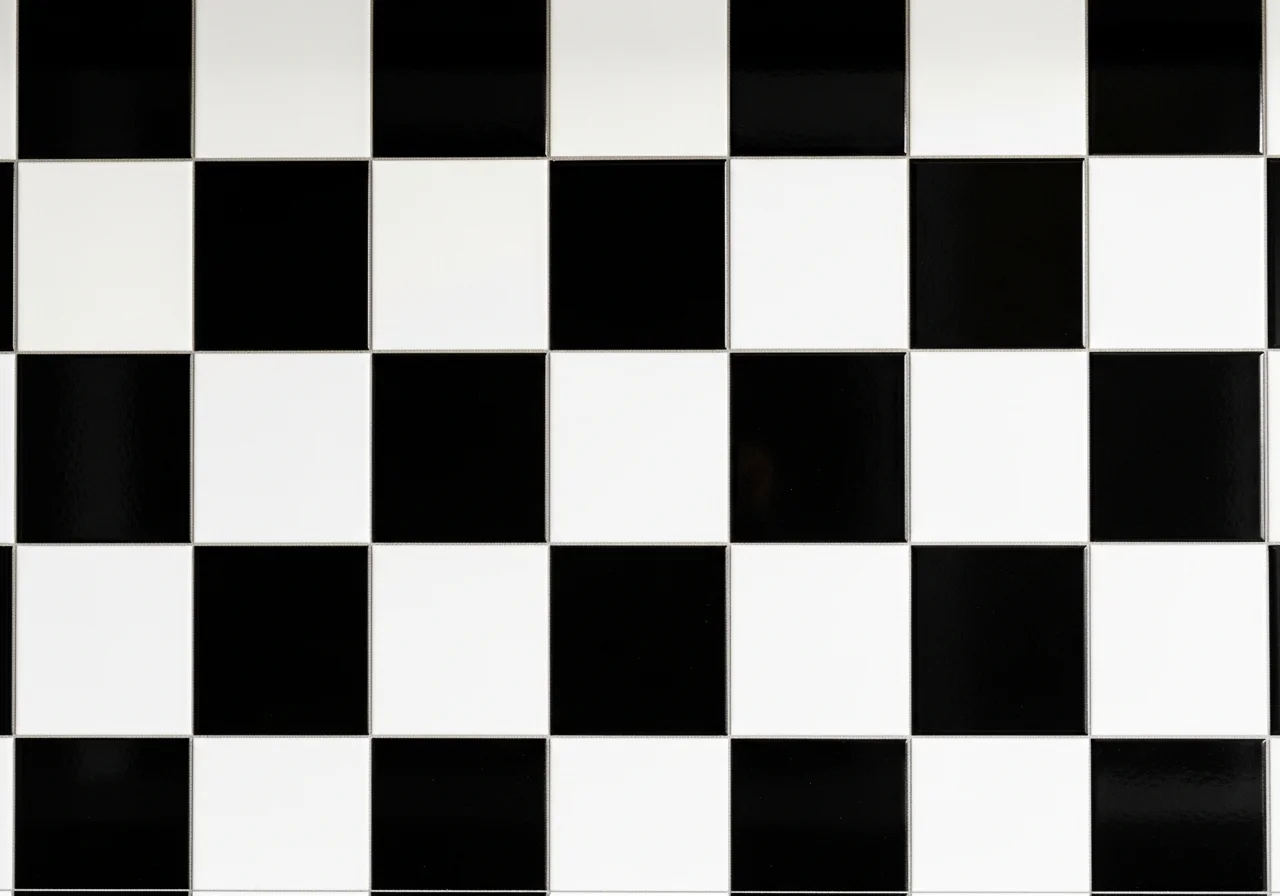
Checkerboard Patterns Create Timeless Appeal
The classic checkerboard pattern transcends trendiness, offering enduring visual interest through its geometric simplicity. This pattern works in various scales and color combinations, from traditional black and white to more contemporary pairings like navy and cream or gray and beige.
The checkerboard’s appeal lies in its perfect balance. The regular alternating pattern creates rhythm without chaos, interest without overwhelming. This makes it suitable for both small and large kitchens, though scale should be adjusted appropriately to room size.
Modern interpretations play with unexpected color combinations or mixed materials within the checkerboard framework. Combining matte and glossy tiles in the same color, or alternating stone with ceramic, adds contemporary twists to this traditional pattern.
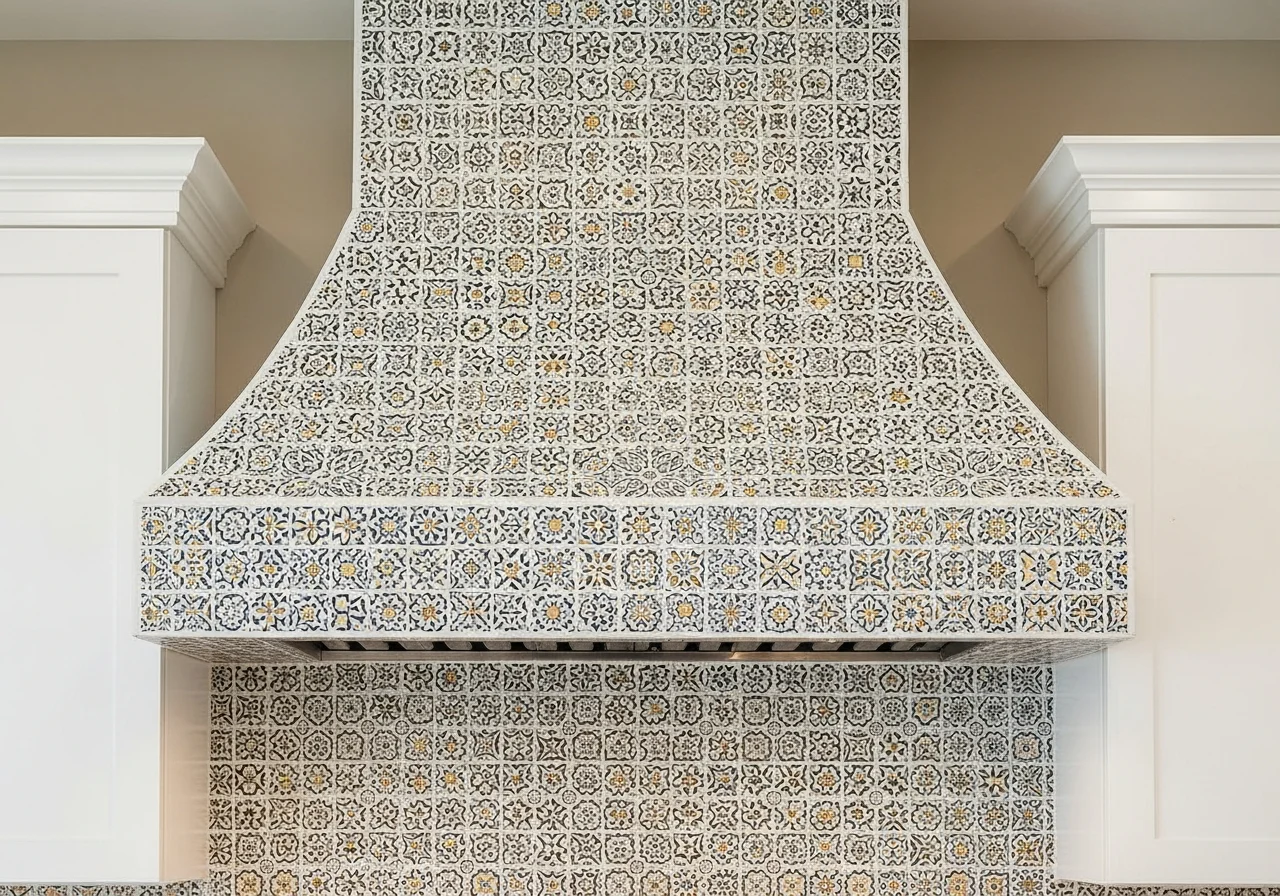
Statement Range Hoods Get Matching Treatments
Extending backsplash materials onto range hoods creates cohesive, intentional designs that highlight these architectural features. When the same tile flows from wall to hood, the effect is streamlined and sophisticated. This approach works particularly well with distinctive tile choices that deserve prominence.
Octagonal tiles, zellige, or decorative mosaics gain additional impact when wrapped around range hoods. The repetition creates visual strength while maintaining unity. This technique transforms range hoods from utilitarian necessities into design features worthy of attention.
The matching treatment also simplifies decision-making and often reduces overall costs by purchasing more of fewer materials. The unified look creates calm in busy kitchens while ensuring the cooking area becomes a true focal point.
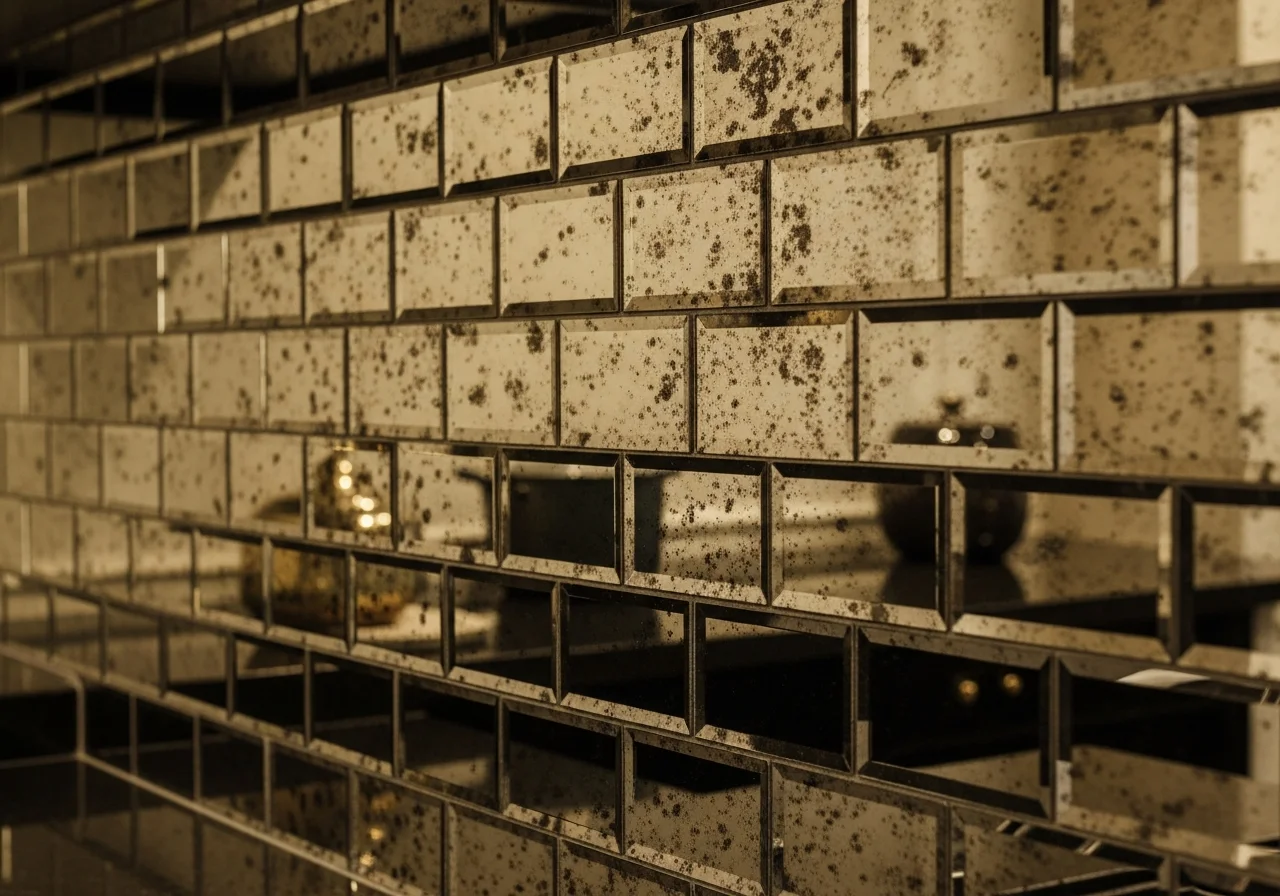
Mirrored Backsplashes Expand Space
Mirrored or reflective backsplashes create the illusion of expanded space while adding glamorous sophistication. These surfaces bounce light throughout kitchens, making them feel brighter and more open. Mirrored backsplashes work particularly well in smaller kitchens or darker spaces needing illumination.
The reflective quality adds depth and dimension that solid surfaces cannot achieve. When positioned behind open shelving, mirrors highlight beautiful dishware or decorative objects while creating visual interest. The play of light across mirrored surfaces changes throughout the day as natural light shifts.
Antiqued or tinted mirrors offer softer alternatives to stark reflective surfaces. These options provide the space-enhancing benefits while adding vintage charm or subtle color. The key is ensuring mirrors are properly sealed and rated for kitchen use to withstand moisture and temperature fluctuations.
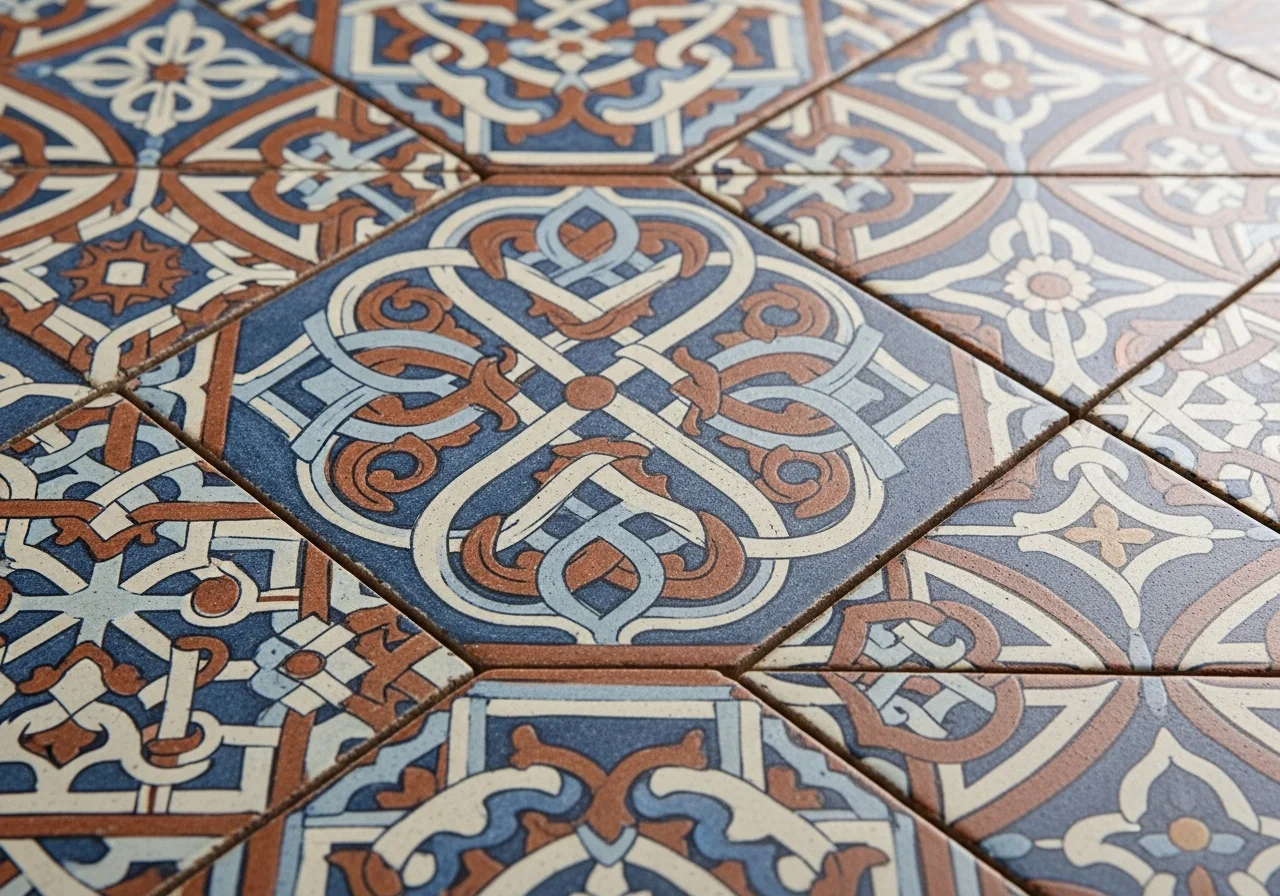
Encaustic Tiles Bring Old-World Charm
Encaustic cement tiles featuring intricate patterns and vibrant colors transport kitchens to Mediterranean villas or European cafes. These handcrafted tiles showcase traditional craftsmanship through their detailed designs and rich color palettes. The result is backsplashes with historical resonance and artistic merit.
The beauty of encaustic tiles lies in their complexity. Multiple colors are embedded into cement, creating patterns that penetrate the tile rather than sitting on the surface. This means designs remain vibrant even with wear, though proper sealing is essential for kitchen applications.
Using encaustic tiles as accent features rather than covering entire walls creates impact without overwhelming spaces. A small section behind the cooktop or as a border treatment provides old-world charm while allowing simpler materials to dominate larger areas.
Glass Sheets Offer Contemporary Sleekness
Solid glass sheets create ultra-modern backsplashes with absolutely no grout lines. These seamless surfaces come in endless colors and can be back-painted to match any design scheme. The result is clean, contemporary elegance that suits minimalist aesthetics.
Glass backsplashes reflect light beautifully while providing exceptionally easy maintenance. The non-porous surface wipes clean with minimal effort, never harboring bacteria or absorbing stains. This makes glass particularly appealing for health-conscious homeowners or those prioritizing hygiene.
The installation does require professional expertise to ensure proper mounting and cutting around outlets or fixtures. However, the resulting sleek surface, available in custom colors and even printed designs, offers unmatched contemporary sophistication.
Sustainable and Recycled Materials Appeal to Eco-Conscious Homeowners
Environmentally conscious design choices are increasingly important to homeowners. Backsplashes made from recycled glass, reclaimed materials, or sustainably sourced stone allow people to create beautiful kitchens while minimizing environmental impact. These choices demonstrate values alongside aesthetic sensibility.
Recycled glass tiles offer vibrant colors and interesting textures while diverting waste from landfills. These tiles often feature within their surface the very glass fragments that compose them, creating depth and sparkle. The environmental benefits come without sacrificing beauty or durability.
Natural materials like stone, when responsibly quarried, represent sustainable choices given their longevity. Investing in timeless stone backsplashes means fewer future renovations, reducing long-term environmental impact. Choosing local stone also minimizes transportation emissions while supporting regional economies.
Conclusion
The kitchen backsplash trends shaping today’s most beautiful spaces prove that this functional element has evolved into a crucial design feature. Whether you gravitate toward the organic beauty of natural stone, the drama of ceiling-height installations, the warmth of earth-toned tiles, or the boldness of jewel-toned statements, there is a trend that aligns with your personal style and practical needs.
The most successful backsplashes balance aesthetic appeal with functional requirements. They protect walls while elevating the entire kitchen design, creating spaces where people want to gather, cook, and make memories. The trends highlighted here offer pathways to achieving that balance, whether through timeless choices that will remain beautiful for decades or more contemporary selections that reflect current design thinking.
As you consider your own kitchen backsplash, remember that the best choice is one that resonates with your personal style while serving your practical needs. The trends outlined here provide inspiration and direction, but your unique preferences and lifestyle should ultimately guide your decision. A well-chosen backsplash transforms your kitchen from ordinary to extraordinary, creating a space that feels authentically yours while maintaining the sophistication and style you desire.
The investment you make in your kitchen backsplash pays dividends daily through both visual pleasure and functional performance. Choose materials and designs that speak to you, work with your existing elements, and create the atmosphere you want in the heart of your home. With these 23 trends as your guide, you have the knowledge to create a kitchen backsplash that looks high-end today and will continue to impress for years to come.
Frequently Asked Questions
What is the most popular kitchen backsplash material right now?
Natural stone, particularly marble with honed matte finishes, leads current popularity due to its organic beauty, unique veining, and timeless appeal. Ceramic and porcelain tiles remain widely chosen for their versatility, durability, and affordability, while glass tiles continue gaining favor for their light-reflecting properties and easy maintenance.
Should I choose matte or glossy tile for my kitchen backsplash?
Matte finishes currently dominate design trends for their sophisticated, understated elegance and practical advantage of hiding water spots and fingerprints. However, glossy tiles remain excellent choices for smaller kitchens needing light reflection or contemporary spaces where sleek shine enhances the aesthetic. Consider your kitchen size, lighting, and maintenance preferences when deciding.
How high should my kitchen backsplash extend?
While traditional backsplashes stop at the bottom of upper cabinets, current trends favor taking tile to the ceiling for dramatic impact. This creates visual height and turns walls into architectural statements. In areas with upper cabinets, extending tile to cabinet bottoms remains practical and attractive. Choose based on your design goals and budget.
Are white subway tiles still in style?
White subway tiles remain timelessly popular but benefit from modern updates like larger formats, unique laying patterns such as herringbone or vertical stacking, or textured finishes. While classic running bond white subway tile may feel predictable, creative applications keep this versatile tile relevant and fresh in contemporary kitchens.
What backsplash color makes a kitchen look expensive?
Natural stone in neutral tones with distinctive veining creates inherently luxurious appearances. Deep jewel tones like navy or emerald green convey sophistication and boldness. Warm earth tones including creamy whites, beiges, and taupes offer understated elegance. The key to expensive-looking backsplashes lies more in material quality and installation precision than specific color choices.