20 Walk In Shower Ideas to Transform Your Bathroom Space
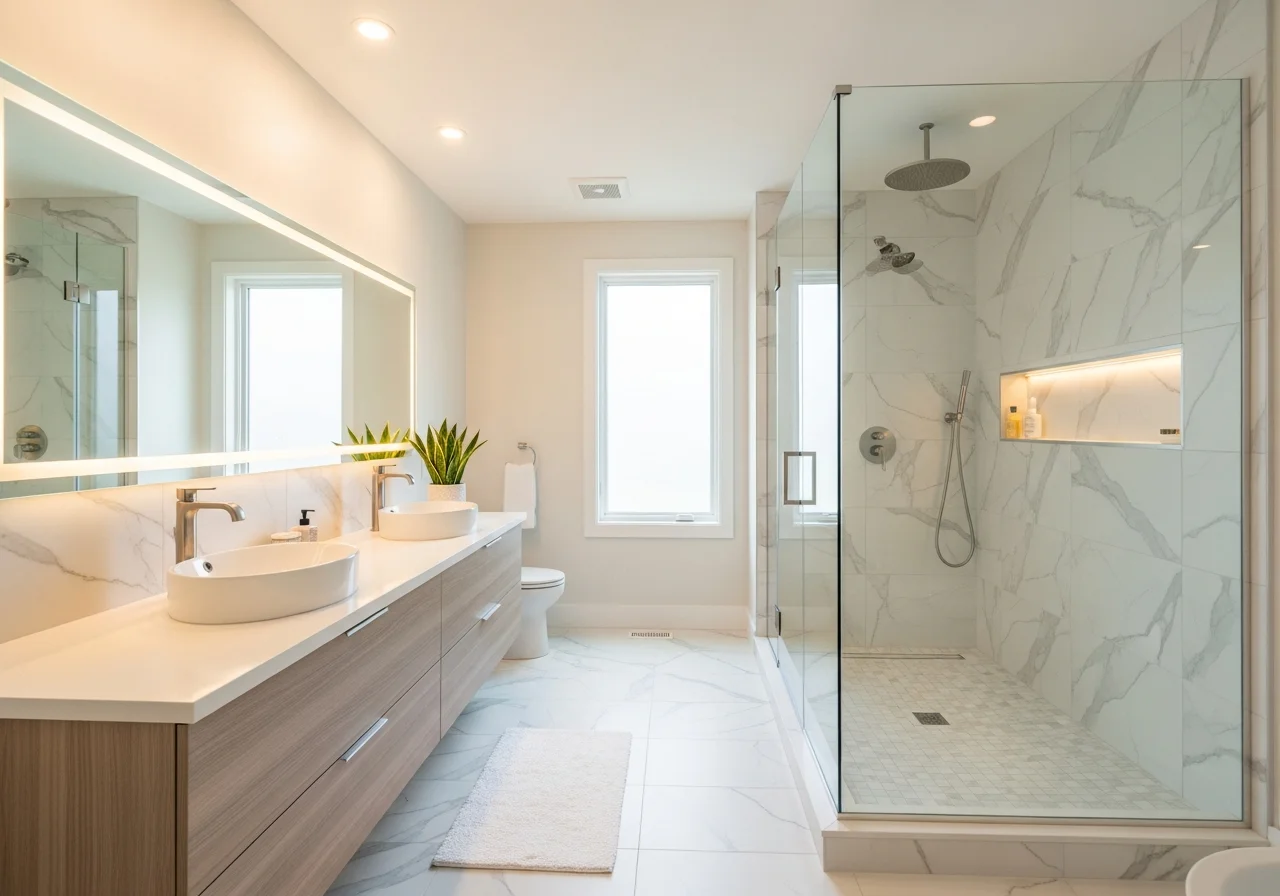
Walk in showers have become the centerpiece of modern bathroom design, offering both visual appeal and practical functionality. Whether you are working with a compact powder room or a spacious master suite, the right walk in shower can completely redefine your daily routine while adding substantial value to your home. This comprehensive guide explores twenty innovative ideas that blend contemporary style with everyday usability, helping you create a shower space that truly works for your lifestyle.
Understanding the Appeal of Walk In Showers
The transition from traditional tub and shower combinations to dedicated walk in showers represents more than a design trend. These installations offer easier entry and exit, particularly beneficial for households with multiple generations or those planning to age in place. The open concept creates a sense of spaciousness that makes even modest bathrooms feel larger and more luxurious. With proper planning and thoughtful design choices, your walk in shower can become the relaxing retreat you look forward to each day.
Frameless Glass Enclosures for Maximum Openness
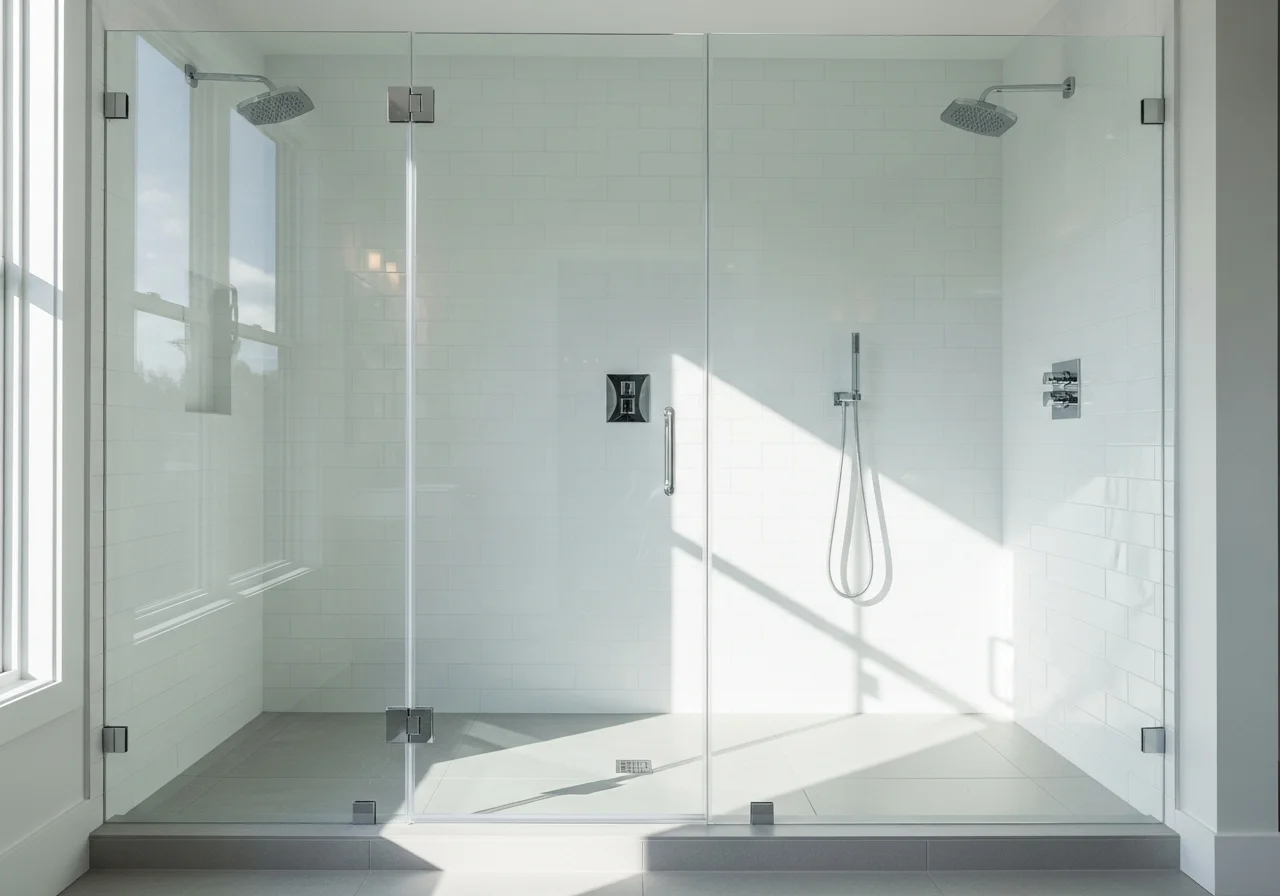
Frameless glass shower enclosures remain at the forefront of bathroom design for good reason. The uninterrupted transparency allows natural light to flow throughout the entire bathroom while showcasing beautiful tile work and fixtures without visual barriers. These sleek installations make small bathrooms appear significantly larger by eliminating the chunky frames that can visually divide a space. The minimal hardware blends seamlessly with any design aesthetic, from ultra-modern to transitional styles. Maintenance becomes simpler without metal frames that collect soap scum and mineral deposits.
Natural Stone for Timeless Elegance
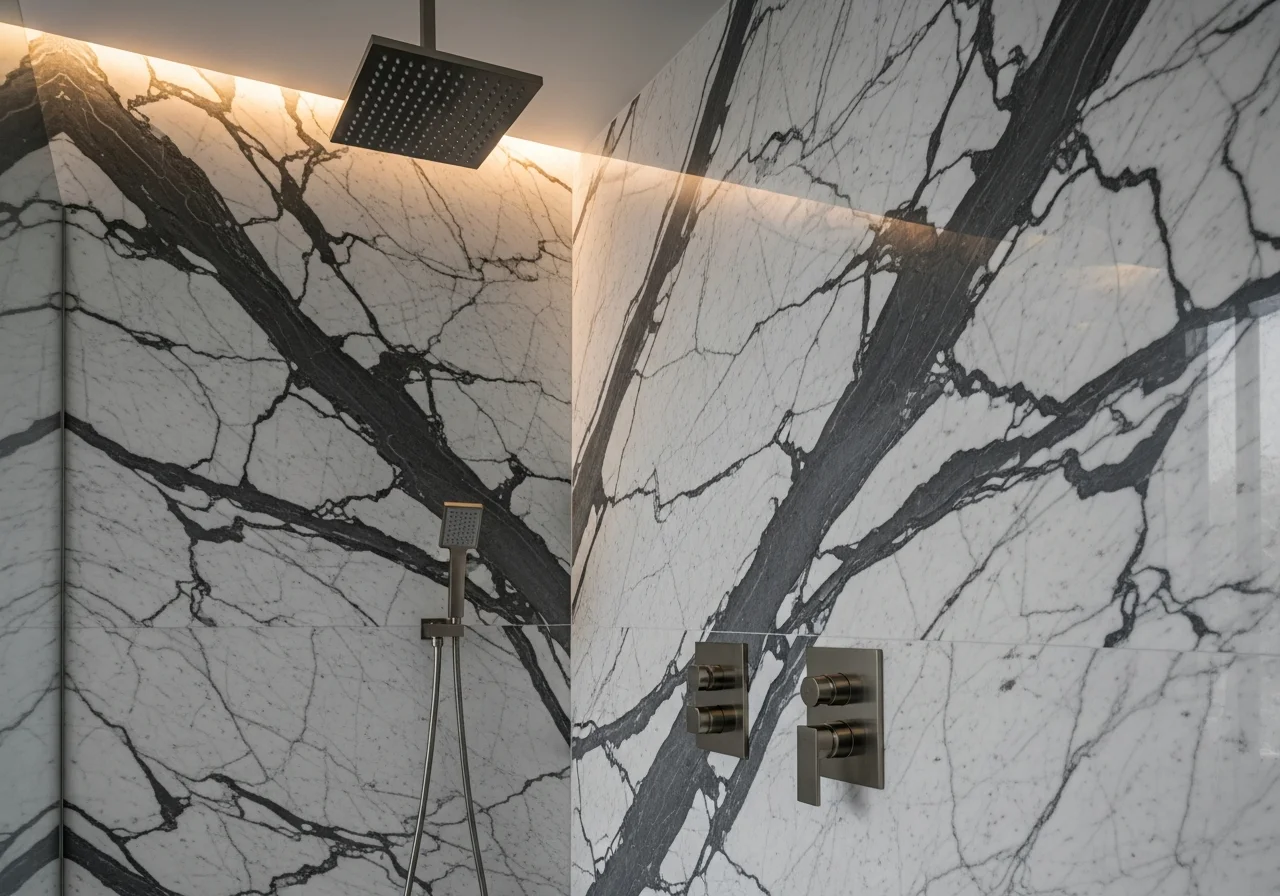
Incorporating natural stone transforms an ordinary shower into a sophisticated sanctuary. Marble brings classic luxury with its distinctive veining patterns, while slate offers earthy texture and exceptional durability. Travertine provides warmth with natural pitting that adds character, and limestone delivers subtle sophistication perfect for contemporary spaces. These materials age beautifully and resist wear from daily use when properly sealed. The organic variation in each slab ensures your shower remains unique, creating visual interest that manufactured materials cannot replicate.
Built-In Storage Solutions
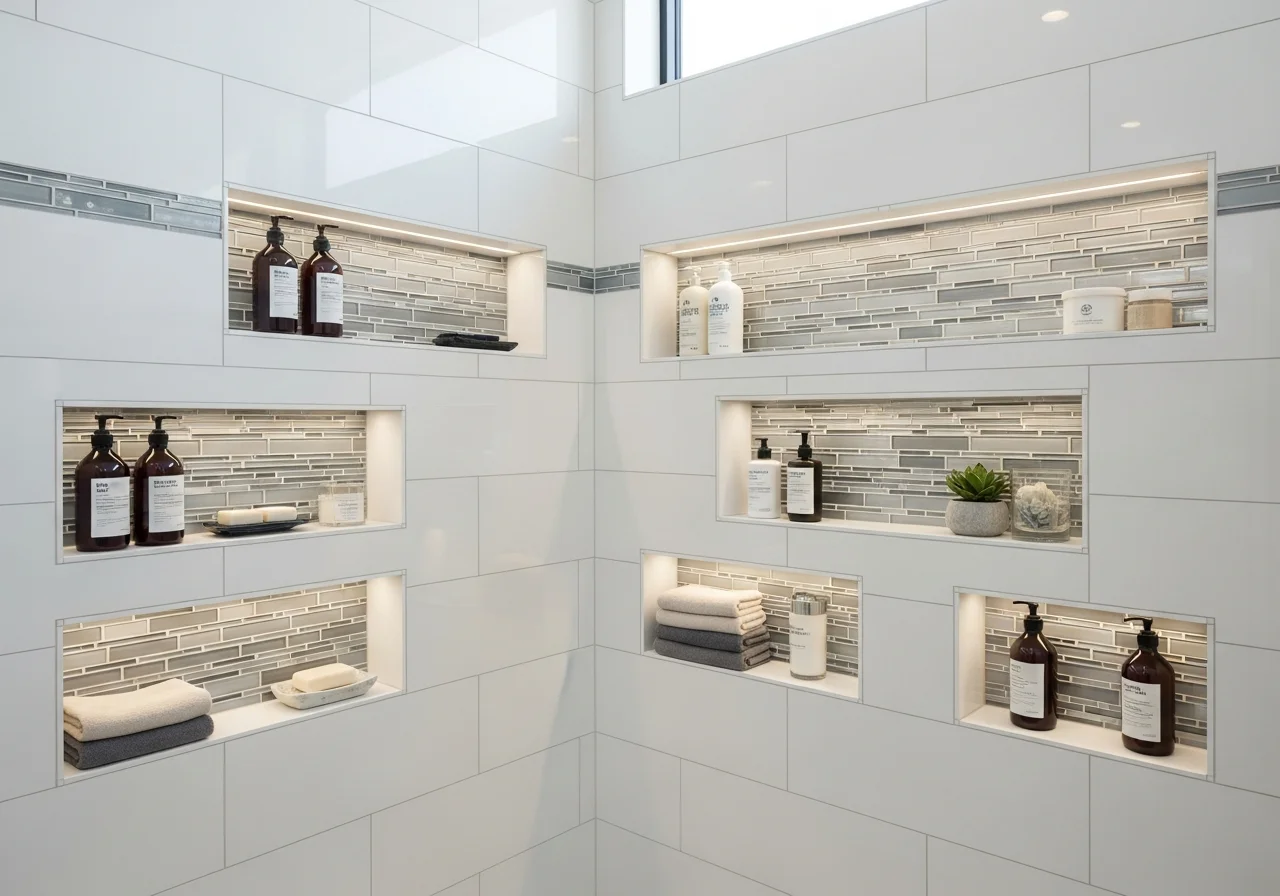
Thoughtfully designed storage eliminates the clutter of shower caddies while adding architectural interest. Recessed niches carved into shower walls provide convenient access to toiletries without protruding into the bathing area. These built-in shelves can incorporate accent tile or contrasting materials that complement your overall design scheme. Consider multiple niches at varying heights to accommodate different users and products. Corner shelves maximize space in compact showers, while full-height storage towers work well in larger installations. Proper waterproofing during construction ensures these features remain functional for decades.
Rainfall Showerheads for Spa Luxury
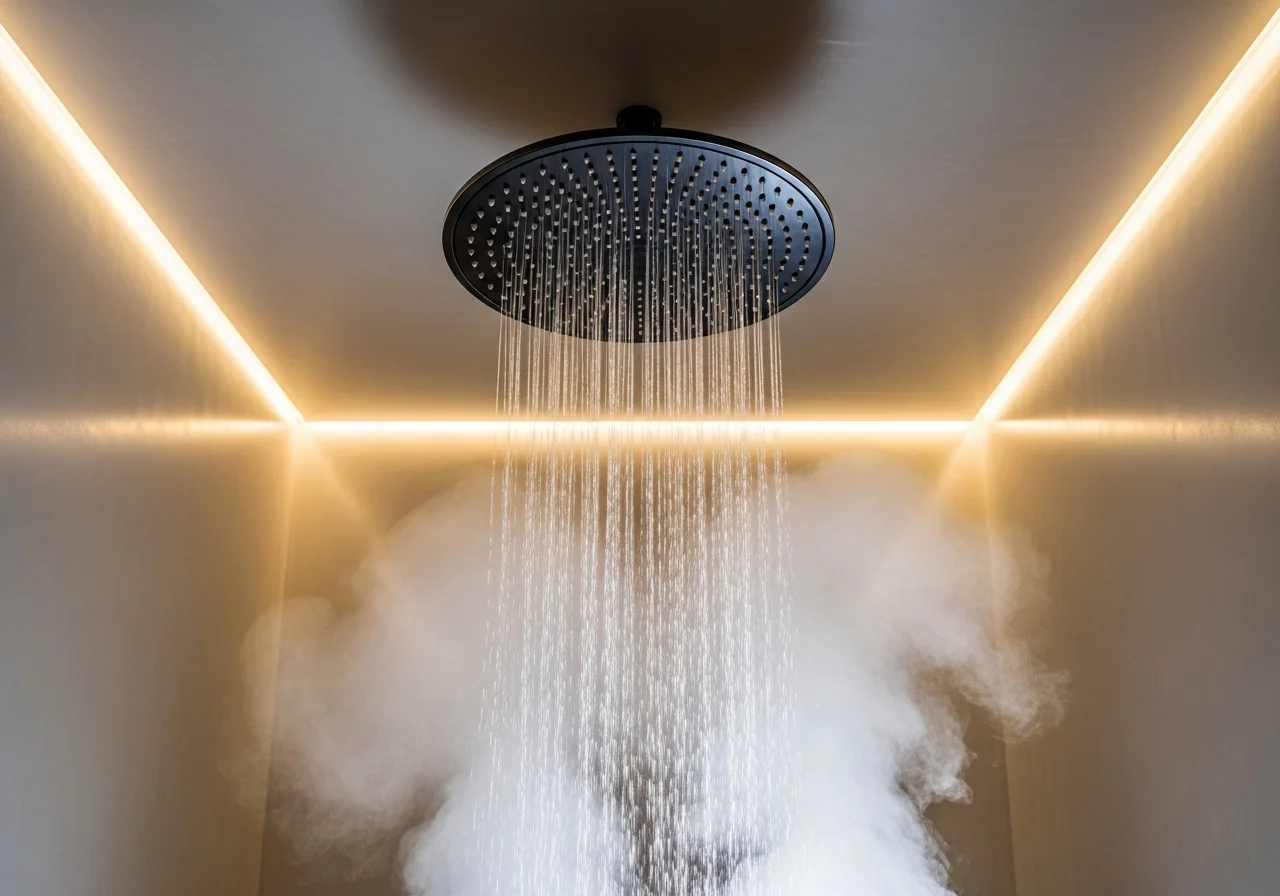
The gentle cascade of water from a ceiling-mounted rainfall showerhead creates an immersive bathing experience. Modern systems offer generous coverage areas that envelop you in warmth without the harsh pressure of traditional fixtures. Many homeowners choose dual setups combining a rainfall head with a handheld wand, providing flexibility for different tasks and preferences. This configuration proves especially practical in shared bathrooms where users have varying height requirements. The visual impact of an oversized showerhead also serves as a stunning focal point that communicates luxury and attention to detail.
Integrated Seating Options
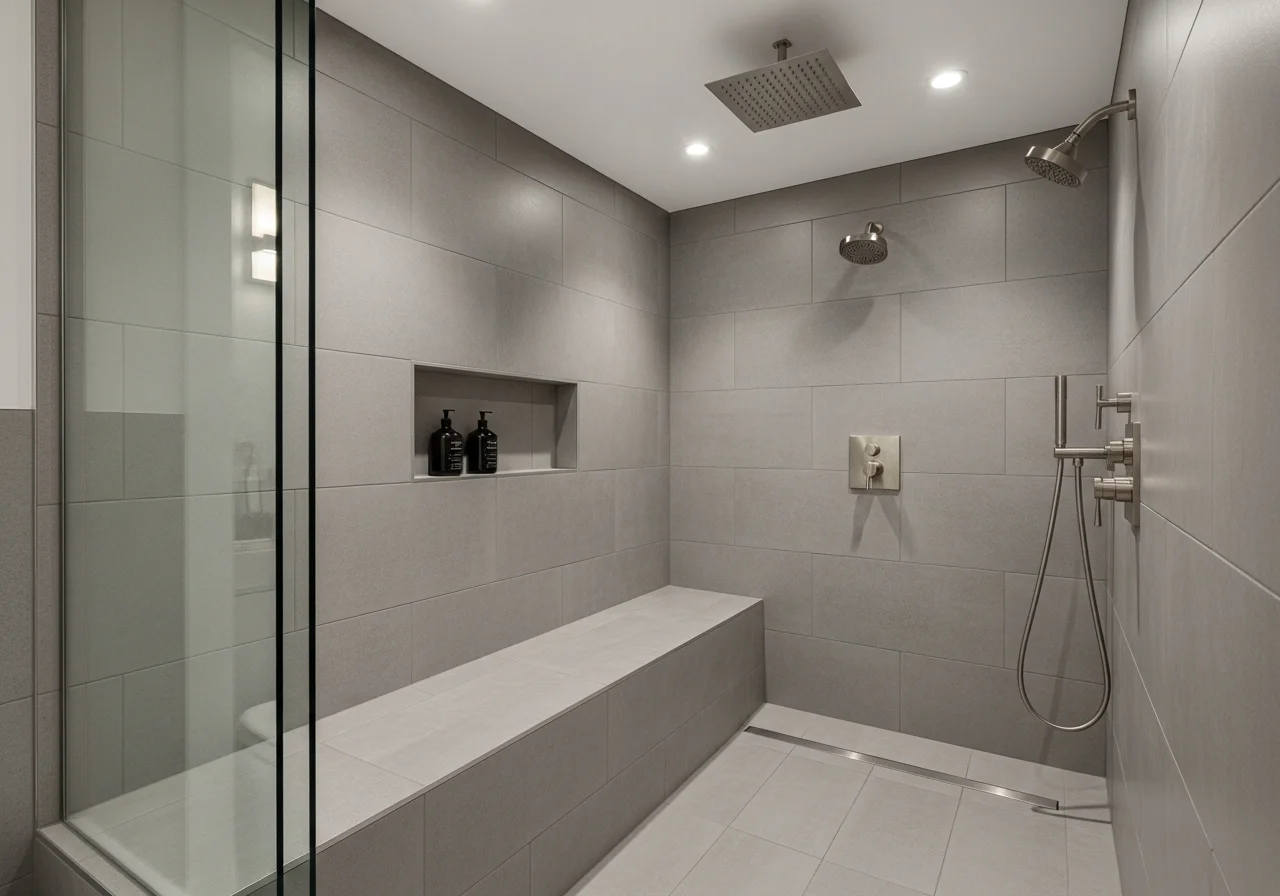
Built-in benches add comfort and functionality to walk in showers of any size. A tiled seat provides a convenient perch for shaving, a comfortable spot for those who prefer seated showers, and additional safety for users with mobility concerns. Fold-down options work brilliantly in compact spaces, tucking away when not needed while remaining instantly accessible. Teak wood benches bring natural warmth and resist moisture damage, making them ideal for wet environments. Corner seats maximize floor space while providing adequate room for relaxation. Ensure proper slope on horizontal surfaces to prevent water pooling.
Curbless Entry for Modern Accessibility
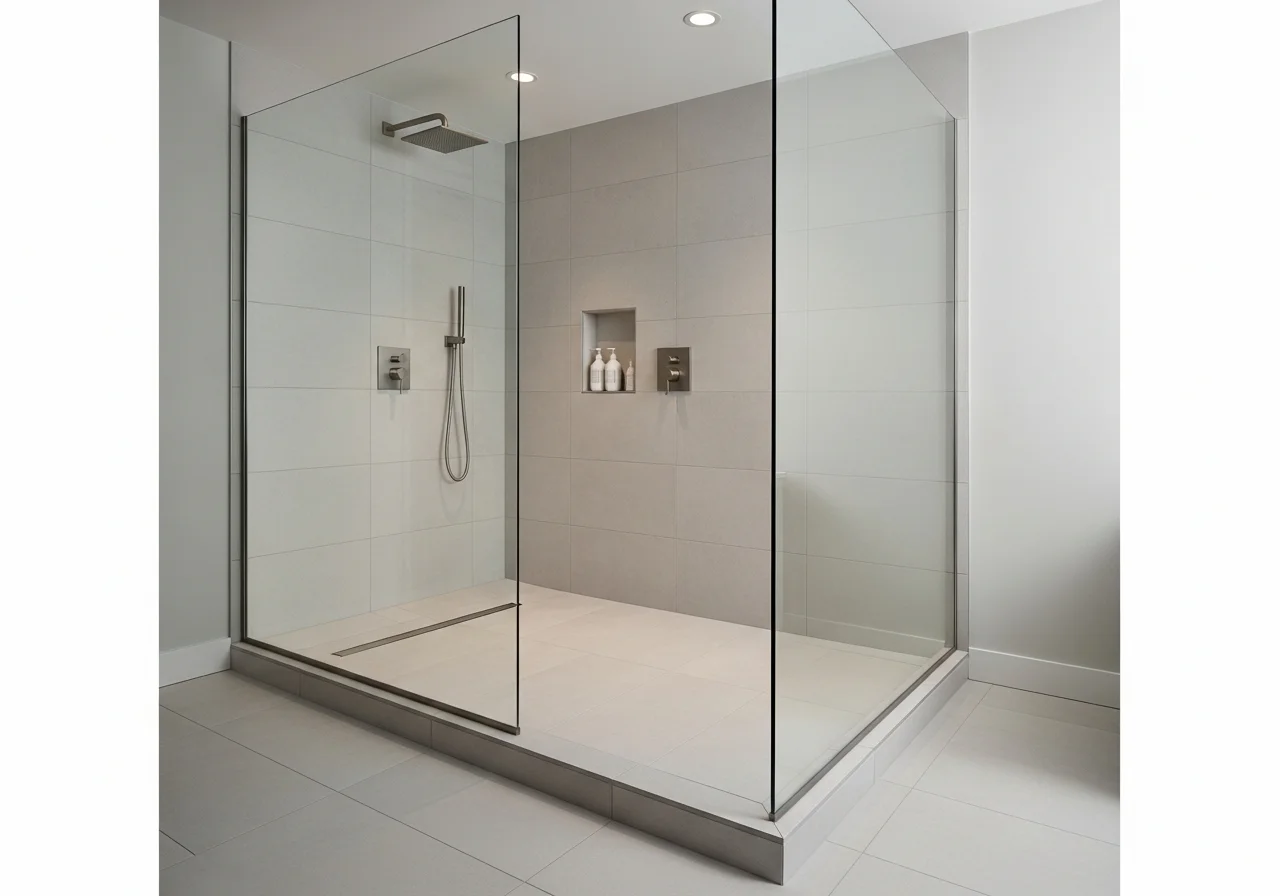
Zero-threshold showers create seamless transitions between bathroom and shower areas. This barrier-free design benefits everyone from young children to older adults while delivering a distinctly contemporary aesthetic. The flush entry requires careful attention to floor slope and drainage to prevent water migration into the rest of the bathroom. Linear drains positioned at the threshold work exceptionally well for this application, efficiently managing water flow while maintaining clean visual lines. This approach proves particularly valuable for those planning long-term residence in their homes.
Statement Tile Patterns
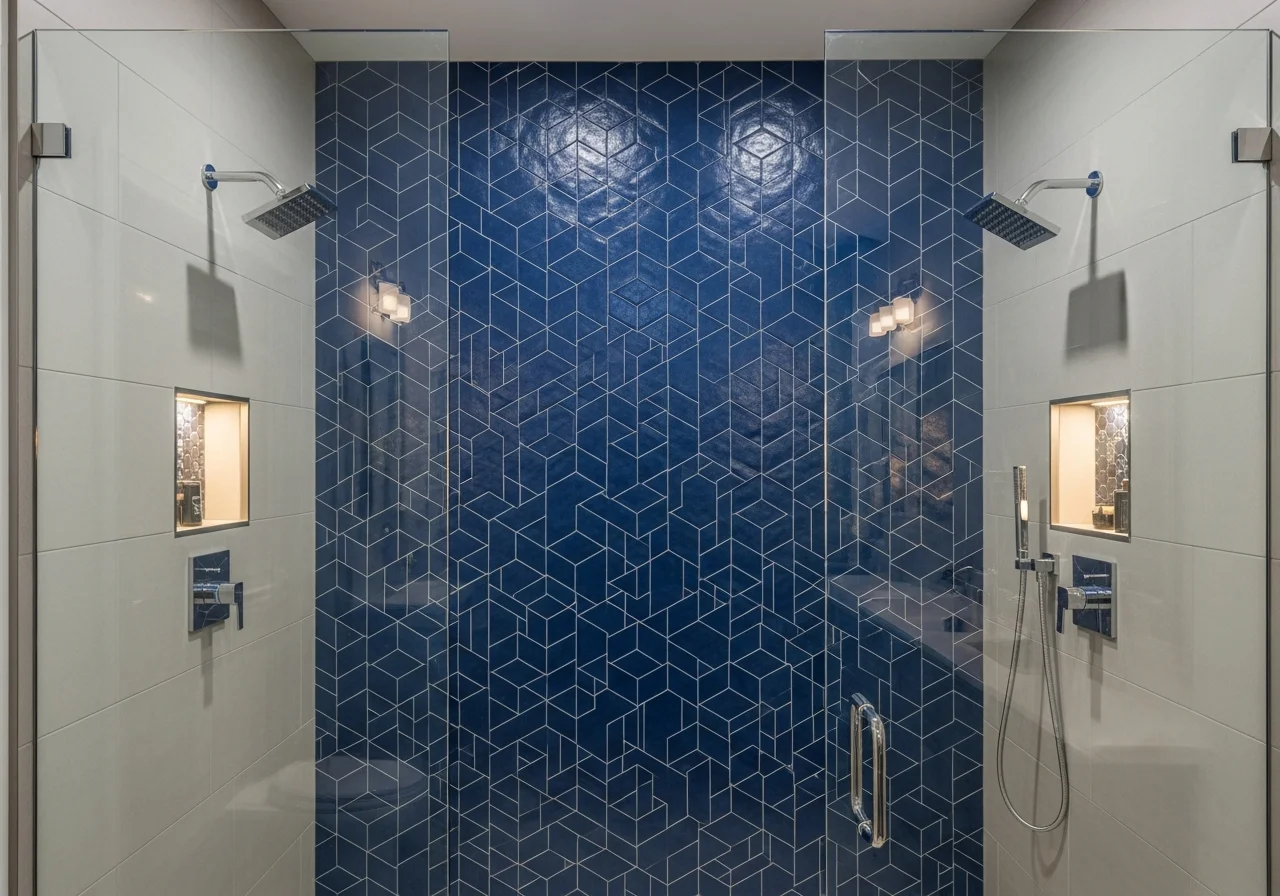
Bold tile choices transform shower walls into artistic focal points. Geometric patterns like hexagons or chevrons add dynamic visual interest, while vertical installations elongate spaces and draw the eye upward. Rich colors ranging from deep navy to forest green create depth and personality, moving beyond the sterile white boxes of previous decades. Metallic accents in copper or gold introduce glamorous touches that catch light beautifully. Mixing matte and glossy finishes within the same color family adds subtle texture that enhances the overall design. Consider limiting patterns to one wall to prevent overwhelming smaller spaces.
Black Fixtures and Hardware
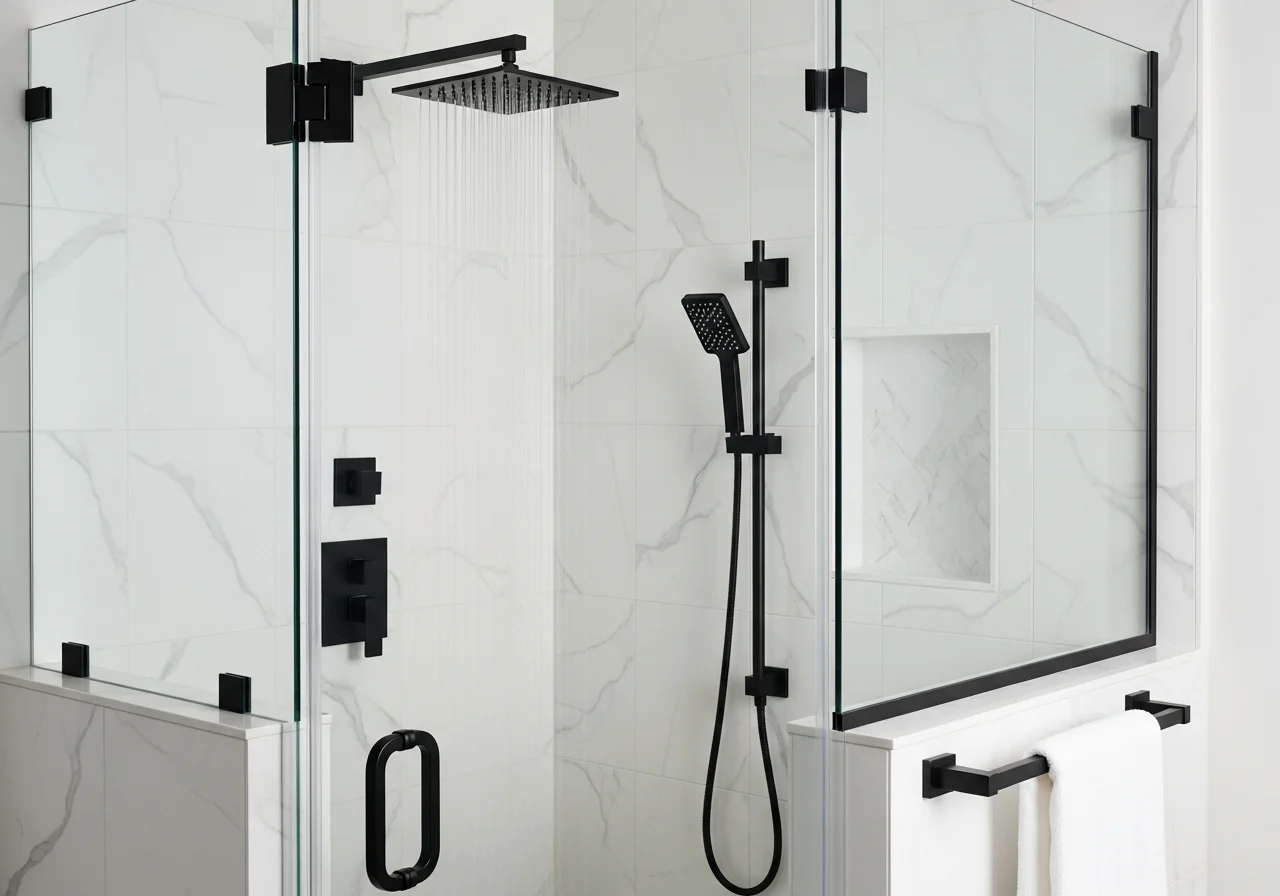
Matte black finishes continue dominating bathroom design, offering sophisticated contrast against lighter tile and stone. These fixtures photograph beautifully while remaining surprisingly forgiving with water spots and fingerprints compared to polished chrome. Coordinating your showerhead, controls, towel bars, and door hardware creates a cohesive look that feels intentional rather than assembled. The boldness of black also allows other design elements to shine, serving as a neutral backdrop for colorful tile or natural stone. This trend shows no signs of fading, making it a safe choice for those concerned about dated aesthetics.
Large Format Tiles
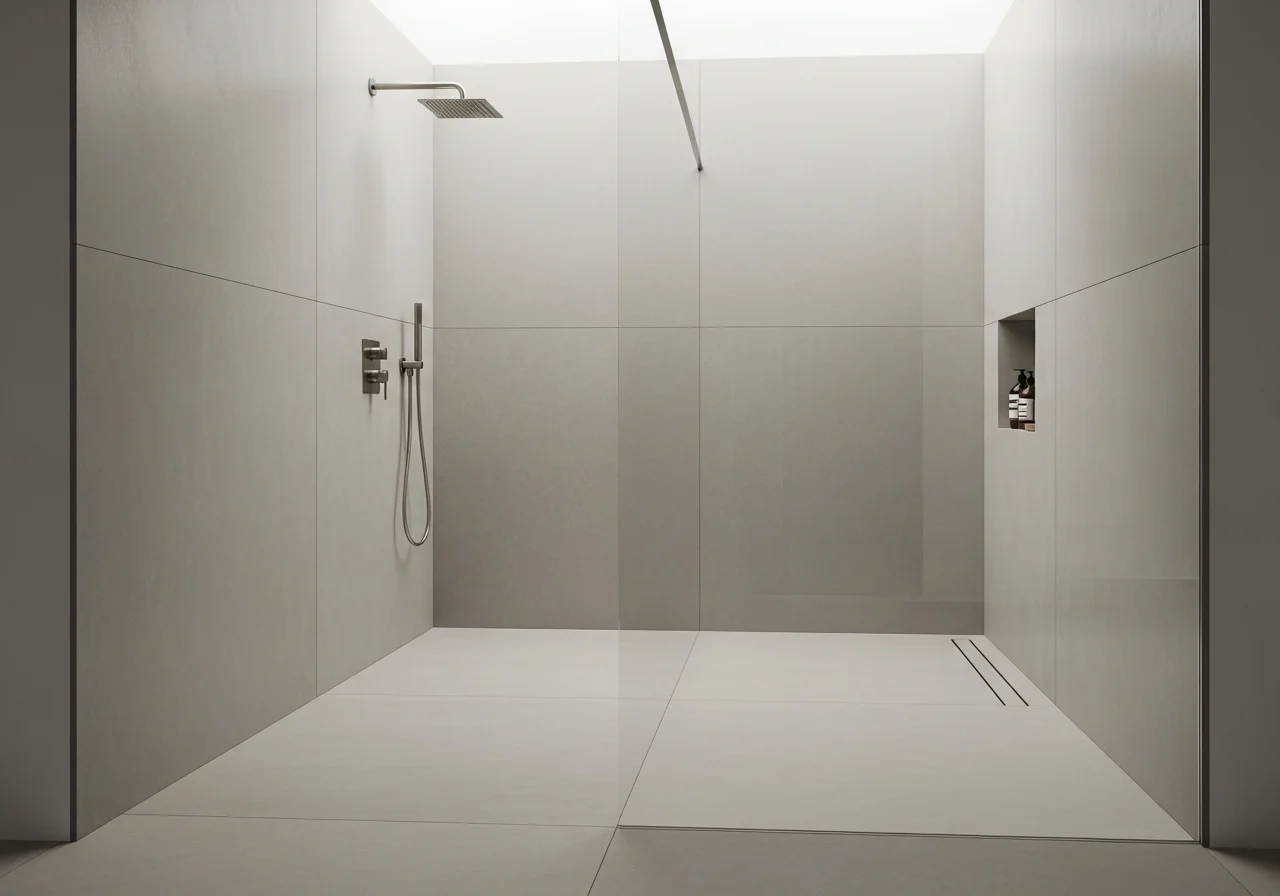
Oversized tiles reduce grout lines, simplifying maintenance while creating serene, uninterrupted surfaces. The seamless appearance enhances the spa-like quality many homeowners desire in their primary bathrooms. These slabs work particularly well in modern and contemporary settings where clean lines define the aesthetic. Installation requires experienced professionals to ensure proper support and waterproofing, but the investment pays dividends in both appearance and longevity. Consider extending the same large format tile from shower walls onto bathroom floors for ultimate visual continuity.
Doorless Walk In Designs
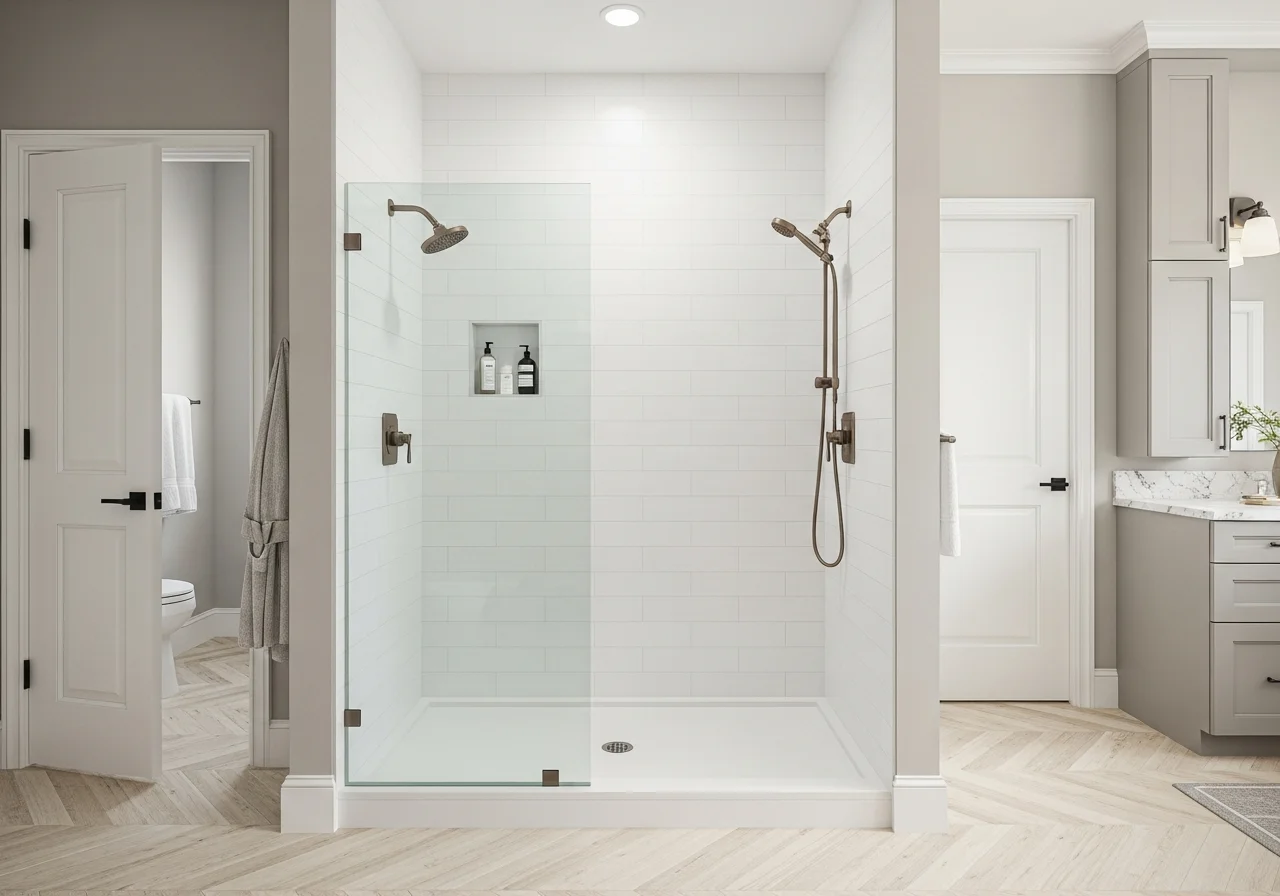
Open showers without doors or curtains create airy, flowing spaces that feel significantly larger than enclosed versions. This layout requires adequate square footage to prevent water spray from reaching other bathroom areas, typically needing at least five feet of depth. Strategic showerhead placement and proper floor slope become critical for containing moisture effectively. The absence of doors eliminates one more surface requiring regular cleaning and eventual replacement. For smaller bathrooms, a single glass panel can provide splash protection while maintaining the open feel. This approach works especially well in wet room designs.
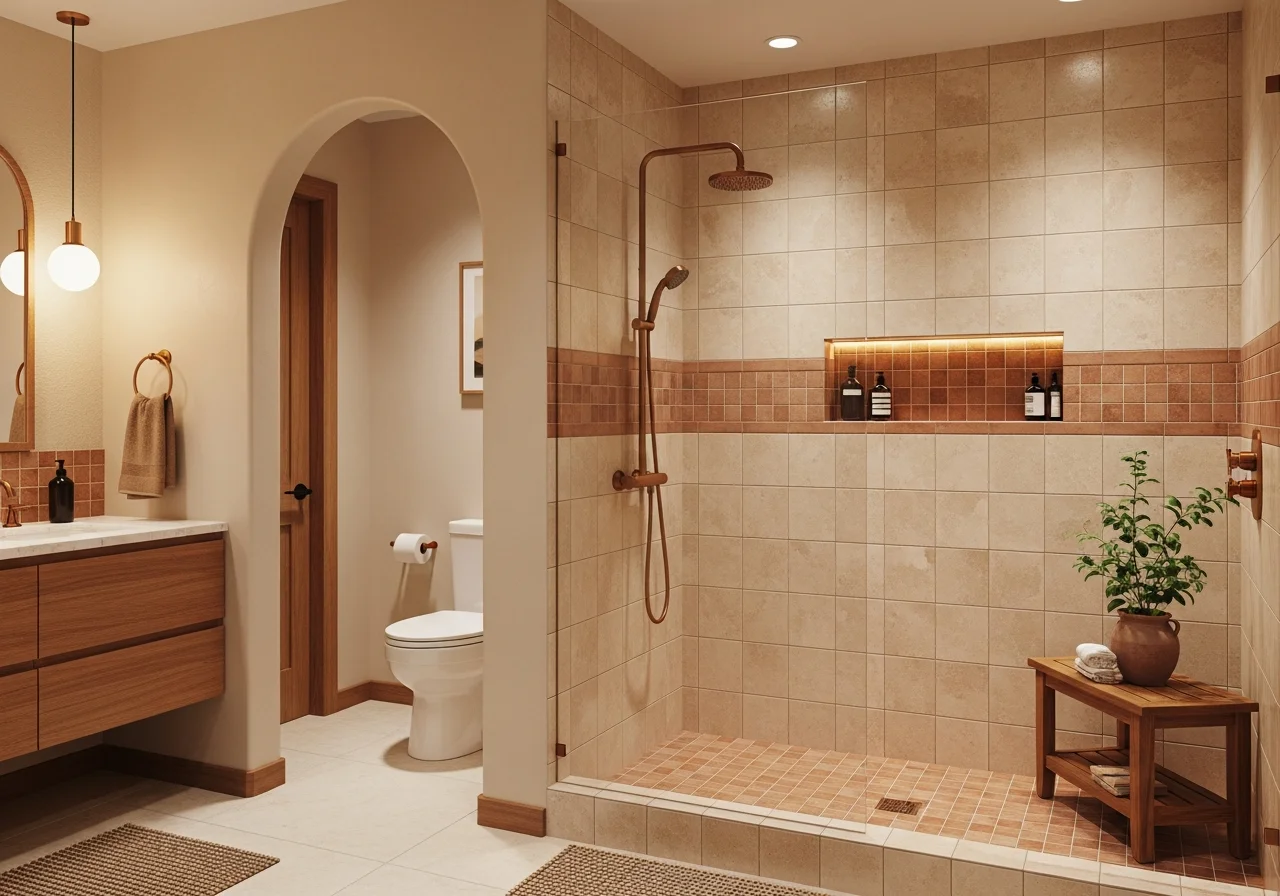
Earth Tone Color Palettes
Natural hues create calming environments that promote relaxation. Sandy beiges, warm grays, soft terracottas, and muted greens draw inspiration from the outdoors, fostering connection with nature even in urban settings. These colors pair beautifully with wood vanities and natural stone, building cohesive spaces that feel organic rather than forced. The timeless quality of earth tones provides lasting appeal that transcends temporary trends. Layer various shades within the same color family to add depth without overwhelming the senses. This palette approach supports the wellness-focused bathrooms that continue gaining popularity.
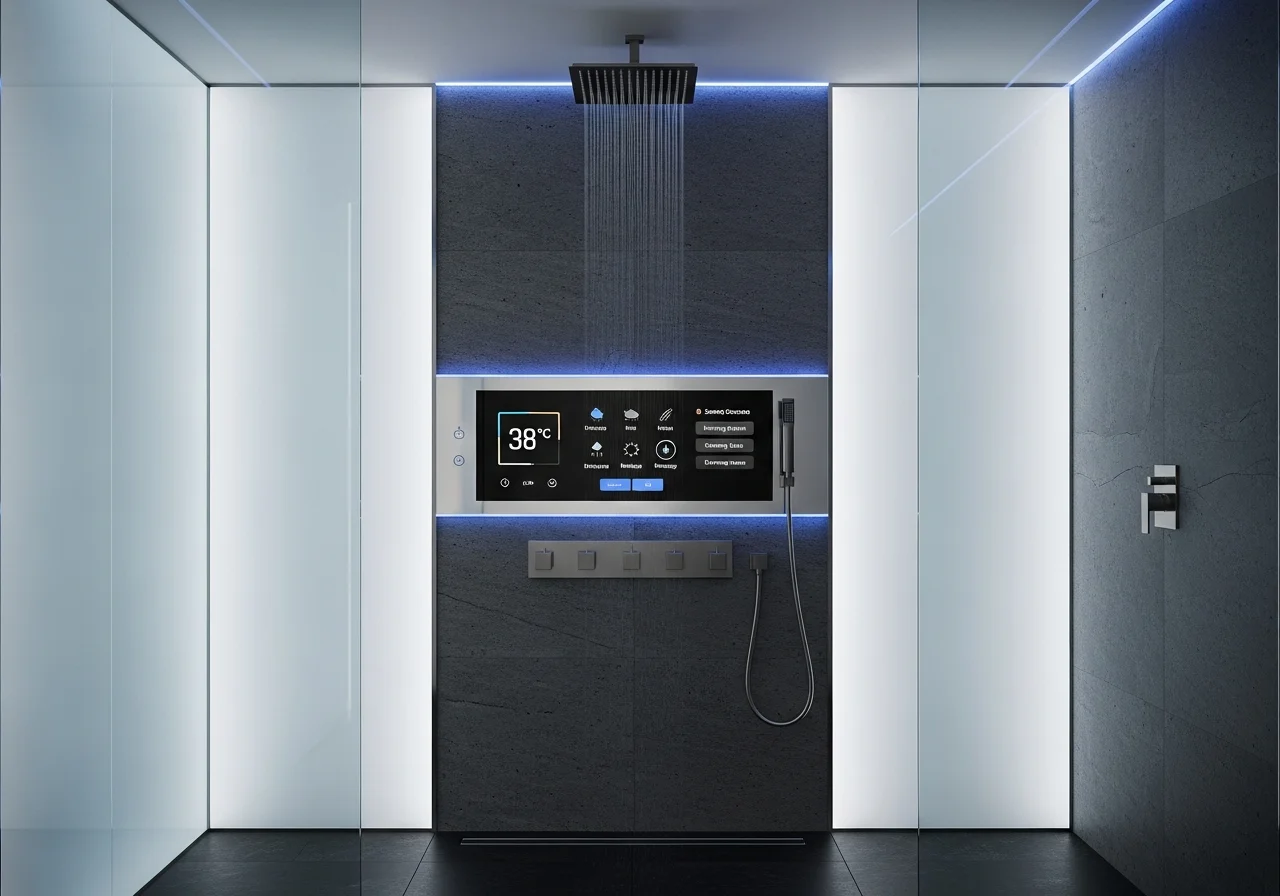
Smart Shower Technology
Digital controls bring precision and convenience to daily routines. Preset temperature settings eliminate the uncomfortable dance of adjusting knobs, while programmable profiles accommodate different household members. Some systems allow remote activation via smartphone, letting you warm the shower before stepping out of bed on cold mornings. LED lighting systems that change color create ambiance while potentially supporting better sleep through circadian lighting principles. Thermostatic valves maintain consistent temperatures even when water pressure fluctuates elsewhere in the home. These technologies enhance comfort without sacrificing the clean aesthetic modern bathrooms demand.
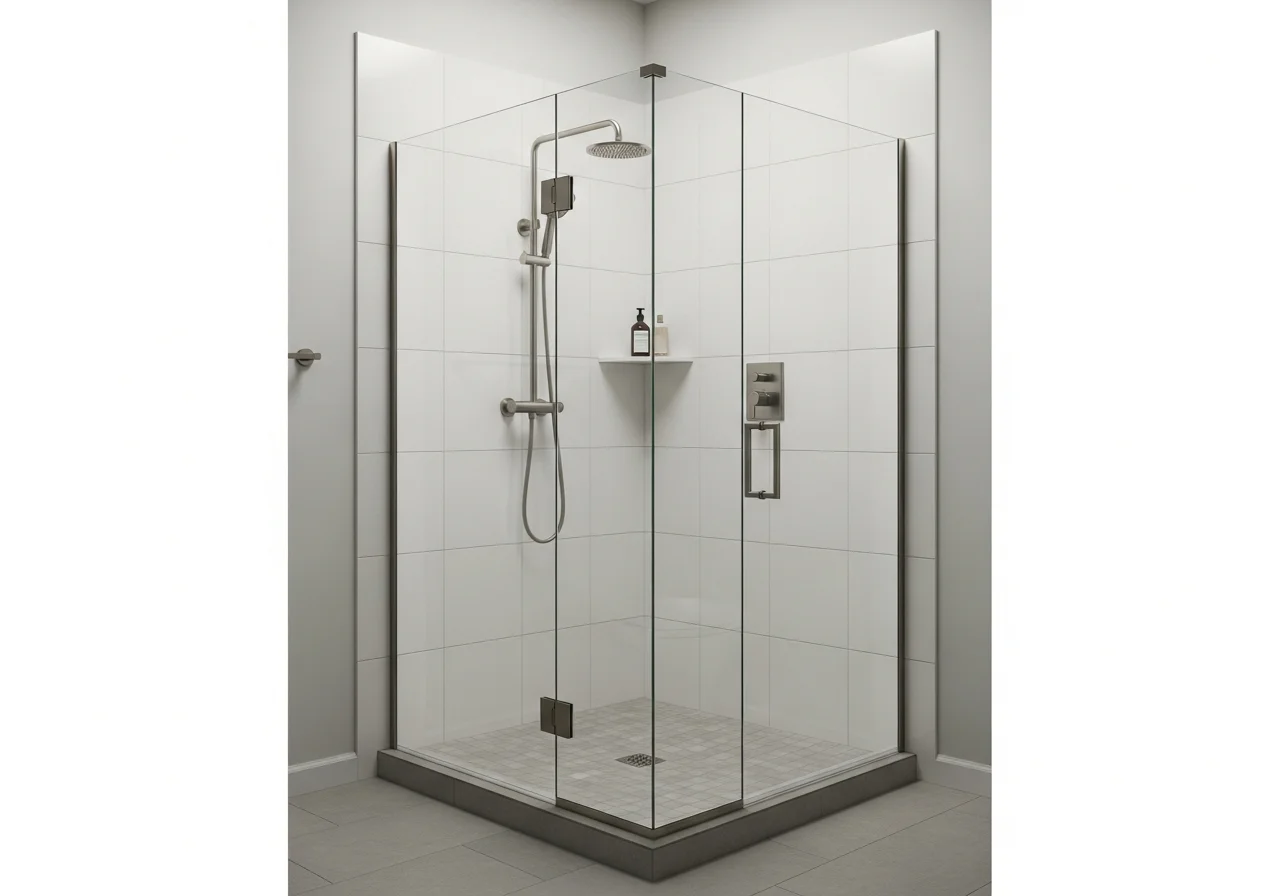
Corner Walk In Configurations
Maximizing awkward corner spaces delivers full shower functionality in compact footprints. This layout keeps central floor areas open for vanities and storage while efficiently utilizing space that might otherwise go unused. Corner installations work particularly well in square or nearly square bathrooms where centering a shower would consume too much prime real estate. Glass panels on two sides maintain openness while containing spray effectively. The triangular footprint can actually feel quite spacious once inside, providing ample room for comfortable movement.
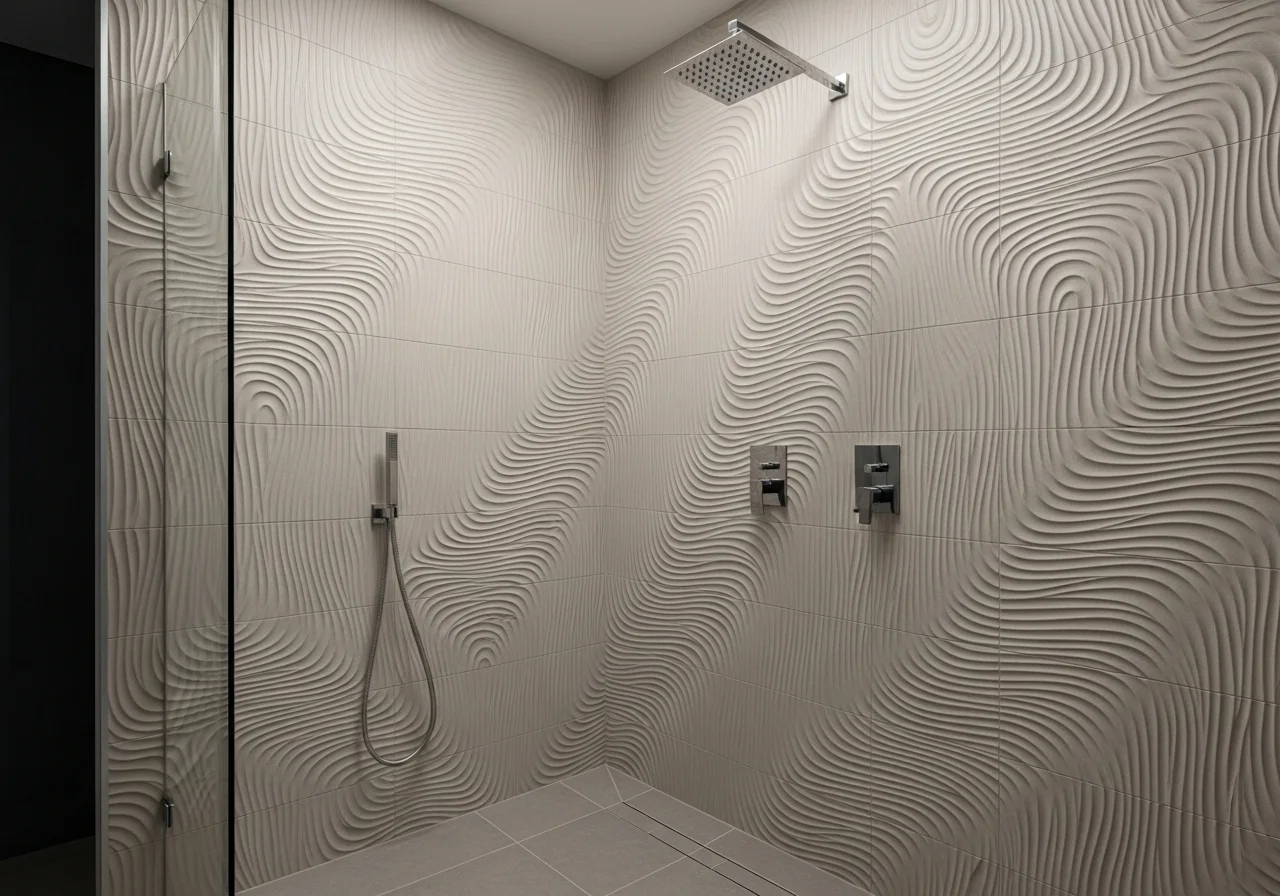
Textured Wall Surfaces
Moving beyond smooth tile, textured finishes add tactile dimension and visual depth. Fluted limestone creates subtle linear patterns that catch light beautifully throughout the day. Microcement offers an industrial yet refined appearance with organic variation. Rough plaster brings an intentionally weathered quality that communicates authenticity and craft. These surfaces support the broader biophilic design movement by incorporating natural imperfections that connect us to the physical world. The varied textures also help minimize the appearance of water spots and soap residue between cleanings.
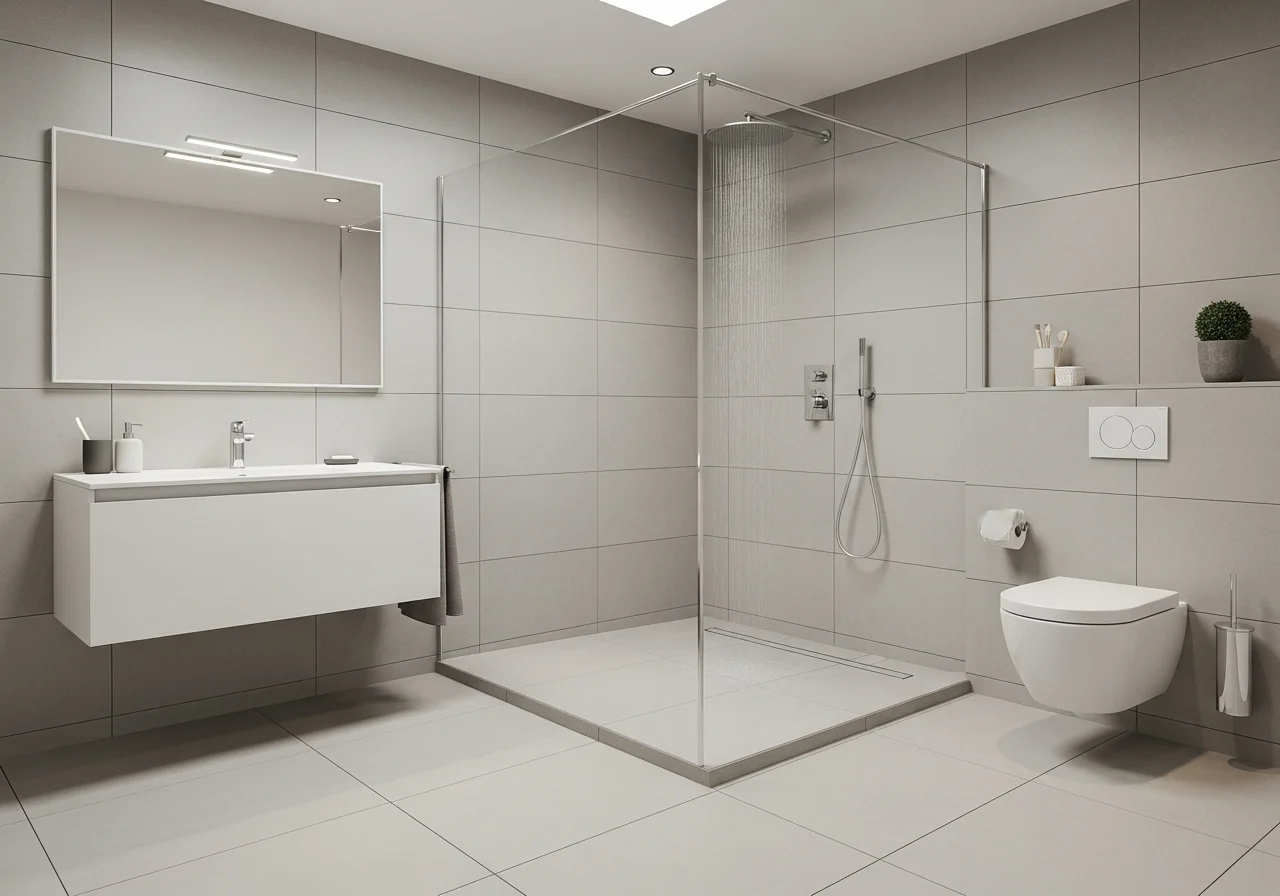
Wet Room Concepts
Fully waterproofed bathrooms eliminate traditional shower enclosures entirely, treating the complete space as a bathing area. This approach maximizes flexibility while creating dramatically open environments. Proper drainage becomes paramount, typically requiring professional assessment of floor structure and slope requirements. The toilet and vanity areas can be positioned in zones less likely to receive direct spray, though all surfaces must withstand moisture exposure. Wet rooms prove especially valuable in very small bathrooms where dedicating space to a separate shower stall feels wasteful. The European-inspired aesthetic delivers modern sophistication.
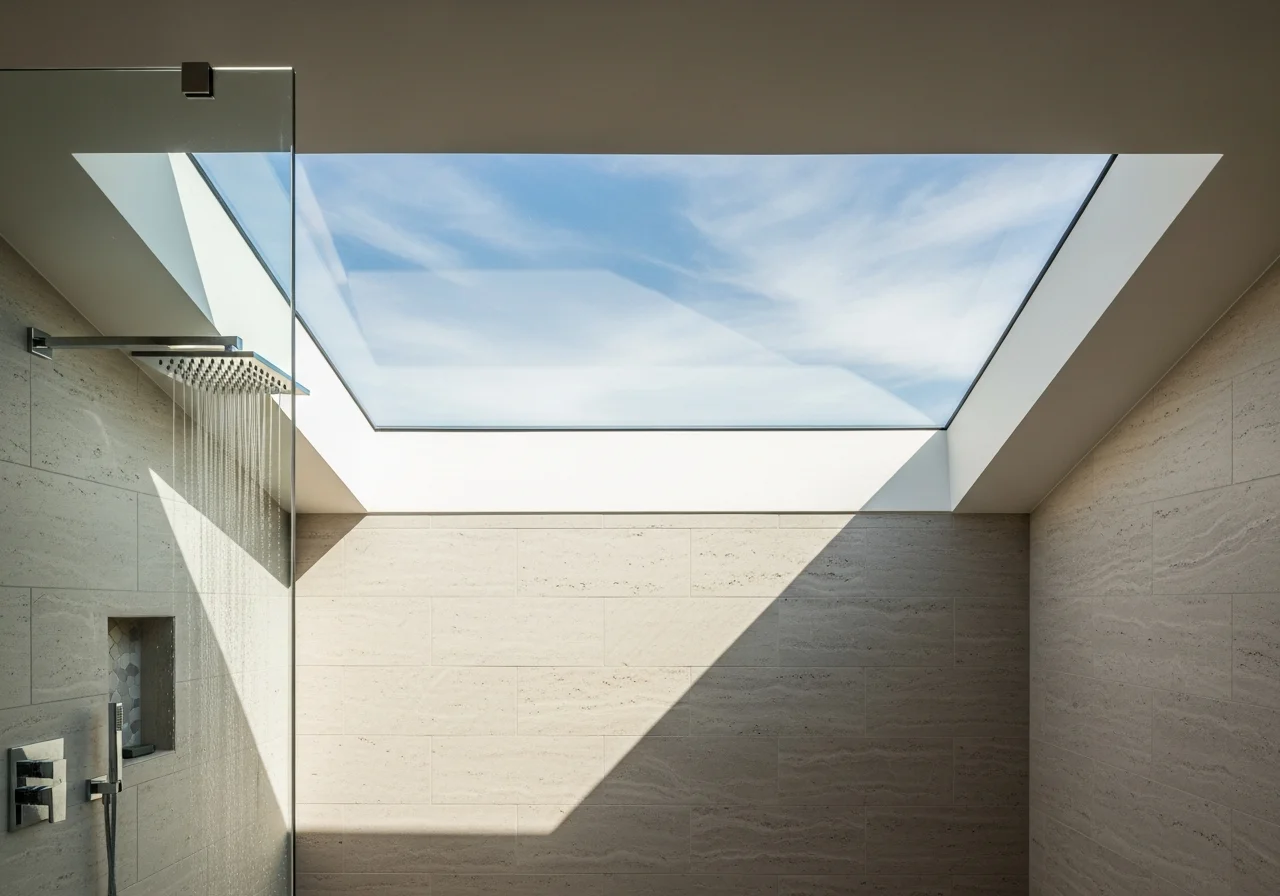
Skylight Integration
Overhead natural light transforms the shower experience while addressing ventilation needs. Skylights positioned above or adjacent to the shower area provide privacy while flooding the space with sunshine. The connection to the outdoors enhances the spa-like quality and helps regulate mood through natural light exposure. Consider operable skylights that open for ventilation, reducing moisture buildup without relying solely on exhaust fans. Tubular skylights work well in situations where traditional windows prove impractical due to upper floor placement or roof configurations.
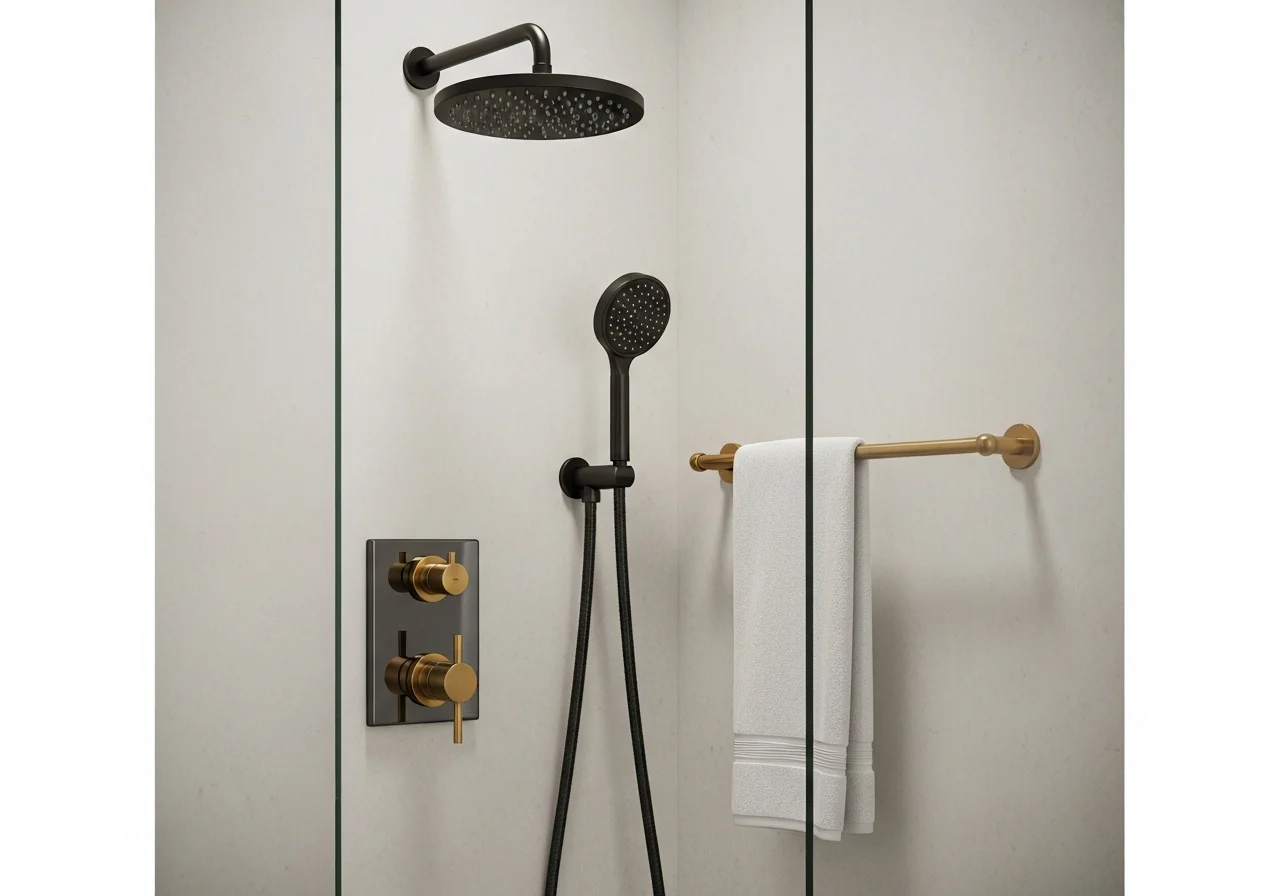
Mixed Metal Finishes
Combining different metal tones creates depth and visual interest that monochromatic schemes cannot achieve. Pair matte black showerheads with brushed gold towel bars, or mix chrome controls with oil-rubbed bronze hardware. This layered approach feels curated and personal rather than purchased from a matching set. The key lies in establishing a dominant finish and using others as accents, maintaining cohesion while introducing variety. This technique reflects broader interior design movements toward collected, eclectic spaces that tell stories rather than following rigid rules.
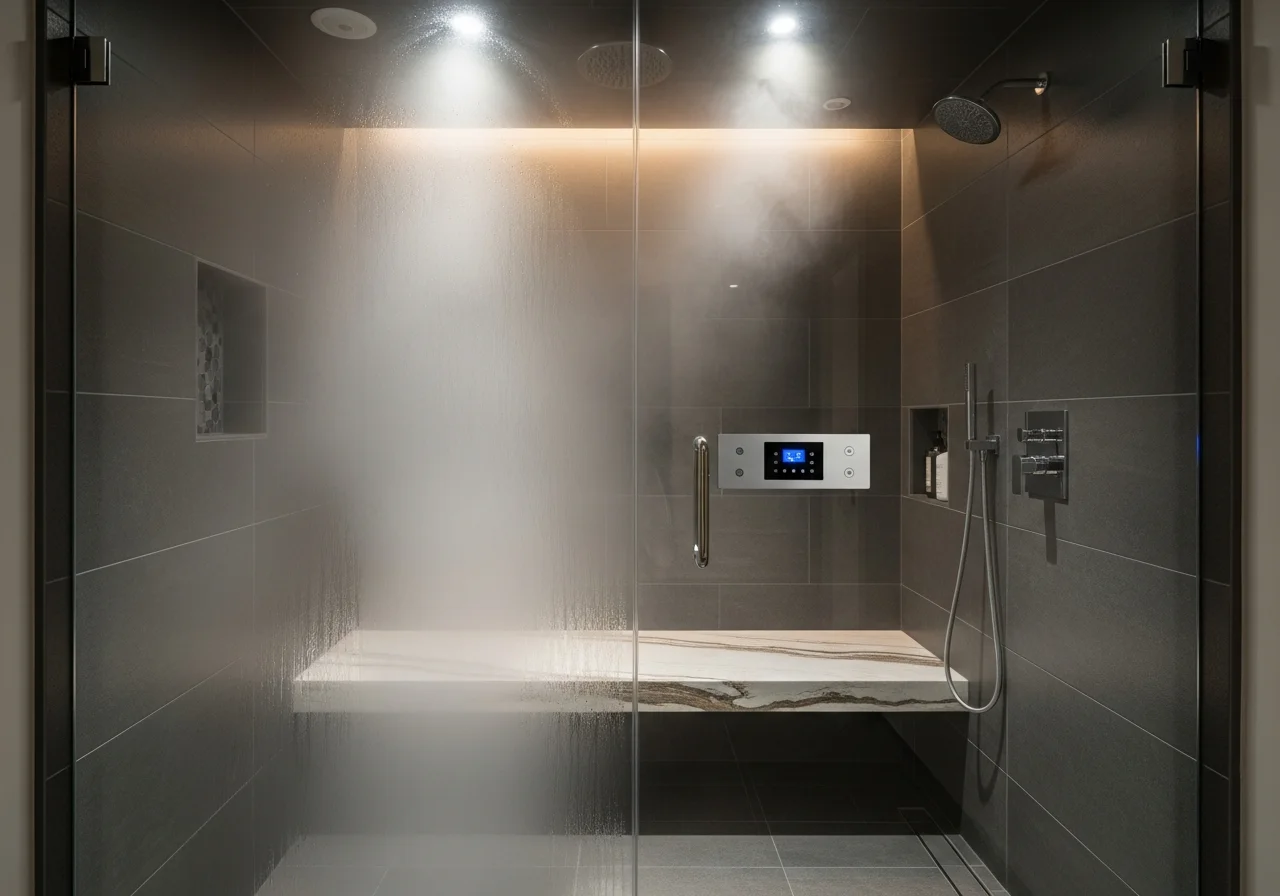
Steam Shower Capabilities
Built-in steam generators transform standard showers into personal wellness chambers. The therapeutic benefits of steam include respiratory relief, improved circulation, and deep muscle relaxation after strenuous activity. Modern systems integrate seamlessly into walk in shower designs, requiring only a fully enclosed space and proper ventilation. Combine steam functionality with comfortable seating to create a true home spa experience. While steam showers represent a higher initial investment, many users report they quickly become an indispensable part of daily routines.
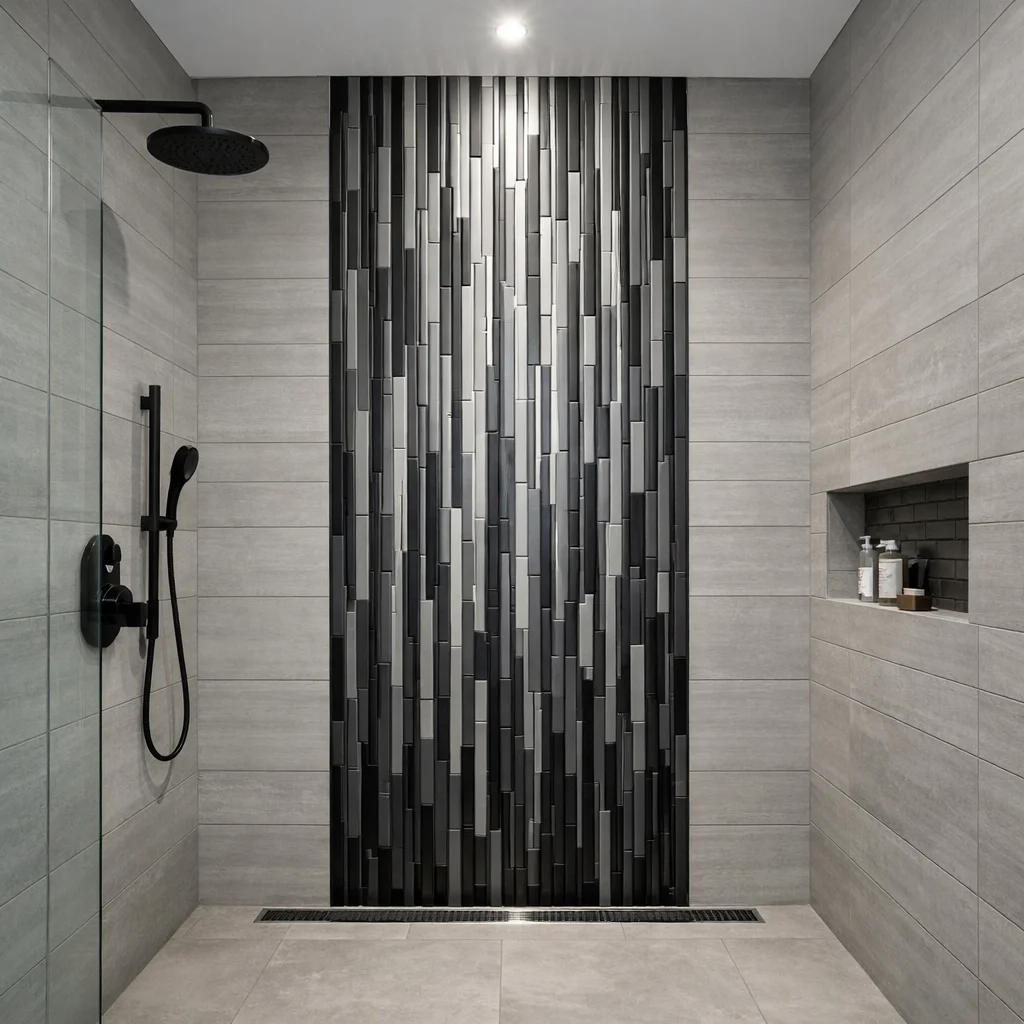
Vertical Accent Walls
Drawing the eye upward makes ceilings feel higher and spaces more expansive. Tile installed in vertical patterns rather than traditional horizontal orientations achieves this effect beautifully. Consider running a contrasting tile or stone from floor to ceiling on the back wall, creating a dramatic focal point visible from the bathroom entry. This technique works particularly well in showers with lower ceilings or compact dimensions where every visual trick helps combat feelings of enclosure. The vertical emphasis adds architectural interest without consuming additional square footage.
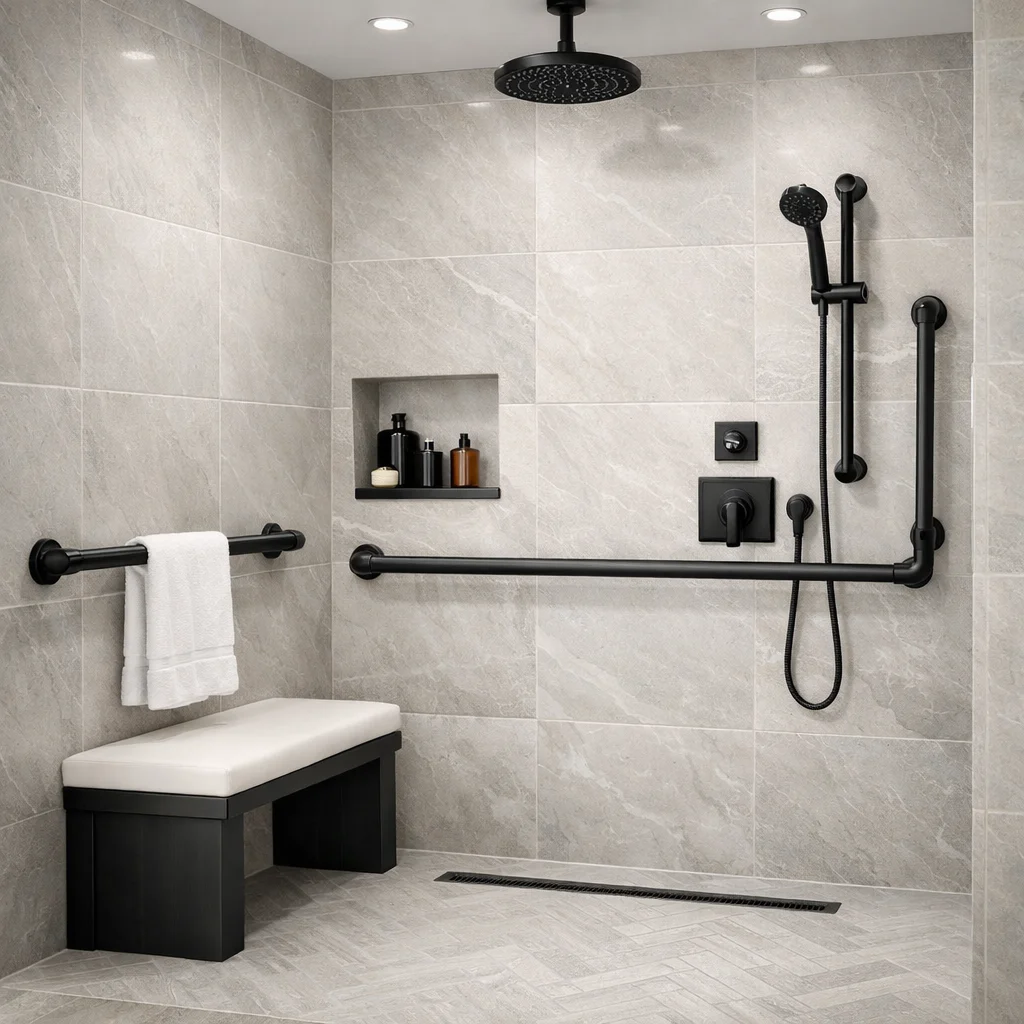
Grab Bars with Modern Design
Safety features no longer require sacrificing aesthetics. Contemporary grab bars come in finishes matching high-end fixtures, from matte black to brushed gold and polished nickel. Strategic placement provides stability without broadcasting their primary purpose to guests. Consider incorporating them during initial construction rather than retrofit, allowing proper reinforcement behind walls. Horizontal bars double as towel storage, while vertical installations near controls assist with balance. The aging population and multi-generational households make these features increasingly common in all bathroom projects, not just those specifically designed for accessibility.
Conclusion
Transforming your bathroom with a thoughtfully designed walk in shower creates a space that enhances daily life while adding tangible value to your home. The twenty ideas presented here demonstrate the remarkable range of possibilities available, from compact corner installations to luxurious wet rooms with premium finishes. Success lies in understanding your specific needs, available space, and personal style preferences before committing to any particular direction.
Consider which features genuinely improve your routine versus those that simply look attractive in photographs. Balance aesthetic desires with practical concerns like maintenance requirements and long-term durability. Work with experienced professionals who understand both the technical demands of proper waterproofing and the design principles that create beautiful, functional spaces.
Your walk in shower should reflect how you actually live, providing comfort and convenience every single day. Whether you prioritize accessibility, embrace bold design statements, or seek serene simplicity, the right combination of elements will transform your bathroom into a true sanctuary. Take time during the planning process, invest in quality materials and installation, and the result will serve you beautifully for decades to come.
Frequently Asked Questions
What is the minimum size for a walk in shower?
A functional walk in shower requires at least 36 inches by 36 inches, though 48 inches by 36 inches provides more comfortable movement. Doorless designs need additional depth, typically 60 inches or more, to prevent water from escaping into the bathroom. Corner configurations can work in tighter spaces while still delivering adequate room for bathing.
Are walk in showers suitable for small bathrooms?
Walk in showers actually work exceptionally well in small bathrooms because they eliminate the visual bulk of tub surrounds and shower curtains. Corner layouts, frameless glass enclosures, and doorless designs all help maintain an open feeling. Strategic tile choices and lighting further enhance the perception of space, making compact bathrooms feel larger than their actual square footage.
How much does a walk in shower cost to install?
Installation costs vary widely based on size, materials, and complexity, ranging from several thousand dollars for basic prefabricated units to significantly more for custom tile work with premium fixtures. Factors affecting price include demolition requirements, plumbing modifications, waterproofing, tile selection, glass enclosures, and hardware choices. Obtain detailed quotes from licensed contractors familiar with your specific project scope.
Do walk in showers increase home value?
Walk in showers generally add value by modernizing bathrooms and improving accessibility. Primary bathrooms with updated showers appeal to broad buyer demographics, particularly as populations age and prioritize easier entry without steps. The return on investment depends on overall bathroom quality, home price point, and local market preferences, but thoughtfully executed shower upgrades typically recoup substantial portions of their cost.
What type of tile works best for walk in showers?
The best shower tile balances aesthetics with safety and maintenance. Porcelain and ceramic offer durability and water resistance with endless design options. Natural stone provides organic beauty but requires sealing. Large format tiles minimize grout lines for easier cleaning, while smaller mosaic tiles on floors provide slip resistance through increased grout lines. Choose finishes with appropriate texture ratings to prevent accidents when wet.