20 Basement Bathroom Ideas and Designs to Elevate Your Space
Transforming a basement into a functional living area requires thoughtful planning, and adding a bathroom is often the cornerstone of that transformation. Whether you are working with an unfinished basement or renovating an existing space, a well-designed bathroom can dramatically increase your home’s value while creating a comfortable retreat below ground level. The basement offers unique opportunities for creative expression, allowing you to experiment with bold designs that might feel too adventurous elsewhere in your home.
Creating a basement bathroom presents distinct challenges that differ from typical bathroom installations. Limited natural light, lower ceiling heights, complex plumbing requirements, and moisture concerns demand strategic solutions. However, these obstacles should not discourage you. With proper planning and smart design choices, your basement bathroom can become a stunning space that rivals any upstairs bathroom in both functionality and aesthetic appeal.
This comprehensive guide presents twenty innovative basement bathroom ideas that address common concerns while inspiring your renovation journey. From maximizing tight spaces to incorporating luxurious touches, these designs demonstrate how thoughtful choices in lighting, materials, fixtures, and layout can transform even the most challenging basement into an inviting sanctuary.
Planning Your Basement Bathroom Layout
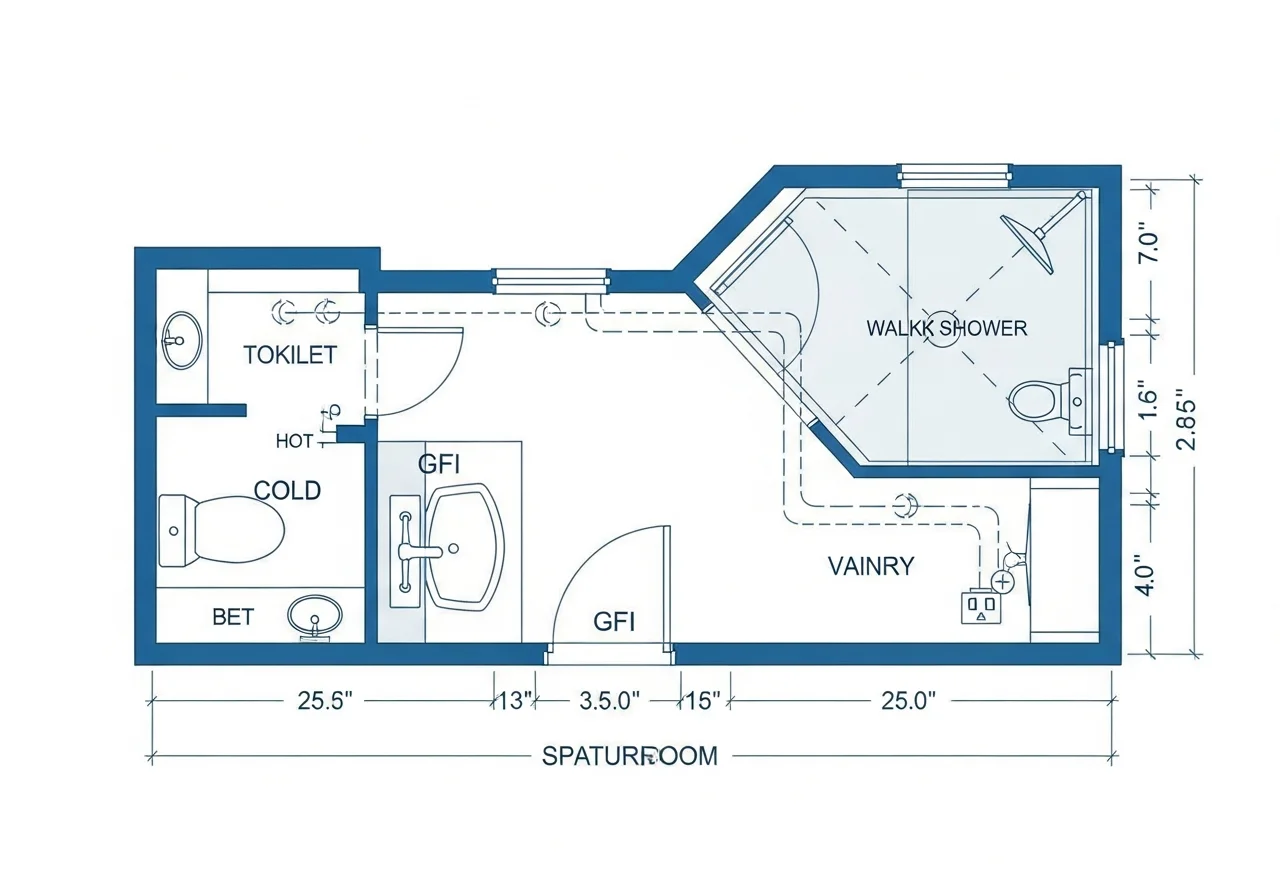
The foundation of any successful basement bathroom begins with strategic planning. Before selecting tiles or fixtures, carefully assess your available space and existing infrastructure. Position your bathroom near or directly beneath existing plumbing whenever possible, as this significantly reduces installation costs and complexity. Extending water lines from above is considerably more economical than routing entirely new plumbing systems through your basement.
Consider the primary purpose of your bathroom during the planning phase. A full bathroom with shower or tub requires different spatial allowances than a compact powder room. Standard basement bathrooms typically measure between five to ten feet in various dimensions, with five feet being the minimum width to accommodate a standard tub. Evaluate whether you need a three-piece bathroom with toilet, sink, and shower, or if a simple half bath will suffice for your needs.
Layout configurations greatly impact both functionality and visual appeal. Linear arrangements work well for narrow spaces, positioning the toilet, vanity, and shower along one wall. L-shaped layouts suit square or nearly square rooms, typically six to seven feet per side, creating efficient triangular flow patterns. Work with professionals to ensure proper drainage slopes, as basement bathrooms typically sit below main sewer lines and may require additional systems like ejector pumps or upflush toilets to function properly.
Maximizing Light in Windowless Spaces
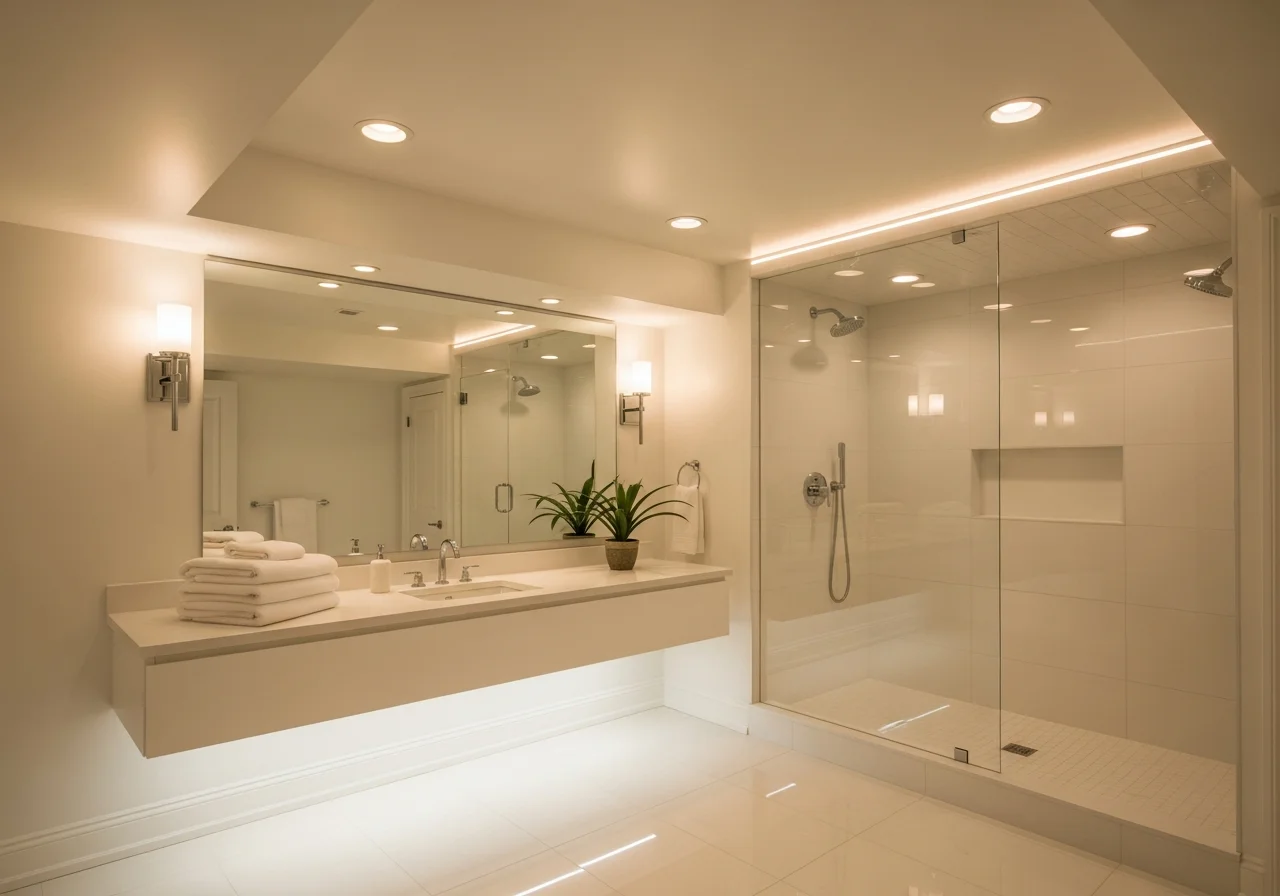
Inadequate lighting represents perhaps the most common complaint about basement bathrooms. The subterranean location naturally limits natural light access, making artificial lighting critical for creating bright, welcoming environments. Layered lighting approaches deliver the best results, combining ambient, task, and accent lighting to eliminate shadows and create depth.
Recessed lighting provides clean, space-saving general illumination perfect for basement applications with limited ceiling height. Install these fixtures strategically throughout the ceiling, with particular attention to shower areas where adequate ventilation and lighting combine in exhaust fan combinations. These dual-purpose fixtures eliminate clunky traditional exhaust grilles while maintaining necessary moisture control.
Wall sconces flanking mirrors create essential task lighting for grooming activities. Mount these fixtures approximately sixty to sixty-five inches from the floor, spacing them thirty-six to forty inches apart depending on mirror width. This positioning eliminates unflattering shadows while providing functional brightness. Consider installing dimmer switches to adjust lighting intensity according to different times and moods, creating versatility within your space.
When possible, incorporate small windows or glass block installations to introduce natural light. Clerestory windows positioned high on walls provide illumination without sacrificing privacy. Even minimal natural light significantly improves the perceived spaciousness and comfort of basement bathrooms. For fully subterranean spaces, consider installing walk-on rooflights above the basement, allowing daylight to filter through from rooms above.
Choosing the Right Tile and Flooring
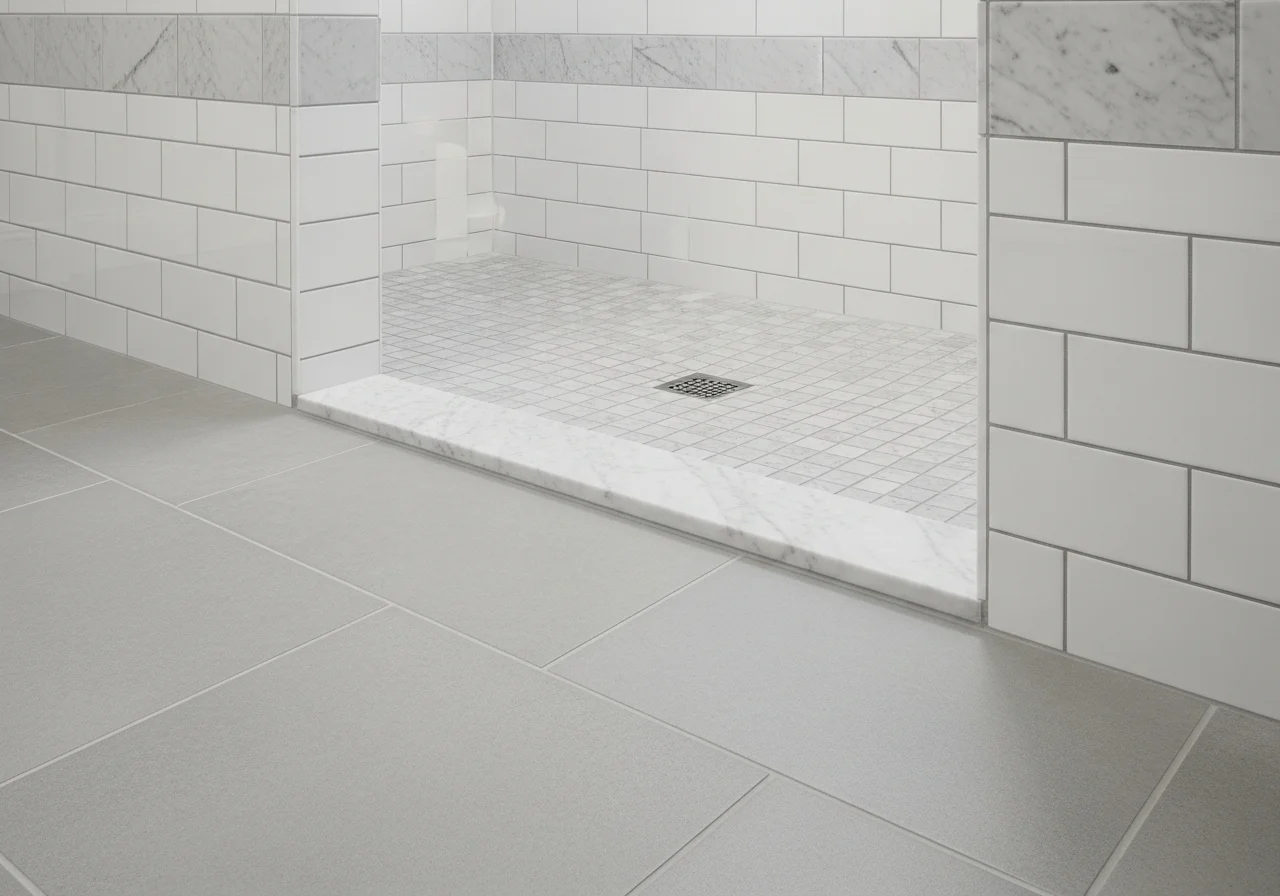
Material selection proves crucial in basement environments where moisture management remains paramount. Tile flooring stands as the most popular choice due to exceptional water resistance and durability. Large-format tiles create a sense of openness by minimizing grout lines, making small bathrooms feel more expansive. This approach also simplifies cleaning and maintenance over time.
Luxury vinyl planks offer an excellent alternative to traditional tile, combining the warm aesthetic of wood with superior moisture resistance. These planks handle high humidity and potential water exposure without warping or deteriorating, making them ideal for below-grade installations. Their affordability and ease of installation make them attractive options for budget-conscious renovations while maintaining sophisticated appearances.
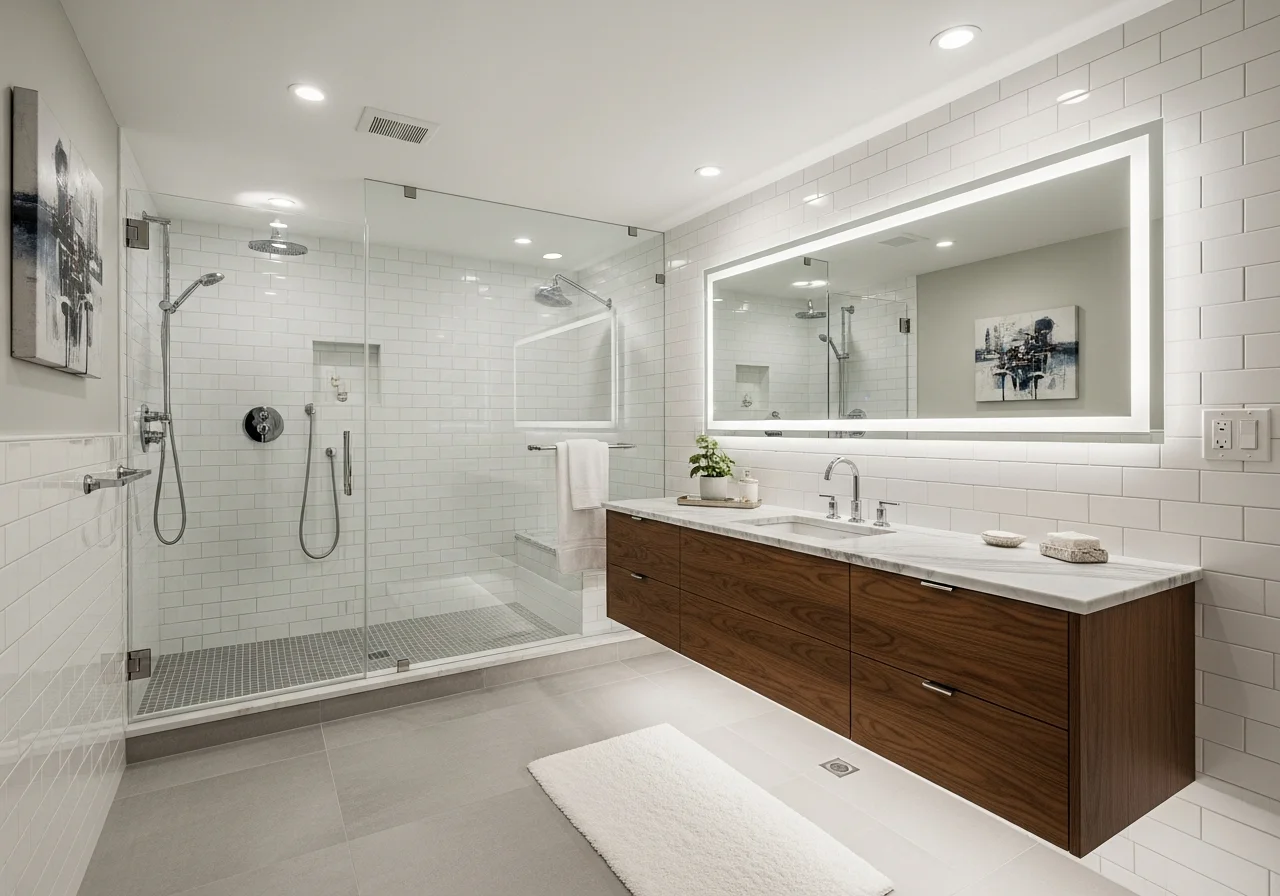
Wall tile choices significantly impact the overall ambiance of your bathroom. Classic white subway tile remains perennially popular because it reflects light beautifully, making rooms feel larger and brighter. Pair subway tile with light grout for seamless, cohesive looks, or introduce contrast with dark grout lines for added visual interest. Installing subway tile vertically from floor to ceiling creates the illusion of height, counteracting the impact of low basement ceilings.
For those willing to splurge selectively, marble introduces luxury without breaking budgets in small basement bathrooms. Alternate larger marble tiles in complementary shades like white Carrara and gray Bardiglio to create dramatic floor patterns. Use smaller honed hexagon marble tiles in shower pans to add texture while maintaining the upscale aesthetic. Remember that marble requires proper sealing and maintenance to preserve its beauty in moisture-rich environments.
Walk-In Showers Versus Bathtubs
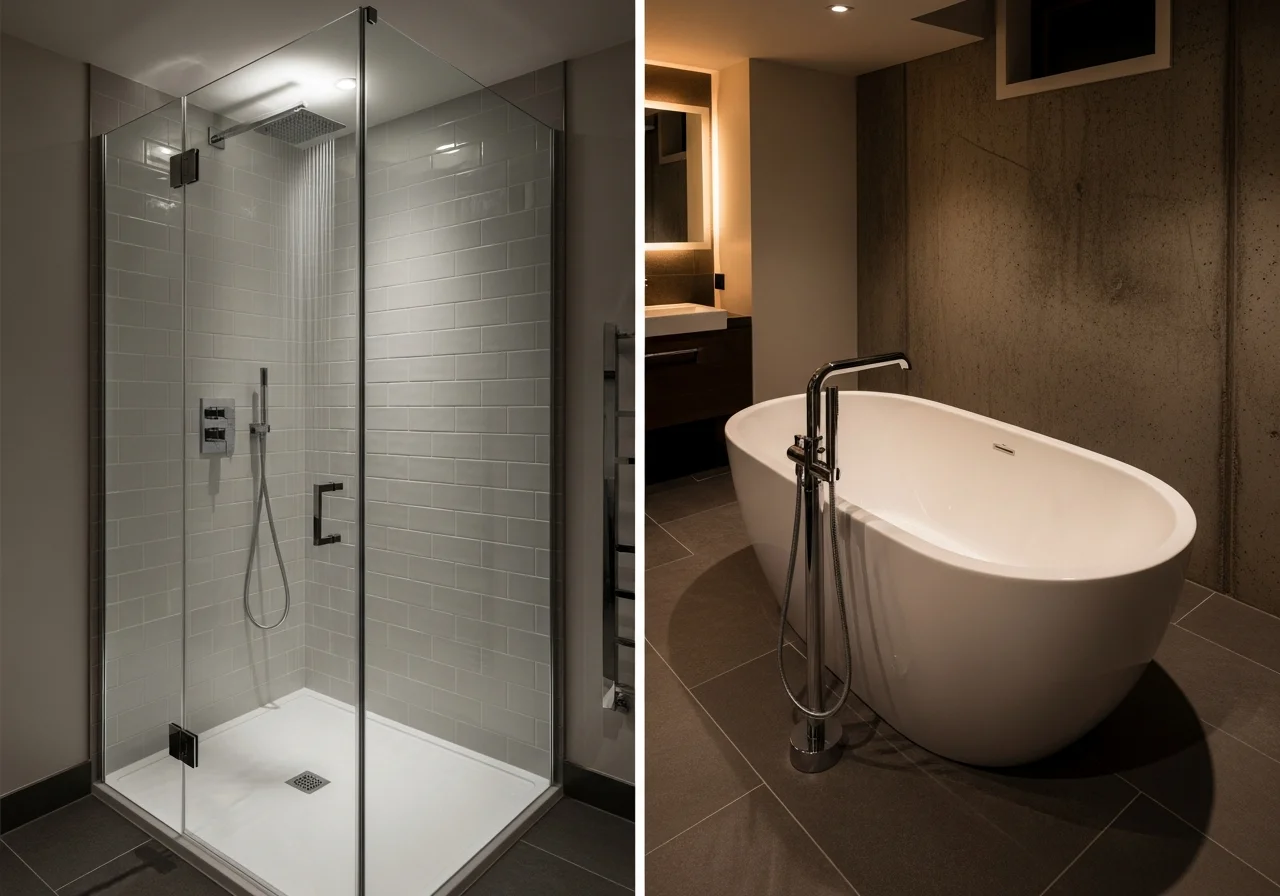
Deciding between walk-in showers and bathtubs represents a significant choice that impacts both functionality and spatial efficiency. Walk-in showers generally prove more practical for basement applications, particularly in smaller bathrooms where every inch matters. These installations maximize usable space, improve accessibility, and create modern, open aesthetics that enhance the sense of roominess.
Glass enclosures for walk-in showers serve dual purposes by containing water while reflecting light throughout the bathroom. Clear glass maintains visual continuity, preventing the space from feeling chopped up or confined. For privacy concerns, consider frosted or textured glass options that still allow light transmission. Frameless glass doors deliver particularly sleek, contemporary appearances that elevate the overall design quality.
Corner shower units optimize space in compact bathrooms by tucking into room corners and keeping central areas open. These configurations work exceptionally well in basement locations where irregular dimensions or mechanical systems restrict layout flexibility. Pair corner showers with wall-mounted fixtures and recessed shelving to maintain clean lines and maximize the limited square footage available.
Bathtubs deserve consideration when basement bathrooms serve as guest suites or family spaces intended for long-term use. Freestanding tubs positioned centrally create luxurious focal points inspired by boutique hotels. However, installing bathtubs in basements presents drainage challenges due to their position below main sewer lines. Consult with licensed plumbers to determine whether gravity drainage is feasible or if you will require alternative solutions like upflush systems to manage waste water properly.
Creating Illusions of Height
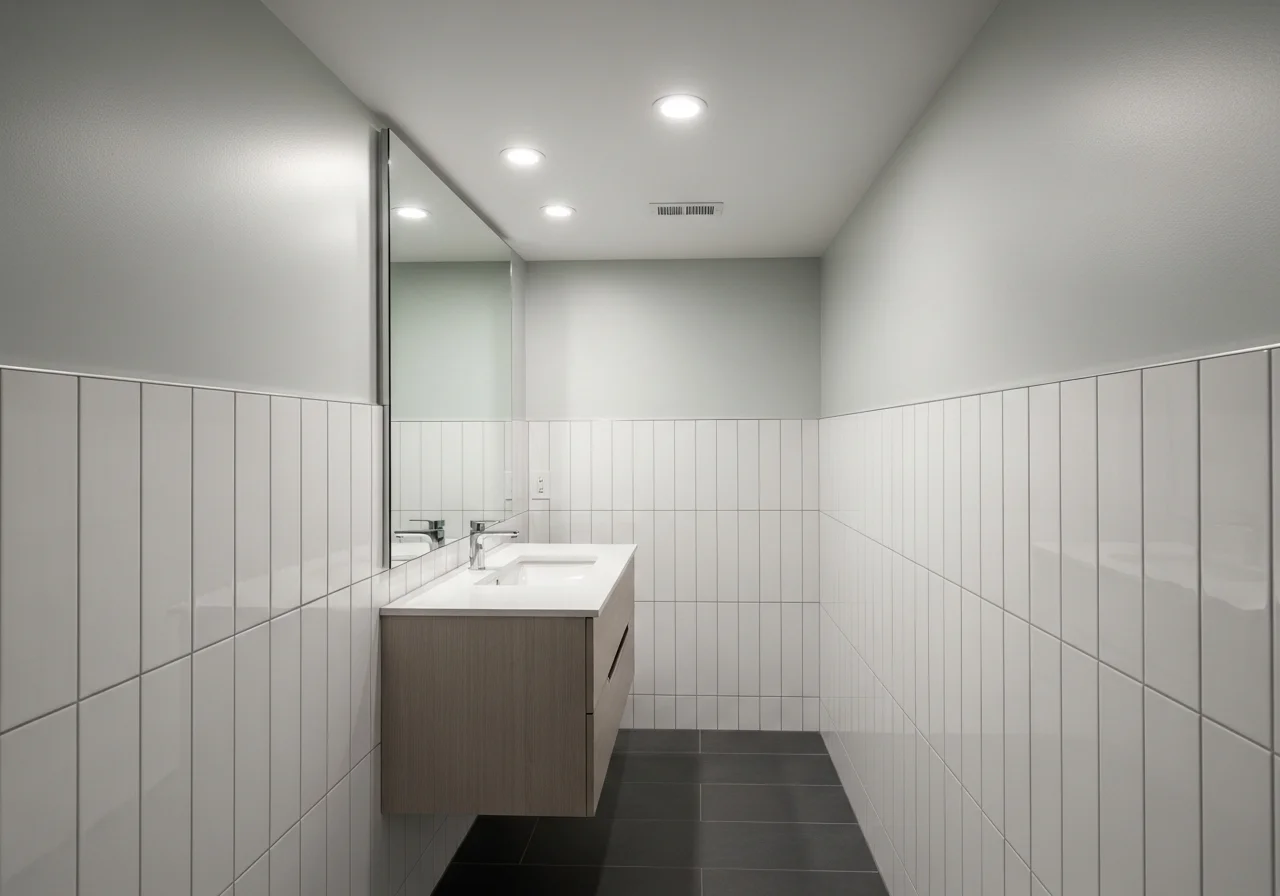
Low ceiling height presents a persistent challenge in basement bathroom design, but strategic approaches can counteract this limitation. Vertical elements draw the eye upward, creating perceptions of additional height even when actual ceiling measurements remain unchanged. Install tiles vertically rather than horizontally, extending them from floor to ceiling without interruption to maximize this effect.
Paint strategies also influence perceived ceiling height. Keep ceilings and upper wall portions in lighter shades while introducing darker colors lower on walls or floors. This gradient naturally directs attention upward and prevents spaces from feeling too enclosed. Avoid horizontal dividing lines at eye level, as these visually compress room height and emphasize low ceilings.
Recessed lighting eliminates the need for hanging fixtures that consume precious vertical space. By embedding lights directly into ceilings, you maintain maximum clearance while providing necessary illumination. This approach proves particularly valuable in basements where ceilings may measure only seven to eight feet or even less in older homes where building codes permitted lower specifications.
Consider removing or relocating mechanical systems that hang below ceiling joists when possible. Ductwork and plumbing often reduce effective ceiling height unnecessarily. Consult with contractors about rerouting these elements during renovation planning stages. Even gaining a few inches can meaningfully improve the overall feel of your basement bathroom.
Budget-Friendly Basement Bathroom Solutions
Creating beautiful basement bathrooms need not drain your renovation budget entirely. Strategic decisions about where to save versus where to splurge enable you to achieve high-end appearances while respecting financial constraints. Begin by identifying which single element will provide the greatest visual impact, then allocate more resources there while economizing elsewhere.
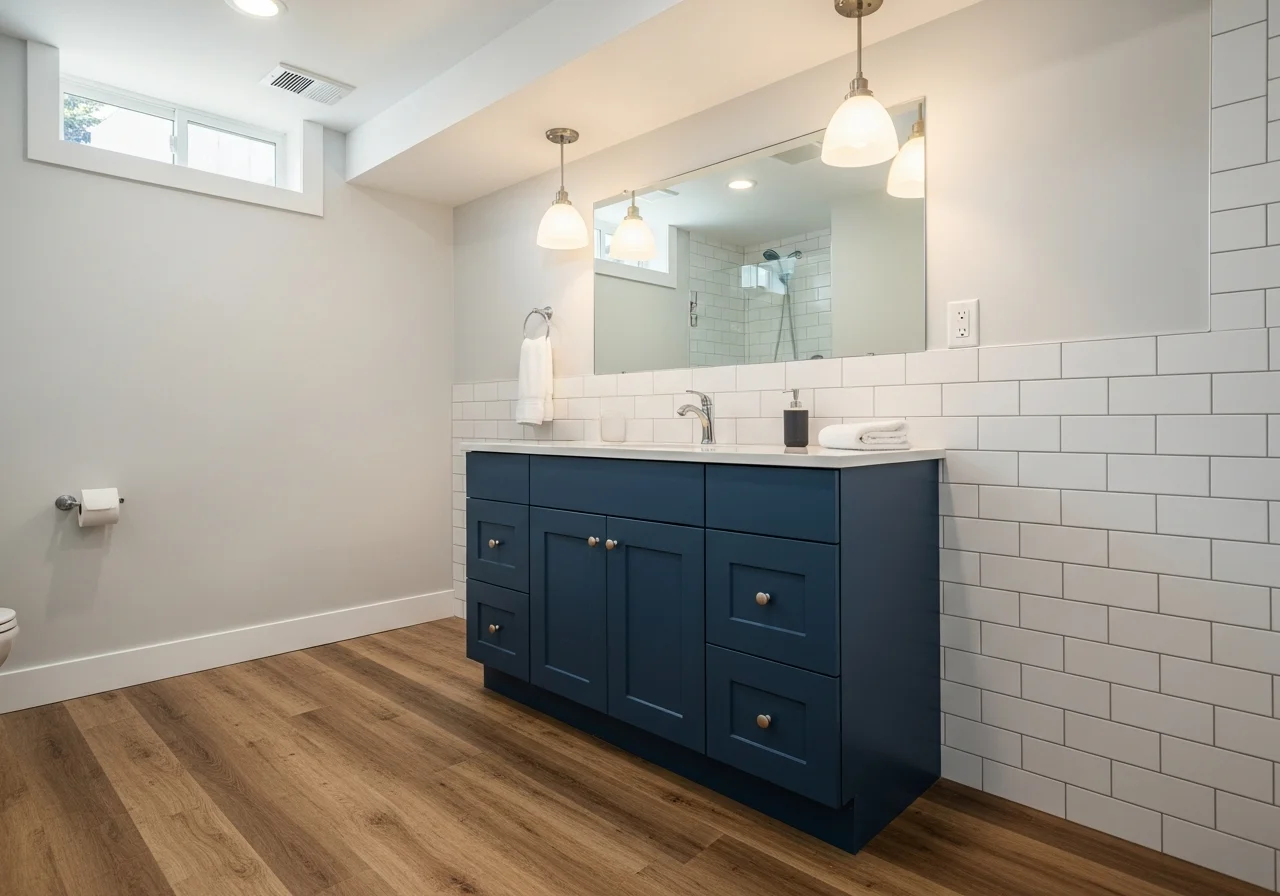
Prefabricated vanities offer cost-effective alternatives to custom cabinetry. Retailers provide numerous stylish options at accessible price points, many featuring quality construction and attractive finishes. Select vanities with integrated storage to maximize organization without additional furniture purchases. Paint vanities in bold colors like navy or black to create custom appearances without custom pricing.
Shop online retailers for lighting fixtures and plumbing hardware. Many consumers overlook these sources, but they offer substantial savings compared to specialty showrooms. Fixtures purchased online often match or exceed the quality of premium alternatives while costing significantly less. Focus on mixing metals intentionally, combining finishes like matte black faucets with brass cabinet hardware to achieve sophisticated, layered aesthetics.
Reserve your splurge for one standout material or feature that elevates the entire design. In small basement bathrooms, using premium marble remains budget-feasible while delivering luxury impact. Alternatively, invest in a statement light fixture or distinctive mirror that becomes a conversation piece. Balance this investment with economical choices for remaining elements, ensuring cohesive overall design without excessive spending.
Incorporating Smart Storage Solutions
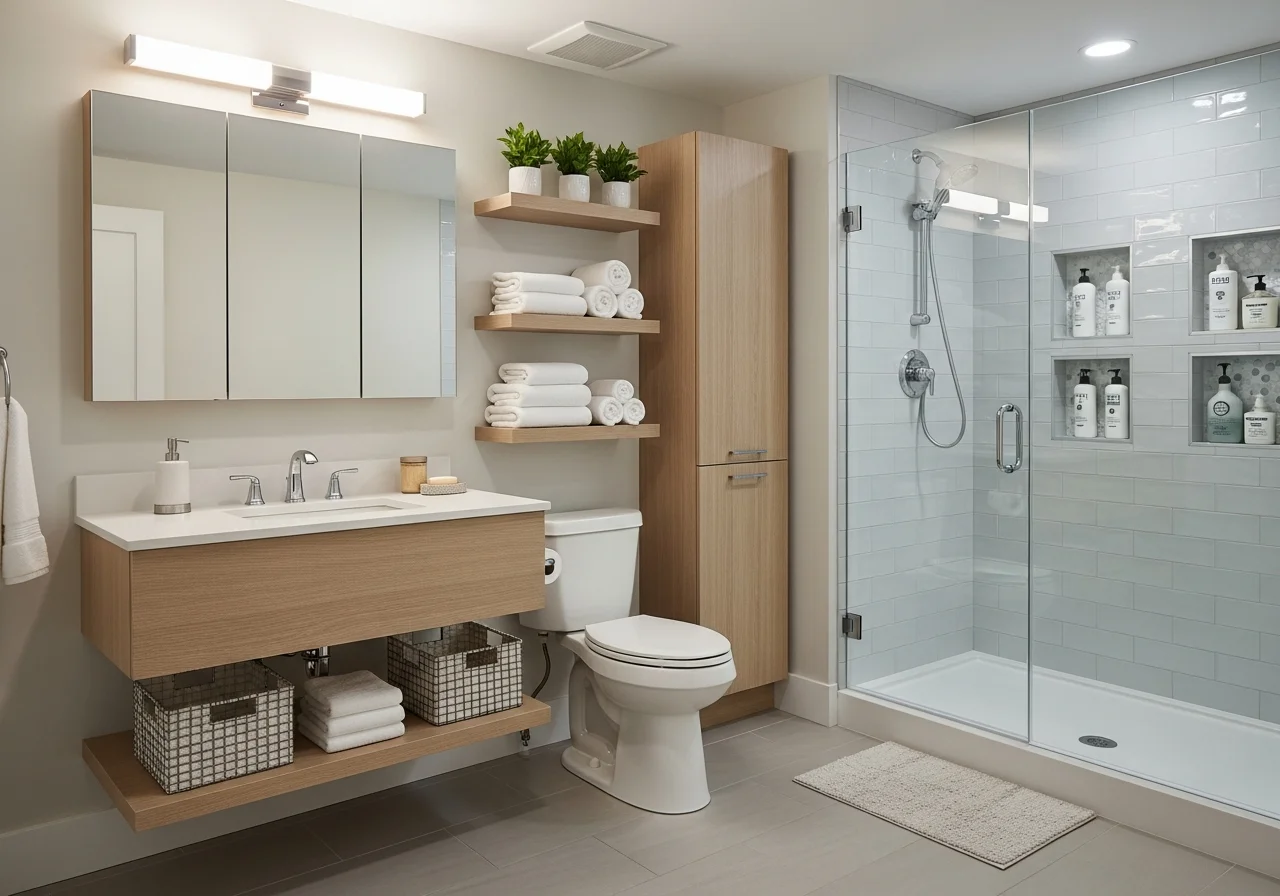
Limited square footage in basement bathrooms demands creative storage approaches that maintain functionality without cluttering valuable space. Floating vanities prove particularly effective by clearing floor area and creating the illusion of more room. These wall-mounted units provide necessary storage while allowing light to flow underneath, preventing the heaviness that floor-standing furniture can introduce.
Built-in niches within shower walls offer convenient storage for toiletries without protruding into shower space. Plan these recessed shelves during the framing stage to integrate them seamlessly into tile work. This approach eliminates the need for hanging caddies or corner units that consume precious room and collect water.
Vertical storage maximizes wall space in compact bathrooms. Install floor-to-ceiling cabinets in narrow profiles along available wall sections, providing ample storage without significant floor footprint. Open shelving above toilets utilizes otherwise wasted space while keeping essentials accessible. Style these shelves with decorative elements like potted plants, rolled towels, and attractive containers to blend function with aesthetics.
Medicine cabinets recessed into walls provide practical storage without encroaching on room dimensions. Modern versions feature mirrored fronts, combining storage with necessary mirrors for grooming tasks. Some models include integrated lighting, further streamlining your fixture requirements while maximizing efficiency.
Modern Minimalist Design Approaches
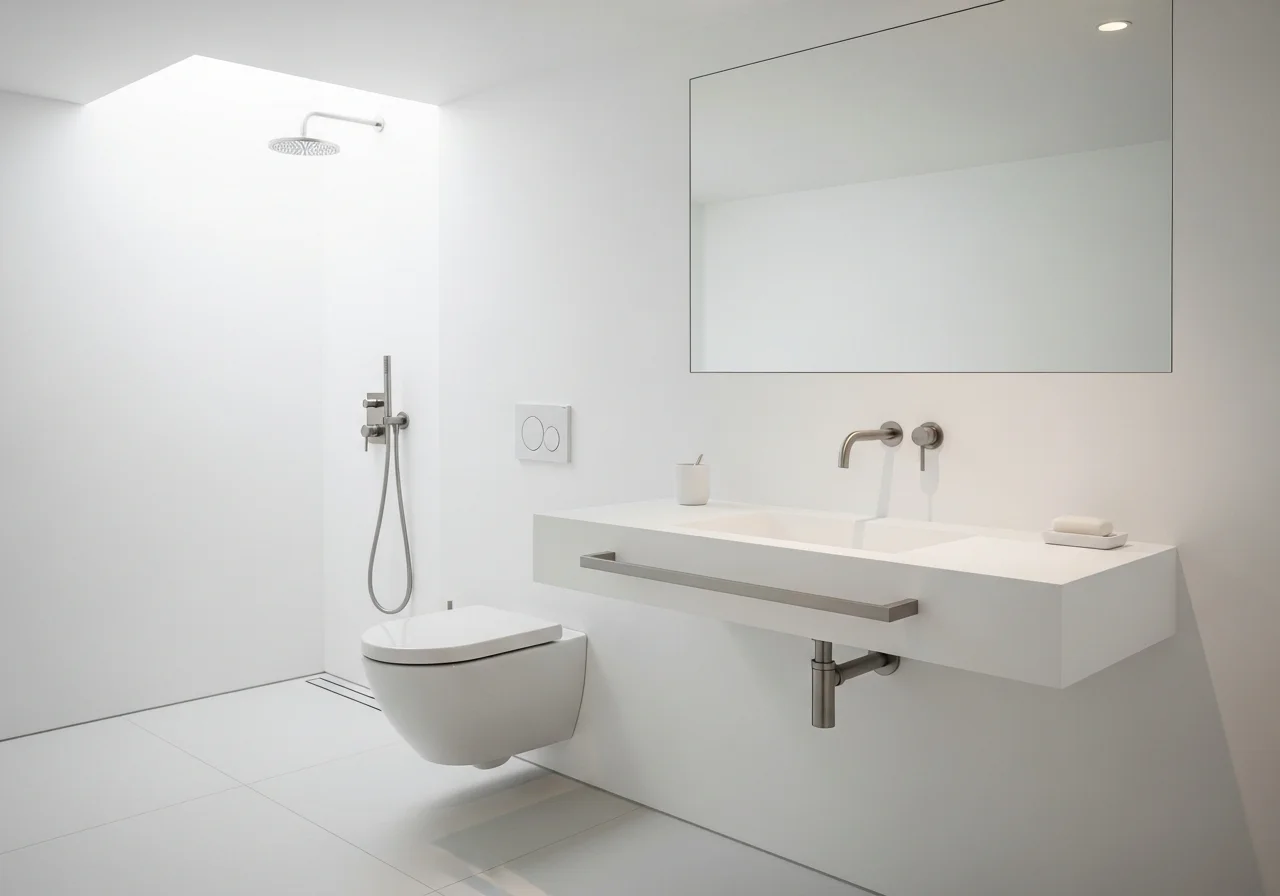
Clean lines and uncluttered surfaces characterize modern minimalist basement bathrooms that feel spacious despite limited dimensions. This design philosophy proves particularly well-suited to basement applications where simplicity prevents small spaces from feeling overwhelming. Focus on cohesive color palettes, typically featuring neutral foundations with selective accent colors.
Select fixtures with geometric forms and straightforward silhouettes. Wall-mounted toilets and faucets reduce visual bulk while simplifying floor cleaning. Frameless mirrors in simple rectangular or circular shapes maintain the understated elegance central to minimalist aesthetics. Avoid ornate details and excessive decoration that can make tight quarters feel busy.
Monochromatic color schemes expand perceived space by eliminating visual interruptions. White-on-white designs featuring white subway tile, white fixtures, and white painted walls create seamless environments that feel open and airy. Introduce warmth through natural wood vanities or brass hardware accents that provide contrast without disrupting the clean foundation.
Concealed storage maintains clutter-free surfaces essential to minimalist design. Choose vanities with ample closed cabinet space to hide personal items and cleaning supplies. Limit countertop accessories to absolute essentials, storing everything else out of sight. This discipline creates calm, organized environments that promote relaxation.
Bold Pattern and Color Choices
Basement locations provide unique opportunities to experiment with adventurous design choices that might feel too risky in more visible areas of your home. Because basement bathrooms often serve secondary functions and sit apart from main living spaces, they permit bolder creative expression without disrupting overall home aesthetics.
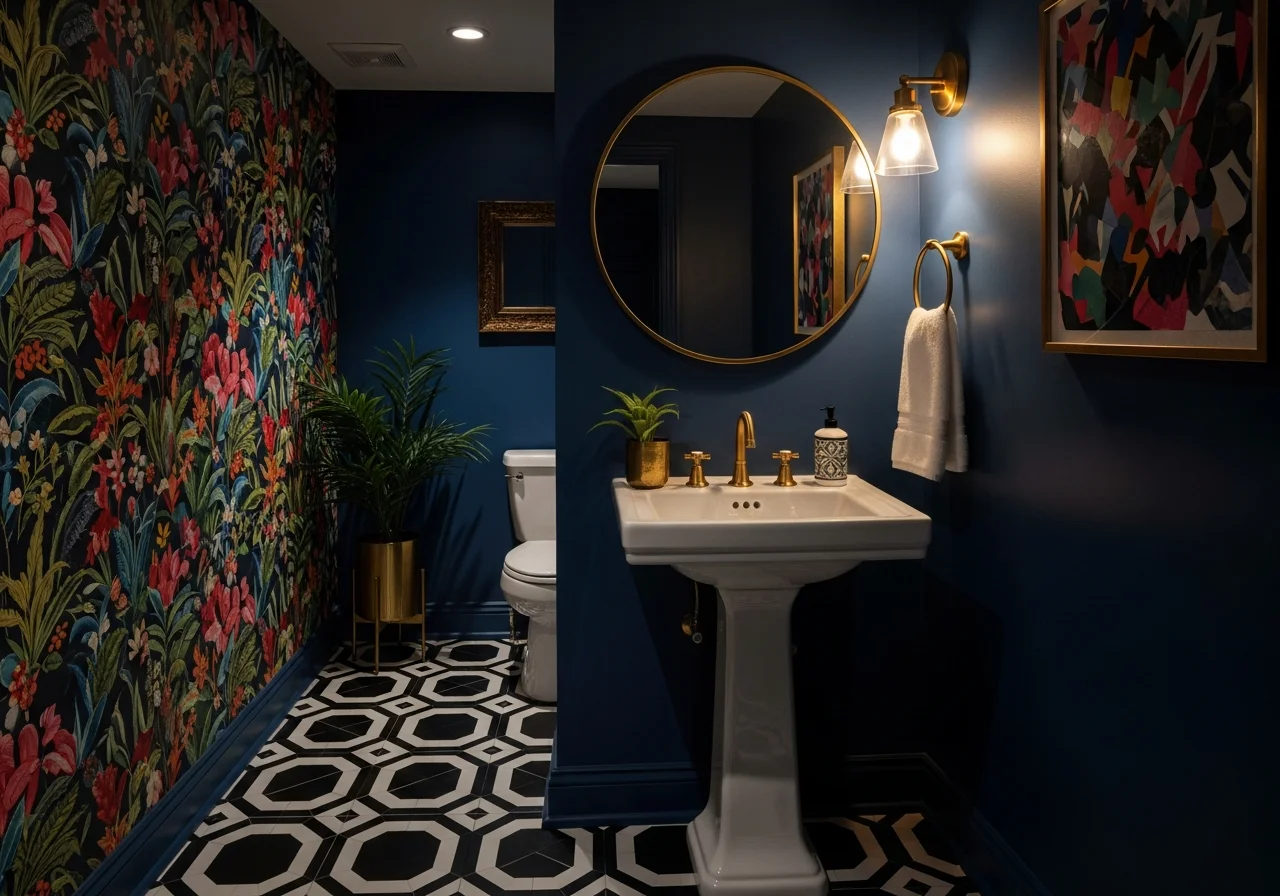
Dramatic wallpaper creates instant personality in powder rooms and small bathrooms. Dark floral patterns, geometric designs, or tropical prints transform plain walls into striking features. Select moisture-resistant wallpaper formulations designed specifically for bathroom applications to ensure longevity. Apply wallpaper to single accent walls to prevent overwhelming small spaces while still achieving significant visual impact.
Colorful paint elevates bland bathrooms into vibrant retreats. Deep jewel tones like emerald green, rich burgundy, or navy blue create cozy, intimate atmospheres. Alternatively, soft pastels including sage green, baby pink, or pale blue introduce cheerful energy while maintaining airy feels. Split wall treatments combining two complementary colors add dimension and architectural interest to simple rectangular rooms.
Graphic floor tiles anchor bold design schemes while drawing attention downward, helping distract from low ceilings. Black and white penny tiles, hexagonal patterns, or Mediterranean-inspired encaustic tiles inject personality underfoot. These distinctive floors become conversation starters while serving the practical purpose of concealing dirt and wear better than solid light colors.
Traditional and Classic Elegance
Timeless traditional design brings warmth and sophistication to basement bathrooms, creating spaces that feel established and refined. This approach particularly complements homes with period architecture like Tudor revivals or colonial styles, extending existing aesthetic themes into below-grade spaces.
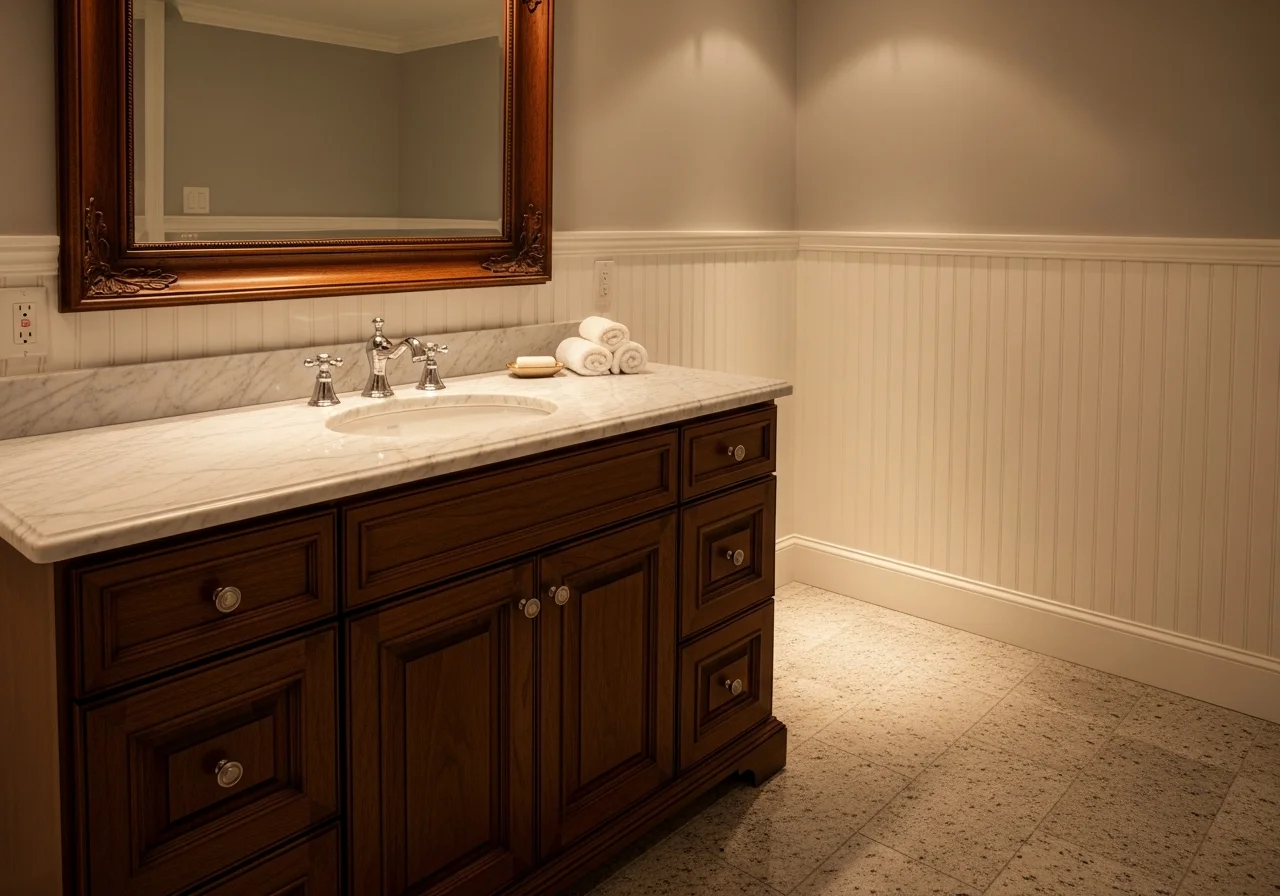
Marble remains the quintessential traditional material, lending elegance and luxury to any bathroom. Use marble strategically on vanity tops, shower walls, or flooring to introduce this classic element without excessive cost. Pair marble with traditional fixtures featuring cross handles or bridge-style faucets in polished nickel or chrome finishes that reference historical plumbing.
Raised-panel cabinetry in dark wood finishes anchors traditional bathroom designs. These substantial vanities provide generous storage while establishing rich, warm foundations. Granite countertops complement wood cabinetry beautifully, offering durability and classic good looks. Select granite in neutral tones with subtle veining to maintain sophisticated restraint.
Beadboard wainscoting or painted wood paneling adds architectural detail to plain drywall surfaces. Install wainscoting to chair rail height, approximately three to four feet from floors, then paint upper walls in coordinating or contrasting colors. This treatment introduces texture and visual interest while protecting walls from moisture and daily wear.
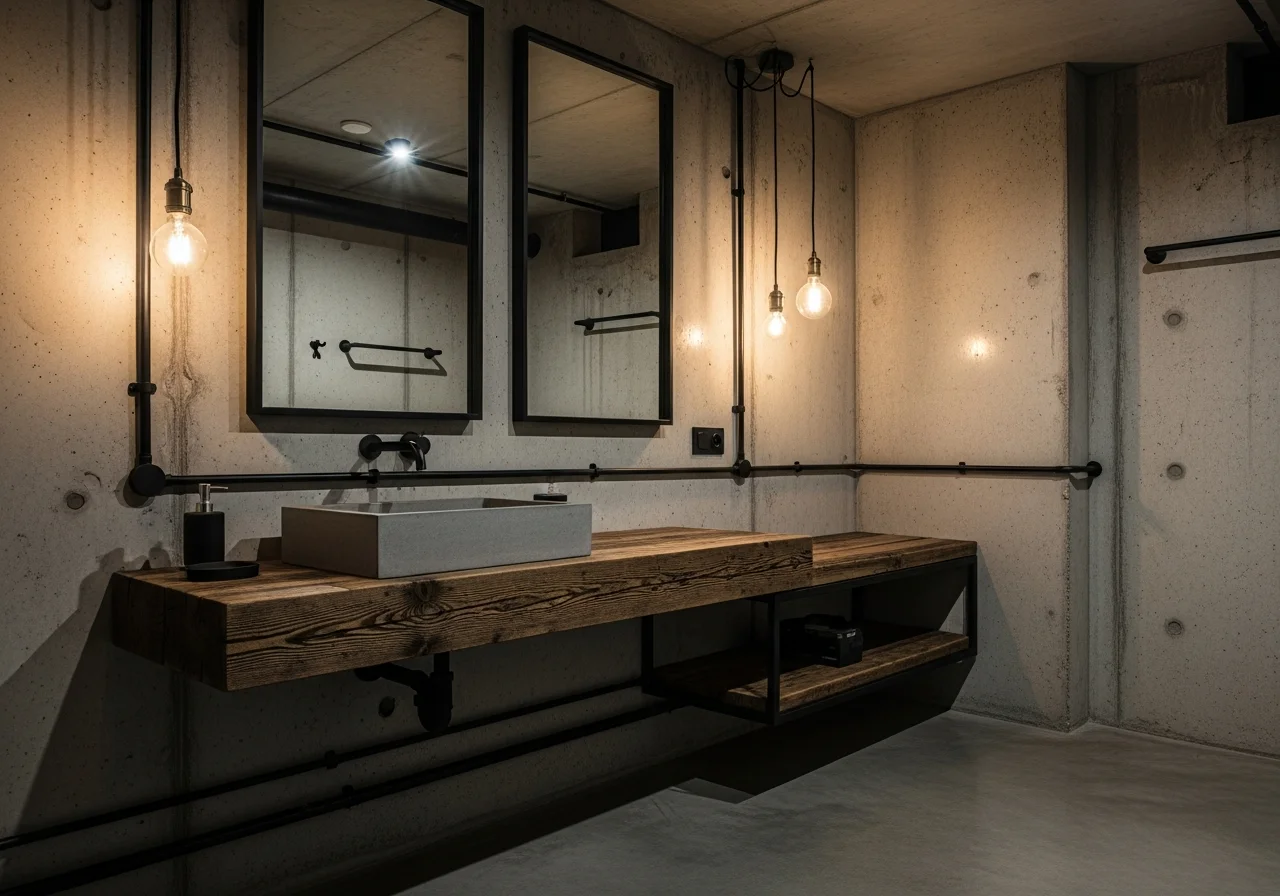
Contemporary Industrial Aesthetics
Industrial design elements suit basement environments naturally, embracing rather than concealing the below-grade character of these spaces. Exposed elements, raw materials, and utilitarian fixtures create edgy, urban atmospheres perfect for modern sensibilities.
Concrete elements establish authentic industrial foundations. Leave concrete basement floors exposed and sealed, or install large-format concrete-look porcelain tiles that offer easier maintenance. Concrete vessel sinks paired with matte black wall-mounted faucets create striking contemporary focal points on floating wood vanities.
Metal accents in black, brushed nickel, or aged brass reinforce industrial character. Choose fixtures with visible plumbing, like exposed pipe shelving or wall-mounted sink brackets that celebrate functional elements as design features. Metal-framed mirrors and glass shower enclosures with black frames continue the theme consistently throughout the space.
Minimalist lighting complements industrial design through simple forms and functional beauty. Edison bulbs in simple pendant fixtures or wall sconces with exposed cords embrace the utilitarian aesthetic. Combine these accent lights with recessed LED fixtures that provide necessary task and ambient illumination while maintaining clean ceiling planes.
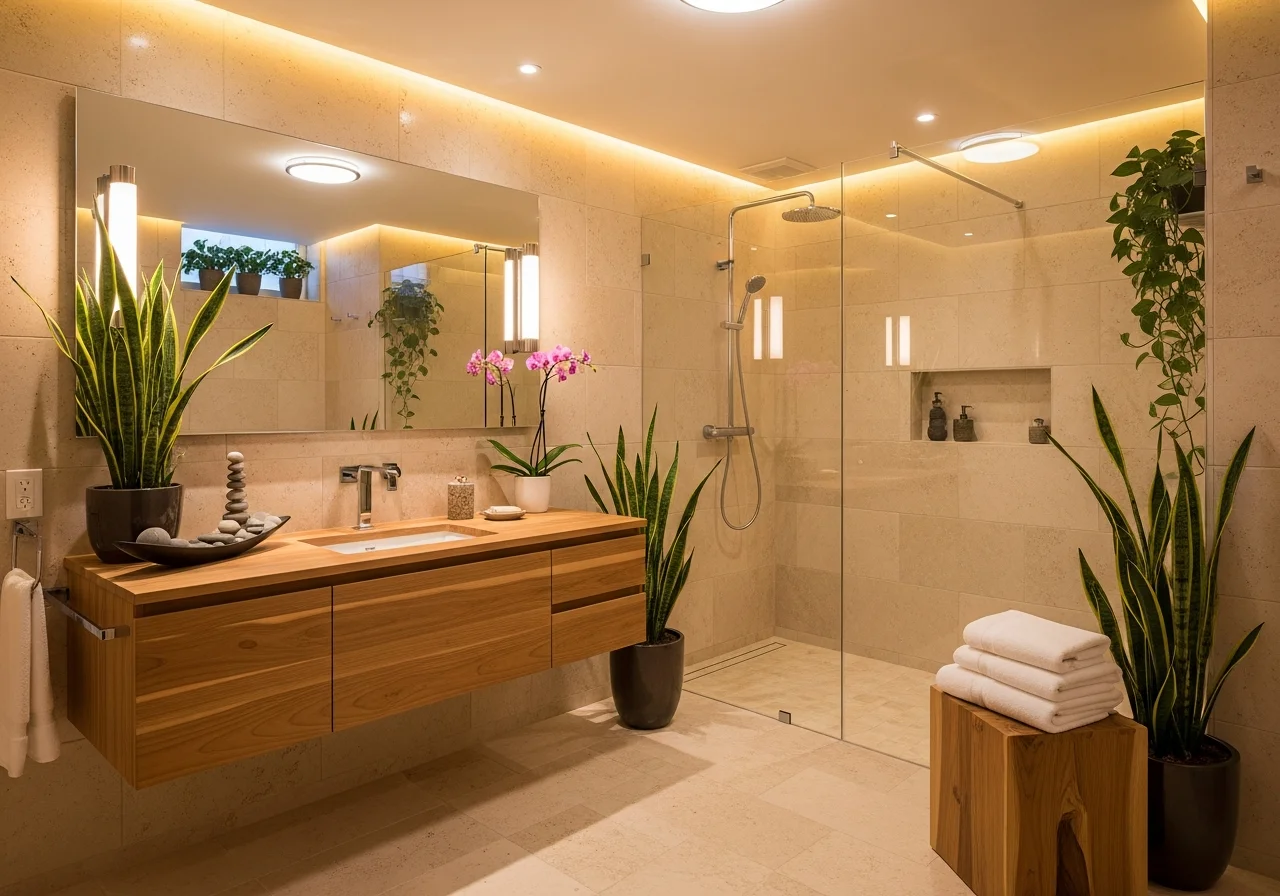
Spa-Inspired Luxury Retreats
Transform basement bathrooms into personal sanctuaries by incorporating spa-like elements that promote relaxation and self-care. Even modest spaces can achieve tranquil, resort-quality atmospheres through thoughtful material selections and amenity additions.
Natural materials create organic, calming foundations for spa-inspired designs. Incorporate natural stone tiles in soft neutral tones, complemented by warm wood vanities in walnut or teak. These materials introduce tactile richness while maintaining the serene color palettes characteristic of high-end spas. Add live plants like snake plants or pothos that thrive in low light conditions, bringing life and air-purifying benefits to your space.
Rainfall showerheads deliver luxurious bathing experiences that elevate daily routines. Mount these oversized fixtures directly overhead for immersive showering, enhanced by handheld spray attachments for versatility. Consider adding body jets or steam features if your budget permits, transforming simple showers into comprehensive hydrotherapy systems.
Heated floors represent worthwhile investments in basement bathrooms where concrete substrates can feel uncomfortably cold. Radiant floor heating systems installed beneath tile or luxury vinyl create cozy warmth underfoot while also helping to dry the space more quickly after bathing. Combine heated floors with plush bath mats and warmed towel racks for maximum comfort.
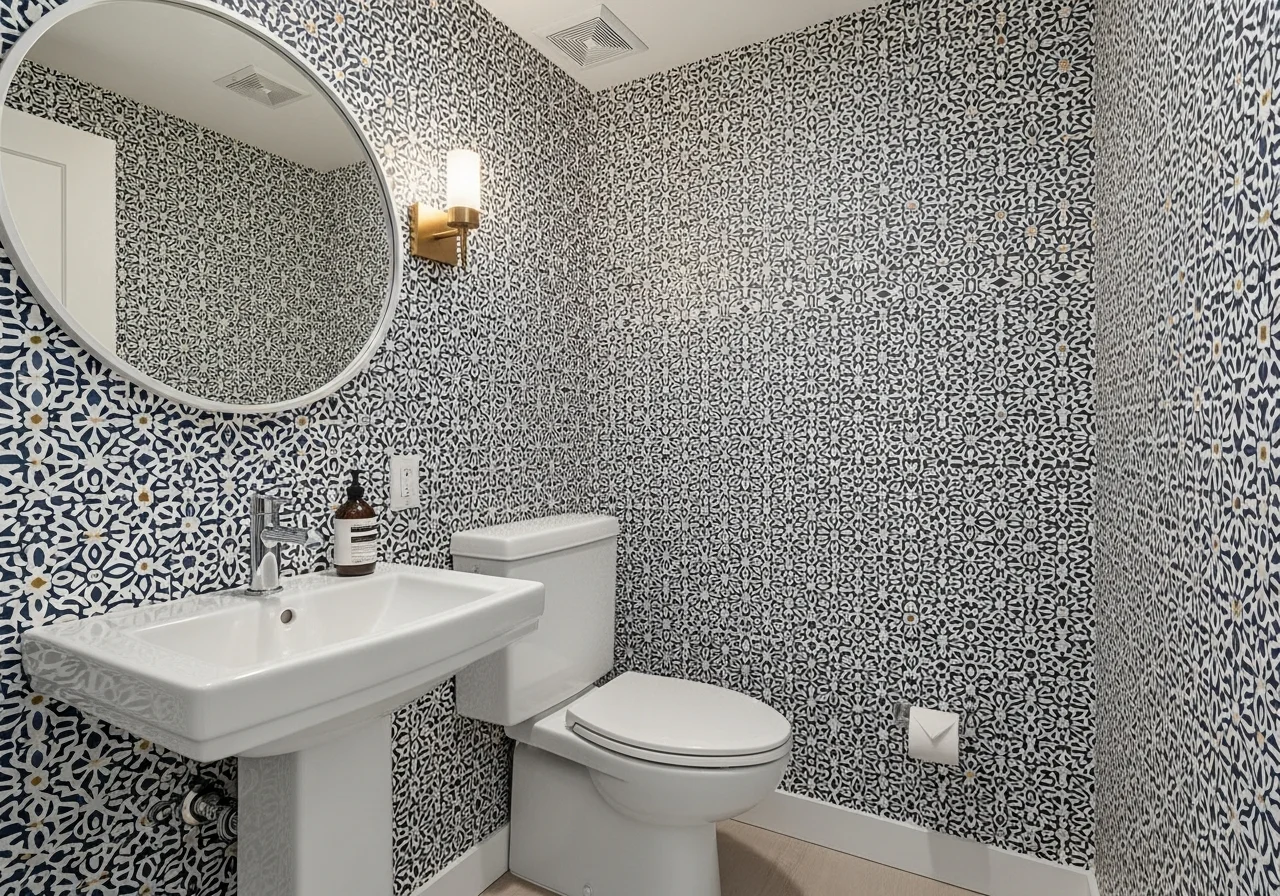
Half Bath Powder Room Efficiency
When full bathrooms prove impractical due to space or budget constraints, elegant powder rooms provide essential facilities in compact footprints. Half baths containing just toilets and sinks require minimal square footage while still significantly improving basement functionality.
Pedestal sinks maximize floor space in tiny powder rooms by eliminating bulky vanity cabinets. These classic fixtures maintain necessary washing facilities while preserving openness crucial in confined quarters. Alternatively, consider wall-mounted sinks that achieve similar spatial efficiency. Pair these streamlined sinks with decorative wall-mounted faucets to enhance visual interest.
Compact toilets designed for small spaces feature shorter projection depths that free up valuable inches. Wall-hung models provide the most space savings while simplifying floor cleaning. Ensure your basement floor structure can support wall-mounted toilets, as they require substantial backing within walls.
Despite their small size, powder rooms benefit from thoughtful design details. Install statement mirrors that become focal points, whether vintage finds, modern geometric shapes, or ornate antique styles. Use bold wallpaper or paint colors that might overwhelm larger spaces but energize powder rooms. Quality lighting remains essential, so invest in attractive sconces or unique pendant fixtures that provide personality and illumination.
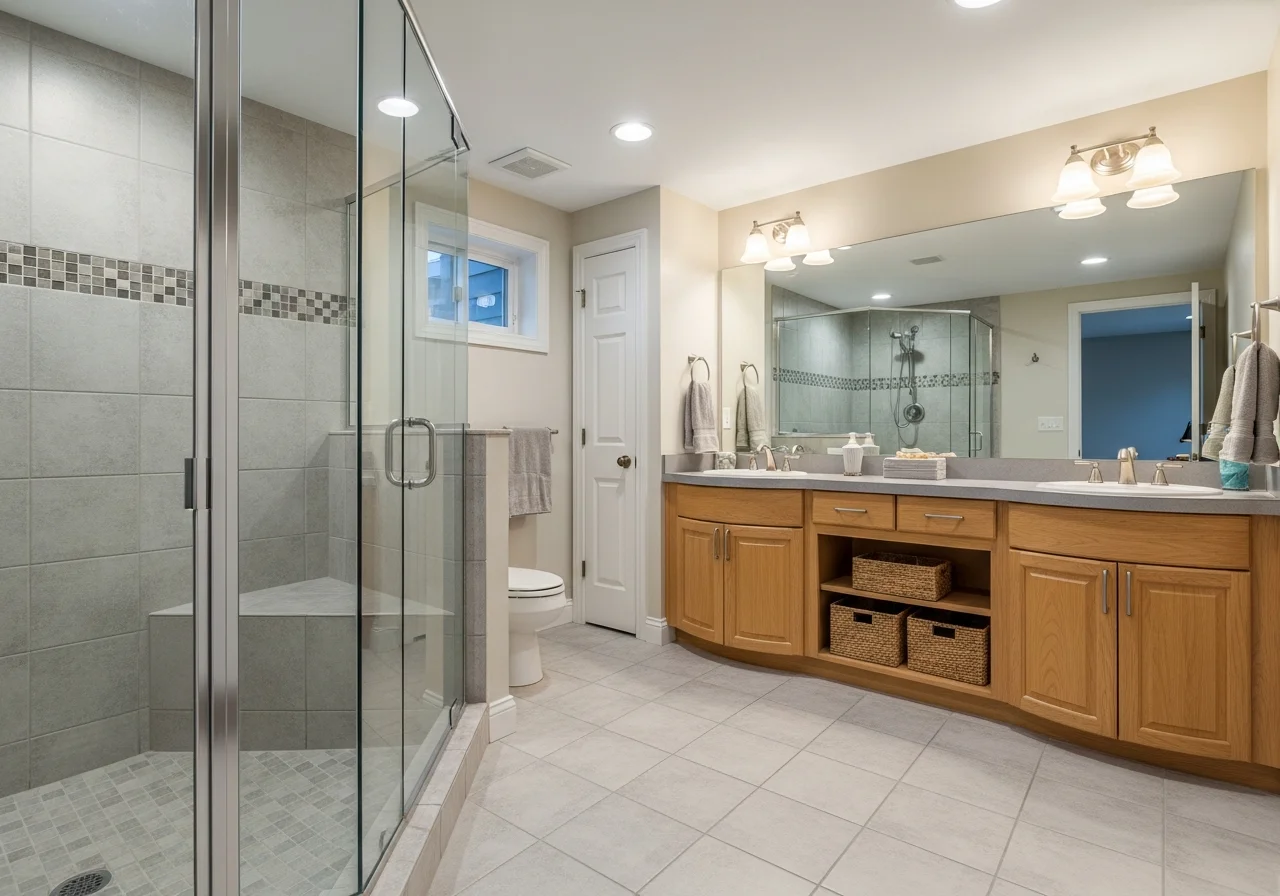
Family-Friendly Functional Designs
Basement bathrooms serving families with children require durable, practical designs that withstand heavy daily use while remaining safe and accessible. Prioritize low-maintenance materials and fixtures that simplify cleaning and resist damage from active households.
Slip-resistant flooring proves essential for safety, particularly in shower areas where wet surfaces create hazards. Choose textured tiles or luxury vinyl with adequate traction to prevent accidents. Ensure proper bath mats or rugs cover areas prone to water accumulation outside showers and tubs.
Built-in seating within showers provides convenience for multiple users, from children needing bathing assistance to adults appreciating the comfort during lengthy showers. Tiled benches integrate seamlessly into shower designs while offering practical utility. Position these seats away from direct shower spray to prevent them from remaining perpetually wet.
Durable fixtures that resist scratches, chips, and stains simplify maintenance in family bathrooms. Select porcelain or vitreous china sinks and toilets that clean easily and withstand daily wear. Choose faucets with ceramic disc valves that provide reliable performance and resist leaking. Consider finishes like brushed nickel or oil-rubbed bronze that hide fingerprints and water spots better than polished chrome.
Guest Suite Bathroom Amenities
When basement bathrooms serve guest suites or in-law apartments, they require thoughtful amenities that ensure visitor comfort and privacy. These spaces should function as self-contained retreats where guests feel welcomed and accommodated without needing to venture upstairs for basic necessities.
Full bathrooms with showers prove most practical for guest accommodations, allowing visitors to freshen up completely without imposing on household schedules. If space permits, include bathtubs for guests who prefer soaking or have young children. Position these bathrooms adjacent to guest bedrooms or sleeping areas to create cohesive suite arrangements.
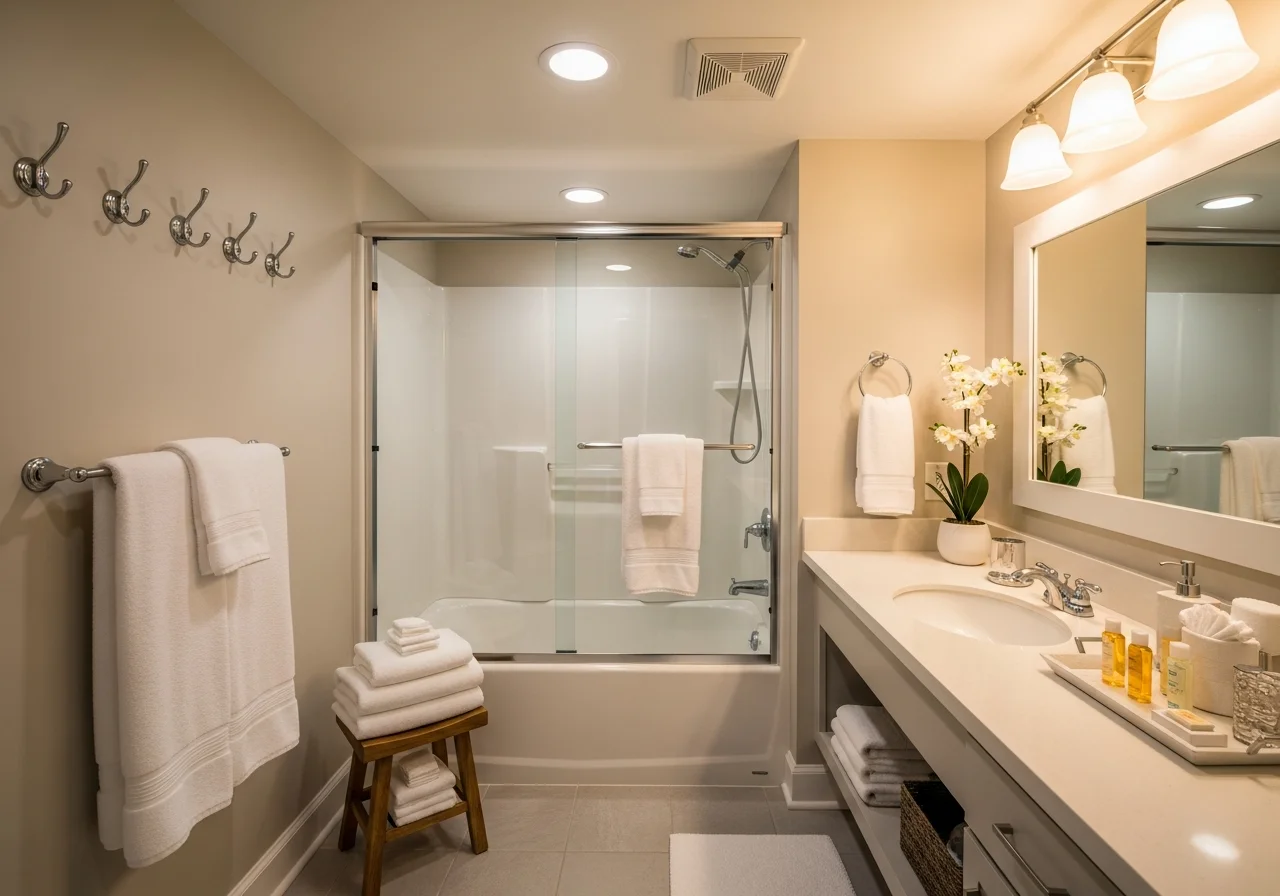
Adequate storage allows guests to unpack toiletries and personal items comfortably. Provide empty drawer space in vanities and clear shelving or cabinets where visitors can organize their belongings. Include hooks or towel bars sufficient for multiple towels, ensuring guests can hang wet items to dry properly.
Thoughtful finishing touches demonstrate hospitality and attention to detail. Stock bathrooms with basic supplies like extra toilet paper, tissues, and hand soap. Provide fresh towels, washcloths, and bath mats exclusively for guest use. Consider installing nightlights or motion-activated lighting to assist guests navigating unfamiliar spaces during nighttime hours.
Multi-Purpose Utility Integration
Basement bathrooms can incorporate additional functionality beyond typical washing and toileting facilities, maximizing the utility of below-grade square footage. These hybrid spaces serve multiple needs efficiently within single room footprints.
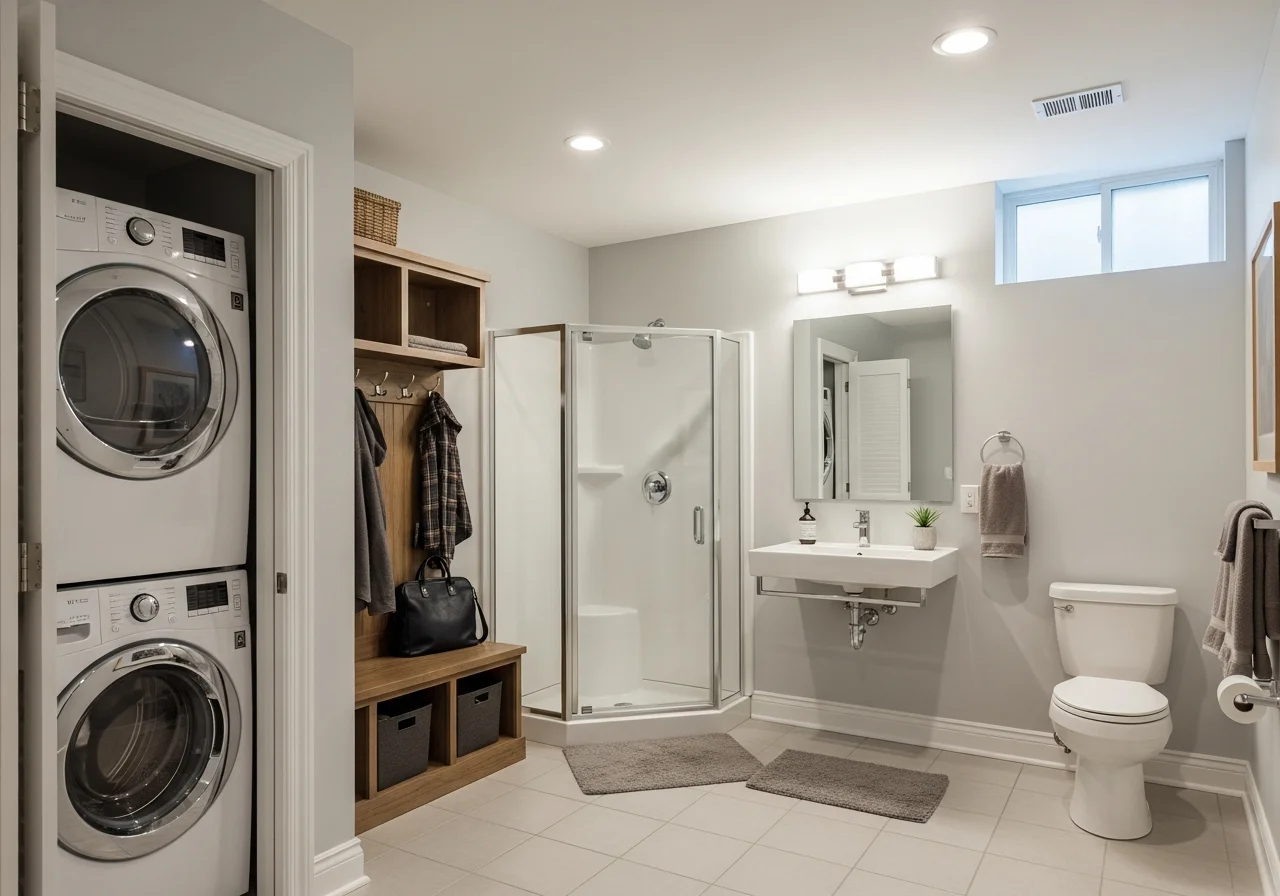
Laundry facilities integrate naturally with basement bathrooms since both require plumbing and drainage infrastructure. Position stackable washers and dryers behind closet doors or in dedicated alcoves adjacent to bathroom areas. This arrangement centralizes wet spaces while keeping laundry activities separate from bathing areas. Include folding counters and hanging rods to facilitate complete laundry processing.
Mudroom elements help manage the transition between outdoor activities and living spaces, particularly when basement bathrooms sit near exterior entrances. Install hooks for coats and gear, cubbies for shoes, and benches for removing footwear. Tile flooring throughout these transitional zones handles tracked-in dirt and moisture without damage.
Pet washing stations serve households with dogs or other animals requiring regular bathing. Install handheld shower sprayers at accessible heights with extended hoses that reach floor level. Choose slip-resistant flooring and wall finishes that tolerate enthusiastic shaking and splashing. Dedicate storage for pet supplies including towels, shampoos, and grooming tools.
Ventilation and Moisture Management
Proper ventilation represents perhaps the most critical technical requirement for basement bathroom success. Without adequate air circulation, moisture accumulates rapidly in enclosed below-grade environments, promoting mold growth, material deterioration, and unpleasant odors.
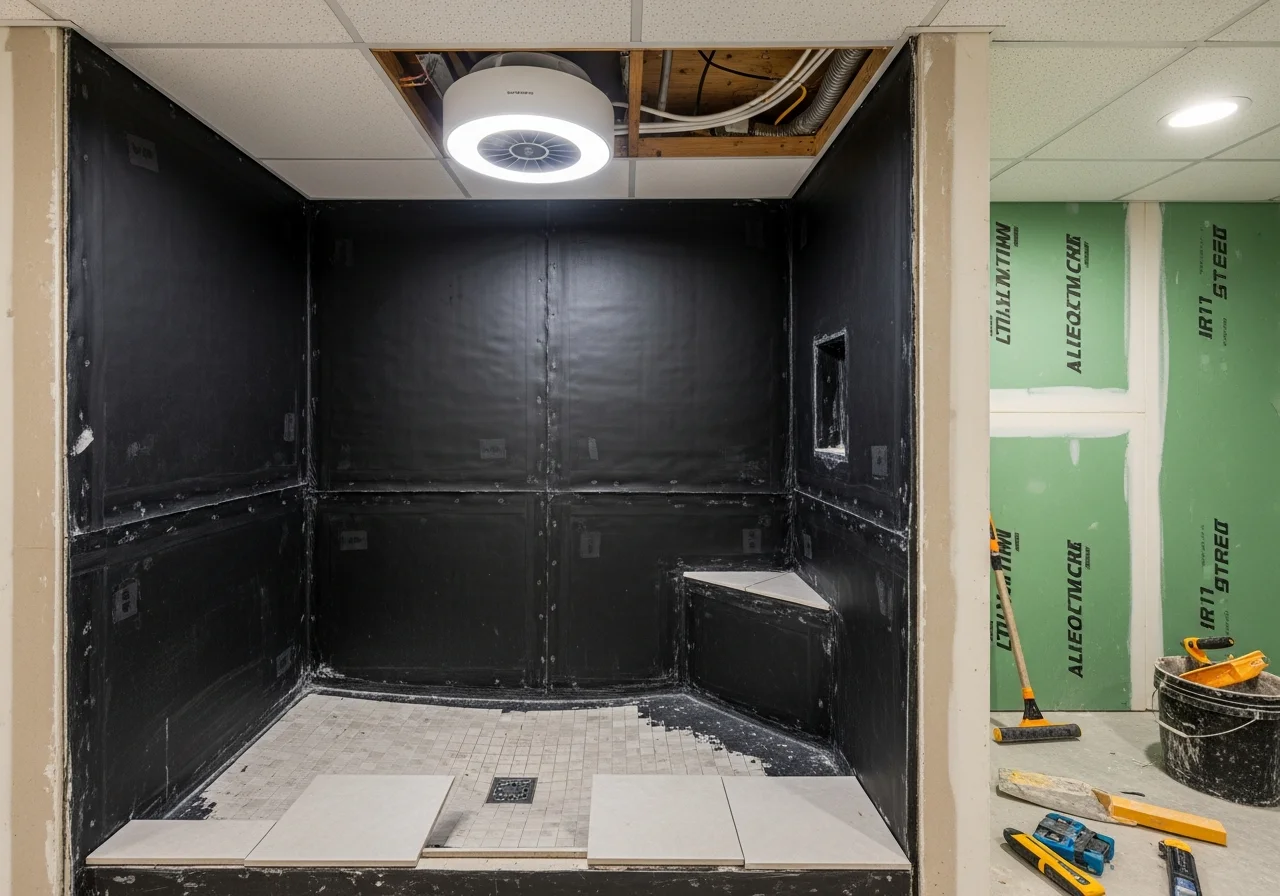
Exhaust fans must run during and after bathing to remove humid air effectively. Select fans sized appropriately for your bathroom square footage, typically rated in cubic feet per minute. Larger bathrooms or those with showers require higher CFM ratings to achieve complete air exchanges. Timers or humidity-sensing controls automate fan operation, ensuring adequate ventilation without requiring occupant intervention.
Waterproofing measures protect basement structures from water damage that threatens both bathroom finishes and surrounding basement areas. Apply waterproof membranes beneath all tile installations, paying particular attention to shower enclosures where direct water contact occurs regularly. Seal grout lines and tile joints periodically to maintain water resistance over time.
Proper drainage prevents standing water that damages flooring and promotes mildew. Ensure shower floors slope adequately toward drains, typically one-quarter inch per linear foot minimum. Install quality drain assemblies that flow freely and resist clogging. Consider floor drains outside shower areas as additional protection against flooding from plumbing failures or overflow events.
Accessibility and Universal Design
Incorporating accessibility features ensures basement bathrooms remain functional for users of all ages and abilities, from young children to elderly relatives or guests with mobility limitations. Universal design principles create inclusive spaces without sacrificing aesthetics.
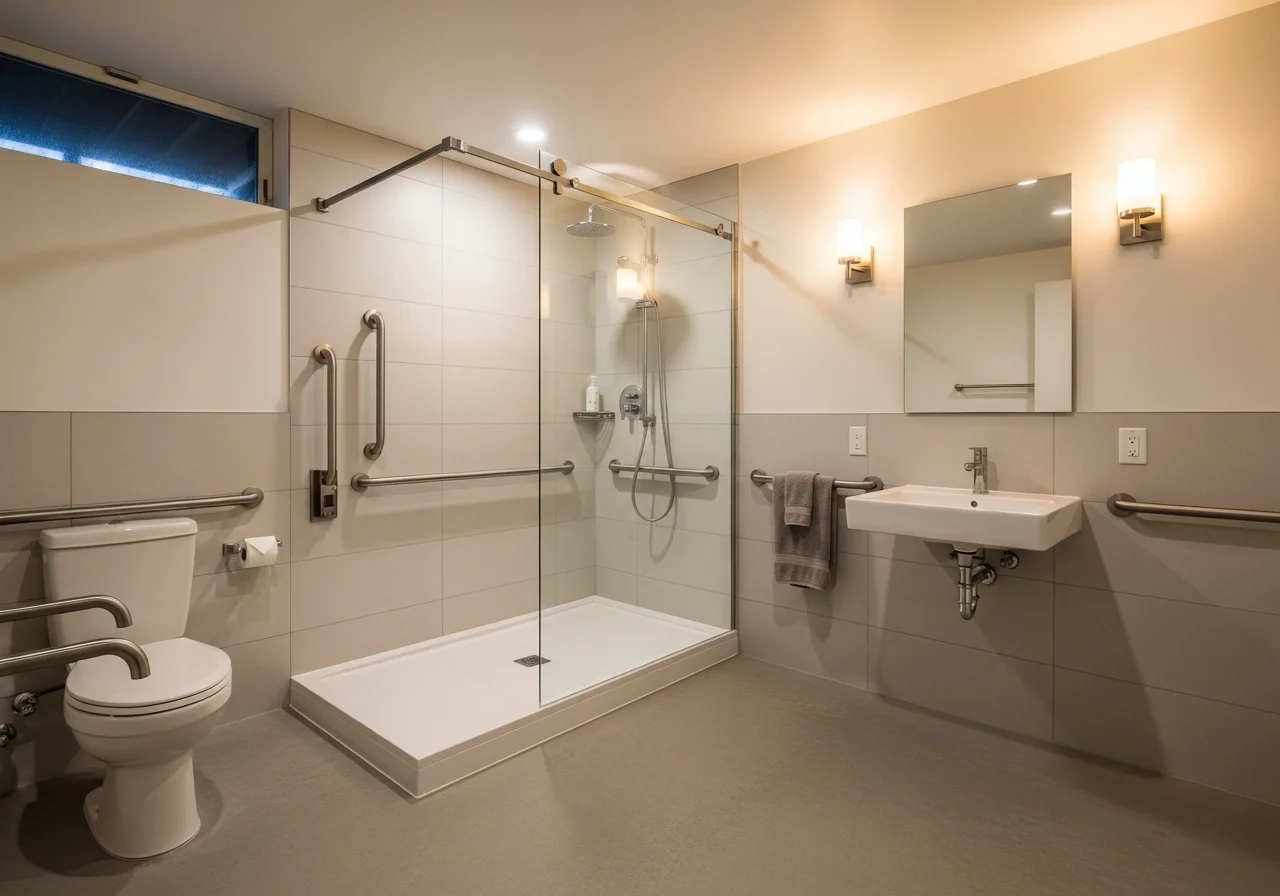
Walk-in showers with low or zero thresholds eliminate barriers that challenge wheelchair users or individuals with limited mobility. Install grab bars near toilets and within showers, selecting decorative models that blend with overall design rather than appearing purely institutional. Position these safety features during initial construction to anchor them properly to structural framing.
Adequate maneuvering space allows wheelchair navigation and caregiver assistance when necessary. Maintain minimum thirty-inch clear floor space adjacent to toilets and forty-eight inches of turning radius within bathroom footprints. Single-lever faucets operate more easily than traditional knobs for users with arthritis or limited hand strength.
Adjustable or handheld shower fixtures accommodate users of varying heights and abilities. Mount these on sliding bars that allow customization for each individual. Position shower controls near entrances rather than directly under showerheads, enabling users to adjust temperature before entering spray zones.
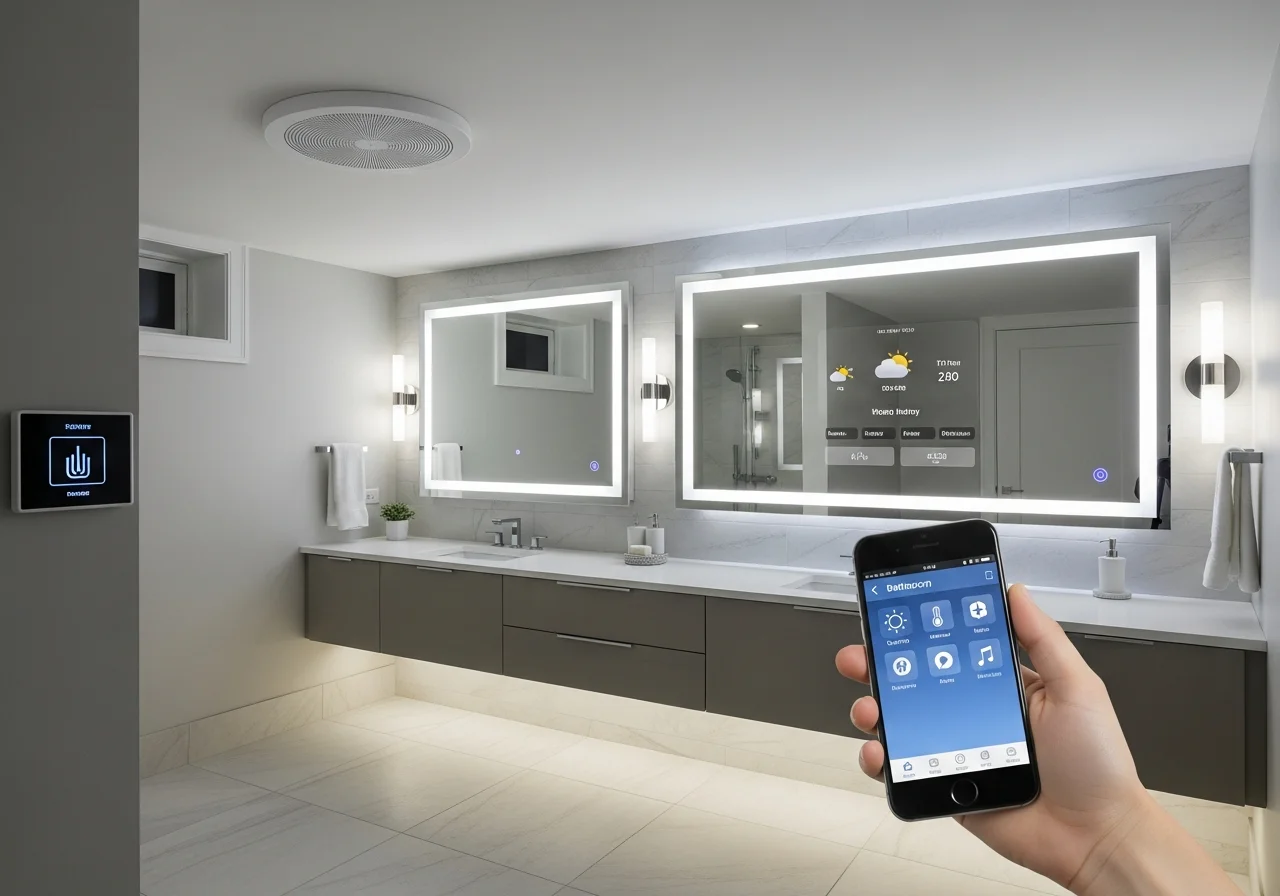
Smart Technology Integration
Modern technology enhances bathroom functionality while adding contemporary convenience to basement spaces. These upgrades range from simple additions to comprehensive smart home integration depending on preference and budget.
Programmable thermostats control heated floor systems efficiently, warming bathrooms before typical use times while conserving energy during unoccupied periods. Smart controls accessible via smartphone apps allow remote adjustment, ensuring comfort precisely when needed.
Motion-activated lighting simplifies bathroom entry, particularly beneficial for nighttime visits when fumbling for switches proves awkward. These sensors detect occupancy and illuminate spaces automatically, then turn off after predetermined periods of inactivity. Adjust sensitivity and duration settings to match your specific usage patterns.
Bluetooth-enabled speakers built into exhaust fans or light fixtures provide entertainment during bathing routines. Stream music, podcasts, or audiobooks wirelessly from smartphones or tablets, transforming ordinary hygiene into enjoyable experiences. Select moisture-resistant models rated for bathroom environments.
Smart mirrors with integrated displays show weather, news, or calendars while you prepare for your day. Some models include anti-fog heating, built-in lighting with color temperature adjustment, and voice control compatibility with home automation systems. These multifunctional fixtures maximize utility within limited space.
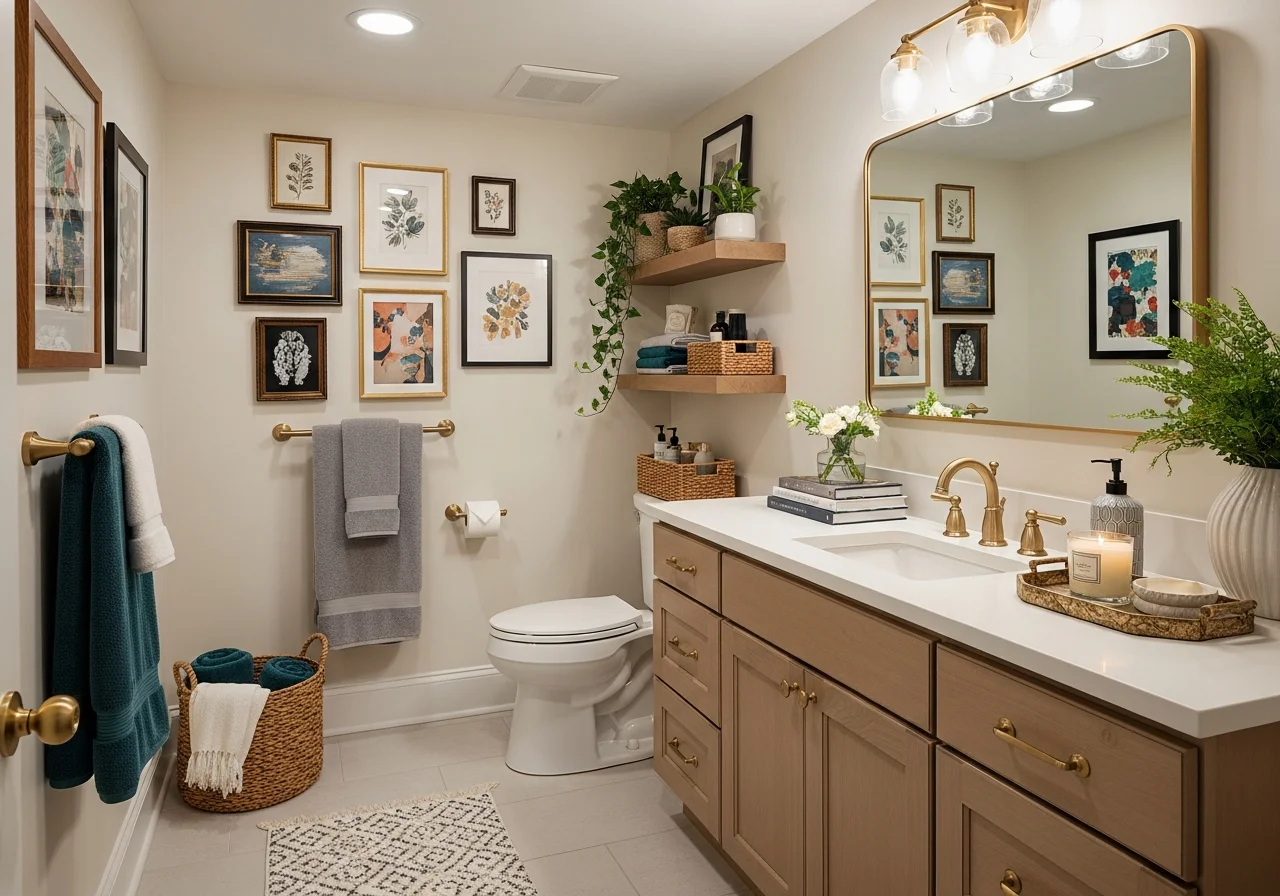
Finishing Touches and Decorative Details
Thoughtful accessories and decorative elements transform functional bathrooms into polished, personalized spaces that reflect individual style. These finishing touches complete designs and introduce warmth that makes basement bathrooms feel integrated with the rest of your home.
Artwork and photography enliven bare walls while expressing personality. Choose pieces in moisture-resistant frames, preferably metal, acrylic, or sealed wood rather than untreated materials vulnerable to warping. Display family photos, travel memories, or inspirational prints that create emotional connections and visual interest.
Textiles including towels, bath mats, and shower curtains introduce color, pattern, and softness to hard-surfaced bathrooms. Coordinate these elements with overall color schemes, either matching for cohesive looks or contrasting for dynamic energy. Quality towels in substantial weights feel luxurious while providing practical function.
Hardware details like towel bars, toilet paper holders, and cabinet pulls should match in finish and style throughout the bathroom. These small elements significantly impact overall cohesion when selected thoughtfully. Mix metals intentionally rather than haphazardly, perhaps combining brass pulls with matte black faucets for sophisticated contrast.
Fresh or artificial plants bring life and organic elements to basement bathrooms. Select varieties suited to low-light conditions if using living plants, such as pothos, snake plants, or peace lilies. Position plants on windowsills, vanity corners, or floating shelves where they add visual interest without cluttering functional surfaces.
Conclusion
Creating exceptional basement bathrooms requires balancing practical constraints with design aspirations. The unique challenges posed by below-grade locations, including limited natural light, complex plumbing requirements, lower ceilings, and moisture concerns, demand thoughtful solutions. However, these same constraints provide opportunities for creative problem-solving and distinctive designs that might never emerge in conventional bathroom settings.
The twenty ideas presented throughout this guide demonstrate the remarkable versatility possible within basement bathroom design. Whether your priorities center on maximizing tight spaces, establishing luxurious spa retreats, accommodating family needs, or expressing bold personal style, strategic approaches exist to achieve your vision. Success hinges on careful planning that addresses technical requirements while pursuing aesthetic goals.
Investment in basement bathrooms yields substantial returns beyond mere financial considerations. These spaces fundamentally transform how you utilize your home, converting previously underused square footage into valuable living area. Guest suites gain essential facilities, family recreational spaces become self-sufficient, and home gyms or entertainment areas achieve complete functionality. The convenience of not requiring upstairs trips for basic needs cannot be overstated.
As you embark on your basement bathroom project, remember that professional consultation proves worthwhile for complex systems like plumbing and electrical work. Licensed contractors ensure code compliance, proper installation, and safe operation of critical infrastructure. Their expertise prevents costly mistakes while delivering results that stand the test of time. Combine their technical knowledge with the design inspiration gathered here to create basement bathrooms that elevate your entire home.
Frequently Asked Questions
How much does it typically cost to add a bathroom to a basement?
Adding a basement bathroom typically costs between eight thousand and fifteen thousand dollars on average. Costs decrease by approximately five hundred to one thousand dollars if your basement already has rough-in plumbing installed, which is common in newer construction. Major expenses include plumbing modifications, waterproofing, fixtures, tile work, and labor. Budget carefully and obtain multiple contractor quotes to understand the investment required for your specific situation.
Do basement bathrooms require special toilets?
Basement bathrooms positioned below main sewer lines may require upflush or macerating toilets rather than standard gravity-fed models. These specialized units use pumps to move waste upward to sewer connections. However, if your basement bathroom sits at or above sewer line level, standard toilets function normally. Consult with licensed plumbers to determine which system suits your particular basement configuration and local building codes.
What is the best flooring for basement bathrooms?
Tile flooring and luxury vinyl planks represent the best options for basement bathrooms due to superior moisture resistance and durability. Ceramic or porcelain tiles offer timeless aesthetics and complete waterproofing when properly installed with appropriate underlayment. Luxury vinyl planks provide wood-like warmth while withstanding humidity and water exposure without warping. Both materials clean easily and maintain appearance under heavy use common in bathroom environments.
How can I make my basement bathroom brighter without windows?
Maximize brightness in windowless basement bathrooms through layered lighting combining recessed ceiling fixtures, wall sconces flanking mirrors, and accent lighting. Use light-colored paint on walls and ceilings to reflect illumination throughout the space. Install large mirrors that bounce light and create depth perception. Choose white or light-colored tiles that enhance brightness rather than absorbing light. Consider glass shower doors instead of opaque curtains to maintain visual continuity.
What permits are needed for basement bathroom installation?
Installing basement bathrooms requires building permits in virtually all jurisdictions since you are creating additional living space and modifying plumbing systems. Specific requirements vary by location, but typically include plumbing permits, electrical permits, and general construction permits. Contact your local building department early in the planning process to understand exact requirements, inspection schedules, and associated fees. Operating without proper permits can result in fines and complications when selling your home.