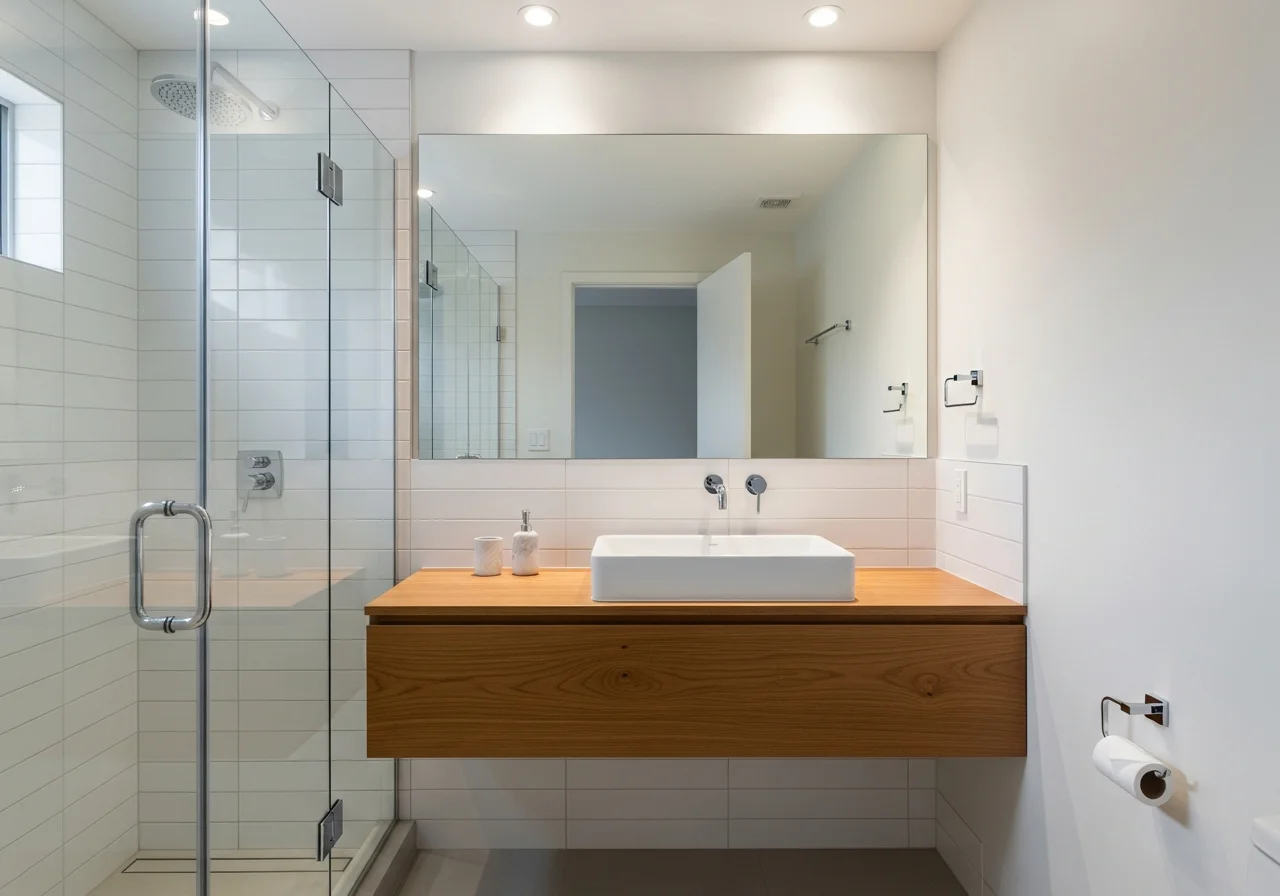
25 Small Bathroom Design Ideas That Maximize Space, Style, and Comfort
Small bathrooms present unique challenges, but they also offer incredible opportunities for creative problem-solving and thoughtful design. When square footage is limited, every decision matters. The difference between a cramped, chaotic space and a serene, functional retreat often comes down to smart planning and strategic choices that prioritize both form and function.
Whether you’re renovating a powder room, updating a compact ensuite, or working with a tight bathroom layout in an apartment, the principles remain the same. Success lies in understanding how to manipulate visual perception, maximize storage potential, and select fixtures that perform double duty without sacrificing aesthetics. The goal is to create a bathroom that feels spacious, comfortable, and welcoming regardless of its actual dimensions.
This comprehensive guide explores 25 proven design strategies that transform small bathrooms into efficient, beautiful spaces. From fundamental layout principles to finishing touches that elevate the overall experience, these ideas demonstrate that size limitations need not compromise style or comfort.
Embrace Floating Fixtures for Visual Expansion
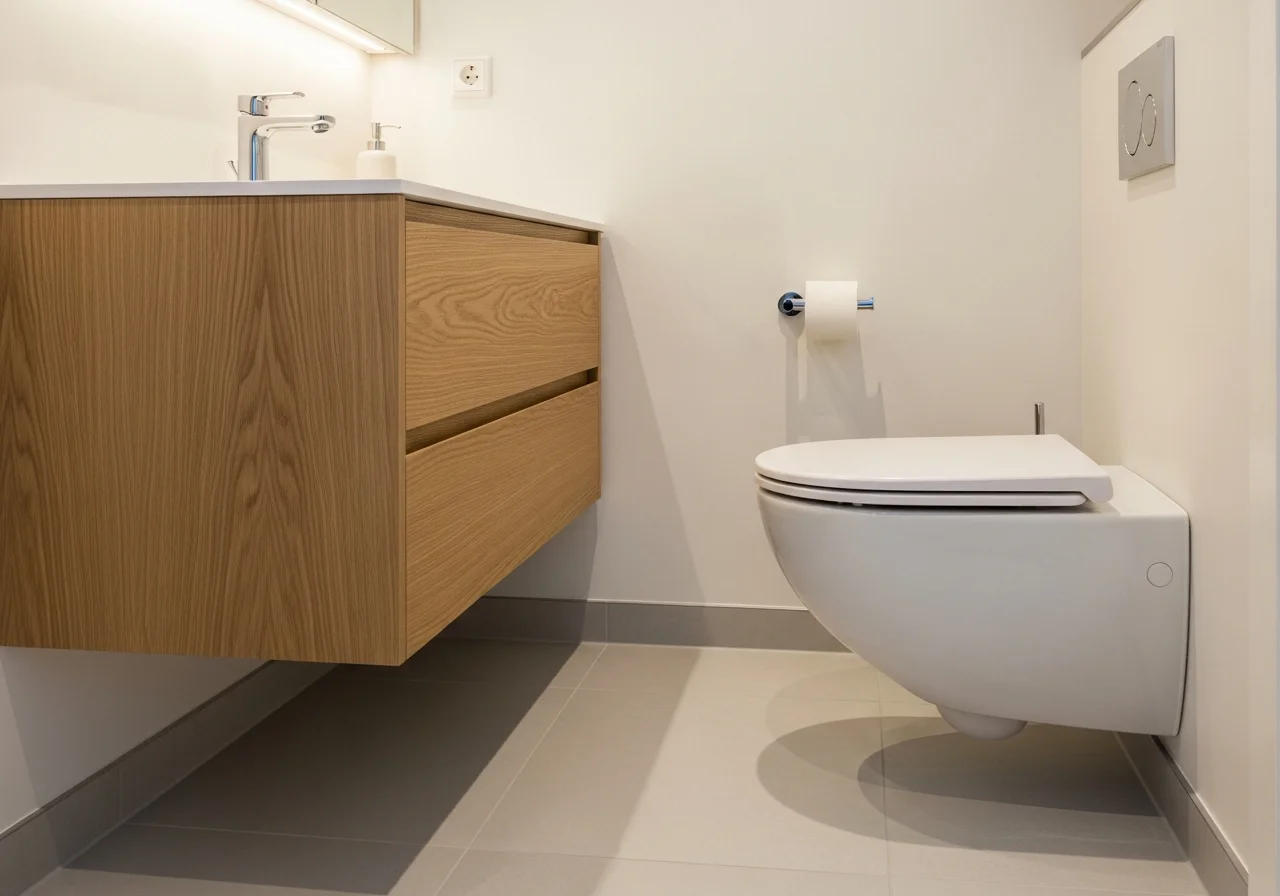
Wall-mounted vanities and toilets are among the most effective tools for creating the illusion of space in compact bathrooms. When fixtures are elevated off the floor, more of the tile or flooring becomes visible, which tricks the eye into perceiving a larger area. This simple strategy opens up the room visually while also making cleaning significantly easier.
Floating vanities come in various styles, from sleek contemporary designs to more traditional looks with updated mounting systems. The key is selecting a unit that provides adequate storage without overwhelming the room. Many manufacturers now produce slim-line options specifically designed for small bathrooms, offering functionality without bulk. Pairing a floating vanity with a wall-mounted faucet further reduces visual clutter and creates a streamlined appearance.
Wall-hung toilets take this concept even further. Though they require more complex installation due to in-wall plumbing, they deliver unmatched visual lightness and make floor cleaning effortless. The tank is concealed within the wall, leaving only the bowl visible and creating a remarkably clean aesthetic that suits modern and transitional design styles.
Harness the Power of Mirrors
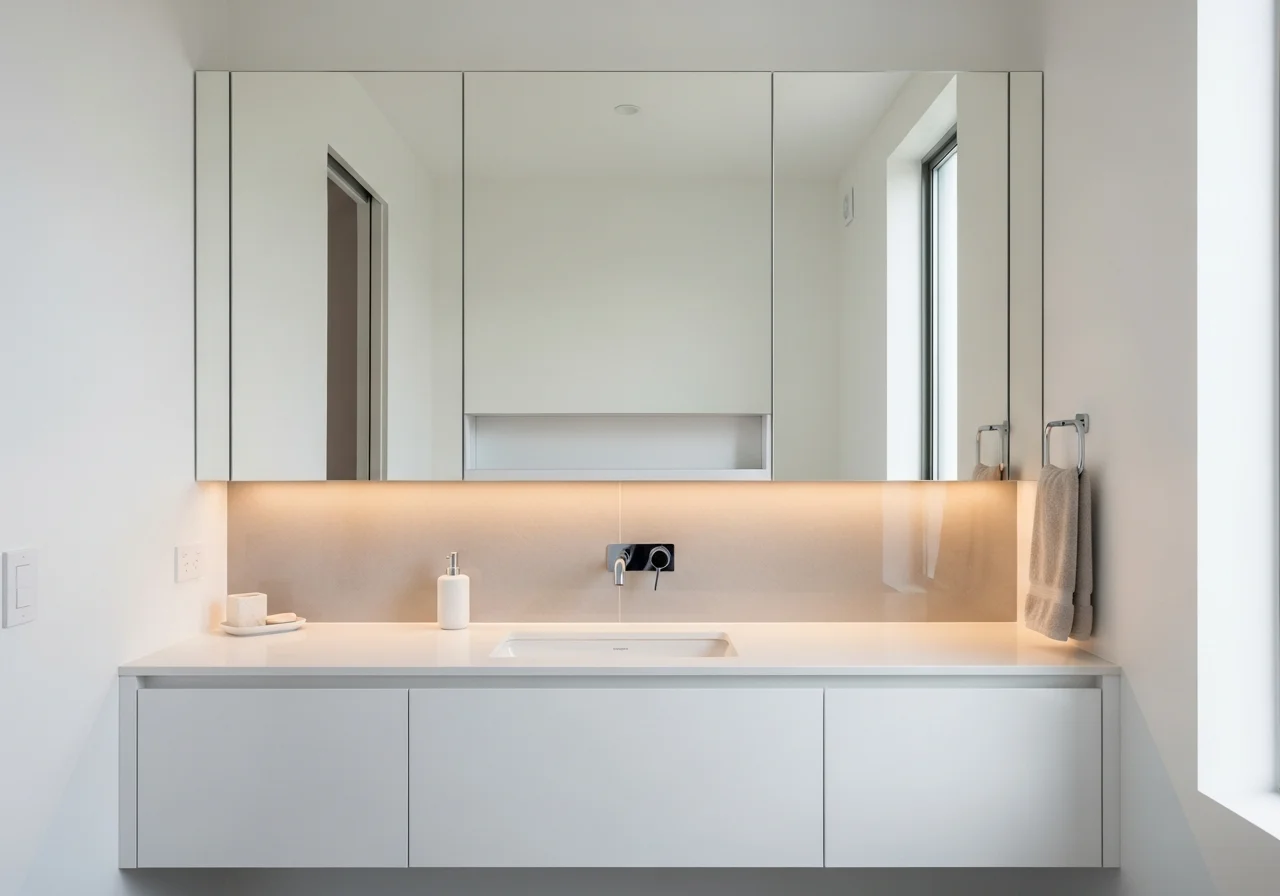
Mirrors are the designer’s secret weapon when it comes to expanding perceived space. A generously sized mirror or a floor-to-ceiling installation can literally double the visual footprint of a small bathroom by reflecting light and creating depth. The impact is immediate and transformative.
Consider installing a mirror that spans the entire wall above your vanity rather than settling for a standard medicine cabinet size. This approach amplifies natural and artificial light throughout the space while providing practical functionality. For even greater impact, position mirrors to reflect windows or light sources, which enhances brightness and creates an airy atmosphere.
Medicine cabinets with mirrored doors offer a practical compromise between storage needs and visual expansion. Recessed models are particularly valuable because they provide storage without protruding into the room. Modern medicine cabinets have evolved far beyond basic aluminum boxes, now available in elegant frames, architectural shapes, and finishes that complement any design aesthetic.
Choose Light, Reflective Colors
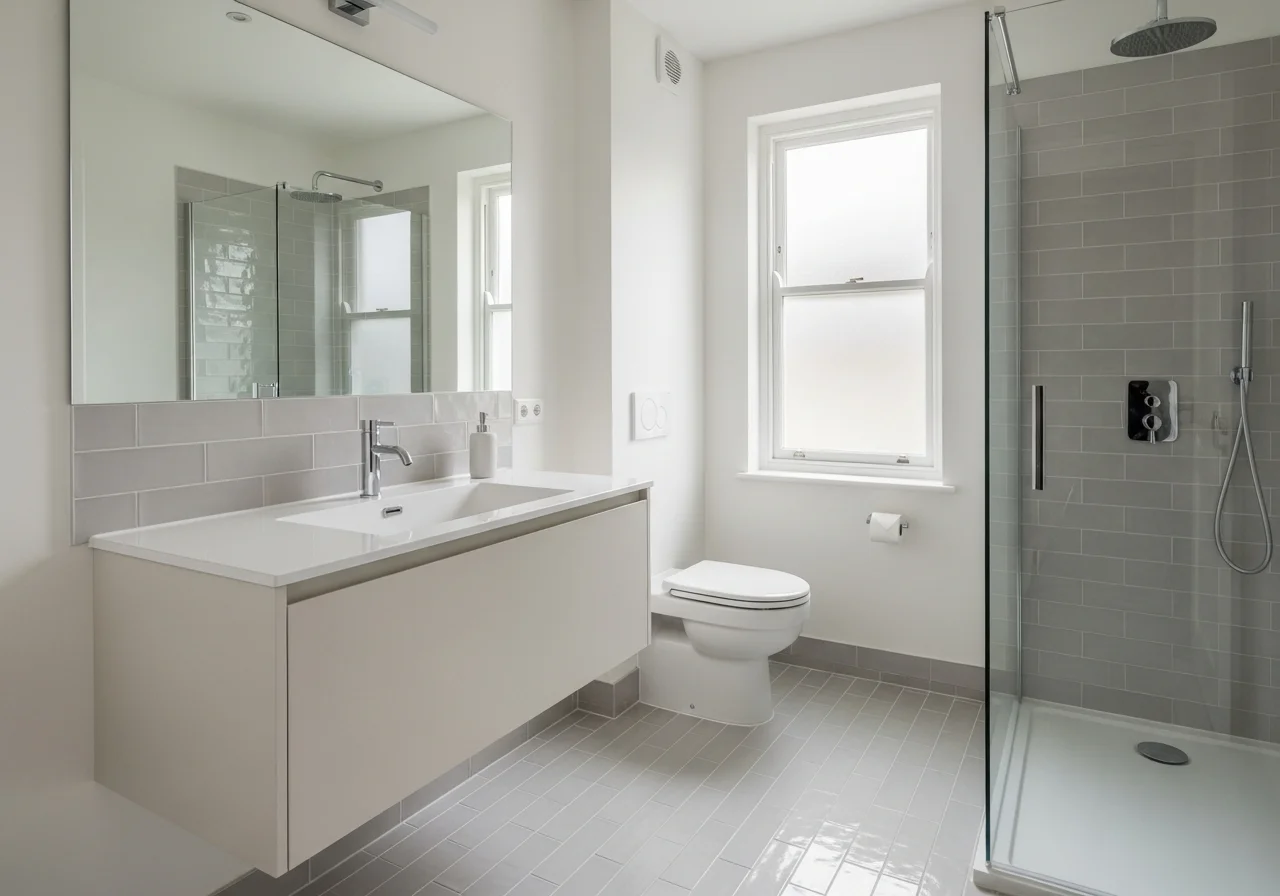
Color selection plays a fundamental role in how spacious a bathroom feels. Light, neutral tones reflect available light and create an open, breathable atmosphere. White remains the classic choice, but the spectrum of possibilities extends to soft grays, warm beiges, pale blues, and gentle greens. Each creates a different mood while maintaining that crucial sense of openness.
The monochromatic approach, where walls, floors, and even fixtures share similar tones, eliminates visual breaks that can make small spaces feel choppy. This continuity allows the eye to travel smoothly through the space, creating a seamless flow that enhances perceived size. If pure white feels too clinical, introduce warmth through beige or cream tones that still reflect light effectively.
That said, strategic use of darker colors should not be dismissed entirely. A single dark accent wall, particularly when paired with reflective tile finishes, can add sophisticated depth without sacrificing openness. The key is balance and intention, ensuring darker elements serve a specific design purpose rather than inadvertently closing in the space.
Maximize Vertical Storage
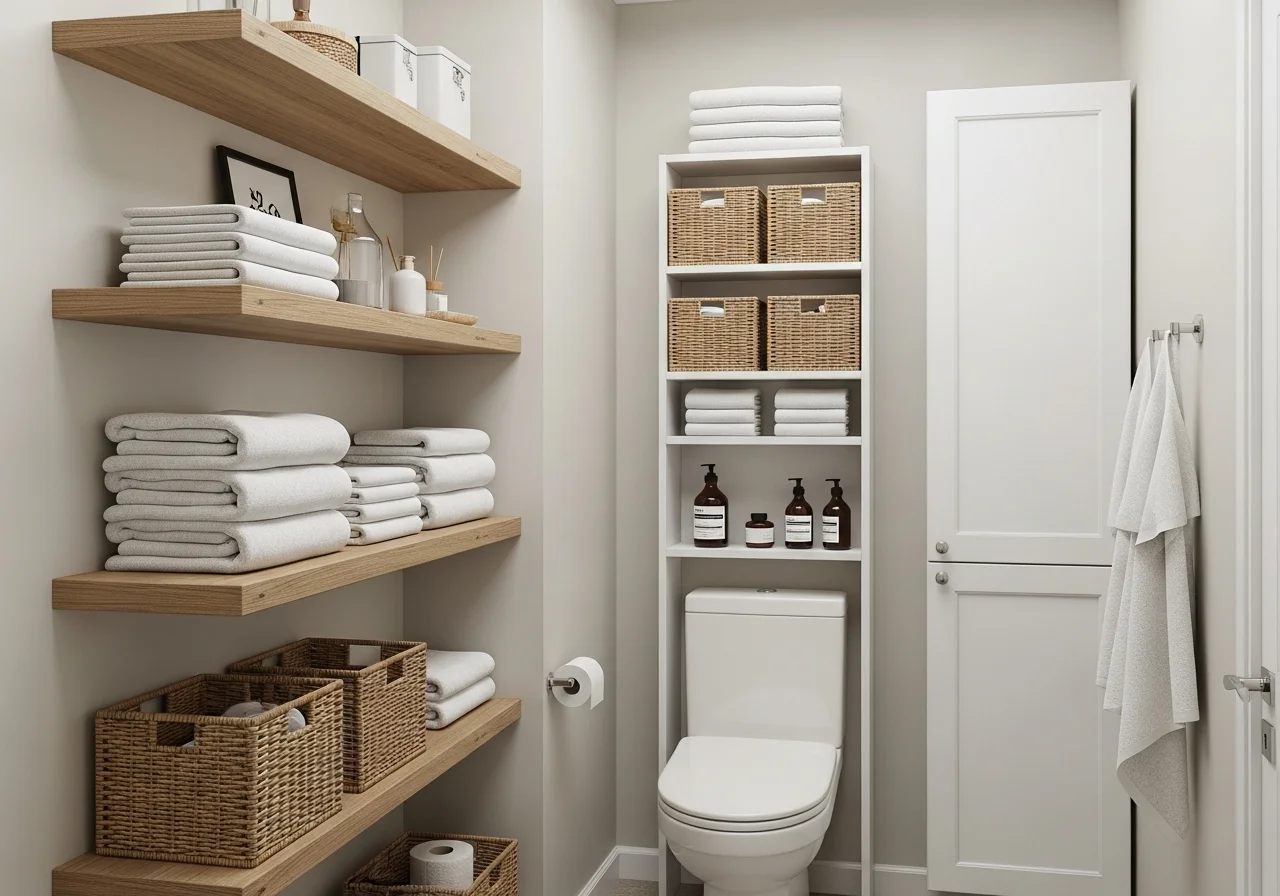
When floor space is limited, looking upward becomes essential. Vertical storage transforms underutilized wall space into valuable organizational real estate. Floating shelves, tall narrow cabinets, and over-toilet storage units capitalize on height rather than competing for precious floor area.
Floating shelves offer both functionality and visual interest. Installing them at varying heights creates dimension while providing homes for toiletries, decorative objects, and essentials. The key is thoughtful styling to avoid a cluttered appearance. Group items in attractive containers or baskets, maintaining visual order even on open shelving.
Over-toilet storage represents one of the most practical solutions for small bathrooms. This typically wasted space above the fixture can accommodate shelving units or cabinets that provide substantial storage without encroaching on movement areas. Choose options that complement your overall design scheme, whether that means sleek metal frames, warm wood tones, or clean white finishes.
Opt for Glass Shower Enclosures
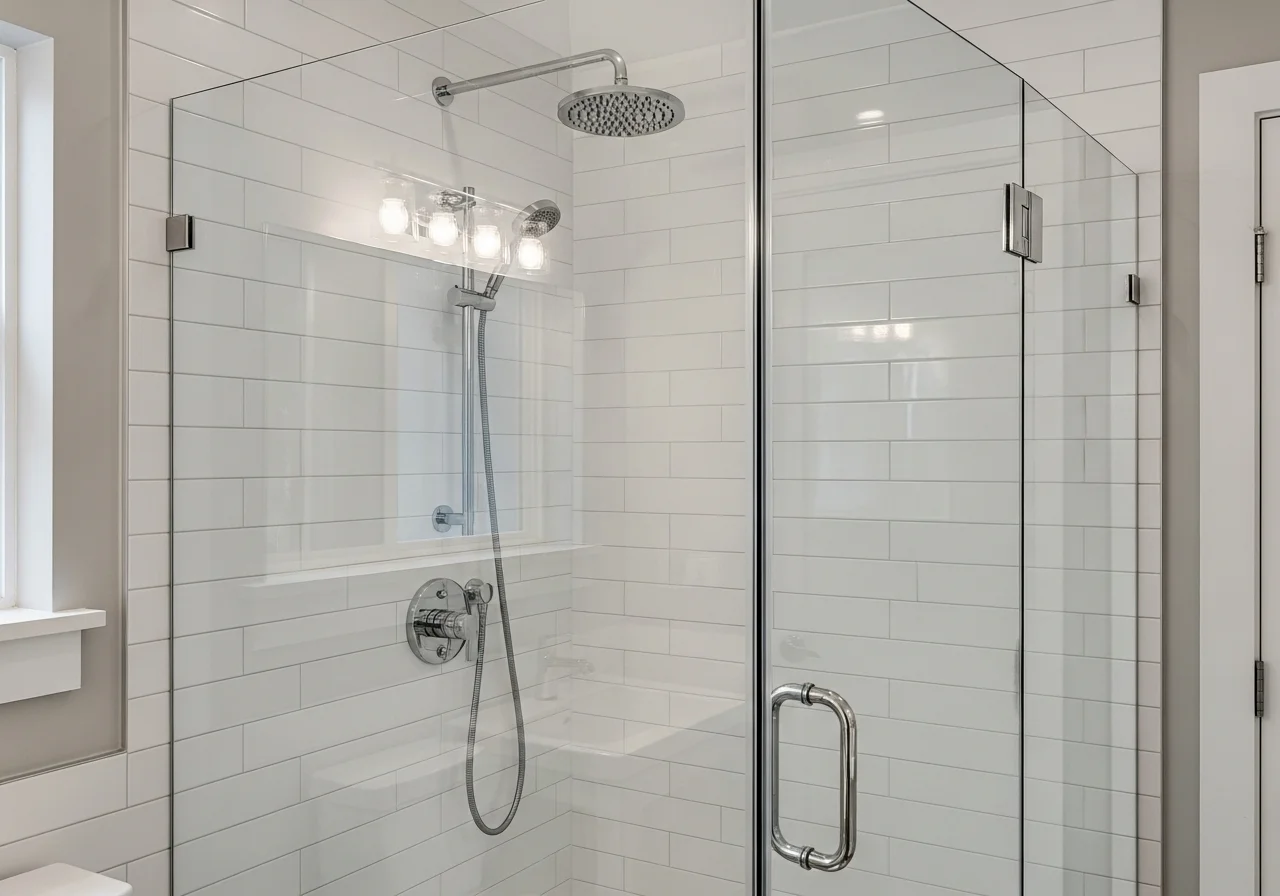
Shower curtains, while budget-friendly and easy to change, visually divide a small bathroom and make it feel more confined. Glass shower doors or screens eliminate this visual barrier, allowing the eye to see the full extent of the space. The transparency creates continuity that makes the bathroom feel significantly larger.
Frameless glass enclosures provide the cleanest, most modern look while maximizing visual openness. Even if your budget leans toward framed options, clear glass still offers substantial benefits over opaque shower curtains. The investment pays dividends in both aesthetic appeal and the perceived spaciousness of the room.
For extremely tight layouts, consider a wet room design where the entire bathroom becomes the shower area. This approach requires proper waterproofing and drainage but eliminates the need for a separate enclosure altogether, creating an uninterrupted open space that feels luxurious despite compact dimensions.

Select Appropriately Scaled Fixtures
Fixtures designed specifically for small bathrooms can make a remarkable difference in both functionality and flow. Compact toilets, narrow vanities, and space-saving sinks are engineered to provide full utility while consuming less square footage. The right fixture proportions prevent a cramped feeling and ensure adequate movement space.
Corner sinks and vanities make intelligent use of areas that might otherwise go unused. These pieces transform awkward corners into functional focal points, freeing up more straightforward wall space for other elements. While less common than traditional configurations, corner fixtures can be stylish and interesting when properly selected and positioned.
Pedestal sinks and console tables offer another space-efficient alternative to traditional vanities. Their open bases maintain visual lightness while providing adequate sink space. The tradeoff comes in storage capacity, which can be addressed through creative solutions like wall-mounted cabinets, floating shelves, or attractive baskets placed beneath.
Incorporate Clever Storage Solutions
Storage challenges define the small bathroom experience. Without adequate places to tuck away necessities, even the most beautifully designed space quickly becomes cluttered and dysfunctional. The solution lies in creative approaches that maximize every available inch.
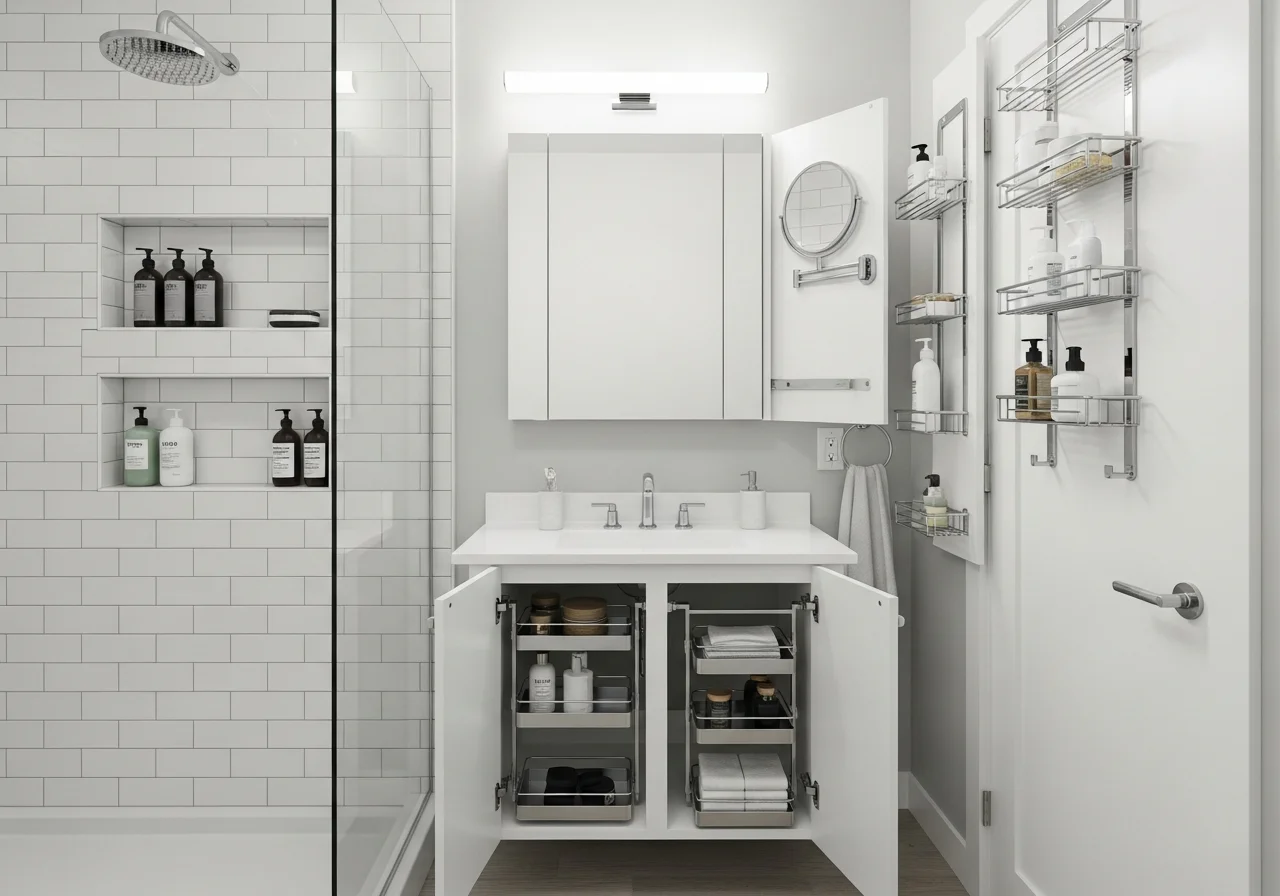
Built-in niches within shower walls provide convenient storage for bathing products without protruding into the space. These recessed shelves can be lined with accent tile for visual interest while serving an eminently practical purpose. Similarly, recessed medicine cabinets and built-in shelving in awkward alcoves turn dead space into valuable storage.
Under-sink organization deserves special attention. The cabinet beneath the vanity often becomes a chaotic jumble of products and cleaning supplies. Simple additions like pull-out trays, stacking bins, and door-mounted organizers transform this area into efficient, accessible storage. Tension rods installed inside cabinets create hanging space for spray bottles and cleaning cloths, utilizing vertical space within the cabinet itself.
Use Large-Format Tiles
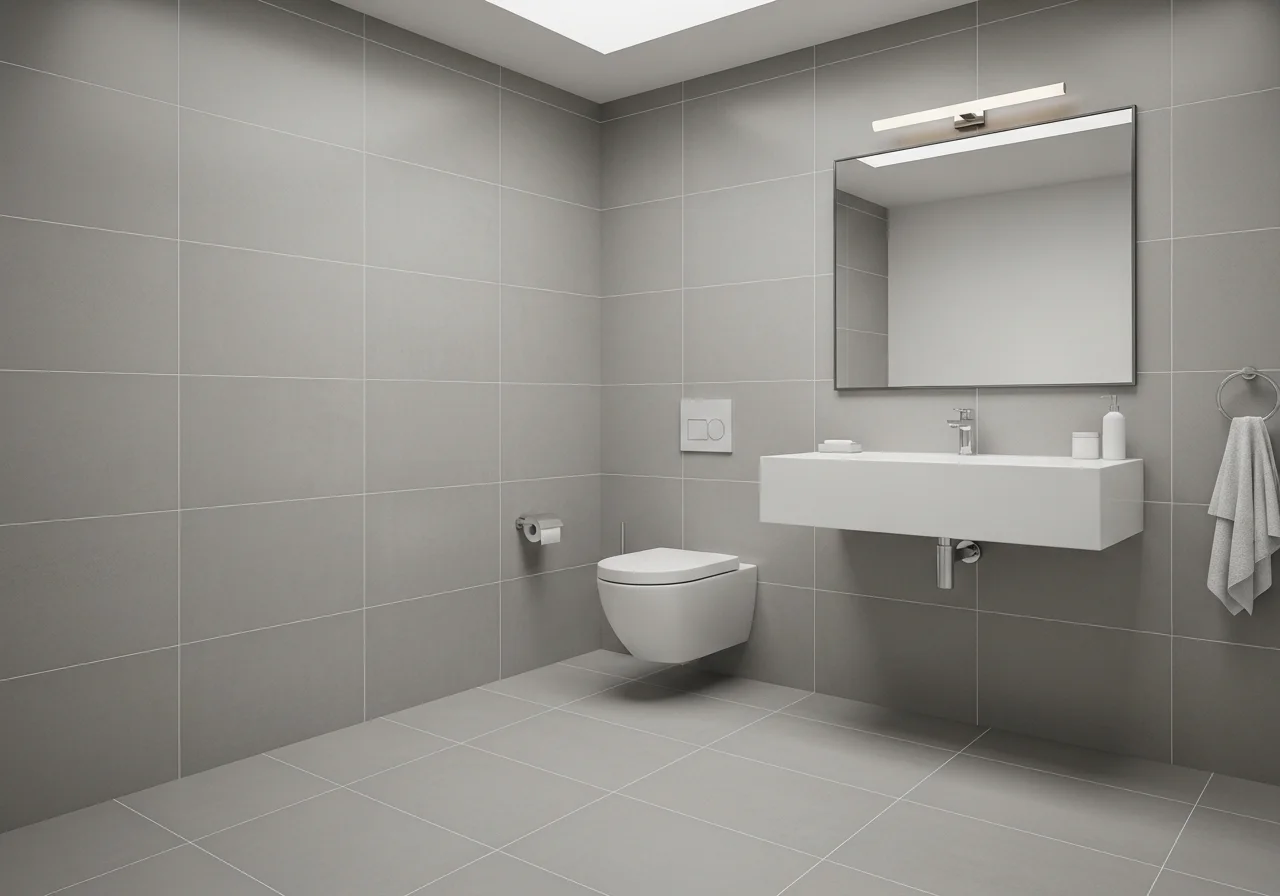
Tile selection significantly impacts how spacious a bathroom feels. Large-format tiles, whether on floors or walls, minimize grout lines and create visual continuity. Fewer grout lines mean fewer visual breaks, allowing the eye to perceive larger expanses and contributing to an airier feel.
Floor tiles in larger formats make the floor plane appear more expansive. Wall tiles, when extended from floor to ceiling, draw the eye upward and emphasize height. This technique works particularly well in bathrooms with standard ceiling heights, creating vertical emphasis that counterbalances limited floor space.
Contrast can be strategic when using tile. A feature wall in a complementary shade or pattern adds interest without overwhelming the space. The key is restraint using accent tiles sparingly to create focal points while maintaining the overall sense of openness through thoughtful color and pattern selection.
Install Adequate Lighting
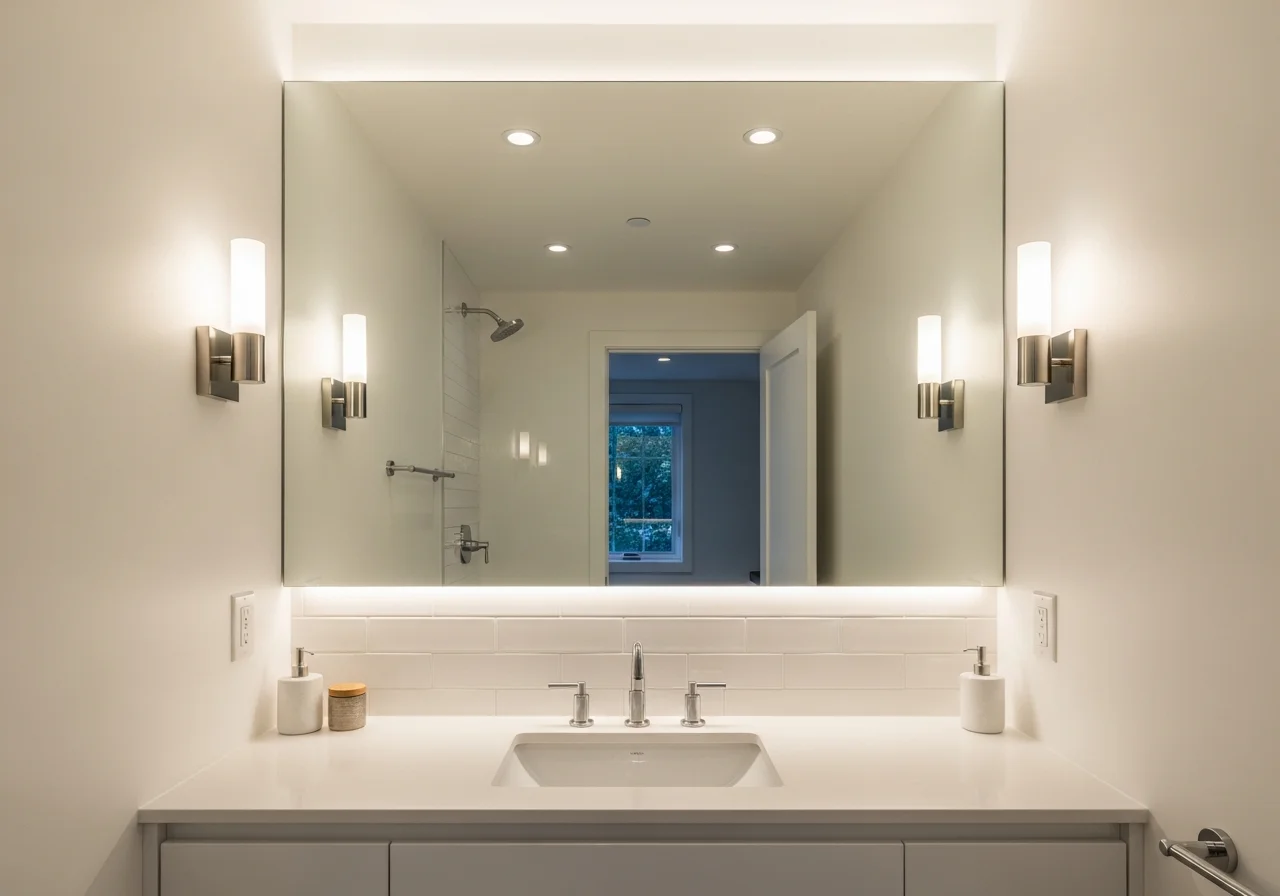
Proper lighting transforms small bathrooms from dim, cramped cells into bright, welcoming spaces. Layered lighting that combines ambient, task, and accent sources provides both functionality and atmosphere. In compact spaces, lighting becomes even more critical because shadows and dark corners can make the room feel smaller than it actually is.
Recessed lighting offers ambient illumination without consuming visual space. Unlike pendant fixtures or bulky ceiling-mounted options, recessed cans disappear into the ceiling while providing essential overall light. Position them strategically to eliminate shadows and ensure even distribution throughout the space.
Task lighting around mirrors is non-negotiable for functionality. Wall sconces flanking the mirror or an illuminated mirror provide shadow-free light for grooming tasks. Modern LED options consume minimal energy while providing excellent color rendering and brightness. Some innovative mirrors now incorporate integrated lighting that eliminates the need for separate fixtures altogether.
Create Illusions with Pattern and Texture
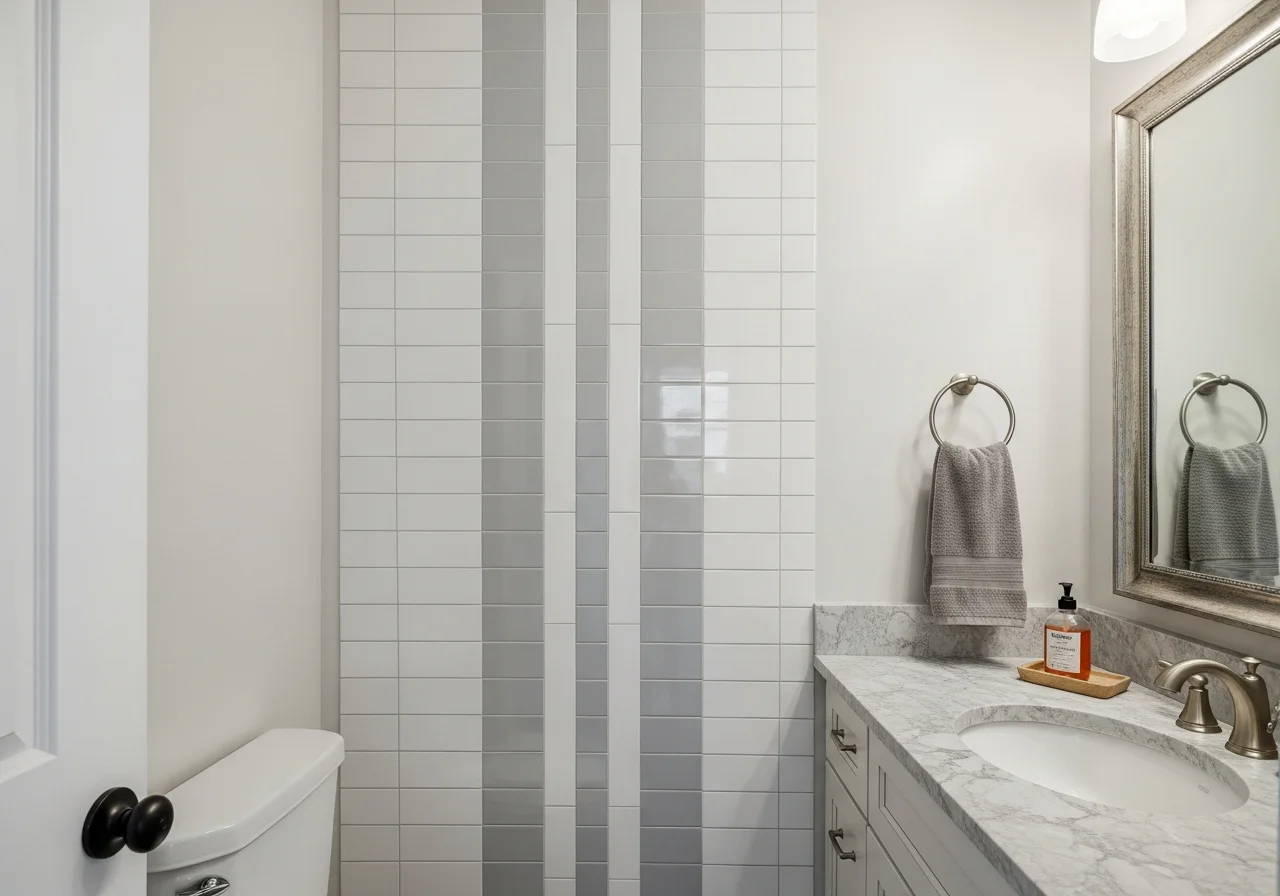
While solid light colors form the foundation of most small bathroom designs, strategic use of pattern and texture adds personality without sacrificing openness. The key is thoughtful application that creates interest rather than visual chaos.
Vertical stripes, whether through tile patterns or wallpaper, draw the eye upward and emphasize ceiling height. This technique works particularly well in bathrooms with standard eight-foot ceilings, creating the impression of greater vertical space. Horizontal patterns can make narrow bathrooms feel wider, though this effect requires careful balance to avoid overwhelming the space.
Texture introduces dimension and interest even within a neutral color palette. Mixing smooth and rough surfaces, such as pairing glossy tiles with matte paint or incorporating natural stone alongside sleek porcelain, creates visual richness. Textural variation prevents the space from feeling flat or one-dimensional while maintaining the light, open quality essential to small bathroom success.
Embrace Minimalism
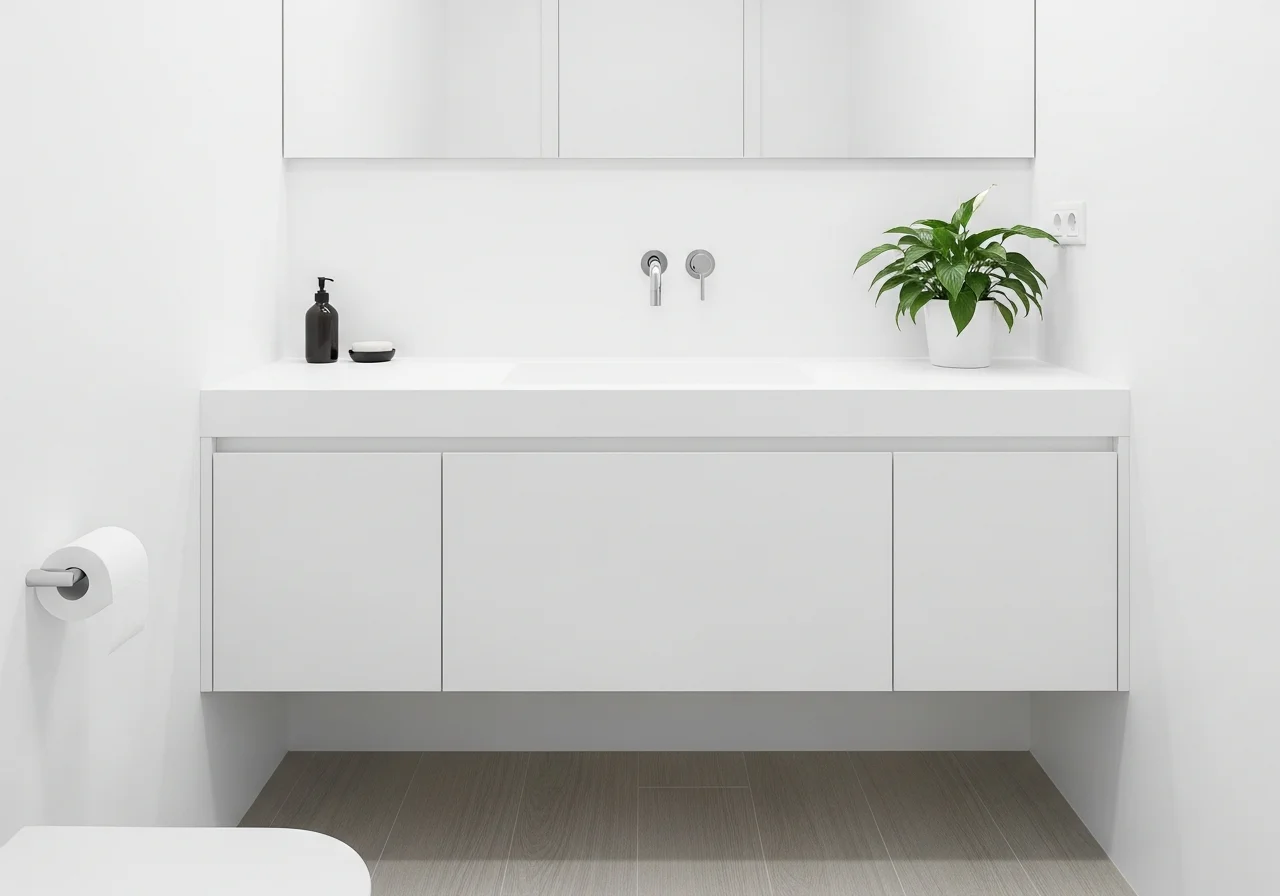
In small bathrooms, less truly is more. A minimalist approach that prioritizes clean lines, uncluttered surfaces, and purposeful design choices prevents visual overwhelm. Every item should earn its place through either functionality or aesthetic contribution.
Open counter space creates visual breathing room and makes the bathroom feel more organized and spacious. Rather than leaving toiletries scattered across the vanity, store daily essentials in drawers or medicine cabinets, keeping only the most used items visible. Decorative touches should be selective and intentional, perhaps a single plant, an elegant soap dispenser, or a beautiful candle.
This minimalist philosophy extends to fixtures and finishes as well. Simple, streamlined designs without excessive ornamentation maintain visual calm and allow the quality of materials and the thoughtfulness of the layout to shine. Contemporary fixtures with clean geometries suit this approach perfectly, though minimalism can be achieved across various design styles through restraint and careful editing.
Utilize Door and Wall Space
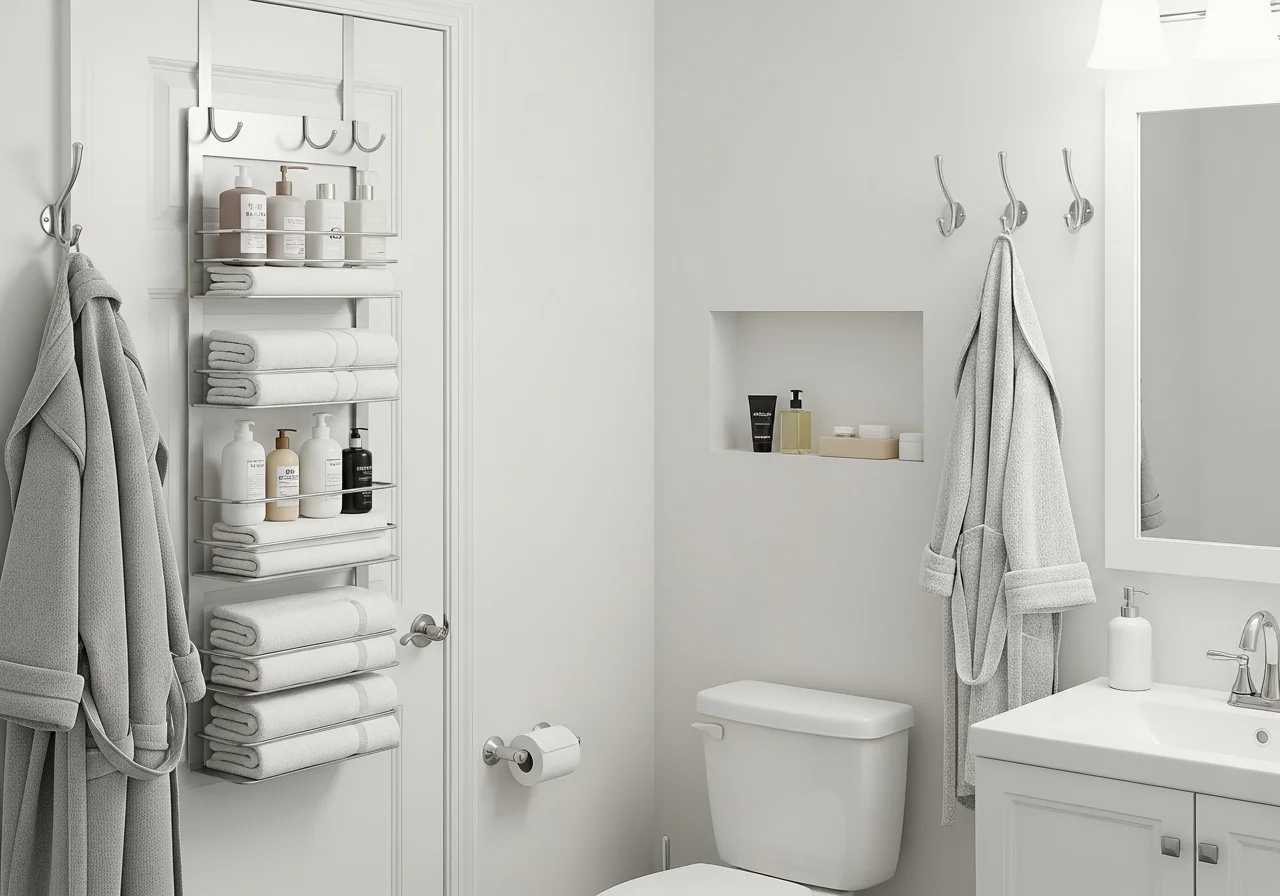
Often overlooked, the back of the bathroom door and wall space between fixtures offer valuable storage opportunities. Over-the-door organizers, hooks, and narrow shelving units transform these areas into functional storage without requiring floor space or major installation.
Hooks provide simple solutions for hanging towels, robes, and clothing without the bulk of traditional towel bars. Modern hook designs range from minimalist single pegs to multi-hook racks that can accommodate several items. Installing hooks at varying heights creates visual interest while accommodating different users and needs.
Narrow rolling carts that fit between the toilet and vanity or in other tight spots offer mobile storage that can be moved as needed. These versatile units work particularly well for frequently used items like hair styling tools, extra towels, or cleaning supplies. The ability to roll them out of sight or into different positions adds flexibility to the space.
Choose Corner Solutions
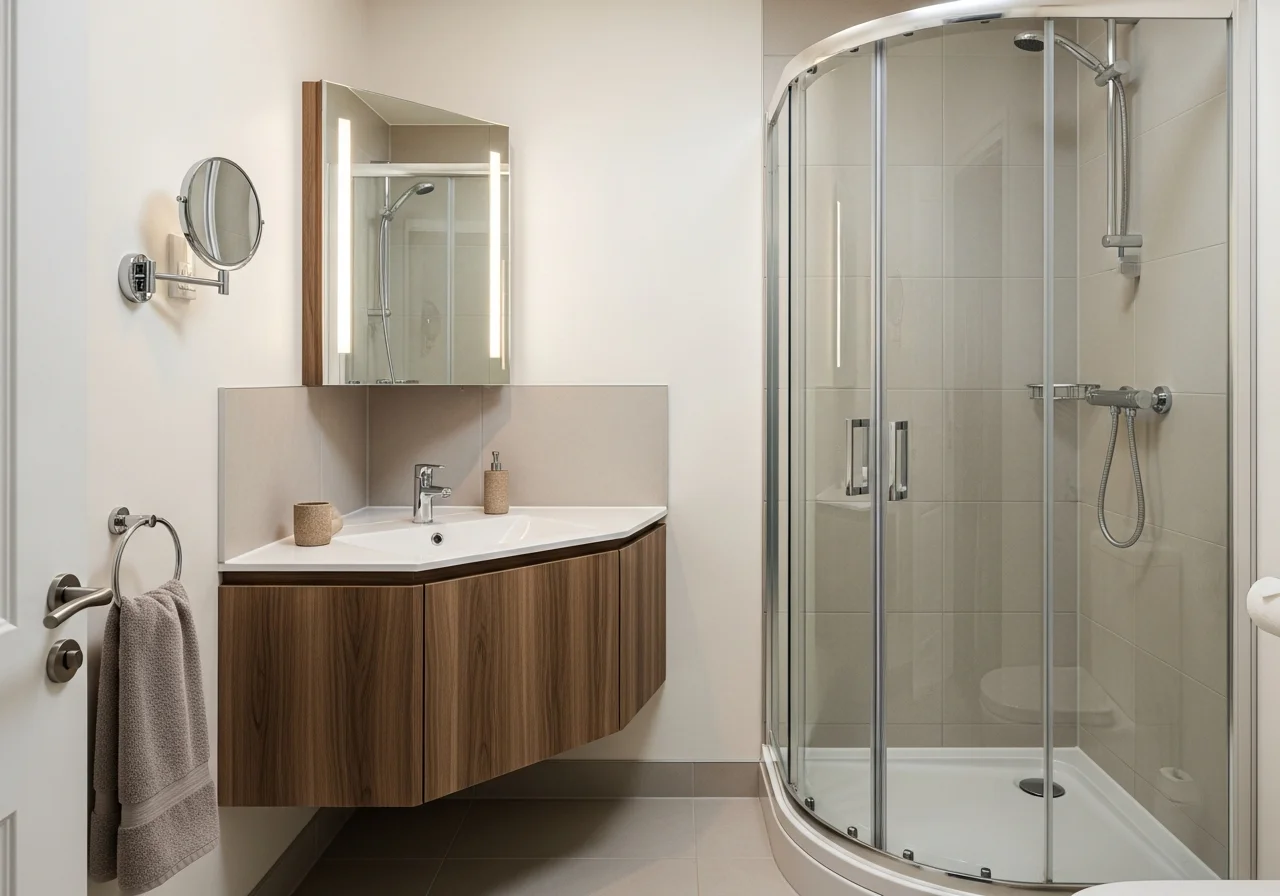
Corners represent premium real estate in small bathrooms, yet they frequently go unused. Purpose-built corner fixtures and storage make efficient use of these areas while preserving more accessible wall space for other elements.
Corner showers with quadrant enclosures fit neatly into bathroom corners, often requiring less space than traditional rectangular configurations. These units come in various sizes, with smaller options designed specifically for tight quarters. The rounded front creates a softer aesthetic while maximizing usable shower space within a compact footprint.
Corner vanities and sinks turn these typically awkward spaces into functional focal points. While less common than standard configurations, corner installations can be quite striking and interesting. Paired with a corner-mounted mirror, they create a complete grooming station that preserves valuable straight-wall space for other uses.
Opt for Pocket or Sliding Doors
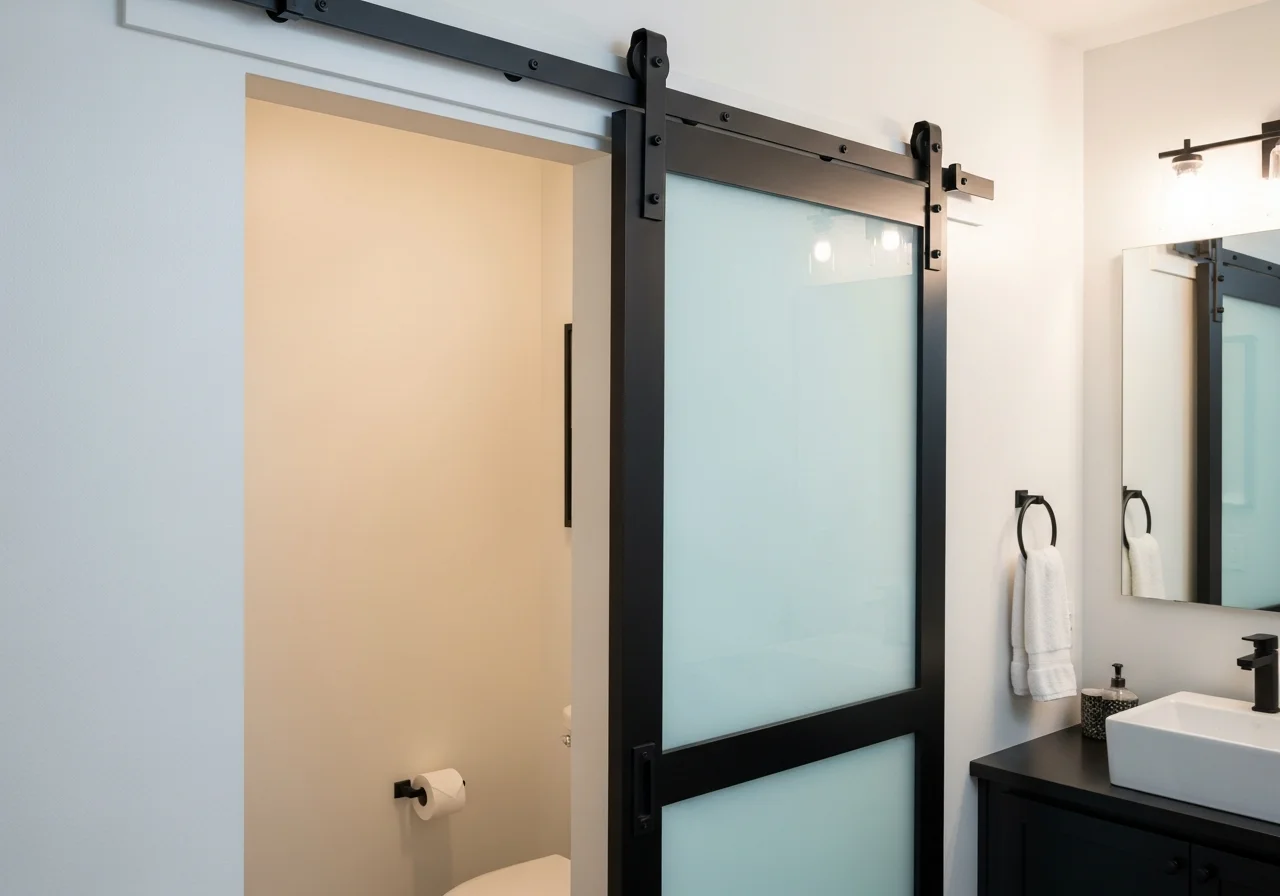
Traditional swinging bathroom doors consume significant space both inside and outside the room. Pocket doors that slide into the wall or barn-style sliding doors mounted on the wall surface eliminate this wasted space, freeing up valuable square footage for fixtures or circulation.
Pocket doors offer the cleanest aesthetic when fully open, completely disappearing into the wall cavity. Installation requires planning during construction or renovation, as the wall must accommodate the door pocket. However, the space savings and sleek appearance make this investment worthwhile, particularly in very small bathrooms where every inch matters.
Sliding barn doors provide a simpler installation alternative that still saves space compared to swinging doors. While they don’t hide completely like pocket doors, they add architectural interest and character while requiring only wall-mounted hardware. Frosted or translucent glass sliding doors maintain privacy while allowing light to filter through, which can be beneficial in windowless bathrooms.
Maintain Consistent Flooring
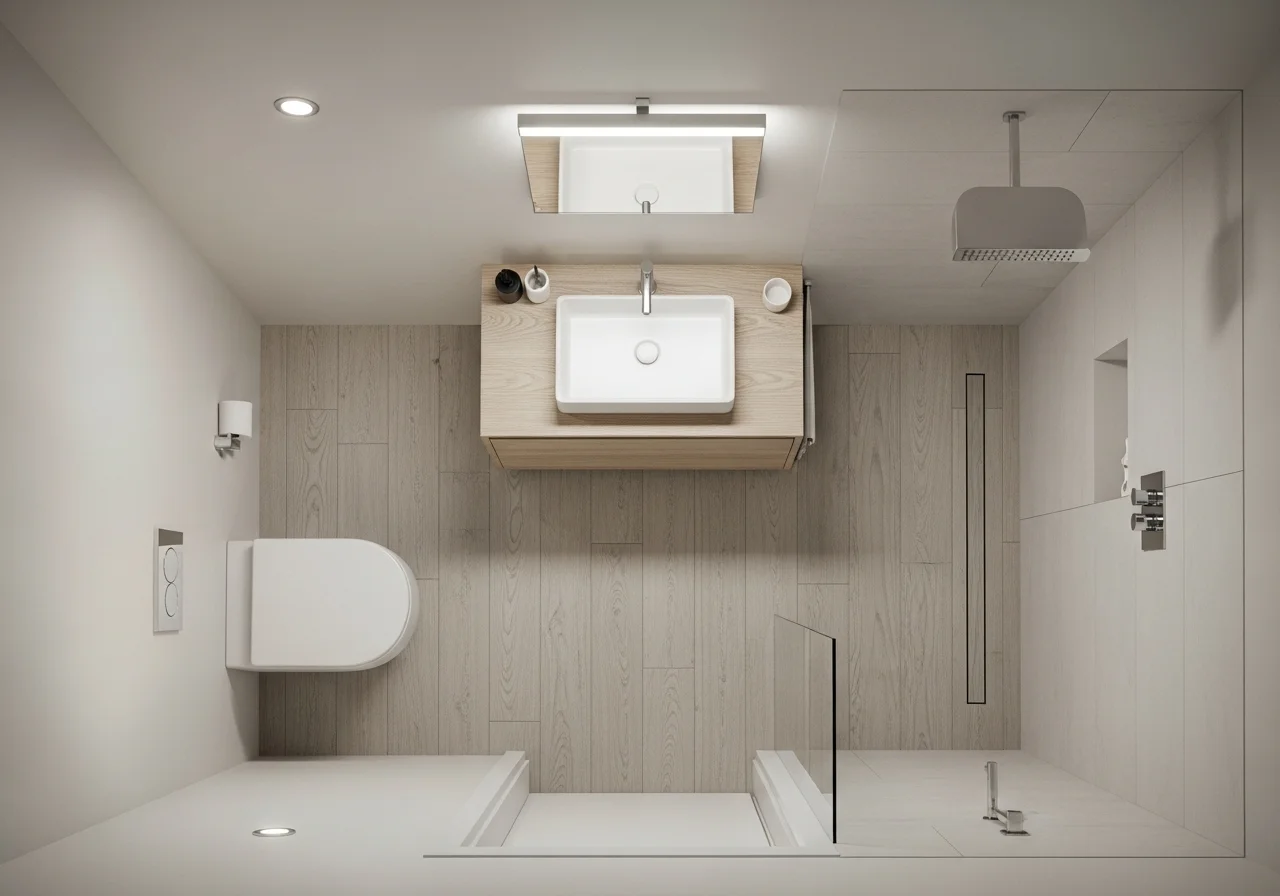
Carrying the same flooring throughout connected spaces creates visual continuity that makes individual rooms feel larger. When possible, extend bathroom flooring into adjacent hallways or bedrooms, eliminating the visual break that occurs when different materials meet at the threshold.
Within the bathroom itself, resist the urge to create different floor zones with various tiles or materials. A single floor treatment unifies the space and allows the eye to perceive the full footprint without interruption. This principle applies even when incorporating features like shower areas; keeping flooring consistent throughout makes the entire room feel more expansive.
Contemporary waterproofing technologies make it possible to use a wider range of materials in wet areas than ever before. Wood-look tiles, for instance, can create warmth and visual interest while providing the necessary water resistance. These options allow you to maintain material consistency between the bathroom and adjacent spaces without compromising functionality.

Incorporate Natural Light
Natural light is perhaps the single most valuable asset in a small bathroom. Windows flood the space with brightness that no artificial lighting can fully replicate, while providing ventilation and a connection to the outdoors that makes the room feel less confined.
If privacy concerns limit window options, consider frosted or textured glass that admits light while obscuring the view. Skylights or solar tubes can bring natural light into interior bathrooms without exterior walls. These solutions require more significant investment but transform windowless bathrooms from caves into airy, pleasant spaces.
Window treatments should maximize light admission while providing necessary privacy. Simple roller shades in light-filtering or sheer fabrics, top-down bottom-up configurations, or plantation shutters offer control and flexibility. Avoid heavy draperies or dark treatments that block light and visually shrink the space.
Select Unified Hardware and Fixtures
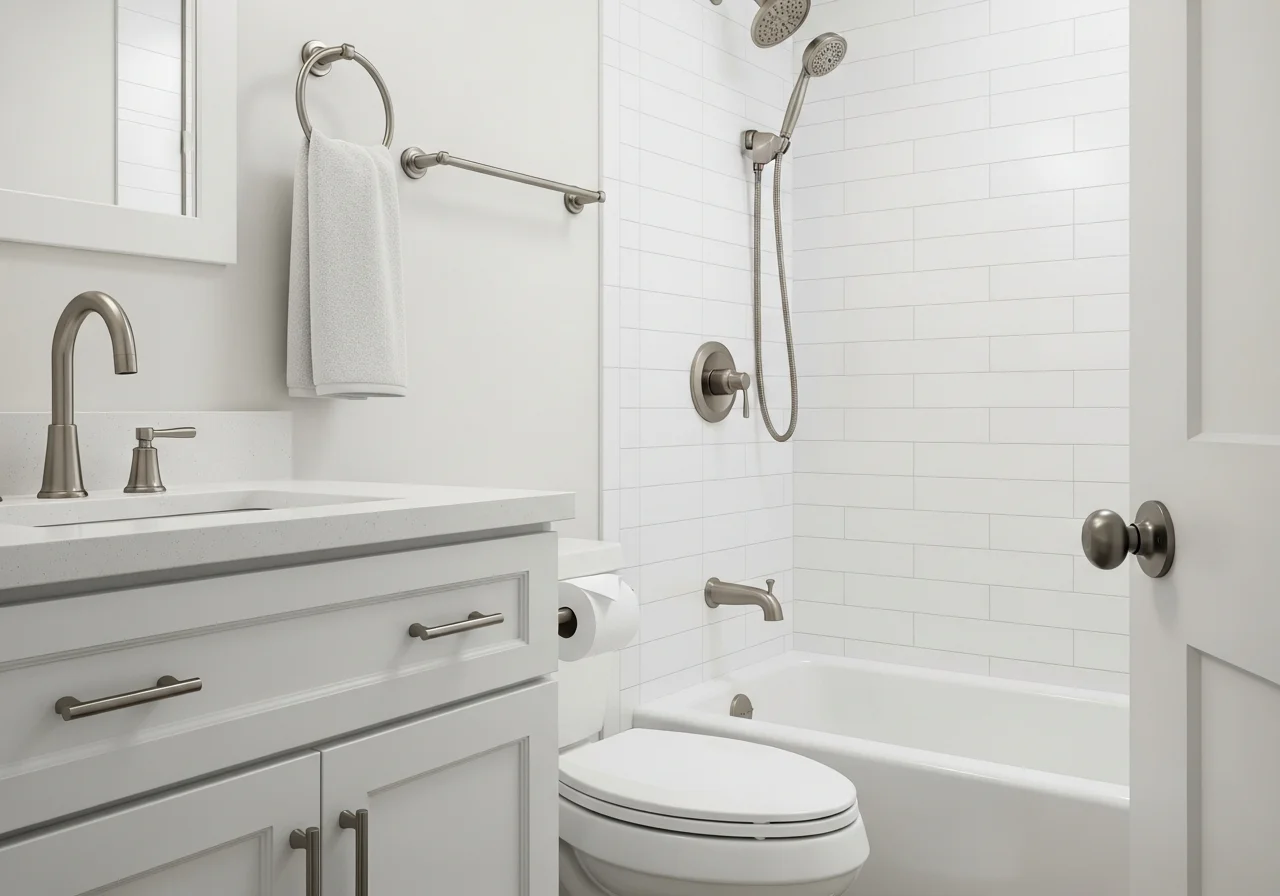
Consistent finishes throughout the bathroom create visual harmony that makes the space feel more cohesive and, consequently, more spacious. When hardware, faucets, shower fixtures, and accessories share the same finish, the eye registers a unified design rather than processing multiple competing elements.
Popular finish options include brushed nickel, chrome, matte black, and brass tones. Each creates a different aesthetic, but the principle remains the same: consistency prevents visual fragmentation. Even when mixing metals, establish clear guidelines such as warm tones versus cool tones to maintain intentional coordination.
This unified approach extends to less obvious elements like towel bars, toilet paper holders, and cabinet pulls. These small details collectively contribute to the overall impression of thoughtful, cohesive design. When every element feels considered and connected, the space reads as more sophisticated and put-together.
Add Personality Through Accents
While restraint and simplicity define successful small bathroom design, the space should still reflect personal style and feel inviting. Strategic accent choices inject personality without creating visual clutter or overwhelming the room.
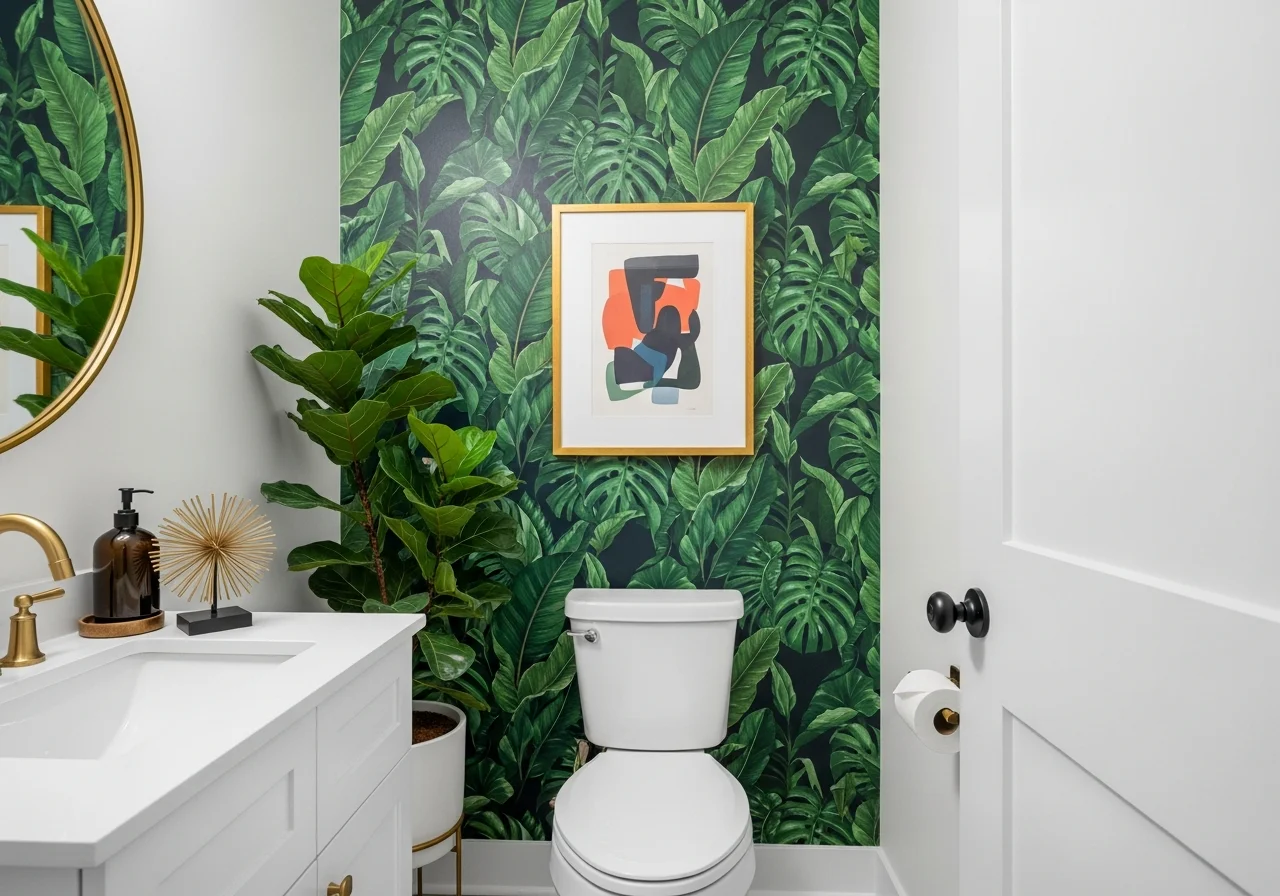
A single bold wallpaper on one wall can transform a basic bathroom into a memorable space. Graphic patterns, botanical prints, or textural grasscloth add character and visual interest. The key is limiting this treatment to one wall, allowing it to serve as a focal point rather than surrounding and enclosing the space.
Artwork, plants, and decorative objects personalize the bathroom when selected thoughtfully. A piece of art above the toilet, a small plant on the vanity, or an interesting vintage mirror contributes character without consuming precious space. These touches make the bathroom feel finished and intentional rather than simply functional.
Implement Smart Technology
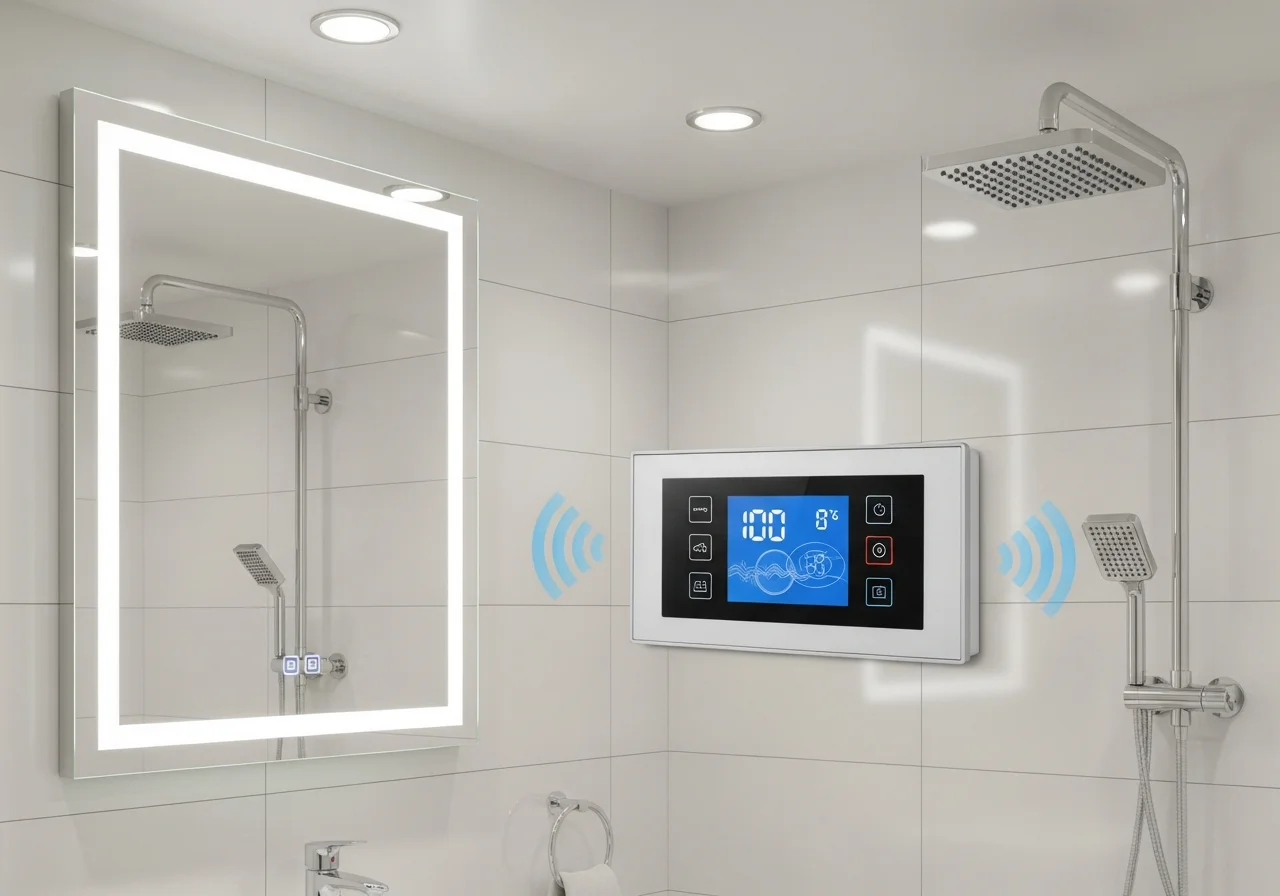
Modern bathroom technology can enhance both functionality and the sense of luxury in small spaces. Heated floors, smart mirrors with integrated lighting and defogging features, and voice-activated lighting create spa-like experiences that belie the compact dimensions.
Digital shower controls allow precise temperature management and can include features like preset preferences for different users. These systems often have sleeker profiles than traditional controls, contributing to the streamlined aesthetic that benefits small bathrooms. Some models include water usage tracking and conservation features that add practical benefits to the convenience factor.
Motion-sensing lights and exhaust fans increase convenience while ensuring energy efficiency. Lights that activate upon entry and switch off automatically prevent wasted energy from forgotten switches. Similarly, humidity-sensing exhaust fans that run only when needed maintain air quality without manual intervention.

Choose Space-Efficient Bathing Options
The shower-versus-tub decision significantly impacts both the functionality and feel of small bathrooms. While tubs offer relaxation benefits, they consume substantial floor space that might be better utilized for more spacious showers or additional storage.
Walk-in showers with curbless entries create seamless transitions that make bathrooms feel larger and more accessible. These designs eliminate the visual and physical barrier of traditional shower thresholds, allowing tile to flow continuously from the bathroom into the shower area. The effect is particularly dramatic in small spaces, where removing barriers enhances the sense of openness.
For those who cannot part with soaking capabilities, Japanese-style soaking tubs offer a compromise. These deep but compact tubs provide the relaxation of a bath while consuming less floor space than traditional Western tubs. Their vertical rather than horizontal orientation suits small bathrooms particularly well.
Maximize Under-Sink Storage
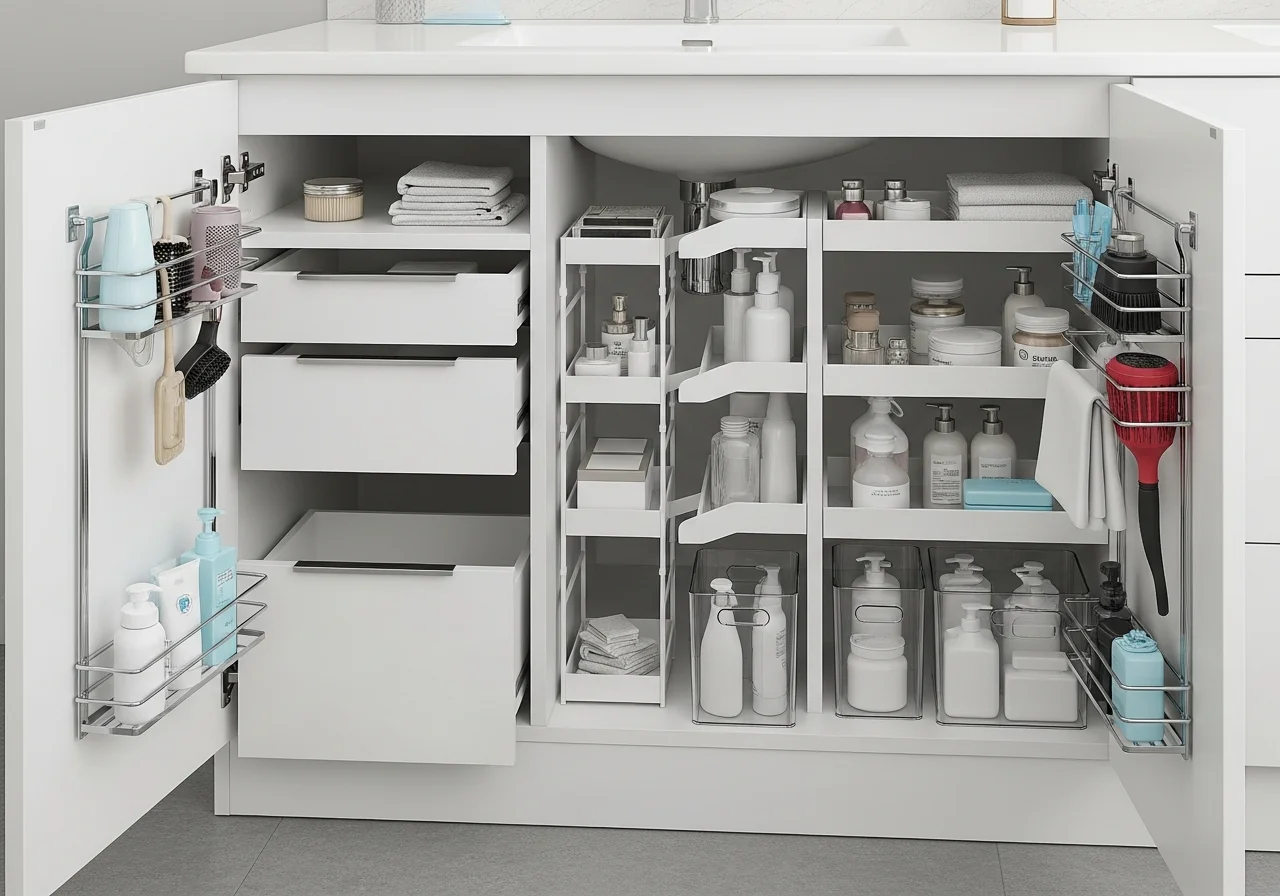
The cabinet beneath the bathroom sink represents valuable storage real estate that often goes underutilized. Transform this space from a chaotic catch-all into efficient, organized storage through simple additions and smart product choices.
Pull-out organizers and tiered shelving systems make it easy to access items at the back of deep cabinets. These solutions bring everything into view and within reach, eliminating the need to dig through piled products. Adjustable shelving accommodates items of varying heights while maximizing vertical space within the cabinet.
The inside of cabinet doors offers additional storage potential. Mounted racks, hooks, or small shelves turn this typically wasted surface into homes for hair tools, cleaning supplies, or frequently used products. This approach keeps items organized and accessible while freeing up shelf space inside the cabinet for larger items.
Create Zones for Organization
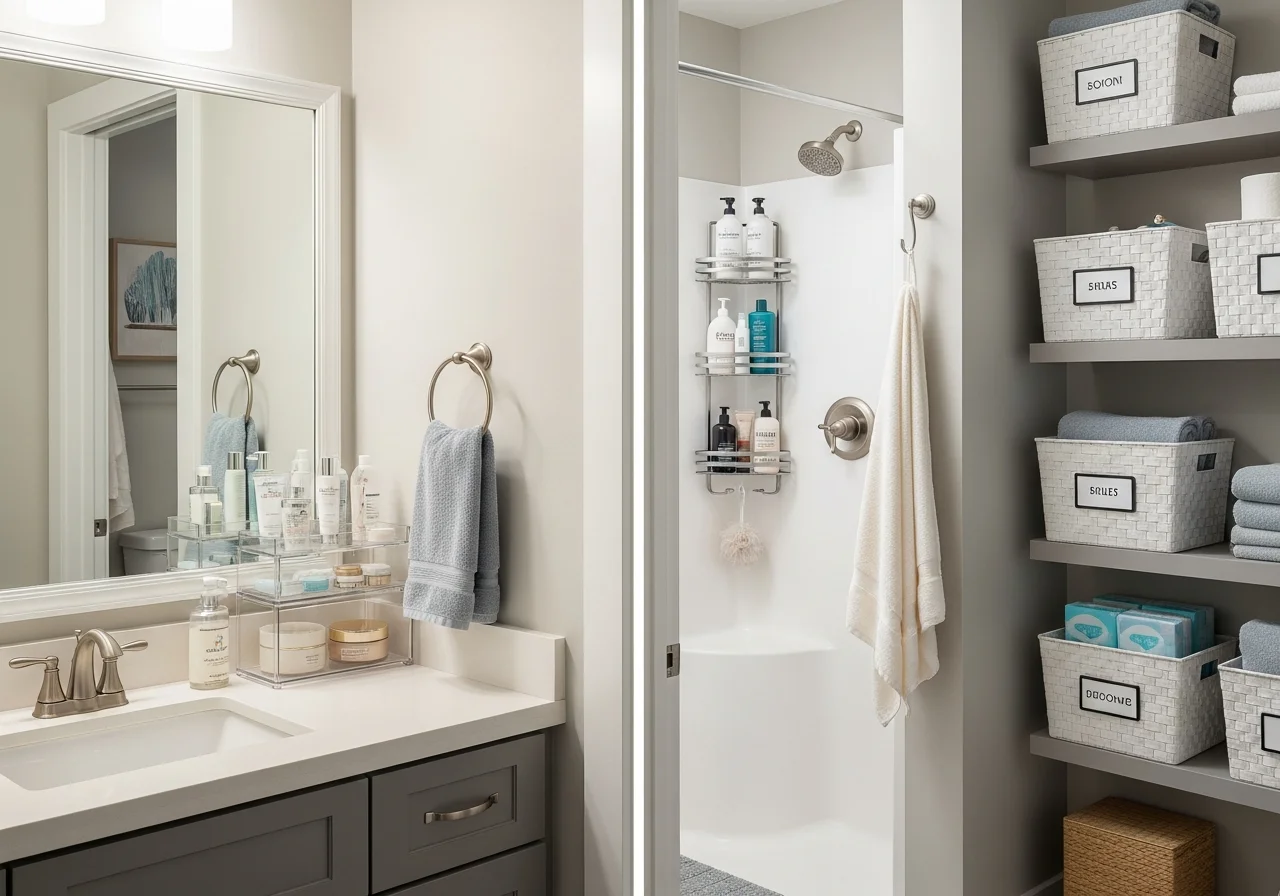
Even in small bathrooms, establishing distinct zones for different activities and storage categories improves functionality and maintains order. Designating areas for grooming, bathing, and storage helps contain clutter and makes the bathroom more efficient to use.
Store similar items together in defined locations. Group all hair care products in one area, skincare in another, and dental hygiene items in a third. This organizational approach makes it easy to find what you need while preventing the random scattering of products that creates visual chaos.
Within the shower, establish zones for different products. A high shelf for infrequently used items, a middle section for daily essentials, and a lower area for children’s products or body care creates an organized system. Built-in or mounted shower organizers maintain these zones without consuming floor space or creating clutter.
Consider a Powder Room Approach
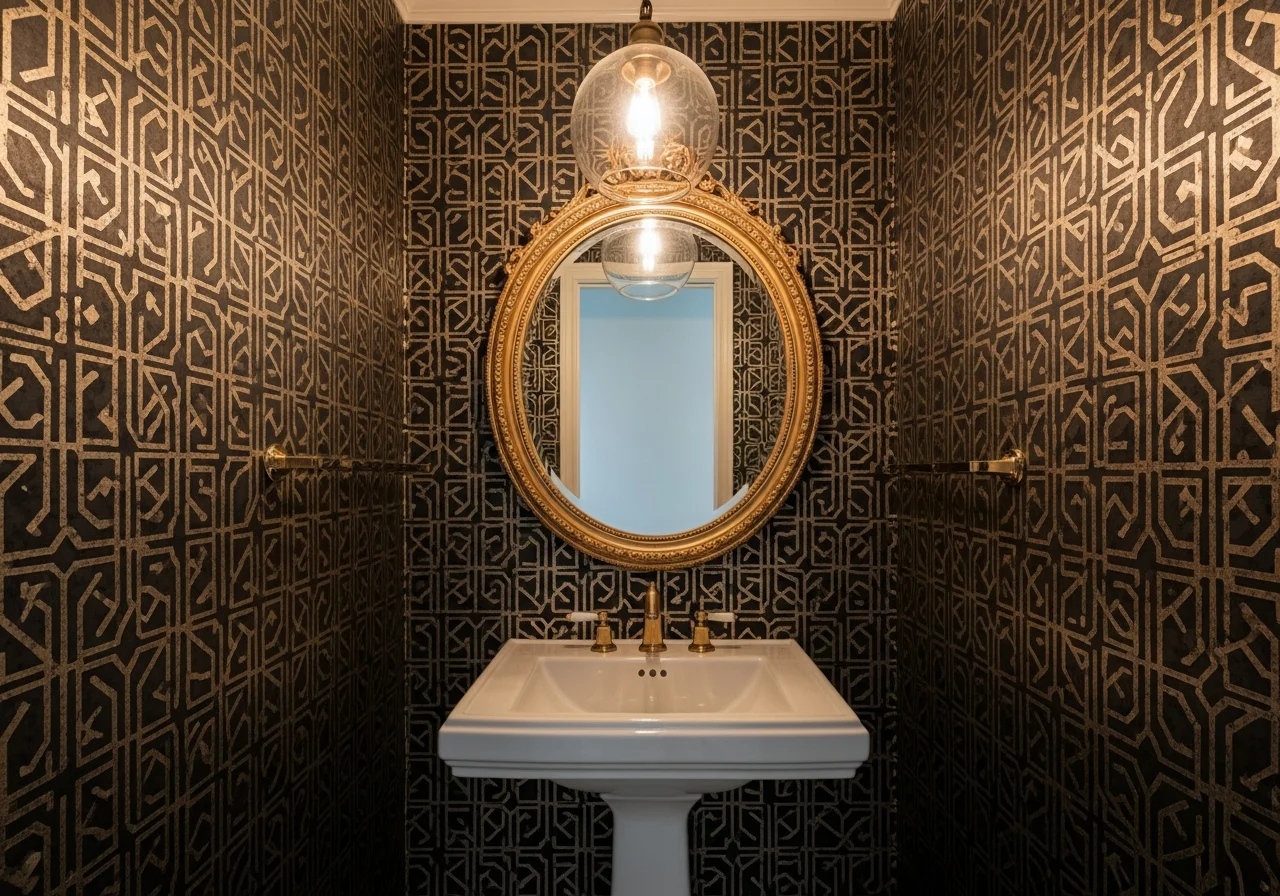
If the bathroom in question serves primarily as a powder room for guests rather than a full family bathroom, embrace design choices that prioritize style over extensive storage. Powder rooms offer more freedom for bold design statements precisely because they do not need to accommodate the practical demands of daily routines.
Dramatic wallpaper, statement lighting, or unique tile patterns work particularly well in powder rooms. Since these spaces are used briefly and infrequently, bolder choices that might feel overwhelming in a primary bathroom create memorable impressions without daily wear. This is the place to experiment with trends or artistic expressions that reflect personality.
The reduced storage needs of powder rooms allow for more streamlined fixture choices. A beautiful pedestal sink or wall-mounted basin can take center stage without worrying about where to store toiletries and towels. This simplified approach often results in more elegant, visually striking designs.
Maintain Clear Sight Lines
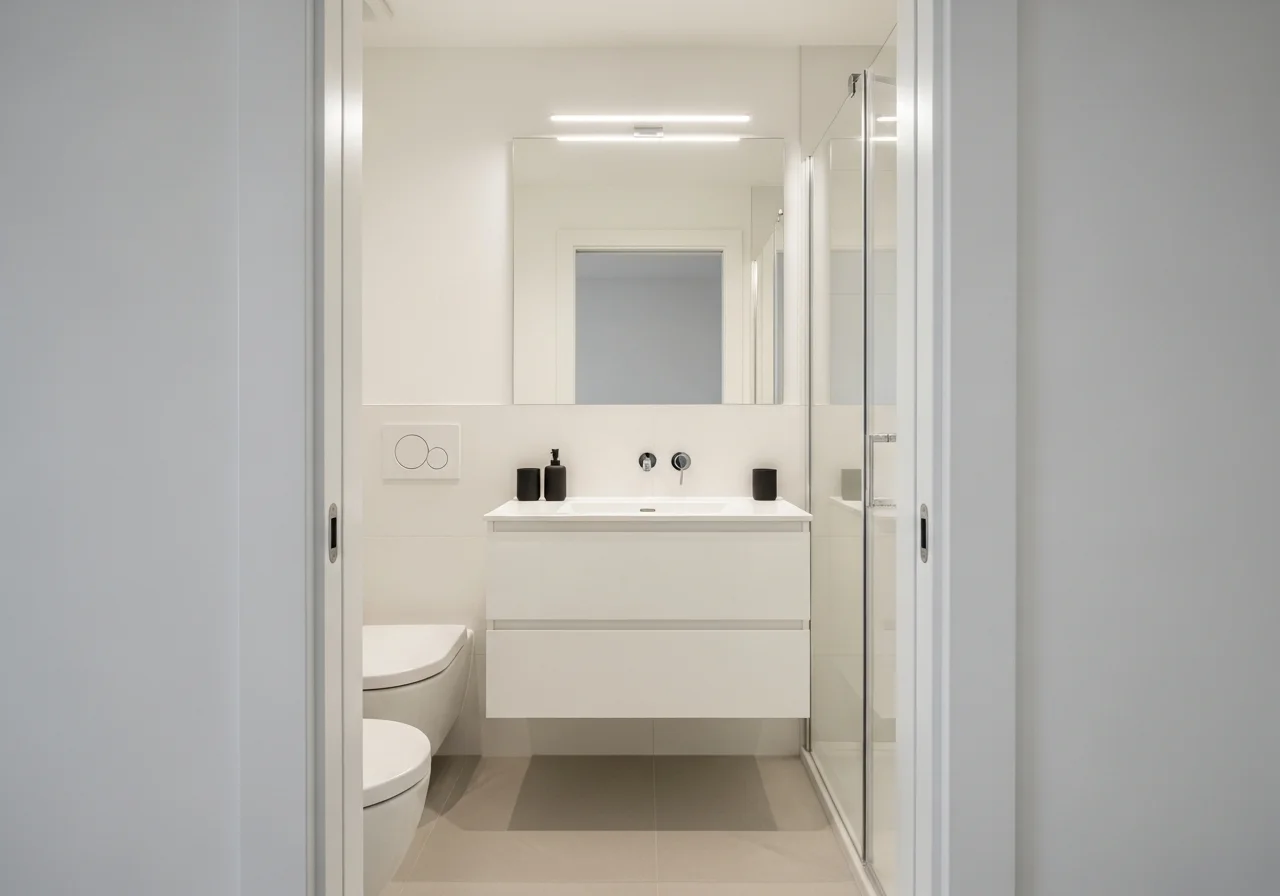
Preserving clear sight lines through the bathroom prevents the space from feeling chopped up or confined. When entering the room, the eye should be able to travel relatively unobstructed to the far wall, registering the full extent of the space.
Avoid placing tall storage units or other obstructions directly in the line of sight from the door. Instead, position these items along side walls or in corners where they provide function without blocking views. This strategic placement maintains the sense of openness while still incorporating necessary storage.
Transparent or translucent materials help maintain sight lines while providing necessary separation. Glass shower enclosures are the most obvious example, but this principle extends to other elements as well. Acrylic or glass storage containers, for instance, allow you to see through to the wall beyond rather than creating visual blockages.
Plan for Proper Ventilation
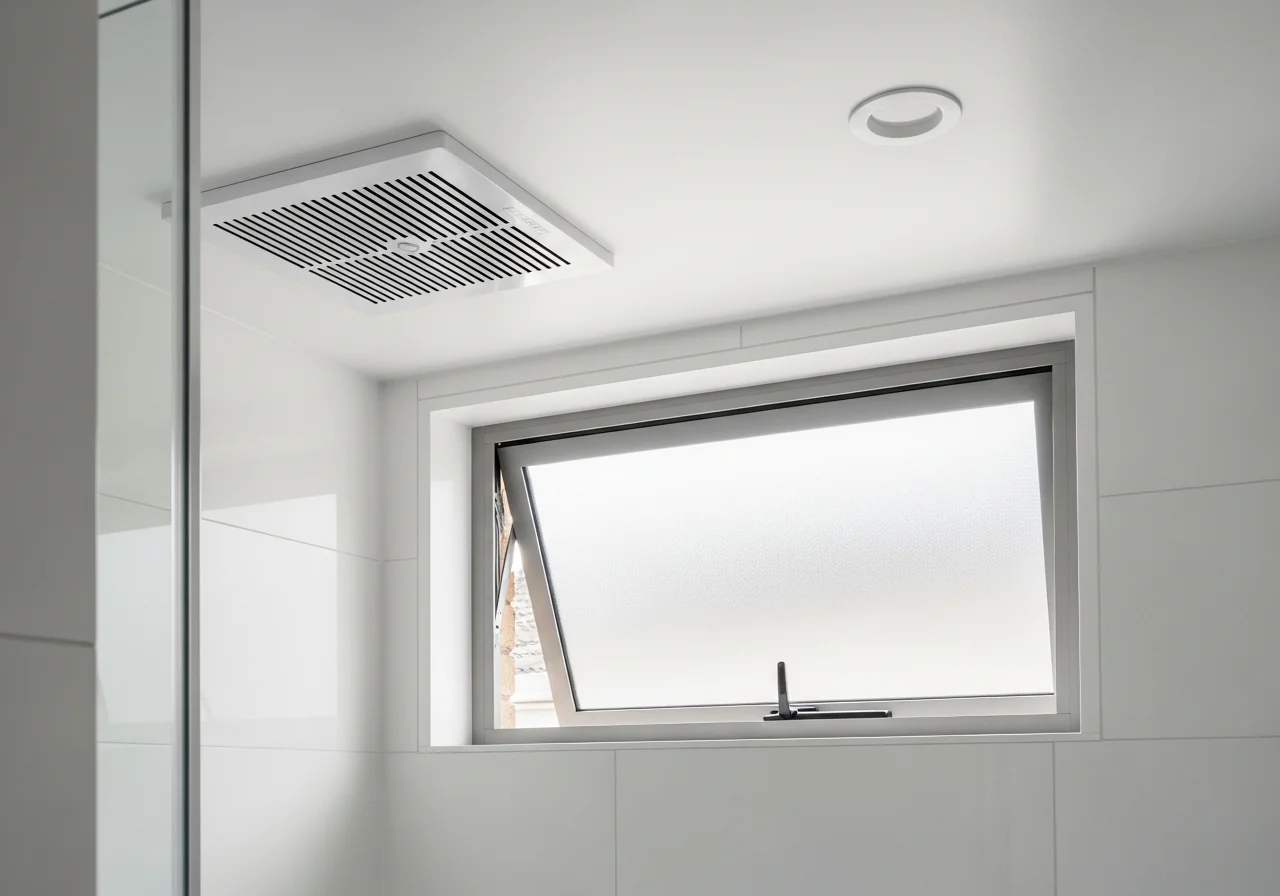
Adequate ventilation is essential in any bathroom but becomes particularly critical in small spaces where moisture and humidity concentrate quickly. Proper ventilation prevents mold, protects finishes, and maintains air quality.
Exhaust fans should be appropriately sized for the bathroom’s cubic footage to ensure effective moisture removal. Many building codes specify minimum ventilation requirements, but exceeding these minimums in small bathrooms can prevent moisture-related problems. Quiet operation is important in any bathroom but especially in smaller spaces where the fan’s sound may be more noticeable.
When natural ventilation through windows is available, take full advantage by opening windows during and after showers. Cross-ventilation, where air can flow through the bathroom from one opening to another, is particularly effective. Even in bathrooms with exhaust fans, fresh air circulation provides benefits that mechanical ventilation alone cannot match.
Conclusion
Small bathrooms need not be merely functional afterthoughts relegated to cramped, uncomfortable spaces. With thoughtful design choices that prioritize visual expansion, clever storage, appropriate fixture selection, and cohesive aesthetics, even the most compact bathroom can become a comfortable, stylish retreat.
The key lies in understanding which strategies will have the greatest impact in your specific situation. Not every idea will apply to every bathroom, but approaching the space with intention and awareness of these principles enables informed decisions that maximize every square inch. Whether implementing a complete renovation or making incremental improvements, these design concepts provide a framework for creating small bathrooms that punch far above their weight class in both style and functionality.
Remember that successful small bathroom design is ultimately about balance. Balance between storage and openness, between personal style and visual restraint, between investment and impact. By carefully considering each element and how it contributes to the overall experience, you can create a bathroom that not only meets practical needs but genuinely delights everyone who uses it.
Frequently Asked Questions
What is the best color for a small bathroom?
Light, neutral colors work best for small bathrooms as they reflect light and create an open, airy feel. White, soft gray, beige, and pale blue are excellent choices. However, you can incorporate darker accent colors strategically on a single wall or through accessories without making the space feel smaller, especially when paired with reflective finishes like glossy tiles.
How can I add storage to a small bathroom without making it feel cramped?
Focus on vertical storage solutions like floating shelves, over-toilet cabinets, and wall-mounted organizers that utilize wall space rather than consuming floor area. Built-in niches, medicine cabinets, and under-sink organizers maximize existing spaces. Keep frequently used items stored away in cabinets to maintain clear countertops, which helps the space feel more open.
Should I choose a shower or bathtub for a small bathroom?
A shower typically makes more sense in a small bathroom as it requires less floor space and can be designed with clear glass enclosures that maintain visual openness. Walk-in showers with curbless entries create the most spacious feel. If you truly want a tub, consider compact Japanese soaking tubs or combination shower-tub units that provide both functions within a smaller footprint.
What type of lighting is best for small bathrooms?
Layered lighting works best, combining ambient recessed lights for overall illumination, task lighting around mirrors for grooming activities, and optional accent lighting for atmosphere. LED fixtures provide excellent energy efficiency and brightness. Natural light from windows or skylights dramatically improves the feel of small bathrooms, so incorporate these when possible.
Are dark colors ever appropriate in small bathrooms?
Yes, dark colors can work in small bathrooms when used strategically. A single dark accent wall paired with reflective tile finishes can add sophisticated depth without closing in the space. The key is using dark tones intentionally as focal points while maintaining lighter colors on remaining surfaces and ensuring adequate lighting to prevent the space from feeling cave-like.