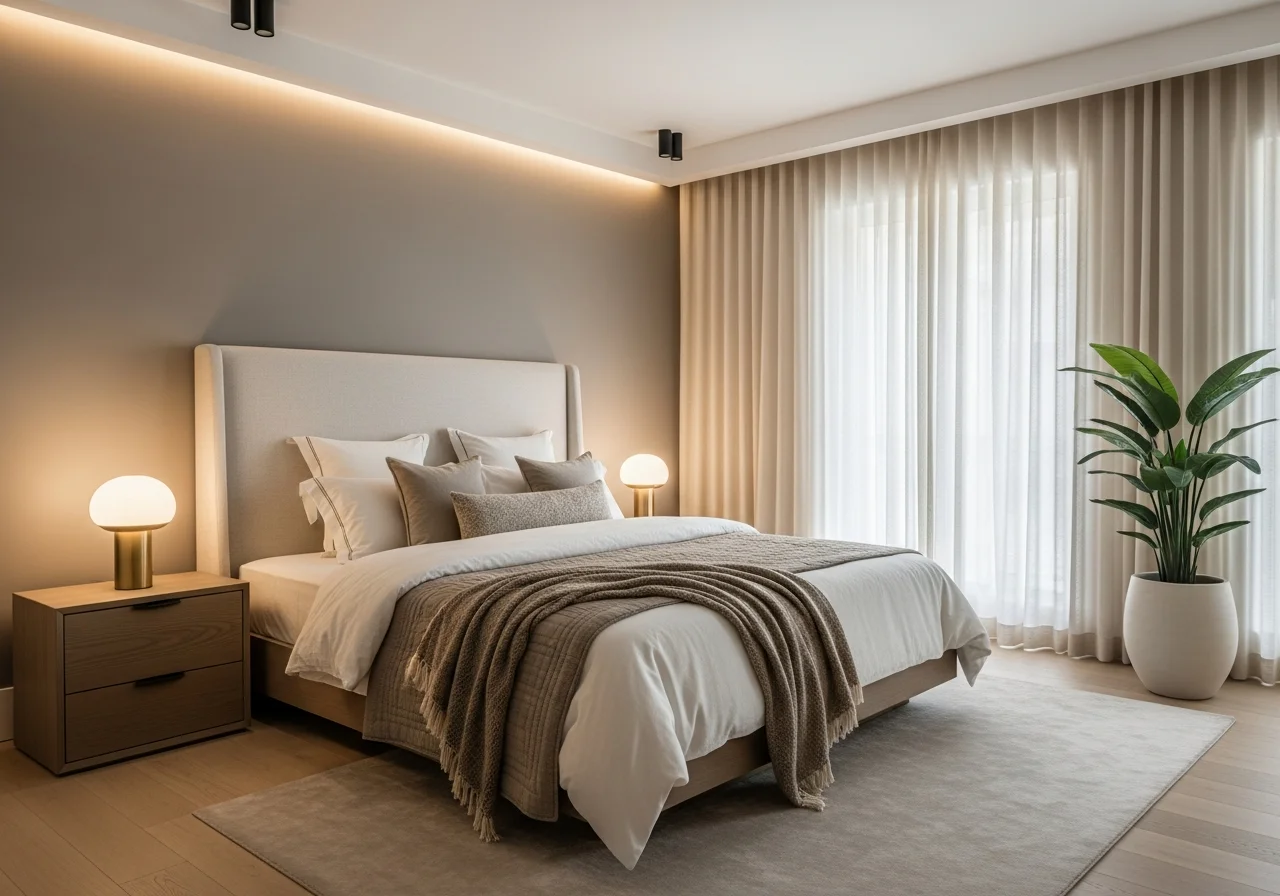
Bedroom Designs 2026 with 15 Unique Modern Luxury, Minimalist, and Stylish Bedroom Ideas
Creating a bedroom that serves as a personal sanctuary has become more important than ever. As we move through 2026, bedroom design is experiencing a significant shift toward spaces that prioritize wellness, comfort, and individual expression. The focus has moved away from purely aesthetic considerations to embrace designs that genuinely support rest, restoration, and mental clarity. This evolution reflects our growing understanding that the bedroom should be more than just a place to sleep; it should be a carefully curated environment that enhances overall quality of life.
The trends emerging this year represent a thoughtful balance between modern sophistication and timeless comfort. Whether you are drawn to minimalist principles, luxurious finishes, or organic elements, the bedroom designs of 2026 offer something for every preference. These ideas incorporate innovative materials, intelligent color choices, and functional layouts that transform ordinary sleeping spaces into extraordinary personal retreats.
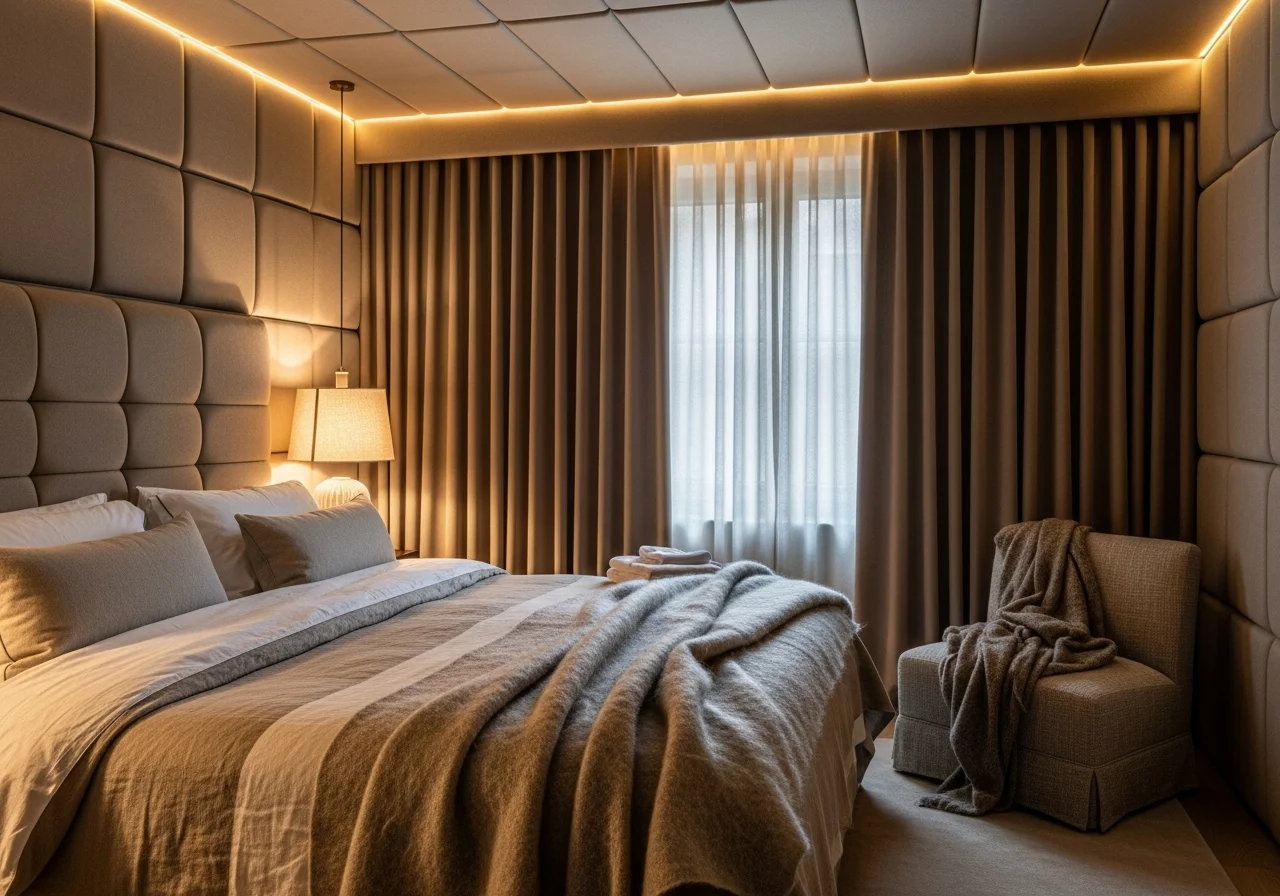
The Cocooning Bedroom Experience
The most prominent trend shaping bedroom designs in 2026 is the concept of cocooning. This approach focuses on creating enveloping, protective spaces that offer refuge from the outside world. Designers are achieving this through padded wall panels, tall upholstered headboards, and abundant layers of soft textiles. The goal is to surround yourself with materials that absorb sound, provide visual warmth, and create an immediate sense of calm the moment you enter the room.
Upholstered wall panels have evolved beyond simple accent walls. Today’s applications extend from floor to ceiling, sometimes wrapping around corners to create a fully immersive experience. These panels serve multiple purposes: they add architectural interest, improve acoustics by dampening ambient noise, and introduce rich texture without overwhelming the space. Materials like silk, mohair, velvet, and washed linen are particularly popular, each bringing its own tactile quality and visual depth.
The cocooning effect extends to furniture choices as well. Beds with oversized, cushioned headboards create a focal point that feels both protective and luxurious. Some designs incorporate integrated side tables or shelving within the headboard structure, combining comfort with practical functionality. This trend speaks to a deeper need for spaces that feel safe, warm, and intentionally designed to support restful sleep.
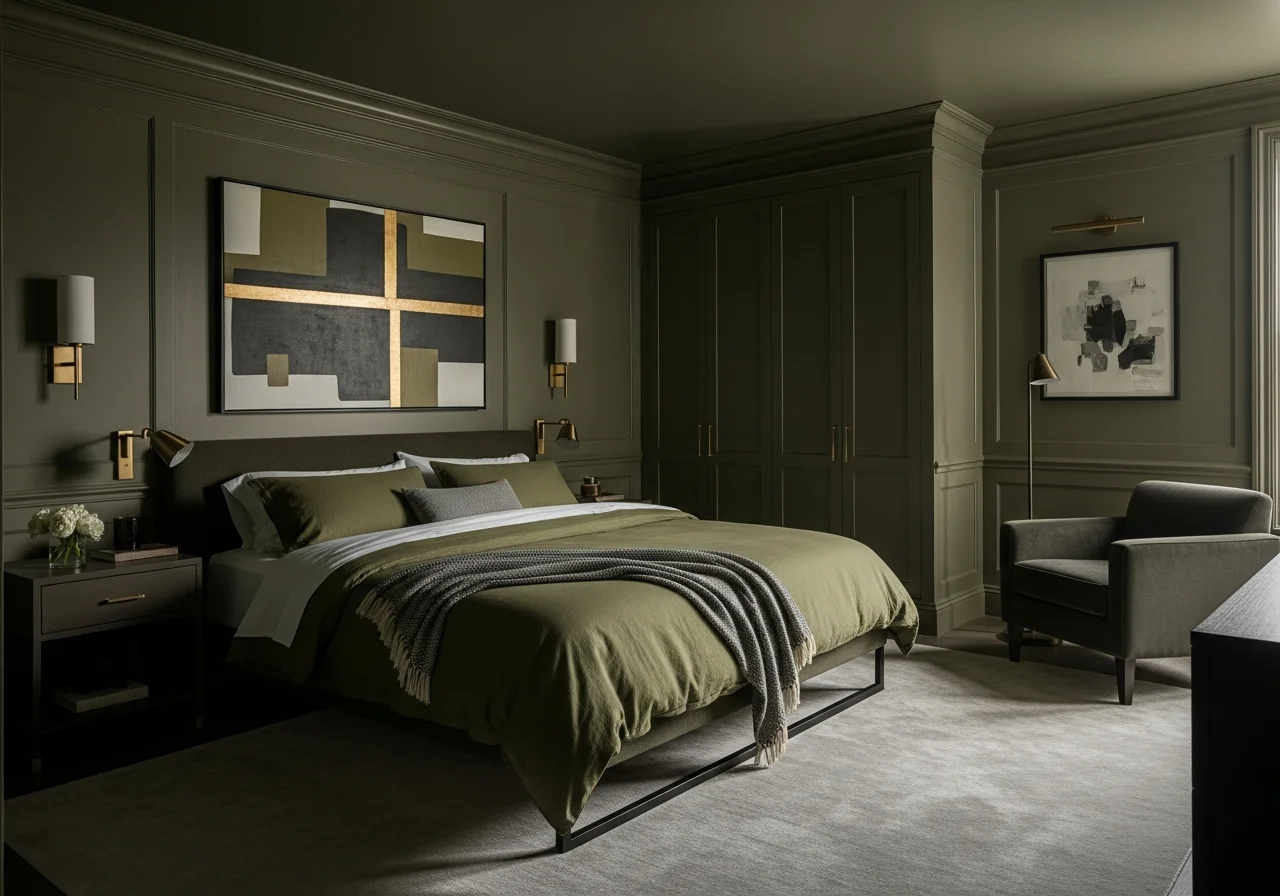
Color-Drenching for Atmospheric Depth
Color-drenching has emerged as a powerful technique for creating bedroom designs that feel cohesive and intentional. This method involves painting walls, trim, ceilings, and even built-in furniture in a single rich hue, eliminating visual fragmentation and creating an envelope of color. Rather than relying on stark white or neutral backgrounds, this approach uses saturated tones to establish mood and atmosphere.
Deep blue-grays, smoky olive greens, warm cocoas, and earthy terracottas are particularly effective for bedrooms. These colors read as sophisticated and calming, especially when used consistently throughout the space. The monochromatic approach extends to furnishings and linens, with designers selecting bedding that matches or closely coordinates with wall colors. This creates a unified, color-blocked effect that feels both modern and restful.
The beauty of color-drenching lies in its ability to make architectural details recede or advance as desired. When everything is painted the same shade, the eye moves smoothly through the space without catching on contrasting elements. This visual simplicity translates to mental calm, making it easier to disconnect from daily stresses and prepare for restorative sleep.
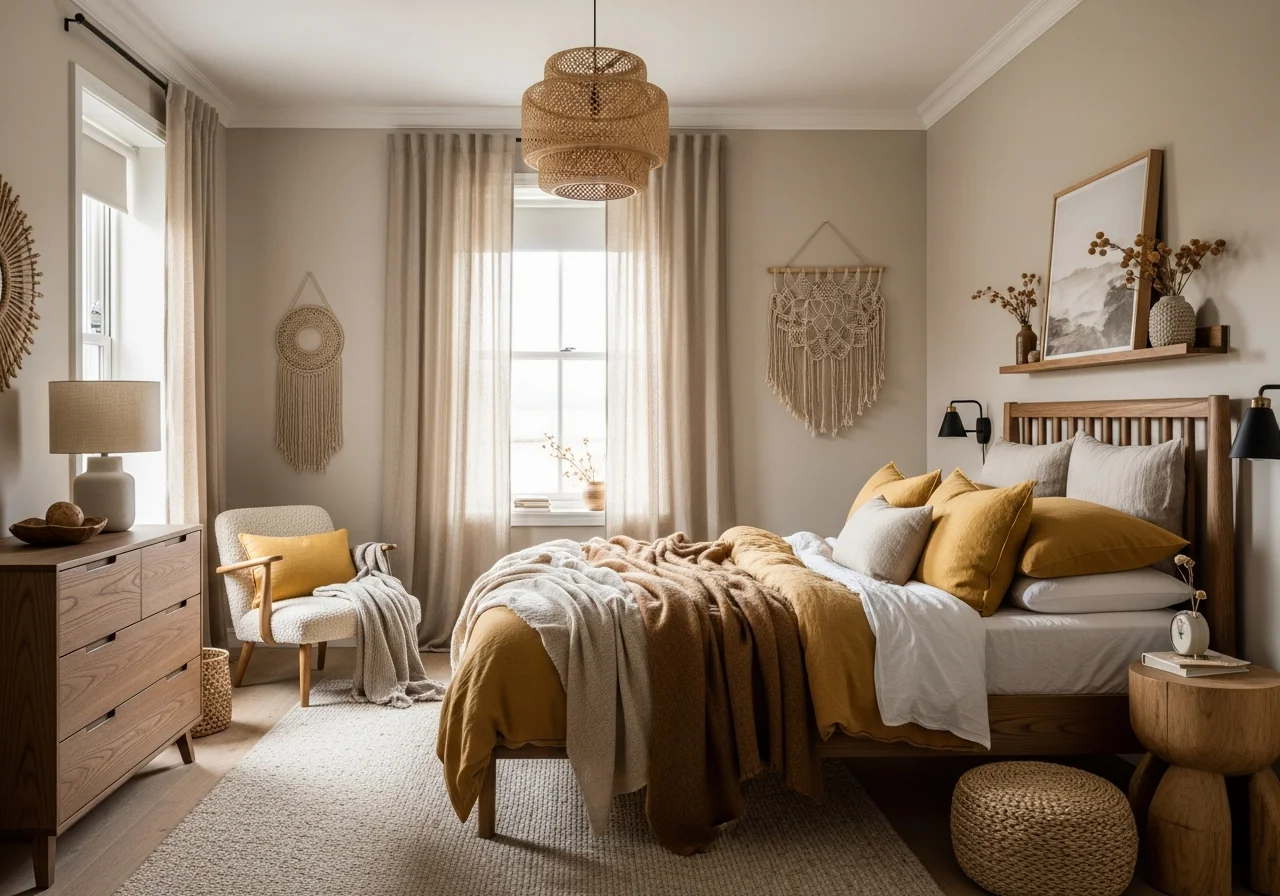
Warm Neutrals Replace Cool Minimalism
While neutrals remain foundational in bedroom design, the 2026 interpretation favors warmth over coolness. Gone are the days of stark white walls and cold gray tones. Instead, designers are embracing creamy taupes, clay-toned beiges, soft caramels, and chalky off-whites that feel inherently inviting. These colors create a sense of comfort without the austerity that characterized earlier minimalist movements.
The shift toward warmer neutrals reflects a broader desire for spaces that feel human and lived-in rather than sterile and impersonal. Natural organic colors such as buttery yellows, various shades of green, and rich browns are being incorporated to enhance the cozy sanctuary atmosphere ideal for rest and relaxation. These tones work beautifully with natural materials like wood, stone, and textiles, creating layers of warmth that engage multiple senses.
Implementing warm neutrals successfully requires attention to texture and layering. A room painted in creamy taupe becomes truly special when paired with linen curtains, wool throws, boucle seating, and matte wood finishes. Each element contributes to the overall sensory experience, proving that neutral does not mean boring when executed with care and intention.
Statement Headboards as Focal Points
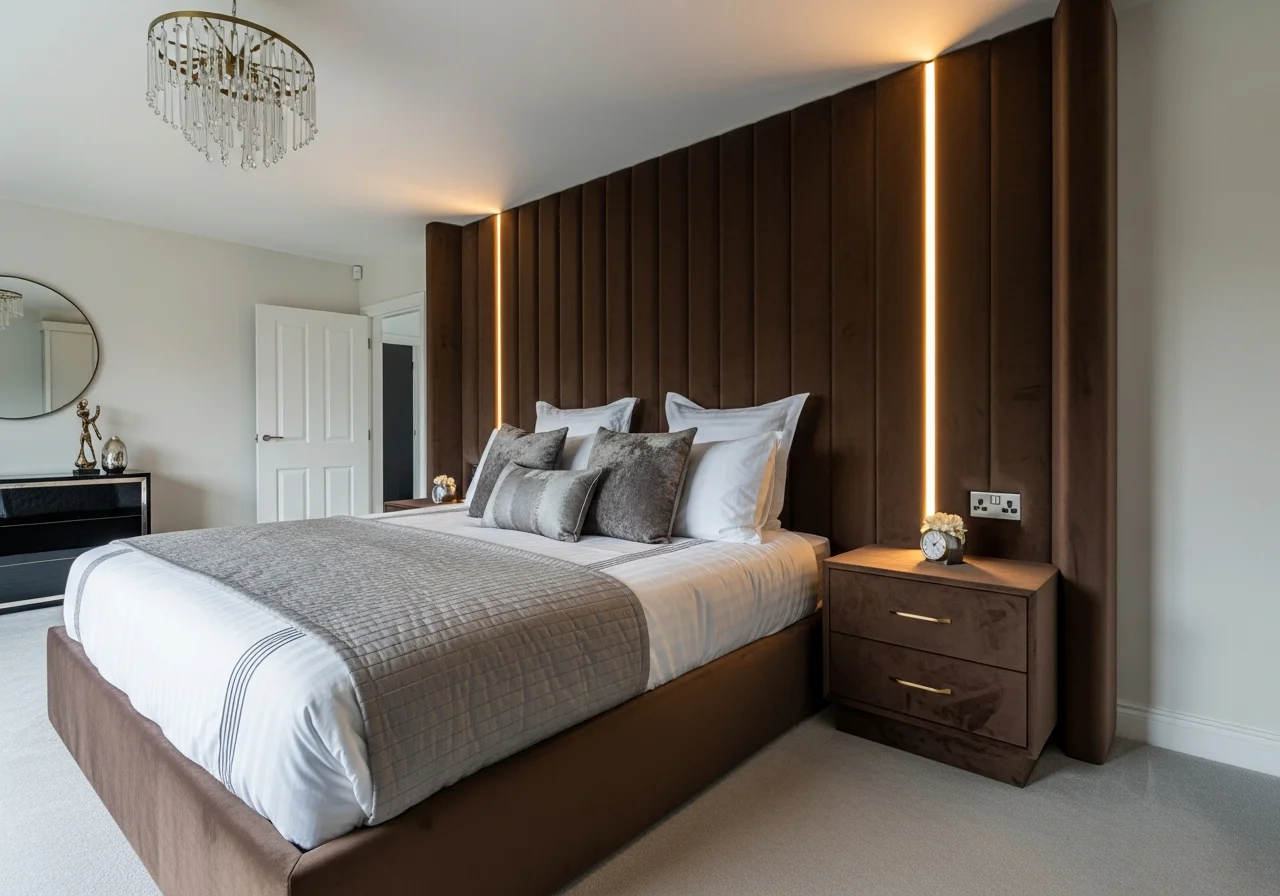
The headboard has reclaimed its position as the bedroom’s most important design element. In 2026, headboards are supersized, sculpted, and often wrapped in bold colors or patterns that immediately draw the eye. Designers are moving away from standard upholstered rectangles toward architectural forms that make genuine statements about personal style and design priorities.
Custom headboards offer opportunities to incorporate integrated features like built-in lighting, concealed storage, or side tables. These functional additions enhance usability without cluttering the visual landscape. Some designs feature vertical channeling that adds dimensional interest and creates a sense of height, particularly effective in rooms with standard ceiling heights.
Material choices for statement headboards range widely, from sumptuous velvets and textured linens to leather, wood paneling, and even metal accents. The key is selecting something that reflects your personal aesthetic while coordinating with the overall bedroom scheme. Whether you prefer the soft embrace of a padded fabric headboard or the clean lines of a wooden design, the headboard sets the tone for the entire space.
Canopy Beds Make a Modern Return
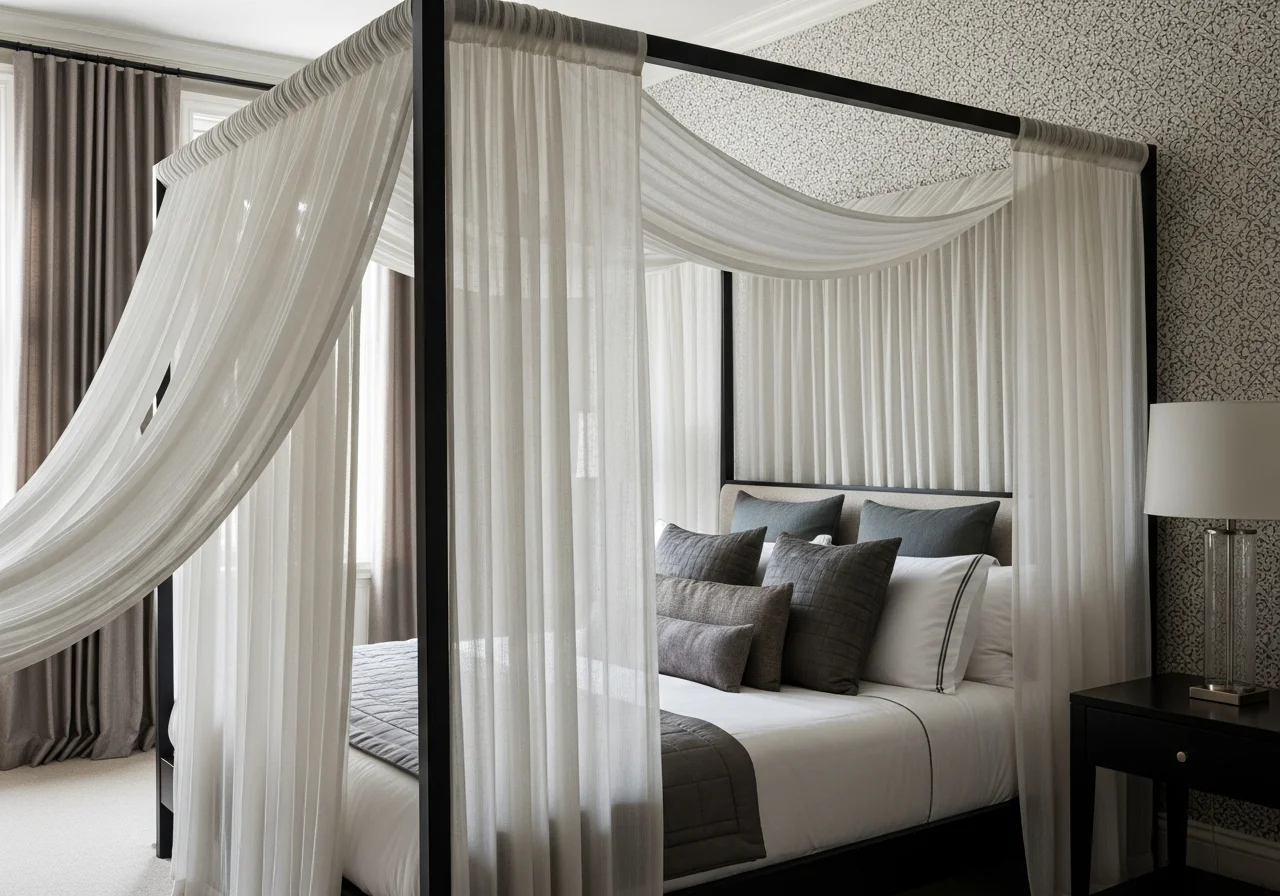
Canopy beds are experiencing a significant revival, though their 2026 interpretation feels lighter and more versatile than traditional four-poster designs. These beds create instant drama and romance while serving the practical purpose of defining the sleeping zone within larger bedroom spaces. Fabric treatments range from flowing sheers that add ethereal movement to heavier drapes that block light and create a private sleeping cocoon.
The appeal of canopy beds extends beyond aesthetics. They offer opportunities for extensive pattern layering, with swathes of fabric set against wallpapered backdrops and complemented by coordinating bedding, cushions, and lampshades. This creates visual richness without overwhelming the space, particularly when colors are kept within a cohesive palette.
Modern canopy designs accommodate various bedroom sizes and ceiling heights. Low-profile canopies work well in rooms with standard ceilings, while taller spaces can support more dramatic proportions. The key consideration is ensuring the canopy enhances rather than overwhelms your bedroom’s scale. When executed thoughtfully, a canopy bed transforms an ordinary bedroom into a truly special retreat.
Layered Lighting for Mood Control
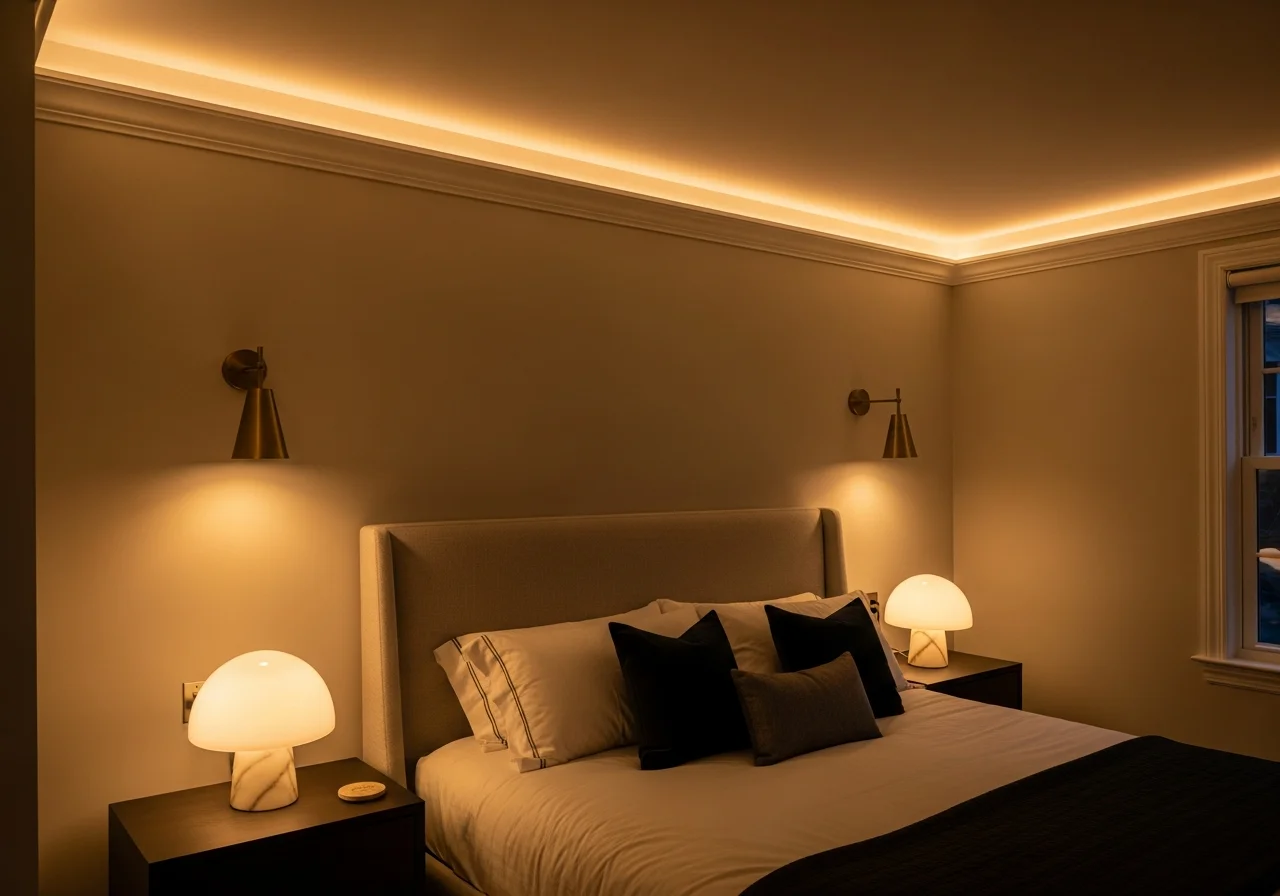
Lighting design has moved far beyond simple overhead fixtures to embrace layered approaches that support different activities and moods throughout the day. Bedrooms in 2026 feature combinations of ambient, task, and accent lighting, each serving specific functions while contributing to the overall atmospheric quality.
Wall sconces flanking the bed provide focused reading light without disturbing a partner. Sculptural table lamps add decorative interest on nightstands while offering adjustable illumination. Hidden LED strips integrated into architectural details create soft background glow that guides nighttime movement without jarring brightness. Some homeowners are even installing circadian lighting systems that shift color temperature throughout the day to support natural sleep-wake cycles.
The most successful bedroom lighting schemes avoid relying solely on overhead fixtures. Ceiling-mounted options, even when dimmable, can create harsh shadows and lack the nuance required for a space dedicated to rest and relaxation. Instead, designers recommend multiple light sources at various heights, creating pools of illumination that can be combined or used independently depending on the moment’s needs.
The Analog Bedroom Movement
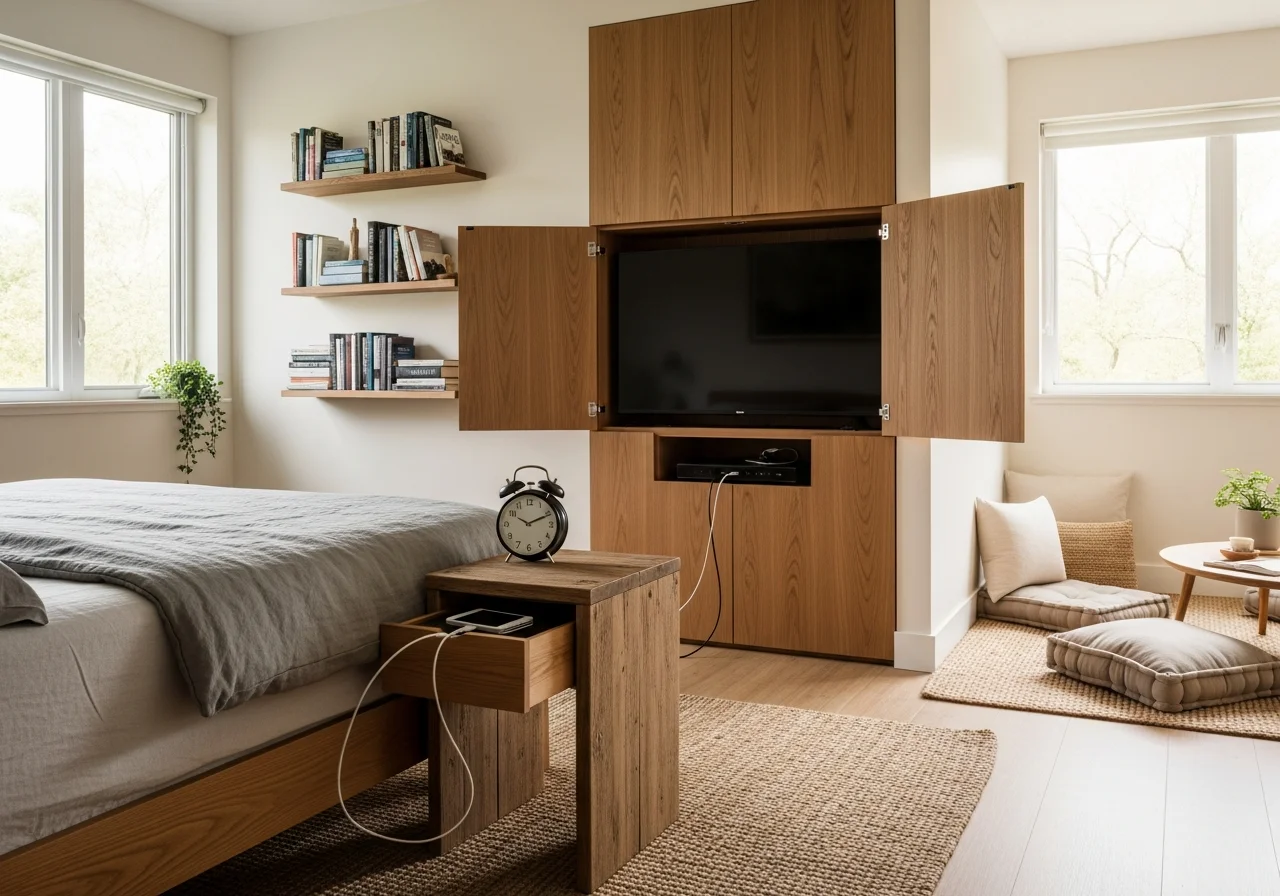
A surprising trend gaining momentum is the deliberate removal of technology from the bedroom. Clients are increasingly requesting spaces free from televisions, WiFi signals, and electronic devices, viewing the bedroom as a sanctuary from our hyperconnected world. This analog approach prioritizes disconnection and true rest over entertainment and convenience.
When technology must be present, designers are incorporating it discreetly. Televisions hide behind artwork or within custom cabinetry that closes when not in use. Charging stations are integrated into furniture rather than visible on surfaces. Automated window treatments operate silently, responding to preset schedules without requiring conscious interaction. The goal is maintaining functionality while eliminating the visual and psychological presence of technology.
This movement reflects growing awareness of how electronics impact sleep quality. The blue light emitted by screens interferes with melatonin production, while the constant availability of entertainment and information makes it difficult to truly wind down. By creating intentionally tech-free zones, homeowners are reclaiming their bedrooms as spaces dedicated to rest, intimacy, and genuine restoration.
Free-Standing Furniture Returns
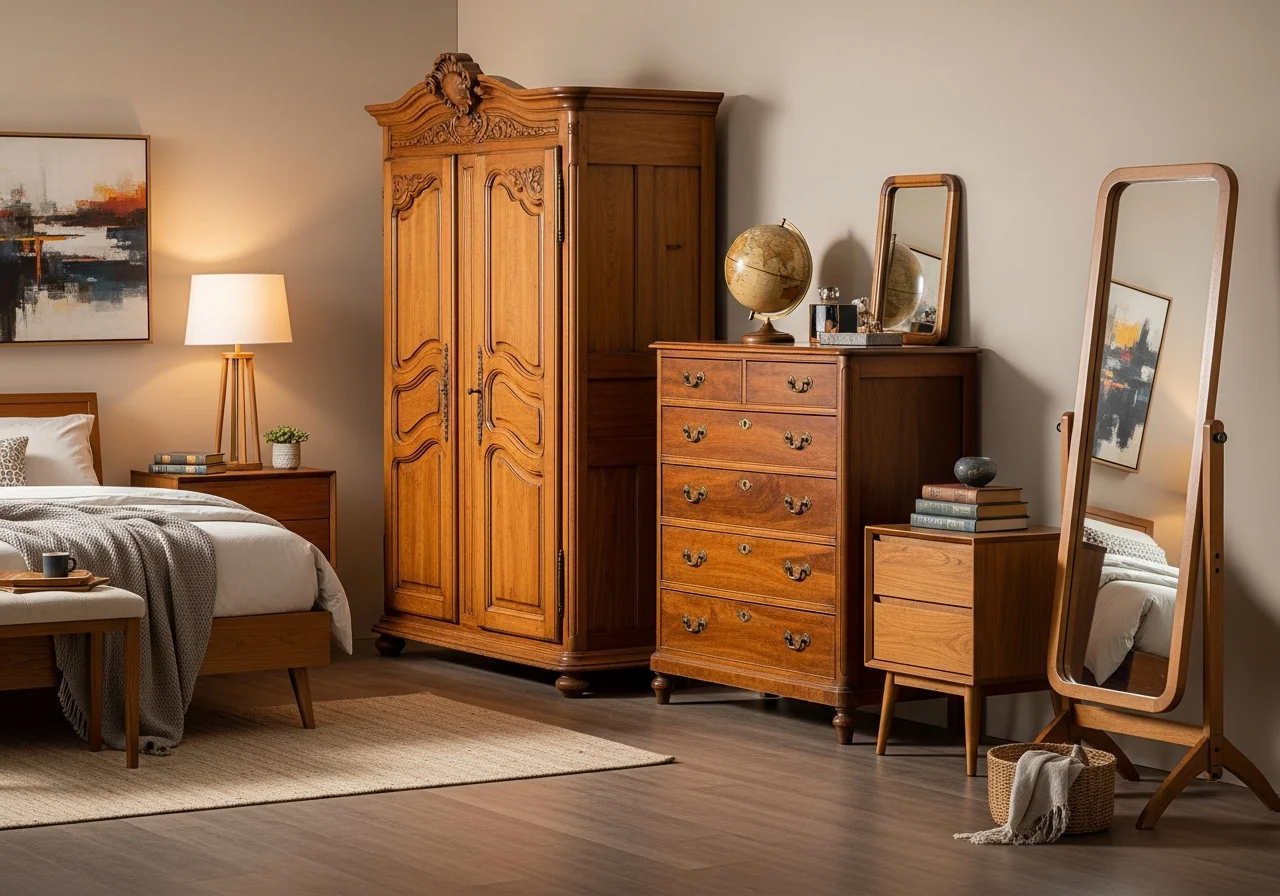
After years of built-in wardrobes and custom cabinetry dominating bedroom storage, free-standing furniture is making a strong comeback. Armoires, antique dressers, and modern sideboards offer flexibility that fixed installations cannot match. These pieces can be moved, resold, or restyled without requiring renovation, making them practical choices for those who value adaptability.
The shift also redefines storage as a design feature rather than something to hide. A vintage wardrobe brings character and history that faceless built-in doors cannot provide. In contemporary spaces, sleek high-gloss armoires contribute a sophisticated edge while still offering substantial storage capacity. The variety of available styles means furniture can be selected to complement any aesthetic direction.
Free-standing pieces create opportunities for eclectic mixing of eras and styles. A mid-century walnut dresser paired with a contemporary upholstered bed can feel intentional and curated rather than mismatched. This approach encourages collecting meaningful pieces over time rather than purchasing complete matching sets, resulting in bedrooms that genuinely reflect personal history and taste.
Textural Layering Creates Visual Interest
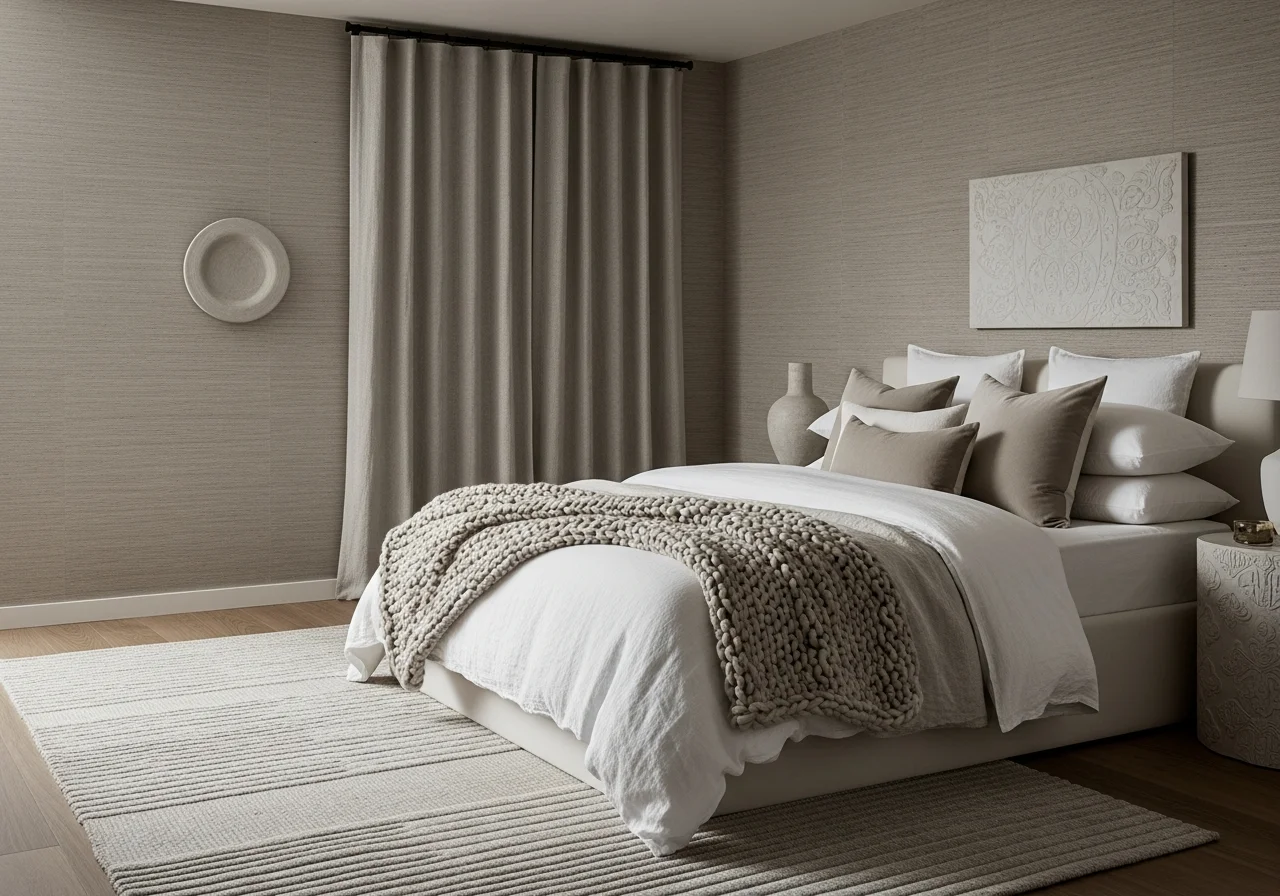
Texture has become equally important as color in creating compelling bedroom designs. Multiple tactile surfaces add depth and visual interest without relying on pattern or contrasting colors. This approach works particularly well in neutral or monochromatic spaces where texture provides necessary variation.
Layering begins with foundational elements like flooring and wall treatments. Natural wood floors contribute warmth and grain variation. Textured wallcoverings such as grasscloth or subtle relief patterns add dimensional interest without overwhelming. Painted wall paneling creates architectural detail through shadow play rather than color contrast.
Soft furnishings offer the most opportunities for textural diversity. Combining crisp cotton sheets with nubby linen coverlets, smooth velvet cushions, and chunky knit throws creates a sensory-rich environment. Window treatments in sheer silk or heavy linen add another layer. Area rugs contribute underfoot texture while defining zones within larger spaces. Each element works together to create a room that engages multiple senses and invites physical interaction.
Smart Storage Solutions Maintain Serenity
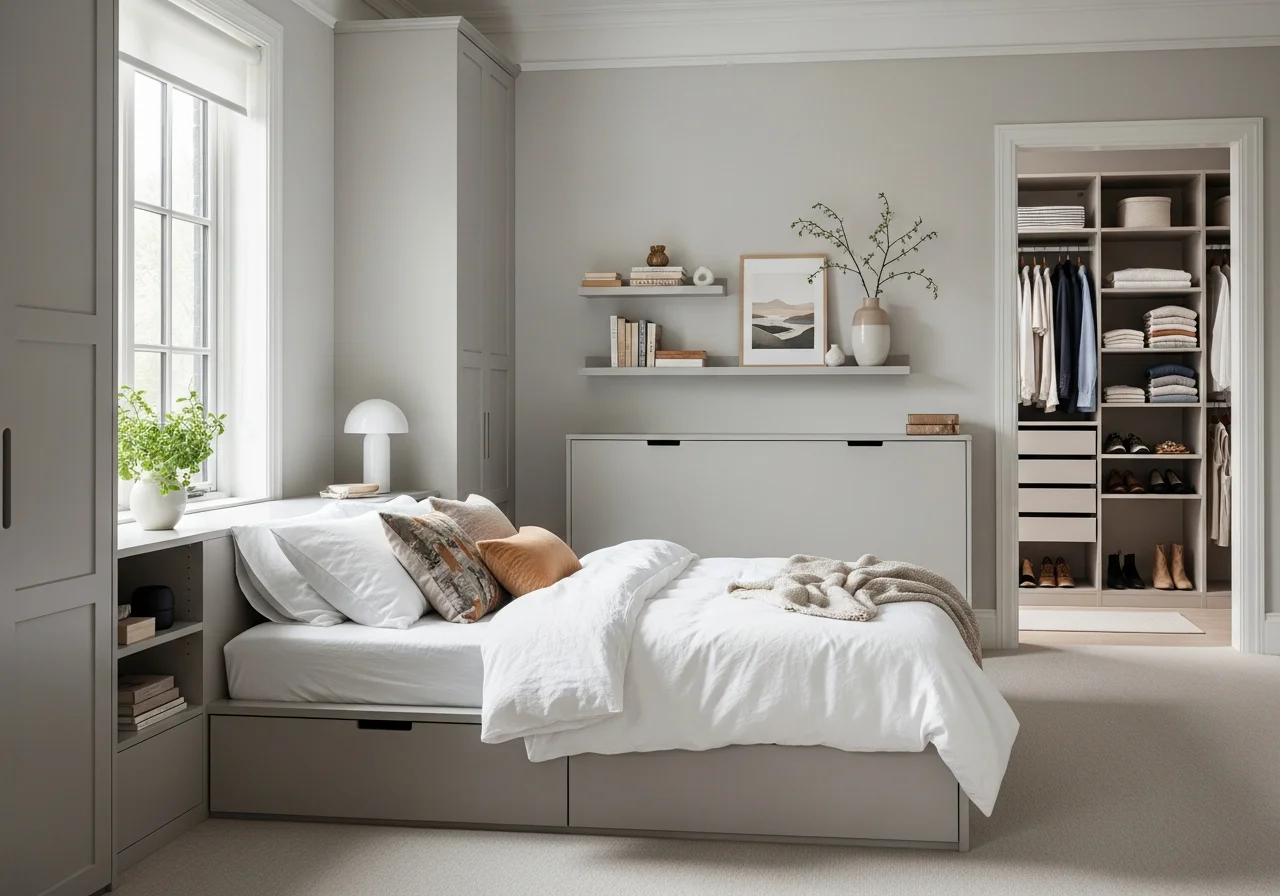
Clutter remains one of the primary obstacles to creating truly restful bedroom environments. Smart storage solutions in 2026 focus on keeping belongings organized and out of sight while maintaining easy accessibility. Custom cabinetry, integrated closet systems, and furniture with hidden compartments all contribute to maintaining visual calm.
Built-in storage takes advantage of otherwise unused spaces such as under beds, above doorways, and in awkward corners. Drawer systems within bed platforms provide substantial storage without requiring additional furniture. Wall-mounted shelving keeps surfaces clear while displaying meaningful objects. The key is ensuring everything has a designated place, reducing the daily visual noise that prevents mental relaxation.
Walk-in closets are being designed with the same attention to detail as primary living spaces. Custom cabinetry, proper lighting, and thoughtful organization systems transform these areas from purely functional spaces into pleasant environments where getting dressed becomes an enjoyable ritual. Open shelving displays favorite items while drawers and closed cabinets conceal less attractive necessities.
Low Platform Beds for Modern Minimalism
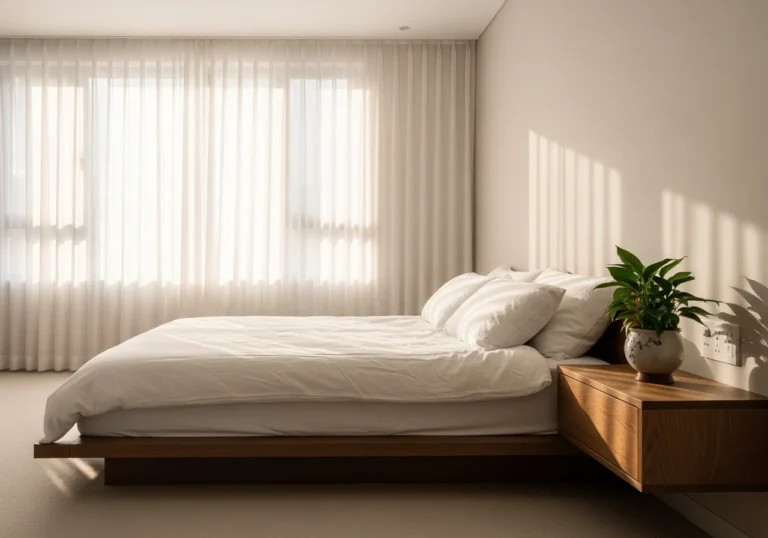
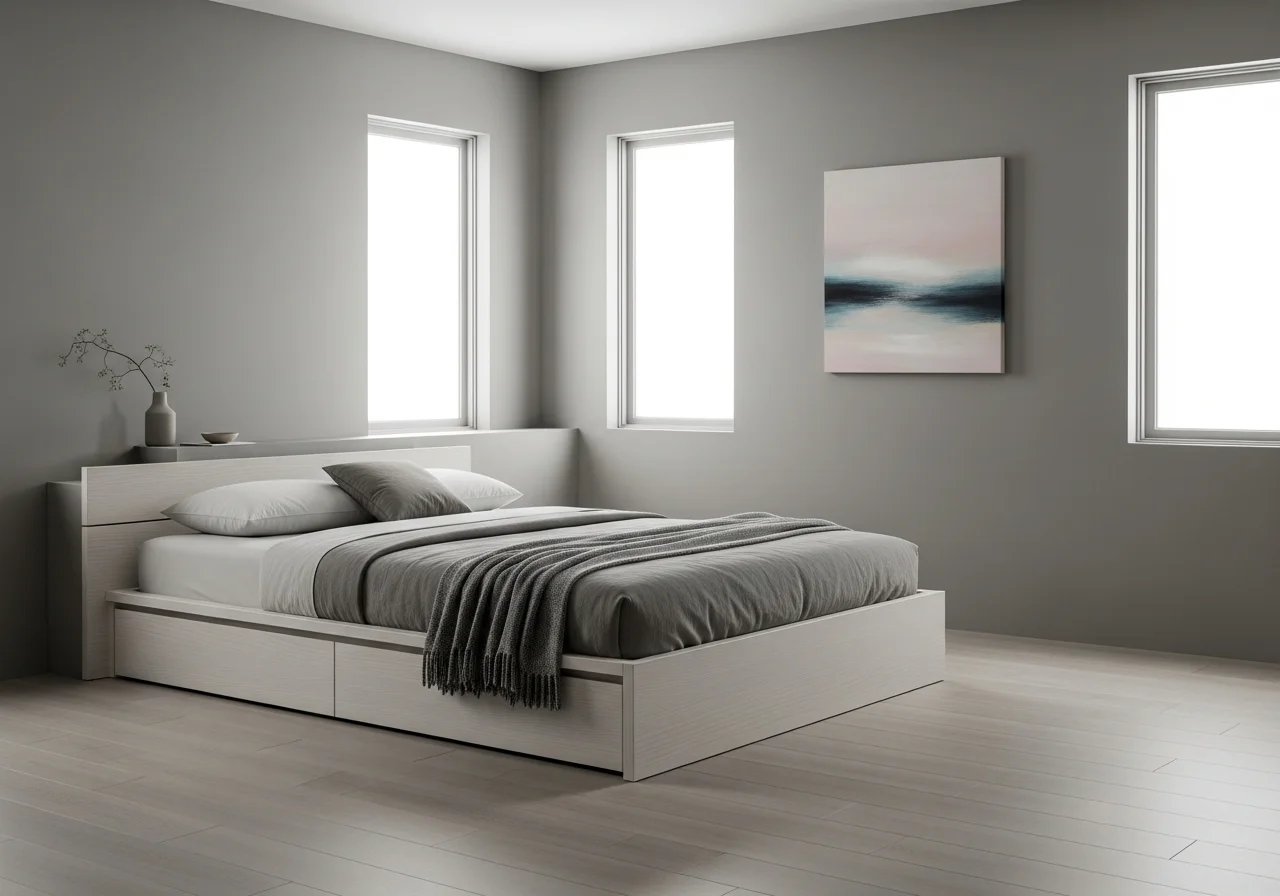
Low platform beds continue gaining popularity for their ability to create effortlessly modern bedroom designs. These frames sit close to the ground, emphasizing horizontal lines and making rooms feel more spacious. The low profile creates an informal, approachable aesthetic that encourages relaxation rather than formality.
Platform beds work particularly well in smaller bedrooms where traditional bed heights can make spaces feel cramped. The reduced visual bulk allows other design elements to shine while still providing comfortable sleeping surfaces. Many platform designs incorporate integrated storage drawers or shelves, maximizing functionality without adding vertical mass.
The minimalist aesthetic of platform beds appeals to those seeking calm, uncluttered spaces. Without tall footboards or elaborate headboards, these beds allow wall treatments, artwork, and lighting to become focal points. This approach supports the broader trend toward bedroom designs that prioritize tranquility and visual simplicity over ornate decoration.
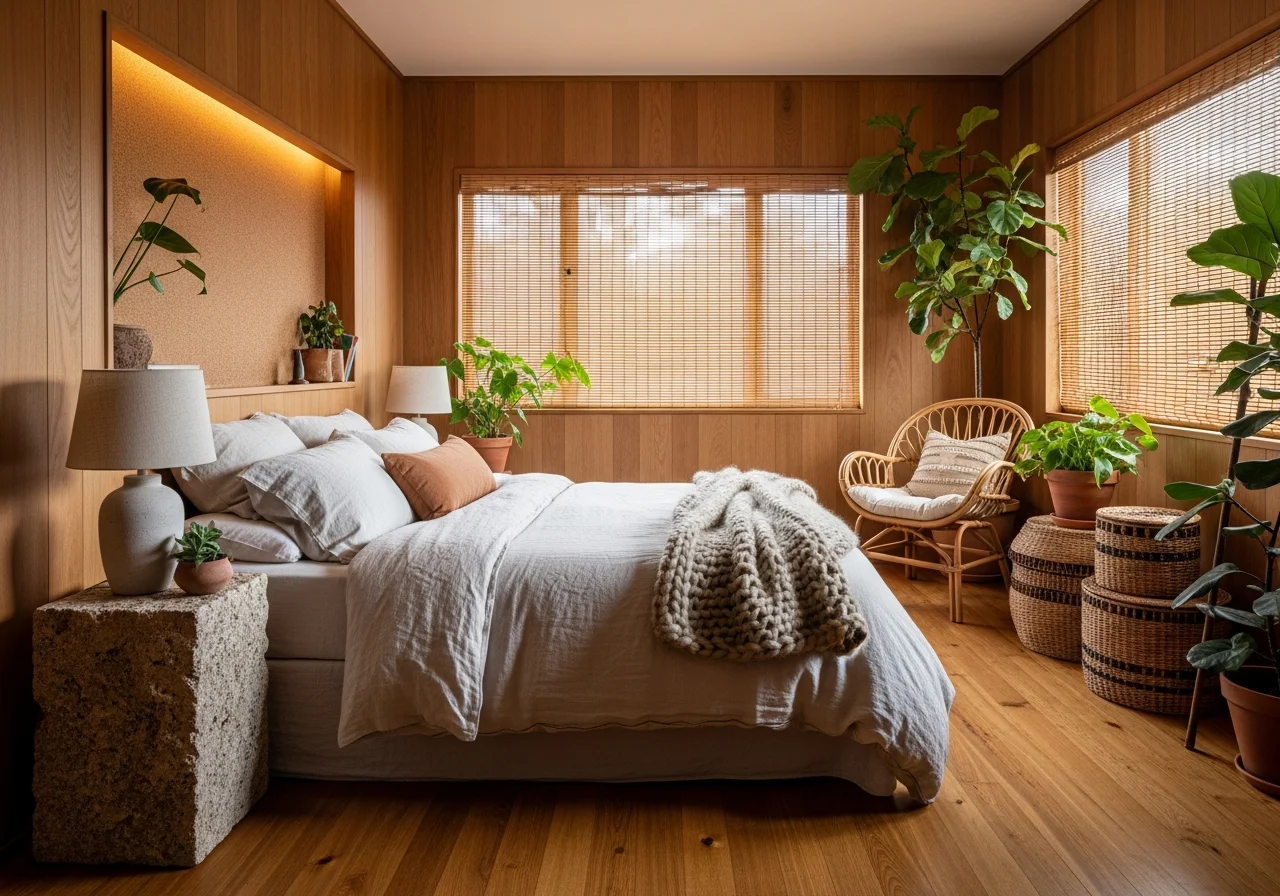
Natural Materials Ground the Space
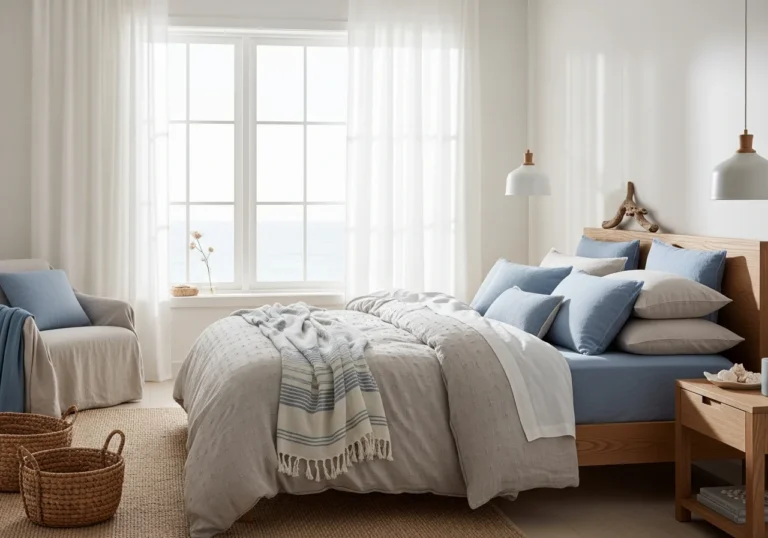
Incorporating natural materials creates immediate connections to the outdoors while adding warmth and authenticity to bedroom designs. Wood, stone, rattan, cork, bamboo, and natural fibers all contribute organic beauty that synthetic materials cannot replicate. These elements bring varied textures, subtle color variations, and inherent imperfections that make spaces feel genuine and lived-in.
Wood remains the most versatile natural material for bedrooms. From flooring to furniture to architectural paneling, different species offer distinct characteristics. Warm honey-toned woods wrap surfaces with rich, soulful appeal. Lighter woods like pine provide soft grain patterns perfect for Scandinavian-inspired spaces. The material’s natural warmth contributes to the cozy, grounding atmosphere desired in contemporary bedrooms.
Natural fiber textiles including linen, cotton, wool, and silk add another layer of organic beauty. These materials breathe better than synthetics, contributing to comfortable sleep temperatures. They also develop character over time, becoming softer and more appealing with use rather than deteriorating. This longevity aligns with sustainable design principles while supporting the creation of bedrooms that improve with age.
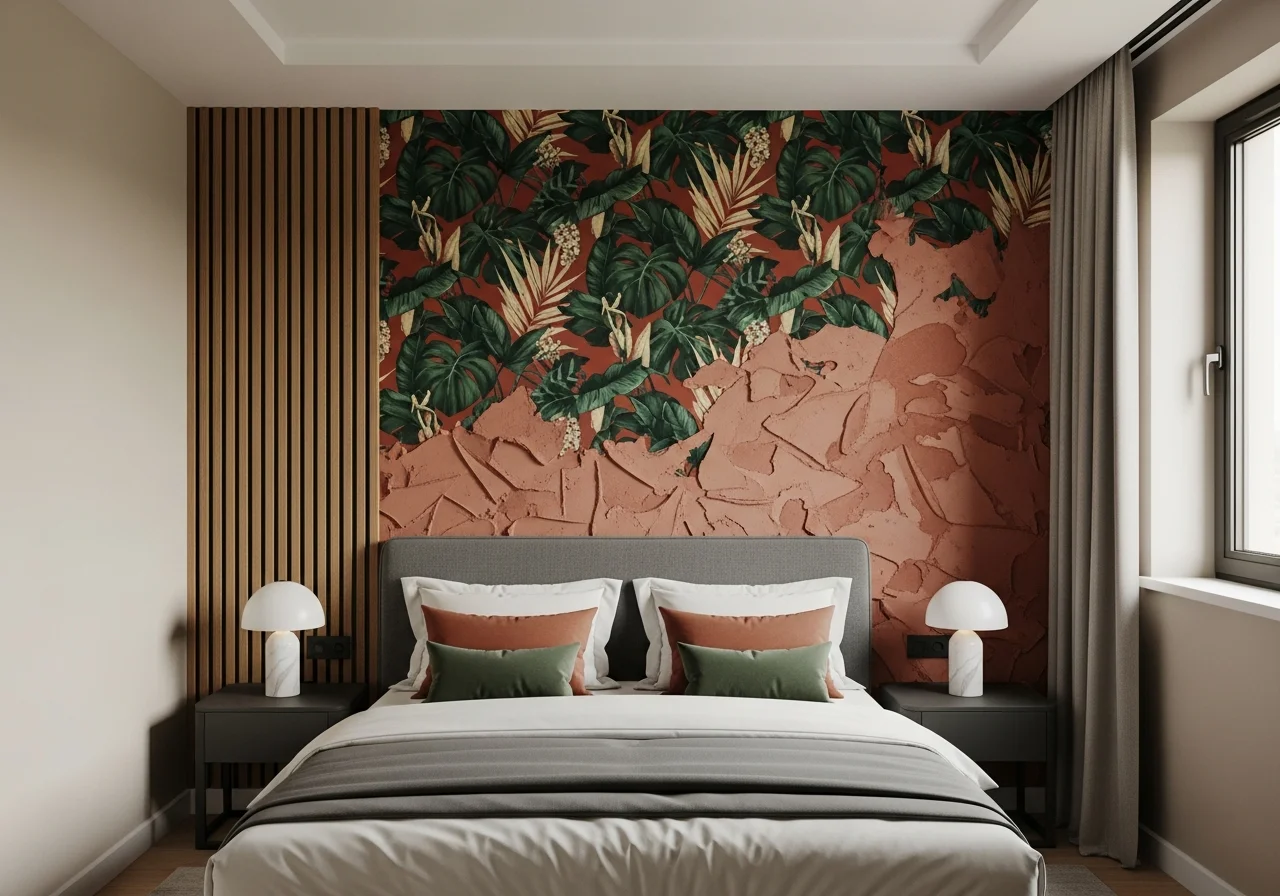
Bold Accent Walls Create Focal Points
While full color-drenching appeals to some, others prefer the drama of a single bold accent wall. This approach allows for experimentation with saturated colors, striking wallpapers, or textured treatments without committing entire rooms to intense design choices. Accent walls create natural focal points that anchor bedroom layouts and express personality.
Patterned wallpapers are particularly popular for accent walls in 2026. Designs range from botanical prints and geometric patterns to abstract art and architectural motifs. The key is selecting patterns that enhance rather than overwhelm the space. Larger bedrooms can support bolder, busier patterns, while smaller rooms benefit from more subtle designs with generous negative space.
Textured accent walls using materials like wood planking, decorative plaster, or three-dimensional panels add architectural interest without color. These treatments create depth through shadow and light play, contributing visual interest that changes throughout the day as natural light shifts. When paired with integrated lighting, textured walls become dynamic design elements rather than static backgrounds.
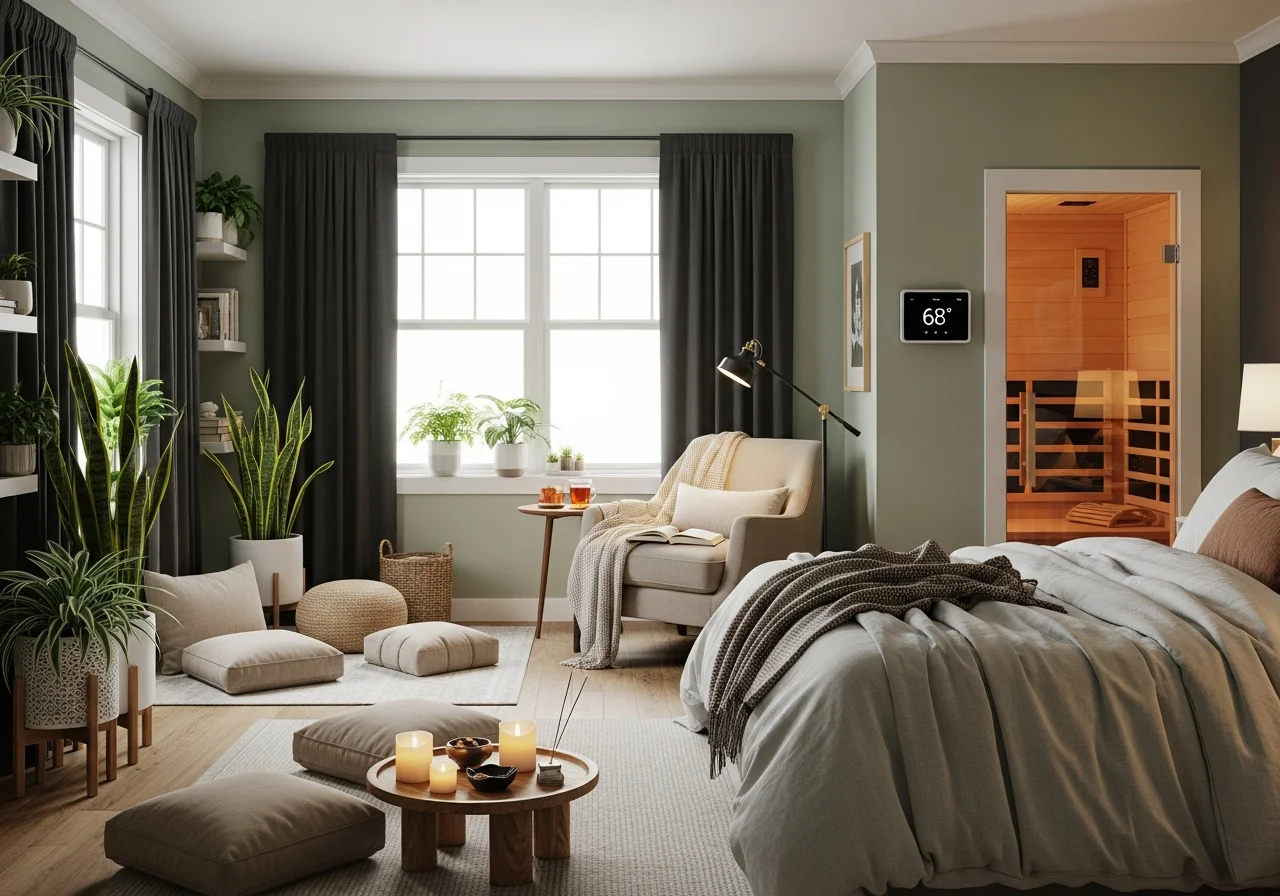
Wellness-Focused Design Elements
Bedroom design in 2026 increasingly incorporates features specifically intended to support physical and mental wellness. These elements transform bedrooms from simple sleeping spaces into holistic environments that promote overall health and well-being. This trend reflects growing awareness of how our physical surroundings impact mental state and sleep quality.
Air quality improvements include incorporating plants that naturally filter toxins, installing purification systems, and selecting low-VOC paints and finishes. Temperature control receives attention through layered bedding systems that can be adjusted seasonally and smart thermostats that maintain optimal sleeping temperatures. Blackout window treatments block disruptive light while sound-dampening materials reduce ambient noise.
Some homeowners are adding dedicated wellness features like meditation corners with comfortable floor cushions, small reading nooks with proper task lighting, or even petite saunas adjacent to primary suites. The bedroom becomes part of a larger restorative sequence rather than simply a place to sleep. This holistic approach recognizes that true rest requires attention to multiple factors beyond comfortable mattresses.
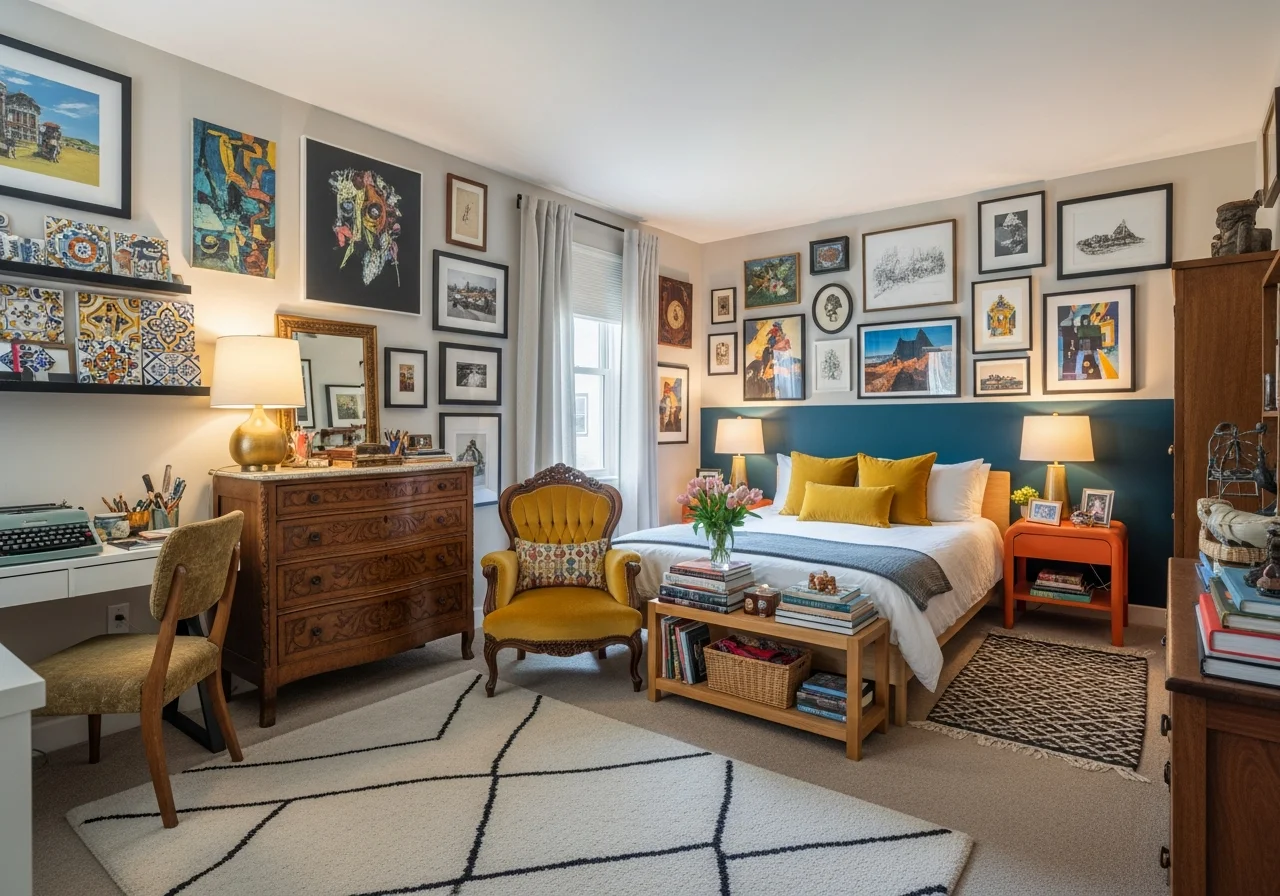
Personal Expression Over Trends
Perhaps the most important shift in bedroom design for 2026 is the emphasis on personal expression rather than strict adherence to trends. While design movements provide inspiration and direction, the most successful bedrooms reflect the individuals who inhabit them. This means incorporating meaningful objects, favorite colors, and layouts that support actual living patterns rather than theoretical ideals.
Curated collections of artwork, photographs, and treasured items add character without creating clutter when displayed thoughtfully. Vintage pieces inherited from family members bring history and emotional connection. Travel souvenirs incorporated as decorative elements tell personal stories. These touches transform generic bedroom designs into unique spaces that could belong to no one else.
The freedom to mix styles, combine unexpected colors, and break traditional rules results in bedrooms that feel authentic and comfortable. A room might combine minimalist furniture with maximalist textile patterns, or pair ultra-modern lighting with antique wooden chests. When choices reflect genuine preferences rather than prescribed formulas, the resulting spaces support true rest and rejuvenation because they feel completely, authentically yours.
Conclusion
Bedroom designs in 2026 represent a meaningful evolution toward spaces that prioritize wellness, comfort, and authentic personal expression. The trends emerging this year offer diverse approaches to creating restful sanctuaries, from cocooning techniques and color-drenching to the thoughtful integration of natural materials and smart storage solutions. Whether your preferences lean toward modern luxury, minimalist simplicity, or richly layered environments, the key is designing a space that genuinely supports your need for rest and restoration.
The movement away from technology, the embrace of warm neutrals, the return of statement pieces like canopy beds and custom headboards, and the focus on tactile experiences all point toward a deeper understanding of what bedrooms should provide. These spaces serve as our most private retreats, where we begin and end each day, and they deserve the same careful consideration we give to more public areas of our homes.
As you contemplate updating your own bedroom, consider which of these ideas resonate most strongly with your personal needs and aesthetic preferences. Remember that the most successful bedroom designs are those that feel right for you, supporting your specific sleep habits, relaxation needs, and lifestyle patterns. The trends of 2026 provide a rich palette of possibilities, but your individual requirements should always guide final decisions. Create a bedroom that welcomes you home, encourages deep rest, and reflects the person you are becoming.
Frequently Asked Questions
What are the most popular bedroom colors for 2026?
The most popular bedroom colors for 2026 include warm neutrals like creamy taupe and soft caramel, rich earthy tones such as cocoa brown and terracotta, and deep moody shades like smoky olive green and blue-gray. These colors create cocooning, restful environments that support better sleep quality.
How can I make my small bedroom look more luxurious?
Transform a small bedroom into a luxurious space by using warm neutral color schemes, incorporating layered textures through quality bedding and soft furnishings, adding statement lighting fixtures, installing a dramatic headboard, and keeping clutter minimized with smart storage solutions. Focus on quality over quantity when selecting pieces.
Are canopy beds practical for modern bedrooms?
Yes, modern canopy beds are highly practical when properly scaled to your room size. They create visual interest, help define sleeping zones in larger spaces, provide opportunities for light-blocking fabrics that improve sleep, and add architectural drama. Contemporary designs work well in rooms with standard ceiling heights when kept proportional.
What is color-drenching and how do I use it in my bedroom?
Color-drenching involves painting walls, trim, ceilings, and sometimes furniture in a single cohesive hue to create an enveloping, atmospheric effect. To implement this technique, choose a rich color you find calming, apply it throughout the room, and coordinate bedding and furnishings in matching or complementary tones for a unified, sophisticated look.
How can I create a tech-free bedroom environment?
Create a tech-free bedroom by removing televisions and electronic devices, using traditional alarm clocks instead of phones, installing automated window treatments that operate on schedules, concealing necessary technology behind artwork or in closed cabinets, and establishing charging stations outside the bedroom. This approach significantly improves sleep quality and mental rest.