
15 First Valentine’s as a Couple: Simple Traditions You’ll Want to Repeat Every Year
Your first Valentine’s Day as a couple marks a significant milestone in your relationship journey. This special occasion sets the tone for how you’ll celebrate love together in the years to come. Rather than focusing solely on expensive gifts or elaborate gestures, the most memorable first Valentine’s celebrations often revolve around simple, heartfelt traditions that reflect your unique connection.
The beauty of establishing traditions during your first Valentine’s together lies in their potential to grow and evolve alongside your relationship. These shared experiences become the foundation of your couple’s story, creating a sense of continuity and anticipation that deepens with each passing year. Whether you’re naturally romantic or prefer low-key celebrations, finding traditions that resonate with both partners ensures that Valentine’s Day remains meaningful rather than obligatory.
This guide explores fifteen accessible yet memorable traditions perfect for your first Valentine’s Day as a couple. Each suggestion balances thoughtfulness with simplicity, allowing you to create genuine moments of connection without the pressure of perfection. These traditions work regardless of your budget, schedule, or relationship style, making them sustainable practices you’ll genuinely want to repeat annually.

Exchange Handwritten Love Letters
In our digital age, handwritten letters have become rare treasures that carry extraordinary emotional weight. Starting a tradition of exchanging handwritten love letters on your first Valentine’s Day creates tangible keepsakes you’ll cherish for decades. These letters don’t need to be lengthy novels or perfectly poetic compositions. Instead, focus on expressing genuine feelings, sharing favorite memories from your time together, or articulating what you appreciate most about your partner.
The power of this tradition lies in its physical permanence. Unlike text messages or emails that get lost in digital archives, handwritten letters can be stored in a special box and reread during anniversaries or challenging times. Many couples find that reviewing past letters reveals how their relationship has matured while reminding them of foundational feelings that remain constant.
Consider establishing specific guidelines that make this tradition uniquely yours. Perhaps you write letters by candlelight, use special stationery you purchase together, or include a pressed flower from your first Valentine’s celebration. Some couples prefer writing letters separately and exchanging them over breakfast, while others enjoy the intimacy of reading them aloud to each other. The format matters less than the consistency and sincerity you bring to this annual practice.

Create a Signature Meal Together
Cooking a special meal together on your first Valentine’s Day can become a delicious tradition that engages multiple senses and promotes teamwork. Choose a recipe that feels slightly ambitious but achievable, something you wouldn’t typically make on an ordinary evening. This could be homemade pasta, a perfectly seared steak, an elaborate dessert, or cuisine from a culture you both want to explore.
The process of cooking together naturally creates opportunities for conversation, laughter, and collaboration. You’ll likely encounter minor mishaps or unexpected challenges that become part of your shared story. Perhaps you burn the first attempt at caramel sauce or discover that one partner has surprisingly strong opinions about proper vegetable chopping techniques. These moments of imperfection often become the most memorable aspects of the tradition.
As years pass, preparing this signature meal becomes a ritual infused with nostalgia. You’ll remember how nervous you were during that first attempt, how your cooking skills have improved, or how your tastes have evolved. Some couples eventually master their chosen recipe to perfection, while others deliberately keep it slightly challenging to maintain the sense of adventure. Consider documenting the meal with photos each year to create a visual timeline of your tradition.
Start a Relationship Journal
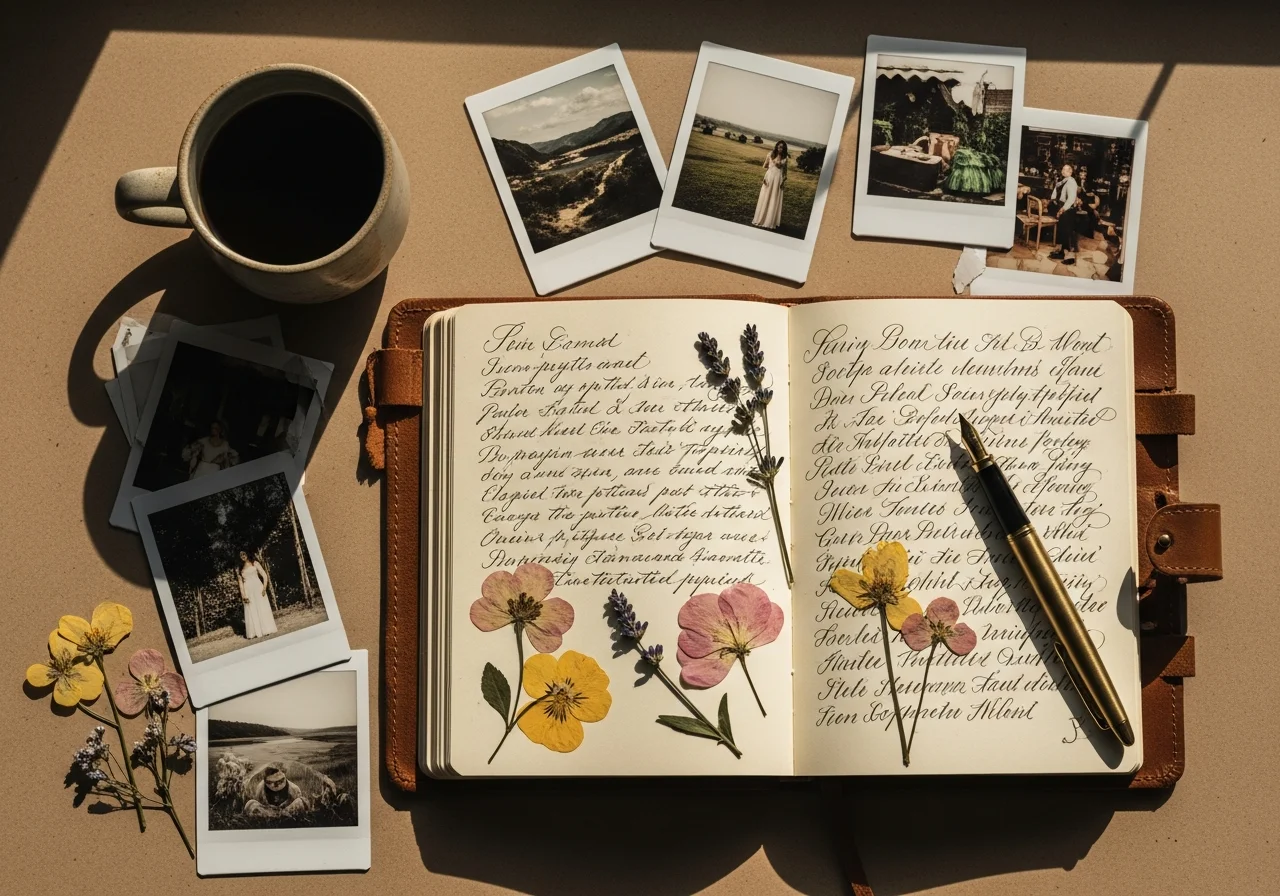
Beginning a shared relationship journal on your first Valentine’s Day establishes a collaborative record of your journey together. This journal serves as a private space where both partners can contribute thoughts, memories, dreams, and reflections throughout the year, with Valentine’s Day serving as a designated time to read previous entries and add new ones.
The journal format offers complete flexibility based on your preferences. Some couples use a beautiful bound notebook and handwrite entries, while others maintain a digital document with photos and dated entries. The content can range from significant relationship milestones to mundane moments that somehow felt special. You might record inside jokes, challenges you overcame together, places you want to visit, or simply how you felt on random Tuesdays.
This tradition proves particularly valuable during difficult periods when maintaining perspective becomes challenging. Reading past entries reminds you of your relationship’s resilience and the consistent thread of care that connects you despite inevitable changes. The journal also becomes increasingly precious as time passes, eventually serving as a detailed memoir of your life together that you can share with family or simply treasure privately.

Plant Something Living
Planting a tree, flower, or houseplant on your first Valentine’s Day creates a living symbol of your growing relationship. This tradition connects your personal milestone to natural cycles of growth, requiring ongoing care while providing visible evidence of time passing. The specific plant matters less than the commitment to nurturing it together.
For couples with outdoor space, planting a tree offers dramatic long-term rewards. Watching a small sapling grow into a substantial tree over decades provides a powerful metaphor for relationship development. If outdoor planting isn’t possible, consider starting with a houseplant that matches your lifestyle and skill level. Succulents work well for busy couples, while those who enjoy regular care might choose orchids or herbs.
The annual Valentine’s Day ritual can include taking a photo with your plant, repotting if necessary, or planting an additional specimen to create a growing collection. Some couples assign meaning to their plant choice each year, selecting varieties that reflect their current relationship phase or aspirations. Others maintain devotion to a single species, developing genuine expertise over time. The living nature of this tradition means it requires attention beyond Valentine’s Day, weaving itself naturally into your daily life together.

Take an Annual Photo in the Same Location
Establishing a tradition of taking a photo in the same location each Valentine’s Day creates a powerful visual record of your relationship’s evolution. Choose a spot with personal significance, perhaps where you had your first date, shared your first kiss, or simply a beautiful location you both love. The consistency of the setting allows the changes in you as individuals and as a couple to become clearly visible over time.
The photographic tradition works best when you establish clear parameters from the start. Decide whether you’ll take a selfie or ask someone else to photograph you, what time of day you’ll visit the location, and whether you’ll dress casually or formally. Some couples recreate the exact pose from their first photo, while others allow their positioning to evolve naturally. Both approaches yield compelling results as your collection grows.
Beyond the sentimental value, these annual photos often reveal surprising details you might not consciously notice. Fashion choices, hairstyles, body language, and facial expressions all shift subtly year to year, creating an intimate time-lapse of your shared life. Many couples find that displaying these photos together creates a meaningful focal point in their home, transforming a simple wall into a celebration of their enduring commitment.
Create a Time Capsule
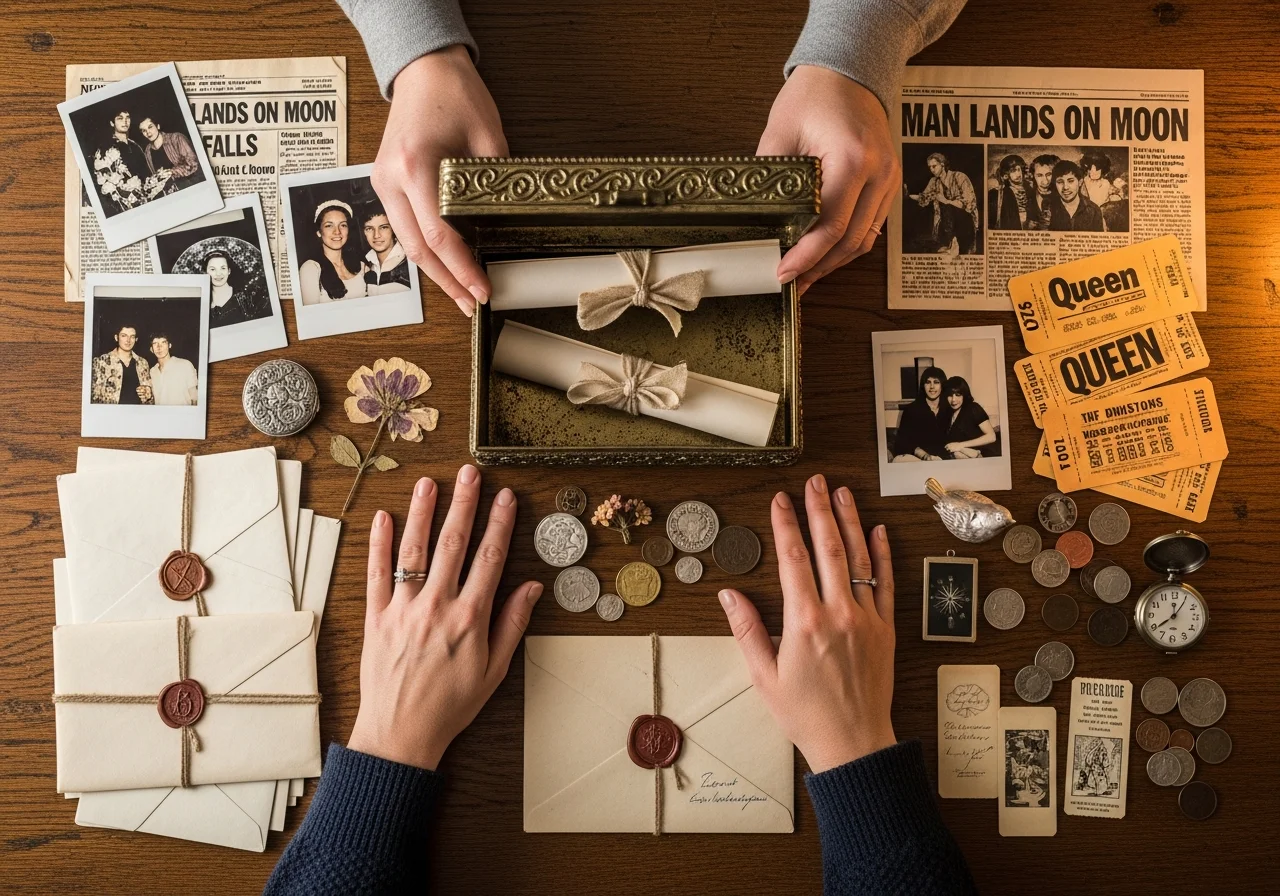
Assembling a Valentine’s Day time capsule during your first celebration together captures the specific details of your relationship at this particular moment. The time capsule serves as a snapshot preserving not just major milestones but also the mundane specifics that make your current life unique. Deciding what to include prompts conversations about what matters most to both of you right now.
Effective time capsules balance sentimental items with practical documentation. Include obvious choices like photos, letters to your future selves, and small meaningful objects, but also consider adding a current newspaper, popular song lyrics, ticket stubs from recent dates, or lists of your favorite things. Some couples include predictions about their future together, career aspirations, or descriptions of their current living situation.
The predetermined opening date adds anticipation to this tradition. Many couples choose significant anniversaries like five or ten years, while others prefer random intervals that feel sufficiently distant. Some create a new capsule annually, building a collection that can be opened during a future milestone celebration. The key is setting a date far enough away that genuine change will have occurred but not so distant that you lose track of the capsule’s existence.

Establish a Charitable Giving Tradition
Dedicating part of your first Valentine’s Day to supporting a cause you both care about infuses the holiday with purpose beyond your relationship. This tradition acknowledges that love extends outward, creating positive impact in your community and world. Choosing a charity together requires discussing your values and priorities, strengthening your understanding of each other’s worldview.
The charitable giving tradition can take many forms depending on your resources and interests. Some couples donate money to a different organization each year, while others commit to a single cause that holds deep meaning for them. Volunteering time together offers an alternative to financial contributions, allowing you to directly witness the impact of your effort. You might serve at a food bank, participate in a community cleanup, or offer your professional skills to a nonprofit organization.
This tradition proves particularly valuable when Valentine’s Day falls during challenging personal or global periods. Focusing on helping others provides perspective and prevents the holiday from feeling shallow or self-indulgent. Many couples report that their charitable activities become the most meaningful aspect of their Valentine’s celebration, creating a sense of partnership in something larger than themselves.

Start a Memory Jar
Creating a memory jar on your first Valentine’s Day establishes a year-round practice that culminates in an annual reading ritual. Throughout the year, both partners write down happy moments, funny incidents, achievements, or simply things they appreciate about each other on small pieces of paper that go into a designated jar. On Valentine’s Day, you empty the jar and read all the accumulated memories together.
This tradition excels at combating the human tendency to focus on negative experiences while letting positive moments fade from memory. The practice of regularly noting good things trains you to actively recognize and appreciate the small joys that comprise most of daily life. By Valentine’s Day, you’ve typically forgotten many of the moments you recorded months earlier, making the reading experience feel like receiving gifts from your past selves.
The memory jar works best when kept in a visible, accessible location with paper and pens nearby. Some couples establish rules about minimum contribution frequency, while others keep it completely spontaneous. You might choose a beautiful decorative jar that fits your home aesthetic, or use something simple and practical. Consider preserving your favorite memories in a scrapbook or album, creating a growing collection that spans multiple years.
Take Turns Planning Surprise Elements
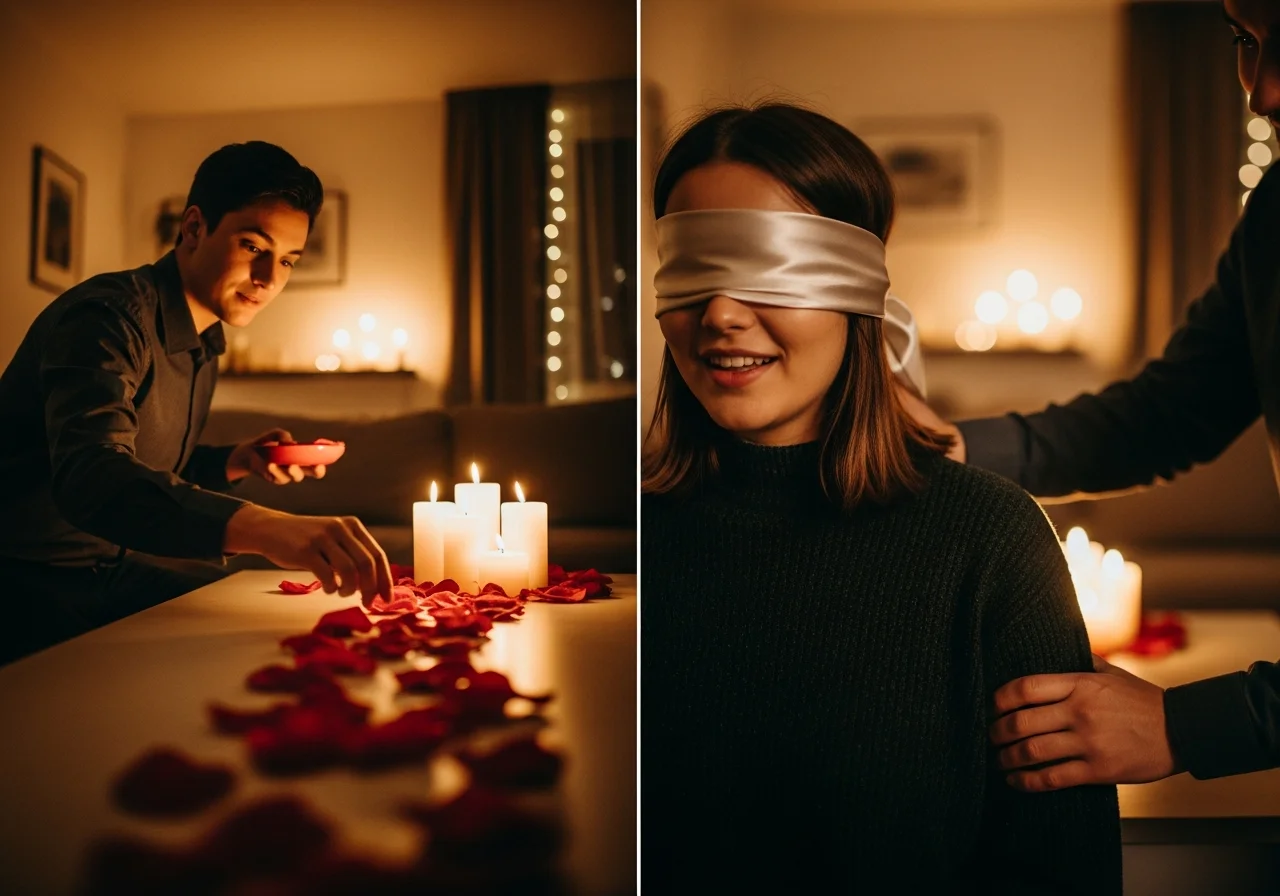
Introducing an element of surprise on your first Valentine’s Day by having each partner secretly plan one aspect of the celebration balances the comfort of tradition with the excitement of novelty. This approach ensures both partners feel invested in the day while maintaining mystery about certain details. The specific division of responsibilities can adapt to your preferences and strengths.
The surprise element works well when you establish clear parameters about scale and budget to prevent mismatched expectations or financial stress. One partner might plan the main activity while the other handles the meal, or you could divide the day into morning and evening responsibilities. The goal is creating pleasant surprises rather than elaborate productions that generate anxiety.
This tradition becomes increasingly enjoyable as you learn each other’s preferences and develop a history of past surprises to reference and build upon. You’ll discover patterns in what delights your partner most, whether that’s experiential gifts, quiet time together, adventurous outings, or thoughtful tokens. The annual challenge of creating a meaningful surprise encourages continued creativity and attention to your partner’s evolving interests.

Create a Valentine’s Playlist
Curating a playlist together on your first Valentine’s Day that captures your relationship’s soundtrack creates an auditory tradition that grows richer with time. Music possesses unique power to evoke specific memories and emotions, making your Valentine’s playlist a reliable trigger for romantic nostalgia. Each year, you’ll add songs that became meaningful during the previous twelve months, creating a evolving musical diary.
The playlist development process itself provides insight into your partner’s musical preferences and the associations they form between songs and memories. Discuss why certain songs matter to each of you, what lyrics resonate most deeply, or what moments specific melodies recall. Some couples include the song playing during their first kiss, music from their wedding or commitment ceremony, or simply tracks that consistently improve their mood.
The annual ritual of updating your playlist and listening to previous years’ additions becomes a powerful way to trace your relationship’s journey. You’ll notice how your musical tastes have influenced each other, remember phases when certain genres dominated your listening, and feel transported back to earlier relationship stages. The playlist serves as background music for Valentine’s dinner, road trips, or quiet evenings at home, weaving itself naturally into your shared life.
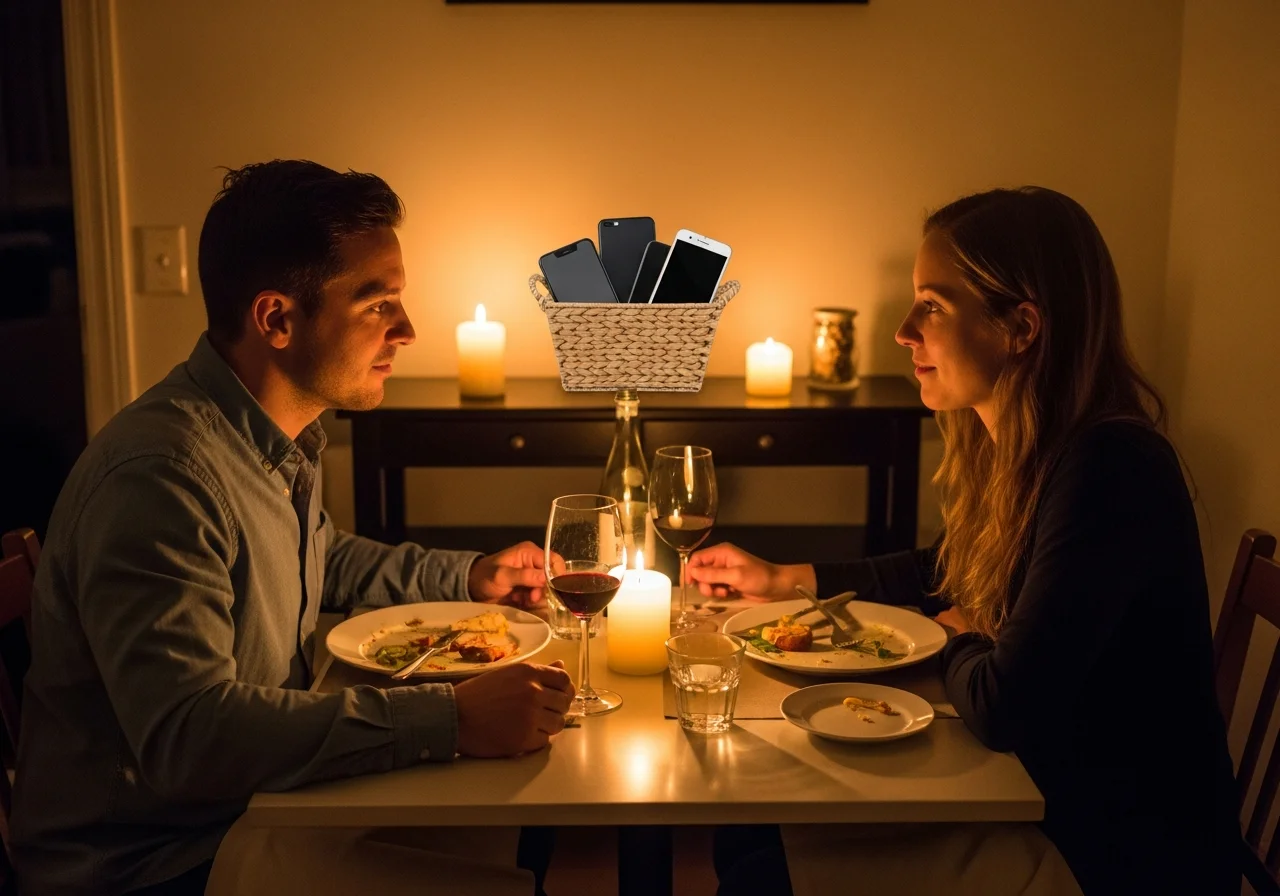
Disconnect from Technology
Committing to a technology-free period during your first Valentine’s Day establishes a tradition of genuine presence that becomes increasingly countercultural and valuable in our hyper-connected era. This intentional disconnection signals that your time together deserves undivided attention, free from the constant interruptions of notifications, emails, and social media.
The specific parameters of your digital detox should reflect your lifestyles and comfort levels. Some couples completely power down devices for the entire day, while others simply keep phones in another room during dinner or designate technology-free hours. The goal is creating a bubble of focused attention where you can engage in meaningful conversation, maintain eye contact, and fully experience whatever activities you’ve planned.
This tradition often reveals how dependent you’ve become on digital distraction and how rarely you engage in extended, uninterrupted conversation. Many couples initially find the lack of devices uncomfortable before settling into deeper connection than they’ve experienced in months. The practice can inspire broader relationship habits about technology use, making Valentine’s Day a yearly reminder to prioritize direct human connection over mediated interaction.

Watch the Same Movie
Selecting a movie to watch together every Valentine’s Day creates a cinematic tradition that provides consistency while allowing your interpretation and response to evolve. The chosen film becomes a touchstone that marks the passage of time, with your reactions revealing how you’ve changed as individuals and as a couple. The specific movie matters less than your commitment to the shared viewing experience.
Some couples choose an explicitly romantic film that celebrates love, while others select something personally meaningful like the movie playing during their first date or a film that represents shared interests. Others deliberately choose something unexpected to keep the tradition feeling fresh. Consider whether you want a movie that invites discussion about relationships, provides pure escapism, or simply makes you both laugh.
The annual viewing can include complementary rituals that enhance the experience. Perhaps you prepare specific snacks, recreate theater-going by dressing up and purchasing tickets from each other, or discuss afterward how your perspective on the film has changed. Some couples write brief notes about their thoughts each year, creating a running commentary that spans decades. This simple tradition requires minimal planning while providing reliable comfort and continuity.

Exchange Meaningful Tokens
Establishing a tradition of exchanging small, meaningful tokens rather than expensive gifts on your first Valentine’s Day prioritizes thoughtfulness over financial investment. These tokens should represent inside jokes, shared memories, or deep understanding of your partner’s personality and interests. The self-imposed constraint of keeping gifts small and inexpensive encourages creativity while removing financial pressure.
Effective tokens demonstrate attentiveness to the details of your partner’s life and preferences. This might mean a book by an author they mentioned wanting to explore, a replacement for something they’ve worn out and loved, a framed photo from a special moment, or even something seemingly insignificant that connects to a meaningful conversation you had months earlier. The gift’s value lies entirely in its personal significance rather than its market price.
Many couples find that these modest, thoughtful tokens create more lasting satisfaction than expensive presents. The practice trains you to actively listen and observe your partner throughout the year, noting their expressed desires, unmet needs, and sources of joy. This ongoing attention strengthens your connection far beyond Valentine’s Day while ensuring the holiday itself feels genuinely personal rather than obligatory.

Take a Relationship Health Check
Dedicating time during your first Valentine’s Day to discussing your relationship’s strengths, challenges, and goals establishes a tradition of intentional communication and growth. This annual conversation creates a structured opportunity to address concerns before they become serious problems while celebrating progress and success. The practice acknowledges that healthy relationships require active maintenance rather than assuming everything will naturally stay positive.
Approach this conversation as a collaborative project rather than a performance review. Discuss what’s working well in your relationship, what challenges you’re facing, how you’ve grown as individuals and as a couple, and what hopes you have for the coming year. Consider specific questions like how satisfied you feel with communication quality, whether you’re maintaining adequate balance between couple time and independence, and how well you’re supporting each other’s personal goals.
Many couples find this conversation initially awkward before recognizing its immense value. The annual timing ensures you address relationship dynamics at least once yearly rather than only during crises. Over time, you’ll notice patterns in recurring challenges, track progress on longstanding issues, and build a shared vocabulary for discussing complex relationship dynamics. This tradition transforms Valentine’s Day from purely celebratory to genuinely constructive.
Create Art Together
Engaging in a creative project together on your first Valentine’s Day establishes a tradition that produces tangible results while strengthening your partnership through collaboration. The specific medium matters less than the shared experience of creating something together. This tradition works well for both artistic and non-artistic couples since the goal is connection rather than producing museum-quality work.
Creative possibilities range widely based on your interests and abilities. You might paint or draw together, make pottery, write a song or poem, create a photo collage, build something functional for your home, or experiment with a craft neither of you has tried before. The key is choosing activities that allow genuine collaboration rather than one partner dominating while the other watches.
The finished product becomes a unique decoration for your home and a conversation piece that tells your relationship story. Each year’s creation marks that particular phase of your relationship, with your artistic choices revealing prevailing moods, shared experiences, or aspirations. Some couples display all their annual creations together, creating a gallery that visualizes their journey. Others give each year’s piece special prominence before archiving it, ensuring their living space doesn’t become overwhelmed while preserving everything they’ve made together.
Conclusion
Your first Valentine’s Day as a couple offers a precious opportunity to establish traditions that will define how you celebrate love together for years or decades to come. The fifteen traditions explored here share common traits that make them sustainable and meaningful: they prioritize connection over expense, emphasize personal significance over generic gestures, and create space for your relationship to evolve while maintaining continuity with the past.
The most successful Valentine’s traditions balance structure with flexibility, providing enough consistency to feel familiar and meaningful while allowing adaptation as your circumstances and preferences change. You might start with several of these suggestions and eventually narrow to the few that resonate most strongly, or you could rotate through different traditions each year to maintain variety while keeping certain anchors constant.
Remember that the ultimate purpose of Valentine’s Day traditions is strengthening your relationship and honoring your unique connection. Choose practices that genuinely appeal to both partners rather than adopting traditions because they seem romantic in theory. The traditions that endure are those that bring authentic joy, foster deeper understanding, and create memories you’ll genuinely treasure when you’re old and reflecting on your life together.
Your first Valentine’s as a couple sets precedents that can last a lifetime, but these precedents should enhance rather than constrain your relationship. Approach tradition-building with playfulness and openness, recognizing that the traditions you establish at the beginning of your relationship may evolve in unexpected ways. The goal is creating a personal celebration of your love that feels meaningful and sustainable, year after year.
Frequently Asked Questions
What if my partner and I have different ideas about how to celebrate our first Valentine’s Day together?
Differing celebration preferences are completely normal and present an opportunity for compromise that strengthens your relationship. Have an open conversation well before Valentine’s Day about your expectations, past experiences with the holiday, and what would make you both feel loved and appreciated. Consider blending elements from both partners’ visions or alternating who takes the lead each year. The key is ensuring both people feel heard and that the celebration reflects your actual relationship rather than external pressures about what Valentine’s Day should look like.
How much money should I spend on our first Valentine’s Day as a couple?
There is no universally correct amount to spend on Valentine’s Day, and many of the most meaningful celebrations cost very little. Discuss budgets openly before making plans to ensure you’re on the same page and avoid financial stress or resentment. Focus on thoughtfulness rather than expense, as gifts and experiences that demonstrate genuine understanding of your partner typically matter more than their price tag. If money is tight, emphasize traditions that prioritize time and attention like cooking together, taking a walk, or creating something handmade.
Should we exchange gifts on our first Valentine’s Day or is spending time together enough?
Whether to exchange gifts depends entirely on your personal preferences and relationship style. Some couples deeply value tangible tokens of affection while others find excessive gift-giving uncomfortable or unnecessary. Discuss expectations beforehand to avoid mismatched efforts where one person invests significantly in gifts while the other brings nothing. If you choose to exchange gifts, consider setting parameters about budget or type to keep things balanced and comfortable for both partners.
What if Valentine’s Day falls on a weekday and we can’t take the whole day off?
Many couples face scheduling constraints that prevent elaborate Valentine’s Day celebrations, and this should not diminish the significance of your first celebration together. Consider moving your celebration to the nearest weekend or breaking it into smaller moments throughout the busy day, like a special breakfast before work or a nice dinner afterward. Some couples establish a tradition of celebrating on a different day entirely to avoid crowds and high prices while still honoring the relationship milestone. The specific date matters less than the intentionality you bring to celebrating your connection.
How do I balance creating special Valentine’s traditions while keeping expectations realistic and sustainable?
The most sustainable traditions are those that feel enjoyable rather than obligatory and adapt easily to changing circumstances like schedule conflicts, budget constraints, or evolving relationship dynamics. Start simple with one or two traditions that genuinely appeal to both partners rather than attempting to establish numerous elaborate practices. Accept that some years will allow more elaborate celebration than others, and that’s perfectly normal. The goal is creating meaningful rituals that enhance your relationship rather than adding stress or unrealistic expectations to an already commercialized holiday.