8 How to Create a Cozy Living Room with Simple Design Tricks
A living room should be more than just a transitional space between rooms. It’s where daily life unfolds—friends chat, families unwind, and memories form. But achieving a cozy atmosphere doesn’t have to involve complex interior design projects or an overwhelming budget. With thoughtful choices grounded in simplicity, you can transform your living room into a warm, comfortable, and stylish haven without excessive ornamentation or clutter. This article walks you through practical and elegant design tricks to help you create a cozy living room with a simple design that feels inviting, balanced, and timeless.
The Essence of Simple Design in a Cozy Living Room
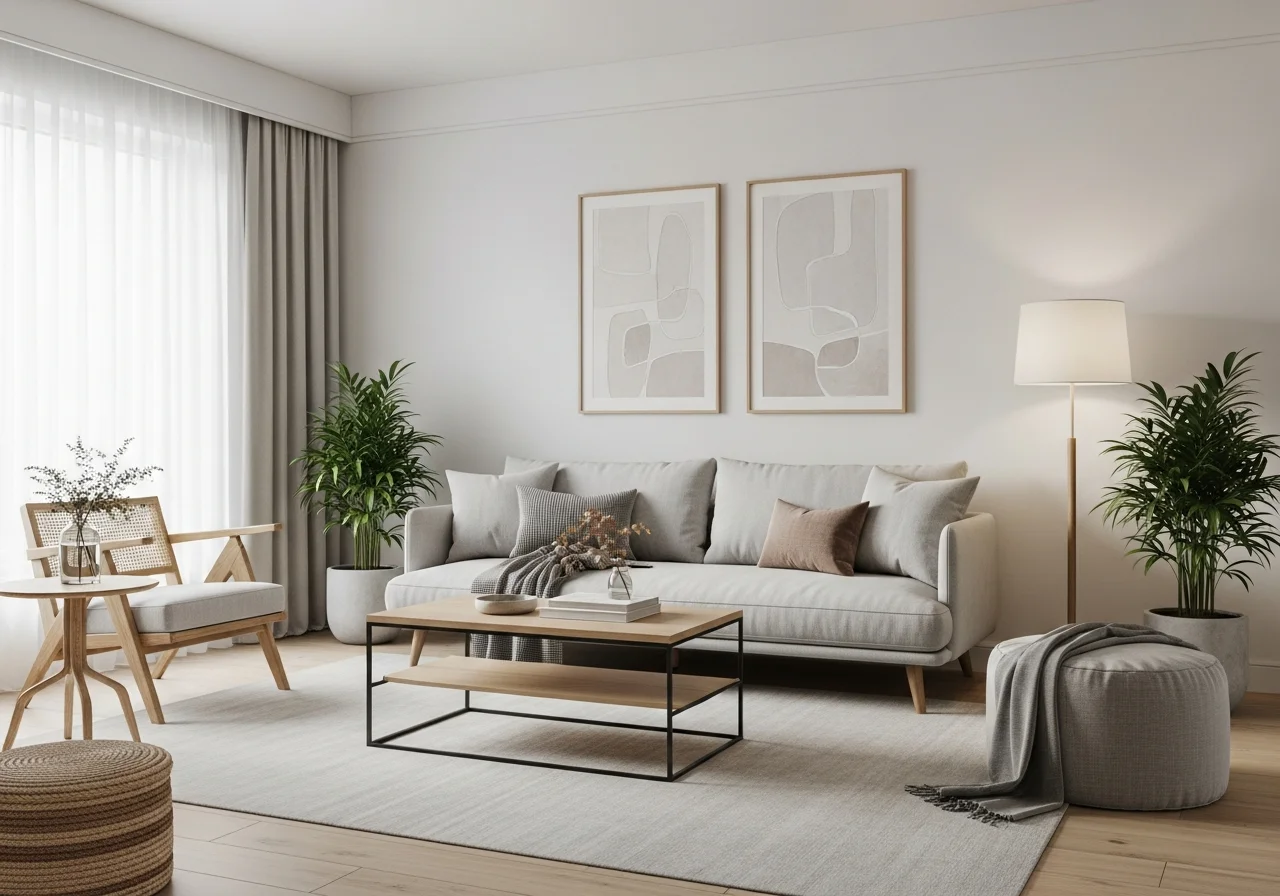
Simple design is not about stark minimalism devoid of personality. Instead, it focuses on intentional choices that enhance comfort and function while eliminating unnecessary visual noise. A simple yet cozy living room feels calm, organized, and naturally welcoming without relying on grand gestures or elaborate styling.
Why Simple Design Matters
A room that embraces simplicity fosters relaxation. When your living space isn’t crowded with competing visual elements, your mind can rest, your movements feel easier, and each piece of furniture and decor serves a purpose. Simple design promotes:
Clarity and Calm: A streamlined environment helps reduce stress and creates a visually peaceful space.
Versatility: Simple elements can adapt to seasonal shifts or evolving tastes without major overhauls.
Enhanced Functionality: Prioritizing what matters most—comfort, light, and flow—makes daily life more enjoyable.
These principles serve as the foundation for the tips that follow.
Start with a Thoughtful Color Palette
Warm Neutrals and Harmonious Hues
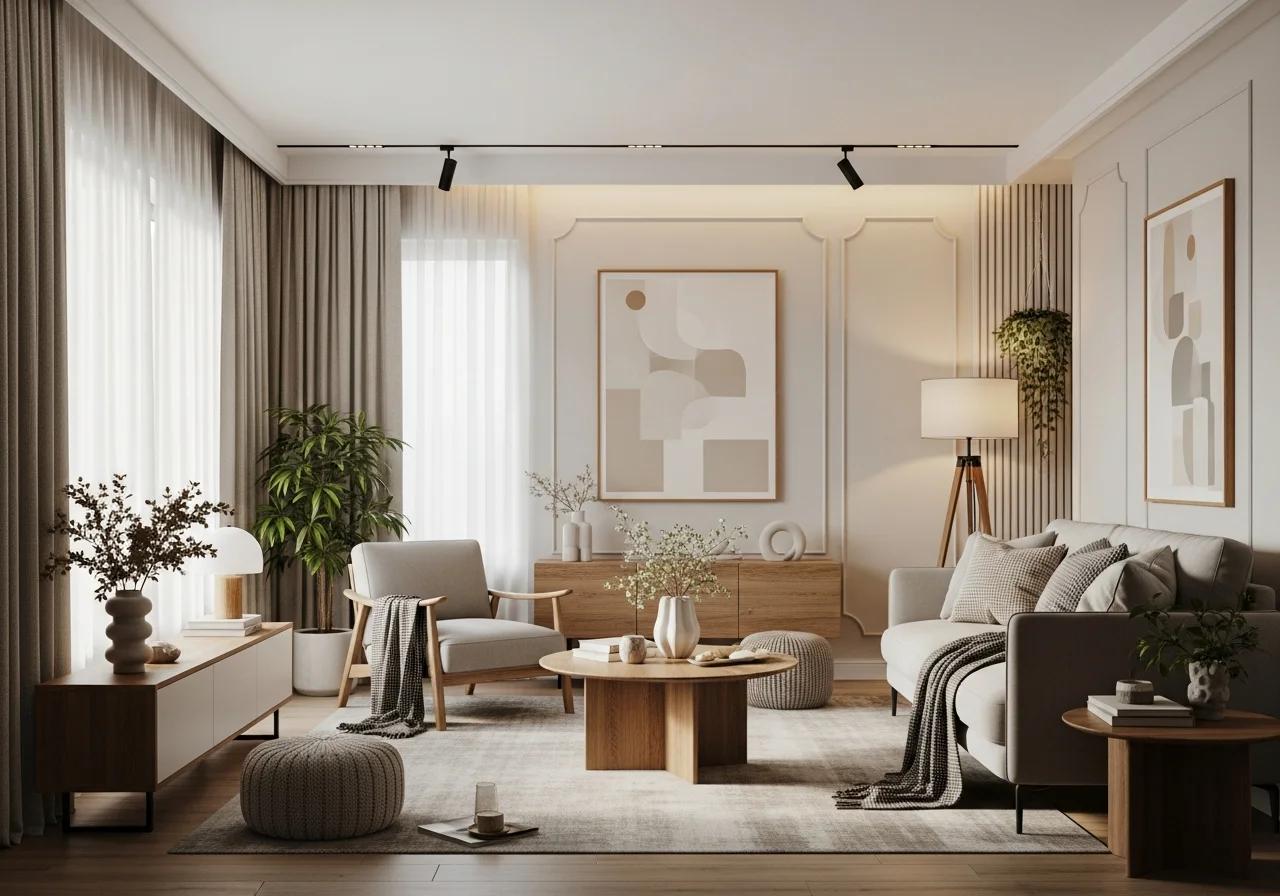
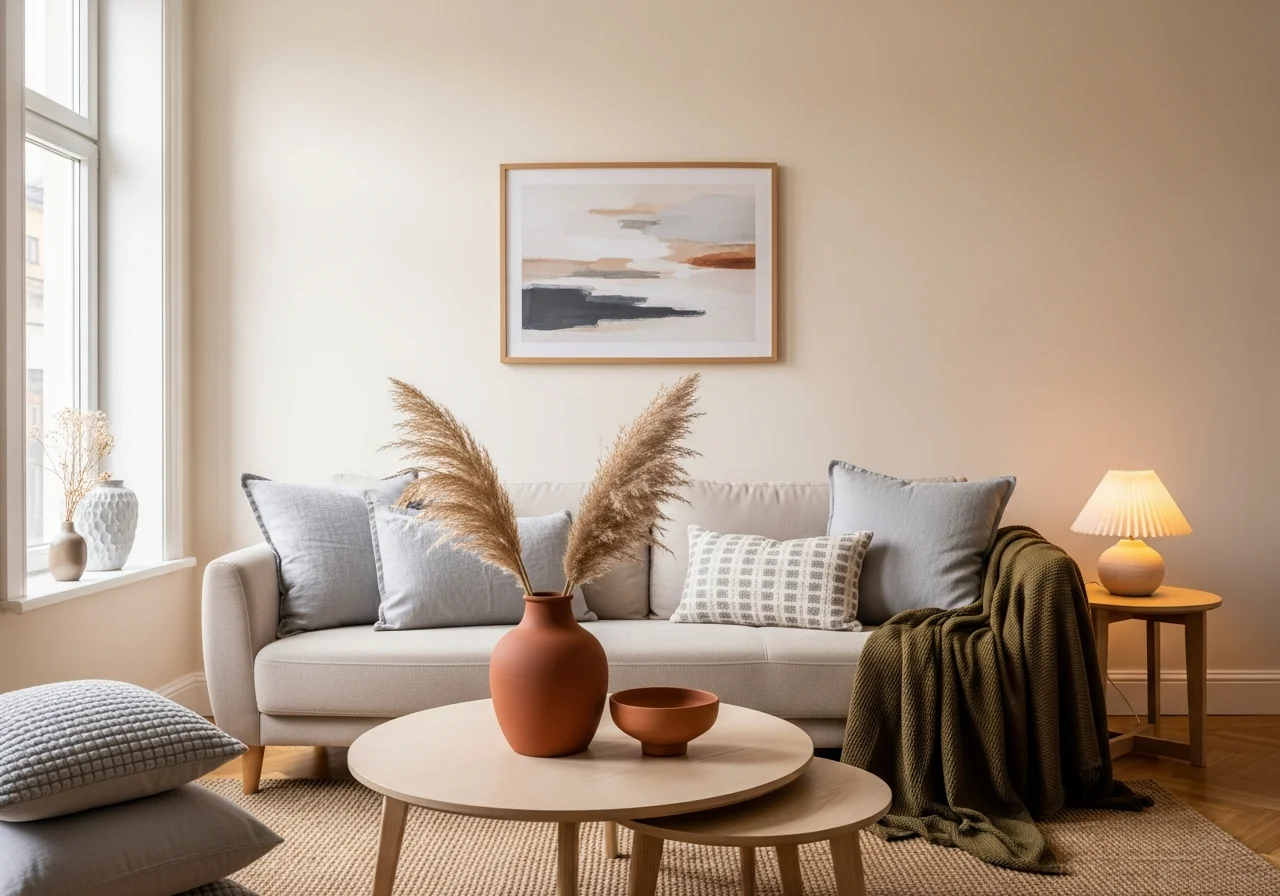
Color sets the emotional tone of a room. Warm neutrals like soft beige, warm gray, and creamy white create a backdrop that feels calming and open. These hues reflect light gently and pair beautifully with natural materials like wood and plants.
Incorporate accent tones sparingly to add depth—think earthy greens, muted blues, or terracotta accents that evoke warmth. Too many bold colors can distract from the serene simplicity we aim to achieve.
Wall Treatments That Enhance Space
For simplicity, walls should feel cohesive and uncluttered. A single accent wall in a warm tone can anchor the room without overpowering it. Alternatively, keep walls light and neutral to make smaller living rooms feel more spacious.
Harness the Power of Natural and Layered Lighting
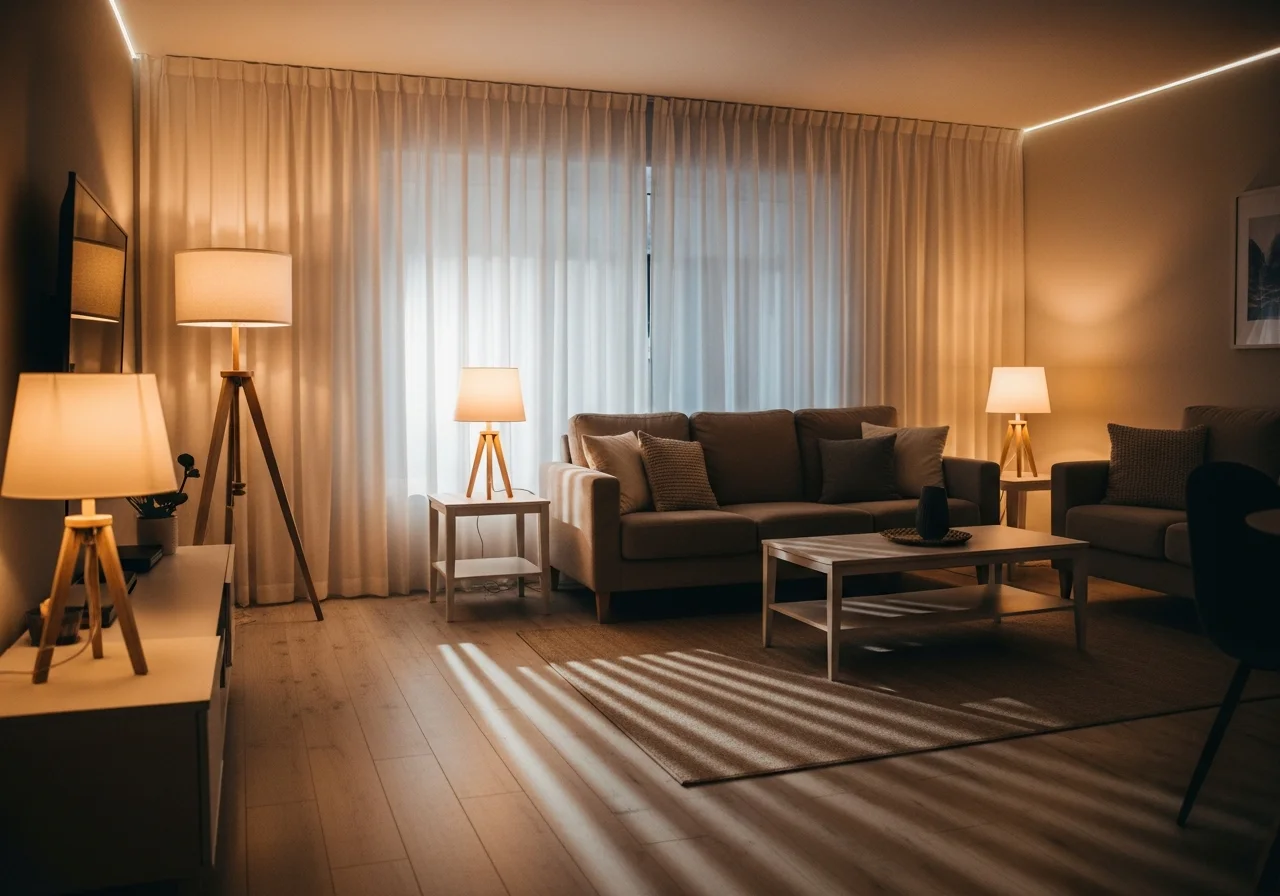
Lighting transforms how a space feels at different times of day. A cozy living room should feel inviting whether it’s bathed in morning sunlight or glowing softly at night.
Embrace Natural Light
Keep window treatments light and airy to maximize daylight. Sheer curtains paired with simple blinds give you control over brightness while maintaining visual softness.
Layered Lighting for Warmth
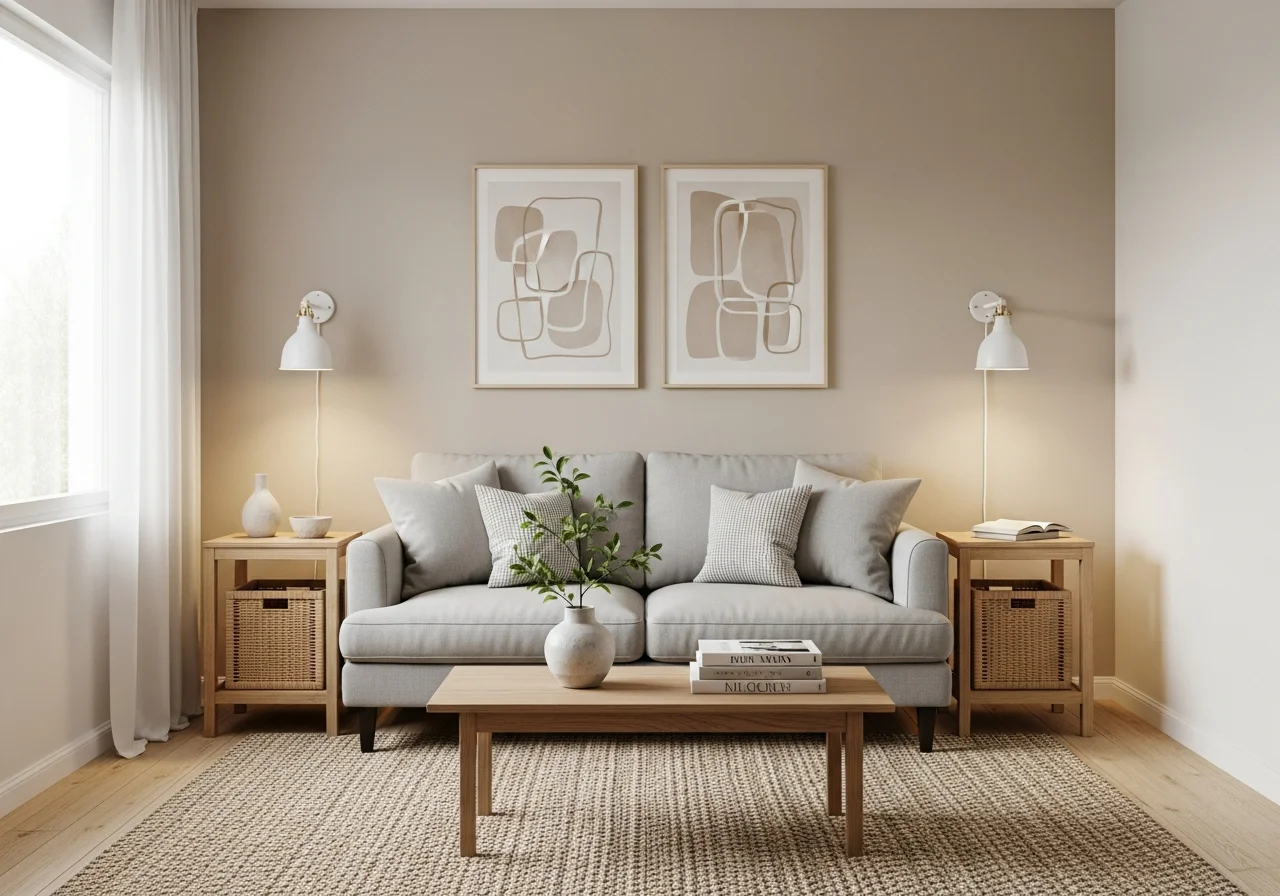
Combine ambient, task, and accent lighting to create a warm and flexible atmosphere. Overhead lighting can be supplemented with floor lamps next to seating areas and table lamps placed on side tables to cast inviting light pools. Warm LED bulbs mimic the comforting glow of sunset even after dark.
Strategic Furniture Arrangement
Create Conversation Zones
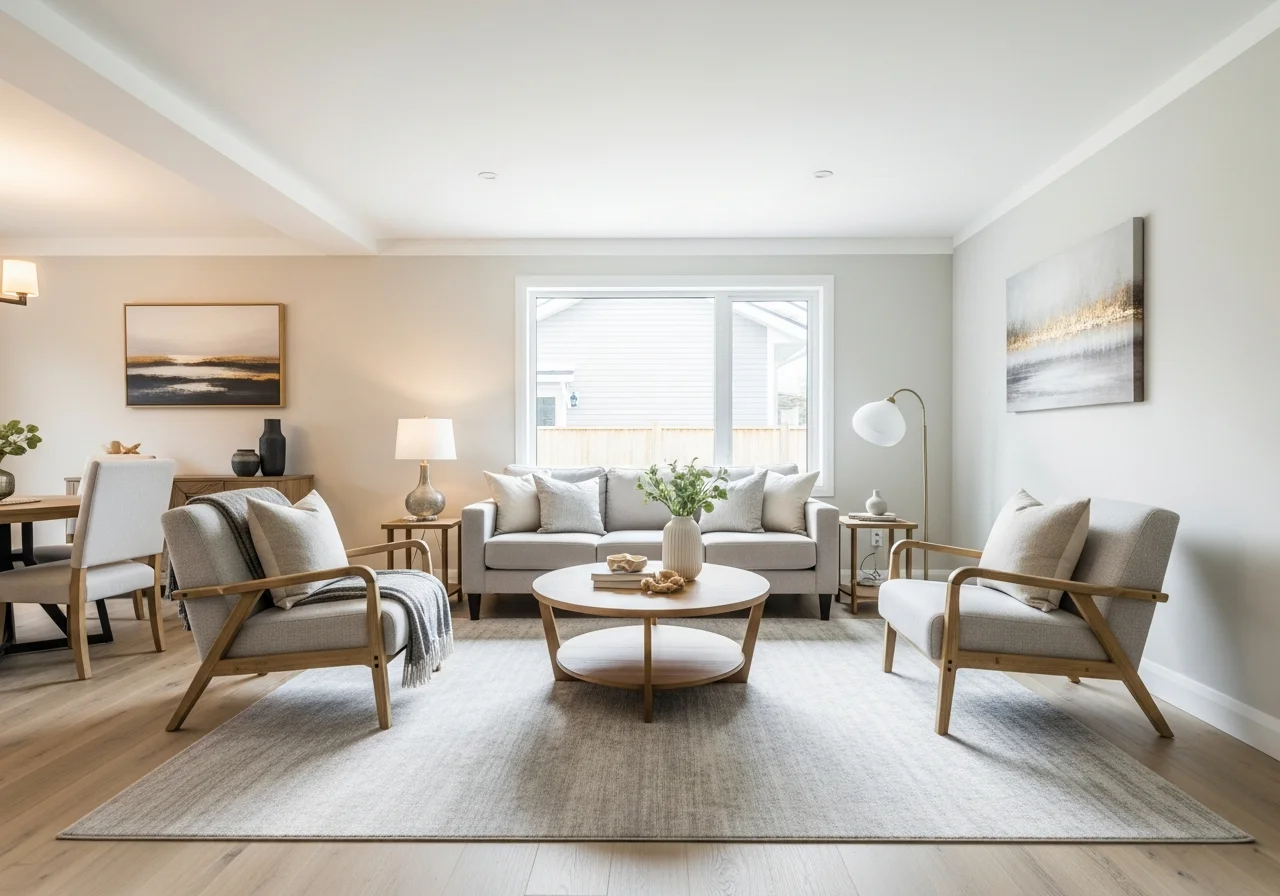
One simple trick professionals use is zoning—organizing furniture to encourage interaction and make spaces feel intimate. Instead of a single straight sofa facing a wall, consider grouping seating around a central focal point like a coffee table or fireplace. Arrange a pair of chairs at slight angles to encourage conversation and warmth.
Scale and Flow
Choose furniture that fits the scale of your space. Oversized sofas in a small living room can overwhelm; too many petite pieces in a large room can feel disjointed. Aim for balance. Provide clear walkways and avoid cluttering corners. Open, breathable layouts enhance comfort and flow.
Texture: The Heart of Cozy Comfort
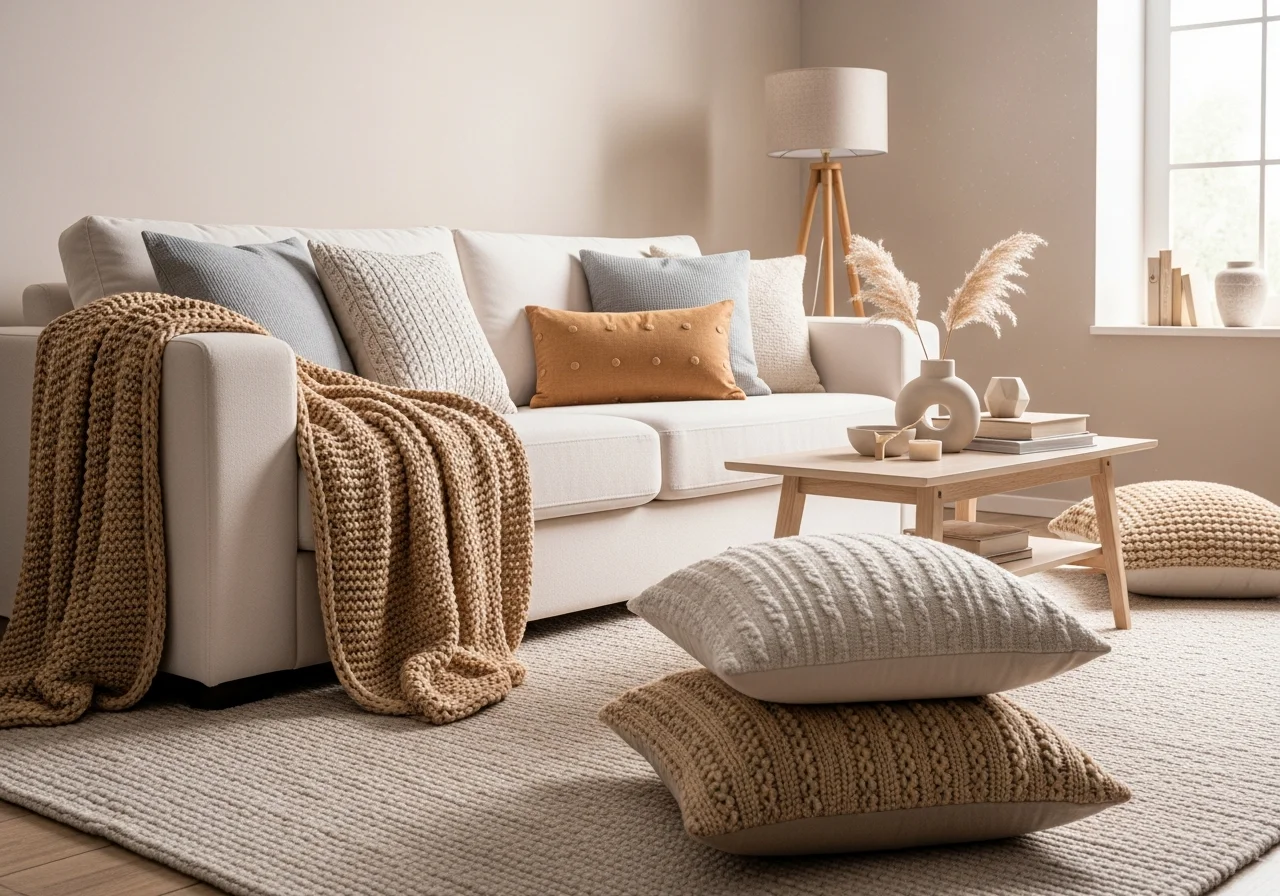
Textures add visual and tactile warmth without visual complexity. They invite touch and make a space feel grounded and layered.
Rugs That Define and Warm
A well-chosen area rug anchors the room and adds softness underfoot. For simple design, opt for neutral or subtly patterned rugs in natural fibers like wool or jute. Layering rugs—placing a smaller textured rug over a larger neutral base—can elevate visual interest without clutter.
Soft Furnishings That Add Comfort
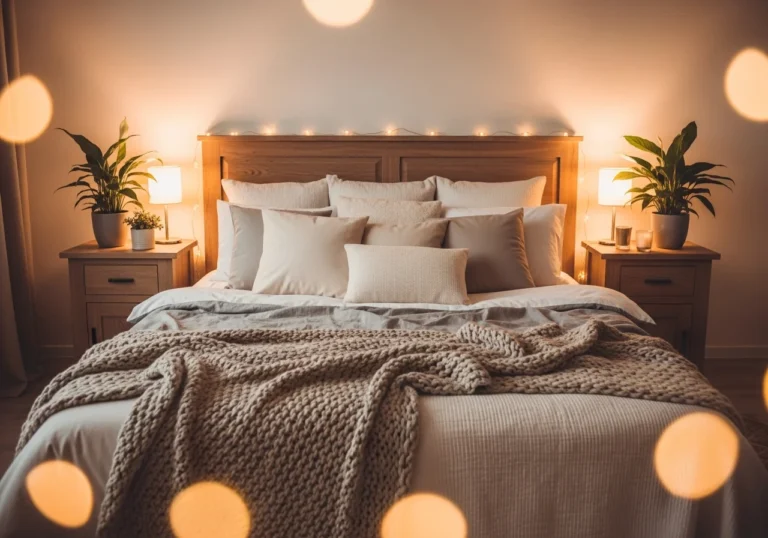
Throw pillows and blankets in tactile fabrics such as knit, velvet, or linen instantly enhance coziness. Keep solids or gentle patterns that harmonize with the room’s palette rather than distract from it. Thoughtful texture layering—plush throw here, a woven pillow there—creates depth while preserving simplicity.
Natural Elements to Ground Your Living Room
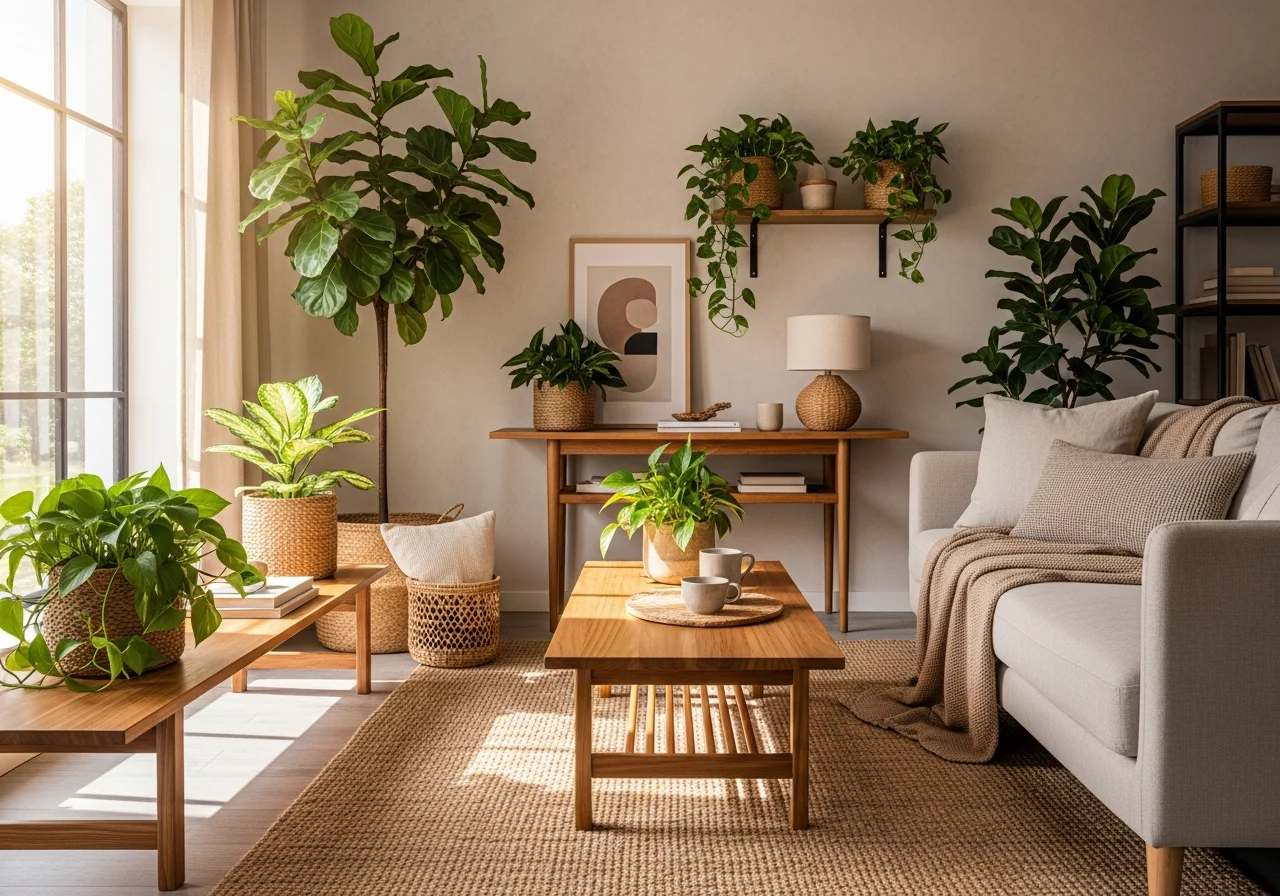
Incorporating elements from nature adds warmth, personality, and balance. Simple touches can have powerful effects.
Wood and Organic Materials
Natural wood furniture, side tables, and shelving add warmth and organic texture. Wood tones complement neutral palettes beautifully and reflect a timeless aesthetic. Pair wooden pieces with soft textiles to create a balanced contrast.
Greenery for Life and Freshness
Plants not only enhance air quality but also add life and color to a simple design. Choose easy-care indoor plants like snake plants or pothos to keep the maintenance simple. Clusters of plants can turn a corner into a living vignette without complicating the aesthetic.
Personal Touches Without Clutter
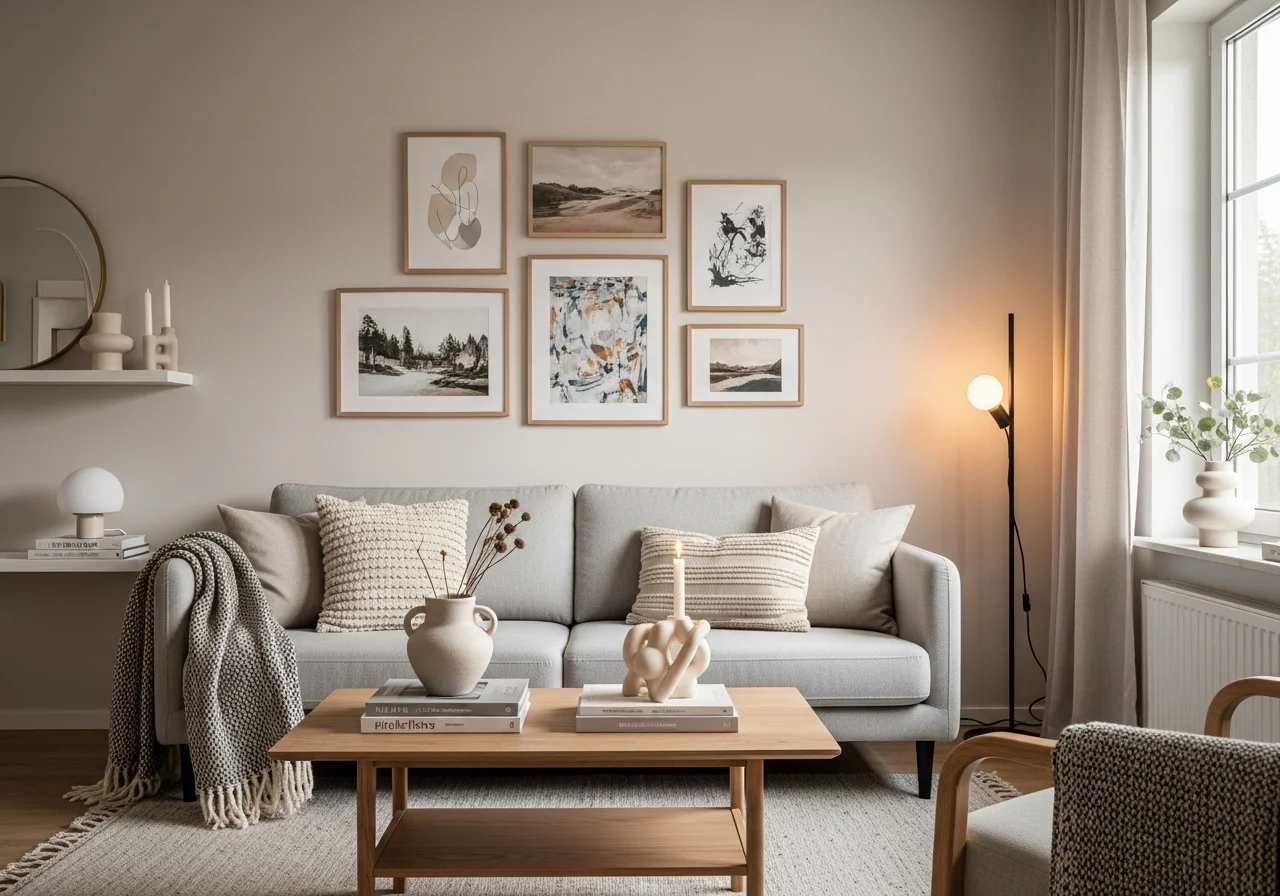
A simple design doesn’t mean sterile. On the contrary, curated personal touches make a living room feel lived-in and meaningful.
Art and Meaningful Decor
Select a few art pieces or family photos that resonate with you. Rather than plastering walls with every piece you own, choose a meaningful focal point—perhaps a single large artwork or a small gallery of complementary pieces. Aim for a balanced presentation that feels intentional.
Functional Accessories
Choose accessories that serve a purpose. A beautifully woven basket can store blankets while adding texture. A stylish tray on the coffee table organizes remotes and coasters. Functional design doubles as decoration when approached thoughtfully.
Simple Design Tricks for Everyday Use
Keep Surfaces Clean and Intentional
Limiting knickknacks makes spaces feel open and peaceful. Reserve surface space for a few statement pieces like a candle, small plant, or a book stack that reflects your interests.
Embrace Symmetry for Calm
Symmetrical arrangements—matching lamps on a console table or two identical chairs facing a sofa—create a sense of order and tranquility.
Seasonal Refresh with Minimal Effort
Swap textiles seasonally—light linen throws in summer and cozy knit blankets in winter. Subtle shifts in fabric and color deepen your connection to the space without requiring a full redesign.
Conclusion
Creating a cozy living room with a simple design is an art of balance. It’s about prioritizing comfort and functionality while eliminating distraction. Thoughtful lighting, mindful arrangement, layered textures, and natural elements work together to transform any living room into a warm, inviting sanctuary. With these simple yet powerful design tricks, you can cultivate a space that not only looks beautiful but also feels like home.
Frequently Asked Questions
What defines a living room with simple design?
A simple design emphasizes intentional choices, minimal clutter, functional furniture, and a cohesive palette that feels calming and comfortable.
How can I make my living room feel cozy without redesigning everything?
Start with lighting, add soft textiles like throws and rugs, and rearrange furniture to create intimate zones.
Do simple designs mean neutral colors only?
Not necessarily. Neutrals form a harmonious base, but subtle accents in warm hues can enhance coziness without overpowering the simplicity.
What role do plants play in simple living room design?
Plants introduce natural color and life, soften edges, and improve air quality, all while maintaining a simple aesthetic.
How do I balance simplicity with personal style?
Curate meaningful pieces—art, photos, books—placing them intentionally so they add character without cluttering the space.