20 Small Apartment Living Room Designs Decorating Ideas
Living in a small apartment comes with unique challenges, particularly when designing a functional and beautiful living room. The living room serves as the heart of any home, a space where you relax after long days, entertain guests, and create lasting memories. When square footage is limited, every design decision becomes critical. However, compact spaces offer incredible opportunities for creativity and innovation. This comprehensive guide presents twenty transformative ideas that will help you maximize your small apartment living room while maintaining style, comfort, and functionality.

Understanding the Fundamentals of Small Apartment Space Design
Before exploring specific design solutions, understanding the core principles of small space living establishes a foundation for success. Small apartment living rooms demand thoughtful planning where every piece of furniture and decorative element serves a purpose. The key lies in balancing aesthetics with practicality, ensuring your space feels neither cramped nor sparse.
Successful Small Apartment living room design hinges on three fundamental concepts: maximizing vertical space, selecting appropriately scaled furniture, and creating visual flow throughout the room. These principles work together to transform even the most challenging layouts into comfortable, inviting spaces that feel significantly larger than their actual dimensions.
Embrace Multifunctional Furniture Solutions
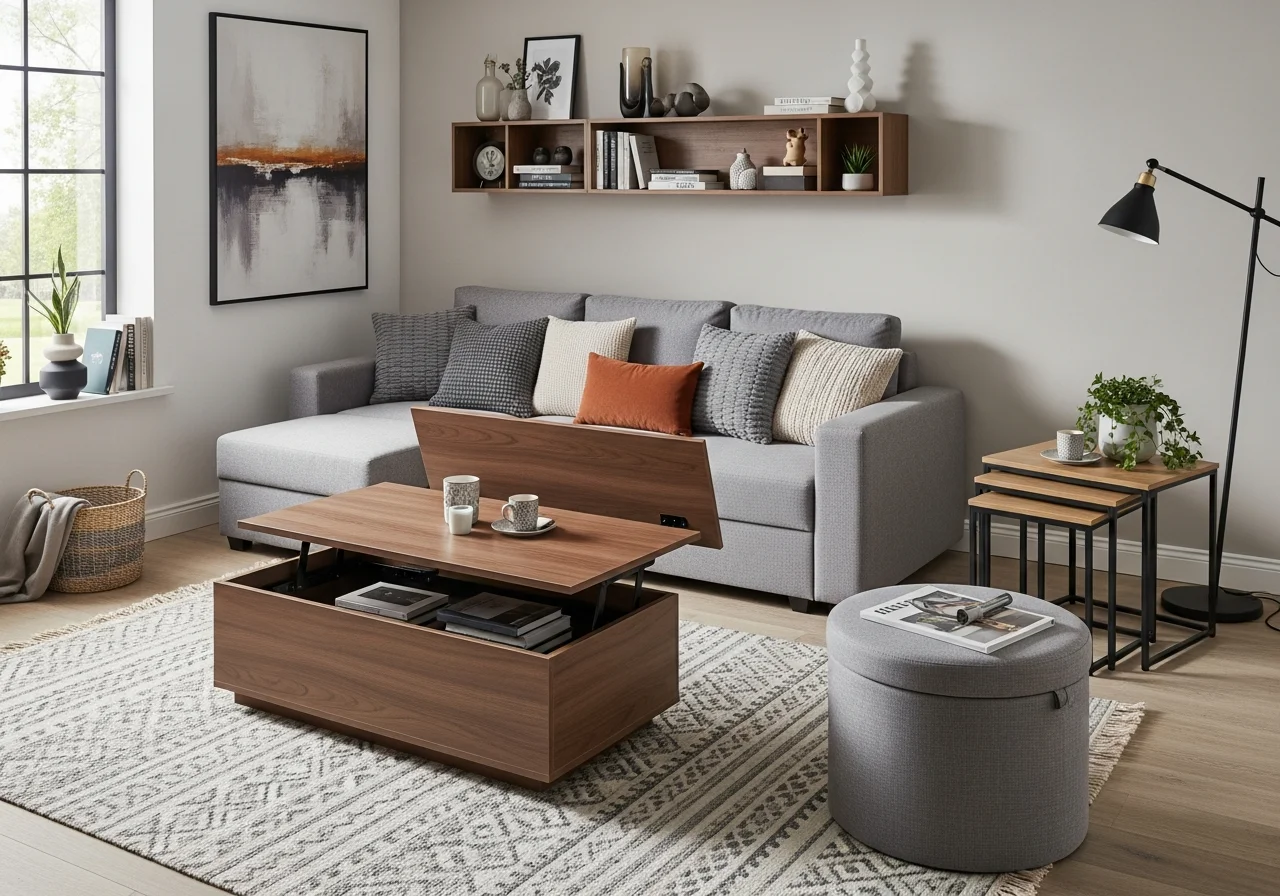
Multifunctional furniture represents the cornerstone of effective small apartment living room design. A coffee table with hidden storage compartments provides a surface for drinks and books while concealing blankets, magazines, and remote controls. Storage ottomans serve triple duty as seating, footrests, and concealed storage units, eliminating the need for separate furniture pieces that consume valuable floor space.
Consider investing in a lift-up coffee table that transforms into a dining surface or work desk. This versatile piece adapts to your daily needs without requiring additional furniture. Sofa beds offer another excellent solution, particularly in studio small apartment where the living room must double as a bedroom. Modern designs have evolved far beyond uncomfortable pullout couches, now offering stylish options that maintain comfort without sacrificing aesthetics.
Nesting tables provide flexibility by stacking together when not needed and spreading out when entertaining guests. This adaptability proves invaluable in small spaces where furniture arrangements must accommodate various activities throughout the day. Look for pieces that seamlessly transition between uses, ensuring your investment serves multiple purposes.

Master the Art of Vertical Storage
When floor space is limited, the walls become your greatest asset. Vertical storage solutions draw the eye upward, creating the illusion of height while providing essential organization. Floor-to-ceiling bookshelves make a dramatic statement while offering extensive storage without consuming precious floor area. These installations work particularly well in alcoves or along empty walls, transforming dead space into functional storage.
Wall-mounted shelving systems provide customizable storage that adapts to changing needs. Floating shelves create visual interest while displaying books, plants, photographs, and decorative objects. The key is maintaining balance, avoiding overcrowding that creates visual chaos. Strategic placement at varying heights adds dimension and draws attention to vertical rather than horizontal space.
Consider installing a wall-mounted entertainment system that eliminates the need for a bulky media console. Mounting your television frees up floor space while creating a sleek, modern appearance. Combine this approach with surrounding shelving units to create a cohesive entertainment wall that maximizes storage while maintaining clean lines.
Strategic Furniture Placement and Layout
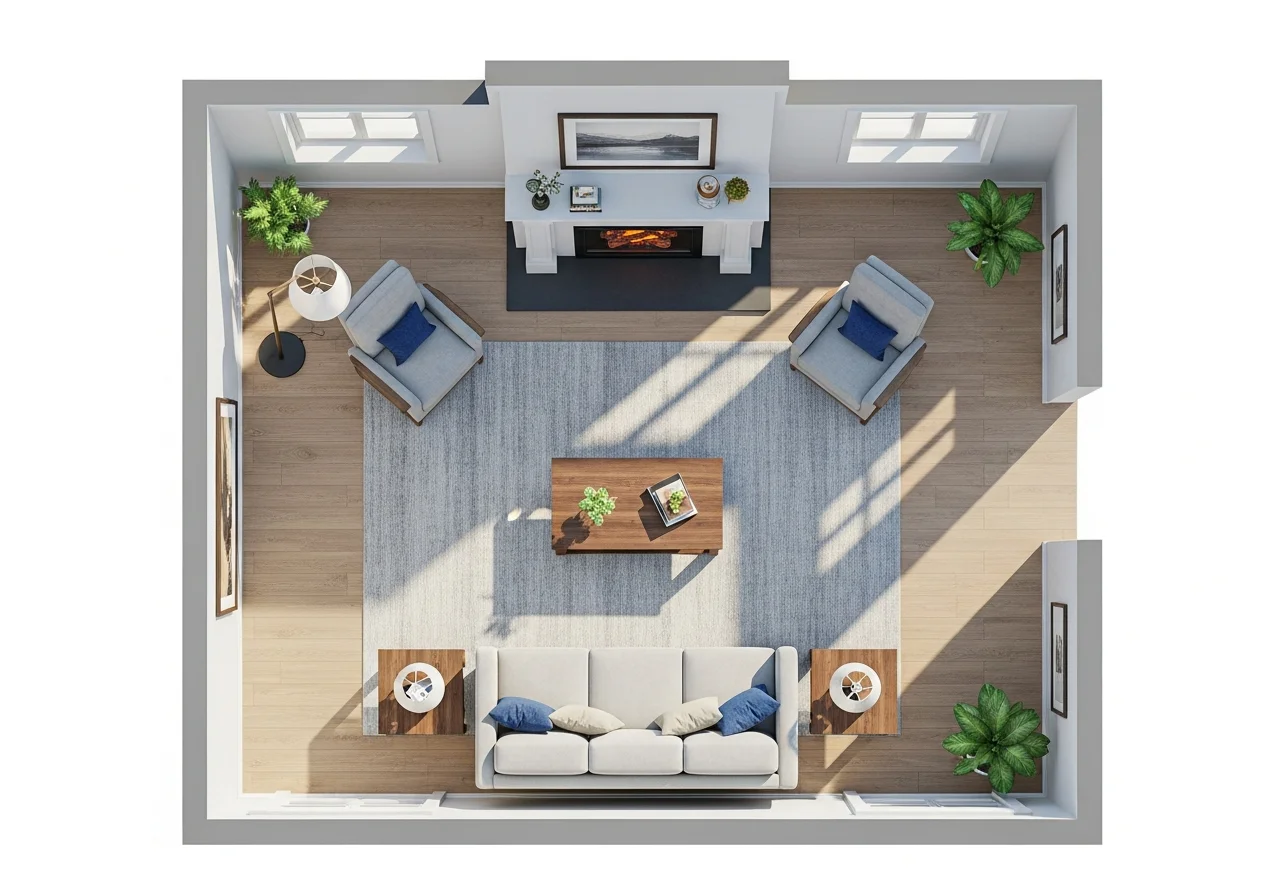
Furniture arrangement significantly impacts how spacious a small living room feels. Contrary to intuition, pushing all furniture against walls often makes rooms feel smaller by creating awkward empty centers. Instead, float furniture away from walls to define distinct areas and improve traffic flow. Position your sofa a few inches from the wall, creating breathing room that paradoxically makes the space feel larger.
Create a focal point that anchors your furniture arrangement. This might be a fireplace, large window with scenic views, or a striking piece of artwork. Arrange seating to face this focal point, establishing a natural conversation area. In rectangular rooms, position furniture to emphasize the longer walls, making the space feel more proportional.
The two-thirds rule provides a helpful guideline for furniture placement. Your main seating piece should occupy approximately two-thirds of the wall length, leaving the remaining third for other furniture or open space. This proportion creates visual balance without overwhelming the room. Remember that traffic patterns matter equally to aesthetics. Ensure clear pathways between different areas, typically allowing at least 30 inches for comfortable movement.
Leverage Light Colors and Strategic Painting
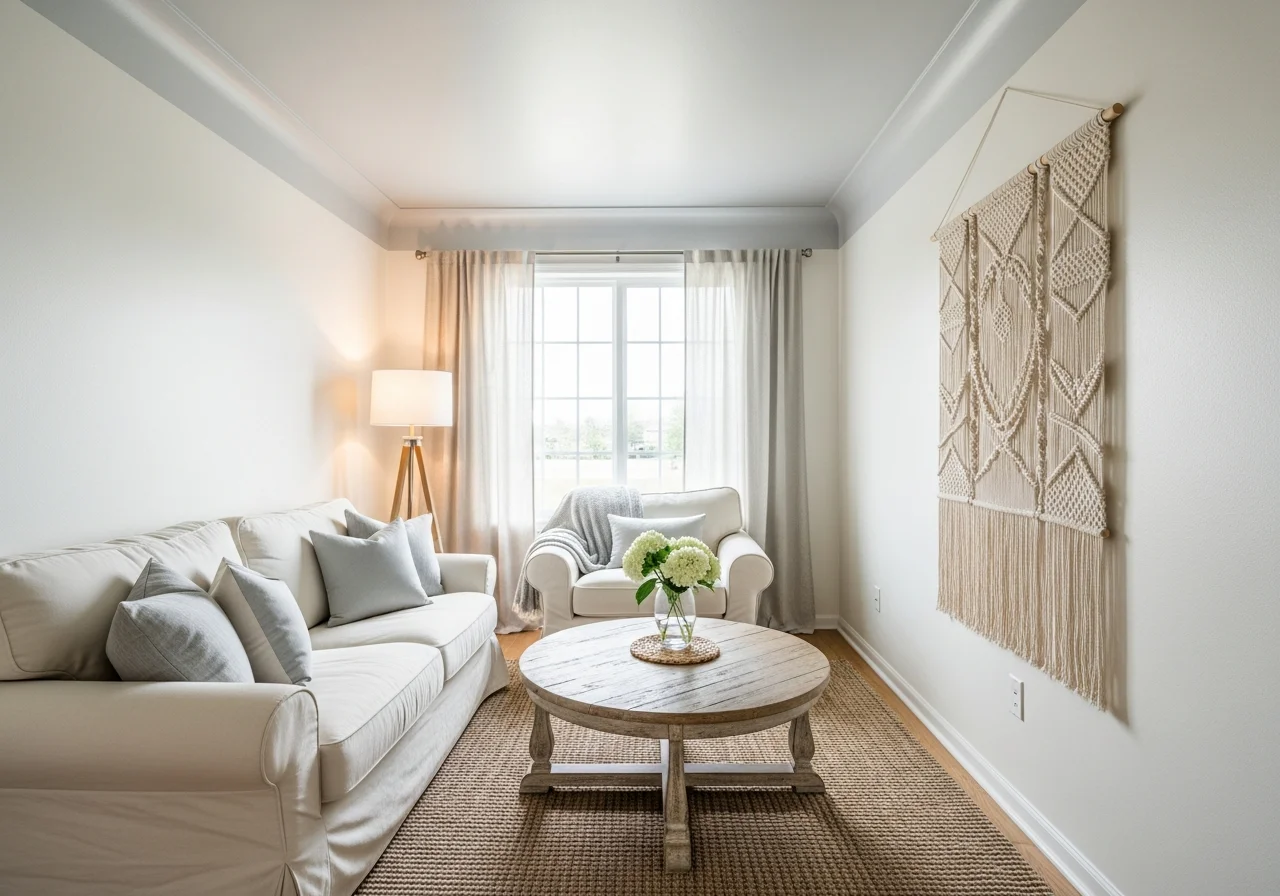
Color choices profoundly influence spatial perception in small living rooms. Light, neutral colors reflect natural light, making rooms feel open and airy. Whites, creams, soft grays, and pale pastels create an expansive backdrop that allows furniture and decorative elements to shine. However, light colors need not mean boring. Incorporate texture through varied fabrics, woven baskets, and dimensional wall treatments to add depth and interest.
An innovative approach involves painting walls, ceilings, and trim the same color, creating seamless visual flow. This technique eliminates the eye-stopping contrast that emphasizes room boundaries, instead creating continuous expanses that feel larger. Consider painting your ceiling a lighter shade than the walls, or even brilliant white, to enhance the perception of height.
That said, dark colors can work beautifully in small spaces when applied thoughtfully. Deep, saturated hues create a cocooning effect that makes small rooms feel intentionally intimate rather than accidentally cramped. Dark colors recede visually, potentially making walls seem farther away. If considering this approach, ensure adequate lighting and incorporate lighter accents to maintain balance.

Maximize Natural Light and Reflective Surfaces
Natural light serves as one of the most powerful tools for expanding small spaces visually. Keep window treatments minimal, opting for sheer curtains or simple shades that allow maximum light penetration. When privacy is necessary, choose treatments that roll up completely during daytime hours. Position furniture to avoid blocking windows, ensuring light flows freely throughout the room.
Mirrors strategically placed throughout the space amplify natural light while creating the illusion of additional square footage. A large mirror opposite a window reflects both light and views, effectively doubling the perceived space. Floor-to-ceiling mirrors make dramatic statements in small living rooms, particularly when framing furniture like console tables or dressers. The reflection adds depth while making the installation appear less bulky.
Consider furniture with reflective or transparent elements. Glass coffee tables, acrylic accent chairs, and metallic finishes allow visual flow rather than creating solid barriers. These pieces serve their practical functions while essentially disappearing, maintaining an open, uncluttered appearance. Lucite furniture, though often pricey, offers excellent returns in small spaces by providing function without visual weight.

Incorporate Sectional Sofas Strategically
Sectional sofas often serve small living rooms better than traditional sofa and chair combinations. A well-chosen sectional provides ample seating while occupying less visual space than multiple separate pieces. Corner sectionals maximize awkward corners that might otherwise remain unused, creating cozy seating nooks that feel purposefully designed rather than cramped.
Modular sectionals offer particular advantages in small spaces, allowing rearrangement as needs change or when relocating. Look for sectionals with built-in storage within chaise sections, maximizing functionality. Armless sectionals or those with low, slim arms reduce bulk while maintaining comfort. The key is selecting a sectional appropriately scaled to your room, neither overwhelming the space nor appearing too small.
Consider sectionals with visible legs rather than skirted bases. The ability to see beneath furniture creates visual continuity with flooring, making rooms appear more spacious. This design also facilitates cleaning, an important practical consideration in compact living spaces.
Create Defined Zones in Open Spaces
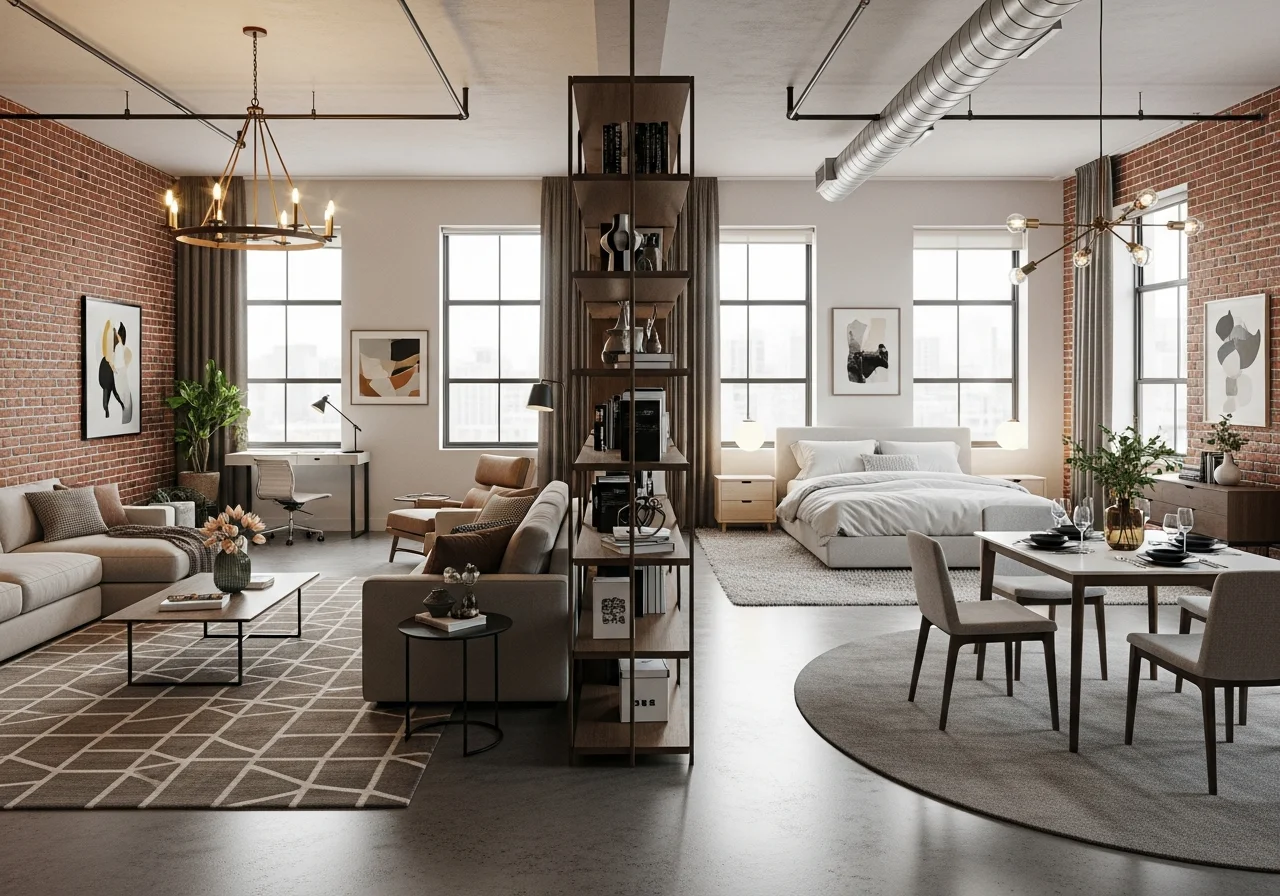
Open-concept small apartment and studio living present unique challenges, requiring distinct zones for different activities. Area rugs serve as one of the most effective tools for defining separate areas. A rug anchoring your seating arrangement visually separates the living area from dining or sleeping zones. Choose rugs proportionate to your furniture grouping, ensuring front furniture legs rest on the rug to create cohesion.
Furniture placement also creates natural boundaries. Position a sofa to delineate the living area from other spaces, perhaps adding a console table behind it to create additional separation and display space. Bookshelves work wonderfully as room dividers, particularly open shelving that maintains visual flow while providing storage and display opportunities on both sides.
Lighting helps establish distinct zones within open spaces. Different light sources for various areas, such as pendant lights over dining spaces and floor lamps in seating areas, create visual distinction without physical barriers. This approach maintains the open feeling while providing functional separation.
Select Appropriately Scaled Furniture
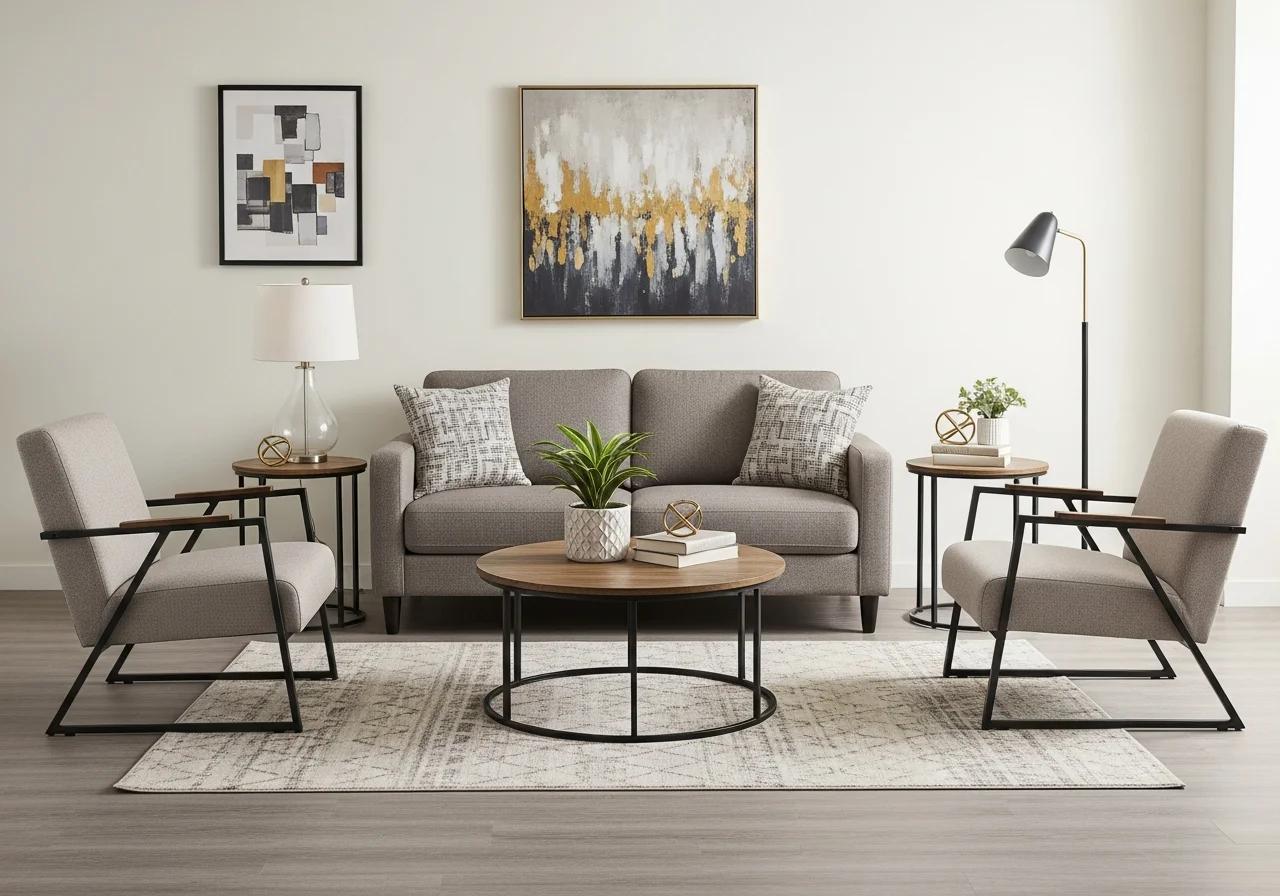
Furniture scale makes or breaks small living room design. Oversized pieces overwhelm compact spaces, while too-small furniture creates a disjointed, uncomfortable appearance. The goal is finding pieces that fit proportionately to your room dimensions. Measure carefully before purchasing, considering not just individual piece dimensions but how they relate to surrounding furniture and architectural elements.
Small Apartment-size furniture offers solutions specifically designed for smaller spaces. These pieces typically feature reduced dimensions without sacrificing comfort, providing full functionality in a compact footprint. Loveseats often serve small living rooms better than full-size sofas, offering comfortable seating for two or three people without dominating the room.
Consider furniture depth as carefully as length. Deep, plush seating may feel comfortable but consumes considerable floor space. Conversely, furniture that is too shallow feels uncomfortable and insubstantial. Test pieces in person when possible, ensuring they provide adequate comfort within appropriate dimensions.
Implement Hidden Storage Solutions
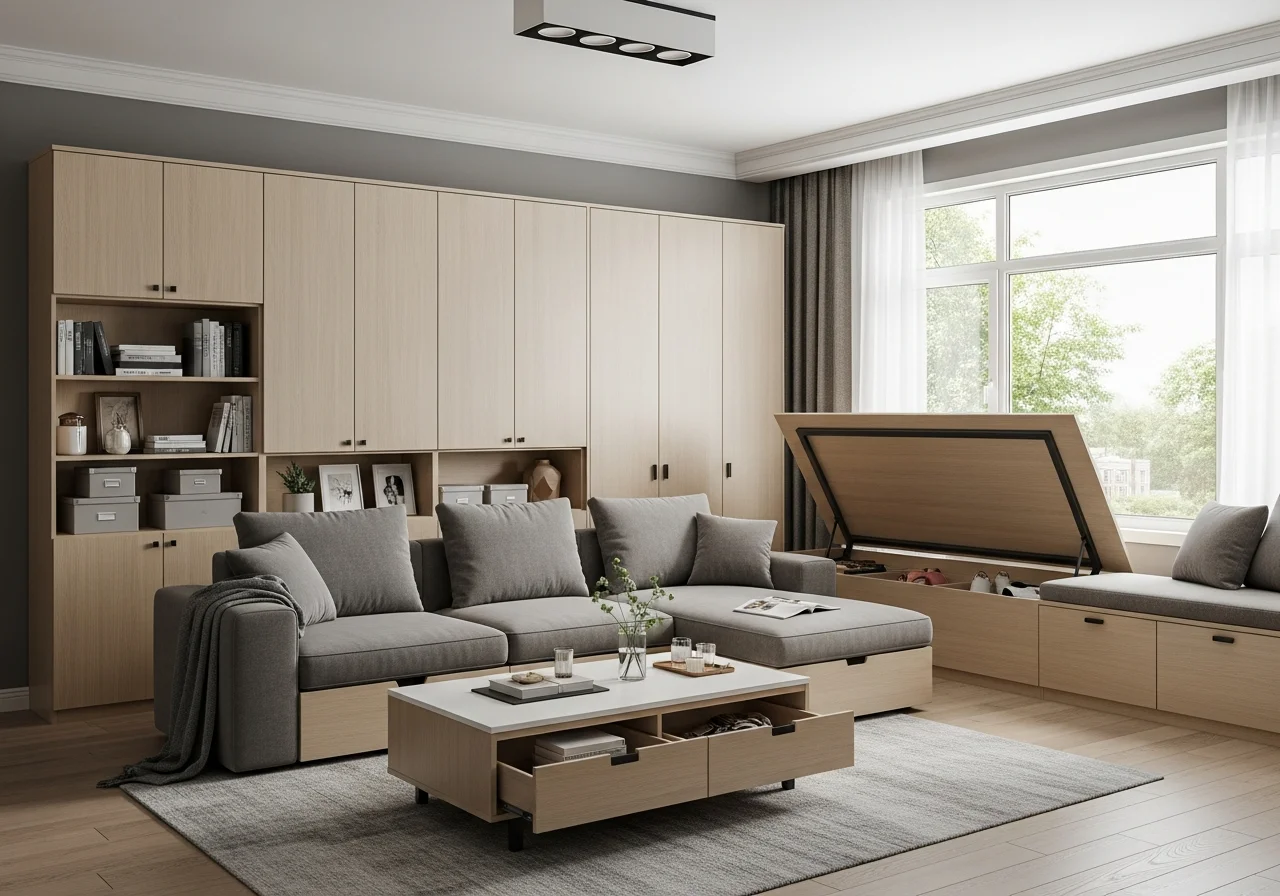
Hidden storage maintains the clean, uncluttered appearance essential in small living rooms. Built-in storage, whether actual built-ins or cleverly designed furniture that mimics this look, provides extensive organization without protruding into living space. Window seats with lift-up lids offer charming seating while concealing seasonal items, extra linens, or toys.
Furniture with concealed storage compartments keeps clutter at bay. Sofas with storage drawers beneath cushions, coffee tables with lift-up tops revealing spacious interiors, and TV consoles with ample cabinet space all contribute to maintaining order. The investment in quality multifunctional pieces pays dividends through reduced clutter and improved aesthetics.
Creative storage solutions transform overlooked spaces into functional areas. The space beneath coffee tables accommodates tuck-away ottomans or decorative baskets filled with blankets. Wall space above doorways and windows holds shelving that provides storage without interfering with floor-level activities. Think three-dimensionally, identifying every possible storage opportunity.
Embrace Minimalist Design Principles
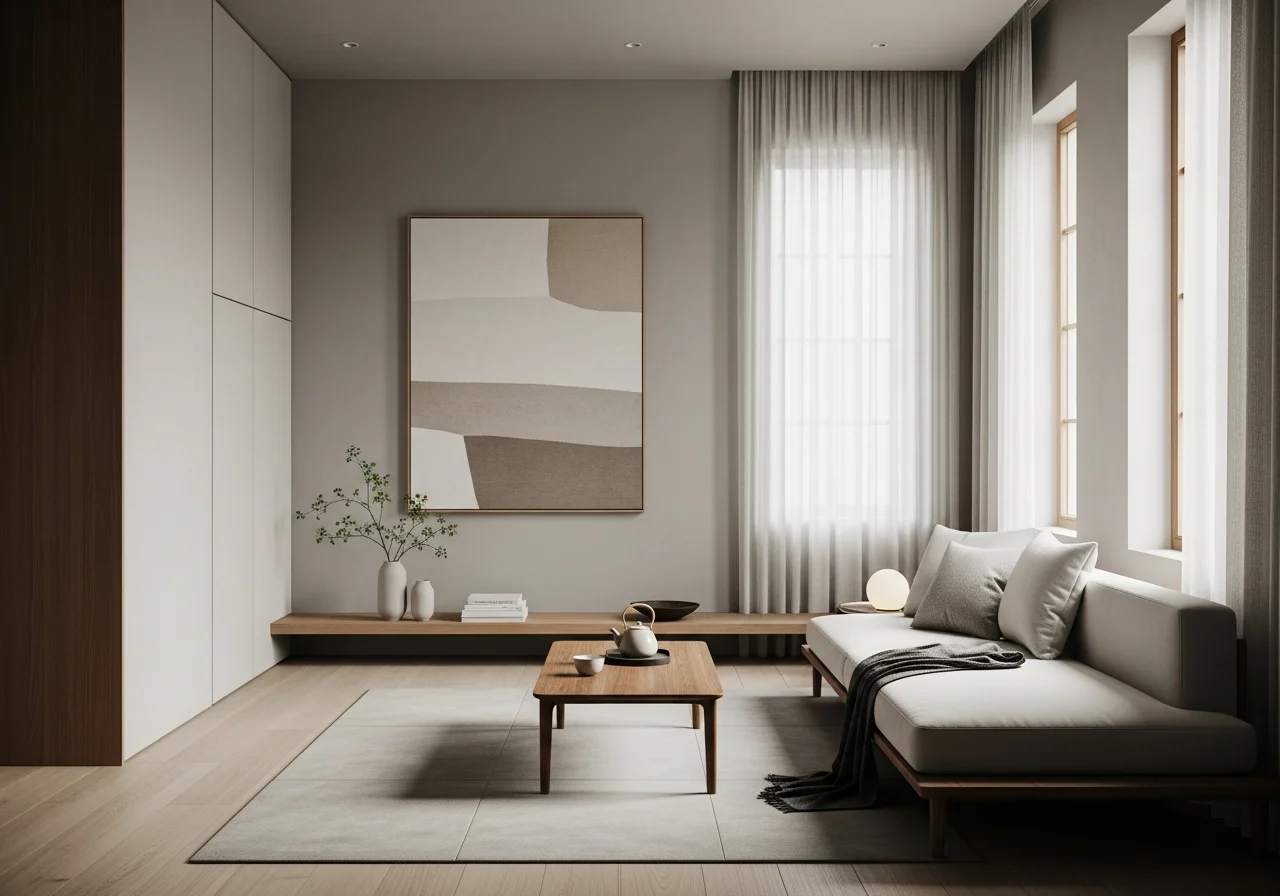
Minimalism serves small spaces exceptionally well, though this does not mean sterile or impersonal environments. Rather, it involves being intentional about what enters your space. Each item should serve a purpose, whether functional, aesthetic, or both. This selectivity prevents the accumulation of clutter that makes small rooms feel chaotic.
Adopt the philosophy that less is more, focusing on quality over quantity. A few well-chosen decorative pieces make stronger statements than numerous small knickknacks. A single large piece of artwork creates impact without the visual fragmentation of gallery walls crowded with frames. This approach allows individual elements to shine while maintaining breathing room.
Minimalist design embraces clean lines and uncluttered surfaces. Keep coffee tables clear except for a few curated items like a beautiful book, Small Apartment plant, or decorative object. Open spaces provide visual rest, making rooms feel larger and more serene. Regular editing ensures your space remains manageable, removing items that no longer serve your needs or bring joy.
Layer Textures and Patterns Thoughtfully
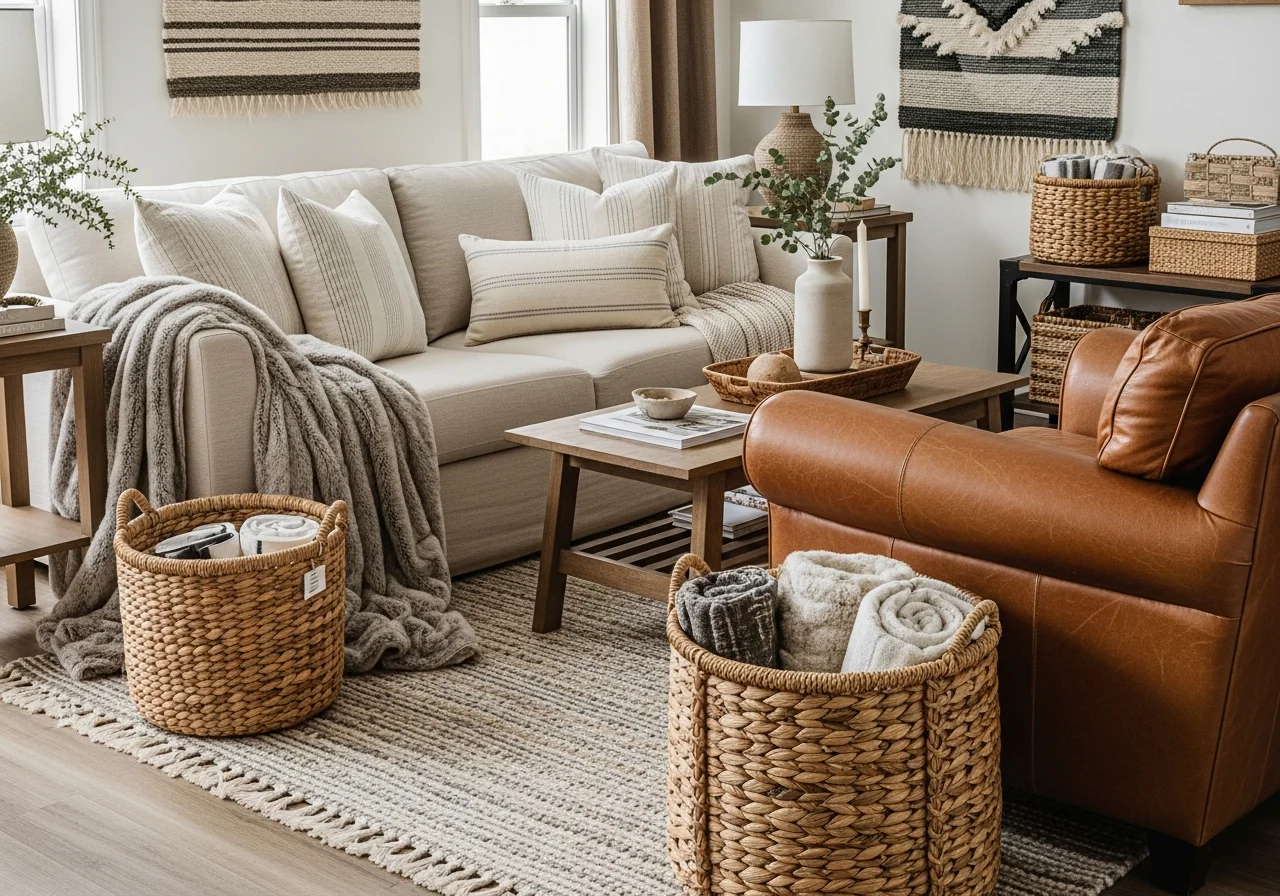
While minimalism guides quantity, texture and pattern provide visual interest without physical clutter. Varied textures create depth and dimension, preventing minimalist spaces from feeling flat or cold. Combine smooth leather with nubby linen, sleek metal with warm wood, and soft textiles with hard surfaces. This layering adds sophistication while maintaining clean aesthetics.
Patterns inject personality and energy into small living rooms. However, in compact spaces, patterns require careful handling to avoid overwhelming the eye. Stick to a cohesive color palette when mixing patterns, allowing the repetition of colors to unify different designs. Vary pattern scales, combining larger prints with smaller geometric patterns for visual interest without chaos.
Consider using pattern strategically in accent pieces like throw pillows, area rugs, or window treatments rather than large furniture. This approach allows flexibility, making it easy to update your look without major expense or effort. Bold patterns work beautifully in Small Apartment spaces when balanced with solid colors and plenty of negative space.
Incorporate Plants and Natural Elements
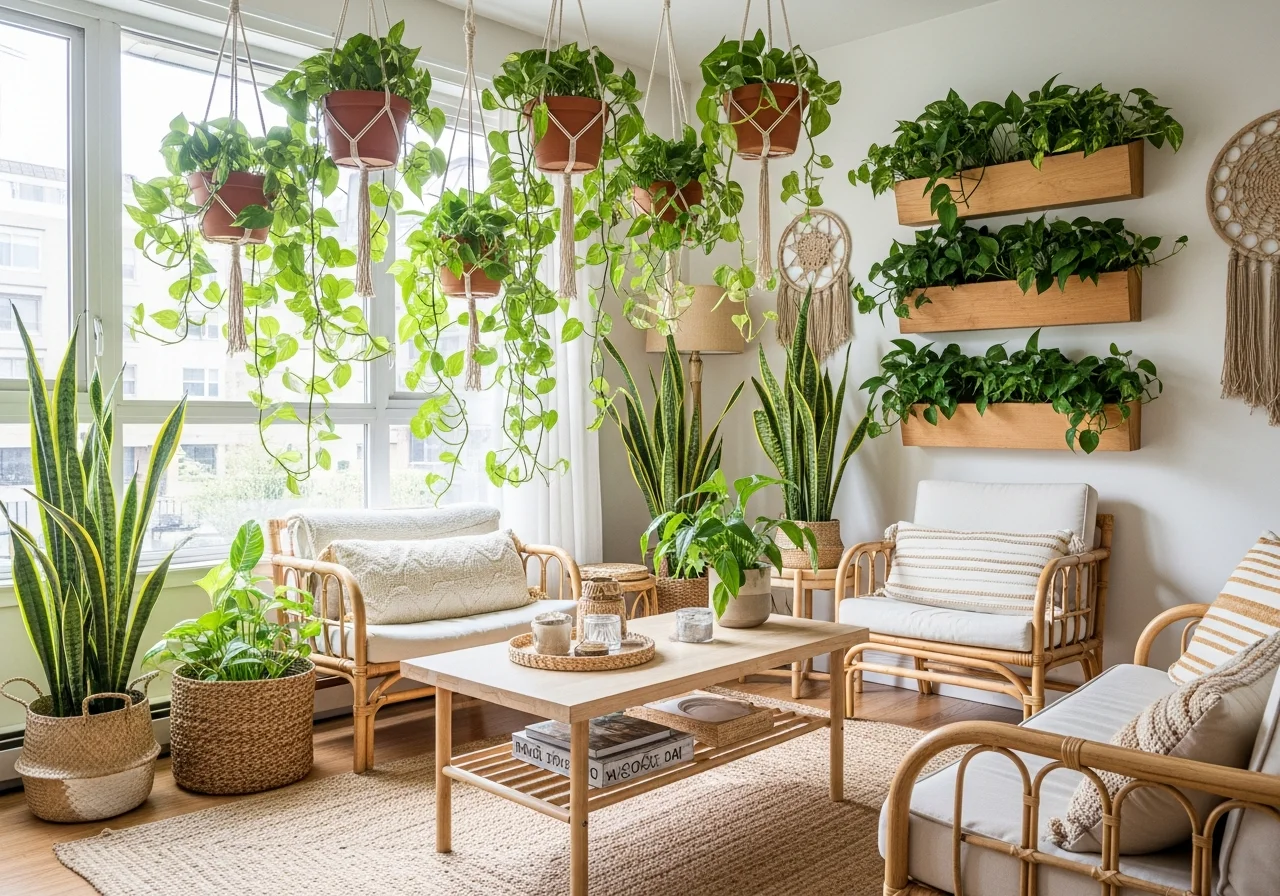
Plants breathe life into Small Apartment living rooms, literally and figuratively improving air quality while adding color and texture. Vertical gardens or wall-mounted planters maximize greenery without consuming floor space. Hanging plants draw the eye upward, emphasizing vertical dimension while introducing organic shapes that soften architectural lines.
Choose plants appropriate to your lighting conditions and maintenance abilities. Low-light plants like pothos, snake plants, or ZZ plants thrive in Small apartment with limited natural light. If you lack a green thumb, high-quality faux plants now offer realistic alternatives that provide visual benefits without care requirements.
Natural materials extend beyond plants to include wood, stone, rattan, and other organic elements. These materials add warmth and texture while creating connections to nature that promote relaxation. A wooden coffee table, woven baskets for storage, or a jute area rug introduces natural elements that make spaces feel grounded and inviting.
Utilize Transparent and Armless Furniture
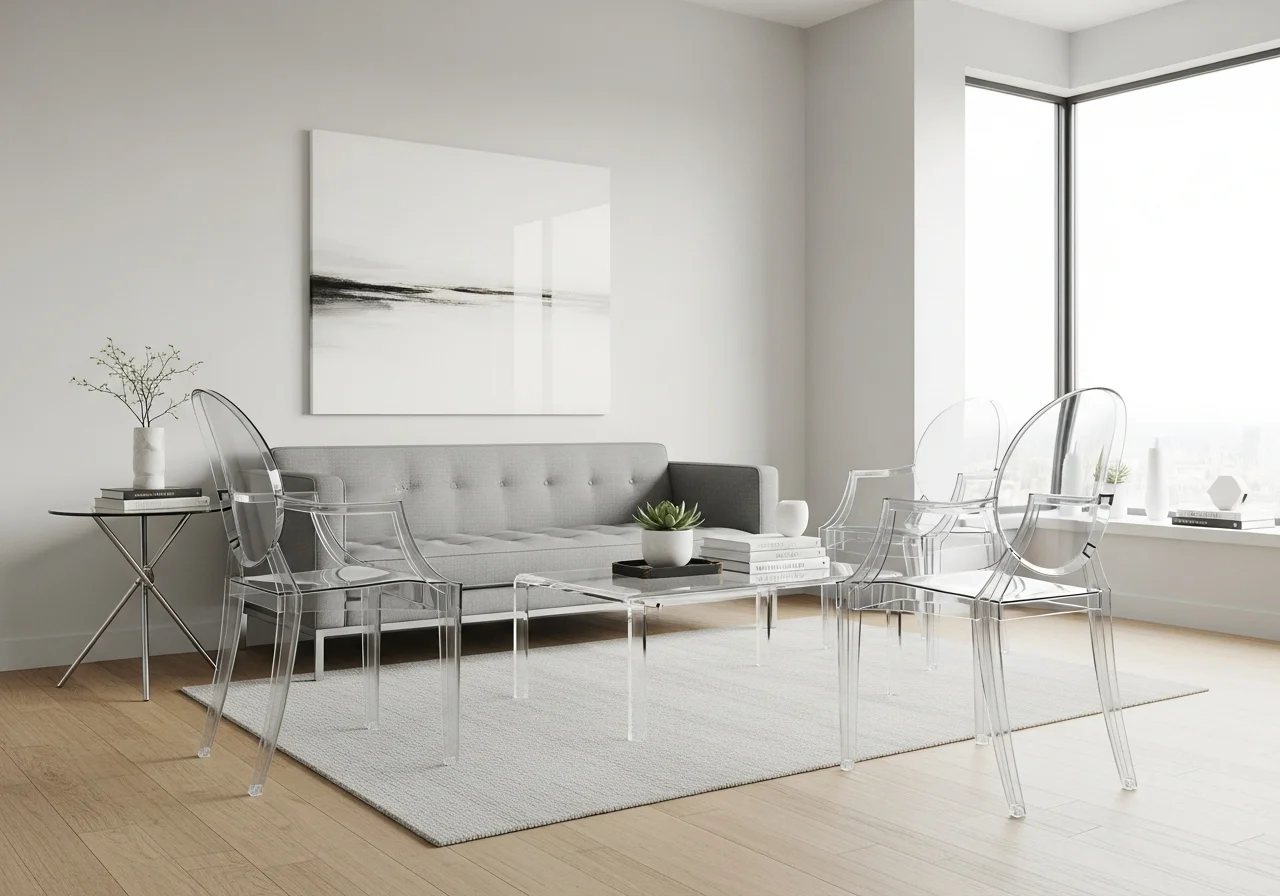
Transparent furniture creates a magical effect in Small Apartment living rooms, providing necessary function while visually disappearing. Acrylic or glass coffee tables offer surfaces for drinks and books without blocking sight lines across the room. Ghost chairs provide seating that seems to float, maintaining open visual flow. While often more expensive than traditional options, these pieces deliver significant visual spaciousness.
Armless furniture reduces bulk while maintaining functionality. Armless sofas and chairs present streamlined silhouettes that consume less space both physically and visually. This style also offers flexibility, as armless pieces arrange more easily in various configurations. You can position them closer together when entertaining or spread them apart for everyday use.
Consider mixing armless and armed pieces to balance comfort with space efficiency. Perhaps an armless sofa paired with a comfortable armed accent chair provides the best of both approaches. Test different combinations to find what works for your specific needs and spatial constraints.
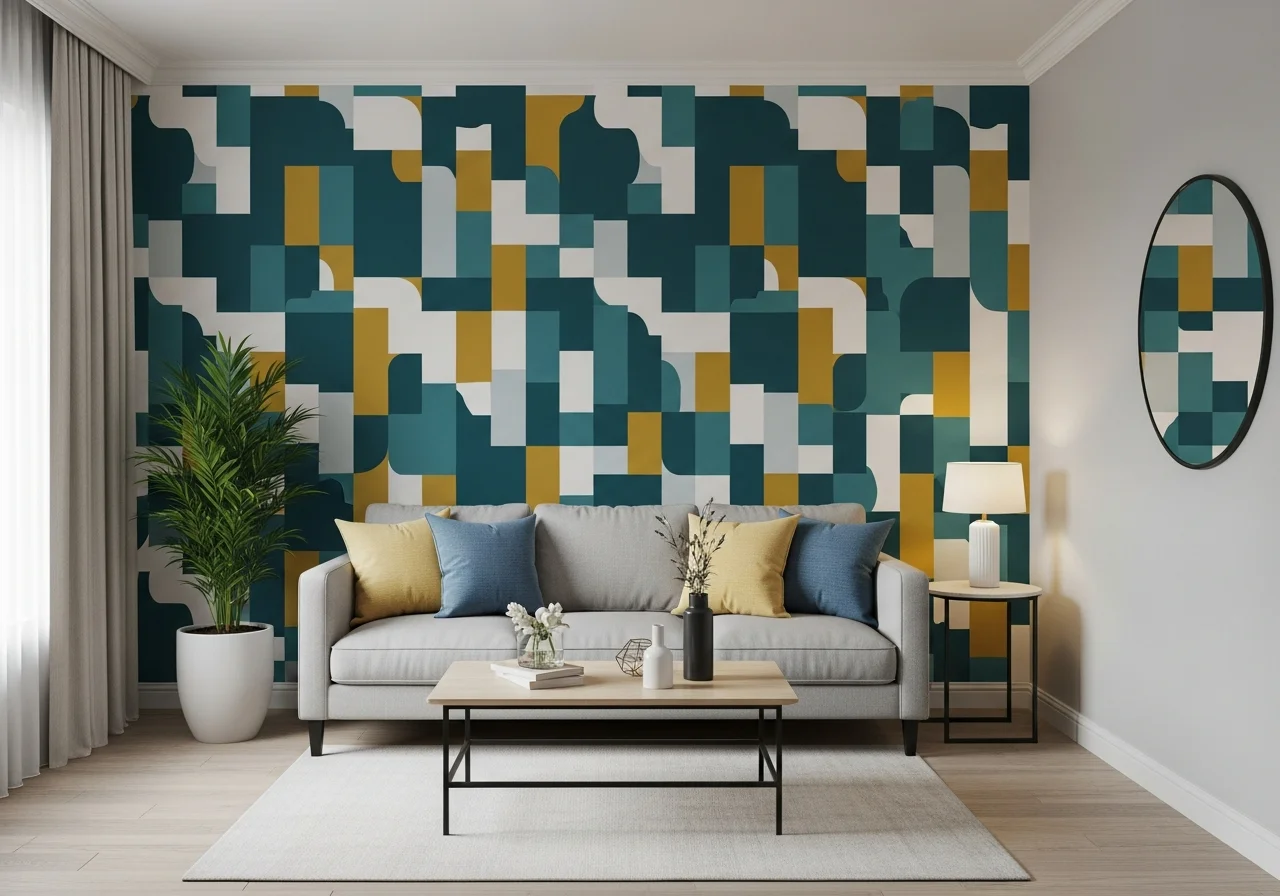
Add Personality Through Removable Wallpaper and Accent Walls
Renters and homeowners alike benefit from removable wallpaper, which allows bold design statements without permanent commitment. These temporary treatments come in countless patterns, from subtle textures to dramatic murals. An accent wall created with removable wallpaper adds personality and visual interest, drawing focus and creating depth.
Accent walls work particularly well in Small Apartment spaces when applied thoughtfully. Consider wallpapering the wall behind your sofa, creating a focal point that anchors the room. Alternatively, an accent wall opposite the entrance draws the eye forward, making the room feel deeper. Limit accent treatments to single walls to avoid overwhelming compact spaces.
Color blocking with paint offers another temporary way to add interest. Painting one wall a bold color while keeping others neutral creates dimension without busy patterns. This technique costs little but dramatically transforms spaces, offering easy updates as tastes evolve.
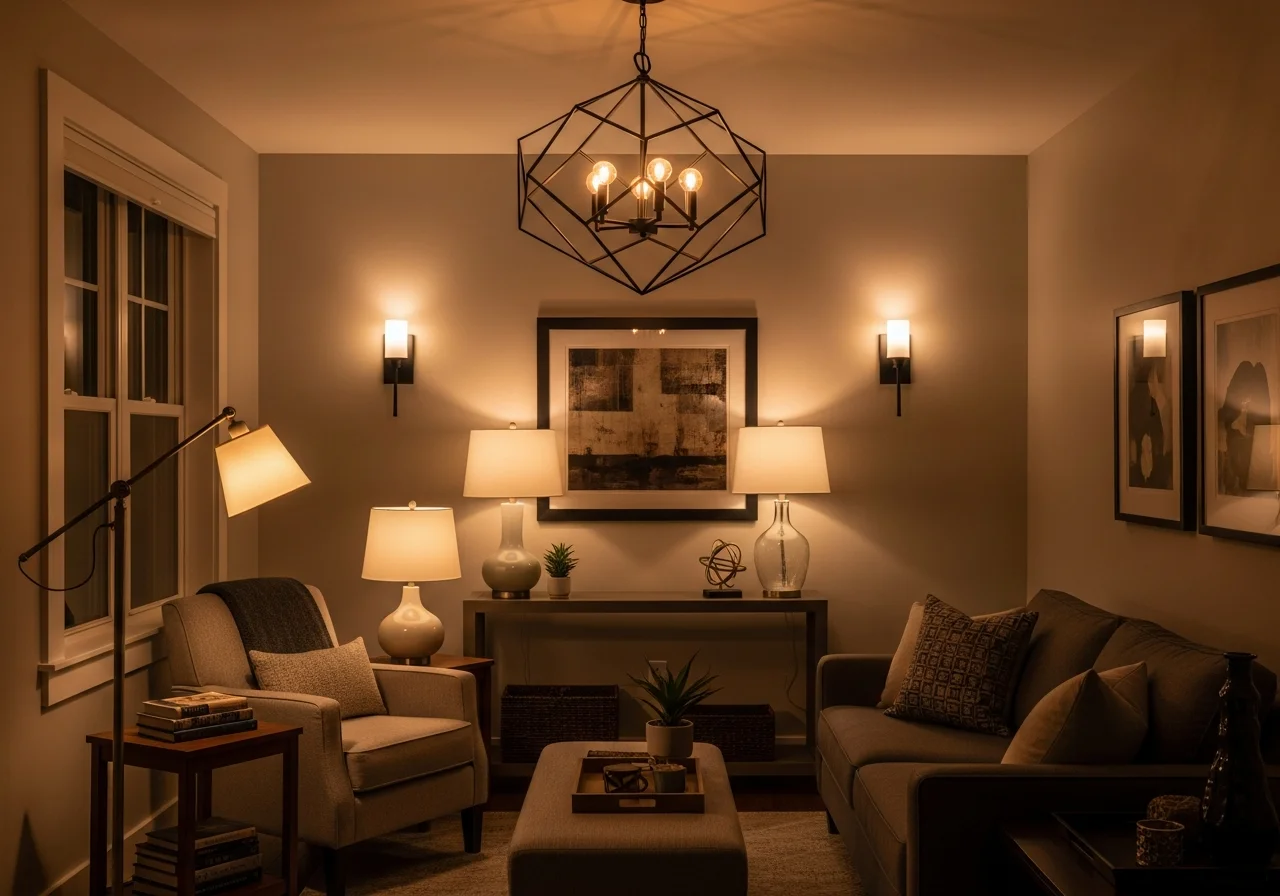
Optimize Lighting with Layered Approaches
Lighting dramatically affects how spacious and welcoming small living rooms feel. Layer different light sources at various heights to create depth and eliminate dark corners. Overhead lighting provides general illumination, floor lamps offer task lighting for reading, and table lamps create ambient warmth. This variety allows adjustment for different activities and moods.
Consider replacing standard overhead fixtures with statement pieces that draw the eye upward. A striking chandelier or pendant light emphasizes ceiling height while providing necessary illumination. Wall sconces free up floor and table space while adding architectural interest. These fixtures also direct light upward, bouncing illumination off ceilings to enhance the sense of height.
Smart lighting systems allow customization of brightness and color temperature throughout the day. Brighter, cooler light energizes morning routines, while warmer, dimmer light creates evening relaxation. This adaptability maximizes functionality without requiring multiple fixtures.

Create Gallery Walls with Purpose
Gallery walls add personality and visual interest to small living rooms when executed thoughtfully. Rather than covering entire walls with frames, create curated collections that tell stories. A unified color scheme or frame style creates cohesion even with varied artwork. Black and white photography presented in matching black frames creates impact without color competition.
Scale matters in gallery walls. In small spaces, fewer large pieces often work better than numerous small ones. A grid of four to six medium-sized frames creates statement impact without overwhelming walls. Leave breathing room around groupings, ensuring the wall does not feel cluttered.
Consider alternatives to traditional framed art. Floating shelves displaying a rotating collection of objects, photographs, and Small Apartment artworks offer flexibility. This approach allows easy updates and prevents the commitment of nail holes, particularly appealing to renters.
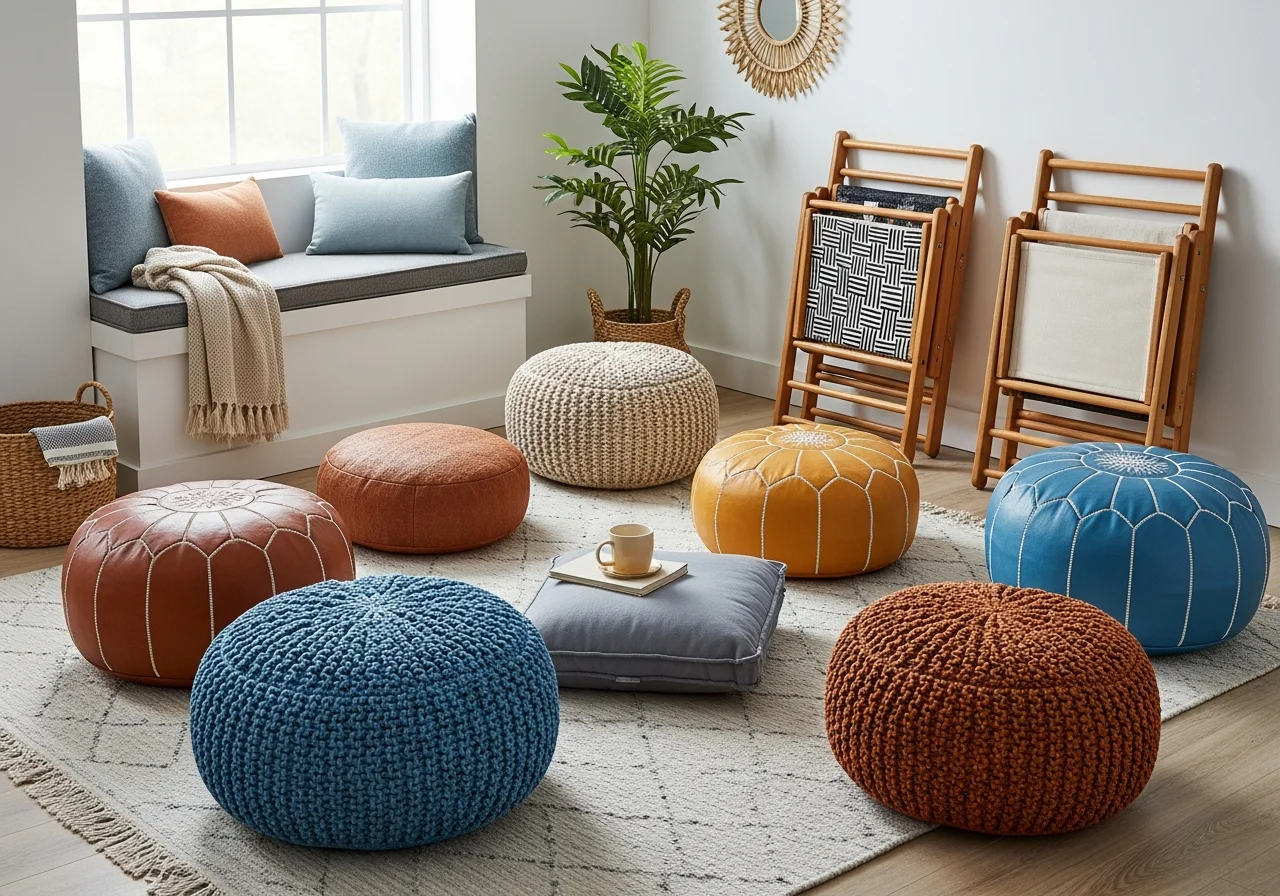
Incorporate Flexible Seating Options
Flexibility proves essential in small living rooms that serve multiple purposes. Poufs and floor cushions provide additional seating when entertaining, then tuck away when not needed. These lightweight options move easily, adapting to changing needs throughout the day. Look for poufs that double as storage, providing hidden compartments for blankets or toys.
Folding chairs stored in closets emerge when needed, then disappear to maintain open space. Modern folding chairs come in stylish designs that complement decor rather than looking utilitarian. Consider those that hang on walls for easy access and space-efficient storage.
Bench seating along walls or under windows provides flexible options. A bench with storage cushions serves as seating, storage, and potential coffee table alternative. These versatile pieces work particularly well in narrow rooms where traditional furniture arrangements prove challenging.

Establish a Cohesive Color Palette
Color cohesion creates visual calm and spaciousness in small living rooms. Select a base palette of two or three colors, then add accent colors sparingly. This restraint prevents the visual fragmentation that makes Small Apartment spaces feel chaotic. Neutrals like white, gray, and beige provide timeless foundations that allow accent colors to shine.
Monochromatic color schemes, using various shades of a single color, create sophisticated, spacious-feeling rooms. Different tones add depth without the abrupt transitions that break up space. A room featuring various shades of blue, from pale sky to deep navy, feels cohesive and serene while offering visual interest.
When introducing accent colors, repeat them throughout the room. If choosing yellow accents, incorporate yellow in throw pillows, artwork, and decorative objects. This repetition creates intentional design rather than random color placement, tying the room together visually.
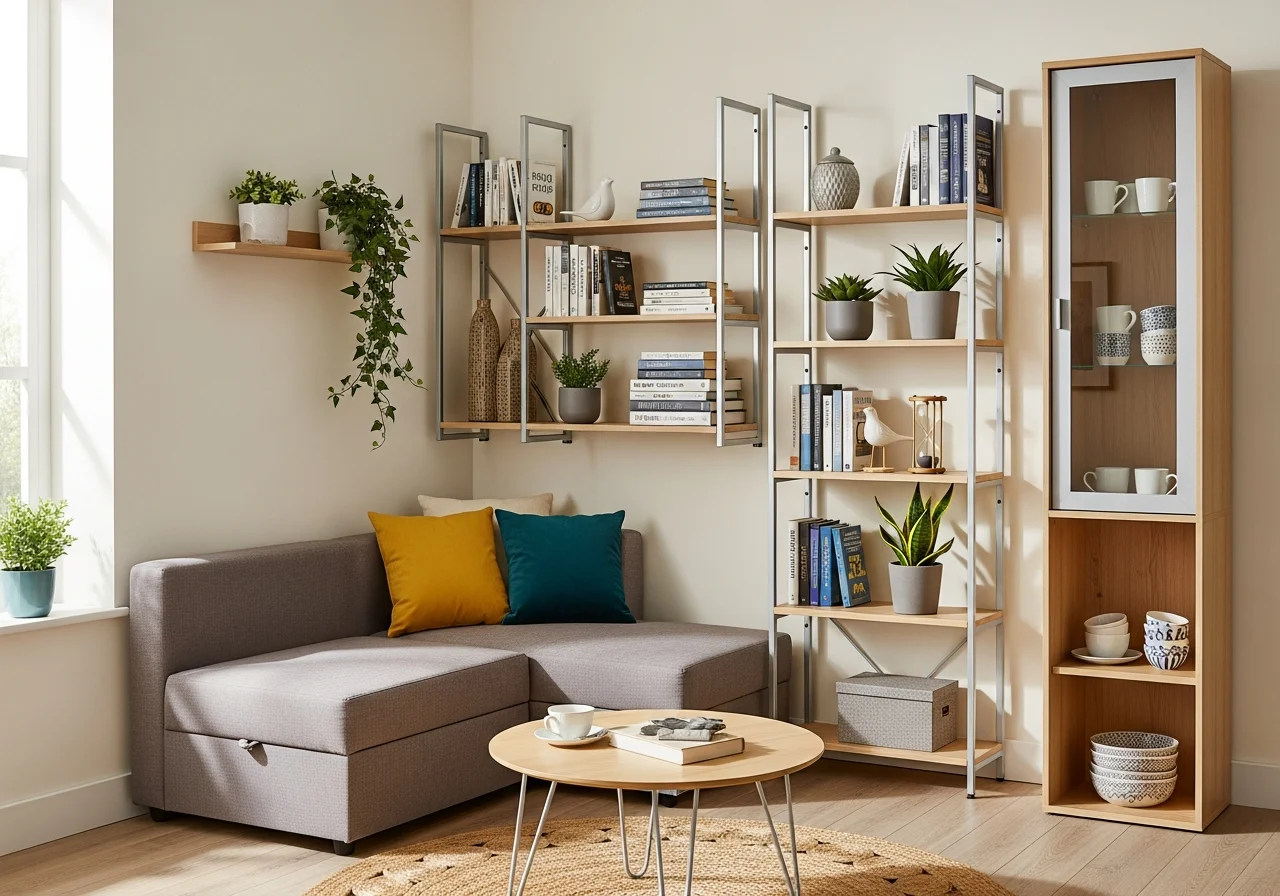
Maximize Corner Spaces
Corners often go underutilized in Small Apartment living rooms, yet they offer valuable opportunities. Corner shelving units provide extensive storage without protruding into the room. These installations work particularly well for displaying books, plants, and decorative objects. Corner TV stands position entertainment centers efficiently, freeing up longer walls for seating.
Corner sectionals, as mentioned earlier, transform awkward angles into cozy seating areas. Alternatively, a corner chair with a small side table creates an intimate reading nook. These arrangements make corners feel purposeful rather than wasted, contributing to overall room functionality.
Tall corner cabinets provide storage without consuming floor space. These vertical solutions work especially well in rooms lacking wall space for traditional furniture. Look for pieces with doors to conceal clutter while maintaining clean lines.
Maintain Clear Pathways and Flow
Traffic flow significantly impacts how functional small living rooms feel. Ensure clear pathways between entry points and seating areas, typically maintaining at least 30 inches of clearance. This spacing allows comfortable movement without feeling squeezed between furniture pieces. Consider how you naturally move through the space, positioning furniture to enhance rather than obstruct these patterns.
Avoid creating obstacles in the middle of the room. Coffee tables should sit close enough to seating for convenience but allow easy movement around them. Test your layout by actually walking through the space before finalizing arrangements. If you constantly navigate around furniture, reconsider the configuration.
Consider sightlines from various positions. When entering the room, what draws your attention? Does the arrangement invite you in or create barriers? These subjective assessments prove as important as measurements in creating welcoming, functional spaces.
Conclusion
Designing a beautiful, functional small apartment living room requires creativity, planning, and strategic decision-making. By implementing these twenty ideas, you transform spatial limitations into opportunities for innovative design. Multifunctional furniture maximizes utility without sacrificing style. Vertical storage solutions capitalize on often-overlooked wall space. Thoughtful color choices and strategic lighting create the illusion of expansiveness. Transparent and appropriately scaled furniture maintains visual flow while providing necessary function.
Remember that successful small space design balances aesthetics with practicality. Every element should serve a purpose, whether functional, decorative, or ideally both. Regular editing prevents clutter accumulation that undermines even the best-designed spaces. Most importantly, your living room should reflect your personality and support your lifestyle, regardless of square footage.
Small apartment living rooms offer unique opportunities to create intentional, curated spaces where every element matters. Embrace the constraints as creative challenges rather than limitations. With careful planning and the strategies outlined here, your compact living room can become a beautiful, comfortable sanctuary that feels spacious, welcoming, and distinctly yours.
Frequently Asked Questions
How can I make my small apartment living room look bigger?
Use light colors on walls and ceilings, incorporate mirrors to reflect light and create depth, choose furniture with exposed legs, and maintain clear pathways. Limiting clutter, maximizing natural light, and selecting appropriately scaled furniture all contribute to a more spacious feeling. Vertical storage draws the eye upward, emphasizing height rather than limited floor space.
What size sofa works best in a small living room?
Apartment-size sofas or loveseats typically measure 60 to 72 inches in length, fitting small spaces better than standard 84-inch sofas. Consider depth as carefully as length, and look for models with exposed legs that create visual flow. Armless options reduce bulk while maintaining seating capacity, and sectionals can sometimes work better than traditional sofa-and-chair combinations.
Should I use dark colors in a small living room?
Dark colors can work beautifully in small spaces when applied thoughtfully. Deep, saturated hues create intimate, cocooning environments that feel intentionally small rather than cramped. Balance dark walls with adequate lighting, lighter accents, and strategic use of mirrors. However, lighter colors remain the safer choice for maximizing perceived spaciousness.
How do I arrange furniture in a narrow living room?
Emphasize the longer walls by placing your main seating piece along one side and a slim console or shelving along the other. Avoid blocking the length with furniture positioned perpendicular to long walls. Use the narrow ends for accent chairs or small tables, and consider dividing the space into zones with area rugs if the room is particularly long.
What are the best storage solutions for small living rooms?
Multifunctional furniture with hidden storage, such as ottomans, coffee tables with lift-tops, and sofas with under-cushion compartments, maximizes storage without consuming extra space. Vertical solutions including floor-to-ceiling shelving, wall-mounted cabinets, and floating shelves utilize often-wasted wall space. Look for furniture that serves multiple purposes, ensuring every piece contributes to your storage needs.