29 Small Living Room Decorating Ideas That Feel Bigger Instantly
Living in a compact space does not mean sacrificing style or comfort. Whether you are dealing with a studio apartment, a cozy bungalow, or simply a modest living area, the right decorating strategies can transform your small living room into an inviting retreat that feels surprisingly spacious. The secret lies not in physically expanding your space but in understanding how to manipulate perception through intentional design choices.
Many homeowners feel constrained by limited square footage, assuming their decorating options are equally limited. This misconception leads to cramped arrangements, dark corners, and furniture that overwhelms rather than enhances. The truth is that small living rooms present unique opportunities for creativity and thoughtful design. By applying strategic decorating principles, you can create the illusion of more space while maximizing functionality and aesthetic appeal.
This comprehensive guide presents 29 proven small living room decorating ideas that interior designers rely on to make compact spaces feel open, airy, and welcoming. From furniture selection and placement to lighting techniques and color strategies, these approaches work together to expand your room visually while maintaining comfort and personality. Whether you prefer minimalist simplicity or layered textures, these ideas will help you design a living room that feels bigger instantly.
Choose Furniture at the Right Scale
One of the most common mistakes in small living room design involves selecting furniture that is disproportionate to the space. Oversized sofas and bulky armchairs might look inviting in showrooms, but they quickly consume precious floor area and create a cramped atmosphere. The solution is not to fill your room with tiny furniture pieces that feel uncomfortable, but rather to select appropriately scaled items that fit your space harmoniously.
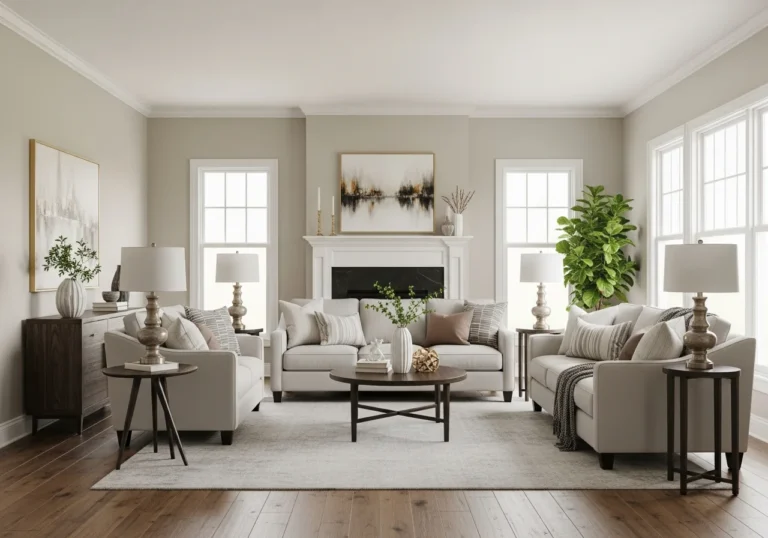
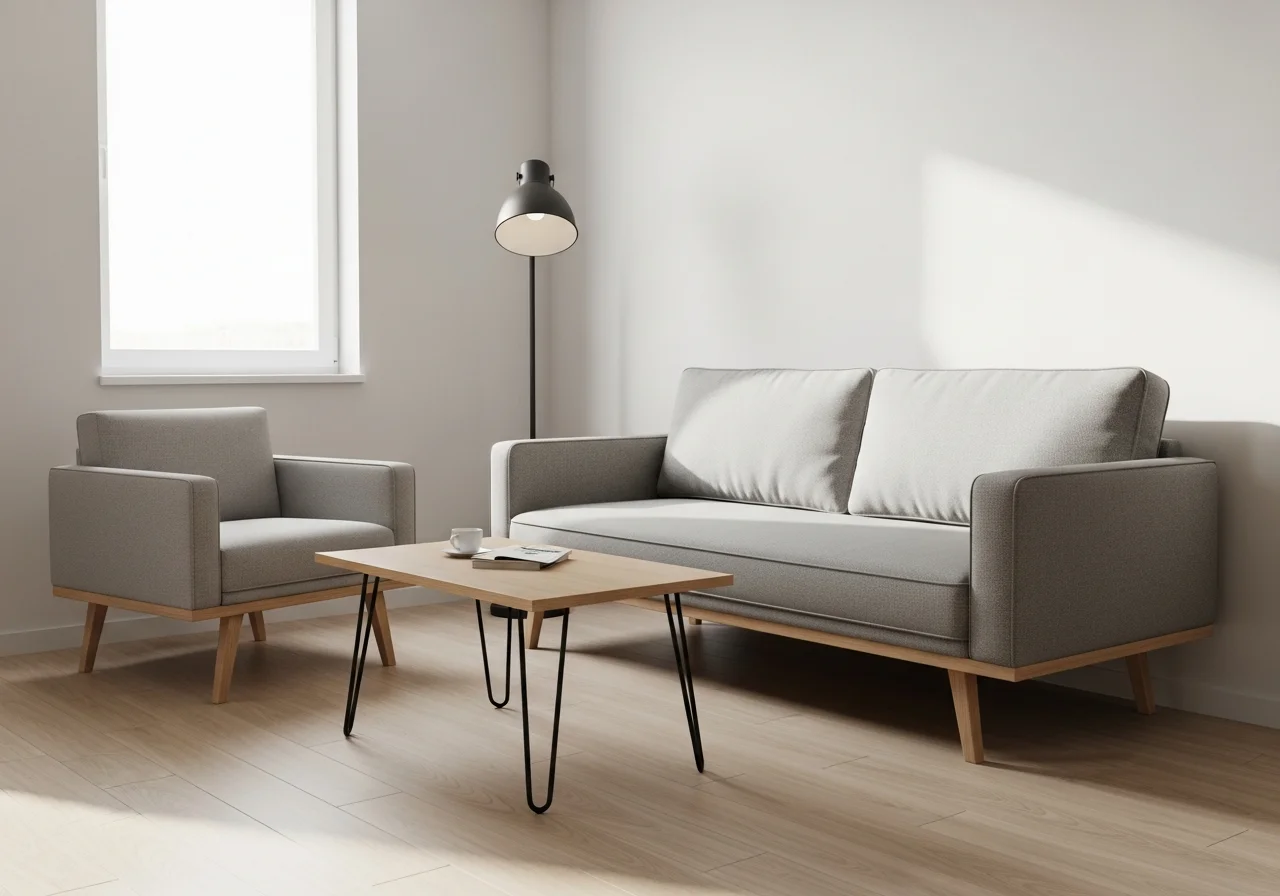
Look for sofas with clean lines and exposed legs that allow visual flow underneath. This creates the impression of more floor space compared to skirted sofas that sit directly on the ground. Armless or low-arm chairs offer seating without the visual bulk of traditional oversized recliners. Consider measuring your room carefully and choosing furniture that leaves adequate walking paths, typically at least 24 to 30 inches between pieces.
Multifunctional furniture becomes particularly valuable in compact spaces. Storage ottomans serve as footrests, extra seating, and concealed storage for blankets or magazines. Nesting tables provide surface area when needed but tuck away to free up floor space. Some console tables feature drop leaves that extend for dining or work surfaces, then fold down to minimize their footprint during regular use.
Embrace Light Color Palettes
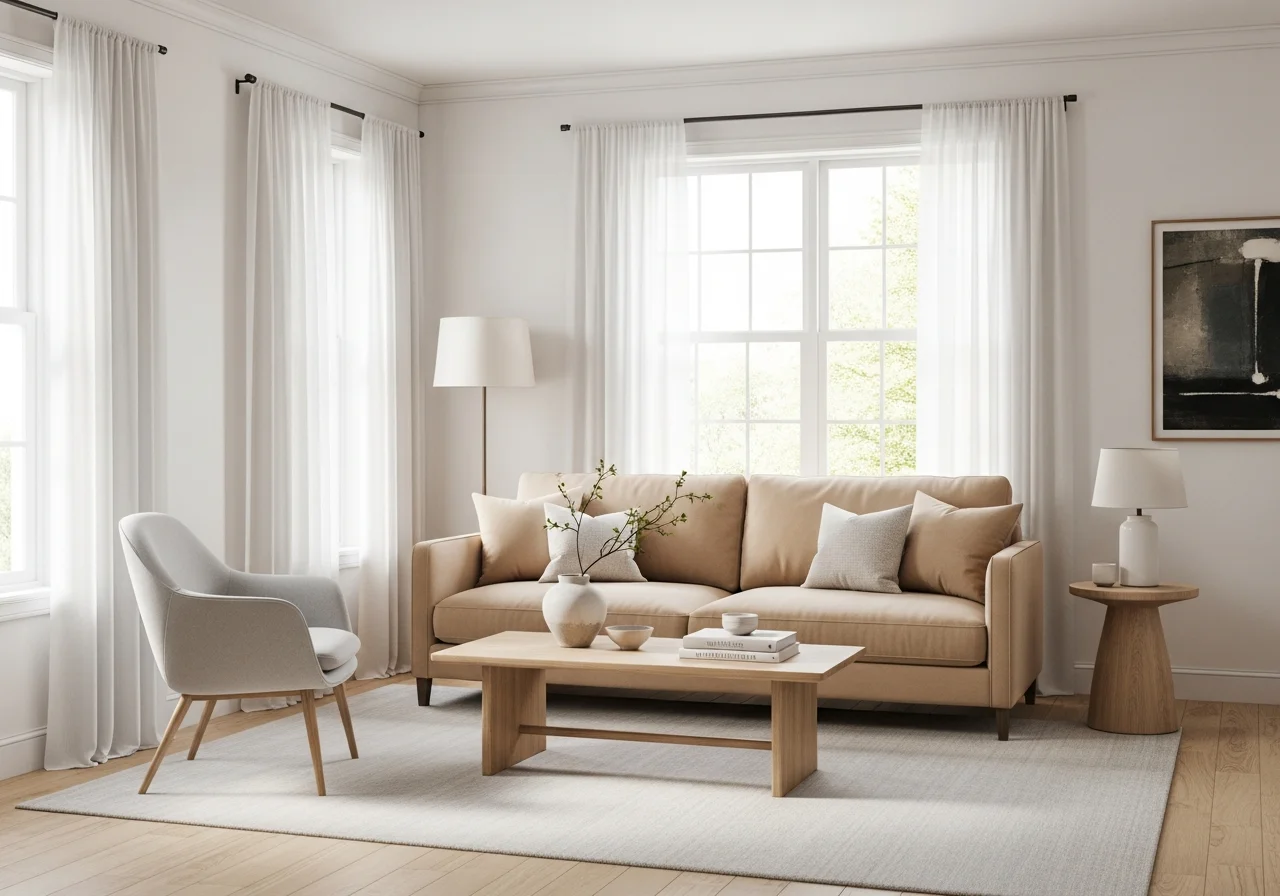
Color significantly impacts how we perceive spatial dimensions. Light, neutral tones naturally make rooms feel more expansive and open by reflecting light rather than absorbing it. This does not mean your entire room must be stark white, but incorporating lighter shades as your foundation creates an airy backdrop that expands visual boundaries.
Soft whites, warm beiges, gentle grays, and pale pastels work beautifully as wall colors in small living rooms. These hues create continuity that allows the eye to travel uninterrupted across surfaces, making the space feel unified rather than chopped up. When walls, trim, and even ceilings share similar light tones, the boundaries between surfaces blur slightly, creating the perception of greater volume.
That said, small rooms can absolutely accommodate color. Consider using a deeper, richer tone on a single accent wall while keeping other surfaces light. This creates depth and interest without overwhelming the space. You can also introduce color through furniture, artwork, pillows, and accessories while maintaining light walls that expand the room visually. The key is balance, ensuring that darker elements enhance rather than dominate your design.
Maximize Natural Light
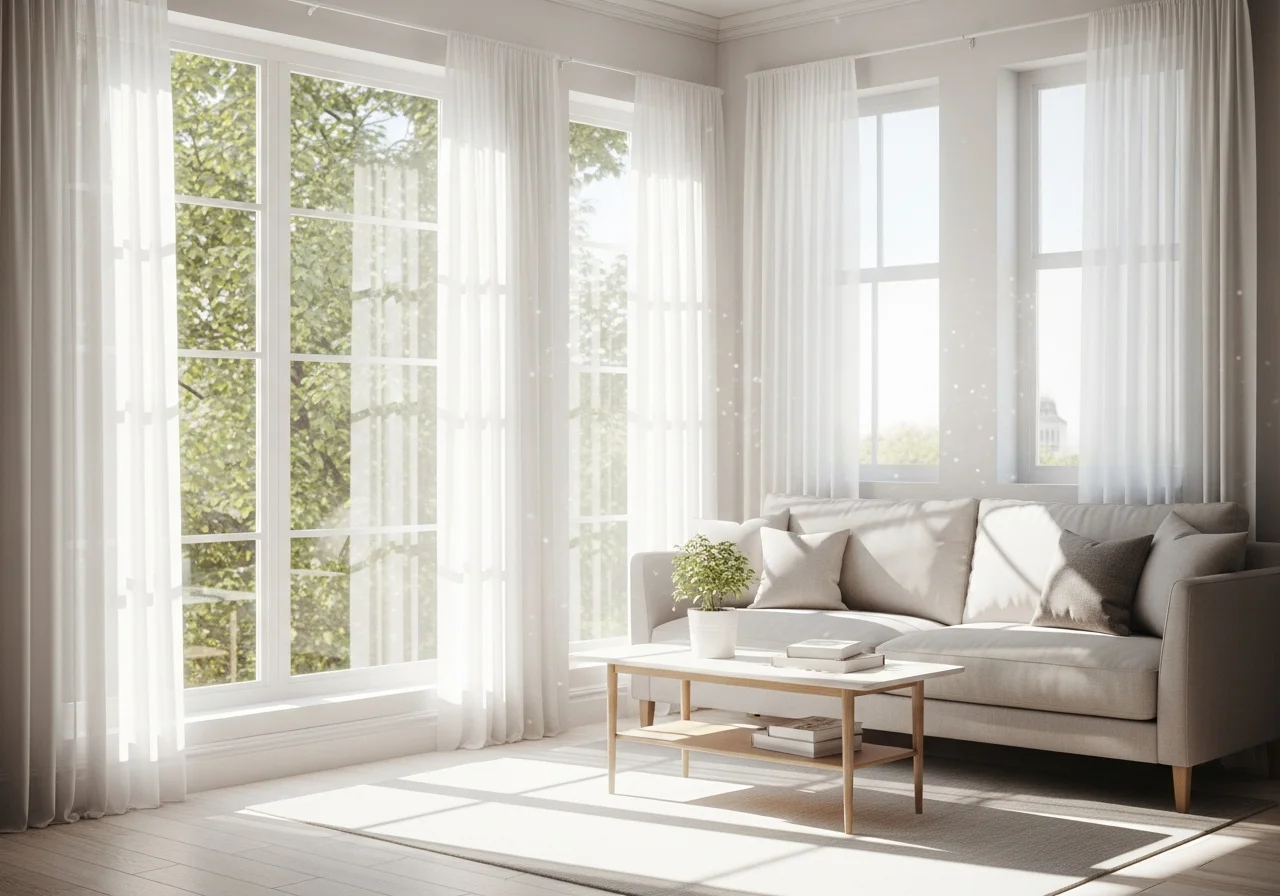
Natural light is perhaps your greatest ally in making a small living room feel larger. Sunlight naturally expands space by illuminating corners, highlighting textures, and creating an open, welcoming atmosphere. Unfortunately, many small living rooms suffer from inadequate windows or improper window treatments that block available light.
Start by evaluating your window treatments. Heavy drapes in dark fabrics can make a room feel cave-like regardless of its actual size. Replace them with sheer curtains or lightweight linen panels that filter light gently while maintaining privacy. Mount curtain rods as close to the ceiling as possible and let panels extend to the floor. This vertical line draws the eye upward, creating the impression of taller walls and greater height.
If privacy allows, consider leaving windows completely undressed or opting for minimal treatments like simple roller shades that disappear when raised. Clean windows regularly to ensure maximum light transmission. Position furniture to avoid blocking windows whenever possible, and consider how natural light flows through your space at different times of day when arranging your layout.

Strategic Mirror Placement
Mirrors are magical tools in small space design because they literally double what you see. A well-placed mirror can transform a cramped room into an airy space by reflecting light, views, and architectural features. The key lies in positioning mirrors strategically rather than randomly hanging them on any available wall.
The most effective placement positions a large mirror directly opposite a window. This arrangement reflects natural light throughout the room and creates the illusion of an additional window, essentially doubling your perceived square footage. The reflection also brings outdoor views inside, extending your visual boundaries beyond the physical walls.
Floor to ceiling mirrors or oversized wall mirrors create dramatic impact in small living rooms. Consider placing a substantial mirror behind a sofa or on a narrow wall to add depth. Mirrored furniture pieces, such as coffee tables with glass tops or side tables with mirrored surfaces, serve the same function while providing practical surface area. Even a collection of smaller mirrors arranged in a gallery wall creates reflective moments throughout the space without requiring one large investment piece.
Utilize Vertical Space Effectively
When floor space is limited, looking upward offers valuable real estate for storage and decoration. Most people underutilize the vertical dimension of their living rooms, leaving walls bare above eye level while cramming furniture and accessories into the lower portion of the room. This creates a bottom-heavy appearance that makes ceilings feel lower and rooms feel smaller.
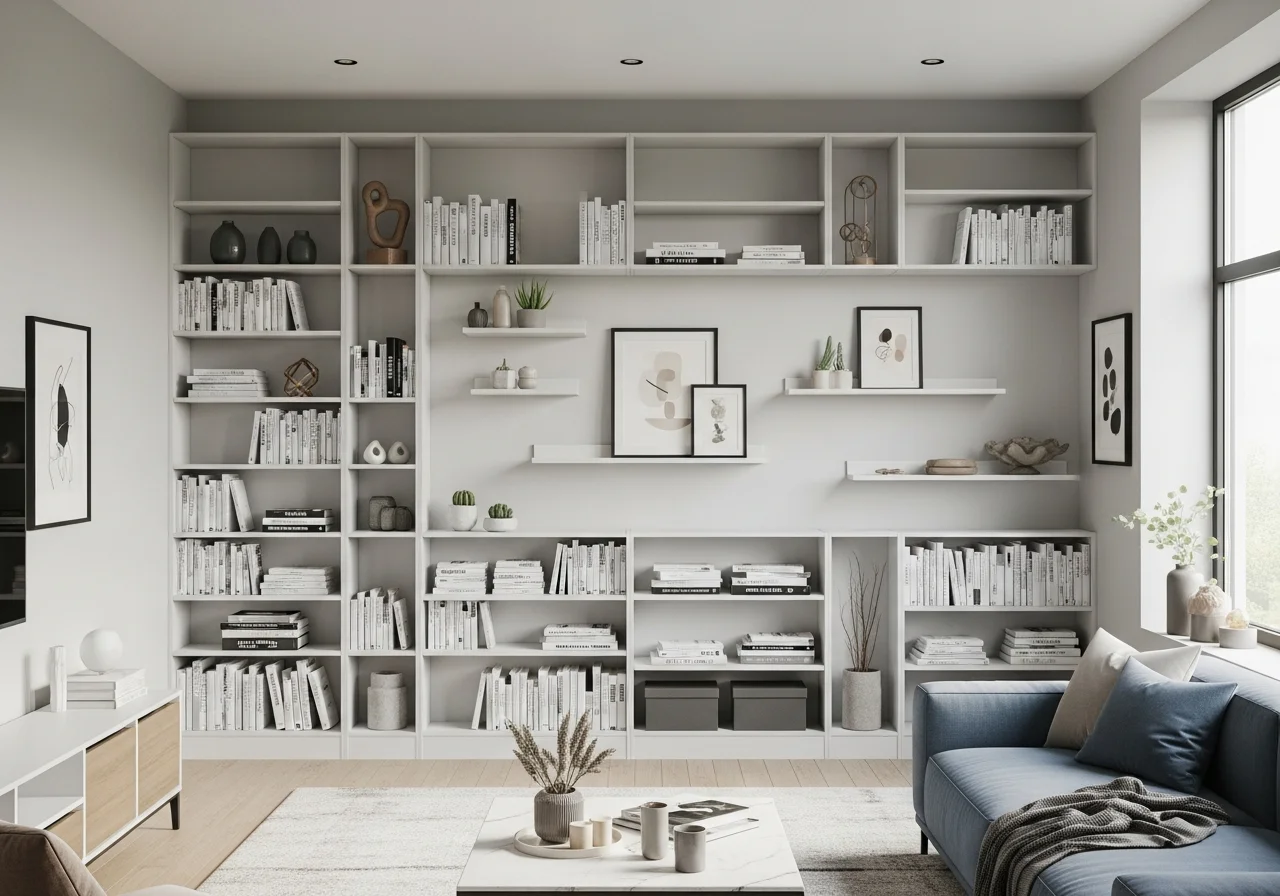
Floor to ceiling bookshelves draw the eye upward and provide extensive storage without consuming much floor area. These tall units create the impression of higher ceilings while offering practical storage for books, decorative objects, and media components. Paint them the same color as your walls to make them recede visually, or choose a contrasting color to make them architectural features.
Wall-mounted shelves eliminate the need for bulky bookcases and storage units. Floating shelves maintain an open feeling beneath while providing display space for plants, artwork, and personal items. Install them at varying heights to create visual interest and guide the eye upward through the room. Consider extending shelving or storage solutions right up to the ceiling rather than stopping at standard height.
Create Defined Zones
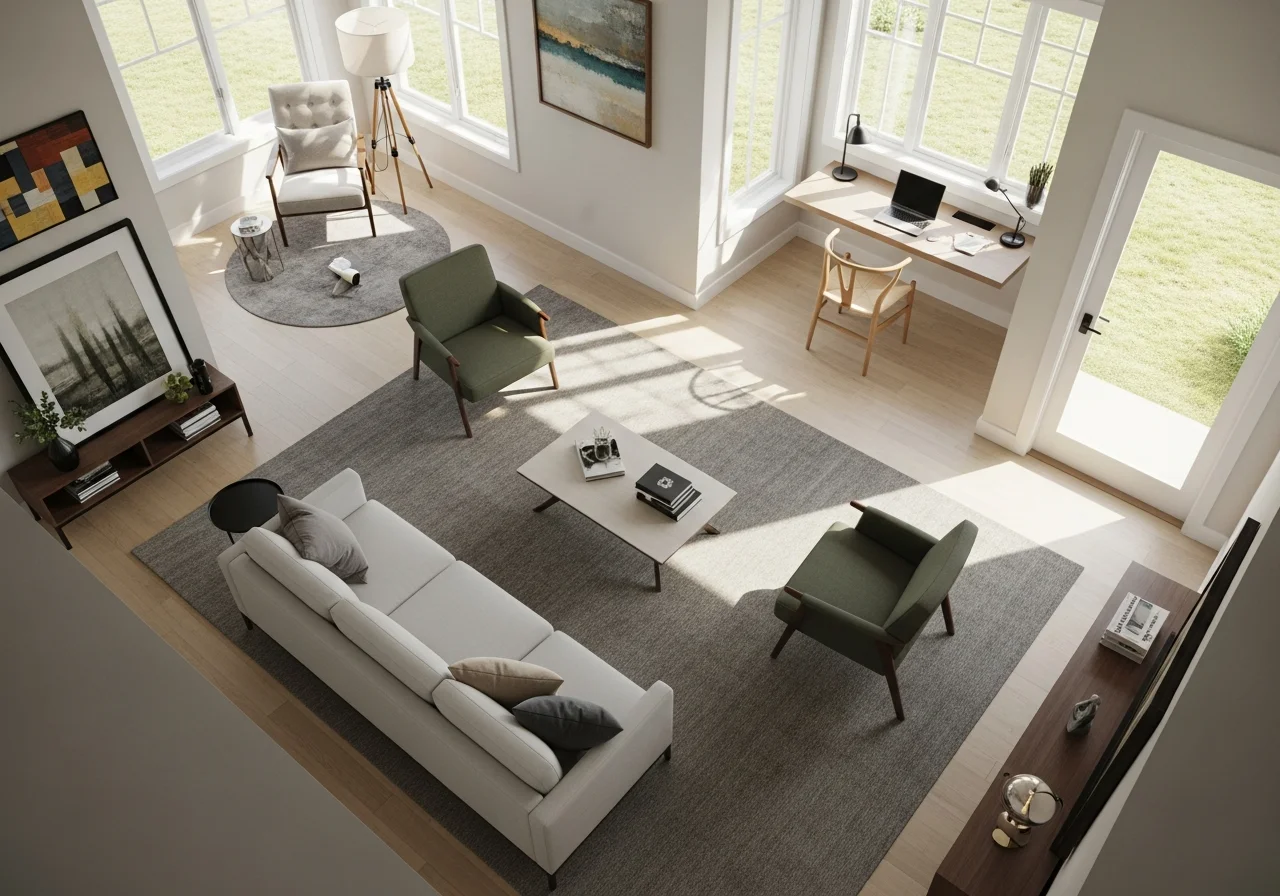
Open floor plans and multipurpose living rooms benefit from clearly defined zones that give each area a specific function without physical walls. This approach makes a small room feel organized and intentional rather than cluttered and confused. Area rugs are perhaps the simplest way to delineate different zones within a single space.
A large rug anchored under your main seating area creates a distinct conversation zone. The rug should be large enough that at least the front legs of your sofa and chairs rest on it, creating visual cohesion among furniture pieces. In studio apartments or combined living and dining areas, separate rugs can define different functional zones while maintaining visual flow throughout the space.
Furniture arrangement also creates natural divisions. Position a console table or low bookshelf behind a sofa to separate seating areas from walkways or dining spaces. Use different lighting in various zones to establish their unique purposes. A floor lamp and table lamp create intimate lighting in a reading corner, while overhead fixtures or track lighting might illuminate a dining or work area.
Layer Your Lighting
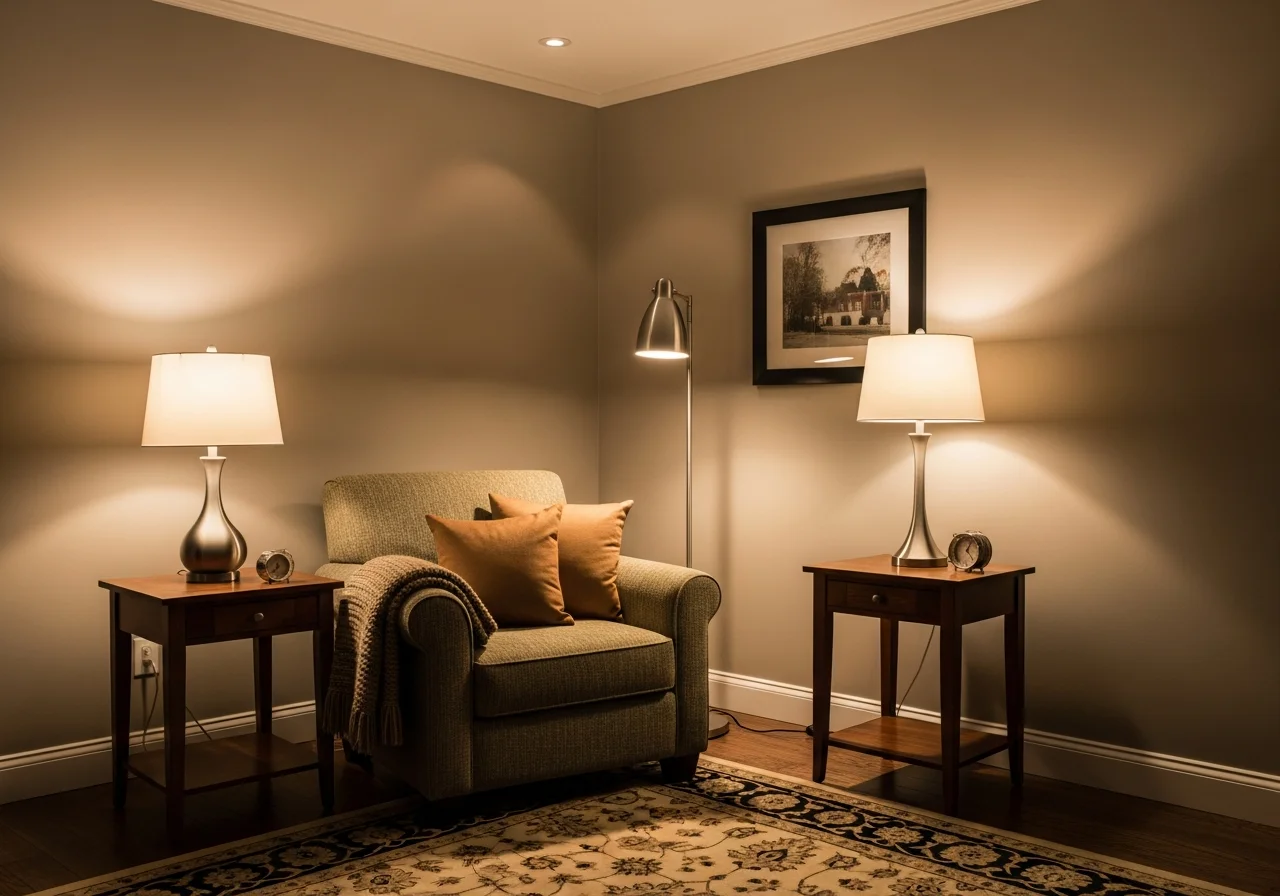
Relying on a single overhead light fixture is a common mistake that makes small rooms feel flat and uninviting. Layered lighting incorporates multiple sources at different heights to create depth, dimension, and ambiance. This approach also allows you to adjust lighting levels for different activities and times of day.
Ambient lighting provides overall illumination and typically comes from overhead fixtures, recessed lighting, or ceiling-mounted fixtures. This general layer ensures the room is adequately lit for daily activities. Task lighting addresses specific needs like reading, working, or hobbies. Table lamps beside seating areas, floor lamps near chairs, and adjustable wall sconces provide focused light where activities require it.
Accent lighting highlights architectural features, artwork, or decorative elements while adding drama and visual interest. Picture lights illuminate wall art, while uplights behind plants cast interesting shadows on walls and ceilings. Dimmer switches allow you to adjust ambient lighting levels throughout the day, creating bright, energizing light in the morning and soft, relaxing illumination in the evening.
Choose Furniture With Exposed Legs
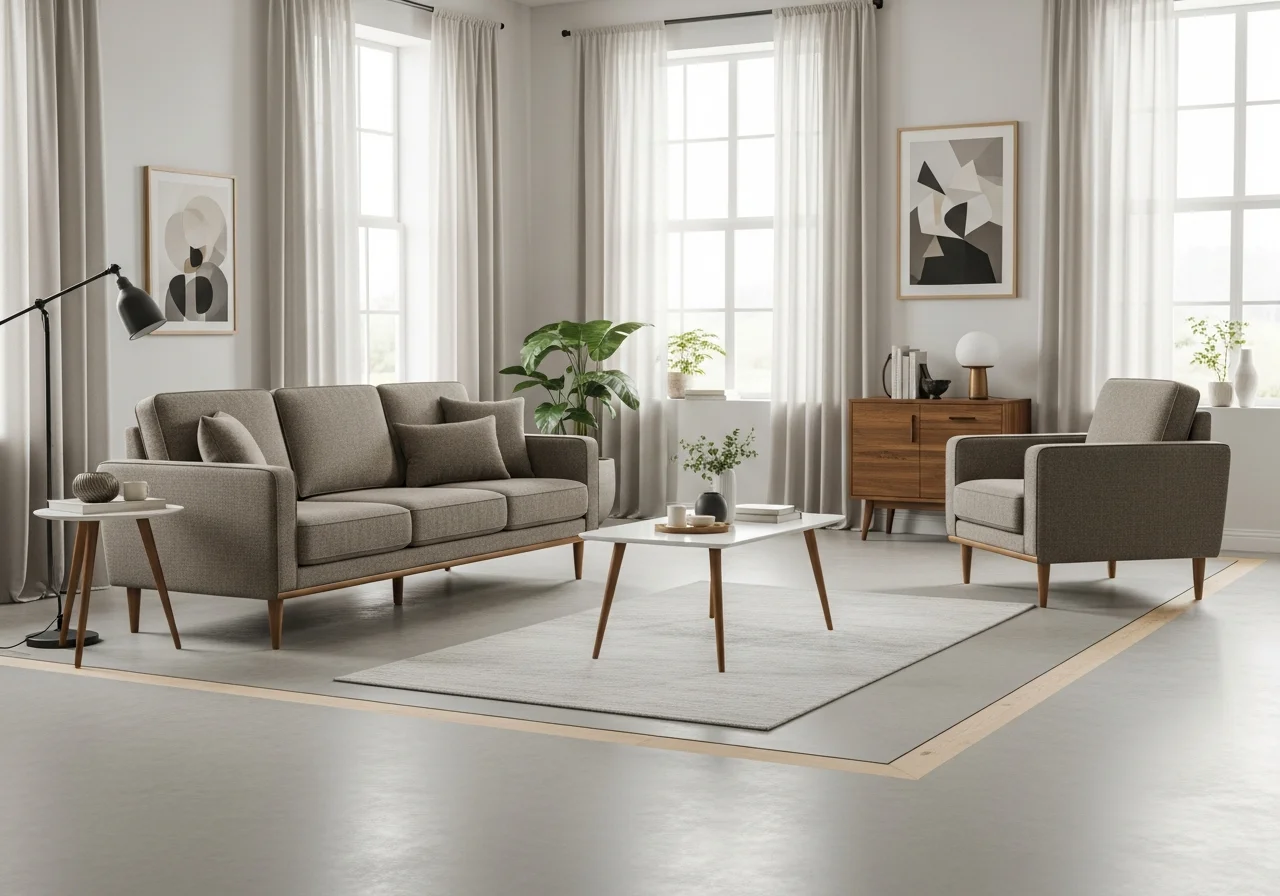
This seemingly small detail makes a significant difference in how spacious a room feels. Furniture with exposed legs creates visual lightness by allowing you to see floor space beneath sofas, chairs, and tables. This continuous floor line makes the room feel more open compared to furniture that sits directly on the floor with skirts or solid bases.
Sofas with visible legs measuring at least four to six inches high create valuable visual breathing room. The style of the legs matters less than their presence, whether you prefer mid-century modern tapered legs, traditional turned legs, or contemporary metal frames. The same principle applies to chairs, ottomans, and tables.
Low-profile furniture naturally complements exposed legs by keeping sightlines open across the room. A sectional with a low back allows you to see over it to windows or walls beyond, preventing the furniture from visually dividing the space. Coffee tables with lower heights maintain openness while still providing surface area. This combination of exposed legs and appropriate height creates flow and spaciousness.
Incorporate Transparent Elements
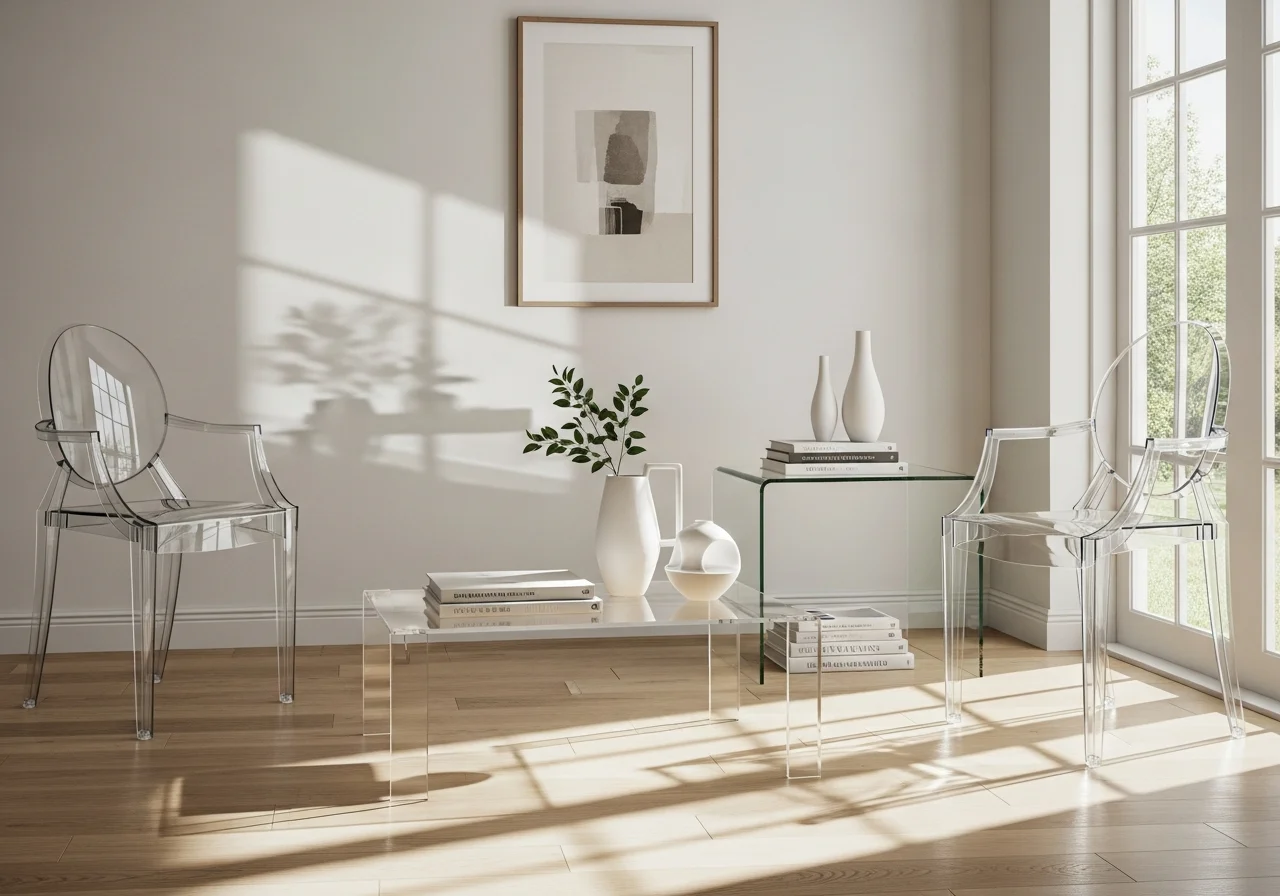
Glass, acrylic, and other transparent materials create functional furniture and decor without adding visual weight to your small living room. These pieces perform their designated functions while allowing light to pass through them, maintaining an airy, uncluttered appearance that helps the room feel larger.
Acrylic coffee tables and side tables provide necessary surface area without the visual bulk of solid wood or upholstered ottomans. Glass tabletops on metal or wood bases achieve similar effects. These transparent pieces essentially disappear visually while remaining functional, a perfect solution for small spaces where every element must work harder.
Consider ghost chairs made from clear acrylic for occasional seating that looks stylish but maintains visual openness. Glass cabinet doors on media consoles or bookcases allow you to display items while keeping the piece feeling lighter than solid wood doors. Even decorative elements like glass vases, clear picture frames, and transparent storage containers contribute to an overall sense of airiness.
Limit Pattern and Visual Clutter
While patterns add personality and interest to interiors, too many competing patterns in a small space create visual chaos that makes the room feel smaller and more cramped. This does not mean you must avoid pattern entirely, but rather that you should use it strategically and sparingly for maximum impact.
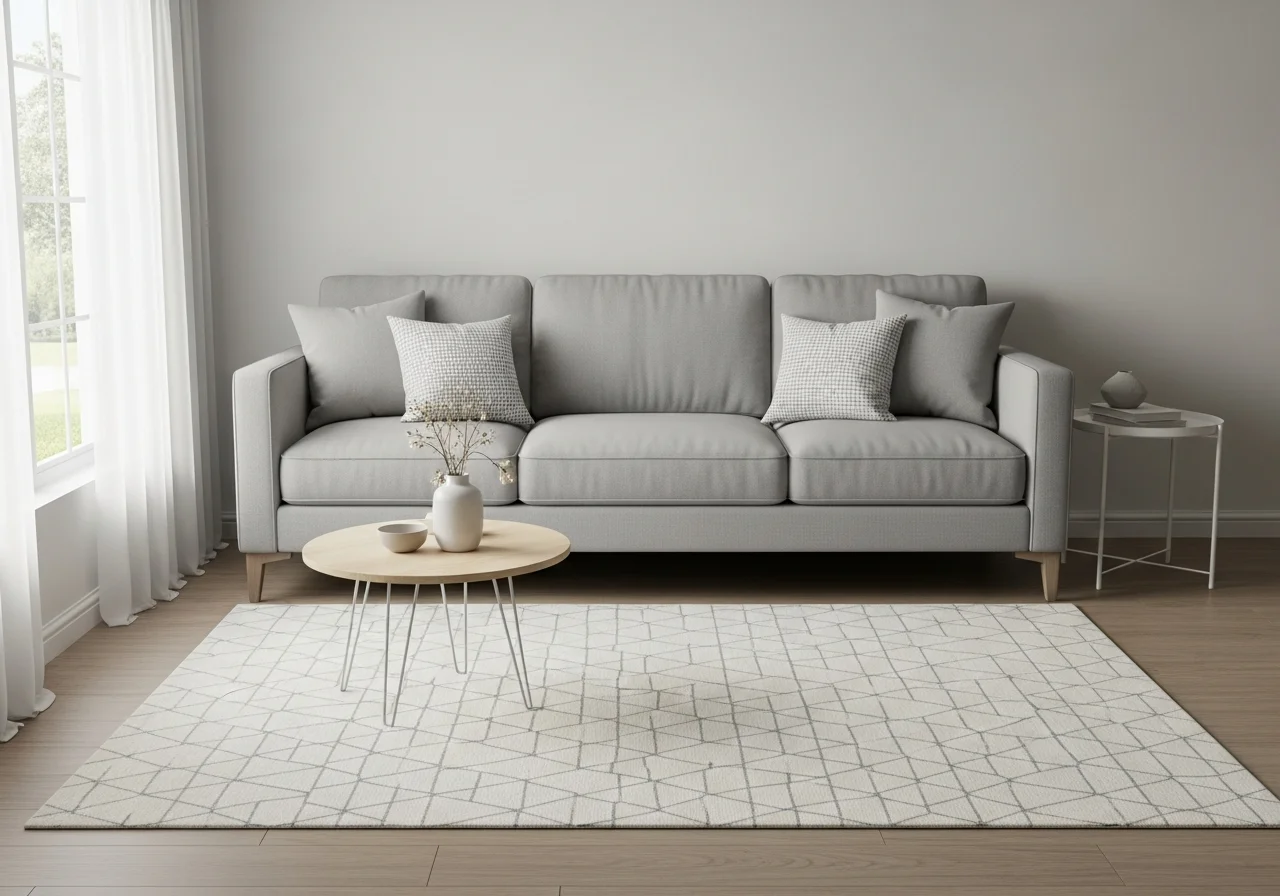
Choose one or two primary patterns for your space, ensuring they share a similar color palette for cohesion. A patterned area rug might anchor the room, complemented by coordinating throw pillows that echo some of the rug colors in a different pattern. Keep larger pieces like sofas and curtains in solid colors to provide visual rest areas that prevent the space from feeling overwhelming.
Scale matters when working with pattern in small rooms. Large-scale patterns can actually make a space feel bigger than small, busy patterns that create visual noise. Geometric patterns and subtle textures often work better than florals or complex designs in compact spaces. Consider keeping walls solid while introducing pattern through textiles and accessories that can be easily changed when you desire a fresh look.

Hang Curtains High and Wide
This simple trick dramatically impacts how tall and wide your windows appear, which in turn affects the perceived size of your entire room. By mounting curtain rods several inches above the window frame and extending them beyond the window sides, you create the illusion of much larger windows that fill more wall space.
Install curtain rods as close to the ceiling as possible, leaving just a few inches between the rod and ceiling. This vertical line draws the eye upward and makes walls appear taller. The curtains should extend all the way to the floor, even if your windows are shorter. This floor to ceiling fabric creates continuous vertical lines that elongate the space.
Extend curtain rods at least six to twelve inches beyond each side of the window frame. When curtains are open, they stack on the wall rather than covering the window glass, allowing maximum light to enter. This wider rod placement also makes the window itself appear larger. Choose lightweight fabrics in light colors that allow natural light to filter through rather than heavy, light-blocking materials that darken the room.

Embrace Minimalism
While not everyone gravitates toward strict minimalist aesthetics, small living rooms benefit from adopting some minimalist principles. This approach focuses on keeping only items that serve a purpose or bring genuine joy while eliminating excess that creates visual clutter and makes spaces feel cramped.
Start by evaluating everything currently in your living room. Does each item serve a function, create beauty, or hold sentimental value? If not, consider removing it. Multiple small decorative objects scattered across surfaces create visual clutter that makes a room feel smaller and more chaotic. Consolidate these items, keeping only your favorites and storing or donating the rest.
Negative space, the empty areas between furniture and objects, becomes particularly important in small rooms. These breathing spaces allow your eye to rest and prevent the overwhelming feeling that occurs when every surface is covered. Leave some wall space bare, keep coffee tables relatively clear, and resist the urge to fill every corner. This restraint actually makes the room feel more spacious and calming.
Use Large-Scale Art
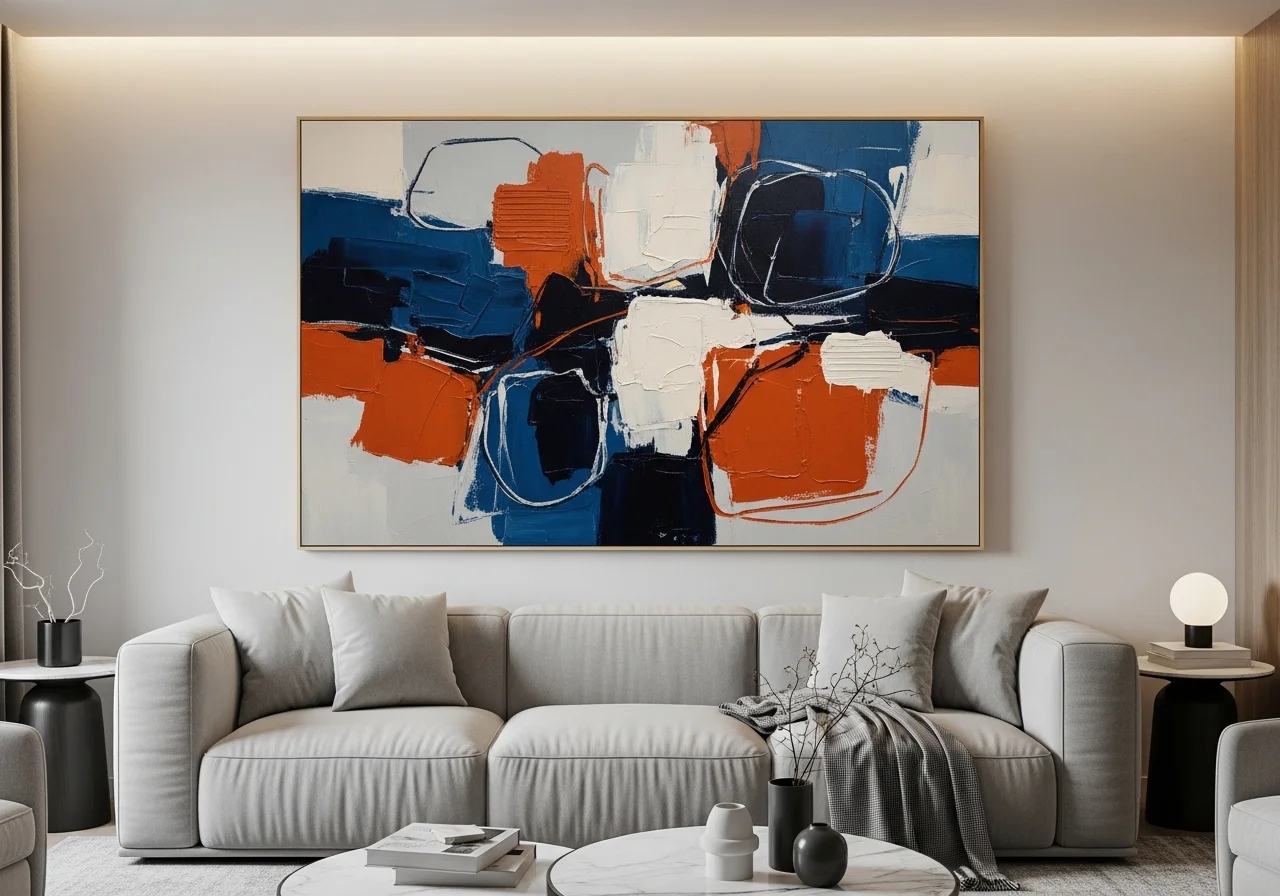
Counterintuitive as it seems, one large piece of artwork often makes a small room feel more spacious than several small pieces. Large-scale art creates a focal point that draws the eye and adds visual interest without the fragmented appearance that multiple small pieces create. This bold approach demonstrates confidence and makes the room feel more expansive.
Choose artwork that is proportional to your wall and furniture. A piece that is two-thirds to three-quarters the width of the sofa it hangs above creates proper visual balance. Hanging it at eye level, typically 57 to 60 inches from the floor to the center of the piece, ensures it integrates properly with the room’s scale.
If you prefer a gallery wall, arrange it as a cohesive unit that acts as one large visual element rather than scattered individual pieces. Use similar frame styles or colors to unify the collection, and arrange pieces with consistent spacing that creates an overall geometric shape. This organized approach prevents the choppy, cluttered appearance that random arrangements can create in small spaces.
Select Round and Oval Furniture
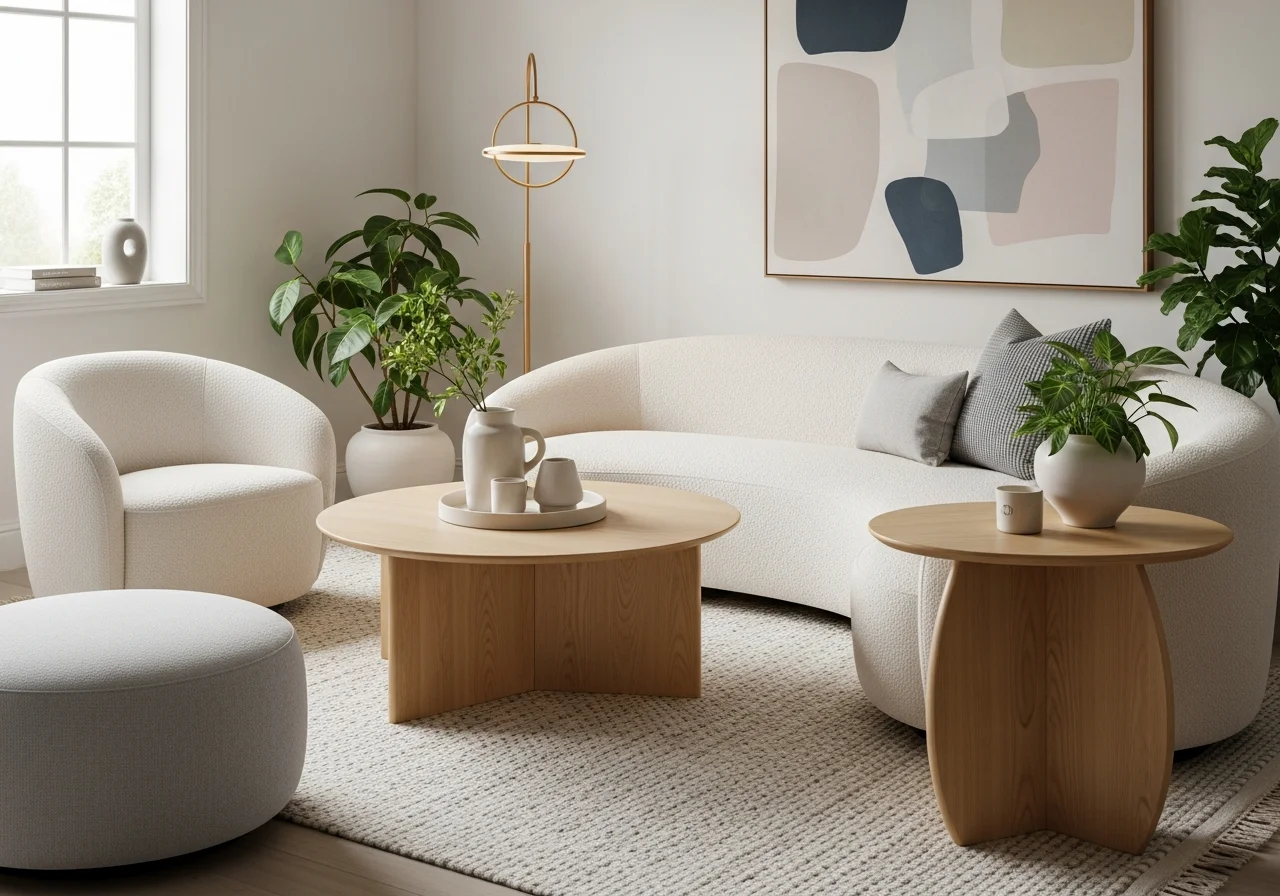
Sharp corners on rectangular coffee tables and side tables can make navigating a small living room challenging and even hazardous. Round and oval furniture pieces solve this problem while creating softer, more flowing lines that help the room feel less rigid and more spacious. These curved forms also tend to look less bulky than their rectangular counterparts.
A round coffee table provides just as much surface area as a rectangular one but allows easier movement around it from all sides. This becomes particularly valuable in tight spaces where you frequently walk around the table. The curved edges prevent painful collisions with sharp corners while creating a more welcoming, accessible centerpiece.
Oval dining tables, round side tables, and curved sectionals all contribute to a softer, more fluid environment. These shapes encourage better conversation and interaction because people sitting around them can see each other more easily. The absence of corners also creates the perception of more floor space because the curved edges feel less intrusive than sharp right angles.
Mount Your Television
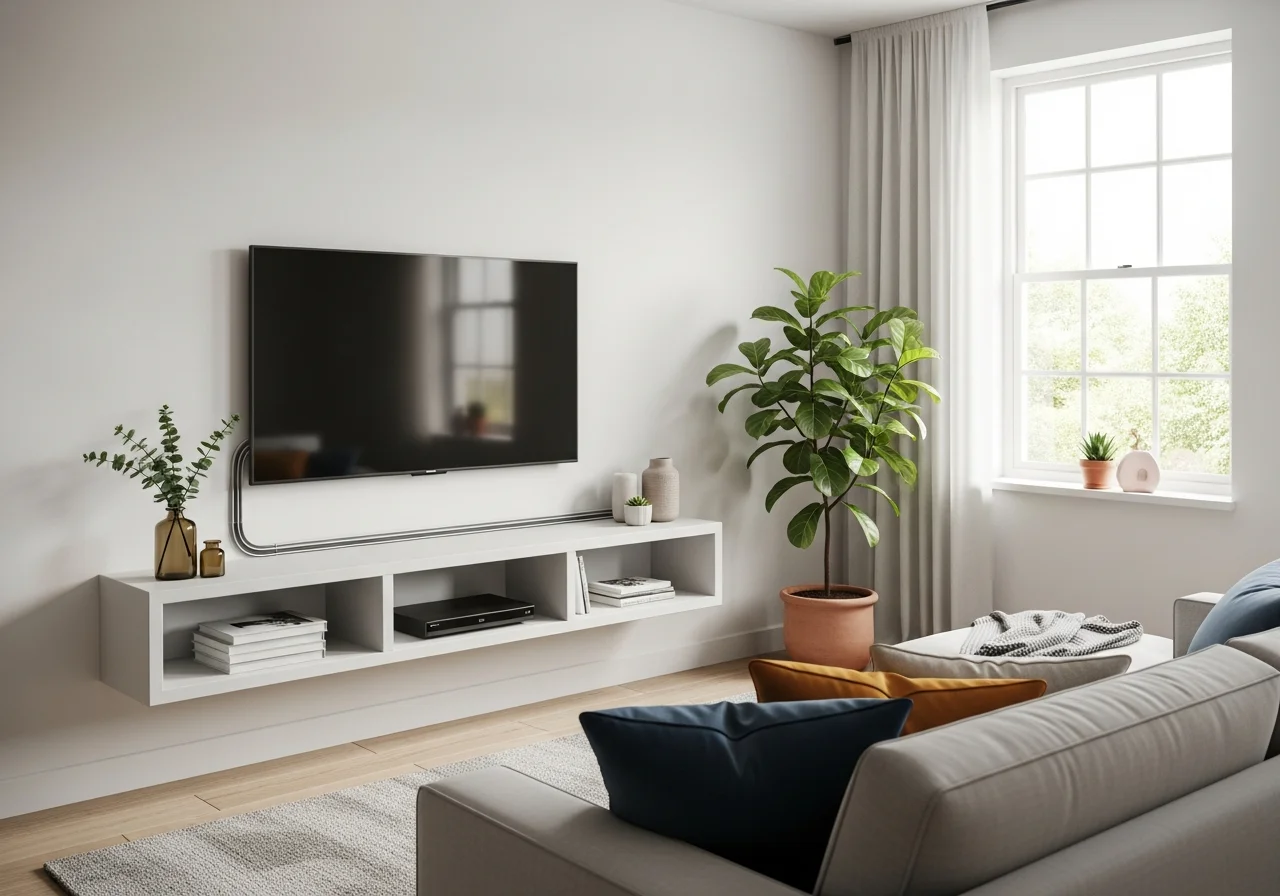
Large television screens mounted on walls rather than sitting on media consoles free up valuable floor and storage space while creating a cleaner, more modern appearance. This approach eliminates the need for bulky entertainment centers that can dominate small living rooms and makes the television itself feel more like intentional design rather than an afterthought.
Mount the television at proper viewing height, typically with the center of the screen at eye level when seated. This usually means mounting it lower than people initially expect, approximately 42 to 55 inches from the floor depending on your seating height. Hide cables behind the wall for the cleanest appearance, or use cable management systems to organize them neatly.
The space beneath a wall-mounted television becomes available for other purposes. A narrow console provides storage and surface area without the depth required for a traditional media cabinet. Floating shelves can hold media components, books, or decorative objects. Some people choose to leave the wall beneath the television completely open, further enhancing the feeling of spaciousness.
Incorporate Reflective Surfaces
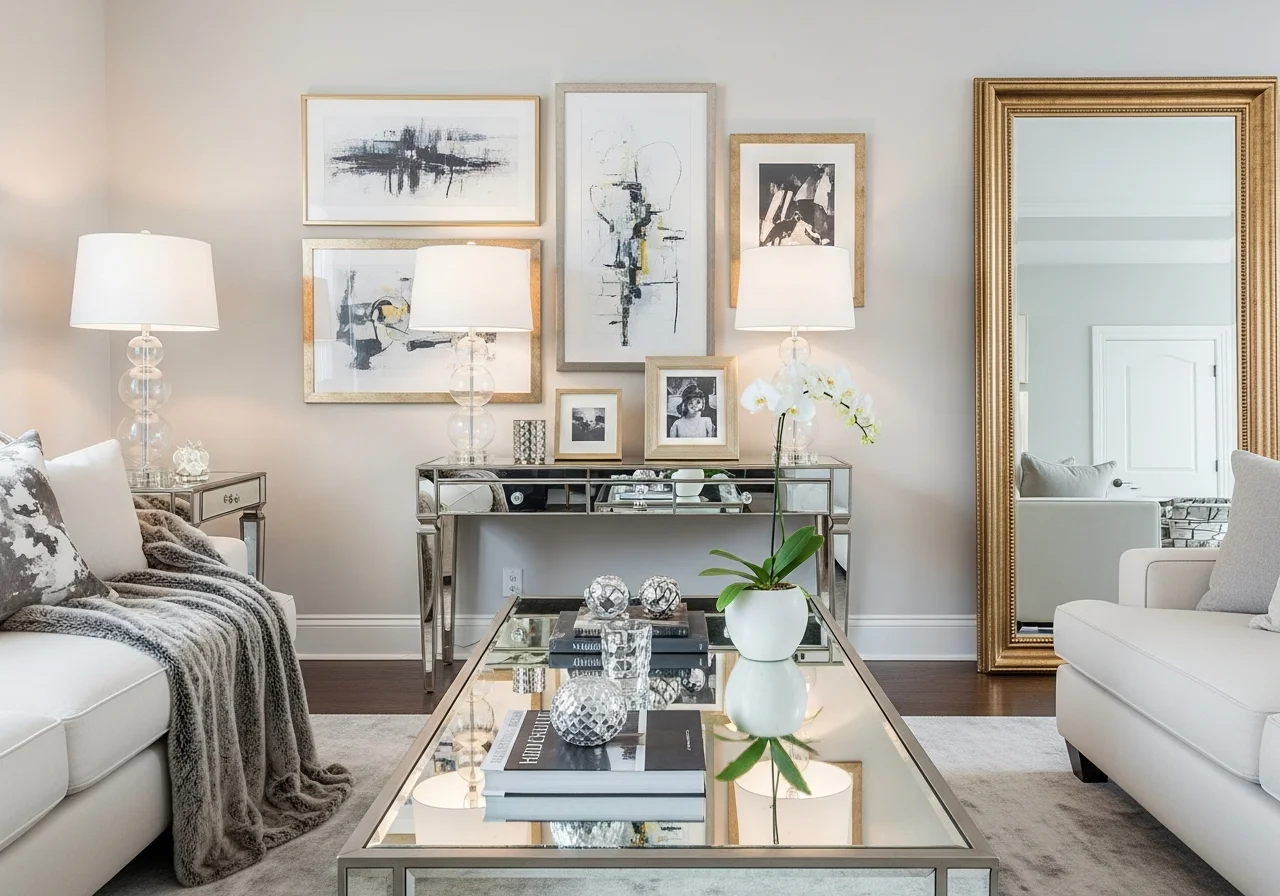
Beyond mirrors, various reflective surfaces scatter light throughout your small living room and create a luminous quality that expands the space visually. Metallic finishes, glass accessories, and glossy surfaces all contribute to this effect by bouncing light around the room rather than absorbing it.
Coffee tables with mirrored or glass tops reflect light from overhead fixtures and windows. Metal picture frames, lamp bases, and decorative objects add subtle sparkle that catches the eye. Even furniture hardware like drawer pulls and cabinet knobs in polished metals contributes to the overall reflective quality.
Consider incorporating metallic wallpaper or paint with a slight sheen on an accent wall. Satin or semi-gloss paint finishes reflect more light than flat finishes, though they also highlight wall imperfections more readily. Lacquered furniture pieces in glossy finishes create sophisticated looks while enhancing light throughout the space. Balance these reflective elements with matte surfaces to prevent the room from feeling too shiny or cold.
Create Built-In Storage Solutions
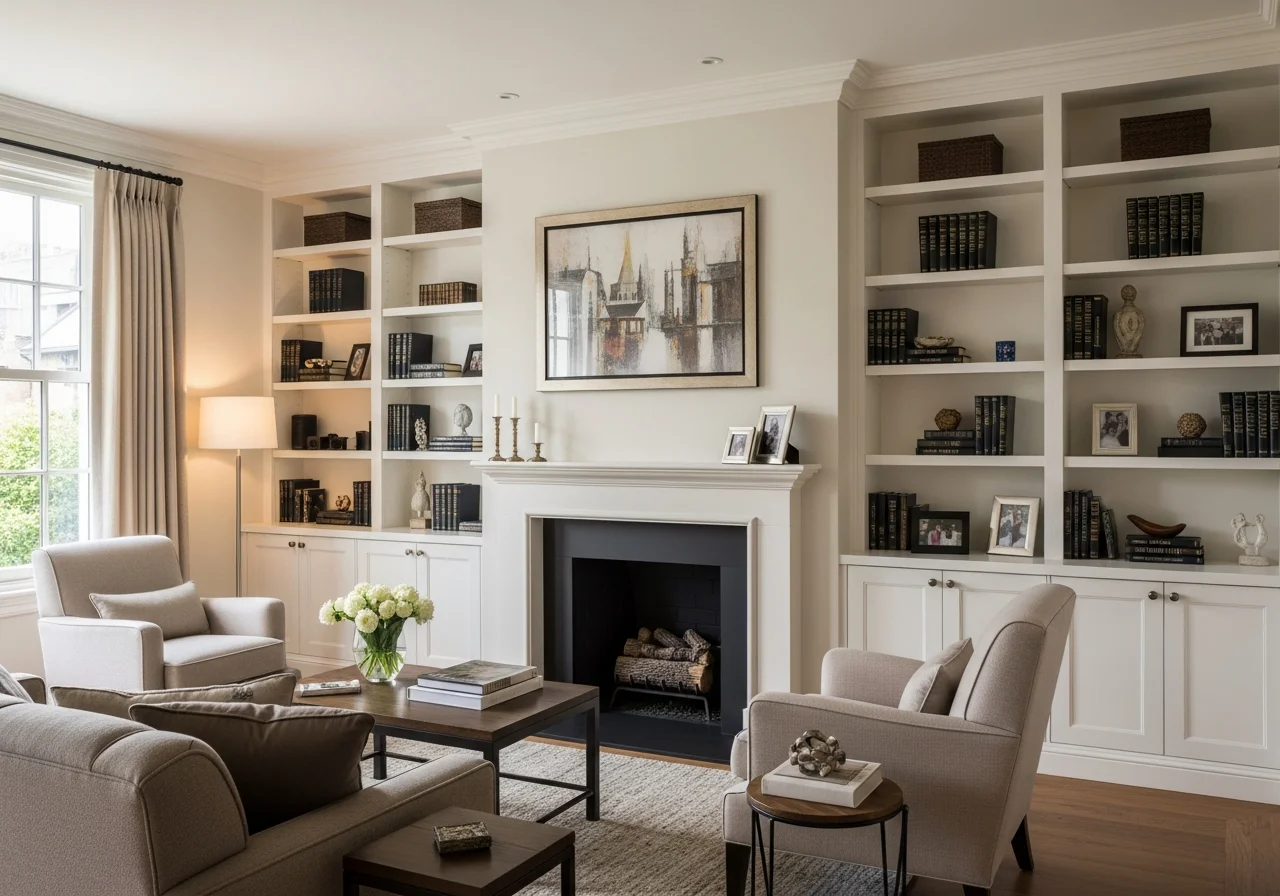
Custom built-in storage maximizes every inch of available space by fitting precisely into alcoves, corners, and awkward areas that standard furniture cannot accommodate. While built-ins require more investment than freestanding furniture, they create seamless storage that makes rooms feel larger and more organized.
Built-in bookshelves flanking a fireplace or window provide extensive storage without protruding into the room like freestanding bookcases. Window seats with storage compartments underneath offer seating and storage in one compact package. Built-in media centers incorporate television mounting, component storage, and display space in custom configurations that fit your exact needs.
If custom built-ins exceed your budget, consider semi-custom solutions like organizing systems designed for closets that can be adapted for living room storage. Wall-mounted modular systems allow you to create customized arrangements that change as your needs evolve. These systems provide built-in advantages without permanent construction.
Choose Furniture With Hidden Storage
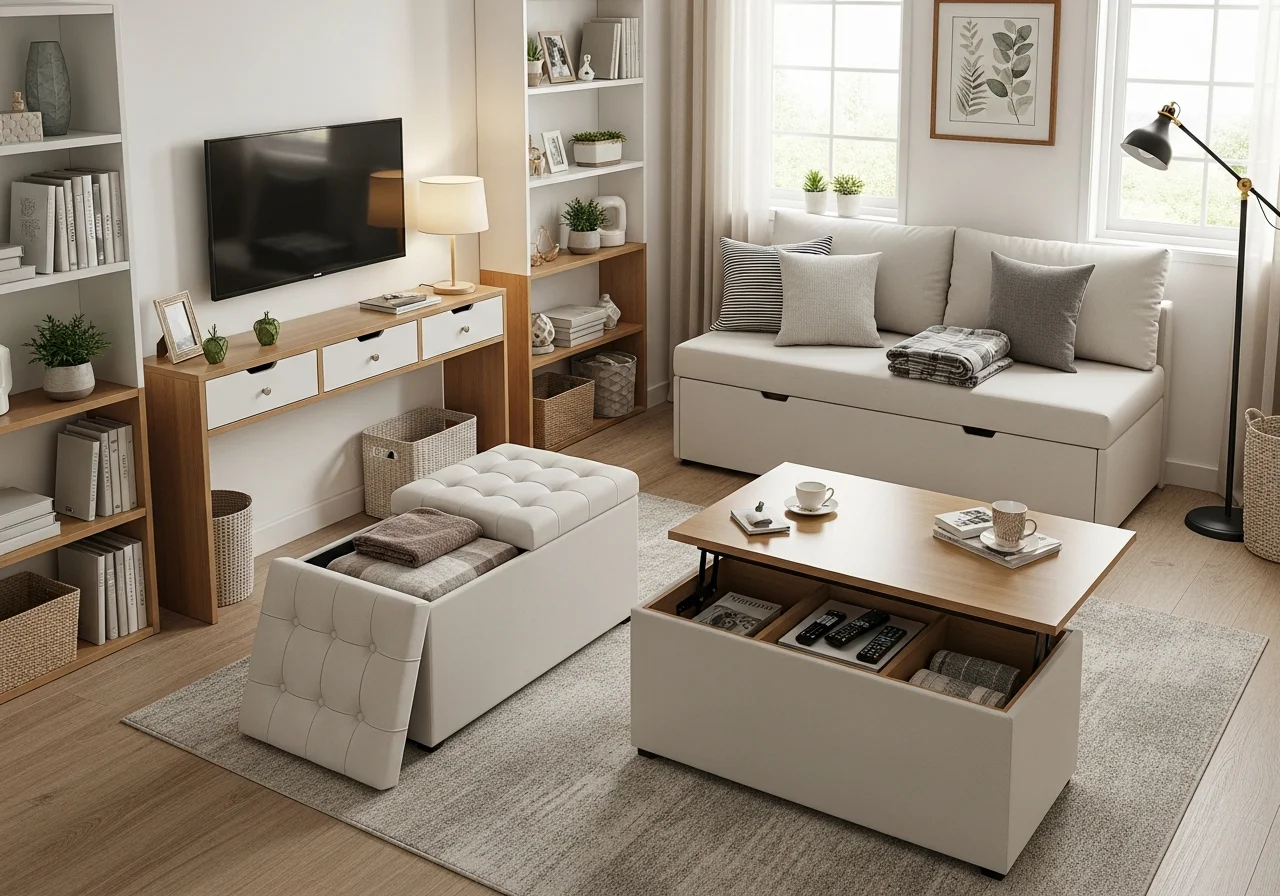
Every piece of furniture in a small living room should ideally serve multiple purposes, and incorporating hidden storage wherever possible helps maintain a clutter-free environment. Storage ottomans, benches with lift-up seats, and coffee tables with drawers or shelves provide places to tuck away items that would otherwise create visual chaos.
Storage ottomans are particularly versatile, serving as footrests, extra seating, coffee tables, and concealed storage all in one piece. Look for ottomans with removable tops that reveal storage compartments large enough for blankets, pillows, magazines, or toys. Some models feature trays that sit on top, transforming them into stable surfaces for drinks and snacks.
Sofas with storage compartments built into their bases or arms provide additional space for rarely used items. Media consoles with closed cabinets hide electronics, cords, and media collections behind doors. Even side tables with drawers offer more storage than simple open-leg designs. This hidden storage allows you to keep necessary items close at hand without contributing to visual clutter.
Use a Monochromatic Color Scheme
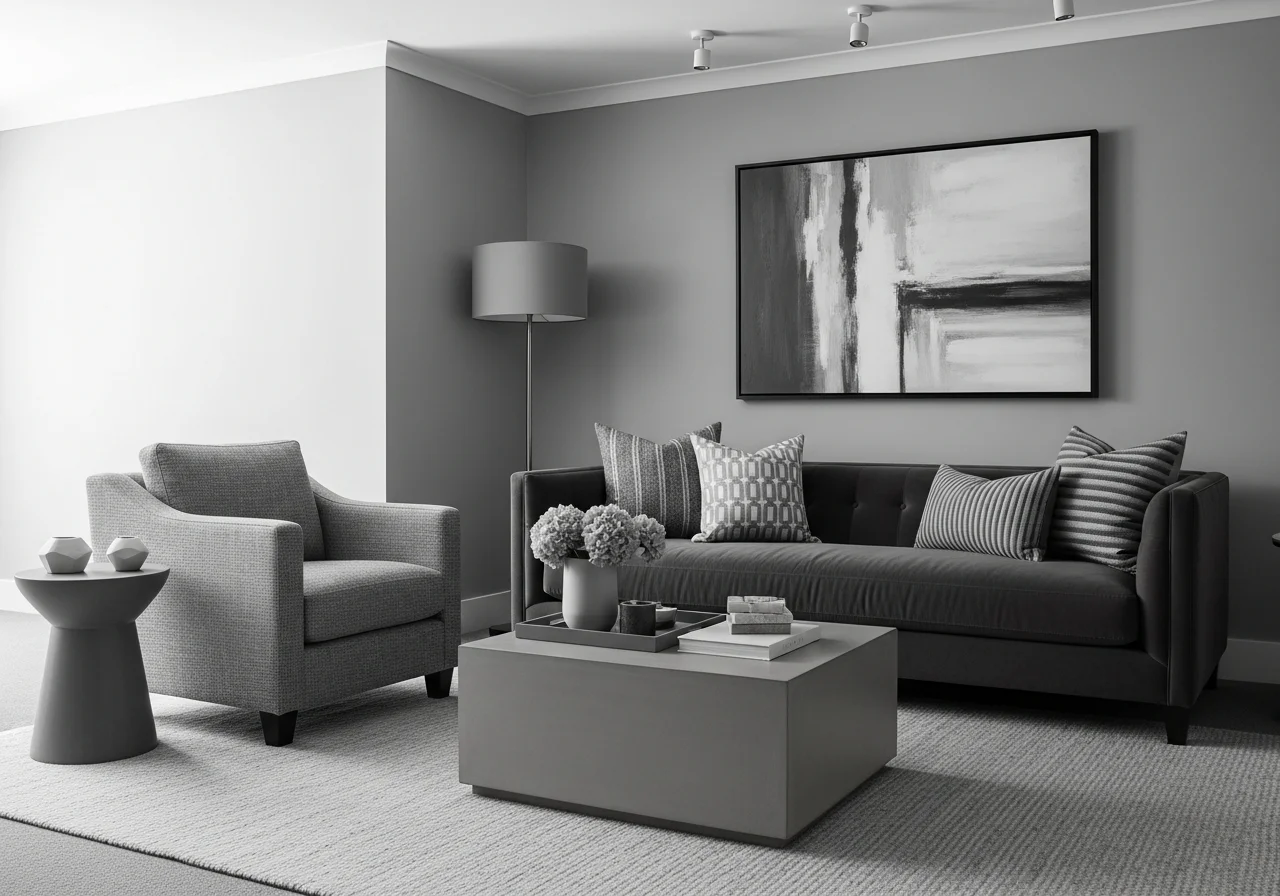
Color schemes that stay within a single color family create cohesion and flow that make small living rooms feel more spacious and serene. This monochromatic approach uses various shades, tints, and tones of one color throughout the space, creating visual continuity that allows the eye to move smoothly rather than stopping abruptly at color changes.
A monochromatic scheme does not mean everything must be the exact same color. Instead, layer different values of your chosen color, from very light to quite dark, to create depth and interest. For example, a blue color scheme might include pale sky blue walls, medium navy sofa, and darker navy pillows, with white or cream as a neutral accent.
This approach works with any color but tends to be most effective with neutrals like gray, beige, or white in small spaces because these colors inherently feel more expansive. Add interest through texture rather than color by incorporating various fabrics, finishes, and materials that share your chosen color but offer different visual and tactile experiences.
Arrange Furniture Away From Walls
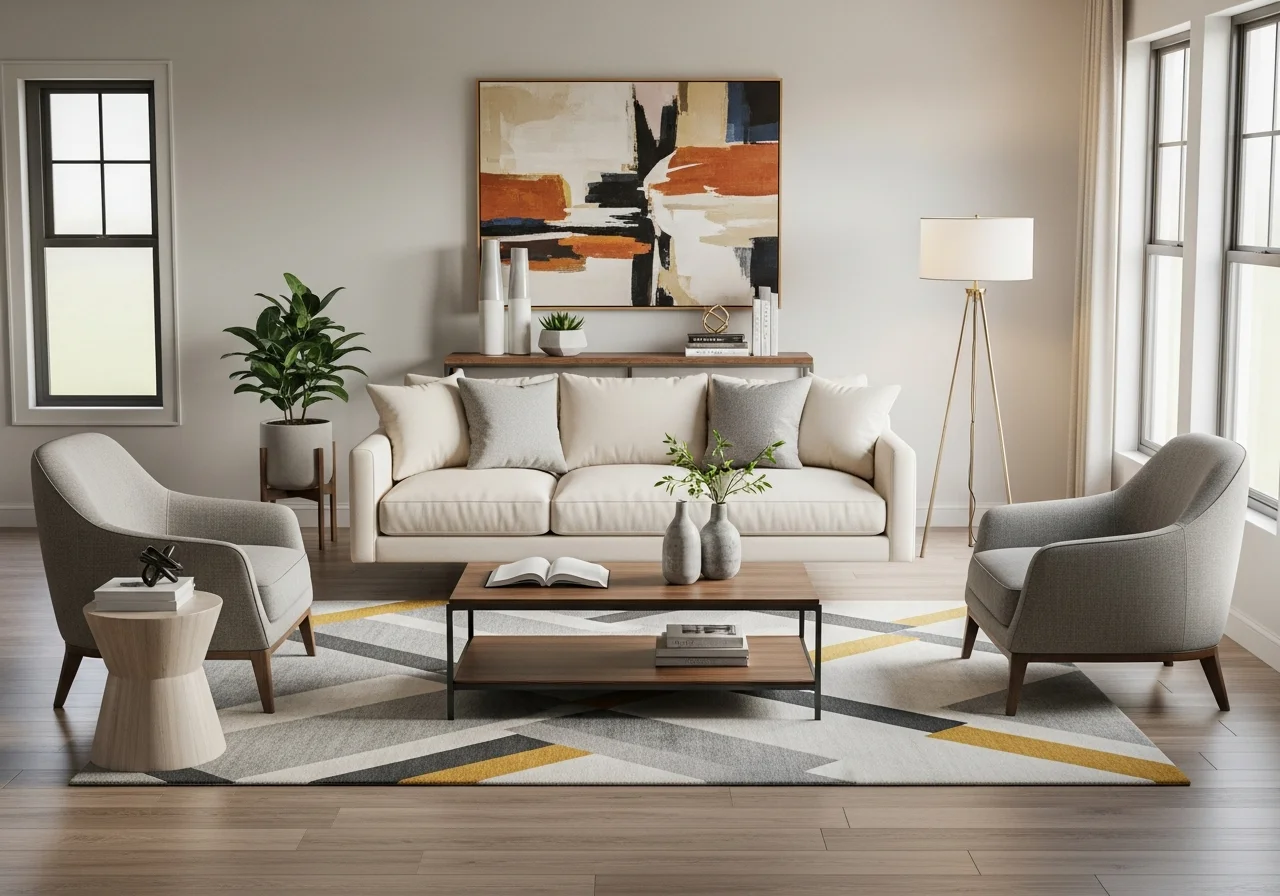
The instinct to push furniture against walls to maximize floor space actually makes small living rooms feel smaller and more awkward. This arrangement creates dead space along the perimeter and leaves a large, empty center that looks odd and feels disconnected. Floating furniture away from walls creates more intimate, intentional arrangements.
Pull your sofa several inches away from the wall and position chairs and tables to create a defined conversation area in the center of the room. This arrangement makes the space feel purposeful and well-designed rather than like you simply pushed everything to the edges. The small walking path created behind the sofa adds perceived depth to the room.
Use area rugs to anchor floating furniture arrangements and define the boundaries of your seating area. Ensure the rug is large enough that furniture legs rest on it, creating visual connection among pieces. This approach works particularly well in rectangular rooms where a centered seating arrangement leaves walkways along the sides and creates better traffic flow.
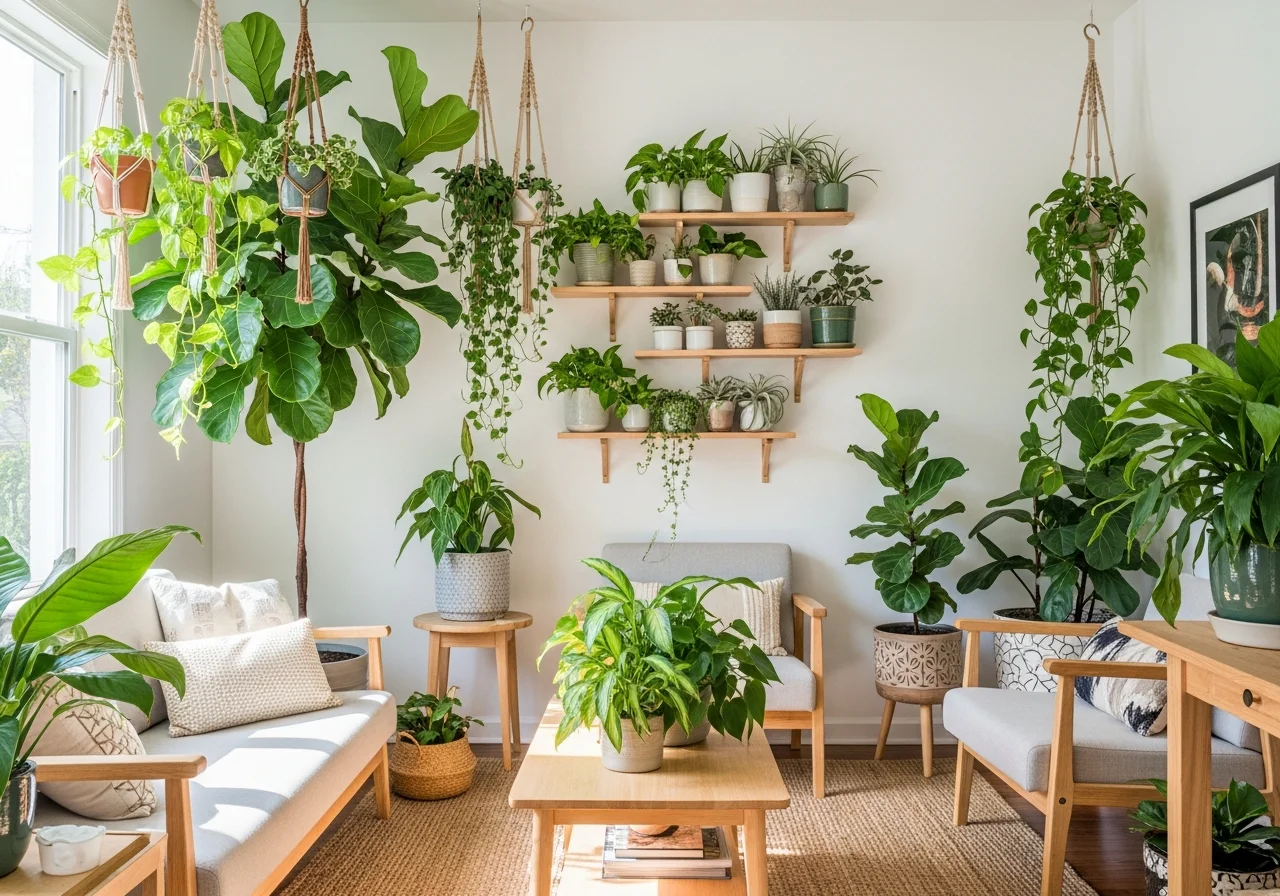
Add Plants and Greenery
Living plants bring life, color, and texture to small living rooms while improving air quality and creating connection to nature. Rather than making spaces feel more crowded, properly placed plants actually enhance the sense of vitality and freshness that makes rooms more inviting.
Large floor plants in corners draw the eye upward and add vertical interest without consuming valuable surface space. Fiddle leaf figs, snake plants, and monstera deliciosa are popular choices that make dramatic statements. Hanging plants utilize overhead space while adding movement and organic shapes that soften hard architectural lines.
Group smaller plants on shelves, windowsills, or side tables rather than scattering them randomly throughout the room. This clustered approach creates intentional moments of greenery that feel curated rather than haphazard. Choose planters in colors and materials that coordinate with your overall design scheme to ensure plants enhance rather than clutter your space.
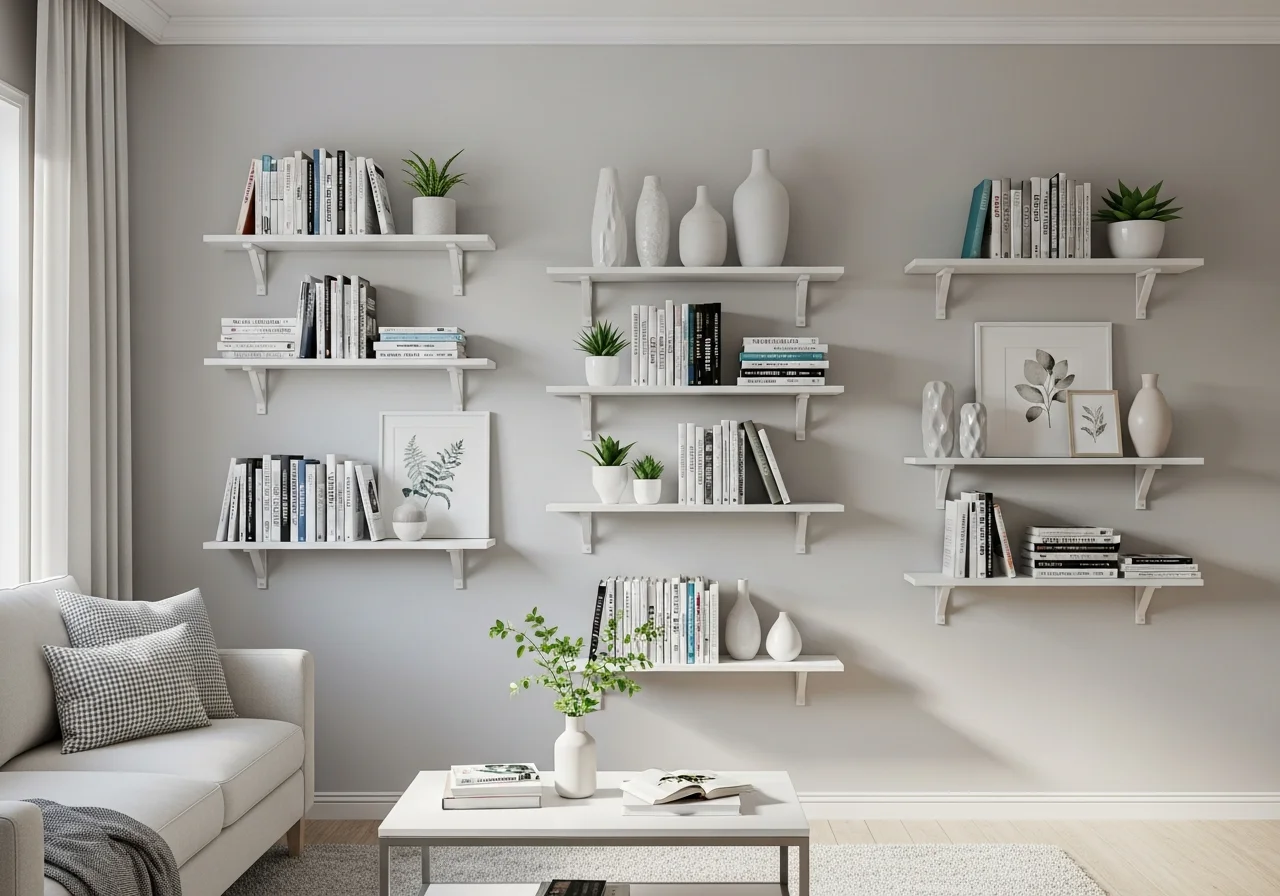
Install Floating Shelves
Floating shelves provide storage and display opportunities without the visual weight of traditional bookcases or storage units. These wall-mounted solutions eliminate the need for bulky furniture pieces while adding functional storage that keeps items off the floor and surfaces.
Install floating shelves at varying heights to create visual interest and accommodate items of different sizes. Above a sofa, shelves can hold artwork, books, and decorative objects while filling vertical space on the wall. In corners, wrap shelves around two walls to maximize otherwise wasted space. Near entryways, floating shelves provide landing spots for keys, mail, and everyday items.
Keep floating shelves relatively uncluttered to maintain their light, airy appearance. Rather than cramming items together, leave breathing room between objects and layer items at different depths for dimensional displays. Edit regularly to ensure shelves do not become catch-alls that contribute to visual chaos.
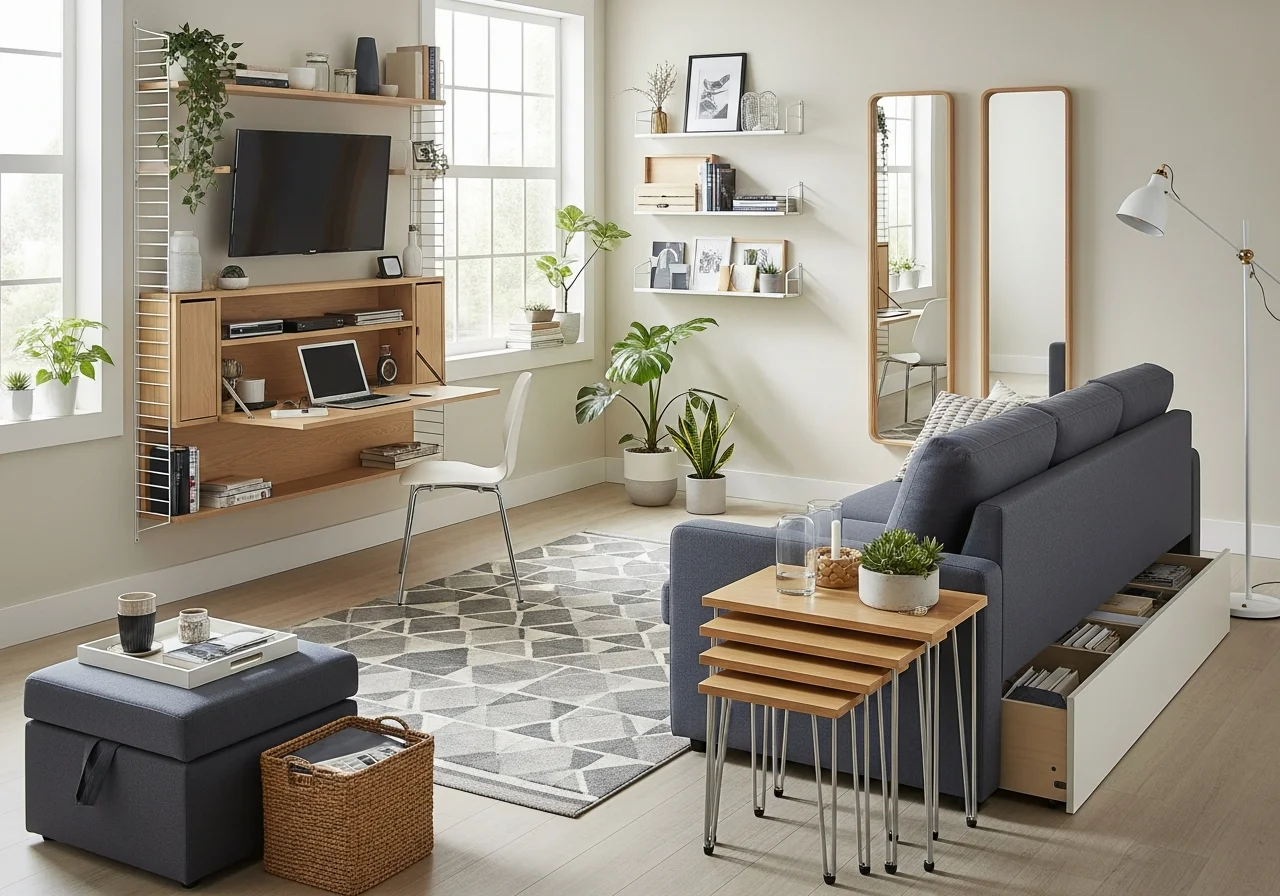
Choose Dual-Purpose Furniture
In small living rooms, furniture that serves multiple functions maximizes utility while minimizing the number of individual pieces needed. This approach reduces clutter and creates a more streamlined environment where every item earns its place through versatility.
Sofa beds transform living rooms into guest accommodations without requiring a separate guest room. Modern sofa bed designs have evolved significantly from uncomfortable pull-out models, now offering comfortable sleeping surfaces and attractive appearances. Murphy beds that fold into wall units provide similar flexibility, disappearing completely when not in use.
Nesting tables slide under each other when not needed, then separate to provide multiple surface areas for entertaining. C-shaped side tables slide under sofas or chairs, tucking away when not in use. Benches serve as coffee tables, footrests, and extra seating depending on needs. Look for furniture designed with multiple functions in mind rather than trying to force single-purpose pieces to serve additional roles.
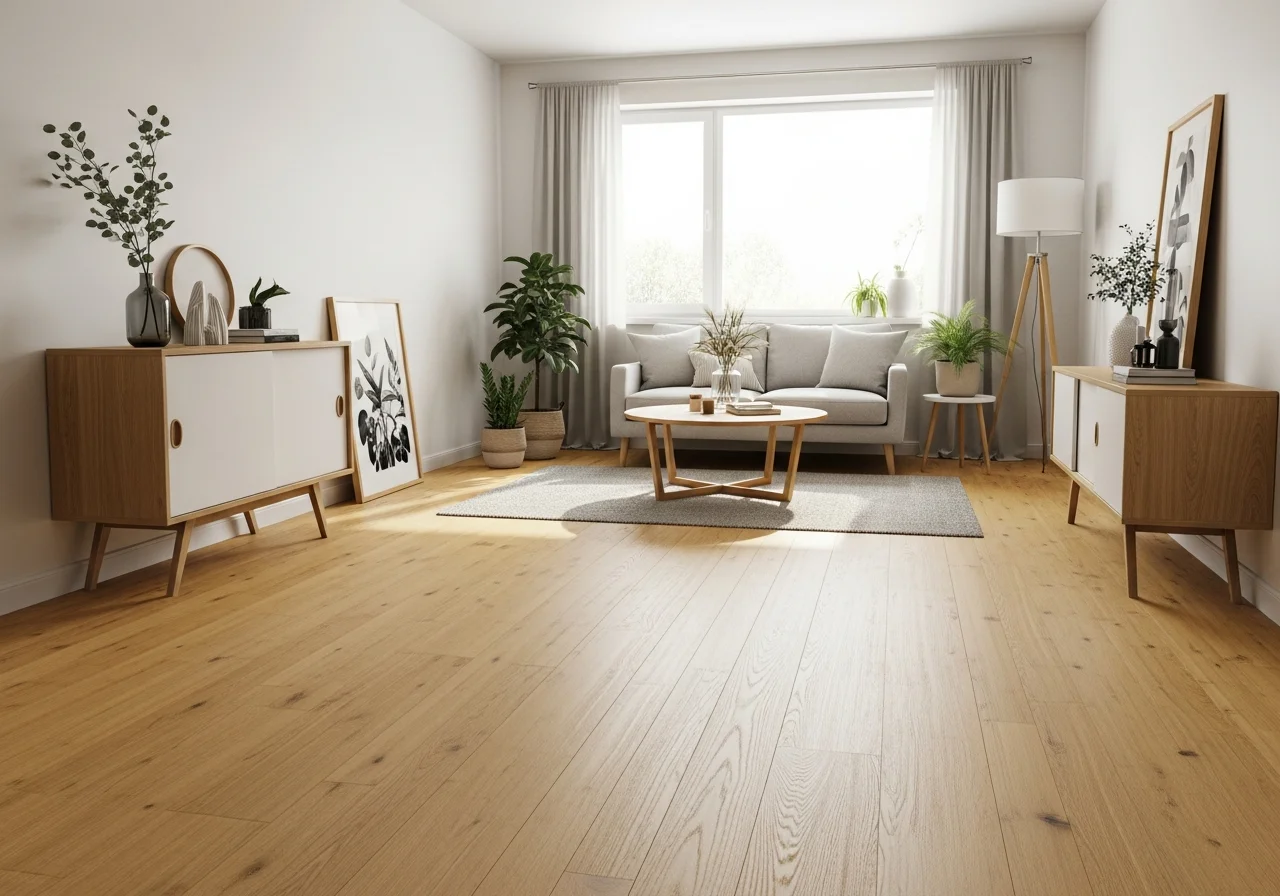
Maintain Consistent Flooring
If you have control over flooring choices, maintaining consistent flooring throughout your small living room and adjacent spaces creates visual continuity that makes areas feel larger and more connected. Breaking up floors with different materials in different zones fragments the space and makes it feel smaller.
Hardwood, laminate, or luxury vinyl flooring that extends throughout your living area and into hallways or dining spaces creates flow that expands perceived boundaries. If you inherit different flooring types, use large area rugs to create visual unity and define spaces without emphasizing the flooring transitions.
Keep flooring in light to medium tones that reflect light rather than dark stains that absorb it. Lighter floors make spaces feel more open and airy, though they do show dirt more readily than darker options. Consider the direction of wood planks or tiles, as running them lengthwise in the longest direction of the room can make it feel more expansive.
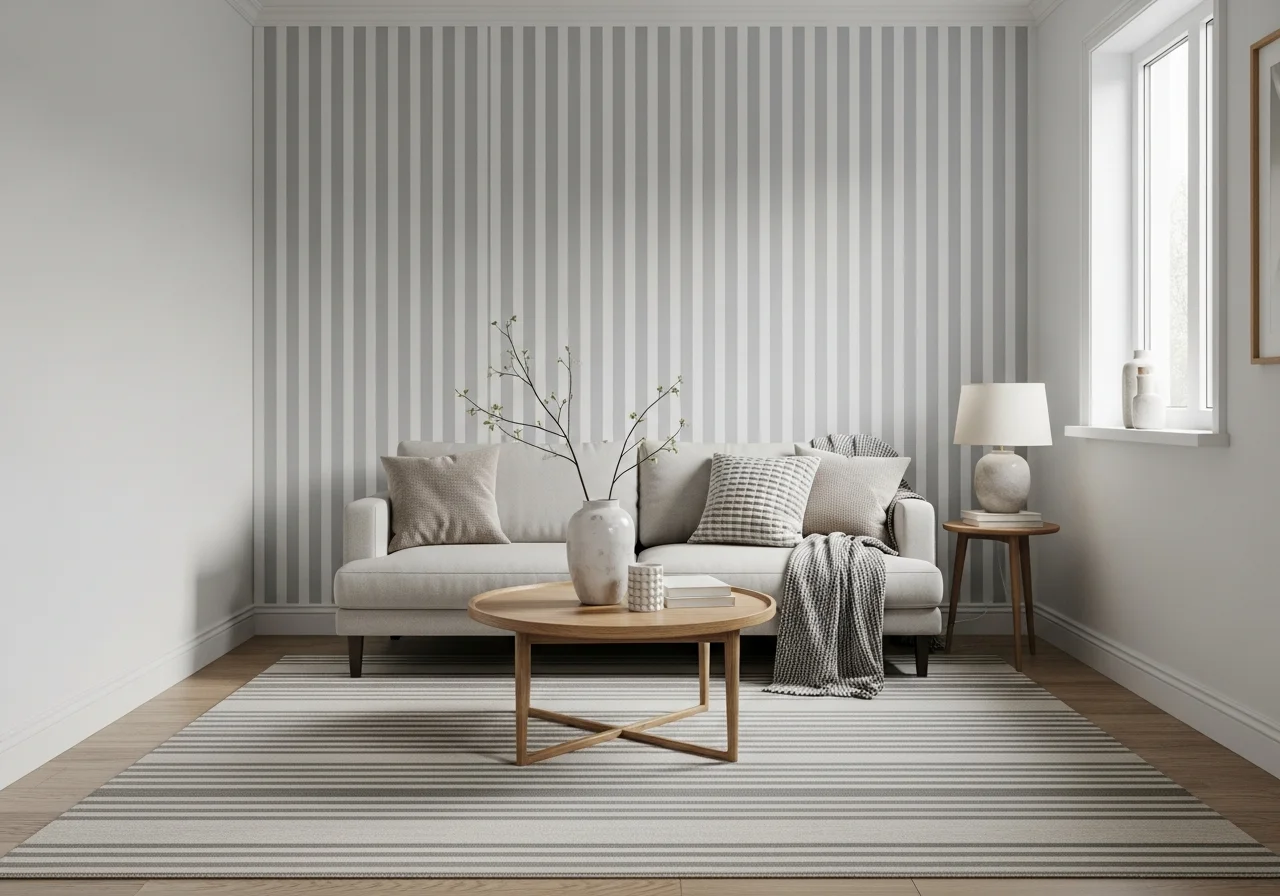
Use Striped Patterns Strategically
Stripes create optical illusions that can make walls appear taller or rooms feel wider depending on their orientation. Vertical stripes draw the eye upward and make ceilings feel higher, while horizontal stripes can make narrow rooms feel wider. Use this principle on walls, curtains, rugs, or upholstery to manipulate spatial perception.
Vertical striped wallpaper or paint creates the impression of taller walls and is particularly effective in rooms with low ceilings. Keep stripes relatively subtle rather than high-contrast to avoid overwhelming the space. Even gentle tonal variations within the same color family create enough contrast to provide the elongating effect without becoming visually busy.
Horizontal stripes on accent walls can make narrow rooms feel wider, though this effect works best when stripes are not too bold or numerous. A large horizontal striped area rug can similarly widen a room visually. Balance striped elements with solid colors and textures to prevent the space from feeling too linear or rigid.
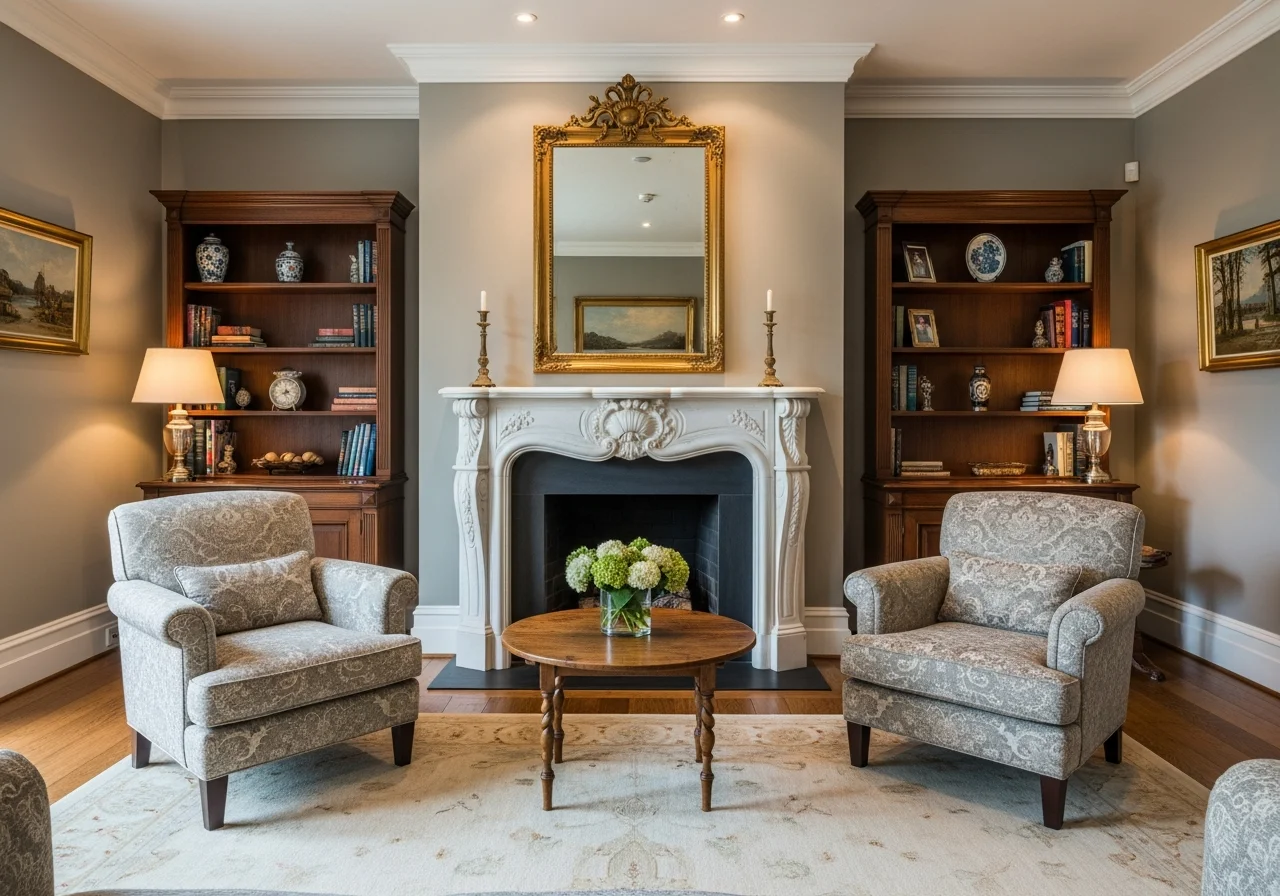
Create Focal Points
Every room benefits from a clear focal point that draws the eye and anchors the design. In small living rooms, a strong focal point prevents the space from feeling aimless while giving you a center around which to arrange furniture and accessories.
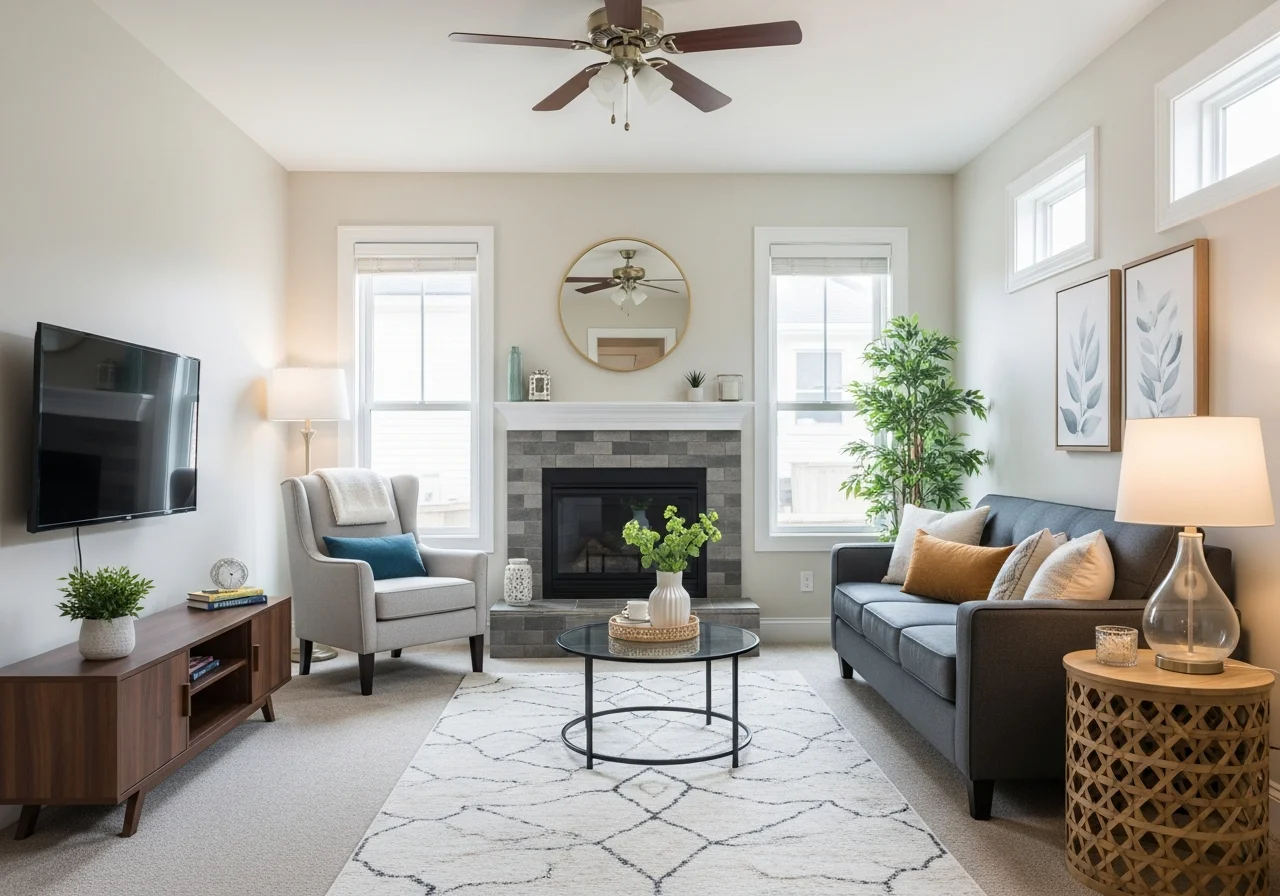
Architectural features like fireplaces naturally serve as focal points. If your room includes one, arrange seating to face it and emphasize it with artwork or a mirror above the mantel. Without a built-in focal point, create one through furniture arrangement, an accent wall in a different color or texture, or a large piece of artwork that commands attention.
Avoid creating competing focal points that divide attention and make the space feel disjointed. One clear center of interest makes the room feel more cohesive and intentional. Everything else should support and enhance this focal point rather than competing with it for attention.
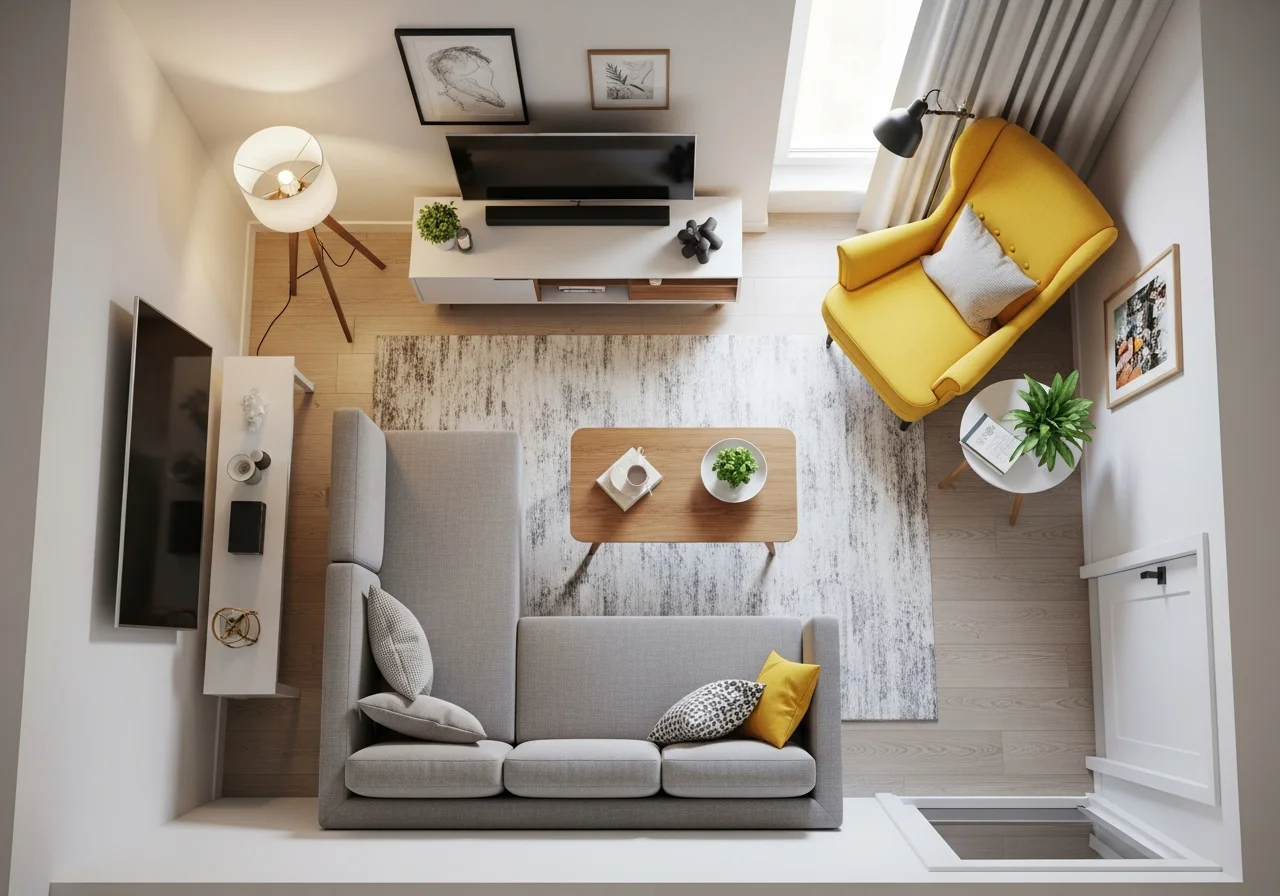
Keep Pathways Clear
Adequate circulation space ensures your small living room feels comfortable and functional rather than cramped and frustrating. Maintaining clear pathways between furniture pieces and through the room allows easy movement that prevents the space from feeling claustrophobic.
Leave at least 24 to 30 inches between furniture pieces for comfortable passage. Major traffic routes through the room should offer 36 inches or more to accommodate movement without feeling squeezed. Avoid creating furniture arrangements that force people to navigate obstacle courses to reach seating or move through the space.
Consider how traffic naturally flows through your living room based on doorway locations and connections to other rooms. Arrange furniture to guide rather than impede this flow, leaving clear sight lines from entrances that make the room feel immediately accessible and welcoming.
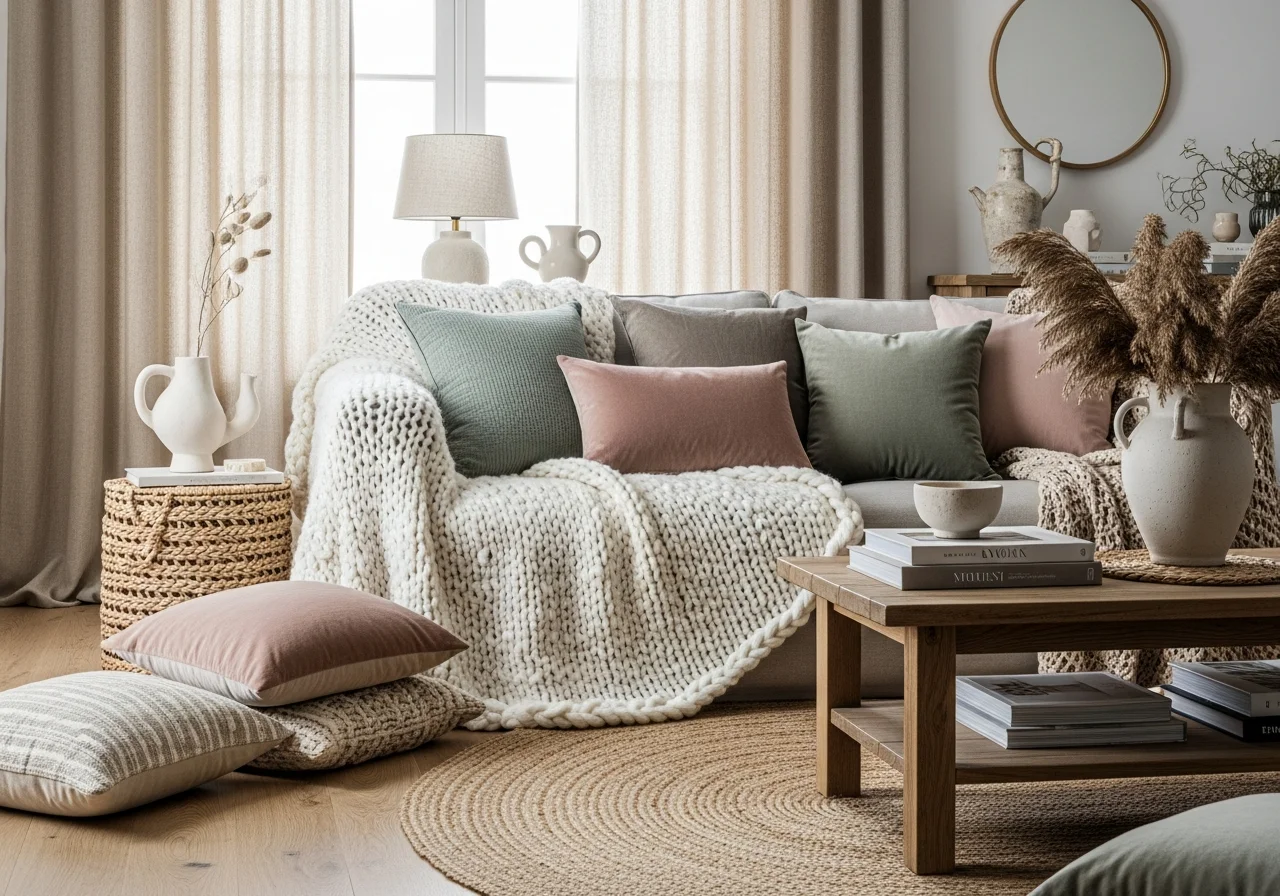
Incorporate Texture
When working with neutral or monochromatic color schemes in small living rooms, texture becomes essential for creating visual interest and preventing spaces from feeling flat or boring. Layering various textures adds depth and dimension that makes rooms more engaging without relying on color variation.
Combine smooth surfaces like glass or polished metals with rough textures like jute rugs or woven baskets. Mix soft, plush fabrics like velvet pillows with crisp linen curtains. Layer different materials including wood, metal, glass, ceramics, and textiles to create rich, dimensional environments that reward closer inspection.
Wall texture also contributes to overall visual interest. Consider textured wallpaper, wood paneling, or decorative plaster treatments on accent walls. Even subtle texture in paint techniques adds depth without overwhelming small spaces. The goal is creating variety that engages the eye without creating visual chaos.
Rethink Traditional Layouts
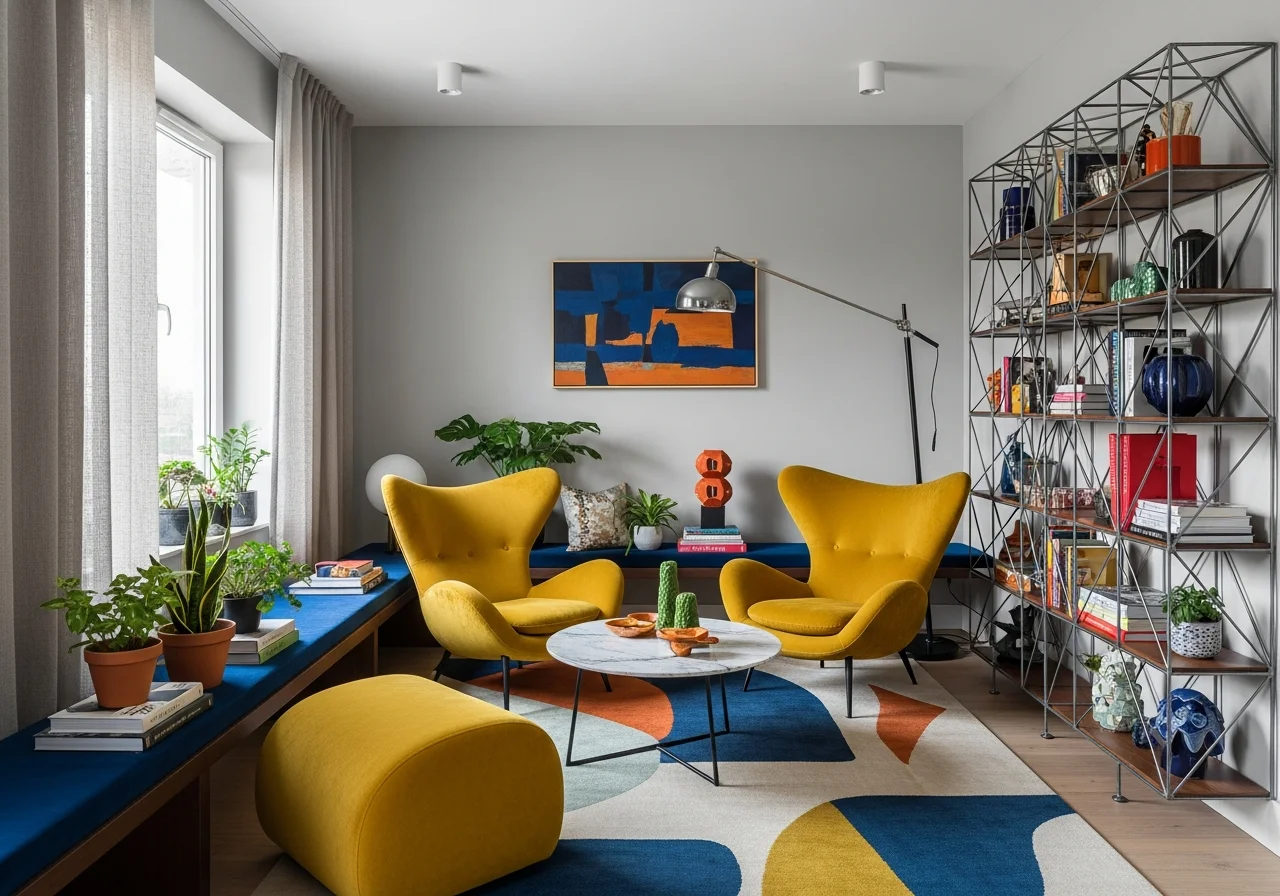
Small living rooms often benefit from unconventional furniture arrangements that challenge traditional notions of how living rooms should be organized. Rather than automatically defaulting to the standard sofa against the wall facing a television setup, consider arrangements that better suit your actual space and lifestyle.
In narrow rectangular rooms, positioning the sofa perpendicular to the long wall rather than against it can create better proportions and more intimate seating arrangements. Diagonal furniture placement in square rooms breaks up the rigid geometry and creates more dynamic, interesting spaces.
Consider whether you actually need a traditional sofa or if multiple chairs arranged in a conversation grouping might better suit your space and usage patterns. Challenge assumptions about what must be included in a living room and focus instead on creating a layout that accommodates your actual activities and needs.
Conclusion
Transforming a small living room into a space that feels spacious and welcoming requires strategic thinking and intentional design choices. The 29 ideas presented here work individually but become even more powerful when combined thoughtfully to address your specific space and needs. Remember that making a room feel larger is not about one dramatic change but rather the cumulative effect of many smart decisions working together.
Start by assessing your current living room with fresh eyes, identifying which of these strategies might have the most immediate impact. Perhaps your space would benefit most from better lighting, or maybe furniture rearrangement could create better flow. Begin with changes that require minimal investment, like decluttering and rearranging furniture, before committing to larger purchases or renovations.
The most successful small living room designs balance functionality with aesthetics, creating spaces that are both beautiful and livable. As you implement these ideas, remain flexible and willing to adjust based on how the space actually functions in your daily life. With thoughtfulness and creativity, even the smallest living room can become a comfortable, stylish haven that feels surprisingly spacious.
Frequently Asked Questions
What colors make a small living room look bigger?
Light, neutral colors such as soft whites, pale grays, warm beiges, and gentle pastels make small living rooms appear larger by reflecting light and creating visual continuity. These colors allow the eye to move smoothly across surfaces without interruption, expanding perceived boundaries. You can incorporate deeper accent colors through furniture and accessories while maintaining light walls for maximum spaciousness.
How do you arrange furniture in a small living room?
Arrange furniture away from walls in a floating layout that creates defined conversation areas rather than pushing everything to the perimeter. Select appropriately scaled pieces with exposed legs and maintain clear pathways of at least 24 to 30 inches between items. Use area rugs to anchor furniture groupings and create cohesion while ensuring the rug is large enough that furniture legs rest on it.
What size sofa is best for a small living room?
Choose a sofa that is proportional to your space, typically ranging from 72 to 84 inches in length for small living rooms. Look for designs with exposed legs, low or streamlined arms, and clean lines rather than bulky, overstuffed styles. Consider alternatives like loveseats, apartment-sized sectionals, or even replacing a traditional sofa with multiple chairs if that better suits your layout.
How can mirrors make a small living room look bigger?
Mirrors create the illusion of expanded space by reflecting light, views, and architectural features. Position a large mirror directly opposite a window to double natural light and create the appearance of an additional window. Floor to ceiling mirrors or substantial wall mirrors add dramatic depth, while mirrored furniture surfaces provide functionality while maintaining visual lightness.
What should you avoid in a small living room?
Avoid oversized furniture that overwhelms the space, dark colors that absorb light, heavy window treatments that block natural light, and excessive decorative items that create visual clutter. Skip pushing all furniture against walls, using too many small area rugs that fragment the floor, and incorporating too many competing patterns. Multiple small pieces of artwork scattered randomly also make spaces feel smaller compared to one large statement piece.