22 Aesthetic Room Ideas for Instagram-Worthy Interiors
Creating a bedroom that reflects your personality while looking effortlessly beautiful has become more than just a design goal. Aesthetic room decor represents a thoughtfully curated approach to interior styling that balances visual appeal with comfort and functionality. Whether you scroll through social media for inspiration or simply want a space that makes you feel at peace, transforming your room into an Instagram-worthy sanctuary is entirely achievable.
The beauty of aesthetic room design lies in its versatility. From minimalist tranquility to maximalist expression, from vintage charm to modern sophistication, there exists a style that resonates with every personality. This guide presents 22 practical and inspiring ideas to help you create a space that not only photographs beautifully but also serves as a genuine retreat from the outside world.
Understanding Aesthetic Room Design
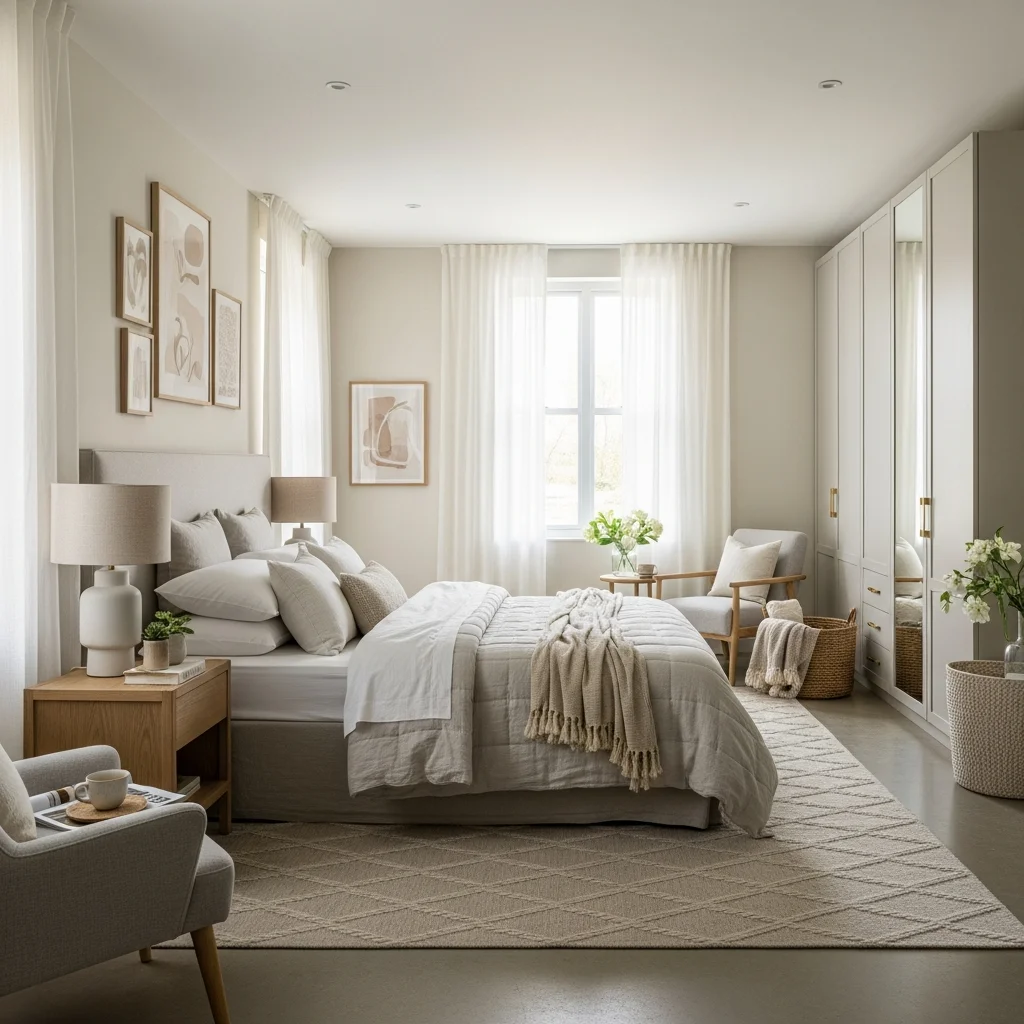
Aesthetic room decor refers to interior styling that follows a cohesive visual theme, combining color palettes, textures, furniture, and accessories to create harmony. Unlike random decoration, aesthetic design considers how each element contributes to the overall atmosphere. The goal extends beyond creating a photogenic space. A truly aesthetic room should evoke specific emotions and reflect the inhabitant’s identity while maintaining visual coherence.
The rise of social media platforms has democratized interior design, allowing people to discover and share diverse aesthetic styles. What was once limited to professional designers has become accessible to anyone willing to invest creativity and effort into their personal space.
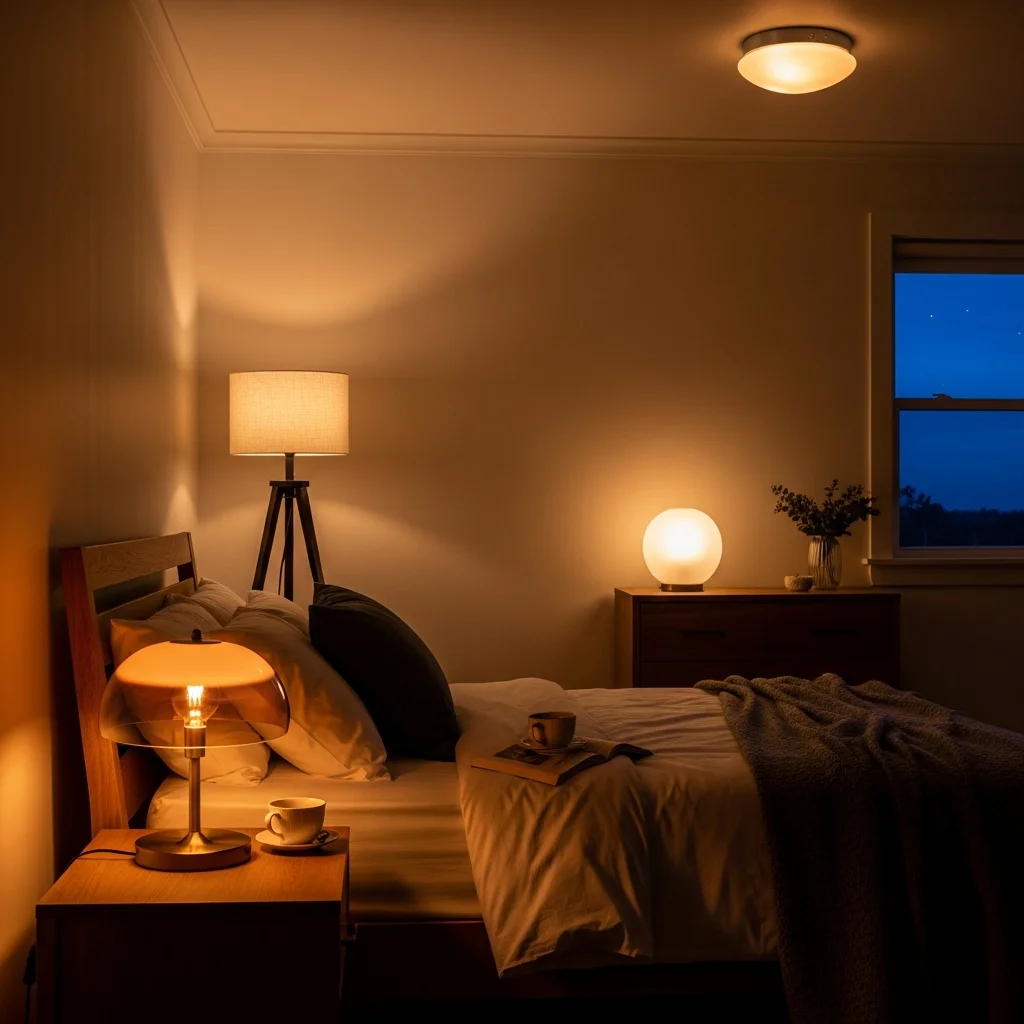
Lighting That Sets the Mood
Lighting transforms any room from ordinary to extraordinary. The right illumination creates ambiance, highlights architectural features, and establishes the foundation for your aesthetic vision.
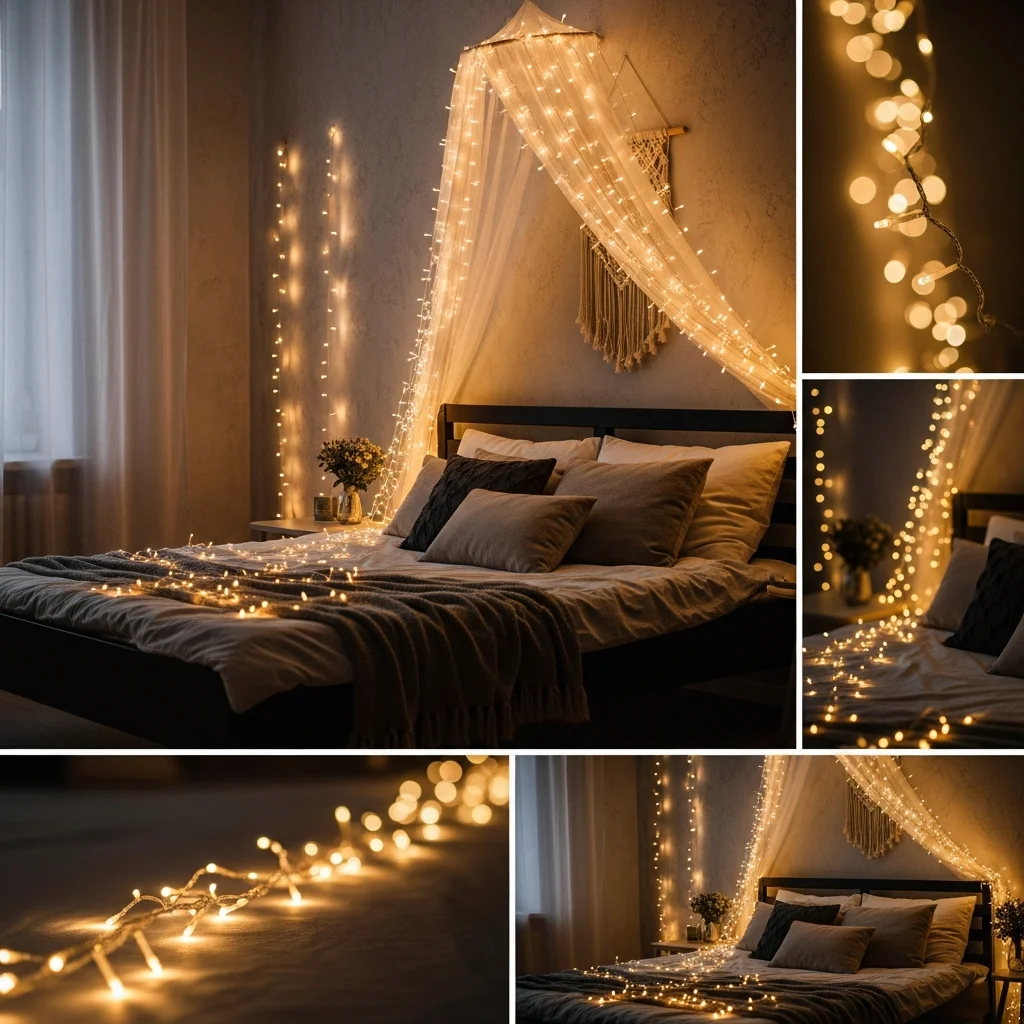
String Lights and Fairy Lights
Nothing captures cozy aesthetic vibes quite like delicate string lights. Drape them along walls, around bed frames, or across ceiling corners to create a soft, enchanting glow. Unlike harsh overhead lighting, fairy lights provide gentle illumination perfect for evening relaxation and photography. Position them strategically behind sheer curtains or along shelving units to add depth and warmth.
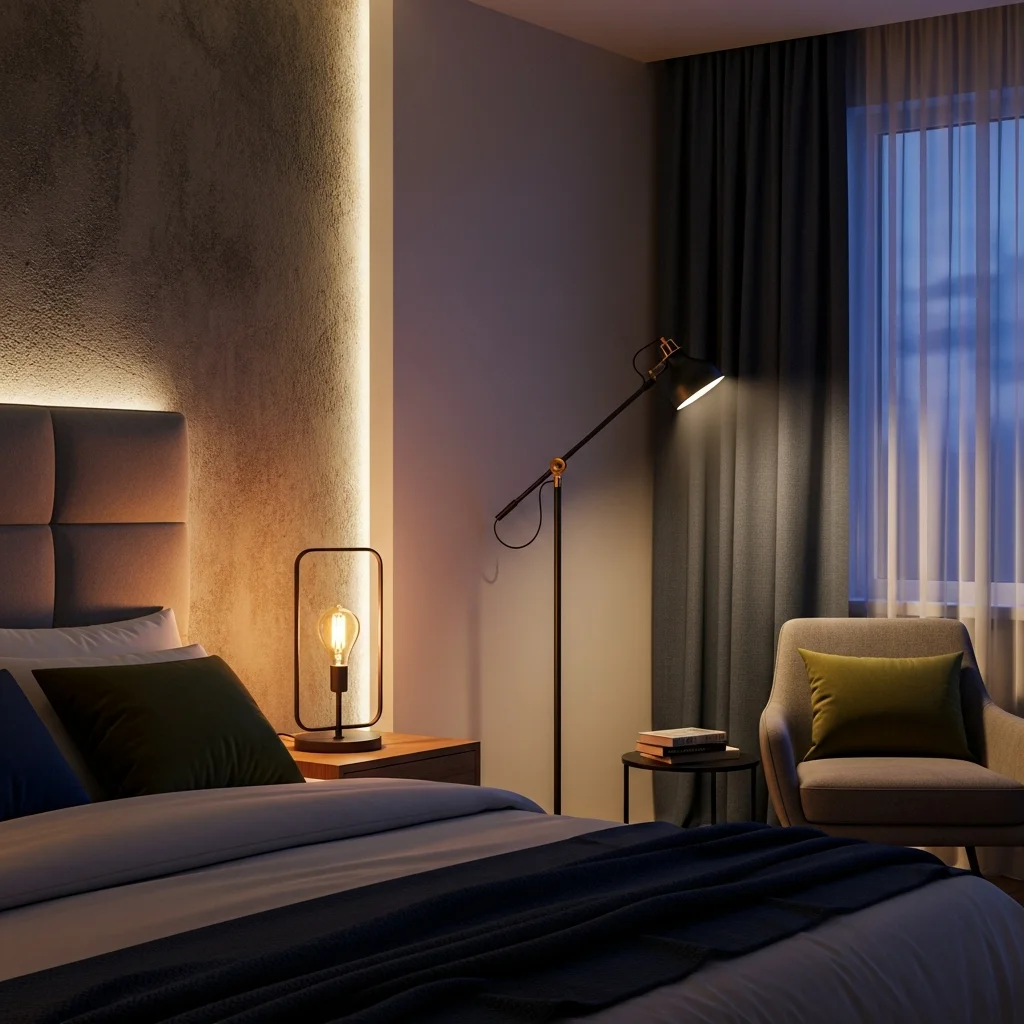
Layered Lighting Approach
Professional designers recommend combining multiple light sources rather than relying on a single overhead fixture. Pair bedside lamps with floor lamps and accent lighting to create versatile illumination options. Install dimmer switches to adjust brightness according to activity and mood. Consider pendant lights that hang beside the bed as modern alternatives to traditional table lamps, freeing up nightstand space.
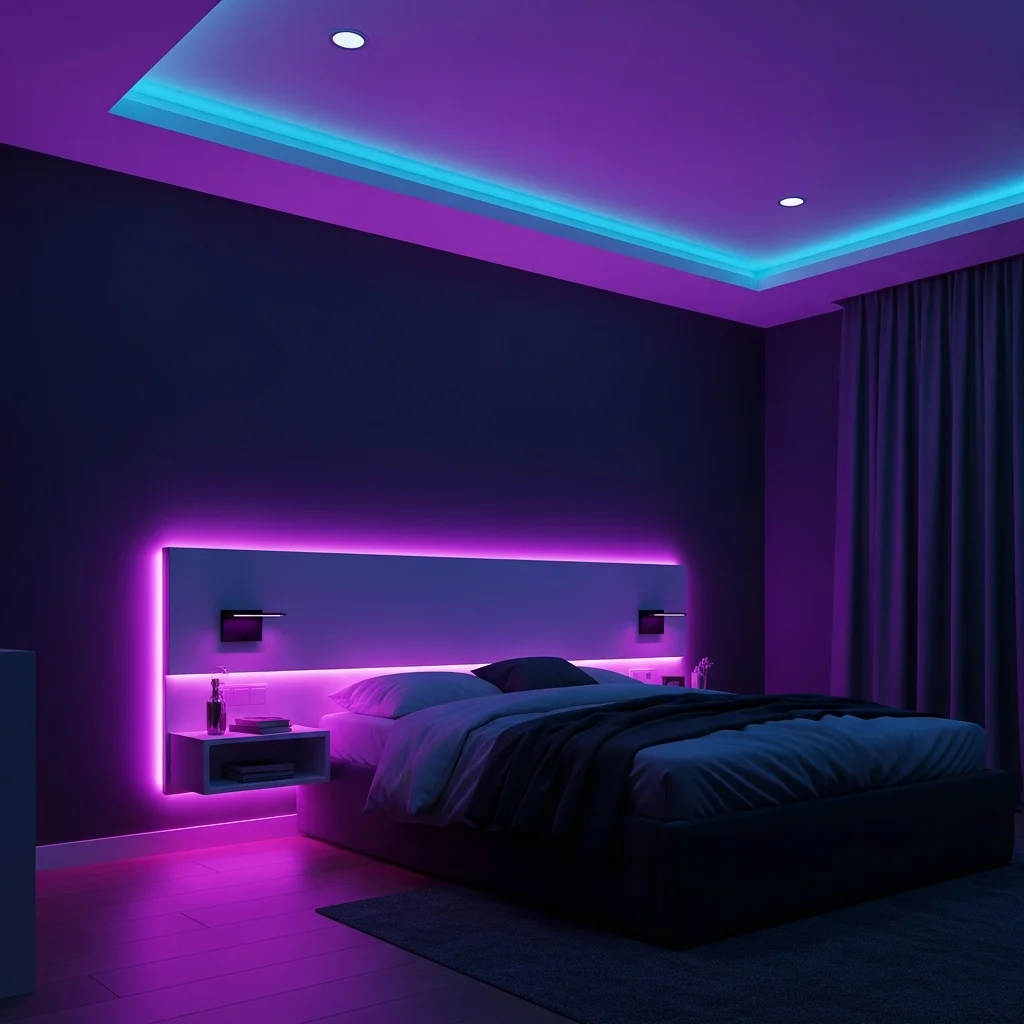
LED Strip Lighting
For contemporary or gaming-inspired aesthetics, LED strip lighting offers customizable color options and dynamic effects. Install these behind headboards, under floating shelves, or along ceiling edges to create a modern, tech-savvy atmosphere. The ability to change colors allows you to adjust the room’s mood instantly.
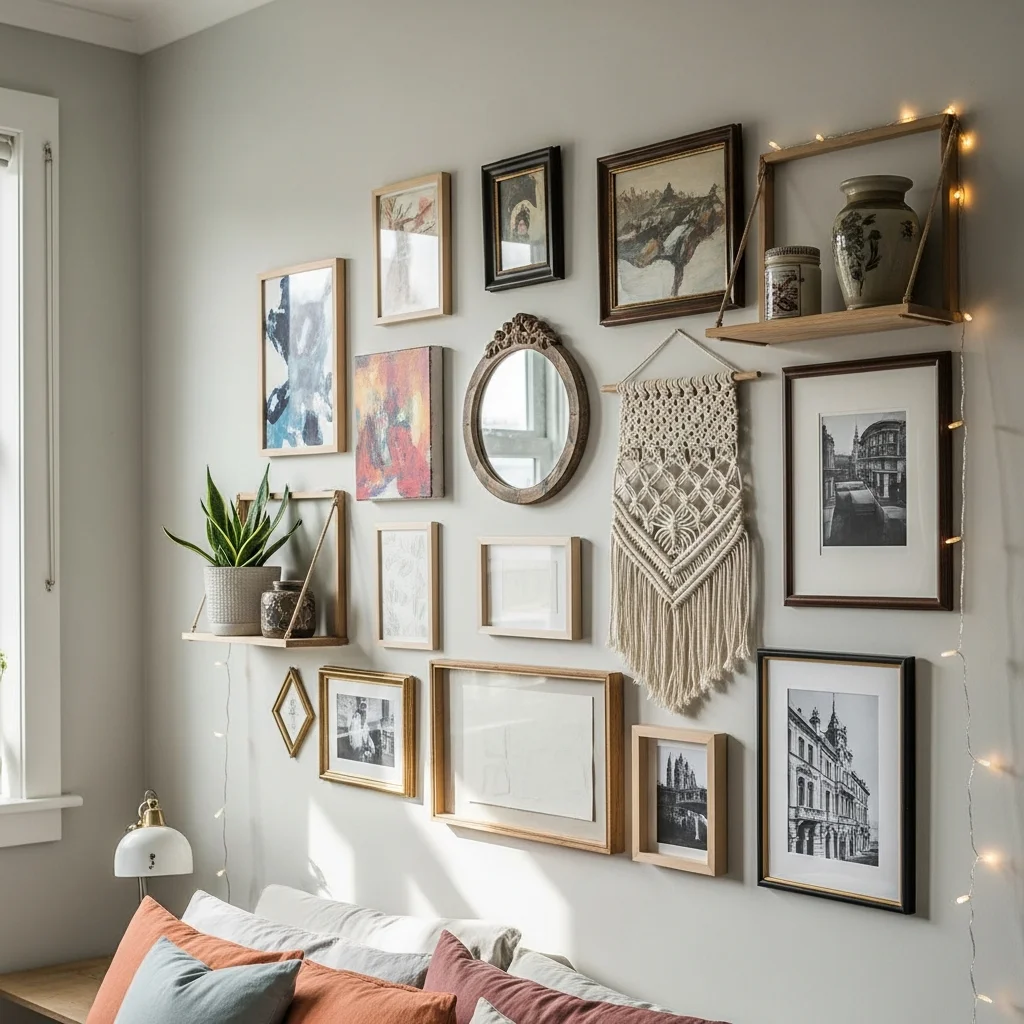
Wall Decor That Tells Your Story
Walls provide the largest canvas for expressing your aesthetic vision. The key lies in creating visual interest without overwhelming the space.
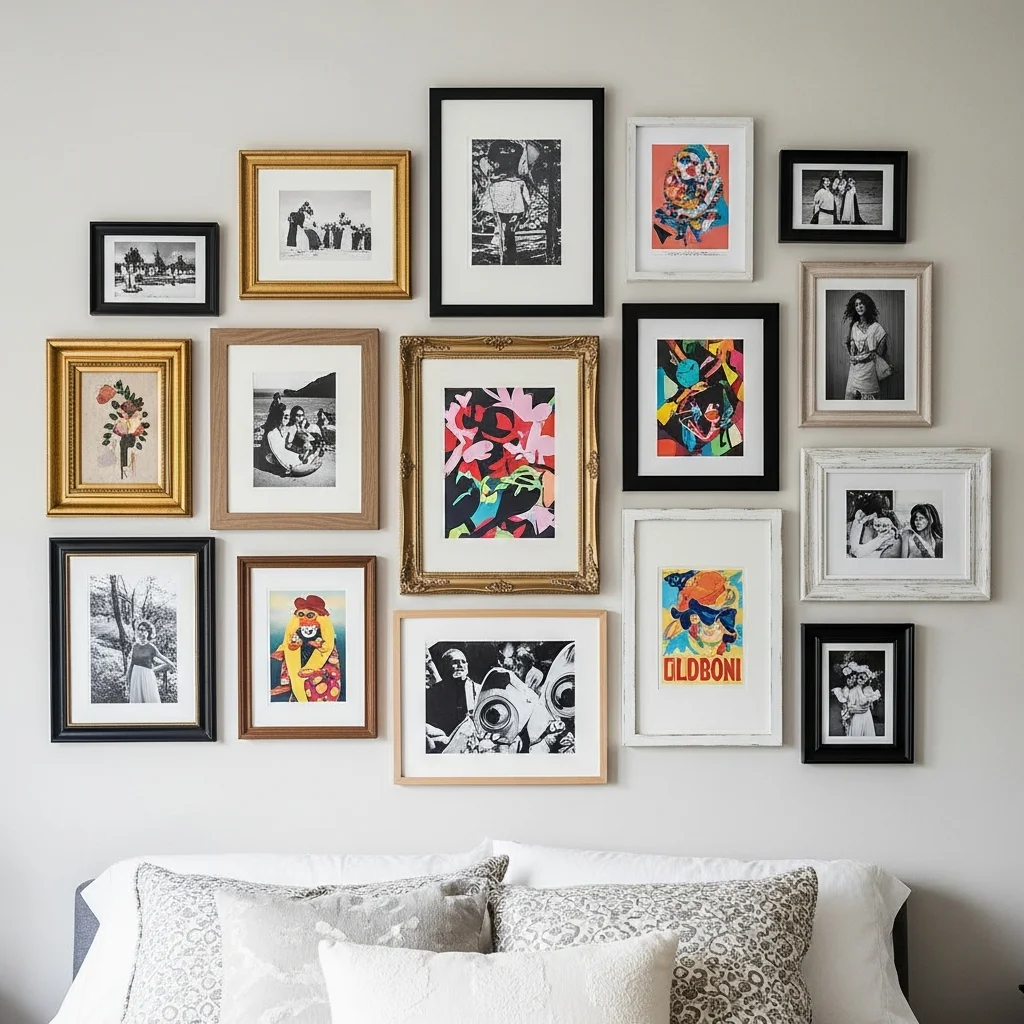
Gallery Wall Collections
Create a personalized gallery by mixing photographs, art prints, and meaningful objects. This approach works particularly well for eclectic or bohemian aesthetics. Vary frame sizes and styles for a collected-over-time appearance, or maintain uniform frames for a more polished look. Include a mix of personal photographs, vintage posters, and abstract art that speaks to your interests.
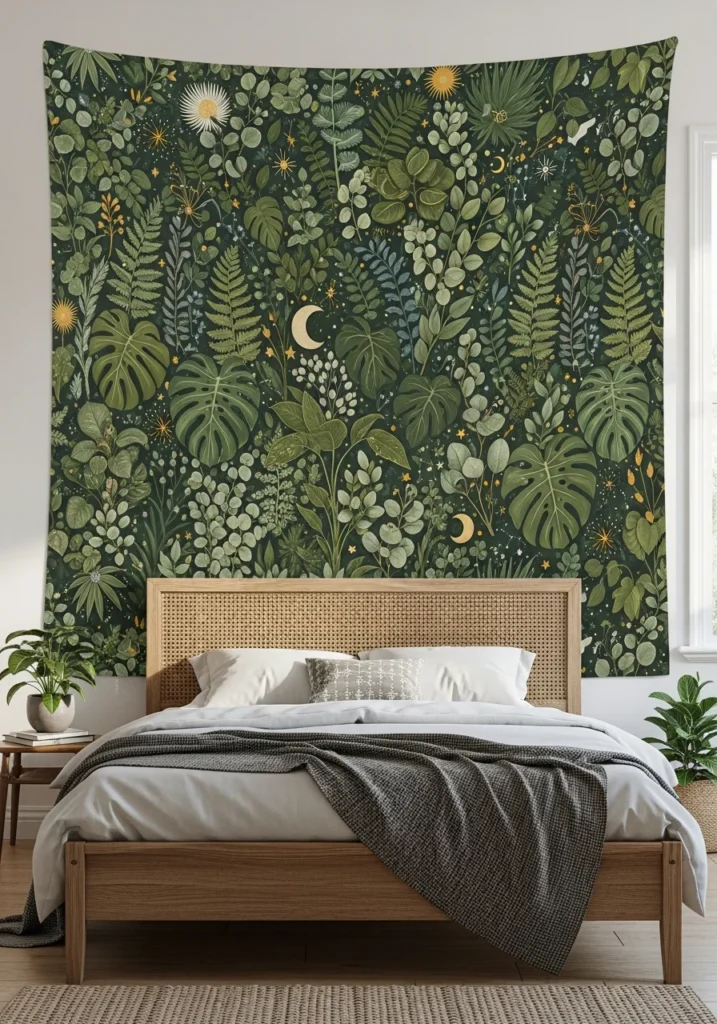
Tapestries and Textile Wall Hangings
Large tapestries serve as instant focal points, adding color, pattern, and softness to walls. Botanical prints, celestial designs, and geometric patterns remain popular choices. These textile pieces also provide acoustic benefits, absorbing sound and creating a quieter environment.
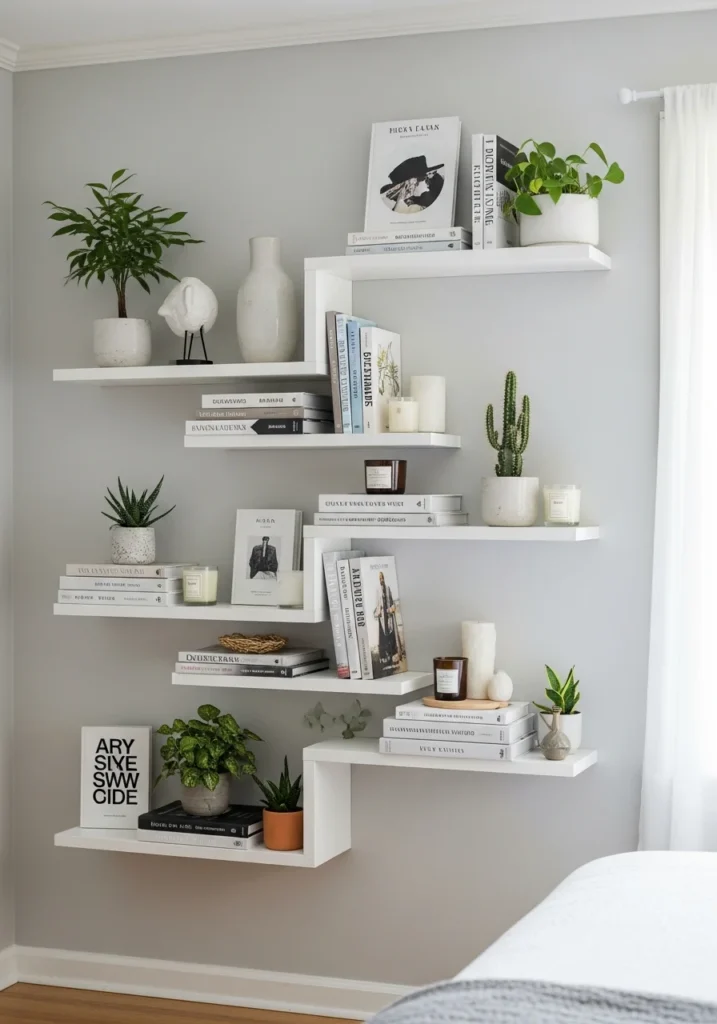
Floating Shelves
Functional and decorative, floating shelves display collections while maximizing vertical space. Arrange books, small plants, candles, and decorative objects in curated vignettes. Hexagonal or geometric shelving adds architectural interest, particularly in modern or minimalist rooms.
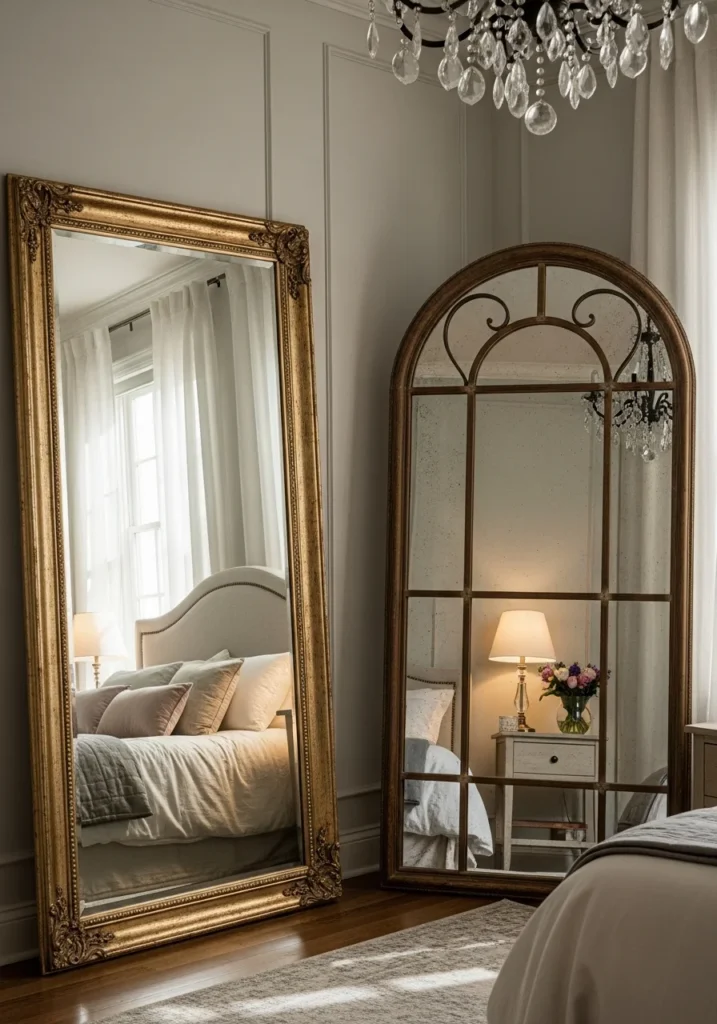
Mirrors for Light and Space
Strategically placed mirrors amplify natural light and create the illusion of larger space. Floor-length mirrors provide both functionality and visual impact, while collections of smaller mirrors in varied shapes add artistic flair. Position mirrors opposite windows to maximize light reflection throughout the day.
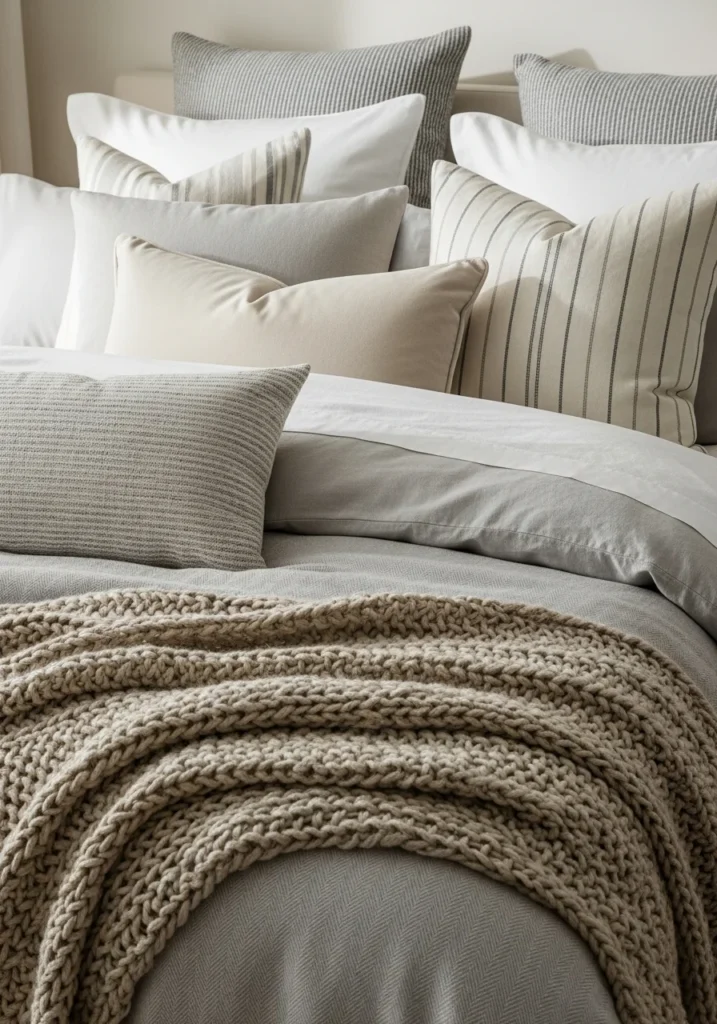
Textiles and Textures
Layering different fabrics and textures creates depth and sensory richness that photographs beautifully and feels luxurious.
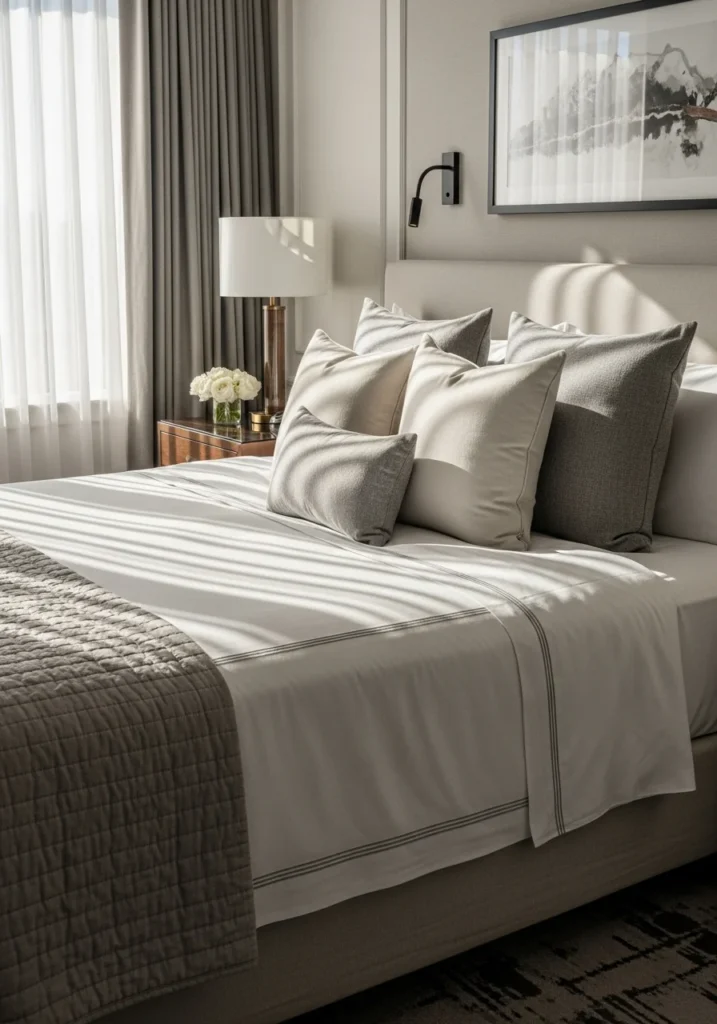
Bedding as a Foundation
Your bed occupies significant visual space, making bedding choices crucial to overall aesthetic success. Invest in quality sheets in colors that anchor your chosen palette. Layer with throws, quilts, and decorative pillows in complementary textures. Mix materials like linen, velvet, and cotton for visual and tactile interest.
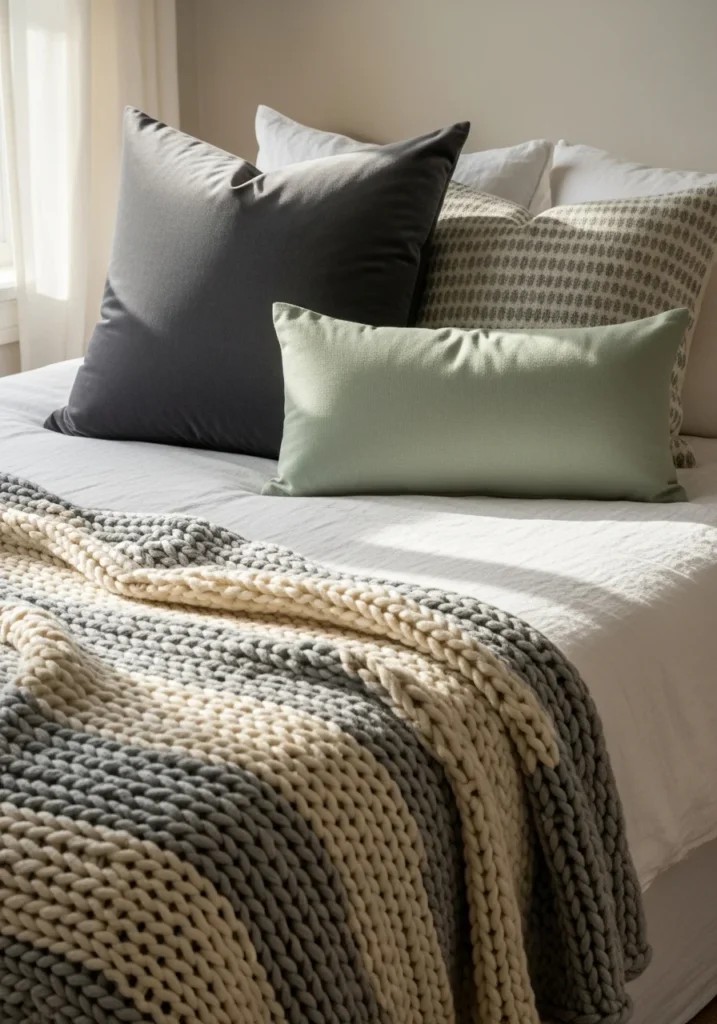
Throw Blankets and Cushions
Chunky knit throws add cozy texture and serve as statement pieces draped across beds or chairs. Mix cushion sizes, patterns, and fabrics to create an inviting, lived-in appearance. This layering technique remains fundamental to achieving that effortlessly styled look.
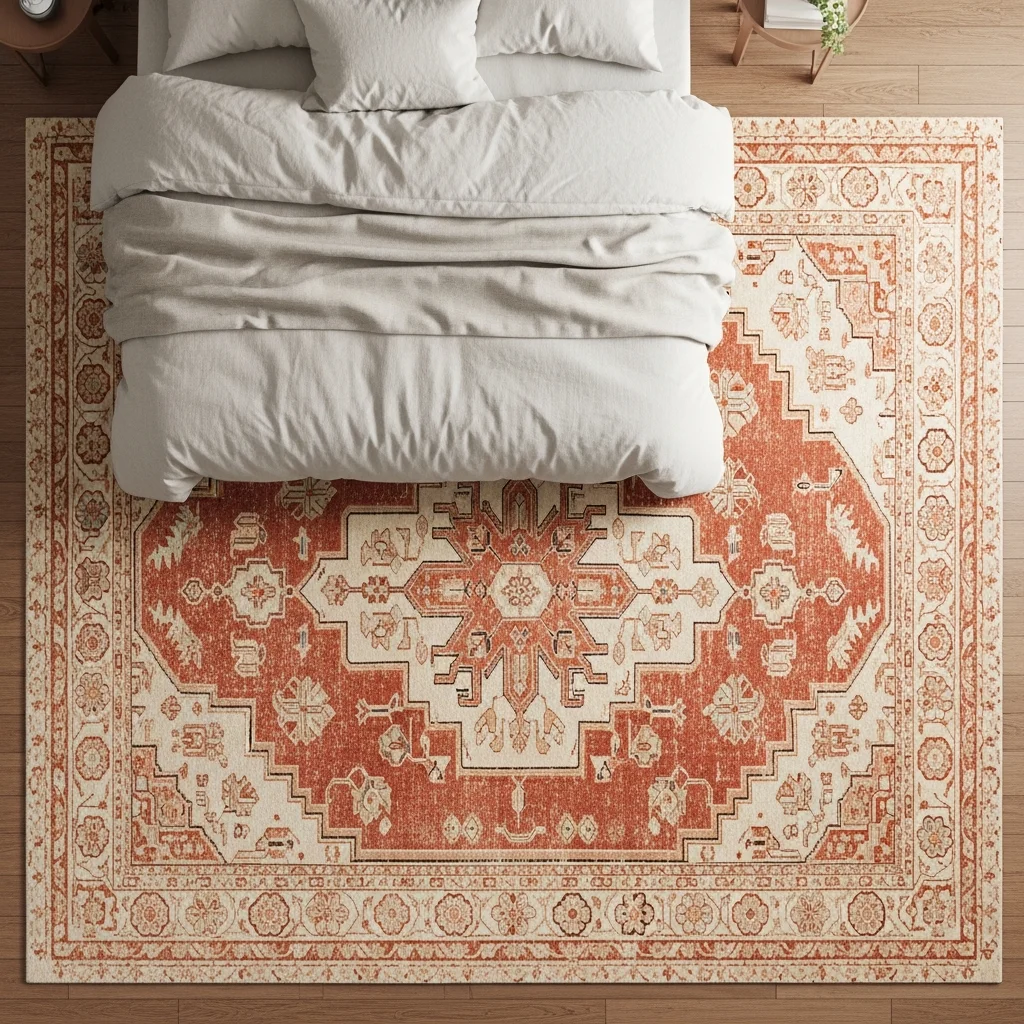
Area Rugs
Rugs define spaces, add warmth, and introduce pattern or color. In bedrooms, place large rugs under beds with enough extension on each side for bare feet. Layer smaller rugs over larger ones for bohemian flair, or choose vintage-style rugs with intricate patterns for character.
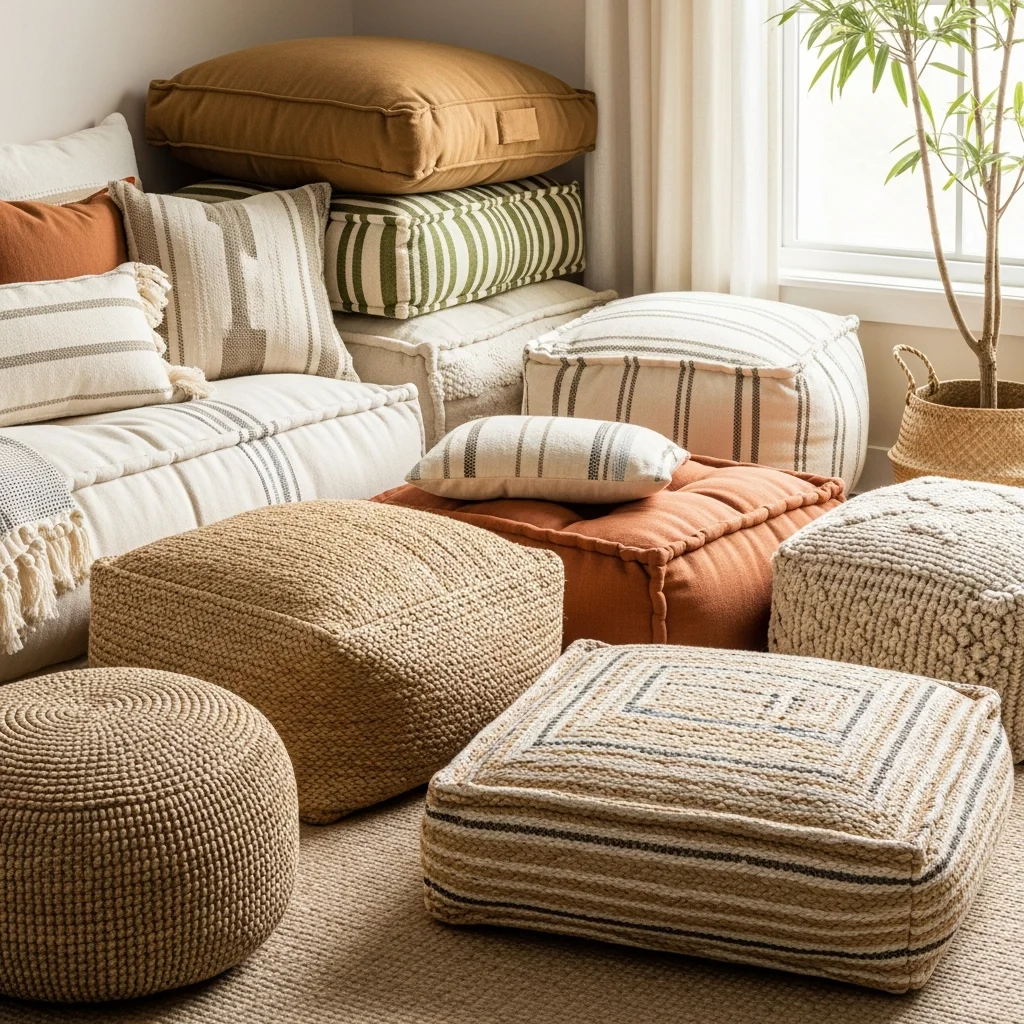
Floor Cushions
Large floor cushions create casual seating areas perfect for reading, studying, or socializing. They contribute to relaxed, youthful aesthetics while providing practical functionality.
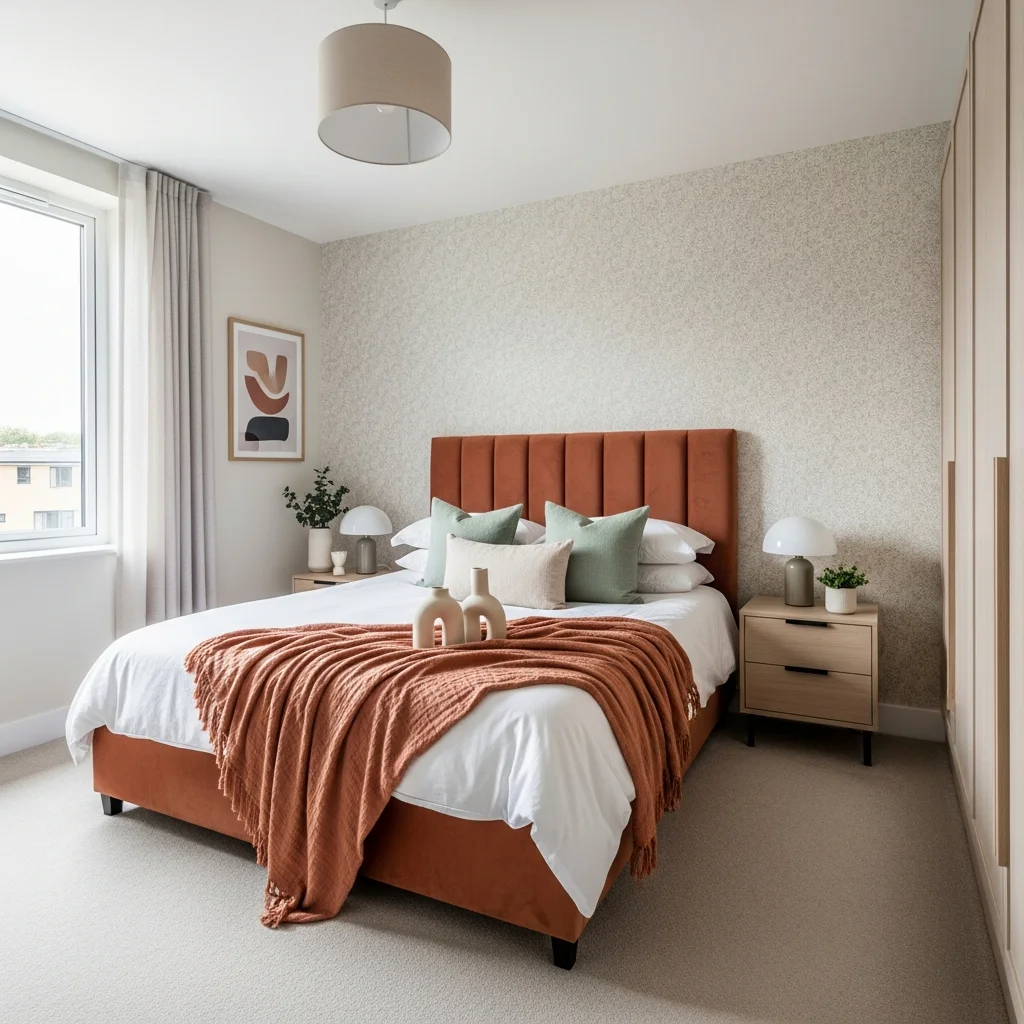
Color Palette Cohesion
Choosing and maintaining a consistent color scheme elevates any room from scattered to sophisticated.
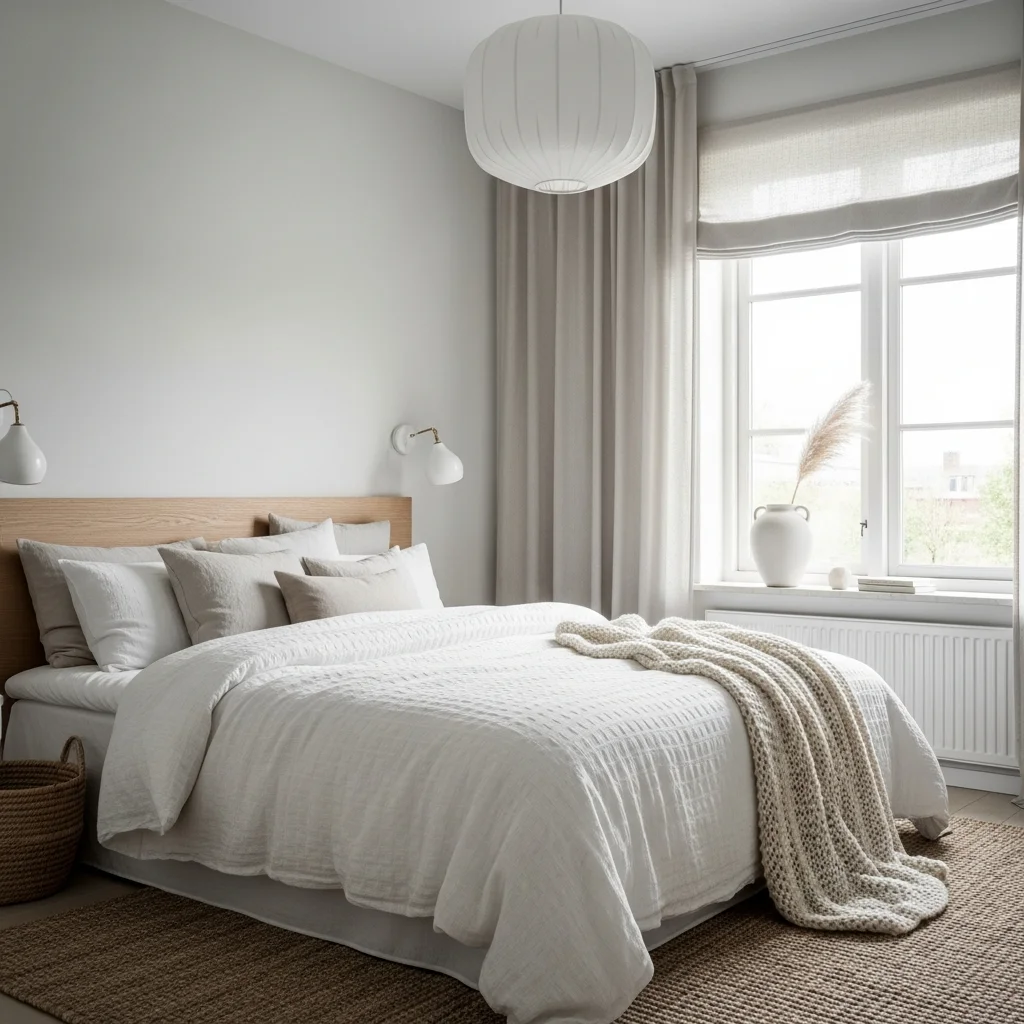
Neutral Foundations
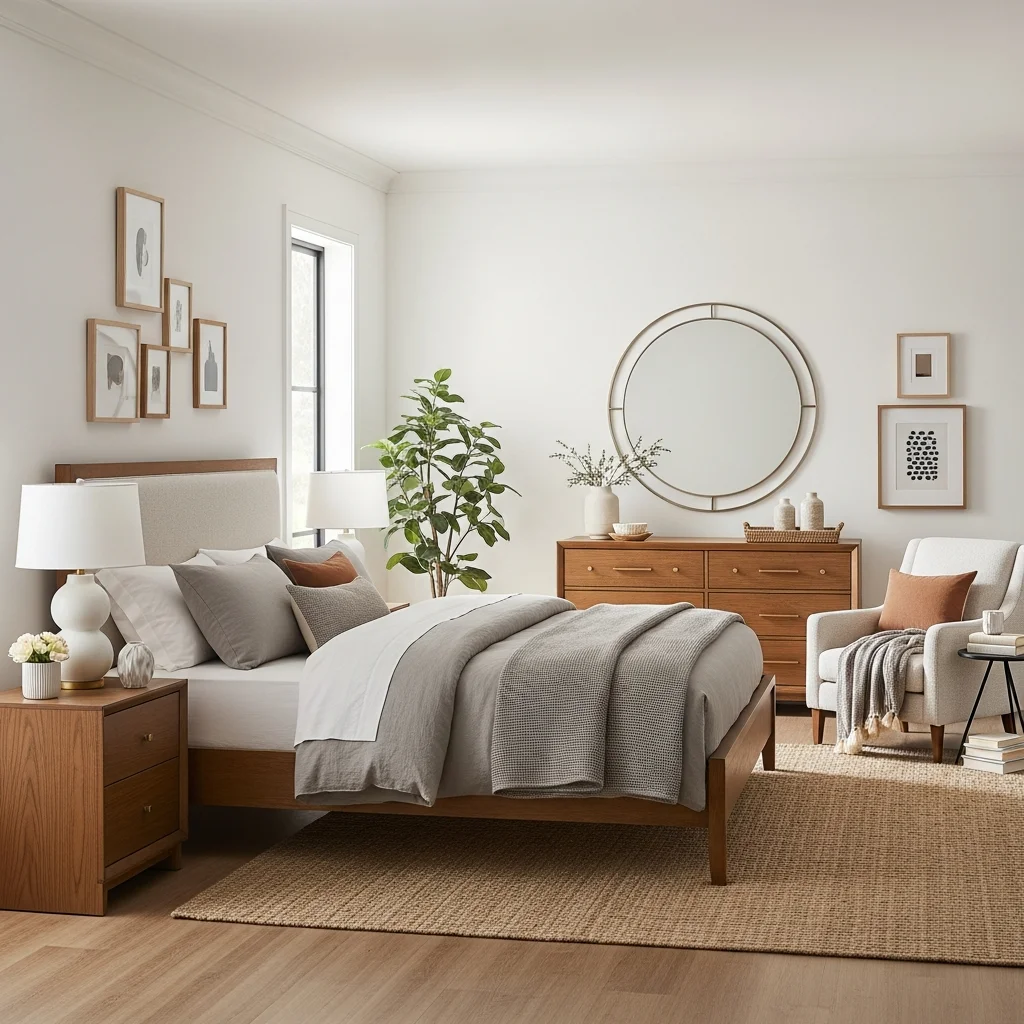
Neutrals including whites, beiges, grays, and soft taupes create calming environments and photograph exceptionally well. These versatile bases allow you to introduce pops of color through easily changeable accessories. Neutral palettes make small spaces feel larger and provide timeless appeal that ages gracefully.
Pastel Serenity
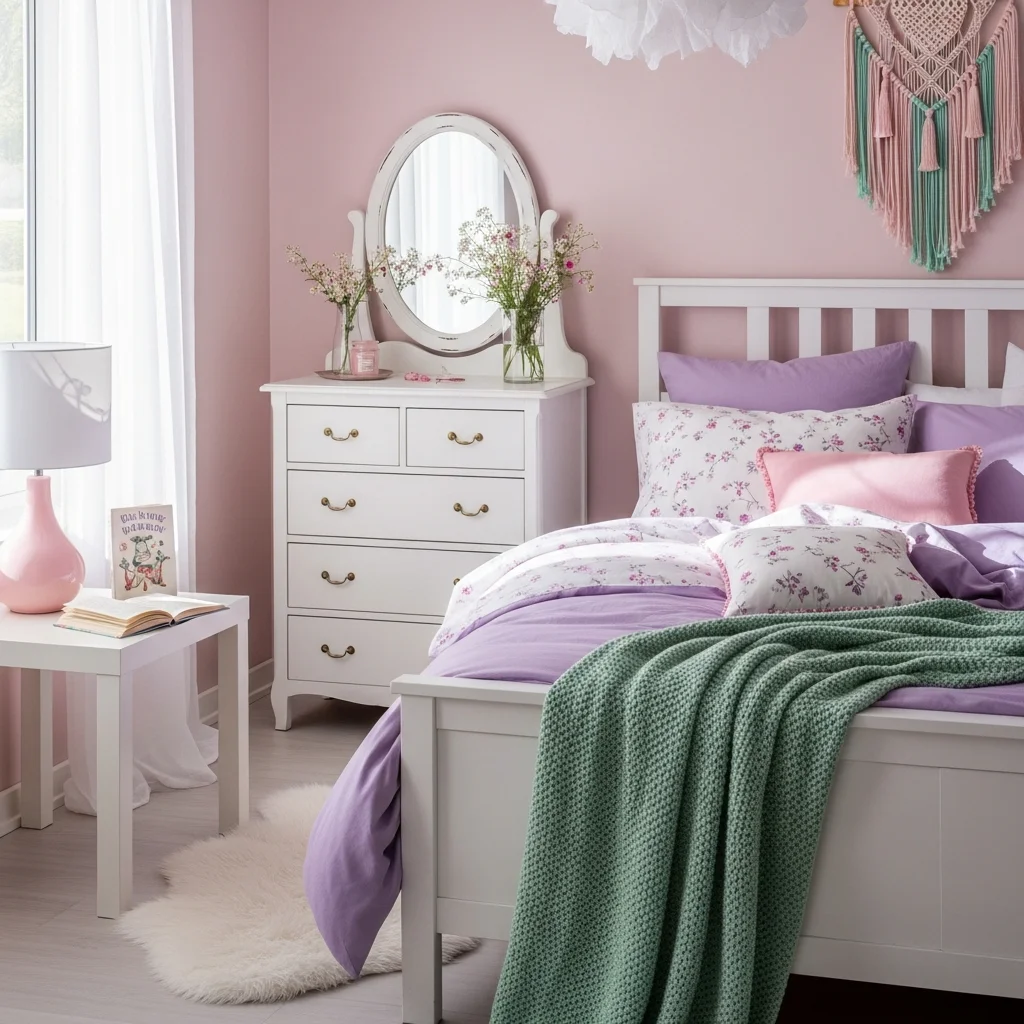
Soft pastels like blush pink, mint green, lavender, and pale blue create gentle, dreamy atmospheres. These colors work beautifully in feminine, cottagecore, or soft aesthetic styles. Combine pastels with white or cream for ethereal lightness.
Earthy Warmth
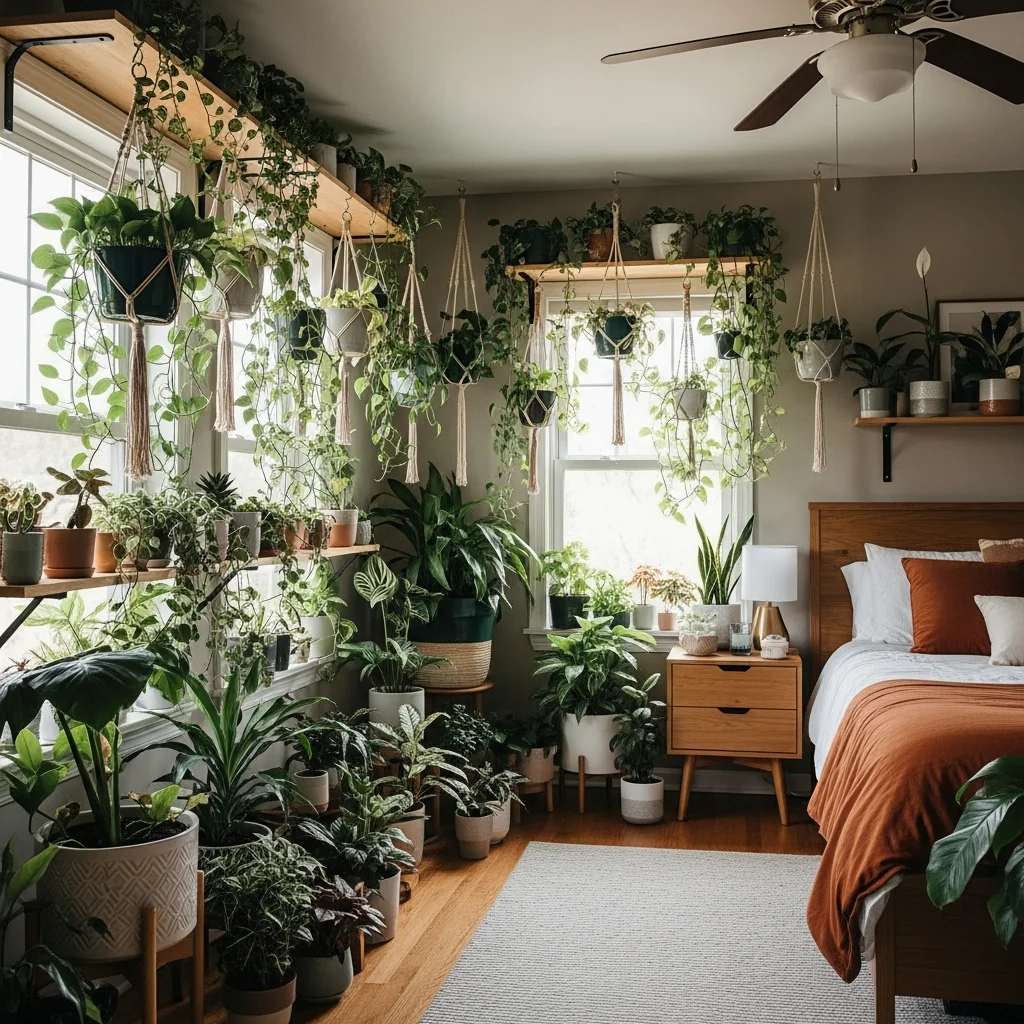
Terracotta, sage green, warm browns, and rust tones connect spaces to nature. These colors pair beautifully with natural materials like wood, rattan, and linen, supporting biophilic design principles that promote wellbeing.
Bold Accent Walls
For those seeking drama, a single accent wall in a saturated hue creates impact without overwhelming. Deep navy, forest green, or burnt orange can anchor a room while allowing other walls to remain neutral. This approach satisfies desires for color while maintaining visual balance.
Bringing Nature Indoors
Incorporating natural elements creates peaceful, grounding environments that benefit both mental health and aesthetics.
Houseplants
Plants purify air, add life to spaces, and photograph beautifully. Choose varieties appropriate for your light conditions and maintenance preferences. Pothos, snake plants, and succulents thrive with minimal care. Display plants on shelves, windowsills, and hanging planters at varying heights for dynamic visual interest.
Dried Flowers and Botanicals
Preserved flowers, pampas grass, and dried botanicals offer long-lasting natural beauty without watering requirements. Display in vases, hang in bundles, or press and frame for botanical art.
Natural Materials
Incorporate wood, stone, rattan, and jute through furniture and accessories. These materials add organic texture and warmth while supporting sustainable design practices. A wooden headboard, rattan chair, or jute rug introduces nature-inspired elements effortlessly.
Furniture Selection
Thoughtful furniture choices establish your aesthetic while serving practical needs.
Statement Beds and Headboards
The bed dominates bedroom visuals, making your choice significant. Upholstered headboards in velvet add luxury, while wrought iron frames suit vintage or industrial aesthetics. Platform beds with clean lines support minimalist visions, and canopy beds create romantic, dramatic focal points.
Vintage and Thrifted Pieces
Second-hand furniture adds character and supports sustainability. Vintage nightstands, dressers, and mirrors bring history and uniqueness that mass-produced items cannot match. Mix vintage finds with contemporary pieces for eclectic charm.
Multifunctional Furniture
Beds with built-in storage, ottomans with hidden compartments, and desks with integrated shelving maximize functionality in smaller spaces. Aesthetic design need not sacrifice practicality.
Seating Areas
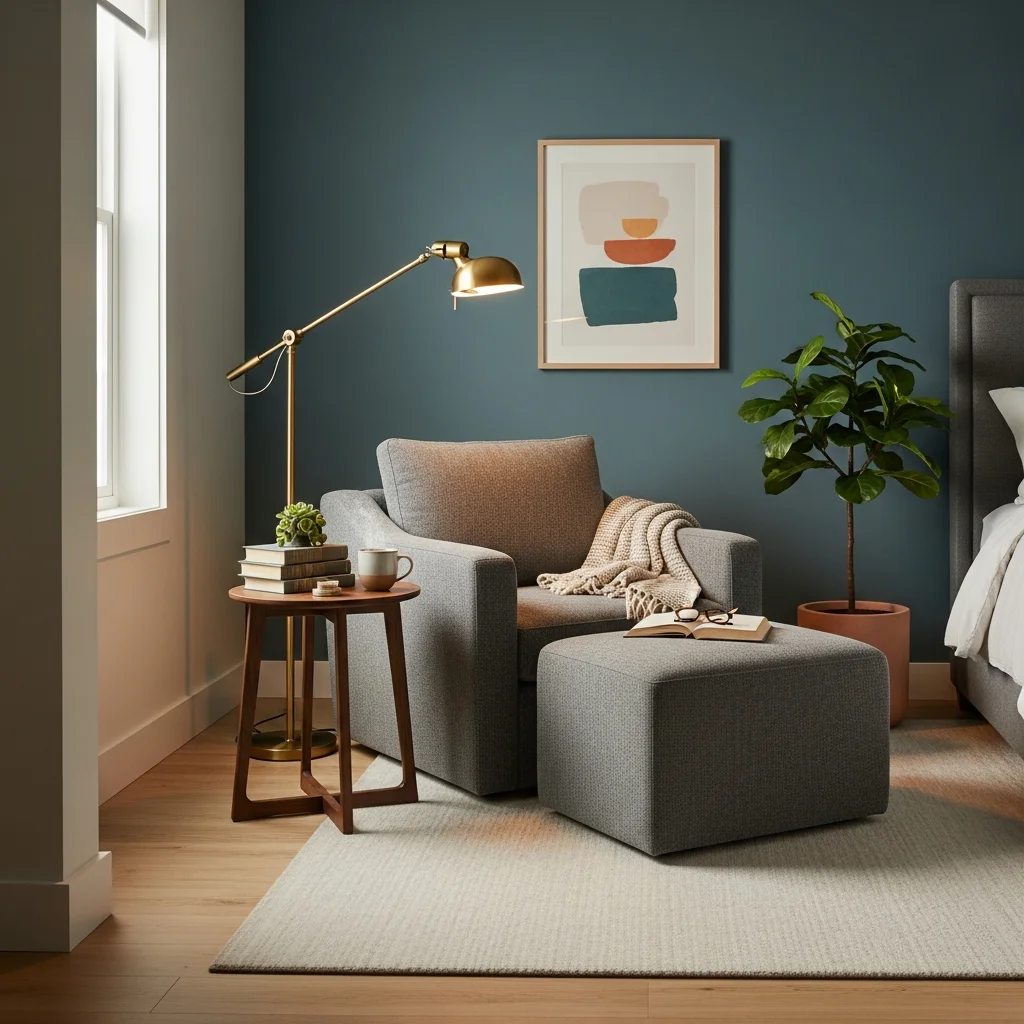
Create intimate corners with comfortable chairs, small benches, or window seats. Add a small side table and reading lamp to establish cozy retreats within your room.
Creating Cozy Corners
Designated zones for specific activities enhance both aesthetics and functionality.
Reading Nooks
Transform unused corners into reading sanctuaries with a comfortable chair, throw blanket, small bookshelf, and task lighting. This dedicated space invites relaxation and adds visual interest to empty areas.
Vanity Stations
A dedicated beauty area with proper lighting, organized storage, and a comfortable stool creates functional luxury. Round mirrors, aesthetic organizers, and coordinated accessories make getting ready enjoyable.
Study Spaces
For students or remote workers, an organized desk area with aesthetic accessories maintains style while supporting productivity. Choose desk lamps, organizers, and accessories in materials and colors that complement your overall aesthetic.

Personal Touches
Authentic personalization distinguishes truly aesthetic rooms from generic magazine spreads.
Display Meaningful Items
Showcase collections, souvenirs, handwritten notes, and sentimental objects that tell your story. Personality makes spaces memorable and genuinely yours.
DIY Projects
Handmade elements like painted canvases, photo collages, or crafted decorations add uniqueness no store can provide. These projects also offer creative satisfaction.
Seasonal Rotation
Update small elements seasonally to keep your space feeling fresh. Swap throw pillow covers, rotate artwork, or introduce seasonal flowers to reflect changing times without complete overhauls.
Storage Solutions
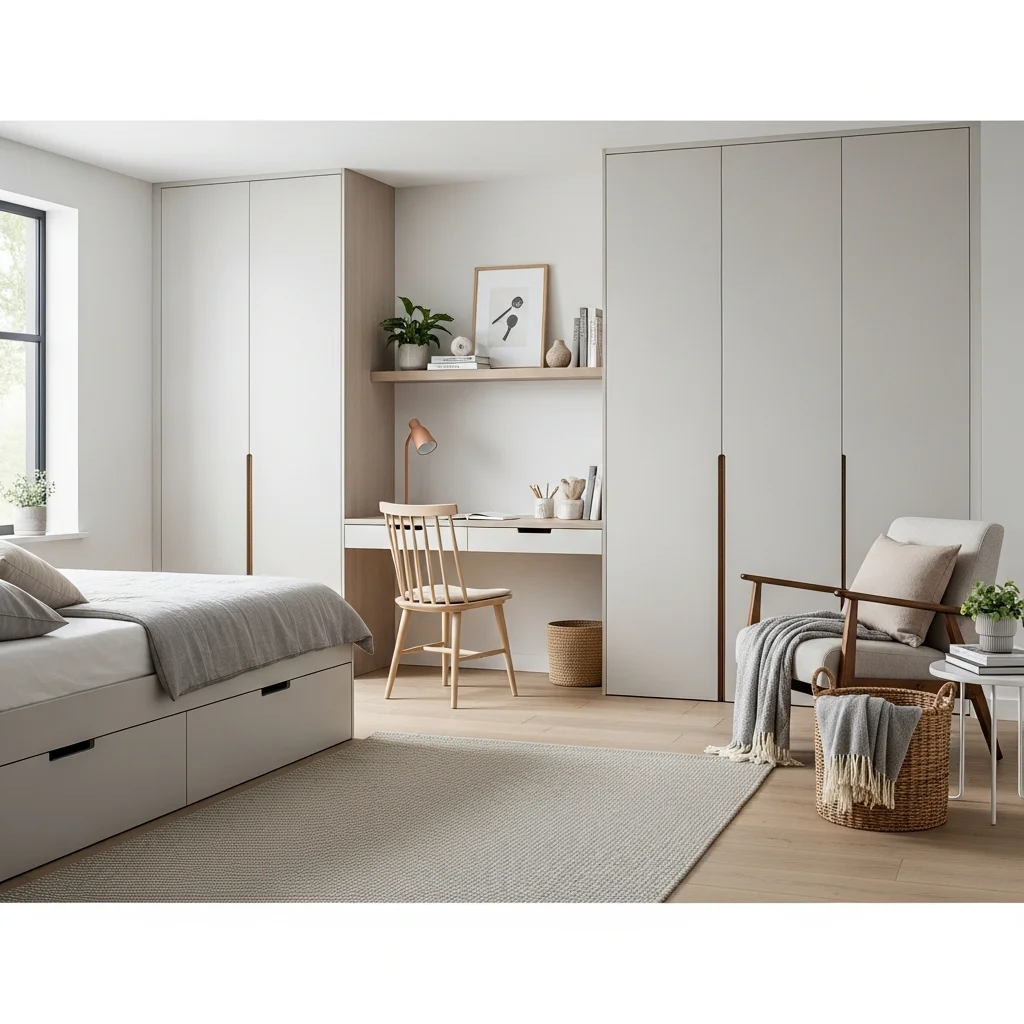
Clutter undermines even the most carefully planned aesthetics. Effective storage maintains visual cleanliness.
Hidden Storage
Utilize under-bed storage bins, ottomans with interior compartments, and beds with built-in drawers to conceal necessities while maintaining clean lines.
Decorative Storage
Woven baskets, vintage suitcases, and aesthetic boxes store items while contributing to decor. These pieces prove that storage can enhance rather than detract from beauty.
Open Shelving
Display-worthy items deserve visibility. Open shelving for books, plants, and curated objects adds personality while keeping frequently used items accessible.
Technology Integration
Modern life requires technology, but aesthetic rooms conceal or incorporate it thoughtfully.
Cord Management
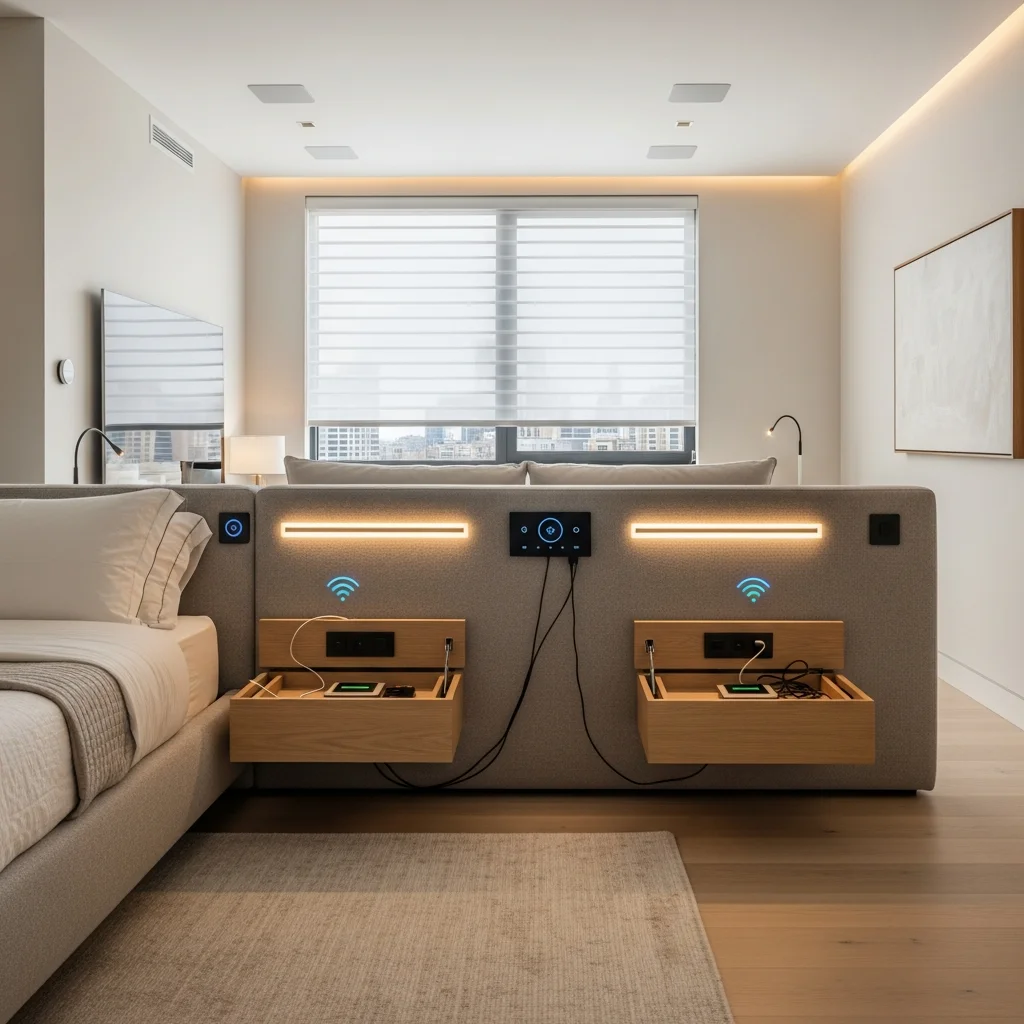
Hide cables behind furniture, use cable organizers, and choose wireless options when possible. Visible cords disrupt visual harmony.
Smart Home Devices
Voice-controlled lighting, speakers, and temperature control enhance comfort without cluttering surfaces. Choose devices in finishes that complement your decor.
Maximizing Small Spaces
Limited square footage need not limit aesthetic potential.
Vertical Space Utilization
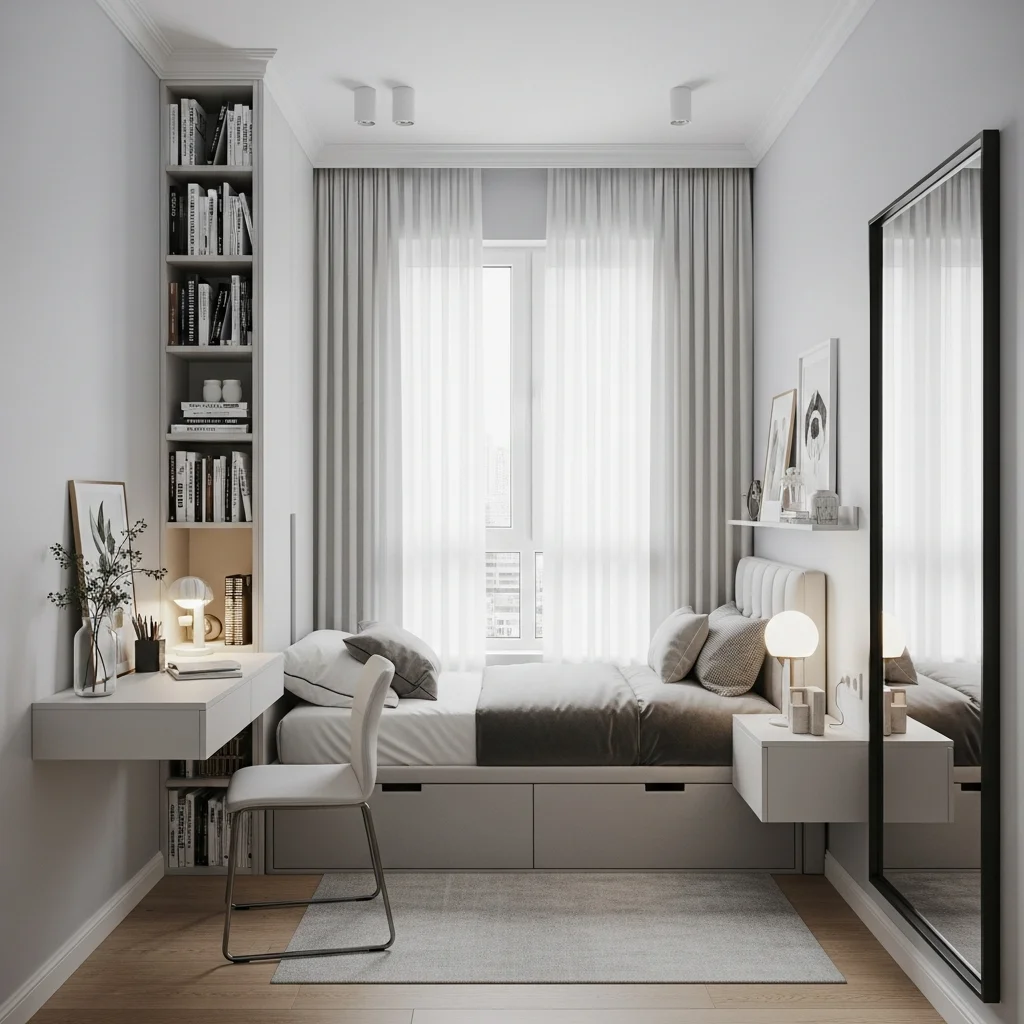
Install tall shelving units, hang plants from ceilings, and use wall-mounted lighting to draw eyes upward and create the illusion of height.
Light Colors
Pale palettes reflect light and make rooms feel more spacious. Reserve darker colors for accent pieces rather than large surfaces.
Minimal Furniture
Choose essential pieces carefully. A platform bed, floating nightstand, and wall-mounted desk occupy less visual and physical space than bulky alternatives.
Mirrors Strategically
Large mirrors opposite windows maximize natural light while creating depth perception
 .
.
Scent and Sound
Complete sensory experiences extend beyond visual aesthetics.
Candles and Diffusers
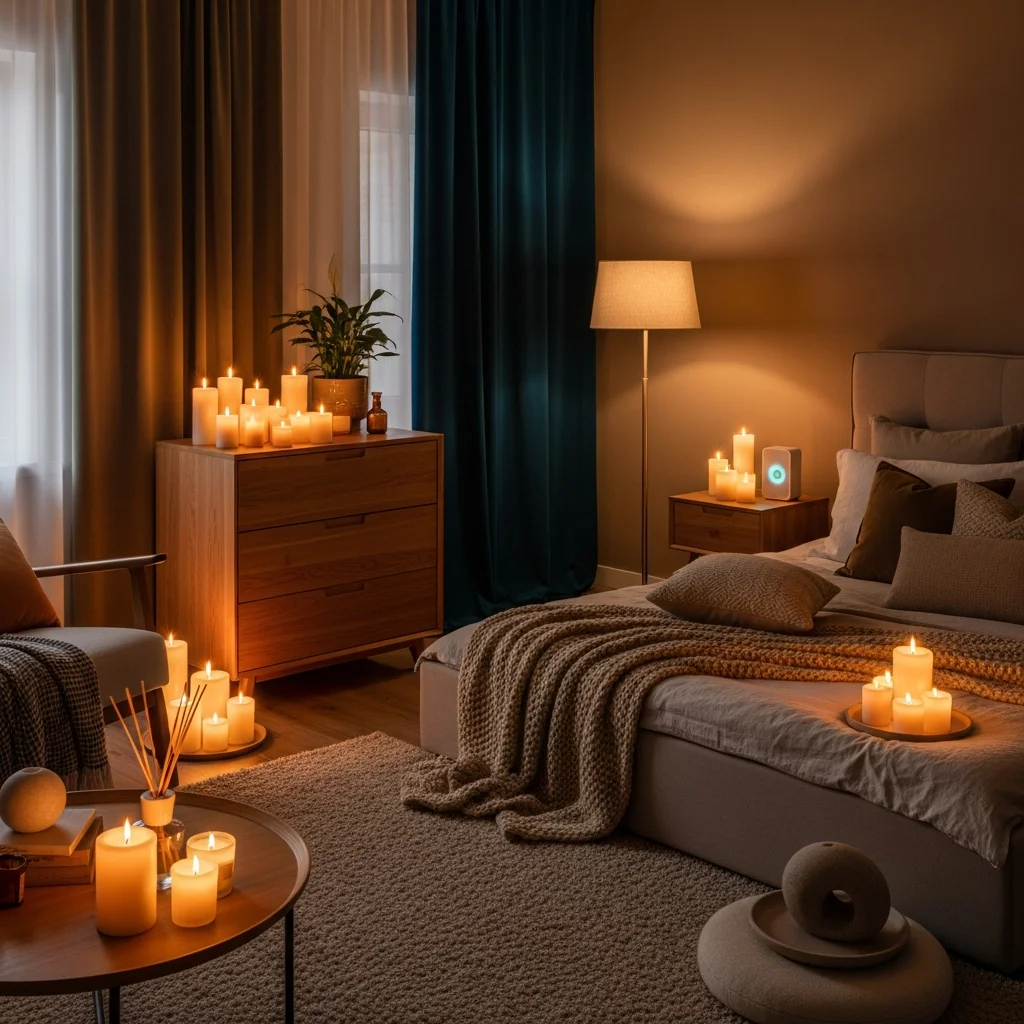
Introduce pleasant scents through candles, reed diffusers, or essential oil diffusers. Lavender promotes relaxation, while citrus energizes. Choose vessels that complement your decor.
Sound Considerations
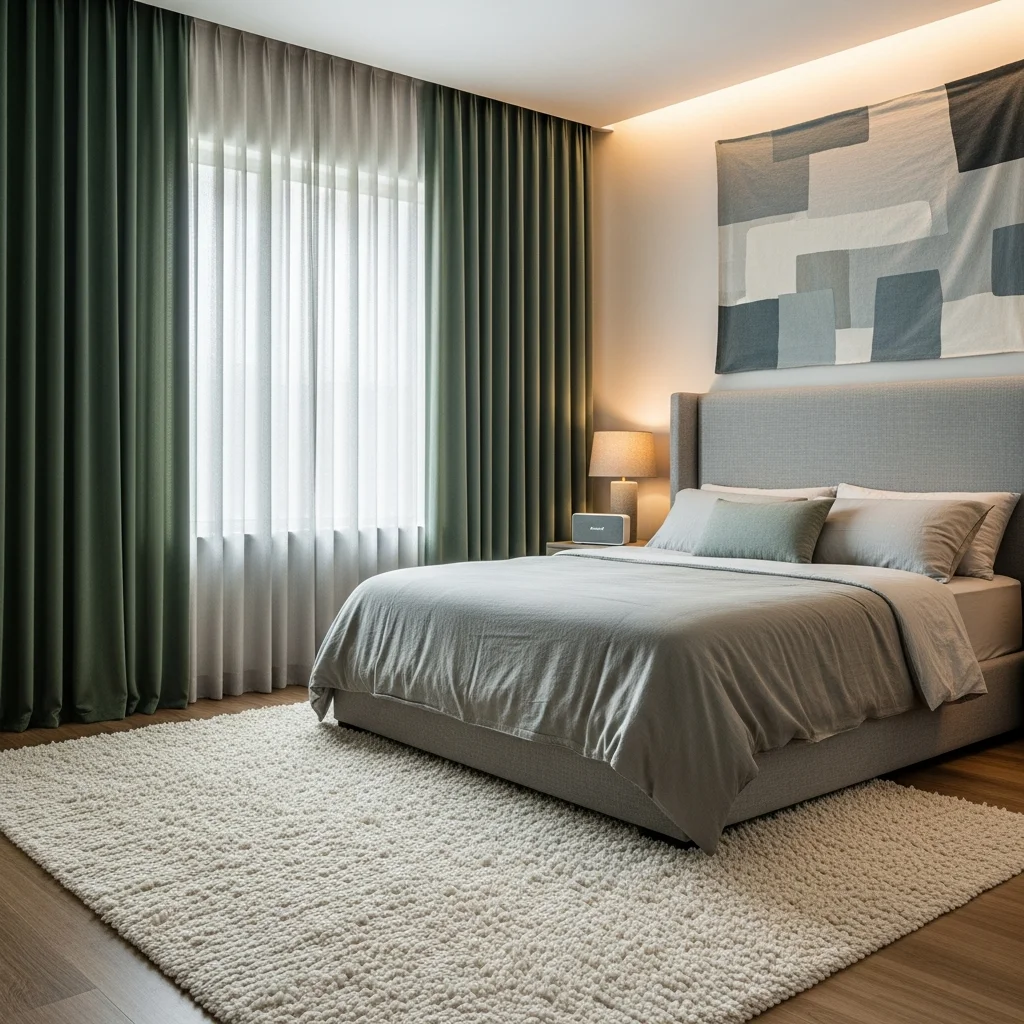
Soft textiles absorb sound, creating quieter environments. Consider a small speaker for background music that enhances ambiance.
Maintenance and Evolution
Aesthetic rooms require ongoing attention to maintain their appeal.
Regular Decluttering
Schedule weekly tidying to prevent accumulation. An aesthetic room stays aesthetic through consistent care.
Adaptability
Allow your space to evolve with your changing preferences. Swapping accessories costs less than complete redesigns and keeps spaces feeling current.
Quality Over Quantity
Invest in fewer, higher-quality pieces rather than filling space with inexpensive items. Quality furniture and decor last longer and maintain visual appeal.
Conclusion
Creating an aesthetic room that deserves Instagram attention while serving as a genuine personal sanctuary requires thoughtfulness rather than unlimited budgets. By focusing on cohesive color palettes, strategic lighting, layered textures, and personal touches, you can transform any space into an environment that reflects your identity and provides daily joy.
The most successful aesthetic rooms balance visual appeal with livability. They photograph beautifully not because they follow rigid rules but because they authentically represent the people who inhabit them. Start with elements that resonate most strongly with your vision, implement changes gradually, and allow your space to evolve naturally. Whether you embrace minimalist serenity, bohemian abundance, or any aesthetic in between, the key lies in creating a room that makes you feel genuinely at home.
Your space should inspire you daily, support your activities, and provide the retreat everyone deserves. With these 22 ideas as guidance, you possess the foundation to create interiors that look stunning while feeling authentically yours.
Frequently Asked Questions
What is the easiest way to start creating an aesthetic room on a budget?
Begin with lighting changes and decluttering, as these require minimal investment but create significant impact. Add string lights for ambiance, remove unnecessary items, and introduce a few affordable accessories like throw pillows or small plants in your chosen color palette. Thrift stores and second-hand marketplaces offer budget-friendly furniture and decor with unique character.
How do I choose the right aesthetic style for my personality?
Explore various aesthetic styles through social media platforms and save images that genuinely appeal to you. Notice patterns in your saved content regarding colors, textures, and overall vibes. Consider your lifestyle needs and how you use your space. The right aesthetic should feel natural and comfortable rather than forced or trendy.
Can I mix different aesthetic styles in one room?
Absolutely. Eclectic design intentionally combines elements from various styles, creating personalized spaces with depth and interest. The key to successful mixing involves maintaining a cohesive color palette and ensuring pieces share at least one common element, whether material, color, or era. Start with a dominant aesthetic and carefully introduce complementary elements from other styles.
How often should I update my room’s aesthetic?
Major redesigns every few years keep spaces feeling fresh, but small seasonal updates prevent boredom without requiring complete overhauls. Rotate accessories like throw pillows, artwork, and decorative objects every few months. This approach allows experimentation with trends while maintaining core aesthetic elements that define your space.
What are the most important elements for making a room photograph well?
Natural light creates the most flattering photography conditions, so maximize window exposure and use sheer curtains to diffuse harsh sunlight. Maintain clean, uncluttered surfaces and ensure color palette cohesion throughout visible areas. Strategic lighting from multiple sources prevents harsh shadows. Finally, photograph from angles that showcase your room’s best features, typically shooting from corners to capture depth and dimension.