Bedroom Ideas For Men 2026 with 15 Stylish Concepts for Modern, Cosy and Masculine Room Design
Creating a bedroom that reflects personal style while maintaining functionality requires careful consideration of design elements, color schemes, and spatial arrangements. For men seeking to transform their sleeping quarters into sophisticated retreats, 2026 brings exciting opportunities to blend contemporary aesthetics with comfortable living. This comprehensive guide explores fifteen distinct concepts that cater to various preferences, from industrial minimalism to luxurious comfort zones.
Understanding Masculine Bedroom Design Principles
Masculine bedroom design transcends stereotypical dark colors and heavy furniture. The essence lies in creating spaces that exude confidence through deliberate choices in materials, textures, and layouts. Contemporary masculine design emphasizes clean architectural lines, purposeful furniture placement, and a cohesive color narrative that speaks to individual personality rather than adhering to rigid conventions.
The modern approach to masculine spaces prioritizes authenticity over conformity. Rooms now celebrate personal interests through curated collections, meaningful artwork, and functional elements that enhance daily routines. Whether gravitating toward raw industrial aesthetics or refined contemporary elegance, successful bedroom design balances visual impact with practical comfort.
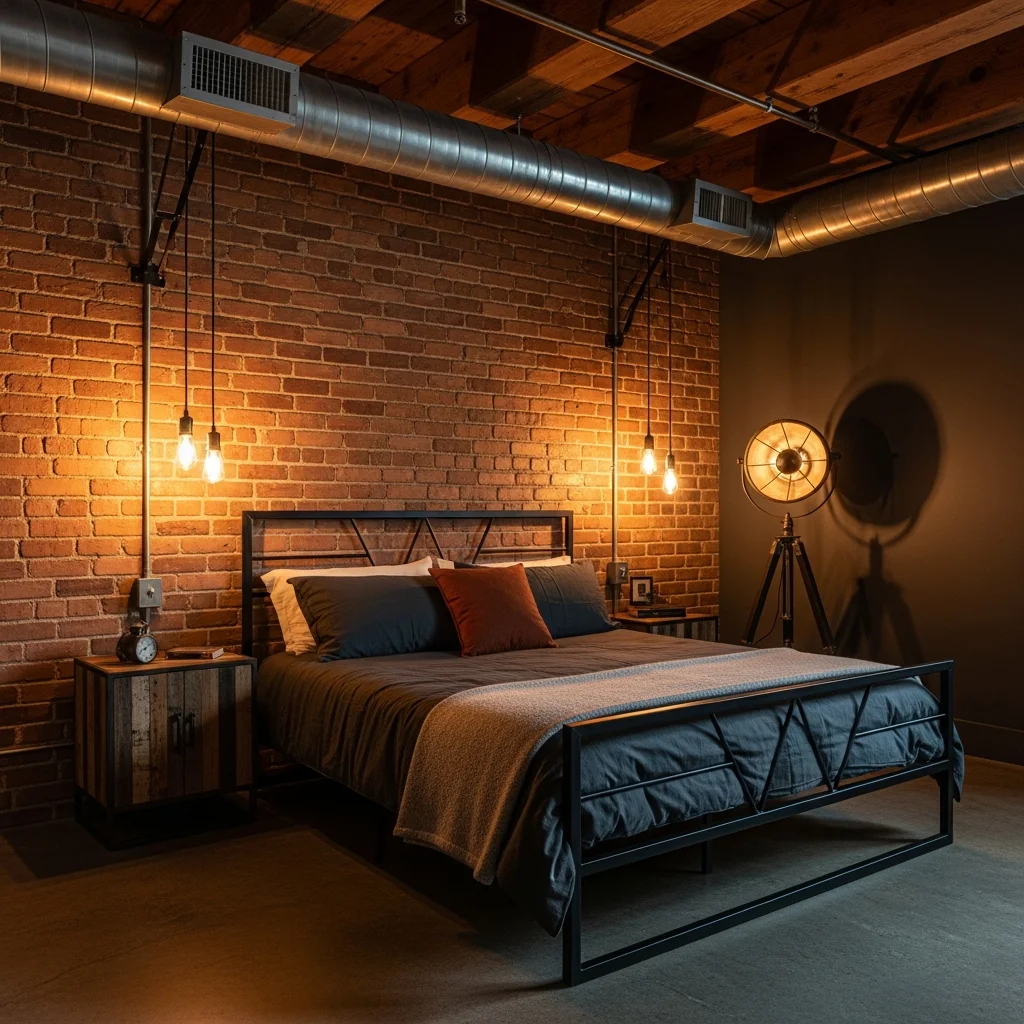
Industrial Edge Bedroom Concepts
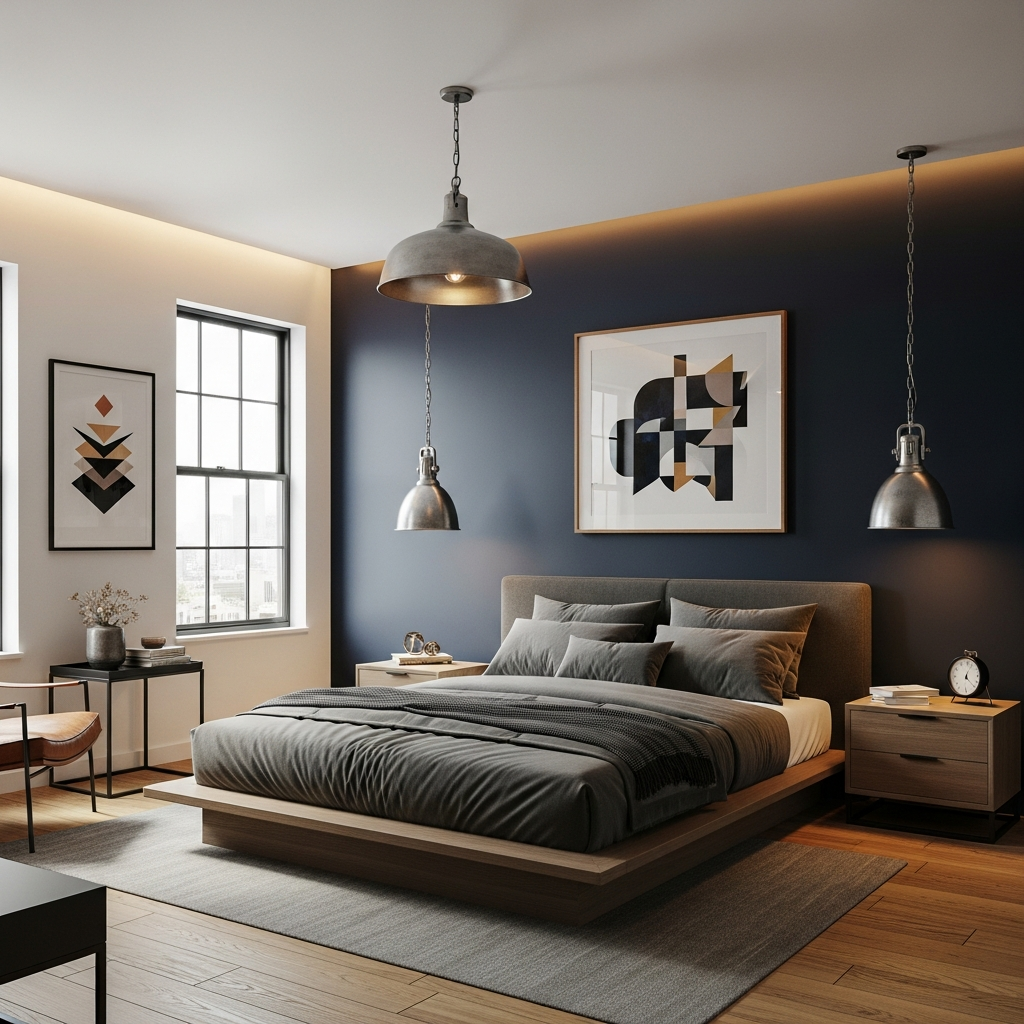
Industrial design remains a cornerstone of masculine bedroom aesthetics, drawing inspiration from urban lofts and converted warehouse spaces. This style celebrates raw materials including exposed brick, metal fixtures, and reclaimed wood elements. The appeal stems from honest materiality where structural components become decorative features rather than hidden necessities.
Metal bed frames with clean geometric lines anchor industrial bedrooms, often paired with distressed wooden nightstands or concrete accent pieces. Lighting plays a crucial role through Edison bulb pendants, factory-style floor lamps, and metal sconces that provide ambient illumination while reinforcing the utilitarian aesthetic. Exposed ductwork, visible piping, and unfinished ceiling treatments contribute authentic industrial character without requiring complete structural renovation.
Color palettes lean toward neutral territories with charcoal grays, deep blacks, and warm browns creating sophisticated backdrops. Strategic pops of burnt orange, rust, or deep teal through bedding or accent pillows add visual interest without compromising the cohesive industrial narrative. Textural contrast becomes essential, mixing smooth metal surfaces with rough brick textures and soft textile elements to prevent spaces from feeling cold or unwelcoming.
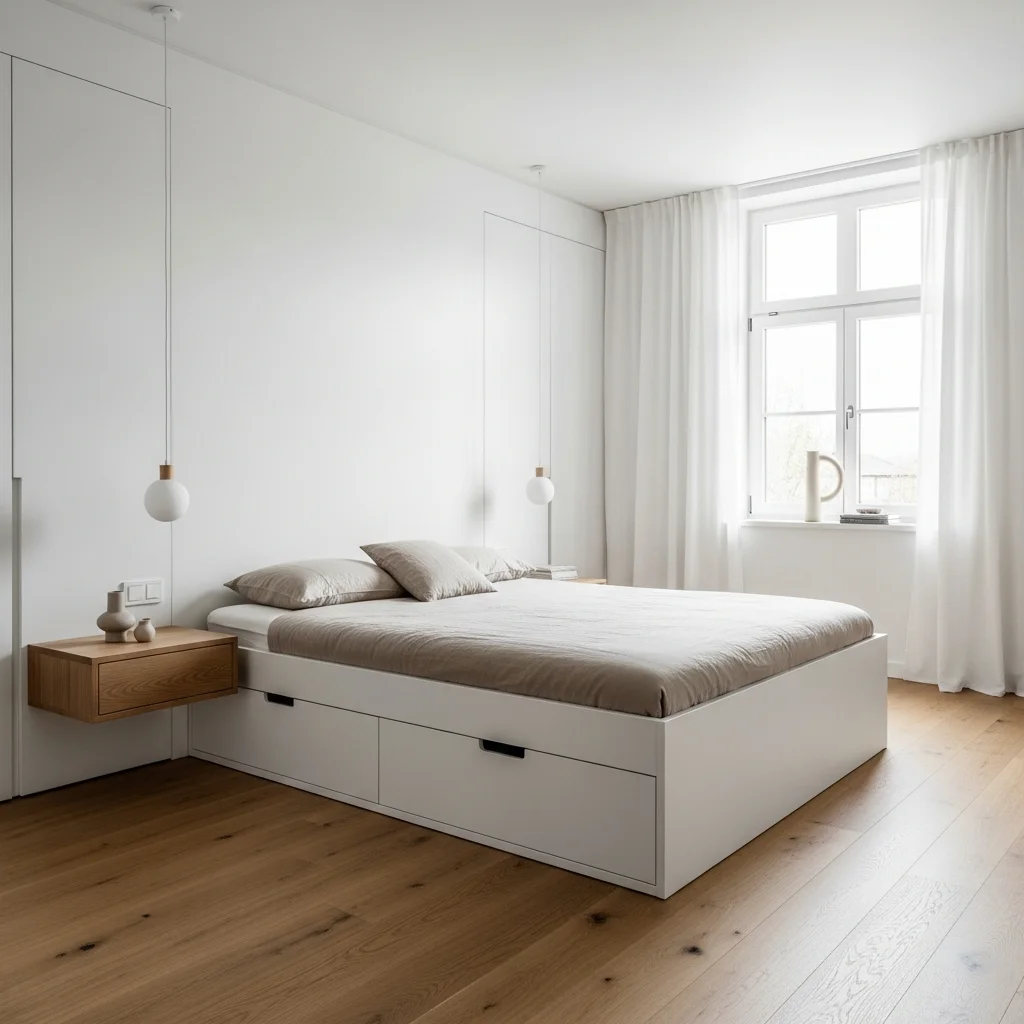
Minimalist Contemporary Retreats
Minimalist design philosophy centers on intentional simplicity where every element serves a clear purpose. Contemporary minimalist bedrooms for men feature uncluttered surfaces, streamlined furniture with low profiles, and carefully edited decorative objects. This approach creates serene environments conducive to rest and mental clarity.
Platform beds with integrated storage exemplify minimalist functionality, eliminating the need for additional furniture pieces while maintaining clean visual lines. Built-in wardrobes with flush doors disappear into walls, maximizing floor space and reducing visual chaos. Floating nightstands and wall-mounted lighting fixtures further enhance the sense of openness characteristic of minimalist spaces.
Color schemes remain restrained with monochromatic palettes in whites, grays, or beiges dominating walls and large furniture pieces. Subtle tonal variations through bedding, window treatments, and accent furniture add depth without overwhelming the peaceful atmosphere. Natural materials including light woods, linen textiles, and stone elements introduce organic warmth that prevents minimalist spaces from appearing sterile or impersonal.
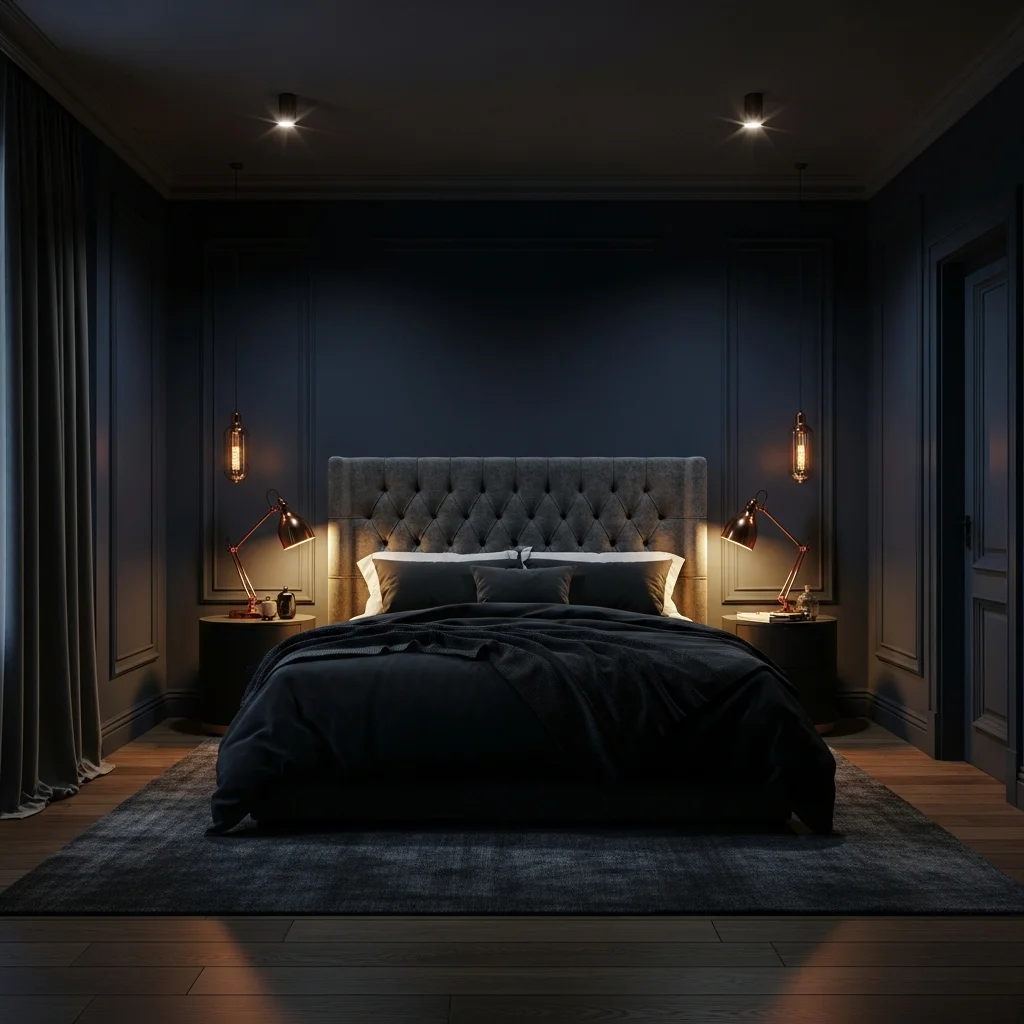
Dark Moody Sanctuaries
Embracing darker color palettes creates dramatic bedroom environments that feel both intimate and sophisticated. Navy blue, charcoal, and deep forest green walls establish cocooning effects that promote relaxation and restful sleep. These rich hues provide elegant backdrops for layered lighting schemes and textured furnishings.
Dark bedrooms require thoughtful illumination strategies to prevent spaces from feeling oppressive. Layered lighting through bedside lamps, ambient ceiling fixtures, and accent spotlights creates dimensional illumination that highlights architectural features and decorative elements. Dimmable controls allow adjustment throughout the day, transitioning from functional morning brightness to subdued evening ambiance.
Texture becomes particularly important in dark spaces where visual interest relies on material variations rather than color contrasts. Velvet upholstered headboards, wool area rugs, linen curtains, and leather accent chairs introduce tactile richness that engages multiple senses. Metallic finishes in brass, copper, or brushed steel provide reflective surfaces that bounce light throughout darker rooms, adding subtle sparkle without bright color interruptions.
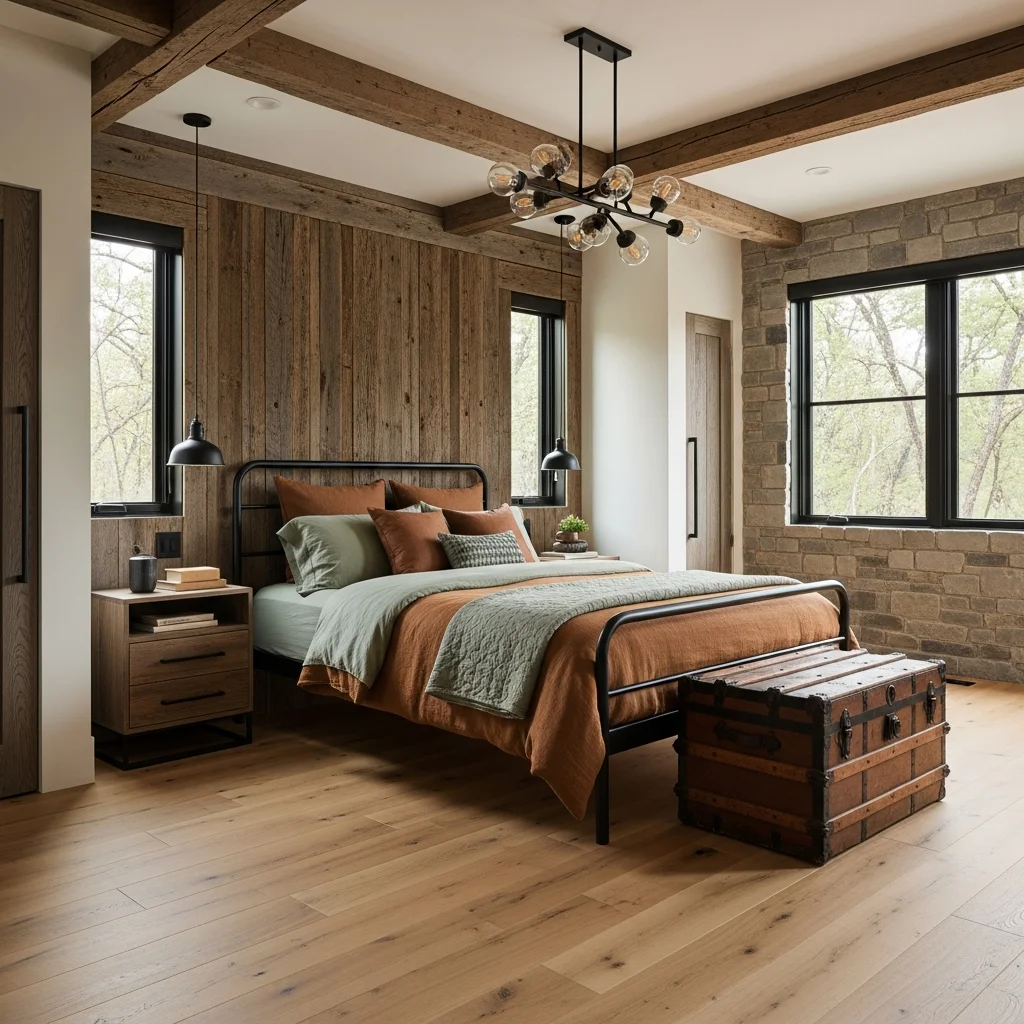
Rustic Modern Fusion Spaces
Rustic design elements bring warmth and character to contemporary bedrooms through natural materials and organic textures. Wide-plank wooden floors, exposed beam ceilings, and stone accent walls introduce elemental beauty that connects interior spaces with natural environments. This approach particularly appeals to men who appreciate outdoor aesthetics and handcrafted quality.
Reclaimed wood furniture pieces tell stories through weathered patinas and visible grain patterns. Bedroom furnishings might include barn wood headboards, vintage wooden trunks repurposed as storage benches, or rough-hewn nightstands that celebrate imperfections. These authentic materials gain character over time rather than showing wear as deterioration.
Balancing rustic elements with modern conveniences prevents spaces from appearing dated or overly themed. Sleek metal hardware, contemporary lighting fixtures, and modern textiles create dynamic tension between old and new. Color palettes draw from nature with earth tones, sage greens, warm browns, and stone grays establishing harmonious foundations that feel both grounded and current.
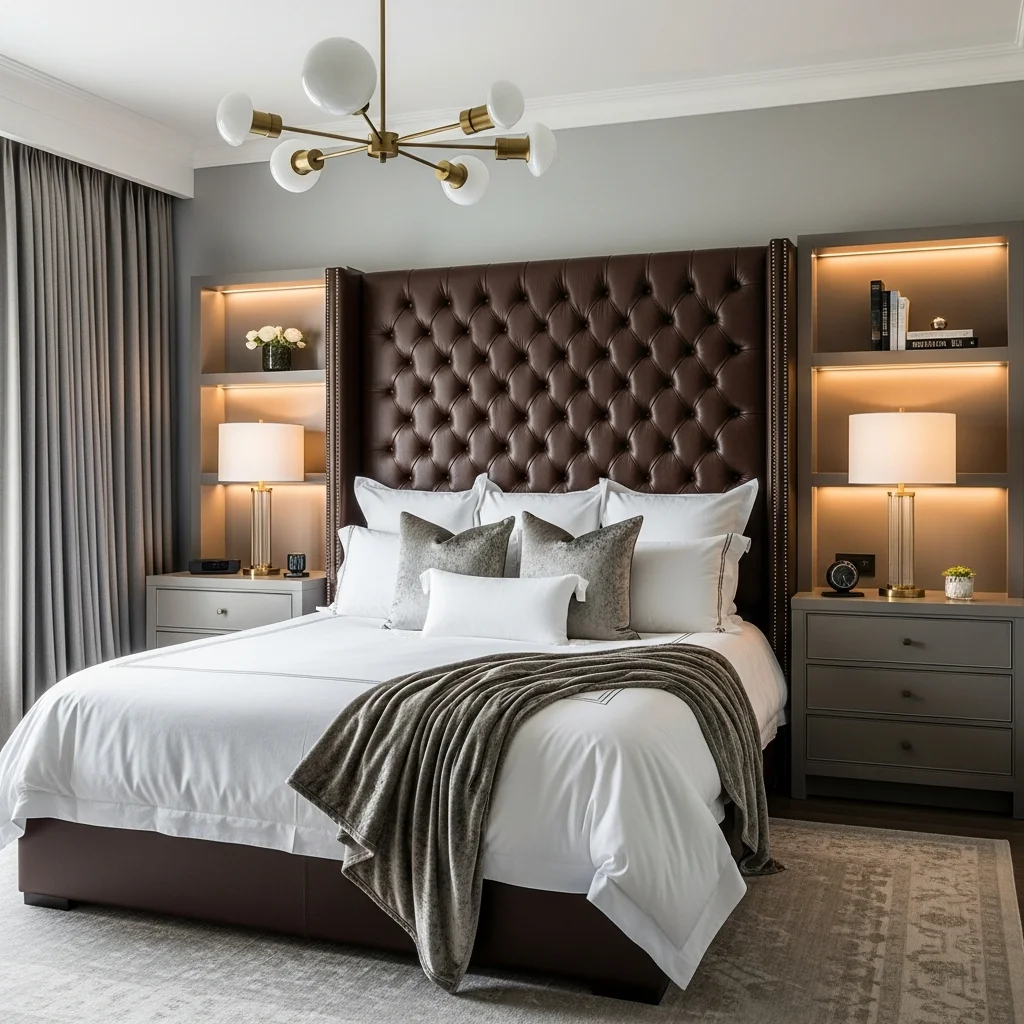
Luxury Hotel-Inspired Bedrooms
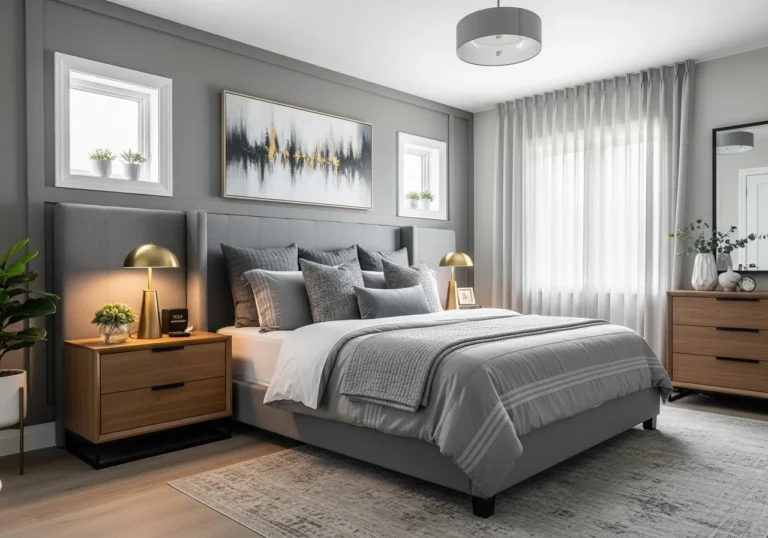
Luxury bedroom design translates five-star hotel comfort into personal spaces through premium materials, exceptional bedding, and thoughtful amenities. Upholstered headboards in rich fabrics like velvet or leather create focal points that anchor sophisticated room designs. Custom millwork including built-in nightstands, lighting solutions, and storage systems deliver seamless integration and personalized functionality.
High-quality bedding transforms sleep experiences through Egyptian cotton sheets, down comforters, and layered pillows that invite deep rest. Attention to thread count, fabric weight, and seasonal bedding variations demonstrates commitment to comfort that extends beyond visual aesthetics. Adding plush throws and decorative cushions in complementary textures enhances the luxurious sensory experience.
Lighting design in luxury bedrooms emphasizes versatility with multiple sources serving different functions. Reading lamps with adjustable arms provide task lighting without disturbing partners, while ambient fixtures create overall illumination for dressing and general activities. Statement chandeliers or sculptural pendants become jewelry pieces that elevate architectural interest and reflect personal style sensibilities.
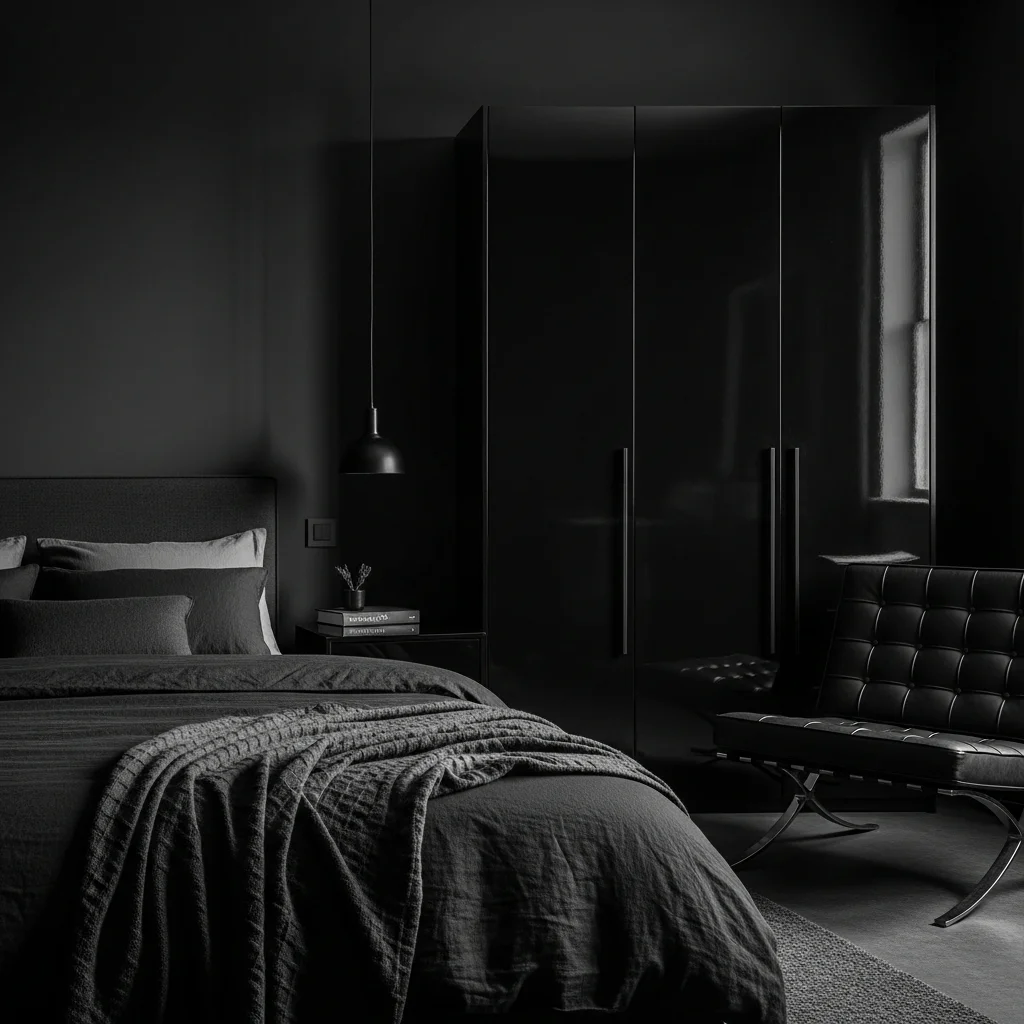
Monochromatic Sophistication
Monochromatic color schemes deliver powerful visual impact through tonal variations within single color families. All-black bedrooms make bold statements with varying shades from charcoal to true black creating depth without introducing competing hues. Similarly, all-white schemes feel fresh and expansive while maintaining masculine sophistication through material choices and structural elements.
Successfully executing monochromatic design requires careful attention to texture and finish variations. Matte paint finishes, glossy lacquered surfaces, brushed metals, and natural fibers all reflect light differently, creating visual interest within limited color ranges. Layering these varied surfaces prevents flat appearances while maintaining cohesive aesthetics.
Strategic use of lighting becomes crucial in monochromatic environments where traditional color contrasts are absent. Directional spotlights highlight textural variations, while indirect lighting creates atmospheric depth. Natural light sources should be maximized through appropriate window treatments that filter rather than block daylight, connecting interior spaces with exterior environments.
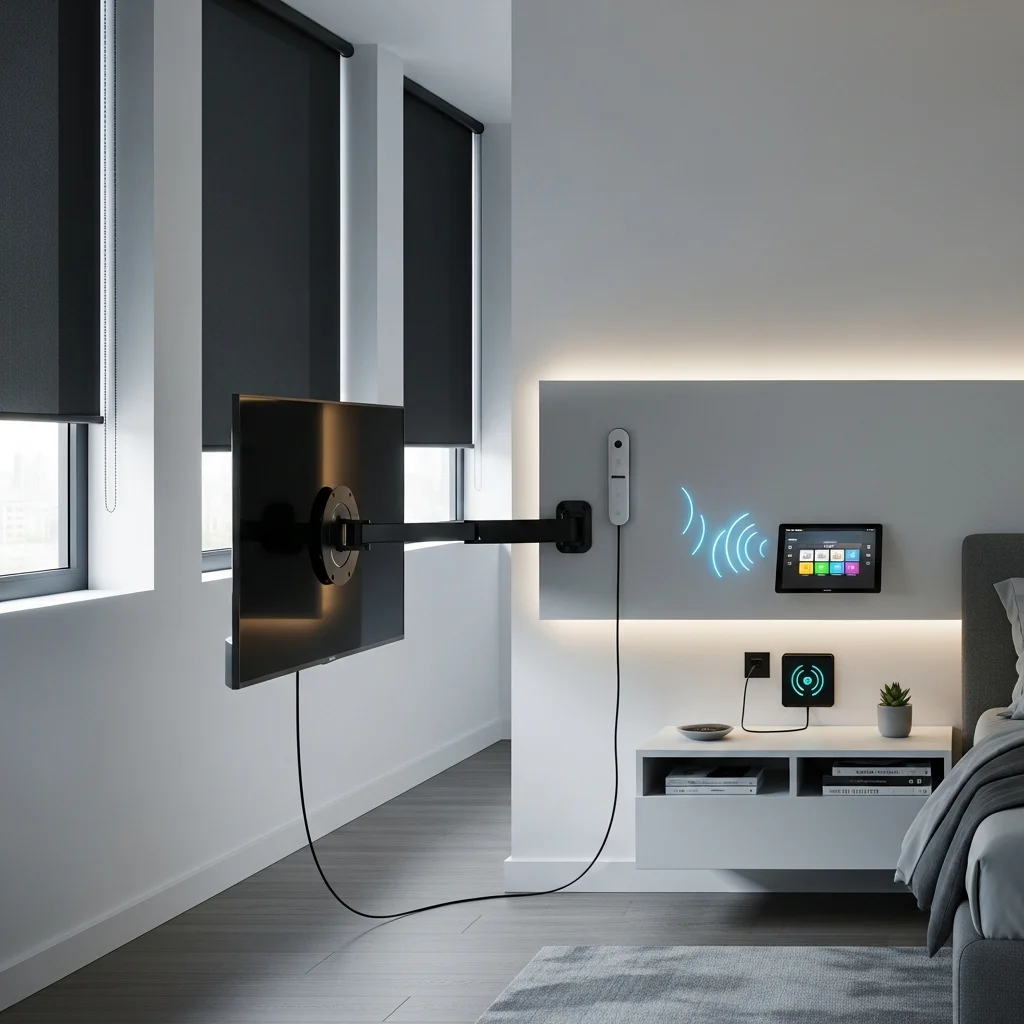
Smart Technology Integration
Modern bedrooms increasingly incorporate technology that enhances comfort, convenience, and entertainment. Motorized window treatments adjust lighting levels automatically based on time of day or manual preferences. Smart thermostats maintain optimal sleeping temperatures while learning personal patterns for energy efficiency. Integrated sound systems provide ambient music or white noise without cluttering surfaces with visible speakers.
Charging stations with cable management keep electronic devices powered while maintaining clean nightstand surfaces. Wireless charging pads built into furniture eliminate tangled cords entirely. Hidden compartments secure valuables and electronics when not in use, supporting minimalist aesthetics while addressing practical storage needs.
Entertainment integration balances functionality with design through mounting televisions on articulating arms that hide screens when not viewing, or incorporating projector systems that disappear into ceiling recesses. Smart lighting systems controlled through apps or voice commands allow customized scenes for different activities from focused reading to relaxed unwinding.
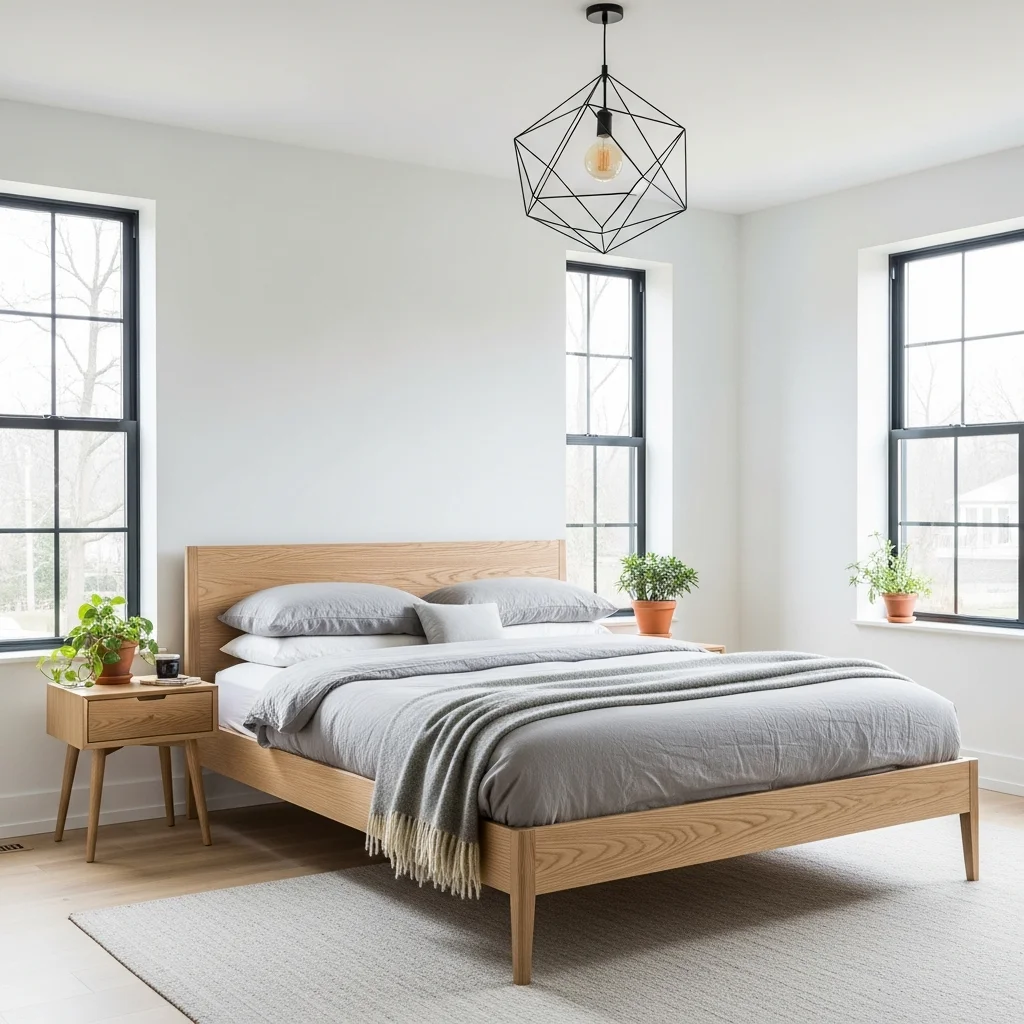
Scandinavian Simplicity
Scandinavian design principles emphasize functionality, natural materials, and understated beauty that creates calm living environments. Light wood furnishings in ash, oak, or pine bring warmth without visual heaviness. Simple geometric forms with tapered legs and organic curves maintain visual interest through shape rather than ornamentation.
Color palettes remain neutral with whites, soft grays, and natural wood tones dominating large surfaces. Strategic use of black accents through metal fixtures, window frames, or graphic artwork provides definition and contemporary edge. Textiles in natural fibers like wool, linen, and cotton introduce softness and tactile comfort while maintaining the clean aesthetic.
Scandinavian bedrooms maximize natural light through minimal window treatments and reflective surfaces. Large mirrors amplify available light while creating illusions of expanded space. Greenery through potted plants or hanging planters connects interior environments with nature, supporting biophilic design principles that promote wellbeing and mental clarity.
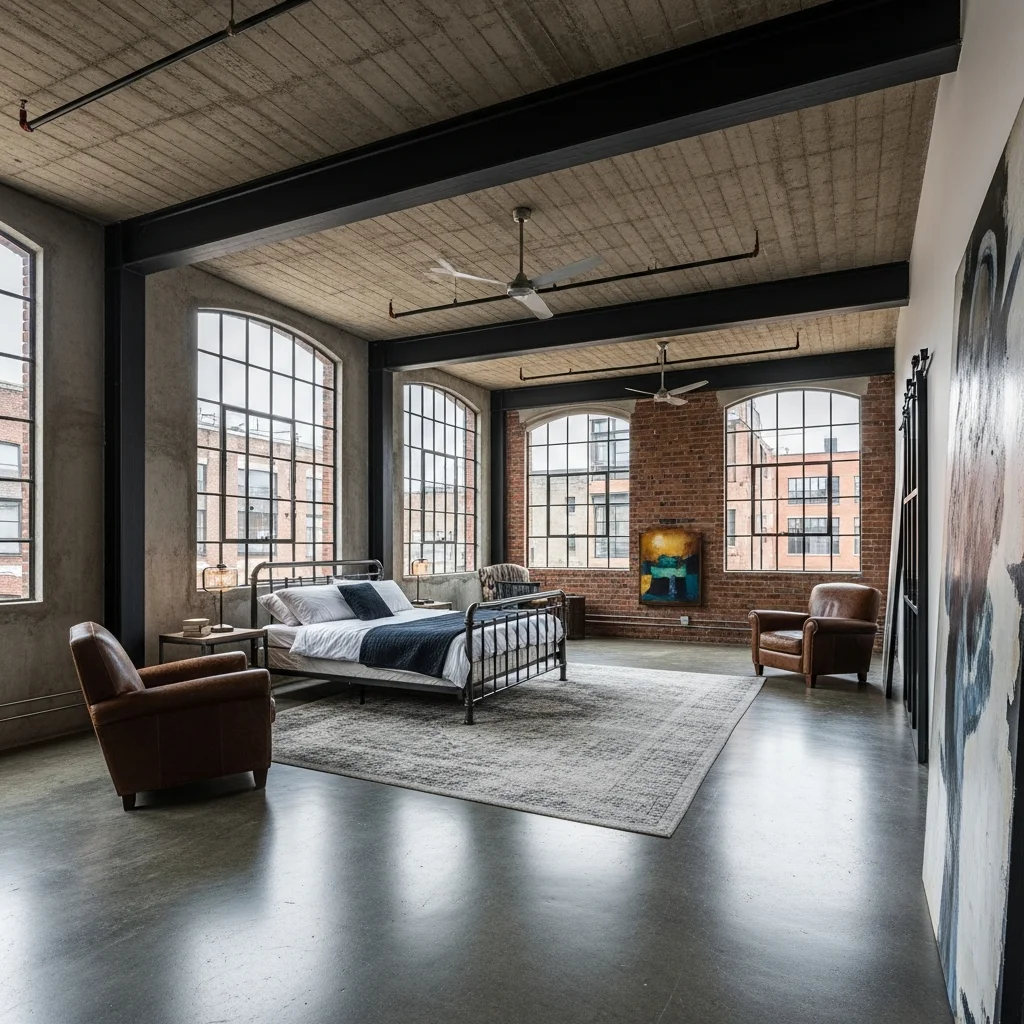
Urban Loft Aesthetics
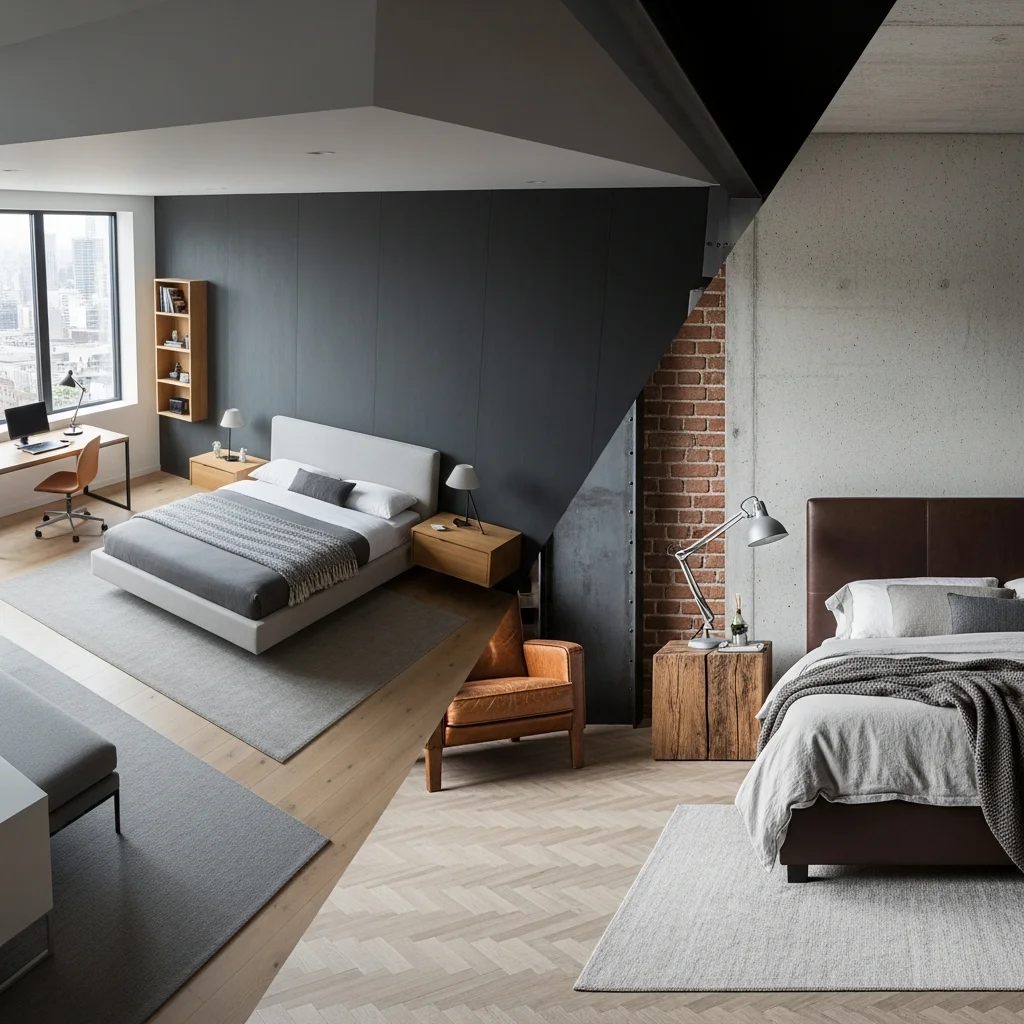
Urban loft design celebrates open layouts, high ceilings, and architectural honesty characteristic of converted industrial buildings. Exposed structural elements including steel beams, concrete floors, and brick walls become defining features. Large windows with metal frames flood spaces with natural light while maintaining raw industrial character.
Furniture selection in loft-style bedrooms emphasizes scale appropriate to expansive volumes. Oversized beds with substantial headboards anchor sleeping areas within larger open plans. Strategic area rugs define bedroom zones within multi-functional spaces, providing acoustic dampening and visual boundaries without physical walls.
Artwork assumes particular importance in loft environments where wall space invites large-scale pieces or curated gallery walls. Industrial photography, abstract paintings, or metal sculptures reinforce urban themes while expressing personal interests. Vintage finds and antique pieces introduce historical depth that contrasts with contemporary industrial elements.
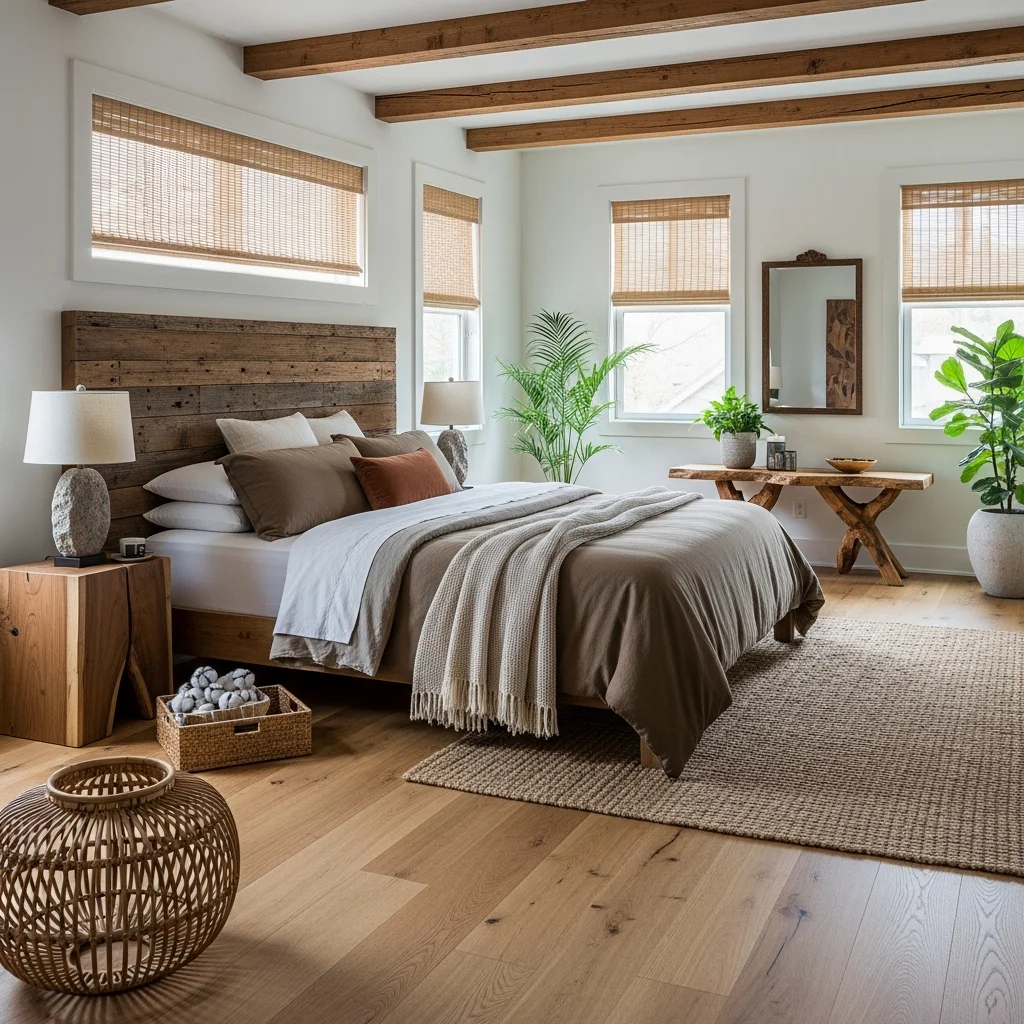
Nature-Inspired Organic Designs
Biophilic design principles bring natural elements into bedroom environments, supporting psychological wellbeing through connections with organic forms and materials. Living walls with vertical gardens create stunning focal points while improving air quality. Tall potted plants in corners soften architectural edges and introduce movement through foliage. Natural wood elements including live-edge furniture, branch lighting fixtures, and driftwood accents celebrate organic beauty.
Color palettes inspired by natural landscapes feature earthy browns, stone grays, forest greens, and sky blues creating tranquil atmospheres conducive to rest. These muted tones support rather than dominate, allowing natural materials and textures to provide primary visual interest. Bringing outdoor elements inside through nature photography, landscape paintings, or mineral collections personalizes spaces while maintaining nature-forward themes.
Natural fiber textiles including jute rugs, hemp curtains, and organic cotton bedding reinforce environmental connections through material choices. These sustainable options align with contemporary values while delivering comfort and durability. Stone or ceramic accent pieces echo geological formations, introducing weighty permanence that grounds contemporary designs.
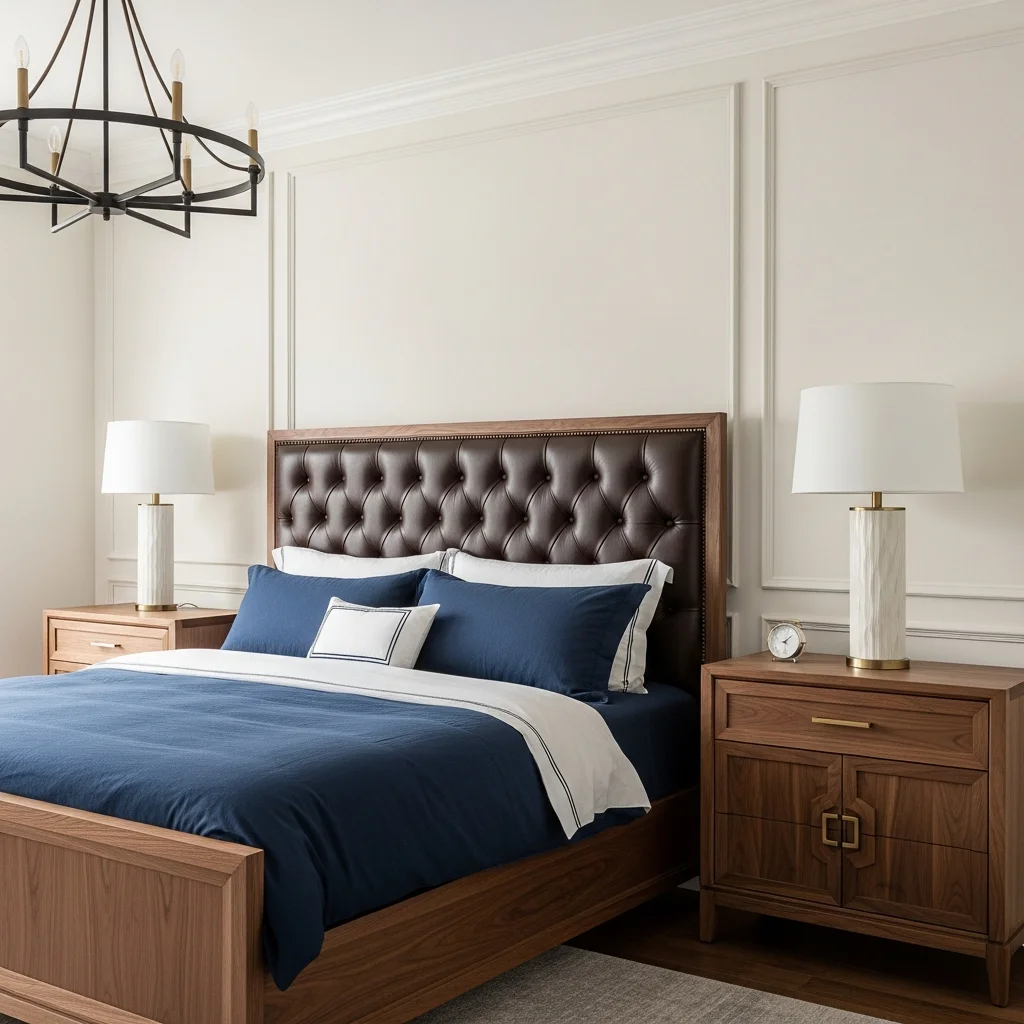
Classic Contemporary Elegance
Contemporary classic design blends traditional furniture forms with modern aesthetics, creating timeless bedrooms that feel neither dated nor trendy. Tufted leather headboards, carved wood furnishings, and traditional architectural moldings establish classic foundations. Contemporary updates through clean-lined silhouettes, simplified ornamentation, and updated color palettes keep spaces feeling current.
Rich wood tones in walnut, mahogany, or cherry bring warmth and sophistication associated with traditional furnishings. These darker woods pair beautifully with neutral walls and bedding, creating balanced compositions that feel substantial without overwhelming. Quality craftsmanship in furniture construction becomes apparent through smooth drawer actions, sturdy joints, and finished details that improve with age.
Lighting fixtures bridge traditional and contemporary through updated interpretations of classic forms. Modern chandeliers with simplified details, table lamps combining traditional shapes with contemporary materials, and architectural sconces that reference historical designs while feeling fresh demonstrate how classic elements evolve. Window treatments in tailored fabrics with clean lines provide privacy and light control while maintaining sophisticated aesthetics.
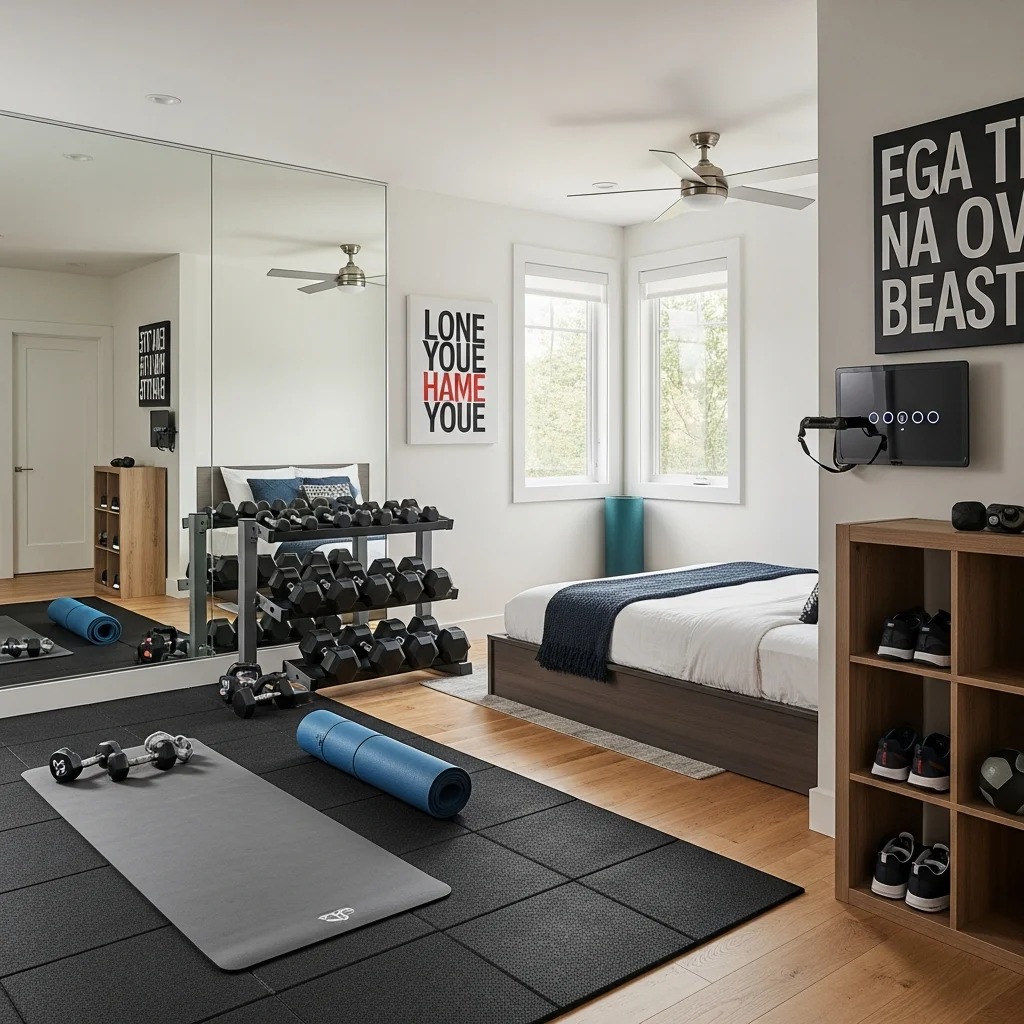
Athletic and Fitness-Focused Spaces
For men prioritizing health and fitness, integrating wellness elements into bedroom design supports active lifestyles. Dedicated exercise zones with yoga mats, resistance bands, or compact weight equipment encourage consistent routines. Mirrors expand visual space while allowing form checks during workouts. Rubberized flooring sections protect hardwood surfaces while defining exercise areas.
Storage solutions accommodate athletic equipment including built-in cubbies for shoes, hooks for bags, and open shelving for supplements or accessories. Ventilation becomes important through ceiling fans or operable windows ensuring fresh air circulation. Smart mirrors with integrated screens provide guided workouts or performance metrics without requiring separate devices.
Recovery elements including foam rollers, massage tools, or meditation cushions create wellness zones supporting post-workout needs. Ambient lighting with color-changing capabilities supports relaxation and recovery phases. Sound systems play motivating workout playlists or calming meditation soundscapes depending on activity requirements.
Multi-Functional Work-Sleep Spaces
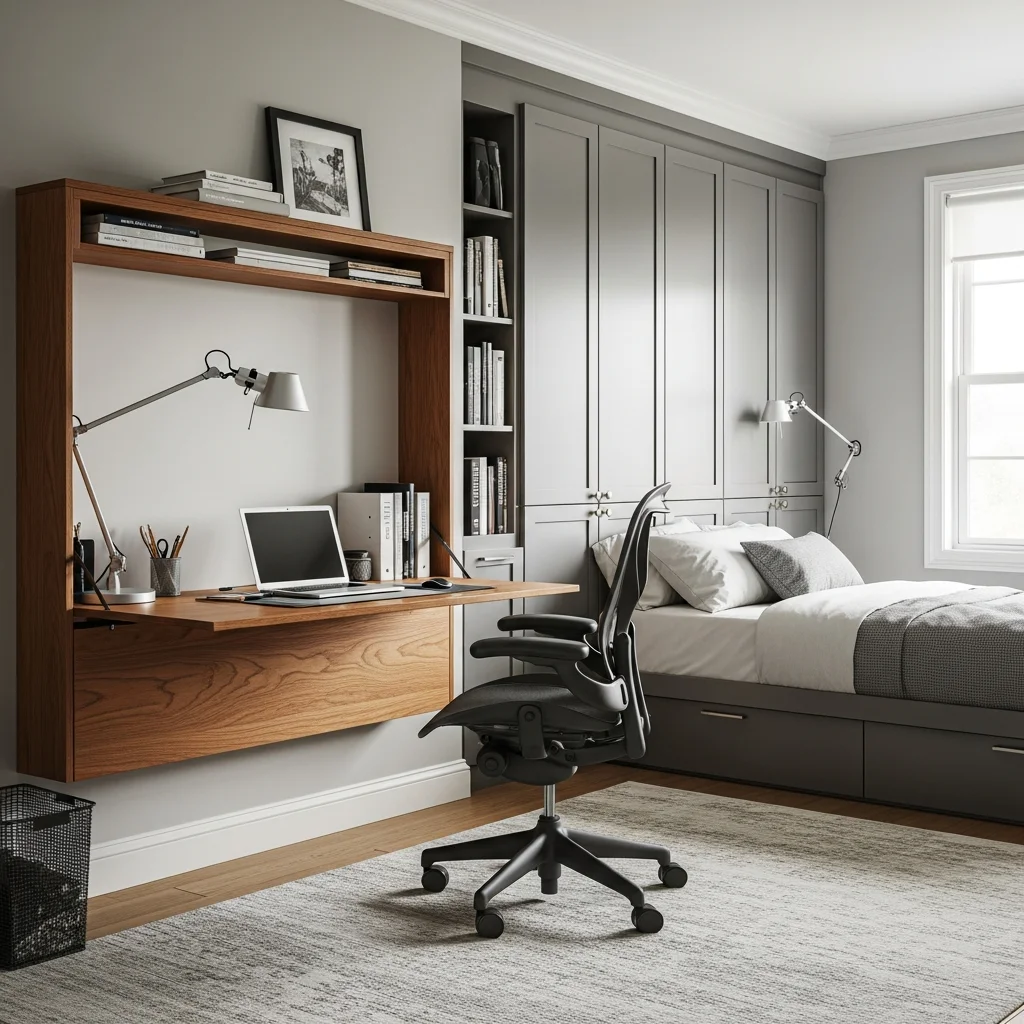
Contemporary lifestyles often require bedrooms to accommodate both rest and productivity. Integrated workspace solutions include wall-mounted desks that fold away when not needed, built-in desk nooks within custom cabinetry, or freestanding desks positioned to avoid visual distraction from sleeping areas. Zoning strategies through furniture placement, area rugs, or subtle dividers maintain mental separation between work and rest functions.
Ergonomic office chairs, proper task lighting, and adequate electrical outlets support productive work sessions. Cable management systems maintain clean aesthetics while accommodating multiple devices. Storage for work materials through drawer systems or closed cabinetry prevents professional items from intruding on bedroom serenity.
Technology infrastructure including high-speed internet, video conferencing capabilities, and adequate charging stations supports modern work requirements. Acoustic treatments through sound-absorbing panels, heavy curtains, or area rugs minimize echoes and create professional audio environments for calls. Privacy considerations when sharing spaces require thoughtful positioning of video call backgrounds.
Budget-Friendly Masculine Makeovers
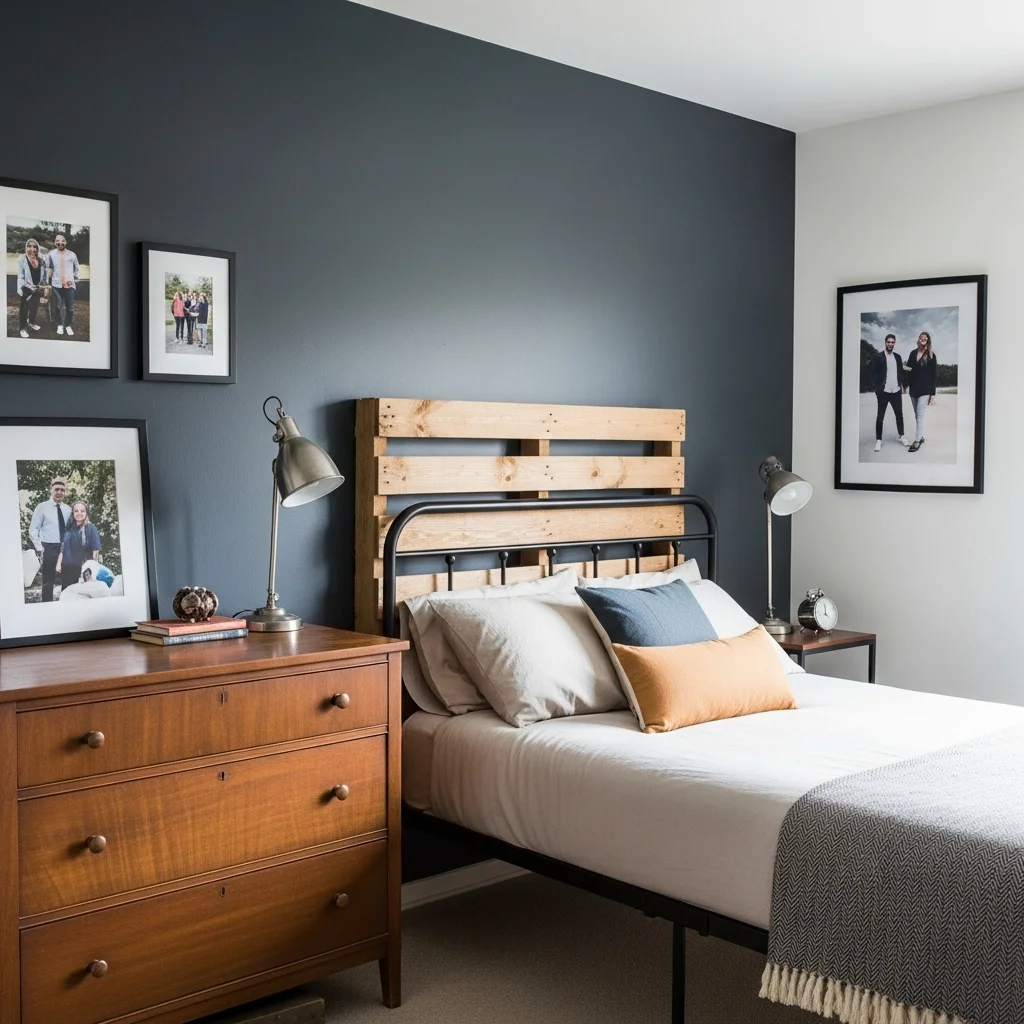
Creating stylish masculine bedrooms need not require substantial financial investment. Strategic paint choices transform spaces dramatically at minimal cost with bold accent walls or complete color overhauls. Removable wallpaper options provide pattern and texture without permanent commitment. Furniture refinishing through painting, staining, or new hardware updates existing pieces rather than replacing them entirely.
Thrift stores, estate sales, and online marketplaces yield unique finds at fraction of retail costs. Vintage industrial pieces, mid-century modern furnishings, or solid wood items gain character through patina and previous use. Creative DIY projects including handmade headboards, repurposed storage solutions, or custom artwork personalize spaces while controlling expenses.
Prioritizing key investment pieces including quality mattresses and bedding delivers immediate comfort improvements. Supplementing with budget-friendly accessories through affordable retailers allows regular updates without significant expense. Phased renovation approaches spreading costs over time make comprehensive transformations financially manageable while allowing design evolution as tastes develop.
Personalizing Your Masculine Bedroom
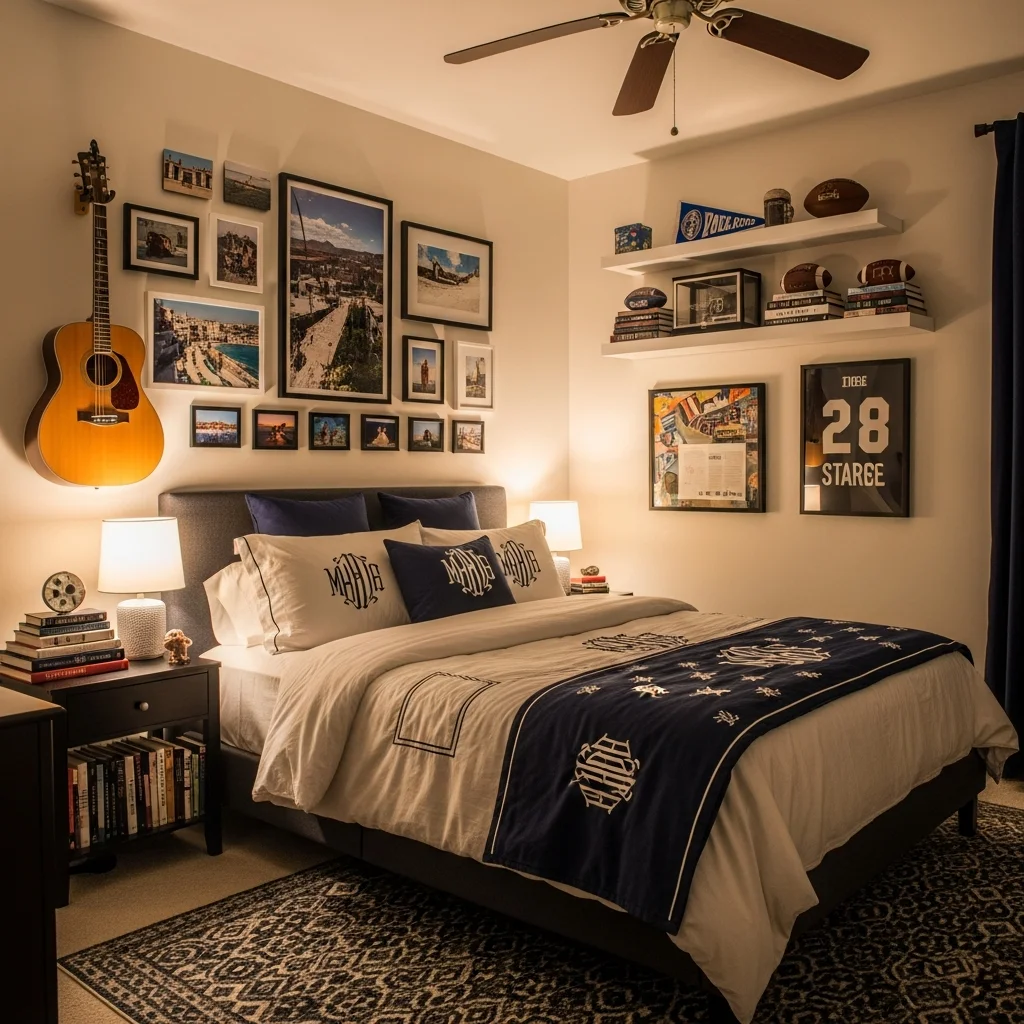
Successful bedroom design ultimately reflects individual personality through meaningful objects and personal collections. Displaying hobbies including musical instruments, sports memorabilia, or travel souvenirs creates authentic spaces rather than showroom replicas. Gallery walls with personal photography, achievement displays, or curated artwork tell personal stories while enhancing visual interest.
Custom elements including monogrammed bedding, commissioned artwork, or bespoke furniture pieces elevate spaces from generic to distinctly personal. These unique touches create emotional connections with environments while demonstrating commitment to thoughtful design. Seasonal updates through rotating artwork, changing textile colors, or adjusting accessory collections keep spaces feeling fresh without complete overhauls.
Fragrance through candles, diffusers, or natural elements contributes often-overlooked sensory dimensions. Masculine scents including cedarwood, leather, tobacco, or citrus create signature atmospheres that enhance overall bedroom experiences. Sound considerations through white noise machines, quality speakers, or acoustic treatments support both restful sleep and enjoyable waking hours.
Conclusion
Designing masculine bedrooms in 2026 offers unprecedented creative freedom through diverse style influences, accessible materials, and evolving design philosophies. Whether drawn to industrial rawness, minimalist serenity, luxurious comfort, or natural organic elements, successful bedroom design balances aesthetic preferences with functional requirements. The fifteen concepts explored provide starting points for creating personal sanctuaries that support rest, productivity, and self-expression.
Contemporary masculine design moves beyond restrictive stereotypes toward authentic spaces reflecting individual lifestyles and values. Thoughtful material selection, deliberate color choices, and purposeful furniture placement create cohesive environments that feel intentional rather than accidental. Integrating technology, prioritizing quality over quantity, and personalizing through meaningful objects elevates bedrooms from mere sleeping quarters to essential personal retreats that enhance daily life and wellbeing.
Frequently Asked Questions
What colors work best for masculine bedroom designs?
Masculine bedrooms typically feature deeper, muted tones including navy blue, charcoal gray, forest green, and rich browns. Neutral palettes in whites, beiges, and grays also work effectively when balanced with textured materials and purposeful accessories. The key lies in creating cohesive color stories rather than adhering to specific hues, allowing personal preferences to guide selections while maintaining sophisticated visual harmony.
How can I make a small bedroom feel more masculine and spacious?
Maximize small bedrooms through minimalist furniture with clean lines, light-reflecting surfaces including mirrors and metallic finishes, and vertical storage solutions that utilize wall space. Choose low-profile beds to increase perceived ceiling height, maintain uncluttered surfaces, and employ monochromatic or tonal color schemes that create visual continuity. Strategic lighting through layered sources and avoiding heavy curtains allows natural light to expand spatial perception.
What essential furniture pieces should every masculine bedroom include?
Core furniture includes a quality bed with supportive mattress, functional nightstands with storage, adequate clothing storage through wardrobes or dressers, and comfortable seating such as accent chairs or benches. Additional pieces depend on available space and lifestyle needs but might include desks for workspaces, media consoles for entertainment, or exercise equipment for fitness routines. Prioritize multi-functional pieces in smaller spaces.
How do I incorporate technology without cluttering my bedroom design?
Integrate technology through built-in solutions including wall-mounted televisions on articulating arms, wireless charging pads embedded in nightstands, and smart home systems controlled through apps rather than visible devices. Use cable management systems to hide cords, choose furniture with integrated charging ports, and select sleek modern electronics in neutral colors that complement rather than dominate design schemes.
What lighting strategy works best for masculine bedrooms?
Implement layered lighting combining ambient ceiling fixtures for general illumination, task lighting through reading lamps or pendant lights, and accent lighting highlighting artwork or architectural features. Install dimmer switches allowing adjustment throughout the day, position bedside lamps at appropriate heights for reading, and consider smart lighting systems enabling customized scenes. Balance functional needs with atmospheric ambiance supporting various bedroom activities from working to relaxing.