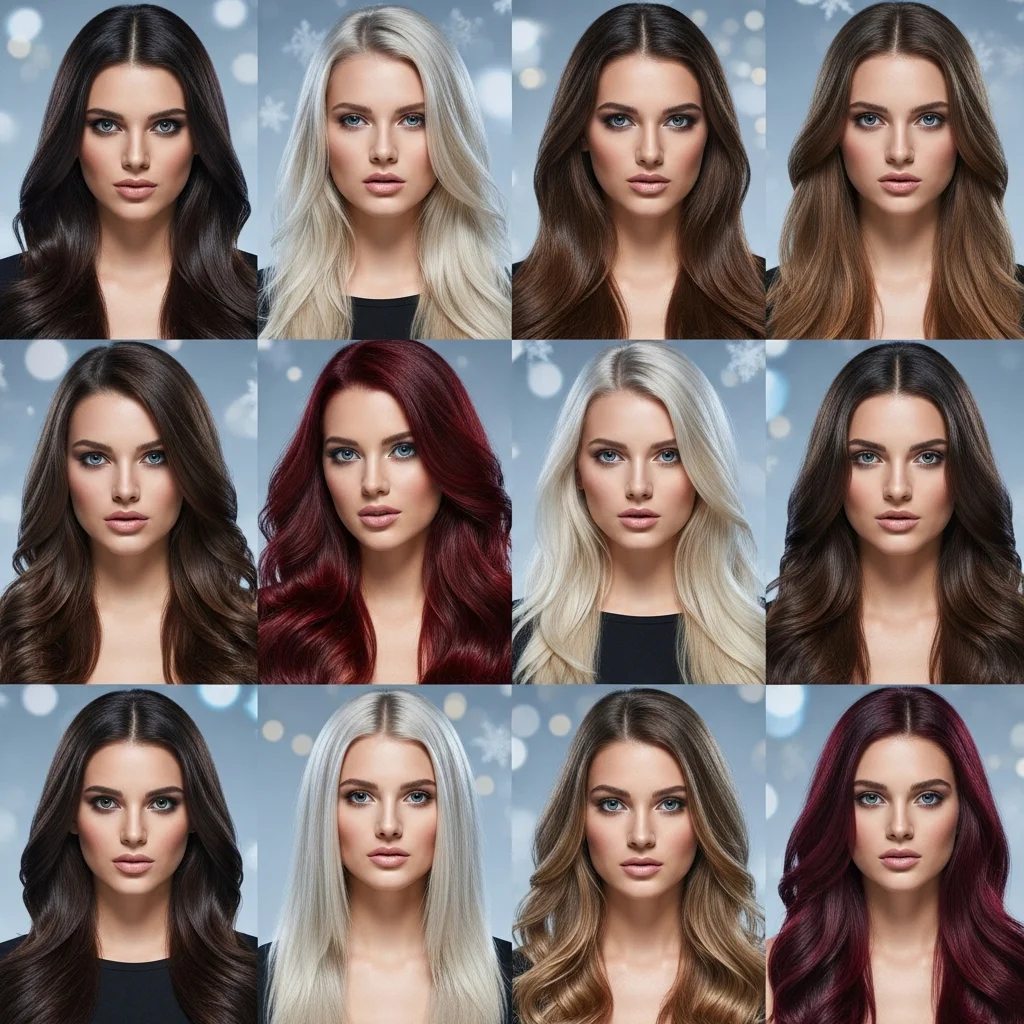
15 Winter Hair Color Ideas: Transform Your Look with Trending Shades for a Stylish Season Ahead
Winter brings more than just chilly temperatures and cozy sweaters. It ushers in a complete transformation in how we approach beauty and style, particularly when it comes to hair color. As the landscape shifts to muted tones and daylight hours shorten, many people feel drawn to refresh their appearance with hair colors that complement the season’s unique atmosphere. The winter months offer the perfect opportunity to experiment with rich, dimensional shades that bring warmth to paler complexions and add visual interest during the darker days.
The beauty of winter hair color lies in its versatility. Whether you prefer deep, luxurious brunettes that exude sophistication, warm caramel tones that provide a sun-kissed glow despite the cold, or bold reds that turn heads at holiday gatherings, this season accommodates every style preference. Winter hair trends lean heavily toward colors that feel intentional and polished, with an emphasis on glossy finishes and multidimensional depth that catches light beautifully indoors.
This comprehensive guide explores fifteen stunning winter hair color ideas that will help you navigate the season with confidence and style. From low-maintenance options perfect for busy schedules to bold transformations that make powerful statements, these carefully selected shades represent the best of what winter has to offer in hair color innovation.

Rich Brunette Shades That Define Winter Elegance
Chocolate Brown Perfection
Chocolate brown stands as one of the most requested winter hair colors, and for good reason. This rich, decadent shade brings immediate sophistication to any look while remaining remarkably versatile. The color mimics the luxurious appearance of melted chocolate, offering depth without appearing flat or one-dimensional. When executed properly, chocolate brown hair displays a glossy finish that reflects light beautifully, creating natural movement and vitality.
The appeal of chocolate brown extends beyond its aesthetic qualities. This shade works exceptionally well for women transitioning from lighter colors who want to embrace darker tones without committing to jet black. The color complements virtually every skin tone, though it particularly flatters those with warm and neutral undertones. For added dimension, many stylists incorporate subtle caramel or toffee lowlights that create visual interest without disrupting the overall richness of the base color.
Maintenance remains relatively straightforward with chocolate brown hair. Unlike lighter shades that require frequent toning to prevent brassiness, chocolate brown fades gracefully and typically needs refreshing every six to eight weeks. Using color-depositing shampoos and deep conditioning treatments helps maintain the vibrancy between salon visits, ensuring your hair stays lustrous throughout the winter months.
Espresso Brunette for Ultimate Depth
Taking the brunette family one shade deeper, espresso brunette has emerged as a major trend this winter season. This color draws inspiration from the beloved coffee beverage, featuring cool undertones that prevent the shade from appearing too warm or reddish. Espresso brunette creates striking contrast against winter skin tones, making facial features appear more defined and eyes more vibrant.
The technique for achieving perfect espresso brunette typically involves multiple steps. Colorists start with a deep brown base, then layer in darker tones strategically to create dimension. Some stylists add very fine highlights in slightly lighter shades around the face, which provides a subtle frame that prevents the overall look from feeling too heavy. This approach maintains the richness associated with deep brunettes while ensuring the color doesn’t overwhelm your features.
Women with naturally dark hair often find espresso brunette particularly appealing because it enhances their existing color without requiring extensive bleaching or harsh chemical processes. The shade works beautifully on all hair lengths, though it looks especially dramatic on long, straight styles where the glossy finish can be fully appreciated. Pairing espresso brunette with a smoothing treatment or gloss service amplifies the sophisticated, polished appearance that makes this color so desirable.
Golden Brown with Honey Accents
For those who appreciate warmth in their brunette shades, golden brown with honey accents provides the perfect middle ground. This color combines the depth of brunette with strategic placement of golden highlights that catch light and create a radiant, luminous effect. The honey accents work to brighten the complexion during winter when natural color tends to fade from skin.
The key to successful golden brown hair lies in the placement and tone of the highlights. Rather than stark, contrasting streaks, modern golden brown incorporates fine, blended highlights that appear to flow naturally through the hair. These honey-toned pieces typically concentrate around the face and through the mid-lengths and ends, creating a soft balayage effect that looks lived-in rather than freshly colored.
Golden brown suits women across the spectrum of skin tones, though it particularly complements those with warm and olive undertones. The color adds dimension to medium brown bases without requiring full bleaching, making it a gentler option for maintaining hair health. This shade also grows out beautifully, with the gradual fade from roots to ends appearing intentional rather than neglected. Regular glossing treatments help maintain the warm tones and prevent any unwanted brassiness from developing over time.
Captivating Blonde Variations for Winter Radiance
Honey Butter Blonde Warmth
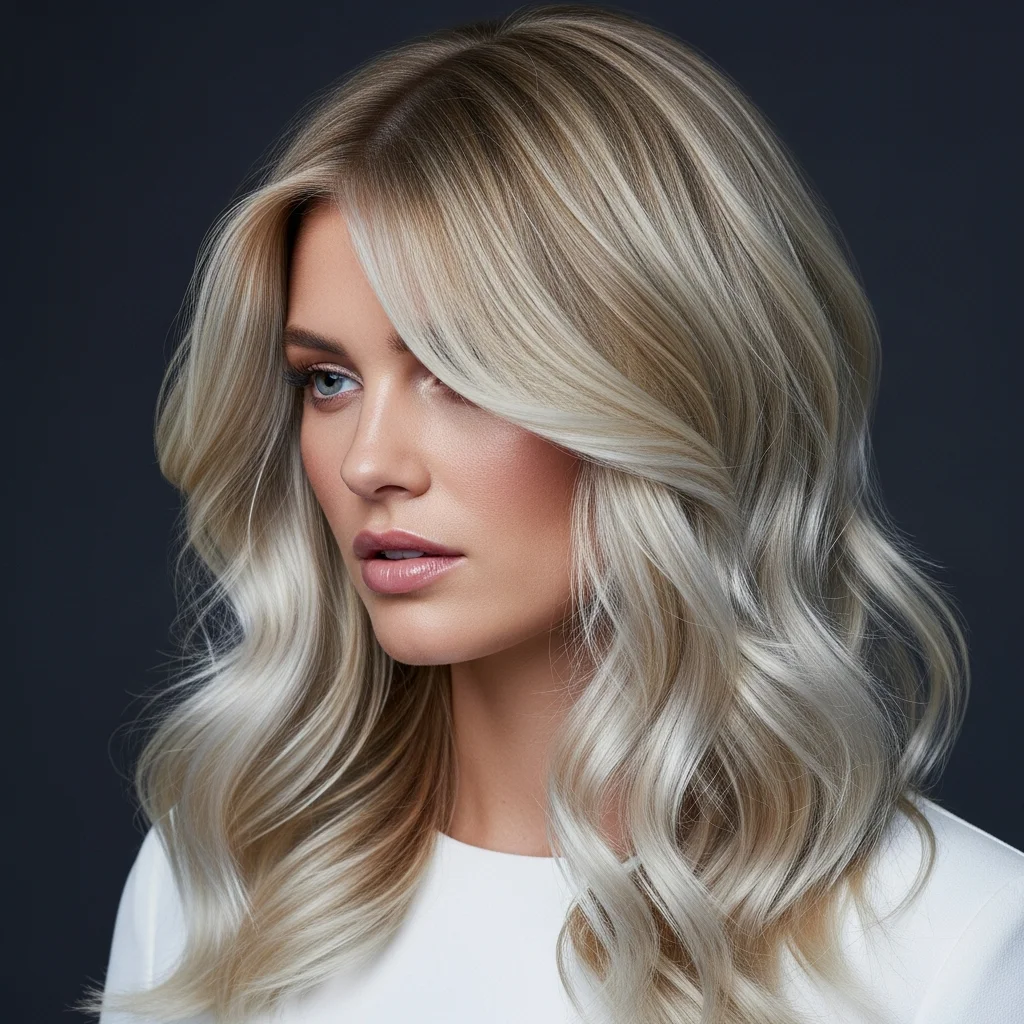
Honey butter blonde has captured attention as one of winter’s most flattering blonde variations. This shade moves away from the bright, sunny blondes of summer toward something more muted and sophisticated. The color resembles the creamy, golden hue of butter blended with honey, creating warmth without appearing brassy or yellow-toned.
Achieving honey butter blonde requires careful toning to balance the warm and neutral elements. Colorists typically start with a medium to light blonde base, then apply a gloss that adds the signature buttery quality. The result should glow softly rather than shine brightly, evoking candlelight rather than sunlight. This subtle difference makes the color feel appropriate for winter while still bringing brightness to your overall appearance.
The maintenance requirements for honey butter blonde fall somewhere between high and moderate. While the color doesn’t demand the intensive upkeep of platinum shades, it does benefit from regular toning appointments every four to six weeks. Using purple or blue shampoo helps combat brassiness, though the warm tones mean you won’t need these products as frequently as cooler blonde shades require. Deep conditioning treatments remain essential for keeping blonde hair healthy and preventing the dryness that can make color appear dull.
Icy Platinum for Bold Statements
Icy platinum blonde represents the opposite end of the blonde spectrum, offering a cool, almost white appearance that creates dramatic impact. This shade works particularly well during winter because it complements the season’s aesthetic of frost and snow. Platinum blonde requires significant commitment, both in terms of the initial coloring process and ongoing maintenance, but the striking results make it worthwhile for those drawn to bold looks.
Creating true platinum blonde typically involves multiple bleaching sessions, especially for those starting with darker base colors. The process must be handled carefully by experienced professionals to minimize damage and achieve the desired level of lift. Once the hair reaches the necessary pale yellow tone, toners with violet or blue bases neutralize remaining warmth to produce the signature icy appearance.
Maintaining platinum blonde demands dedication. The color requires toning every few weeks to prevent yellow or brassy tones from emerging. Regular deep conditioning treatments become non-negotiable to combat the dryness that accompanies heavily bleached hair. Despite these requirements, many women find platinum blonde empowering and worth the effort, particularly those with cool undertones and fair to medium complexions.
Toasted Blonde for Subtle Sophistication
Toasted blonde offers a more understated approach to winter blonde hair. This shade takes inspiration from lightly browned bread or roasted nuts, featuring warm beige tones rather than bright golden hues. Toasted blonde works beautifully for women who want to lighten their hair slightly without the high contrast and maintenance associated with traditional blonde shades.
The creation of toasted blonde involves careful selection of tones that lean neither too warm nor too cool. Colorists blend beige, soft gold, and light brown shades to achieve a neutral blonde that appears natural and effortless. This color often incorporates balayage or highlighting techniques that create dimension and prevent the shade from appearing flat or monotone.
Toasted blonde suits virtually all skin tones because of its neutral quality. The shade particularly complements those with neutral undertones who might struggle to find the perfect blonde. Maintenance proves relatively easy compared to other blonde options, as the color fades gracefully and doesn’t develop harsh lines at the roots. Refreshing the color every eight to ten weeks typically suffices, with glossing treatments in between to maintain vibrancy.
Fiery Red and Copper Tones
Cherry Cola for Dimensional Red
Cherry cola brunette has dominated winter hair trends for the past several seasons, and its popularity shows no signs of waning. This sophisticated shade combines deep brunette bases with subtle cherry red tones that emerge when light hits the hair. The result creates intrigue and dimension without appearing overtly red, making it accessible for women who want color with subtlety.
The technique for achieving cherry cola involves layering lowlights in deeper plum or burgundy tones throughout a rich brown base. Some colorists also add very fine red highlights that provide brightness without disrupting the overall depth of the color. The cherry tones should enhance rather than dominate, creating a cola-like effect that appears different in various lighting conditions.
Cherry cola brunette flatters a wide range of skin tones, though it particularly suits those with neutral to cool undertones. The color brings warmth to pale winter complexions while adding richness to the hair. Maintenance requires color-safe products and occasional glossing to keep the red tones vibrant, as red pigments tend to fade faster than other colors. Planning for touch-ups every six to eight weeks helps maintain the dimensional quality that makes this shade so appealing.
Copper Glow for Vibrant Warmth
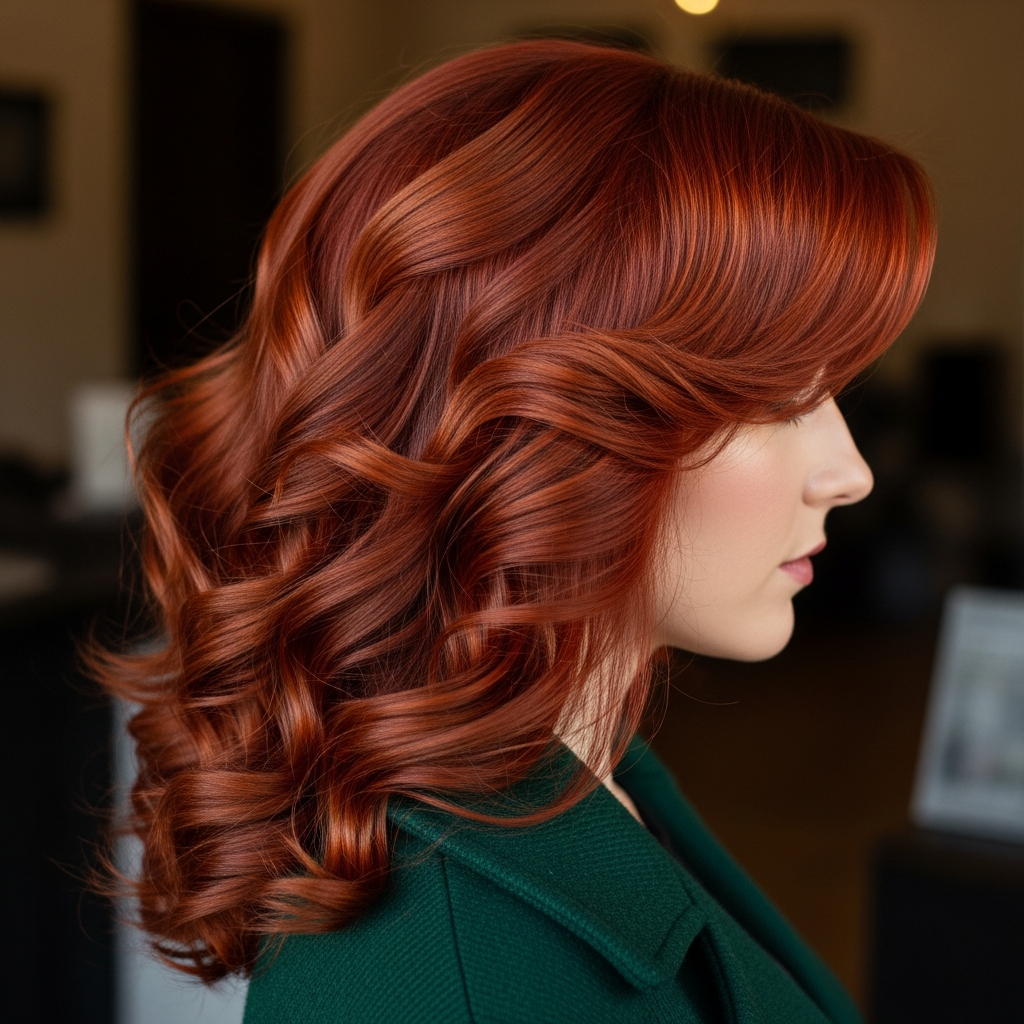
Copper hair delivers undeniable warmth and vibrancy perfect for brightening dreary winter days. This shade ranges from subtle auburn blended through brunette bases to full, fiery copper that commands attention. The versatility of copper tones means you can customize the intensity to match your comfort level with bold color while still benefiting from the warmth these shades provide.
Creating beautiful copper color requires understanding undertones and how different copper shades interact with various base colors. Natural redheads enhancing their color need different approaches than brunettes transitioning to copper for the first time. Colorists typically apply copper tones through balayage or highlights for more subtle effects, or use all-over color for dramatic transformations.
Copper hair particularly flatters those with warm undertones and works beautifully across different skin tone depths. Fair complexions gain warmth from copper tones, while deeper skin tones find the color creates stunning contrast. The maintenance for copper requires dedication, as red-based colors fade relatively quickly. Using color-depositing conditioners, avoiding excessive heat styling, and limiting sun exposure all help preserve the vibrancy between salon appointments.
Auburn Elegance
Auburn represents a sophisticated middle ground between brown and red, offering richness and warmth without the intensity of full copper or bright red shades. This classic color has remained popular across decades because of its timeless appeal and versatility. Auburn hair can lean more brown with red undertones or feature more prominent red with brown depth, depending on personal preference and starting color.
The beauty of auburn lies in its adaptability. Colorists can customize the shade to complement specific skin tones and personal styles. Warmer auburns with golden undertones suit those with warm skin, while cooler auburns featuring burgundy notes complement cool undertones. Many stylists recommend adding dimension through highlights or lowlights that create movement and prevent the color from appearing flat.
Auburn maintenance falls somewhere between red and brown requirements. The color fades more slowly than bright reds but still benefits from color-safe products and regular glossing. Touch-ups every six to eight weeks keep the color looking fresh, though the gradual fade often appears natural rather than grown-out. Auburn works particularly well for winter because the warm tones combat the pale quality many complexions develop during months of limited sun exposure.

Dimensional Techniques for Winter Depth
Caramel Balayage
Caramel balayage continues to reign as one of the most requested coloring techniques across salons worldwide. This method involves hand-painting caramel-toned highlights through darker bases, creating a sun-kissed effect that appears natural and effortless. The technique works beautifully during winter because it adds brightness without the stark contrast of traditional highlights.
The appeal of caramel balayage extends beyond aesthetics to practical benefits. The hand-painted application means color concentrates through the mid-lengths and ends rather than starting at the roots. This creates a grown-out look from the start, significantly extending time between touch-ups. Many women find they can go three to four months between appointments, making this one of the lower-maintenance color options available.
Caramel tones suit virtually all base colors, from dark black-brown to medium blonde. The warmth brings life to winter complexions while creating dimension that makes hair appear thicker and more voluminous. Stylists adjust the tone and placement of caramel highlights based on individual features, ensuring the color enhances rather than overwhelms. The technique looks particularly stunning on wavy or curly hair, where the variation in tones becomes even more visible.
Smoky Brunette with Cool Undertones
Smoky brunette offers an alternative for those drawn to cooler tones rather than warm shades. This color features deep brown bases with subtle gray or ash undertones that create a sophisticated, mysterious quality. Smoky brunette works particularly well during winter because it complements the season’s cooler color palette while maintaining richness and depth.
Creating smoky brunette requires precision to avoid making hair appear dull or lifeless. Colorists achieve the smoky quality by neutralizing warm tones and adding cool pigments that create dimension. Some techniques incorporate very fine ash highlights that blend seamlessly with the base color, while others rely entirely on toning to achieve the desired cool effect.
This shade particularly flatters those with cool or neutral undertones and works beautifully against fair to medium skin tones. The color creates contrast that makes features appear more defined while maintaining a natural appearance. Smoky brunette requires less maintenance than warm tones because it doesn’t develop brassiness as color fades. Regular glossing treatments help maintain the cool undertones and prevent any unwanted warm tones from emerging.
Toffee Highlights for Gentle Warmth
Toffee highlights provide a gentler approach to adding warmth and dimension compared to bolder caramel or honey tones. This shade features soft, muted brown-gold tones that blend seamlessly with medium to dark brown bases. Toffee highlights work exceptionally well for women seeking subtle enhancement rather than dramatic transformation.
The technique for toffee highlights typically involves foil or balayage application, depending on desired results. Foil highlights create more uniform color distribution, while balayage offers softer, more blended results. Either way, toffee tones add visual interest without dramatically lightening the overall appearance of the hair.
Toffee highlights suit those who want to experiment with color while maintaining a professional, understated look. The shade grows out gracefully and typically requires touch-ups every eight to twelve weeks. This color particularly benefits those with warm or neutral undertones, as the soft golden-brown tones complement natural warmth without appearing brassy or overly yellow.

Bold Winter Color Choices
Mulled Wine Burgundy
Mulled wine hair color captures the essence of the popular winter beverage, featuring deep burgundy tones with plum and brown undertones. This rich, sophisticated shade offers drama without appearing unnatural, making it perfect for those wanting to make a statement while maintaining elegance. The color evokes warmth and coziness, ideal qualities for the winter season.
Achieving mulled wine color typically begins with a dark base, onto which burgundy and violet tones are layered. The multidimensional approach prevents the color from appearing flat while creating depth that looks different in various lighting conditions. Some stylists add darker lowlights or lighter burgundy highlights to enhance dimension further.
Mulled wine particularly suits those with cool or neutral undertones, as the purple and plum notes complement these skin characteristics. The color requires dedicated maintenance, including color-safe products and regular glossing to prevent fading. Despite the upkeep requirements, many women find the unique, eye-catching quality of mulled wine worth the effort, especially during the holiday season when bold looks feel particularly appropriate.
Frosted Mocha
Frosted mocha combines the richness of chocolate brown with subtle cool undertones that create a frosty, sophisticated effect. This color walks the line between warm and cool, making it versatile enough to flatter various skin tones while maintaining the depth associated with winter shades. Frosted mocha works particularly well for those wanting to darken their hair while incorporating modern, trendy elements.
The creation of frosted mocha involves selecting the perfect balance of brown and ash tones. Too much warmth eliminates the frosted quality, while excessive coolness can make the color appear dull or muddy. Skilled colorists achieve the ideal balance by layering tones and using glosses that add dimension without overwhelming the base shade.
Frosted mocha suits women across the spectrum of coloring, though it particularly complements those with neutral to cool undertones. The color maintains well between appointments, typically needing refreshing every six to eight weeks. Using color-safe products helps preserve both the richness of the brown tones and the cool undertones that give this shade its distinctive character.
Midnight Black with Blue Undertones
For those drawn to the darkest end of the color spectrum, midnight black with blue undertones offers sophistication and drama. This shade takes traditional black hair and adds subtle blue tones that emerge when light hits the hair. The effect creates intrigue and dimension while maintaining the sleek, polished appearance of black hair.
Achieving midnight black with blue undertones requires starting with a solid black base, then applying blue-toned glosses or color treatments that create the subtle undertones. The blue should appear as a hint rather than obvious color, adding dimension without making the hair look obviously tinted. This technique works particularly well on naturally dark hair, as it enhances existing depth rather than requiring dramatic lightening.
The color particularly suits those with cool undertones and works beautifully against fair to medium complexions where the contrast appears most striking. Maintenance involves regular glossing to maintain the blue undertones and prevent the color from fading to regular black. Using color-safe products formulated for dark hair helps preserve the richness and prevents premature fading.
Making Your Winter Hair Color Choice
Selecting the perfect winter hair color involves considering several factors beyond simple preference. Your natural coloring, including skin undertones and eye color, plays a significant role in determining which shades will be most flattering. Cool undertones typically pair best with ash, smoky, or icy tones, while warm undertones shine with golden, copper, or caramel shades. Those with neutral undertones enjoy the most flexibility and can experiment across the spectrum.
Lifestyle considerations also influence color choices. High-maintenance shades like platinum blonde or vibrant red require frequent salon visits and intensive at-home care routines. If your schedule doesn’t accommodate regular appointments, opting for lower-maintenance options like balayage or darker tones that grow out gracefully makes practical sense. Consider also your workplace environment and whether bold colors align with professional expectations.
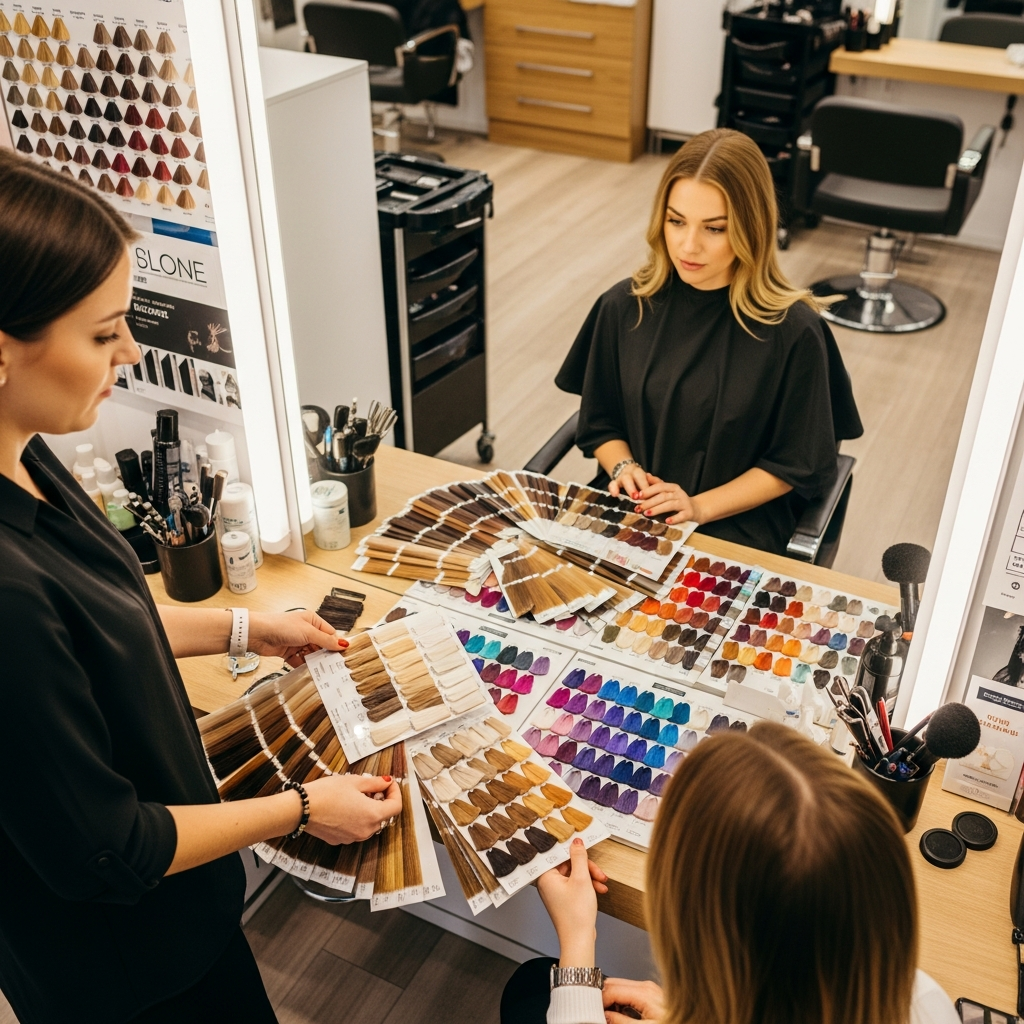
The condition of your hair matters significantly when planning color transformations. Damaged or over-processed hair may not respond well to additional chemical treatments, particularly those involving bleach. Consulting with a professional colorist about your hair’s current condition and realistic goals helps prevent disappointment and further damage. Sometimes achieving your dream color requires multiple sessions spaced apart to maintain hair health.
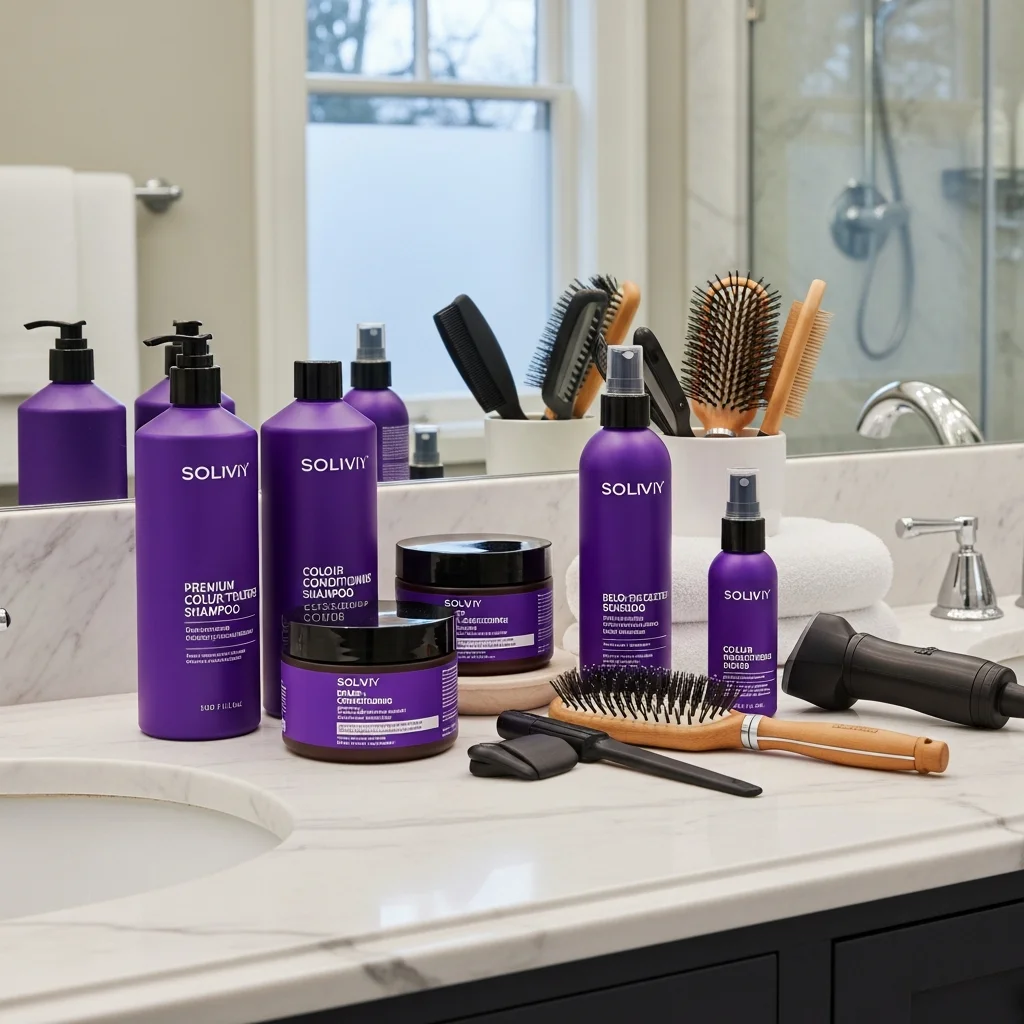
Maintaining Your Winter Hair Color
Proper maintenance determines how long your winter hair color stays vibrant and beautiful. Investing in professional-grade, color-safe shampoos and conditioners provides the foundation for color preservation. These products lack harsh sulfates that strip color and typically contain ingredients that help seal the hair cuticle and lock in pigment. Washing hair less frequently, ideally two to three times weekly, also extends color life.
Deep conditioning treatments become essential during winter, as cold air and indoor heating can dry out hair and cause color to fade prematurely. Weekly masks or treatments restore moisture and strengthen hair structure, helping color appear more vibrant and hair look healthier overall. Many color-safe deep conditioners also contain pigments that deposit small amounts of color, helping maintain vibrancy between salon visits.
Heat styling should be minimized or used with proper protection to prevent damage and color fading. When heat styling proves necessary, applying heat protectant products and using lower temperature settings helps preserve both hair health and color integrity. The winter months often favor air-drying and natural texture styling anyway, making it easier to reduce heat exposure while embracing effortless, lived-in looks.
Scheduling regular salon appointments for glossing treatments helps maintain color vibrancy and adds shine. These treatments typically take less time and cost less than full color applications but significantly impact how fresh and polished your hair appears. Glosses also help correct any unwanted tones that might develop as color fades, keeping your shade looking intentional rather than neglected.
Conclusion
Winter offers the perfect opportunity to refresh your look with hair color that complements the season’s unique beauty. From rich chocolate browns and warm caramel balayage to bold cherry cola and sophisticated icy platinum, the options span every preference and style. The key to successful winter hair color lies in choosing shades that enhance your natural coloring while reflecting your personal aesthetic and lifestyle needs.
The fifteen winter hair color ideas presented here represent the best of current trends while maintaining timeless appeal. Whether you prefer subtle enhancements through balayage techniques or dramatic transformations with vibrant copper or deep burgundy tones, winter accommodates every vision. The season’s emphasis on rich, dimensional colors means your hair can look as polished and sophisticated as your winter wardrobe.
Remember that beautiful hair color extends beyond the initial application to encompass proper maintenance and care. Investing in quality products, protecting your hair from winter elements, and scheduling regular salon appointments ensures your chosen shade stays vibrant throughout the season. With the right color and proper care, your winter hair can become one of your most confidence-boosting features during the colder months ahead.
Frequently Asked Questions
What hair color is most flattering for winter?
The most flattering winter hair colors typically feature rich, dimensional tones that complement paler winter complexions. Chocolate browns, warm caramels, and honey blondes work particularly well because they add warmth without appearing brassy. Cool-toned options like smoky brunette or icy platinum also flatter winter skin beautifully. The best choice depends on your specific skin undertones and personal style preferences.
How often should I touch up my winter hair color?
Touch-up frequency varies by color type and technique. Balayage and ombre styles typically need refreshing every eight to twelve weeks because they grow out gracefully. All-over color applications usually require touch-ups every six to eight weeks to address root growth. High-maintenance colors like platinum blonde may need toning every three to four weeks, while darker shades often last longer between appointments.
Can I switch from summer blonde to winter brunette safely?
Transitioning from blonde to brunette can be done safely when approached correctly. The process typically requires filling the hair with warm tones first to prevent the final color from appearing muddy or green. Professional colorists understand the necessary steps and can achieve beautiful brunette results without damaging your hair. The transition often happens gradually over multiple appointments for the healthiest outcome.
What products help maintain winter hair color?
Essential products for color maintenance include sulfate-free shampoos and conditioners specifically formulated for color-treated hair. Weekly deep conditioning masks restore moisture and strengthen hair structure. Color-depositing products help refresh tone between salon visits, while UV protection sprays prevent sun damage that causes fading. Heat protectant sprays remain crucial if you use styling tools regularly.
Will winter weather damage my colored hair?
Winter weather can stress colored hair due to cold outdoor temperatures, dry indoor heating, and harsh winds. The combination can cause dryness, breakage, and accelerated color fading. Protecting your hair with hats or scarves, using intensive moisturizing treatments, and minimizing heat styling all help combat winter damage. Maintaining a consistent care routine with quality products keeps colored hair healthy throughout the season.