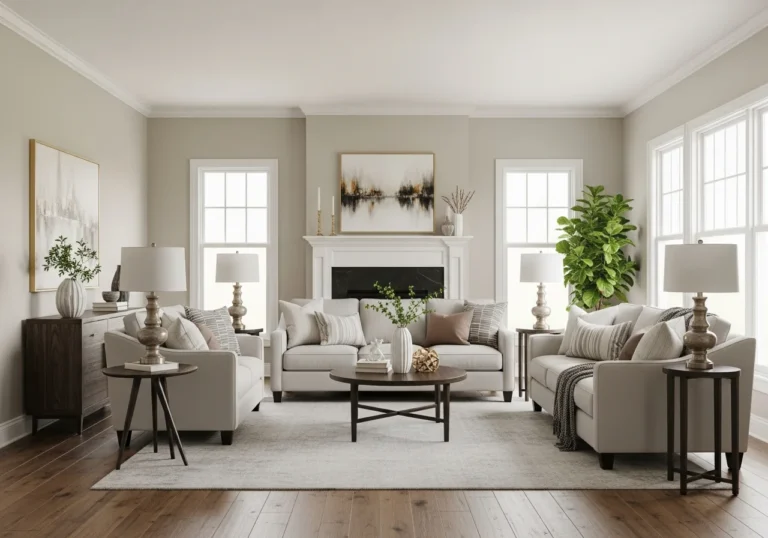
30 Creative & Cozy Living Room Ideas to Try
The living room serves as the heart of every home, where families gather, conversations flow, and memories take shape. Creating a space that balances warmth with personality requires thoughtful design choices that go beyond simply filling a room with furniture. Whether you’re working with a compact apartment or a spacious great room, transforming your living area into a cozy retreat is entirely achievable through strategic planning and creative implementation.
The concept of coziness extends far beyond soft blankets and dim lighting. It encompasses a holistic approach to interior design that considers texture, color, scale, and personal expression. A truly cozy living room invites you to linger, encourages relaxation, and reflects your unique style while maintaining functionality for everyday life. This comprehensive guide explores thirty innovative ideas that will help you craft a living room that feels both creatively designed and irresistibly comfortable.

Master the Art of Layered Textures
Texture layering stands as one of the most effective techniques for creating depth and warmth in any living space. The interplay between different materials creates visual interest while adding tactile comfort that makes a room feel genuinely inviting. Start by combining various fabric weights and textures throughout your space. Chunky knit throws draped over smooth leather sofas create immediate contrast, while velvet cushions against linen upholstery add sophistication and softness.
Consider incorporating natural fiber rugs beneath plush area carpets to build dimensional interest underfoot. Woven baskets, raw wood elements, and ceramic accessories further enhance the textural landscape. The key lies in balancing rough and smooth, soft and structured elements to create a harmonious blend that appeals to multiple senses. Wool blankets, silk pillows, cotton curtains, and mohair throws can all coexist beautifully when arranged with intersectionality.

Embrace Warm and Earthy Color Palettes
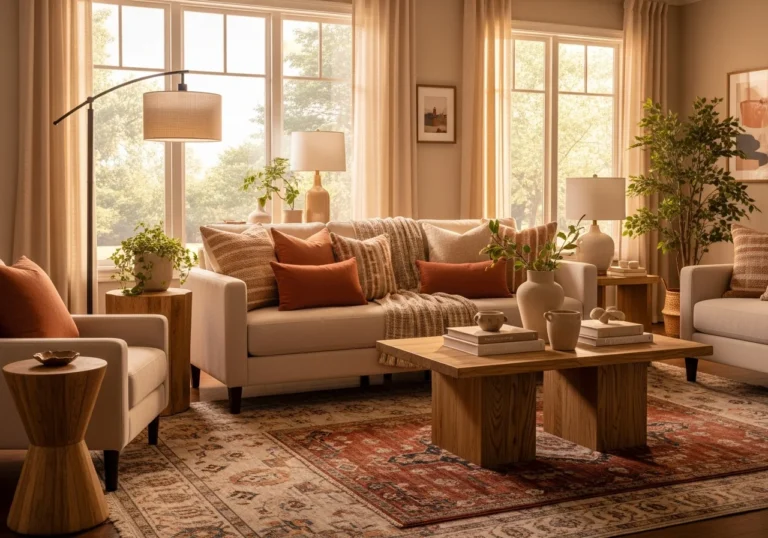
Color selection profoundly influences the atmosphere of your living room. Warm, earthy tones naturally evoke feelings of comfort and security, making them ideal foundations for cozy spaces. Shades of terracotta, burnt sienna, warm taupe, and soft ochre create an enveloping atmosphere that feels grounded and serene. These colors work particularly well when layered in varying intensities throughout the room.
Deep chocolate browns paired with creamy beige’s establish a sophisticated baseline, while touches of rust orange or mustard yellow add vibrancy without overwhelming the senses. Muted greens inspired by nature bring calm energy, while soft dusty blues introduce coolness that balances warmer tones. The beauty of earthy palettes lies in their versatility and timelessness, allowing your living room to feel current without being trendy.
Create Intimate Conversation Zones
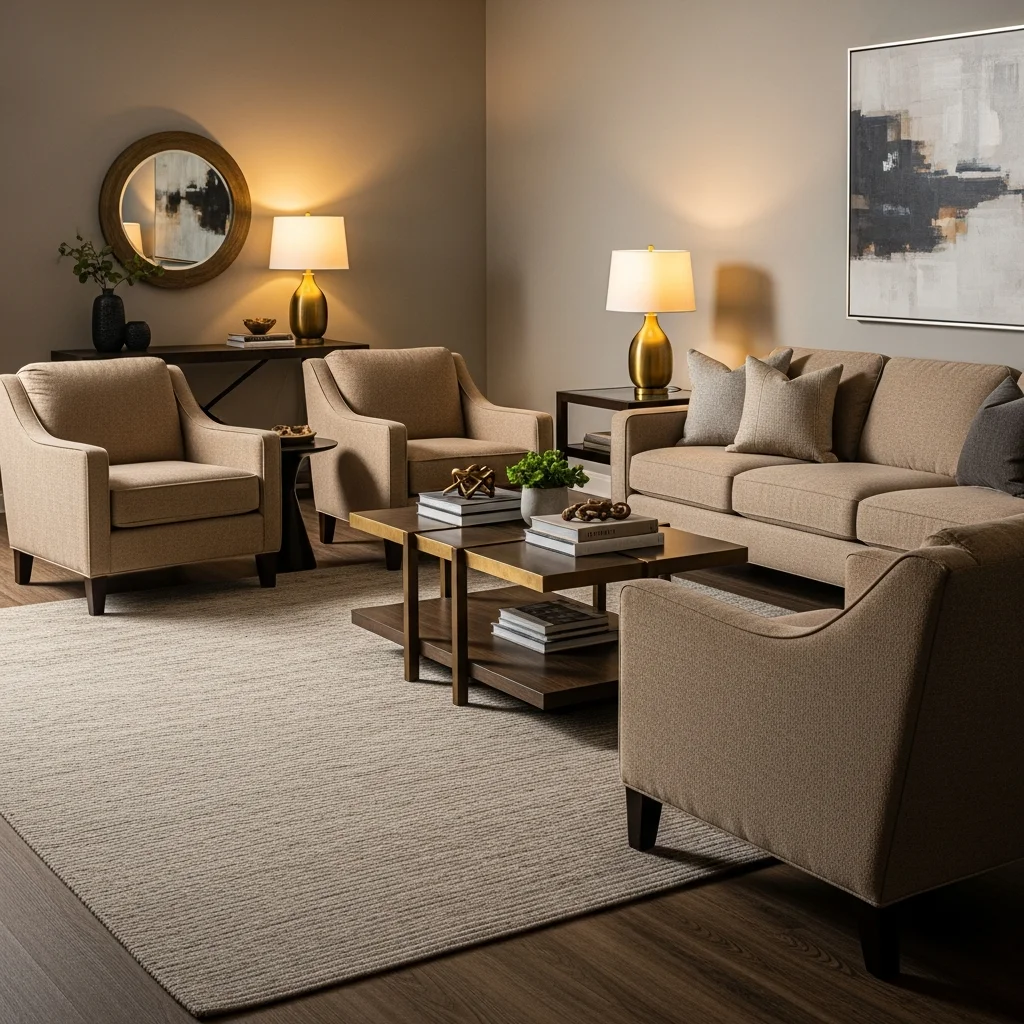
Modern living room design increasingly prioritizes human connection over media consumption. Arranging furniture to facilitate conversation transforms your space from a passive viewing area into an active gathering spot. Position seating pieces no more than eight feet apart to ensure comfortable dialogue without straining to hear. Angle chairs slightly toward each other rather than placing them in rigid parallel lines, which encourages more natural interaction.
Consider creating multiple conversation zones within larger spaces. A primary seating area might feature a sofa and two armchairs around a coffee table, while a secondary nook could include a pair of cozy chairs flanking a small side table. This approach allows simultaneous small group conversations during gatherings while maintaining an intimate scale that prevents the room from feeling cavernous. The absence of a television as the focal point often results in more meaningful connections and deeper conversations.
Layer Your Lighting for Ambiance
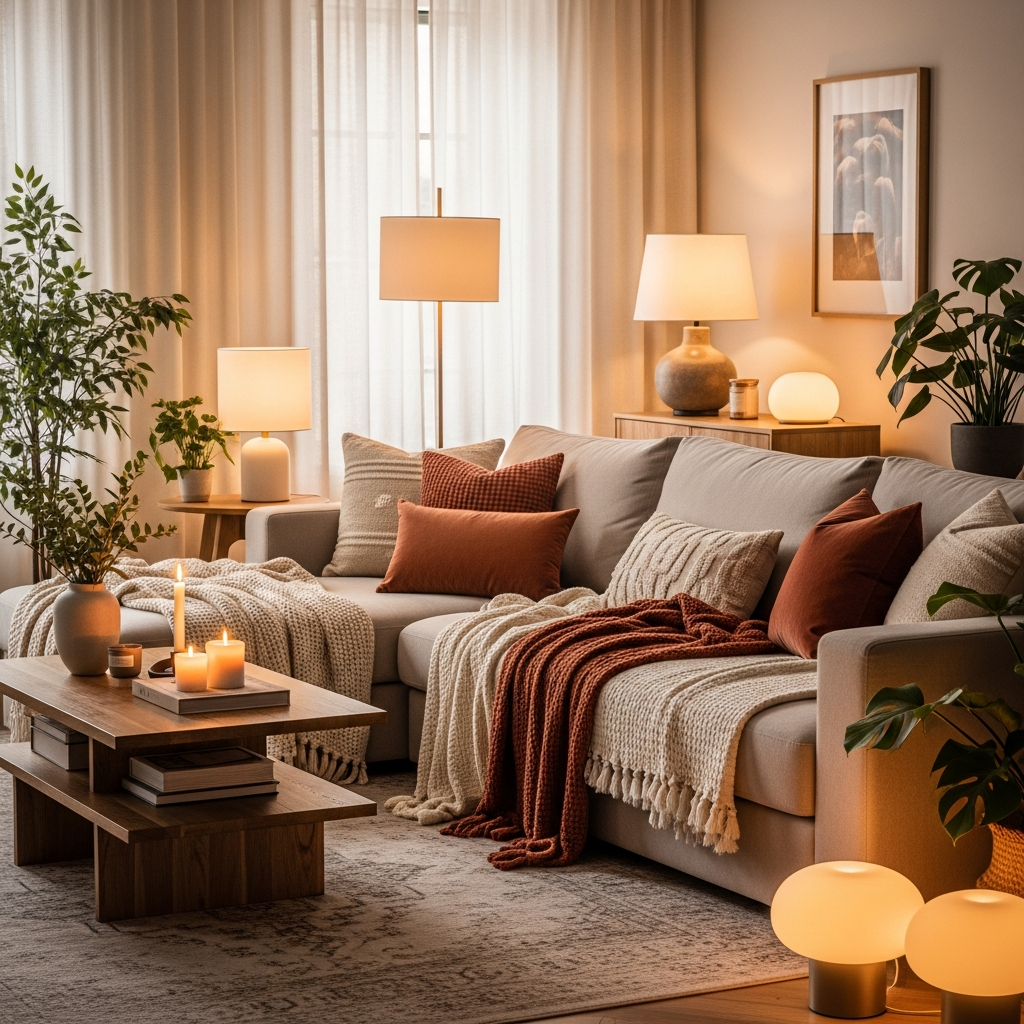
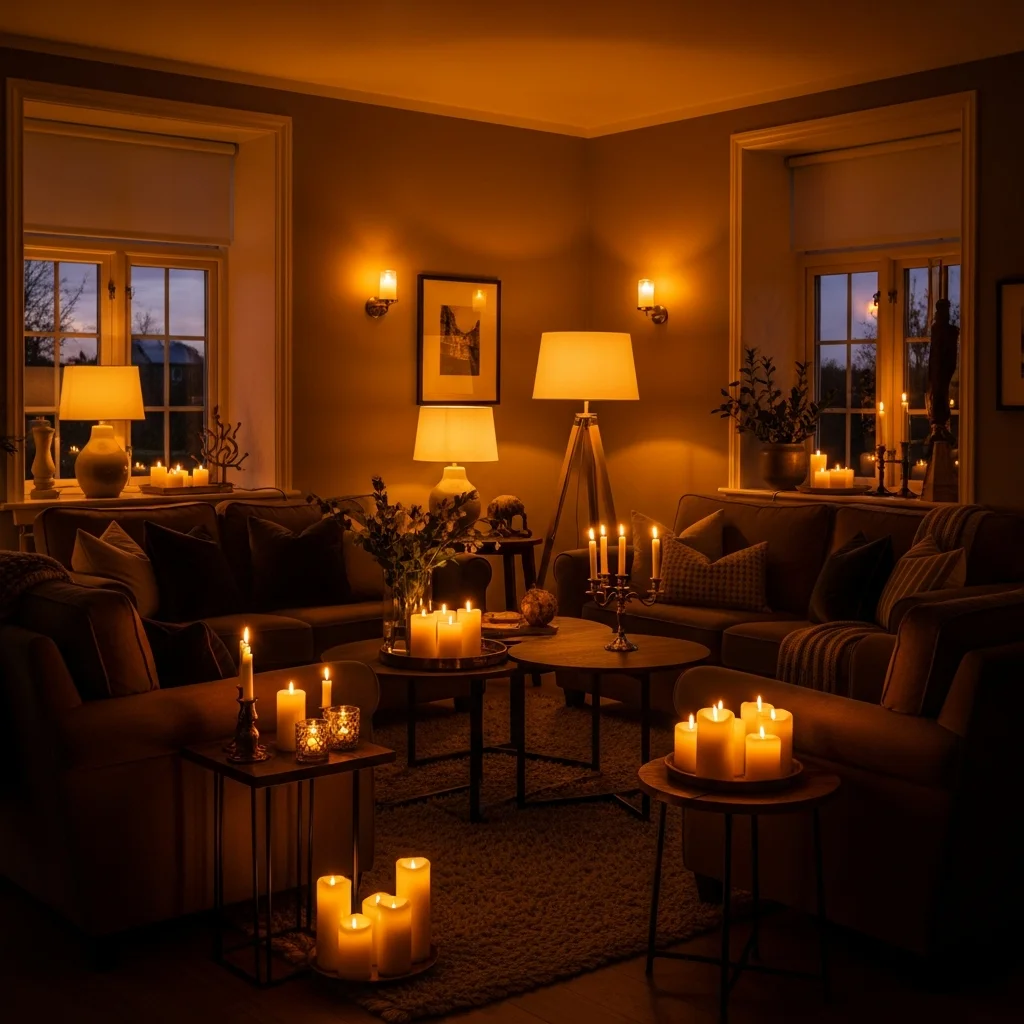
Overhead lighting alone rarely creates the warm, inviting atmosphere essential to cozy living rooms. Successful lighting design relies on layering multiple sources at different heights and intensities. Table lamps on end tables provide warm pools of light perfect for reading or conversation, while floor lamps in corners eliminate dark spaces and create ambient glow. Strategically placed candles add flickering warmth and subtle fragrance that enhances the sensory experience.
Install dimmer switches on overhead fixtures to adjust brightness according to time of day and activity. Wall sconces frame fireplaces or artwork while adding architectural interest. The goal involves creating flexible lighting that adapts to various needs, from bright illumination for family game nights to soft glowing warmth for evening relaxation. Avoid harsh, cool-toned bulbs in favor of warm white or soft yellow alternatives that naturally soften facial features and create welcoming radiance.
Incorporate Natural Elements and Greenery
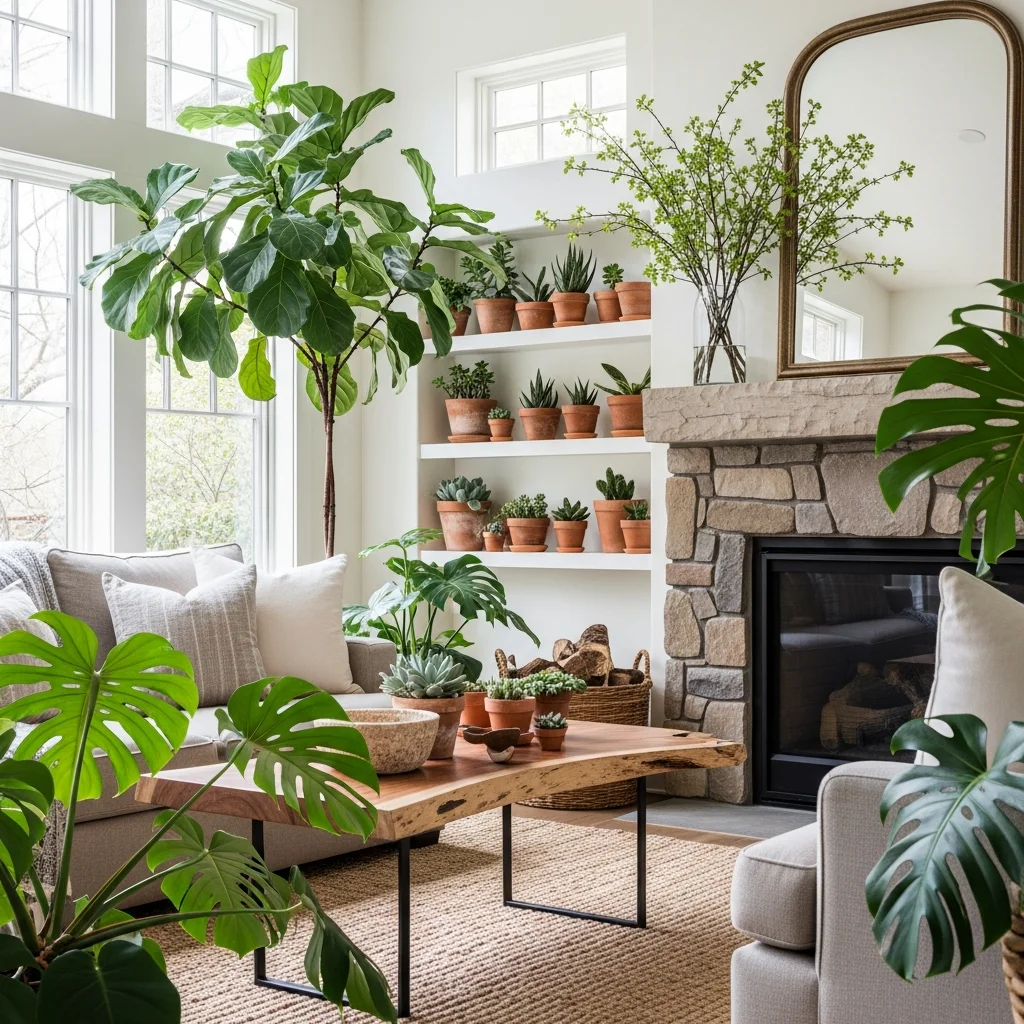
Bibliophile design, which integrates natural elements into interior spaces, continues gaining popularity for good reason. Plants purify air while adding life, color, and texture to living rooms. Large floor plants like fiddle leaf figs or monster a delicious make bold statements in empty corners, while smaller potted succulents cluster beautifully on coffee tables and shelving units. Even those without green thumbs can enjoy the benefits through high-quality artificial plants that require no maintenance.
Beyond living greenery, incorporate raw wood through coffee tables, shelving, or exposed beams. Stone elements around fireplaces or as decorative accents ground spaces with earthy solidity. Natural fiber rugs made from jute, sisal, or sea-grass add organic texture underfoot. These materials create subtle connections to the outdoors, helping inhabitants feel more relaxed and centered within their homes. Fresh or dried branches arranged in over sized vases bring seasonal interest with minimal effort.

Maximize Comfort with Plush Seating
The foundation of any cozy living room begins with genuinely comfortable seating. Invest in sofas and chairs with deep seats, supportive cushions, and quality construction that will maintain comfort over years of use. Sectional sofas work beautifully in family rooms, offering ample seating while creating defined boundaries within open floor plans. Oversized armchairs with ottoman companions provide personal retreats for reading or relaxation.
Consider performance fabrics that resist stains and wear while maintaining softness and visual appeal. These practical materials allow you to enjoy your furniture without constant worry about spills or damage. Layer seating with throw pillows in varying sizes and textures, creating customizable comfort that adapts to individual preferences. Poufs and floor cushions offer flexible additional seating that can be easily moved or stored as needed.
Display Personal Collections and Memories
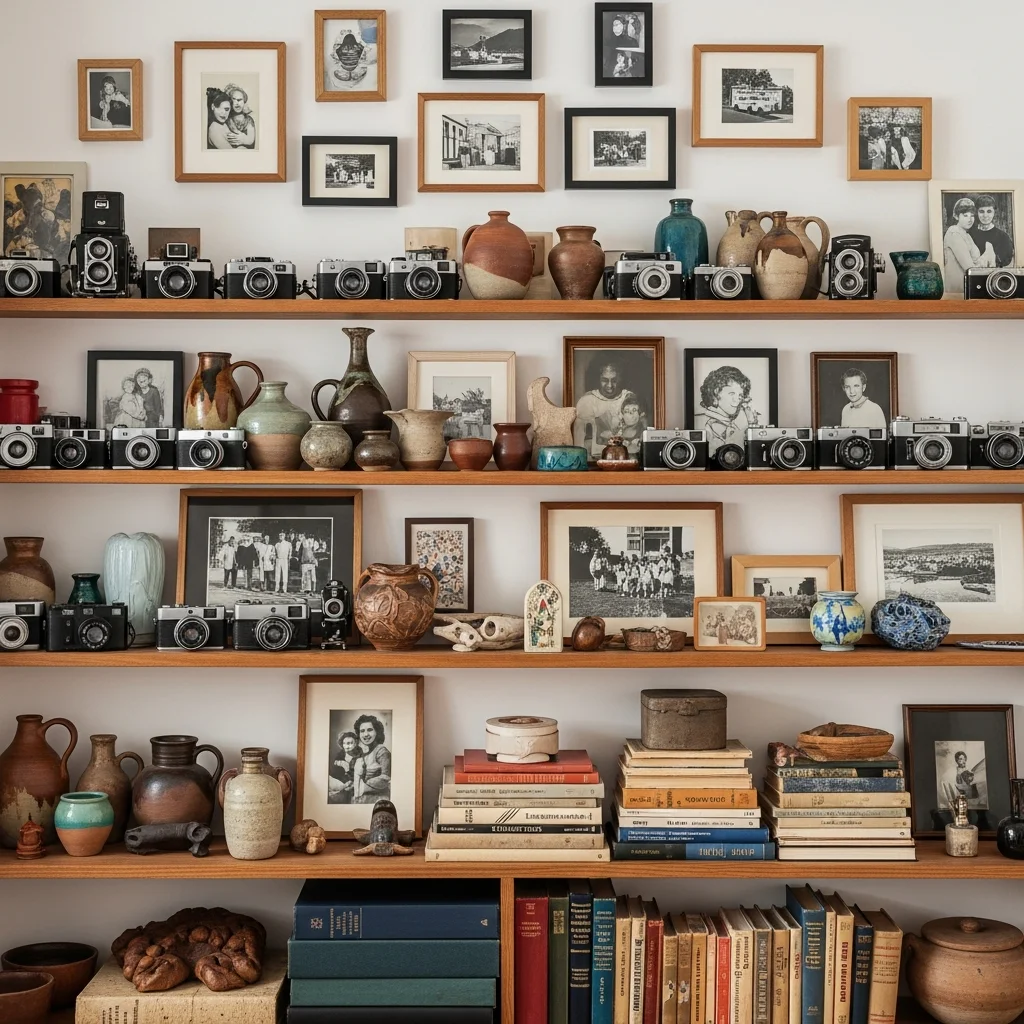
Generic showroom aesthetics feel cold and impersonal. Infusing your living room with personal collections transforms it into a space that tells your unique story. Display travel souvenirs on open shelving, creating visual reminders of adventures and experiences. Vintage books collected over time add character and intellectual depth, while family photographs in varied frames create gallery walls that celebrate relationships.
Curate collections of items that genuinely interest you, whether vintage cameras, pottery, or antique maps. Group objects in odd numbers for visual balance and arrange them with intentional spacing rather than cluttering surfaces. These personal touches distinguish your living room from catalog images, making it feel authentically lived-in and welcoming. Rotate displayed items seasonally to maintain fresh interest and prevent visual stagnation.
Add Architectural Interest with Molding and Paneling
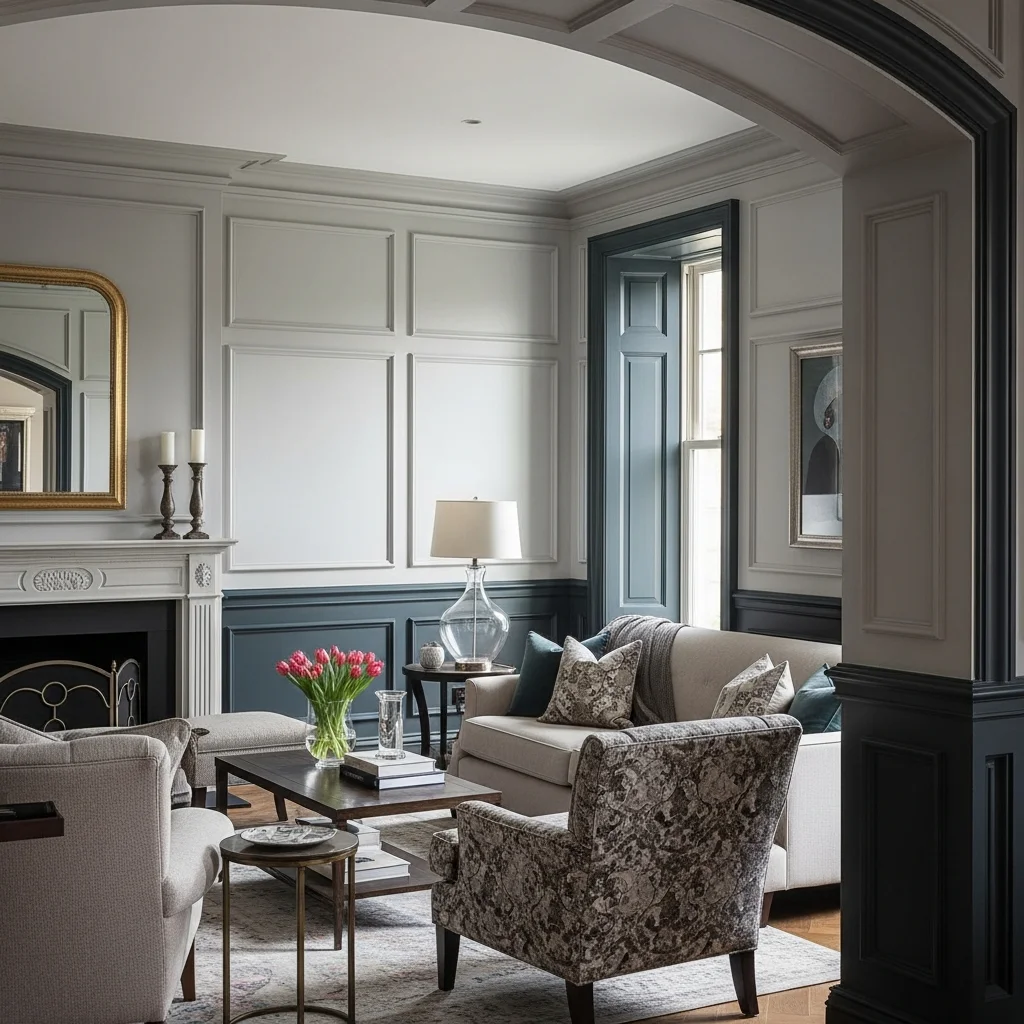
Walls often represent missed opportunities for adding character and depth to living rooms. Consider installing board and batten, wainscoting, or picture frame molding to create architectural interest that elevates the entire space. These treatments add dimension and sophistication while providing visual weight that grounds furnishings. Painted molding in contrasting colors creates dramatic effect, while tone-on-tone applications offer subtle elegance.
Exposed brick or stone accent walls bring texture and historical character, particularly in older homes or urban lofts. Wood paneling, whether shiplap or more traditional varieties, adds warmth and visual rhythm. Even renters can achieve similar effects through removable wallpaper featuring wood grain or geometric patterns. These architectural enhancements create backdrop interest that makes your living room feel more finished and intentionally designed.

Establish a Strong Focal Point
Every successful living room needs a clear focal point that anchors the space and guides furniture arrangement. Fireplaces naturally serve this purpose, providing both visual interest and functional warmth. Dress mantels with seasonal decorations, mirrors, or artwork that reflects your style. Without a fireplace, create focal points through large-scale artwork, dramatic wallpaper on a single accent wall, or a stunning piece of furniture like an antique armoire or modern media console.
Television screens, while practical, often dominate rooms when left exposed. Consider housing televisions in cabinets that close when not in use, or frame them with built-in shelving that reduces their visual impact. The goal involves creating a focal point that draws the eye and organizes the room without overwhelming other design elements. A well-established focal point makes furniture arrangement intuitive and helps maintain visual balance.

Embrace the Maximalist Movement
While minimalism dominated design conversations for years, maximalism offers refreshing contrast for those who find joy in abundance. This approach celebrates pattern mixing, bold colors, and layered collections that create rich, stimulating environments. The key to successful maximalism lies in cohesion rather than chaos. Establish a unifying color palette that threads through varied patterns and objects, creating harmony despite visual complexity.
Layer rugs, mix furniture styles from different eras, and display extensive collections without apology. Maximalist spaces feel collected over time rather than purchased in a single shopping trip, which contributes to their cozy, personal atmosphere. This style particularly suits creative individuals who resist the austere simplicity of minimalism, offering instead a celebration of abundance and individual expression.

Incorporate Vintage and Antique Pieces
Mixing vintage elements with contemporary furnishings creates living rooms with soul and character. Antique furniture pieces bring history and craftsmanship that mass-produced items cannot replicate. A weathered leather chair, vintage trunk serving as a coffee table, or inherited sideboard adds instant warmth and conversation-starting interest. These pieces tell stories and create connections to the past that make spaces feel more grounded.
Shop thrift stores, estate sales, and flea markets for unique finds that reflect your aesthetic. The imperfections and patina of aged items contribute to the cozy, lived-in feeling that makes living rooms truly welcoming. Balance vintage pieces with modern elements to prevent spaces from feeling like museum displays. This juxtaposition creates dynamic tension that keeps rooms visually interesting while maintaining contemporary functionality.
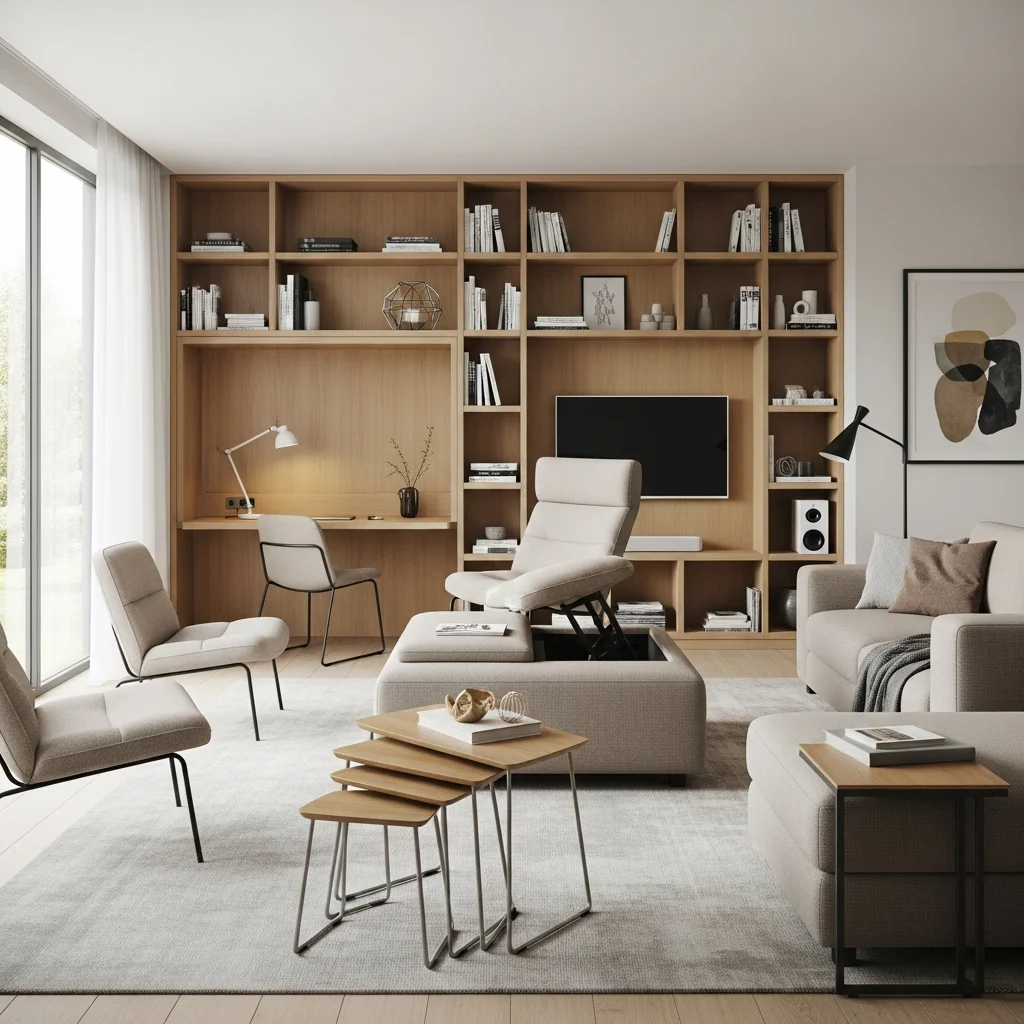
Design Multi-Functional Spaces
Modern living demands flexibility, particularly in smaller homes where rooms must serve multiple purposes. Design your living room to accommodate various activities through strategic furniture selection and arrangement. Ottoman coffee tables provide seating, surface space, and hidden storage in a single piece. Nesting tables separate for use around the room during gatherings, then stack neatly when not needed.
Built-in bookcases double as display areas and practical storage for media equipment, books, and decorative objects. Consider incorporating a desk area within larger living rooms, creating a work-from-home zone that maintains visual cohesion with the rest of the space. The goal involves maximizing utility without compromising comfort or aesthetic appeal.

Utilize Rugs to Define and Warm Spaces
Area rugs serve crucial functions in cozy living rooms beyond simple floor covering. They define seating areas within open floor plans, add warmth and softness underfoot, and introduce color and pattern that ties design elements together. Choose rugs large enough that all furniture front legs rest on them, or better yet, that accommodate all furniture pieces entirely. This creates visual cohesion and makes spaces feel intentionally designed rather than haphazardly arranged.
Layer smaller rugs over larger ones for added depth and interest. A sheepskin or cowhide over a neutral jute rug adds texture and defines specific zones within broader spaces. Consider pile height and material based on practical needs and aesthetic preferences. Plush, high-pile rugs feel luxurious underfoot but require more maintenance, while flat-weave options offer durability and easier cleaning without sacrificing style.

Create Cozy Reading Nooks
Dedicated reading spaces within living rooms provide personal retreats that enhance overall coziness. Position a comfortable armchair near a window to maximize natural light, or create a corner nook with a floor lamp for evening reading. Add a small side table to hold books, beverages, and reading glasses. A soft throw blanket and plush pillow complete the setup, creating an irresistible spot for literary escape.
Window seats with built-in storage offer particularly charming reading nooks in homes with suitable architecture. Add cushions and pillows for comfort, and install shelving within arm’s reach for book storage. Even compact living rooms can accommodate small reading corners that provide psychological separation from larger gathering areas, offering necessary quiet within communal spaces.

Implement Smart Storage Solutions
Clutter undermines even the most thoughtfully designed cozy living rooms. Implement storage solutions that hide necessary items while maintaining aesthetic appeal. Storage ottomans conceal blankets, magazines, and remote controls while providing additional seating or footrest functionality. Built-in cabinets with closed doors eliminate visual chaos created by exposed shelving while offering ample storage.
Decorative baskets corral items like throws and children’s toys in attractive packages that enhance rather than detract from room aesthetics. Floating shelves display curated collections while keeping surfaces clear for daily use. The goal involves creating systems that make maintaining tidiness effortless, allowing your living room to consistently feel welcoming rather than chaotic.

Embrace Curved Furniture for Softness
The trend toward curved furniture reflects a broader desire for spaces that feel gentle and organic rather than rigid and geometric. Rounded sofas, circular coffee tables, and kidney-shaped ottomans create flow and movement that rectangular pieces cannot achieve. These curves soften spaces visually while making furniture arrangements feel more approachable and inviting.
Curved pieces also improve traffic flow in smaller rooms where sharp corners create obstacles. A curved sectional defines seating areas without harsh lines that divide spaces uncomfortably. Arched floor lamps and rounded mirrors echo these organic shapes, creating cohesive design that feels intentional and sophisticated. This softer approach to furniture selection naturally enhances the cozy atmosphere you seek.
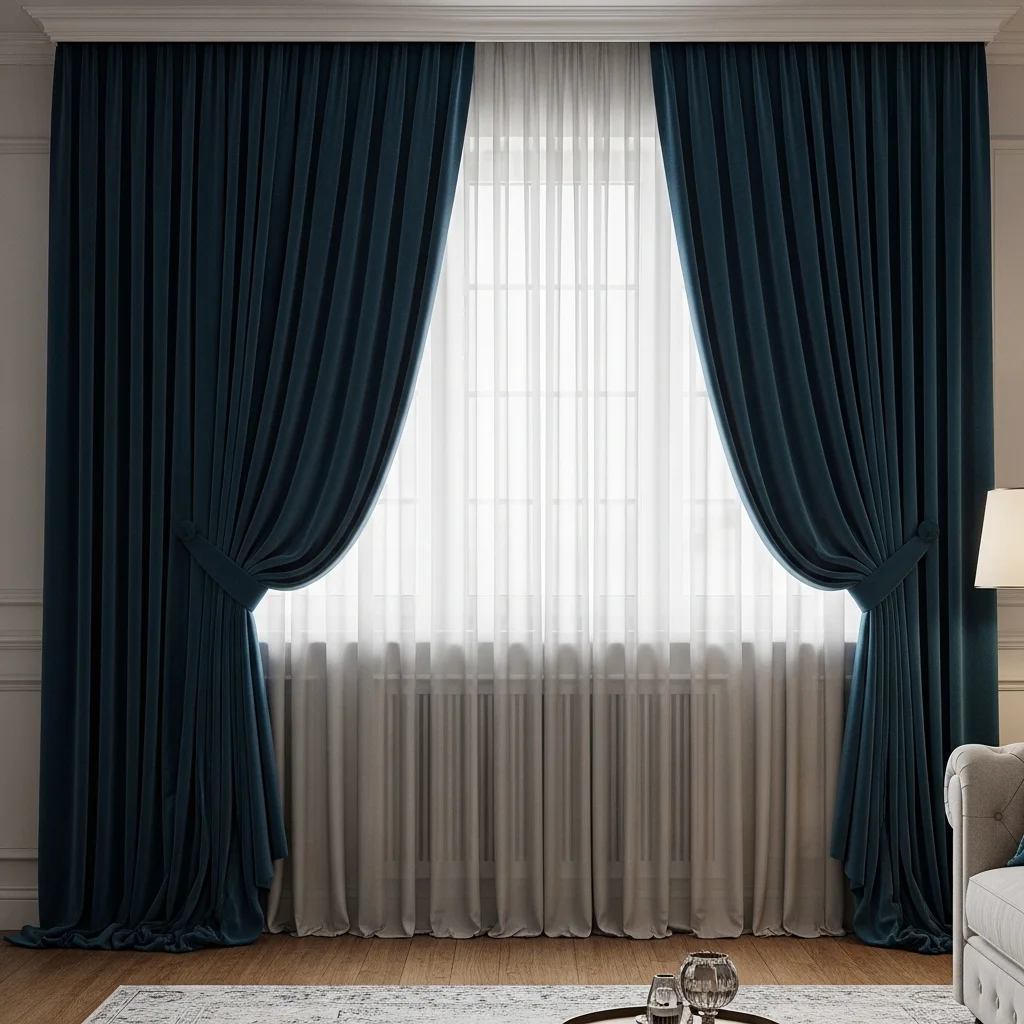
Incorporate Window Treatments for Warmth
Bare windows create stark, cold impressions that undermine cozy atmospheres. Heavy curtains in rich fabrics like velvet or wool add substantial warmth while providing practical light control and privacy. Floor-to-ceiling curtains make ceilings appear higher while adding dramatic vertical emphasis. Layer sheer curtains beneath heavier drapes for flexible light filtering that adapts to different times of day.
Consider installing curtains wider than windows to create an illusion of larger windows and more natural light. Roman shades offer streamlined alternatives when full curtains feel too formal or voluminous. The fabric you choose dramatically impacts overall room temperature and atmosphere, with heavier materials providing better insulation and sound absorption.
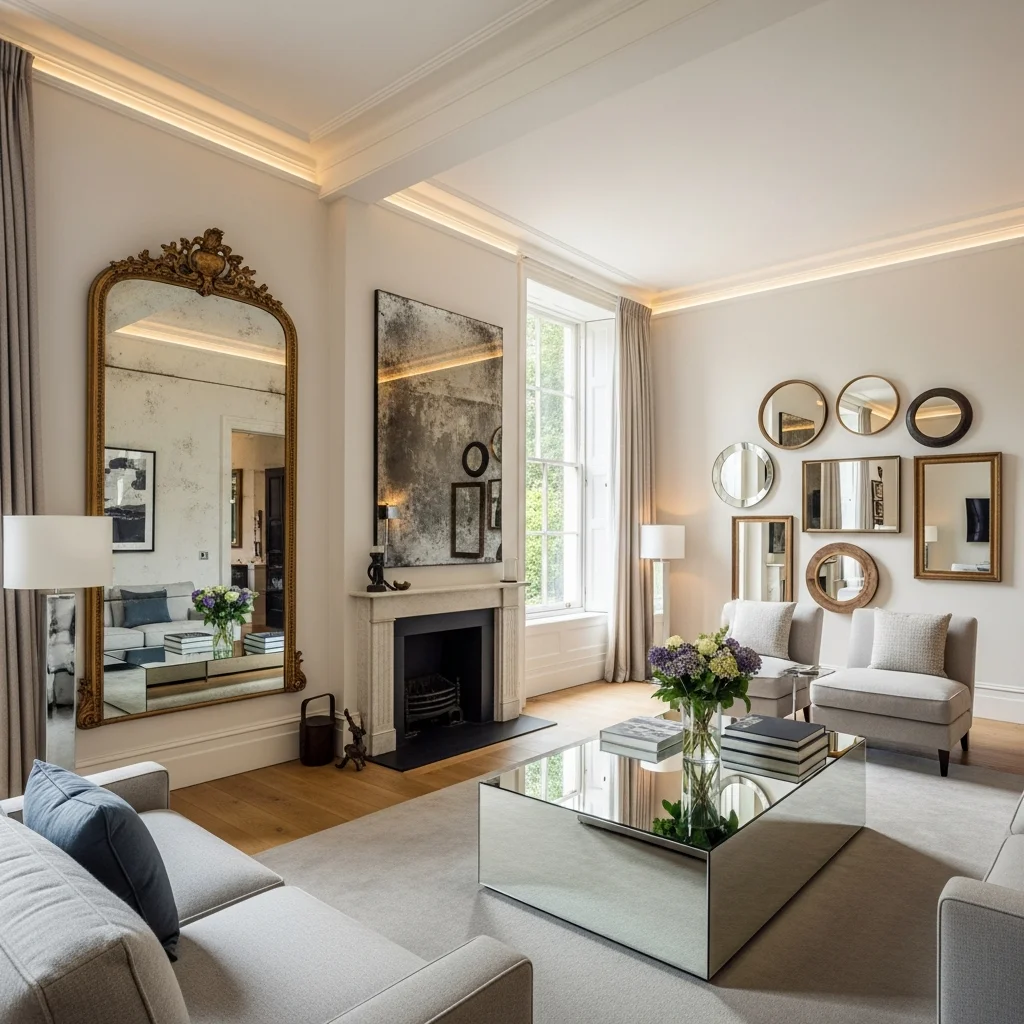
Use Mirrors to Amplify Light and Space
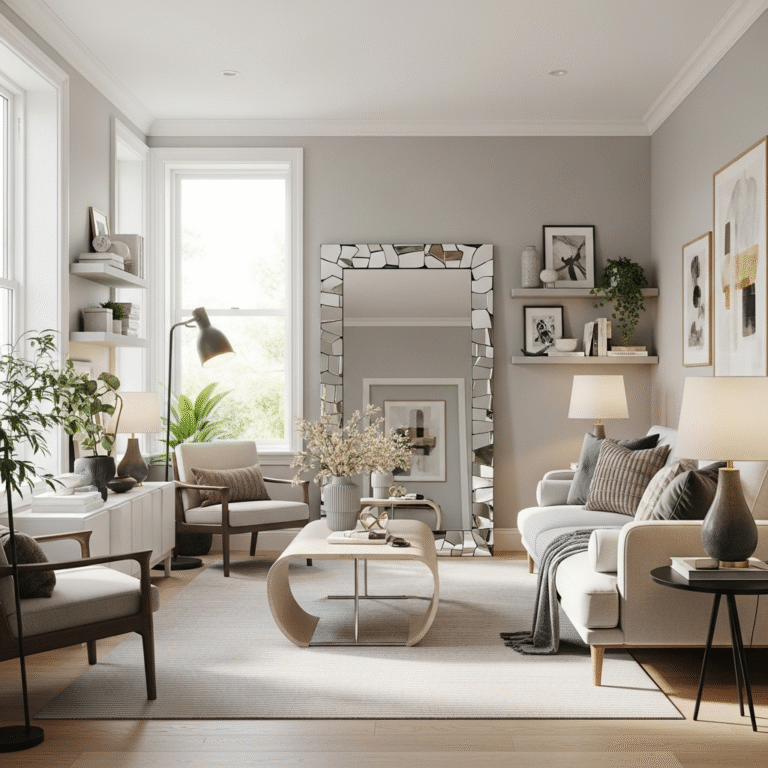
Strategically placed mirrors enhance coziness by amplifying natural light and creating illusions of expanded space. Position large mirrors opposite windows to reflect outdoor views and daylight throughout the room. Antique mirrors with ornate frames add vintage charm while serving functional purposes. Groupings of smaller mirrors arranged gallery-style create focal points while increasing ambient light.
Consider mirrored furniture pieces like coffee tables or console tables that reflect light from below, adding unexpected sparkle. However, avoid placing mirrors where they reflect clutter or unattractive views, which can create visual chaos. When used thoughtfully, mirrors make living rooms feel brighter and more spacious without sacrificing the intimate scale essential to coziness.
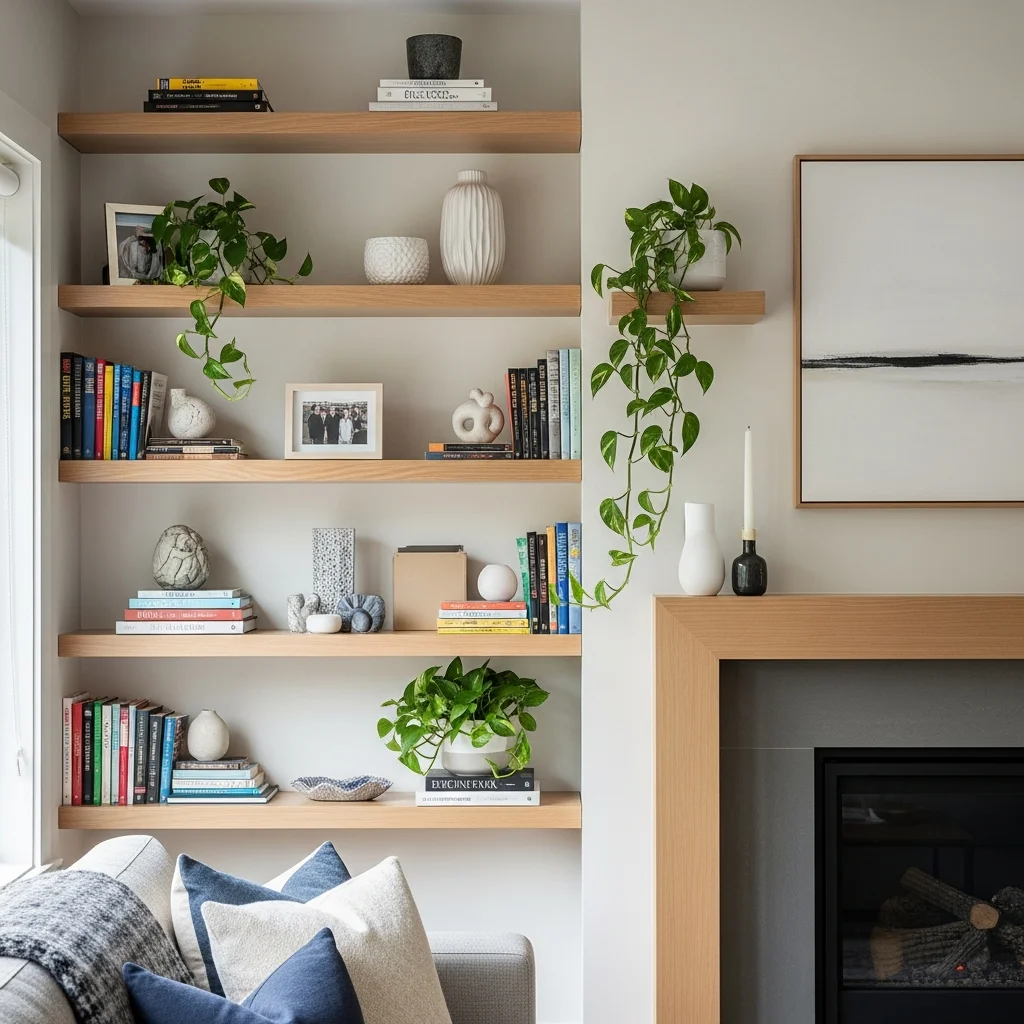
Add Character with Exposed Shelving
Open shelving transforms walls into opportunities for personal expression while providing practical storage. Style shelves with combinations of books, plants, decorative objects, and personal treasures that reflect your interests and experiences. Vary the heights and sizes of displayed items to create visual rhythm, and leave some empty space to prevent overwhelming density.
Floating shelves offer clean-lined alternatives to traditional bookcases, while built-in shelving flanking fireplaces creates symmetrical balance and ample display area. Consider backing shelves with wallpaper or paint in contrasting colors to make displayed items pop. The key involves curating displays that feel collected and personal rather than styled for a catalog shoot.

Integrate Statement Lighting Fixtures
Light fixtures serve dual purposes as functional necessities and sculptural art pieces. A dramatic chandelier or oversized pendant lamp becomes an instant focal point that draws eyes upward and adds unexpected personality. Modern interpretations of classic forms, like brass sputnik chandeliers or artistic globe pendants, blend timeless appeal with contemporary edge.
Floor lamps with interesting bases or unique shades contribute visual interest at eye level while providing practical illumination. Table lamps in varied styles prevent monotony and allow personal expression through smaller commitments. Lighting fixtures represent opportunities to inject personality and style without major renovations or large furniture investments.
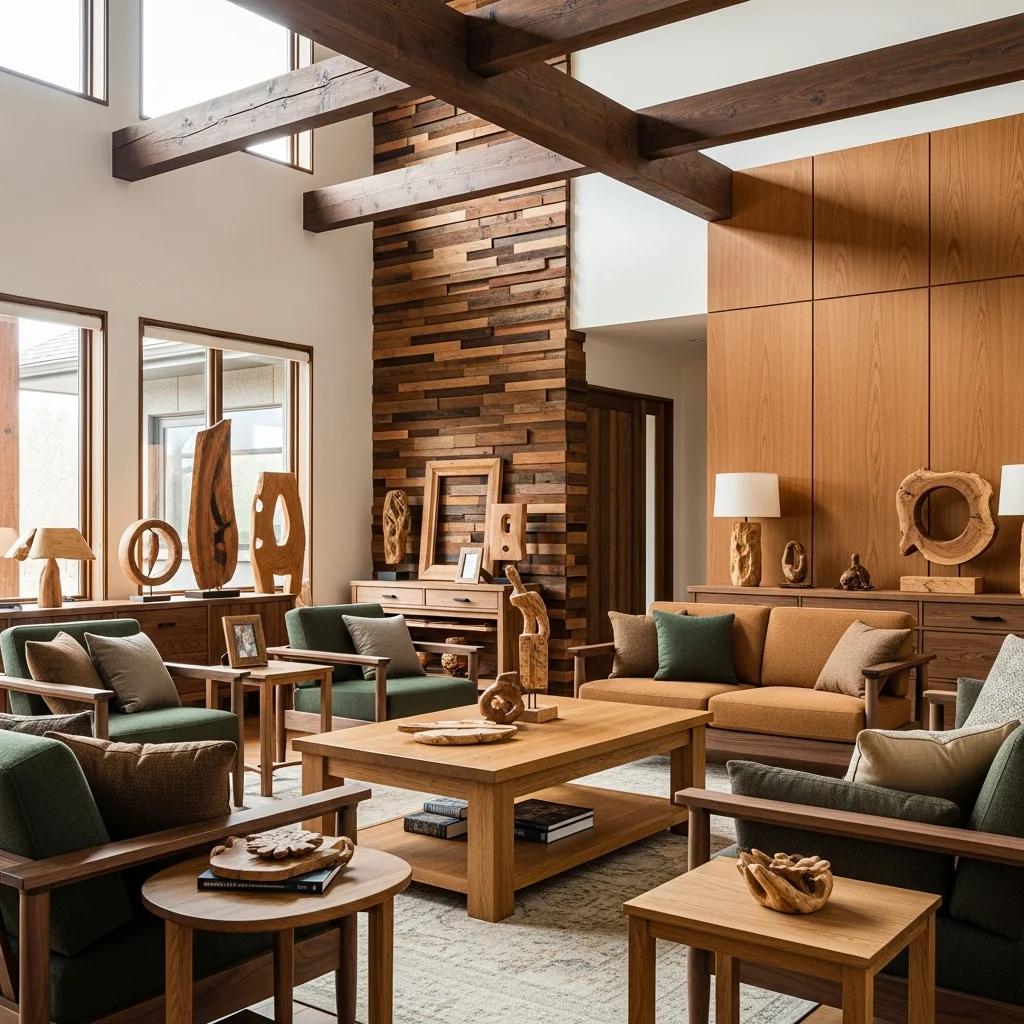
Create Warmth with Wood Tones
Wood elements bring inherent warmth and natural beauty that enhances cozy atmospheres. Dark walnut or rich mahogany furniture creates sophisticated depth, while lighter oak or maple maintains airiness while adding organic texture. Exposed ceiling beams, wood-paneled walls, or reclaimed wood accent walls make bold architectural statements that ground spaces in natural materials.
Coffee tables, shelving units, and media consoles in wood provide visual weight and tactile appeal that manufactured materials cannot replicate. Mix wood tones rather than matching everything precisely, which creates more authentic, collected-over-time aesthetics. The grain patterns and natural variations in wood bring living quality that makes spaces feel more welcoming and less sterile.
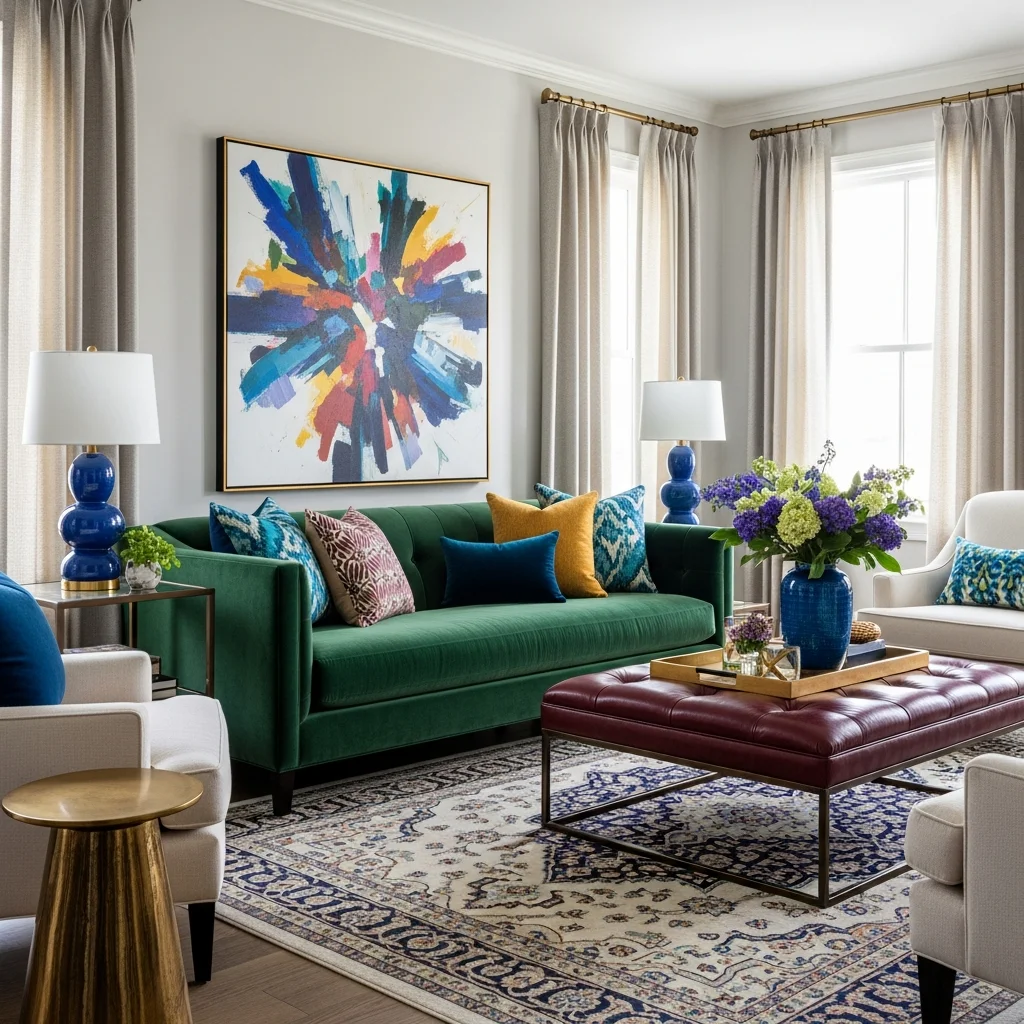
Introduce Unexpected Color Accents
While neutral foundations create calm backdrops, strategic color injections prevent blandness and add personality. A jewel-toned velvet sofa in emerald or sapphire becomes a stunning focal point against neutral walls. Colorful artwork, vibrant throw pillows, or a bold area rug introduce hues that energize without overwhelming. The key lies in restraint and intentionality.
Choose one or two accent colors and repeat them throughout the space in varying intensities and applications. This creates cohesion while preventing the scattered, unfocused feeling that results from too many competing colors. Warm metallics like brass and copper add glamorous accents that catch light and create visual interest without introducing additional color families.
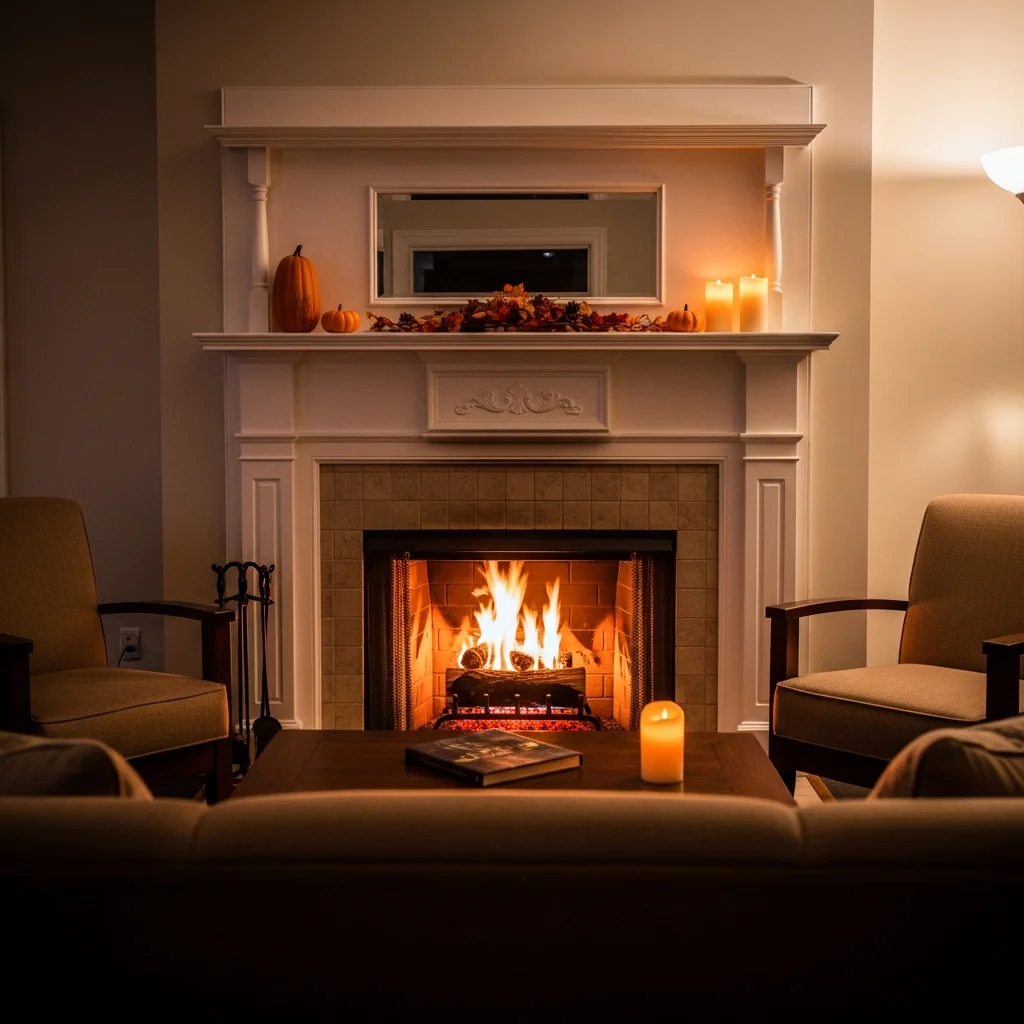
Design Around Fireplaces as Focal Points
Fireplaces provide unmatched coziness both visually and functionally. Arrange seating to take advantage of fireplace warmth and ambiance, creating natural gathering spots for cold weather months. Dress mantels with seasonal decorations, keeping displays simple to avoid cluttered appearances. Consider painting fireplace surrounds in contrasting colors to emphasize their architectural presence.
For homes without fireplaces, electric or ethanol options provide realistic alternatives that require no chimney or gas lines. These modern solutions offer flexibility in placement while delivering the psychological comfort and visual appeal of dancing flames. Even non-functional fireplaces contribute architectural interest that enhances cozy atmospheres.
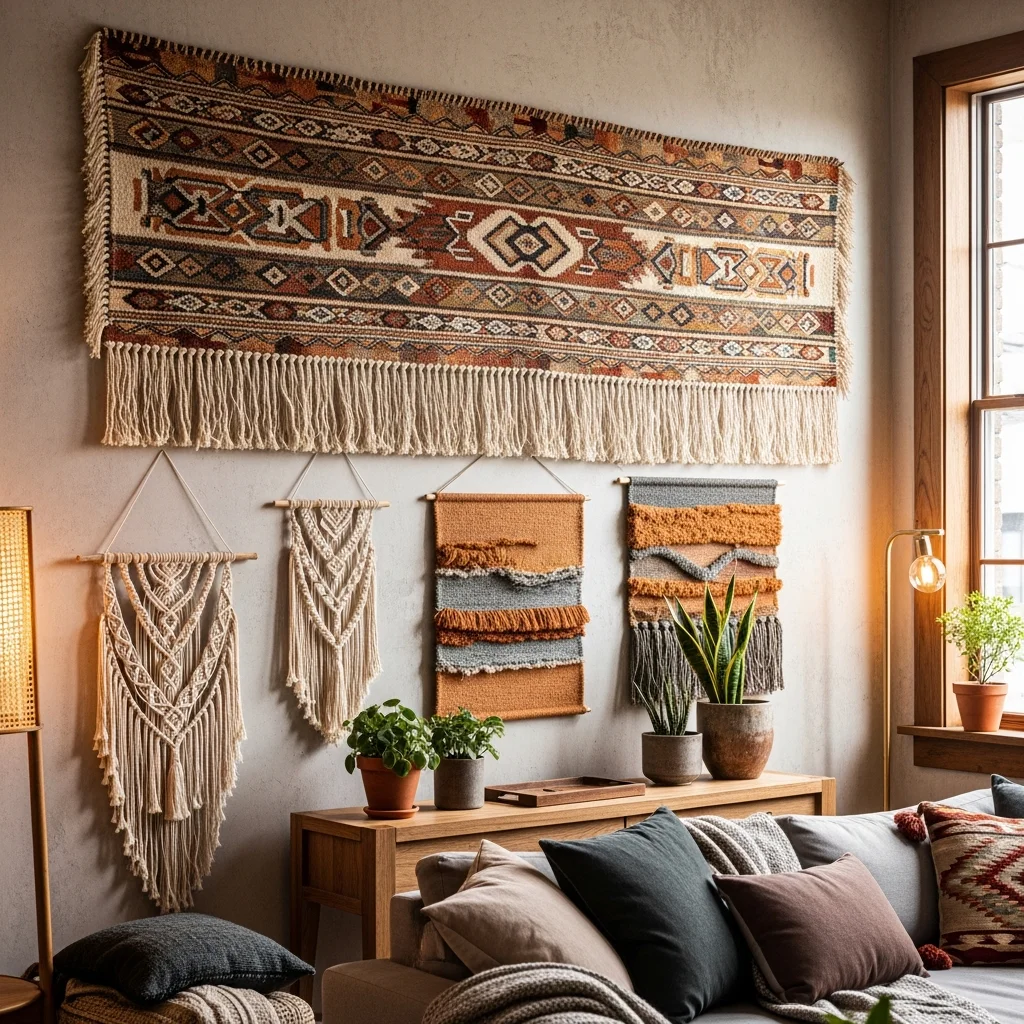
Incorporate Textile Wall Hangings
Textile wall art adds warmth and softness that hard-surfaced artwork cannot achieve. Woven tapestries, macramé hangings, or quilts displayed as art pieces introduce texture and handcrafted appeal. These elements particularly suit bohemian or eclectic design styles but can be adapted to various aesthetics through careful selection.
Large-scale textiles create dramatic focal points while absorbing sound and adding insulation value. Smaller pieces grouped in gallery arrangements offer similar benefits on more modest scales. The tactile nature of textile art invites touch and creates immediate warmth that makes living rooms feel more inviting and personal.

Establish Proper Scale and Proportion
Furniture and accessories must relate appropriately to room dimensions and to each other. Oversized furniture overwhelms small rooms while creating cramped traffic patterns. Conversely, undersized pieces in large spaces appear lost and create uncomfortable visual imbalance. Measure rooms carefully and map furniture placement before purchasing to ensure proper fit.
In general, leave at least three feet of clearance around major furniture pieces to allow comfortable movement. Coffee tables should sit approximately eighteen inches from sofas, with heights roughly matching seat cushion levels. These proportional relationships create harmony that feels intuitively comfortable even when occupants cannot articulate why spaces work well.

Add Personality with Gallery Walls
Gallery walls transform blank expanses into personal statements that reflect your experiences and aesthetic preferences. Mix framed photographs, artwork, mirrors, and three-dimensional objects for varied visual interest. Arrange pieces on the floor first to determine optimal layouts before committing to nail holes. Maintain consistent spacing between frames for cohesive appearance.
Balance frame styles and colors to create unity despite varied content. All matching frames create formal symmetry, while intentionally mismatched frames offer casual eclecticism. Include pieces with personal meaning rather than purely decorative items, which creates authentic connections that make your living room feel genuinely yours.

Create Zones in Open Concept Spaces
Open floor plans offer spatial flow but can feel undefined without intentional zoning. Use area rugs to delineate living room boundaries within larger great rooms. Position furniture to create psychological barriers without physical walls, such as placing sofa backs toward dining areas. Different lighting schemes for various zones further establish separate functions while maintaining visual connection.
Consistency in design elements threads zones together, preventing disjointed appearances. Repeat colors, materials, or styles throughout the open space while varying their applications. This approach maintains cohesion while clearly defining distinct areas for different activities.
Incorporate Multi-Sensory Elements
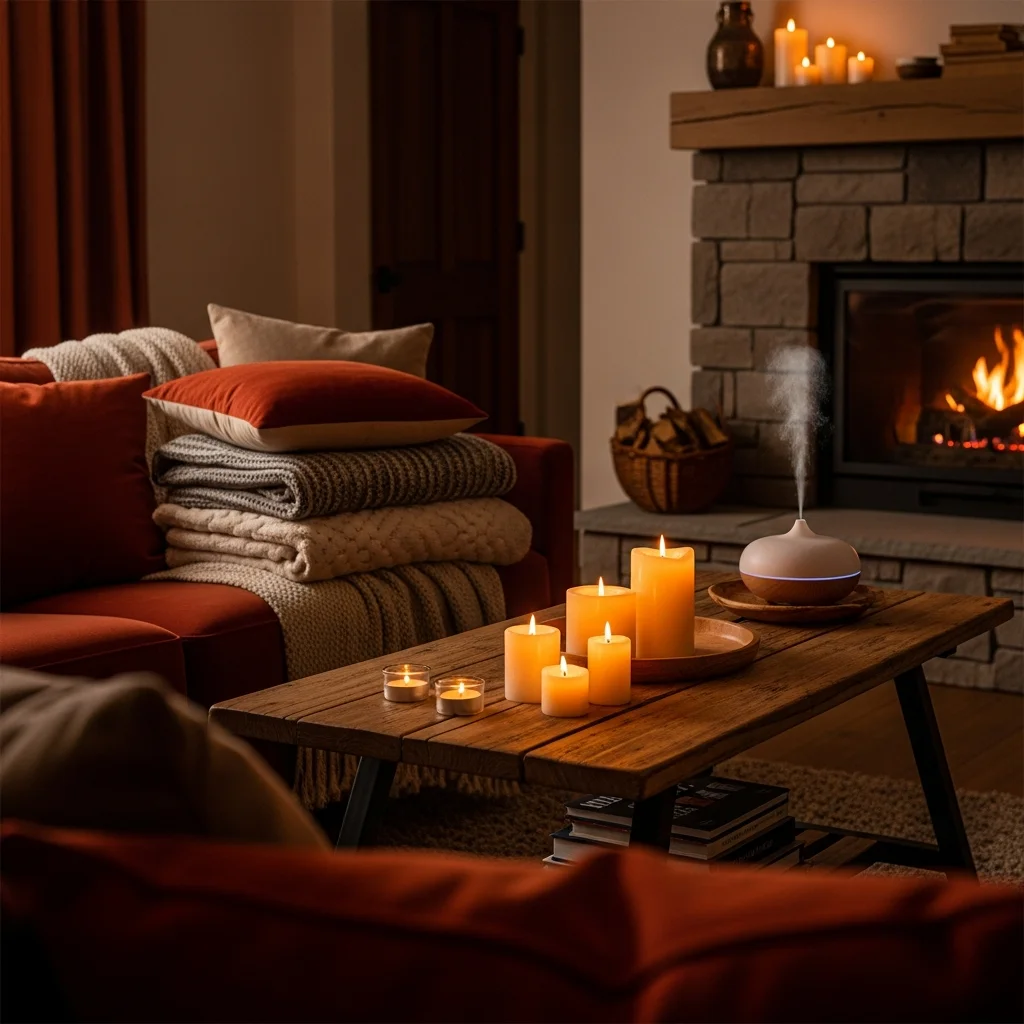
Truly cozy spaces engage multiple senses simultaneously. Soft textures invite touch, while pleasant scents from candles or diffusers create olfactory warmth. Background music at low volumes adds auditory dimension without demanding attention. Visual warmth comes from color choices and lighting design. Consider each sense when designing to create fully immersive comfort.
Scented candles in seasonal fragrances enhance ambiance while providing soft light. Essential oil diffusers offer aromatherapy benefits without flame risks. The gentle crackling of fireplaces adds soothing sound, as do small water features. These layered sensory experiences create comprehensive coziness that transcends purely visual design.
Maintain Flexibility for Seasonal Changes
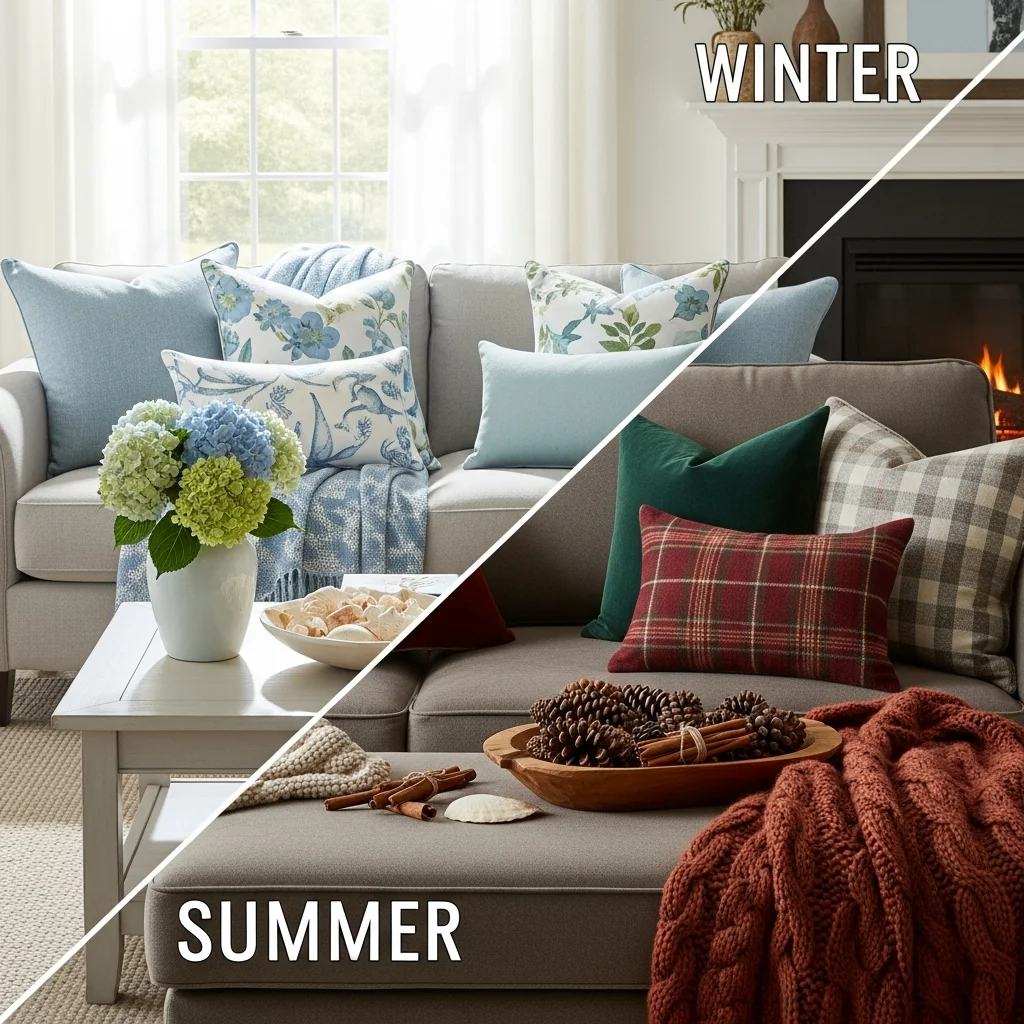
Living rooms that adapt to seasons feel perpetually fresh while maintaining cozy foundations. Switch throw pillow covers, blankets, and small decorative items to reflect seasonal changes without major overhauls. Lighter fabrics and brighter colors suit spring and summer, while heavier textiles in deeper hues enhance fall and winter coziness.
Rotate artwork and decorative objects to maintain visual interest and mark seasonal passages. This approach allows continuous evolution that prevents boredom while preserving the core design elements that make your living room fundamentally cozy. The ability to refresh spaces inexpensively through accessories maintains enthusiasm for your home throughout the year.
Celebrate Imperfection and Authenticity
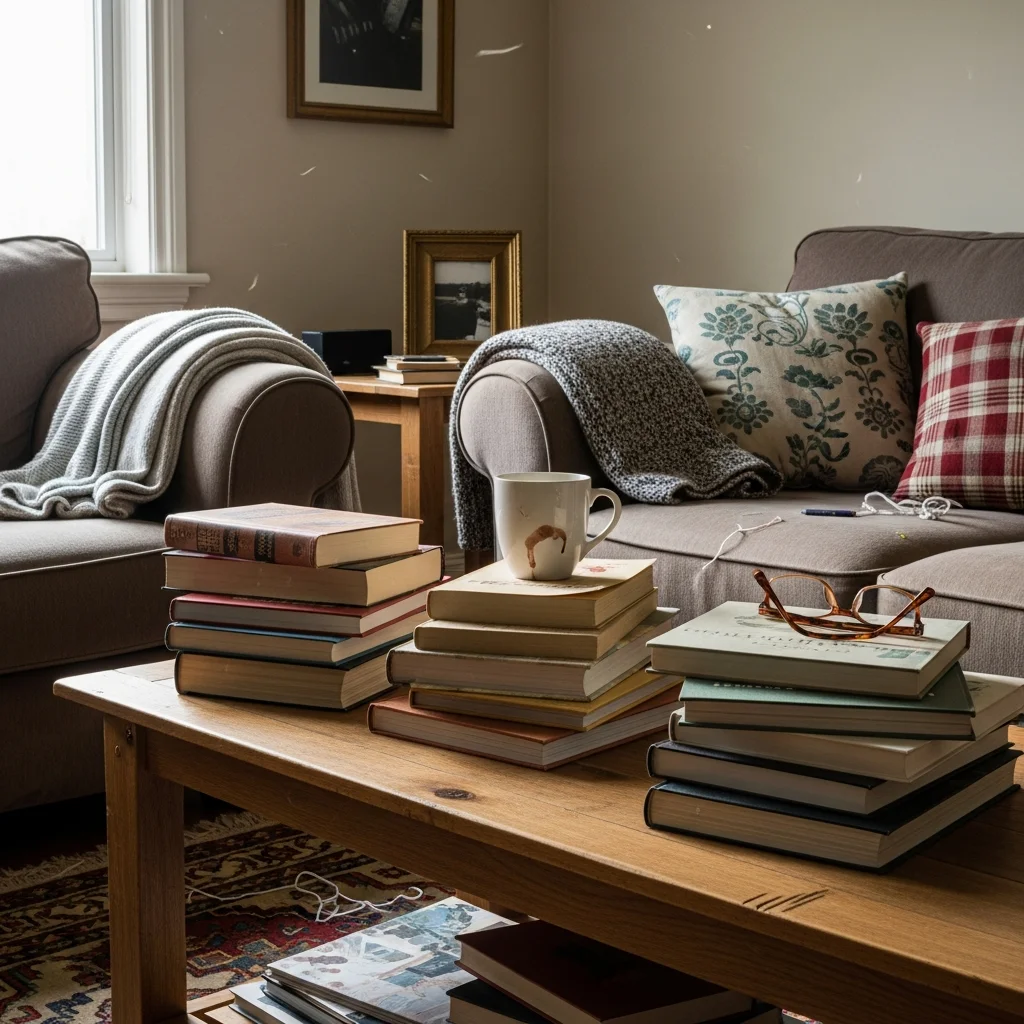
The most inviting living rooms feel lived-in rather than staged. Embrace slight imperfections that tell stories and reflect real life. A strategically placed throw blanket that appears casually tossed rather than precisely folded invites use. Stacks of books on coffee tables suggest actual reading rather than mere decoration. These authentic touches make spaces feel welcoming rather than untouchable.
Resist the urge to make everything match perfectly or follow rigid design rules. The most memorable and comfortable spaces reflect individual quirks and preferences rather than adhering to prescribed formulas. Your living room should feel like an extension of yourself, comfortable enough for daily living while beautiful enough to make you smile each time you enter.
Conclusion
Creating a creative and cozy living room requires balancing aesthetic appeal with genuine comfort and personal expression. The thirty ideas explored in this guide provide starting points for transformation, whether you implement them individually or combine multiple approaches. Remember that the most successful living rooms evolve over time, accumulating layers of personal history and thoughtful design decisions that reflect changing needs and preferences.
The journey toward your ideal living room begins with understanding how you actually use the space and what brings you comfort and joy. From there, strategic choices regarding color, texture, lighting, and furniture create foundations upon which personal touches build authentic character. By prioritizing both beauty and functionality, you create living spaces that genuinely enhance daily life rather than merely looking attractive in photographs.
Your living room deserves attention and care as the space where life unfolds, conversations flow, and memories form. Whether you embrace maximalist abundance or edited simplicity, warm earth tones or vibrant jewel shades, modern minimalism or vintage charm, the guiding principle remains constant: design spaces that invite lingering, encourage connection, and reflect your unique story. The result will be a living room that feels both creatively inspiring and irresistibly cozy, a true sanctuary within your home that welcomes you and your loved ones with open arms.
Frequently Asked Questions
What makes a living room feel cozy?
A cozy living room combines multiple elements including layered textures, warm lighting, comfortable seating, and personal touches. Soft fabrics like throws and pillows, warm color palettes, and proper lighting at various heights create ambiance. Adding natural elements, maintaining appropriate scale, and incorporating items with personal meaning all contribute to that inviting, lived-in feeling.
How can I make my small living room cozy without cluttering it?
Focus on multi-functional furniture like storage ottomans and nesting tables that serve multiple purposes. Use vertical space with floating shelves and wall-mounted lighting to free up floor area. Choose a cohesive color palette, incorporate one large area rug to ground the space, and be selective about decorative items, displaying only pieces you truly love. Good lighting and mirrors can make small spaces feel larger while maintaining warmth.
What are the best colors for a cozy living room?
Warm, earthy tones create the coziest atmospheres. Consider shades like terracotta, warm taupe, soft ochre, chocolate brown, and muted greens. Dusty blues and warm grays also work well. The key is choosing colors with warm undertones rather than cool ones. You can layer these neutral bases with jewel tone accents like emerald, sapphire, or burgundy for added depth and personality.
How important is lighting in creating a cozy living room?
Lighting is absolutely crucial for coziness. Avoid relying solely on overhead fixtures, which create harsh shadows and flat illumination. Layer multiple light sources including table lamps, floor lamps, and candles at different heights. Use warm-toned bulbs and install dimmers for flexibility. The goal is creating soft, ambient lighting that can be adjusted for different moods and activities throughout the day.
Can I mix different design styles in a cozy living room?
Absolutely. Mixing styles adds character and prevents spaces from feeling too staged or catalog-like. The key is finding common threads that tie diverse pieces together, such as a consistent color palette, repeated materials, or complementary scale. Vintage pieces paired with modern furniture, or bohemian textiles combined with mid-century chairs, create dynamic spaces with personality. Balance is essential, so let one style dominate while others provide accent notes.