25 Half Wall Shower Ideas Elevating Your Bathroom Design
The bathroom has evolved from a purely functional space into a personal sanctuary where design meets practicality. Among the most transformative elements in modern bathroom design is the half wall shower, a feature that strikes the perfect balance between openness and privacy while adding architectural interest to your space. Whether you are planning a complete bathroom renovation or simply looking to refresh your current layout, understanding the versatility and appeal of half wall shower designs can help you create a bathroom that feels both spacious and stylish.
A half wall shower, often referred to as a pony wall or knee wall, is a partial barrier that typically rises between three and four feet from the shower floor. Unlike traditional full-height walls or completely open shower spaces, this design element creates visual separation without closing off the room entirely. The result is a bathroom that feels larger, brighter, and more inviting while still maintaining the practical benefits of water containment and personal privacy.
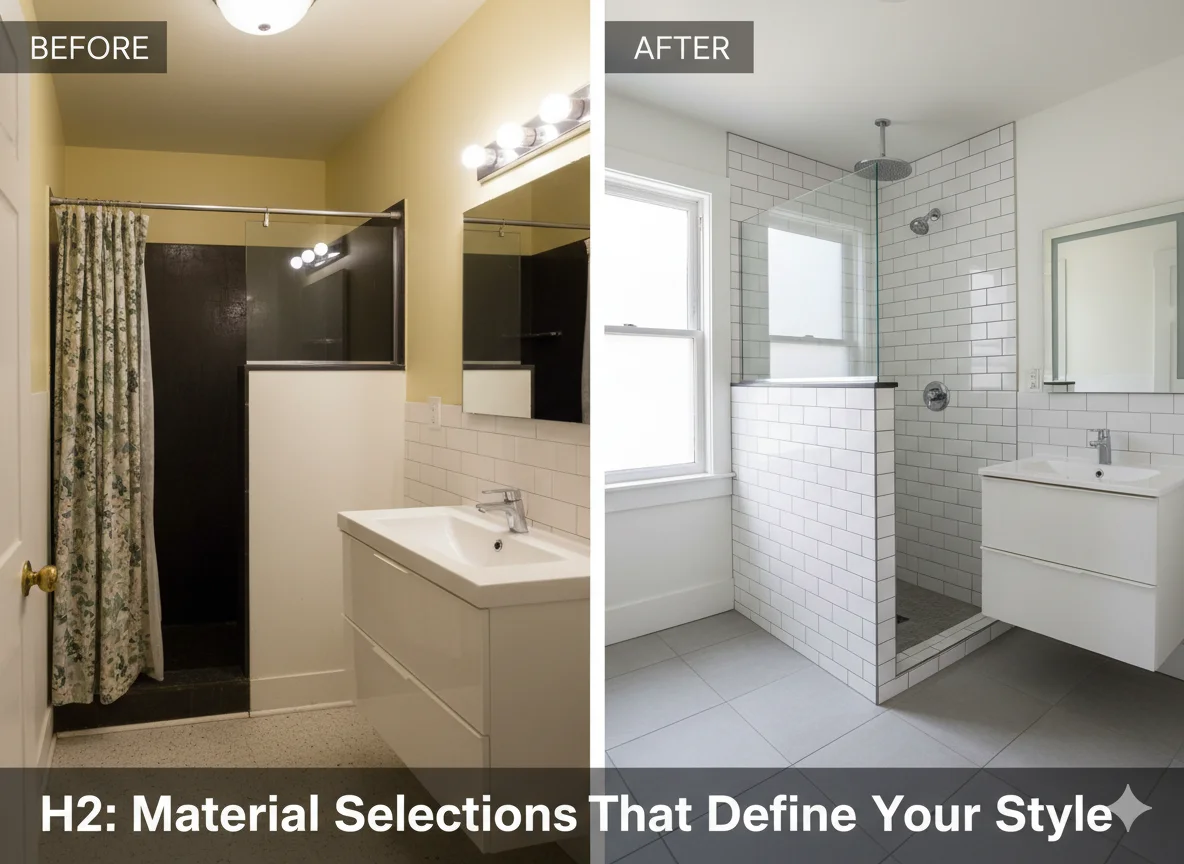
The growing popularity of half wall showers reflects broader trends in residential design toward open concept living and accessible spaces. Homeowners increasingly seek solutions that make their bathrooms feel like spa-like retreats rather than cramped utility rooms. A well-designed half wall accomplishes this by allowing natural light to flow freely throughout the space, creating sightlines that make even modest bathrooms appear more generous in size, and providing opportunities for creative expression through tile work, material choices, and integrated features.
Understanding the Half Wall Shower Concept
The half wall shower represents a thoughtful compromise between completely open wet rooms and fully enclosed shower stalls. This partial barrier typically stands between 36 and 48 inches tall, though the exact height can be customized based on your specific needs, bathroom proportions, and privacy preferences. The wall itself can be constructed from various materials including tile, glass block, natural stone, concrete, or even wood elements, each bringing its own aesthetic character to the space.
What makes the half wall particularly effective is its ability to define space without dividing it. In traditional bathroom layouts, floor-to-ceiling walls create distinct zones that can make rooms feel segmented and small. The half wall approach maintains those functional zones while preserving visual continuity. Your eye can travel across the top of the wall, making the entire bathroom feel connected and cohesive rather than chopped into separate boxes.
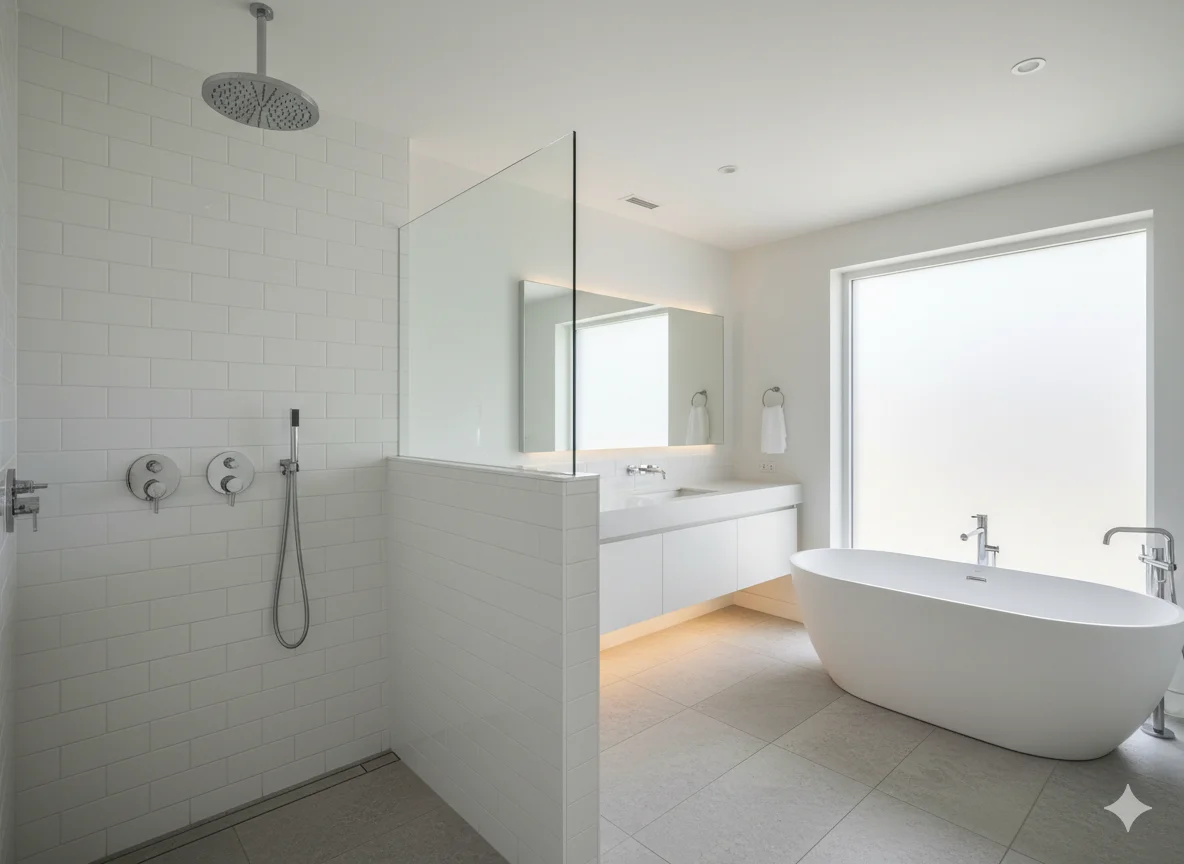
Most half wall shower designs incorporate a glass panel mounted on top of the partial wall. This glass element extends upward, often reaching standard shower enclosure height, to contain water spray while maintaining the open feel that makes this design so appealing. The combination of solid wall and transparent glass creates an interesting interplay of materials that adds depth and sophistication to bathroom design.
Design Benefits That Transform Your Bathroom
The advantages of incorporating a half wall into your shower design extend far beyond simple aesthetics. These partial barriers solve multiple design challenges simultaneously, making them increasingly popular among homeowners and professional designers alike.
Privacy remains a primary concern in bathroom design, and half walls address this need without sacrificing openness. The solid lower portion of the wall provides modesty for the lower body while allowing the upper bathroom to remain visible and connected. This arrangement works particularly well in master bathrooms where couples may be using the space simultaneously, or in family bathrooms where someone might be brushing teeth while another person showers.
Light distribution improves dramatically when you replace traditional shower curtains or fully framed enclosures with a half wall design. Natural light from windows can flow more freely throughout the space, reducing the cave-like feeling that sometimes plagues fully enclosed showers. If your bathroom includes a window in or near the shower area, a half wall allows that precious natural light to illuminate the entire room rather than being trapped within the shower enclosure.
The perceived size of your bathroom changes significantly with a half wall installation. Because your sightlines extend beyond the shower area, the room appears larger and more open. This optical illusion proves especially valuable in smaller bathrooms where every design decision must work harder to prevent the space from feeling cramped. The horizontal division created by the wall top draws the eye across the room rather than straight into a corner, further enhancing the sense of spaciousness.
Accessibility considerations make half wall showers particularly attractive for those planning to age in place or accommodating family members with mobility challenges. When combined with a zero-threshold or low-curb shower base, the half wall design eliminates the need to step over a traditional shower door track. This barrier-free entry proves invaluable for wheelchair users, individuals using walkers, or anyone who finds stepping over obstacles challenging.
Material Selections That Define Your Style
The materials you choose for your half wall shower dramatically influence the overall character of your bathroom. Each option brings distinct visual qualities, practical considerations, and installation requirements.
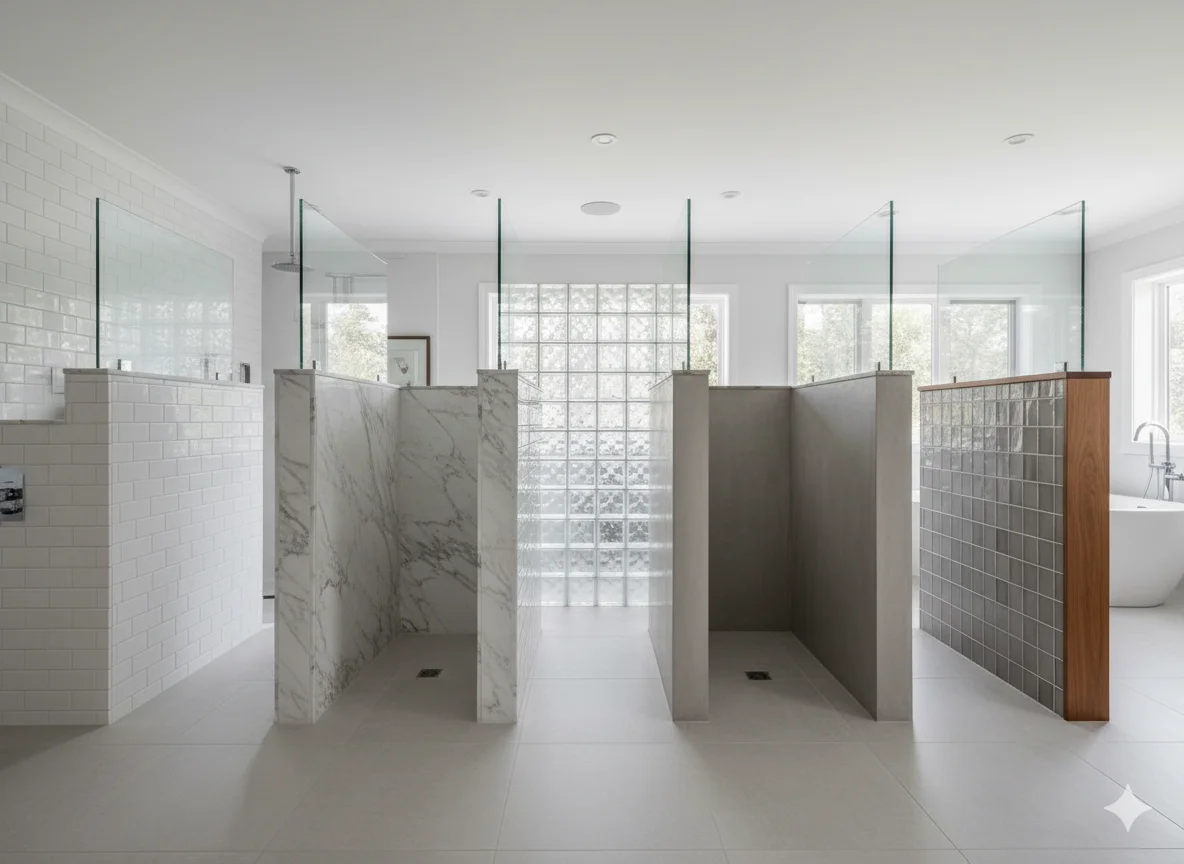
Tile remains the most popular choice for half wall construction, offering nearly unlimited design possibilities. Ceramic and porcelain tiles provide durability, water resistance, and ease of maintenance while allowing you to express your personal style through color, pattern, and texture. Subway tiles create a classic, timeless look that works beautifully in both traditional and contemporary bathrooms. Large format tiles minimize grout lines for a sleeker appearance and easier cleaning. Mosaic tiles add intricate detail and visual interest, particularly when used to create accent bands or decorative caps on the wall top.
Natural stone brings organic beauty and luxury to half wall designs. Marble creates an elegant, spa-like atmosphere with its distinctive veining and subtle color variations. Travertine offers warm, earthy tones and interesting texture that connects the bathroom to natural elements. Slate provides rich, deep colors and a more rustic character. While stone requires more maintenance than ceramic tile and typically comes with a higher price point, the visual impact and sense of permanence it provides often justifies the investment.
Glass block emerged as a half wall material in the late twentieth century and continues to offer unique benefits. These hollow glass units allow light transmission while providing privacy through their textured surfaces. Glass block walls create a distinctive retro-modern aesthetic that can add character to contemporary bathrooms. The material proves exceptionally durable and requires minimal maintenance, though installation demands specialized skills.
Concrete brings industrial sophistication to half wall shower designs. Poured or panel concrete walls create bold, minimalist statements that work particularly well in modern and contemporary bathrooms. The material can be left in its natural gray state for raw, urban appeal, or it can be stained, polished, or textured to achieve various effects. Concrete pairs beautifully with natural wood accents, black metal fixtures, and other industrial design elements.
Wood elements introduce warmth and organic character to bathroom spaces. While solid wood requires careful sealing and maintenance in wet environments, many designers successfully incorporate wood caps on tile half walls or use water-resistant wood species like teak or cedar for decorative accents. The combination of cool tile and warm wood creates visual interest through material contrast.
Functional Features That Add Value
Beyond their aesthetic appeal, half walls provide excellent opportunities to incorporate practical features that enhance your daily shower experience.
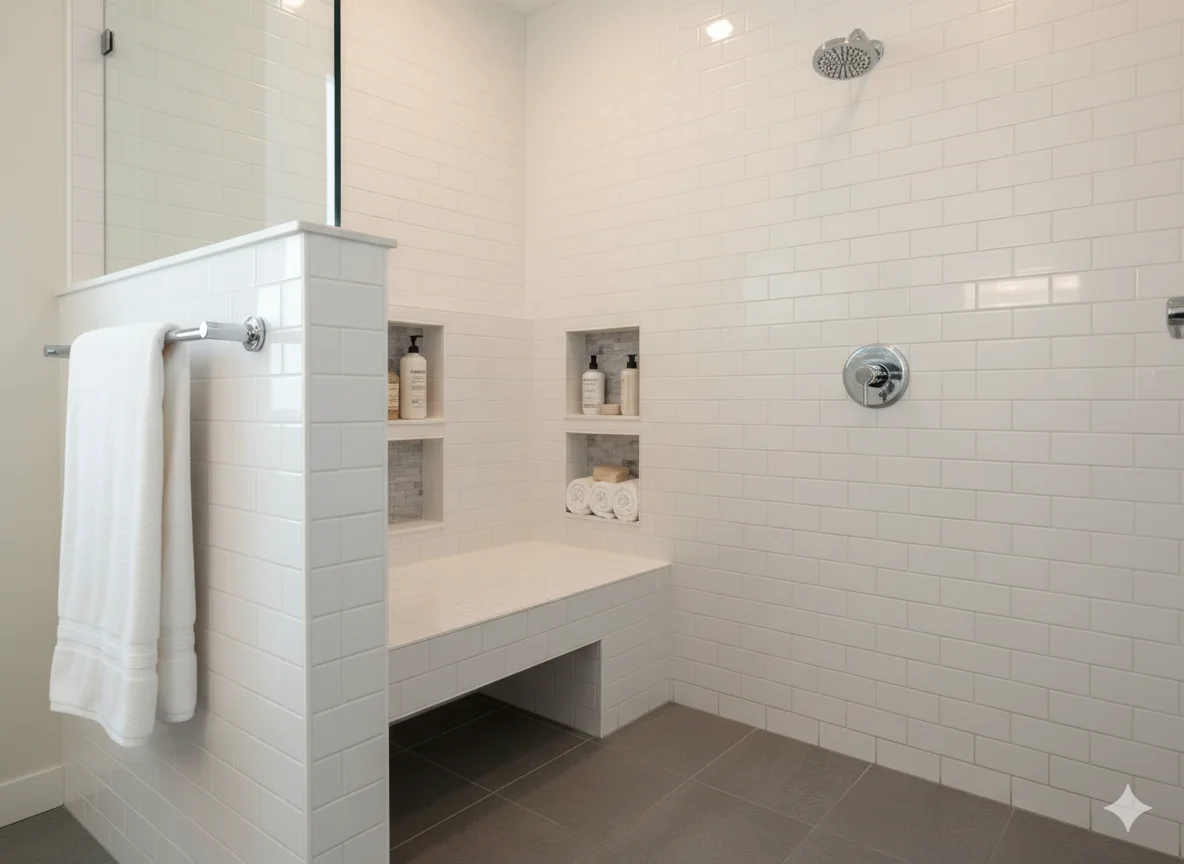
Built-in storage niches transform the half wall from a simple divider into a functional storage solution. By recessing shelving into the wall structure during construction, you create convenient spots for shampoo, conditioner, soap, and other shower essentials without requiring additional hardware or creating visual clutter. These niches can face either into the shower for easy access to toiletries or outward into the main bathroom for towel storage or decorative display.
Integrated bench seating represents one of the most valuable additions to a half wall design. When the wall runs along the back of the shower, extending it to create a bench provides a comfortable place to sit while shaving, a footrest for washing feet, or simply a relaxing spot to enjoy a long, hot shower. The bench height typically ranges from 17 to 20 inches, with the wall portion rising above it to around 36 inches to provide back support.
Shower controls relocated to the half wall solve a common frustration with standard shower layouts. Traditional placement directly under the showerhead means getting blasted with cold water when you first turn on the shower and potentially reaching through hot spray to make adjustments. Moving controls to the half wall positions them near the shower entrance where they remain accessible without requiring you to step into the water stream. This arrangement also helps meet building codes that require controls to be reachable without entering the shower spray.
Towel bars and hooks find natural homes on the dry side of half walls, particularly when the wall separates the shower from the vanity area. This placement keeps towels within easy reach while protecting them from direct water spray. The wall top also provides a convenient ledge for placing items temporarily, though careful waterproofing remains essential in this location.
Height Considerations for Optimal Function
Determining the ideal height for your half wall involves balancing several competing priorities including privacy, water containment, visual openness, and proportion with surrounding elements.
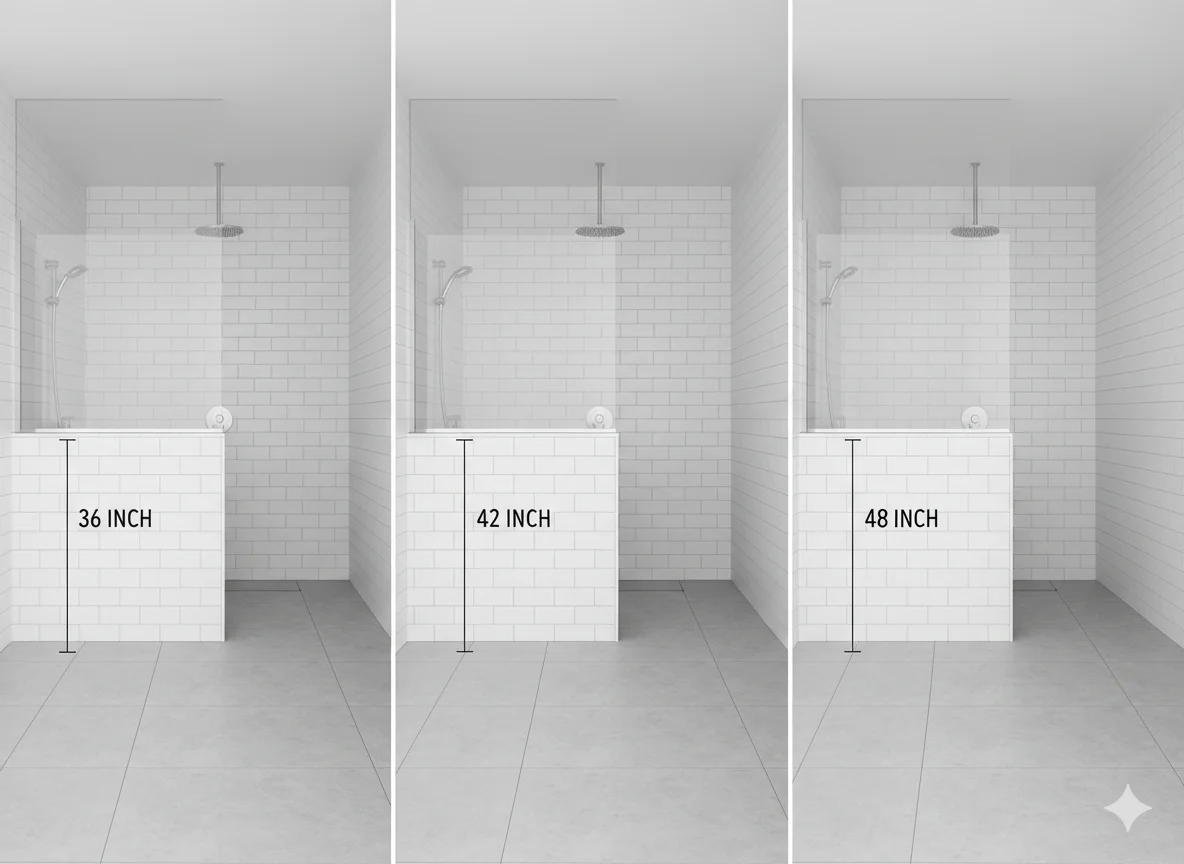
Standard half wall heights typically fall between 36 and 48 inches from the shower floor. A 36-inch wall aligns roughly with kitchen counter height and provides basic water barrier function while maintaining maximum openness. This lower height works particularly well when paired with an extended glass panel above, as the combination still contains water effectively while keeping the wall itself modest in scale.
Taller half walls around 42 to 48 inches offer increased privacy and may be preferred when the shower sits adjacent to other bathroom fixtures like toilets or when the bathroom layout creates direct sightlines from the entry door. The additional height also provides more surface area for tile design and can create a more substantial visual anchor in larger bathrooms.
When your half wall adjoins a bathroom vanity, consider the vanity height in your planning. Standard bathroom vanities stand 30 to 36 inches tall with a backsplash adding another few inches. A half wall that extends only slightly above the vanity can look truncated and unfinished. Extending the wall to 48 inches or more creates better proportion and provides additional niche options on both sides of the wall.
Bench integration requires specific height planning. If you intend to incorporate a shower seat into your half wall design, the seat surface should sit between 17 and 20 inches from the floor with the wall portion rising another 16 to 18 inches above that for back support. This brings the total wall height to roughly 36 inches, which then determines the proportions for any continuing wall sections.
Glass Panel Options and Configurations
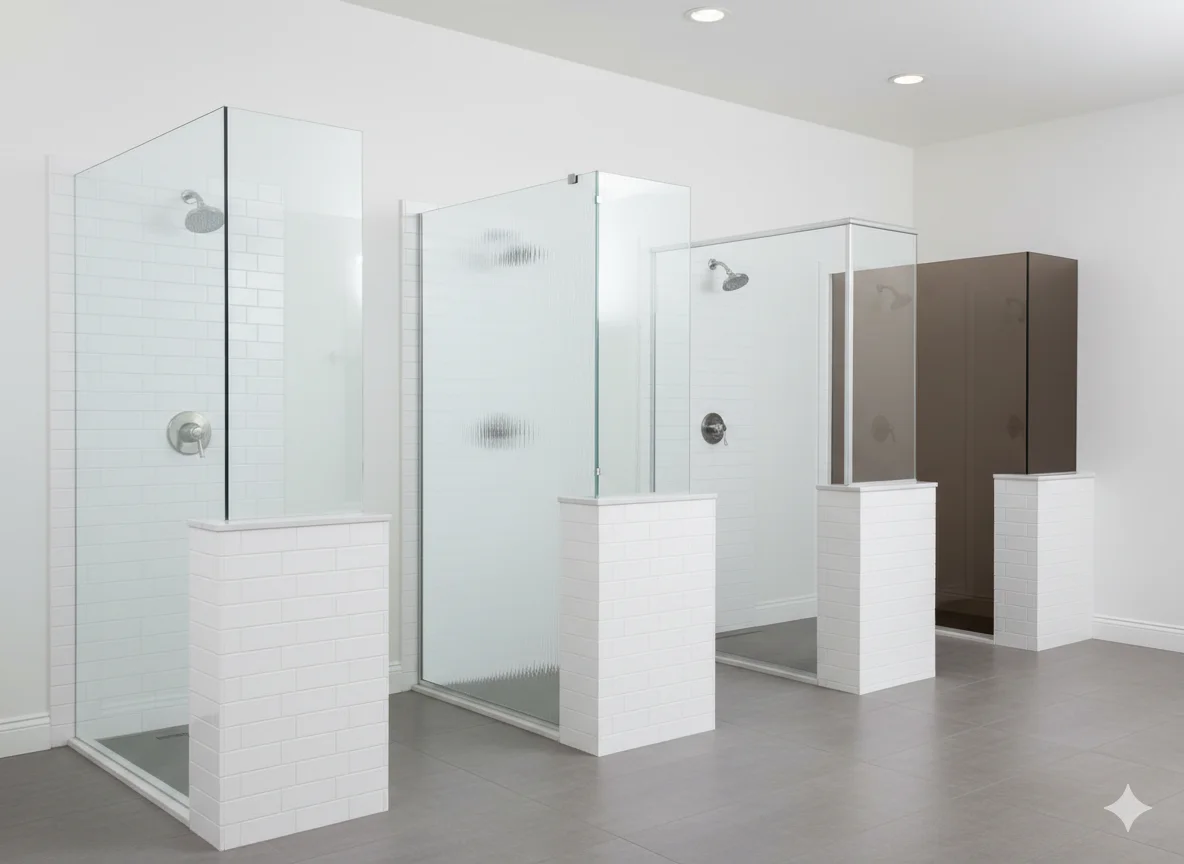
The glass component of a half wall shower plays a crucial role in both function and aesthetics. The panel mounted atop the partial wall contains water while allowing light and visual connection throughout the bathroom.
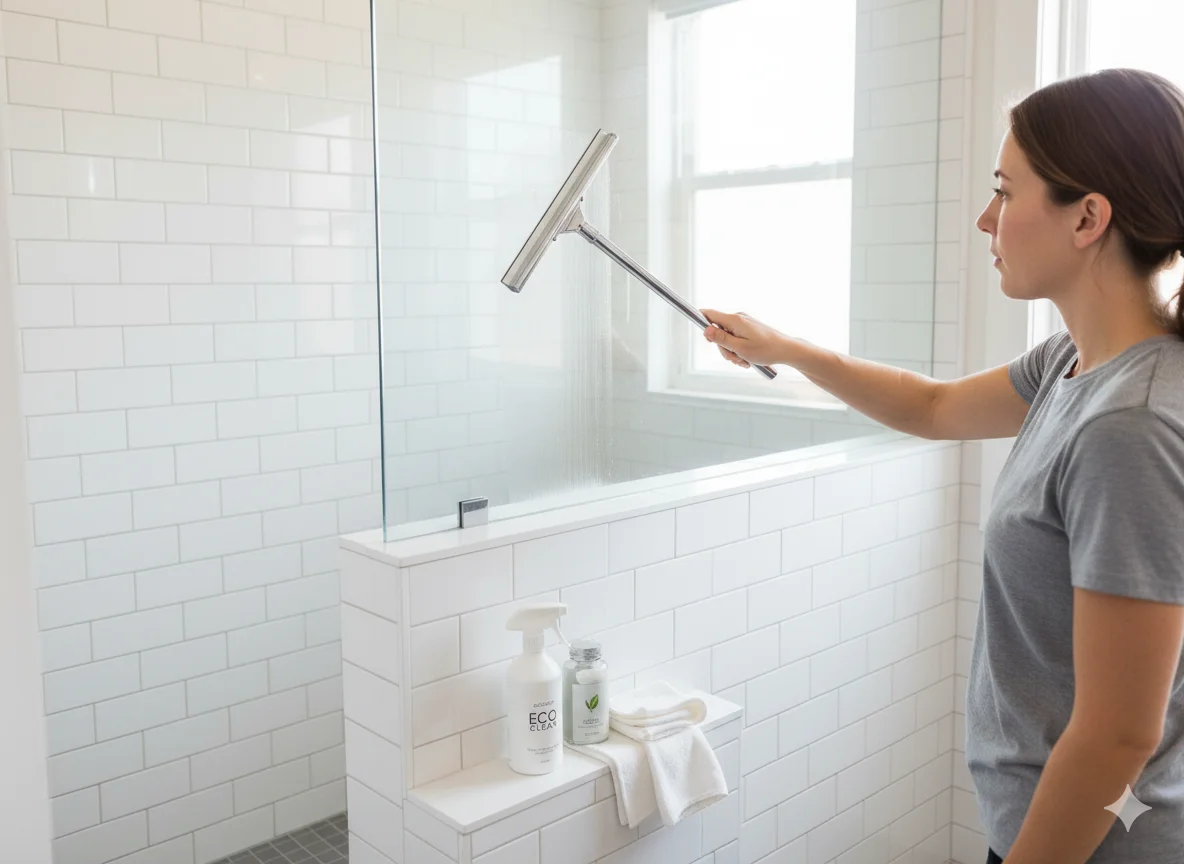
Clear glass maximizes light transmission and creates the most open feeling. It allows you to showcase beautiful tile work inside the shower and helps the space feel larger by maintaining uninterrupted sightlines. The main drawback involves showing water spots and soap residue, requiring regular cleaning to maintain the pristine appearance. Treating the glass with water-repellent coatings can reduce this maintenance burden significantly.
Frosted or obscured glass provides additional privacy while still allowing light to pass through. The textured surface diffuses direct views into the shower, offering modesty without creating the closed-in feeling of opaque materials. Frosted glass also shows water spots less obviously than clear glass, potentially reducing cleaning frequency. Various patterns and textures allow you to customize the level of obscurity and add decorative interest.
Frameless glass panels create sleek, contemporary appearances that emphasize the minimalist aesthetic many homeowners seek. These panels attach directly to the half wall and ceiling with minimal hardware, allowing the glass itself to take center stage. Frameless installations typically require thicker glass for structural integrity, which increases material costs but delivers superior visual results.
Framed glass options provide more traditional appearances and often cost less than frameless alternatives. Metal frames in chrome, brushed nickel, bronze, or black can coordinate with other bathroom fixtures to create a cohesive design scheme. While frames add visual weight compared to frameless panels, they can also introduce architectural detail that complements certain design styles.
Color and Pattern Strategies
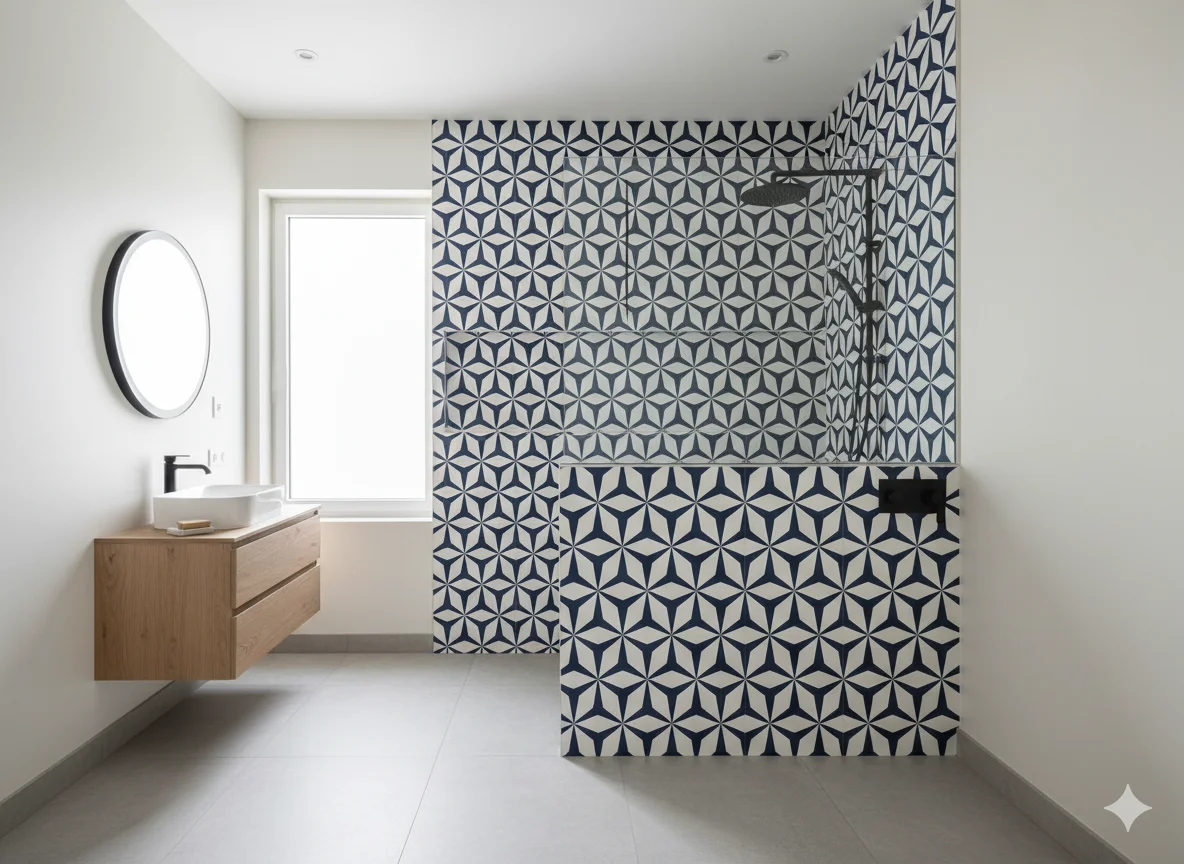
The visual impact of your half wall shower depends significantly on how you approach color and pattern in the tile or material selection.
Monochromatic schemes using a single color in varying shades create sophisticated, cohesive looks. A white subway tile half wall in a predominantly white bathroom feels clean and timeless while allowing other elements like fixtures, hardware, and accessories to command attention. Gray tones from light silver to deep charcoal provide similar versatility with a more contemporary edge.
Contrasting colors create dramatic focal points and help define the shower as a distinct zone within the bathroom. A navy blue or emerald green tiled half wall stands out beautifully against neutral surroundings, turning the shower into an eye-catching architectural feature. This approach works particularly well when you repeat the accent color elsewhere in the space through towels, artwork, or small accessories.
Pattern mixing adds visual complexity and personality. Combining different tile shapes, sizes, or arrangements on various surfaces of the half wall creates depth and interest. You might use large format tiles on the main wall faces while capping the top with a decorative mosaic border, or alternate between two complementary patterns in horizontal bands. The key lies in maintaining some common element, whether color, finish, or scale, to prevent the design from feeling chaotic.
Gradient transitions use tiles in progressively lighter or darker shades to create ombre effects that draw the eye vertically or horizontally across the wall. This technique adds dimension and sophistication while maintaining the cohesive quality of monochromatic schemes. Gradients work beautifully in both neutral palettes and bolder color stories.
Layout Configurations for Different Bathroom Sizes
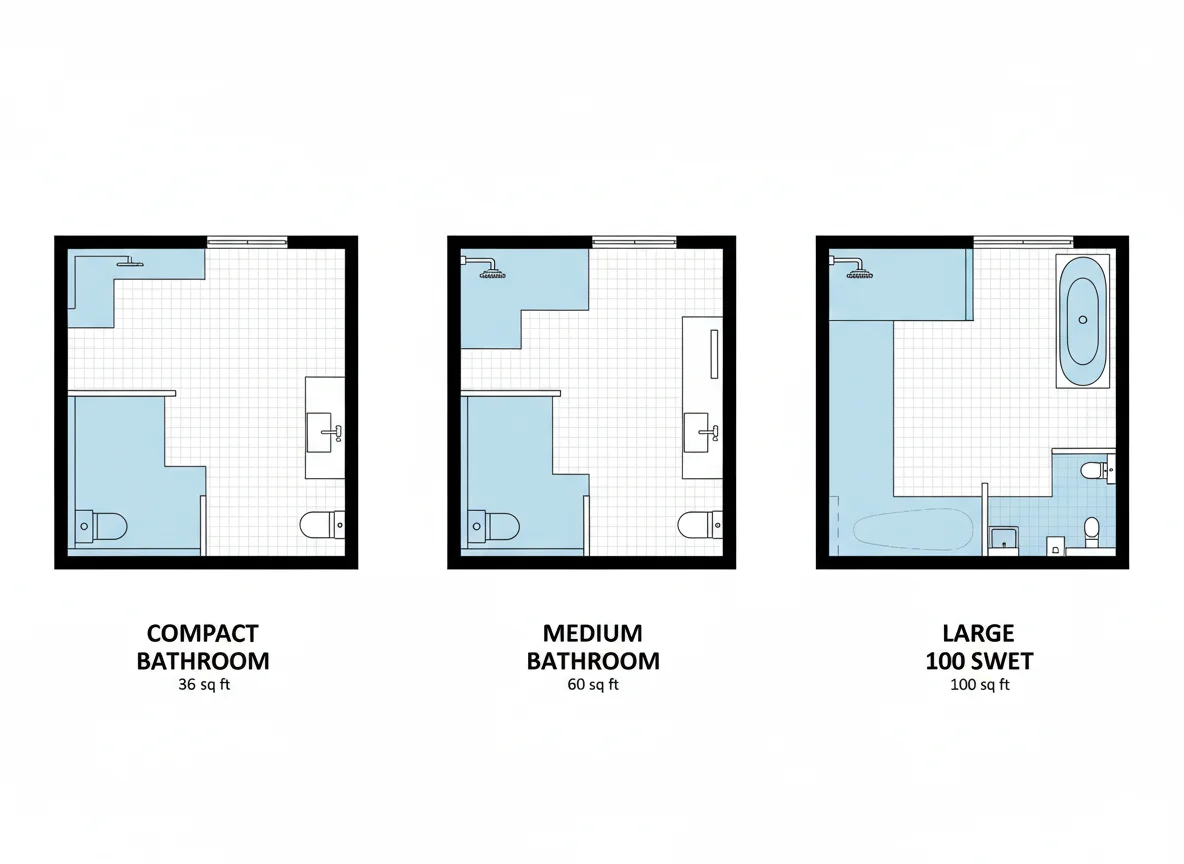
The way you position and configure your half wall depends heavily on your bathroom dimensions, fixture placement, and traffic flow patterns.
In compact bathrooms, a single half wall positioned along the front of the shower between the shower entrance and the vanity maximizes the sense of openness while still defining the wet zone. This configuration typically measures 48 to 60 inches in length and effectively blocks water spray from reaching the vanity area. The glass panel above can be fixed or hinged to create an entry point depending on your access needs.
Medium-sized bathrooms allow for more elaborate half wall configurations. An L-shaped design wraps around two sides of the shower, creating more enclosure while maintaining the open feel at the top. This arrangement works particularly well when the shower sits in a corner, with half walls along the two exposed sides and full walls completing the enclosure on the other two sides.
Larger bathrooms can accommodate dramatic half wall installations that truly transform the space. A peninsula half wall extending from an exterior wall into the room creates separation between the shower and other bathroom zones without requiring a full partition. This freestanding approach allows you to walk around both sides of the wall, providing maximum flexibility in traffic flow and furniture placement.
When the toilet sits adjacent to the shower, a half wall between these fixtures provides welcome privacy. This partition typically stands slightly taller than standard shower half walls, often reaching 48 to 54 inches, to provide adequate visual screening while seated. The wall can be finished to match the shower half wall for design continuity or treated as a separate element with its own material palette.
Waterproofing and Installation Essentials
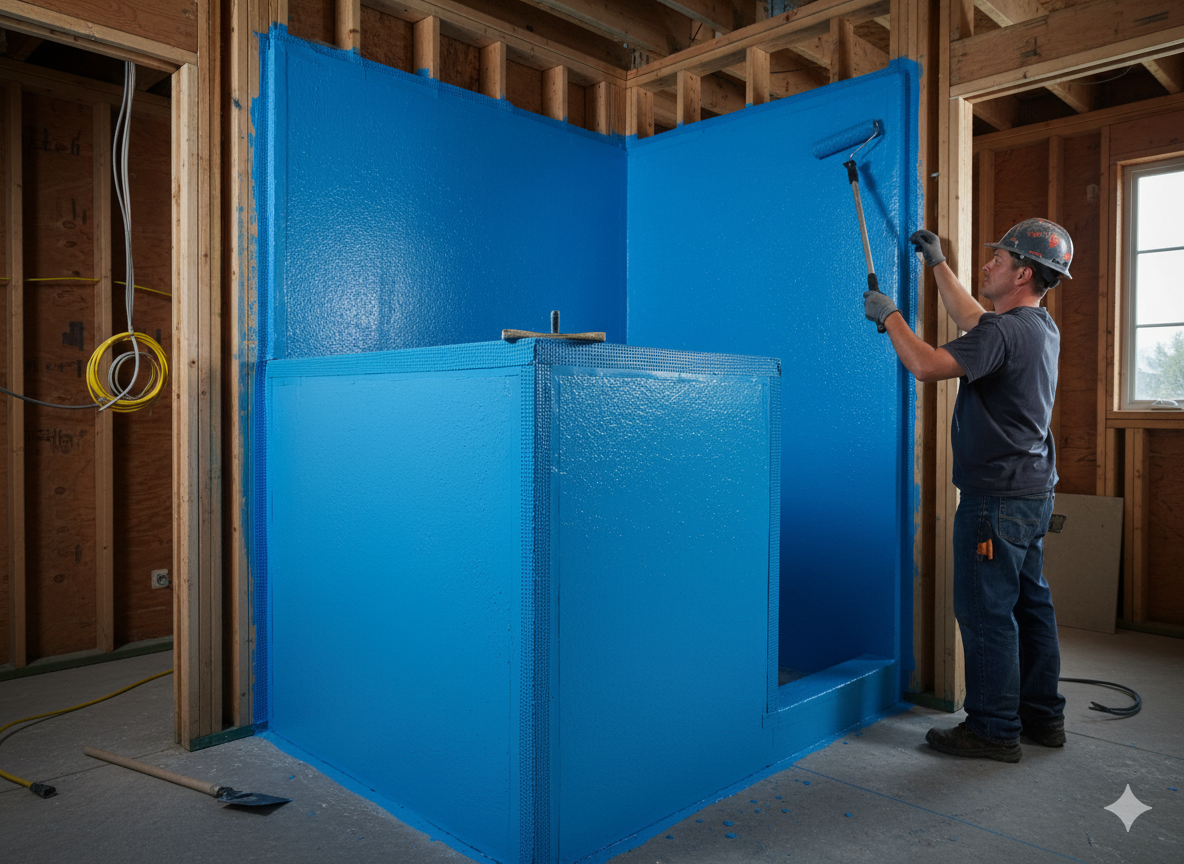
Proper waterproofing represents the most critical aspect of half wall shower construction. Without adequate moisture barriers, even the most beautiful tile work will fail as water infiltrates the wall structure, leading to mold, rot, and expensive damage.
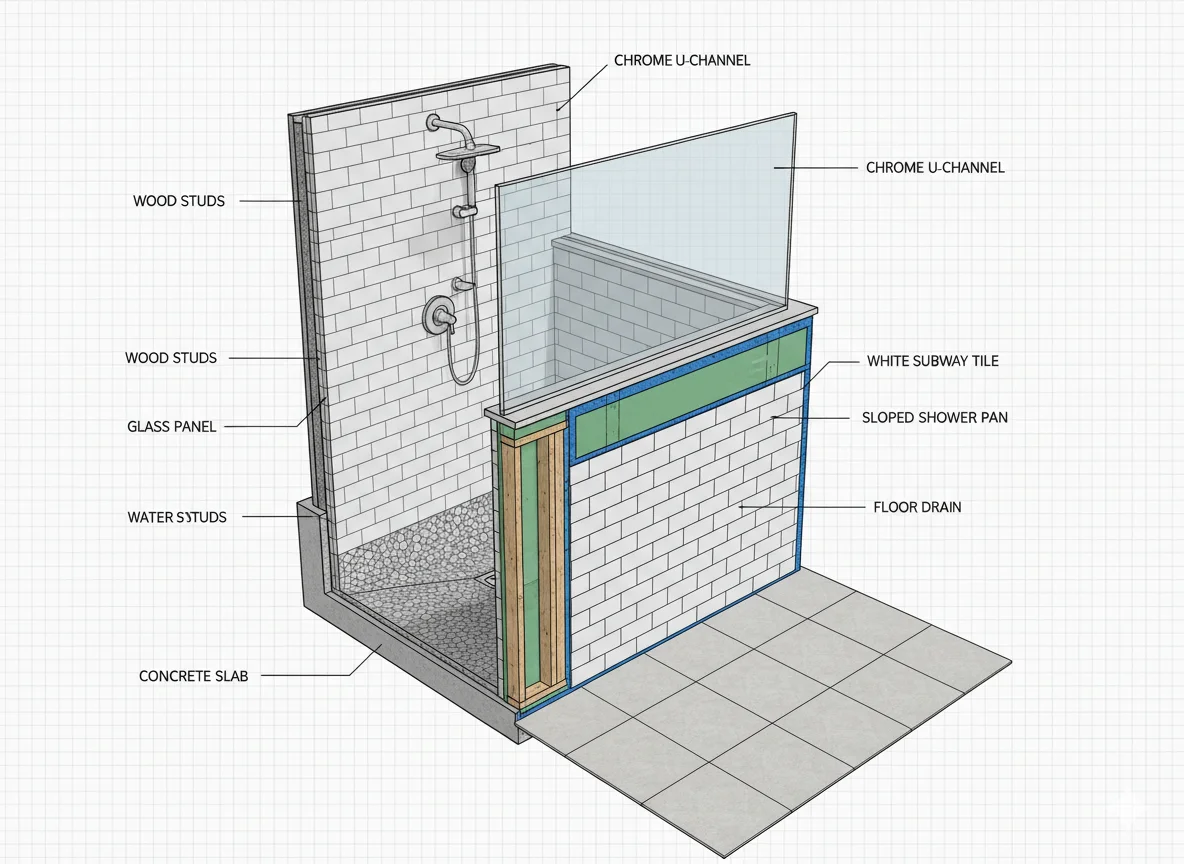
The waterproof membrane forms the foundation of moisture protection. This barrier, installed over the framing and backer board before tile application, prevents water from reaching the wood framing or drywall behind. Several membrane systems exist including sheet membranes that roll on like wallpaper, liquid membranes that paint on in multiple coats, and integrated foam backer boards with built-in waterproofing. Professional installation ensures these systems perform correctly, with particular attention paid to seams, corners, and penetrations where leaks most commonly develop.
Proper slope on any horizontal surfaces proves essential for preventing standing water. The top of your half wall should angle slightly toward the shower interior, typically sloping about one quarter inch per foot, to shed water back into the shower rather than allowing it to pool or drip down the exterior face. This subtle grade remains virtually invisible while providing crucial drainage.
Grout selection and application affect both appearance and longevity. Epoxy grout costs more and proves more challenging to install than traditional cement-based grout, but it offers superior water resistance and stain protection. Regardless of grout type, proper sealing remains essential for preventing moisture penetration. Grout should be sealed initially after installation and resealed periodically according to manufacturer recommendations.
Attachment points where glass panels mount to the half wall require special attention. These locations experience significant stress from the weight of the glass and must be properly reinforced during construction. Metal channels or clips embedded in the wall structure provide secure mounting points while maintaining waterproof integrity.
Lighting Integration for Enhanced Ambiance
Thoughtful lighting design works in concert with your half wall shower to create a bathroom environment that feels both functional and luxurious.
Natural light interaction changes fundamentally when you install a half wall. If your shower includes a window, the half wall allows that daylight to spread throughout the bathroom rather than being trapped behind a shower curtain or frosted enclosure. Consider the window placement carefully during design. A window positioned above the half wall provides light while maintaining privacy, whereas a window behind the wall might create shadowing issues.
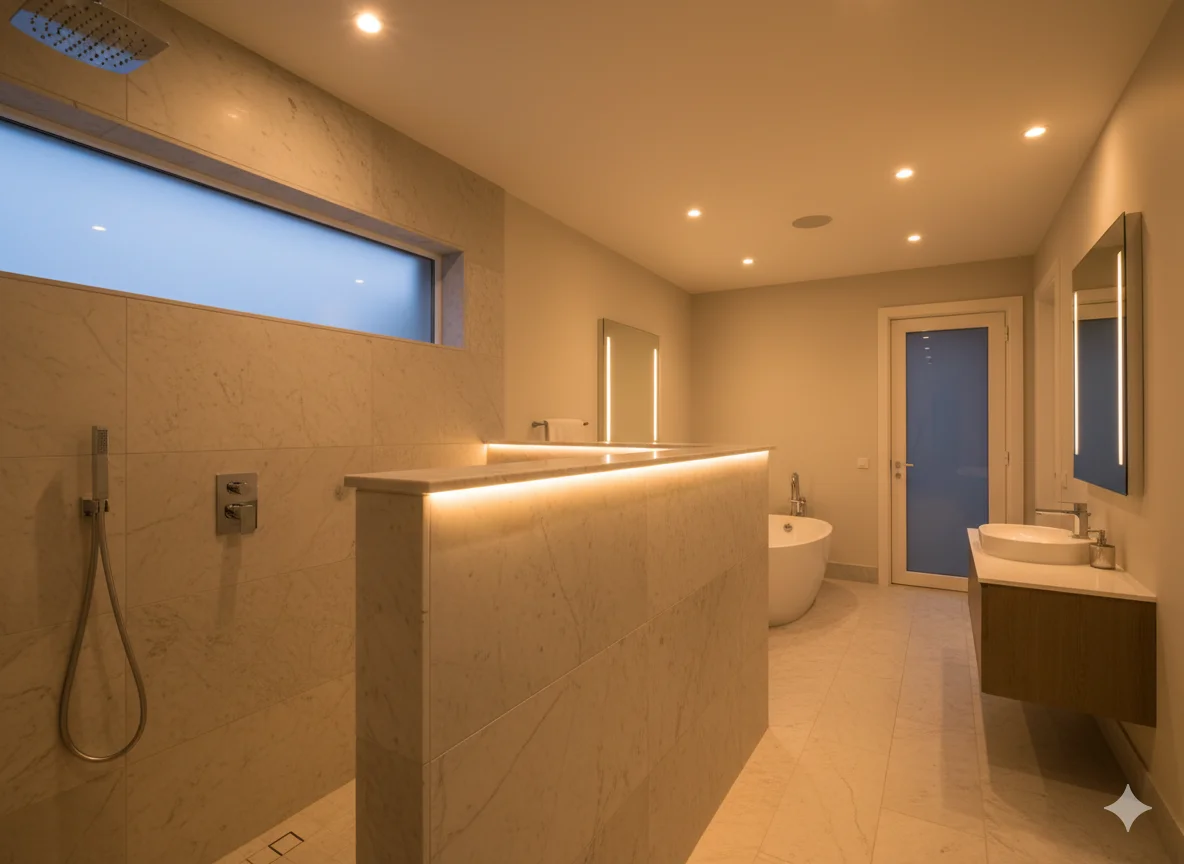
Recessed ceiling lights over the shower provide essential task lighting for bathing activities. When combined with a half wall design, these fixtures can often serve double duty, illuminating both the shower interior and adjacent bathroom areas. Dimmer switches allow you to adjust light levels for different moods, from bright morning showers to relaxing evening soaks.
Linear LED strips concealed along the top edge of the half wall create dramatic ambient lighting effects. These strips can face upward to wash the ceiling with light, downward to graze the tile surface and emphasize texture, or both directions for maximum impact. Color-changing LEDs allow you to customize the atmosphere, though white lights typically prove most practical for daily use.
Under-bench lighting serves both practical and aesthetic purposes when your half wall incorporates a built-in seat. LED strips installed beneath the bench overhang create a floating effect while providing orientation lighting for nighttime bathroom visits. This subtle illumination proves especially valuable for aging-in-place designs where bright overhead lights might prove jarring during nighttime hours.
Maintenance Requirements and Considerations
Understanding the ongoing care your half wall shower requires helps you make informed material selections and ensures your investment maintains its beauty over time.
Tile and grout cleaning demands regular attention to prevent soap scum buildup, hard water staining, and mildew growth. Weekly cleaning with appropriate products keeps surfaces fresh without requiring intensive scrubbing. The specific cleaning approach varies by tile material, with natural stone requiring pH-neutral cleaners while ceramic and porcelain tolerate more aggressive products. Grout lines benefit from occasional deep cleaning with specialized grout cleaners or steam cleaning to restore their original appearance.
Glass maintenance varies significantly based on the glass treatment you select. Untreated clear glass shows water spots prominently and requires frequent squeegeeing or wiping after each shower to maintain clarity. Protective coatings applied during manufacturing or after installation cause water to bead and run off rather than leaving mineral deposits. These treatments dramatically reduce cleaning frequency and effort, often justifying their additional cost through time savings.
Sealant inspection and replacement prevents water damage over time. Silicone caulk where the half wall meets the shower floor, where tile meets glass, and at other critical joints requires periodic inspection for gaps, cracks, or separation. Replacing failed caulk promptly prevents water from infiltrating wall assemblies where it can cause hidden damage. Most experts recommend inspecting caulk lines annually and replacing them every few years depending on usage and water quality.
Ventilation significantly impacts maintenance requirements by controlling moisture levels throughout the bathroom. An adequately sized exhaust fan removes humid air during and after showers, reducing condensation on surfaces and inhibiting mold growth. The fan should exhaust to the exterior rather than into an attic space and should run for at least 20 minutes after showering to fully clear moisture from the room.
Cost Considerations and Budget Planning
Understanding the financial implications of a half wall shower helps you plan your renovation budget and make informed decisions about where to invest and where to economize.
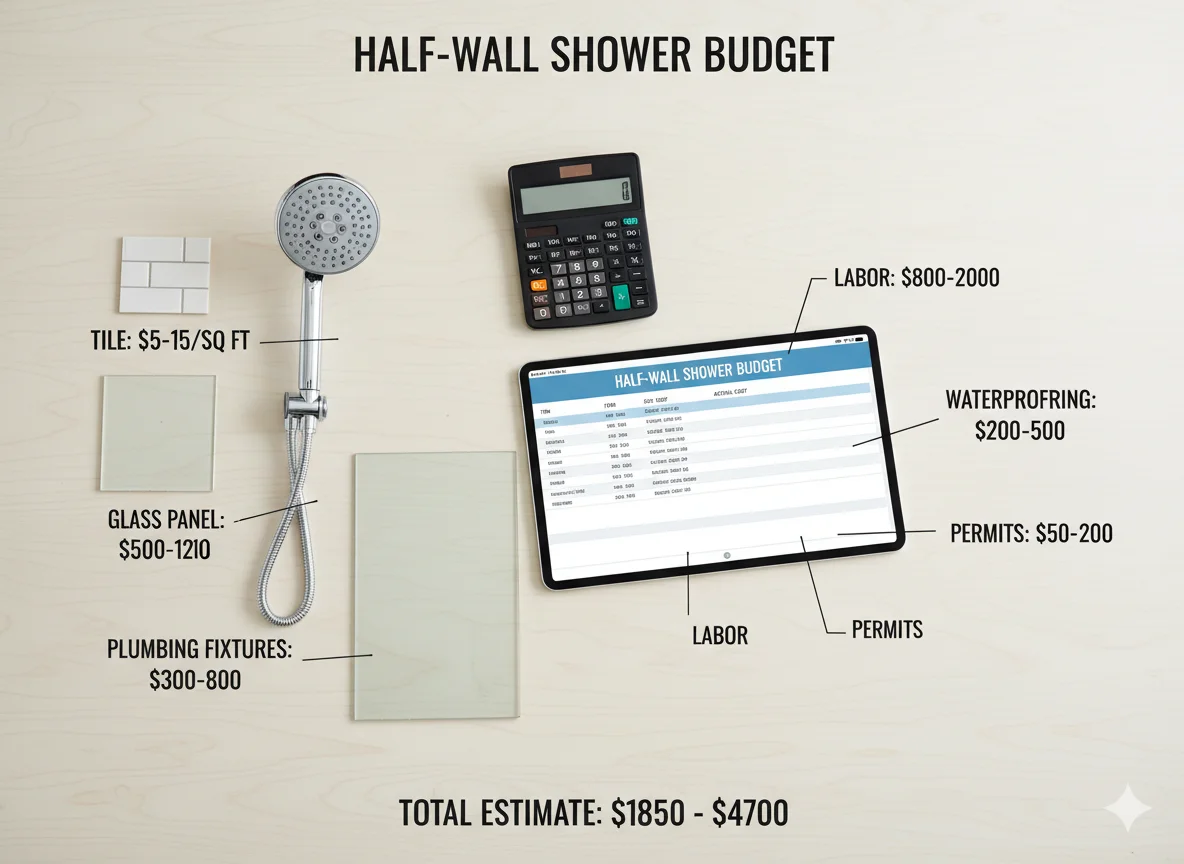
Material costs vary tremendously based on your selections. Basic ceramic tile for the half wall might run between 2 to 8 dollars per square foot while premium natural stone can exceed 20 dollars per square foot. Glass panels typically range from 500 to 2000 dollars depending on size, thickness, and whether you choose framed or frameless construction. Custom features like built-in niches or benches add to material costs but provide long-term value through improved functionality.
Labor expenses often exceed material costs for half wall installations. Professional tile installation typically runs 10 to 20 dollars per square foot depending on tile size, pattern complexity, and regional labor rates. Glass panel installation might add another 500 to 1500 dollars. Complex designs with intricate patterns, small tiles, or challenging layouts push labor costs higher. Experienced contractors work more efficiently and deliver superior results, making them worth the premium in most cases.
Waterproofing represents a relatively small portion of overall costs but proves absolutely essential for success. Quality waterproof membranes cost between 1 to 3 dollars per square foot in materials with installation adding labor costs. Cutting corners on waterproofing to save a few hundred dollars risks thousands in water damage repairs, making this an unwise economy.
Comparing half wall costs to alternatives provides perspective on value. Traditional framed shower enclosures with doors typically cost 800 to 3000 dollars installed, making them potentially less expensive than custom half wall and glass panel combinations. However, the half wall provides aesthetic and functional benefits that standard enclosures cannot match. Fully open doorless showers eliminate glass costs entirely but offer less water containment and privacy.
Accessibility Features and Universal Design
Half wall showers naturally lend themselves to accessible design principles that accommodate users of varying abilities while maintaining aesthetic appeal.
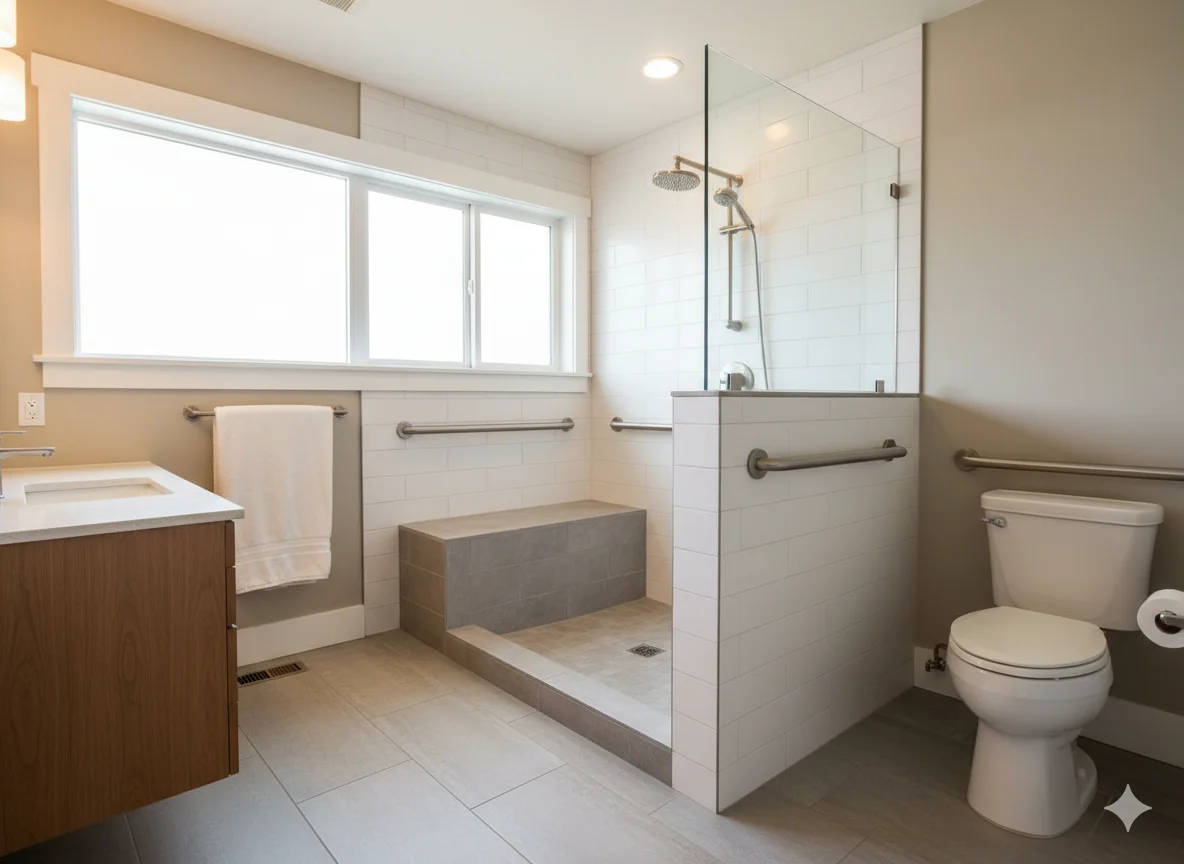
Zero-threshold entry eliminates the traditional shower curb, creating a completely flat transition from bathroom floor to shower floor. This barrier-free approach allows wheelchair users to roll directly into the shower and makes entry easier for anyone using mobility aids or simply preferring to step rather than climb. The entire bathroom floor must be properly sloped to drain toward the shower when using this approach, requiring careful planning and professional installation.
Grab bar integration provides essential support without compromising design. The solid structure of a half wall creates an ideal location for grab bar installation, offering reliable anchorage that wall-mounted bars sometimes lack. Bars can be positioned vertically to assist with standing from a seated position, horizontally for general support while showering, or at angles to provide multiple gripping options. Modern grab bars come in attractive finishes that coordinate with other fixtures rather than the institutional appearance of traditional safety equipment.
Built-in shower seats eliminate the need for separate shower chairs while providing more stable, permanent seating. When integrated into the half wall structure, these seats can support considerable weight and won’t shift or tip like freestanding alternatives. The seats should position at standard chair height, roughly 17 to 20 inches from the floor, with adequate space for transfers from wheelchairs or walkers.
Hand-held shower fixtures provide flexibility for users with limited mobility. When combined with a half wall design that includes a built-in seat, the hand-held shower allows individuals to remain seated throughout their shower while still effectively rinsing. Multiple mounting heights accommodate users of different statures and abilities.
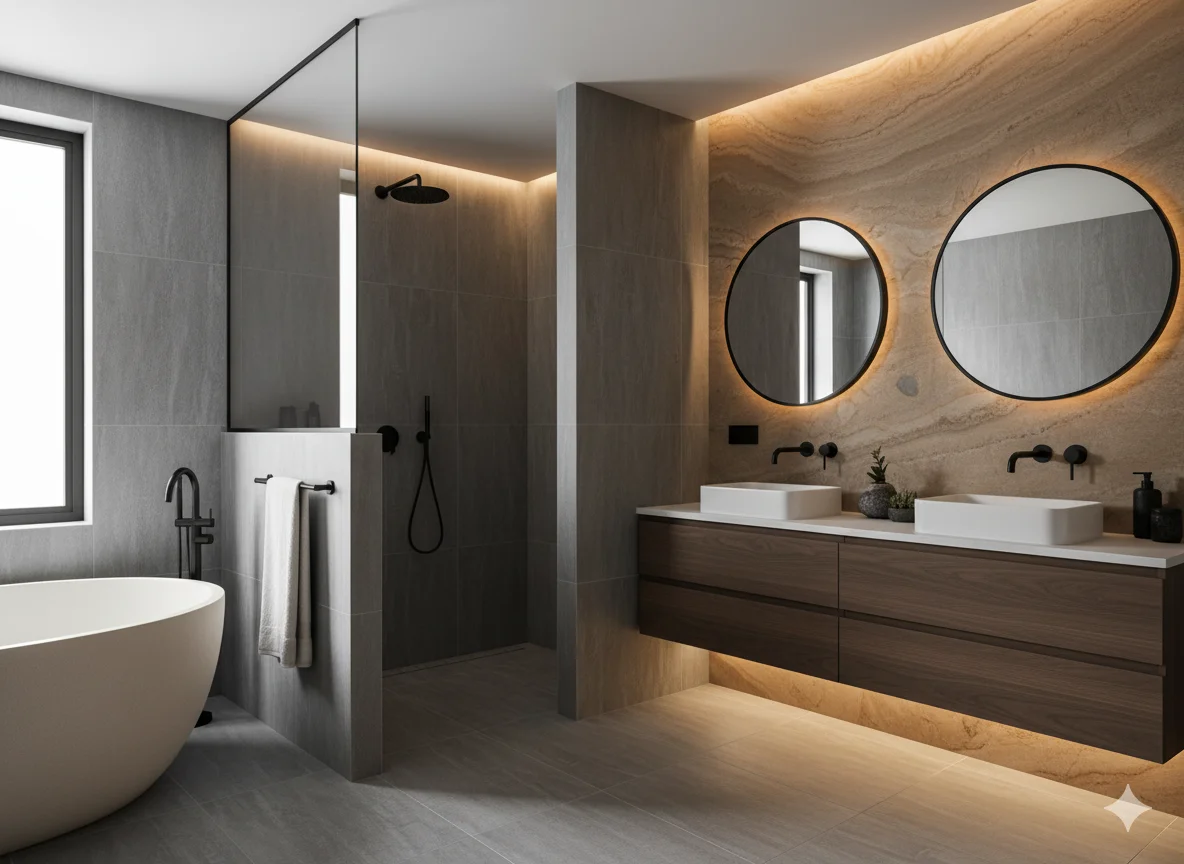
Contemporary Design Trends and Inspiration
Current design movements influence how homeowners approach half wall showers, with several distinct trends emerging in recent years.
Minimalist aesthetics emphasize clean lines, neutral colors, and uncluttered surfaces. Half walls in this style typically feature large format tiles in whites, grays, or beiges with minimal grout lines and simple geometric forms. The focus remains on material quality and precise execution rather than decorative embellishment. Frameless glass panels enhance the minimalist approach by eliminating visual weight and allowing the architecture to speak for itself.
Organic modern design brings natural materials and earthy tones into contemporary contexts. Half walls clad in textured stone, wood-look tile, or concrete create connections to the natural world while maintaining sleek, modern proportions. This approach often pairs neutral stone tones with warm wood accents and matte black fixtures for a sophisticated yet approachable aesthetic.
Bold color statements transform half walls into dramatic focal points. Deep blues, forest greens, terracotta oranges, and charcoal blacks add personality and depth to bathroom designs that might otherwise feel generic. These saturated hues work particularly well in half wall applications because the limited wall height prevents overwhelming the space while still providing sufficient color impact.
Textured surfaces add tactile and visual interest without relying on color or pattern. Three-dimensional tiles with undulating surfaces, stacked stone with pronounced relief, or concrete with board-formed textures create depth and shadow play that evolves throughout the day as lighting conditions change. These textured applications prove especially effective on half walls where their details remain visible rather than being obscured by shower enclosures.
Conclusion
The half wall shower represents far more than a simple design trend. This versatile element addresses fundamental challenges in bathroom design by balancing privacy with openness, containing water while preserving light flow, and creating architectural interest without overwhelming limited space. Whether you gravitate toward minimalist simplicity, organic warmth, or bold contemporary statements, the half wall provides a framework for expressing your personal style while enhancing daily function.
Success with half wall showers requires thoughtful planning that considers not just immediate aesthetics but long-term performance and maintenance. Proper waterproofing, quality materials, professional installation, and appropriate fixture selection all contribute to creating a shower space that delivers years of reliable service while maintaining its visual appeal. The initial investment in doing things correctly pays dividends through reduced maintenance, prevented water damage, and enduring beauty that doesn’t require replacement or extensive updates.
As bathroom design continues evolving toward more open, accessible, and spa-like spaces, half wall showers will likely remain popular for their unique ability to serve multiple needs simultaneously. They make small bathrooms feel larger, bring light into dark spaces, accommodate accessibility requirements without sacrificing style, and provide opportunities for creative expression through materials, colors, and integrated features. Whether you are planning a complete bathroom renovation or considering targeted updates to refresh your space, exploring half wall shower possibilities may reveal the transformative element your bathroom needs to reach its full potential.
Frequently Asked Questions
What is the ideal height for a half wall shower?
The standard height for a half wall shower typically ranges from 36 to 48 inches from the shower floor. A 36-inch wall provides basic privacy and water containment while maximizing openness, whereas 42 to 48-inch walls offer increased privacy and more substantial visual presence. The optimal height depends on your bathroom proportions, privacy needs, and whether the wall incorporates features like built-in benches or storage niches.
Do half wall showers prevent water from splashing onto the bathroom floor?
Half wall showers effectively contain most water when properly designed with a glass panel mounted on top of the partial wall. The combination of the solid wall base and glass panel extension creates a barrier that reaches standard shower enclosure height. However, completely open half wall designs without glass panels may allow some water escape, particularly with strong water pressure or handheld shower fixtures. Proper slope on the shower floor and strategic placement of the half wall minimize splash concerns.
Are half wall showers more expensive than traditional shower enclosures?
Half wall showers typically cost more than standard prefabricated shower enclosures due to custom construction, tile installation, and waterproofing requirements. Material costs range from 2 to 20 dollars per square foot for tile plus 500 to 2000 dollars for glass panels, with professional installation adding 10 to 20 dollars per square foot for tile work. However, the enhanced aesthetics, custom fit, and functional benefits often justify the premium. Costs decrease when using more economical materials like basic ceramic tile instead of natural stone.
How do you maintain and clean a half wall shower?
Regular maintenance involves weekly cleaning of tile surfaces with appropriate cleaners based on your material choice, using pH-neutral products for natural stone and standard tile cleaners for ceramic or porcelain. Glass panels should be wiped or squeegeed after each shower to prevent water spots, or treated with protective coatings that reduce spotting. Annual inspection and periodic replacement of caulk joints prevents water infiltration. Running an exhaust fan during and after showers controls humidity and reduces mold growth.
Can half wall showers work in small bathrooms?
Half wall showers work exceptionally well in small bathrooms because they create visual openness while defining functional zones. The partial wall allows light to flow throughout the space and maintains sightlines that make the room feel larger than it actually measures. A carefully positioned half wall between the shower and vanity eliminates wasted space while providing essential water barriers. In compact bathrooms, keeping the wall height on the lower end of the standard range, around 36 to 42 inches, maximizes the spacious feeling while still delivering adequate privacy and function.