25 Bathroom Ideas Transform Your Space with the Latest Design Trends
The bathroom has evolved far beyond its purely functional origins. Today, this intimate space serves as a personal sanctuary where design meets wellness, and style harmonizes with practicality. Whether you are planning a complete renovation or simply seeking inspiration for a refresh, understanding current design trends can help you create a bathroom that enhances your daily rituals while adding lasting value to your home.
Modern bathroom design balances aesthetic appeal with thoughtful functionality. From spa-inspired features that promote relaxation to sustainable materials that reduce environmental impact, the possibilities for transformation are both exciting and accessible. The following ideas represent the most compelling design directions shaping bathrooms today, offering solutions for spaces of every size and budget.
Creating a Spa-Like Sanctuary
The desire to bring the tranquility of high-end spas into the home continues to drive bathroom design choices. This trend extends beyond simple luxury to encompass genuine wellness benefits that improve daily life.
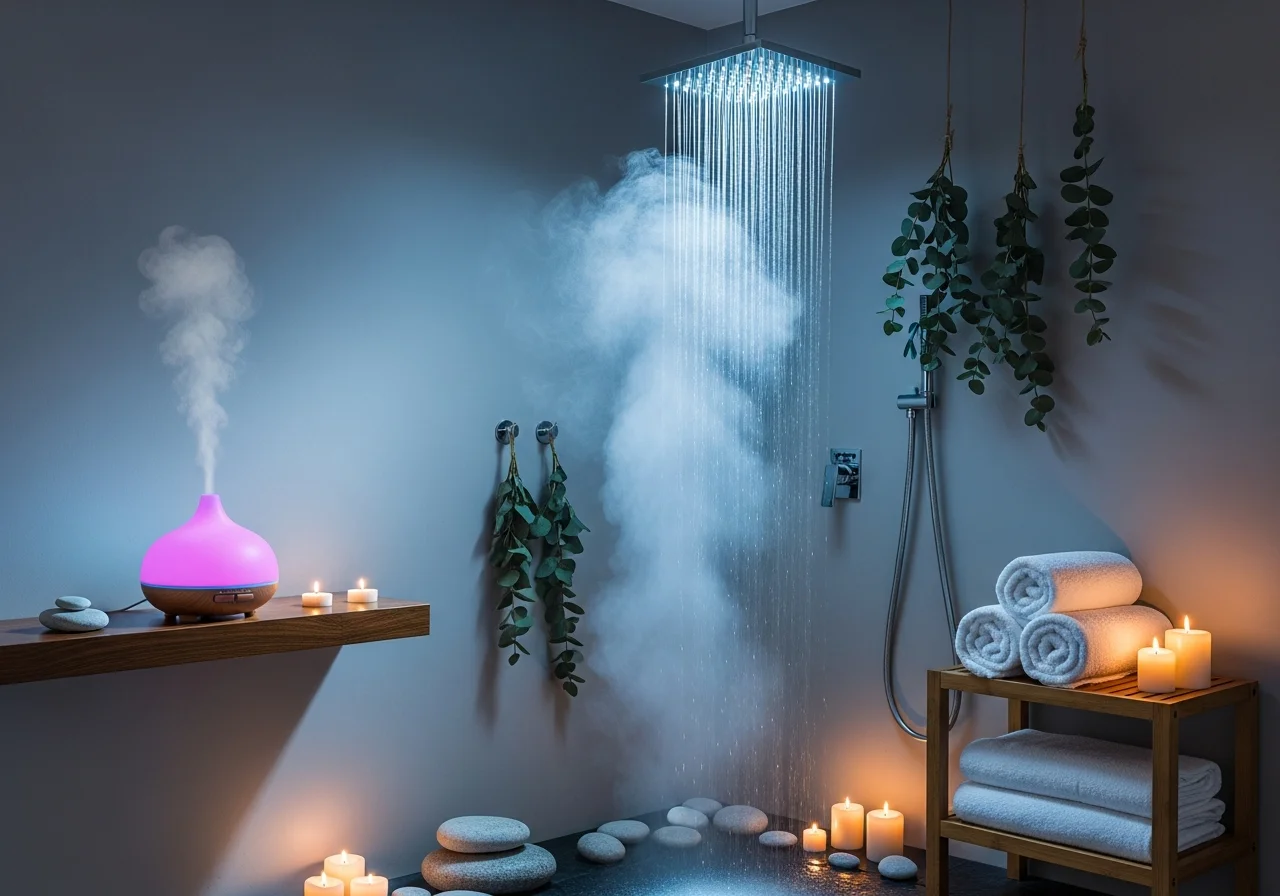
Incorporating aromatherapy elements into your shower experience can significantly enhance relaxation. Specialized shower systems now allow you to infuse your space with calming scents such as lavender or invigorating eucalyptus, transforming your morning routine into a therapeutic ritual. These systems work by dispersing essential oils through steam or specialized diffusers built directly into the shower enclosure.
Chromotherapy lighting takes the wellness concept further by using colored lights to influence mood and energy levels. Different colors serve distinct purposes: blue tones promote calm and reduce stress, while warmer hues can energize and uplift. Installing dimmable LED systems allows you to adjust both color and intensity according to your needs throughout the day.
Rain showerheads have become increasingly sophisticated, offering various spray patterns and water pressure settings that mimic natural rainfall. When paired with body jets and hand showers, these fixtures create a comprehensive bathing experience that rivals professional spa treatments. The key lies in selecting fixtures that balance water efficiency with performance, ensuring environmental responsibility without compromising enjoyment.
Embracing Natural Materials and Biophilic Design
Bringing elements of nature into bathroom spaces creates environments that feel grounding and restorative. This approach, known as biophilic design, recognizes the human need for connection with the natural world, even in our most private spaces.
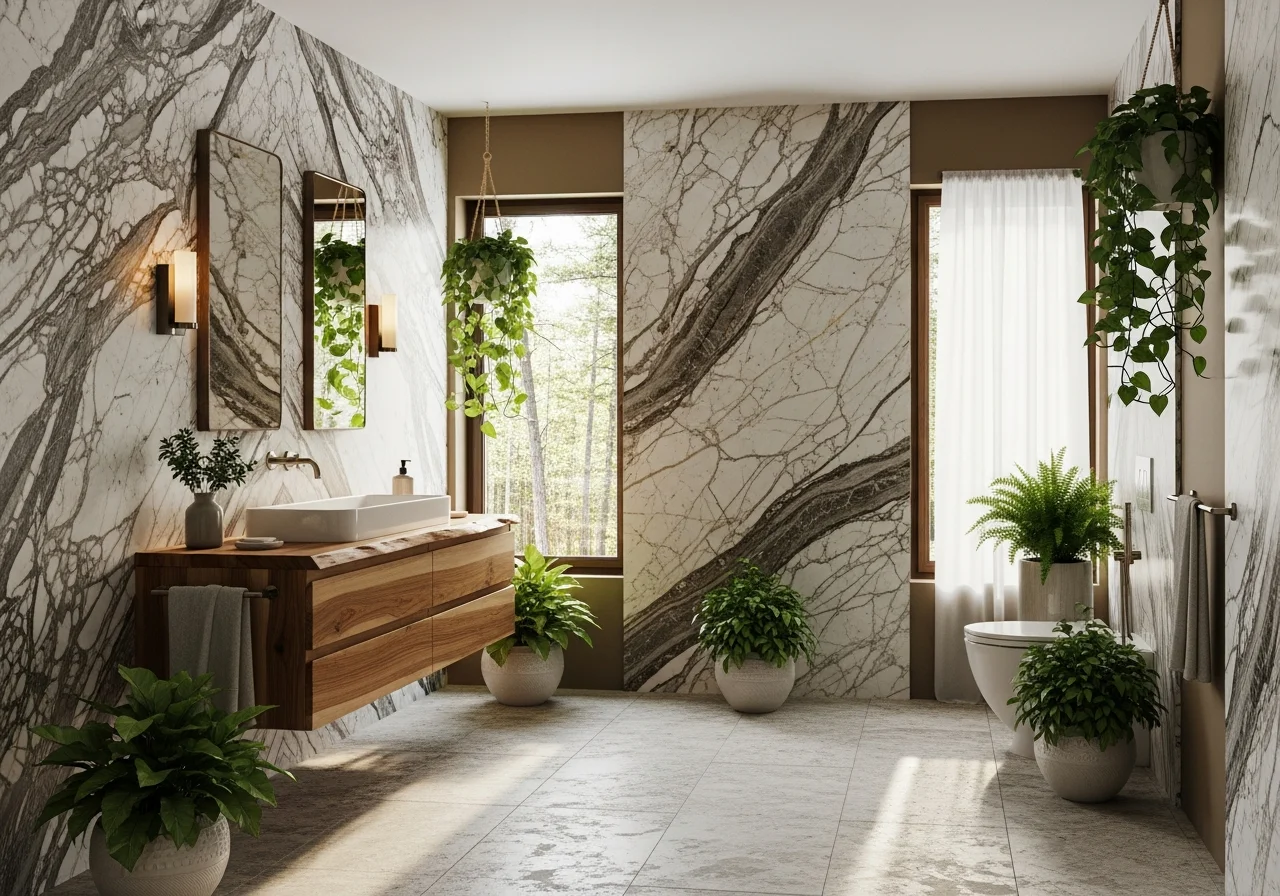
Natural stone slabs have emerged as a dominant material choice for both walls and floors. Large format slabs minimize grout lines, creating seamless surfaces that feel expansive and elegant. Materials such as marble, travertine, and slate each bring distinct character while offering durability that withstands the bathroom environment. The natural variation in stone patterns ensures that no two installations are identical, adding an element of uniqueness to your space.
Wood elements, once avoided in bathrooms due to moisture concerns, now find thoughtful integration through advanced waterproofing techniques. Real wood flooring, wooden vanities, and even wood-clad walls add warmth and organic texture. When properly sealed and maintained, these elements age beautifully while softening the typically hard surfaces found in bathrooms.
Living plants complete the biophilic vision by improving air quality while introducing vibrant color and life. Species such as pothos, snake plants, and ferns thrive in humid bathroom conditions, requiring minimal maintenance while providing maximum visual impact. Incorporating plants at varying heights creates depth and interest, transforming your bathroom into a verdant retreat.
Sustainable and Eco-Friendly Solutions
Environmental consciousness has moved from optional consideration to essential design principle. Modern bathrooms increasingly reflect commitment to sustainability without sacrificing performance or style.
Water-saving fixtures represent the most impactful sustainable upgrade. Low-flow toilets, faucets with aerators, and efficient showerheads can reduce water consumption by thirty to fifty percent compared to traditional fixtures. Advanced technologies like dual-flush toilets and touchless faucets further optimize water use while adding contemporary convenience.
Energy efficiency extends to water heating through innovations such as CoolStart faucet technology, which delivers cold water by default and requires deliberate action to access hot water. This simple mechanism dramatically reduces energy waste from unintentionally heated water, lowering utility costs while minimizing environmental impact.
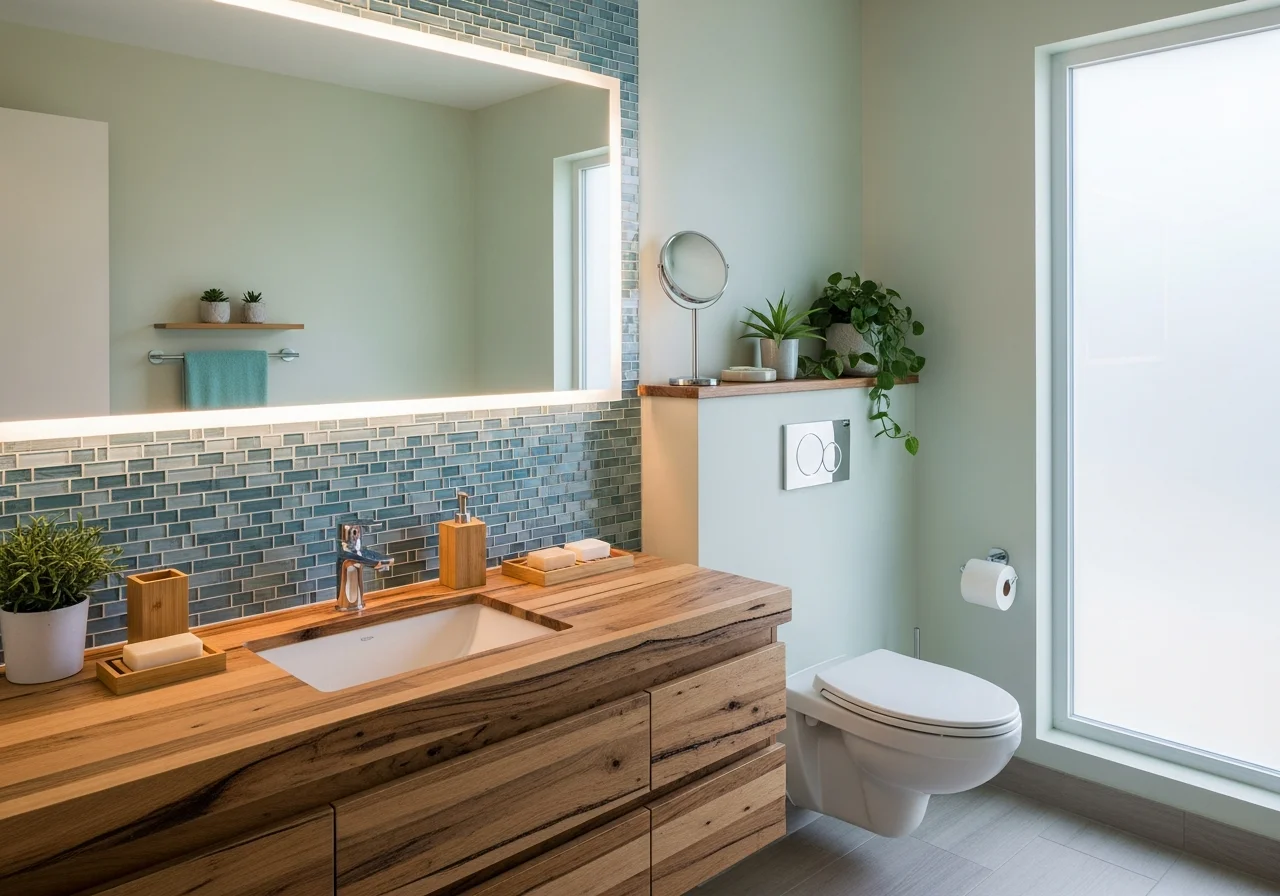
Recycled and reclaimed materials offer sustainable alternatives for countertops, tiles, and fixtures. Recycled glass tiles create stunning visual effects while diverting waste from landfills. Reclaimed wood brings character and history to vanities and shelving. These choices demonstrate that sustainability and beauty coexist harmoniously in thoughtful bathroom design.
Smart Technology Integration
Technology transforms bathrooms into responsive environments that adapt to individual preferences while simplifying daily routines.
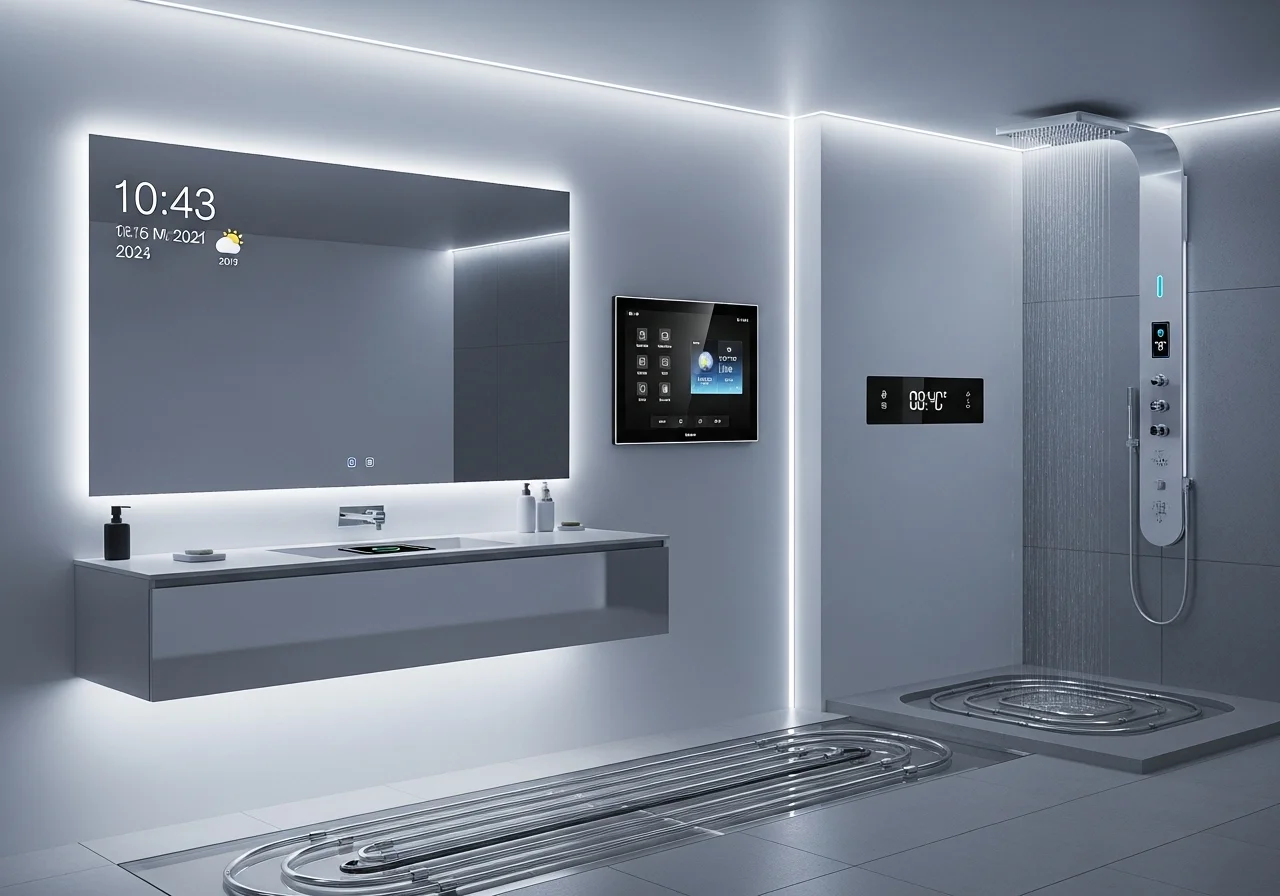
Smart mirrors have evolved beyond simple reflection to become information hubs. These devices display weather forecasts, news headlines, and personal schedules while you prepare for the day. Some models include built-in lighting with adjustable color temperatures that simulate natural daylight, ensuring accurate makeup application and grooming.
Heated floors controlled through smartphone applications add luxury while improving comfort during colder months. Programmable systems allow you to schedule warming cycles, ensuring your bathroom reaches ideal temperature before you wake. Radiant floor heating distributes warmth evenly, eliminating cold spots while operating more efficiently than traditional forced-air systems.
Smart showers remember individual preferences for water temperature, pressure, and duration. Multiple user profiles accommodate household members with different preferences, while voice-activated controls allow hands-free operation. Some systems integrate with home automation platforms, enabling you to start your shower remotely so it reaches the perfect temperature before you step inside.
Bold Color and Pattern Choices
While neutral palettes maintain popularity, increasing numbers of homeowners embrace bold color decisions that inject personality and drama into bathroom spaces.
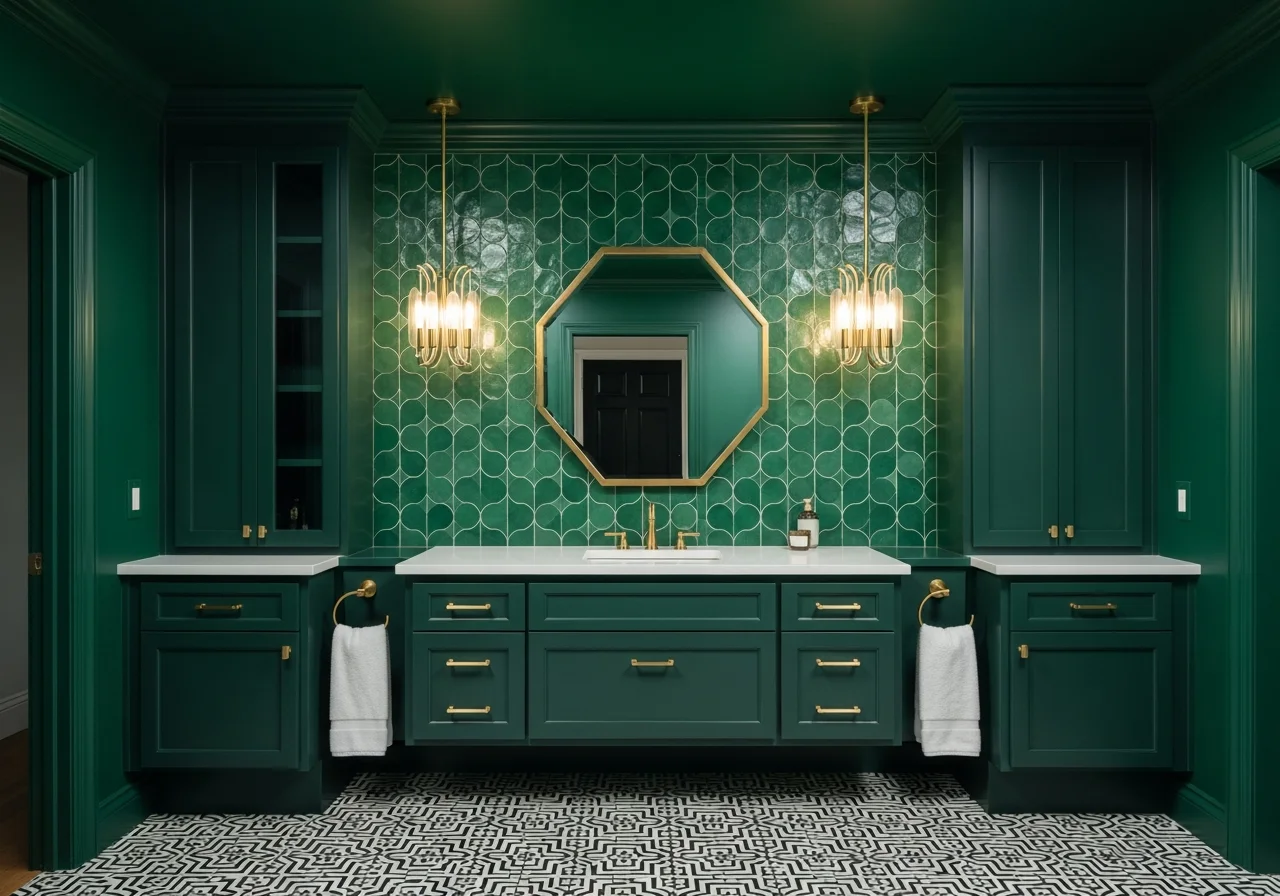
Color drenching involves saturating an entire room in a single hue, extending the chosen color across walls, ceiling, trim, and even cabinetry. This technique creates immersive environments with striking visual impact. Deep jewel tones such as emerald, sapphire, and ruby work particularly well in bathrooms, creating cocoon-like spaces that feel both intimate and luxurious.
Tile drenching takes the concept further by using consistent tile patterns across multiple surfaces. Extending the same tile from floor to walls to vanity backsplash creates seamless visual flow while making spaces feel larger and more cohesive. This approach works equally well with bold patterns or subtle textures.
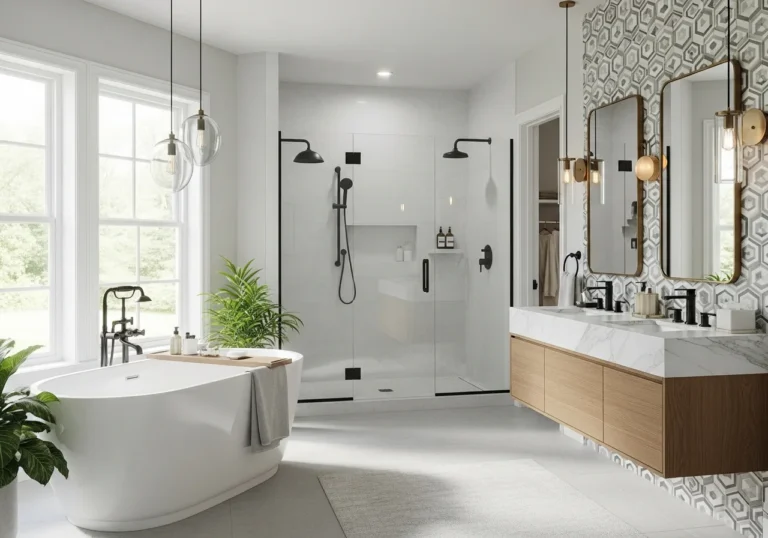
Geometric tiles and patterned wallpapers add visual interest to powder rooms and bathrooms willing to make statements. Moroccan-inspired zellige tiles, hexagonal patterns, and Art Deco motifs bring character while remaining timeless enough to endure beyond fleeting trends. When using bold patterns, balance them with neutral elements to prevent visual overwhelm.
Open-Concept Shower Designs
Traditional enclosed showers give way to open layouts that create airy, spacious atmospheres while simplifying cleaning and maintenance.
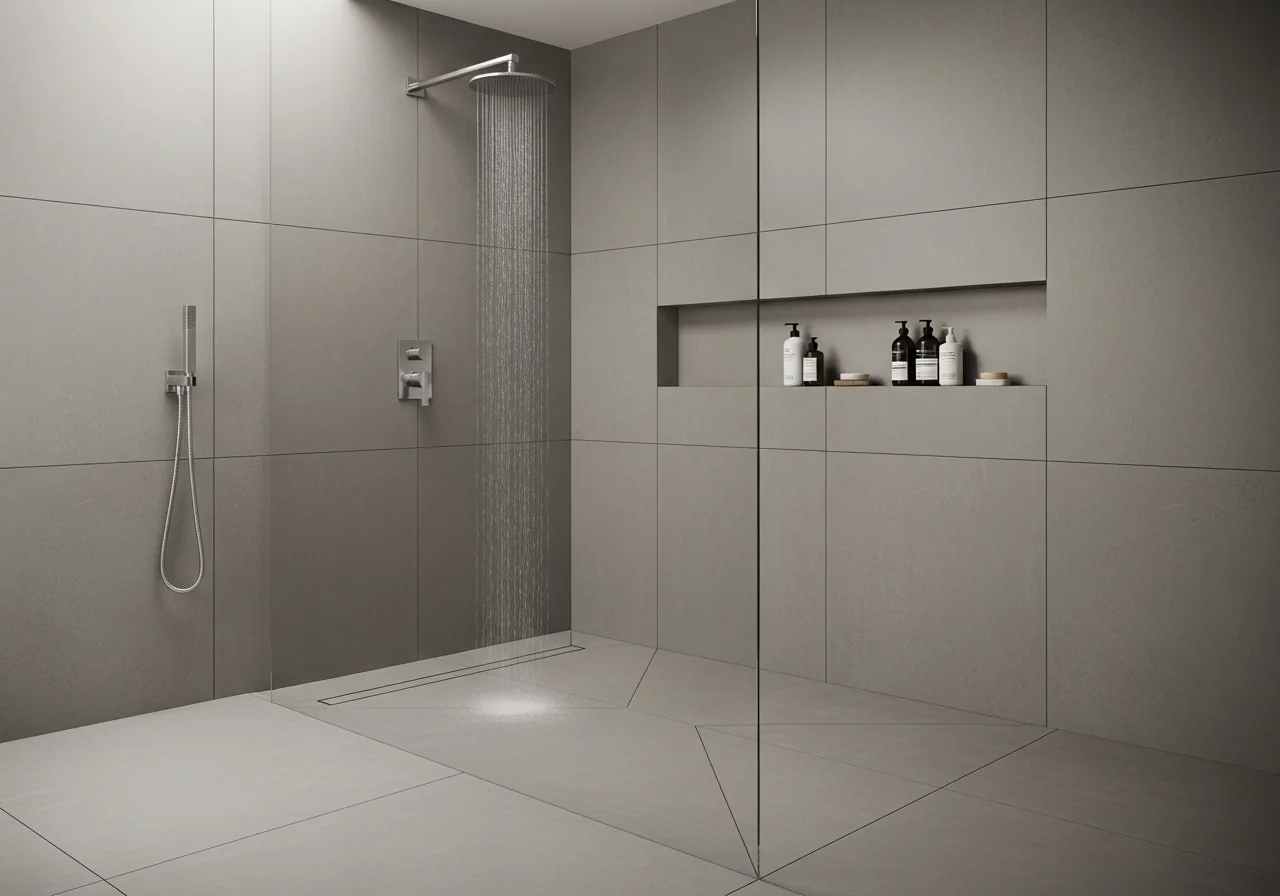
Walk-in showers without doors or curtains define modern bathroom luxury. These designs require careful planning to ensure proper water containment through strategic placement of showerheads and slightly sloped floors that direct water toward drains. The absence of barriers creates seamless transitions between shower and bathroom floor, making spaces feel significantly larger.
Wet rooms take the open concept further by waterproofing the entire bathroom, eliminating any distinction between shower area and the rest of the space. This European-influenced design maximizes flexibility while creating spa-like environments. Wet rooms require professional installation to ensure proper waterproofing and drainage, but the result is a sophisticated, highly functional space.
Linear drains and frameless glass panels maintain the minimalist aesthetic while providing necessary water management. Recessed niches built into shower walls offer storage without protruding fixtures that interrupt clean lines. These design choices work together to create showers that feel open and luxurious while remaining practical.
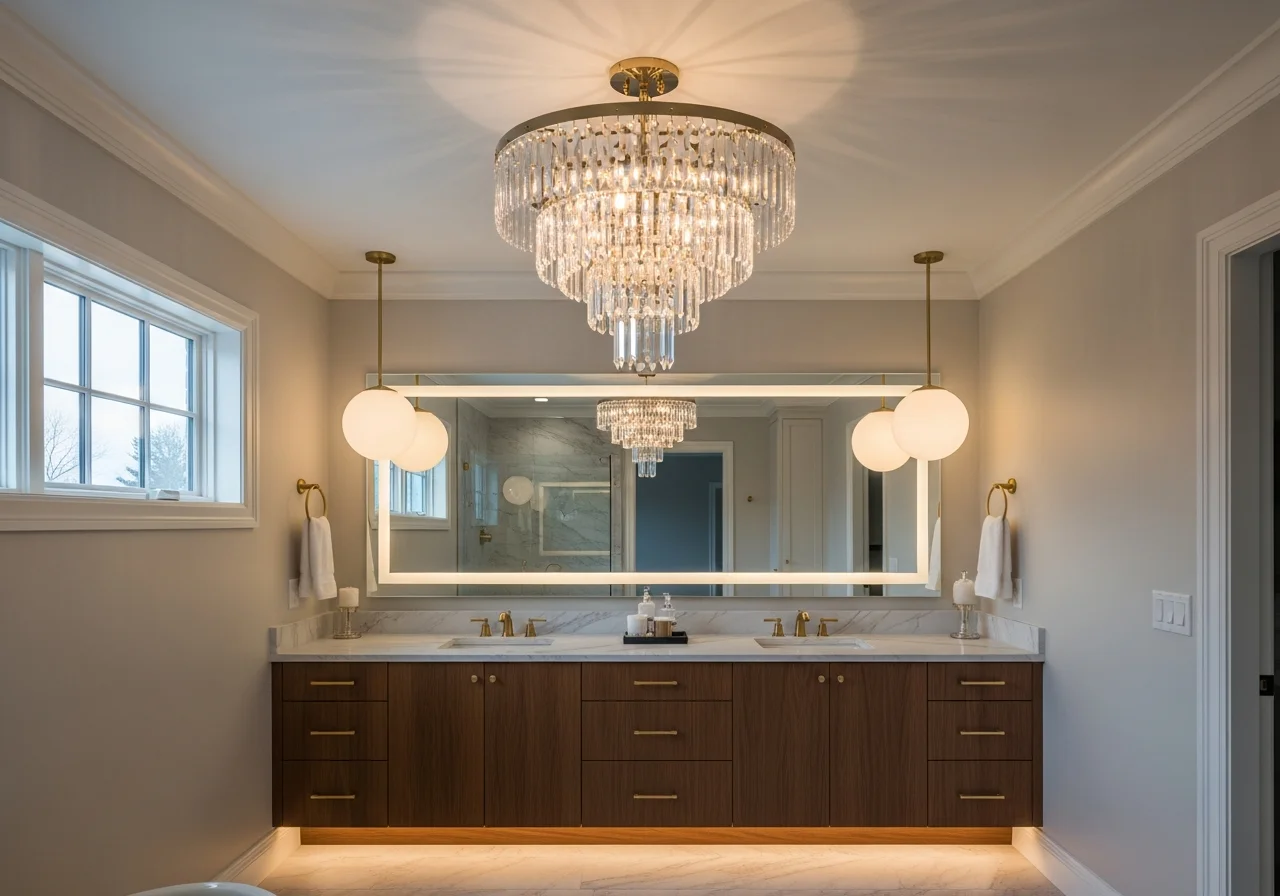
Statement Lighting Fixtures
Lighting transforms from purely functional element to sculptural focal point that defines bathroom atmosphere and style.
Chandeliers and pendant lights bring unexpected elegance to bathrooms. These fixtures work particularly well in spaces with high ceilings, where they fill vertical space while providing ambient illumination. Modern materials such as brass, aged bronze, and matte black finishes add contemporary sophistication, while crystal and glass options create traditional glamour.
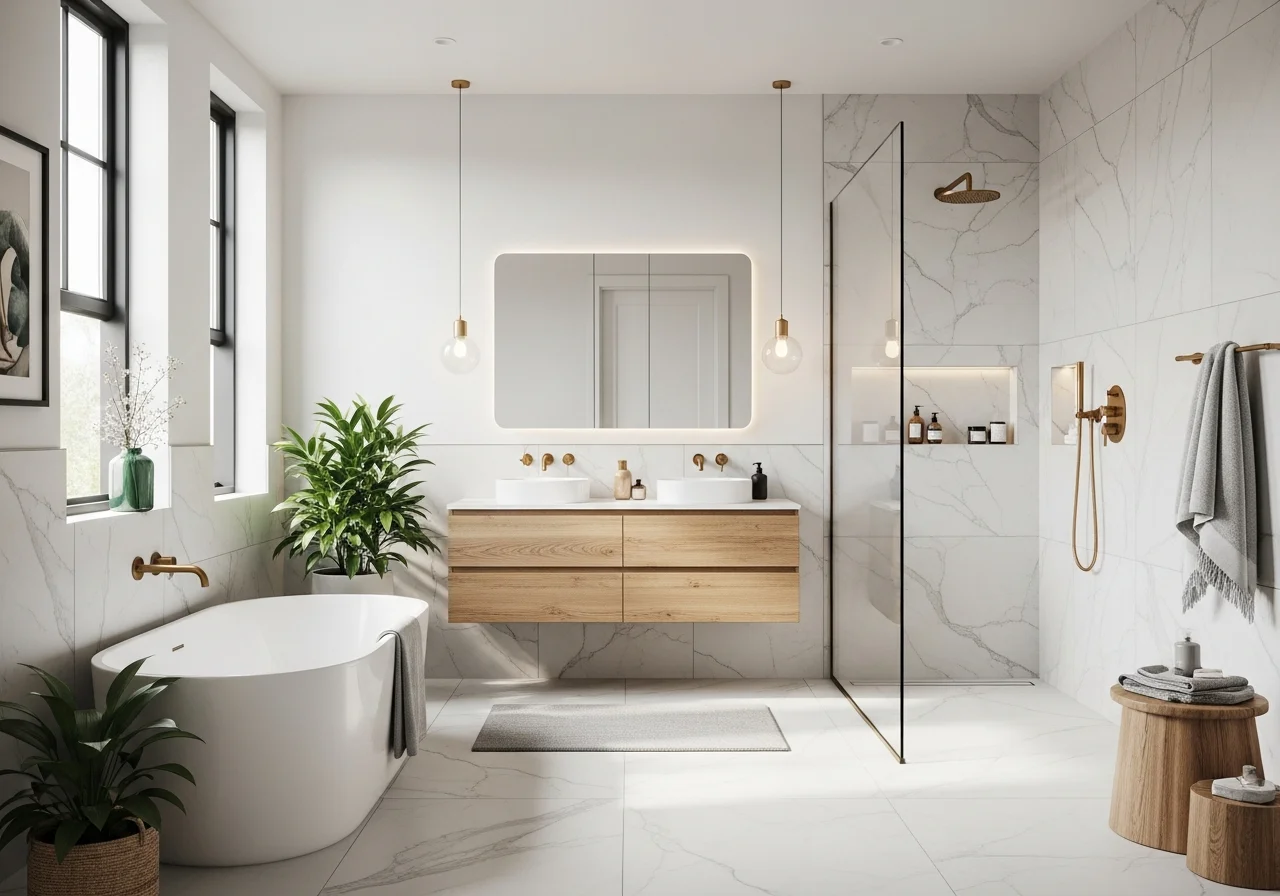
Backlit mirrors and vanities create soft, flattering illumination while adding architectural interest. LED strips installed behind mirrors cast gentle halos of light that reduce harsh shadows during grooming tasks. Under-cabinet lighting performs similar functions while highlighting beautiful countertop materials.
Sconces flanking mirrors provide essential task lighting for applying makeup and shaving. Placing fixtures at eye level eliminates unflattering shadows while ensuring even illumination. Dimmable options allow you to adjust brightness according to time of day and activity, from energizing morning light to relaxing evening ambiance.
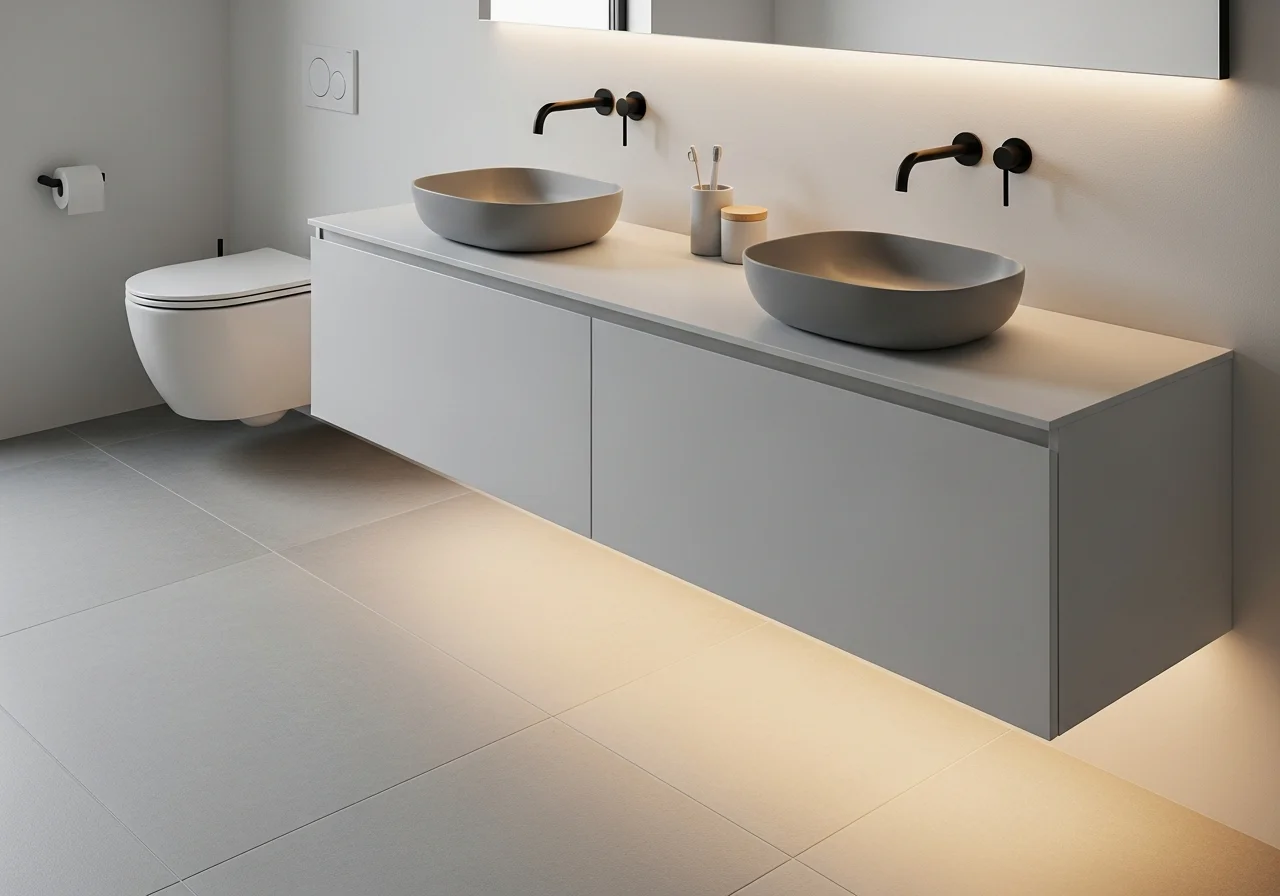
Floating Vanities and Wall-Mounted Fixtures
Suspended elements create visual lightness while offering practical advantages that improve both aesthetics and functionality.
Floating vanities free floor space, making bathrooms feel larger and more open. This design particularly benefits smaller bathrooms where every inch matters. The exposed floor beneath vanities also simplifies cleaning, eliminating the awkward spaces where dust and debris typically accumulate.
Undermount lighting installed beneath floating vanities creates dramatic effects while providing practical illumination for nighttime visits. This subtle lighting serves as a nightlight while highlighting the architectural detail of the suspended cabinet.
Wall-mounted toilets complement floating vanities by continuing the open, contemporary aesthetic. These fixtures conceal tanks within walls, saving space while presenting sleek, minimalist profiles. Though installation requires more complex plumbing than traditional floor-mounted toilets, the visual and practical benefits justify the additional effort.
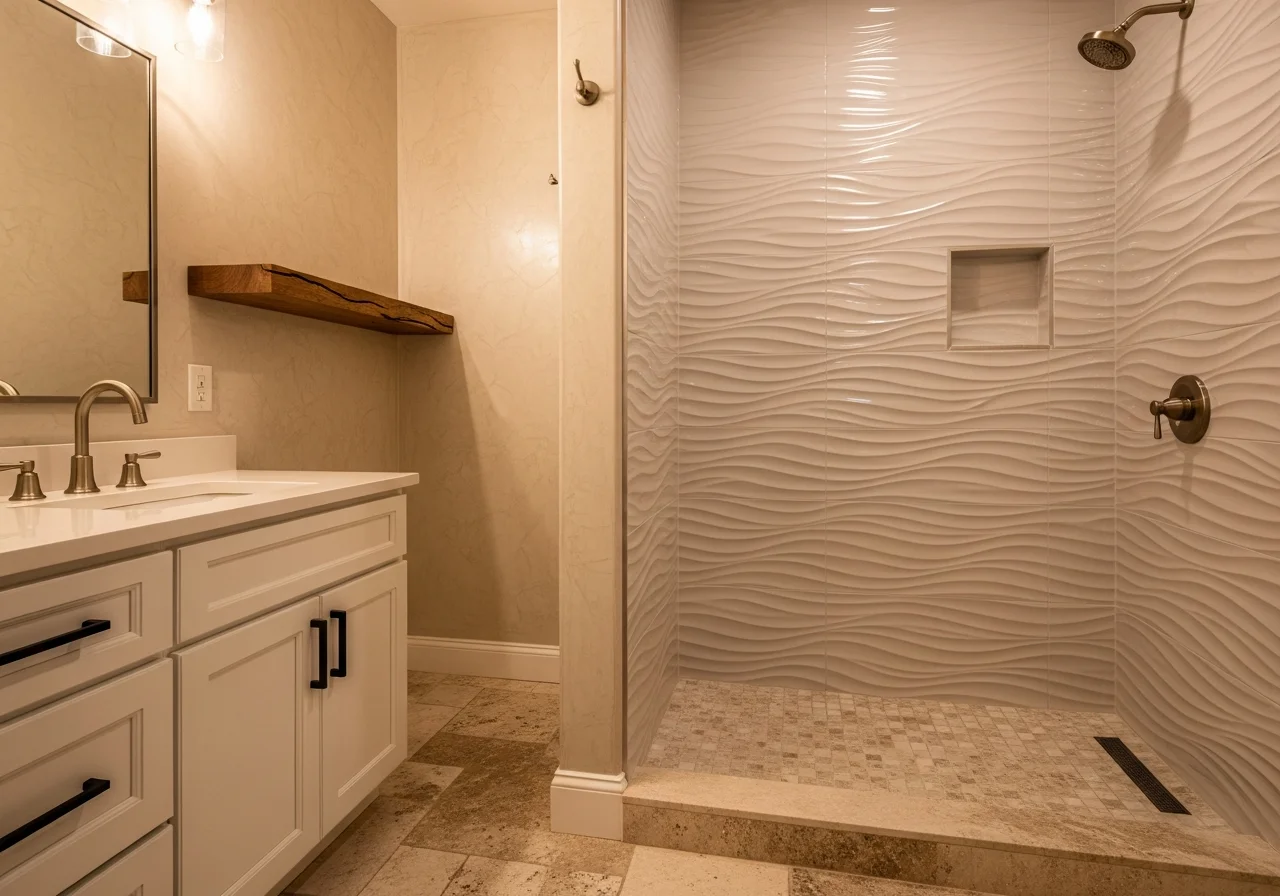
Texture and Mixed Materials
Layering different materials and textures creates depth and interest that elevates bathrooms from simple to sophisticated.
Plaster walls bring organic texture and timeless appeal. This ancient material experiences renewed popularity as homeowners seek alternatives to conventional painted drywall. Plaster offers subtle variation in color and texture that changes with light throughout the day, creating living surfaces that feel warm and authentic.
Mixed metal finishes challenge the traditional rule of matching all hardware. Combining brass faucets with matte black cabinet pulls and brushed nickel towel bars creates curated, collected looks that feel intentional rather than accidental. The key to success lies in maintaining consistent undertones and distributing different finishes throughout the space to create balance.
Textured tiles add tactile interest to walls and floors. Three-dimensional tiles with raised patterns, handmade ceramics with irregular surfaces, and natural stone with inherent texture all contribute to sensory-rich environments. These materials catch light differently throughout the day, adding visual dynamism to static surfaces.
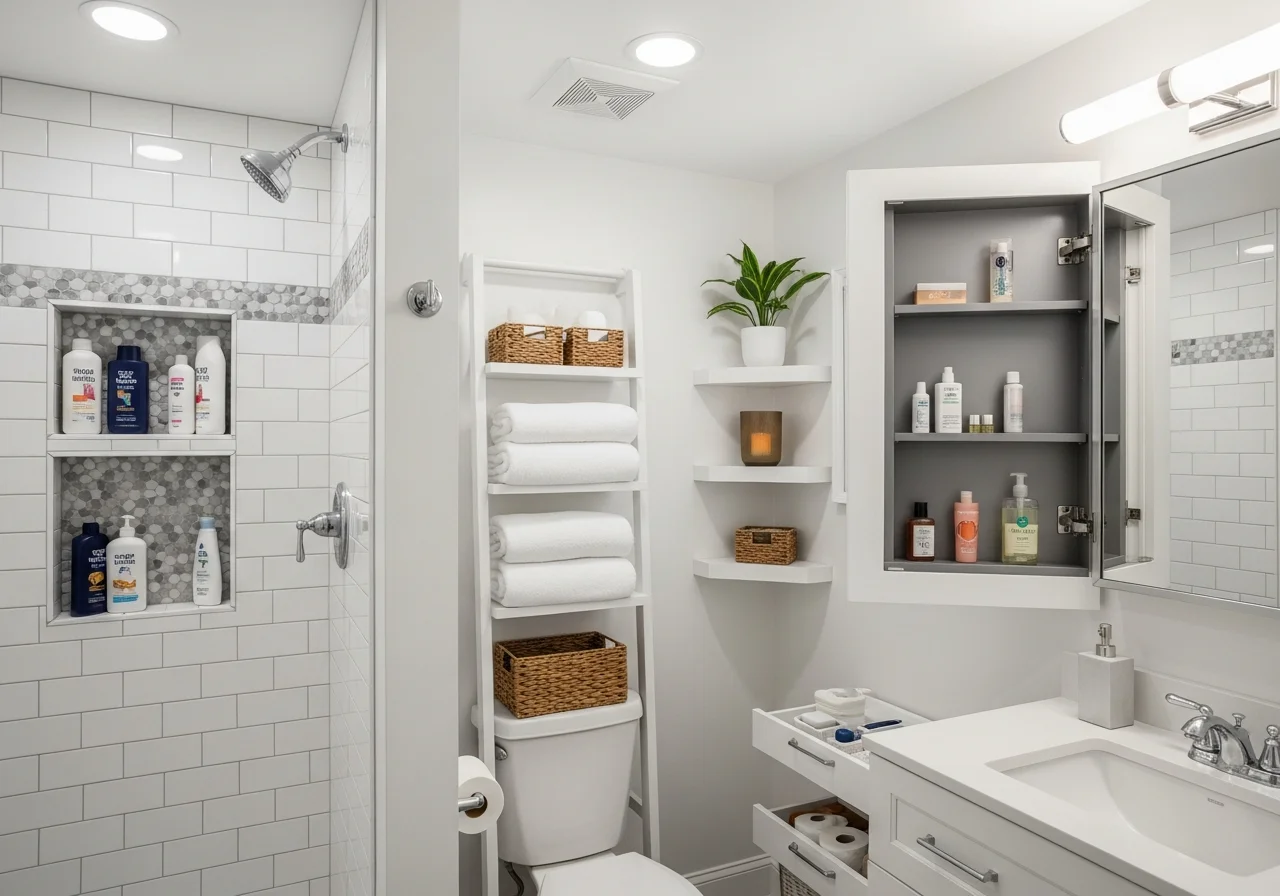
Maximizing Storage in Small Spaces
Clever storage solutions transform cramped bathrooms into organized, functional retreats that accommodate all necessities without feeling cluttered.
Built-in niches recessed into shower walls provide storage without protruding into limited space. These alcoves hold shampoo bottles, soap, and other bathing essentials while maintaining clean lines. Tiling niches in contrasting materials or colors creates visual interest while delineating storage areas.
Medicine cabinets hidden behind mirrors offer substantial storage while maintaining streamlined appearances. Modern versions include integrated lighting, electrical outlets for charging devices, and adjustable shelving that accommodates items of various heights. Choosing mirrored cabinets with sufficient depth ensures adequate storage without sacrificing surface reflection.
Over-toilet storage units utilize vertical space that typically goes unused. Floating shelves, ladder-style organizers, and enclosed cabinets all work in this location, providing storage for towels, toiletries, and decorative items. Selecting pieces that complement existing fixtures ensures cohesive design rather than afterthought appearance.
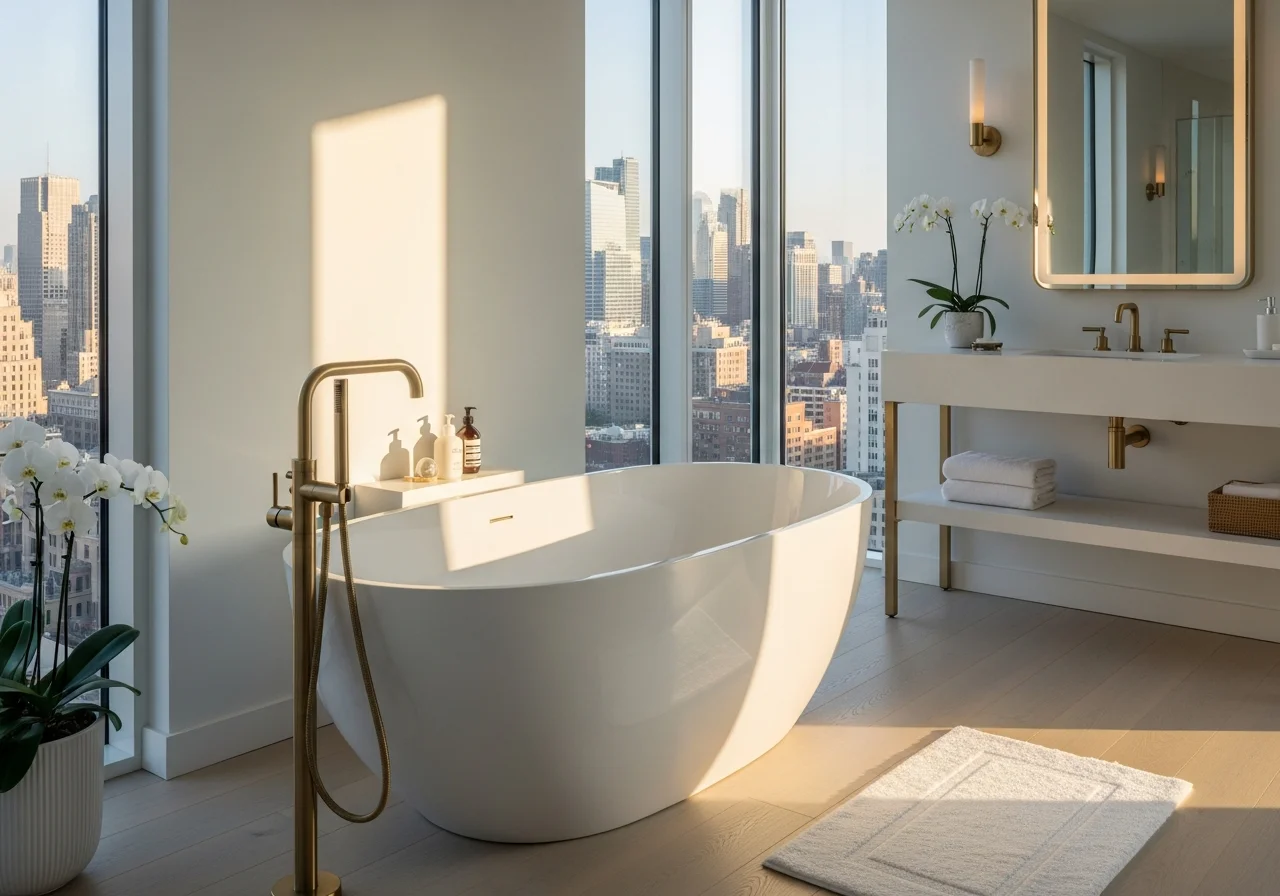
Freestanding Bathtubs as Focal Points
Sculptural tubs serve as centerpieces that anchor bathroom design while providing luxurious soaking experiences.
Deep soaking tubs with ergonomic designs support full-body immersion and relaxation. Modern materials allow manufacturers to create tubs that retain heat longer than traditional porcelain while offering lighter weight for easier installation. Shapes range from classic oval to contemporary angular designs that accommodate different aesthetic preferences.
Placement determines visual impact and functionality. Positioning freestanding tubs near windows creates spa-like settings with natural light and views, though privacy considerations may require specialized window treatments. Centering tubs within rooms creates symmetrical, gallery-like presentations, while placing them in corners maximizes floor space for other fixtures.
Floor-mounted faucets complement freestanding tubs while providing necessary functionality. These fixtures make strong design statements available in various styles from traditional to ultra-modern. Proper placement ensures comfortable access while maintaining visual balance with the tub itself.
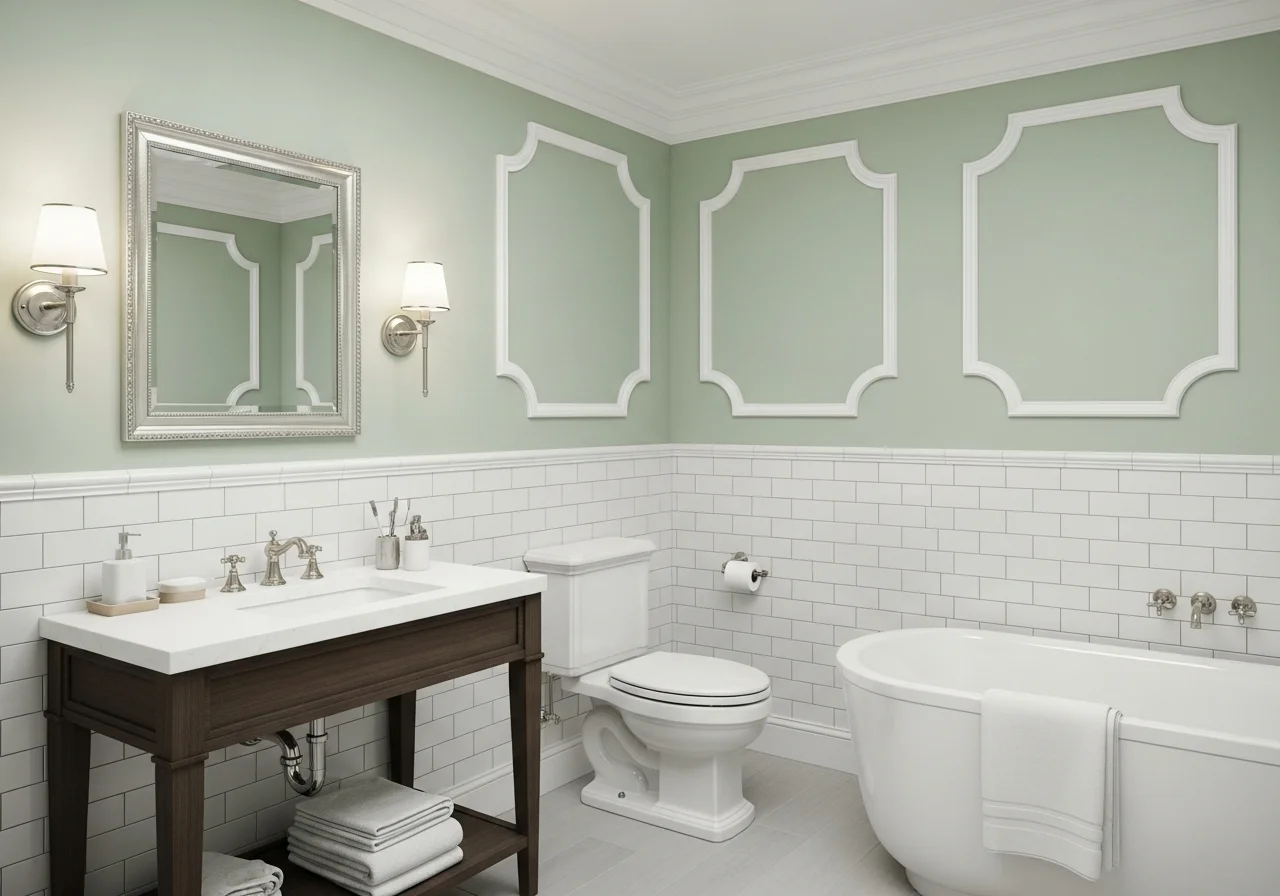
Wainscoting and Architectural Details
Traditional elements executed in contemporary ways add character and sophistication to bathroom spaces.
Tile wainscoting creates visual interest while protecting walls from water damage. Extending tiles partway up walls, typically thirty-six to forty-eight inches, establishes strong horizontal lines that can make rooms feel wider. Topping wainscoting with contrasting trim adds definition and allows for creative color combinations.
Picture frame molding applied directly to walls creates elegant detail without extensive renovation. This treatment works particularly well in traditional and transitional bathrooms where architectural character enhances the overall design. Painting molding in contrasting colors emphasizes the geometry while adding depth to flat surfaces.
Crown molding and baseboards finish bathroom spaces with polish and completeness. These details signal quality craftsmanship while creating visual transitions between walls, ceilings, and floors. Moisture-resistant materials such as PVC or specially treated wood ensure longevity in humid environments.
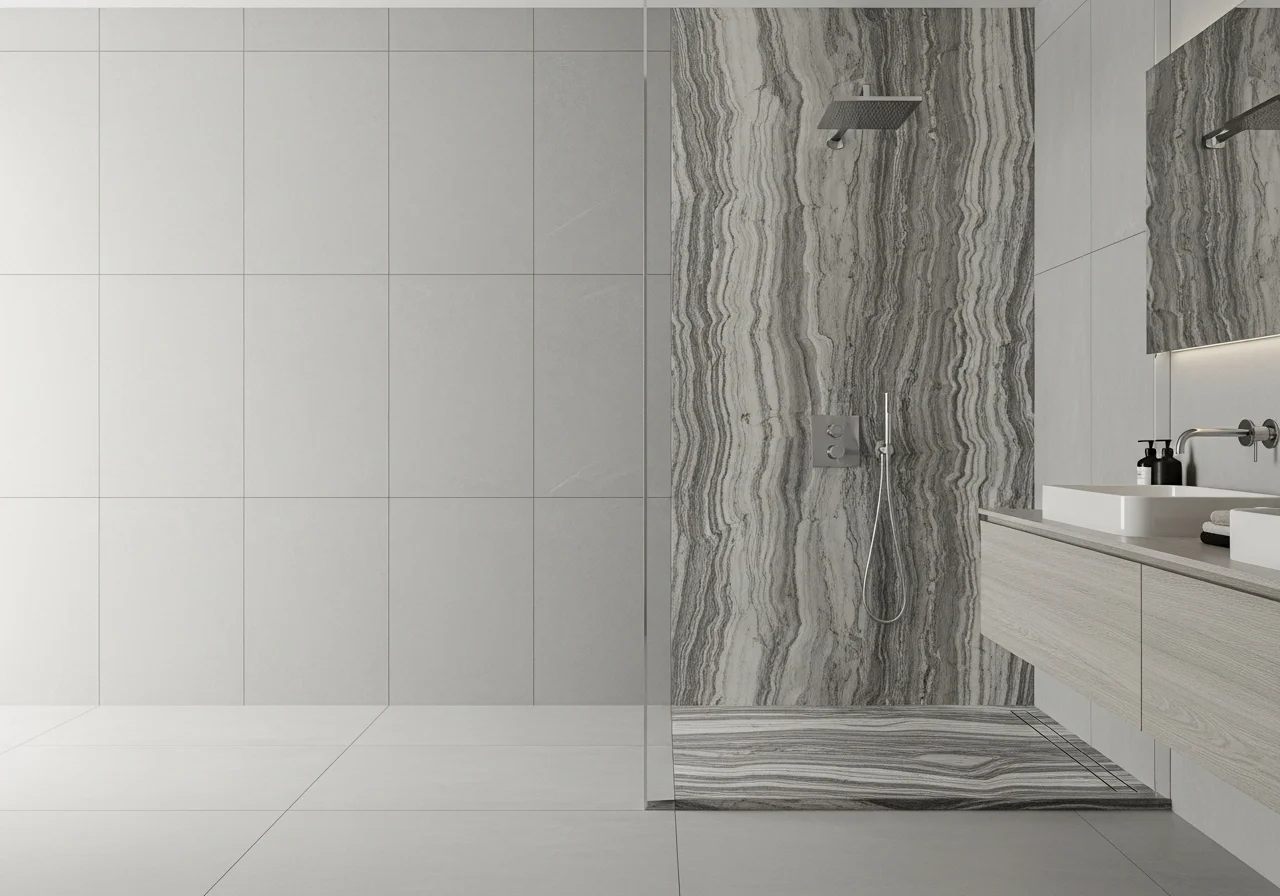
Large Format Tiles
Oversized tiles create seamless, modern aesthetics while offering practical installation and maintenance advantages.
Floor tiles measuring twenty-four inches square or larger reduce grout lines, creating expansive surfaces that make bathrooms feel bigger. Fewer grout lines also mean easier cleaning and maintenance, as grout naturally attracts dirt and requires periodic sealing. Large porcelain tiles offer durability and water resistance in styles that convincingly mimic natural stone, wood, and concrete.
Wall tiles in large formats create dramatic backdrops for showers and feature walls. Slab-like tiles measuring up to ten feet long eliminate seams and create gallery-quality surfaces. These installations require professional expertise to ensure proper support and alignment, but the result is worth the investment.
Matching floor and wall tiles in large formats creates cohesive, flowing spaces where boundaries blur. This technique particularly benefits small bathrooms, where visual continuity tricks the eye into perceiving more space than physically exists.
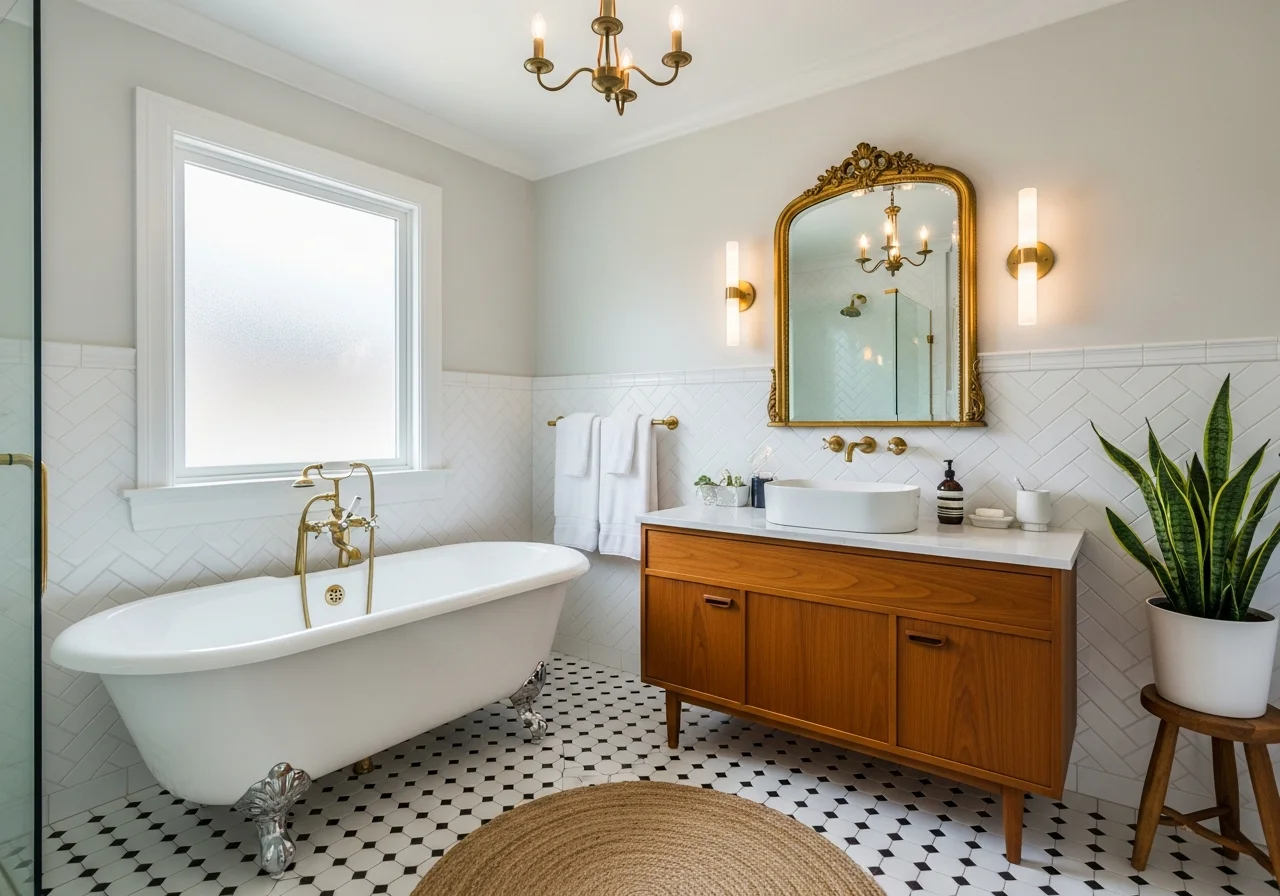
Vintage and Retro Influences
Classic design elements from past eras return with updated interpretations that feel fresh rather than dated.
Art Deco details bring geometric patterns, luxurious materials, and glamorous metallic finishes to contemporary bathrooms. Black and white color schemes, terrazzo surfaces, and brass fixtures all reference this influential design movement while remaining thoroughly modern. Subway tiles arranged in herringbone or vertical patterns nod to the past while feeling current.
Victorian elements including clawfoot tubs, pedestal sinks, and ornate mirror frames create romantic, timeless spaces. Pairing these classic fixtures with modern conveniences and updated color palettes prevents spaces from feeling like museum recreations. The contrast between old and new creates visual tension that keeps designs interesting.
Mid-century modern influences manifest through clean lines, organic shapes, and warm wood tones. Teak vanities, terrazzo floors, and geometric tiles all reference this enduringly popular style. The emphasis on functionality and honest materials aligns perfectly with contemporary sustainable design principles.
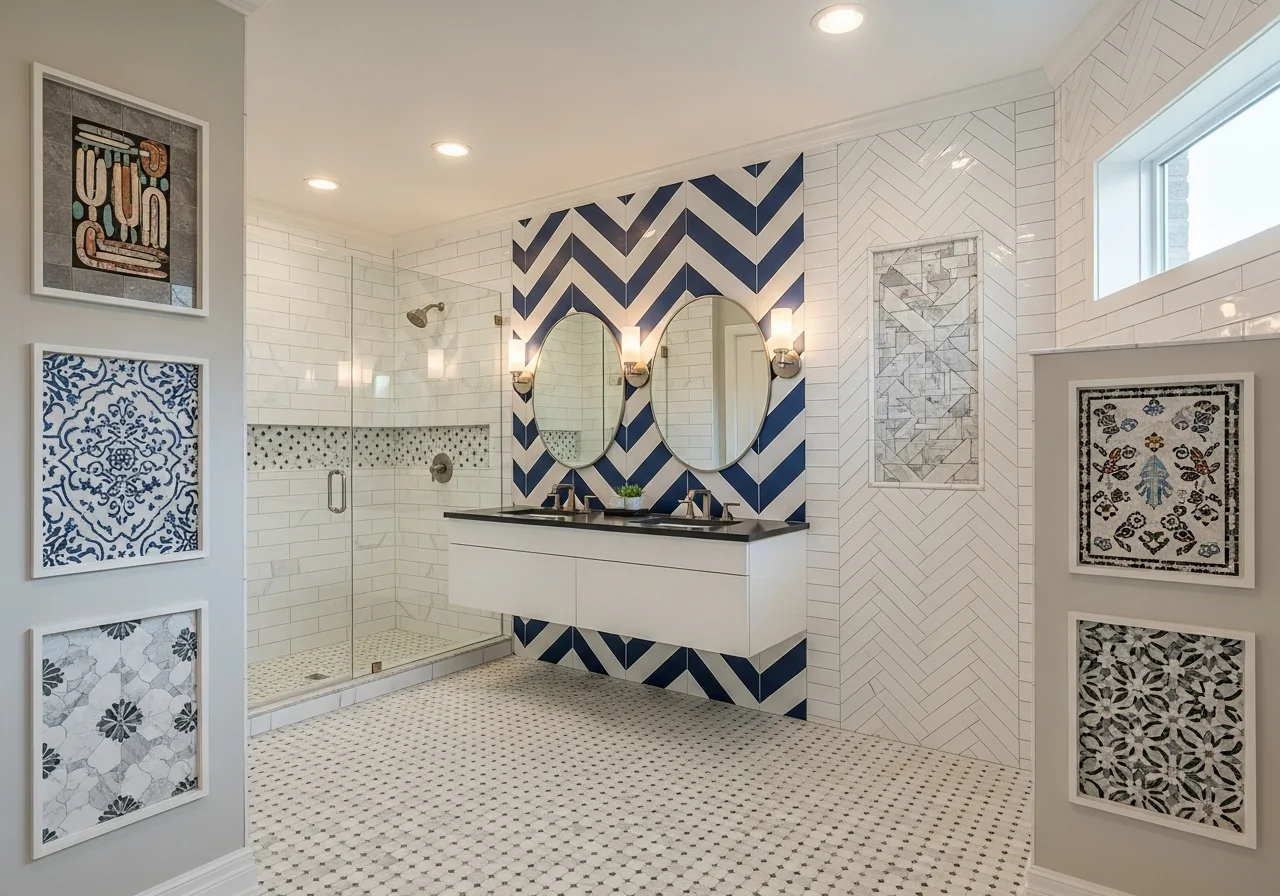
Custom Tile Patterns
Creative tile layouts transform ordinary materials into extraordinary design features that personalize bathroom spaces.
Herringbone patterns add visual movement and sophistication to floors and walls. This classic arrangement works with rectangular tiles of any size, from small subway tiles to larger planks. The diagonal orientation draws the eye and creates the illusion of greater space.
Basketweave patterns alternate horizontal and vertical tile orientations to create woven effects. This traditional layout brings texture and interest to floors while remaining subtle enough to work with bold wall colors and fixtures. Using tiles in contrasting colors emphasizes the geometric pattern.
Vertical stacking arrangements elongate spaces by drawing the eye upward. Installing rectangular tiles vertically rather than horizontally makes ceilings appear higher while creating contemporary, streamlined looks. This simple orientation change dramatically impacts the feel of a space without requiring special materials or complex installation.
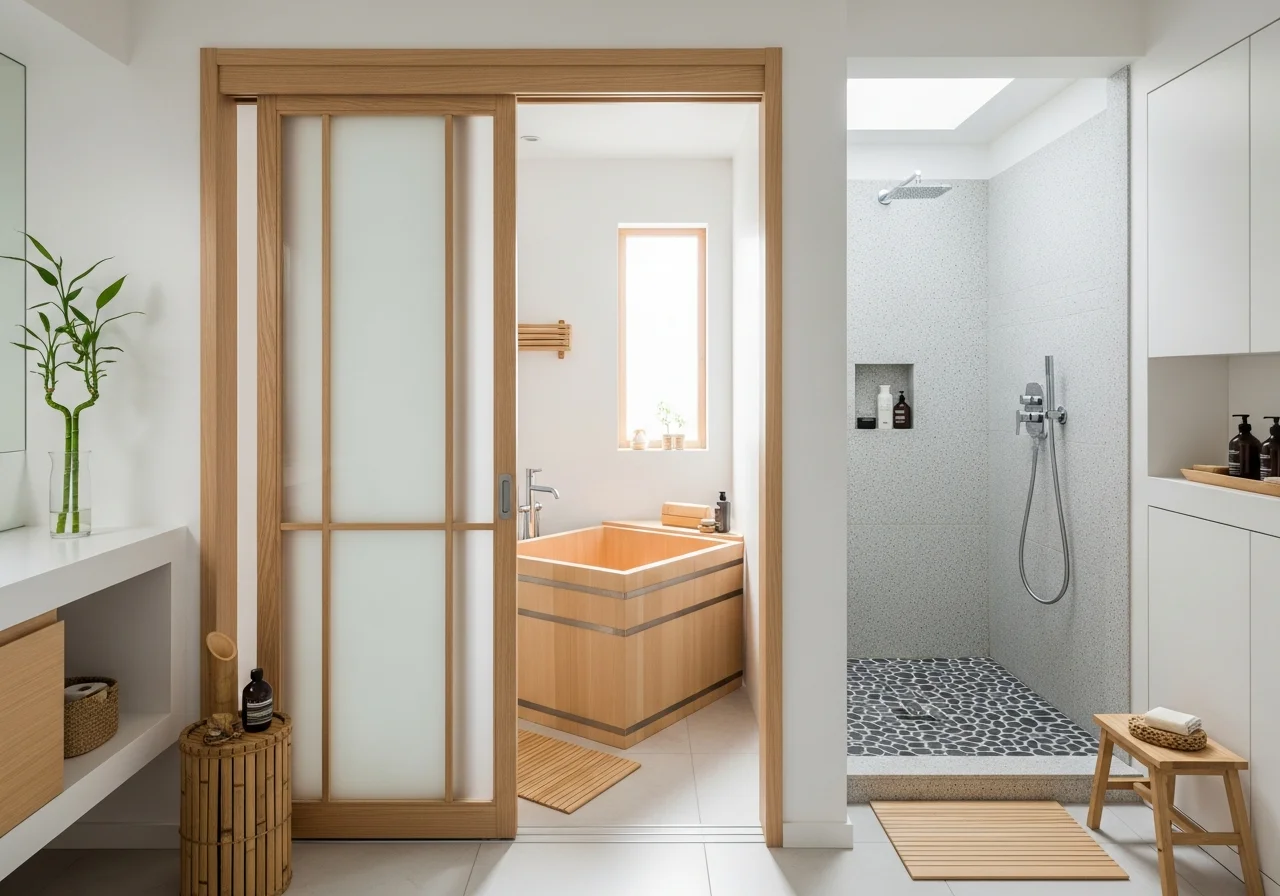
Minimalist and Japanese-Inspired Design
Simplified aesthetics create calm, meditative spaces that promote relaxation and mental clarity.
Zen minimalism emphasizes clean lines, neutral colors, and carefully edited elements. Every item serves a purpose, and nothing unnecessary disrupts the serene atmosphere. Built-in storage keeps surfaces clear, while thoughtful material choices in stone, wood, and bamboo reference natural elements.
Japanese soaking tubs, deeper and more compact than Western tubs, encourage upright sitting for contemplative bathing. These tubs conserve water while providing full-body immersion. Pairing them with simple surroundings and natural materials creates authentic Japanese bathing experiences.
Sliding doors and screens reference traditional shoji panels while saving space compared to swinging doors. Frosted glass or rice paper materials allow light transmission while maintaining privacy. These elements work particularly well in small bathrooms where conventional doors consume valuable floor space.
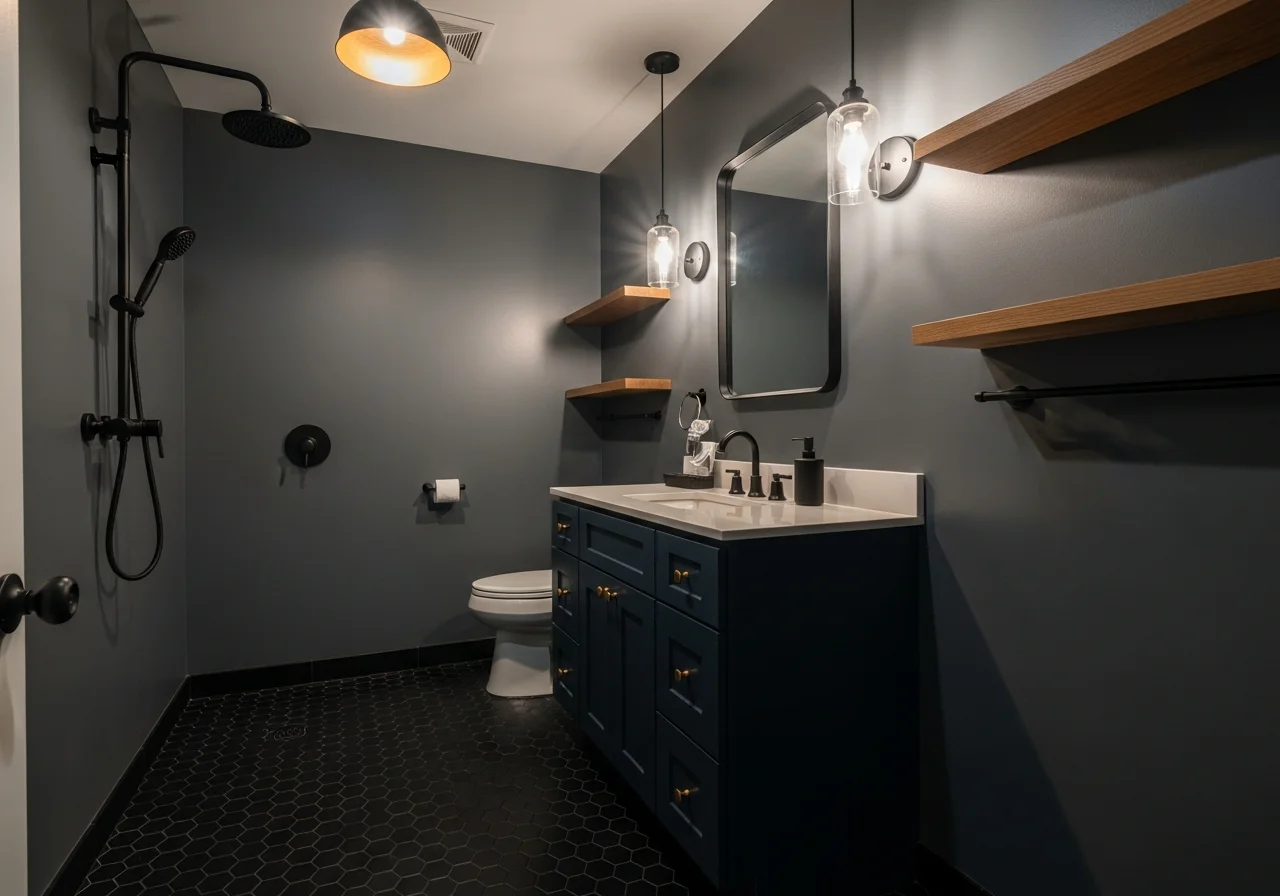
Dark and Moody Color Schemes
Rich, saturated colors create dramatic, cocoon-like bathrooms that feel intimate and luxurious.
Deep navy, charcoal, and forest green establish sophisticated foundations that work beautifully with metallic fixtures and natural materials. These colors make bathrooms feel intentionally designed rather than simply functional. Proper lighting becomes crucial in darker spaces to ensure adequate illumination for grooming tasks while maintaining the desired atmosphere.
Black fixtures and fittings create striking contrasts against lighter walls or complement darker color schemes. Matte black faucets, showerheads, and cabinet hardware have become increasingly popular for their contemporary appearance and practical advantage of showing fewer water spots than polished chrome.
Pairing dark colors with natural wood tones and brass accents creates warmth that prevents spaces from feeling cold or oppressive. The combination of deep paint colors, warm wood, and glowing metal fixtures produces environments that feel sophisticated and inviting.
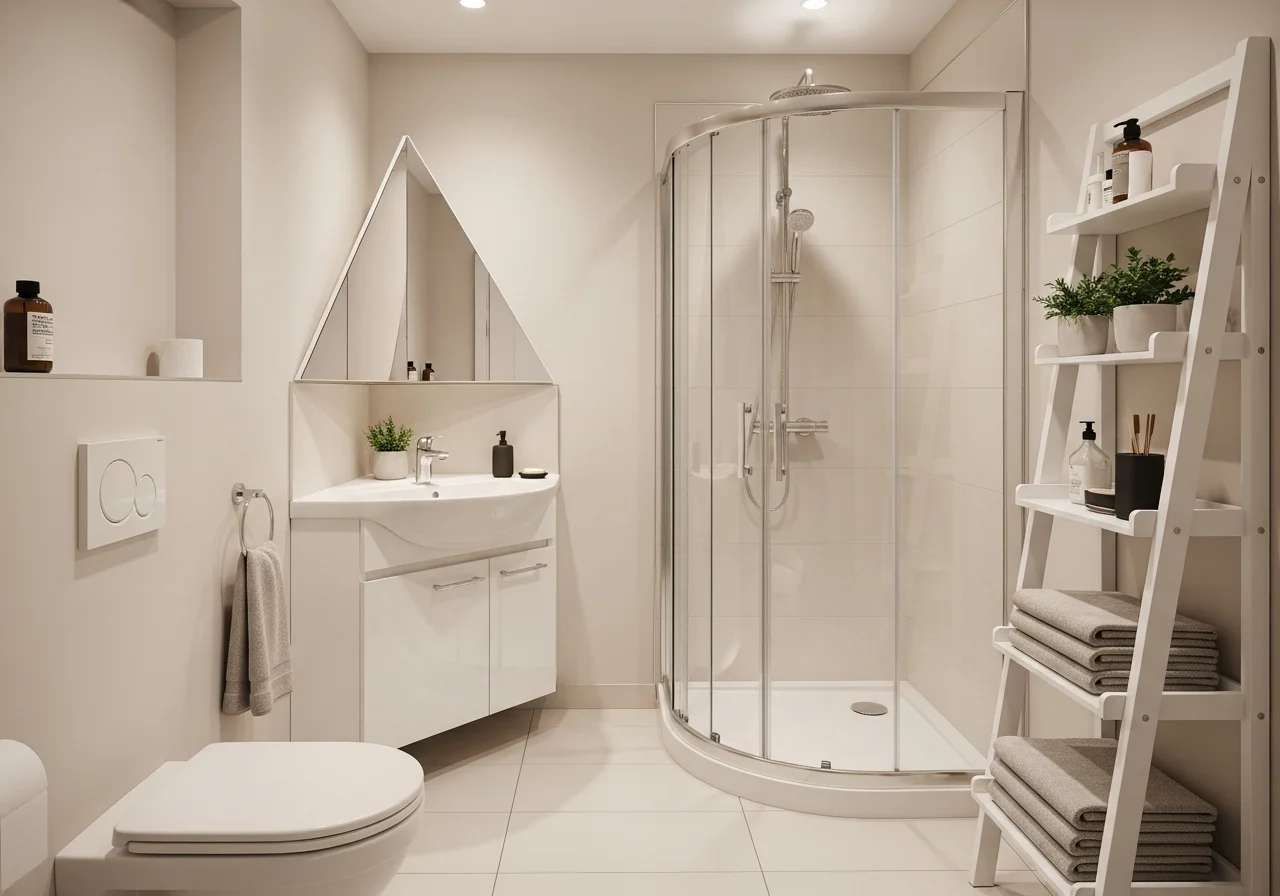
Corner Solutions for Awkward Spaces
Unused corners transform into functional areas through thoughtful planning and specialized fixtures.
Corner sinks maximize floor space in powder rooms and small bathrooms where every square foot matters. These compact fixtures tuck into corners that would otherwise remain empty, freeing central areas for movement. Modern corner sinks range from minimal wall-mounted models to full vanities with storage.
Corner showers utilize space efficiently while providing ample room for comfortable bathing. Curved glass enclosures soften the geometry while maximizing interior space. These showers work particularly well in square or nearly square bathrooms where they balance the overall layout.
Corner shelving units create storage without blocking pathways or consuming valuable wall space needed for fixtures. Floating corner shelves appear lightweight and contemporary, while freestanding corner towers provide enclosed storage for items you prefer to keep hidden.
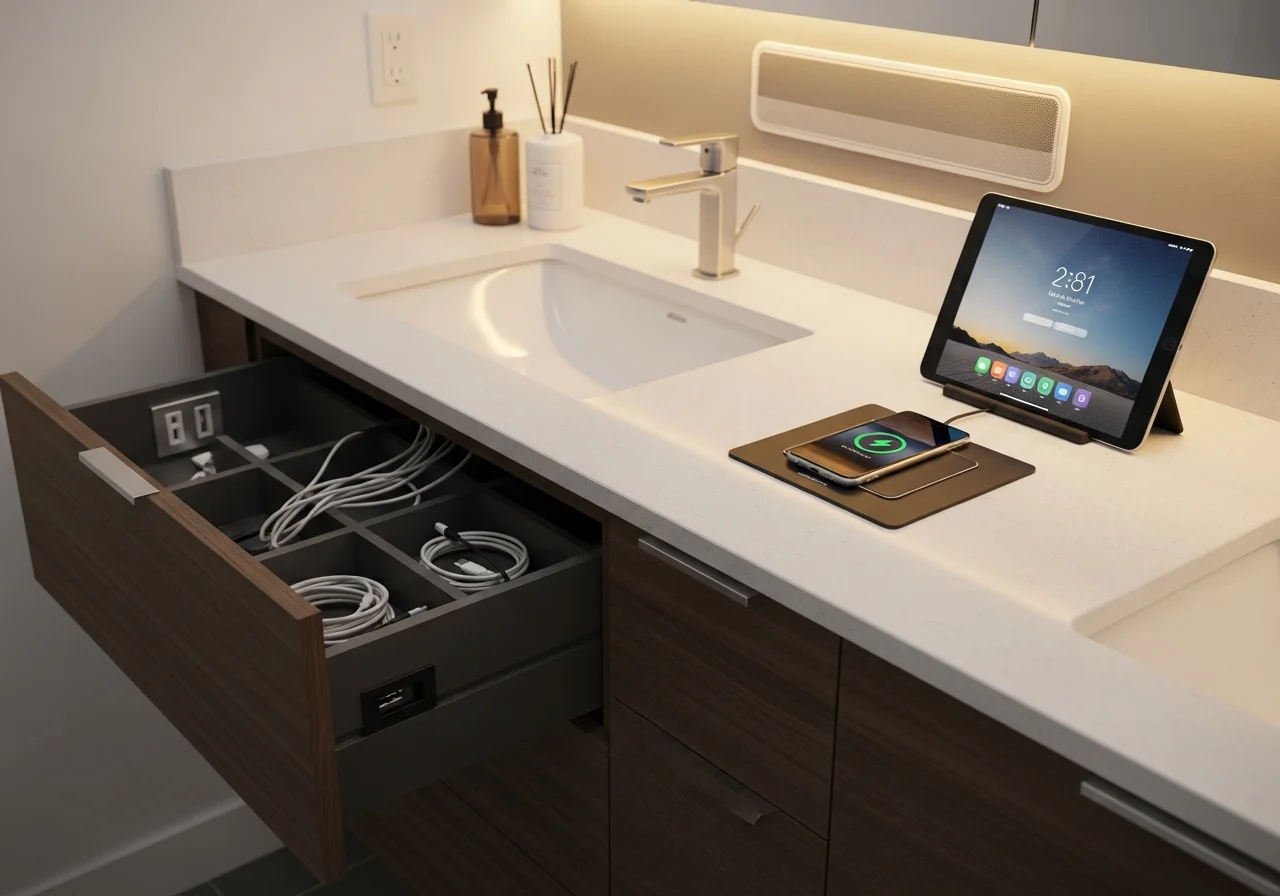
Integrated Technology and Charging Stations
Modern life requires power, and bathrooms increasingly accommodate our connected devices.
Built-in USB outlets and wireless charging pads integrate seamlessly into vanities and medicine cabinets. These features allow you to charge phones, electric toothbrushes, and other devices without visible cords cluttering countertops. Placing outlets inside drawers keeps devices charged while completely hidden from view.
Waterproof speakers built into shower enclosures or ceilings provide entertainment during bathing routines. Bluetooth connectivity allows you to stream music, podcasts, or audiobooks without exposing delicate electronics to moisture. Voice control integration enables hands-free operation when your hands are wet.
Occupancy sensors and timers automate lighting and ventilation, improving energy efficiency while ensuring adequate air circulation. These systems turn lights on when you enter and off after you leave, while fans continue running for preset periods to remove humidity and prevent mold growth.
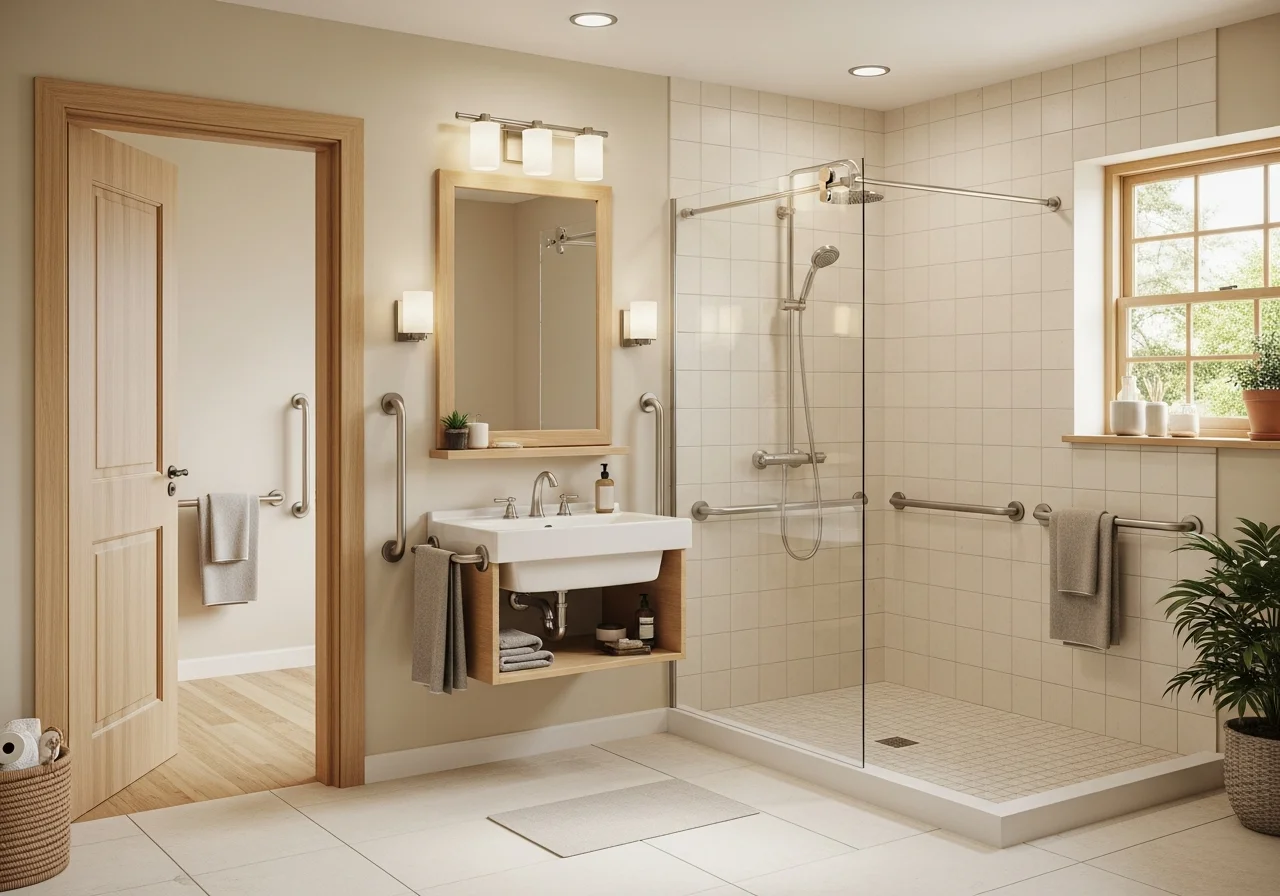
Accessible and Universal Design
Thoughtful planning creates bathrooms that accommodate users of all ages and abilities without sacrificing style.
Curbless showers eliminate barriers that challenge wheelchair users and anyone with mobility limitations. These barrier-free designs also appeal to younger homeowners who appreciate the seamless, contemporary aesthetic while planning for future aging in place.
Grab bars integrated into shower and bath areas provide safety without institutional appearance. Modern grab bars come in attractive finishes and designs that function as towel bars and decorative elements. Strategic placement near toilets, showers, and tubs prevents falls while blending naturally into bathroom design.
Adjustable-height features including showerheads, mirrors, and countertops accommodate users of different heights and abilities. Wall-mounted sinks with open space beneath allow wheelchair access while maintaining clean, modern appearances. These universal design principles create bathrooms that work for everyone without calling attention to accessibility features.
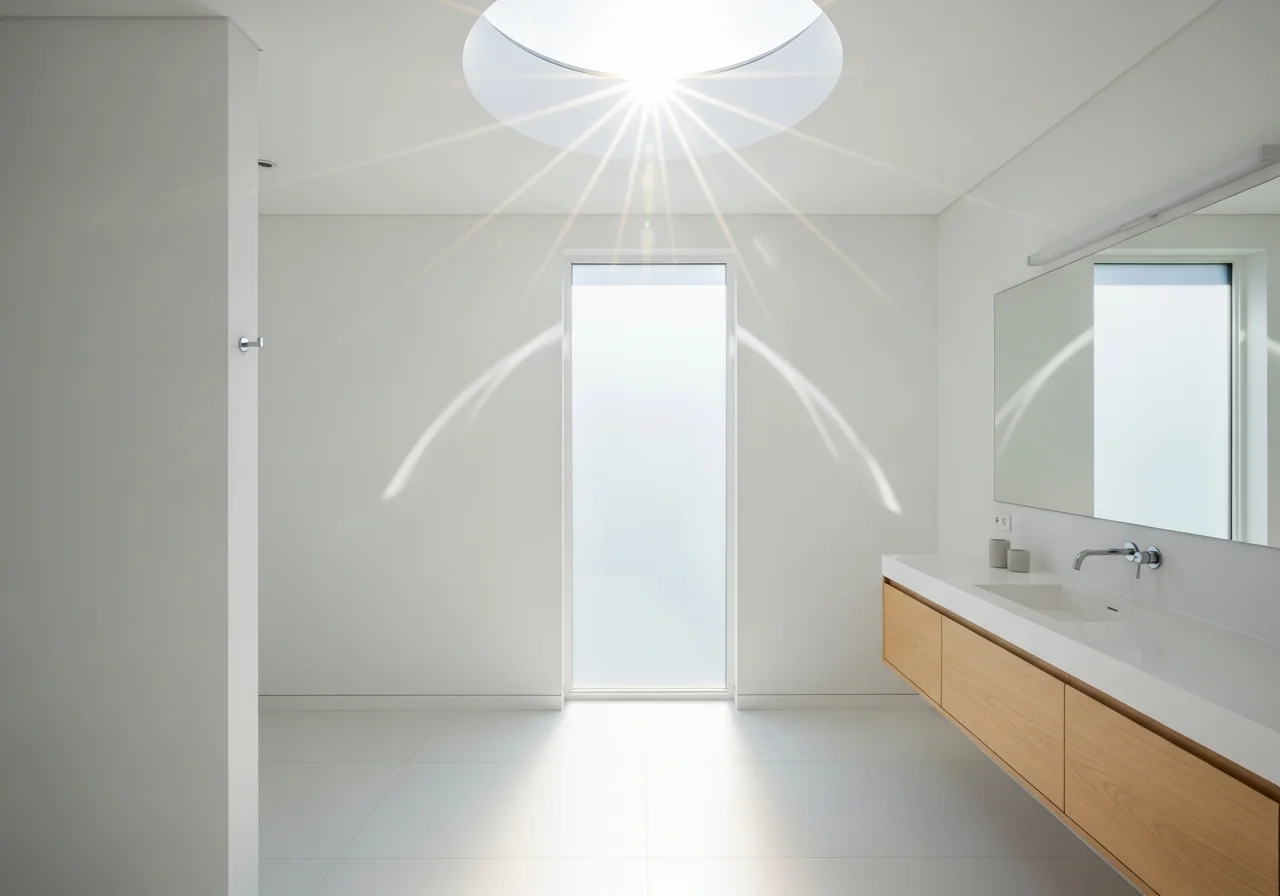
Natural Light Maximization
Strategic approaches to windows and lighting create bright, energizing spaces while maintaining necessary privacy.
Skylights flood bathrooms with natural light from above, eliminating the harsh shadows created by single-direction windows. This overhead light source evenly illuminates spaces while providing privacy impossible with standard windows. Operable skylights also improve ventilation, allowing hot, humid air to escape.
Frosted or textured glass windows admit abundant light while obscuring views from outside. These treatments work particularly well in urban settings or homes close to neighbors where clear glass would compromise privacy. Patterns ranging from simple frosting to decorative art glass add visual interest while serving practical purposes.
Light tubes bring natural light to interior bathrooms without exterior walls. These innovative systems use reflective tubes to channel daylight from roof-mounted collectors to ceiling-mounted diffusers, creating surprisingly bright illumination using only sunlight. They work particularly well in basement bathrooms or rooms buried within floor plans.
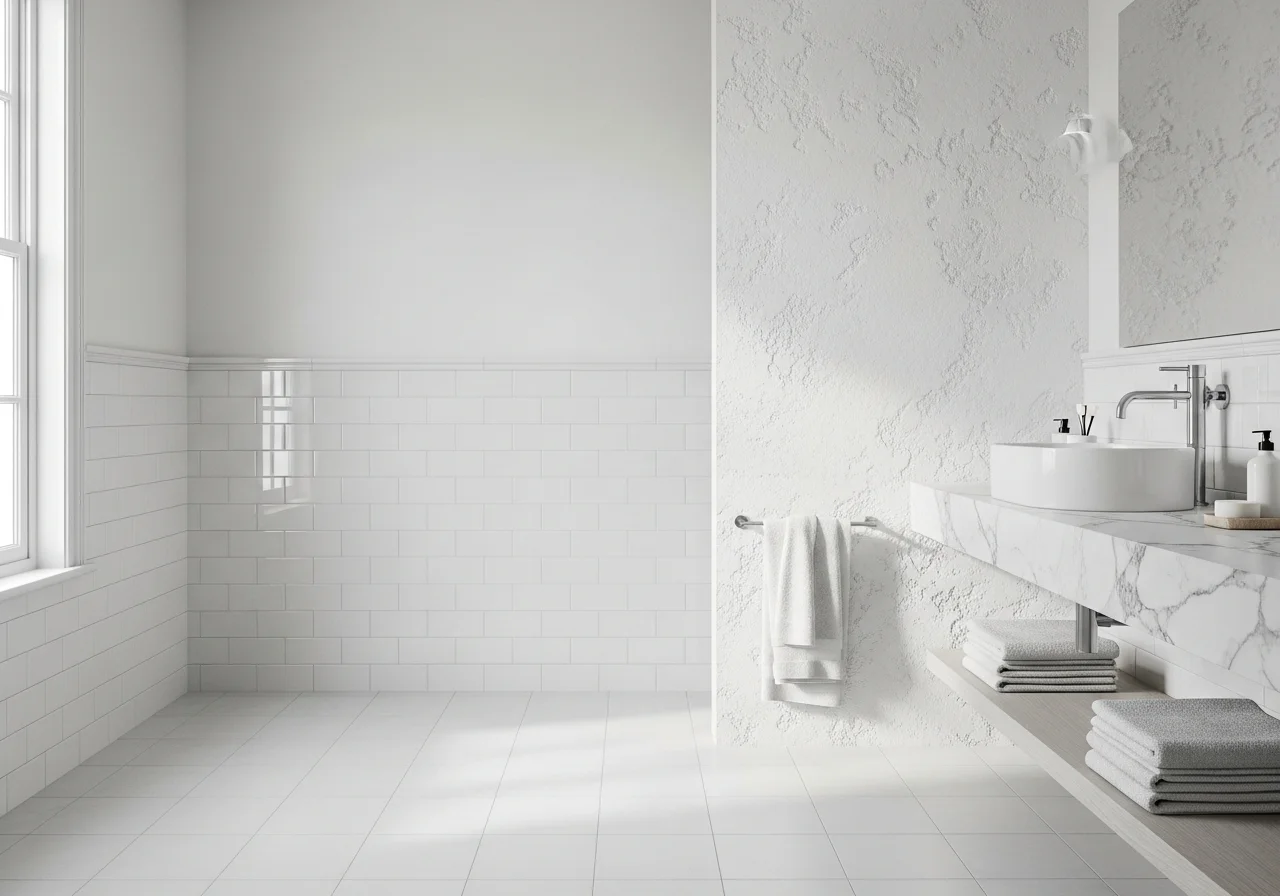
Monochromatic Color Schemes
Single-color palettes create sophisticated, cohesive environments that feel intentional and serene.
All-white bathrooms remain timelessly elegant when executed with attention to texture and subtle variation. Combining matte and glossy surfaces, different white tones, and varied materials prevents monotony while maintaining the clean, fresh aesthetic. White reflects light, making spaces feel larger and brighter.
Black bathrooms create bold, dramatic statements that feel modern and luxurious. Using different finishes from matte paint to glossy tiles adds depth and prevents spaces from feeling flat. Strategic lighting becomes essential to ensure adequate brightness for practical tasks while maintaining the desired atmosphere.
Warm neutral schemes in beige, taupe, and cream create soothing environments that feel timeless rather than trendy. These colors work beautifully with natural materials including wood, stone, and brass, creating spaces that age gracefully while remaining comfortable and inviting.
Artisan and Handcrafted Elements
Unique, handmade details add character and individuality that mass-produced materials cannot match.
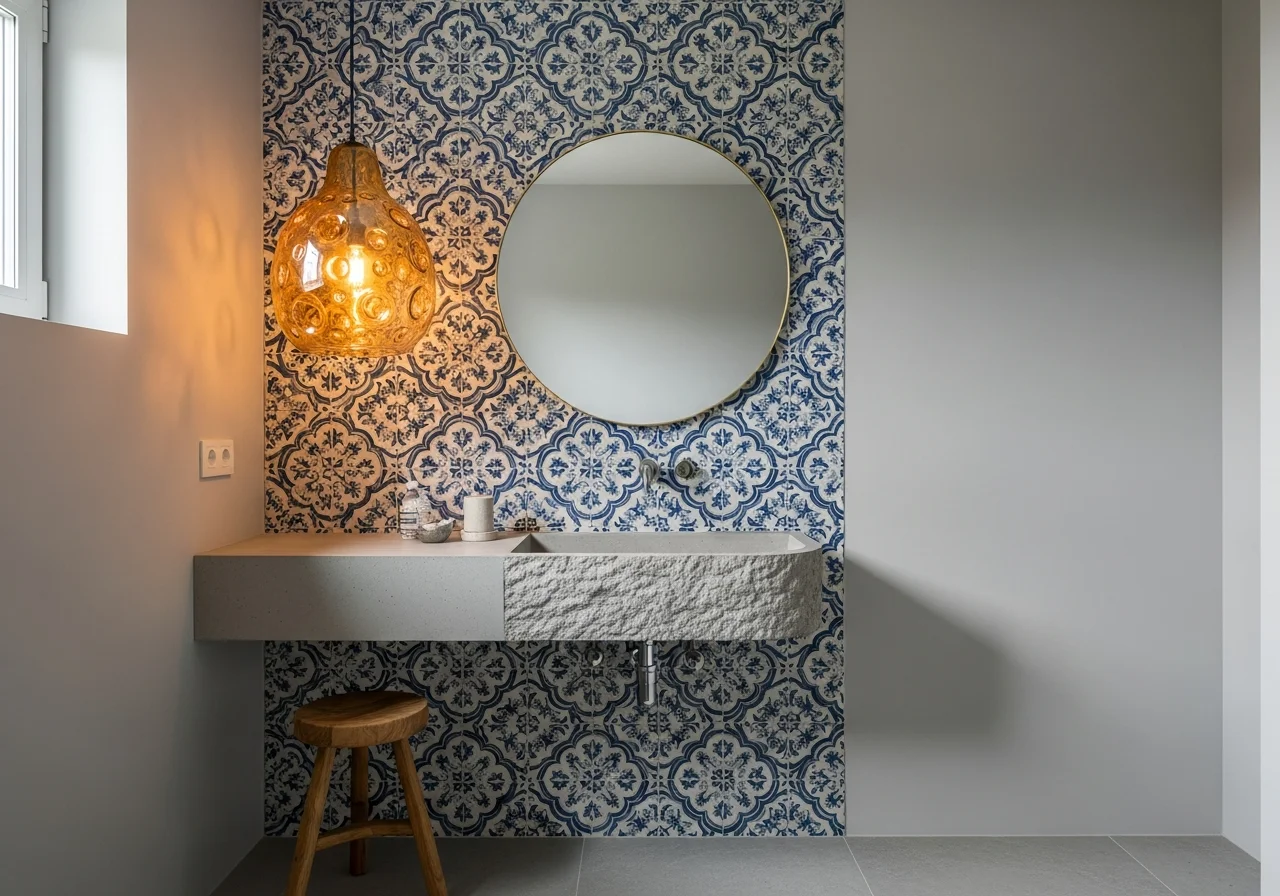
Handpainted tiles bring artistry and craftsmanship to bathrooms. These tiles feature subtle variations that create visual interest while showcasing traditional techniques. Patterns range from geometric to floral, allowing expression of personal style through truly unique materials.
Custom concrete sinks shaped and finished by artisans offer sculptural beauty and durability. Each piece varies slightly due to the handcrafted process, ensuring originality. Concrete accepts various stains and finishes, enabling customization of color and texture to match specific design visions.
Handblown glass light fixtures provide focal points that elevate entire bathrooms. These artistic pieces catch and refract light beautifully while demonstrating the skill of glassblowers. Available in countless colors, shapes, and sizes, handblown glass fixtures offer endless possibilities for personalization.
Multi-Functional Fixtures
Innovative products combine multiple functions, maximizing utility while minimizing space requirements.
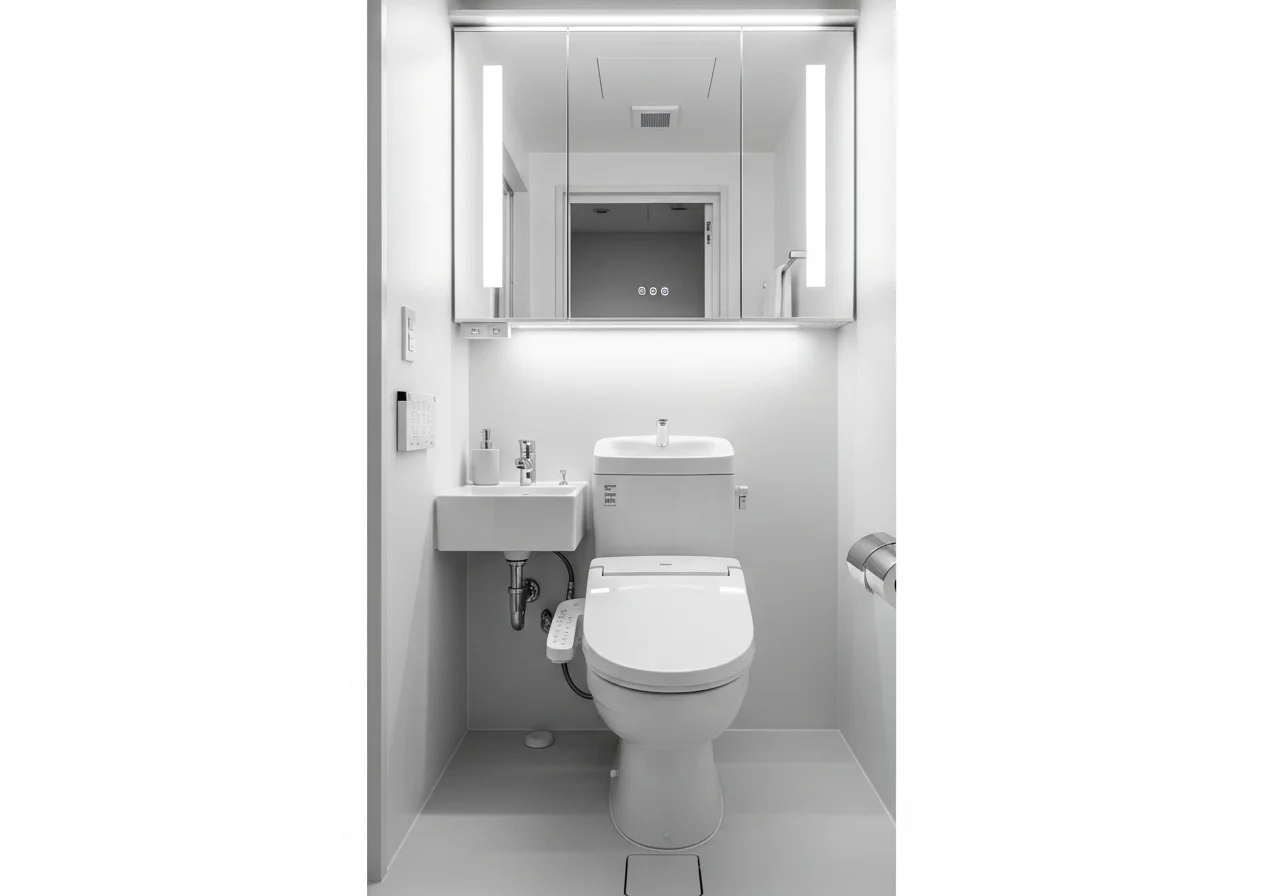
Toilet-sink combinations position small sinks atop toilet tanks, using water from hand washing to fill tanks for flushing. These space-saving fixtures reduce water consumption while working perfectly in compact powder rooms. Japanese manufacturers pioneered this concept, which has gained popularity worldwide.
Shower-bath combinations designed as wet rooms allow the same waterproofed space to function for both bathing and showering. These layouts eliminate the need to choose between a tub and shower, providing both options within a unified design. Careful planning ensures proper drainage and water containment for both uses.
Mirror-storage-lighting combinations integrate multiple functions into single cohesive fixtures. Medicine cabinets with built-in lighting, electrical outlets, and even speakers transform simple mirrors into command centers that simplify morning routines. These integrated solutions reduce clutter while improving functionality.
Heated Towel Racks and Warmers
Luxury touches that improve comfort while serving practical purposes gain mainstream acceptance.
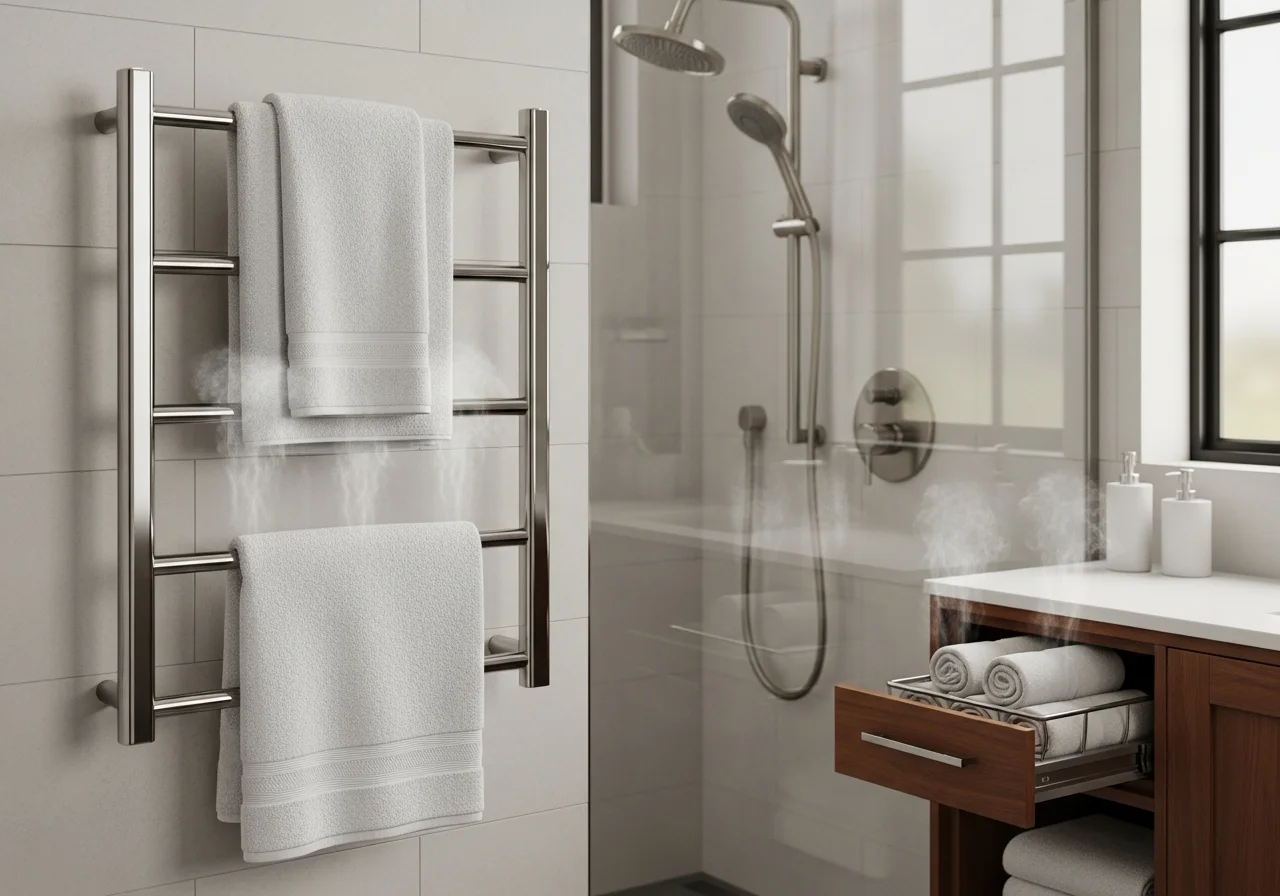
Wall-mounted heated towel racks provide warm towels while functioning as supplemental heat sources. Electric models install easily during renovations, while hydronic versions connect to home heating systems for year-round operation. These fixtures come in various sizes and finishes to complement any bathroom style.
Freestanding towel warmers offer flexibility in placement without requiring permanent installation. These portable units work well in rentals or bathrooms where wall mounting proves impractical. Modern designs transcend purely utilitarian appearance, functioning as decorative elements when not actively warming towels.
Drawer warmers built into vanities keep towels and robes toasty while remaining hidden from view. These luxury additions particularly appeal in colder climates where stepping from a warm shower into cool air feels jarring. Programmable timers ensure warmth when needed without wasting energy.
Vintage Fixtures Restored and Repurposed
Salvaged elements from historic buildings bring character and sustainability to new bathroom designs.
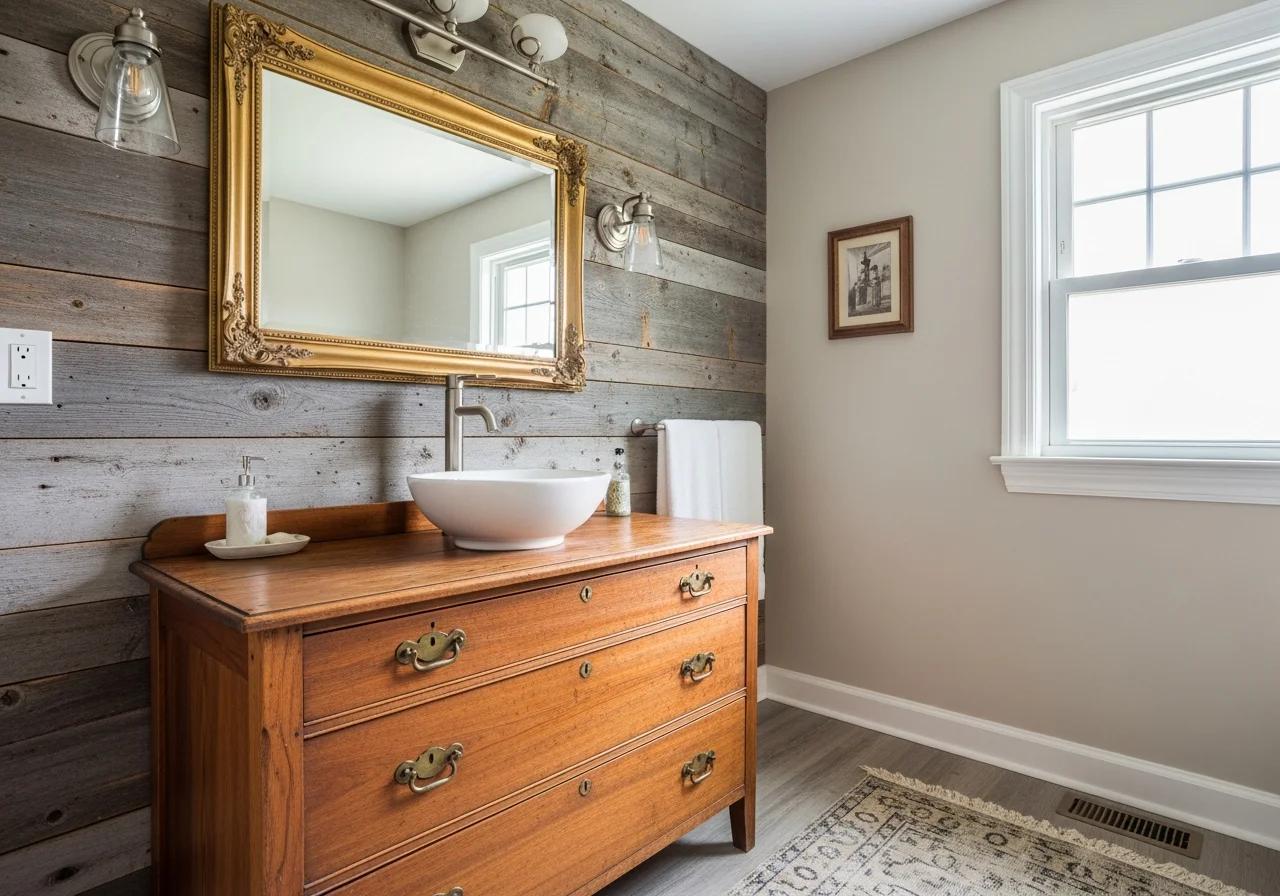
Antique vanities repurposed from dressers, sideboards, and other furniture create unique focal points with built-in storage. Converting these pieces requires adding plumbing and waterproofing modifications, but the result is furniture-quality cabinetry with personality impossible to achieve with new construction. Each piece tells a story while serving modern functions.
Reclaimed wood used for shelving, mirror frames, and accent walls adds warmth and texture. Barn siding, old growth lumber, and repurposed flooring bring history and sustainability to bathrooms. Proper sealing protects wood from moisture while preserving the patina and character that make these materials desirable.
Vintage mirrors with ornate frames become statement pieces that anchor bathroom design. Hanging substantial antique mirrors above new vanities creates pleasing contrast between old and new. The craftsmanship evident in historic frames elevates entire spaces while providing necessary functionality.
Conclusion
Transforming your bathroom into a space that balances beauty, functionality, and personal expression requires thoughtful consideration of design trends, available space, and individual needs. The ideas presented here represent current directions in bathroom design while offering timeless appeal that transcends fleeting fads.
Whether you embrace bold colors, sustainable materials, smart technology, or classic elements with modern twists, the key to successful bathroom design lies in creating spaces that enhance your daily rituals while reflecting your unique style. Small updates can refresh tired bathrooms, while comprehensive renovations offer opportunities to reimagine how these essential spaces function and feel.
The most successful bathroom transformations consider both immediate needs and long-term use, incorporating universal design principles that accommodate changing circumstances while maintaining aesthetic appeal. By selecting quality materials, thoughtful layouts, and features that genuinely improve your life, you create bathrooms that serve you well for years to come.
Start by identifying which aspects of your current bathroom frustrate you most, then explore solutions that address those specific challenges. Remember that transformation does not always require complete renovation. Strategic updates including new lighting, fresh paint, updated fixtures, or improved storage can dramatically change how your bathroom looks and functions without extensive construction or budget strain.
Your bathroom should inspire and rejuvenate you each time you enter. With careful planning and attention to the design principles outlined here, you can create a space that accomplishes exactly that.
Frequently Asked Questions
What is the most cost-effective way to update a bathroom?
Painting walls, replacing cabinet hardware, updating light fixtures, and installing a new mirror can dramatically refresh your bathroom for minimal cost. Focus on visible elements that impact the overall aesthetic rather than extensive plumbing or structural changes. Adding new towels, rugs, and accessories in coordinated colors completes the transformation affordably.
How can I make a small bathroom feel larger?
Use large format tiles to minimize grout lines, install a floating vanity to expose floor space, and incorporate a frameless glass shower enclosure instead of a curtain. Paint walls in light colors that reflect natural light, and add mirrors strategically to create the illusion of depth. Good lighting, particularly layered lighting with multiple sources, also helps small spaces feel more open.
Are smart bathroom features worth the investment?
Smart features provide convenience and can reduce utility costs through efficient water and energy use. The value depends on your priorities and budget. Start with smart thermostats for heated floors or programmable shower systems if you enjoy technology. These features also increase home value and appeal to tech-savvy buyers if you plan to sell.
What bathroom materials require the least maintenance?
Porcelain tiles, quartz countertops, and quality acrylic or fiberglass shower surrounds resist staining and require only regular cleaning with standard products. Avoid natural stone unless you commit to periodic sealing, and choose fixtures with finishes that hide water spots. Proper ventilation prevents moisture-related maintenance issues regardless of materials chosen.
How do I choose between a bathtub and a walk-in shower?
Consider how you actually use your bathroom rather than what might appeal to future buyers. If you rarely bathe and prefer showers, a spacious walk-in shower provides better daily utility. Families with young children typically benefit from tubs. If space allows, including both options provides maximum flexibility. In homes with multiple bathrooms, having at least one tub maintains resale value.