
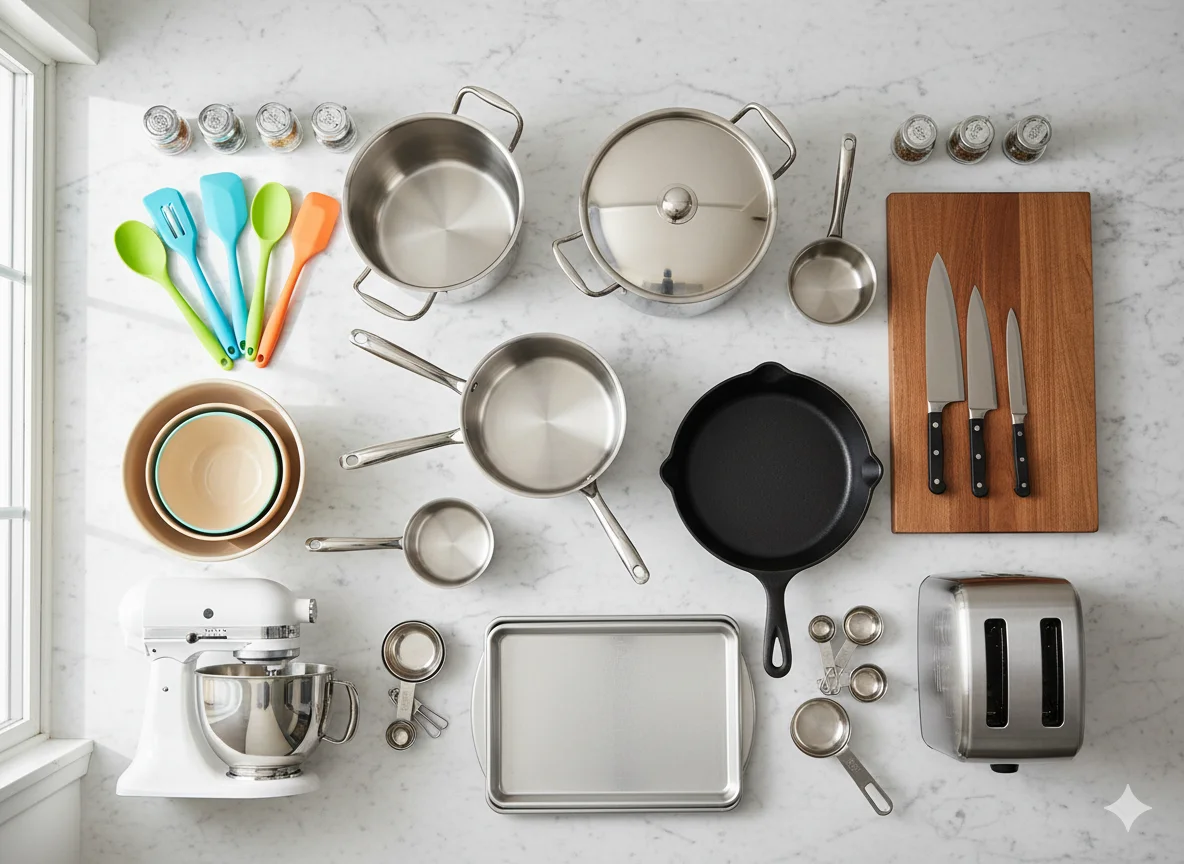
23 Kitchen Essentials & Must-Have Finds
Walking into a well-stocked kitchen feels like stepping into possibility. Every drawer opens to reveal the right tool at the right moment. Every meal comes together without frustration or frantic searches through cluttered cabinets. Building that kind of kitchen starts with understanding which tools truly matter and which ones simply take up space.
The difference between cooking as a chore and cooking as a pleasure often comes down to having the right equipment. A sharp knife transforms chopping from tedious work into rhythmic meditation. A proper skillet means proteins develop that perfect golden crust instead of sticking and tearing. Quality measuring tools ensure baking success rather than disappointing results.
This guide cuts through the overwhelming array of kitchen products to focus on 23 genuine essentials. These are the workhorses that professional chefs reach for daily and home cooks depend on year after year. Some represent significant investments that will serve you for decades. Others are budget-friendly basics that simply need to work reliably. Together, they form the foundation of a functional kitchen that makes cooking accessible, enjoyable, and successful.
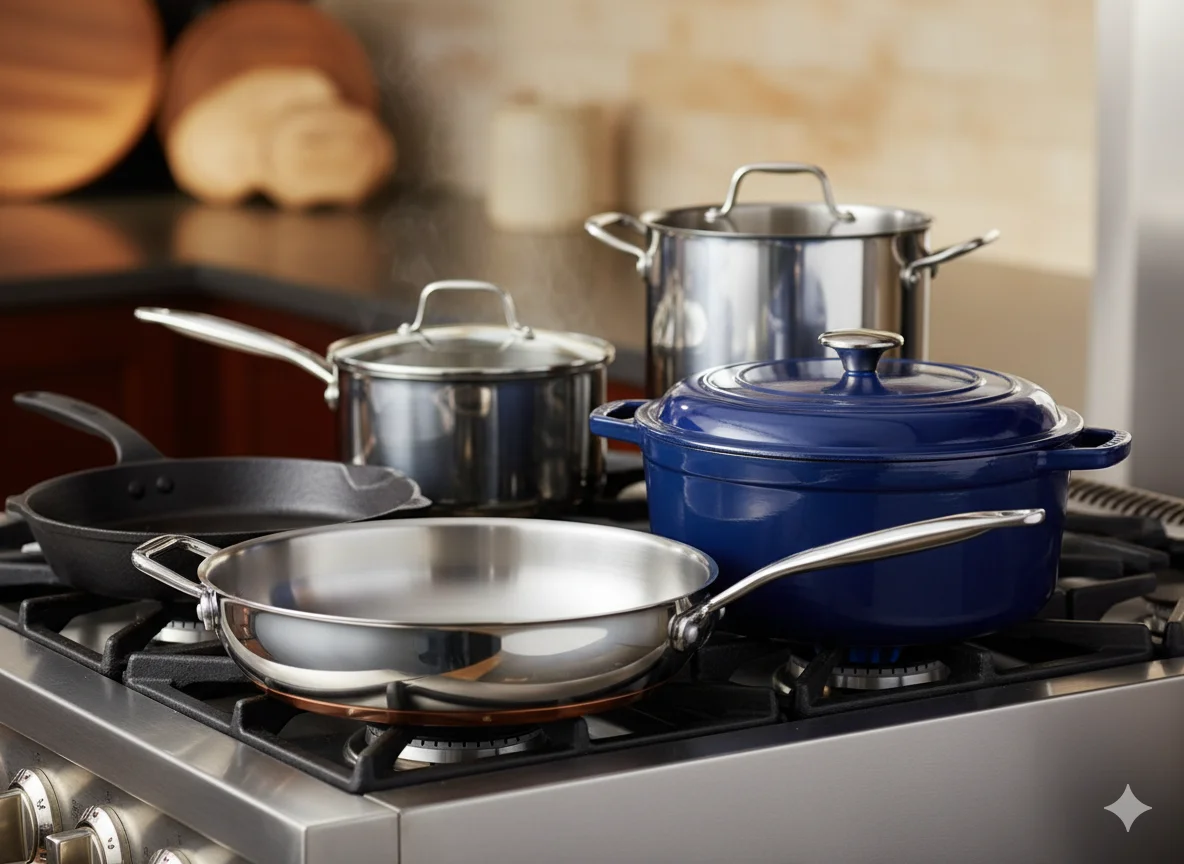
Core Cookware That Does the Heavy Lifting
Quality cookware forms the backbone of any kitchen. These pieces take the heat, distribute it evenly, and stand up to years of regular use.
A large skillet or frying pan earns its place as perhaps the most versatile piece in your arsenal. Look for something in the 10 to 12-inch range with either stainless steel construction or a reliable non-stick coating. This pan handles everything from morning eggs to seared steaks to vegetable stir-fries. The larger size accommodates family portions and prevents overcrowding, which leads to steaming instead of proper browning. Quality matters here because a warped pan with uneven heating creates hot spots that burn food in some areas while leaving it undercooked in others.
A medium saucepan in the 3 to 4-quart range serves countless purposes. Making rice, warming soup, cooking oatmeal, preparing sauces, and boiling eggs all happen here. Stainless steel with an aluminum or copper core provides even heat distribution. The matching lid traps moisture and heat when needed while allowing you to monitor progress.
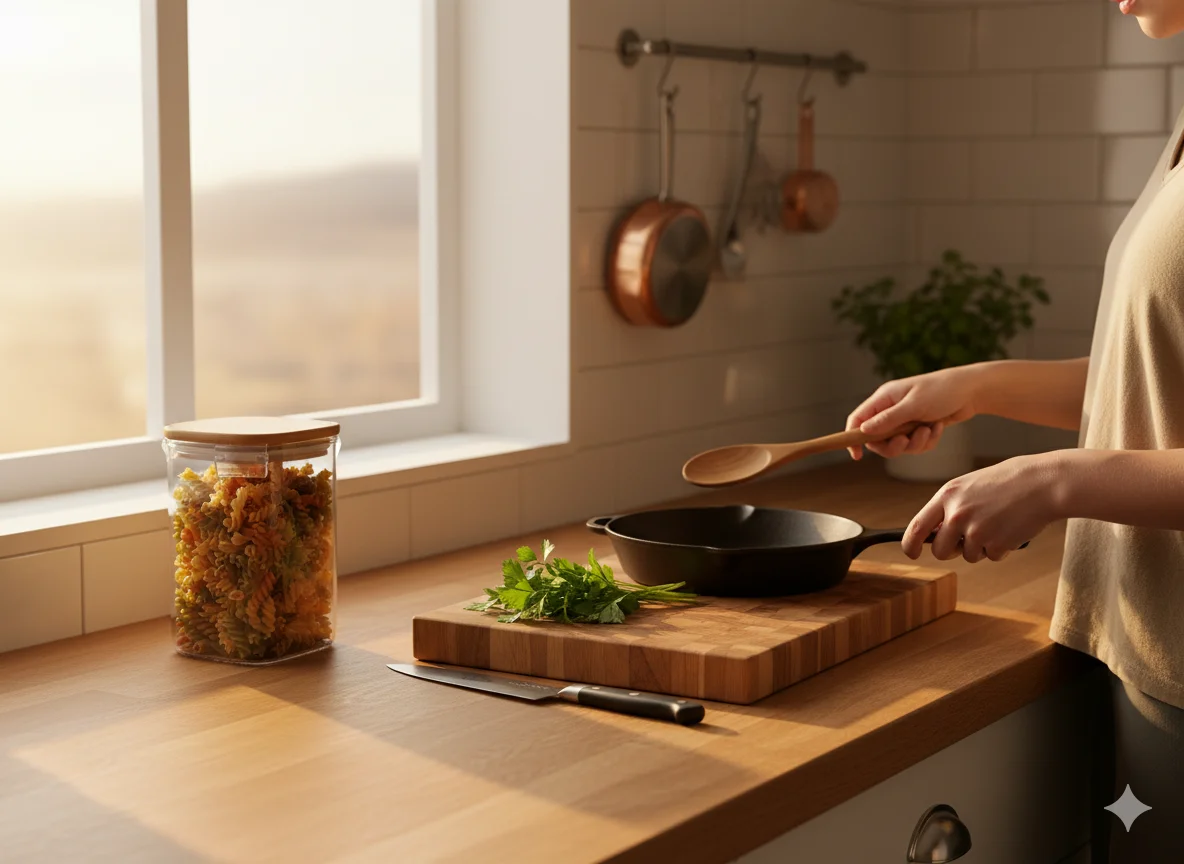
Cast iron skillets deserve their legendary reputation. These pans develop natural non-stick properties over time, move seamlessly from stovetop to oven, and literally last generations with proper care. A 10 or 12-inch cast iron skillet handles high-heat searing, baking cornbread, roasting vegetables, and cooking dishes that start on the stove and finish in the oven. The initial seasoning process takes minimal effort, and regular use actually improves performance.
Dutch ovens represent kitchen multitasking at its finest. These heavy pots with tight-fitting lids excel at slow braising, bread baking, soup making, and one-pot meals. The 5 to 7-quart size works for most households. Enameled cast iron versions from quality manufacturers come in beautiful colors and require less maintenance than traditional cast iron while offering similar heat retention and distribution. The initial investment pays dividends through decades of reliable service and the ability to replace multiple specialized pots.
A large stockpot completes the cookware lineup. The 8 to 12-quart capacity accommodates pasta water, big batches of soup or stock, corn on the cob for a crowd, and seafood boils. Stainless steel construction resists corrosion and cleans easily. This piece sees less frequent use than skillets or saucepans but becomes essential when you need it.
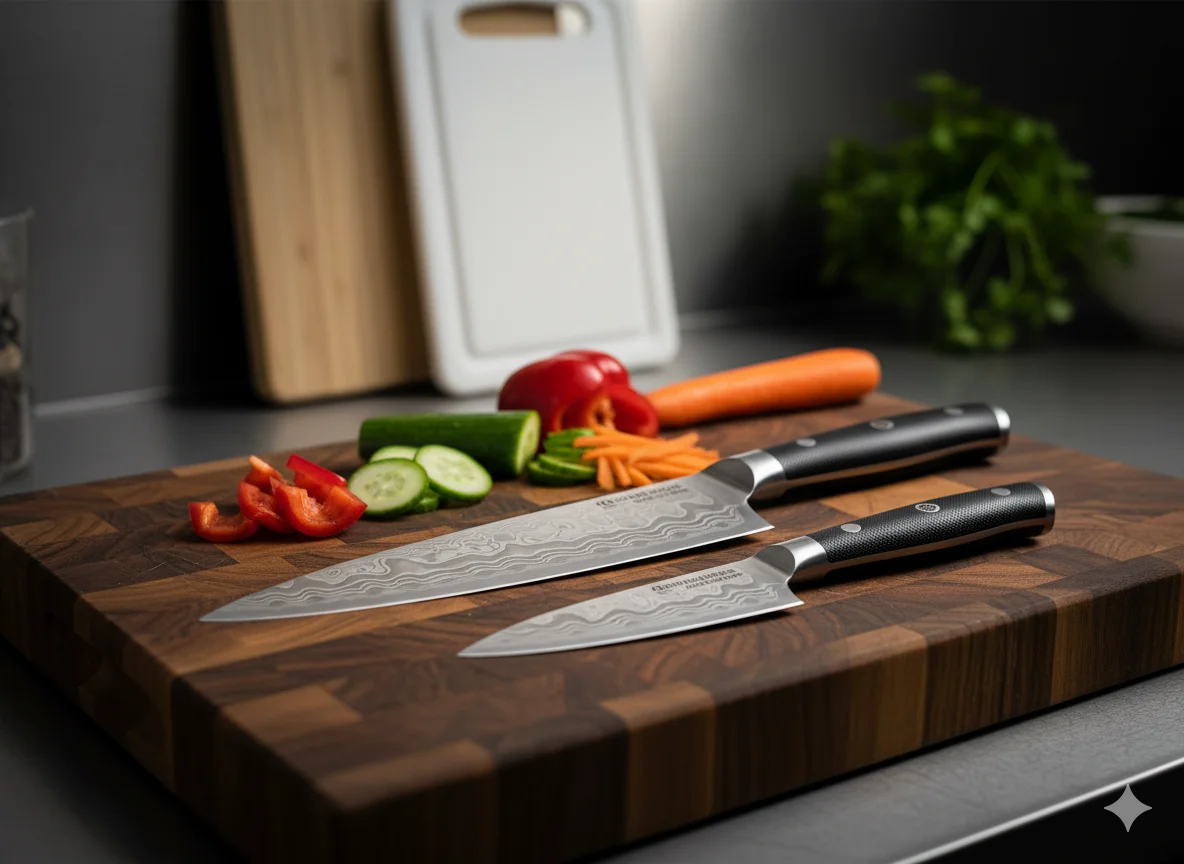
Knives and Cutting Tools
Sharp, quality knives make kitchen work safer, faster, and more precise. Three knives handle virtually every cutting task.
The chef’s knife stands as the workhorse of the knife block. An 8-inch blade offers the best balance of maneuverability and cutting surface for most home cooks. This knife chops vegetables, slices meat, minces herbs, and crushes garlic. Quality matters enormously here because a well-made knife holds its edge longer, balances comfortably in your hand, and makes prep work feel effortless rather than exhausting. Many professional chefs own expensive knife collections but reach for their favorite chef’s knife 80 percent of the time.
A paring knife handles detailed work that would be clumsy with a larger blade. Hulling strawberries, deveining shrimp, peeling small fruits, and making precise cuts all call for this nimble tool. The 3 to 4-inch blade offers excellent control.
A serrated bread knife saves frustration when slicing through crusty loaves, delicate tomatoes, or layered cakes. The saw-like edge cuts cleanly without crushing soft interiors. An 8 to 10-inch blade provides adequate length for most tasks.
Cutting boards protect countertops and knife edges while providing a stable work surface. Wood and bamboo boards offer durability and knife-friendly surfaces that develop character over time. Plastic boards cost less, resist stains, and go in the dishwasher. Having multiple boards prevents cross-contamination between raw proteins and vegetables. Look for boards large enough to work comfortably without ingredients sliding off the edges.
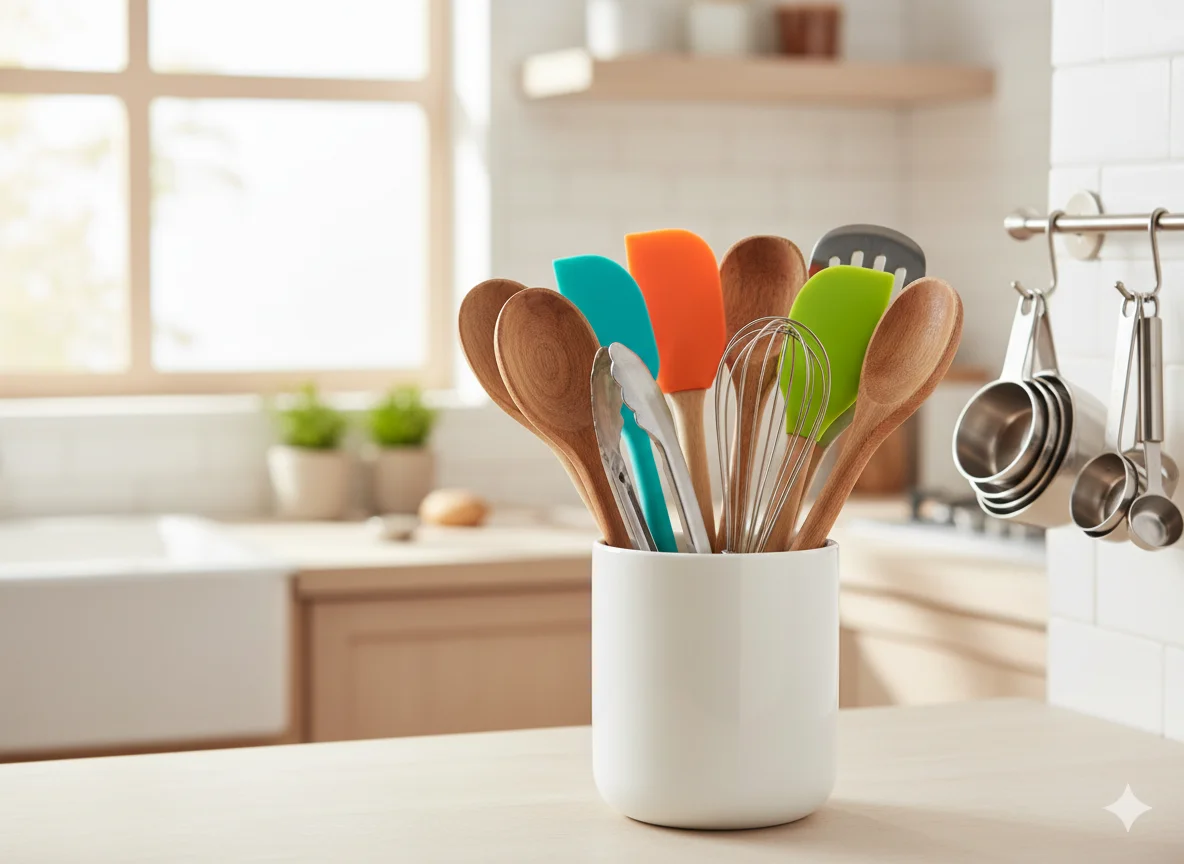
Essential Hand Tools and Utensils
The right utensils make cooking more efficient and protect your cookware investment.
Wooden spoons stir without scratching and feel comfortable during extended cooking sessions. Their heat resistance means no melted handles, and the material won’t react with acidic ingredients. Keep several on hand because they see constant use.
Silicone spatulas combine flexibility with heat resistance. These workhorses scrape bowls clean, fold batters, stir sauces, and protect non-stick surfaces. Look for one-piece construction that prevents food from getting trapped in crevices where handles attach.
Tongs function as an extension of your hands for flipping, turning, and transferring food safely. Spring-loaded versions with silicone tips protect cookware while providing a secure grip. The 9 to 12-inch length offers good reach without excessive bulk.
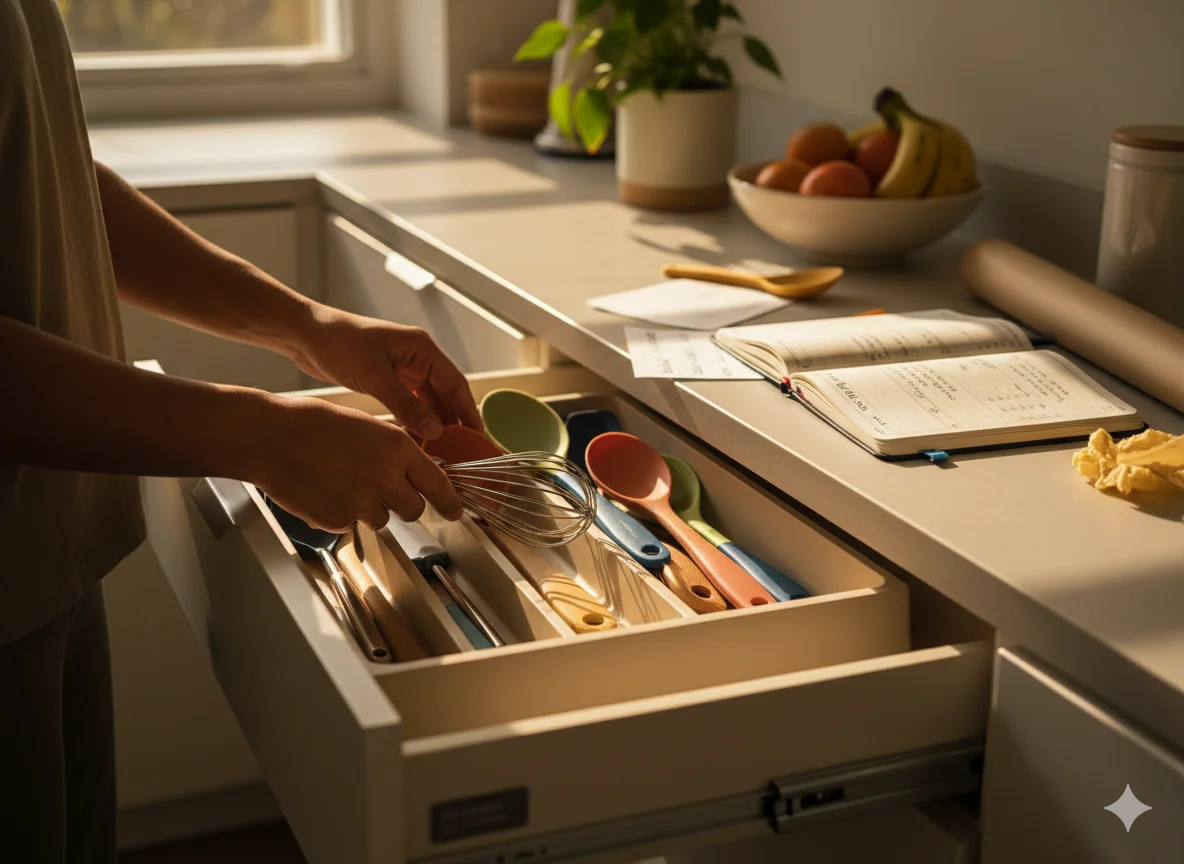
A whisk incorporates air into eggs, blends ingredients smoothly, and prevents lumps in gravies and sauces. A standard balloon whisk handles most tasks. The thin wires work magic in creating volume and achieving smooth textures that spoons simply cannot match.
Metal spatulas or turners flip pancakes, burgers, and fish fillets with precision. Angled heads slide easily under delicate foods. Slotted designs drain excess fat or liquid. The thin edge provides control that thick plastic versions lack.
Measuring cups and spoons ensure baking success and recipe accuracy. Dry measuring cups allow you to level off ingredients precisely. Liquid measuring cups feature spouts and measurement lines for convenient pouring. Metal or plastic measuring spoons last indefinitely and nest together for compact storage.
A vegetable peeler removes skins quickly and efficiently while minimizing waste. The swivel design follows vegetable contours naturally. This simple tool pays for itself in time saved compared to using a paring knife.
Mixing bowls in various sizes handle everything from whisking vinaigrette to tossing salad to marinating meat. Stainless steel offers durability and versatility. Glass bowls are microwave-safe and resist staining. Having a set ensures you always have the right size available.
A colander or strainer drains pasta, washes vegetables, and rinses canned goods. Footed designs sit stably in the sink. Look for handles that provide a secure grip even when hot.
Bakeware Basics
A few key pieces enable everything from weeknight cookies to special occasion cakes.
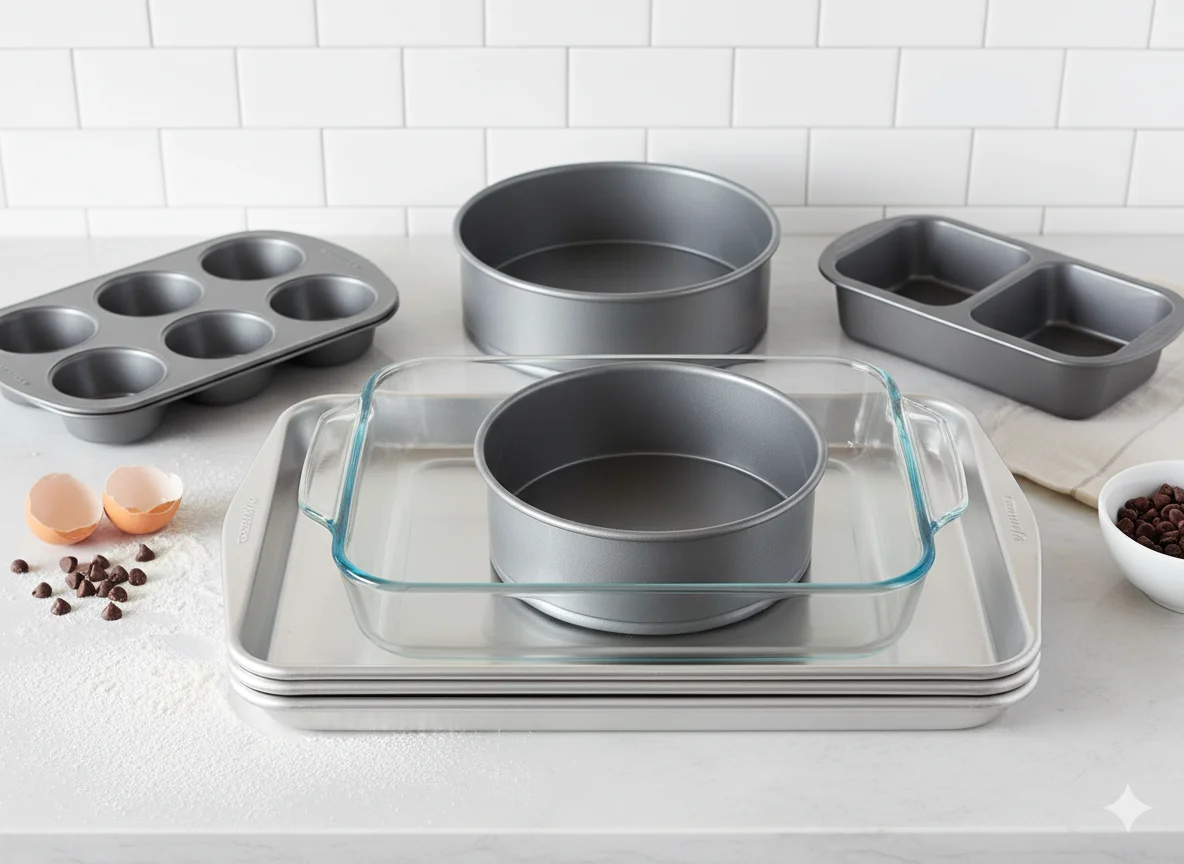
Sheet pans or baking sheets might be the most versatile baking tool. These flat metal pans roast vegetables, bake cookies, toast nuts, and create entire sheet pan dinners. The half-sheet size measuring approximately 18 by 13 inches fits standard home ovens perfectly. Heavy-gauge aluminum resists warping. Having two or three means you can prep multiple trays and rotate them for even baking.
A 9 by 13-inch baking dish handles casseroles, brownies, and countless one-pan meals. Glass or ceramic versions go from oven to table attractively. This workhorse pan sees regular use in most kitchens.
Cake pans in 8 or 9-inch rounds open up the world of layer cakes. Even if you only bake occasionally, having a pair means you can create impressive celebrations without purchasing specialty equipment.
A muffin tin expands breakfast and snack options. Standard 12-cup tins accommodate regular muffins, cupcakes, and even individual egg bakes. Non-stick coating ensures easy release.
A loaf pan serves double duty for quick breads and meatloaf. The 8 by 4-inch or 9 by 5-inch sizes handle most recipes. Metal versions heat more efficiently than glass.
Small Appliances That Earn Their Counter Space
While not strictly essential, certain appliances dramatically expand what you can accomplish.
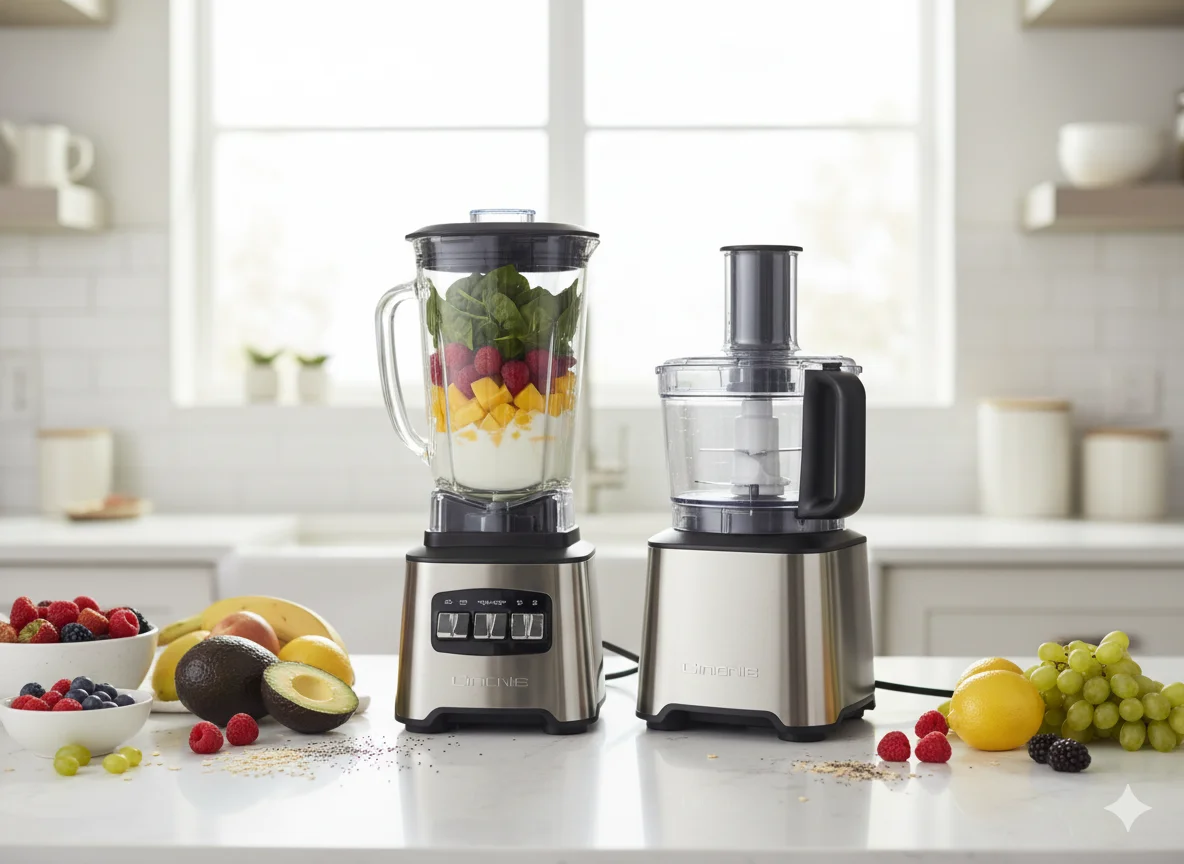
A quality blender transforms smoothie making, soup pureeing, and sauce emulsifying. High-powered models pulverize frozen fruit and ice effortlessly. Variable speed controls provide precision for different tasks.
Food processors chop, slice, shred, and puree ingredients in seconds. These machines make quick work of tasks that would take significant time by hand. The ability to prep large quantities efficiently justifies the counter or cabinet space.
Storage and Organization
Proper storage keeps ingredients fresh and your kitchen functional.
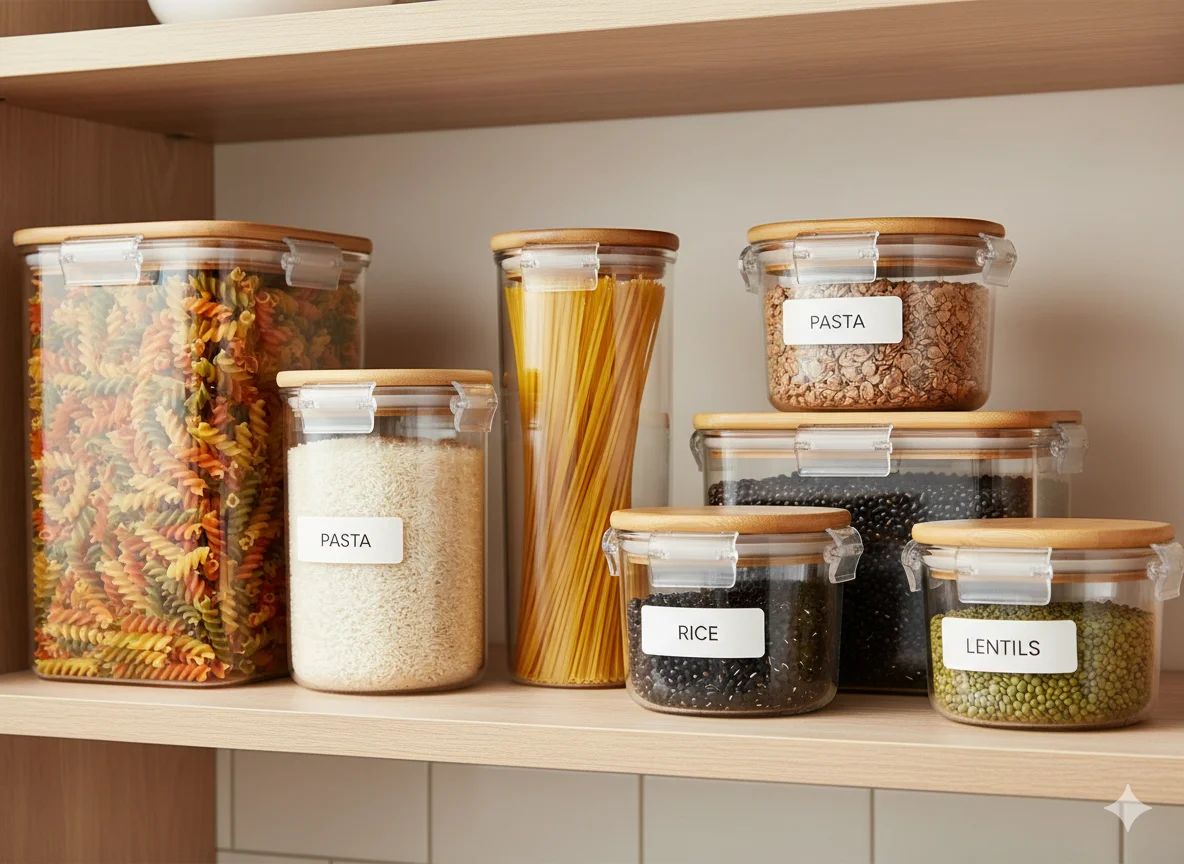
Airtight food storage containers preserve leftovers and organize dry goods. Glass containers with locking lids resist stains and odors while remaining microwave-safe. Clear sides let you identify contents at a glance.
Additional Must-Haves
Several smaller items complete a well-equipped kitchen without breaking the budget.
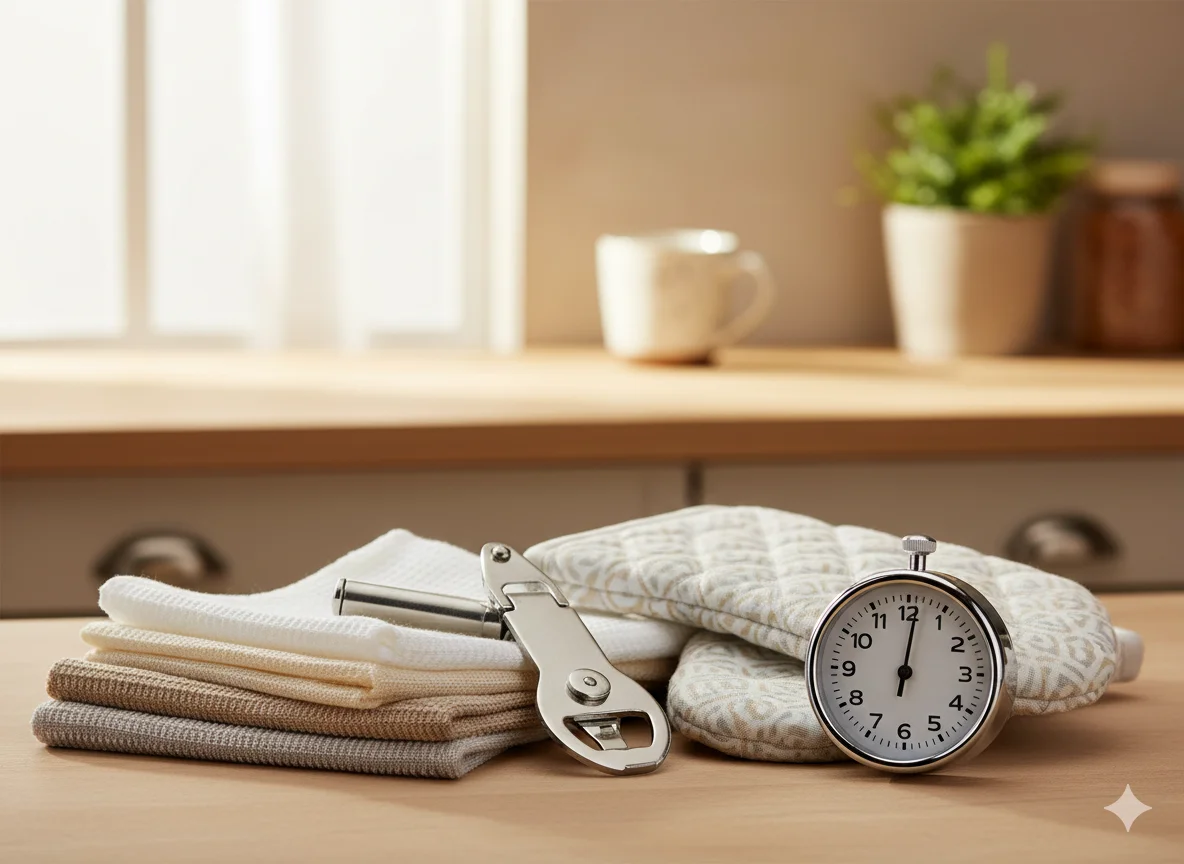
A can opener seems basic until yours breaks and you realize how much you depend on it. Manual versions with comfortable grips and smooth cutting wheels outlast electric models.
Dish towels and oven mitts protect hands from burns while providing surface protection for hot dishes. Having several means clean ones are always available.
A kitchen timer prevents overcooked disasters by providing reliable alerts. Simple mechanical versions require no batteries and last indefinitely.
Building Your Kitchen Thoughtfully
Assembling these essentials does not require purchasing everything at once. Start with the tools you will use most frequently based on your cooking style. A person who bakes weekly needs quality bakeware more urgently than someone focused on weeknight dinners. Someone who makes smoothies daily should prioritize a good blender over a food processor.
Quality matters more than quantity. One excellent chef’s knife serves better than a block of mediocre blades. A single cast iron skillet that lasts decades beats replacing cheap pans every few years. When budget requires choices, invest in pieces that see daily use and fill gaps gradually.
Proper care extends the life of kitchen equipment significantly. Hand-washing certain items preserves coatings and prevents damage. Sharpening knives regularly maintains performance. Following manufacturer guidelines for materials like cast iron ensures decades of service.
Watch for sales on quality brands, especially during holiday shopping seasons. Many manufacturers offer generous warranties that protect against defects. Wedding registries provide opportunities to upgrade to premium versions of essentials.
The most important factor remains choosing items that match your actual cooking habits rather than aspirational ones. A pasta maker gathering dust helps no one. A well-used stockpot that produces weekly batches of soup justifies its existence completely.
Creating Your Cooking Foundation
These 23 essentials form a kitchen that supports daily cooking without unnecessary clutter or expense. Each item serves multiple purposes and withstands regular use. Together they enable everything from quick weeknight meals to ambitious culinary projects.
The journey to a well-equipped kitchen happens gradually. Each addition should solve a real problem or enable specific dishes you want to make. Over time, you develop preferences for particular materials, brands, and styles based on experience. The tools that work best for your hands, your cooking style, and your space become old friends that make kitchen time genuinely enjoyable.
Start building your foundation with the pieces you will use most. Add thoughtfully as budget allows and needs arise. Before long, you will have created a kitchen that invites creativity, supports your goals, and makes every meal a little bit easier to prepare.
Frequently Asked Questions
What kitchen items should I buy first when setting up a new kitchen?
Start with a good chef’s knife, cutting board, large skillet, medium saucepan, and basic utensils including a wooden spoon, spatula, and tongs. These core items enable most basic cooking tasks and provide a foundation to build upon as needs arise.
How much should I spend on kitchen essentials?
Quality matters more than price tags, but you can build a functional kitchen gradually by mixing investment pieces with budget options. Prioritize spending on items you will use daily like knives and skillets, while saving on occasional-use items like specialty bakeware.
What is the difference between stainless steel and non-stick cookware?
Stainless steel develops beautiful browning and works at high temperatures but requires proper technique to prevent sticking. Non-stick cookware releases food easily and needs less oil but cannot withstand the same heat levels and requires gentler care to preserve coatings.
How often should I replace kitchen tools?
Quality knives last decades with proper sharpening. Cookware can serve 10 to 20 years or longer depending on materials and care. Replace items when performance degrades, such as when non-stick coatings deteriorate or wooden handles loosen, rather than on a fixed schedule.
Do I really need both a blender and a food processor?
While both chop and puree, they excel at different tasks. Blenders handle liquids and smoothies better, while food processors slice, shred, and handle drier ingredients more effectively. Most home cooks find a quality blender sufficient initially, adding a food processor later if recipes frequently call for slicing or shredding.