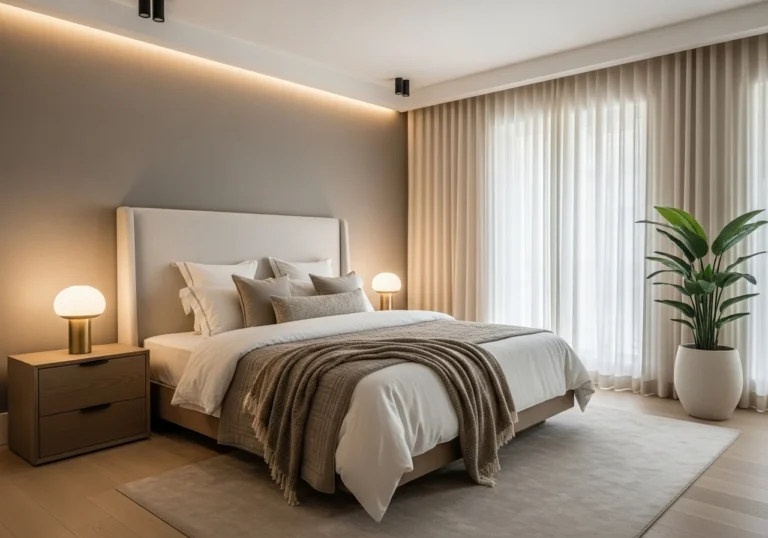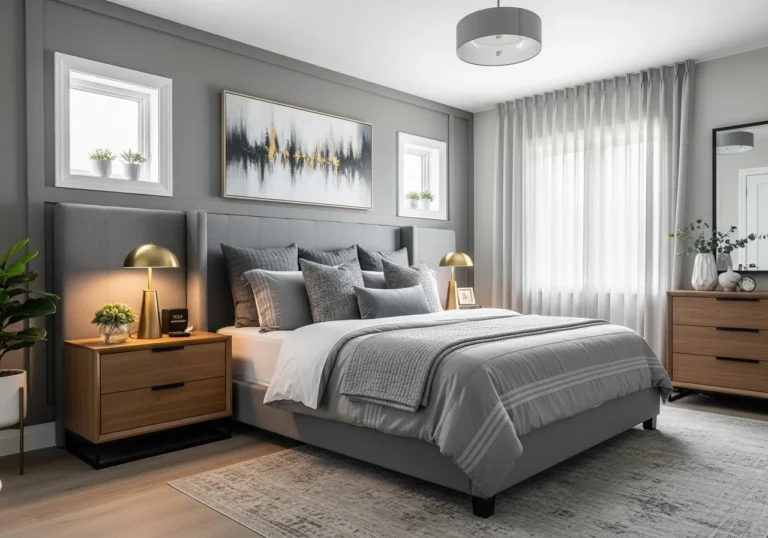
20+ Minimalist Aesthetic Bedroom Setup for Calm and Relaxed Living
The bedroom should serve as your personal sanctuary, a place where stress dissolves and tranquility takes center stage. Creating a minimalist aesthetic bedroom goes far beyond simply removing clutter. It involves thoughtfully curating a space that promotes rest, clarity, and emotional wellbeing through intentional design choices. When you strip away the unnecessary and focus on what truly matters, your bedroom transforms into a haven that supports both physical relaxation and mental peace.
The philosophy behind minimalist bedroom design centers on quality over quantity, function over excess, and serenity over stimulation. This approach creates an environment where every element serves a purpose, whether practical or emotional. As modern life becomes increasingly chaotic, the minimalist aesthetic bedroom offers a counterbalance, providing a space where you can disconnect from external demands and reconnect with yourself. The beauty of this design style lies in its accessibility. Whether you live in a spacious master suite or a compact urban apartment, minimalist principles can transform any bedroom into a restful retreat.

Understanding the Minimalist Aesthetic Bedroom Foundation
Creating an authentic minimalist aesthetic bedroom requires understanding the core principles that define this design philosophy. Minimalism does not mean sacrificing comfort or personality. Rather, it means being selective about what enters your space and ensuring each item contributes to the overall atmosphere of calm.
The foundation of minimalist design rests on several key elements. First, embrace the concept of negative space. Empty areas in your room are not wasted space but rather breathing room that allows your mind to relax. When surfaces remain clear and walls have open sections, your eyes can rest rather than constantly processing visual information. This reduction in visual noise directly impacts your stress levels and ability to unwind.
Second, prioritize functionality without compromising beauty. Every piece of furniture should serve a clear purpose while also contributing to the room’s aesthetic appeal. A bed frame with built-in storage compartments, for example, eliminates the need for additional furniture while maintaining clean lines. Similarly, wall-mounted nightstands provide essential surface space without the visual weight of traditional pieces.
Third, commit to intentional choices rather than default decisions. Before adding anything to your bedroom, ask whether it genuinely enhances your space or simply fills it. This mindful approach prevents the gradual accumulation of items that clutter your environment and mind.
Choosing the Perfect Color Palette for Tranquility
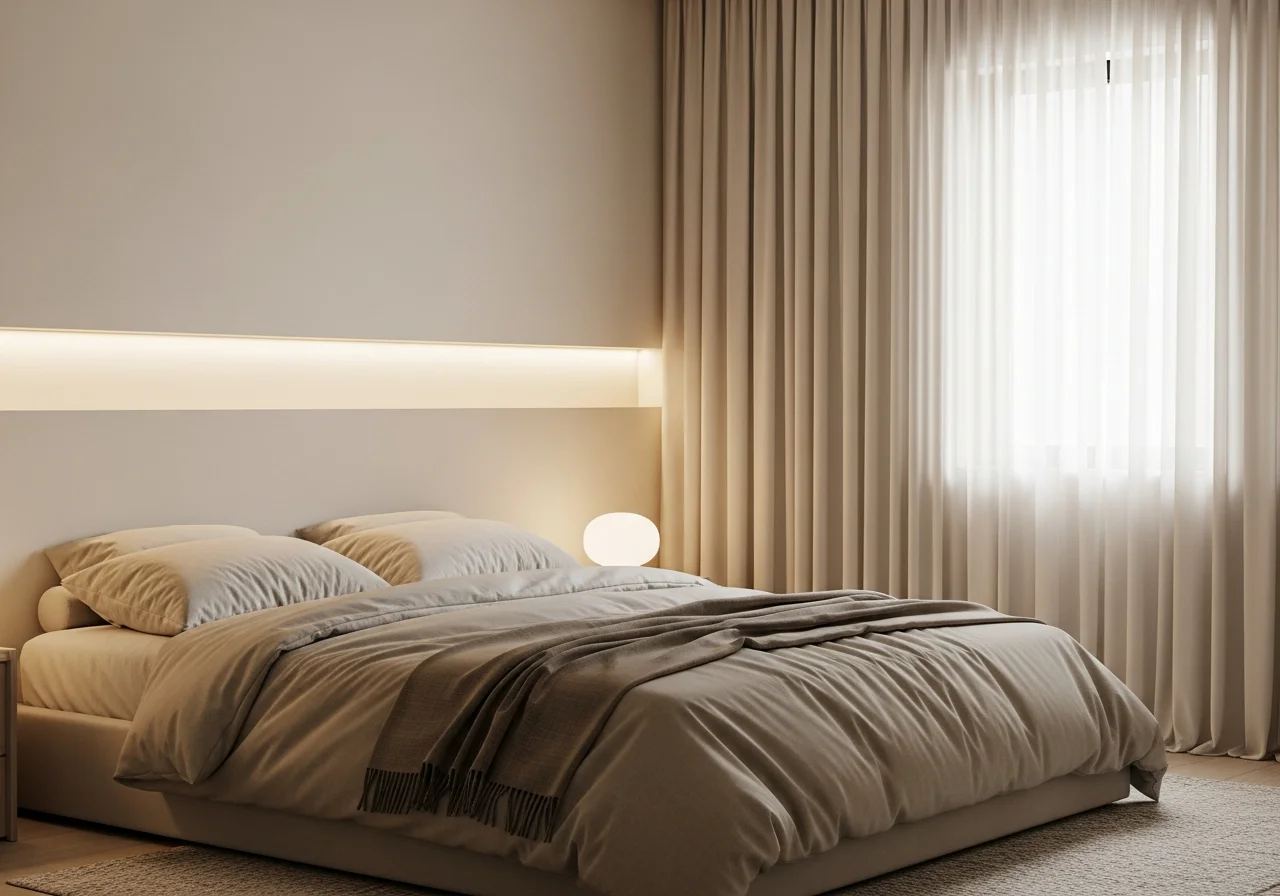
Color selection forms the visual backbone of your minimalist aesthetic bedroom. The right palette instantly establishes mood and determines whether the space feels restful or restless. Neutral tones work exceptionally well because they reflect natural light, create visual continuity, and provide a timeless backdrop that never feels dated or overwhelming.
Start with a foundation of soft whites, warm creams, gentle beiges, or light grays for your walls. These shades expand the perceived size of your room while creating an airy, peaceful atmosphere. Avoid stark, cool whites if you want a welcoming feel. Instead, opt for warmer undertones that feel inviting rather than clinical. The subtle warmth in colors like ivory, sand, or pearl gray adds depth without introducing complexity.
Layering similar tones throughout your space adds dimension while maintaining cohesion. Consider painting walls in a soft beige, selecting bedding in slightly darker taupe, and hanging curtains in a lighter cream. This tonal variation creates visual interest without the jarring effect of contrasting colors. The monochromatic approach helps maintain the calm atmosphere central to minimalist design.
If you desire accent colors, introduce them sparingly and strategically. Earth tones like sage green, terracotta, or dusty olive bring natural warmth without disrupting tranquility. Soft pastels such as blush pink, powder blue, or pale lavender add gentle personality while maintaining the serene environment. Limit accent colors to small items like throw pillows, a single piece of artwork, or a decorative vase. This restraint ensures colors enhance rather than dominate your space.
The psychological impact of color cannot be overstated. Soft blues and greens promote relaxation by evoking natural elements like sky and foliage. Neutral browns and beiges ground the space, creating stability and security. By understanding color psychology, you can intentionally craft an environment that supports your mental and emotional needs.

Selecting Essential Furniture with Purpose
Furniture selection in a minimalist aesthetic bedroom demands careful consideration. Each piece should justify its presence through functionality, aesthetic contribution, or both. The goal is creating a room that feels complete without feeling crowded.
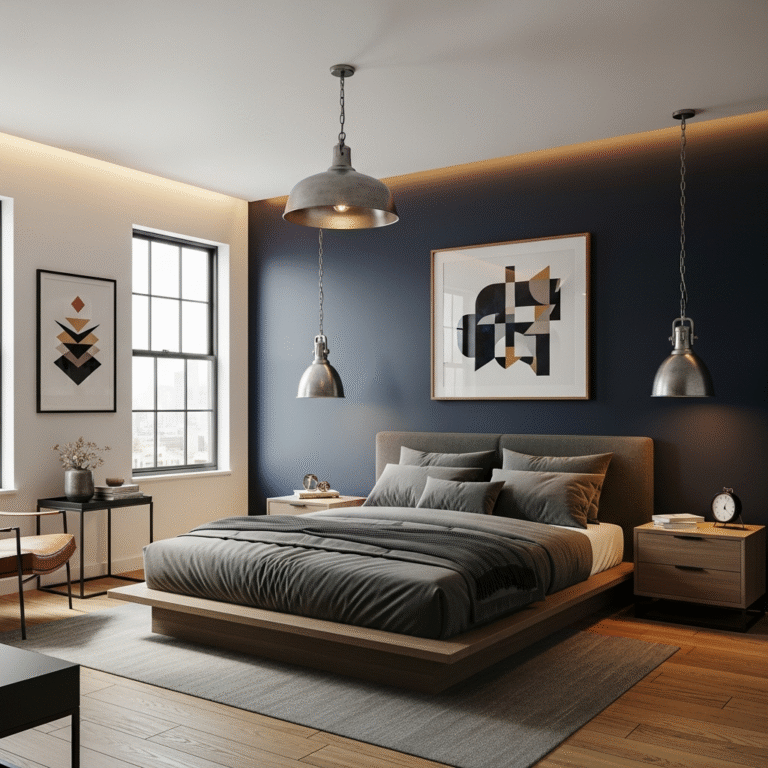
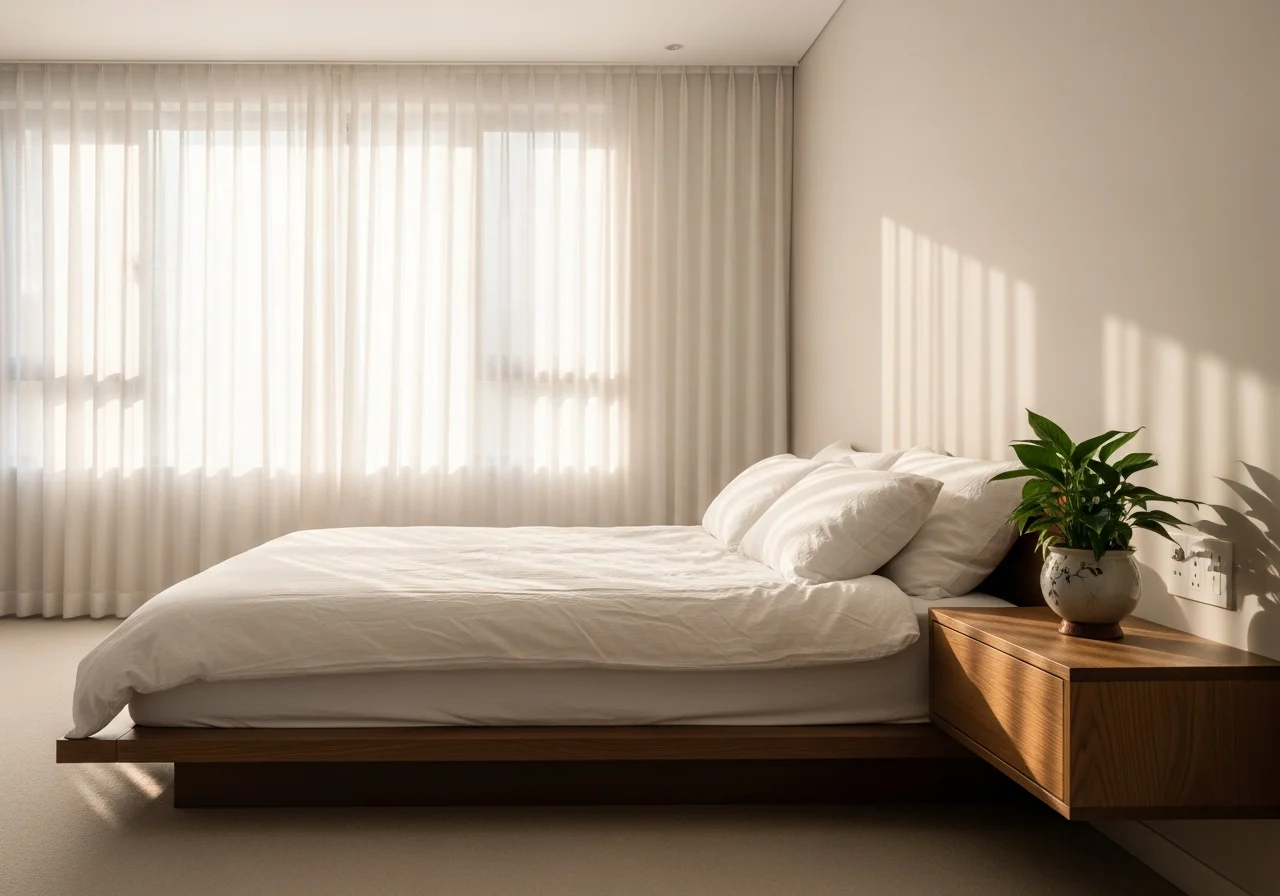
The bed naturally serves as the focal point. Platform beds work beautifully in minimalist spaces because their low profile design eliminates bulky box springs while creating streamlined visual flow. Look for clean-lined frames in natural wood, upholstered fabric, or metal finishes. The simplicity of the frame allows your bedding and surrounding elements to shine without competition.
Low-profile bed frames offer similar benefits, sitting close to the ground for an uncluttered appearance. This design choice makes ceilings appear higher and rooms feel more spacious. Whether you choose wood, metal, or upholstered options, prioritize simple forms over ornate details. The frame should recede into the background, supporting rather than dominating the space.
Nightstands require functional consideration balanced with aesthetic restraint. Floating nightstands mounted directly to walls eliminate floor clutter while providing essential surface space. This approach proves especially valuable in smaller bedrooms where floor space comes at a premium. Alternatively, choose slender nightstands with one drawer or a single shelf. This provides adequate storage for bedside essentials without encouraging accumulation.
Dressers and wardrobes should blend into your space rather than announce their presence. Flat-front drawers without ornate hardware maintain clean lines. Natural wood finishes or painted surfaces matching your wall color help pieces recede visually. Avoid oversized furniture that dominates the room. Minimalism thrives on appropriate scale, where furniture fits the space without overwhelming it.
Storage beds offer elegant solutions for hiding away seasonal clothing, extra linens, or personal items. Beds with lift-up mechanisms or built-in drawers maximize space efficiency while maintaining the uncluttered surfaces essential to minimalist design. This hidden storage prevents the need for additional furniture that would complicate the room’s visual clarity.
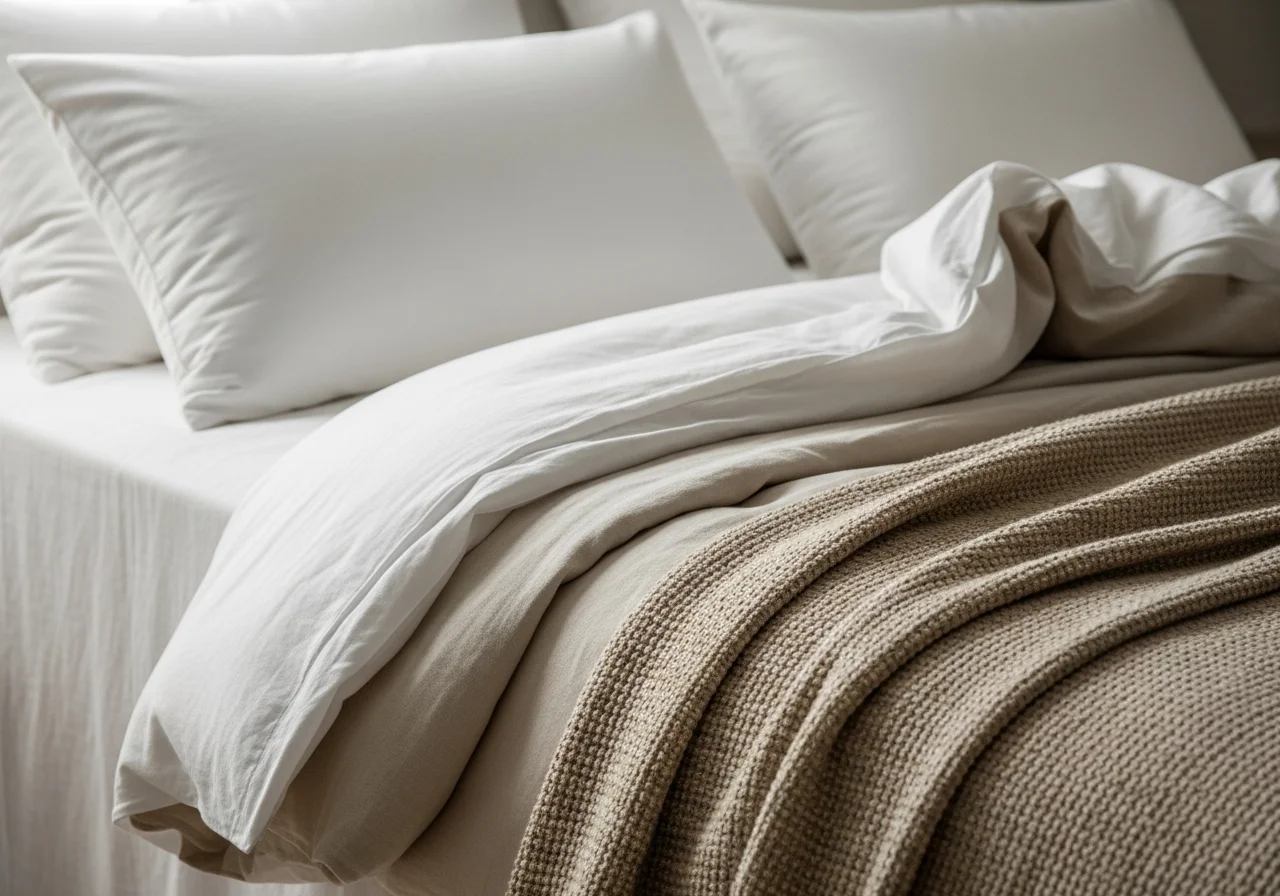
Creating Layers Through Texture and Textiles
A common misconception suggests minimalist bedrooms feel cold or sterile. The truth is quite opposite when you understand how texture creates warmth without adding visual clutter. Natural materials and varied textiles bring dimension and comfort while maintaining the simplicity of line and form.
Bedding selection presents your primary opportunity for introducing texture. High-quality sheets in natural fabrics like cotton or linen provide softness and breathability. Linen, particularly, adds subtle texture through its characteristic gentle wrinkles, creating visual interest without pattern or color. Layer a simple duvet in a solid neutral tone with a lightweight quilt or throw in complementary shades. This layering adds depth and allows you to adjust warmth throughout seasons.
Keep pillow arrangements simple. Two standard pillows for sleeping, perhaps with one or two accent pillows in coordinating neutral tones, provide comfort without the excessive pillow piles that clutter many beds. Choose solid colors or very subtle patterns like thin stripes or small geometric shapes. The restraint in bedding allows the overall room composition to breathe.
Incorporate natural textures through materials like wood, stone, and woven fibers. A wooden headboard or bed frame brings organic warmth. Stone elements in a lamp base or decorative object add grounding weight. Woven baskets provide practical storage while introducing tactile variety. These natural materials connect your indoor space to the outdoors, creating inherent tranquility.
Area rugs serve multiple purposes in minimalist bedrooms. A neutral-toned rug in wool, jute, or cotton grounds the bed area while softening hard flooring. The rug defines the sleeping zone without adding visual complexity. Choose rugs with subtle texture rather than bold patterns. Natural fiber rugs in particular complement minimalist aesthetics perfectly through their organic appearance and muted tones.
Window treatments should filter light while maintaining simplicity. Lightweight curtains in linen or cotton allow natural light to enter while providing privacy. Choose curtains that puddle slightly on the floor for an effortless, lived-in quality. Alternatively, simple roller blinds or Roman shades in neutral fabrics offer clean lines and practical light control. Avoid heavy drapes with excessive fabric or ornate hardware that adds unnecessary visual weight.
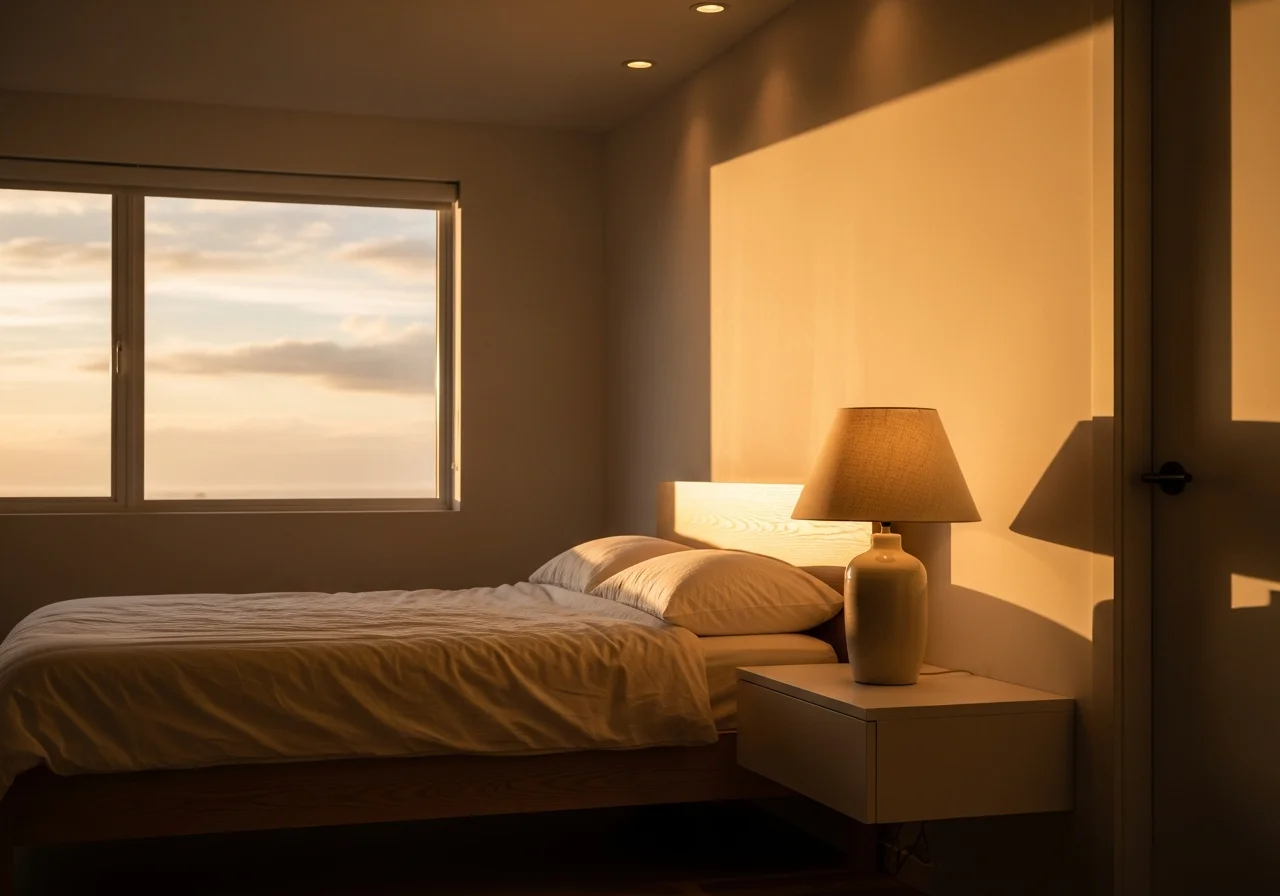
Mastering Lighting for Atmosphere
Lighting dramatically influences the mood and functionality of your minimalist aesthetic bedroom. The goal is creating soft, layered illumination that adapts to different times of day and activities while avoiding harsh overhead fixtures that disrupt the calm atmosphere.
Natural light should be maximized whenever possible. Large windows without heavy treatments allow sunlight to fill the space, highlighting neutral tones and making the room feel open and airy. Natural light also regulates circadian rhythms, improving sleep quality and overall wellbeing. If privacy concerns exist, choose sheer curtains or light-filtering blinds that maintain brightness while obscuring views from outside.
Bedside lighting provides essential functionality for reading or winding down before sleep. Simple table lamps with clean silhouettes and neutral shades complement minimalist aesthetics beautifully. Look for lamps with sculptural quality in materials like ceramic, wood, or metal. The lamp itself becomes a subtle design element while serving practical purposes. Alternatively, wall-mounted sconces free up nightstand surfaces entirely, reinforcing the uncluttered aesthetic while providing directed light.
Ambient lighting creates overall atmosphere without harsh focal points. Recessed ceiling lights with dimmer switches allow you to adjust brightness according to time and mood. Soft, warm light in the evening prepares your mind and body for sleep by mimicking natural sunset conditions. Cooler, brighter light in the morning aids wakefulness and energy.
Pendant lights can serve as statement pieces in minimalist bedrooms when chosen thoughtfully. A single pendant with simple geometric form hung at appropriate height adds visual interest without cluttering the space. Choose fixtures in materials and finishes that complement your existing palette, such as matte black metal, natural wood, or frosted glass.
Consider hidden lighting options that add drama without visible fixtures. LED strips behind headboards or under floating nightstands create soft glows that enhance ambiance while remaining invisible during daylight hours. This approach adds sophistication and modernity while maintaining the clean lines central to minimalist design.
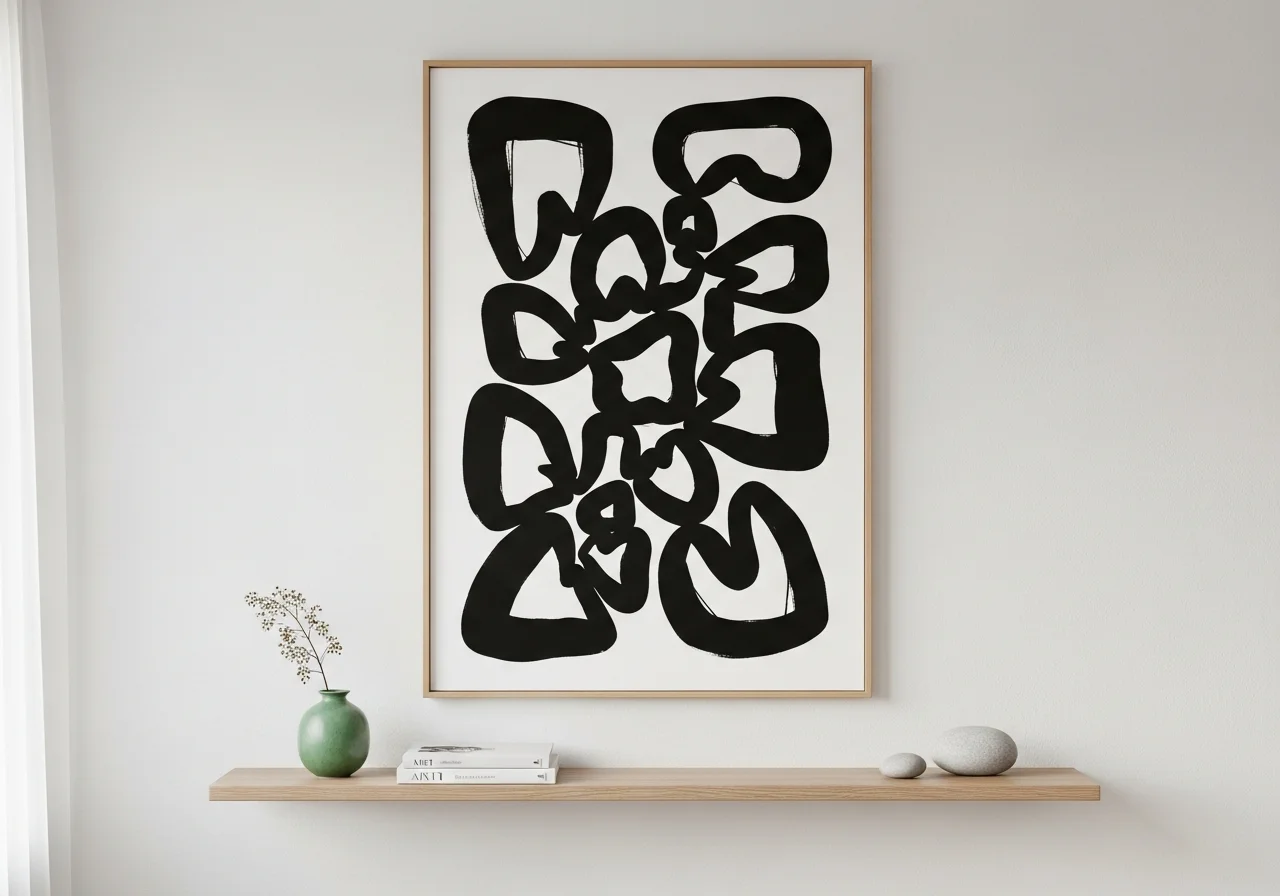
Thoughtful Wall Decor and Art Selection
Wall decor in minimalist aesthetic bedrooms requires restraint and intention. The principle of less being more applies particularly to vertical surfaces, where empty space often makes stronger statements than crowded arrangements.
Select one or two large-scale pieces rather than creating gallery walls with multiple small items. A single oversized photograph, abstract painting, or simple line drawing commands attention while maintaining visual calm. Black and white photography works exceptionally well in minimalist spaces, adding sophistication without introducing color complexity. Abstract or geometric art in muted tones provides visual interest while supporting the overall aesthetic.
When choosing artwork, consider subject matter that promotes tranquility. Natural landscapes, serene abstract compositions, or minimalist line drawings create peaceful focal points. Avoid busy, chaotic imagery that contradicts the calm atmosphere you are building. The art should invite contemplation rather than demand constant attention.
Frame selection matters as much as the artwork itself. Simple frames in natural wood, matte black, or white complement minimalist aesthetics without competing with the art. Frameless options or floating frames create contemporary looks while eliminating additional visual elements. The frame should enhance rather than overshadow the piece it contains.
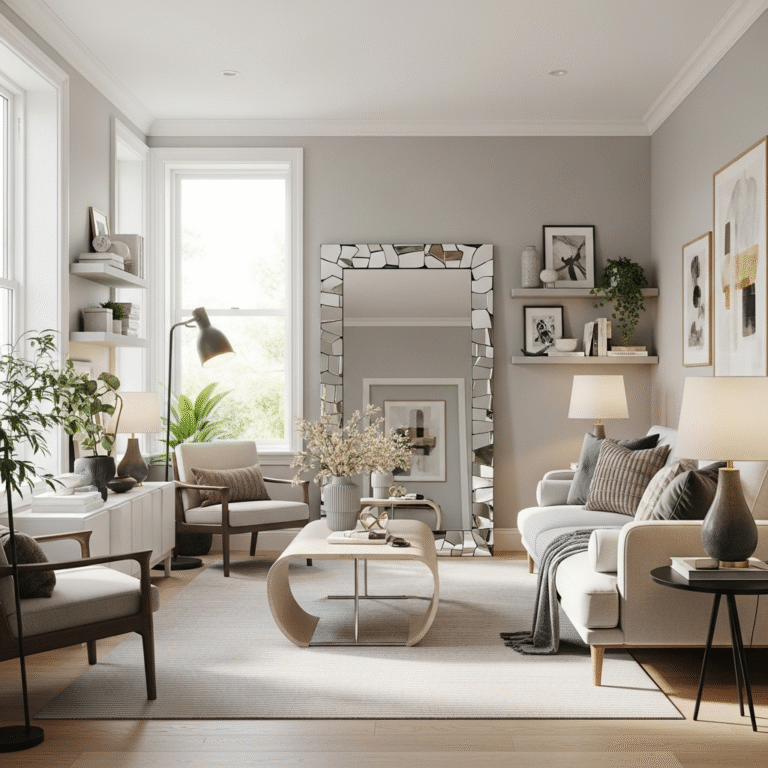
Mirrors serve dual purposes in minimalist bedrooms. Functionally, they reflect light and make spaces feel larger. Aesthetically, a simple mirror with clean edges or no frame at all becomes a sculptural element. Position mirrors to reflect natural light sources or pleasing views rather than clutter or unattractive features. A large floor mirror leaning against a wall creates casual elegance while serving practical dressing purposes.
Wall-mounted shelving offers opportunities for minimal display when installed thoughtfully. Floating shelves in natural wood or painted to match walls provide surfaces for carefully curated objects. Display only a few meaningful items, leaving most of the shelf empty to maintain visual breathing room. Books arranged by color, a single plant, or one treasured object creates interest without clutter.
Resist the urge to fill every wall. Negative space allows eyes and minds to rest, creating the very tranquility that defines minimalist design. Empty walls are not failures but rather conscious choices that elevate the impact of elements you do include.

Incorporating Natural Elements
Bringing nature indoors enhances the calming quality of minimalist aesthetic bedrooms while adding life and organic texture to simplified spaces. Natural elements create connections to the outdoors that inherently promote relaxation and wellbeing.
Plants serve as living sculptures that add color, improve air quality, and create visual interest without clutter. Choose varieties that thrive in bedroom light conditions and require minimal maintenance. A single tall plant like a fiddle leaf fig or snake plant in a simple pot becomes a striking focal point. Alternatively, a few smaller plants on a shelf or windowsill add greenery without overwhelming the space.
Select planters that complement your minimalist aesthetic. Simple ceramic pots in neutral tones, woven baskets, or sleek metal containers keep focus on the plants themselves rather than ornate containers. The vessels should recede into the background, allowing natural forms to shine.
Fresh flowers bring temporary beauty and natural fragrance. A single stem in a simple vase on a nightstand or dresser adds elegance without permanence. This approach allows you to change displays easily while maintaining the minimalist principle of restraint.
Natural materials in furniture and decor create inherent warmth. Wood in various finishes from light oak to rich walnut adds organic texture and timeless beauty. Stone elements in lamp bases, decorative objects, or even a feature wall bring grounding weight and tactile variety. Cotton and linen textiles reinforce natural connections through their plant-based origins.
Maximize views of outdoor nature when possible. Position your bed to face windows with pleasant views of trees, sky, or gardens. This visual connection to nature provides psychological benefits that extend beyond physical design elements. Even urban environments offer views of sky and clouds that create peaceful focal points.
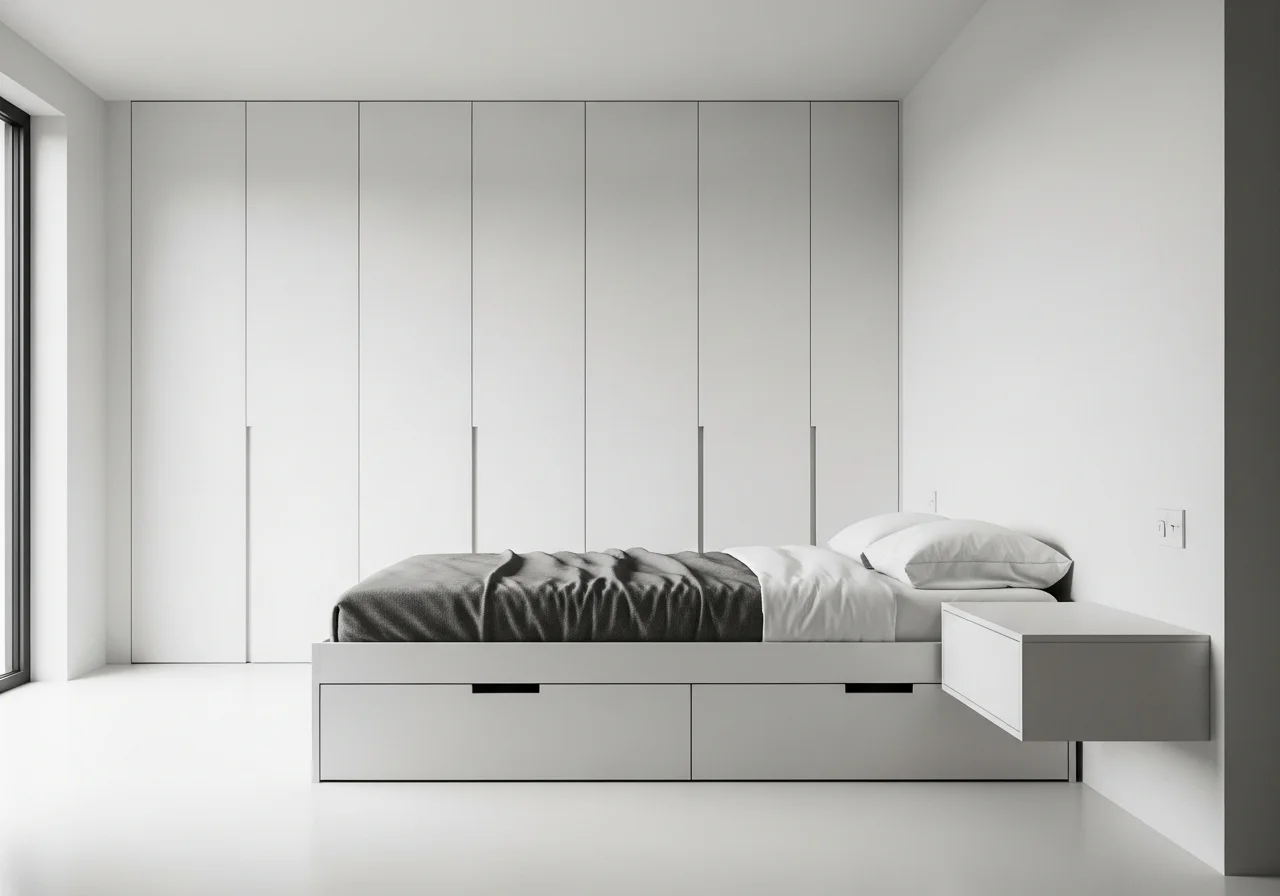
Storage Solutions That Maintain Clean Lines
Effective storage forms the foundation of sustainable minimalist living. Without proper places for belongings, even the most beautifully designed bedroom quickly succumbs to clutter. The key is incorporating storage that hides away items while maintaining the clean visual aesthetic.
Built-in storage maximizes space efficiency while eliminating freestanding furniture. Custom closets with organized interiors keep clothing and accessories hidden behind closed doors. Floor-to-ceiling wardrobes utilize vertical space without consuming valuable floor area. When designed with simple doors and minimal hardware, built-ins blend seamlessly into walls.
Under-bed storage capitalizes on often-wasted space. Low-profile bins or drawers slide beneath beds, holding seasonal clothing, extra linens, or items used infrequently. Choose storage solutions that match your room’s color palette so they disappear when visible. This approach prevents the need for additional dressers or chests that complicate the room’s layout.
Nightstand drawers should accommodate bedside essentials while keeping surfaces clear. Limit visible items to perhaps a lamp, small clock, and one decorative object. Everything else stays hidden inside, maintaining the uncluttered aesthetic that defines minimalist design. This discipline prevents the gradual accumulation that plagues many bedside tables.
Multifunctional furniture serves dual purposes without adding pieces. Ottomans with interior storage provide seating and hidden space. Benches at the foot of the bed offer places to sit while dressing and compartments for extra blankets. Wall-mounted drop-down desks create workspaces that fold away when not needed. These clever solutions maximize functionality within minimalist parameters.
Closet organization systems deserve attention even when hidden from view. Knowing everything has a designated place reduces mental clutter and makes maintaining order effortless. Use drawer dividers, shelf organizers, and matching hangers to create visual harmony even inside closed spaces. This internal order supports the external minimalism you have carefully crafted.

Establishing Routines to Maintain Your Space
Creating a minimalist aesthetic bedroom represents only the beginning. Maintaining that carefully curated environment requires developing habits and routines that prevent gradual slide back into clutter. The practices you establish will determine whether minimalism becomes a lasting lifestyle or temporary experiment.
Adopt a daily reset routine that takes just minutes. Before bed, return everything to its designated place. Clothes go in hampers or back in closets. Books return to shelves. Surfaces get cleared of miscellaneous items that accumulated during the day. This brief ritual ensures you wake to the calm space you intentionally created rather than yesterday’s disorder.
Implement the one-in-one-out rule for maintaining item quantity. When you acquire something new for your bedroom, remove something else. This prevents gradual accumulation that undermines minimalist efforts. The practice also encourages thoughtful purchasing, as you must consider what you are willing to sacrifice for each addition.
Conduct seasonal evaluations of your bedroom contents. Every few months, reassess whether items still serve you. Donate or discard things that no longer fit your needs, preferences, or the space you have created. This regular editing prevents the slow creep of possessions that eventually overwhelms even well-designed rooms.
Resist impulse decoration purchases. When you see an item you love, photograph it and wait at least a week before buying. Often, the initial attraction fades, revealing the purchase would add clutter rather than value. If you still want the item after waiting, it likely represents a meaningful addition rather than momentary desire.
Keep surfaces intentionally sparse. Resist the urge to fill empty space simply because it exists. Remember that negative space serves important purposes in minimalist design, providing visual rest and emphasizing the items you do display. Empty space is not something to fix but rather something to preserve.
Establish boundaries for sentimental items. Choose a specific container or space for meaningful objects and commit to keeping only what fits. This limitation forces you to prioritize truly special items while preventing sentimental clutter from overwhelming your space. Display only your most cherished pieces, rotating them if desired, while storing others safely away.
Creating Personal Touches Without Clutter
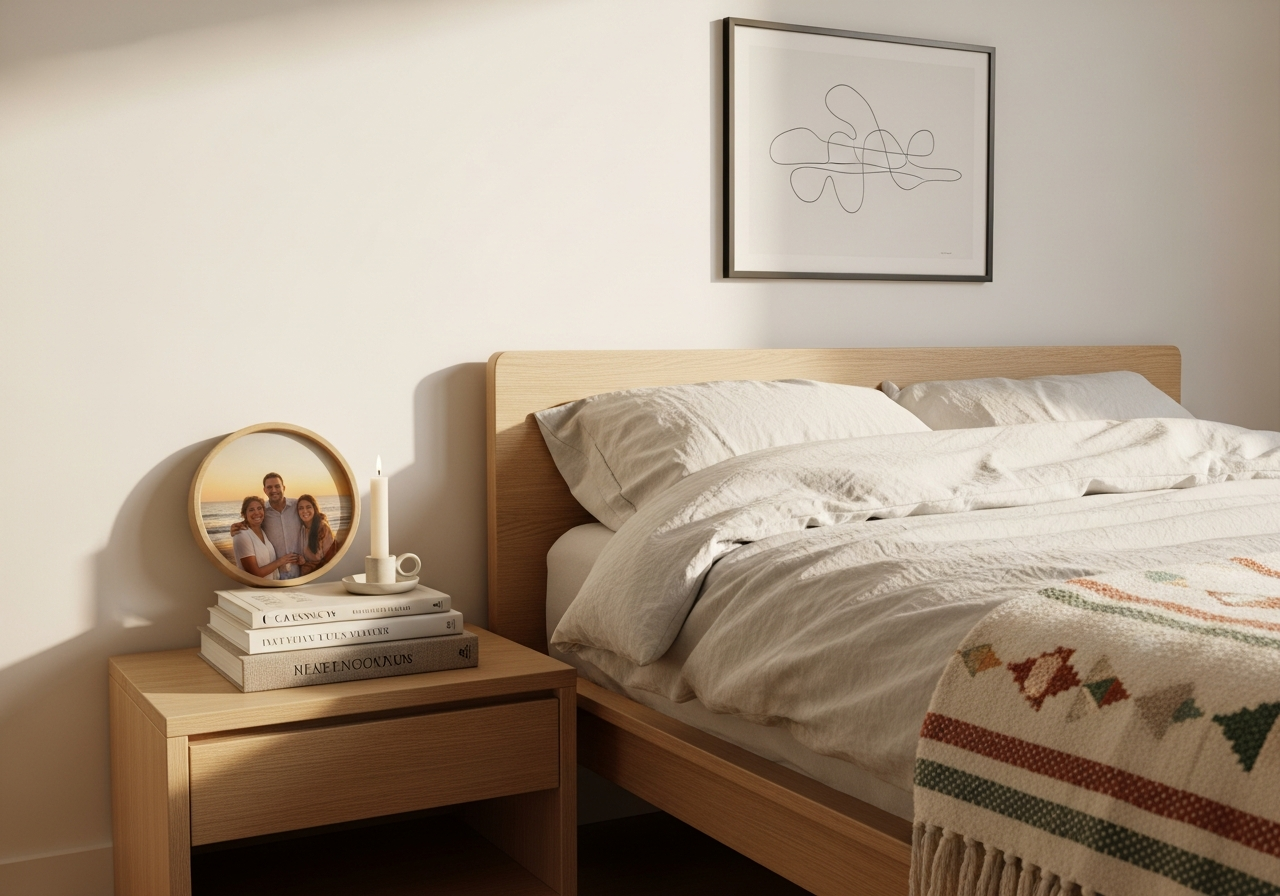
A successful minimalist aesthetic bedroom reflects your personality while maintaining its uncluttered essence. The challenge lies in adding individual character without compromising the calm atmosphere you have worked to establish.
Choose quality over quantity in personal items. One meaningful piece of art that truly resonates with you makes a stronger statement than several mediocre pieces chosen simply to fill walls. The special objects you display should spark joy and hold genuine significance rather than serving as generic decoration.
Rotate decorative items seasonally to keep your space feeling fresh without accumulating more possessions. Store away summer items during winter months, swapping in cozier elements like heavier throws or warmer-toned accessories. This rotation provides variety while maintaining the principle of restraint.
Books can add personality when thoughtfully arranged. A small stack of favorites on a nightstand or a single shelf of carefully chosen volumes provides character without chaos. Arrange books by color for visual cohesion or display only those you reference regularly. Resist letting books accumulate beyond available space.
Personal photographs deserve display when limited and well-framed. One or two cherished images in simple frames add warmth without cluttering surfaces or walls. Consider creating a small gallery wall with matching frames rather than scattered placement throughout the room. This contained approach allows personalization while maintaining order.
Meaningful textiles can reflect your style subtly. A handwoven throw with cultural significance, a quilt with family history, or pillows in favorite muted tones add personal elements while serving functional purposes. These items contribute to comfort and character simultaneously.
Scent creates personalized ambiance without visual presence. Essential oil diffusers, quality candles, or fresh flowers add sensory richness that makes the space uniquely yours. Choose scents that promote relaxation like lavender, chamomile, or vanilla. The fragrance becomes part of your bedroom’s identity without adding physical clutter.
Conclusion
The minimalist aesthetic bedroom represents more than a design trend. It offers a fundamental shift in how we approach our most personal spaces, prioritizing peace over possessions and quality over quantity. By implementing these thoughtful strategies, you create a sanctuary that actively supports rest, reduces stress, and promotes wellbeing through intentional simplicity.
Remember that minimalism is a journey rather than a destination. Your bedroom will evolve as your needs change and you refine what truly matters to you. The principles remain constant even as specific applications adapt. Focus on maintaining clarity of purpose, embracing negative space, and surrounding yourself only with items that serve functional or emotional needs.
The investment you make in creating a minimalist aesthetic bedroom pays dividends in improved sleep quality, reduced anxiety, and increased daily satisfaction. Walking into a calm, ordered space at the end of each day provides psychological benefits that extend far beyond aesthetics. Your bedroom becomes a true retreat from the complexity of modern life, a place where you can release the day’s burdens and reconnect with yourself.
Start with small changes if a complete transformation feels overwhelming. Clear one surface, simplify one area, or implement one new storage solution. Each small step moves you toward the peaceful environment you deserve. The minimalist aesthetic bedroom awaits, ready to provide the calm and relaxed living that enhances every aspect of your life.
Frequently Asked Questions
What is the best color for a minimalist aesthetic bedroom?
Soft neutral tones work best, including whites, beiges, light grays, and warm taupes. These colors promote calmness, reflect natural light, and create a spacious feel. You can add subtle earth tones like sage green or terracotta as minimal accents while maintaining the serene atmosphere essential to minimalist design.
How do I keep my minimalist bedroom from feeling cold or empty?
Add warmth through natural textures like linen bedding, wood furniture, woven rugs, and cotton curtains. Layer different materials in similar neutral tones to create depth. Include a few plants for life and organic shapes. Focus on quality textiles and thoughtful lighting to ensure the space feels cozy rather than stark.
What furniture is essential for a minimalist bedroom?
The essentials include a simple bed frame, two nightstands, adequate storage like a dresser or built-in closet, and appropriate lighting. Choose pieces with clean lines and multiple functions when possible. Platform beds, floating nightstands, and storage beds maximize functionality while maintaining the uncluttered aesthetic minimalism requires.
Can I have decorations in a minimalist bedroom?
Yes, but choose carefully and sparingly. Select one or two meaningful pieces like a large artwork, simple mirror, or sculptural object. Display only items that genuinely enhance the space or hold personal significance. The key is intentional curation rather than filling every surface, allowing each piece to make a stronger individual impact.
How often should I declutter my minimalist bedroom?
Conduct quick daily resets by returning items to their designated places each evening. Perform more thorough seasonal evaluations every three to four months, reassessing whether items still serve you. This regular maintenance prevents gradual accumulation and keeps your space functioning as the calm sanctuary you designed it to be.