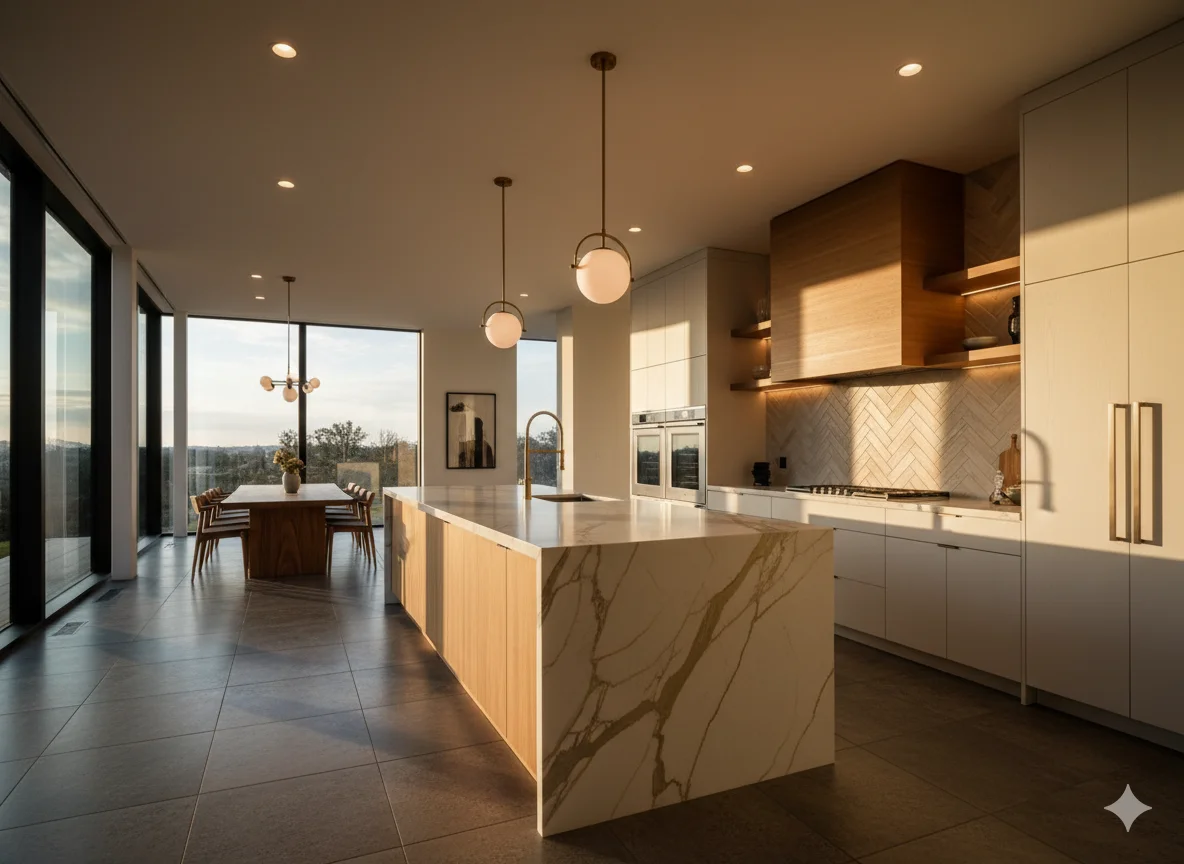
20 Kitchen Lamps & Lighting Ideas
Introduction
The kitchen is the most hardworking room in any home. It is where meals are prepared, coffee is brewed before sunrise, homework gets done at the island, and guests gather on Saturday evenings. Because it serves so many purposes at once, it demands something that most homeowners overlook until the very end of a renovation, which is a thoughtful and layered lighting plan.
Kitchen lighting is no longer a matter of screwing in a bright bulb and calling it done. Today it is one of the most impactful design decisions you can make for the space. The right combination of lamps and light fixtures can make a small kitchen feel larger, a dark kitchen feel inviting, and an ordinary kitchen feel like something out of an interior design magazine. On the other hand, poor lighting can make even the most expensive cabinets and countertops look flat and uninspiring.
This guide walks you through 20 of the best kitchen lamps and lighting ideas, drawing on current design trends and practical knowledge, so you can build a space that works beautifully at every hour of the day.
Understanding the Three Layers of Kitchen Lighting
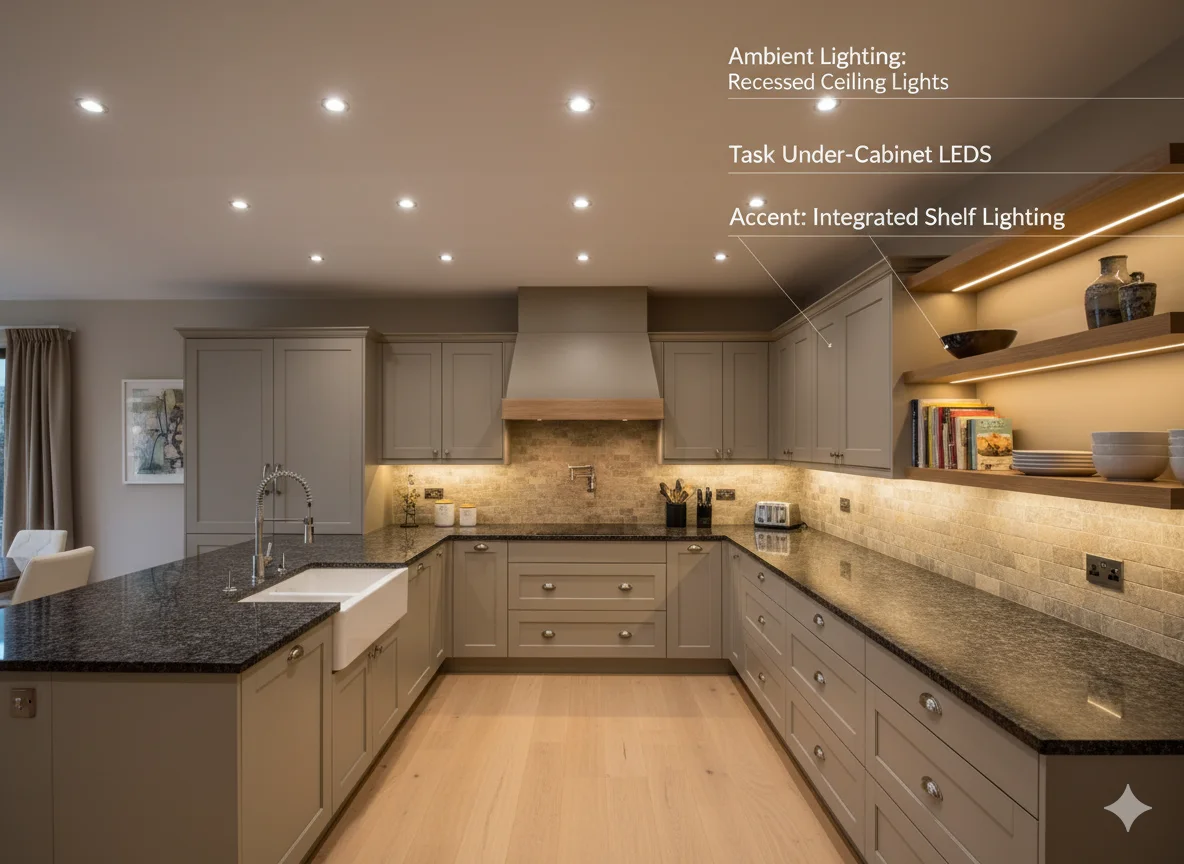
Before diving into specific ideas, it helps to understand the foundational principle that professional designers rely on: layered lighting. Every well-lit kitchen relies on three distinct layers working together.
Ambient lighting is the general, overall illumination that allows you to move safely and comfortably through the room. Task lighting is focused and directed, aimed at specific work surfaces like countertops, the sink, and the stove. Accent lighting adds depth and visual interest, highlighting architectural features, open shelving, or decorative elements.
When these three layers are combined thoughtfully, the kitchen becomes both functional and beautiful. Every idea in this list contributes to one or more of these layers.
20 Kitchen Lamps and Lighting Ideas
1. Pendant Lights Over the Kitchen Island
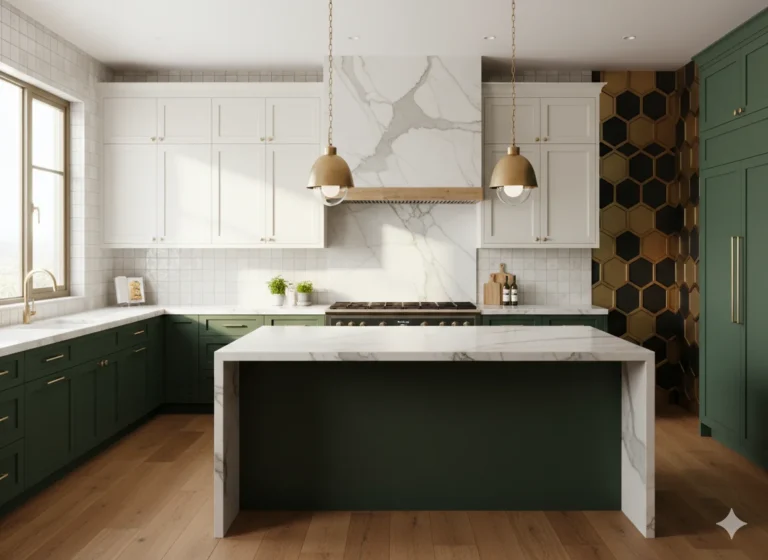
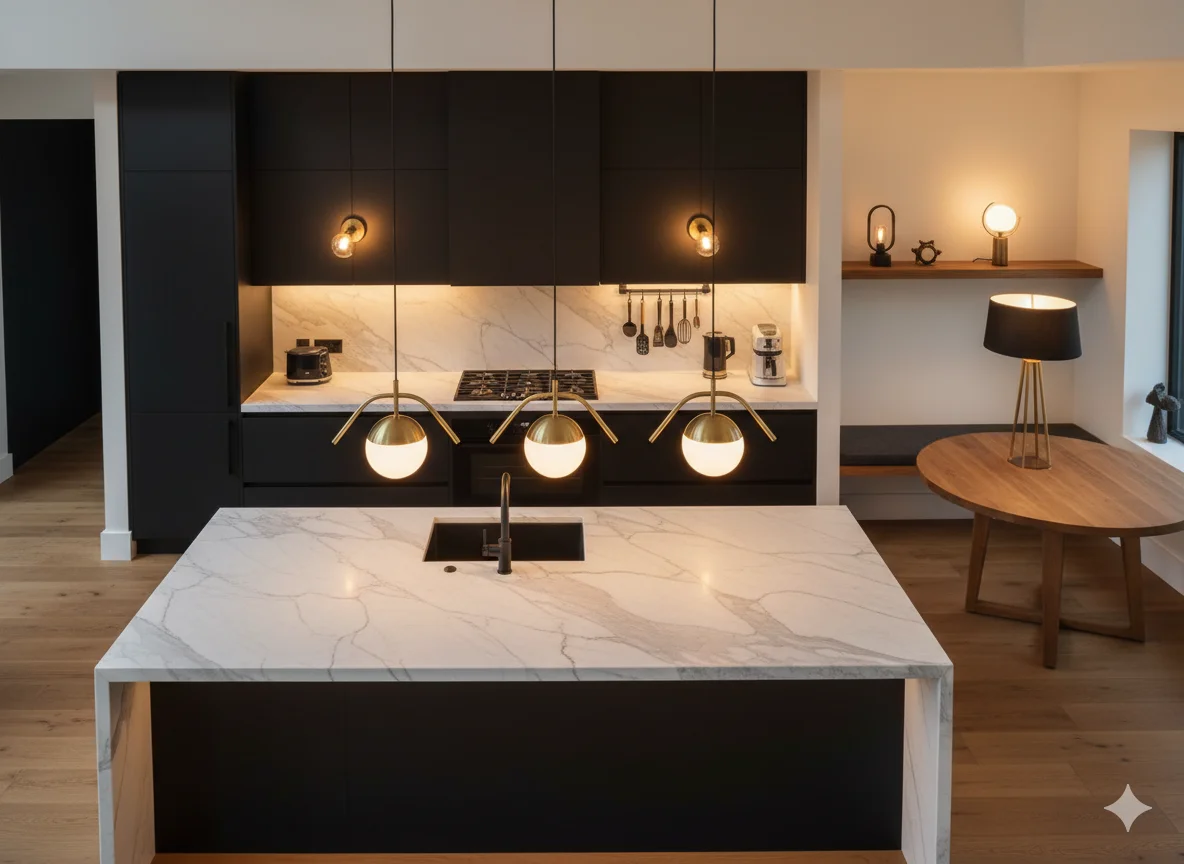
Pendant lights are the single most popular kitchen lighting choice for good reason. Hung above the island, they provide focused task light exactly where food preparation happens while also adding a strong visual anchor to the room. For most standard islands, two or three pendants spaced evenly work well. Hang them 30 to 36 inches above the island surface for optimal brightness and visual proportion.
2. A Statement Chandelier
A chandelier in the kitchen might sound unexpected, but it is one of the most effective ways to elevate the entire space. A striking fixture above a large island or breakfast table doubles as a centerpiece, drawing the eye upward and making the room feel more curated. Even in a minimalist kitchen, one bold chandelier introduces personality without requiring any other decorating effort.
3. Under Cabinet LED Strips
Under cabinet lighting is one of the most practical upgrades you can make. LED strip lights mounted beneath wall cabinets eliminate the shadows that overhead lighting creates on countertops, making food preparation safer and easier. They also add a sleek, modern atmosphere and work especially well when paired with dimmer switches, allowing you to dial down the brightness for a warm evening glow.
4. Recessed Ceiling Lights
Recessed or downlights built into the ceiling offer clean, uninterrupted ambient illumination. They keep the ceiling visually clutter-free and work seamlessly in modern and contemporary kitchens. The key to getting recessed lighting right is spacing. Placing them too far apart creates dark patches, while placing them too close together results in an overly clinical brightness. A common rule is to space recessed lights roughly half the ceiling height apart from one another.
5. Track Lighting
Track lighting has evolved far beyond its utilitarian origins. Modern track systems are sleek and stylish, and their adjustable heads allow you to direct light precisely where it is needed most. This makes track lighting one of the most flexible options available, particularly useful in open-plan kitchens where one area serves multiple purposes throughout the day.
6. Cozy Table Lamps on the Counter
One of the most talked-about kitchen lighting trends of recent years is the introduction of table lamps into the kitchen. Placed on a countertop, open shelf, or the end of an island, a small table lamp adds a warmth and intimacy that overhead fixtures simply cannot replicate. It creates the kind of cozy glow that makes the kitchen feel less like a workspace and more like a living space, especially in the early morning or late evening.
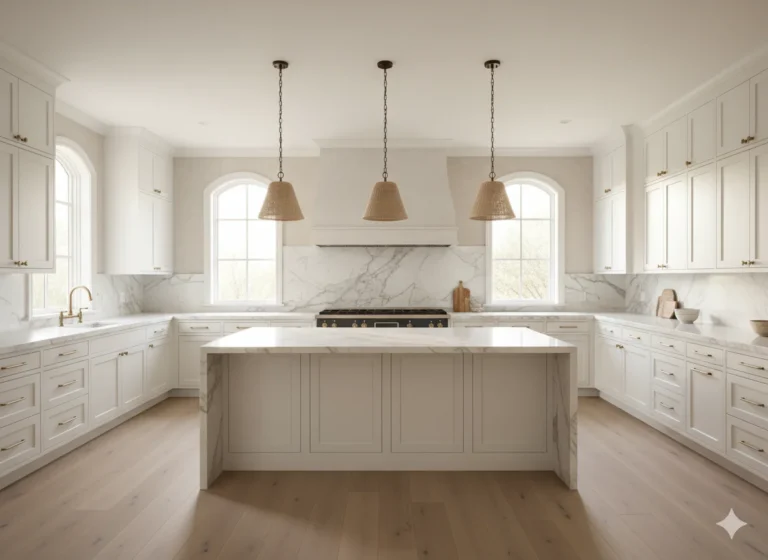
7. Rattan Pendant Lights
Natural material lighting is a strong and lasting trend. Rattan pendants bring organic texture and a warm, earthy quality to the kitchen that complements both neutral and earthy color palettes. They work particularly well in coastal, Scandinavian, bohemian, and farmhouse-style kitchens, and their woven construction diffuses light softly, avoiding harsh glare.
8. Sculptural Statement Fixtures
Sculptural lighting fixtures treat the kitchen as a canvas for art. These are fixtures with unexpected shapes, unusual materials, or bold silhouettes that command attention the moment you enter the room. An oversized sculptural pendant or chandelier can completely transform the visual character of a kitchen, making it feel more like a designed interior space rather than a purely functional one.
9. Wall Sconces Flanking the Sink
The sink is often one of the most neglected areas when it comes to kitchen lighting, yet it is where a considerable amount of time is spent. Installing wall sconces on either side of the kitchen window above the sink delivers soft, flattering light and introduces a sense of symmetry and polish. Sconces with natural materials or interesting silhouettes add both function and decorative value to this often-overlooked zone.
10. Linear Suspension Lights
Linear pendants, which are elongated horizontal fixtures hung on a single cord or rod, are ideal above long kitchen islands and dining tables. They deliver even, wide coverage and have a contemporary, architectural quality that looks especially refined in modern kitchens. Linear suspensions are available in a wide range of finishes, from matte black and brushed brass to antique bronze.
11. Vintage and Antique Fixtures
There is a growing appreciation for vintage lighting in the kitchen. Repurposed antique fixtures bring a sense of history and individuality that new fixtures rarely achieve. Whether it is an old industrial factory pendant, a mid-century globe fixture, or a delicate Victorian chandelier, vintage lighting adds a collected, layered quality to the kitchen that cannot be manufactured. Pairing a vintage piece with contemporary cabinetry creates a tension that feels curated rather than mismatched.
12. Glass Pendant Lights
Clear and frosted glass pendants are timeless and versatile. Clear glass allows the bulb itself to become part of the decorative element, while frosted glass diffuses light evenly and softens the overall atmosphere. Colored glass pendants in deep blue, amber, or green add a jewel-toned accent above an island without overwhelming the rest of the design.
13. Dimmable Lighting Systems
Installing dimmer switches throughout the kitchen is one of the smartest investments you can make. Dimmers allow you to calibrate the mood of the room instantly, moving from bright task lighting while cooking to a softer, warmer setting during dinner. Most modern LED fixtures are compatible with dimmers, though it is worth confirming compatibility before purchasing.
14. LED Cabinet Interior Lighting
If you have glass-front cabinets, lighting the interior is an elegant detail that elevates the kitchen dramatically. Small LED puck lights or continuous LED strips mounted inside the cabinet cast a warm glow over dishes, glassware, or decorative objects, turning your storage into a display. The same approach works beautifully inside open shelving.
15. Industrial Pendant Lights
Industrial-style pendants, typically featuring metal shades in matte black, raw iron, or aged brass, bring a robust and confident character to the kitchen. They pair naturally with exposed brick, concrete countertops, dark cabinetry, and stainless steel appliances. A cluster of industrial caged pendants above a large island creates a striking visual centerpiece.
16. Lantern-Style Pendant Lights
Lantern fixtures have seen a significant resurgence in recent years. Their open frames and typically clear glass construction allow maximum light output while adding a traditional or transitional character to the kitchen. Hung over an island in a pair or trio, lantern pendants are especially effective in farmhouse, colonial, and classic-style kitchens.
17. Integrated LED Toe-Kick Lighting
Toe-kick lighting refers to small LED strips installed at the base of kitchen cabinets, running along the floor-level recessed panel. While subtle, this lighting layer adds a sophisticated, almost floating quality to the cabinetry and is especially effective for navigating the kitchen safely at night without turning on bright overhead lights.
18. Floor Lamps in Open-Plan Kitchens
In open-plan spaces where the kitchen flows into a living or dining area, a floor lamp near the kitchen can bridge the two zones beautifully. An architectural floor lamp with a bold silhouette adds warmth and visual continuity, particularly in the corner near a bar cart, a breakfast nook, or a reading chair positioned adjacent to the kitchen.
19. Mixing Metals and Finishes
One of the most liberating kitchen design principles of recent years is the idea that all your fixtures do not need to match. Mixing finishes, such as pairing brushed brass pendants with matte black sconces, or combining warm gold hardware with a polished nickel chandelier, creates a layered, collected aesthetic that feels genuinely personalized. The key is to repeat each finish at least twice throughout the space so the combination feels intentional rather than accidental.
20. Smart Lighting Systems
Smart lighting brings a new dimension of control and efficiency to the kitchen. With systems integrated into a home app or voice-activated devices, you can create lighting scenes for different times of day, adjust color temperature from warm to cool white as needed, and automate schedules. Smart LEDs also consume significantly less energy than traditional bulbs and last far longer, making them a practical and forward-thinking choice.
How to Choose the Right Color Temperature
One practical consideration that ties all of these ideas together is color temperature, measured in Kelvin. For kitchens, a range of 2,700 to 3,000K produces a warm, inviting light that flatters food and people alike. Moving toward 4,000 to 5,000K delivers a cooler, crisper tone better suited to task-intensive work. Many homeowners use warmer temperatures for ambient layers and slightly cooler temperatures for under-cabinet task lighting, balancing comfort with clarity.
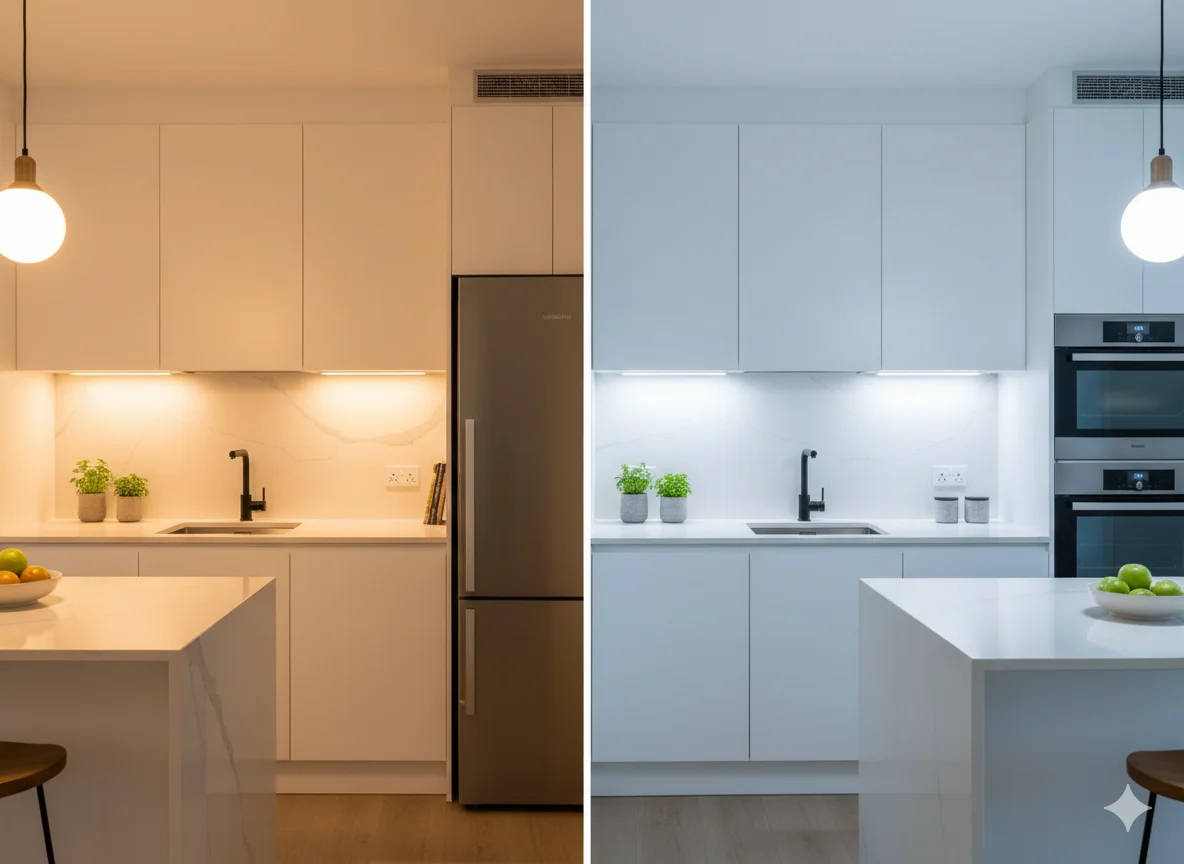
Layering Your Kitchen Lighting in Practice
The most visually successful kitchens combine four or five of these ideas working together rather than relying on a single fixture type. A practical approach is to start with recessed ceiling lights for general ambient coverage, add pendant lights over the island for task lighting and visual impact, install under-cabinet LEDs for countertop work, and finish with a table lamp or sconce for warmth and personality.
Dimmer switches on each circuit give you the flexibility to blend these layers precisely at any given moment. Morning coffee calls for a different atmosphere than weekend dinner preparation, and a well-layered lighting plan accommodates both effortlessly.
Conclusion
Lighting is one of the most transformative elements in any kitchen, yet it is frequently treated as an afterthought. When approached with the same care as cabinetry selection or countertop materials, it has the power to define the entire character of the space, making it feel warmer, more functional, more beautiful, and more uniquely yours.
Whether you invest in a statement chandelier that commands the room, introduce a cozy table lamp to a forgotten corner of the counter, or upgrade to a fully layered smart lighting system, the ideas in this list offer a starting point for every style and every budget. The kitchen deserves exceptional lighting, and with the right fixtures in the right places, it will reward you every time you walk through the door.
Frequently Asked Questions
What type of lighting is best for a kitchen?
The best kitchen lighting combines three layers: ambient lighting for general illumination, task lighting for work surfaces, and accent lighting for visual interest. Using all three together creates a kitchen that is both functional and beautiful.
How many pendant lights should hang over a kitchen island?
For most islands, two or three pendant lights spaced evenly provide the best balance of light coverage and visual proportion. Longer islands may accommodate up to four pendants. Always hang them 30 to 36 inches above the island surface.
Are table lamps appropriate for kitchens?
Yes, table lamps are a growing trend in kitchen design. A compact table lamp placed on a counter or shelf introduces a warm, residential quality and is especially useful for creating soft evening ambiance without turning on all overhead lights.
What color temperature is ideal for kitchen lighting?
A color temperature between 2,700 and 3,000K produces warm, flattering light for general kitchen use. For task areas like countertops and the sink where detail is important, a slightly cooler 4,000K is effective. Dimmable fixtures let you adjust between these ranges easily.
How do I make a small kitchen look brighter with lighting?
Use a combination of recessed ceiling lights for even overhead coverage, under-cabinet LEDs to brighten countertops, and light-colored or reflective surfaces to bounce light around the room. Choosing fixtures with clear glass shades and avoiding heavy, dark lamp shades also helps maximize the sense of brightness in a compact space.