20+ Affordable Aesthetic Bedroom Setup Ideas That Look Luxurious
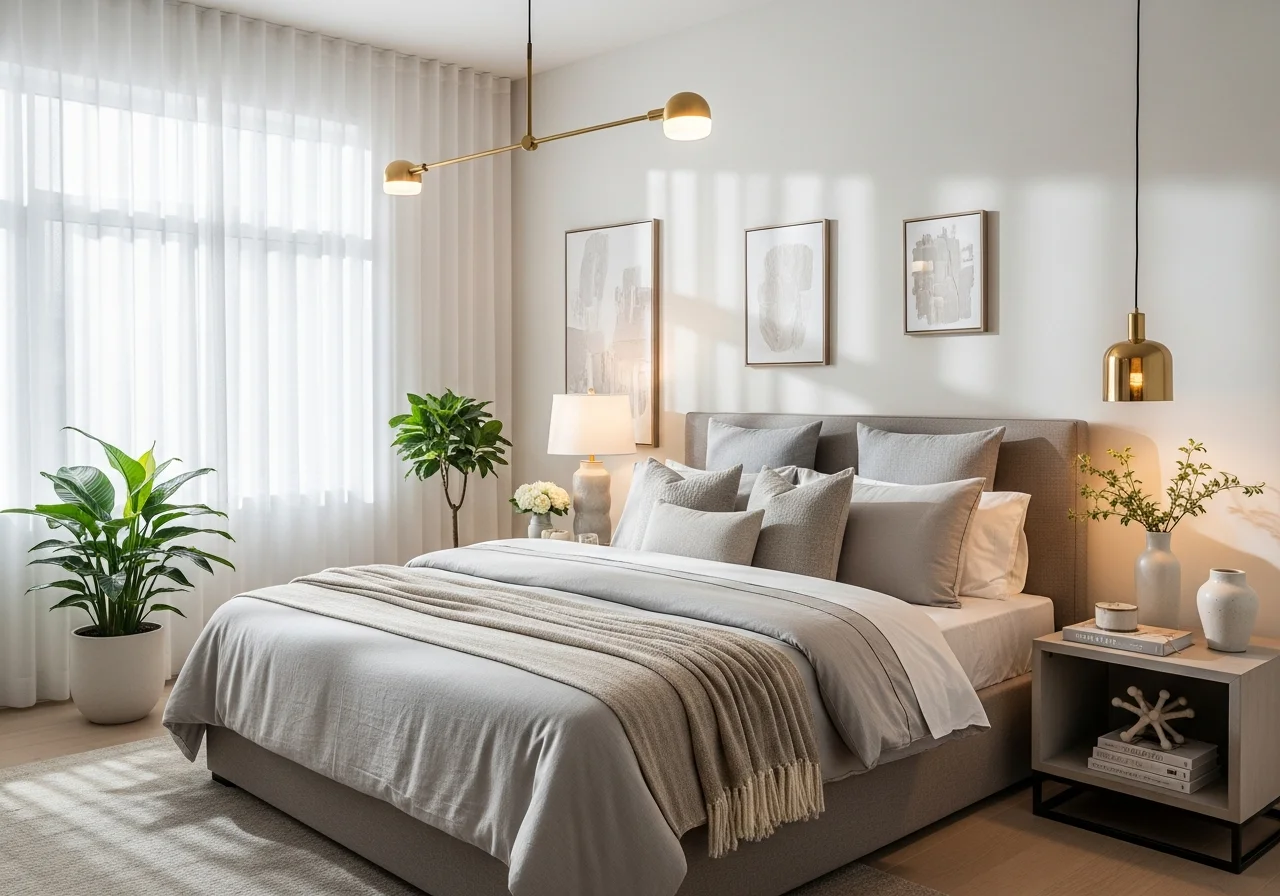
Your bedroom should be a sanctuary where you feel completely at ease, surrounded by beauty and comfort. Many people assume that creating an aesthetic bedroom requires a substantial budget, but this couldn’t be further from the truth. With thoughtful planning, creative solutions, and strategic design choices, you can transform your sleeping space into a luxurious retreat without draining your savings account.
The secret to achieving an affordable aesthetic bedroom lies in understanding which elements create visual impact and focusing your efforts there. Rather than purchasing expensive furniture or undertaking major renovations, you can achieve remarkable results through paint, textiles, lighting, and carefully curated accessories. This approach allows you to create a space that reflects your personal style while maintaining a sophisticated, high-end appearance.
This comprehensive guide presents over twenty practical ideas for creating an affordable aesthetic bedroom that rivals expensive interior design projects. Each suggestion focuses on maximizing visual impact while minimizing financial investment, proving that luxury is about smart choices rather than lavish spending.
Transform Your Space With Paint
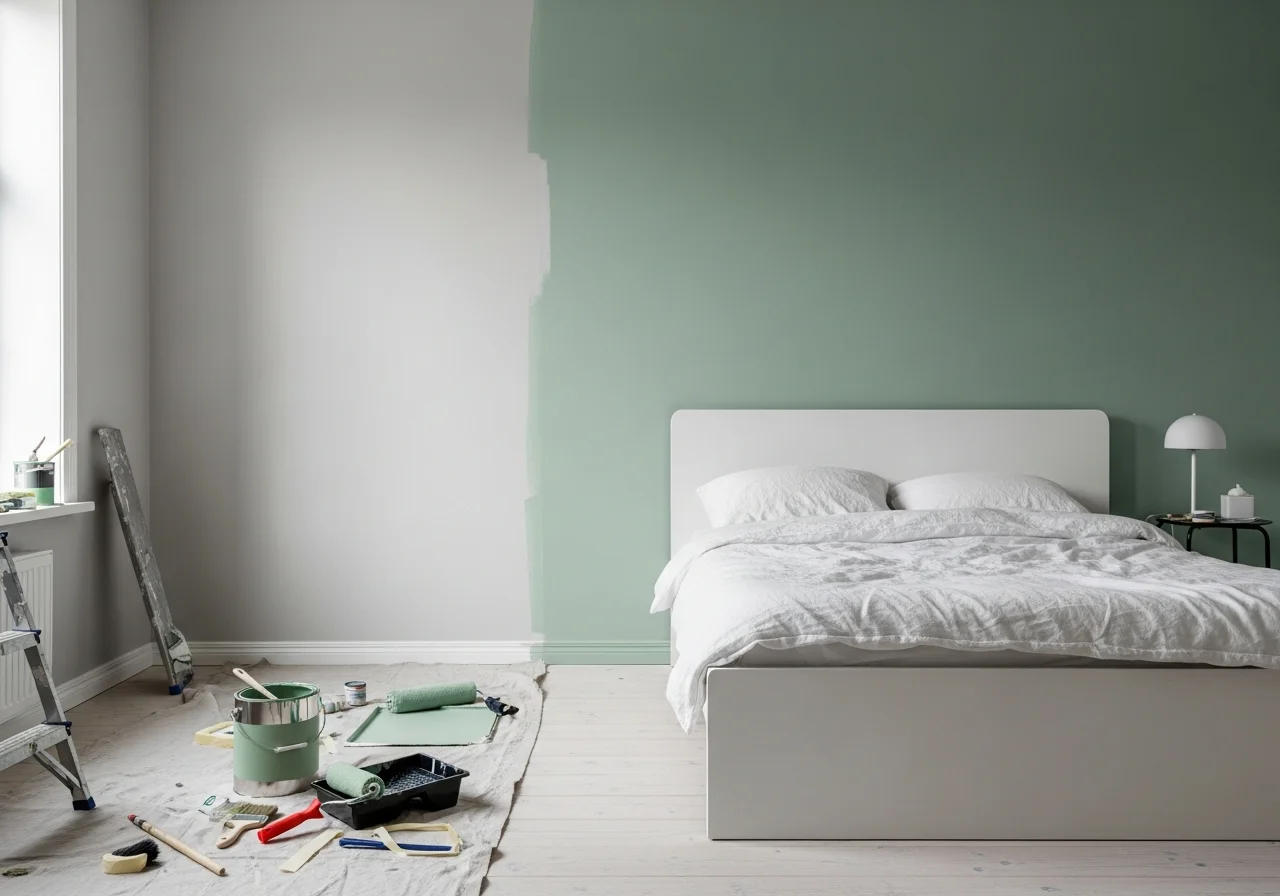
Paint remains one of the most cost-effective ways to completely transform any bedroom. A single gallon typically costs between twenty and fifty dollars, yet it can redefine your entire space. The key lies in selecting colors that align with your desired aesthetic while creating the right mood for relaxation and rest.
Neutral palettes featuring soft grays, warm beiges, or gentle greens provide timeless elegance that serves as an excellent foundation for layering other design elements. These shades create a calming atmosphere while offering versatility for future decor changes. For those seeking drama, deeper tones like navy blue, charcoal, or forest green can envelope the room in sophisticated warmth, making the space feel intimate and cozy.
Consider creating an accent wall behind your bed to add architectural interest without overwhelming the space. This technique draws the eye to your sleeping area as the room’s focal point while requiring less paint than covering all four walls. You can experiment with geometric patterns, ombre effects, or even paint a faux headboard directly onto the wall for a custom look that costs almost nothing beyond basic supplies.
The finish you choose matters just as much as the color itself. Matte finishes hide wall imperfections and create a sophisticated, contemporary appearance, while subtle sheens can reflect light and make smaller spaces feel more expansive.

Elevate Your Lighting Game
Lighting dramatically affects how your bedroom looks and feels, yet many people overlook its transformative potential. Swapping standard fixtures for statement pieces can instantly elevate your space from ordinary to extraordinary. Vintage chandeliers, modern pendant lights, or sculptural floor lamps serve as functional art pieces that command attention and set the tone for your entire design scheme.
Layer your lighting by incorporating multiple sources at different heights throughout the room. Beside your bed, consider wall-mounted sconces instead of traditional table lamps. Sconces free up nightstand space while adding architectural polish and symmetry. They create a hotel-like ambiance that signals intentional design rather than afterthought decoration.
String lights or fairy lights offer affordable ambient lighting that adds warmth and whimsy to any bedroom aesthetic. Drape them along headboards, around windows, or across ceiling corners to create a soft, romantic glow perfect for evening relaxation. While some might consider string lights juvenile, when used thoughtfully in warm white tones, they contribute sophisticated texture and depth to your lighting scheme.
Don’t underestimate natural light either. Remove heavy, dark curtains that block sunlight and replace them with sheer panels that filter light softly throughout the day. This simple change makes rooms feel larger, cleaner, and more inviting while costing very little.
Master the Art of Textural Layering
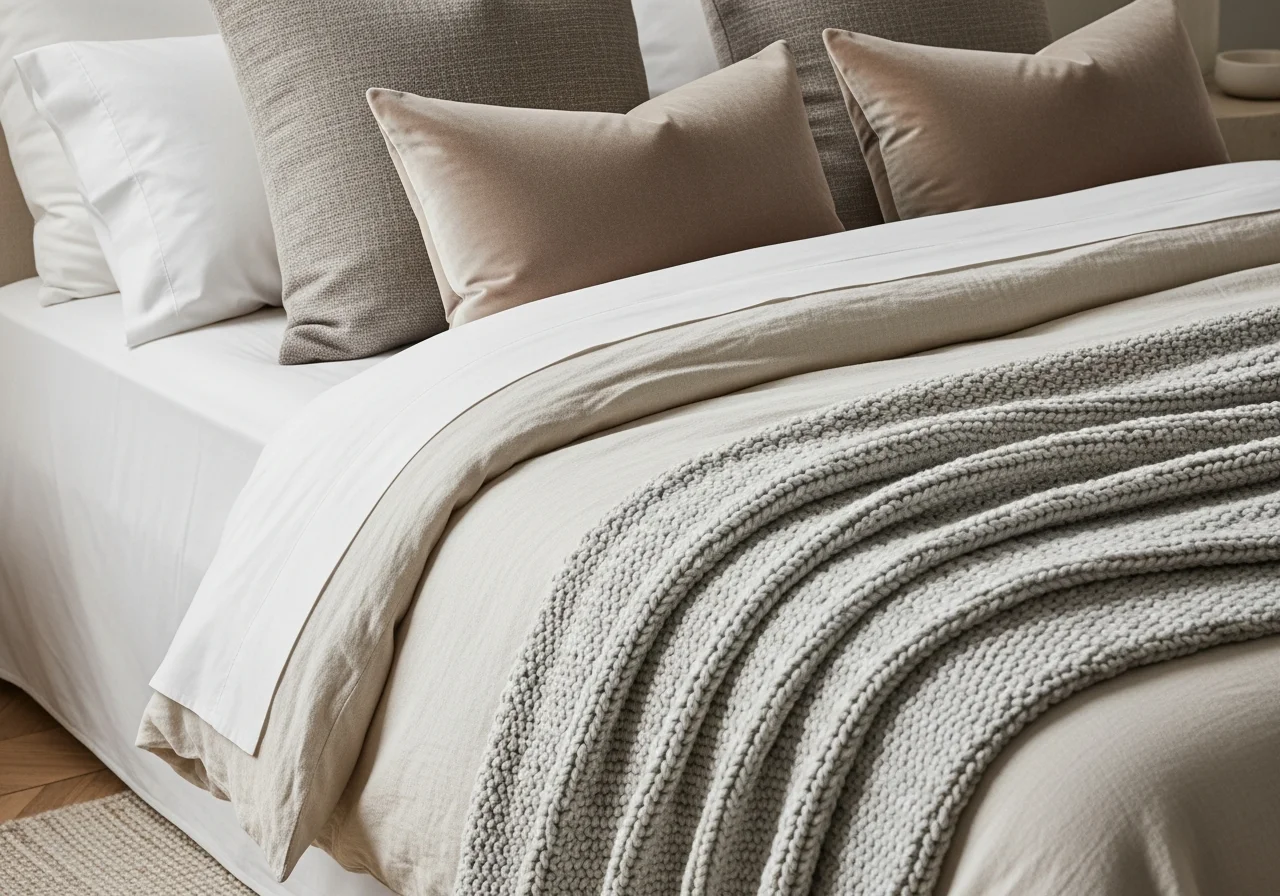
Texture creates visual richness that makes spaces feel expensive and carefully curated. Even budget-friendly textiles can appear luxurious when layered thoughtfully. Start with your bed, which naturally serves as the room’s centerpiece. Rather than investing in one expensive duvet, collect various textiles in complementary colors and materials.
Begin with quality sheets in a neutral shade, then add a lightweight blanket in a contrasting texture. Top this with a chunky knit throw placed across the foot of the bed, and finish with an assortment of pillows in different sizes and fabrics. Mix smooth cotton with nubby linen, soft velvet, or woven materials to create dimensional interest that catches light differently throughout the day.
Area rugs add another layer of texture while defining space and adding warmth underfoot. In smaller bedrooms or when working with limited budgets, consider layering smaller rugs instead of purchasing one large piece. This approach creates an eclectic, collected-over-time appearance that feels intentional and stylish. Look for budget-friendly options at discount retailers, or explore vintage and secondhand shops for unique finds with character.
Window treatments offer yet another opportunity for textural variety. Heavy linen curtains create casual elegance, while flowing sheers add softness and romance. Even inexpensive curtains appear more luxurious when hung higher than the window frame and allowed to pool slightly on the floor, a styling trick that makes ceilings appear taller and windows more grand.
Reimagine Your Furniture
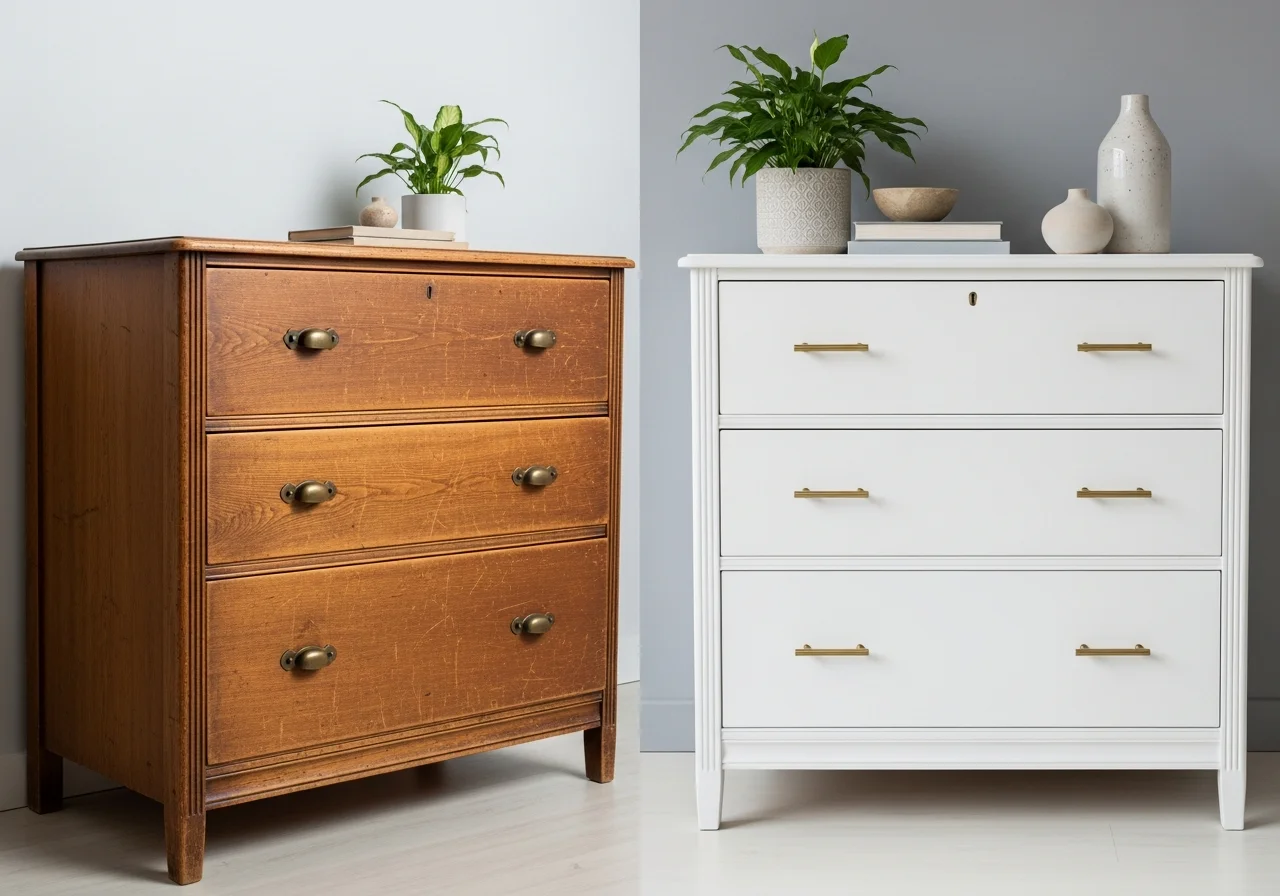
You don’t need to purchase new furniture to achieve a fresh aesthetic. Instead, breathe new life into existing pieces through paint, new hardware, or creative styling. Painting wooden furniture in bold colors or classic white creates cohesion throughout the room while hiding wear and imperfections.
Replace dated knobs and drawer pulls with modern hardware in brass, crystal, or matte black finishes. This simple upgrade costs very little but makes furniture appear custom and intentionally designed. Think of hardware as jewelry for your furniture, capable of completely changing its personality with minimal effort.
Multipurpose furniture serves double duty in smaller bedrooms or when budgets are tight. Ottoman-style storage benches provide seating, storage, and surface space for displaying decorative items. Platform beds with built-in storage eliminate the need for additional dressers or storage solutions. Floating nightstands create a sleek, modern look while freeing up floor space and making rooms feel larger.
Consider unconventional furniture pieces that add character without significant cost. Vintage suitcases stacked beside the bed create unique nightstands with built-in storage. Wooden crates can be mounted as floating shelves or stacked to form open storage units. These creative solutions add personality while keeping costs minimal.

Create Gallery Walls and Display Art
Art transforms blank walls into focal points that express your personality and elevate your space. However, original artwork and large pieces can strain budgets. Instead, curate a gallery wall using a mix of framed prints, photographs, postcards, and found objects that tell your story.
Thrift stores and flea markets offer inexpensive frames that can be painted to match your color scheme, creating a cohesive appearance from mismatched pieces. Download and print digital art from affordable online sources, or frame pages from old books, vintage maps, or botanical prints for a collected, curated look.
Rather than investing in numerous small frames that can appear cluttered, consider installing a picture ledge or floating shelf where you can lean artwork and rotate displays seasonally. This approach allows flexibility and creates a casual, sophisticated appearance reminiscent of European homes and boutique hotels.
Don’t forget about three-dimensional wall decor. Woven baskets, decorative plates, or sculptural pieces add depth and interest to walls while breaking up two-dimensional monotony. These items often cost less than framed artwork yet create equal visual impact.
Incorporate Plants and Natural Elements
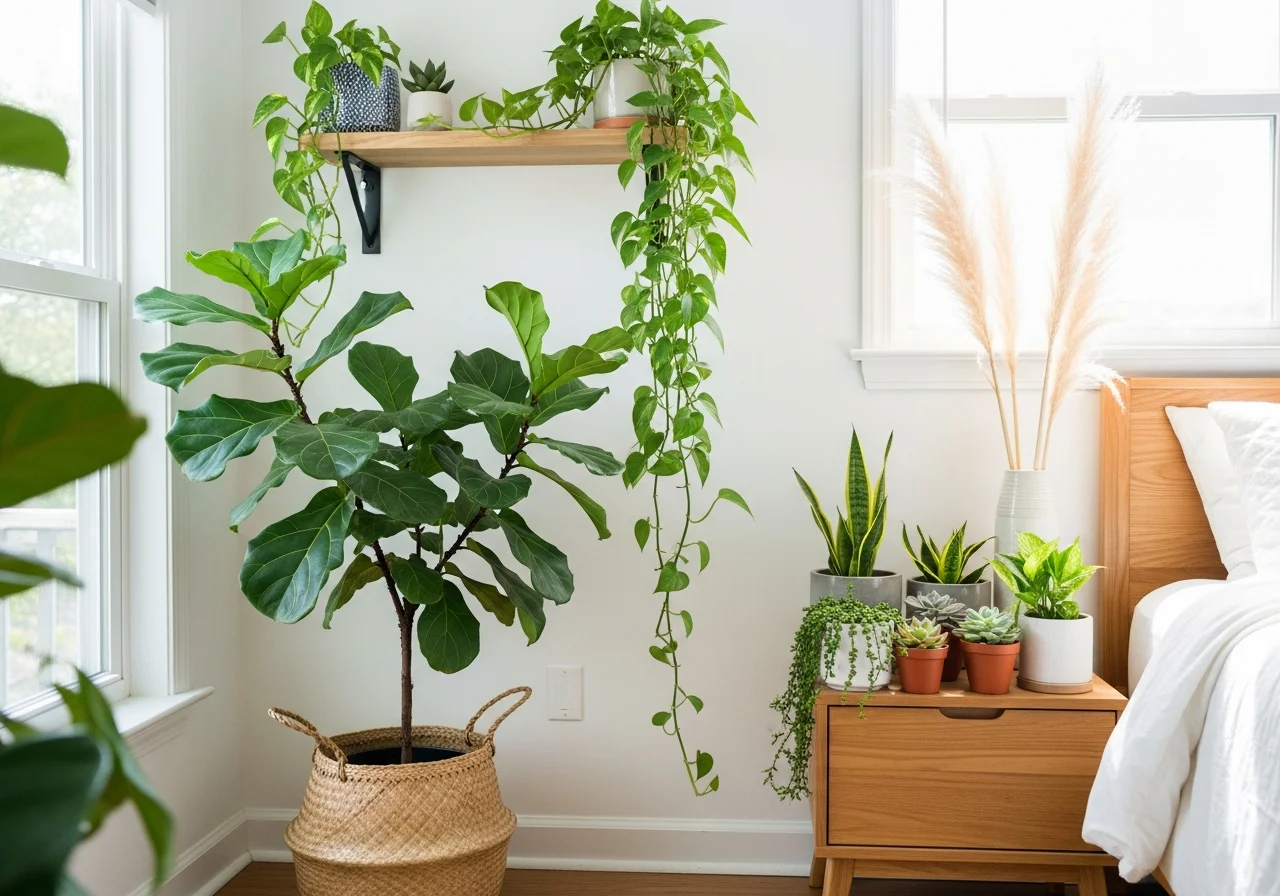
Plants instantly make spaces feel alive, fresh, and intentional. They improve air quality, add natural texture and color, and create visual interest at various heights throughout the room. Even artificial plants can serve these purposes if you lack natural light or struggle with plant care.
Large floor plants like fiddle leaf figs or monstera create dramatic focal points in empty corners, while trailing varieties like pothos or string of pearls add softness when hung from ceilings or placed on high shelves. Smaller succulents grouped on nightstands or dressers create vignettes that feel curated and intentional.
Choose pots and planters that complement your aesthetic. Terracotta offers warmth and natural texture, while ceramic planters in white or neutral tones create clean, modern appearances. Woven baskets add boho charm while hiding plastic nursery pots.
Beyond plants, incorporate other natural elements like driftwood, stones, or dried flowers and grasses. These organic materials add warmth and texture while connecting your indoor space to the natural world. Dried pampas grass in tall vases creates height and drama, while eucalyptus branches add subtle fragrance and elegant simplicity.

Style Your Nightstand Intentionally
Nightstands often become cluttered catchalls for random items, but styling them thoughtfully creates polished focal points that enhance your bedroom’s overall aesthetic. Clear everything off and start fresh, thinking of your nightstand as a small vignette rather than just functional storage.
Begin with a small lamp that provides adequate reading light while adding style. Consider the lamp’s base and shade as decorative elements that contribute to your room’s aesthetic. Stack two or three books beneath the lamp to add height variation and display your interests. Choose books with attractive covers or remove dust jackets to reveal coordinating colors.
Add a small tray to corral smaller items like jewelry, hand cream, or a water glass. This keeps essentials accessible while preventing visual clutter. Include one or two decorative objects like a small plant, a candle, or a meaningful trinket that sparks joy each time you see it.
Keep surfaces mostly clear, resisting the temptation to overcrowd. Negative space allows each item to shine while creating a sense of calm and order. This restrained approach signals intentional design and creates a more luxurious appearance than cluttered surfaces packed with items.

Embrace DIY Projects
Do-it-yourself projects allow you to customize your space while saving significant money. Even simple projects requiring minimal skills can dramatically impact your bedroom’s appearance. Creating a fabric canopy above your bed adds romance and drama for the cost of curtain panels and a ceiling hook or rod.
Make your own headboard using plywood covered in batting and fabric, or paint one directly onto the wall using painter’s tape to create clean lines. Macrame wall hangings add boho texture and can be learned through free online tutorials. Hand-paint simple abstract designs on canvas for custom artwork that reflects your color scheme perfectly.
Repurpose items creatively to serve new functions. Turn vintage scarves into throw pillow covers. Use decorative wallpaper samples in frames as instant art. Wrap lampshade frames in fabric scraps to create custom lighting. These projects cost little beyond materials while adding personal touches that make your space unique.
The beauty of DIY projects lies not in perfection but in personalization. Handmade elements add character and soul to your space, creating a bedroom that feels truly yours rather than straight from a catalog.

Maximize Storage to Minimize Clutter
Clutter undermines even the most beautiful design schemes. Creating adequate storage allows you to maintain the clean, uncluttered appearance essential to sophisticated spaces. Look for creative storage solutions that serve your needs without dominating the room visually.
Under-bed storage containers or rolling drawers utilize otherwise wasted space while keeping seasonal items, extra linens, or clothing out of sight. Choose containers in neutral colors that blend with your decor rather than bright plastic bins that draw attention.
Floating shelves provide display space for books, plants, and decorative objects while maintaining an airy, open feeling. Install them in vertical arrangements to draw the eye upward and make ceilings appear taller. Use decorative baskets or boxes on shelves to hide smaller items while adding textural interest.
A well-organized closet with matching hangers creates a sense of order that extends throughout your bedroom. Even if closet doors remain closed, knowing your belongings are neatly arranged reduces visual and mental clutter. Consider adding a clothing rack for frequently worn items or as a decorative element that displays favorite pieces as art.

Add Mirrors Strategically
Mirrors serve multiple functions in bedroom design. They reflect light, making spaces appear brighter and larger while serving practical purposes. A large mirror leaned against a wall creates a relaxed, contemporary look while avoiding wall damage perfect for renters.
Position mirrors to reflect windows or light sources, effectively doubling natural light and creating the illusion of additional space. This technique particularly benefits small bedrooms or those with limited windows. Avoid placing mirrors directly opposite the bed, as this can feel unsettling and interfere with restful sleep.
Decorative mirrors with interesting frames serve as art pieces while fulfilling functional roles. Sunburst mirrors add glamorous focal points, while vintage gilt frames contribute romantic elegance. Group smaller mirrors together to create gallery wall arrangements that reflect light from multiple angles.
Consider mirror placement beyond walls. A mirrored tray on a dresser creates a jewelry display area while reflecting light. Small tabletop mirrors add dimension to nightstand vignettes and serve practical grooming purposes.
Coordinate Bedding and Window Treatments
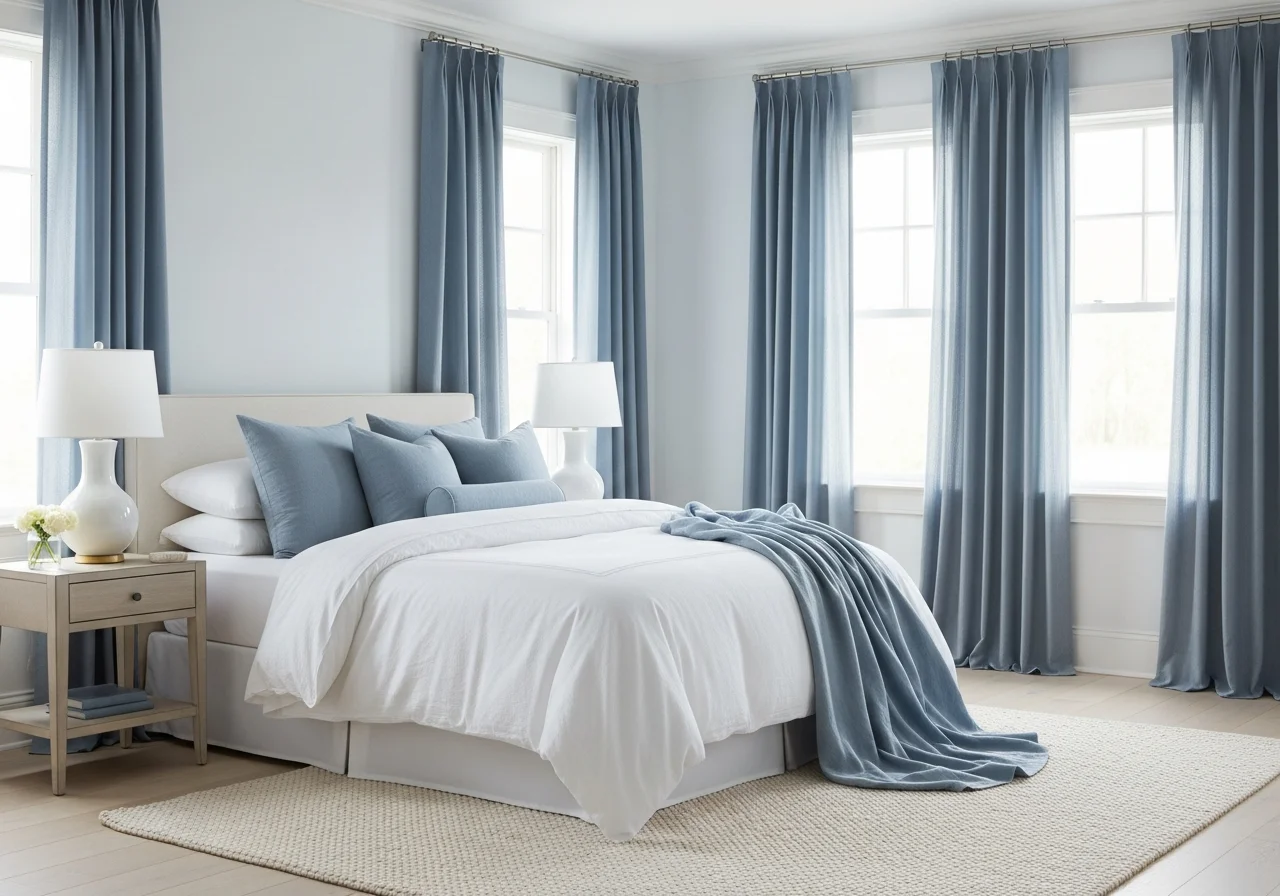
Creating cohesion between bedding and curtains makes spaces feel professionally designed and intentionally coordinated. You don’t need matching sets, but selecting colors and patterns that complement each other creates visual harmony throughout the room.
Choose a dominant color from your bedding and repeat it in your curtains, even if patterns differ. This repetition ties separate elements together while maintaining interest through variation. Alternatively, use solid curtains that pick up accent colors from patterned bedding, or reverse this approach with solid bedding and patterned curtains.
The way you hang curtains affects your room’s proportions and perceived luxury. Install curtain rods several inches above window frames and allow curtains to hang to the floor or pool slightly. This styling trick makes ceilings appear higher and windows more grand, regardless of actual dimensions.
Layer curtains for added depth and functionality. Sheer panels beneath heavier drapes allow light control while maintaining privacy. This layered approach creates luxurious fullness and provides options for different times of day and seasons.

Introduce Metallic Accents
Metallic finishes add sophisticated shine that elevates basic elements to luxury status. You don’t need extensive gold or brass pieces to achieve this effect. Instead, introduce metallics sparingly through carefully chosen accents that catch light and draw the eye.
Replace standard lamp bases with versions featuring brass, copper, or chrome finishes. Add metallic picture frames, decorative objects, or small accessories like catchall trays or candle holders. These touches create visual interest while suggesting intentional design choices.
Mix metallic finishes rather than matching everything perfectly. Combining brass and silver, or rose gold and black metal, creates a collected, eclectic appearance that feels current and intentional. This approach also provides flexibility when adding new pieces over time.
Hardware offers an easy entry point for metallics. Drawer pulls, curtain rods, and door handles in metallic finishes add polish throughout the space. These small updates require minimal investment yet significantly impact the room’s overall appearance.
Create Reading Nooks and Cozy Corners
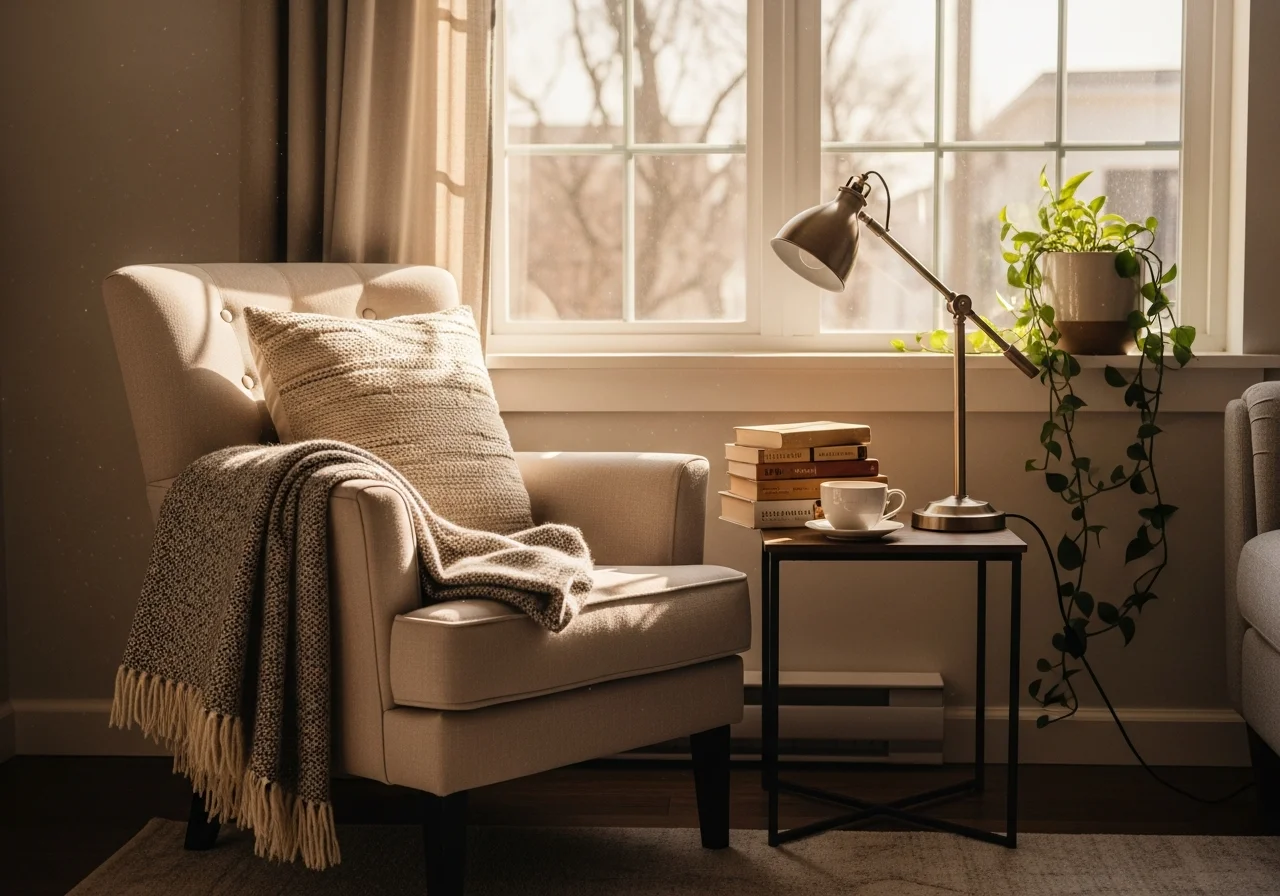
Designating a specific area for reading or relaxation adds functionality while making bedrooms feel more like personal retreats than simple sleeping spaces. You don’t need excess space to create a cozy corner. A comfortable chair positioned near a window with good light, accompanied by a small side table and reading lamp, creates an inviting spot for morning coffee or evening reading.
Add a soft throw blanket and textured pillow to your reading chair for comfort and visual warmth. A small bookshelf or stack of current reads nearby makes the space functional and personal. These elements transform an empty corner into a designated retreat within your larger bedroom sanctuary.
Floor cushions offer flexible, affordable seating that can be rearranged as needed. Cluster several together for lounging, or stack them when not in use. Choose cushions in fabrics and patterns that coordinate with your overall design while adding comfort and casual style.
Window seats, if your bedroom includes them, provide natural reading nooks. Add cushions and pillows to make hard surfaces comfortable, and style the area with throws and books to create an irresistible spot for daydreaming and relaxation.

Use Scent to Enhance Atmosphere
While visual elements receive most attention in bedroom design, scent significantly affects how spaces feel. Incorporating pleasant fragrances creates multi-sensory experiences that elevate ordinary bedrooms to luxurious retreats.
Candles provide warm, flickering light while dispersing fragrance throughout the room. Choose candles in attractive vessels that contribute to your decor even when unlit. Arrange candles in groups of varying heights on dressers or nightstands for visual interest and cohesive styling.
Diffusers offer continuous fragrance without requiring monitoring or flame safety concerns. Reed diffusers provide subtle, constant scent, while electric or ultrasonic diffusers allow you to change fragrances easily. Position diffusers away from direct sunlight to preserve oil quality and maximize longevity.
Room sprays offer immediate fragrance boosts and can be used on linens, curtains, and upholstery. Natural options like lavender promote relaxation and better sleep, while eucalyptus and mint create fresh, invigorating atmospheres. Experiment with different scents to find those that make you feel most comfortable and at ease in your space.
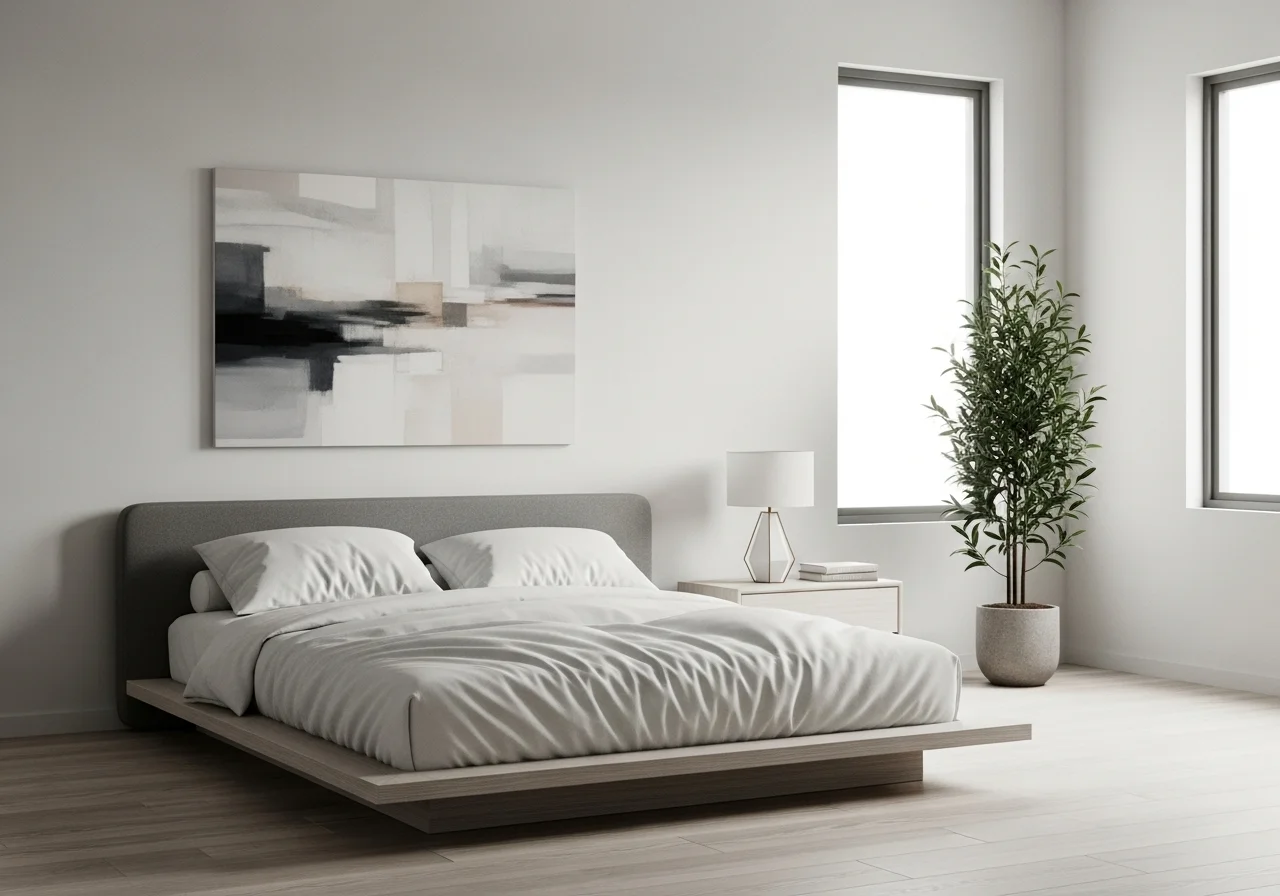
Embrace Minimalism for Maximum Impact
Sometimes creating a luxurious aesthetic means removing elements rather than adding them. Minimalist approaches emphasize quality over quantity, allowing each item in your space to receive full appreciation without competing for attention.
Edit your belongings ruthlessly, keeping only items that serve clear purposes or bring genuine joy. Clear surfaces of excess decorations, consolidate collections, and store away items that don’t actively contribute to your desired aesthetic. This decluttering process often costs nothing yet dramatically transforms how spaces look and feel.
Choose a limited color palette of two or three main colors plus one or two accent shades. This restraint creates cohesion and sophistication while making decorating decisions simpler. Neutral bases with carefully chosen accent colors allow flexibility for seasonal changes without requiring complete redesigns.
Invest in fewer, better-quality pieces rather than filling your space with numerous mediocre items. A single beautiful throw pillow makes more impact than five forgettable ones. One substantial plant creates more drama than several small ones scattered throughout. This approach respects both your budget and your space while creating cleaner, more intentional aesthetics.

Install Decorative Wall Panels
Wall paneling adds architectural interest and texture without requiring major renovations or professional installation. Board and batten, picture frame molding, or simple horizontal slat designs create dimension while elevating basic walls to custom features.
Paint panels the same color as walls for subtle texture, or use contrasting colors to make them stand out as focal points. Half-wall paneling, installed from floor to mid-wall height, adds traditional elegance while using less material than floor-to-ceiling applications.
For renters or those avoiding permanent changes, temporary wallpaper creates similar effects with easy installation and removal. Peel-and-stick options come in countless patterns and textures, from classic stripes to modern geometrics to natural grasscloth textures. Apply wallpaper to a single accent wall for impact without overwhelming small spaces or limited budgets.
Wainscoting or beadboard panels installed behind beds create instant headboard effects while adding cottage charm or coastal style. Paint these panels crisp white for fresh, airy feelings, or choose deep colors for dramatic, moody atmospheres.

Style With Books and Magazines
Books serve dual purposes as entertainment and decoration. Rather than hiding them away, display books as design elements that add color, texture, and personality to your bedroom.
Stack larger books horizontally on nightstands or dressers to create pedestals for lamps, plants, or decorative objects. This layered approach adds height variation and visual interest while showcasing your reading preferences. Choose books with attractive covers or remove dust jackets to reveal binding colors that coordinate with your color scheme.
Install floating shelves specifically for book displays, arranging volumes by color for rainbow effects or by size for clean, organized appearances. Mix books with small plants, framed photographs, or decorative objects to prevent bookshelf monotony.
Coffee table books focused on photography, design, fashion, or travel add sophistication to bedroom seating areas or window seats. These oversized volumes serve as conversation starters while contributing to your room’s aesthetic through their visual weight and subject matter.
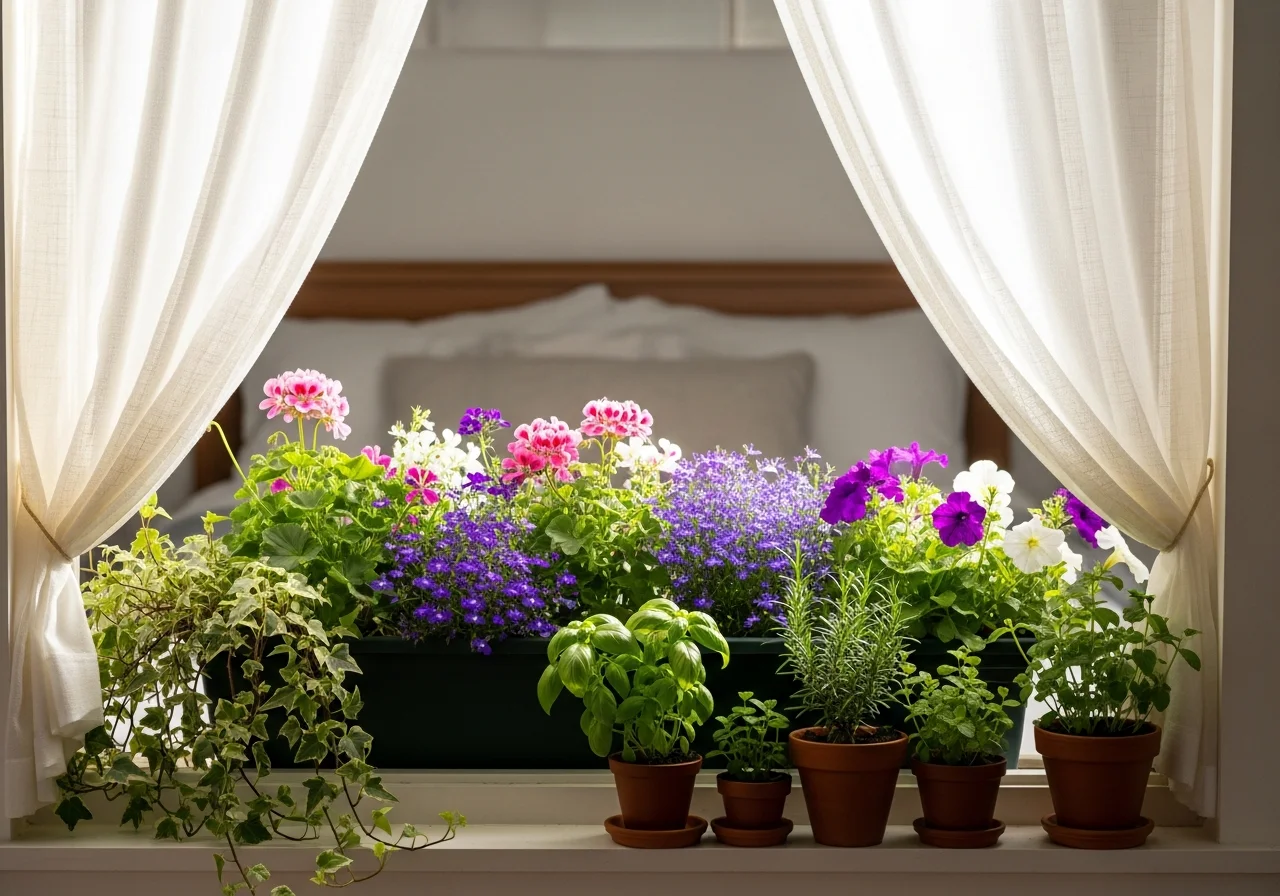
Add Window Box Planters
If your bedroom includes windows with exterior access, consider adding window boxes filled with trailing plants or flowers. This brings life and color into view without taking up interior space. From inside, window boxes create living artwork that changes with seasons and growth.
For windows without exterior boxes, create the illusion using plants placed on interior windowsills. Trailing varieties that cascade down walls mimic the effect of exterior boxes while improving indoor air quality. Choose pots that complement your interior design to maintain cohesion.
Herb gardens in window boxes provide practical benefits beyond aesthetics. Fresh herbs like lavender, rosemary, or mint offer pleasant scents, natural beauty, and culinary uses. This combines form and function while connecting your bedroom to living, growing elements.
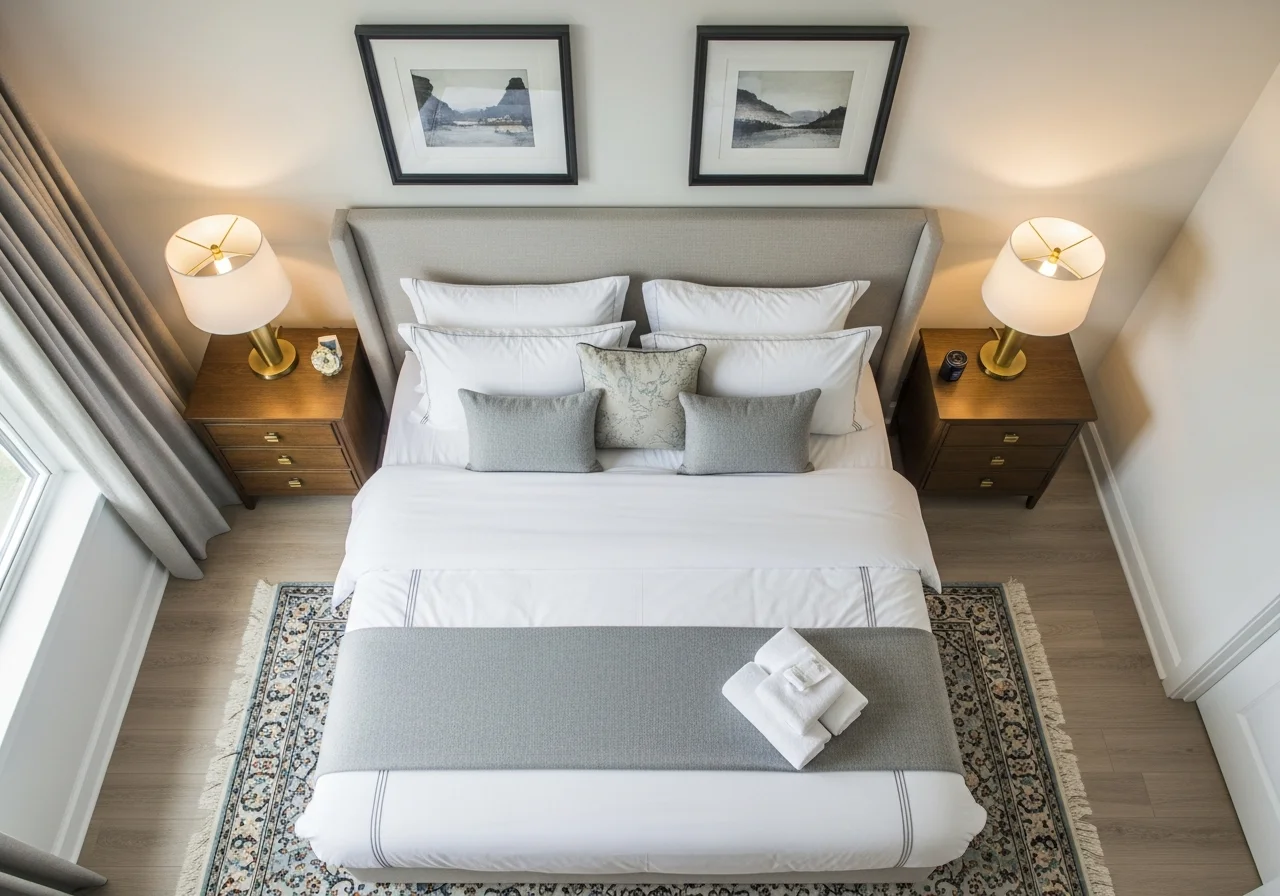
Focus on Symmetry and Balance
Professional designers often employ symmetry to create harmonious, balanced spaces that feel calm and intentional. You can apply these same principles without formal training or expensive furniture.
Flank your bed with matching nightstands and lamps to create instant symmetry that grounds the space. This doesn’t require purchasing matching furniture sets. Paint mismatched nightstands the same color, or use identical accessories on different tables to create visual coordination.
Arrange throw pillows symmetrically on your bed, with larger pillows in back and smaller accent pillows in front. Use even numbers of pillows in each size for balanced arrangements that appear professionally styled.
Balance doesn’t always mean perfect symmetry. Asymmetrical balance uses items of similar visual weight on opposite sides of focal points. A tall plant on one side of a dresser might balance a group of smaller items on the other side. This approach creates interest while maintaining equilibrium.

Personalize With Meaningful Objects
The most successful bedroom designs reflect the people who inhabit them. While following design principles and aesthetic guidelines helps create beautiful spaces, incorporating personal meaningful objects ensures your bedroom feels authentic rather than generic.
Display collections that tell your story, whether vintage cameras, travel souvenirs, or family photographs. Group similar items together for impact rather than scattering them throughout the room. This curated approach maintains visual organization while showcasing your interests and experiences.
Create a small dedicated space for items that inspire you, motivate you, or bring comfort. This might include inspirational quotes in frames, vision boards, or spiritual objects. These personal touches make your bedroom uniquely yours while supporting your emotional wellbeing.
Commission or create custom artwork that reflects your life and values. Paint abstract pieces in your color scheme, frame meaningful quotes in attractive typography, or display children’s artwork in coordinated frames. These personal elements add soul to your space that no catalog purchase can replicate.

Maintain Your Aesthetic
Creating an affordable aesthetic bedroom represents just the beginning. Maintaining your carefully designed space requires ongoing attention but rewards you with a consistently beautiful environment that supports rest and rejuvenation.
Establish simple routines that preserve your bedroom’s appearance. Make your bed daily to maintain the focal point of your room. Clear nightstands each morning so items don’t accumulate. Regularly dust surfaces and vacuum floors to keep textiles and finishes looking fresh.
Rotate seasonal elements to keep your space feeling current without complete redesigns. Swap lighter linens for heavier textures as weather cools. Change throw pillow covers or add seasonal wreaths to maintain interest while working within your established aesthetic.
Address wear and damage promptly before small issues become larger problems. Touch up paint scratches, repair loose hardware, and clean stains immediately. These small maintenance tasks preserve your investment and keep your bedroom looking intentionally designed rather than neglected.
Conclusion
Creating an affordable aesthetic bedroom that looks luxurious requires creativity, thoughtfulness, and strategic choices rather than unlimited budgets. By focusing on impactful changes like paint, lighting, and textiles while incorporating DIY projects and personal touches, you can transform your sleeping space into a beautiful retreat that rivals expensive interior design projects.
The ideas presented here prove that luxury stems from careful curation and attention to detail rather than costly purchases. Small updates like changing hardware, adding plants, styling nightstands intentionally, and maintaining clean, uncluttered surfaces collectively create sophisticated spaces that feel custom designed.
Remember that your bedroom should ultimately reflect your personality and support your wellbeing. While design principles and aesthetic trends provide helpful guidance, the most successful bedrooms are those that make their inhabitants feel comfortable, inspired, and at peace. Use these ideas as starting points for creating a space that truly feels like your personal sanctuary, regardless of your budget constraints.
The journey to an aesthetic bedroom doesn’t happen overnight. Implement changes gradually, living with each update before adding the next. This measured approach allows you to refine your vision while avoiding costly mistakes. Most importantly, it ensures each element truly contributes to the beautiful, restful space you deserve to come home to each day.
Frequently Asked Questions
How can I make my bedroom look expensive on a tight budget?
Focus on three key areas: paint your walls in sophisticated neutral or bold colors, upgrade your lighting with statement fixtures, and layer quality textiles on your bed. These changes create maximum visual impact for minimal investment. Additionally, decluttering and styling surfaces intentionally makes spaces appear more expensive regardless of actual furniture costs.
What is the cheapest way to transform a bedroom?
Paint offers the most affordable transformation option, typically costing between twenty and fifty dollars for enough coverage to completely change your space. Pair this with decluttering, which costs nothing, and strategic rearrangement of existing furniture. These three steps can dramatically alter how your bedroom looks and feels without purchasing anything new.
How do I create a cohesive bedroom aesthetic without matching furniture?
Use paint to unify mismatched furniture pieces by coating them in the same color. Alternatively, maintain cohesion through consistent hardware finishes, coordinated textiles, and a limited color palette throughout accessories and decor. Repeating materials like wood tones or metal finishes across different pieces also creates visual harmony without requiring matched sets.
What bedroom colors make small spaces look bigger?
Light neutrals like soft whites, pale grays, and gentle beiges reflect light and make small bedrooms feel more spacious. However, don’t avoid darker colors entirely. Painting all walls including the ceiling in one deep, rich color can actually make boundaries disappear, creating an enveloping effect that makes the room feel larger than it is.
Are DIY bedroom projects difficult for beginners?
Many DIY bedroom projects require minimal skills and basic tools. Painting furniture, creating fabric wall hangings, or installing peel-and-stick wallpaper all qualify as beginner-friendly projects with significant visual impact. Start with simple projects to build confidence before attempting more complex installations. Online tutorials provide step-by-step guidance for virtually any project you can imagine.