
15 Stylish Winter Hair Braids: Protect Your Hair and Look Fabulous in the Cold Season of 2026
Winter brings cozy sweaters, hot chocolate, and unfortunately, challenging conditions for your hair. The cold air outside and heated environments indoors create the perfect storm for dry, brittle strands prone to breakage. As we move into 2026, protective braiding has emerged as both a practical solution and a fashion statement that keeps hair healthy while looking absolutely stunning throughout the coldest months.
Braids serve as more than just a hairstyle during winter. They function as a protective barrier that shields your hair from harsh environmental elements while locking in essential moisture. When temperatures drop and humidity levels plummet, your hair loses moisture rapidly, leading to split ends, breakage, and dullness. Braided styles address these concerns by minimizing manipulation, reducing exposure to damaging conditions, and allowing your hair to retain its natural oils.
The beauty of winter braids extends beyond protection. These styles offer incredible versatility, allowing you to experiment with various looks while giving your hair the rest it deserves from daily styling routines. Whether you prefer classic elegance or bold modern statements, the braiding options for winter 2026 provide something for everyone seeking both style and substance.
Understanding Why Winter Demands Protective Braiding
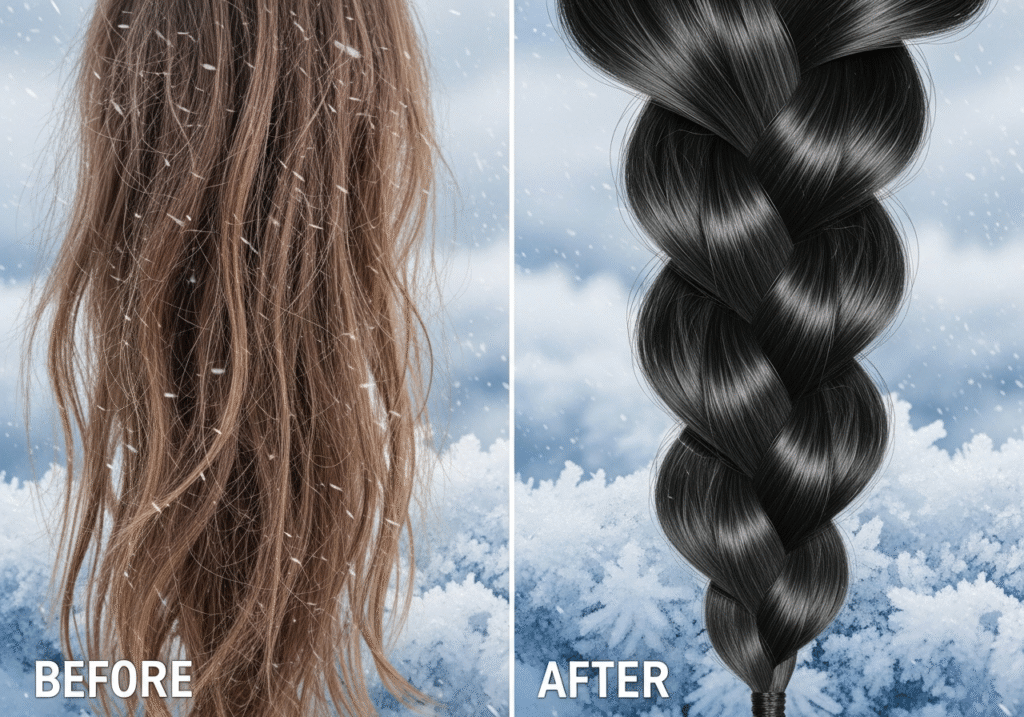
Cold weather wreaks havoc on hair in ways many people underestimate. When you step outside into frigid temperatures, the moisture in your hair can literally freeze, causing cuticles to crack and strands to become brittle. Indoor heating systems compound this problem by stripping away whatever moisture remains, creating a cycle of damage that leaves hair weak and prone to breaking.
Braided hairstyles interrupt this destructive cycle by keeping hair strands bundled together and protected. The braiding technique itself helps distribute natural scalp oils along the hair shaft, maintaining hydration levels that would otherwise evaporate in dry winter air. This protection becomes especially crucial for textured hair types that naturally produce less sebum and therefore require extra attention during cold months.
Beyond moisture retention, braids reduce the daily manipulation that causes mechanical damage. Every time you brush, style, or even touch your hair, you risk breaking fragile winter-weakened strands. Protective braiding minimizes this contact, allowing hair to rest and repair itself naturally. Research suggests that reduced manipulation during harsh weather conditions can significantly improve length retention and overall hair health.
The psychological benefits also deserve recognition. Winter often brings a desire for low-maintenance routines that simplify morning preparations. Braided styles eliminate the need for extensive daily styling, saving time while ensuring your hair looks polished and intentional. This convenience factor makes protective braiding an intelligent choice for busy individuals navigating the demands of work, family, and social commitments during the holiday season and beyond.
Box Braids: The Timeless Winter Classic
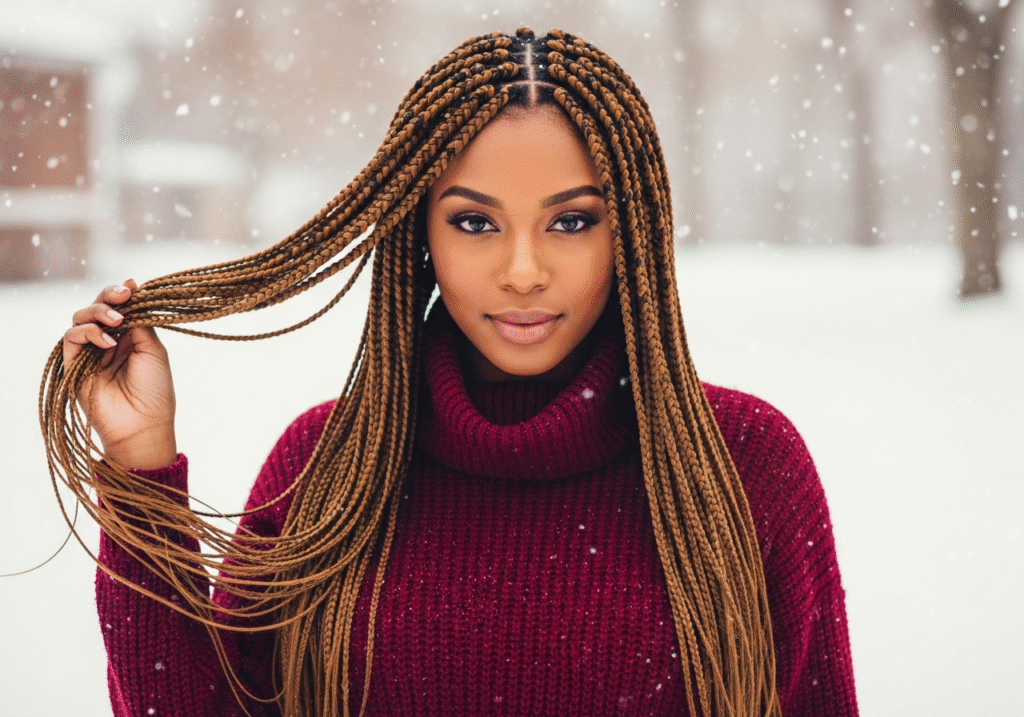
Box braids remain one of the most popular protective styles for winter 2026, and their enduring appeal stems from remarkable versatility and longevity. These individually braided sections, typically created using hair extensions, can last anywhere from four to eight weeks with proper maintenance. The structured appearance works beautifully under winter hats and scarves, making them ideal for anyone who frequently transitions between outdoor and indoor environments.
The installation process involves dividing hair into square sections, hence the name box braids. This geometric precision creates clean lines that maintain their structure even as weeks pass. You can customize box braids in countless ways by adjusting the thickness, length, and color. Jumbo box braids offer a bold statement with faster installation time, while micro box braids provide an intricate, delicate appearance that showcases detailed craftsmanship.
Box braids excel at protecting hair ends, which represent the oldest and most fragile portion of each strand. By keeping these vulnerable ends tucked away within the braid structure, you prevent the splitting and breakage that typically accelerates during winter months. The style also creates a barrier against cold winds and dry indoor air, maintaining the moisture balance necessary for healthy hair.
Styling versatility makes box braids particularly appealing for fashion-conscious individuals. You can wear them flowing freely down your back, gathered into elegant updos, styled into half-up configurations, or accessorized with beads, cuffs, and ribbons. This adaptability means your hairstyle can evolve with different occasions and moods without requiring a complete change or risking damage to your natural hair underneath.
Knotless Braids: Modern Innovation Meets Comfort
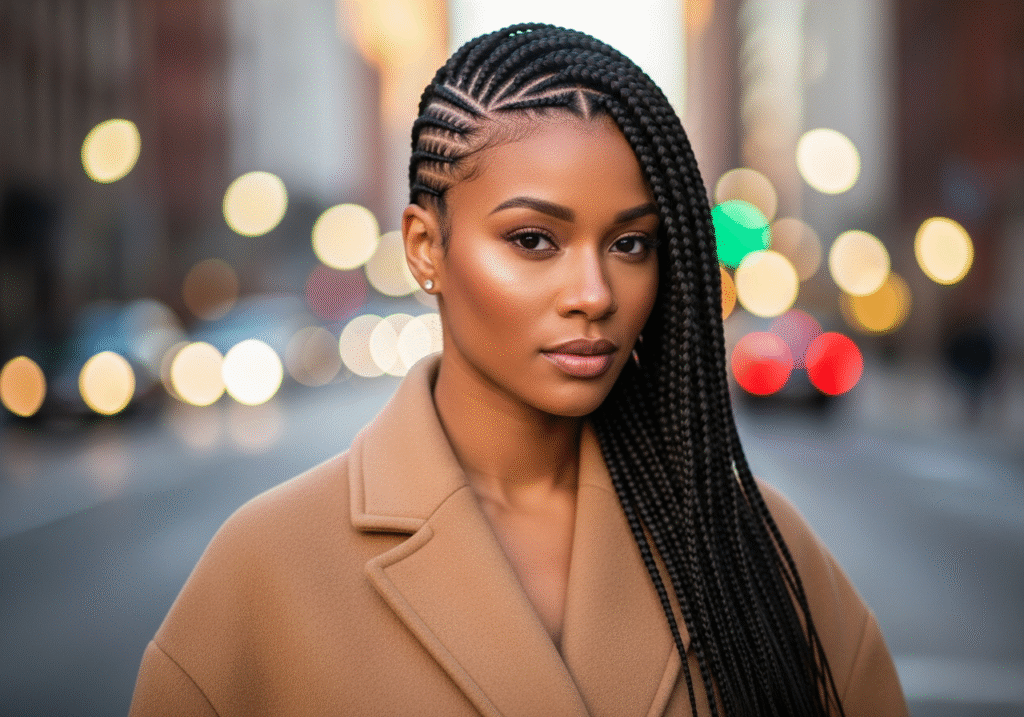
Knotless braids have revolutionized protective styling by addressing one of the main complaints associated with traditional braiding methods: tension at the scalp. Unlike conventional box braids that begin with a knot at the base, knotless braids start with your natural hair and gradually feed in extensions as the braid progresses. This technique significantly reduces strain on hair follicles and edges, making it particularly beneficial during winter when hair is already stressed.
The reduced tension offers multiple advantages for winter wear. Your scalp remains healthier and more comfortable, even when wearing hats or other accessories that might otherwise cause irritation. The natural-looking hairline created by knotless braids appears seamless and realistic, enhancing the overall aesthetic appeal. Many people find they can wear knotless braids for four to six weeks without experiencing the discomfort sometimes associated with tighter braiding techniques.
Knotless braids also tend to be lighter than traditional box braids, reducing the burden on your scalp and neck. This lighter weight becomes especially noticeable during extended wear periods common in winter when you want a long-lasting style that carries you through multiple weeks of cold weather. The decreased heaviness also means less stress on your edges, helping preserve the delicate hairline area that often suffers during winter months.
The bohemian variation of knotless braids has gained particular traction in 2026. This style incorporates loose, curly hair left out at intervals along the braid, creating a romantic, textured appearance that feels both protective and free-spirited. The combination of structured braids and flowing curls offers dimension and movement while maintaining the protective benefits that make braiding essential for winter hair care.
Cornrows: Sleek Protection Against the Elements
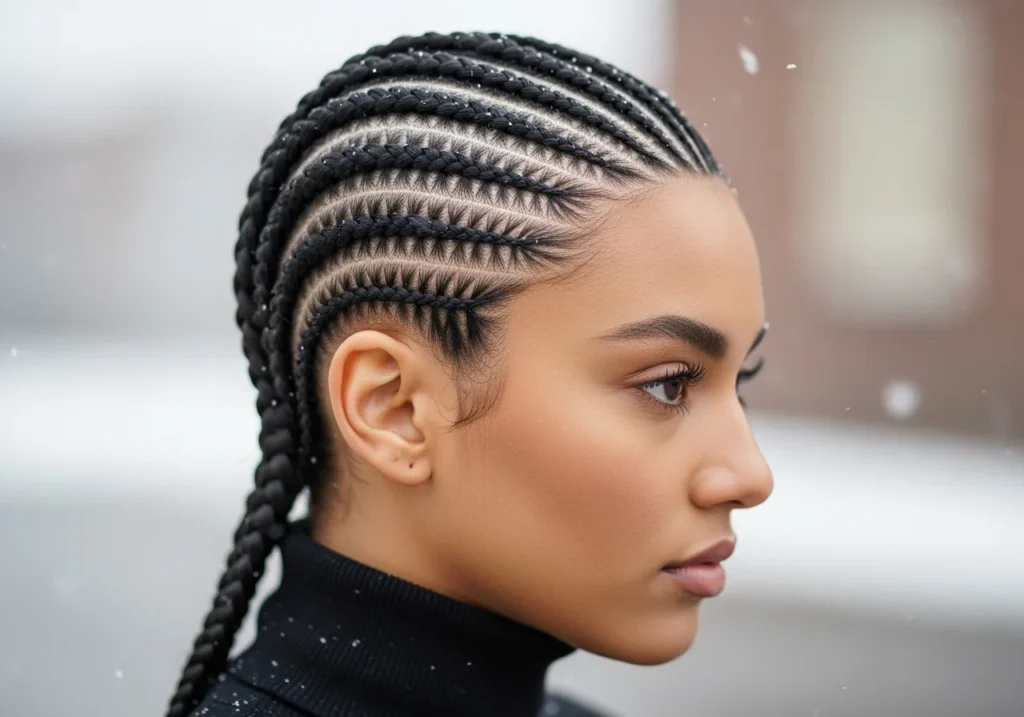
Cornrows represent one of the most practical protective styles for winter weather. These braids lie flat against the scalp in continuous rows, creating a sleek profile that fits comfortably under hats, beanies, and hooded coats without causing bulk or discomfort. The close-to-scalp nature of cornrows provides excellent protection for your entire head of hair, shielding it from cold temperatures while maintaining moisture close to the roots.
The versatility of cornrow patterns allows for creative expression even within this traditional style. Straight-back cornrows offer classic simplicity, while curved, zigzag, or geometric patterns add artistic flair that transforms your head into a canvas. You can incorporate feed-in techniques for a more natural-looking hairline, or add colorful extensions to create dimension and visual interest that brightens dreary winter days.
Cornrows typically last between two and eight weeks, depending on your hair texture, growth rate, and maintenance routine. This longevity makes them economical and practical for winter when frequent salon visits become less appealing due to weather conditions. The style requires minimal daily maintenance beyond scalp moisturizing and nighttime protection with a silk or satin scarf.
One significant advantage of cornrows during winter involves their compatibility with active lifestyles. Whether you enjoy winter sports, gym workouts, or simply rush through busy days, cornrows stay secure and neat without requiring constant adjustment. The style eliminates the frustration of wind-tousled hair and reduces the temptation to use heat styling tools that can cause additional damage during already challenging weather conditions.
Feed-In Braids: Natural-Looking Elegance
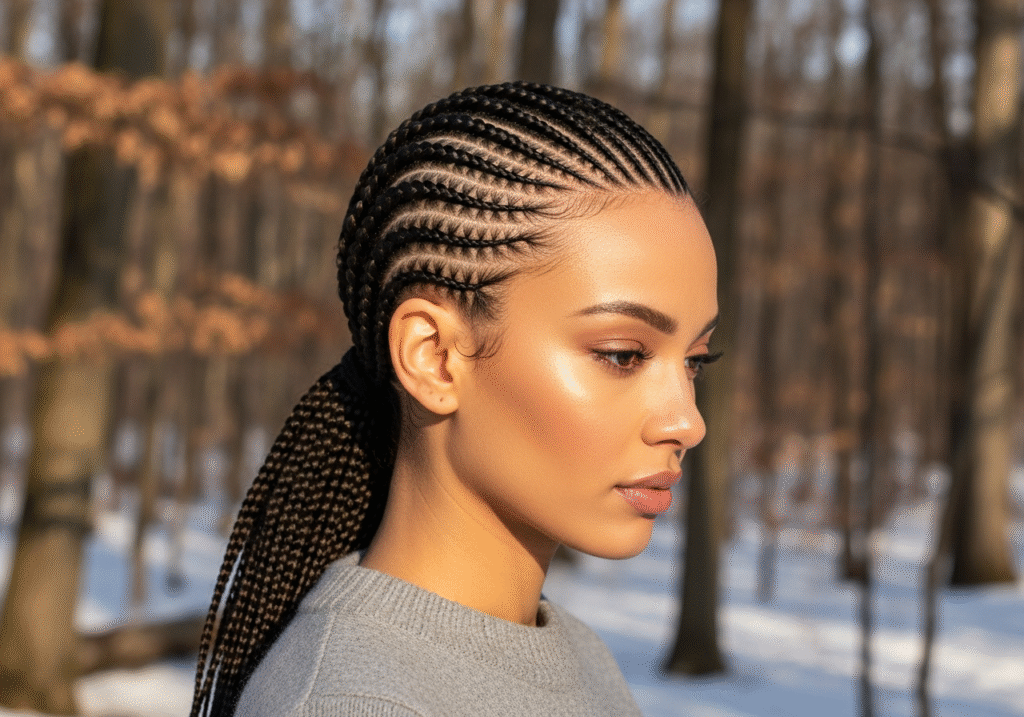
Feed-in braids have become increasingly popular in 2026 for their ability to create a natural-looking hairline while providing excellent winter protection. This technique involves gradually adding extension hair as you braid, starting with just your natural hair at the roots. The result appears more organic than traditional methods where extensions begin immediately, creating a seamless transition that looks like your own hair is simply styled in braids.
The graduated thickness of feed-in braids serves both aesthetic and practical purposes. Starting thin at the roots reduces tension on your edges, which is crucial during winter when hair follicles may already be stressed from environmental factors. As the braids thicken toward the ends, they provide substantial protection for the length of your hair while maintaining a balanced, proportional appearance that flatters most face shapes.
Feed-in braids work exceptionally well as cornrows, creating sleek styles that hug the scalp while offering intricate pattern possibilities. You can request simple straight-back designs for professional settings or elaborate geometric patterns for creative expression. The versatility extends to length as well, whether you prefer shoulder-length braids for easier management or long, dramatic braids that make a bold statement.
Winter accessories pair beautifully with feed-in braids. The flatter profile allows beanies and headbands to sit comfortably without disrupting the style or creating uncomfortable pressure points. When you remove winter hats, your braids maintain their shape and neatness, eliminating the dreaded hat hair phenomenon that plagues other styling options during cold months.
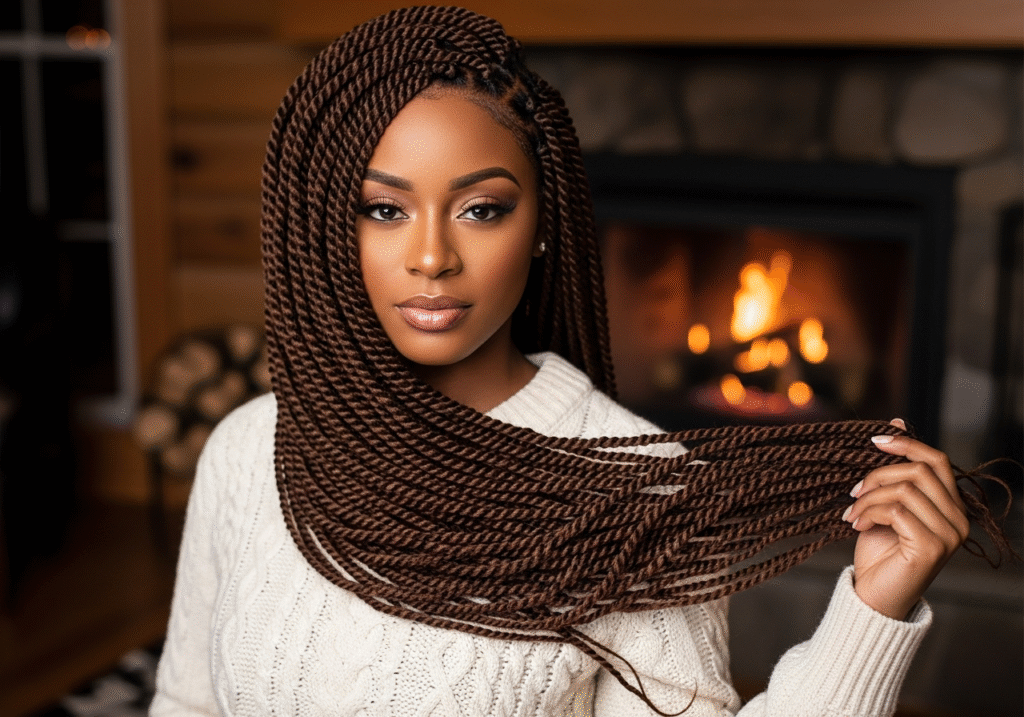
Senegalese Twists: Rope-Like Beauty and Protection
Senegalese twists offer a sophisticated alternative to traditional braiding, using a two-strand twisting technique that creates smooth, rope-like sections. These twists provide excellent protection for winter hair while offering a distinctly elegant appearance that works beautifully for both casual and formal occasions. The wrapping motion used to create Senegalese twists results in a sleek finish that resists frizzing even in dry winter conditions.
The installation process for Senegalese twists differs from braiding, as hair is wrapped around itself rather than interwoven in three sections. This technique often feels gentler on the hair and scalp, making it suitable for people with sensitive scalps or those recovering from previous styling damage. The twists can last four to eight weeks, providing long-term protection throughout the coldest winter months.
Senegalese twists come in various sizes, from micro twists that create delicate, intricate patterns to chunky twists that make bold statements. Medium-sized twists strike a popular balance, offering reasonable installation time while providing substantial coverage and protection. The smooth surface of Senegalese twists means they glide easily under winter clothing without snagging on scarves, coat collars, or sweaters.
Styling options abound with Senegalese twists. You can wear them loose for maximum movement and drama, pull them into high or low ponytails, create elegant buns, or experiment with half-up styles that showcase both the length and texture. The twists hold their shape well, meaning your hairstyle looks fresh and intentional even after being tucked under winter outerwear throughout the day.
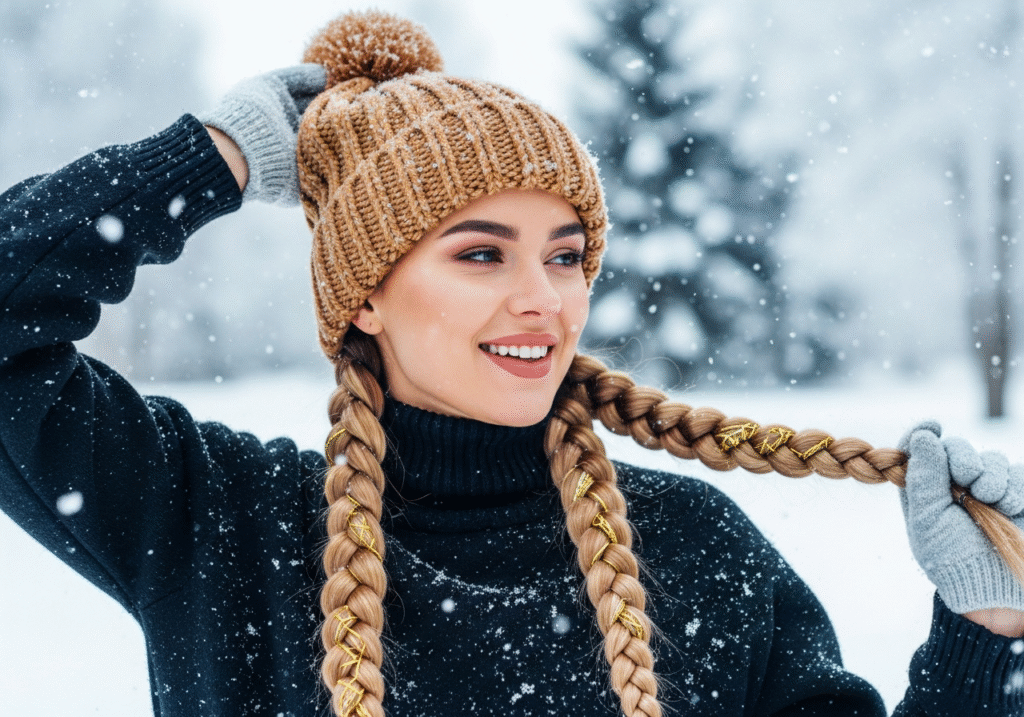
Dutch Braids: Volume and Dimension for Cold Days
Dutch braids, sometimes called inside-out braids, create a raised effect that sits on top of the hair rather than lying flat like French braids. This three-dimensional quality adds volume and visual interest, making Dutch braids particularly appealing during winter when flat, lifeless hair becomes a common concern. The chunky appearance of Dutch braids pairs perfectly with the layered, textured aesthetic that defines winter 2026 fashion trends.
The technique involves crossing hair sections under rather than over as you braid, creating the distinctive raised appearance. Dutch braids work well as a single braid down the center of your head, as symmetrical braids on either side, or as multiple braids arranged in creative patterns. The versatility allows you to adapt the style to different occasions, from casual weekend outings to more polished professional settings.
Winter weather appreciation for Dutch braids stems from their substantial structure. The raised braids create air pockets that provide insulation for your scalp, helping maintain warmth during outdoor activities. The style also handles winter accessories exceptionally well, fitting comfortably under beanies while maintaining its shape and definition when hats are removed.
Dutch braids can incorporate extensions for added length and volume, or you can create them using only your natural hair for a more understated look. Adding ribbons, metallic threads, or colored extensions brings festive elements perfect for winter holidays and celebrations. The braids photograph beautifully, making them ideal for anyone documenting winter adventures on social media or creating seasonal memories.
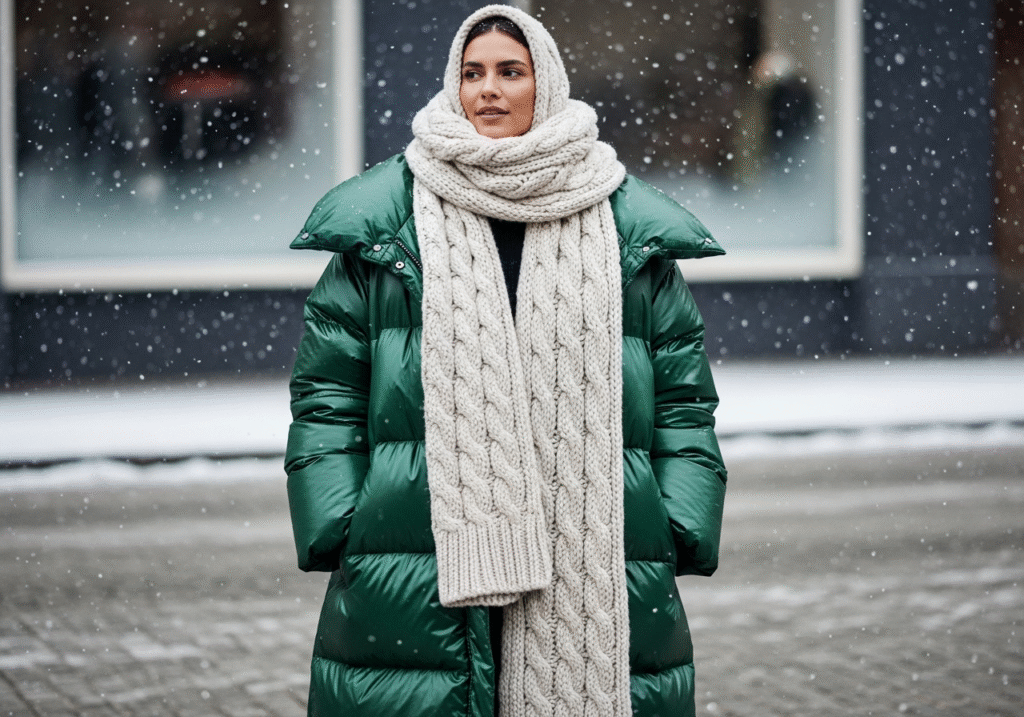
Fishtail Braids: Intricate Beauty for Winter Romance
Fishtail braids create an intricate, woven appearance that looks complex but becomes surprisingly simple once you master the technique. This style involves dividing hair into two sections and repeatedly pulling small pieces from the outer edge of one section to the inner edge of the opposite section. The result resembles fish scales or a herringbone pattern, offering textured beauty that works wonderfully for winter’s romantic aesthetic.
The loose, slightly messy version of fishtail braids has gained particular favor in 2026. This relaxed interpretation maintains the protective benefits of braiding while embracing an effortless, bohemian vibe that feels current and stylish. Gently pulling apart sections of a completed fishtail braid creates additional volume and a softer silhouette that flatters most face shapes and hair textures.
Fishtail braids work beautifully on longer hair, showcasing the pattern’s full effect. However, shoulder-length hair can also achieve lovely fishtail styles, particularly when incorporated into updos or half-up configurations. The style pairs exceptionally well with winter fashion, complementing chunky knit sweaters, elegant coats, and cozy scarves while protecting hair from the elements.
Winter maintenance for fishtail braids proves relatively simple. The interlocking nature of the pattern means braids hold their shape well even through multiple days of wear. Sleeping with your fishtail braid secured in a loose bun or protected with a silk scarf helps maintain the style between washes, maximizing the protective benefits while minimizing the time spent on daily hair routines.
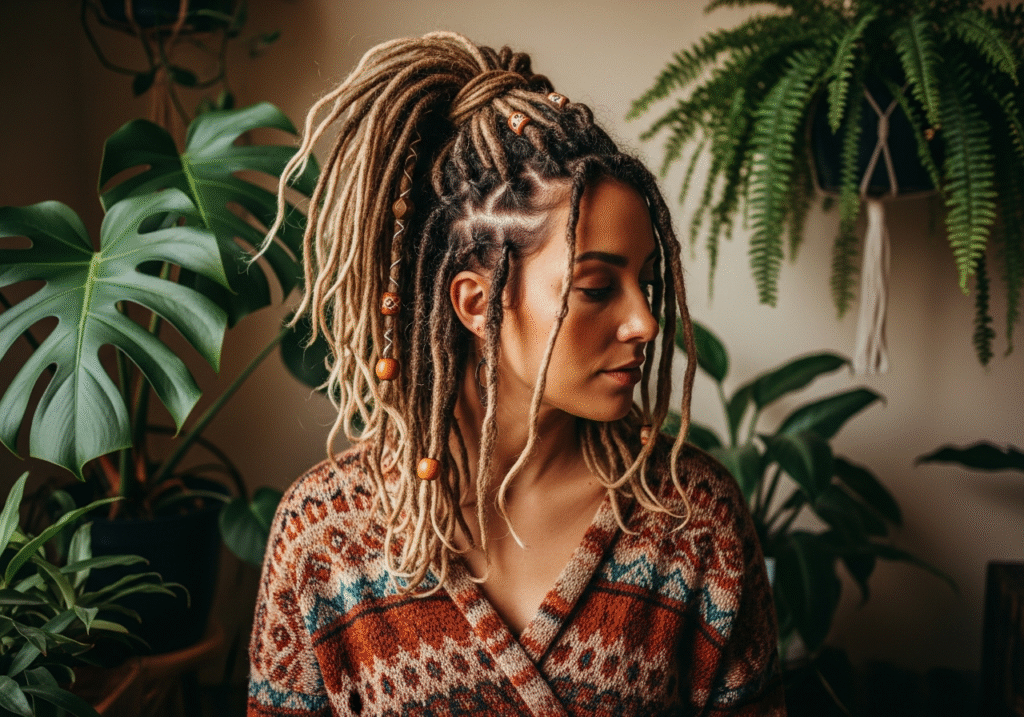
Faux Locs: Protective Locks Without Long-Term Commitment
Faux locs provide the appearance and protective benefits of traditional locs without requiring the long-term commitment or maturation process. This style involves wrapping extension hair around your natural hair to create individual loc-like sections that shield your hair from winter damage while offering a distinctive, textured aesthetic. Faux locs can last up to eight weeks, making them excellent for extended winter protection.
The installation process for faux locs typically builds upon a foundation of cornrows or two-strand twists, with extension hair wrapped around these base structures to create the characteristic loc appearance. This method fully encases your natural hair, providing maximum protection from dry winter air, cold temperatures, and daily manipulation. The weight and structure of faux locs also help stretch and define natural curl patterns.
Faux locs come in various styles to suit different preferences. Distressed faux locs incorporate loose strands and varied textures for a lived-in, authentic appearance. Goddess locs combine wrapped sections with curly ends, creating a romantic, bohemian aesthetic. Butterfly locs feature looped ends that create unique silhouettes. Each variation offers distinct visual appeal while maintaining protective qualities essential for winter hair health.
The versatility of faux locs extends to styling possibilities. Despite their substantial appearance, faux locs can be arranged into high buns, ponytails, half-up styles, and even intricate updos for special occasions. The locs maintain their integrity throughout these manipulations, eliminating concerns about styles falling apart or losing definition during winter activities and celebrations.
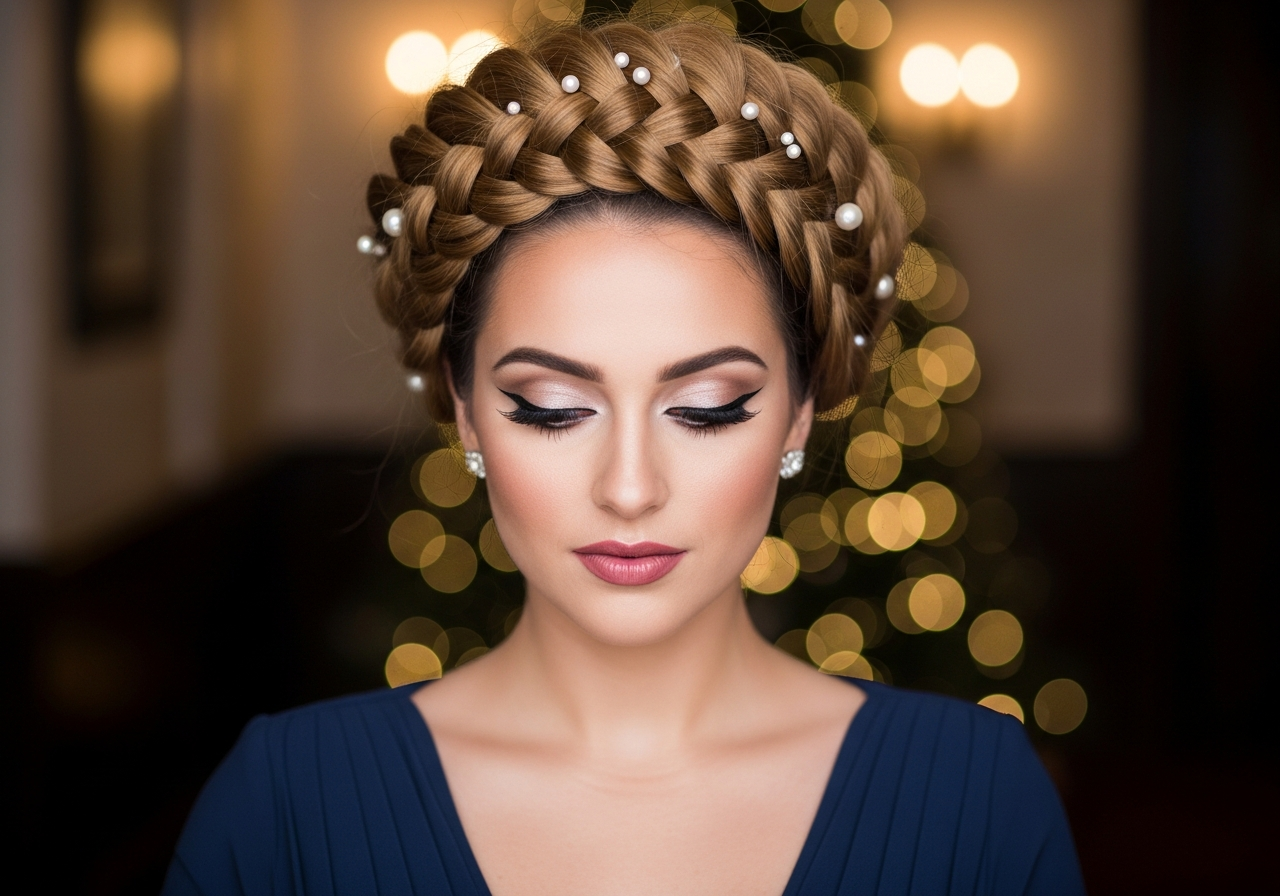
Halo Braids: Crown-Like Elegance for Winter Events
Halo braids create a crown-like effect by wrapping braided hair around the head, offering an elegant, sophisticated appearance perfect for winter holidays and special occasions. This style keeps all hair secured and protected while presenting a polished, put-together aesthetic that requires minimal daily maintenance. The circular braid pattern sits like a tiara, flattering most face shapes and drawing attention to facial features.
Creating halo braids involves either braiding hair in sections that wrap around the head or braiding hair into one or two long braids that are then pinned in a circular pattern. Both approaches secure hair ends safely away from environmental damage while creating the signature crown effect. You can achieve halo braids using only your natural hair or incorporate extensions for added volume and length.
The protective benefits of halo braids make them particularly suitable for winter. All hair ends remain tucked safely within the braid structure, eliminating exposure to dry air and cold temperatures. The style sits comfortably under beanies and winter hats, though its inherent beauty means you might choose to showcase it rather than cover it during indoor events and gatherings.
Halo braids typically last four to six weeks with proper care, providing reliable protection throughout busy winter periods. The style requires consistent moisturizing and gentle cleansing to maintain scalp health, but daily styling becomes virtually unnecessary. Adding decorative elements like metallic cuffs, beads, or floral accessories transforms halo braids from everyday protection into statement pieces suitable for weddings, holiday parties, and winter celebrations.
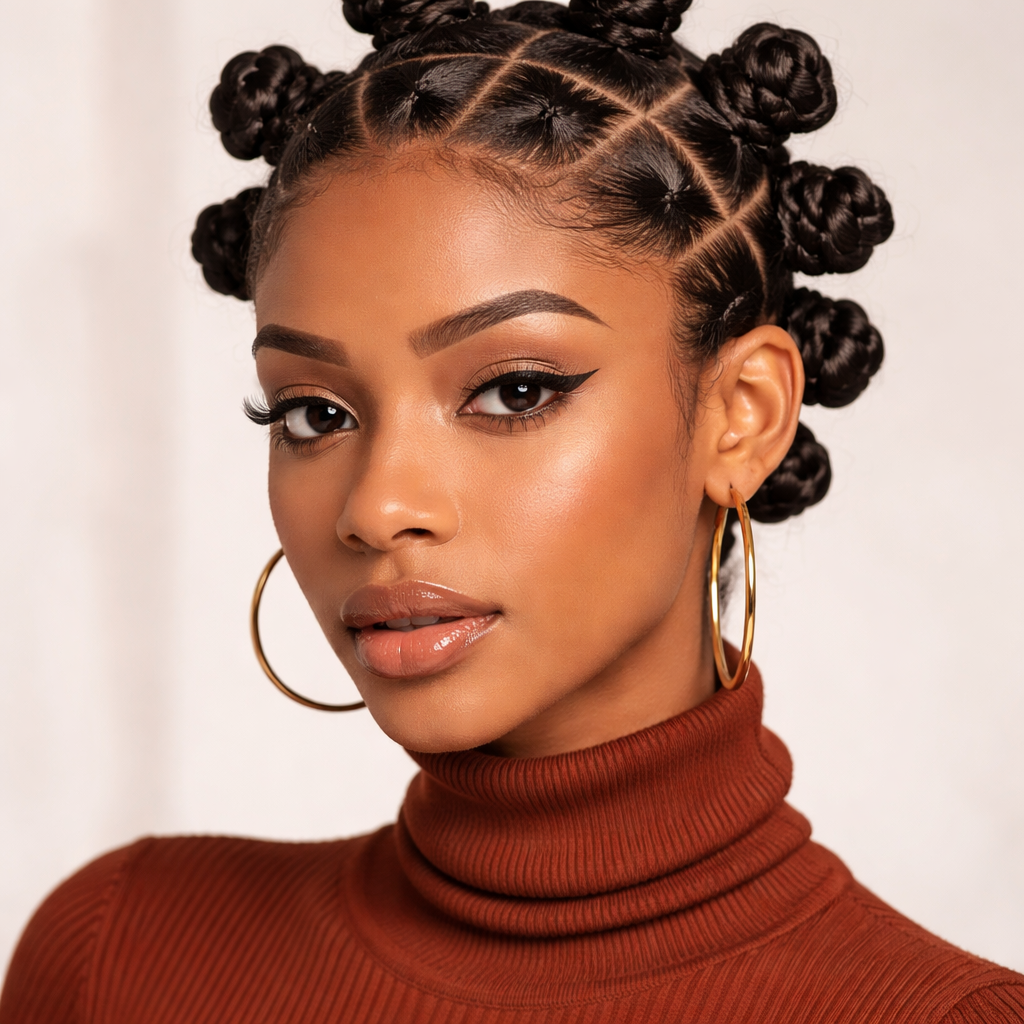
Bantu Knots: Coiled Protection with Versatile Styling
Bantu knots represent a protective style rooted in African heritage, creating small coiled sections across the scalp. These knots offer excellent protection for shorter to medium-length hair, making them accessible for people at various stages of their natural hair journey. The style can last two to six weeks depending on hair texture and maintenance practices, providing winter protection while offering multiple styling possibilities.
Creating Bantu knots involves sectioning hair and twisting each section until it coils around itself, forming a small knot that sits against the scalp. The size and number of knots can vary based on personal preference and hair density. Larger knots create bold, geometric patterns, while smaller knots offer more delicate, intricate appearances. The knots themselves serve as a complete style, or they can be unwrapped to reveal defined curls.
Winter benefits of Bantu knots include excellent moisture retention and minimal exposure to environmental stressors. The coiled structure traps moisture close to hair strands while the compact nature of the style reduces surface area exposed to dry winter air. Bantu knots also work exceptionally well under winter accessories, creating minimal bulk while maintaining their structure and definition.
The styling versatility of Bantu knots extends beyond simply wearing the knots themselves. Unwrapping them creates beautiful, defined curl patterns perfect for special occasions. You can unwrap select knots while leaving others intact, creating textured, dimensional styles that combine structure and movement. This flexibility allows your protective style to evolve with your mood and schedule throughout the winter season.
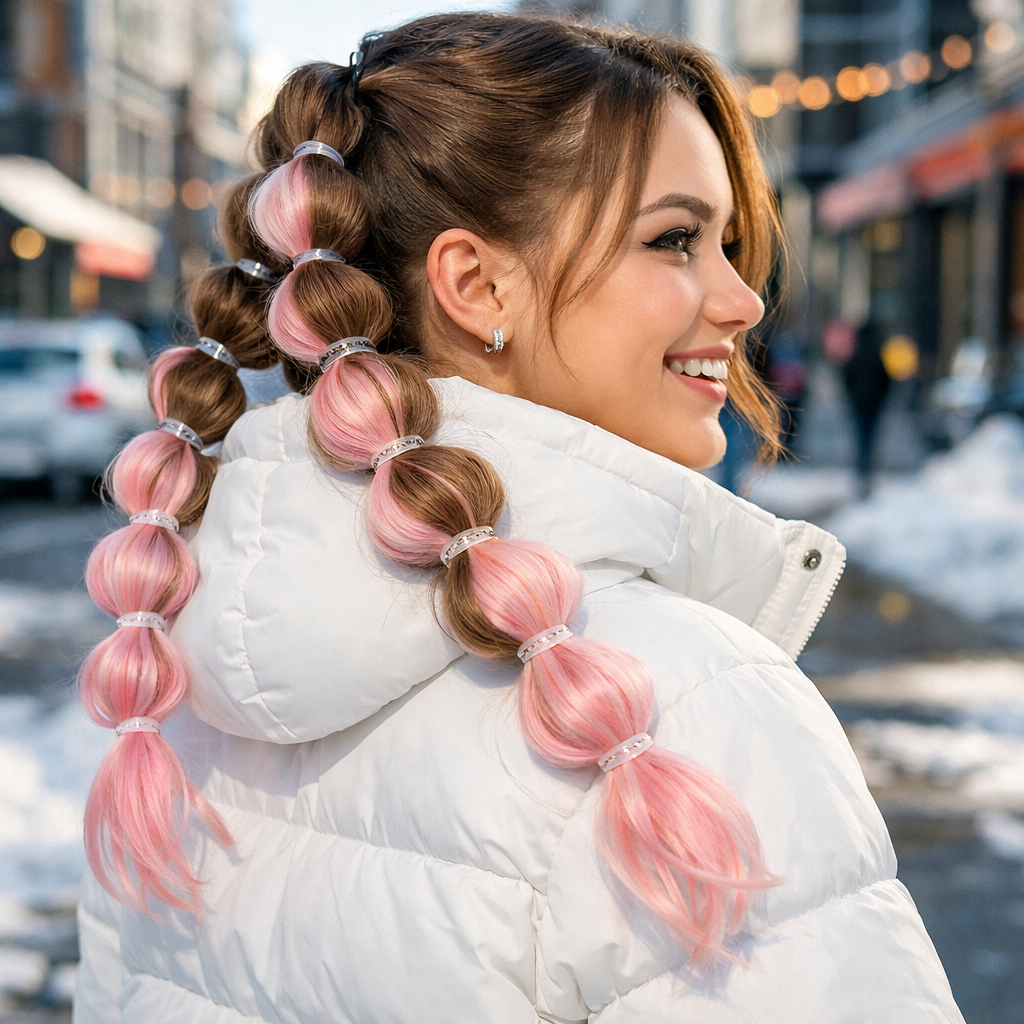
Bubble Braids: Playful Dimension for Contemporary Style
Bubble braids have surged in popularity throughout 2026, offering a playful, contemporary take on traditional braiding. This style creates segmented, bubble-like sections along the length of a braid by placing elastics at regular intervals and gently pulling the hair between them to create volume. The result combines the protective benefits of braiding with a trendy, dimensional appearance that photographs beautifully.
Creating bubble braids begins with a standard ponytail or braid, with clear or colored elastics placed along the length. The hair between elastics is then carefully teased or pulled to create the characteristic bubble effect. This technique works on various hair lengths and textures, making it accessible to most people seeking protective winter styling. Extensions can enhance volume and length for more dramatic results.
The protective qualities of bubble braids come from keeping hair secured and bundled, reducing exposure to winter elements and minimizing daily manipulation. The style proves particularly practical for active individuals, as the multiple securing points ensure hair stays in place during movement. Bubble braids resist the flattening effects of winter hats, maintaining their dimensional quality even after hours under beanies.
Styling variations abound with bubble braids. Single bubbled ponytails offer simple elegance, while double bubble braids create a playful, youthful appearance. Adding ribbons, metallic threads, or decorative elastics brings festive elements perfect for winter celebrations. The style works beautifully for both casual daily wear and more dressed-up occasions, adapting easily to different contexts and fashion choices.
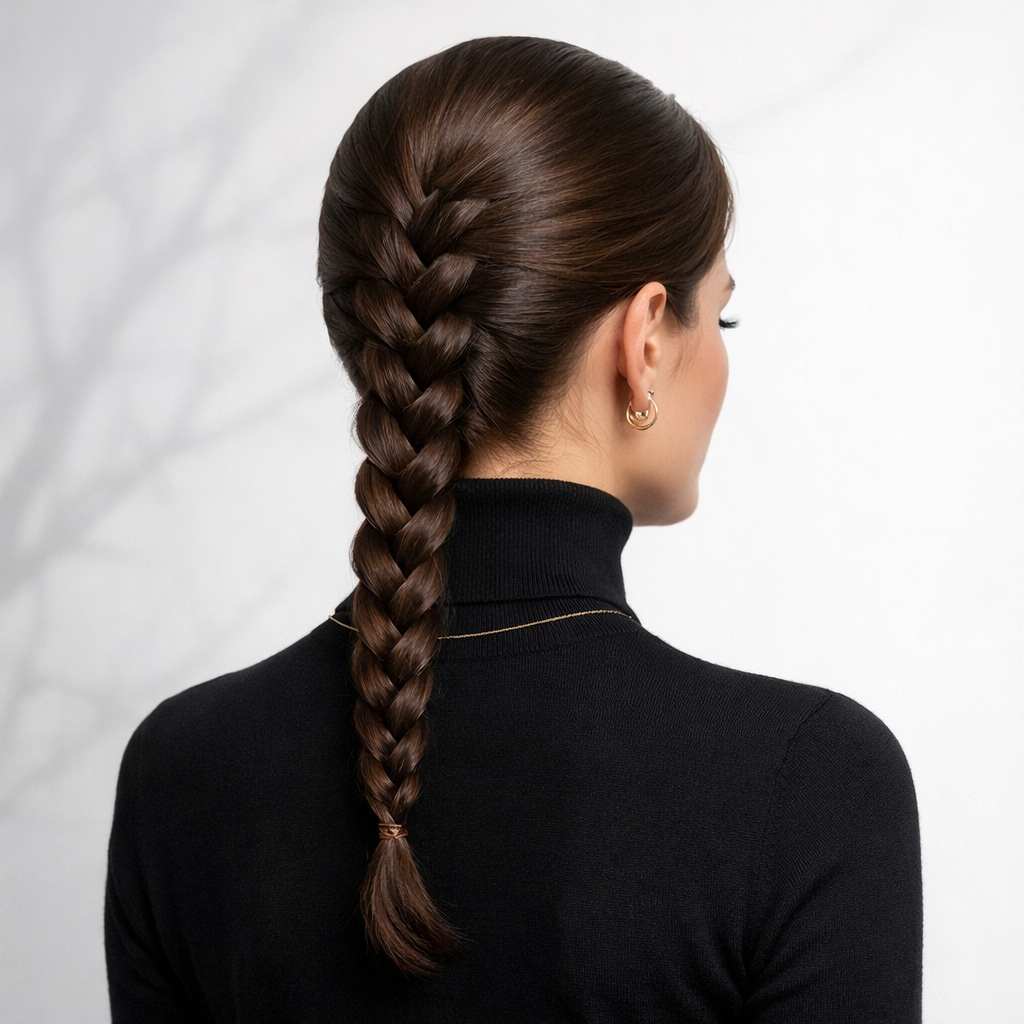
French Braids: Classic Sophistication Reimagined
French braids remain timeless for good reason, offering classic sophistication that translates beautifully into winter protective styling. The technique involves gradually incorporating hair sections as you braid from the crown toward the nape, creating a flat, integrated appearance that lies smoothly against the head. This traditional style has been reimagined for 2026 with modern twists including loosened sections, incorporated ribbons, and asymmetrical placements.
Winter appreciation for French braids stems from their complete coverage and protection. Unlike loose braids that leave upper hair exposed, French braids incorporate all hair from roots to ends, providing comprehensive protection against cold temperatures and dry air. The flat profile fits comfortably under winter accessories while the secure structure ensures hair maintains its style even during outdoor activities in challenging weather.
Single French braids down the center create sleek, polished looks appropriate for professional settings, while double French braids offer a sportier, more casual aesthetic. Side-swept French braids bring romantic, asymmetrical appeal perfect for dates and social gatherings. Each variation maintains protective benefits while offering distinct visual personalities that suit different occasions and personal styles.
The resurgence of French braids in 2026 includes creative elaborations like incorporating scarves, ribbons, or metallic threads throughout the braid. These embellishments add texture and visual interest while maintaining the fundamental protective structure. Loosening selected sections creates more relaxed, bohemian interpretations that feel contemporary while honoring the technique’s classical roots.
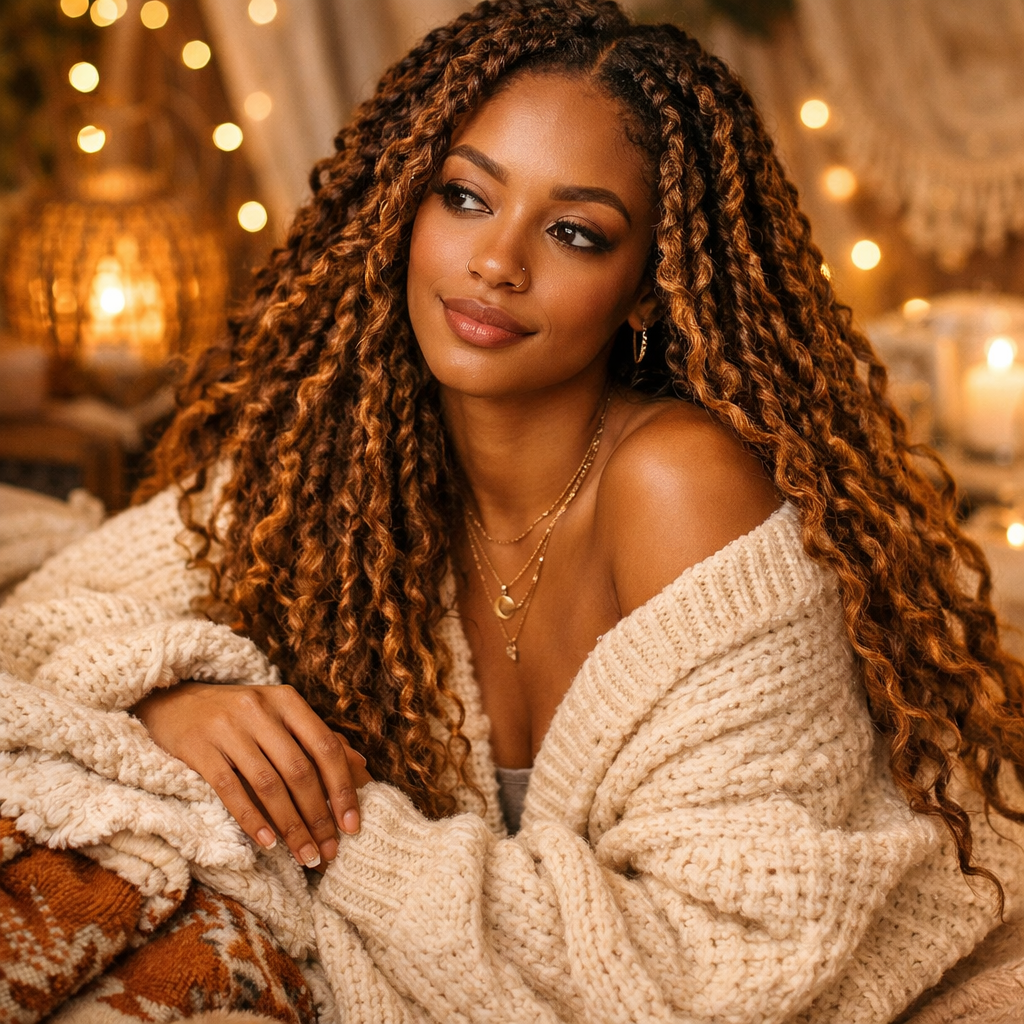
Passion Twists: Textured Protection with Bohemian Flair
Passion twists combine the protective benefits of traditional twisting with added texture and dimension through the use of specialized synthetic hair. This style creates flowing, bouncy twists with a distinctive wavy or curly texture that brings movement and life to protective styling. Passion twists typically last four to six weeks, providing substantial winter protection while offering a more relaxed, bohemian aesthetic than sleeker protective styles.
The installation process involves two-strand twisting with textured synthetic hair that gives passion twists their characteristic appearance. The resulting twists feel lighter than many protective styles, reducing strain on the scalp and neck. This lighter weight becomes particularly appreciated during extended wear periods common in winter when you want protection that lasts weeks without causing discomfort or tension.
Passion twists excel at maintaining moisture during dry winter months. The textured synthetic hair helps trap and hold moisture products applied during installation and maintenance, while the twisting technique keeps natural hair protected within each section. The style resists the frizzing that plagues many hairstyles in winter’s low-humidity conditions, maintaining a polished appearance throughout its wear period.
Styling versatility makes passion twists particularly appealing for fashion-conscious individuals navigating winter’s diverse social calendar. The twists can flow freely for maximum movement, be gathered into high ponytails or buns, or arranged in half-up styles that showcase both the length and texture. The bohemian aesthetic pairs beautifully with winter’s layered fashion, complementing everything from casual knitwear to elegant evening attire.
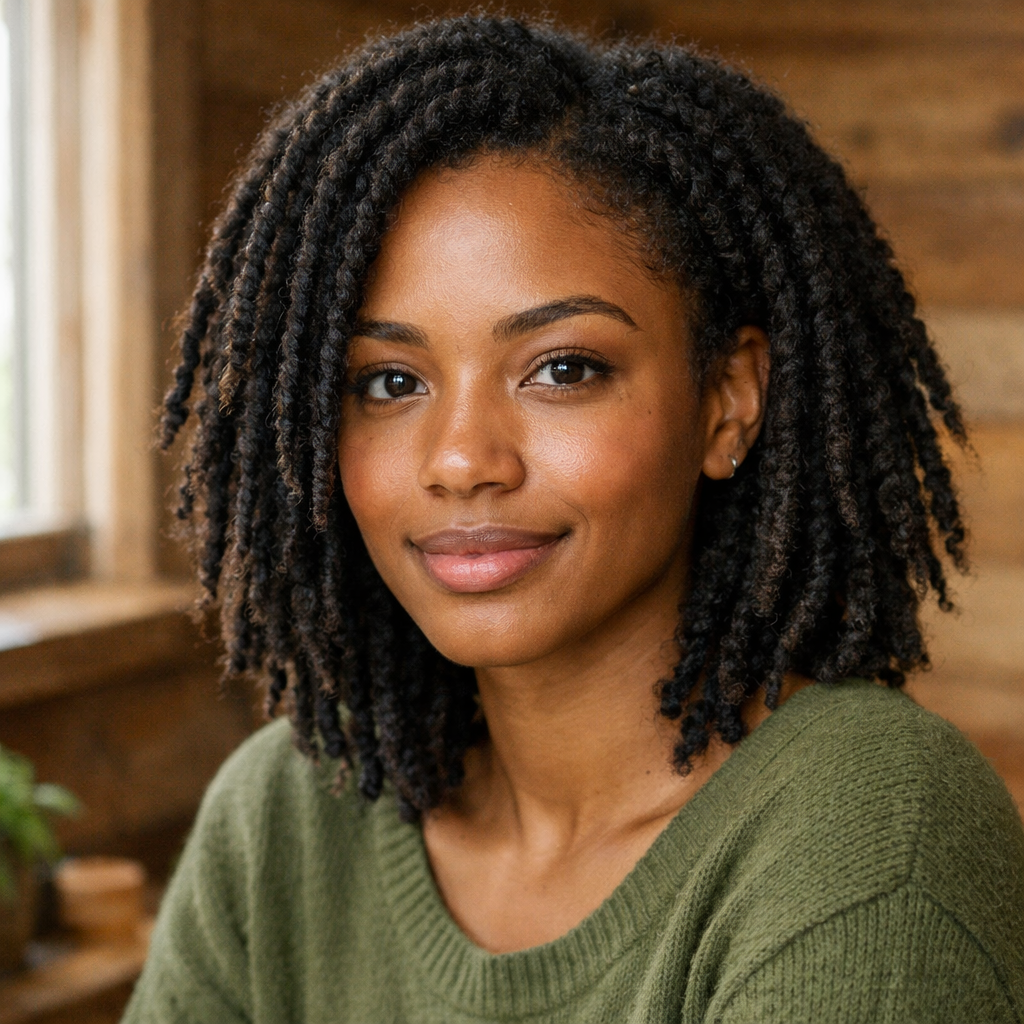
Marley Twists: Textured Elegance with Natural Appeal
Marley twists utilize kinky-textured synthetic hair to create protective twists that closely resemble natural Afro-textured hair. This style offers protective benefits while maintaining an organic, authentic appearance that many people prefer over sleeker styling options. The textured quality of Marley twists helps them blend seamlessly with natural hair, creating a cohesive look that appears completely natural rather than obviously styled with extensions.
The installation process for Marley twists involves two-strand twisting with kinky synthetic hair, creating substantial sections that provide excellent protection for natural hair underneath. The twists typically last four to eight weeks, offering long-term winter protection that reduces the need for frequent restyling. The textured appearance means Marley twists maintain their aesthetic appeal even as they age, unlike sleeker styles that may show wear more obviously.
Winter benefits of Marley twists include excellent insulation and moisture retention. The kinky texture creates air pockets that help maintain scalp warmth during cold weather, while the substantial structure shields hair from environmental damage. The twists handle winter accessories well, compressing under hats and beanies without losing their characteristic texture and volume.
Marley twists accommodate various styling preferences and occasions. You can wear them loose for full dramatic effect, arrange them in updos for formal events, or create half-up styles that balance structure and movement. The natural-looking texture means Marley twists work beautifully in professional settings while also suiting casual weekend activities and social gatherings throughout the winter season.
Maintaining Winter Braids for Optimal Hair Health
Successful protective braiding extends beyond installation to encompass proper maintenance throughout the wear period. Winter’s challenging conditions require consistent attention to keep both your braids and the natural hair underneath healthy and thriving. Establishing a solid maintenance routine ensures you maximize the protective benefits while avoiding potential issues like dryness, buildup, or scalp irritation.
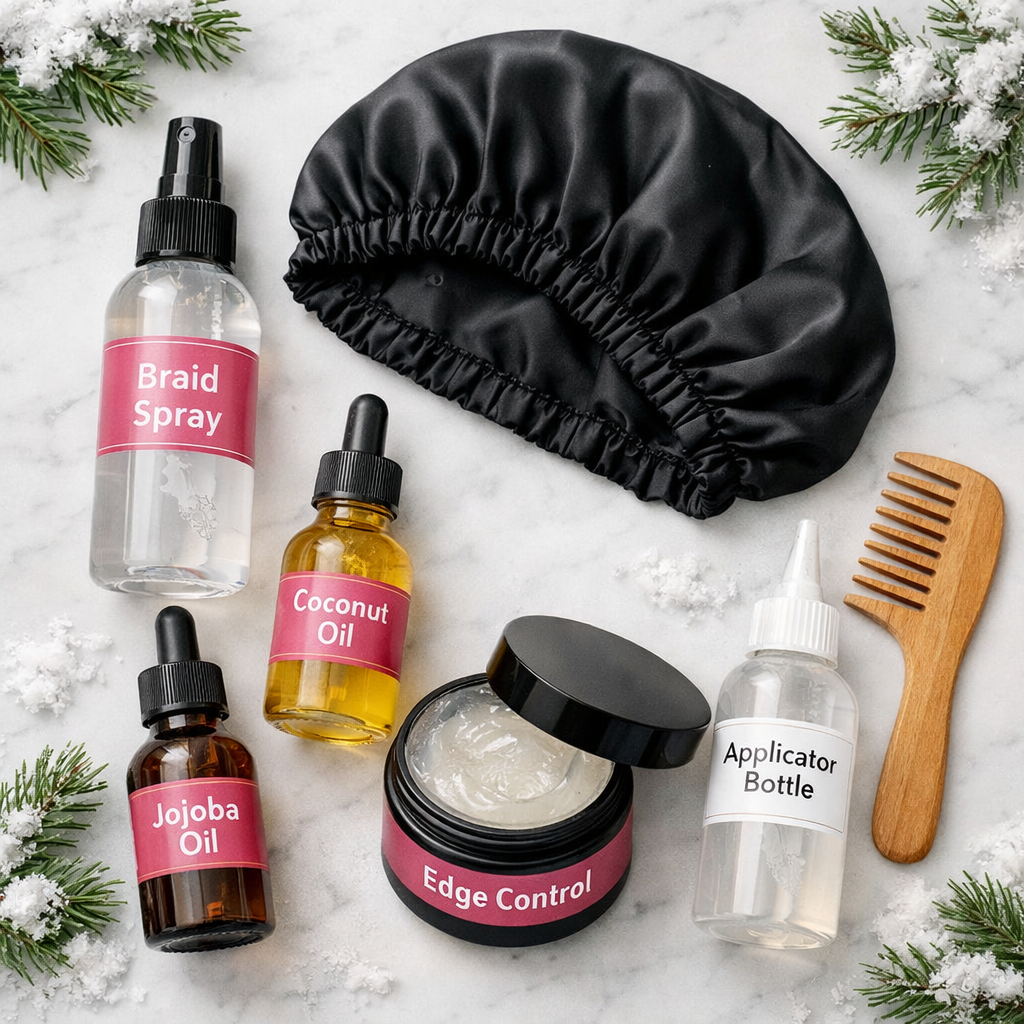
Moisture remains the foundation of winter braid maintenance. Despite being tucked away, your hair still needs regular hydration to combat dry winter air and indoor heating. Use lightweight oils or braid sprays to moisturize both your scalp and the length of your braids every few days. Focus on your scalp, gently massaging product into the exposed areas between braids to keep follicles healthy and prevent flaking or itching.
Nighttime protection proves essential for preserving your braids and preventing frizz. Sleep with a silk or satin scarf, bonnet, or pillowcase to reduce friction that can cause frizzing and premature wear. This protection becomes especially important in winter when indoor heating creates particularly dry conditions. Proper nighttime care can significantly extend the lifespan of your protective style while maintaining its polished appearance.
Gentle cleansing maintains scalp health without compromising your braid structure. Dilute sulfate-free shampoo with water in an applicator bottle and apply directly to your scalp, using your fingertips to gently massage and cleanse. Rinse thoroughly and follow with a lightweight conditioner focused on your scalp. Cleanse every one to two weeks to remove buildup while maintaining the integrity of your braids throughout their wear period.
Conclusion
Winter hair care in 2026 embraces the perfect marriage of protection and style through versatile braiding options that safeguard your hair while keeping you looking fabulous. From classic box braids and cornrows to contemporary bubble braids and passion twists, the range of protective styles ensures everyone can find options that suit their aesthetic preferences, lifestyle needs, and hair characteristics.
The science behind protective braiding validates what generations have known intuitively: keeping hair secured and shielded from environmental stressors promotes health, length retention, and overall hair quality. Winter’s particular challenges of cold temperatures, low humidity, and indoor heating make protective styling not just beneficial but essential for maintaining hair integrity throughout the coldest months.
Beyond practical benefits, winter braids offer opportunities for creative expression and style experimentation. The diverse techniques, patterns, and embellishment options mean your protective style can reflect your personality while serving its functional purpose. As fashion continues evolving, braided styles remain at the forefront of hair trends, proving their enduring appeal across cultures, generations, and style preferences.
Investing time in proper installation and consistent maintenance ensures your winter braids deliver maximum benefits throughout their wear period. When you combine quality styling with attentive care, protective braids become powerful tools for achieving your hair health goals while navigating winter’s demands with confidence and style. Embrace the cold season knowing your hair is protected, healthy, and absolutely stunning.
Frequently Asked Questions
How long should I keep winter protective braids in my hair?
Most protective braid styles can safely remain installed for four to eight weeks depending on the specific technique, your hair growth rate, and maintenance quality. Styles like cornrows typically last two to eight weeks, while box braids, Senegalese twists, and faux locs can remain for six to eight weeks. Never exceed eight weeks regardless of how good your braids still look, as prolonged wear without proper cleansing and moisture can lead to buildup, matting, and potential hair damage. Listen to your hair and scalp; if you experience excessive itching, pain, or notice significant new growth creating tension, remove your braids earlier than planned.
Can I wash my hair while wearing protective braids during winter?
Yes, you should cleanse your scalp every one to two weeks even while wearing protective braids. Use a diluted sulfate-free shampoo applied directly to your scalp with an applicator bottle, gently massaging with your fingertips to remove buildup without disturbing the braid structure. Rinse thoroughly and apply lightweight conditioner if needed. Allow your hair to air dry completely or use a hooded dryer on low heat. Regular cleansing prevents buildup, maintains scalp health, and ensures your protective style remains fresh throughout its wear period. Skipping washing can lead to itching, odor, and scalp issues that compromise the protective benefits.
Will protective braids help my hair grow faster during winter?
Protective braids don’t accelerate hair growth, which occurs at a genetically determined rate of approximately half an inch per month. However, braids significantly improve length retention by preventing breakage and damage that would otherwise shorten hair faster than it grows. During winter when environmental factors increase breakage risk, this protective effect becomes especially valuable. By keeping hair ends tucked away, minimizing manipulation, and shielding strands from harsh conditions, braids help you retain the length your hair naturally grows rather than losing it to damage.
What should I do if my braids feel too tight after installation?
Excessive tension from overly tight braids can damage hair follicles and cause traction alopecia over time. If your braids cause significant pain, throbbing sensations, or create visible tension bumps along your hairline, address the issue immediately. Gently massage your scalp with warm oil to increase circulation and reduce inflammation. If pain persists beyond the first day or two, consider having your braids redone with less tension. Prevention is key; communicate clearly with your stylist during installation about desired tightness and speak up immediately if braids feel uncomfortably tight. Proper protective styling should never cause pain.
How do I prevent my edges from thinning while wearing winter braids?
Edge protection during protective styling requires conscious attention to tension and styling choices. Request that your stylist leaves edges looser than interior sections and avoid styles that pull aggressively on your hairline. Between braid installations, give your edges breaks to recover by wearing low-manipulation styles that don’t require tension. Apply edge control products with nourishing ingredients rather than heavy gels that cause buildup. Massage edges regularly with growth oils to stimulate circulation. Avoid wearing your braids pulled back into tight ponytails or buns constantly, as this additional tension compounds stress on vulnerable edge areas.