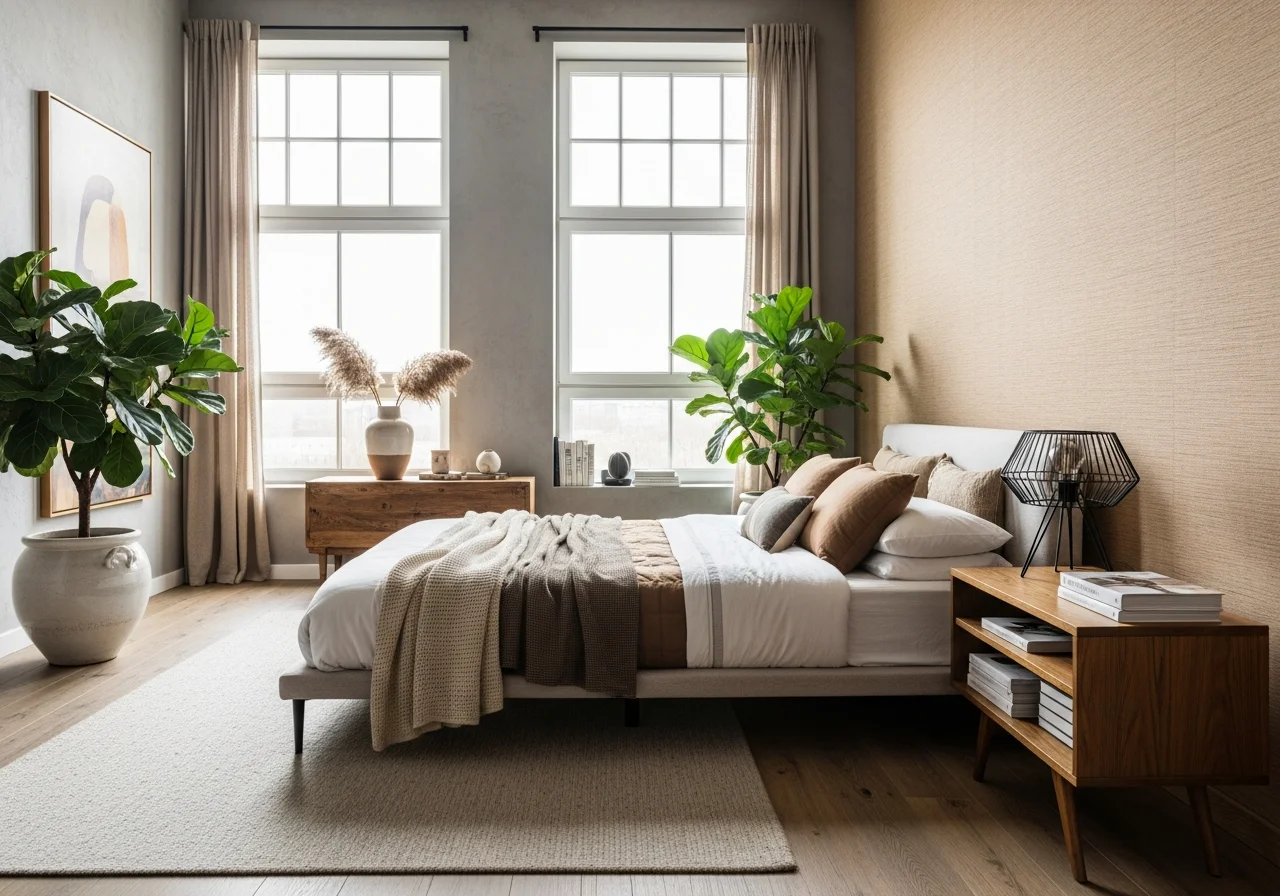
15 Aesthetic Bedroom Setup: Beautiful Ideas to Transform Your Space
Your bedroom is more than just a place to sleep. It’s your personal sanctuary, a reflection of your personality, and the first space you see each morning and the last you experience before sleep. Creating an aesthetic bedroom setup has become increasingly important as people recognize the profound impact their environment has on mood, productivity, and overall well-being. Whether you’re working with a spacious master bedroom or a compact city apartment room, the right aesthetic choices can transform any space into a beautiful, functional retreat that feels uniquely yours.
The beauty of aesthetic bedroom design lies in its flexibility. There’s no single correct approach, but rather countless possibilities that allow you to express your individual style while creating a space that genuinely feels like home. This comprehensive guide will walk you through fifteen proven aesthetic bedroom setup ideas that combine visual appeal with practical functionality, helping you create a space that not only looks stunning but also supports your daily life and personal needs.
Understanding Bedroom Aesthetics and Personal Style
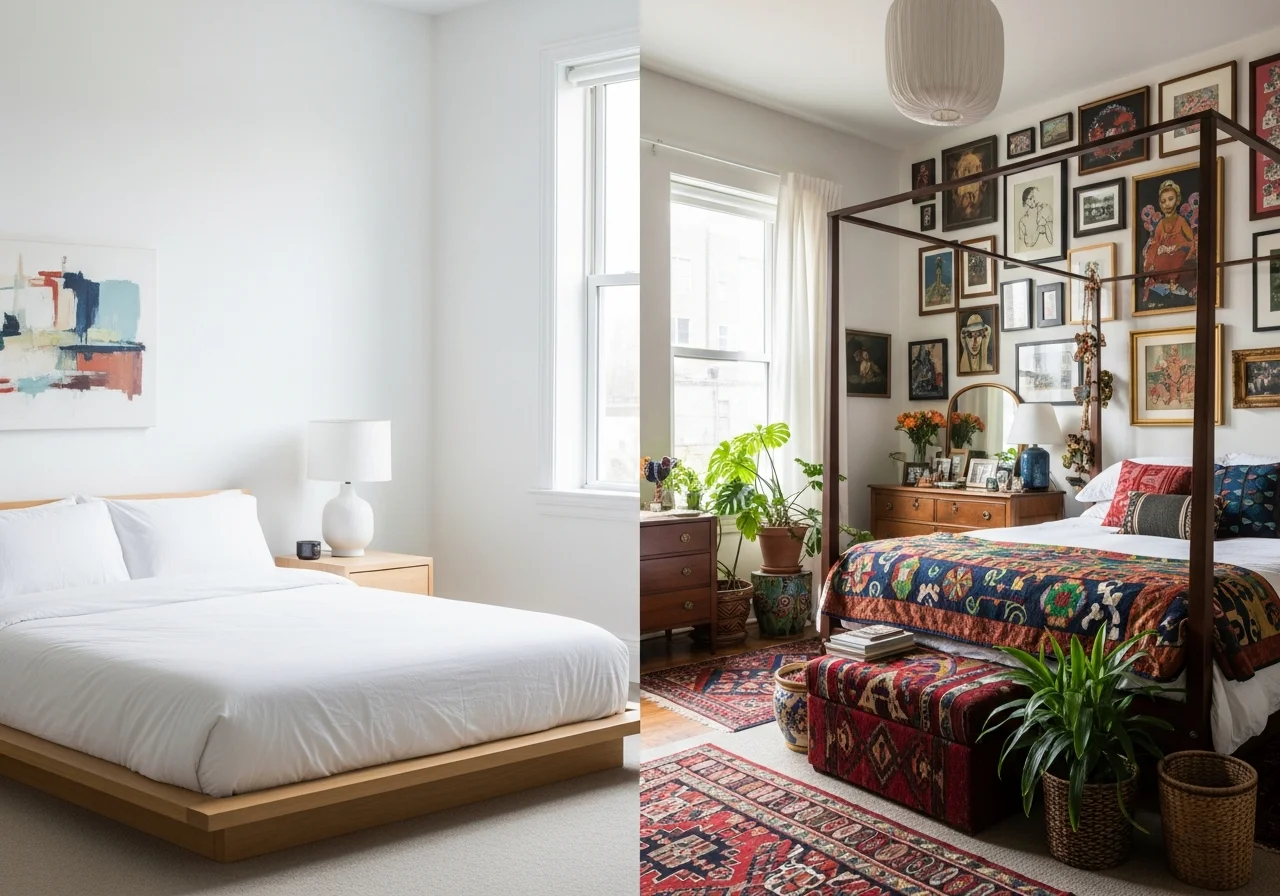
Before diving into specific setup ideas, it’s essential to understand what makes a bedroom truly aesthetic. The term goes beyond simple prettiness or trendiness. An aesthetic bedroom successfully balances visual harmony, functional design, and personal expression. It considers color theory, spatial arrangement, lighting psychology, and the emotional response different elements evoke.
Your bedroom aesthetic should align with your lifestyle and preferences. Someone who thrives in calm, ordered environments might gravitate toward minimalist design with clean lines and neutral palettes. Creative individuals might prefer eclectic spaces filled with art, color, and meaningful objects. Understanding your natural preferences is the first step toward creating a bedroom that feels authentically you rather than simply copying trending designs.
Minimalist Modern Aesthetic
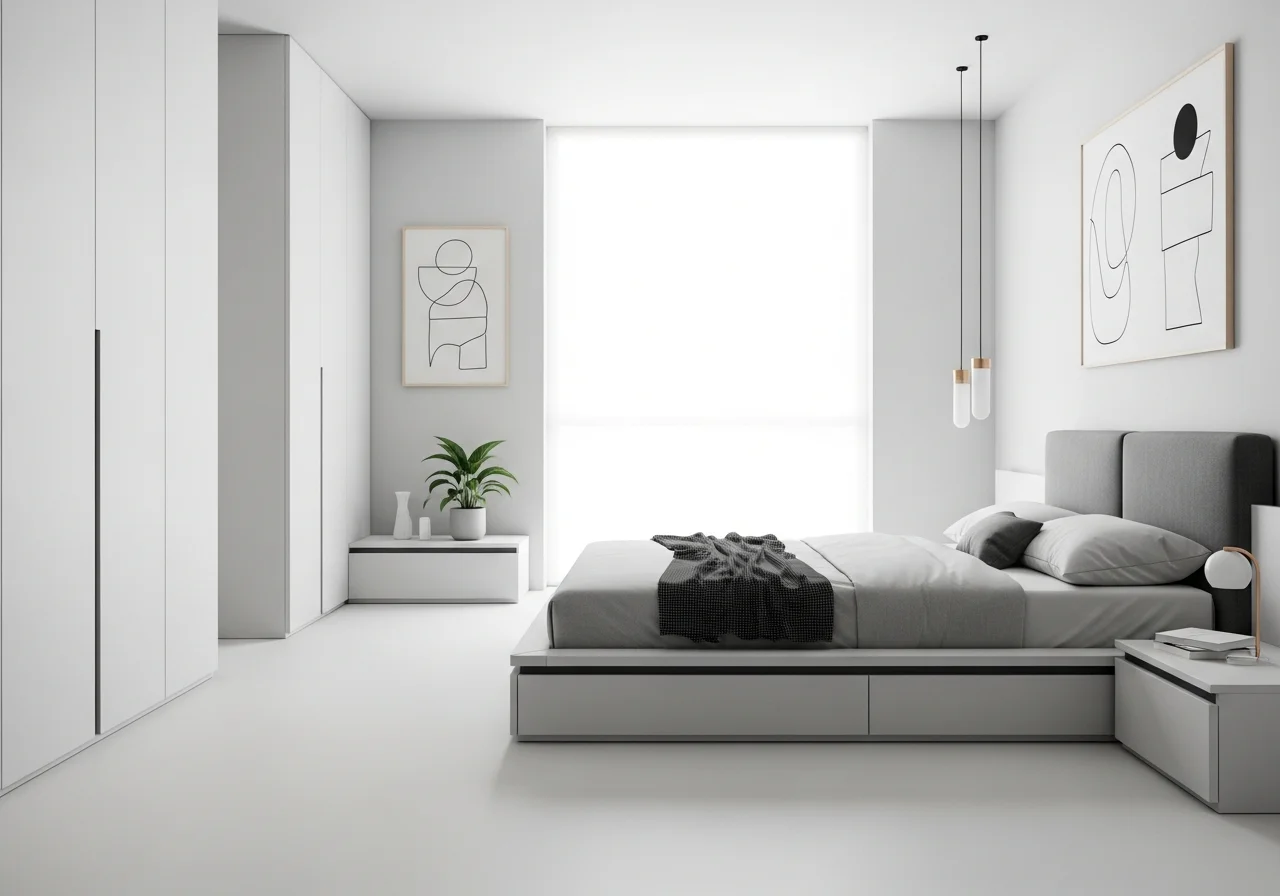
The minimalist modern aesthetic has gained tremendous popularity for good reason. This approach emphasizes simplicity, functionality, and intentional design choices. A minimalist bedroom features a carefully curated selection of furniture and decor, with each piece serving a clear purpose. The color palette typically revolves around whites, grays, and earth tones, creating a serene atmosphere that promotes relaxation and mental clarity.
To achieve this aesthetic, start with essential furniture pieces in simple, geometric forms. A platform bed with clean lines, a streamlined dresser, and perhaps a single statement chair create the foundation. Keep surfaces largely clear, storing items out of sight in designated storage solutions. When you do display objects, choose pieces with intention, allowing each item room to breathe and be appreciated individually.
The key to successful minimalist design isn’t deprivation but rather thoughtful curation. Every element in the room should contribute to the overall sense of calm and order. This approach particularly benefits those who feel overwhelmed by visual clutter or who want their bedroom to serve as a genuine escape from the busy external world.
Warm Bohemian Layers
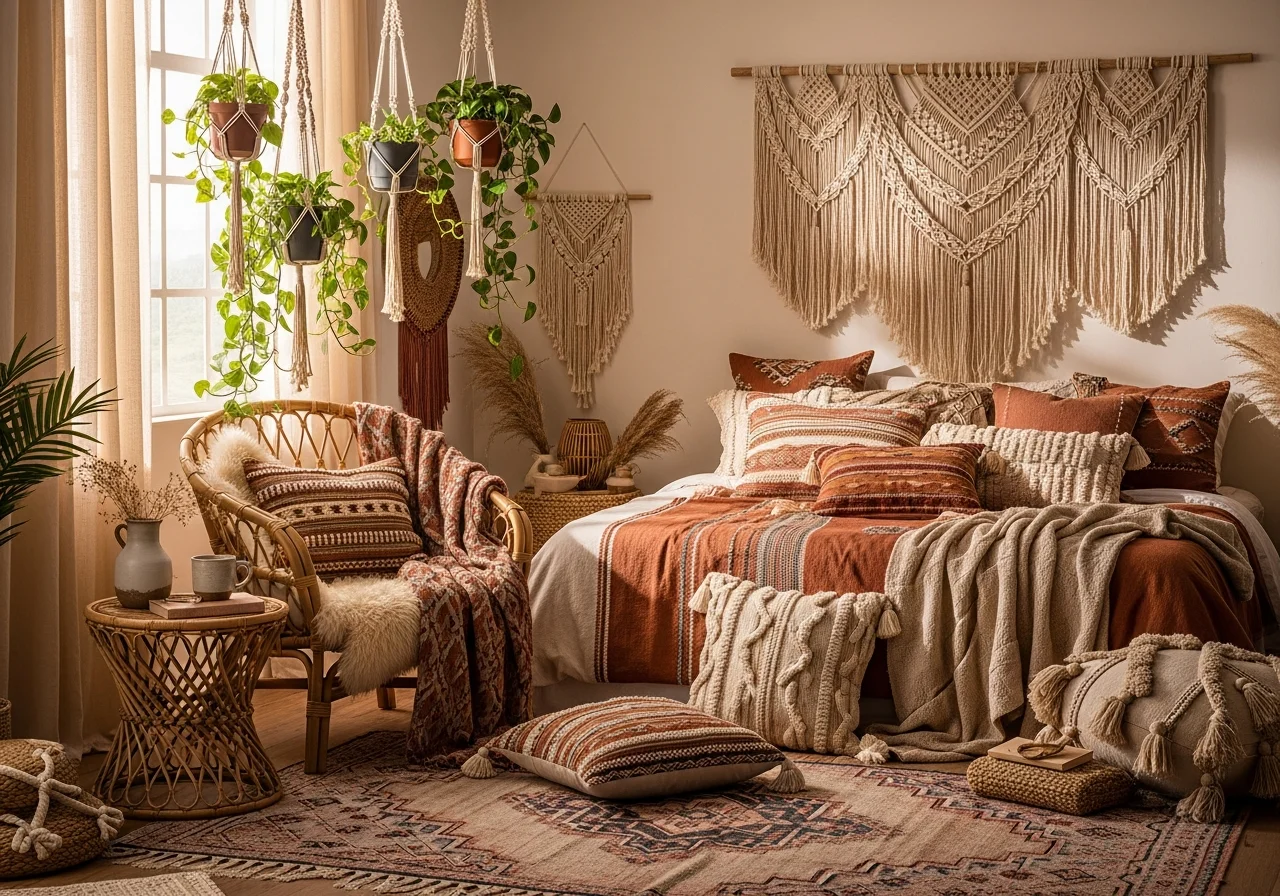
The bohemian aesthetic offers a stark contrast to minimalism, celebrating abundance, texture, and global influences. A boho bedroom feels collected over time, with layers of textiles, patterns, and natural materials creating a cozy, lived-in atmosphere. This style welcomes mixing and matching different patterns, colors, and textures in ways that might seem unconventional but ultimately create a cohesive, inviting space.
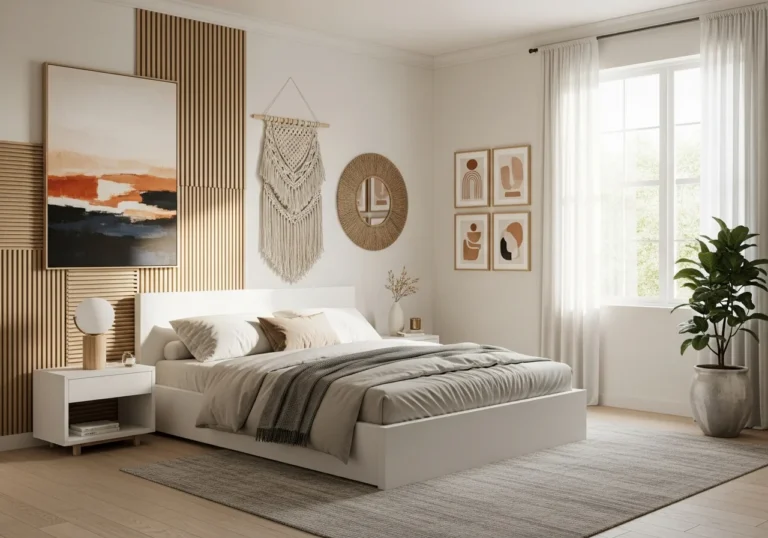
Begin building a bohemian bedroom with rich textiles. Layer multiple throw pillows in varying sizes, patterns, and textures on your bed. Add a textured throw blanket or two. Consider a macrame wall hanging or woven tapestry as a focal point above your bed. Incorporate natural materials like rattan, wicker, and wood through furniture choices and decorative accessories.
Plants play a crucial role in bohemian design, bringing life and organic shapes into the space. Group several plants of varying heights and types together, using decorative pots that complement your overall color scheme. The bohemian aesthetic embraces imperfection and personality, making it ideal for those who want their space to feel warm, welcoming, and full of character.
Soft Neutral Sanctuary
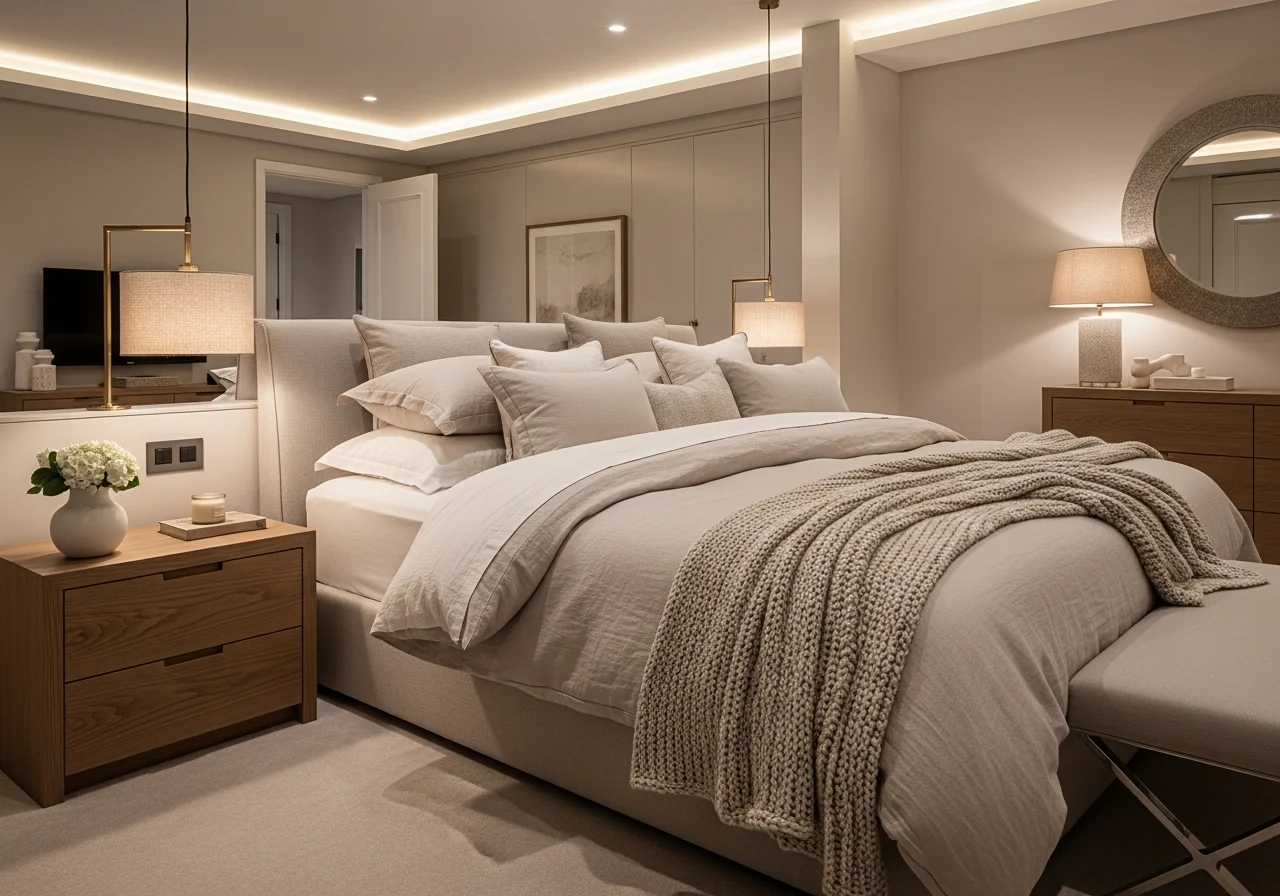
A neutral aesthetic bedroom creates a timeless, sophisticated atmosphere through carefully selected shades of beige, cream, taupe, and soft gray. This approach offers versatility and longevity, as neutral foundations easily adapt to changing tastes and seasonal updates through accessories and accent pieces. The result is a calming environment that feels both elegant and comfortable.
Building a neutral sanctuary requires attention to texture and layering to prevent the space from feeling flat or sterile. Combine different materials and finishes within your neutral palette. Pair linen bedding with a chunky knit throw, smooth leather with rough-hewn wood, matte paint with glossy ceramics. These textural contrasts add visual interest and depth while maintaining the cohesive, peaceful atmosphere.
Lighting becomes particularly important in neutral spaces. Incorporate multiple light sources at different heights to create warmth and dimension. A combination of ambient lighting, task lighting, and accent lighting ensures the space feels inviting rather than washed out. Natural light should be maximized during the day, with window treatments that filter rather than block sunshine.
Vintage Charm Revival
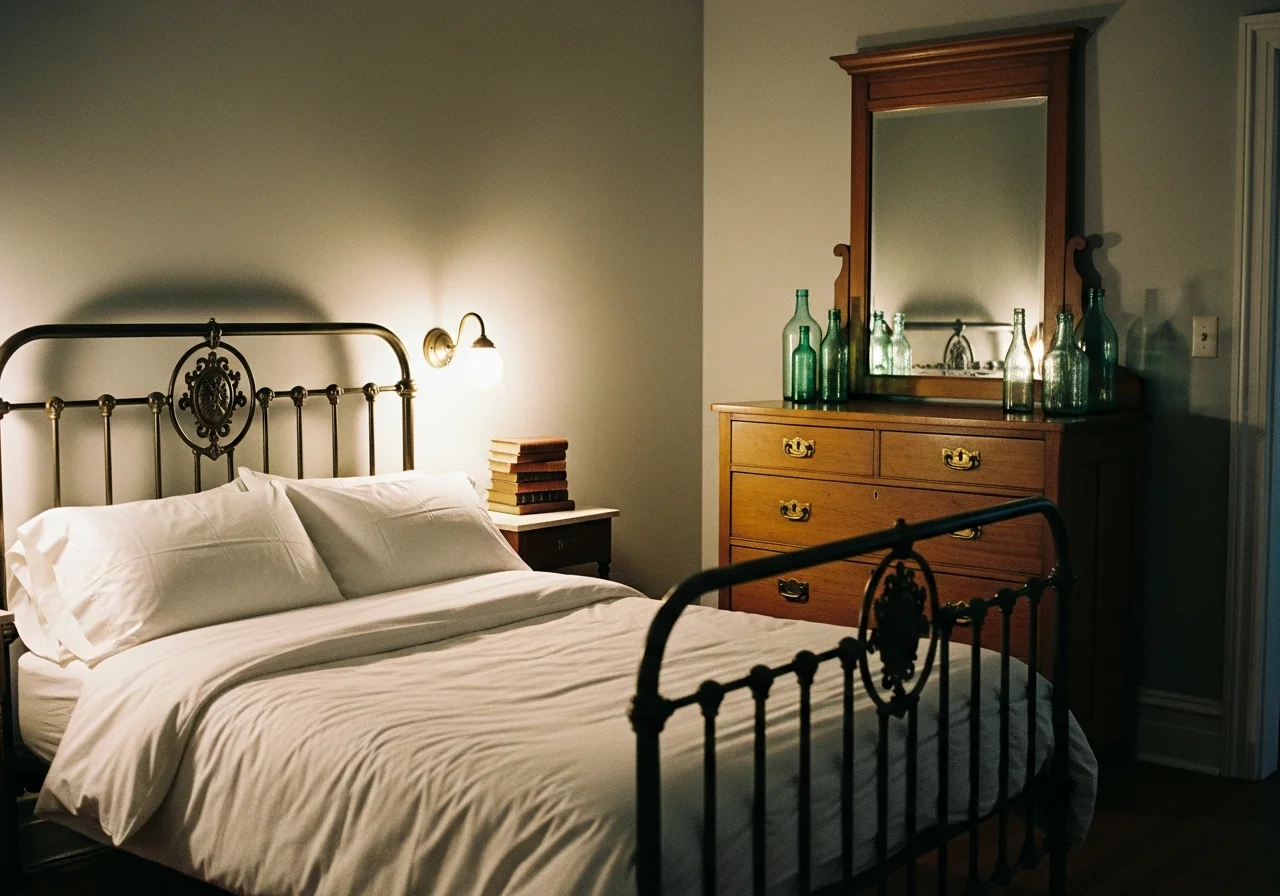
Vintage aesthetics bring character and history into your bedroom through carefully selected antique or antique-inspired pieces. This style celebrates craftsmanship, unique details, and the stories objects carry with them. A vintage bedroom might incorporate actual antiques, thoughtfully restored pieces, or new items designed with vintage sensibilities.
Start by identifying your preferred vintage era. Mid-century modern offers clean lines and organic shapes from the 1950s and 1960s. Victorian style features ornate details and romantic elements. Art Deco brings geometric patterns and luxurious materials. Once you’ve chosen your direction, seek out key furniture pieces that anchor the aesthetic, such as a vintage dresser, antique mirror, or period-appropriate lighting fixture.
Mix vintage elements with contemporary comforts to create a space that’s charming without feeling like a museum. Modern bedding on an antique iron bed frame, for instance, honors the past while acknowledging present-day comfort standards. Display vintage finds like old books, glass bottles, or framed botanical prints to add authentic period detail without overwhelming the space.
Monochromatic Elegance
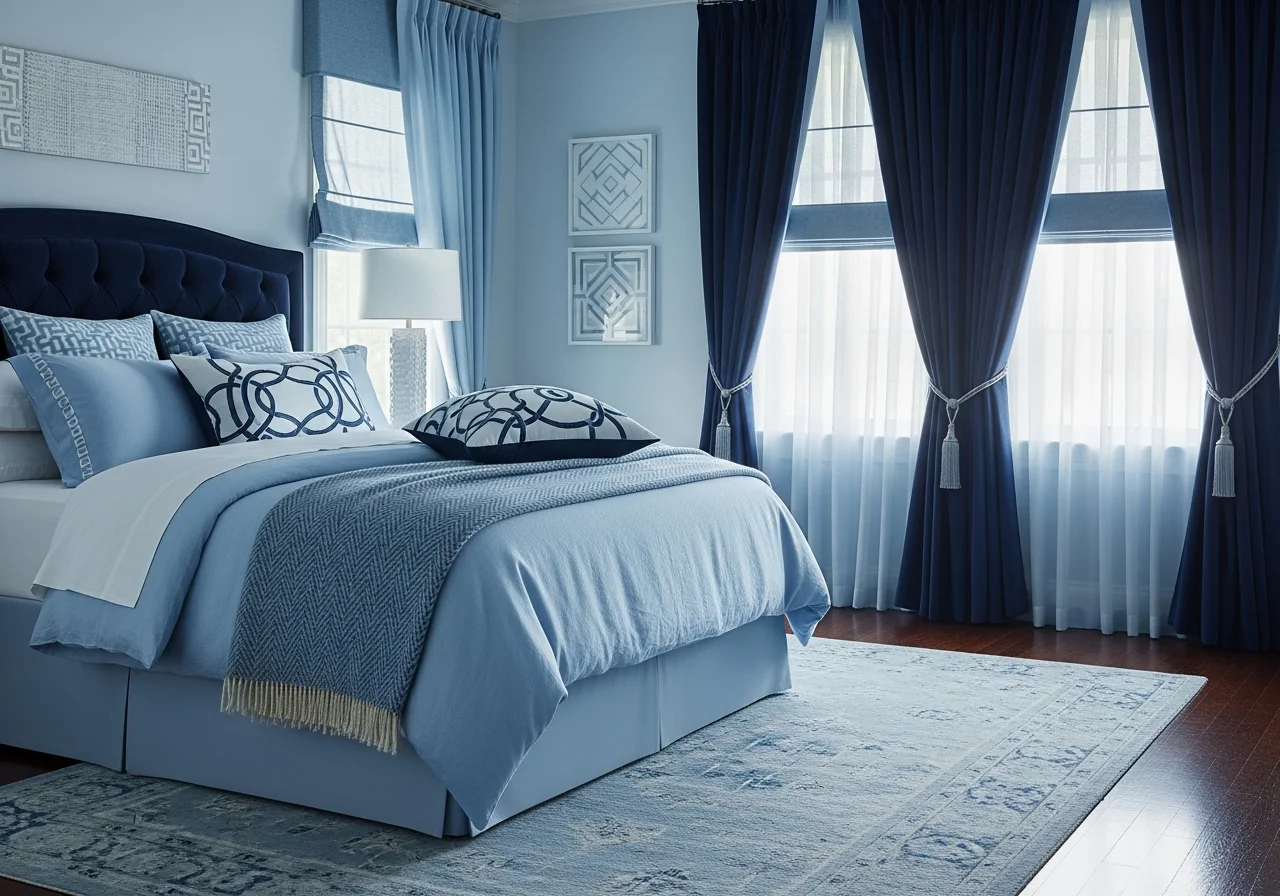
A monochromatic color scheme uses varying shades, tones, and tints of a single color to create a sophisticated, cohesive aesthetic. This approach demonstrates how powerful restraint can be in design, proving that limitation often breeds creativity rather than stifling it. Popular monochromatic bedrooms might be entirely white, various shades of blue, or graduated grays.
Creating visual interest within a monochromatic scheme requires thoughtful attention to value, texture, and pattern. Include light, medium, and dark versions of your chosen color to create depth and prevent monotony. Vary textures extensively, combining smooth and rough, shiny and matte, soft and firm surfaces. Subtle patterns, whether geometric or organic, add another layer of complexity without breaking the color unity.
The monochromatic approach creates a sense of calm and spaciousness, making it particularly effective in smaller bedrooms. The visual flow from one element to another, uninterrupted by competing colors, makes the space feel larger and more serene. This aesthetic suits those who appreciate refined simplicity and want their bedroom to feel like a cohesive, intentional retreat.
Nature-Inspired Organic Design
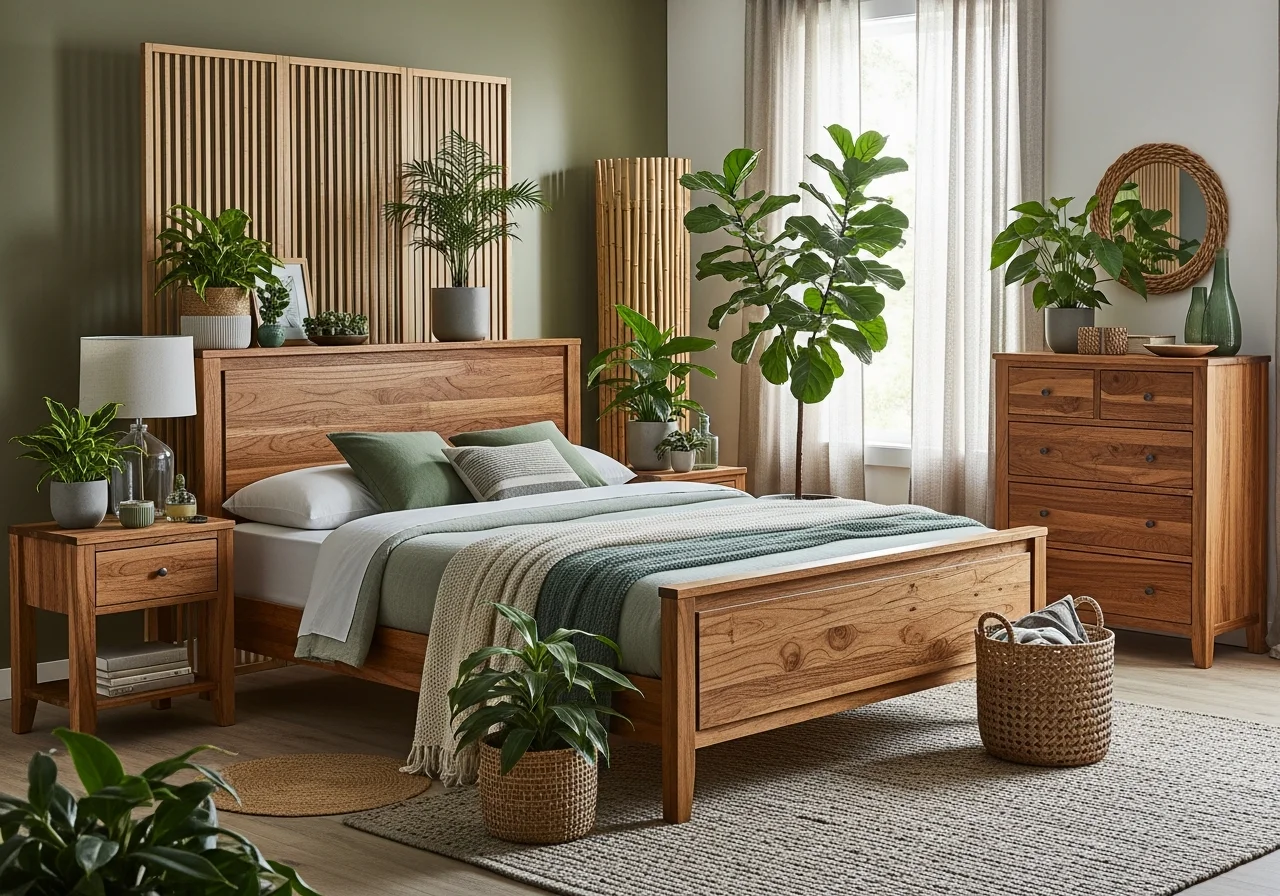
Bringing natural elements into your bedroom creates a connection to the outdoors and promotes a sense of calm groundedness. An organic aesthetic incorporates natural materials, earth-toned colors, and living plants to create a space that feels fresh, healthy, and inherently relaxing. This approach aligns with biophilic design principles, which recognize the human need for connection with nature.
Choose furniture made from natural materials like solid wood, bamboo, or rattan. These materials bring warmth and texture while often being more sustainable than synthetic alternatives. Your color palette should draw from nature, including greens, browns, soft blues, and warm neutrals that echo forests, earth, and sky.
Living plants are essential to this aesthetic, but their placement should be strategic rather than random. Consider a large floor plant in a corner to fill vertical space, a collection of smaller plants on a windowsill to catch light, or hanging plants to draw the eye upward. Plants not only look beautiful but also improve air quality and create a living, breathing quality in your space.
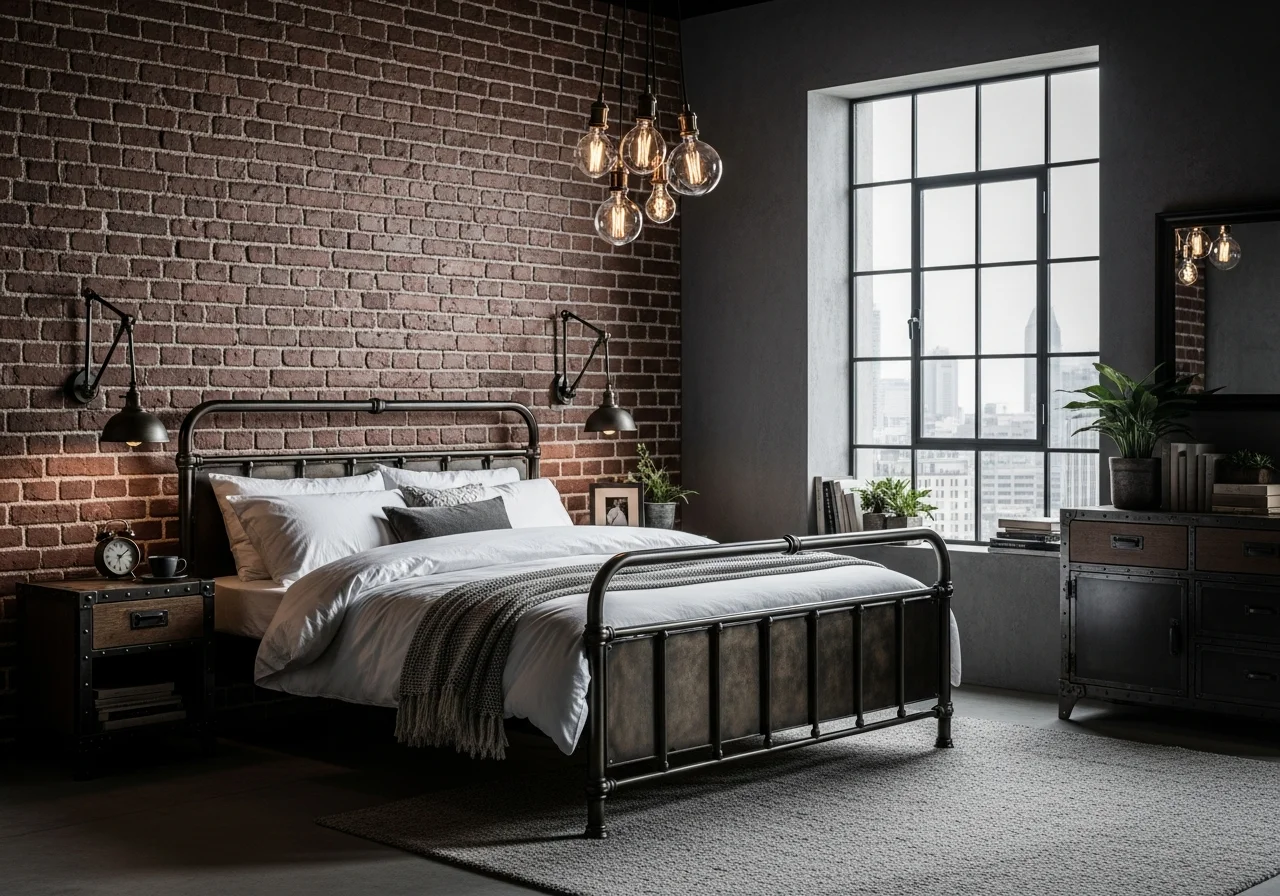
Industrial Edge Aesthetic
The industrial aesthetic brings raw, urban elements into the bedroom, creating a bold, contemporary space with character and edge. This style draws inspiration from converted lofts and warehouses, celebrating exposed materials, metal accents, and utilitarian design. While industrial spaces might initially seem cold, thoughtful execution creates surprisingly warm, inviting bedrooms.
Key elements include metal bed frames, exposed bulb lighting, brick or concrete wall treatments, and furniture with visible hardware and structural elements. The color palette typically centers on grays, blacks, and browns, with metal finishes in iron, steel, or brass. Rather than hiding functional elements like pipes or ductwork, industrial design celebrates them as aesthetic features.
Balance industrial hardness with soft textiles to create a livable space. Plush bedding, area rugs, and fabric window treatments add necessary warmth and comfort. The contrast between rough industrial elements and soft, cozy textiles creates visual and tactile interest that makes the space feel both edgy and inviting.
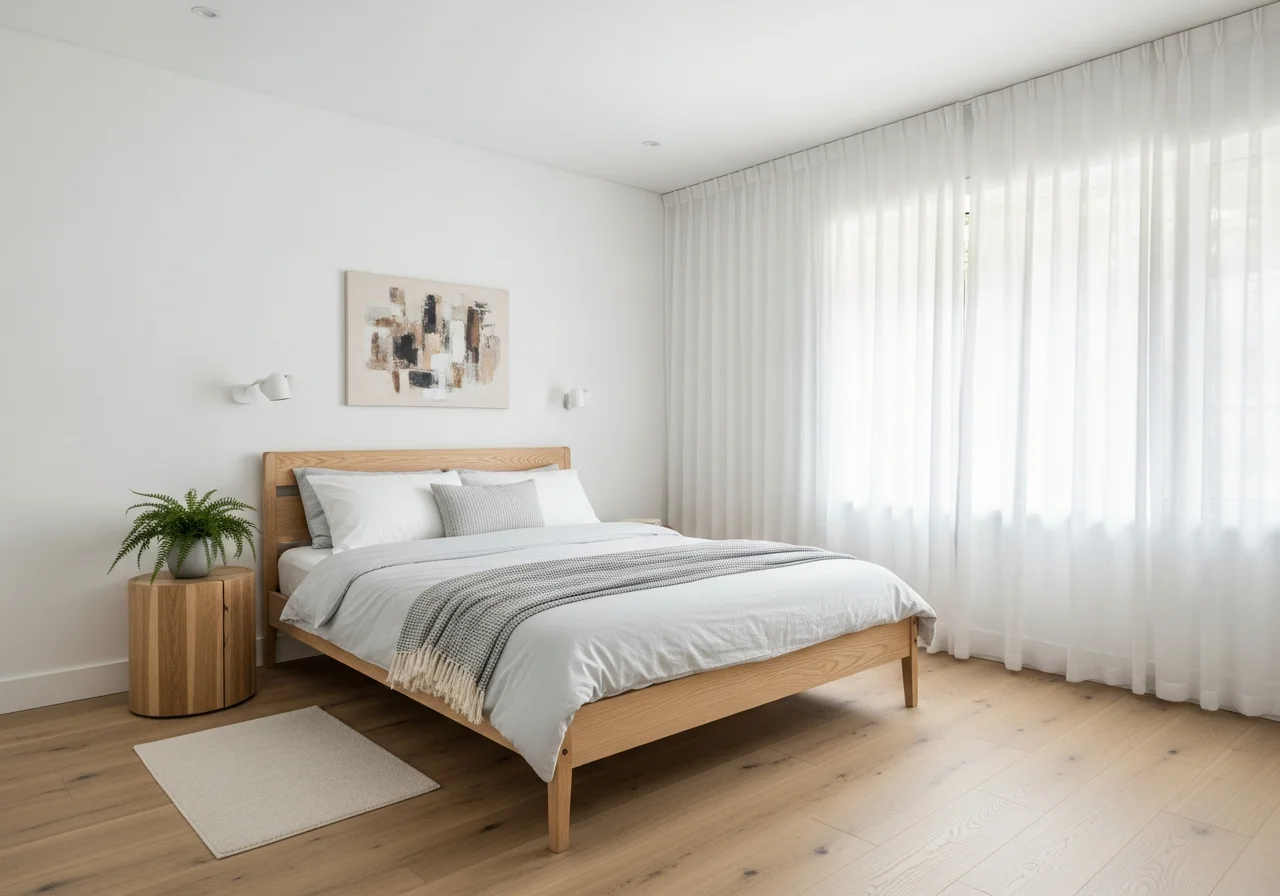
Scandinavian Simplicity
Scandinavian design philosophy emphasizes functionality, simplicity, and connection to nature, all while maintaining a sense of warmth and coziness known as hygge. A Scandinavian bedroom features clean lines, minimal decoration, and a light, airy quality achieved through white walls, natural light, and thoughtful space planning.
The Scandinavian color palette primarily uses white and light neutrals as a foundation, with occasional pops of muted color through textiles or art. Light wood, particularly pale oak or ash, appears throughout in flooring and furniture, adding warmth without heaviness. The overall effect is bright, spacious, and calming, particularly valuable in regions with limited natural light.
Despite its minimalist appearance, Scandinavian design prioritizes comfort and livability. Soft textiles, warm lighting from multiple sources, and carefully chosen decorative objects create an inviting atmosphere. The goal is a bedroom that feels uncluttered and peaceful while remaining genuinely comfortable and functional for daily life.
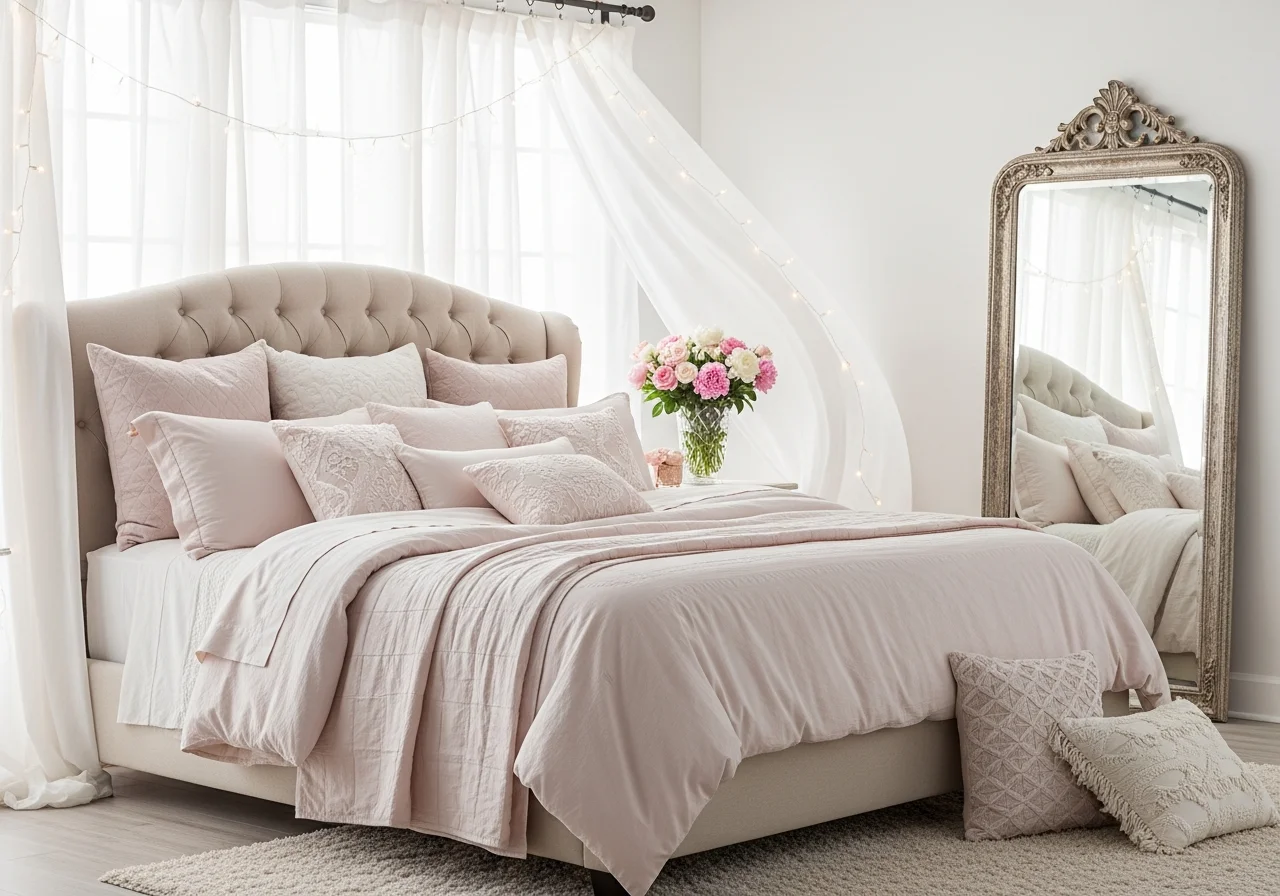
Romantic Soft Aesthetic
A romantic bedroom aesthetic creates a dreamy, feminine space through soft colors, delicate textures, and graceful details. This approach celebrates beauty, comfort, and a sense of gentle luxury. While often associated with traditionally feminine preferences, romantic design can be adapted to suit various tastes through color and material choices.
Soft pinks, lavenders, creams, and whites typically form the color foundation, though deeper jewel tones can create a more mature romantic aesthetic. Layered bedding with multiple pillows, flowing curtains, and plush area rugs contribute to the soft, enveloping feeling. Details matter significantly in romantic design, with elements like tufted headboards, crystal drawer pulls, or ornate mirrors adding refinement.
Lighting plays a crucial role in creating romantic ambiance. String lights, candles, or a vintage-inspired chandelier can transform the atmosphere, particularly in evening hours. Fresh flowers or quality artificial arrangements add life and beauty, reinforcing the romantic sensibility without requiring specific design knowledge.
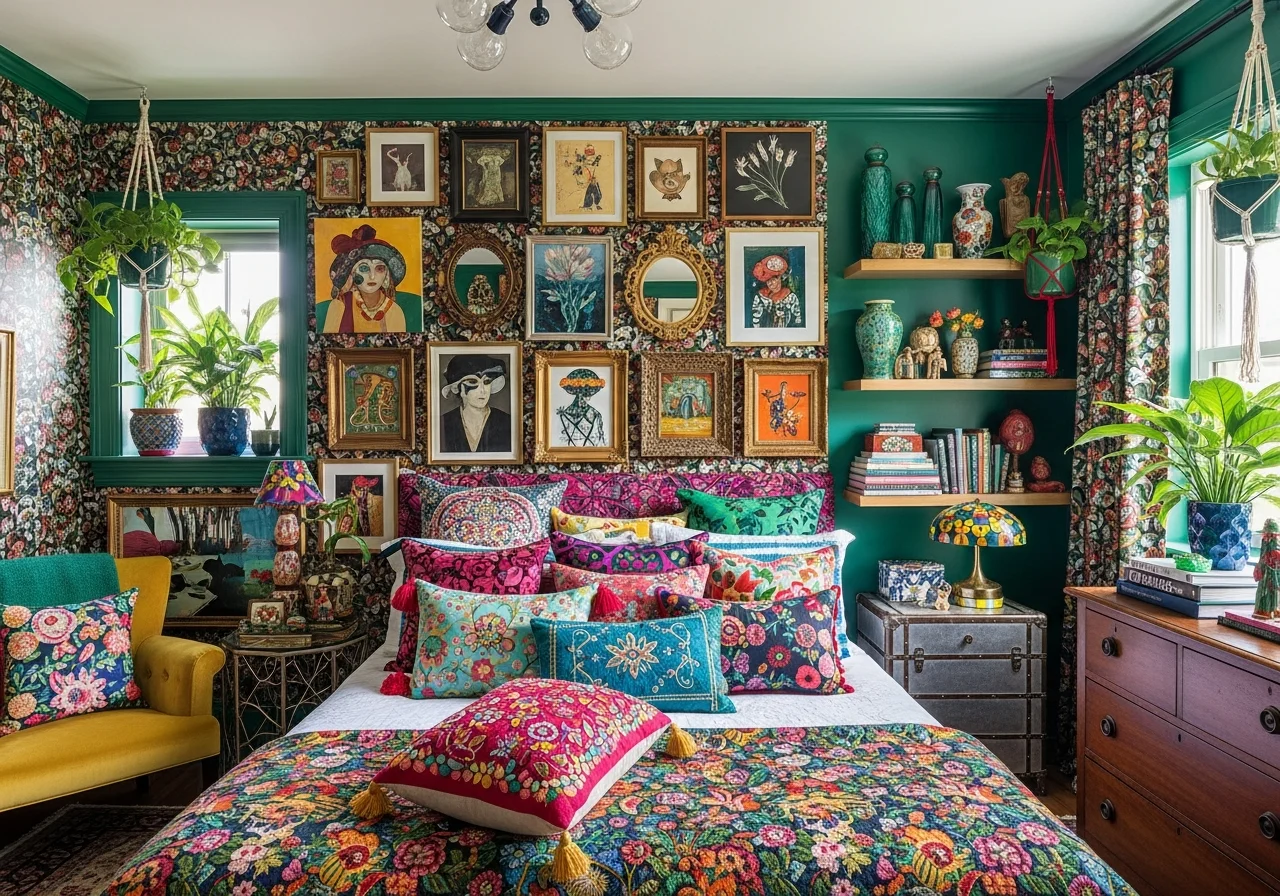
Bold Maximalist Expression
Maximalism embraces abundance, celebrating color, pattern, and personal collections in ways that conventional design often discourages. A maximalist bedroom makes a statement, filled with items that bring joy and tell stories. This aesthetic requires confidence and a willingness to break traditional rules, but the result can be a deeply personal, energizing space.
Begin with a cohesive color story, even if it includes many colors. Choosing a primary palette of three to five colors that appear throughout the space in various combinations creates unity despite abundance. Layer patterns fearlessly, mixing florals with geometrics, stripes with paisleys, ensuring colors tie them together.
Display collections and meaningful objects prominently rather than hiding them away. Gallery walls, open shelving, and decorative displays turn personal treasures into the room’s aesthetic features. The key to successful maximalism is intentionality. Every item should be there because you love it, not simply to fill space.
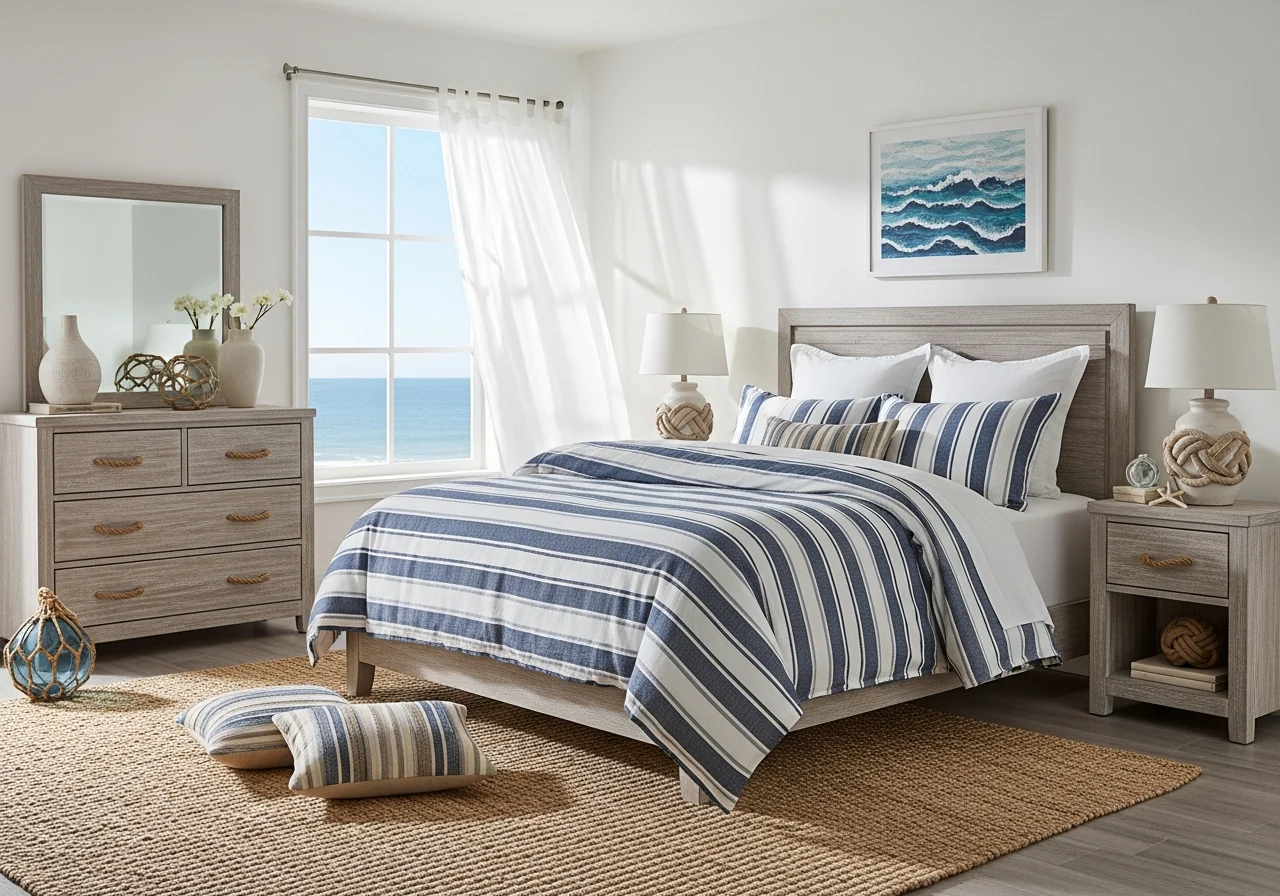
Coastal Breeze Serenity
Coastal aesthetic brings the relaxed, refreshing feeling of seaside living into your bedroom, regardless of your actual location. This style uses a palette of blues, whites, and sandy neutrals to evoke ocean, sky, and beach. Natural textures like weathered wood, woven materials, and linen fabrics reinforce the connection to coastal environments.
Incorporate coastal elements without relying on obvious beach-themed decor. Subtle nautical touches like rope details, stripe patterns, or shell collections work better than heavy-handed anchors and lifesavers. The goal is capturing the feeling of coastal living rather than creating a literal beach scene.
Light and airiness define coastal aesthetic. Keep window treatments minimal to maximize natural light. Choose furniture with light wood finishes or painted white. The overall effect should feel breezy, open, and inherently relaxing, like a perpetual vacation in your own home.
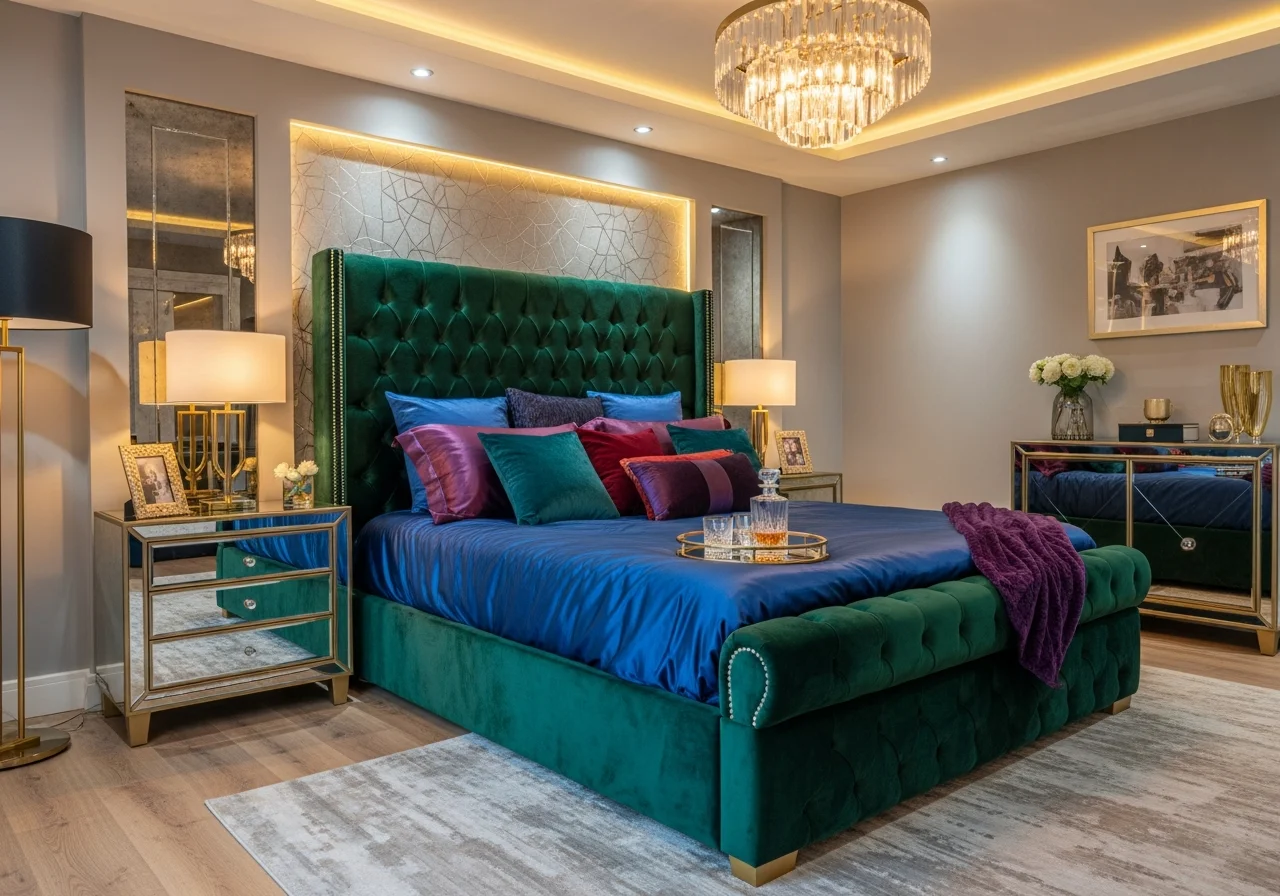
Modern Glam Luxury
Glam aesthetic celebrates luxury, drama, and sophisticated elegance through rich textures, metallic accents, and statement pieces. A glam bedroom feels indulgent and special, incorporating elements that might seem excessive in other contexts but work beautifully within this intentionally luxurious framework.
Key glam elements include metallic finishes in gold, silver, or rose gold, plush velvet or silk textiles, mirrored furniture, and crystal or glass accessories. Jewel tones like emerald, sapphire, and amethyst add richness and depth. Dramatic lighting fixtures, such as a chandelier or sculptural table lamps, serve as both functional elements and art pieces.
Balance glam opulence with restraint to avoid overwhelming the space. Choose a few statement pieces rather than filling every surface with sparkle. The most successful glam bedrooms feel luxurious and elegant rather than cluttered or overdone.
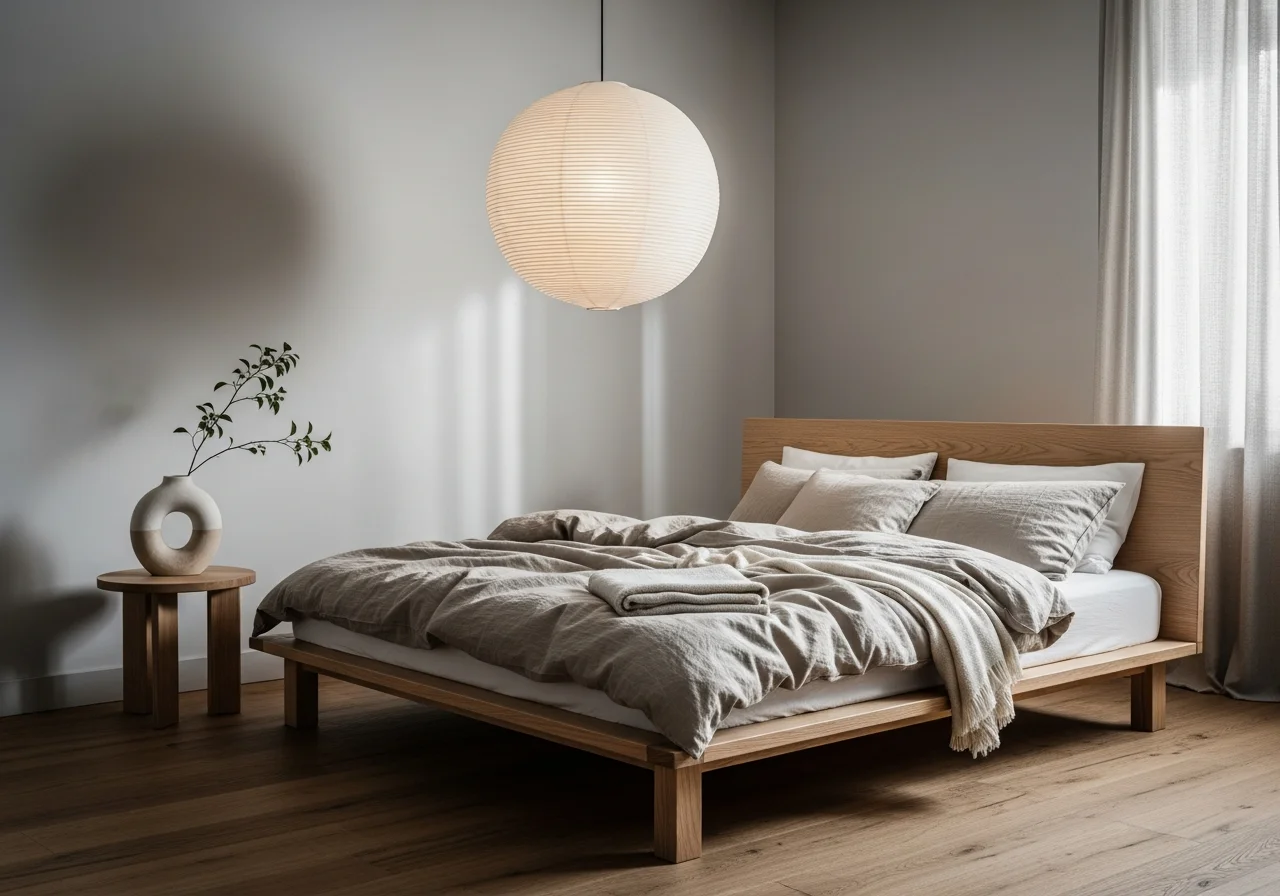
Japandi Fusion Balance
Japandi design merges Japanese and Scandinavian aesthetics, combining Japanese wabi-sabi philosophy with Scandinavian hygge principles. The result is a bedroom that feels simultaneously minimal and warm, functional and beautiful, simple and sophisticated. This increasingly popular aesthetic appeals to those seeking calm, intentional spaces.
Both Japanese and Scandinavian design emphasize natural materials, neutral colors, and functional simplicity. Japandi spaces feature low-profile furniture, clean lines, and careful curation of objects. The Japanese influence brings appreciation for imperfection and handcrafted items, while Scandinavian elements ensure coziness and comfort.
Create Japandi aesthetic through thoughtful material choices. Natural wood with visible grain, handmade ceramics, linen textiles, and paper lanterns all fit the aesthetic. The color palette remains neutral with occasional muted accent colors. Empty space is valued as much as filled space, allowing each element room to be appreciated.
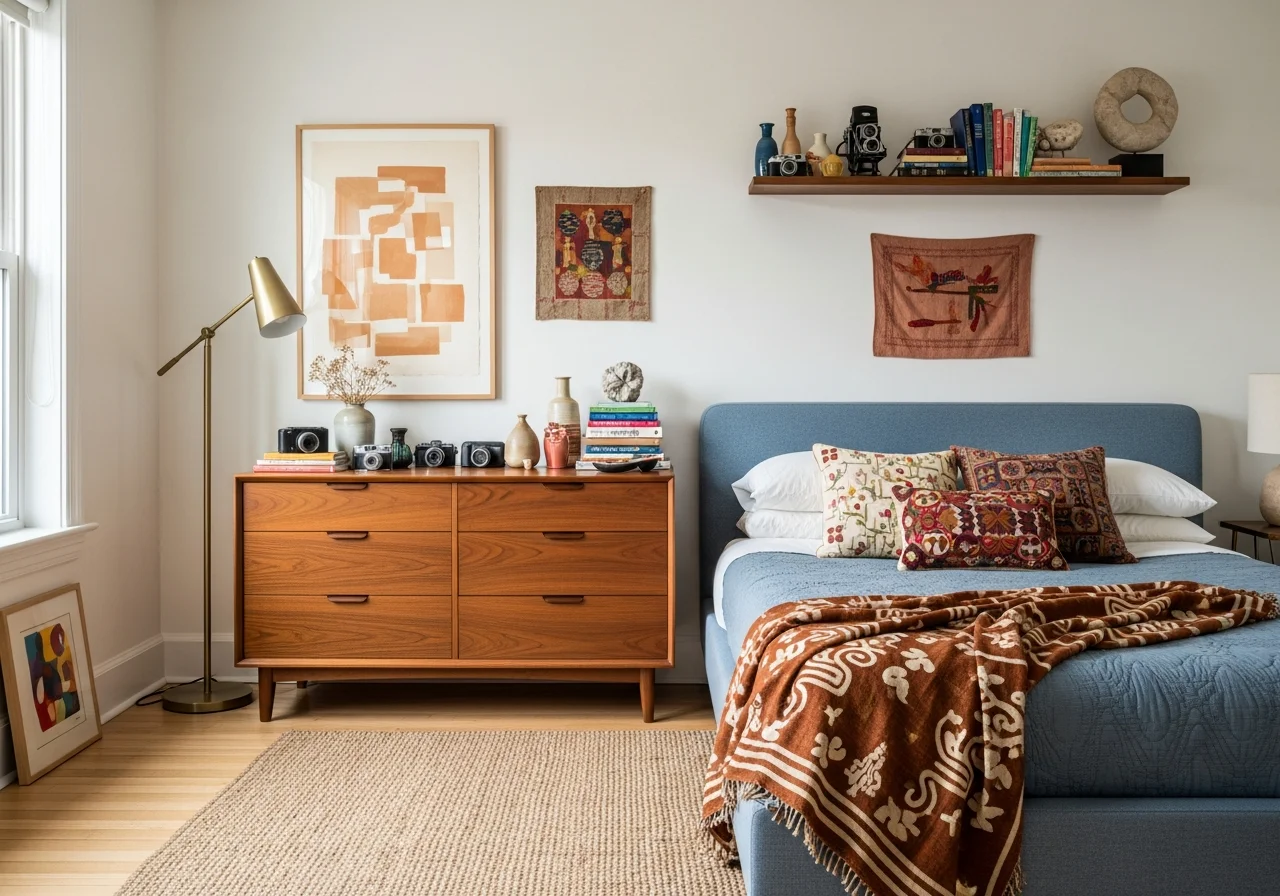
Eclectic Personal Curation
An eclectic aesthetic celebrates individuality by mixing various styles, periods, and influences into a cohesive personal expression. This approach requires confidence and a good eye but offers the most opportunity for genuine personalization. Your eclectic bedroom might combine vintage finds with modern pieces, global textiles with local art, inherited furniture with contemporary design.
The key to successful eclectic design is finding common threads that tie disparate elements together. This might be a consistent color palette, repeated materials, or a particular mood or feeling. Without these unifying elements, eclectic spaces can feel chaotic rather than intentionally curated.
Trust your instincts when building an eclectic bedroom. If pieces you love happen to come from different styles or periods, thoughtful arrangement and common color themes can make them work together beautifully. The result should feel collected over time, reflecting your unique perspective and experiences.
Conclusion
Creating an aesthetic bedroom setup is ultimately about designing a space that serves your needs while expressing your personal style. The fifteen approaches outlined here offer starting points and inspiration, but your perfect bedroom might blend elements from several aesthetics or take an entirely different direction based on your unique preferences and circumstances.
Remember that aesthetic bedroom design is not about achieving perfection or exactly replicating trending images from social media. The most successful bedrooms balance beauty with functionality, trend awareness with timeless principles, and external inspiration with internal intuition. Your bedroom should make you feel good every time you enter it, supporting your rest, reflecting your personality, and providing a genuine sanctuary from the outside world.
Start with one or two ideas that resonate with you, implement them thoughtfully, and allow your bedroom aesthetic to evolve naturally over time. Pay attention to how different changes make you feel, keeping what works and adjusting what doesn’t. With patience and intention, you’ll create a bedroom that’s not only aesthetically beautiful but also authentically yours.
Frequently Asked Questions
What is the most important element in creating an aesthetic bedroom?
Lighting is arguably the most important element because it affects how every other aspect of your room appears and feels. Good lighting includes multiple sources at different levels, combines ambient and task lighting, and can be adjusted for different times of day and activities. Even the most beautifully decorated bedroom will fall flat with poor lighting.
How can I create an aesthetic bedroom on a limited budget?
Focus on affordable high-impact changes like fresh paint, rearranged furniture, and DIY decor projects. Shop secondhand for unique vintage pieces, invest in quality bedding since it’s used daily, and use plants as inexpensive natural decor. Prioritize decluttering and organization, which costs nothing but dramatically improves any space’s aesthetic appeal.
Should I follow current aesthetic trends when designing my bedroom?
Use trends as inspiration rather than strict rules. Incorporate trending elements you genuinely love, but build your bedroom around timeless principles and your personal preferences. Trends change quickly, but your bedroom should remain a comfortable, functional space for years. A classic foundation with trendy accents offers the best balance.
How many decorative elements should an aesthetic bedroom include?
This depends entirely on your chosen aesthetic style. Minimalist bedrooms might have fewer than ten decorative items, while maximalist spaces could include dozens. The key is intentionality rather than quantity. Every decorative element should either serve a purpose, bring you joy, or contribute to the overall aesthetic vision.
Can I combine different aesthetic styles in one bedroom?
Absolutely. Many successful bedrooms blend elements from multiple aesthetics. The key is finding common threads like color palette, materials, or mood that tie different elements together. Eclectic and transitional styles specifically celebrate mixing different aesthetics. Trust your eye and adjust until the combination feels cohesive and intentional.